If you’re wondering what room size a 5,000 BTU air conditioner can handle in meters, here’s the direct answer: it’s designed for rooms between 9.3 and 14 square meters (100 to 150 sq ft).
Under favorable conditions — good insulation, no direct sun, minimal occupancy, you might stretch it to cover about 23 square meters (250 sq ft). But that’s a stretch, not a promise.
Here’s the conversion math so you can check your own space: 1 sq ft equals about 0.0929 square meters. So 150 sq ft works out to roughly 14 m², and 250 sq ft comes in around 23 m². A room that’s 3m by 4m, for example, is 12 m² — right in the Goldilocks zone.
The mistake I see most often is someone buying a 5,000 BTU unit for an open living-sleeping area around 20 to 25 square meters — a space that typically requires a 6,000 BTU or larger unit. The square footage on the box looks reasonable, but the unit runs constantly, never reaches the set temperature, and they end up frustrated.
Key Takeaways
A 5,000 BTU AC effectively cools 9.3–14 m². It can theoretically reach 23 m² under ideal conditions, but performance isn’t guaranteed outside the sweet spot.
Oversizing an AC creates a cold, clammy room and wears out the compressor faster due to short-cycling — a 6,000 BTU unit in a 10 m² room will feel more uncomfortable than a properly-sized 5,000 BTU unit.
The most common mistake is buying a 5,000 BTU unit for an open-plan or connected space; these units are strictly for single rooms, as walls and layouts block airflow.
Table of Contents
How to Measure Your Room in Meters
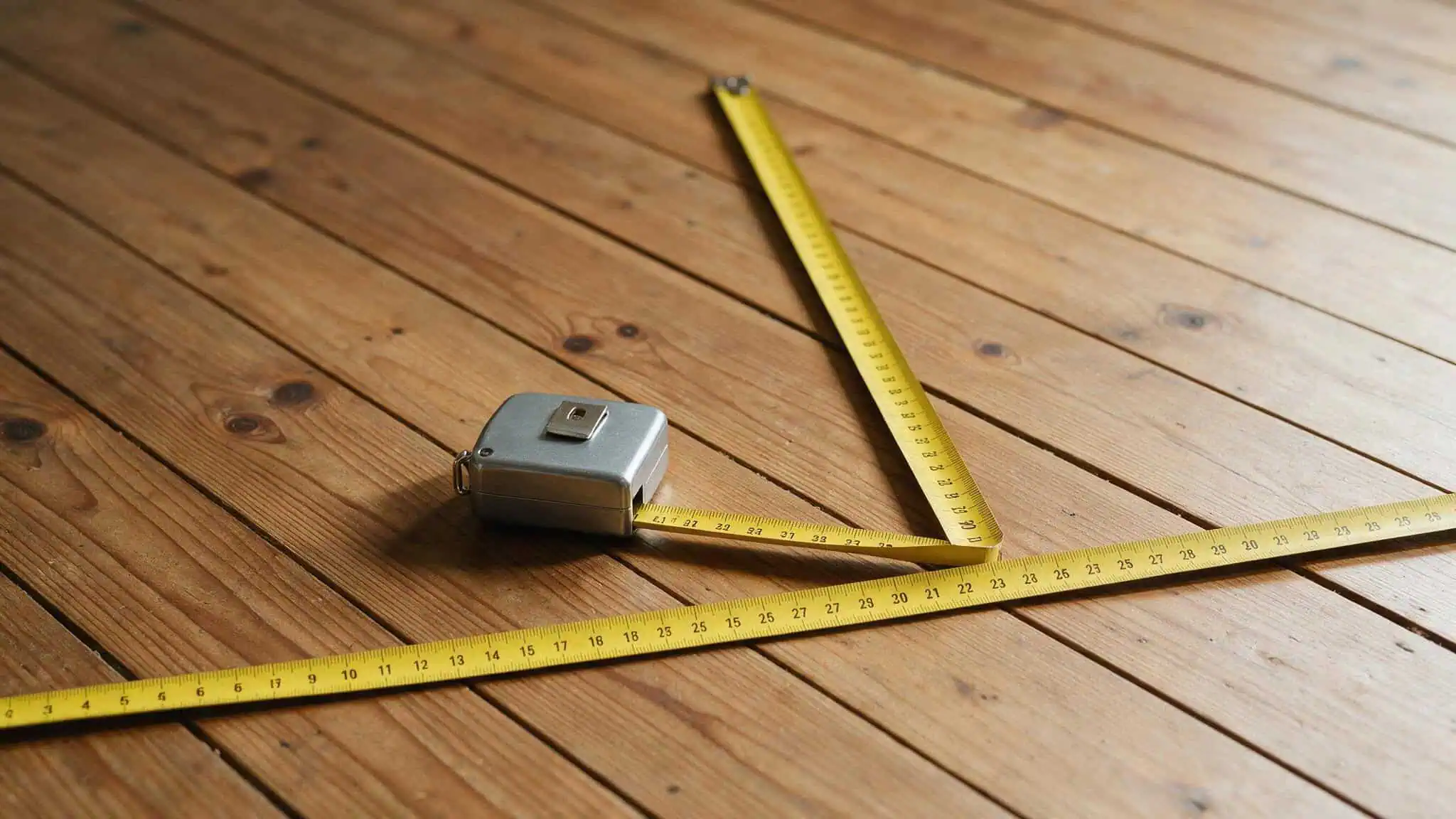
You don’t need a laser rangefinder or an app. A basic tape measure and a few formulas will get you an accurate number.
Quick test: Multiply your room’s length by width in meters. If the result is over 14, a 5,000 BTU unit is already undersized for that space.
Square and rectangular rooms. This is the easy one. Just multiply the length by the width in meters. A 3m × 4m room is 12 m². A 4m × 5m room is 20 m² — already pushing past the ideal range for a 5,000 BTU unit.
Triangular rooms. Got a weird attic space or an angled nook? Use this formula: (longest length × longest width at the widest point) ÷ 2. If that works out to about 9 m², you’re well within the 5,000 BTU’s capacity.
Complex and L-shaped rooms. Break them down into smaller rectangles and triangles. Calculate each piece separately, then add the totals together. This takes an extra minute but beats guessing.
Two adjacent rooms. If you’re cooling two connected spaces, measure each one individually and add the totals. For example, one room might be 3m × 3.35m (about 10 m²), and another is 2.44m × 3.05m (about 7.4 m²). That adds up to 17.4 m² — you’re bumping into 6,000 BTU territory.
The Adjustment Checklist
Two rooms can have the exact same floor area and need very different cooling power. Here’s what changes the math.

Sunlight exposure. If that west-facing window bakes in the afternoon sun, your AC is going to work a lot harder. Very sunny rooms need about 10% more BTUs. Heavily shaded rooms can handle about 10% less.
Occupancy. Every person beyond two adds 600 BTUs to your cooling needs. A home office with three people in it needs more power than the same room with one person.
Kitchens. Ovens, stovetops, fridges, dishwashers — they all dump heat into the room. Add 4,000 BTUs for a kitchen.
Ceiling height. BTU sizing depends on volume, not just floor area. Ceilings over about 2.4 meters increase the air volume you need to cool. That vaulted ceiling looks great, but it may force you to size up, since figuring out the right what size ac for bedroom involves a no-BS guide covering BTU math, room dimensions, ceiling height, sun exposure, and why bigger isn’t always better for a man’s sleep and performance.
Insulation quality. Poor insulation is like cooling your room with the window open. The cold air leaks out, and warm air seeps in. R-value measures insulation’s resistance to heat flow — higher is better.
Windows are weak points, so a room with many windows is harder to keep cool. Older homes, like many you’ll find in Denver, tend to be leakier than newer builds.
Climate and Geography
Generic guides say “consider your climate.” Let’s get specific.
In Pflugerville, Texas, summer temperatures push afternoon highs well into the 90s. The sun beats down, attics get hot, and upstairs rooms bake. A 5,000 BTU unit that’s perfectly fine for a similar-sized room in Seattle would struggle here in Pflugerville, Texas, where summer temperatures push afternoon highs well into the 90s. Strong afternoon sun, warm attic spaces, and upstairs heat buildup all add to the cooling load.
Denver presents a different challenge. The housing stock is older, insulation is often lacking, and temperatures swing wildly — hot afternoons can follow cool mornings. A 5,000 BTU unit may struggle in a Denver bedroom that measures fine on paper but leaks heat through drafty windows and poorly insulated walls.
If you’re in the South, Southwest, or anywhere with sustained summer heat, lean toward the upper end of the range or size up, especially when you need an 18,000 BTU air conditioner room size for master bedrooms with high ceilings, large windows, or hot climates — though most standard bedrooms don’t require this much power.
When to Size Up
So when do you need a 6,000 BTU unit instead? Here are the practical thresholds in meters:
- Up to 14 m² → 5,000 BTU
- Up to 23 m² → 6,000 BTU
- Up to 28 m² → 7,000 BTU
- Up to 32 m² → 8,000 BTU
If you’re above 14 m² (150 sq ft), start looking at a 6,000 BTU unit. Above 23 m², you’re firmly in 6,000–7,000 BTU territory.
But here’s the counterintuitive part: bigger isn’t always better, and here’s why.
An oversized AC cools the air too quickly, then shuts off before it has time to remove humidity — a 6,000 BTU unit in a 10 m² room will feel worse than a properly-sized 5,000 BTU unit. The result is a cold, clammy, damp-feeling room, often more uncomfortable than a slightly warm but dry room. That turning on and off repeatedly is called “short-cycling,” and it wears out the compressor faster. So, is 12000 BTU AC too big for a bedroom? A 6,000 BTU unit in a 10 m² room will feel worse than a properly-sized 5,000 BTU unit.
The undersizing problem is more straightforward: the unit runs constantly, never catches up on hot days, and your electric bill climbs sharply. The room never feels cool.
Proper sizing balances cooling power with humidity control. An undersized unit fails at cooling. An oversized unit fails at comfort. You want the one that does both.
Bottom line: If your room is 10 m², a 5,000 BTU unit will keep it cooler and more comfortable than a 6,000 BTU unit — because the smaller unit runs long enough to pull out the humidity.
Common Misconceptions (and Why They Cost You Money)
Myth: A 5,000 BTU AC can cool my whole apartment. No, it can’t. These units are designed for single rooms, not multiple connected spaces — walls, hallways, and room layouts can restrict airflow and reduce overall effectiveness. Walls, hallways, and layouts block airflow.
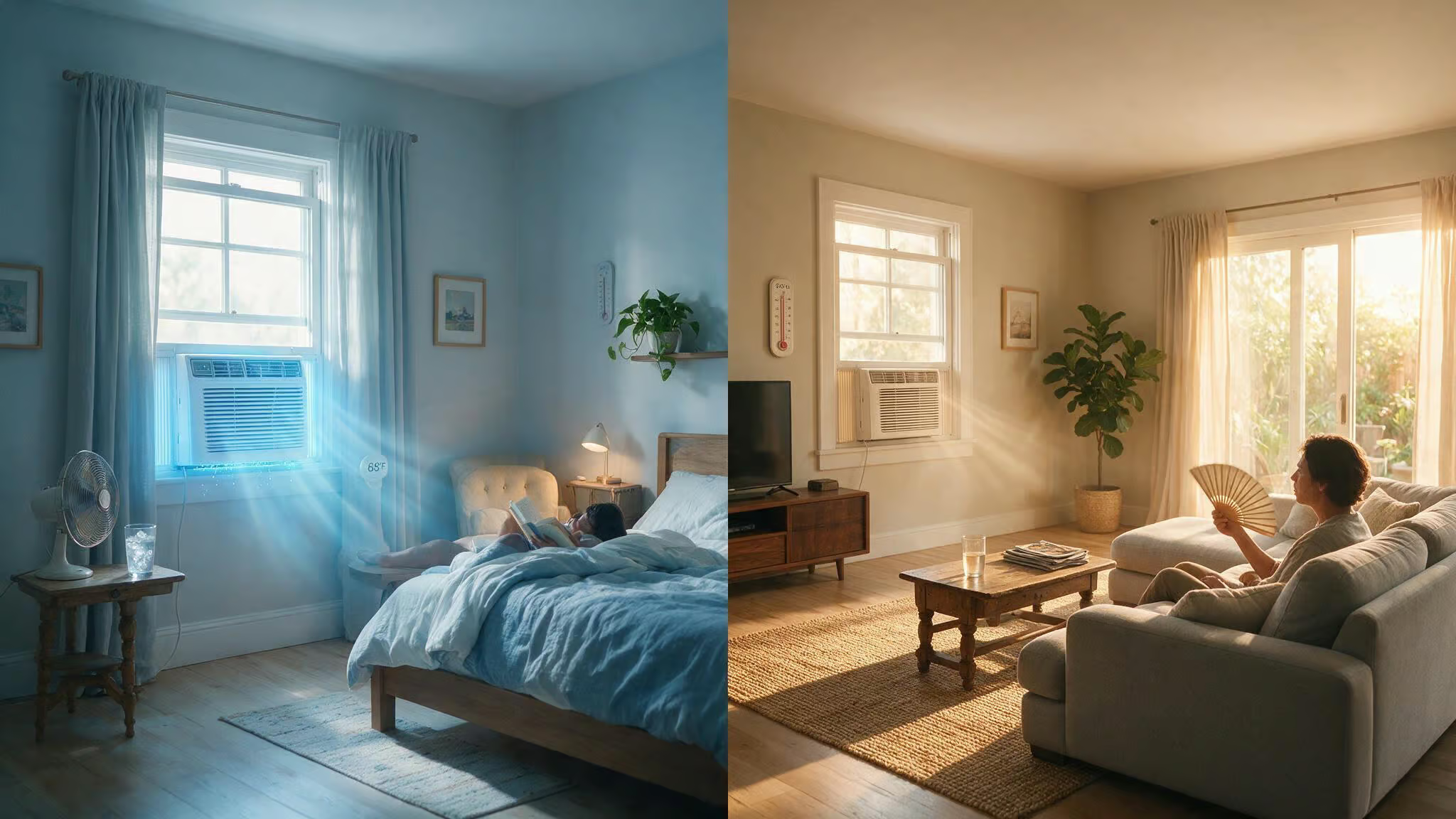
Even if the total square footage across your apartment adds up to 14 m², the physics doesn’t work for multiple connected rooms. Window units and portable ACs are single-room tools. Period.
Myth: “Bigger is always better.” As we covered above, oversizing creates humidity problems, costs more upfront, and wastes energy.
Myth: A 5,000 BTU unit is useless in hot climates. Not true. It’s effective for small, well-insulated rooms under 14 m² — even in places like Texas.
Practical Optimization for Small Spaces
Even the right-sized unit needs the right setup. Here are a few things that make a difference.
Condenser placement matters. Put the condenser on the north or east side of your building — the shadiest exposure. Direct sun on the condenser forces it to work harder, raising your costs and shortening its lifespan. Keep vegetation at least two feet away so it can breathe.
Use ceiling fans. Ceiling fans improve air circulation and let you set the thermostat 2–3 degrees higher with the same comfort level. Less strain on the AC, lower electric bill.
Refrigerant levels affect performance. An AC can lose 50% or more of its efficiency when refrigerant is low. That’s a maintenance issue, not a sizing issue, but it’s worth checking if your unit feels like it’s running constantly without cooling much.
Simple thing: make sure nothing is blocking the airflow around the unit. Curtains, furniture, and clutter all reduce efficiency.
Make the Right Call
Here’s the bottom line.
A 5,000 BTU air conditioner suits rooms between 9.3 and 14 square meters. That’s about 100 to 150 square feet. You can push it to 23 square meters under ideal conditions, but don’t count on it.
Measure your room. Run through the adjustment checklist — sunlight, occupancy, kitchen use, ceiling height, insulation quality. If your effective BTU need exceeds 5,000, don’t compromise. Size up to a 6,000 BTU unit.
Getting the size right is the difference between a comfortable summer and a frustrating, expensive one. The right unit doesn’t just cool the air — it manages humidity, runs efficiently, and actually shuts off when the room hits the right temperature.
For more guidance on sizing bedroom ACs correctly, check out our breakdown of what size AC for bedroom and whether a 12,000 BTU AC is too big for a bedroom.
Frequently Asked Questions
What are the dimensions of a 5000 BTU AC?
The dimensions vary by model, but a typical 5,000 BTU window unit is roughly 16–20 inches wide, 12–15 inches tall, and 12–18 inches deep. Always check specific product specs since sizing differs between brands.
Can a 5000 BTU air conditioner cool a living room?
Only if the living room is a single enclosed space under 150 square feet. These units are strictly for single rooms — walls, hallways, and open layouts block airflow, so they won’t effectively cool multiple connected areas.