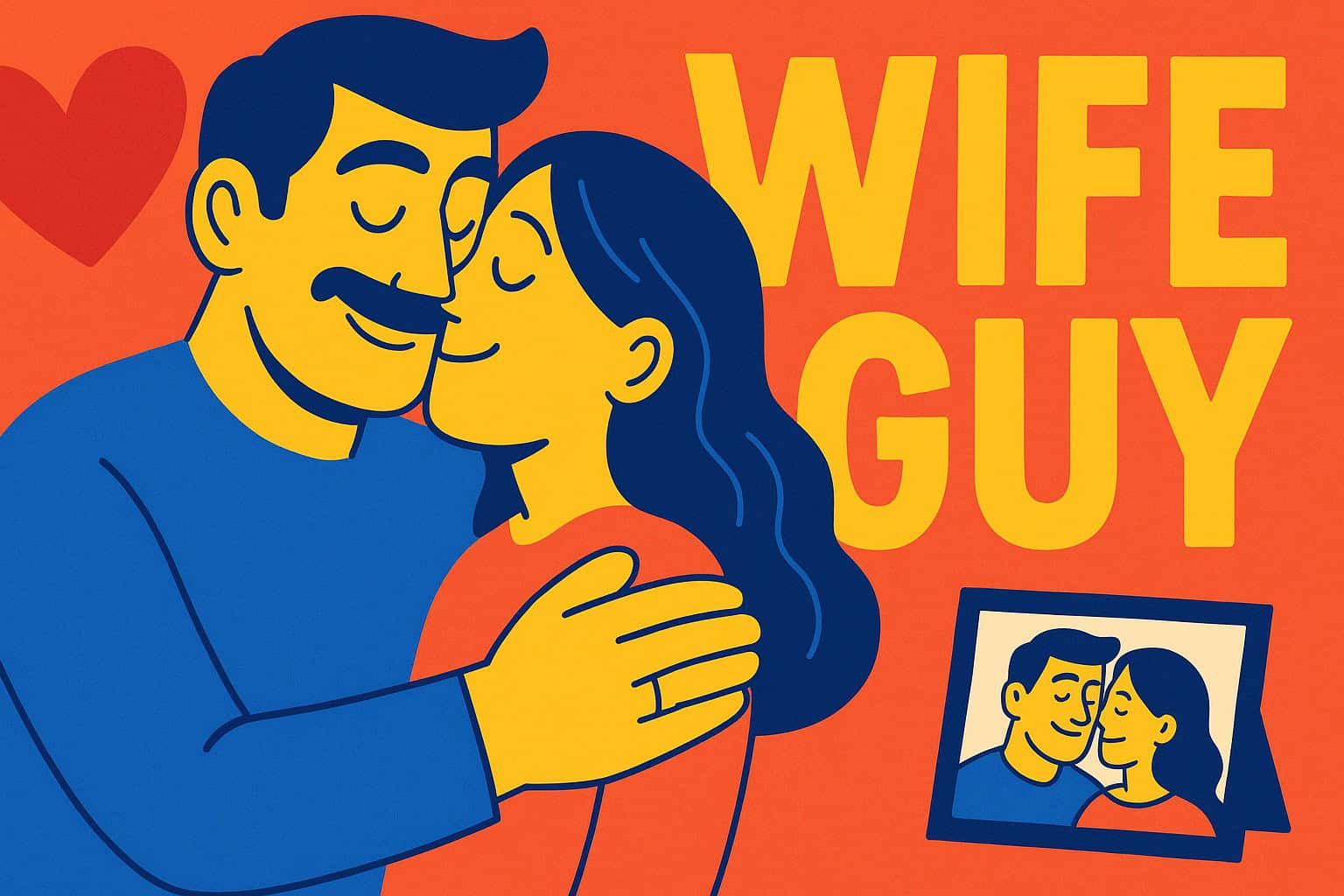
You’ve probably seen them all over social media, those guys who never stop posting about how amazing their wives are. The wife guy phenomenon started as something sweet but quickly turned into a cringe-worthy performance that makes people roll their eyes.
This post breaks down how these public displays of affection went from charming to suspicious and why so many famous wife guys ended up in scandals. Get ready for some uncomfortable truths.
Key Takeaways
Wife guys gained popularity in August 2017 by making their marriages the center of their personal brands and social media content.
Notable wife guy scandals include Ned Fulmer’s 2022 cheating scandal, Adam Levine’s flirty DMs, and John Mulaney’s sudden divorce.
Social media platforms amplified the phenomenon by rewarding relationship content with likes, shares, and monetization opportunities for creators.
The trend reflects changing masculinity and connects to the #MeToo movement as men distance themselves from toxic behavior patterns.
Public backlash grew as audiences recognized performative displays as calculated moves for social capital rather than genuine affection.
Table of Contents
What Does It Mean to Be a Wife Guy?

A Wife Guy makes his love for his spouse the center of his personal brand and public identity. These men flood social media with gushing posts about their marriage, turning their relationship into content that builds their reputation and attracts public adoration.
What Are the Key Traits of a Wife Guy?

The wife guy persona became popular on social media in August 2017. Men who fit this label share specific behaviors that make them stand out online.
- Constantly posts about his wife on social media platforms – He shares photos, stories, and updates about his marriage daily. His personal brand revolves around being the perfect husband who adores his wife publicly.
- Openly expresses love and admiration for his wife in public settings – He gushes about his spouse at parties, work events, and family gatherings. This public adoration often feels performative to observers.
- Makes his wife the center of his identity and reputation – His entire personality seems built around being married. He struggles to talk about himself without mentioning his wife or marriage.
- Faces criticism for being “whipped” or overly devoted – Other men mock him for prioritizing his wife’s needs above everything else. Society questions his masculinity because of his emotional expressions.
- Creates content that showcases his relationship as perfect – He posts romantic gestures, anniversary celebrations, and couple photos constantly. His email address might even reference his wife or marriage status.
- Receives mixed reactions from the public about his devotion – Some people find his love genuine and refreshing in modern relationships. Others view his behavior as fake or attention-seeking for social capital.
- Struggles with societal expectations about masculine behavior – He represents changing gender roles where men express emotions more freely. Critics argue that celebrating men for simply loving their wives sets low standards for male behavior.
- May engage in worshipping your wife—behaviors that seem excessive – His devotion sometimes crosses into territory that makes others uncomfortable. The line between genuine love and performance becomes blurred in his public displays.
Why Do People Find the Wife Guy Persona Appealing and Performative?

Public expressions of devotion by “wife guys” create idealized images that attract admiration from audiences everywhere. Men like Ryan Reynolds showcase their love through witty social media posts, making their relationships seem perfect and enviable.
This persona appeals because it shows a different side of masculinity, one that celebrates commitment rather than conquest. People crave authentic connections in a world full of fake interactions, and these displays feel genuine at first glance.
Social media amplifies the portrayal of these men, enhancing their public image and reputation beyond what traditional media could achieve.
The performative nature of their affection may fulfill societal expectations of masculinity while still appearing modern and progressive. Prince Harry’s constant praise of Meghan Markle exemplifies this balance perfectly.
Public admiration can overshadow any potential private shortcomings or inconsistencies, creating a protective bubble around these figures. The narrative caters to a desire for relatable, aspirational relationships that regular people want to emulate.
John Mulaney built much of his comedy career around loving references to his then-wife, creating a brand that felt both accessible and aspirational. The perceived authenticity of their commitment to their spouses becomes their calling card, even though the constant documentation suggests careful curation rather than spontaneous emotion.
The wife guy phenomenon represents our collective hunger for relationship goals in an age where genuine connection feels increasingly rare.
This appeal explains why overexposure eventually leads to public backlash against these figures.
The Rise of the Wife Guy

The Wife Guy phenomenon exploded across social platforms, turning ordinary husbands into internet celebrities overnight. These men built massive followings by showcasing their devotion through carefully crafted posts, viral videos, and public displays of affection that made millions swoon.
What Are Some Early Examples of Wife Guys in Popular Culture?

The “wife guy” phenomenon gained momentum during Trump’s first presidency, but its roots trace back earlier. Social media platforms turned ordinary husbands into viral sensations through their over-the-top displays of marital devotion.
- Robbie Tripp became the original “curvy-wife guy” after his Instagram post celebrating his plus-size wife went viral and sparked massive debate about performative love online.
- Ryan Reynolds perfected the celebrity wife guy persona through constant Twitter jokes about Blake Lively, turning their marriage into comedy gold and social media engagement.
- Prince Harry transformed from royal bachelor to ultimate wife guy, publicly defending Meghan Markle and reshaping his entire identity around their relationship.
- John Mulaney built his comedy career partly on wife guy material, crafting jokes about his marriage that made audiences love his devoted husband persona.
- Cliff-wife guy exploded across social platforms after filming his wife’s dramatic fall off a cliff, creating an accidental meme that defined viral relationship content.
- Celebrity couples on Instagram started the trend of husbands posting lengthy captions about their wives, turning personal moments into public performance art.
- Early YouTube vloggers documented their relationships obsessively, with male creators often centering their content around being the perfect, devoted partner.
- Reality TV shows featured men who made their entire personality about loving their wives, setting the stage for social media wife guys to follow.
How Has Social Media Amplified the Wife Guy Phenomenon?

Instagram, TikTok, and Facebook turned everyday husbands into public performers. These platforms made domestic moments shareable content, blurring the lines between private love and public display.
Guys started posting endless photos of their wives, crafting captions about how lucky they felt. Social media algorithms rewarded this behavior with likes, comments, and shares. Men discovered that showcasing their marriages could build personal brands and attract followers.
Platforms monetized these online personas, turning genuine affection into performative content. Ned Fulmer became famous partly through his constant wife praise on YouTube and social media channels.
Adam Levine built part of his image around being devoted to his wife, at least publicly.
Public expressions of love through posts and stories became the new normal for married men online. Social media amplified visibility of wives and domestic life in ways never seen before.
Men competed to show who loved their spouse most through elaborate posts and grand gestures. This trend connected with the #MeToo movement as men tried to distance themselves from toxic masculinity.
They positioned themselves as different, better, and more evolved compared to so-called ‘wifelovers.’ Social media trends turned normal relationship behaviors into exaggerated caricatures.
Celebrating men for simply loving their wives set incredibly low standards for male behavior. Morticia Addams and Gomez became relationship goals, inspiring modern couples to perform their love publicly online.
Social media made every husband think he needed to be a public relations manager for his own marriage.
The Fall of the Wife Guy

The Wife Guy’s golden era didn’t last long… and the crash was brutal. What started as charming devotion quickly turned into something that made people cringe, roll their eyes, and question everything they thought they knew about these seemingly perfect husbands.
Why Did Overexposure Lead to Public Backlash Against Wife Guys?
Social media turned every romantic gesture into content. Wife guys flooded platforms with constant posts about their amazing relationships. This endless stream of “look how much I love my wife” content grew tiresome fast.
People started seeing through the performance, recognizing these displays as calculated moves for likes and followers rather than genuine affection.
Over time, audiences grew skeptical of men who made their entire online identity about being the perfect husband. Critics began calling out how these guys exploited their relationships for personal gain and social capital.
Public displays of affection started looking like veils for deeper relationship issues. Men like John Mulaney and Ned Fulmer built massive followings on their devoted husband image, only to face brutal backlash during their scandals.
The gimmick became inauthentic, and people felt manipulated by what they now saw as fake performances designed to boost careers and social status.
What Are Some Notable Hypocrisy or Scandal Cases Among Prominent Wife Guys?

Wife guys often build their entire brand on being perfect husbands. Their public downfalls hit harder because fans feel betrayed by the fake image.
- Ned Fulmer from The Try Guys shocked fans with his cheating scandal in 2022. He built his career on loving his wife Ariel, then had an affair with a coworker and destroyed his reputation overnight.
- Adam Levine’s flirty DMs surfaced after years of praising his wife publicly. The Maroon 5 singer posted sweet family photos while secretly messaging other women behind the scenes.
- John Mulaney left his wife during her battle with addiction, then quickly moved on. He spent years joking about his stable marriage in comedy shows, then divorced and started dating Olivia Munn within months.
- These scandals prove that loud public displays often hide relationship problems. Men who constantly post about their wives might be overcompensating for guilt or issues at home.
- Fans get angry because they trusted these men’s authentic image. The betrayal feels personal since followers invested emotionally in their perfect husband persona.
- Critics now view excessive wife praise as a red flag for deeper issues. Many people assume that men who post too much about their relationships are hiding something suspicious.
- The pattern shows how social media creates fake versions of real relationships. These men performed happiness online while their actual marriages were falling apart behind closed doors.
- Public backlash grows stronger each time another wife guy falls from grace. Audiences become more skeptical of men who make their marriages their main selling point on social platforms.
Why the Wife Guy Craze Matters

The Wife Guy phenomenon reveals something deeper about modern masculinity and social media culture. Men now use their relationships as personal brands, turning love into content that generates likes, follows, and social status.
How Does the Wife Guy Reflect Changing Gender Roles and Performative Relationships?

The wife guy phenomenon shows how modern masculinity has shifted toward valuing emotional expressions in relationships. Men now feel pressure to publicly display their love and devotion, breaking away from traditional stoic male roles.
This trend connects directly with the #MeToo movement, serving as a response to toxic masculinity that dominated previous generations. Social media platforms amplify these displays, turning private moments into public performances.
Men compete to show who loves their wife most, creating a new form of masculine identity based on relationship status rather than career success or physical strength.
These public love declarations often become performative rather than genuine expressions of affection. The internet blurs lines between private and public spheres, making authentic intimacy harder to distinguish from calculated content creation.
Celebrating men solely for loving their wives sets dangerously low standards for male behavior, suggesting basic respect deserves praise. This narrative also critiques societal pressures on women to compete for desirability and beauty, as wives become trophies in their husbands’ social media presence.
Many couples I’ve observed struggle with this balance, finding their real relationship dynamics affected by the need to maintain their online image as the perfect loving partnership.
What Is the Connection Between Love, Identity, and Social Capital in This Context?

Social media transforms love into currency. Wife guys understand this trade-off perfectly. They showcase their devotion to build personal brands and gain followers. Each anniversary post, each loving tribute, each public declaration adds to their social capital.
Critics argue that the wife guy trope may hide deeper personal issues and ulterior motives. These men craft their identity around being the perfect husband. Their entire online presence revolves around this single trait.
Public admiration can overshadow any potential private shortcomings or inconsistencies. Men who master this persona gain respect, book deals, speaking opportunities, and brand partnerships.
Love becomes performance art. Identity gets reduced to a single relationship dynamic. Social media amplifies the portrayal of these men, enhancing their public image and reputation.
The narrative caters to a desire for relatable, aspirational relationships. Authentic feelings get mixed with calculated content creation. Many guys discover that their worth gets measured by how well they perform devotion online.
Will the Wife Guy Make a Comeback in 2025?

The wife guy might stage a comeback in 2025, but society’s views on public affection are shifting fast. Men who once celebrated their marriages online now face skepticism about their motives.
Changing societal attitudes could create space for authentic relationship content, though audiences have grown wary of performative displays. Social media platforms continue rewarding engagement, which means genuine husband content could find new life if creators focus on real moments rather than staged perfection.
Critics will likely scrutinize any resurgence of the wife guy trend, especially after scandals involving figures like John Mulaney and Adam Levine damaged the concept’s reputation.
The connection between love, identity, and social capital remains strong, but men must navigate this space more carefully than before. Authenticity becomes the key differentiator, as audiences can spot insincerity from miles away.
Those who attempt a comeback will need to prove their content serves relationships rather than personal brand building, making the path forward challenging but not impossible.
People Also Ask
What exactly is a “wife guy” on social media?
A wife guy is a man who builds his online brand around constantly praising and showcasing his wife. These men post endless tributes, photos, and stories about their marriages to gain followers and social media fame.
Why did wife guys become so popular initially?
Wife guys gained popularity because they seemed refreshing in a world full of toxic masculinity online. People loved seeing men who appeared genuinely devoted to their partners, and these posts often went viral for their wholesome content.
What caused the fall from grace for many famous wife guys?
Many wife guys fell from grace when scandals revealed their public personas were fake. Some got caught cheating, others showed controlling behavior, and several faced accusations of using their wives for clout without genuine respect.
Why do people now find wife guy content cringe?
The constant over-the-top declarations feel performative rather than authentic. Audiences grew tired of the repetitive content and began questioning whether these displays were genuine love or just attention-seeking behavior for social media engagement.
References
https://www.forbes.com/sites/traversmark/2025/03/18/3-reasons-why-the-wife-guy-narrative-is-a-lie-by-a-psychologist/ (2025-03-18)
https://therapytips.org/articles/a-psychologist-unpacks-the-wife-guy-persona (2025-03-25)
https://www.theatlantic.com/family/archive/2025/06/wife-guy-defense/683083/
https://www.mother.ly/news/celebrity-news/what-is-a-wife-guy/
https://pittnews.com/article/189929/opinions/editorial-misogyny-to-maturity-through-the-rise-of-wife-guys/ (2024-09-20)
https://www.chumplady.com/the-rise-and-fall-of-wife-guys/
https://awardsforgoodboys.substack.com/p/the-fall-of-the-wife-guy
https://subjectifymedia.com/ted-lasso-season-3-episode-3-review/ (2023-03-29)
https://www.vulture.com/2018/02/crazy-ex-girlfriend-best-songs-ranked.html
https://dailyplateofcrazy.com/2015/06/25/over-50-unemployed-depressed-and-powerless/ (2015-06-25)
https://www.nytimes.com/2019/06/05/arts/internet-wife-guy-robbie-tripp.html