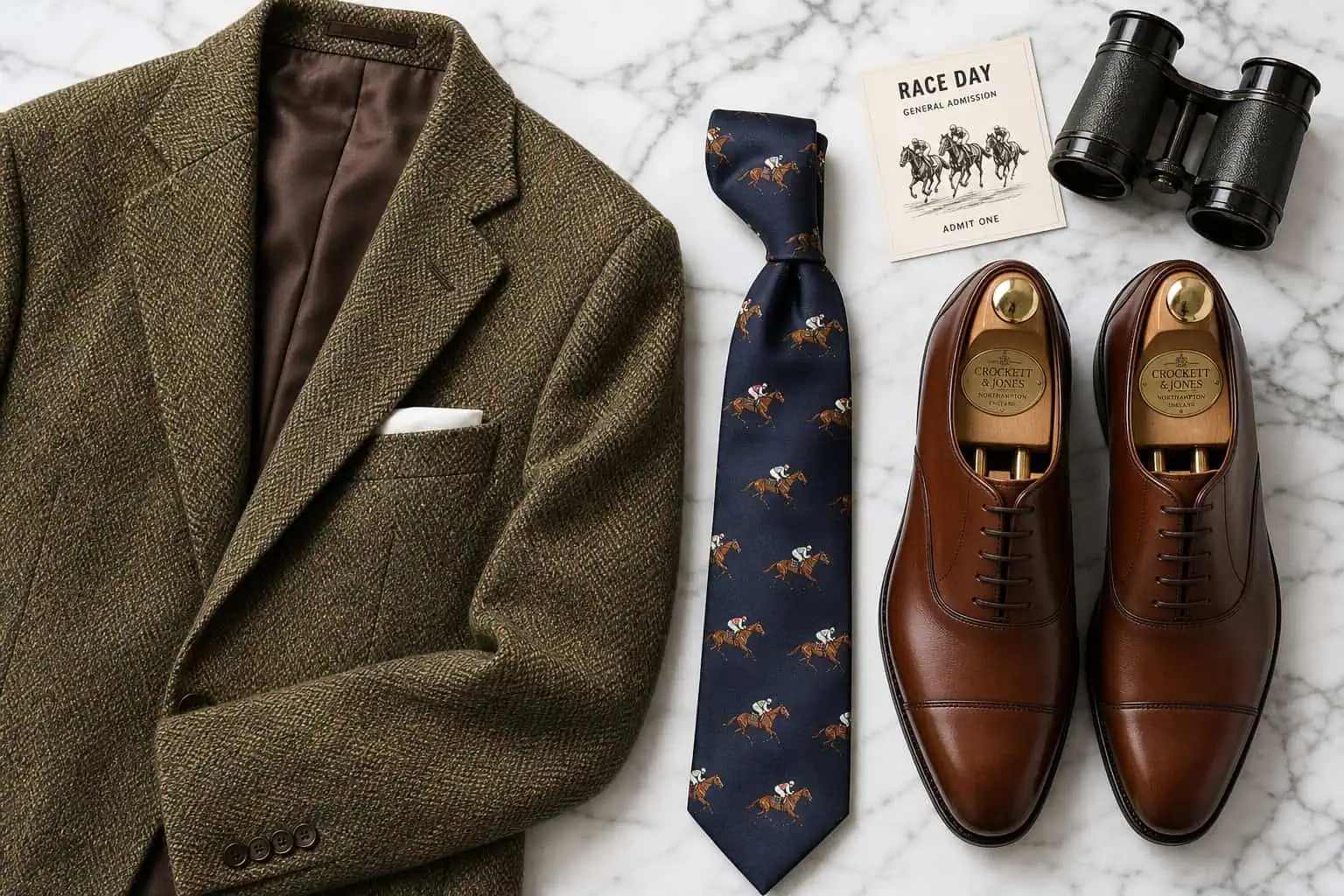
You buy a ticket, you lay out a suit, and you naturally assume you’re ready for the track. But what to wear to a horse race isn’t about playing aristocratic dress-up. It’s a tactical exercise in terrain navigation, weather endurance, and strict gate compliance.
At Unfinished Man, we look at track attire not as a high-society fashion show, but as an exercise in enclosure compliance. Walking a hundred feet from a general admission grandstand to an upscale clubhouse requires different sartorial clearance. Your ticket tier dictates your clothes down to the square inch. Check your specific ticket tier on the venue’s official website prior to the event to verify enclosure rules. Confirm specific gate attire requirements to avoid entry refusal or footwear malfunctions caused by unpaved terrain.
Key Takeaways
Gate stewards enforce strict mathematical compliance for elite entries, demanding a minimum strap width of 1 inch for dresses and a 4-inch minimum diameter for hats.
Footwear choices must negotiate precise track topography, making block heels and sturdy lace-up Oxfords superior to thin stilettos and banned sneakers.
Men’s tailoring pivots on the seasonal calendar, substituting heavy winter tweeds for breathable seersucker or linen to survive summer flat races.
Table of Contents
Venue and Enclosure-specific Dress Variances
A racecourse isn’t a monolith with a single dress code. It operates as a micro-geography of segmented rules. If you’re standing in the Main area at Santa Anita Park, the sprawling public sections permit Casual attire like jeans and lightweight shirts. But walk just fifty feet toward their private clubhouses, and the santa anita race track dress code shifts, throwing up a barrier to entry that demands a tailored sport coat.
British tracks enforce these borders more aggressively. Within Ascot Racecourse, stepping through the Windsor Enclosure leaves things loose with strong “recommendations,” but the moment you migrate toward higher tiers, sartorial jurisdiction flips. You’re no longer dressing for what looks good; you’re dressing to satisfy a specific gate steward at a specific tier.
Men’s Horse Racing Dress Codes
Getting dressed for the track means understanding the minimum barrier to entry at your specific gate. Substitute formal wear will trigger admission failure at elite security checkpoints, so locking down the men’s basics is non-negotiable.
Collared Shirts
The traditional button-up shirt is the uncompromisable base layer for getting past the gates. Outside of general admission grass fields, a woven shirt featuring a standard collar and cuffs is your passport. Even on punishing summer days when a jacket requirement is waived due to heat, a collared men’s shirt remains the structural minimum to separate track-approved smart dress from inadmissible casual wear.
Lounge Suits
The Lounge Suit remains the required attire for general track-side events. Punishing mid-summer Flat races and hot-weather racing events like the Kentucky Derby demand breathable Seersucker or linen blends to prevent severe heat exhaustion in the grandstands. Conversely, winter Jump events demand thermal insulation, making a heavy Tweed fabric the historically bulletproof standard. Experiment with colors like pastels, but adhere to material weights of seersucker or linen for summer and tweed for winter.
Morning Suits and Elite Protocols
If you hold a ticket to the Royal Enclosure, a Morning Suit isn’t a stylish suggestion—it holds legal status. Standard lounge suits will trigger gate rejection. The rigid tier-one protocol demands a specific tailcoat matched flawlessly in gray, black, or navy, accompanied directly by matching trousers and a designated waistcoat. Because this specialized suit is an unrealistic purchase for most guys whose typical racing involvement goes no further than checking Preakness horse racing odds predictions, renting is standard operating procedure.
“Your ticket tier dictates your clothes down to the square inch.”
Neckties and Cravat Bans
For a standard track day, leaving the collar slightly open is fine. But as venue prestige climbs and you focus on dressing like a winner, you must tie a standard straight tie before reaching the gate. Novelty rules specifically target alternative formal wear in elite enclosures. If you’re aiming for the Royal Enclosure at Ascot, traditional equivalents like bow ties and cravats are explicitly banned.
Pocket Squares
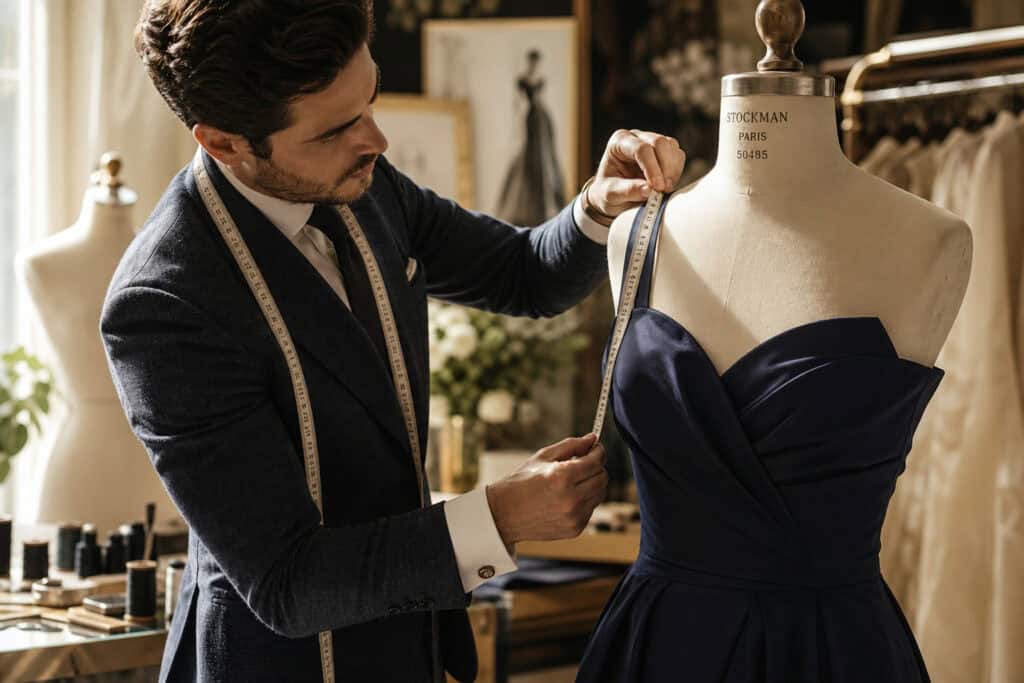
A coordinated pocket square is the most budget-friendly way to inject personalized style without spending a fortune, easily adapting a rented suit to specific venue aesthetics. Just coordinate the finish with your tie’s color palette to instantly elevate a basic rental for prestigious tiers like the Royal Enclosure. But you’ve got to read the room carefully. Introducing novelty items, such as cartoon prints, can lead to immediate admission refusal at the gate.
Mandatory Socks and Novelty Rules
Venue rules penalize exposed ankles. Wearing Formal Footwear without visible socks risks breaching track etiquette. Beyond basic compliance, wearing long socks is a necessity to prevent blistering inside heavy dress leathers over long walking days. As always, keep the patterns classic in line with traditional masculine dressing advice—character prints will get you bounced.
Formal Leather Lace-ups
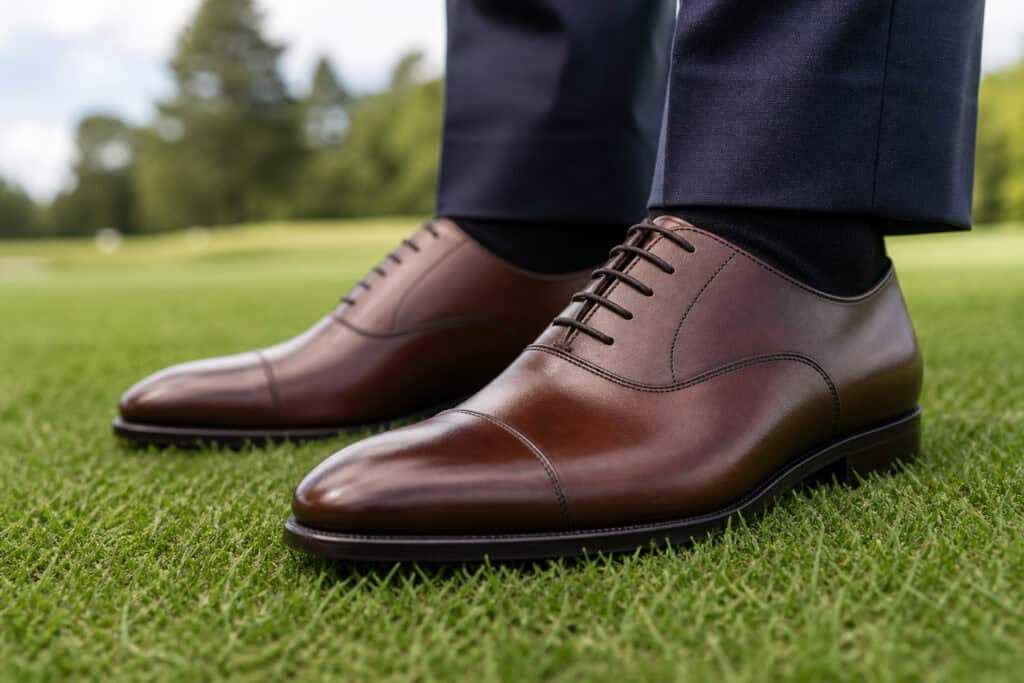
Athletic trainers, clean gym shoes, and open-toed sandals face a strict, universal ban at any ticketed track enclosure. Classic Derby shoes or traditional Oxford Lace-ups represent the baseline footprint for track survival. Royal tiers mandate black shoes, while standard enclosures widely tolerate dark brown variants.
Tailored Overcoats for Jump Races
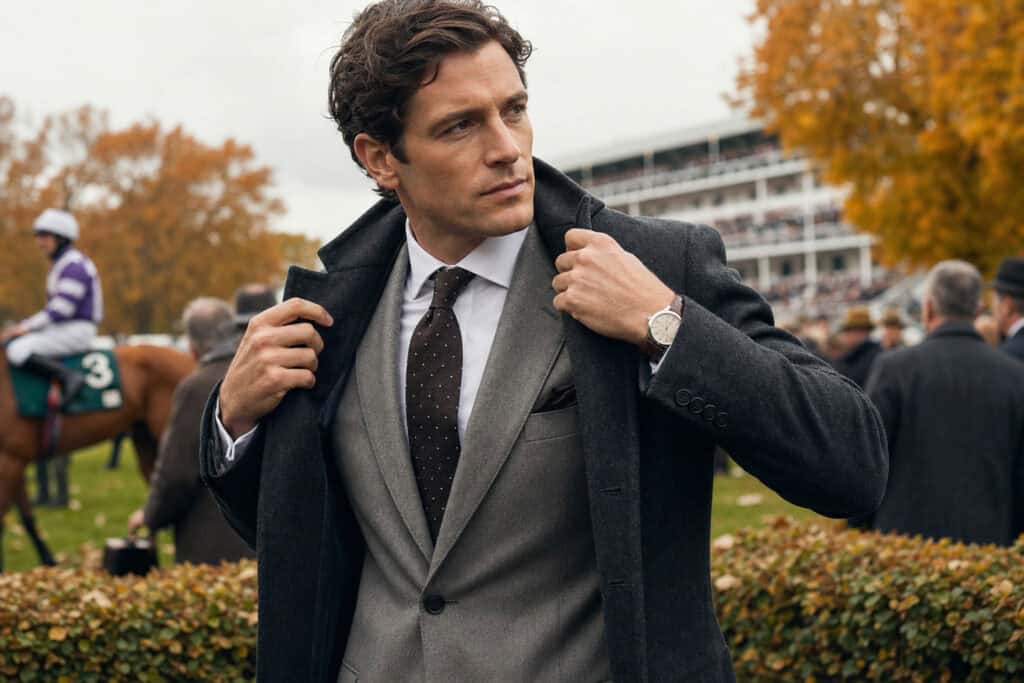
Winter track events are freezing, but letting casual outerwear ruin a formal silhouette is a cardinal track sin. Throwing a bulky puffer jacket over a smart suit will get you rejected at the gate. Layer a structured, properly framed tailored overcoat across your shoulders, coordinating the structural wool with a plain-colored scarf to negotiate the dropping temperatures.
Women’s Horse Racing Dress Codes
Womenswear at the track offers broader creative freedom, but gate stewards police these boundaries with rigid precision. Navigating the stylish tiers at the Del Mar Thoroughbred Club or strict European circuits requires knowing what the dimensional rules allow.
Dresses and Dimension Rules
A dress requires a strap width of exactly 1 inch or wider to safely bypass enclosure stewards. Uncovered shoulders, exposed midriffs, and sheer fabrics are penalized. Ensure the hemline finishes above the knee or lower to guarantee entry.
Full-length Trouser Suits and Jumpsuits
When opting for dynamic classy horse racing outfits for ladies, structural parity is critical. A modern trouser suit demands identical fabric and tone pairings for both the top and full-length bottom. Ever since Ascot’s official 2017 decree formally accepted them into the Royal Enclosure, jumpsuits have become a legitimate formal staple. Yet, if you decide on a one-piece jumpsuit or opt to wear a skirt, you’re directly shackled to the exact same knee-length hemline policing that governs traditional dresses.
Proper Headcoverings and Fascinators
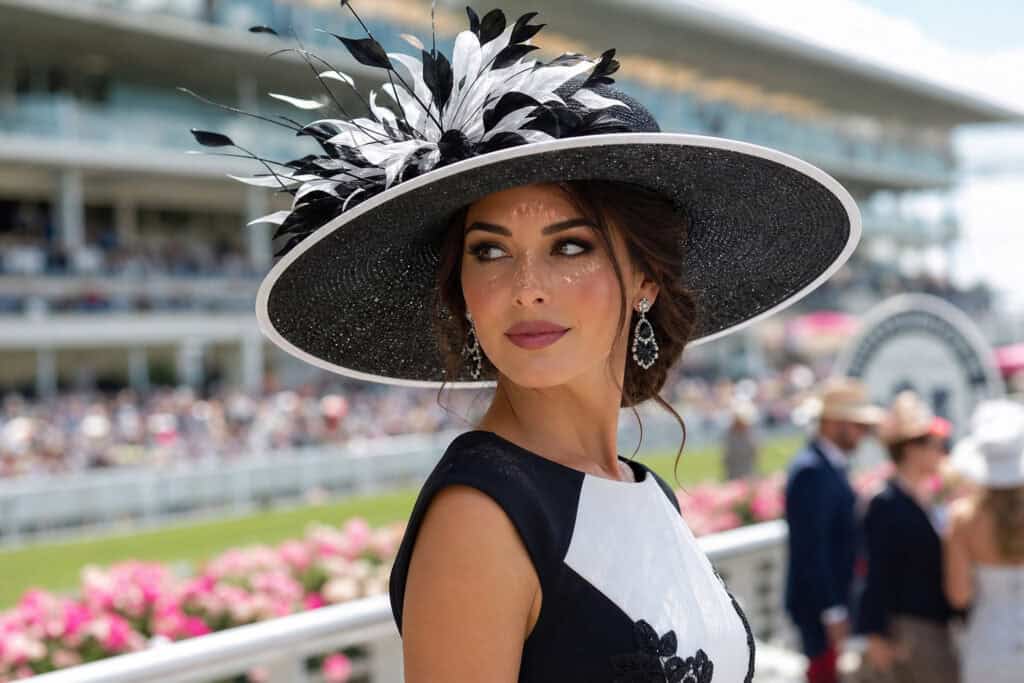
Gate stewards rely on exact measurements to separate casual hair decorations from mandated headpieces. A classic Pillbox hat must feature at least a 4-inch diameter base to qualify as “proper” headgear at premier gates. In contrast, Fascinators are recommended in open-air tiered stands to prevent obscured views for the spectators sitting behind you, while remaining banned in the most prestigious VIP boxes.
Topography-informed Functional Footwear
Stilettos are standard heels in concrete VIP boxes, but they’re unforgiving liabilities on unpaved turf. If you’re standing on the damp grass of the Village Enclosure, standard stilettos will sink instantly, meaning wedges or stable block heels become a structural necessity. For terrain negotiation, purposeful footwear like Wild Jolie Cowgirl Boots offers durability and load-bearing balance across muddy patches without sacrificing an elegant track aesthetic.
Functional Layering With Pashminas and Gloves
Temperatures fluctuate across open grandstands. An accessible pashmina serves as an agile temperature control tactic while instantly fixing any unforeseen upper-body modesty requirements requested by gate staff. Vintage cotton gloves elevate lightweight summer ensembles, while robust leather gloves lock down essential warmth during winter meets.
Frequently Asked Questions
What is the dress code for ladies at the races?
Dress codes depend strictly on your ticket tier, but most enclosures require dresses with straps at least 1 inch wide and hemlines that reach at least to the knee. Avoid exposed midriffs or sheer fabrics, as these often trigger gate refusals. For headwear, ensure your hat has at least a 4-inch diameter base to meet formal requirements.
What not to wear to a horse race?
Avoid anything athletic, such as sneakers, gym shoes, or trainers, as these are universally banned in ticketed enclosures. Additionally, stay away from novelty pocket squares, cartoon prints, or casual outerwear like puffer jackets over a suit. Finally, avoid thin stilettos if you will be walking on grass or unpaved terrain, as they will sink and cause mobility issues.
Are there dress style rules for races?
Yes, track dress codes function as a form of border control where your specific enclosure dictates the rules. Elite areas often require specific garments like Morning Suits for men or hats with a minimum 4-inch diameter for women. You must check the specific requirements for your ticket tier, as moving just fifty feet from a public area to a private clubhouse can result in admission denial if your attire isn’t strictly compliant.
Why does my gate tier dictate my specific outfit?
Racecourses operate as micro-geographies where higher-tier enclosures enforce rigid, non-negotiable sartorial standards. Stewards at these gates look for specific structural elements, such as strap widths, collar types, and footwear styles, to maintain a specific atmosphere. Failing to meet these exact measurements or fabric requirements will result in being barred from entry, regardless of how formal your outfit looks elsewhere.
What is the difference between dressing for summer and winter races?
Seasonal tailoring is essential for survival and compliance; summer events require breathable fabrics like seersucker or linen to prevent exhaustion in the heat. In contrast, winter jump races necessitate thermal insulation, typically through heavy tweed suits paired with structured wool overcoats. You must ensure your choice of fabric aligns with the season, as wearing winter-weight clothes in a summer heatwave is as impractical as showing up under-dressed for the cold.
Can I wear a bow tie or cravat to a horse race?
While these may seem like acceptable formal alternatives, they are often explicitly banned in elite areas like the Royal Enclosure. In high-prestige sections, a standard straight tie is the only acceptable neckwear. Always prioritize a classic, traditional tie setup unless your specific enclosure provides a written exception.