Does the thought of buying an engagement ring make your stomach do a little flip? You’re not alone.
You’ve probably heard someone mention the “3 month ring rule” and wondered if you really need to spend three months of your salary on a ring today. With bills, rent, and taxes, that can feel like an impossible ask.
Here’s a little secret: that whole idea started with a De Beers marketing campaign way back in the 1930s. Their ads were brilliant, but times have definitely changed.
This guide is here to cut through the stress. We’ll look at seven smart ways to budget and explore amazing alternatives like lab-created diamonds or even colorful gemstones like a blue sapphire or ruby. I’m going to walk you through everything you need to know, and I think you’ll be surprised at how easy this can be.
Key Takeaways
The 3 Month Ring Rule was a marketing slogan created by De Beers in the 1930s, suggesting men spend three months’ salary on a ring.
Most couples today ignore this rule. The Knot’s 2023 Jewelry and Engagement Study found the average amount spent on an engagement ring was $5,500.
Financial experts often suggest a more realistic guideline, like the 5% rule, which caps the ring budget at 5% of your annual income. For someone making $60,000 a year, that’s a $3,000 budget.
Lab-created diamonds offer a significant value, often costing 30-50% less than natural diamonds of similar size and quality. They are a popular choice for budget-conscious buyers.
Modern trends show a shift towards personal values. Many Gen Z and Millennial buyers prefer smaller stones, colored gemstones, or rings made with recycled gold from ethical jewelers like VRAI or Brilliant Earth.
Table of Contents
What is the 3 Month Ring Rule, Really?

The 3 Month Ring Rule is a simple, if outdated, guideline that says you should spend three months of your gross salary on an engagement ring. So, if you earn $80,000 a year, the rule suggests you should be prepared to spend around $20,000.
This “rule” was made popular by the diamond company De Beers as part of a massive marketing push in the 20th century. While some traditional jewelers might still bring it up, it’s far from a requirement today.
In reality, the pressure to follow this can push people into serious debt, with high-interest credit card bills lasting far longer than the wedding planning. The Knot’s 2023 study revealed that the national average cost of an engagement ring was actually $5,500, a number that’s much more aligned with what real couples can afford.
The famous slogan, “A diamond is forever,” doesn’t mean your debt has to be. If you’re looking for modern styles without the high price tag, you can check out wedding ring sets from jewelers who understand that a smart budget is the new tradition.
Origins of the 3 Month Ring Rule

Most people assume the three month ring rule is some timeless tradition, but it was actually invented for one reason: to sell more diamonds.
De Beers crafted a brilliant story that spending a huge chunk of your salary was the ultimate proof of love. It was a clever business move, but it has very little to do with smart financial planning.
How did De Beers’ marketing shape the ring rule?
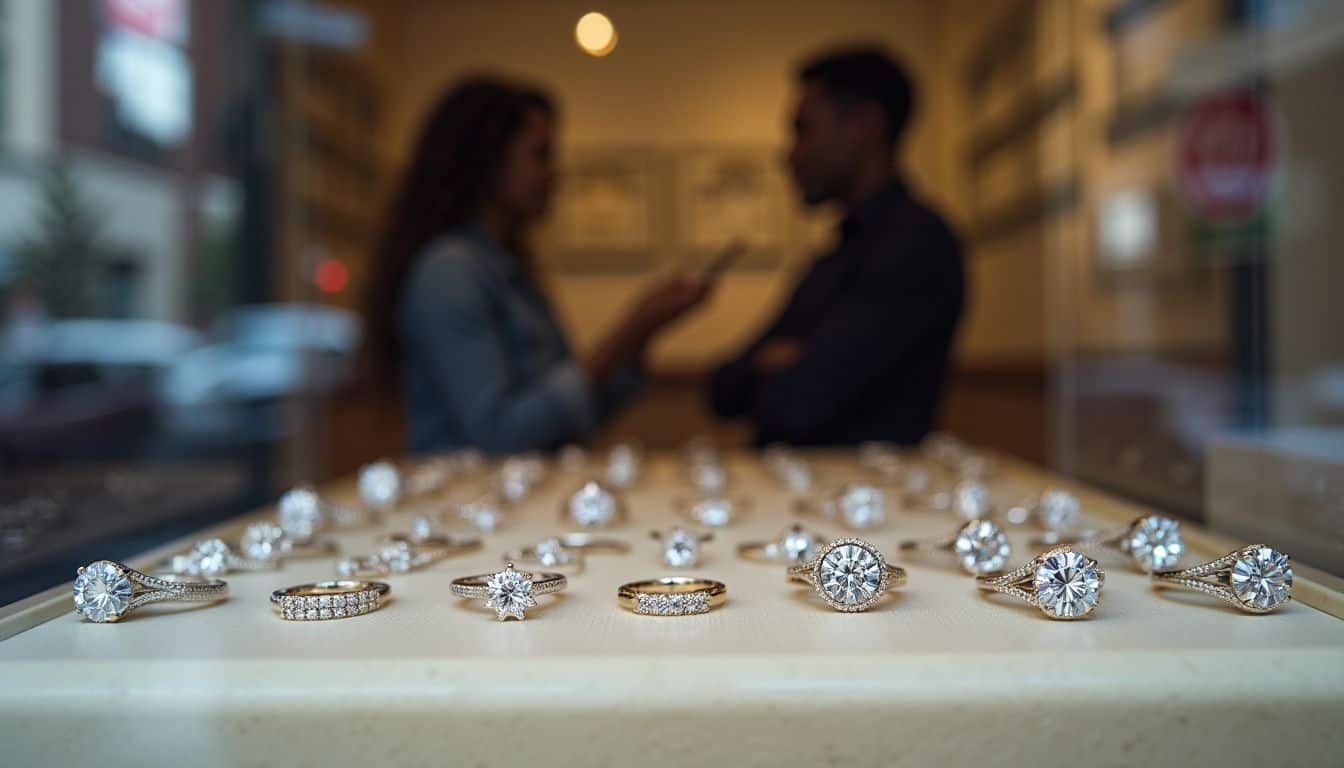
De Beers completely changed the game for diamond engagement rings. Before the 1930s, they weren’t the standard. But their ad agency, N.W. Ayer & Son, launched campaigns connecting diamonds with everlasting love.
The iconic slogan “A Diamond Is Forever” debuted in 1947 and sealed the deal. It made diamonds feel essential for any proposal.
The ads first suggested that a man should spend one month’s salary. Once that became accepted, they pushed the benchmark to two months. By the 1980s, especially in markets like Japan, they successfully raised it again to three months’ pay. This steadily drove up the average cost of an engagement ring across the globe.
This marketing was so effective that it became an expectation. The pressure was real, with guys worrying that spending less would make them look cheap. This cleverly crafted “tradition” was all about increasing sales, not celebrating love.
Why did the guideline change from one month to three months?

The change from one to three months was purely a business strategy. As the one-month guideline became normalized in the mid-20th century, De Beers saw an opportunity to increase profits further.
New ad campaigns in the 1980s were designed to reset expectations. They targeted markets where the economy was strong and consumers were receptive to messages of luxury and status. The move to three months’ salary was a marketing goal, not a reflection of what people could or should afford.
The three-month rule didn’t spring from tradition; it came straight from a boardroom.
It was a powerful sales tactic that created a new, much higher price anchor in the minds of consumers. Thankfully, today you can find beautiful and affordable engagement rings with rubies or even cubic zirconia that don’t require you to empty your savings account.
Why is the 3 Month Rule considered outdated?

Today, the idea of spending three months’ salary on a ring just doesn’t make sense for most people. The cost of living has skyrocketed, and priorities have shifted.
Couples are more focused on building a future together, which often means saving for a house, paying off student loans, or traveling. They don’t need an old advertising slogan telling them how to prove their love, especially when a stunning emerald or blue sapphire ring can be had for a fraction of the cost.
How can following the rule cause financial strain?

Trying to follow the 3 month rule can put you in a tough financial spot before your marriage even begins. For the average person, dropping that much money at once means taking on significant long-term debt.
Consider the numbers. According to recent data from Experian, the average credit card balance in America is over $6,500. Adding a $15,000 or $20,000 ring to that can lead to years of high-interest payments.
Overspending on a ring can force you to make sacrifices in other important areas. It might mean:
- Delaying a down payment on a home.
- Putting off other financial goals, like investing or building an emergency fund.
- Starting your marriage with the stress and anxiety of money problems.
The rule completely ignores your personal financial situation. A smarter approach is to choose a ring that celebrates your relationship without compromising your financial security.
How have societal values shifted regarding engagement spending?

People just don’t buy into the old rules about engagement ring costs anymore. A 2023 study from McKinsey & Company confirmed that younger generations, especially Gen Z, increasingly prefer to spend their money on experiences rather than expensive material goods.
Couples are now defining what’s valuable to them, and it often isn’t the price tag of the ring. They see through the old De Beers marketing playbook and set their own priorities. Today, a ring’s value is more about what it symbolizes and whether it reflects the couple’s personal style and ethics.
One user on Reddit’s r/EngagementRings forum put it perfectly: “Spend what you’re comfortable with. No one sees your bank account, but you have to live with it. A secure future together is way more romantic than a big diamond.”
That sentiment is everywhere. People would rather use that money for a down payment, an unforgettable honeymoon, or simply to start their lives together on solid financial footing. And if you need another reason not to follow outdated rules, just check out some of these wedding photo fails for a good laugh!
How to approach engagement ring budgeting today

Forget the old rules and start with a clear look at your own finances. Open up a spreadsheet or use a budgeting app like YNAB (You Need A Budget) to get a real picture of your income, debts, and savings goals.
This isn’t about being cheap, it’s about being smart. You want to start your marriage with excitement, not financial stress.
How do you evaluate your financial situation for a ring?

First, take an honest look at your income and monthly expenses. See what you have left after all your bills are paid. It’s crucial to list out all your debts, like student loans, car payments, or a mortgage. You don’t want a ring payment to jeopardize your ability to handle those.
Your ring budget should not compete with your big goals, like saving for the wedding itself or a down payment on a home. Think about your shared future and make sure the ring fits into that plan, rather than disrupting it.
Be open to smart design choices. A beautiful halo setting can make a center stone, even a blue sapphire, appear larger without the higher cost. Focus on what you can comfortably afford, not on an outdated number from an old ad campaign.
Why should you discuss ring preferences with your partner?

Once you have a handle on your finances, talking openly with your partner is the smartest move you can make. This isn’t about ruining the surprise, it’s about making a major decision together. A 2022 survey by Brides.com found that nearly two-thirds of couples now shop for the ring together.
This conversation ensures that the ring truly reflects your partner’s style and values. It also builds a strong foundation for financial teamwork in your marriage. To get the conversation started, you could ask things like:
- “Do you prefer a classic style or something more unique?”
- “Is the size of the stone more important, or its quality and sparkle?”
- “How do you feel about lab-grown diamonds or other gemstones?”
- “What are your thoughts on metal types, like yellow gold, white gold, or platinum?”
Getting clear on these details avoids guesswork and shows you value their input. Many modern couples find this collaborative approach makes the proposal even more meaningful.
What are alternative budgeting guidelines like the 5% rule?

Instead of the outdated three-month guideline, many financial advisors now suggest the 5% rule. It’s a much more practical approach: plan to spend about five percent of your annual salary on the ring.
This simple math provides a healthy, manageable budget. It leaves plenty of room in your finances for other important life events and helps you avoid starting your marriage in debt.
| Annual Salary | 5% Budget Guideline |
|---|---|
| $50,000 | $2,500 |
| $75,000 | $3,750 |
| $100,000 | $5,000 |
This is just a starting point, not a hard rule. The most important thing is to find a number that feels right for you and your partner. Remember, lab-created diamonds can cost significantly less than mined ones, and many jewelers offer payment plans or financing to help you manage the cost without stress.
What are some alternatives to traditional diamond rings?

You have so many amazing options beyond a traditional mined diamond. You can get more sparkle for your buck with moissanite, or go for a pop of color with a sapphire. Let’s look at a few alternatives that fit your style and budget.
What are lab-created diamonds and their benefits?
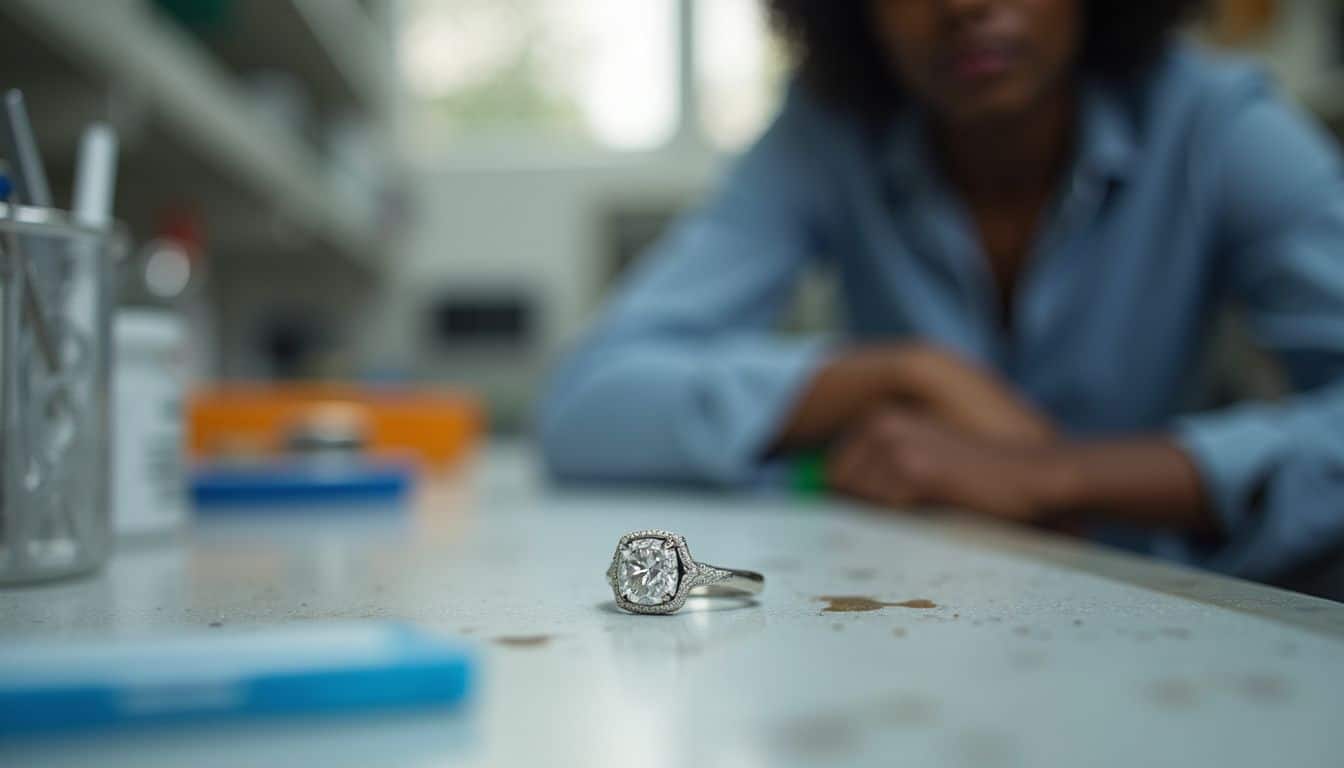
Lab-created diamonds are real diamonds. They have the exact same chemical, physical, and optical properties as diamonds that are mined from the earth. The only difference is their origin. They are grown in highly controlled laboratory environments.
The benefits are huge. Lab-grown diamonds typically cost 30% to 50% less than natural diamonds of the same size and quality. This means you can get a larger or higher-quality stone for your budget.
They are also a more ethical and environmentally sustainable choice, as they don’t involve mining. Reputable jewelers like James Allen and VRAI offer beautiful lab-grown options, and they often come with certifications from labs like the IGI (International Gemological Institute).
What non-diamond gemstones can be used for engagement rings?

Diamonds get a lot of attention, but other gemstones can give your ring a ton of personality while saving you money. When choosing a non-diamond stone, it’s important to consider its durability for everyday wear. This is measured on the Mohs hardness scale from 1 to 10.
Here are some fantastic options:
- Sapphires: Known for their classic deep blue, they are also incredibly tough, rating a 9 on the Mohs scale. They are an excellent choice for a ring meant to be worn every day.
- Rubies: These gems bring a vibrant red color and are just as durable as sapphires, also scoring a 9 on the Mohs scale.
- Moissanite: This is a popular diamond alternative known for its incredible sparkle, often even more fiery than a diamond. It’s also very durable, with a 9.25 Mohs rating.
- Emerald: Famous for its stunning green hue, an emerald is a bit softer (7.5-8 on the scale), so it requires a more protective setting and gentler care.
- Morganite: This stone has a beautiful peachy-pink color that has become very popular. It pairs well with rose gold but is also a 7.5-8 on the hardness scale, so it needs mindful wear.
Each of these choices allows you to create a unique ring that truly fits your partner’s personality, all while staying within a smart budget. Reputable online jewelers like Blue Nile offer a wide variety of these beautiful gemstones.
How Will the 3 Month Ring Rule Change in 2025?

Heading into 2025, the three months’ salary rule is becoming more irrelevant than ever. Couples are confidently setting their own budgets based on their personal financial situations and shared goals.
The rising cost of living means most people are prioritizing financial stability over outdated marketing slogans. They are not willing to go into debt for a piece of jewelry.
Social trends show that modern buyers value personalization and ethics far more than the price tag. The demand for lab-created stones and recycled gold is surging, especially with Gen Z shoppers. Market reports project the lab-grown diamond market will continue its rapid growth, making these stones even more accessible.
By next year, the only “rule” that will matter is the one you and your partner decide on together. It’s about choosing a ring that feels right for your life, not one that meets some random number tied to your paycheck.
People Also Ask
What is the 3 Month Ring Rule and where did it come from?
The 3 Month Ring Rule is an old marketing idea from the De Beers diamond company back in the 1930s, not a real tradition. It started as a one-month suggestion and grew over the decades to convince men that a diamond’s price tag equals the depth of their commitment.
Are there budget tips for buying an engagement ring without breaking the bank?
Yes, you have plenty of great options that will save you money. You can often find a lab-grown diamond for about half the price of a natural one of the same size and quality, and online jewelers like Blue Nile or James Allen are known for competitive pricing. Considering a nearly-carat size, like 0.9 instead of a full 1.0 carat, can also lower the cost significantly without a noticeable difference.
What are good alternatives if I do not want to follow the 3 Month Ring Rule?
Many couples are choosing personal meaning over a big price tag these days. Some opt for durable and beautiful diamond alternatives like moissanite or sapphire, which are very popular and cost much less. Others skip a traditional ring entirely, putting the money towards a down payment on a house or an amazing honeymoon.
How can I talk with my partner about skipping this old rule?
Start an open conversation about your shared financial goals and priorities.