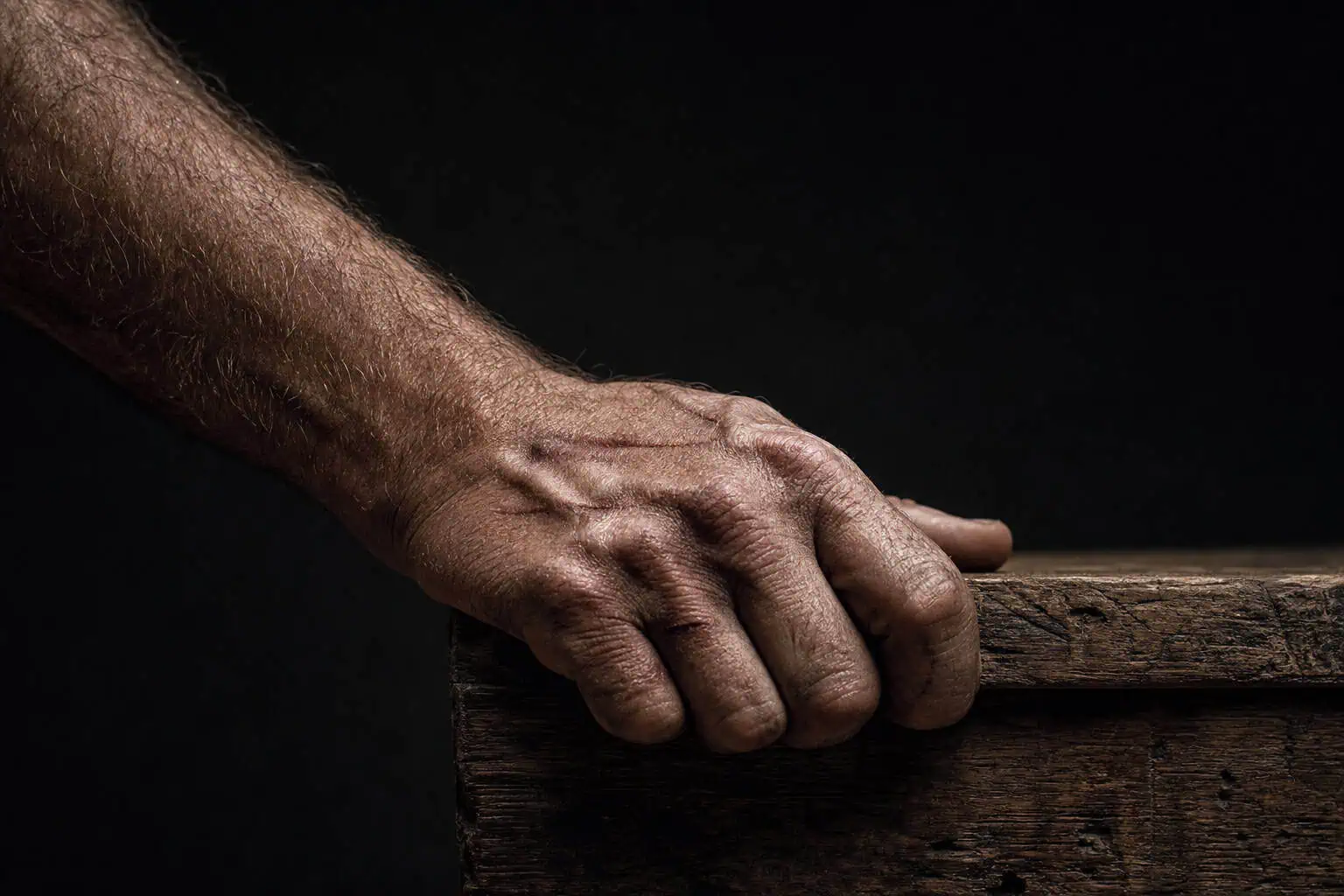
You know the look. Big hands, thick fingers, visible veins, knuckles that look like they’ve shaken hands with a few too many wrenches. Maybe callused, scarred, a little rough. The working-man’s hand. That’s the stereotype of “manly hands” — the kind people mean when someone has “man hands” or “gorilla hands.”
But here’s the thing: there’s no official checklist. No hand-measuring committee. What we call “manly hands” is a bundle of separate traits — bone structure, muscle mass, injury history, activity level, that society decided to lump together. Genetics sets the baseline. Culture decides what counts.
And if you’ve ever felt weird about your hands — or heard someone get teased about theirs, you’re not alone.
Key Takeaways
Digit ratio — index finger length divided by ring finger length, is set before birth by prenatal testosterone. Men typically have a lower ratio (longer ring finger), and that difference stays consistent from childhood.rom childhood.
A study of 3,802 men and 3,780 women found no correlation between total finger length and digit ratio, debunking the idea that bigger hands simply have a bigger sex difference.
The social harm of “man hands” labeling is real — Reddit community r/Nails enforces zero tolerance for such comments, and users reframe the traits as functional abilities (piano octaves, jar opening, Mario Kart).
Table of Contents
The visual everyone means
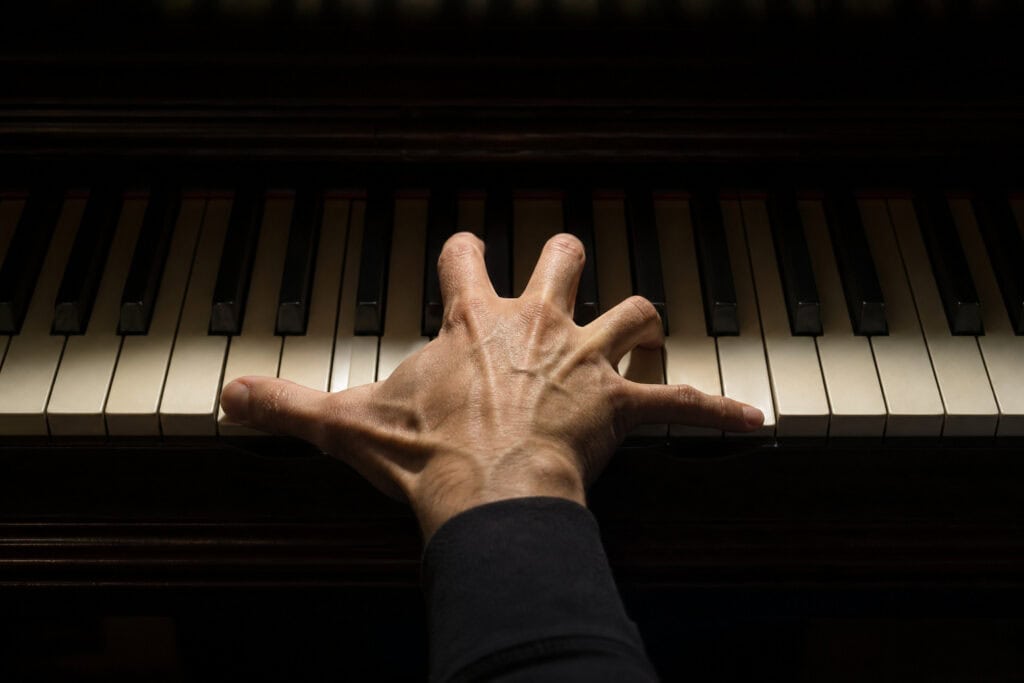
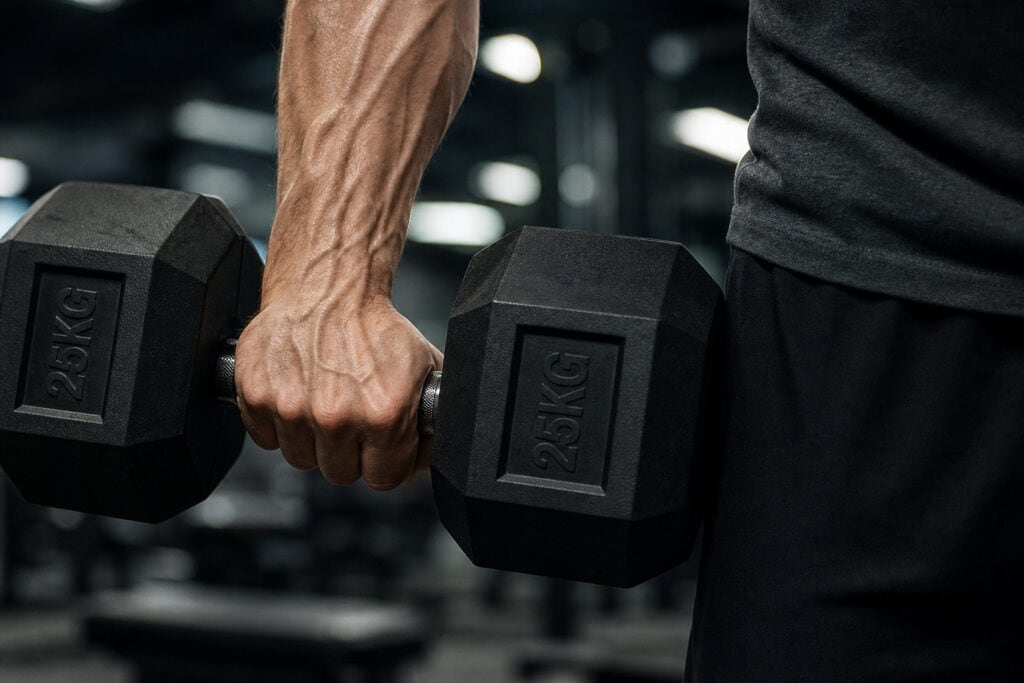
Masculine hands are typically larger, thicker, veiny, muscular, with big knuckles and thick fingers. Palm and fingers are usually proportional — nobody’s talking about cartoon proportions. And the rougher look, scars, calluses, bruises, tells a story of real use, not just genetics.
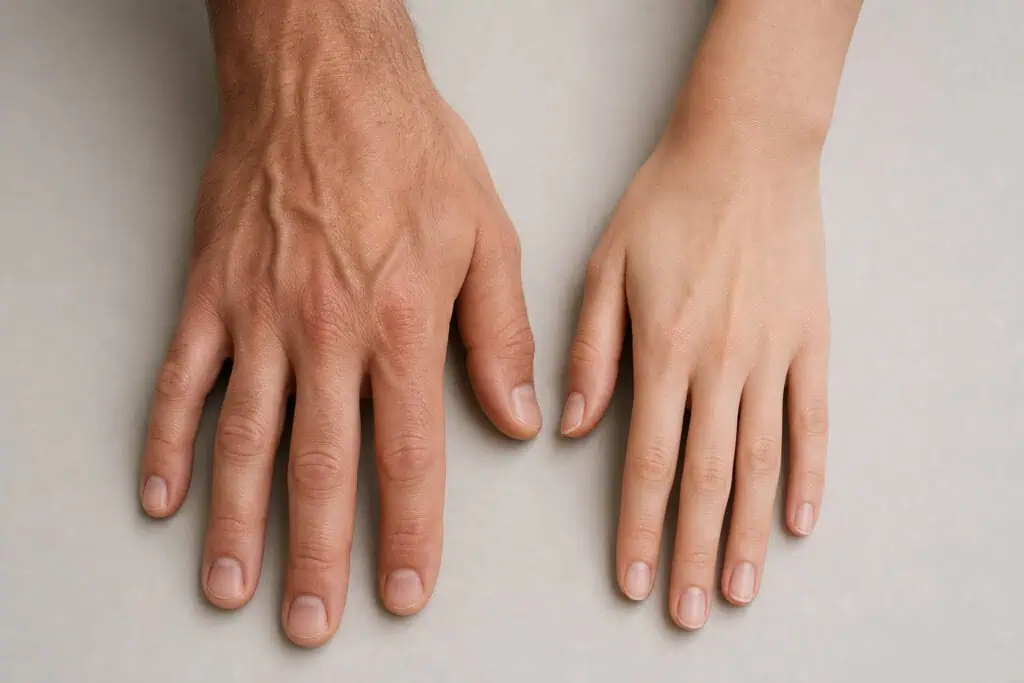
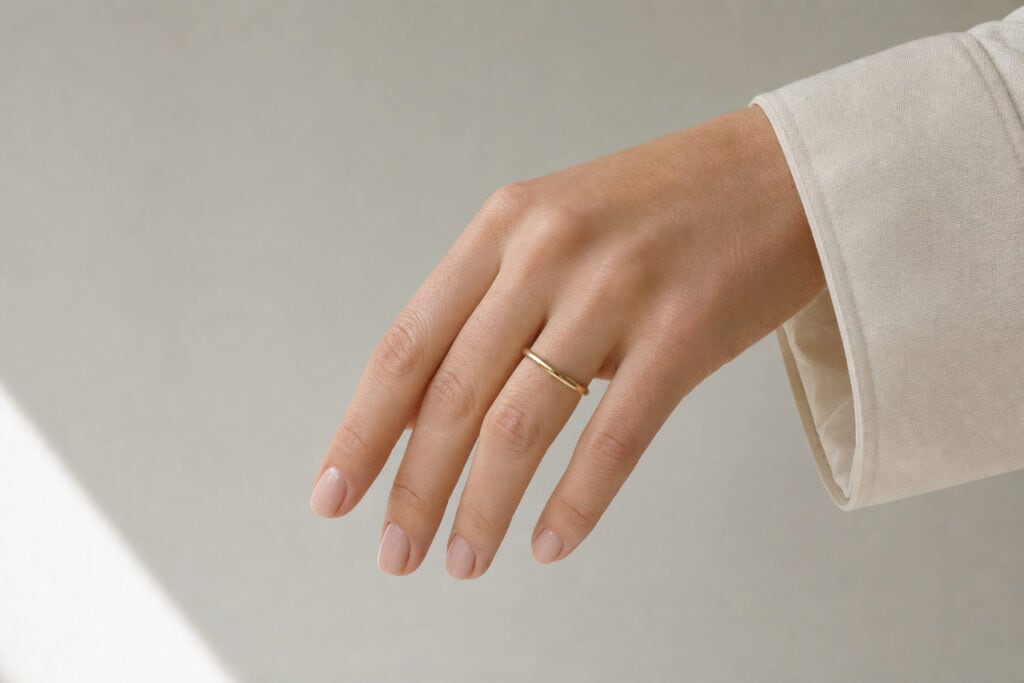
Feminine hands, by contrast, are usually smaller, slenderer, smoother. That’s the contrast people have in mind.
But these traits come from different places: bone structure (you can’t change), muscle mass (you can build), and nicks and scrapes from life. Reddit user Artviean put it plainly: hand appearance is mostly genetics plus societal norms. You can tweak some things, but the foundation was set before you were born.
The biology of finger length
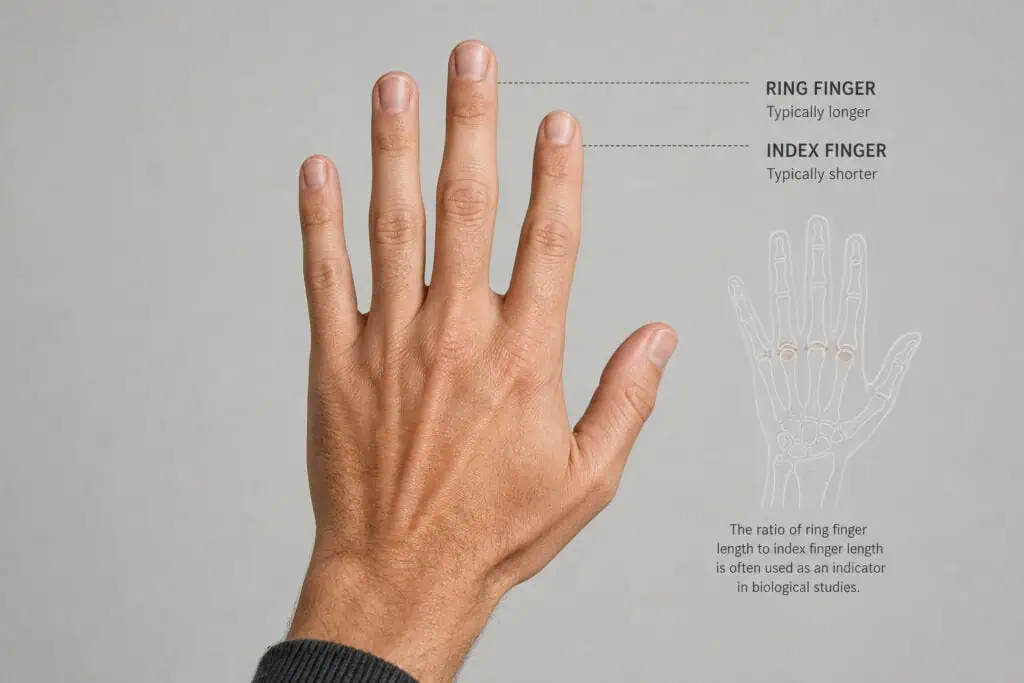
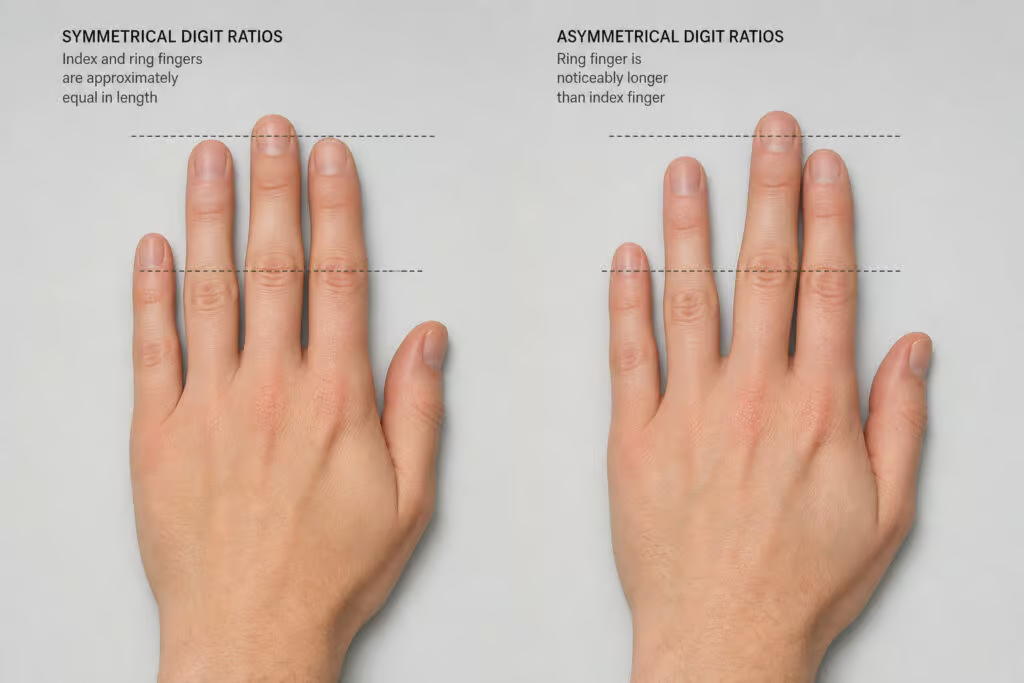
The real science is not about overall hand size — it’s about the ratio between your index finger and ring finger. Anthropologists have known for over a century that men tend to have longer ring fingers relative to their index fingers. That’s called the 2D:4D digit ratio.
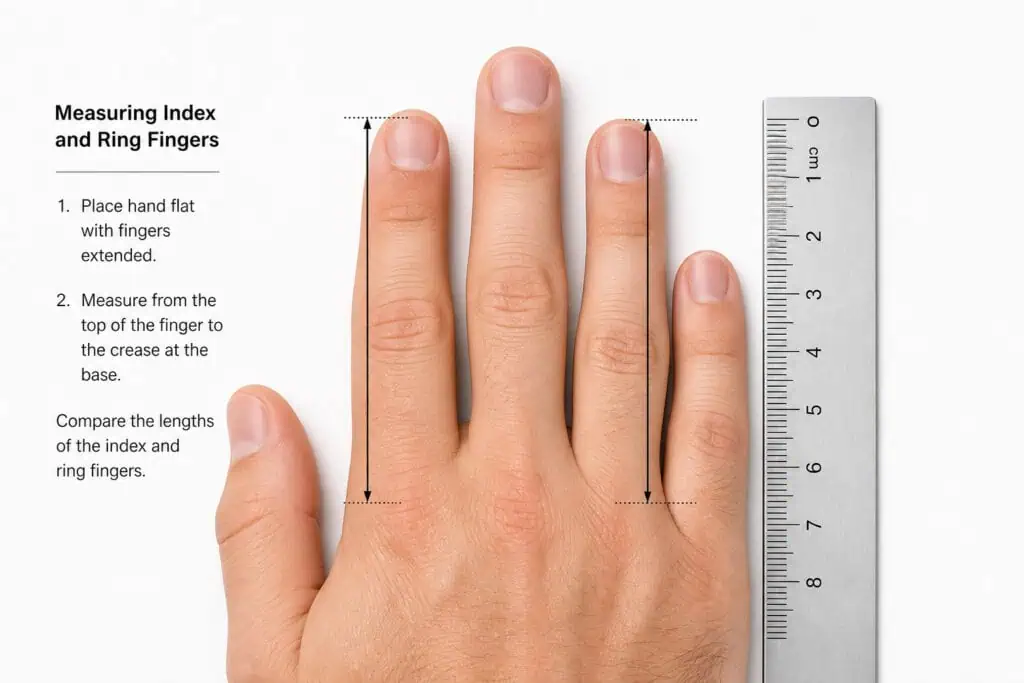
The difference is consistent from childhood. Researchers like John T. Manning at Swansea University have shown it’s likely caused by prenatal testosterone exposure — the hormone bath you got in the womb. It doesn’t change with your current testosterone levels. Think of it as a fossil record of your fetal development.
Researchers studied 3,802 men and 3,780 women and found no correlation between total finger length and which finger is longer. That disproves the old hypothesis that bigger hands just naturally have a bigger sex difference. The conclusion: prenatal sex hormones determine finger size, not overall hand size.
What the digit ratio actually means
It’s simple to measure: divide your index finger length by your ring finger length. A lower number means a longer ring finger. But it’s a continuous trait, not binary — there’s overlap between sexes. The difference is set before birth and stays with you.
So digit ratio is not a “manly hand test.” It’s a population-level biomarker. For individuals, it’s just an interesting fact about how you developed.
Why this undermines the stereotype
The “manly hands” stereotype mixes together things determined before birth (finger length ratios) with things you can change in adulthood (muscle mass, calluses). You didn’t choose your finger length. The idea that you can “look manly” by choice — that’s mostly wrong for bone structure, and it overlooks the deeper question of what is a manly man. The parts you can control are smaller than we pretend.
What your hands might say about you
The digit ratio research doesn’t stop at anatomy. It’s been linked to attractiveness, behavior, athletic performance, and health risks.
The upside
Men with longer ring fingers tend to score higher on facial attractiveness — at least when 49 women rated 49 men. That attractiveness link didn’t extend to voice or body odor, so it’s specific.
Behaviorally, a study of 78 men and 77 women found that men with longer ring fingers were more likely to smile, laugh, compromise, compliment, and listen attentively to women. Men with shorter ring fingers were more hot-headed toward women.
Longer ring finger men also show better hand strength regardless of age and body size — that’s from the Tomkinson father-son research team. They may have better athletic performance because they experience higher spikes in testosterone when challenged, as Grant Tomkinson put it.
Both sexes with longer ring fingers may have more sex partners, according to Oxford research. And past studies tied longer ring fingers to more children and easier sexual arousal in men.
There’s even a penis size study — published in the Asian Journal of Andrology with 144 men, that found a correlation between longer ring fingers and longer penises, controlling for age, weight, height, and BMI.
The downside
It’s not all good news. Longer ring fingers are linked to worse response to prostate cancer treatment and worse prognosis. Conversely, longer index fingers with shorter ring fingers are linked to lower prostate cancer risk. Women with longer index fingers and shorter ring fingers show an association with lung cancer.
Longer ring fingers plus shorter index fingers have been linked to ADHD in both sexes, alcohol dependence in men, and cannabis and heroin addiction. Manning says the evidence is strong on those addiction links — but again, it’s one researcher’s body of work, not settled science.
COVID-19 and hand asymmetry
Here’s a weird one. In a preliminary study, Manning’s research team found that people with relatively short ring fingers are more likely to get severe COVID-19 and be hospitalized — regardless of sex.
More striking: asymmetry between your left and right hand digit ratios is associated with substantially higher hospitalization risk. That asymmetry is thought to be a marker for “developmental instability” — things like poor diet, parasites, or other early-life stressors that mess with symmetrical development.
Elderly men — who already have lower testosterone from aging, appear to be at highest risk when combined with that asymmetry. But Manning is clear: the implications are for public health, not individual predictions. He warns against treating this like a palm-reading trick. Don’t look at your hands for answers about severe COVID.
When “manly hands” becomes a weapon
User [deleted] posted in r/Nails about her short, stubby hands. Her family joked about “man hands” or “gorilla hands.” User Inside-Back-9338 reported a “frienemy” regularly teased them about their hands when they were younger.
Inside-Back-9338 summed it up: “Family are often the biggest bullies.”
The thread drew dozens of responses, with users like KarenEiffel and seashellpink77 offering support. User KarenEiffel stated: if a woman’s hands are attached to her body, they are woman hands—not man hands. User seashellpink77 agreed: wide, muscular hands are more common in men, but if a woman has them, they’re woman hands.
User flippadaflippa: ‘Nah cut your shit, the language you use can strongly affect people. Saying someone has Broad shoulders is not the same as saying someone has Man shoulders’
And r/Nails has a rule for this — Rule #1: zero tolerance for bullying, harassment, ridiculing, trolling, or negative targeting. That includes comments about “man hands” or “gorilla hands.” The moderators enforce it.
Reframing — from “man hands” to just hands
The same thread offered a healthier way to see things. User seashellpink77 listed her personal achievements: reaching more than an octave on piano, opening jars, playing Mario Kart well, giving great massages, and drawing/painting well.
Reddit user mildlyadorable brought up Kim Kardashian: ‘She usually keeps her nails short and square too. People still regard her as one of the most gorgeous women.’ Still considered gorgeous. The point isn’t that hand shape doesn’t matter; it’s that it doesn’t define attractiveness or worth.
Can you change how your hands look?
Hand workouts — grip strength exercises, can add muscle definition and make hands look more masculine. But that changes muscle, not bone structure. Don’t expect tolengthen your fingers.
Nail length and shape are the biggest quick change. Short nails emphasize more masculine traits. Longer nails with an almond or oval shape can feminize the appearance. Finger posing in photos also makes a noticeable difference — Reddit user Ohhellopickles: The way people pose their hands on this sub makes a noticeable difference. Nail shape also significantly changes the look!
There are practical constraints, too. A Reddit user noted short nails are functional for certain jobs (phlebotomy). Short nails are part of the job, not a style choice.
Functional reframing — seeing your hands as capable tools, what they can do, not how they look, tends to be more satisfying than chasing a cosmetic ideal.
A different lens — cultural and spiritual perspectives
Not every culture frames hands the same way. In some spiritual traditions, the right hand is considered masculine and the left hand feminine. The New Indian Express has covered how these gendered hand perceptions vary across cultural and spiritual contexts.
The bottom line
Your hand appearance comes from prenatal biology (digit ratio), genetics, muscle mass, injury history, and social stereotypes. The “manly hands” concept is mostly social. The science is real, but it doesn’t determine your worth or attractiveness.
If your hands are attached to you, they’re your hands. What they can do matters more than whether they match some stereotype. And as the r/Nails community shows, there are plenty of people who will call out anyone who uses “man hands” as a weapon.
Your hands are fine. Seriously.
Frequently Asked Questions
How do you describe manly hands?
The stereotype includes larger hands, thicker fingers, visible veins, big knuckles, and a rougher texture from calluses or scars. But there’s no official checklist — these traits come from different sources: genetics, muscle mass, and life experience. What counts as ‘manly’ is mostly shaped by culture, not biology.
Why are male hands so attractive?
Some research suggests that digit ratio — specifically a longer ring finger relative to the index finger — is linked to higher facial attractiveness ratings in men. This ratio is set before birth by prenatal testosterone exposure. But attractiveness is complex and personal; many people find hands attractive for reasons that have nothing to do with finger length.
What does your digit ratio actually tell you?
Your digit ratio — index finger length divided by ring finger length — is a biomarker of prenatal testosterone exposure, not a test of masculinity. A lower ratio means a longer ring finger, which is more common in men, but there’s overlap between sexes. It’s a population-level trend, not a personal verdict on your hands or character.
Is there a link between hand shape and health risks?
Some research has linked digit ratio to health outcomes: longer ring fingers are associated with worse prostate cancer prognosis, while the opposite pattern is linked to lower risk. There’s also preliminary evidence linking shorter ring fingers and hand asymmetry to higher COVID-19 hospitalization risk. But these are population-level findings, not individual predictions — don’t treat them like palm reading.