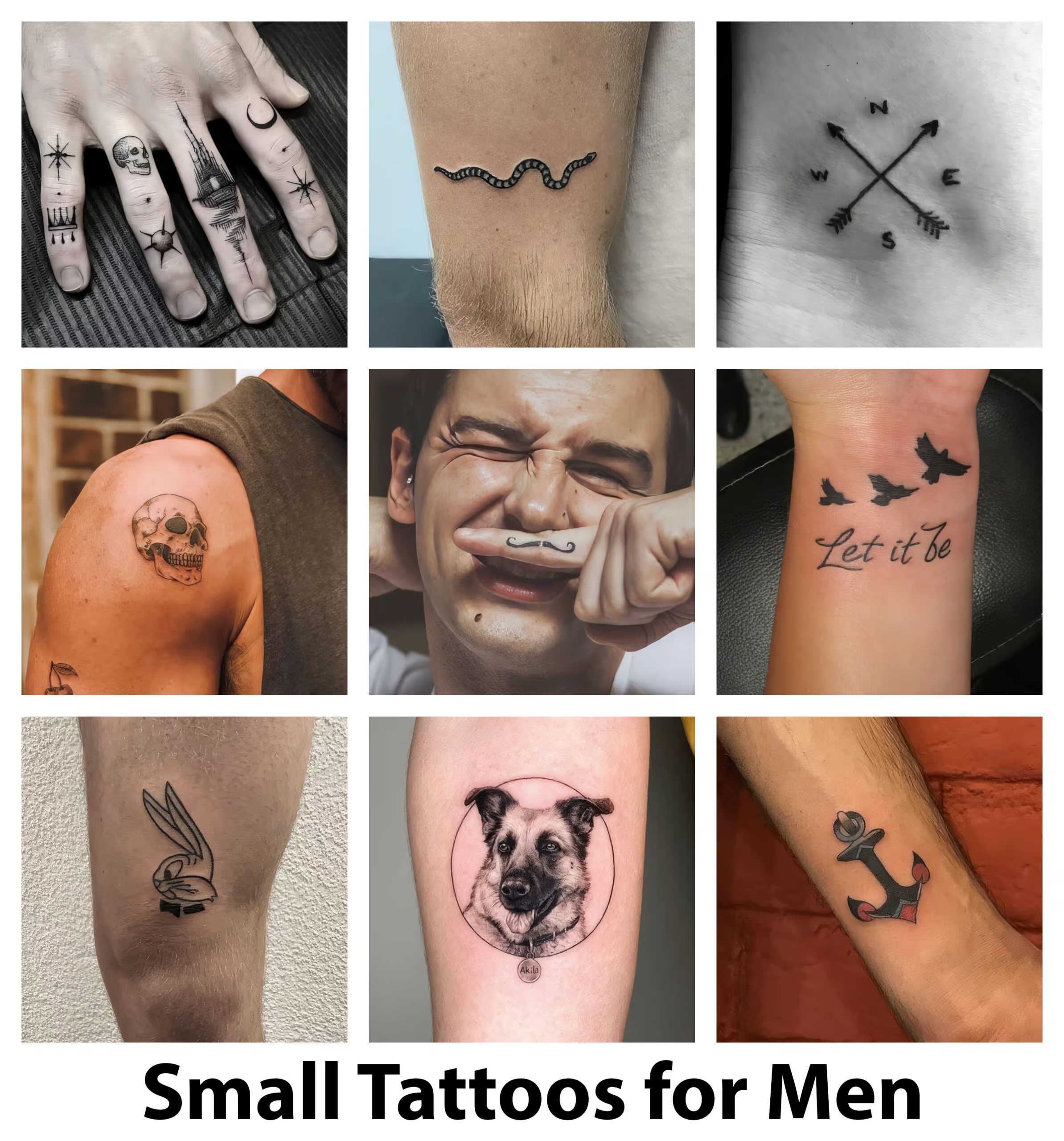
I spent years humming and hawing over which small tattoo to get before finally settling on a dime-sized The Dark Tower design. Breaking out of that analysis paralysis over permanent ink and committing to true minimalism is tough. You want deeply meaningful personal art, but you also want to avoid a cluttered look or unwanted workplace friction.
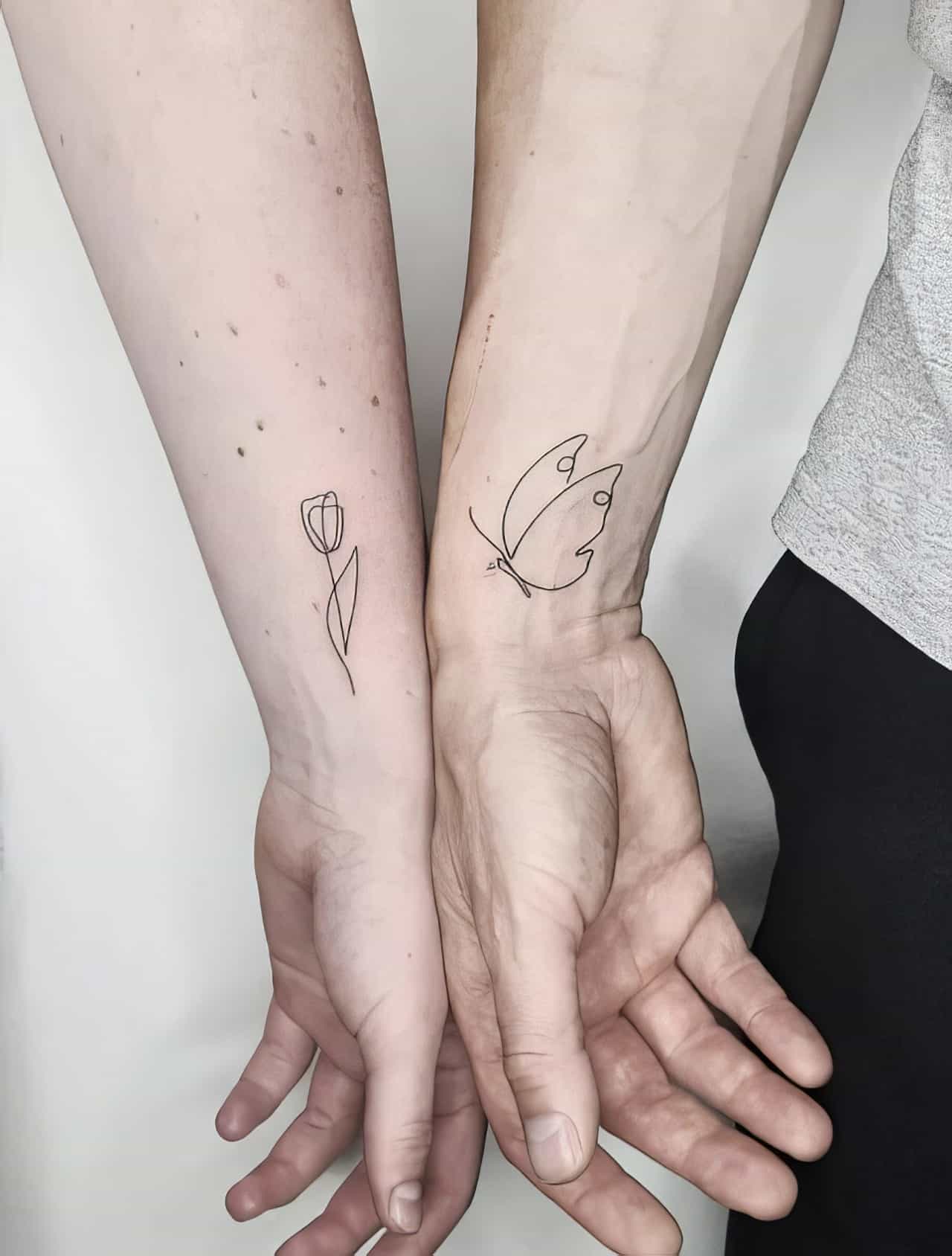
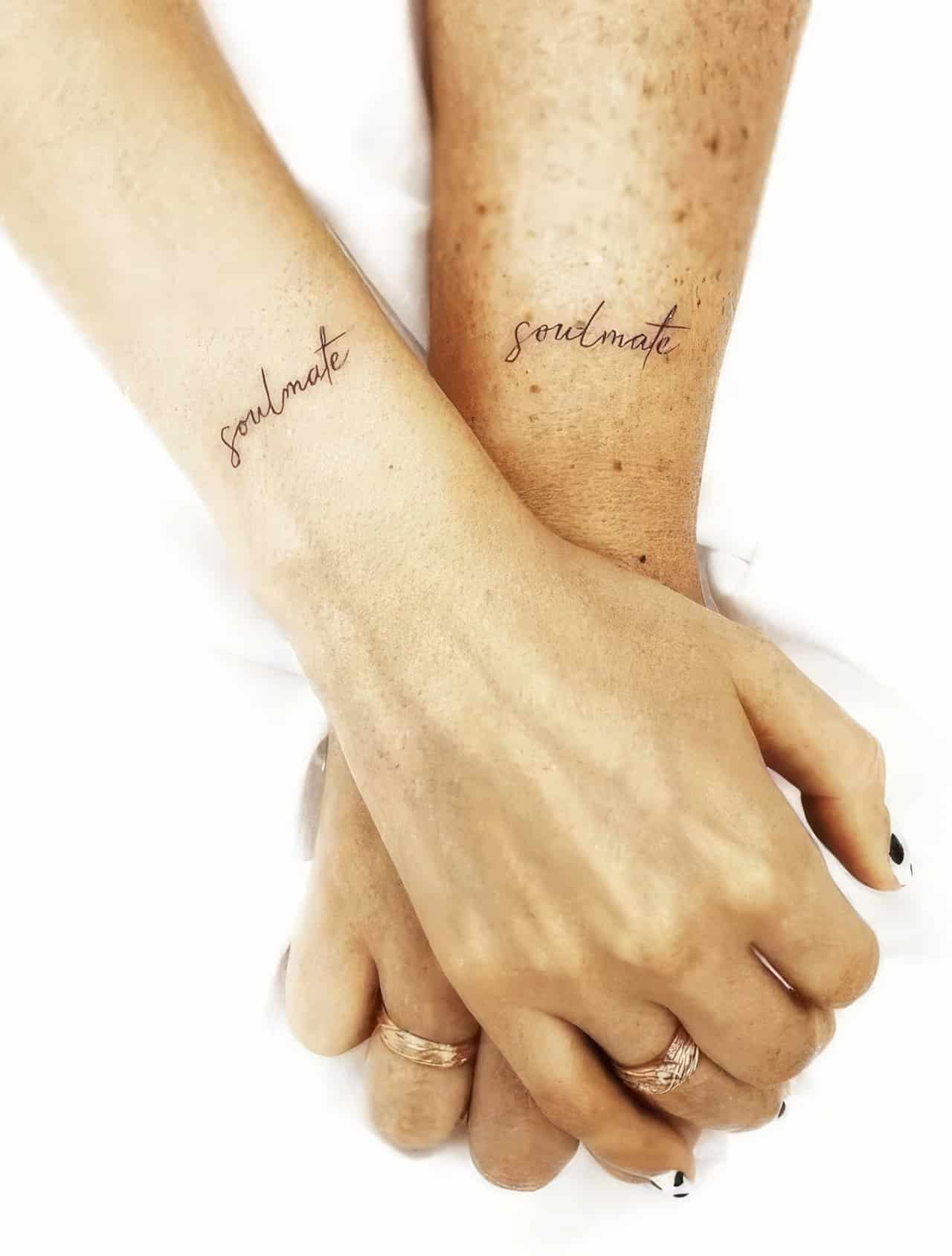
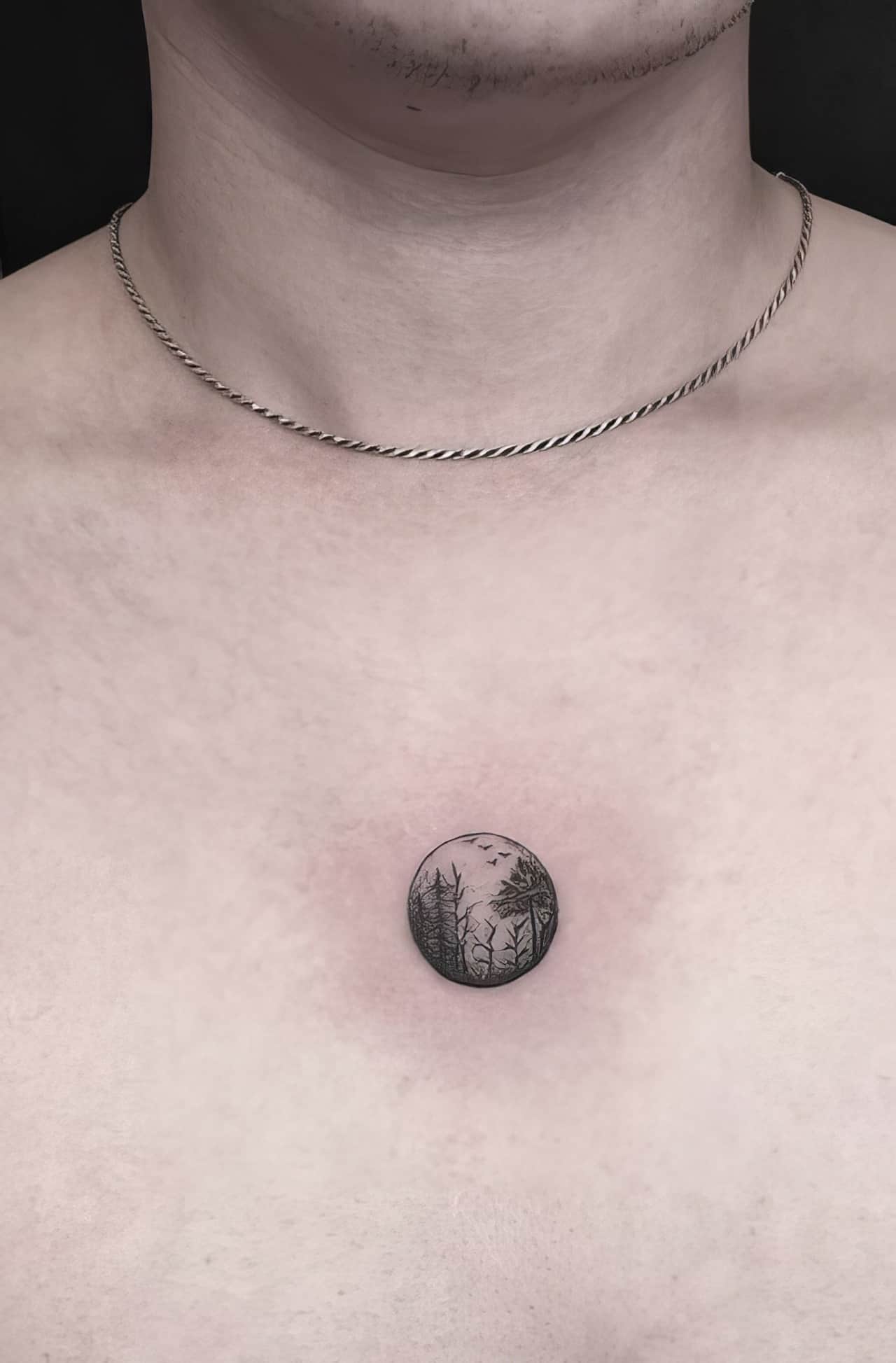
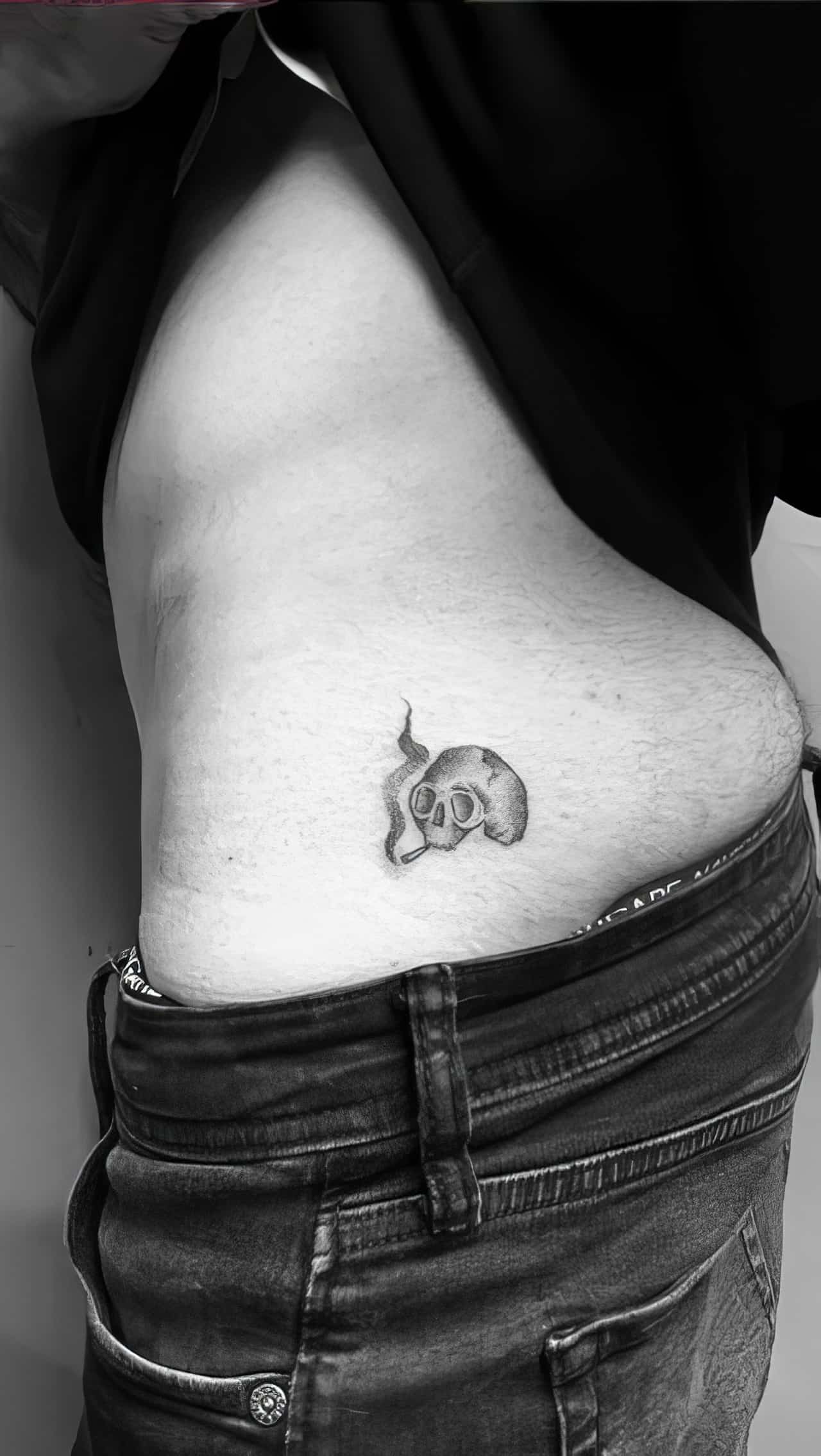
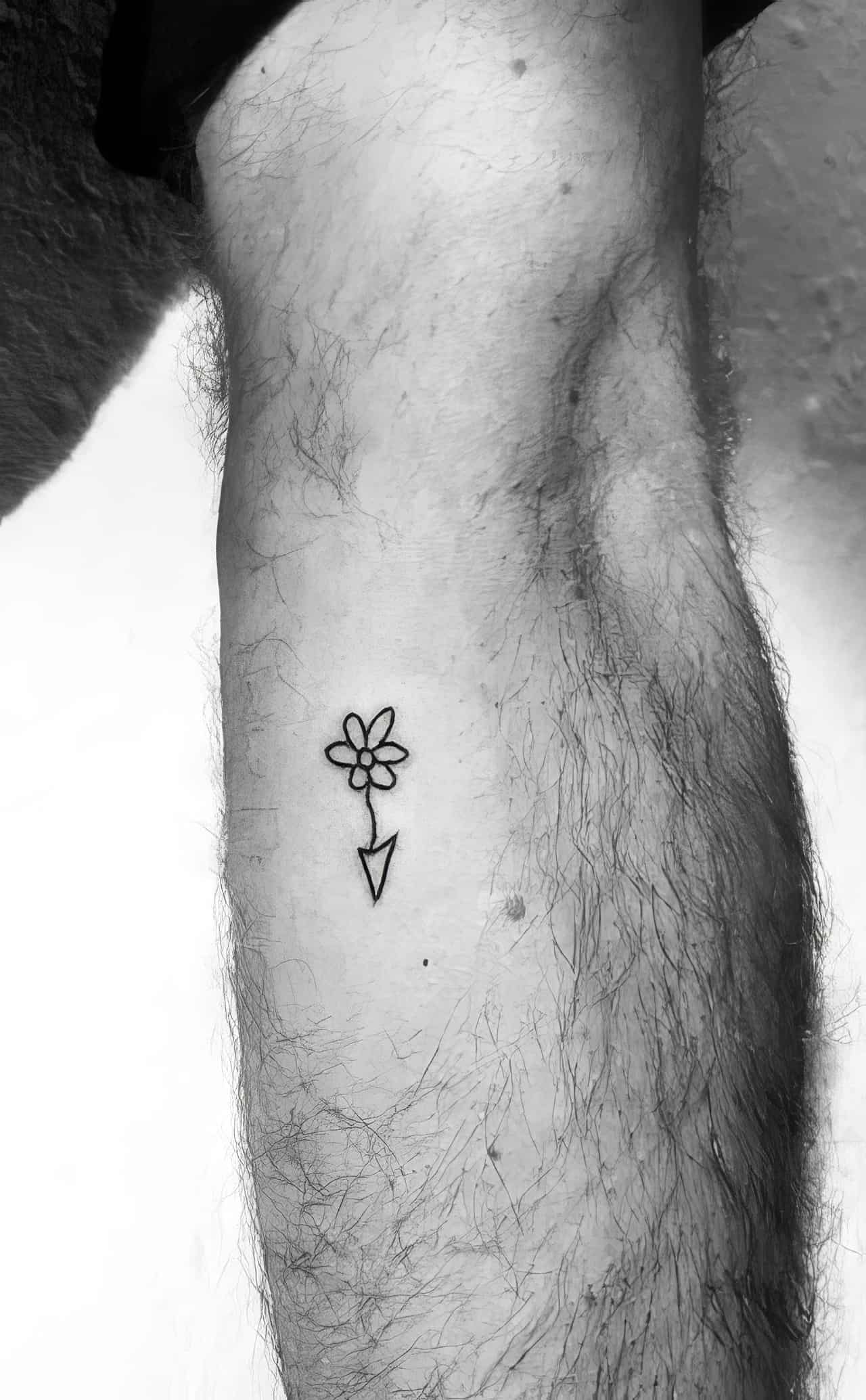
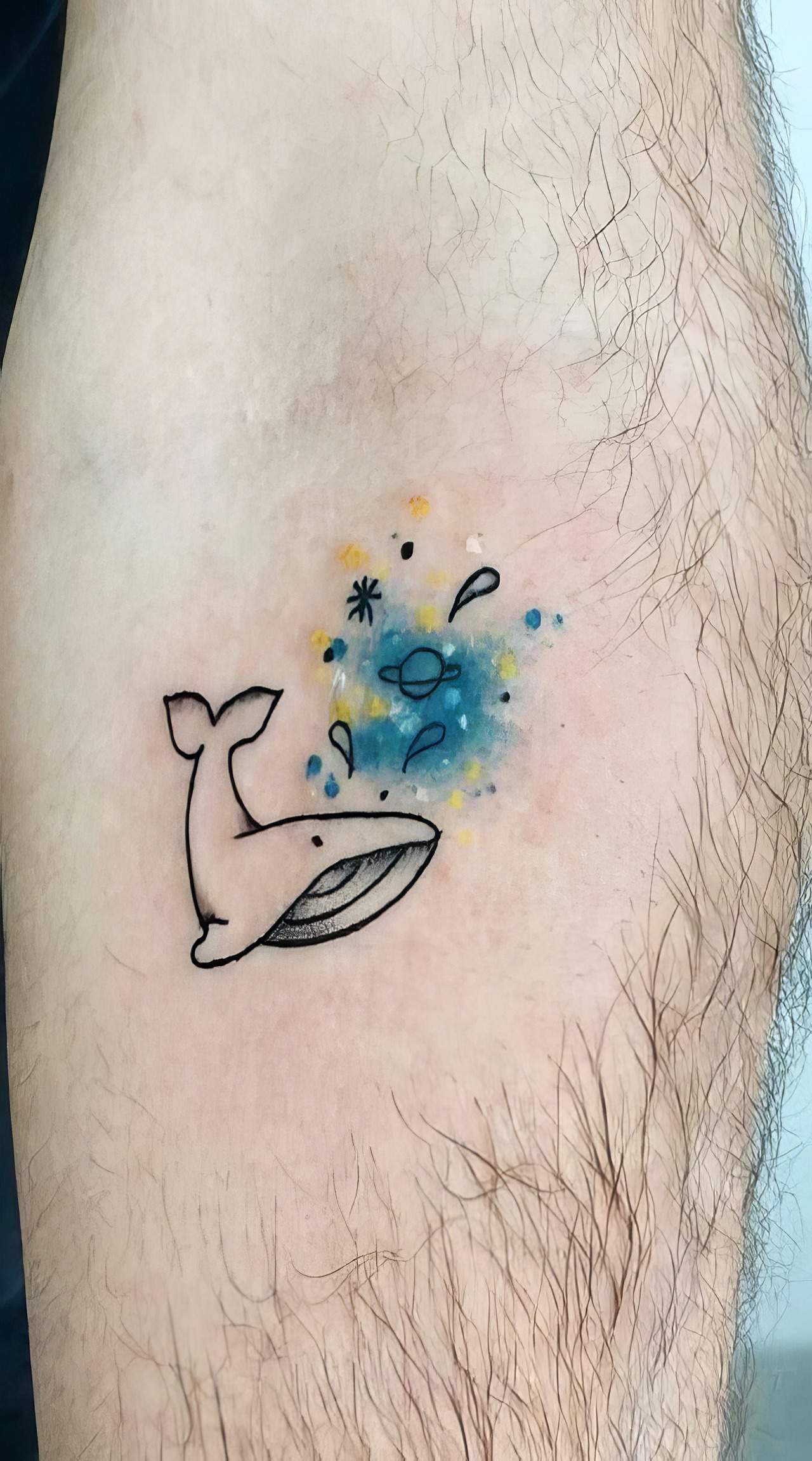
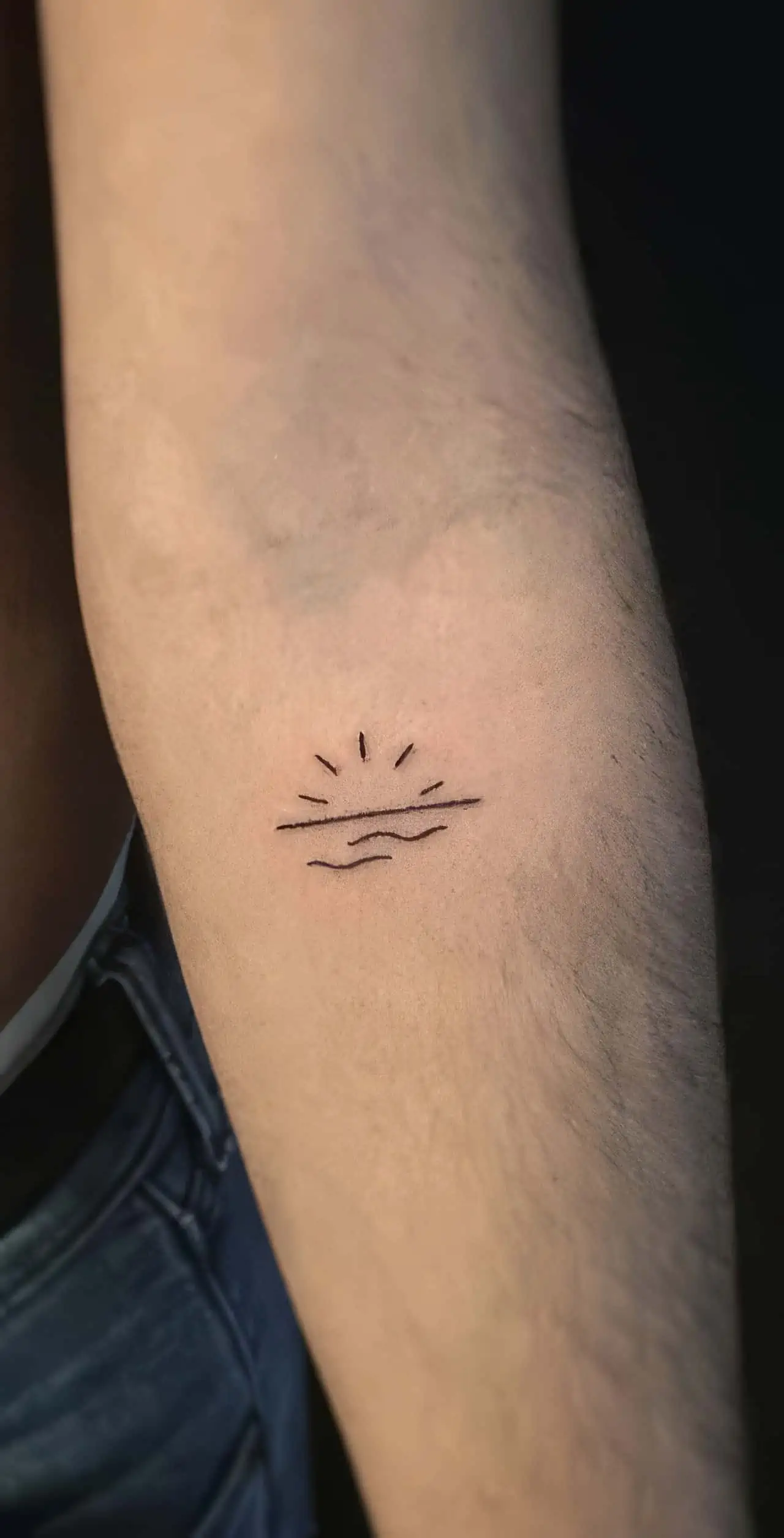
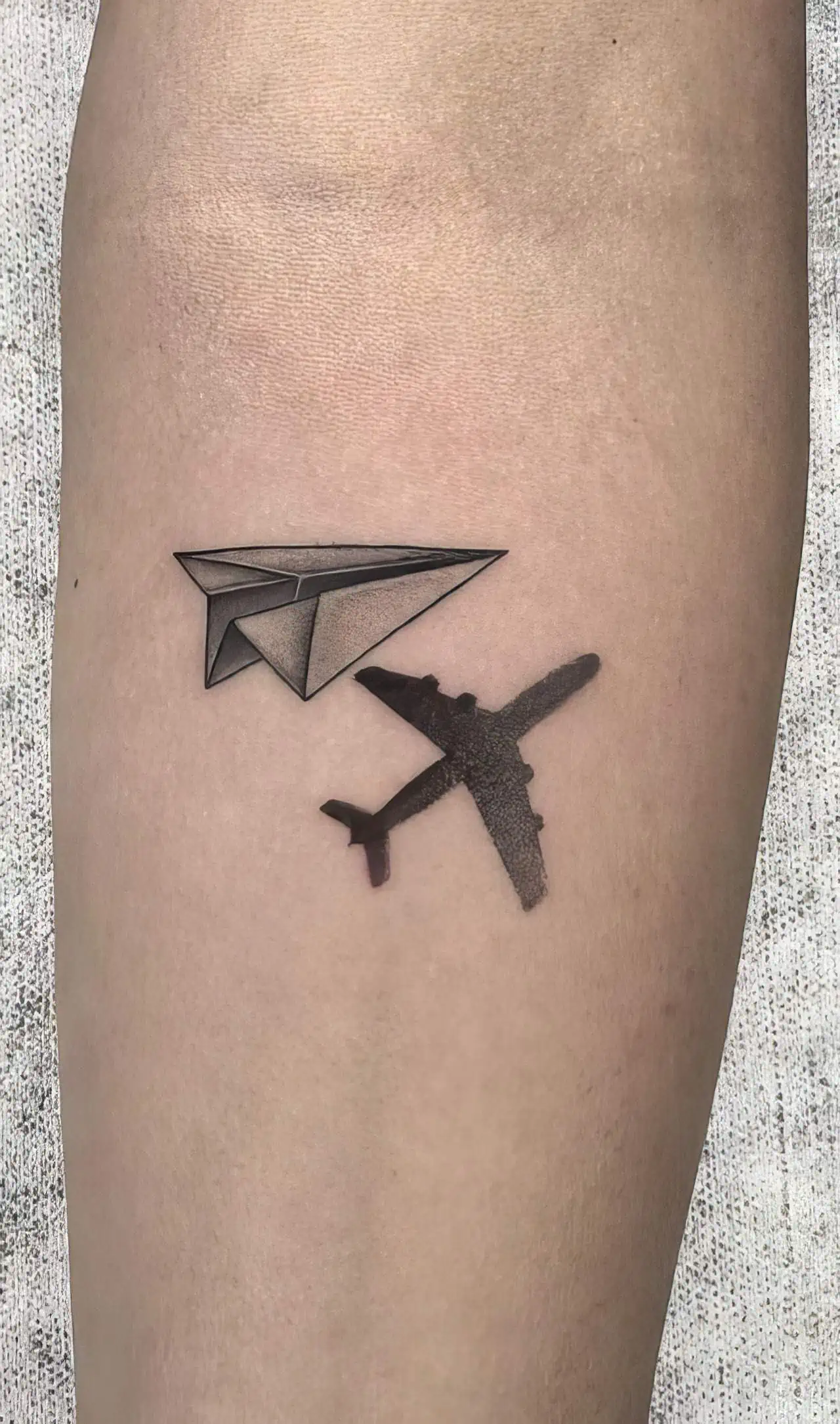
Choosing a permanent design feels like a massive gamble. The pressure to find the perfect image leaves thousands of men with nothing but empty Pinterest boards. That is why I collected 208 unique ideas and built a gallery to help bypass the initial overwhelm of picking your perfect design. We pulled the best small tattoos for men in 2026, categorized by style and placement, to help you narrow down the noise.
Here is the hard truth most shops will not tell you upfront: the smallest size possible is rarely the best choice. Ink spreads as you age. Shrinking a complex design past a certain threshold ruins its longevity, turning sharp details into a permanent blur within a decade. Slightly larger “small” tattoos are vastly superior because they preserve the clean skin between the lines.
If you are wondering where to even begin culling down thousands of ideas, start with the most personal territory: your formative cultural touchstones.
Table of Contents
Pop culture and subtle fandom signifiers
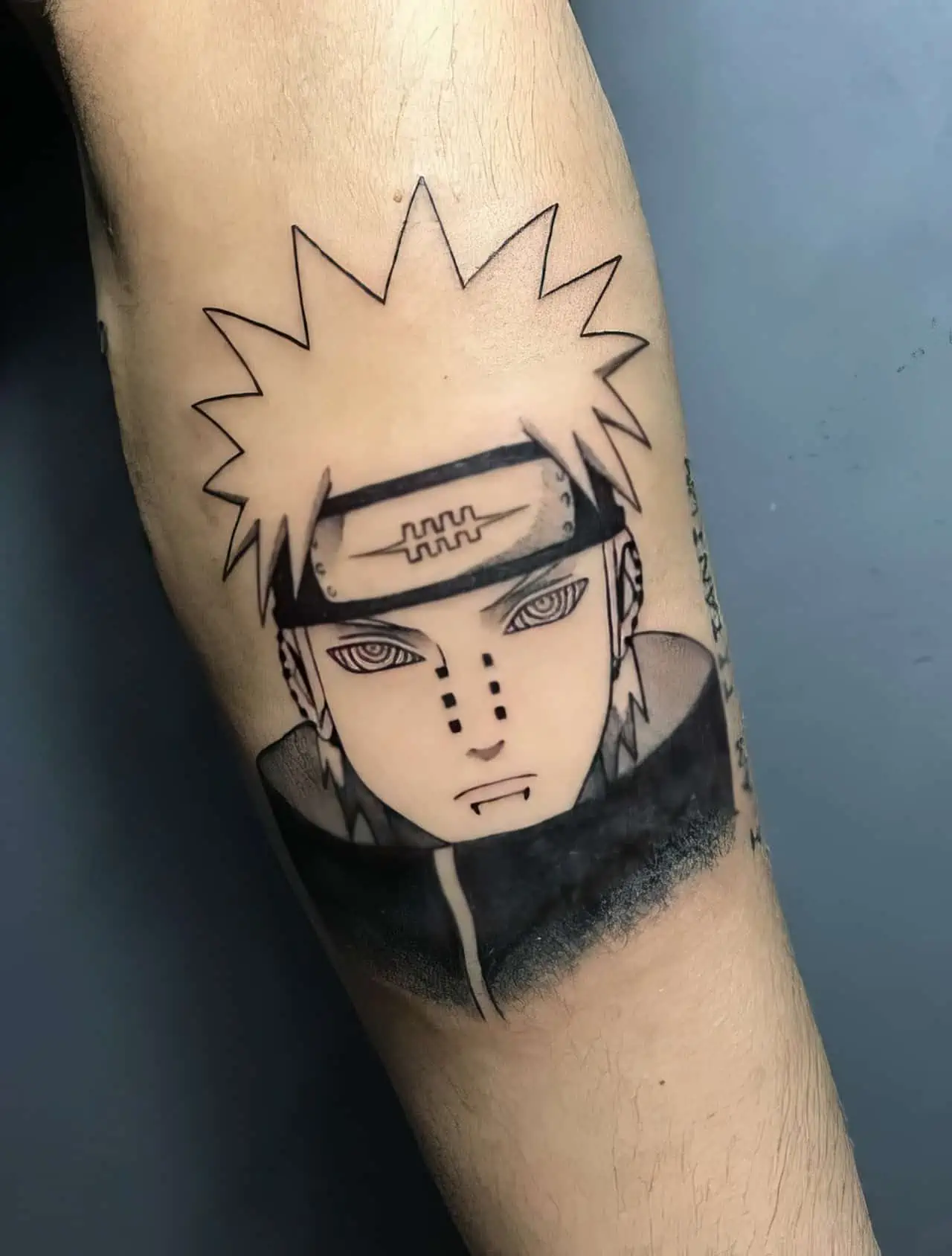
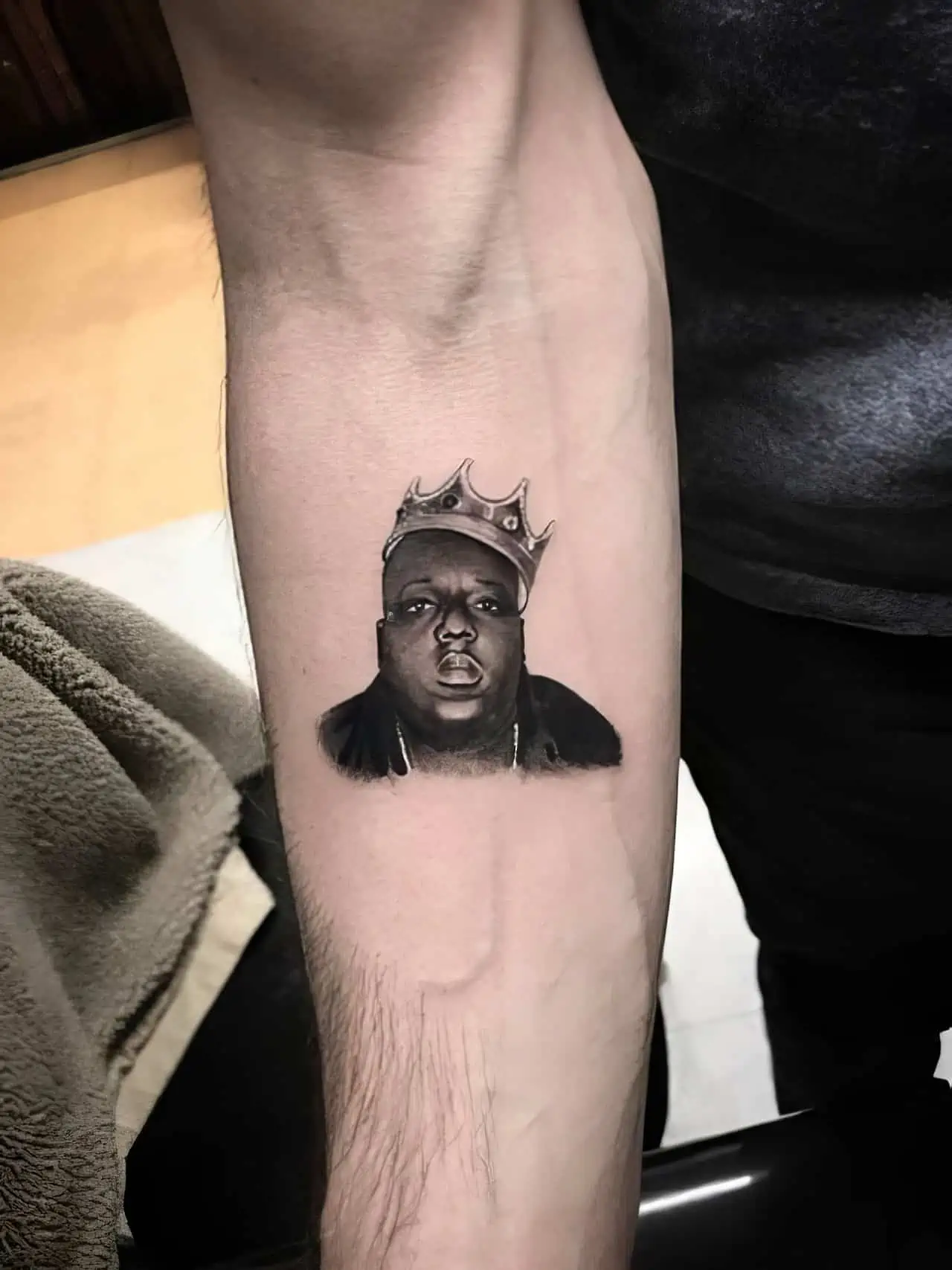
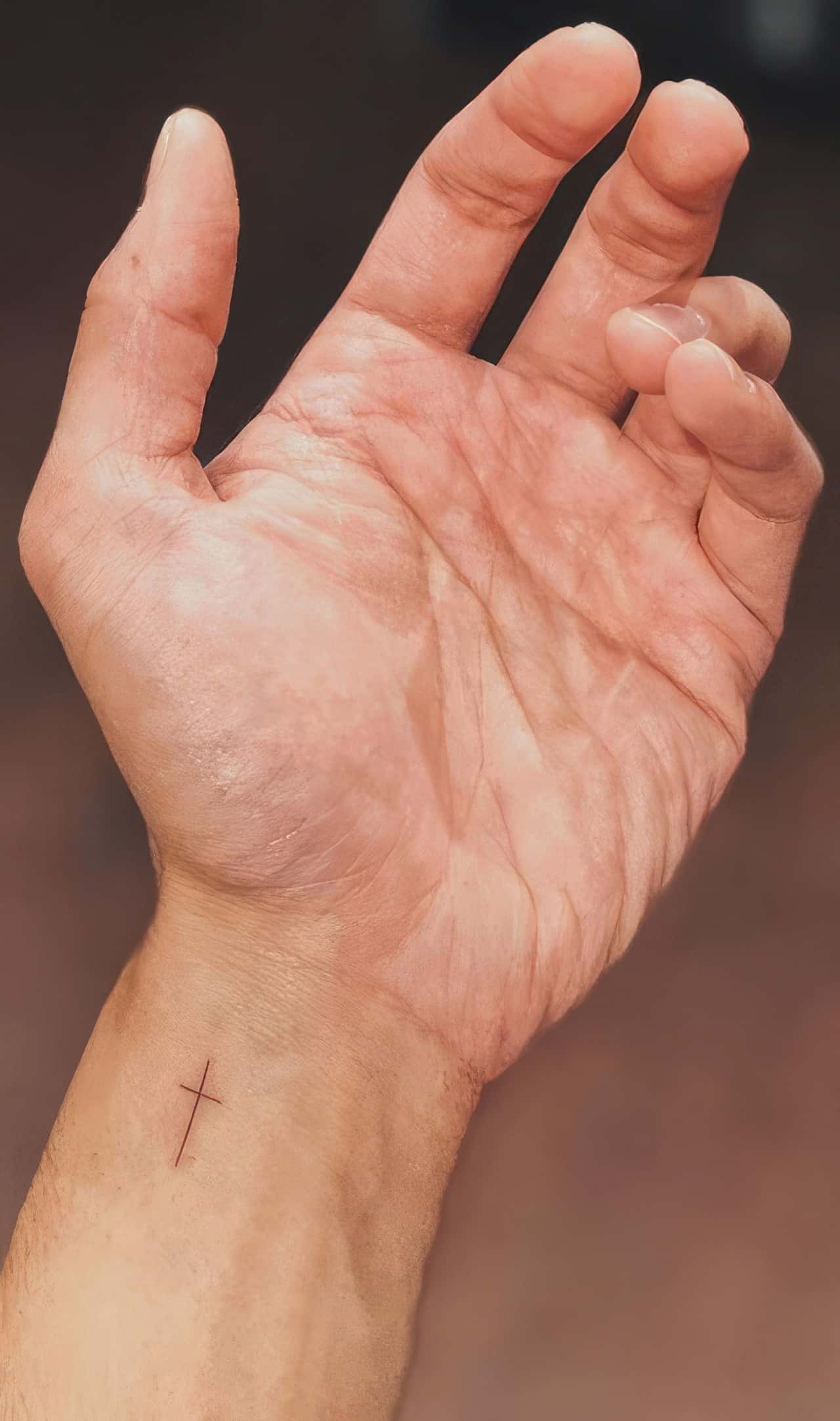
Loud, full-sleeve tributes to media franchises are not for everyone. Taking a massive cinematic universe and scaling it down into a dime-sized design matures the concept of the “fan tattoo.” It elevates the ink from a walking bumper sticker to a sophisticated secret handshake for fellow fans.
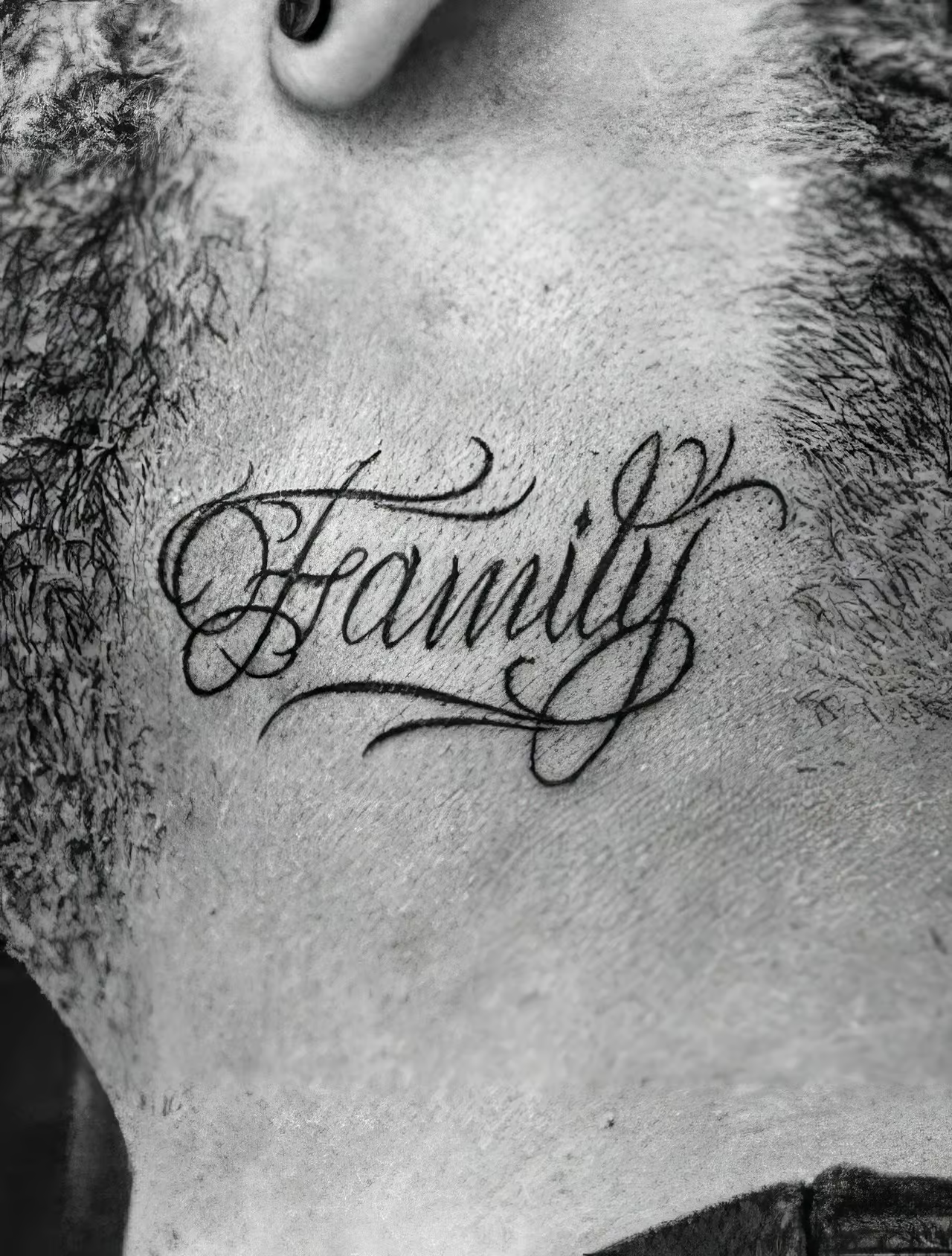
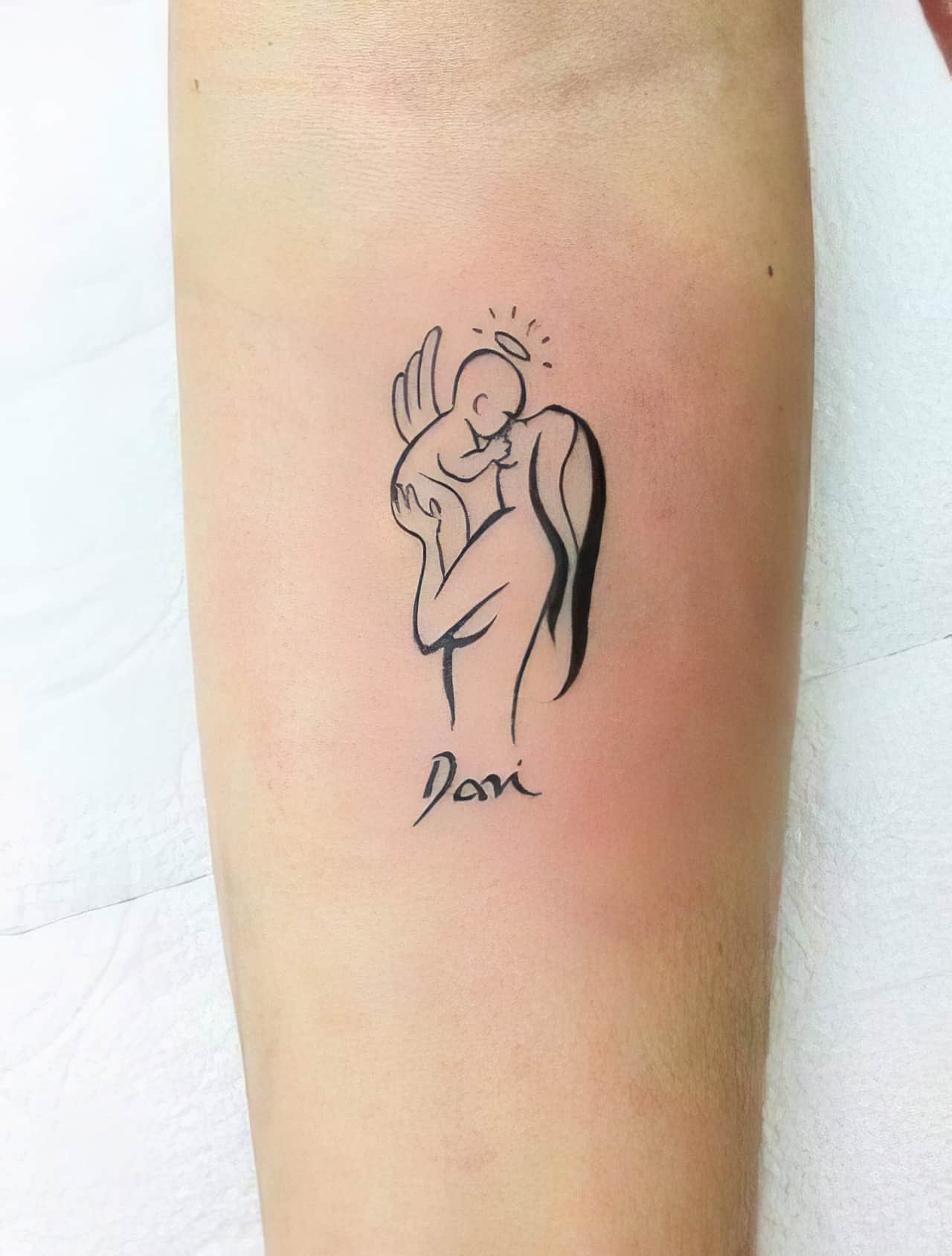
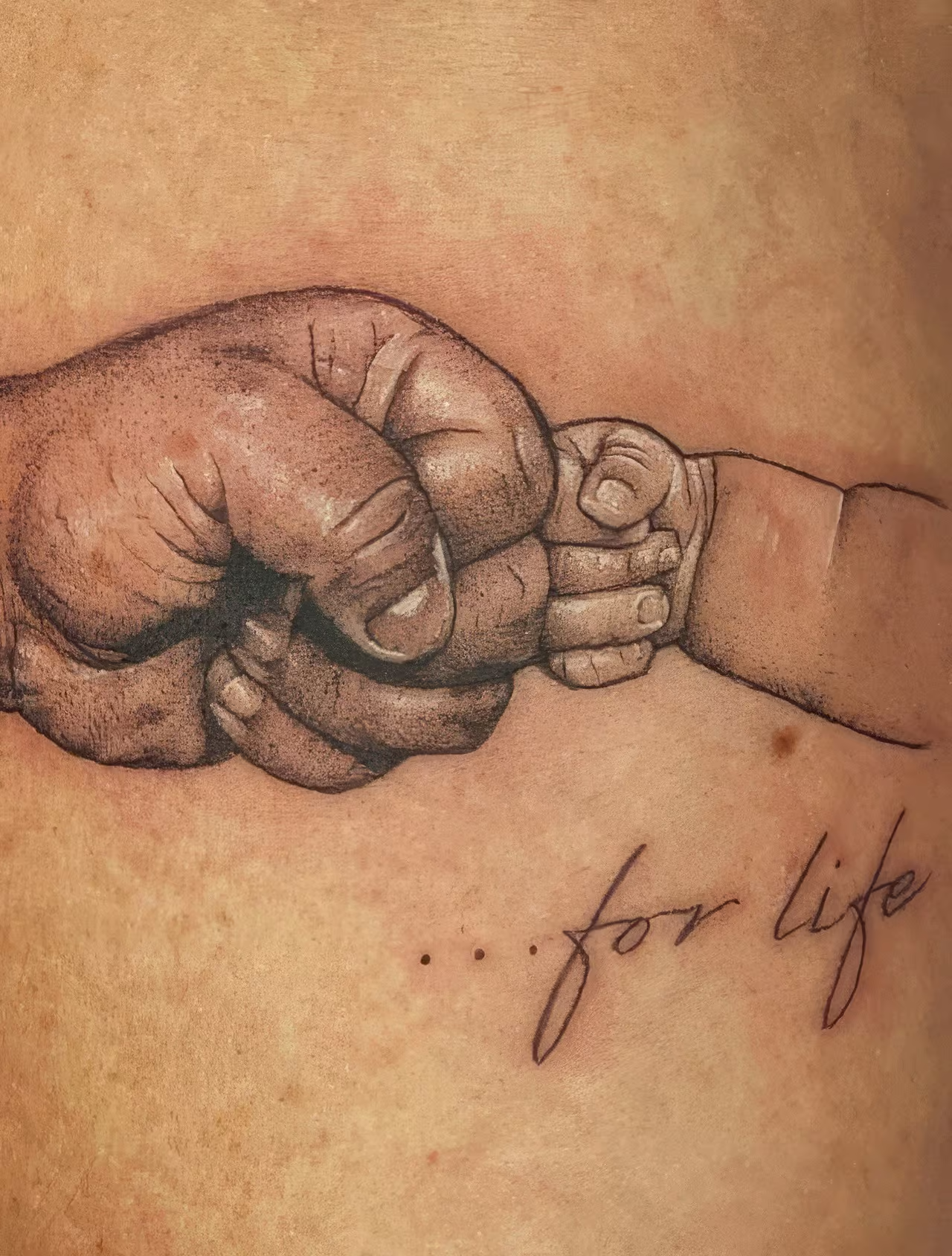
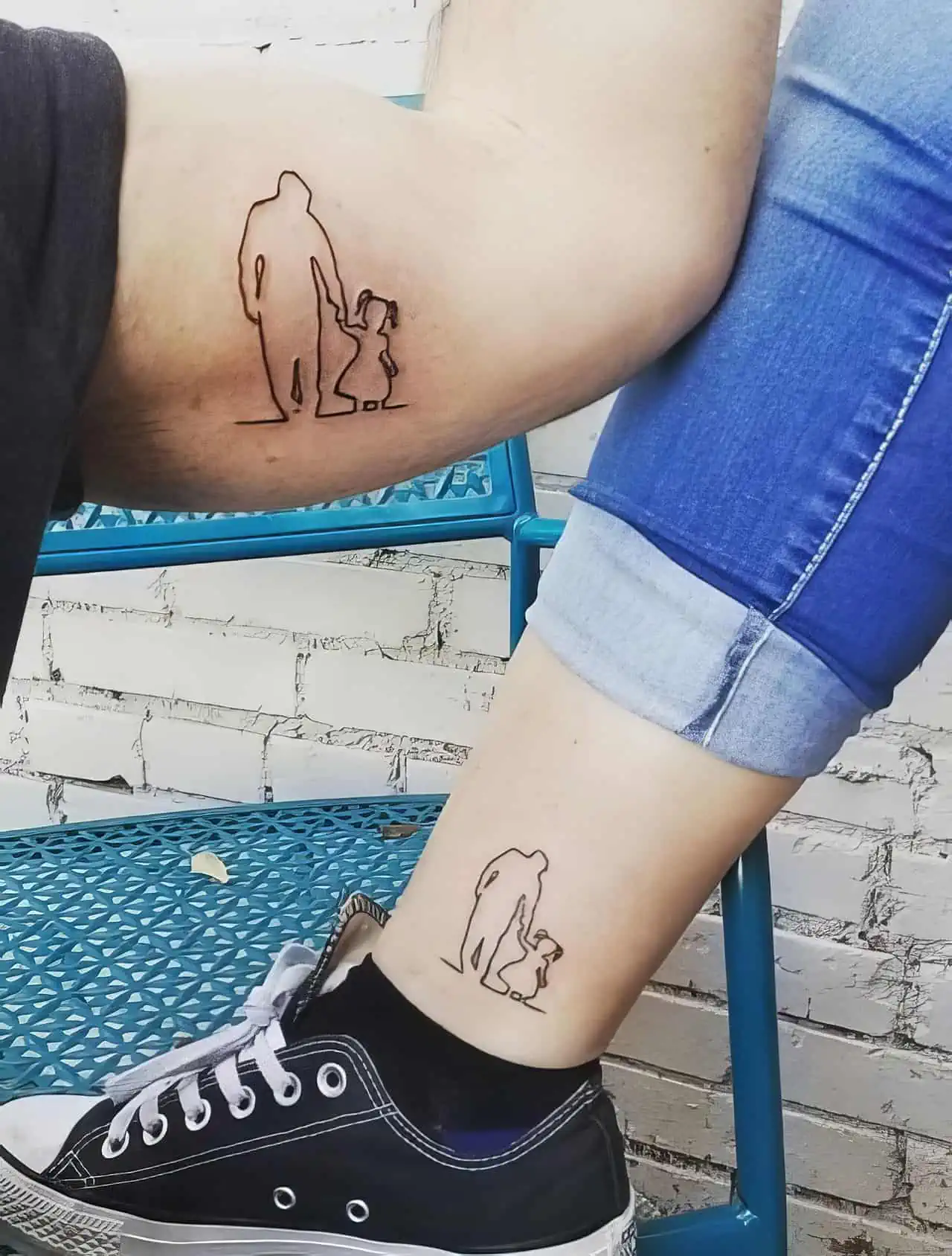
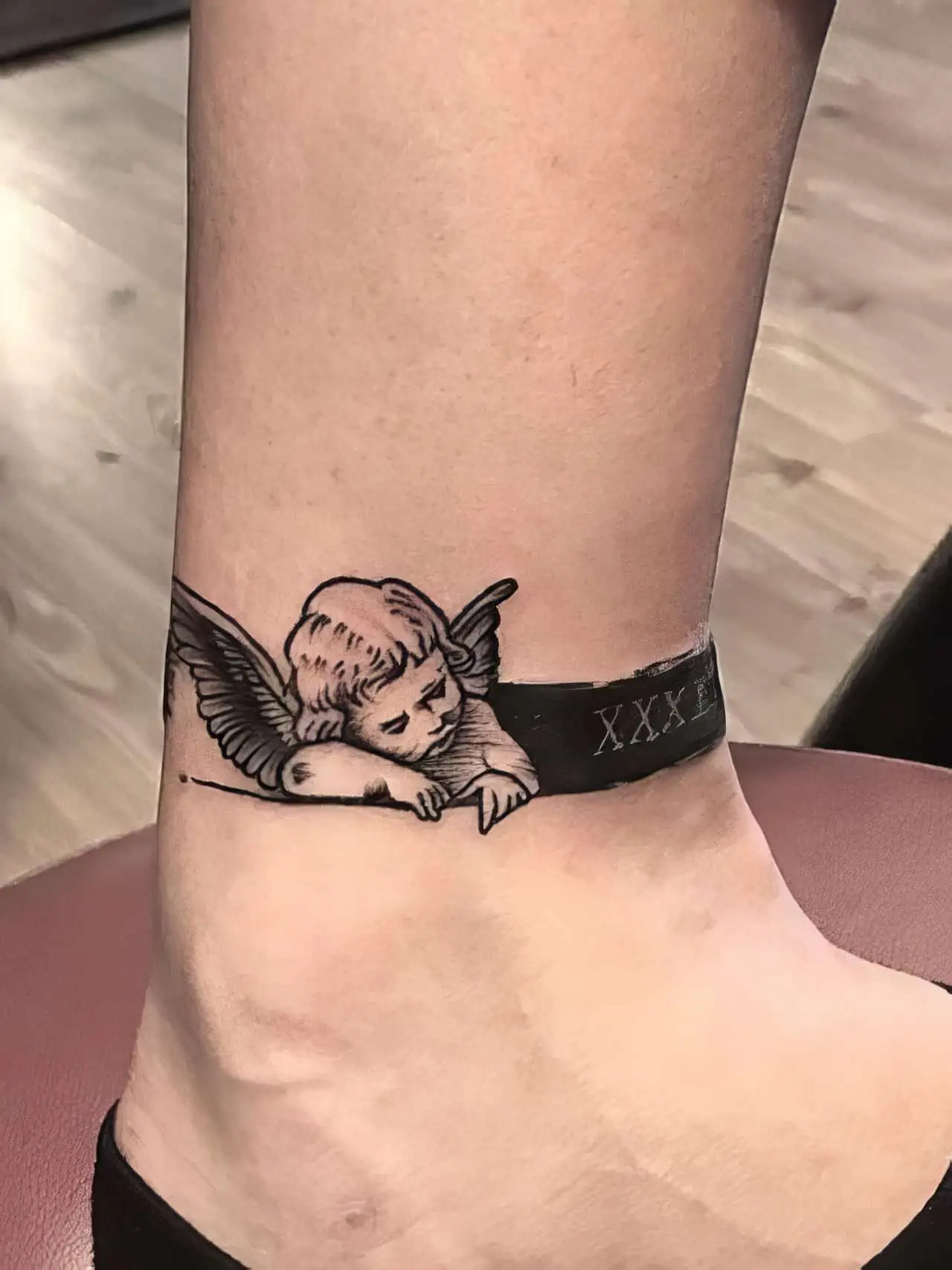
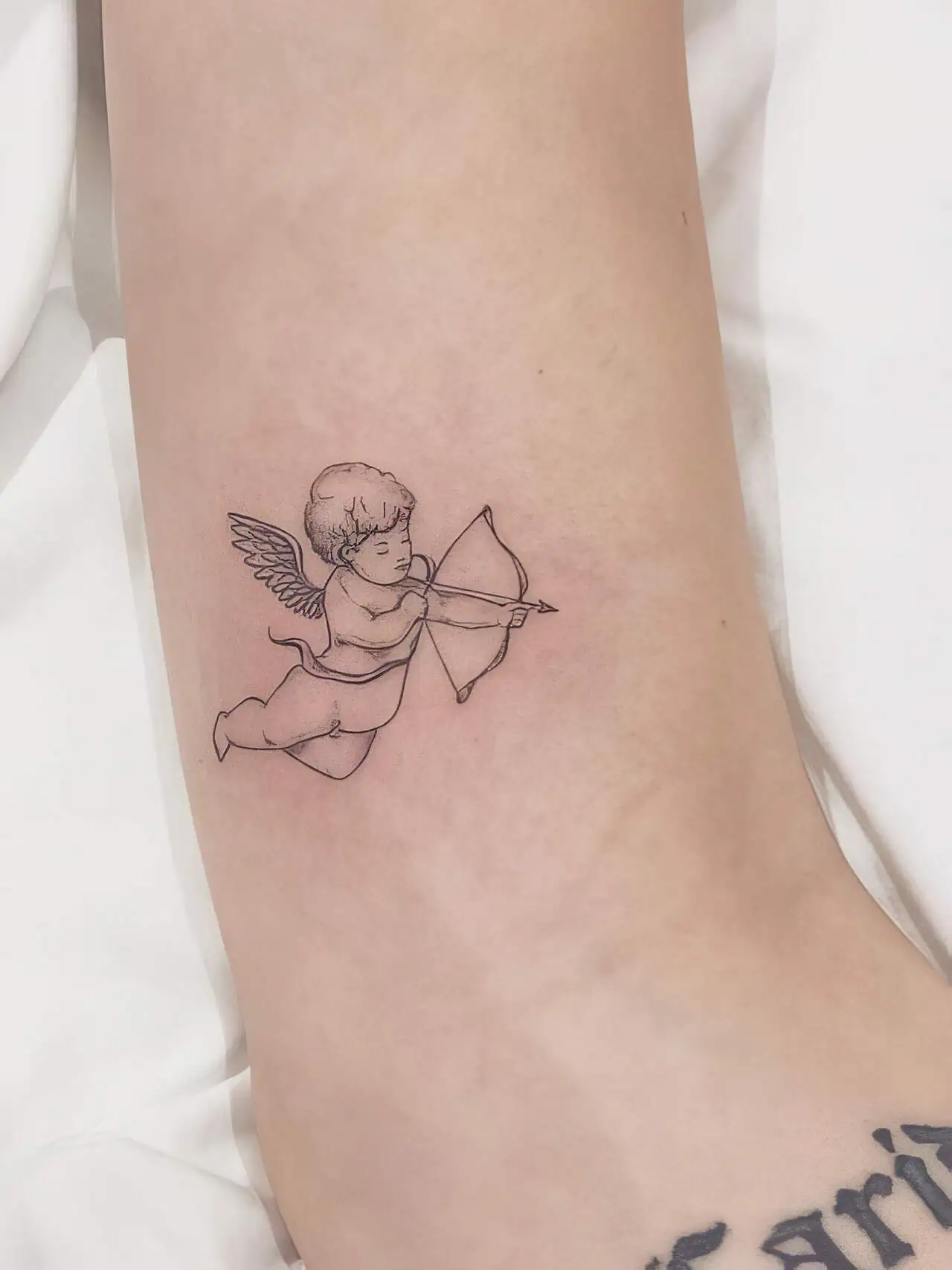
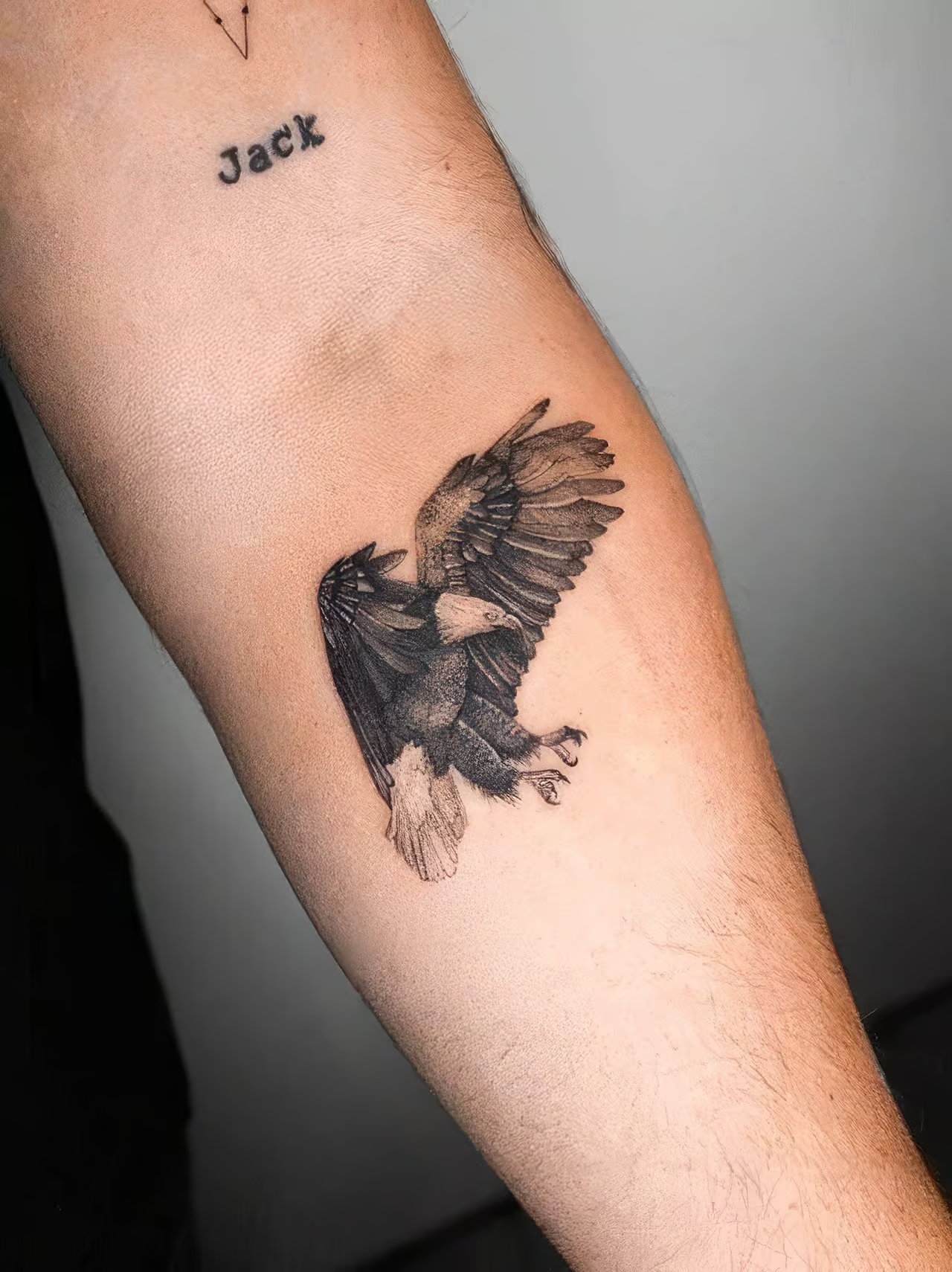
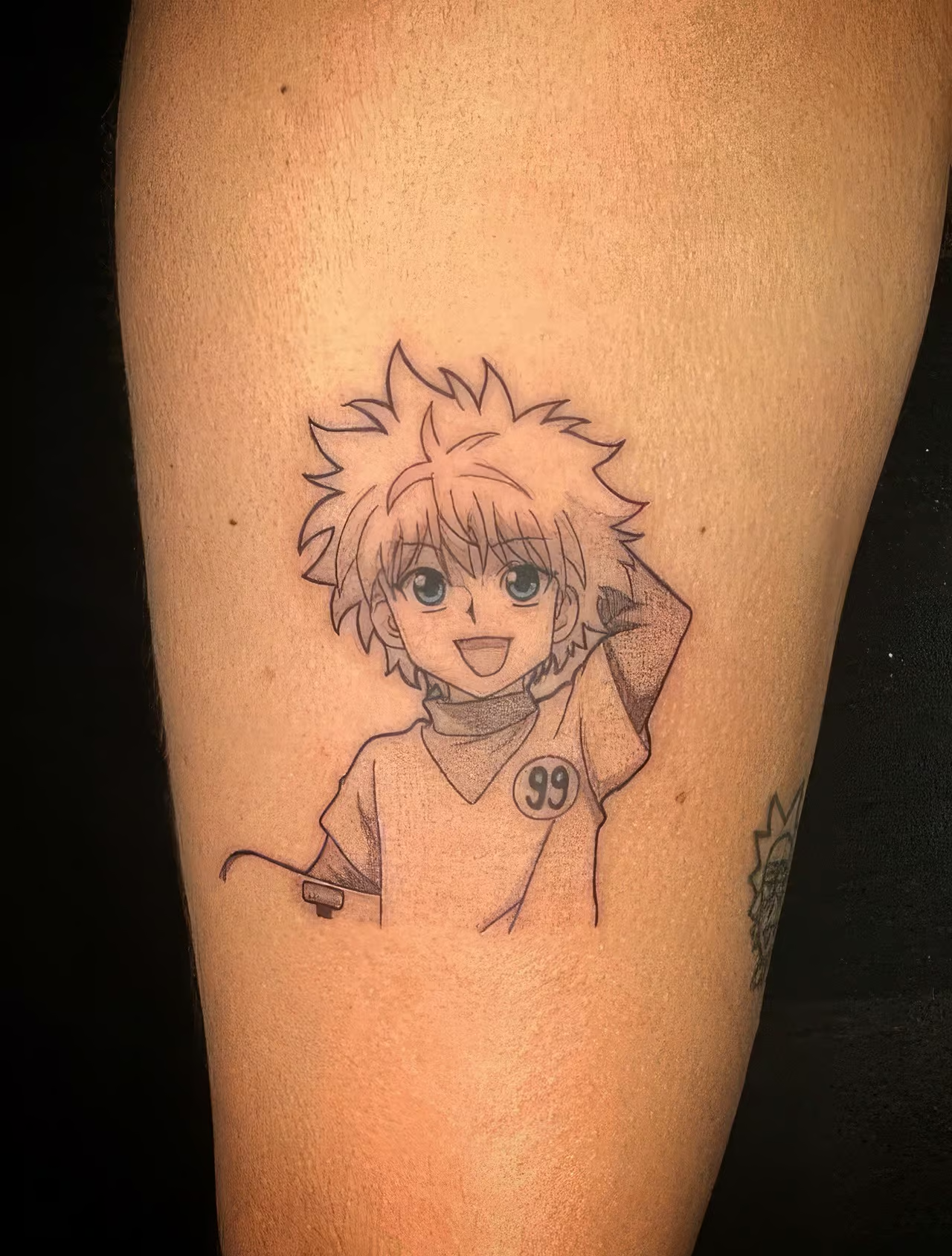
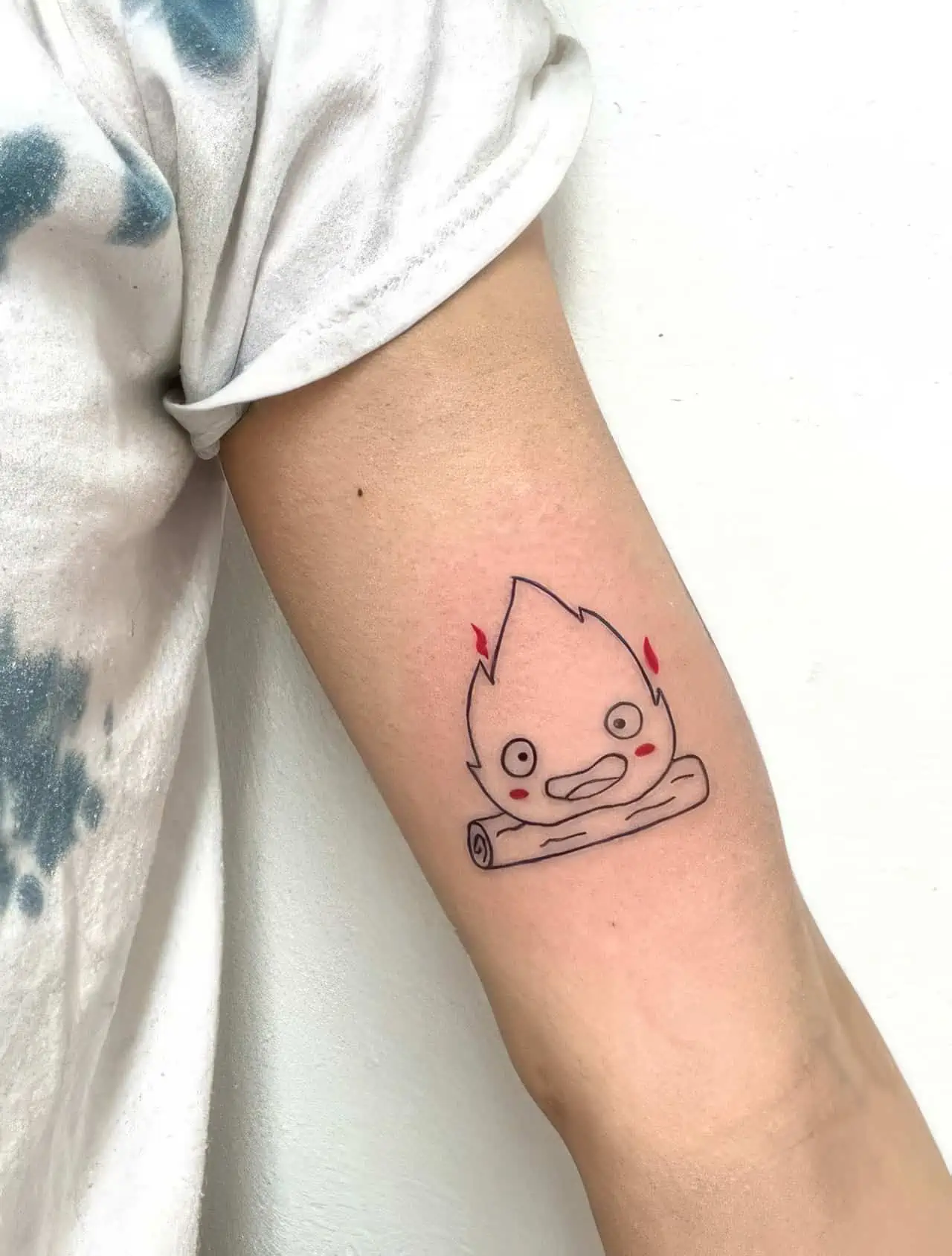
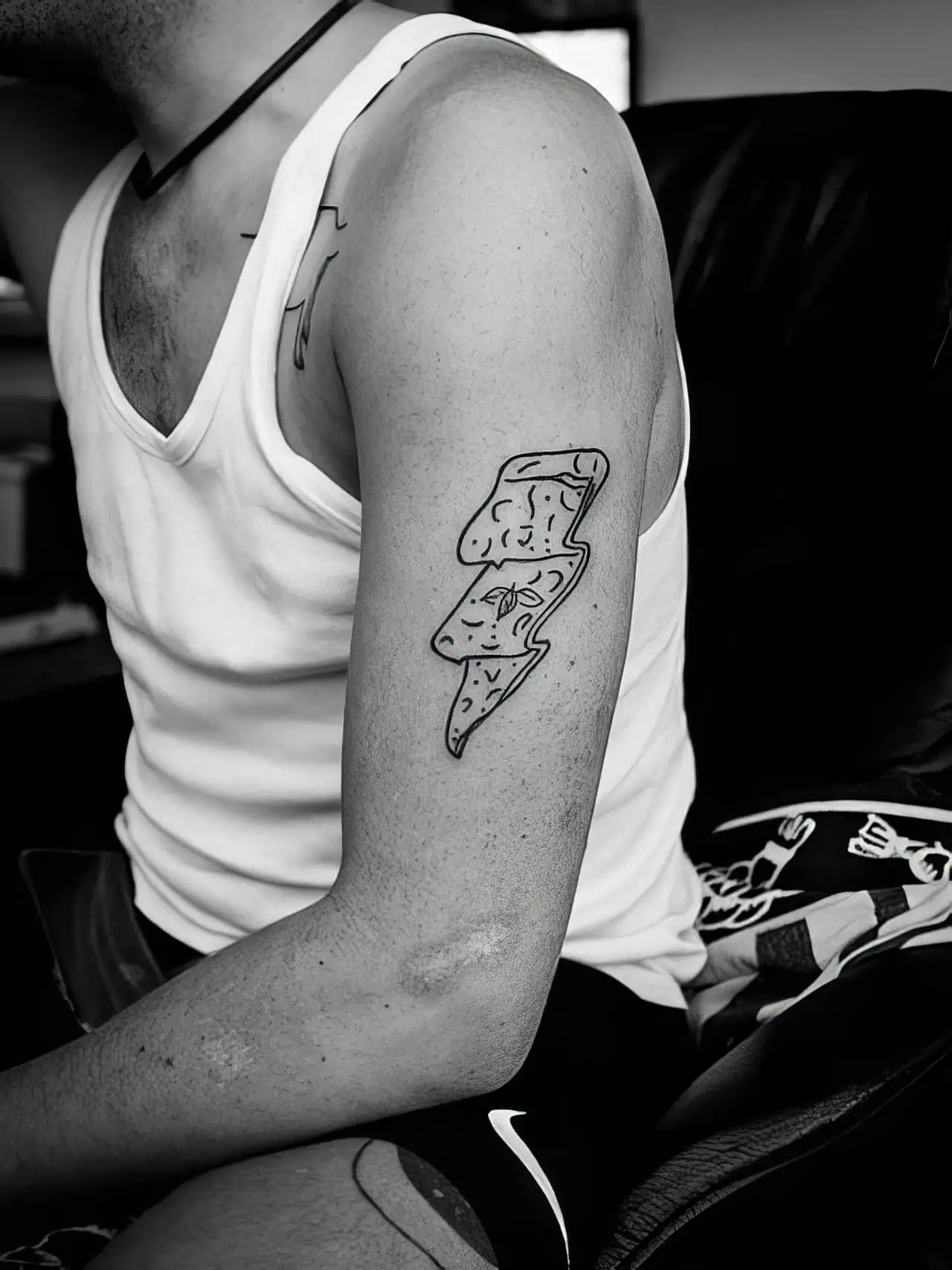
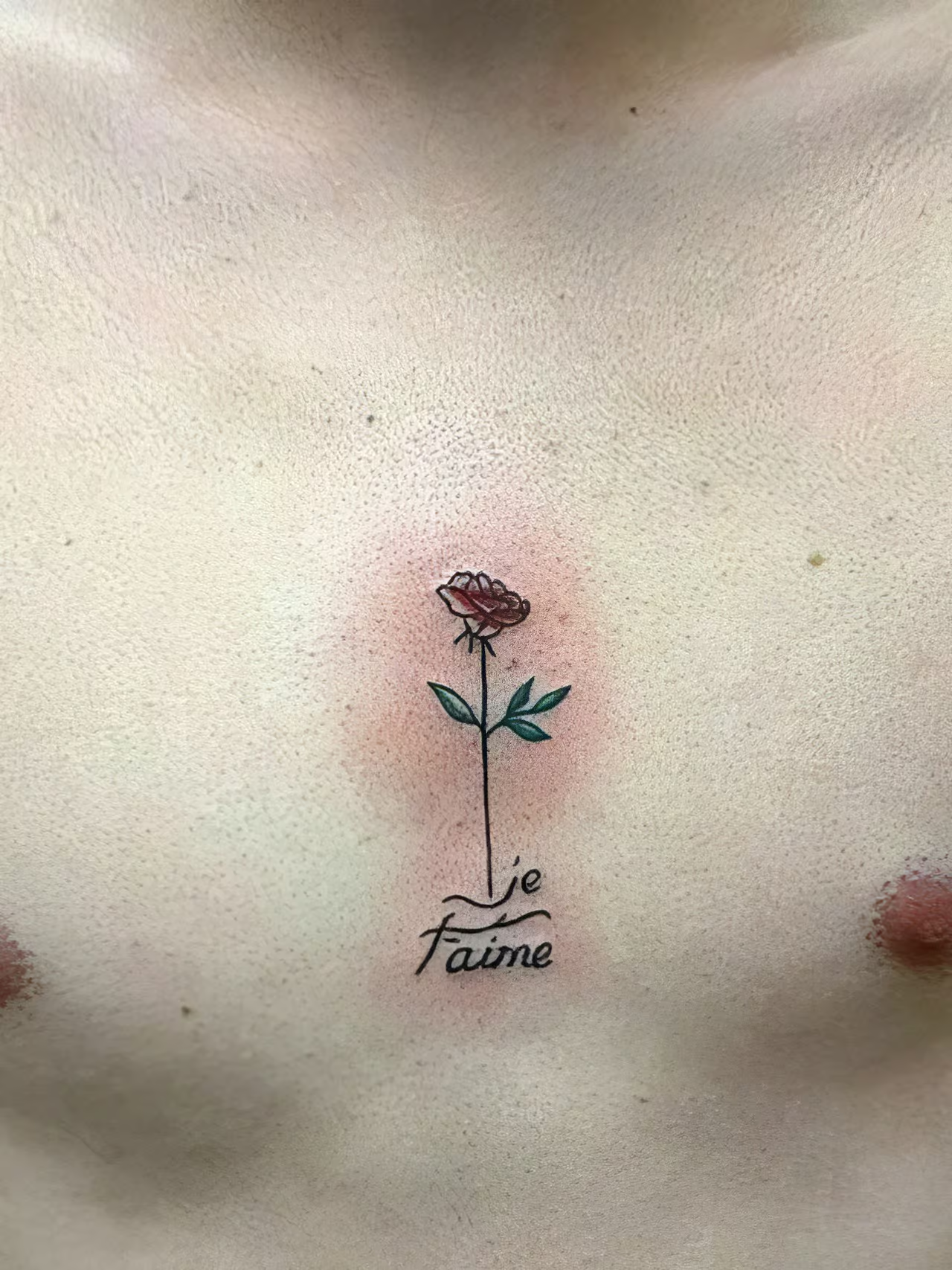

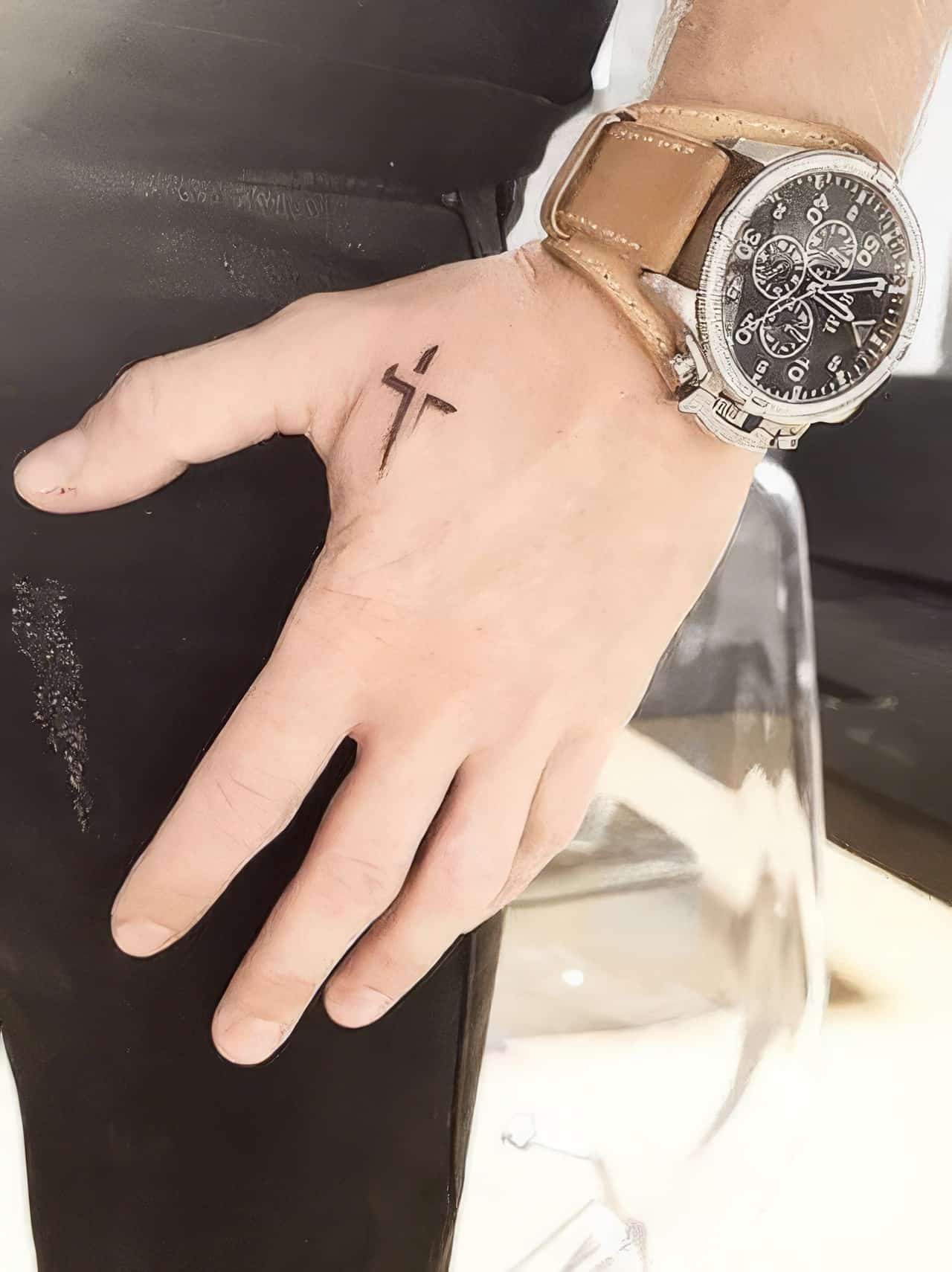
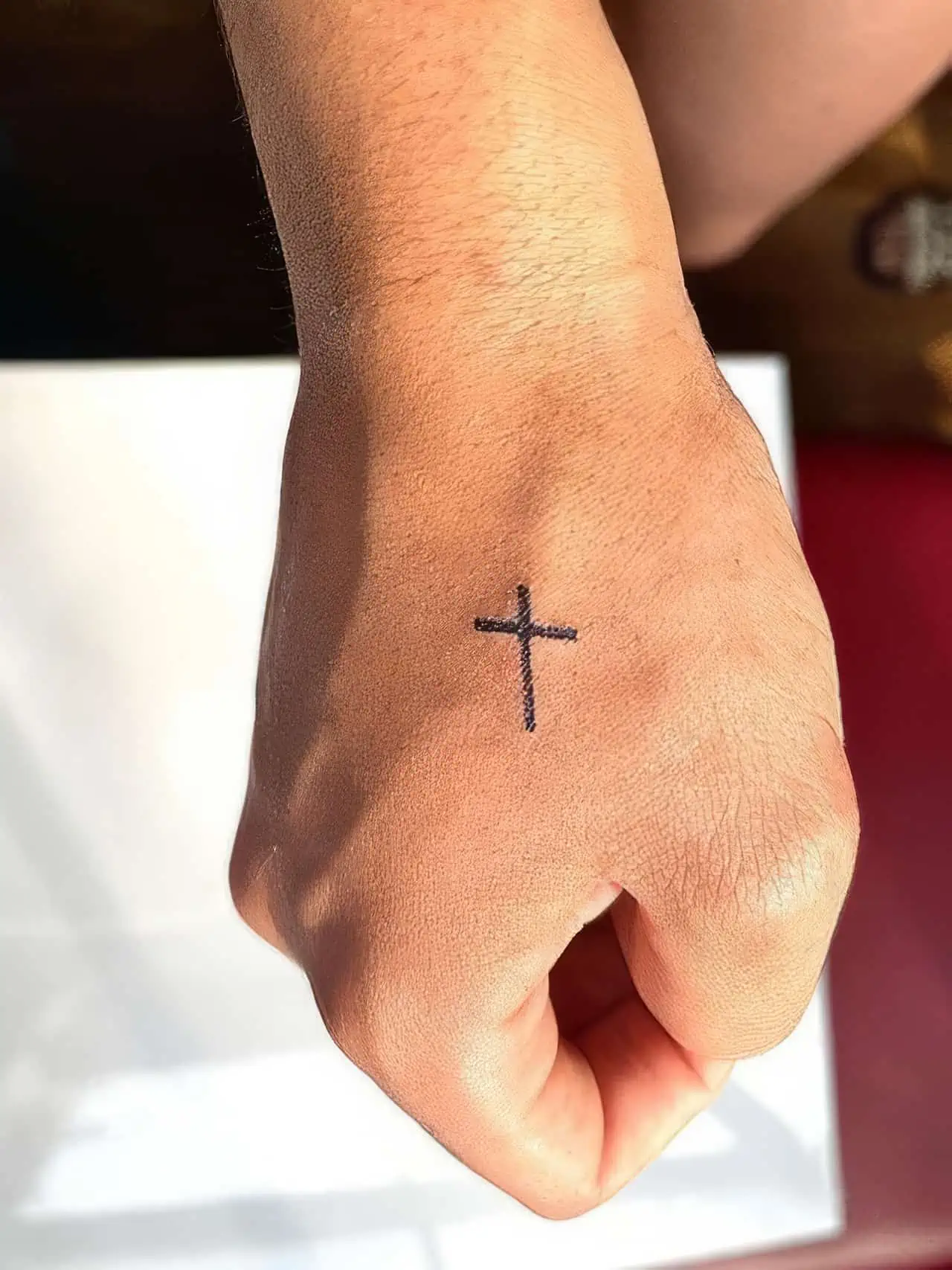
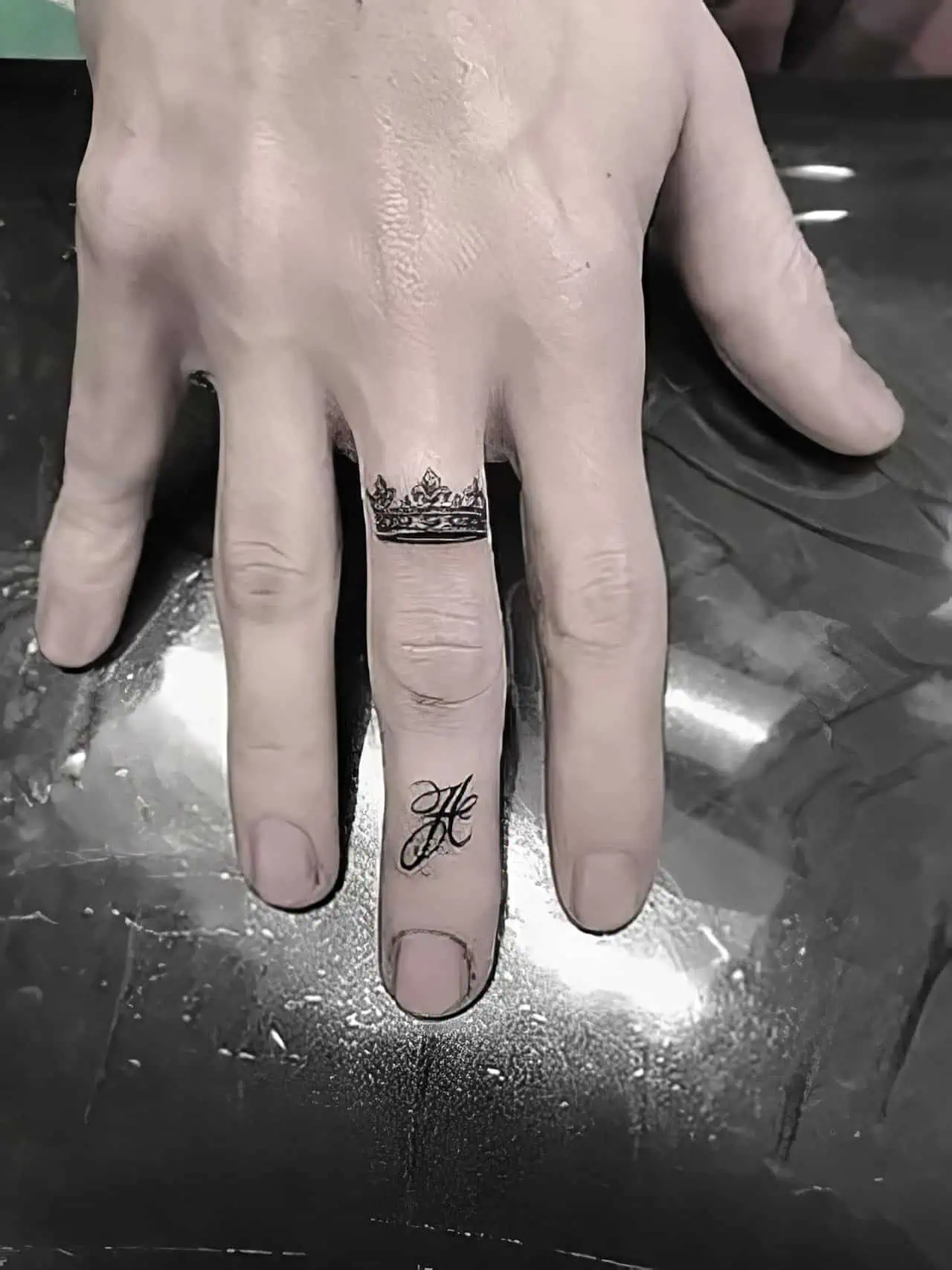

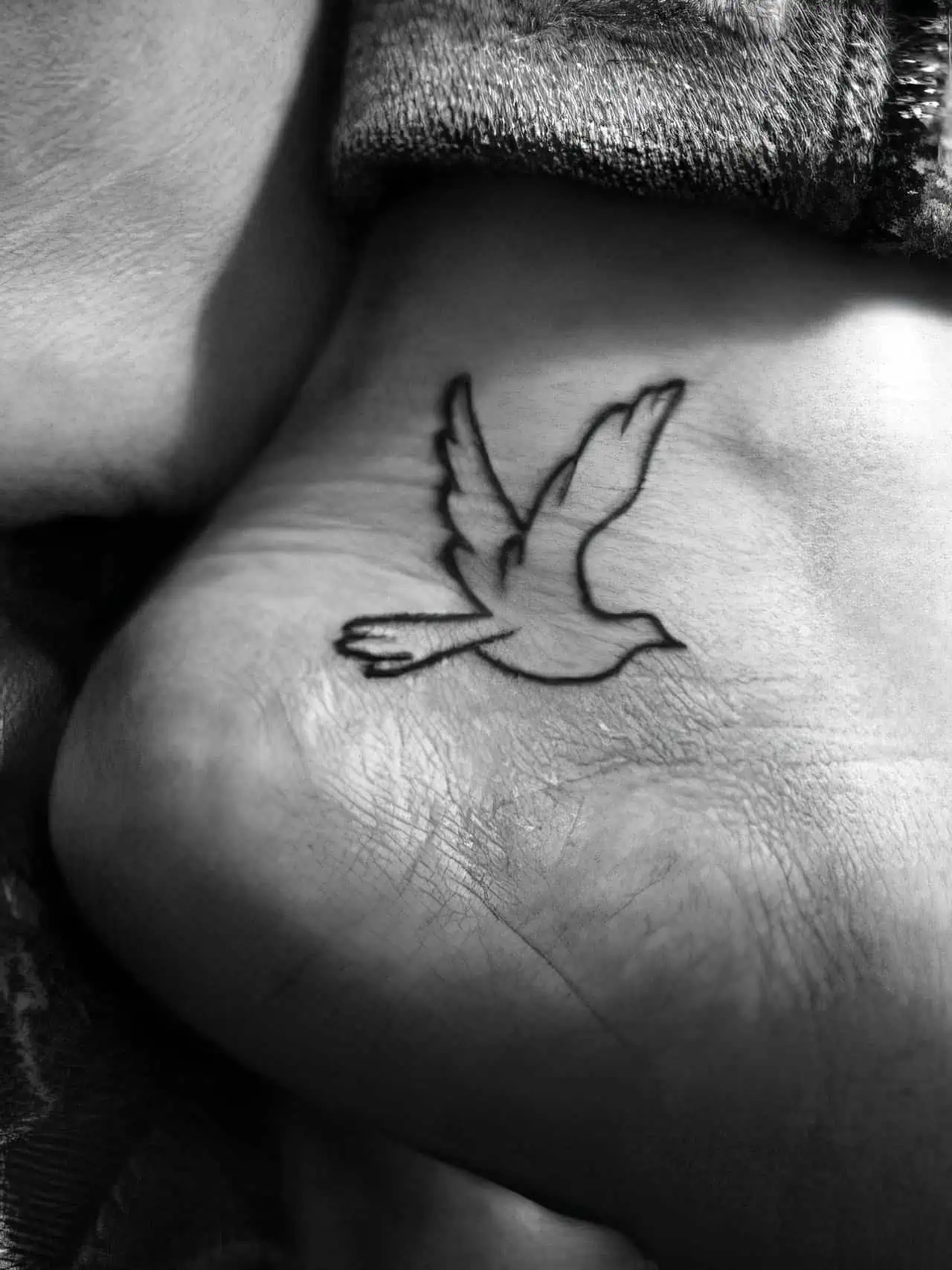
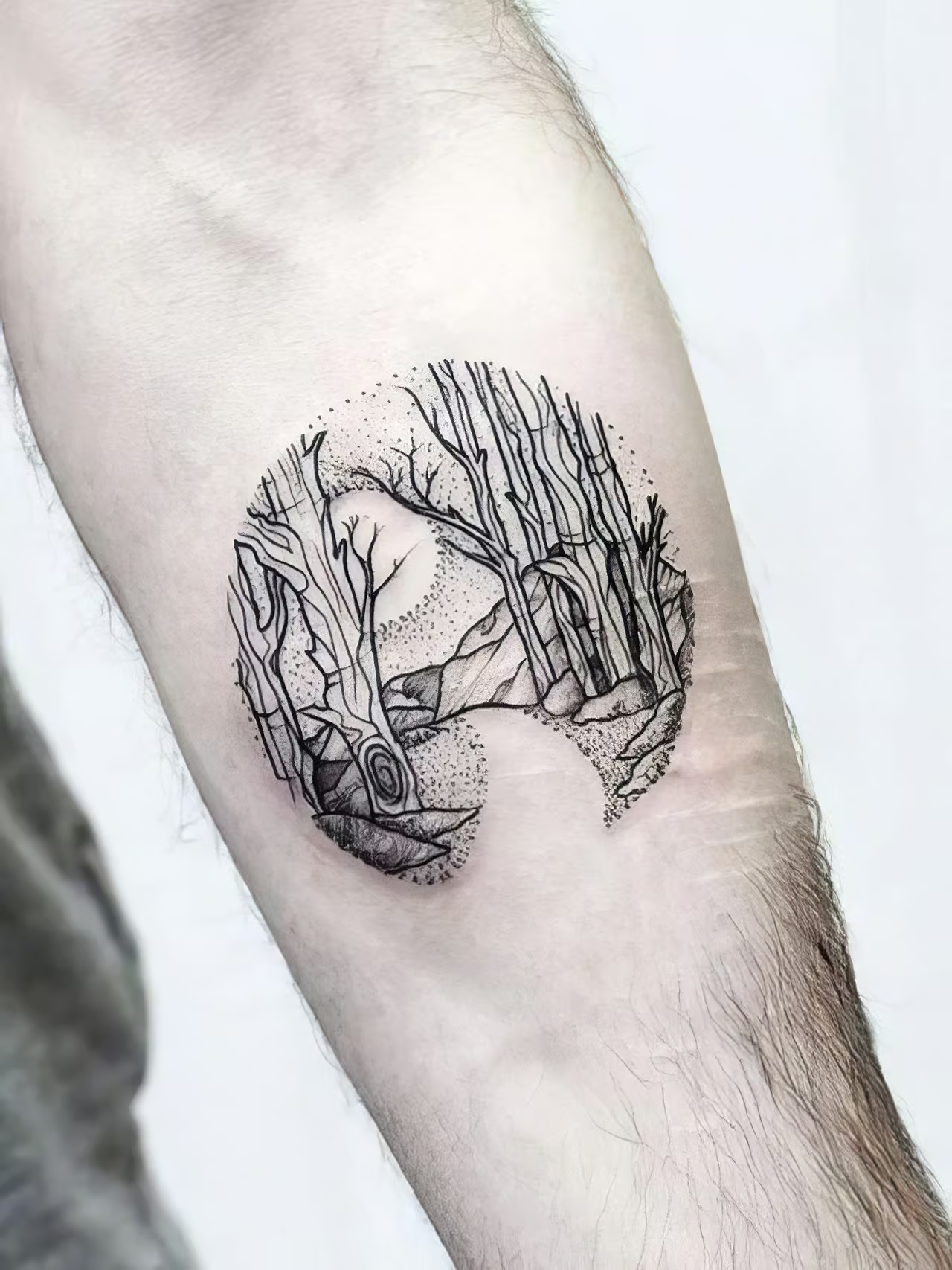
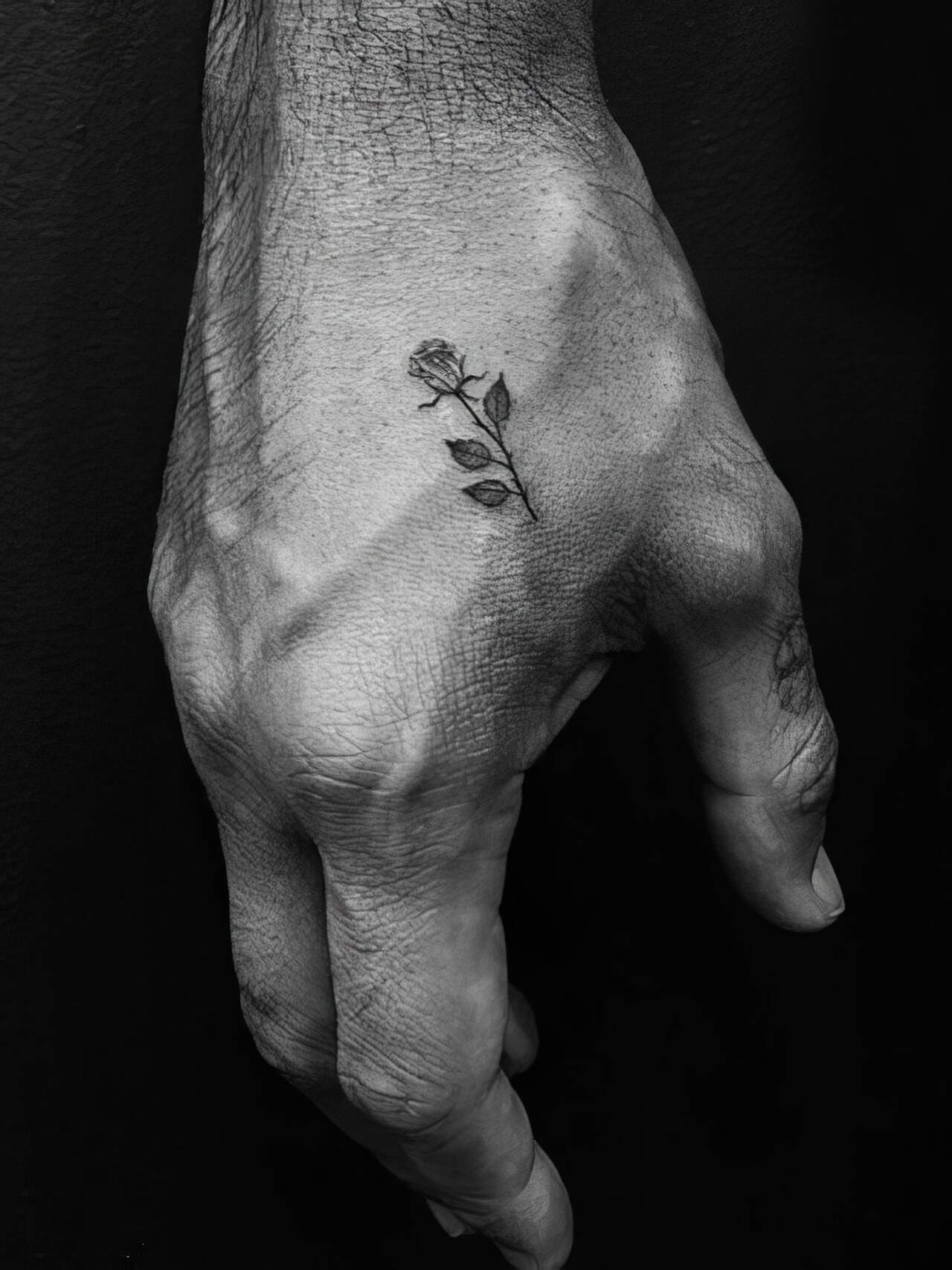
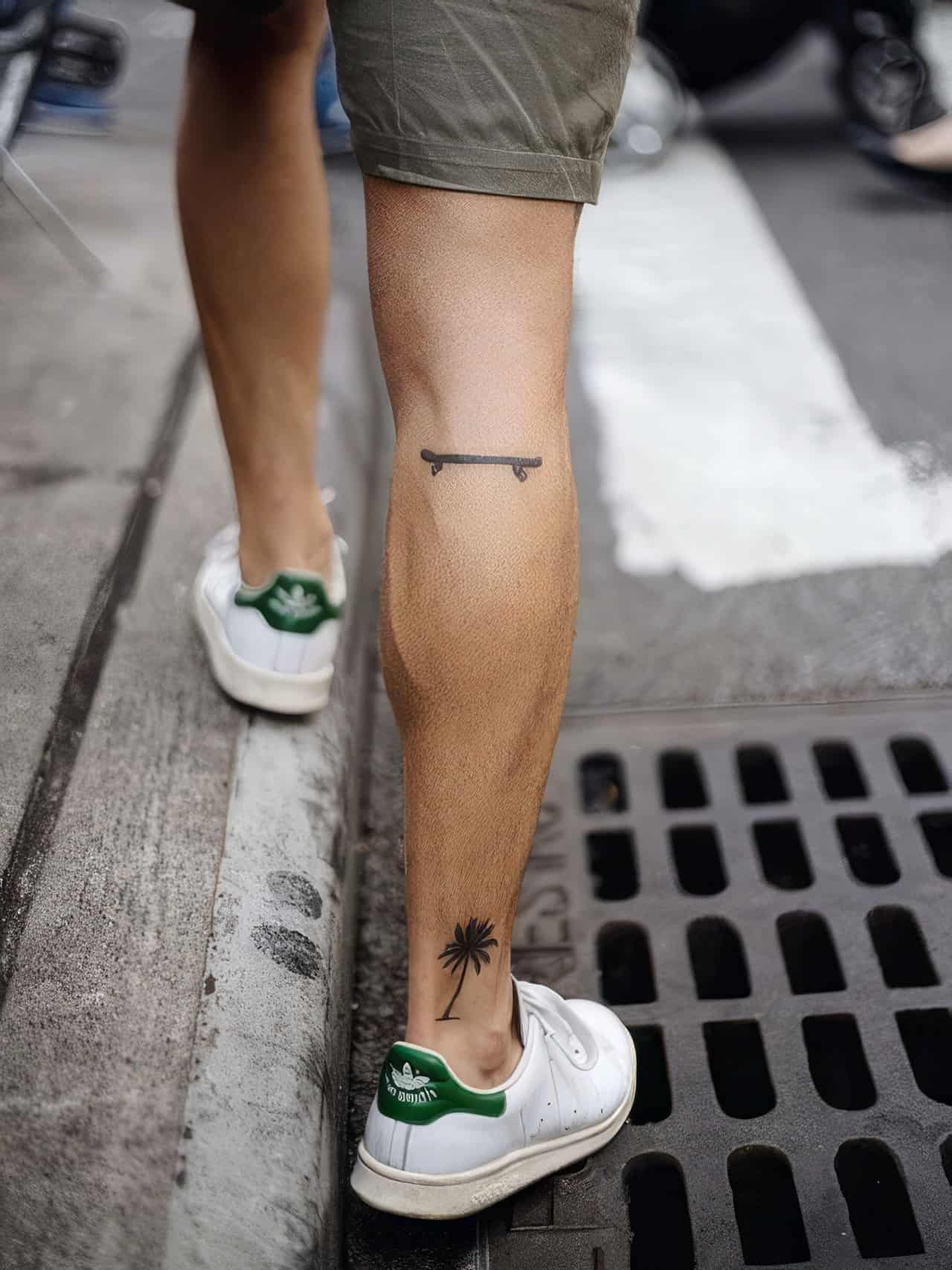
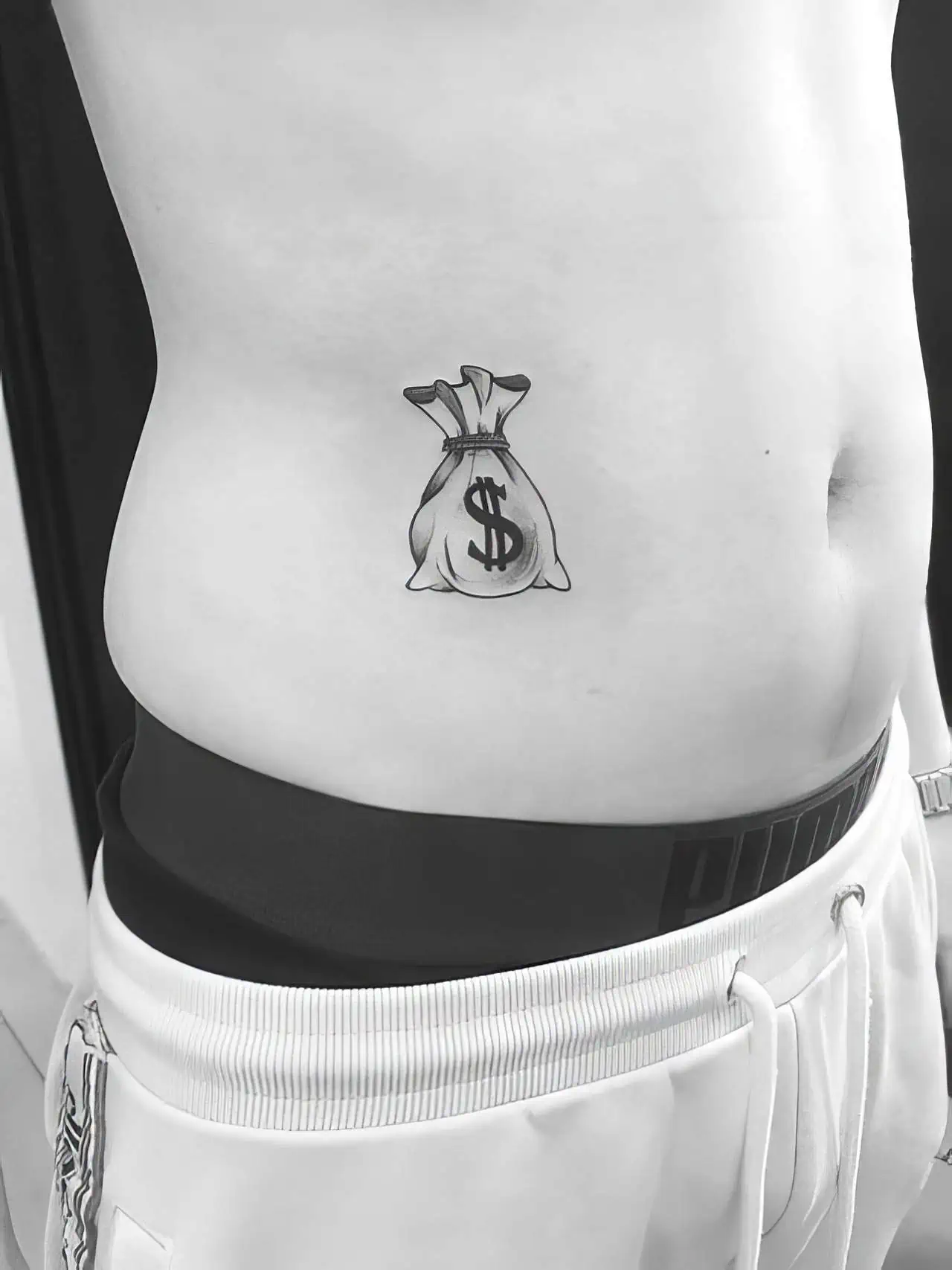
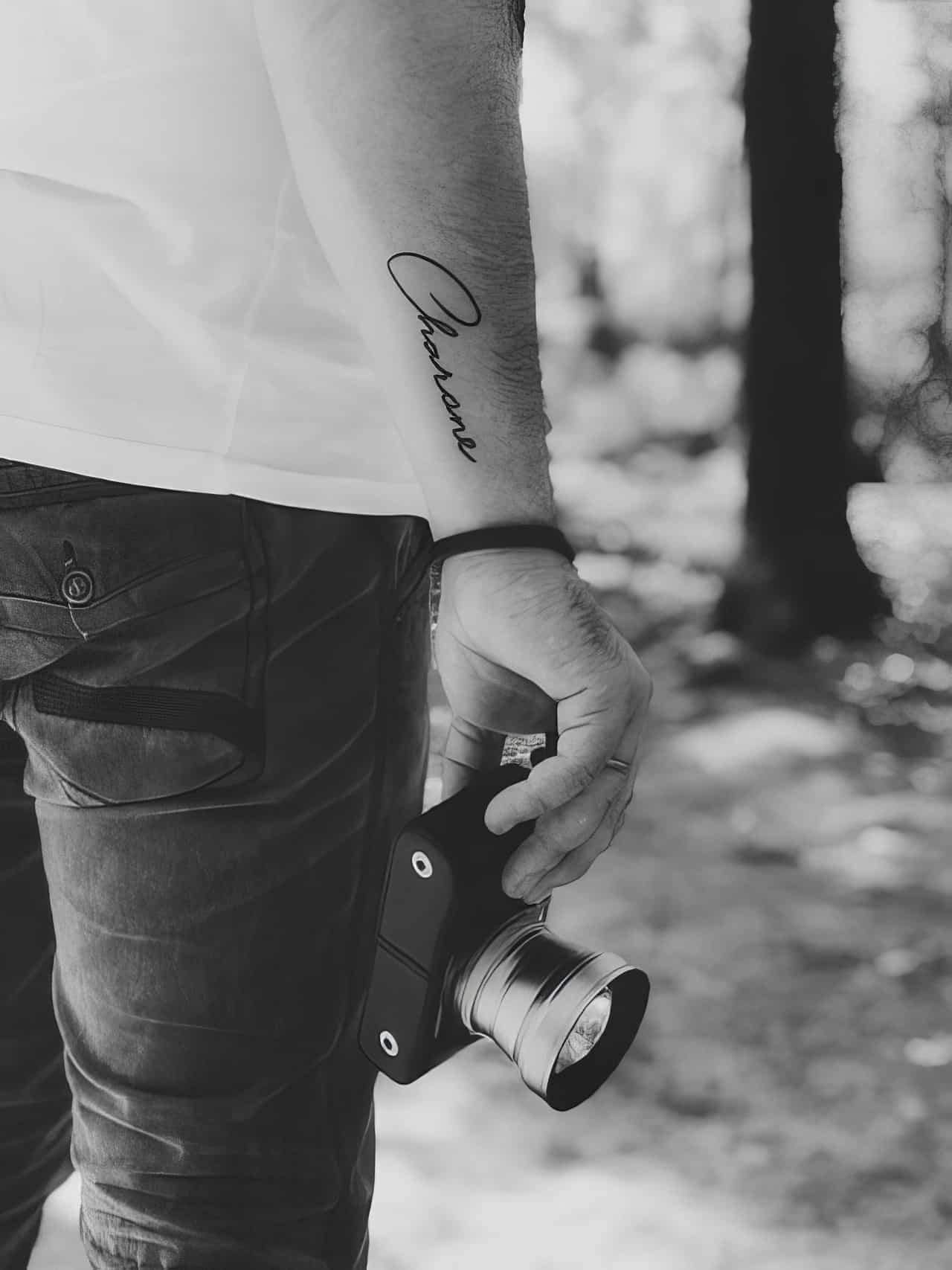
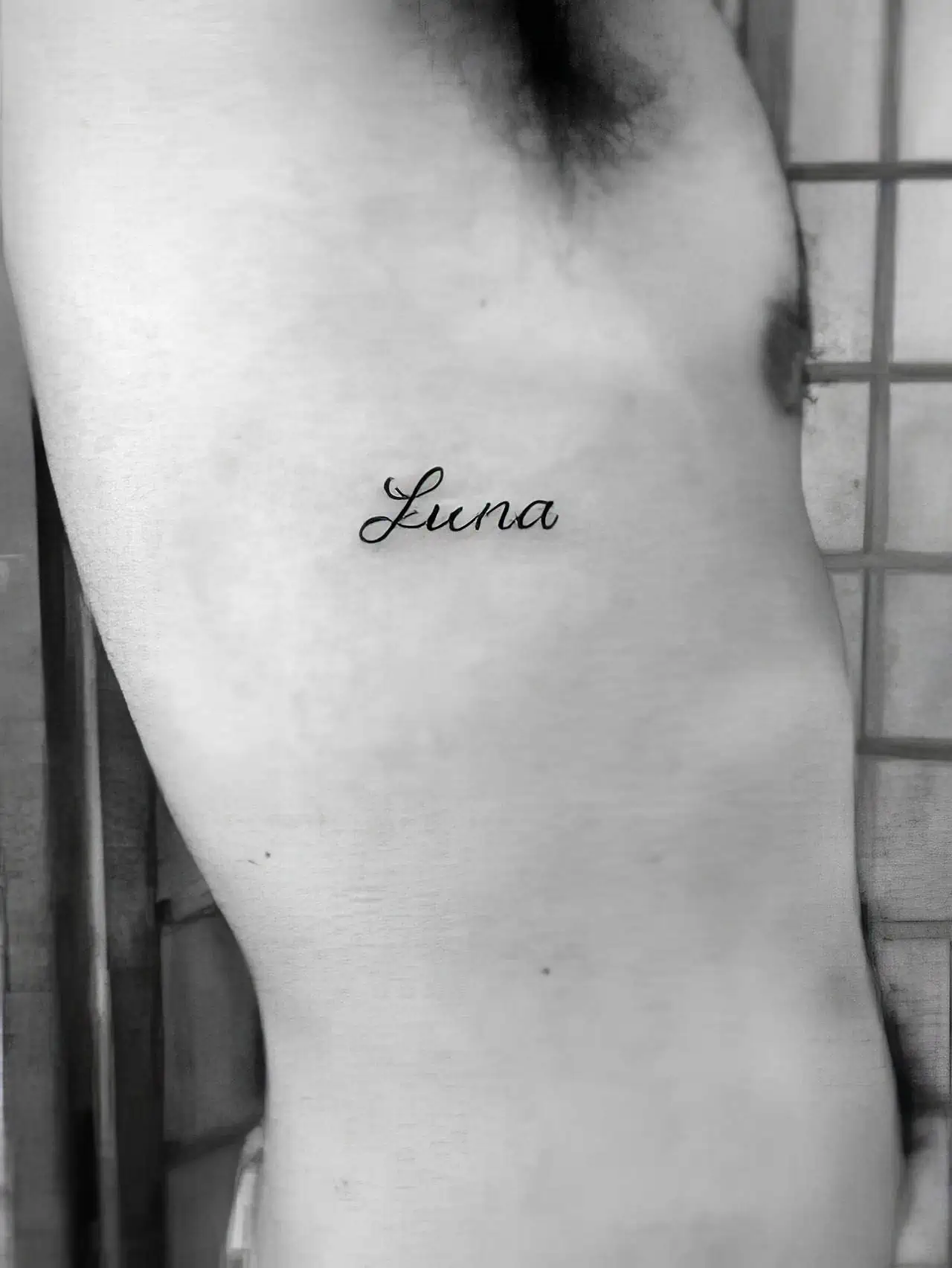
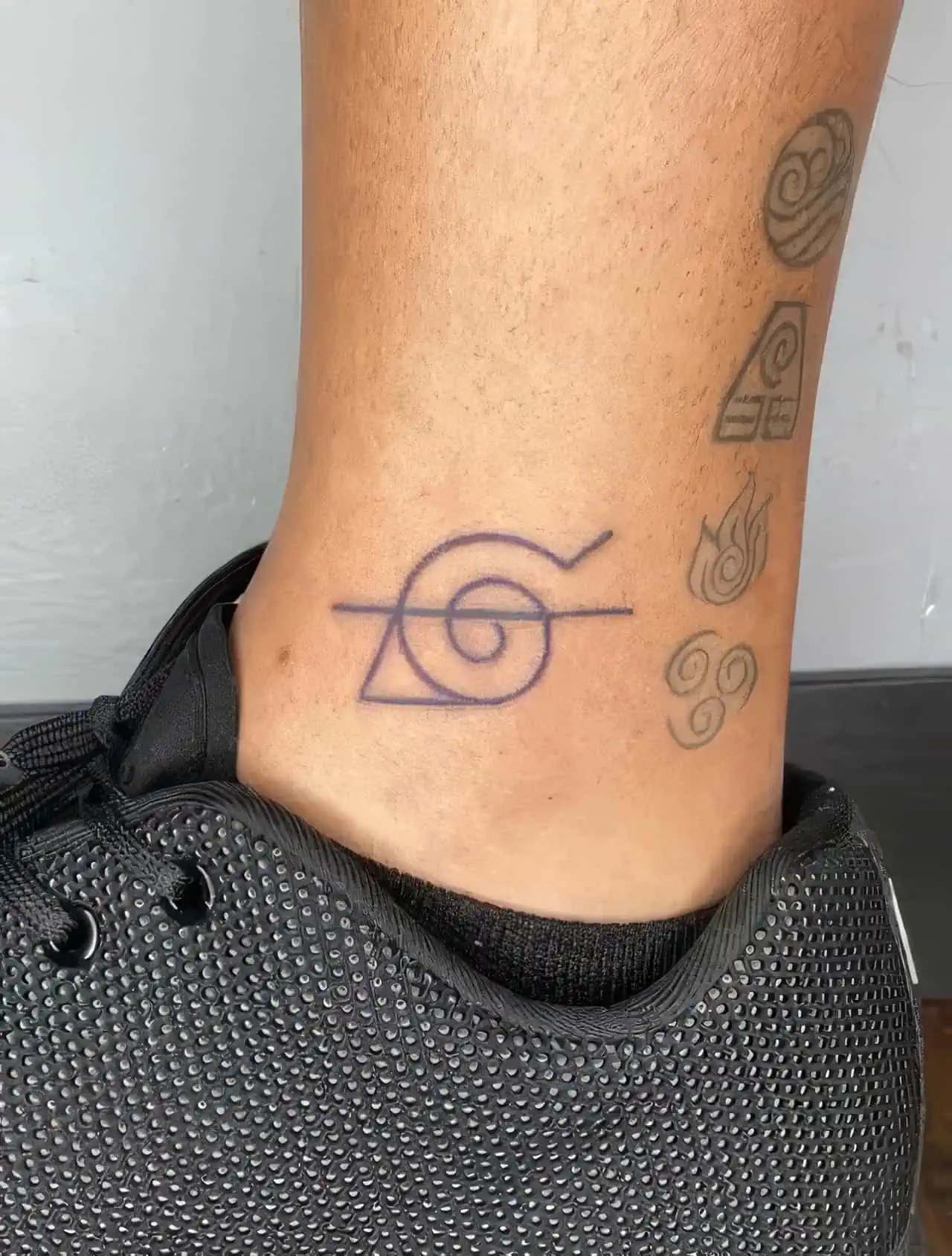
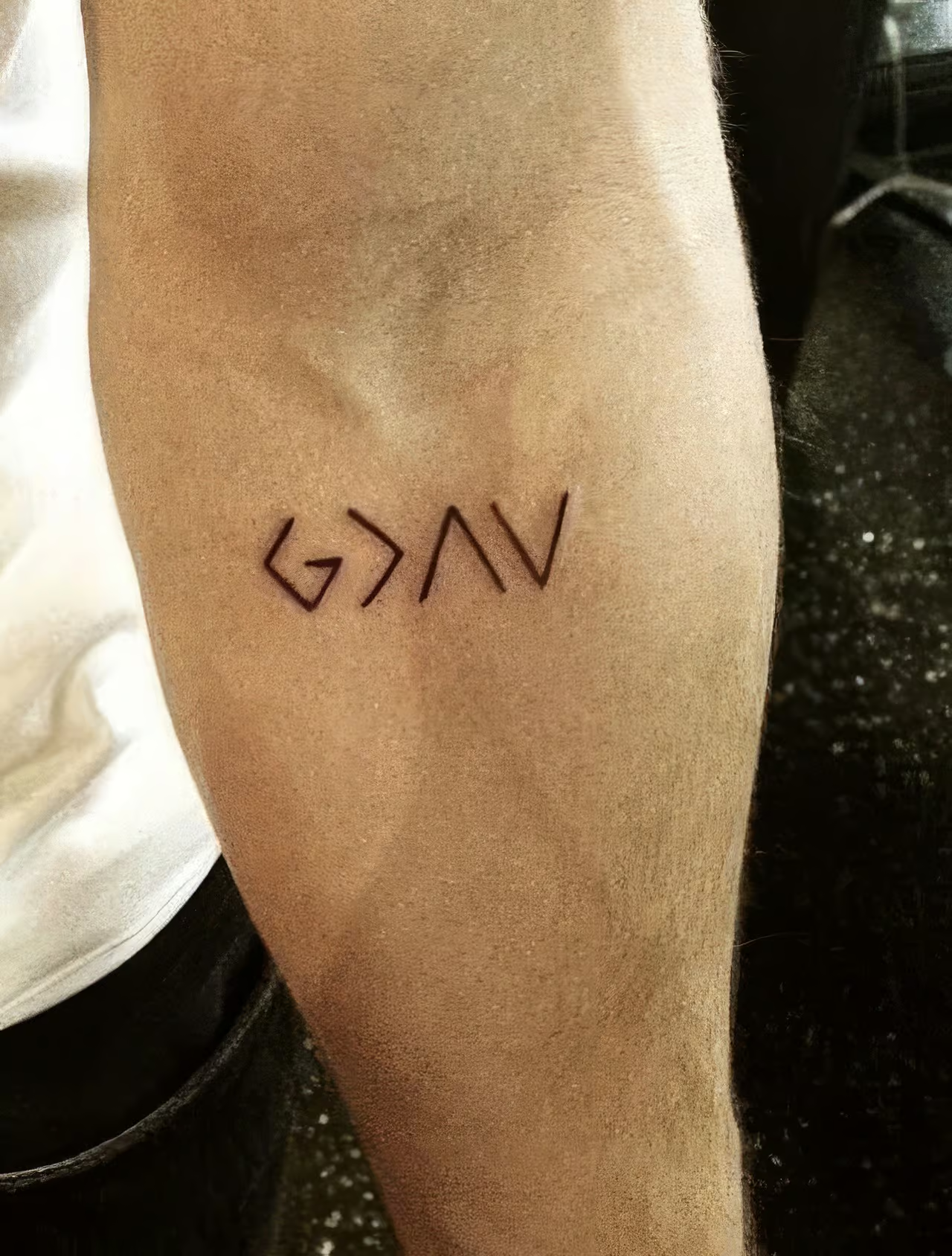
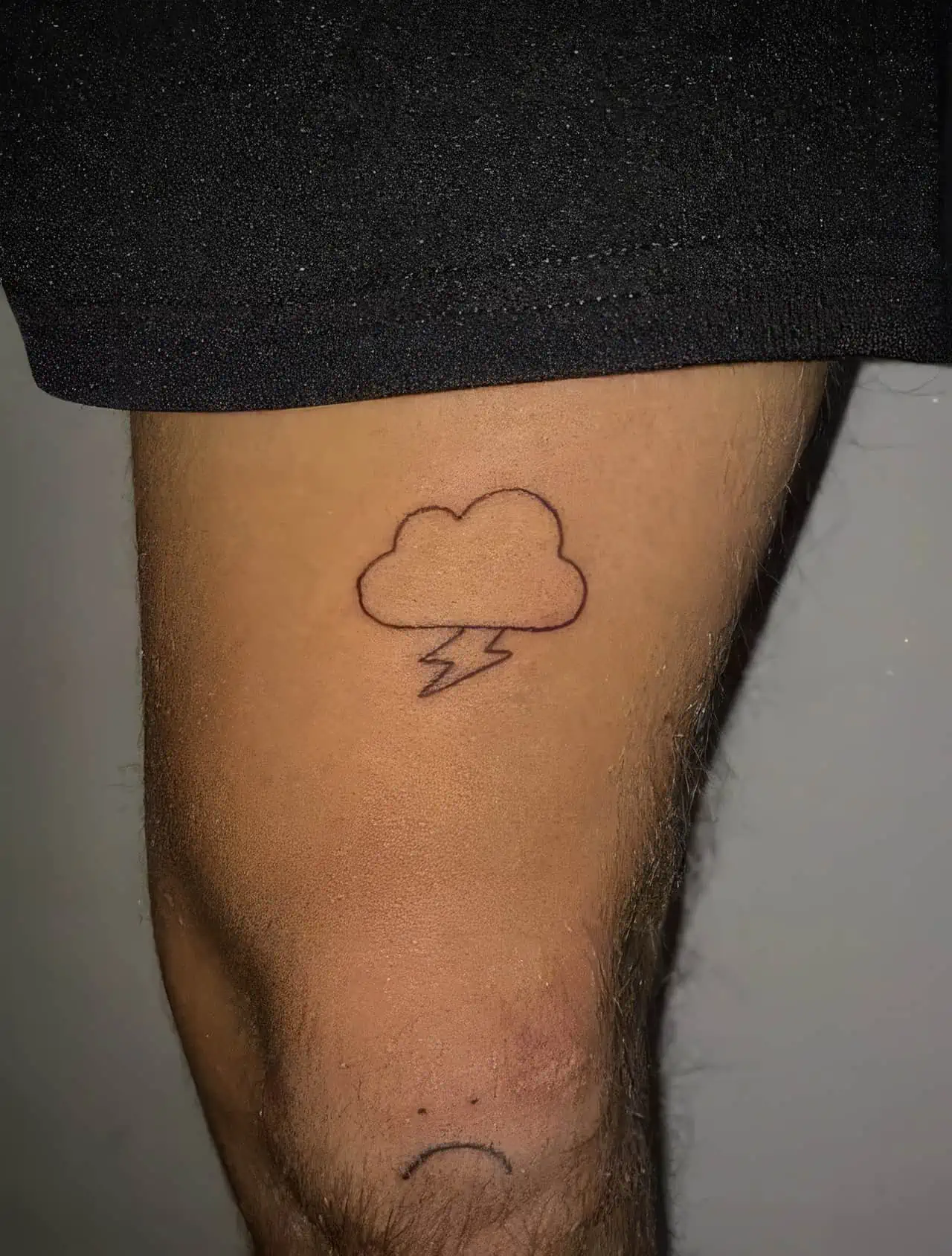
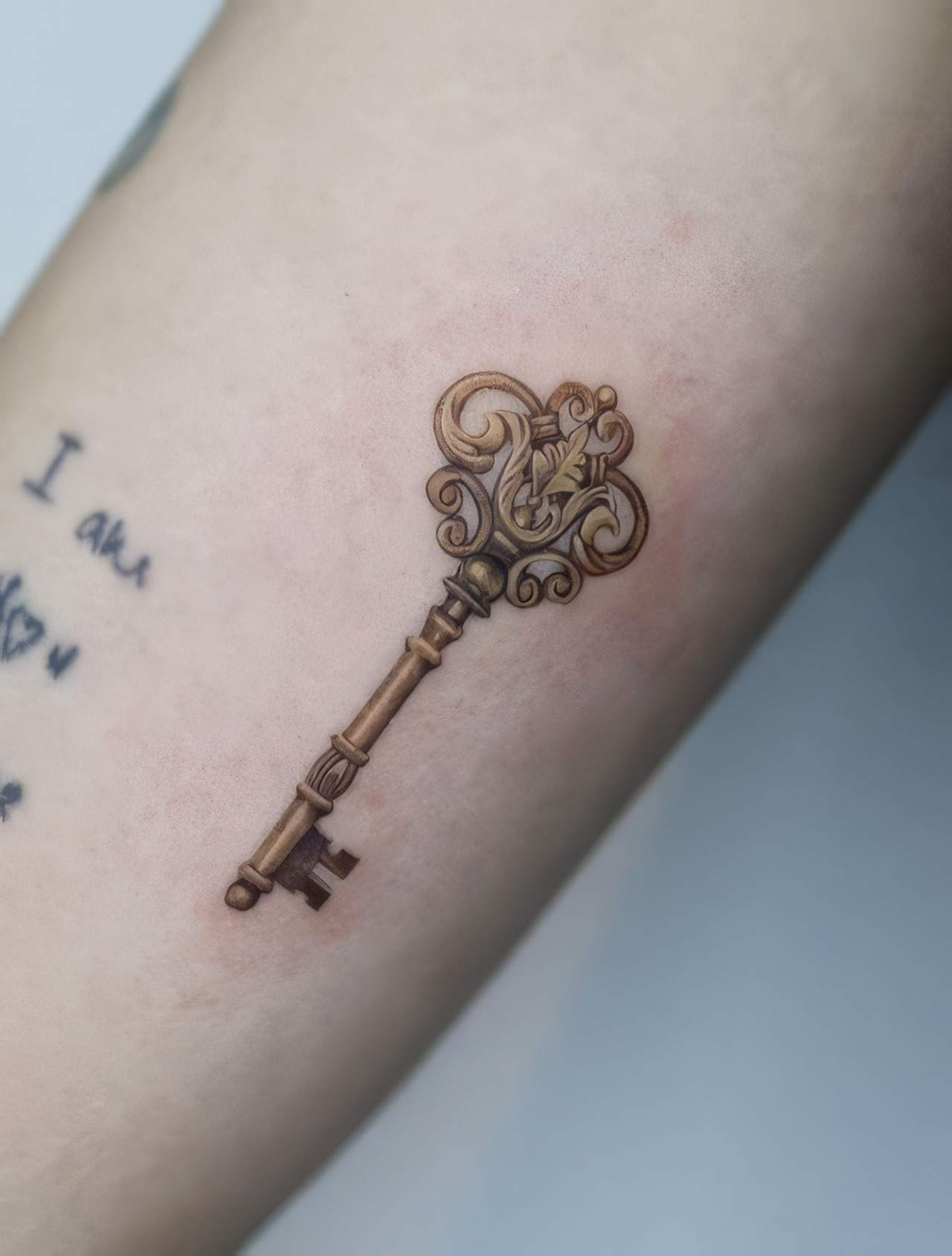
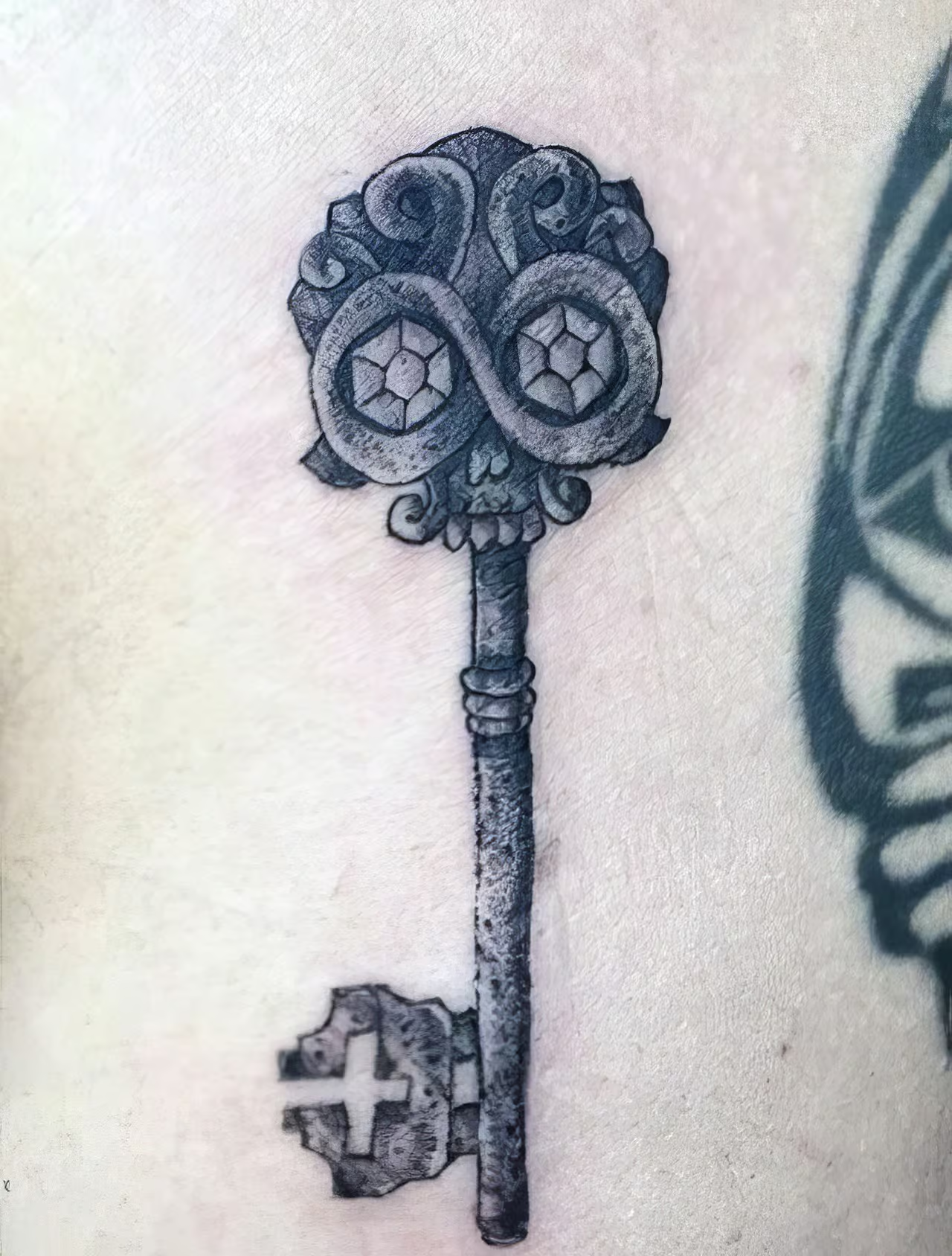
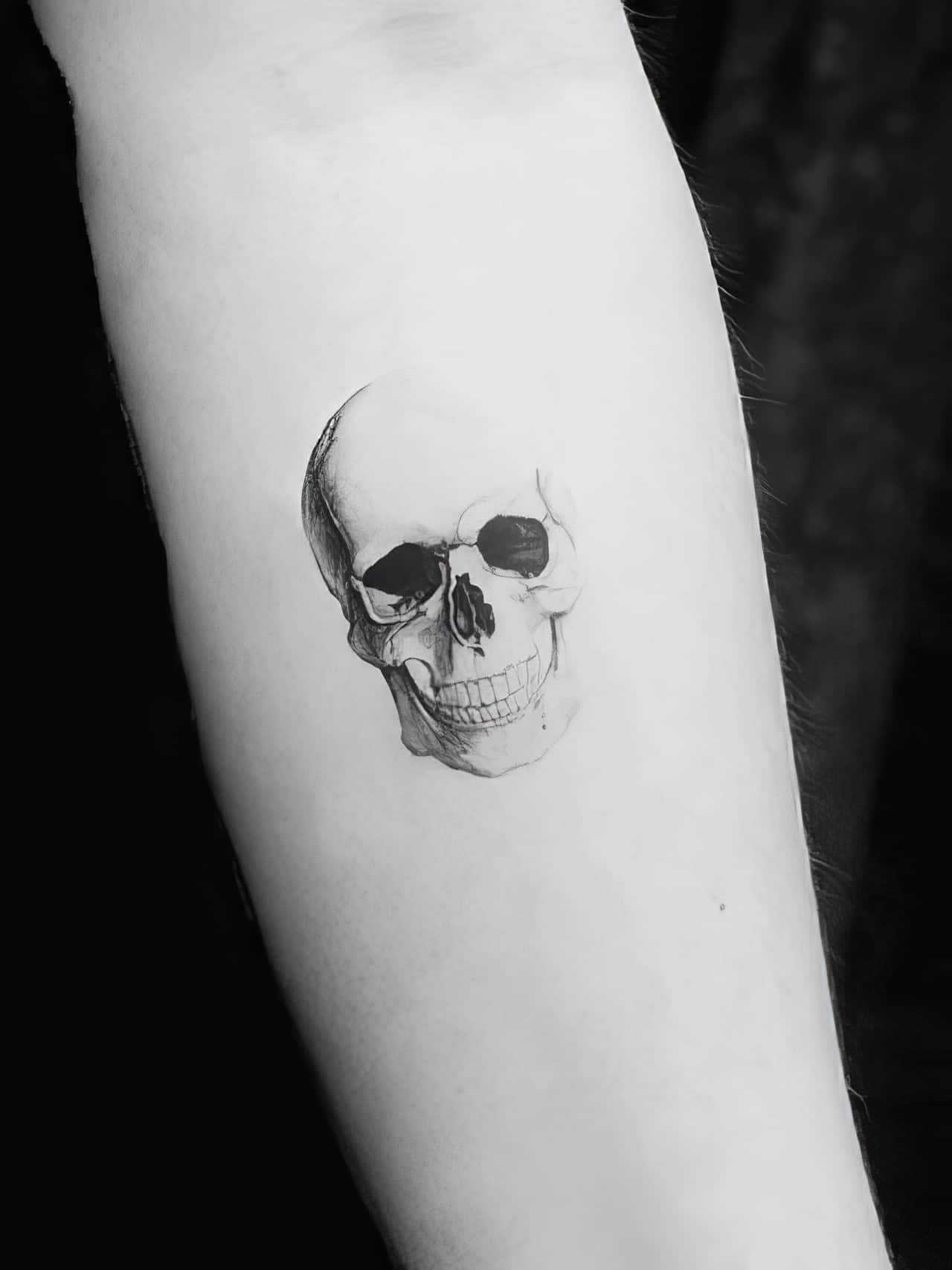
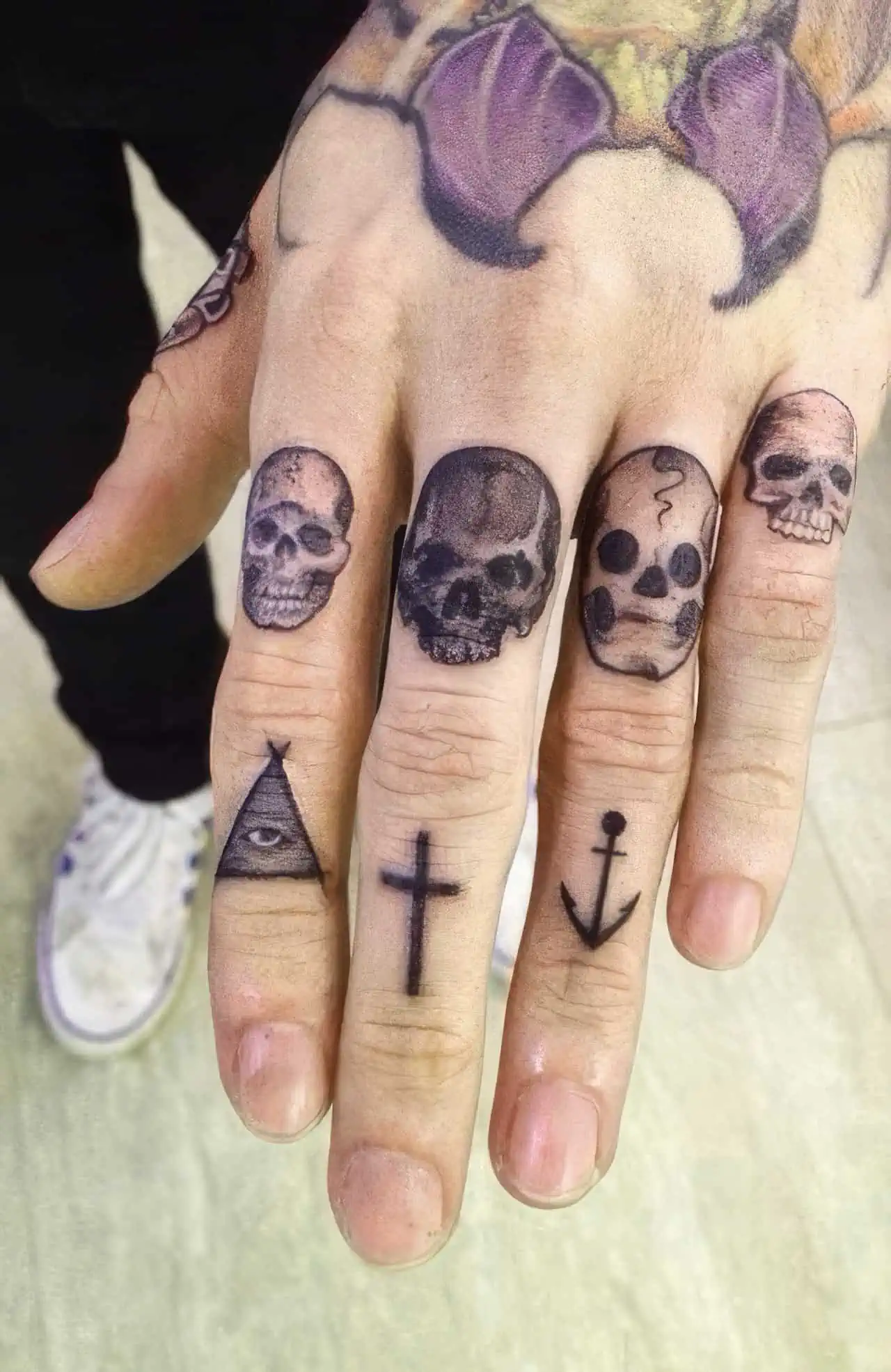
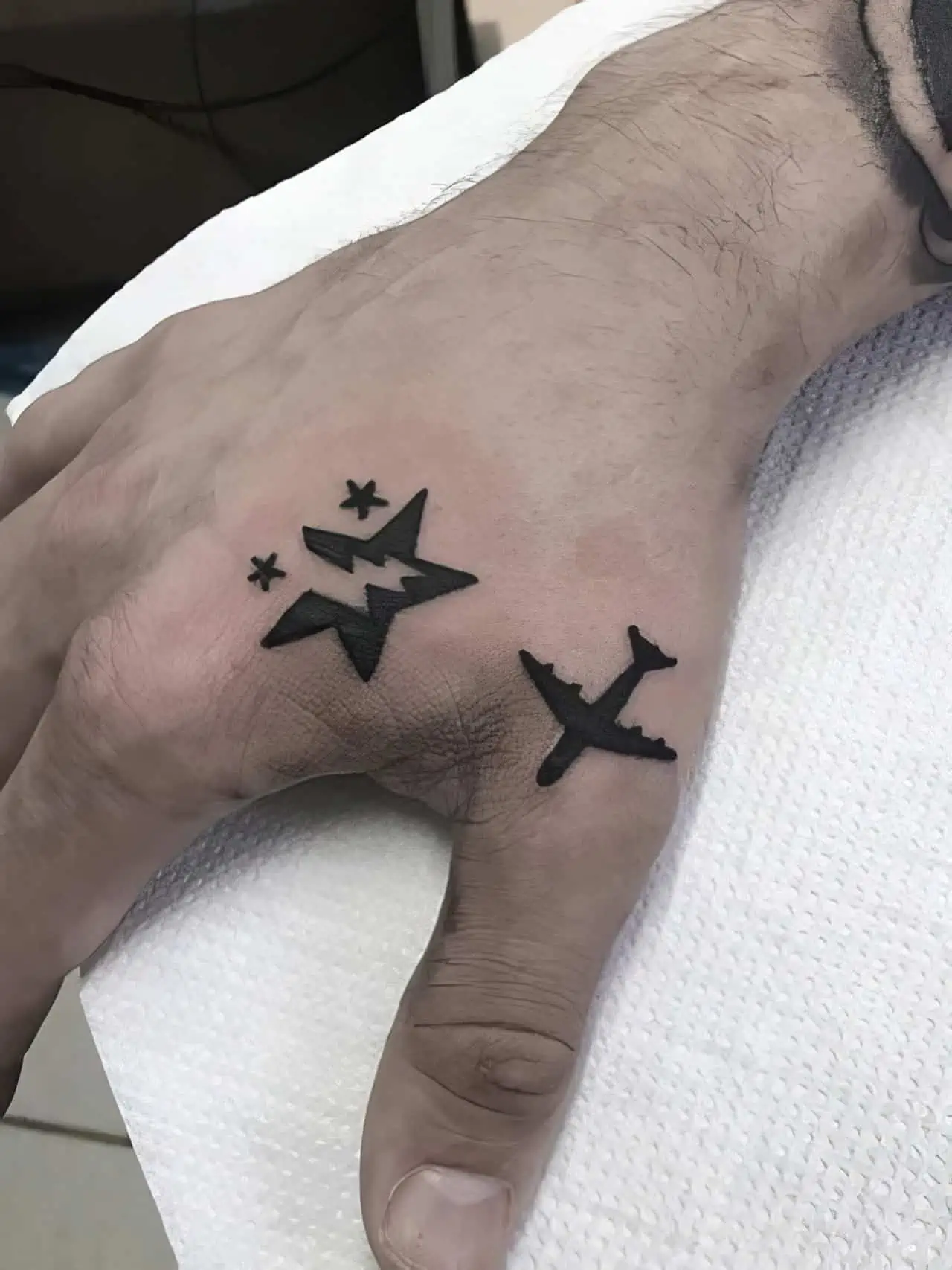
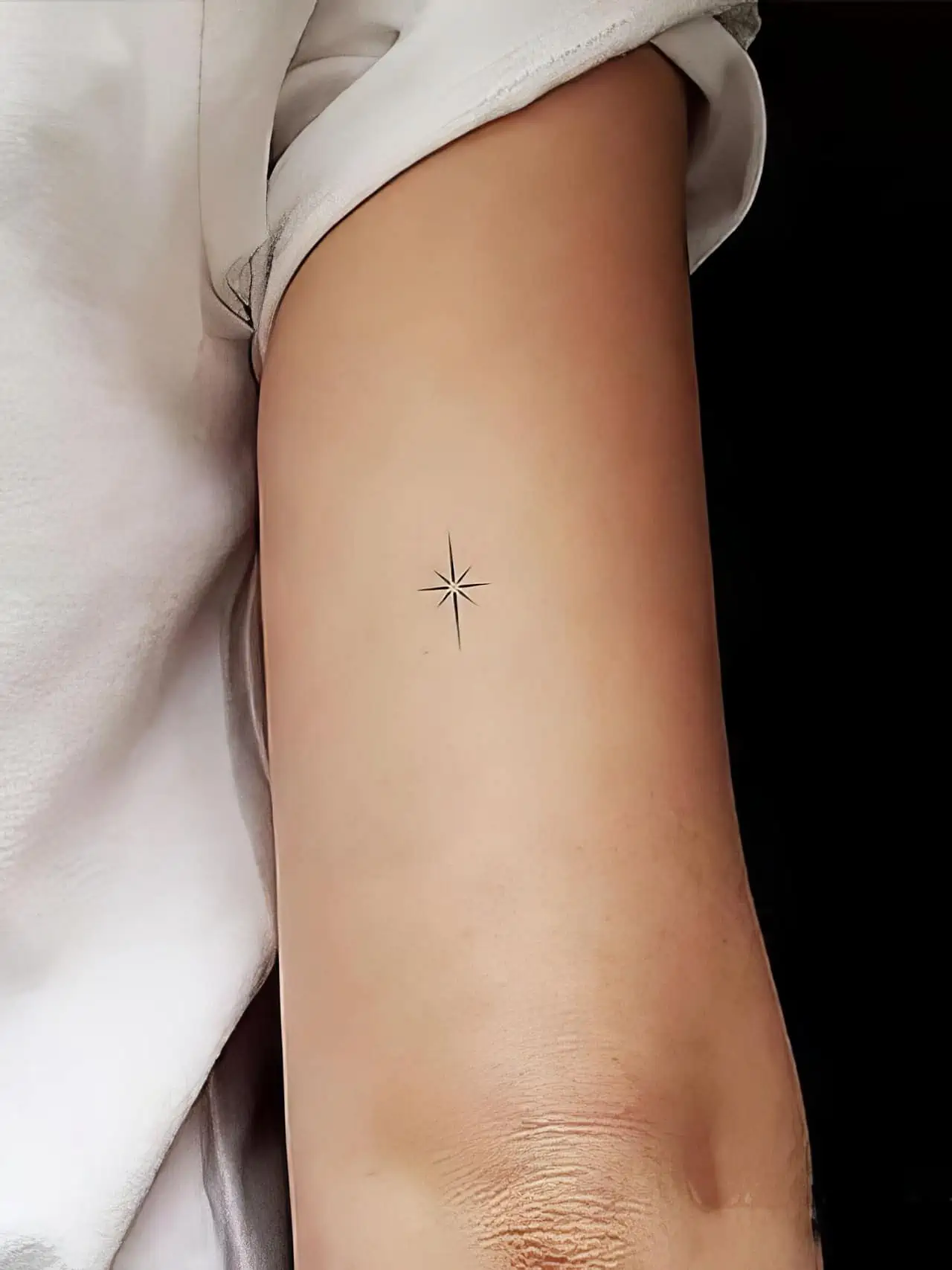
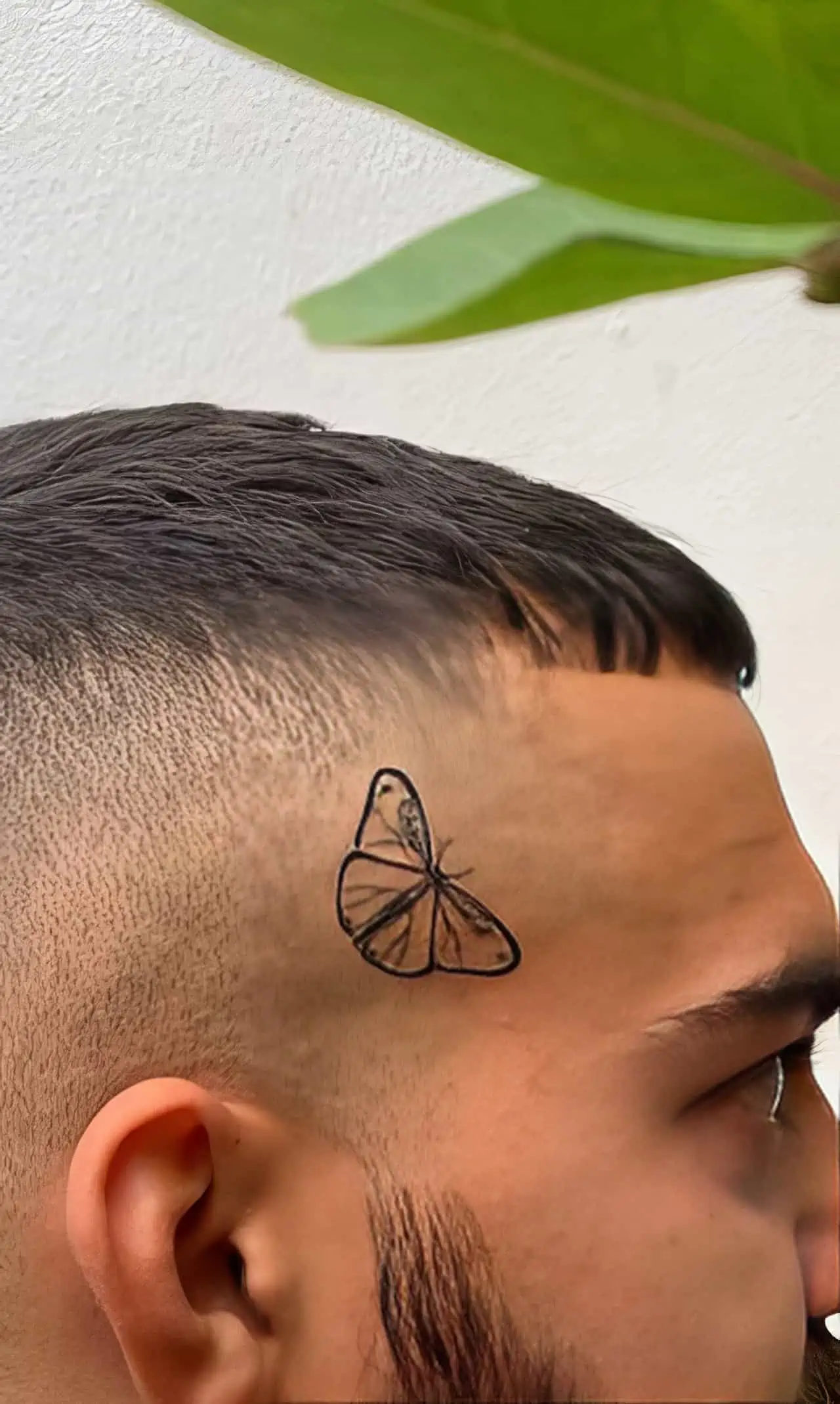
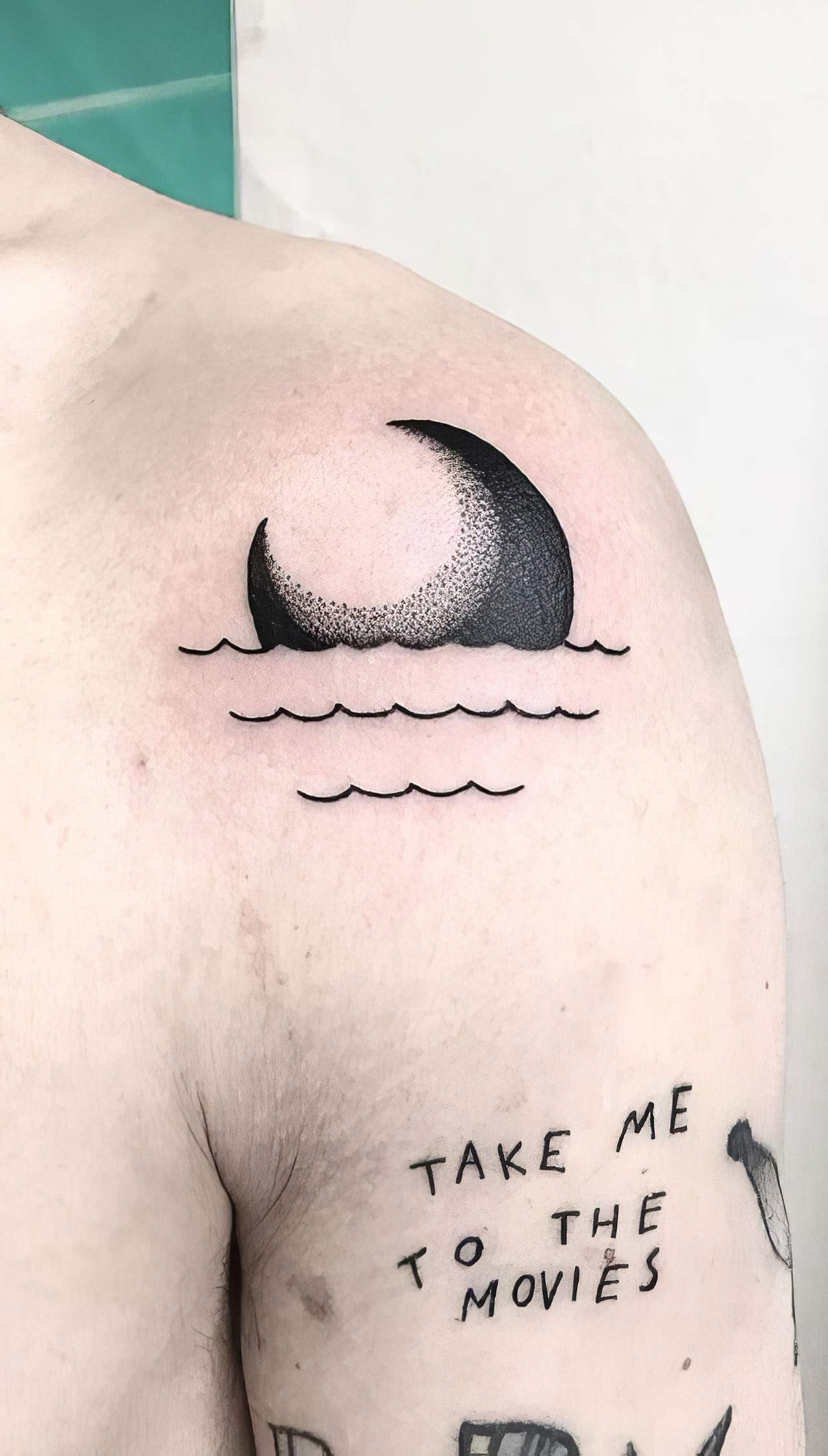
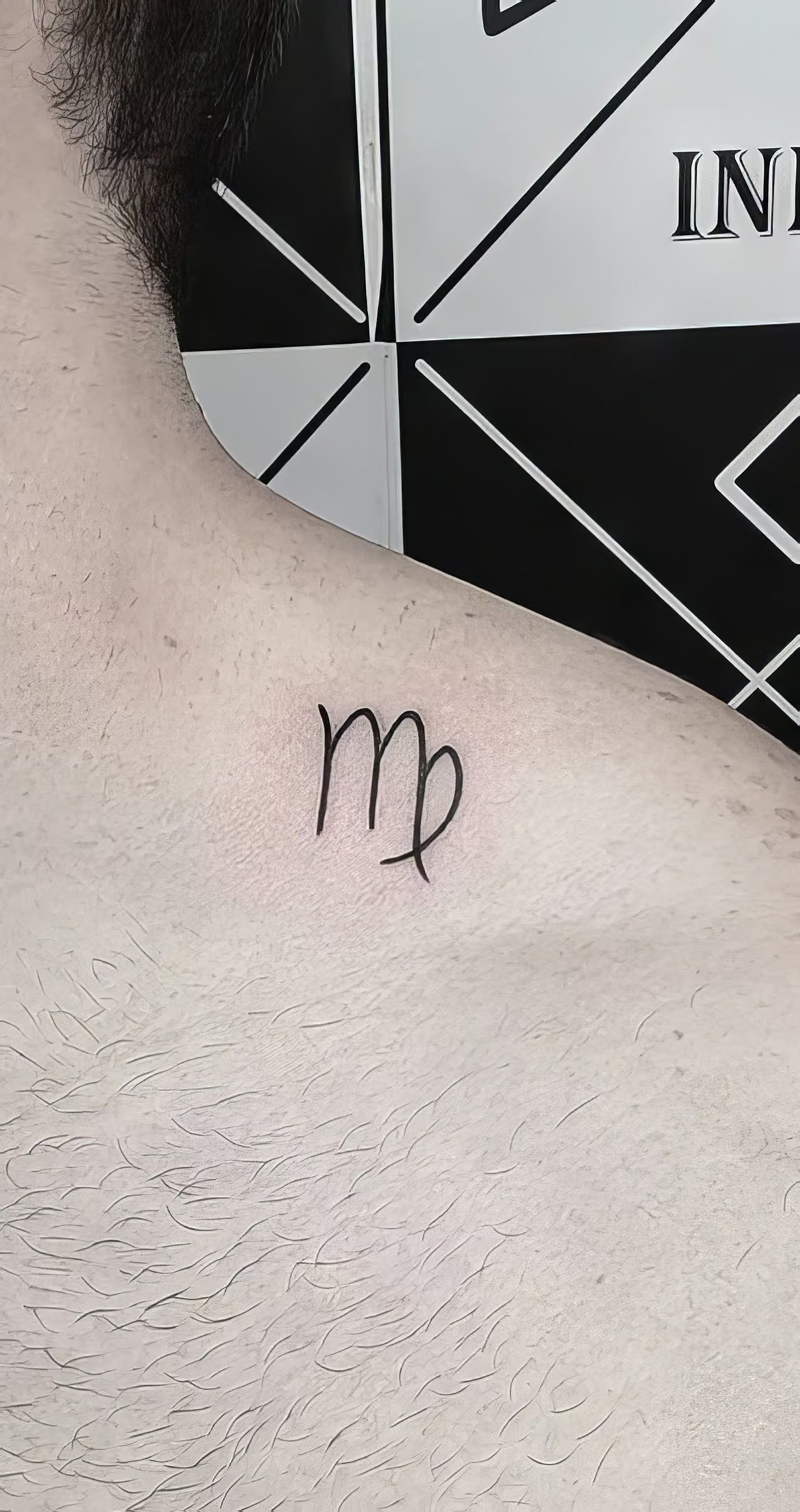
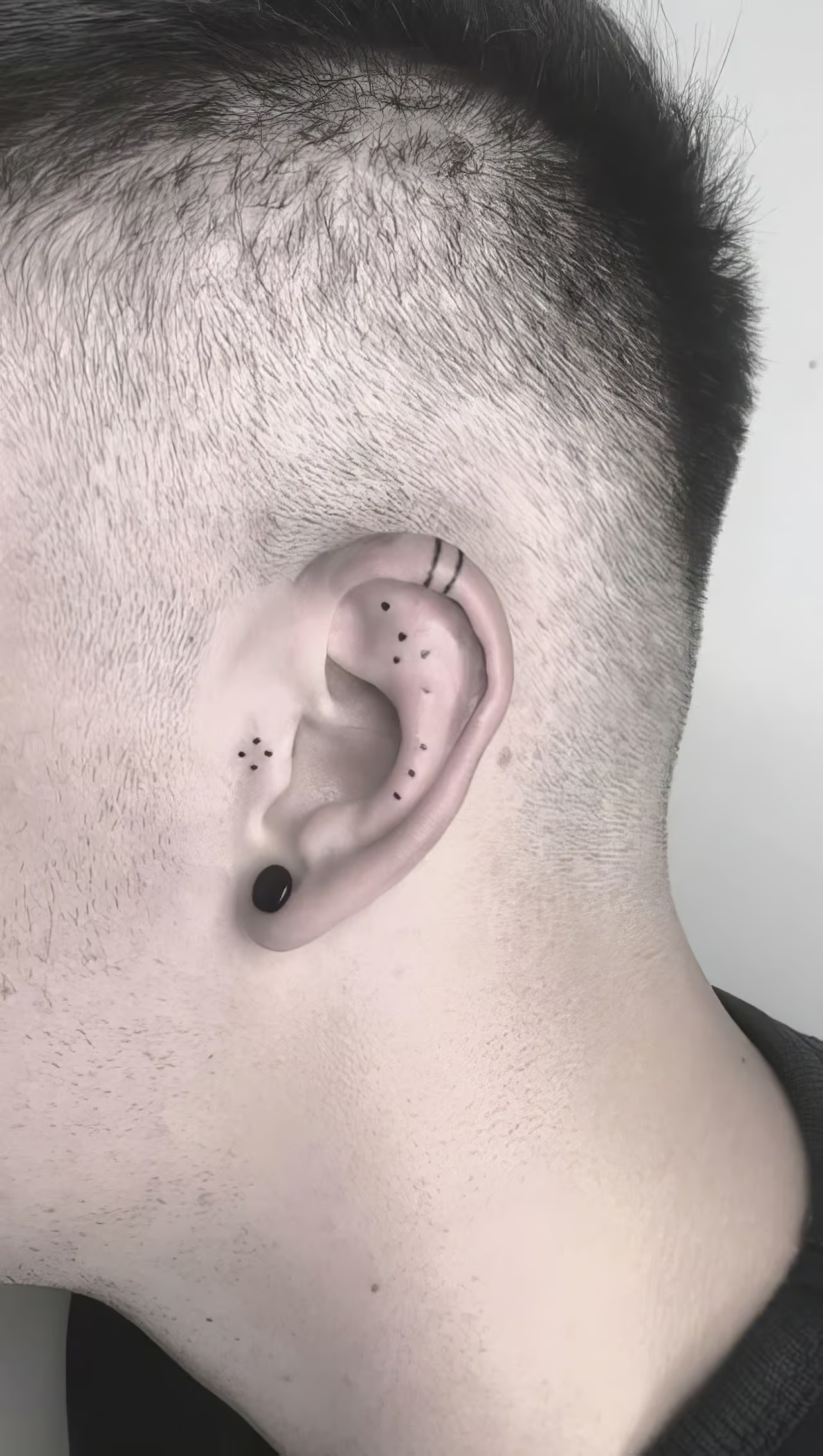
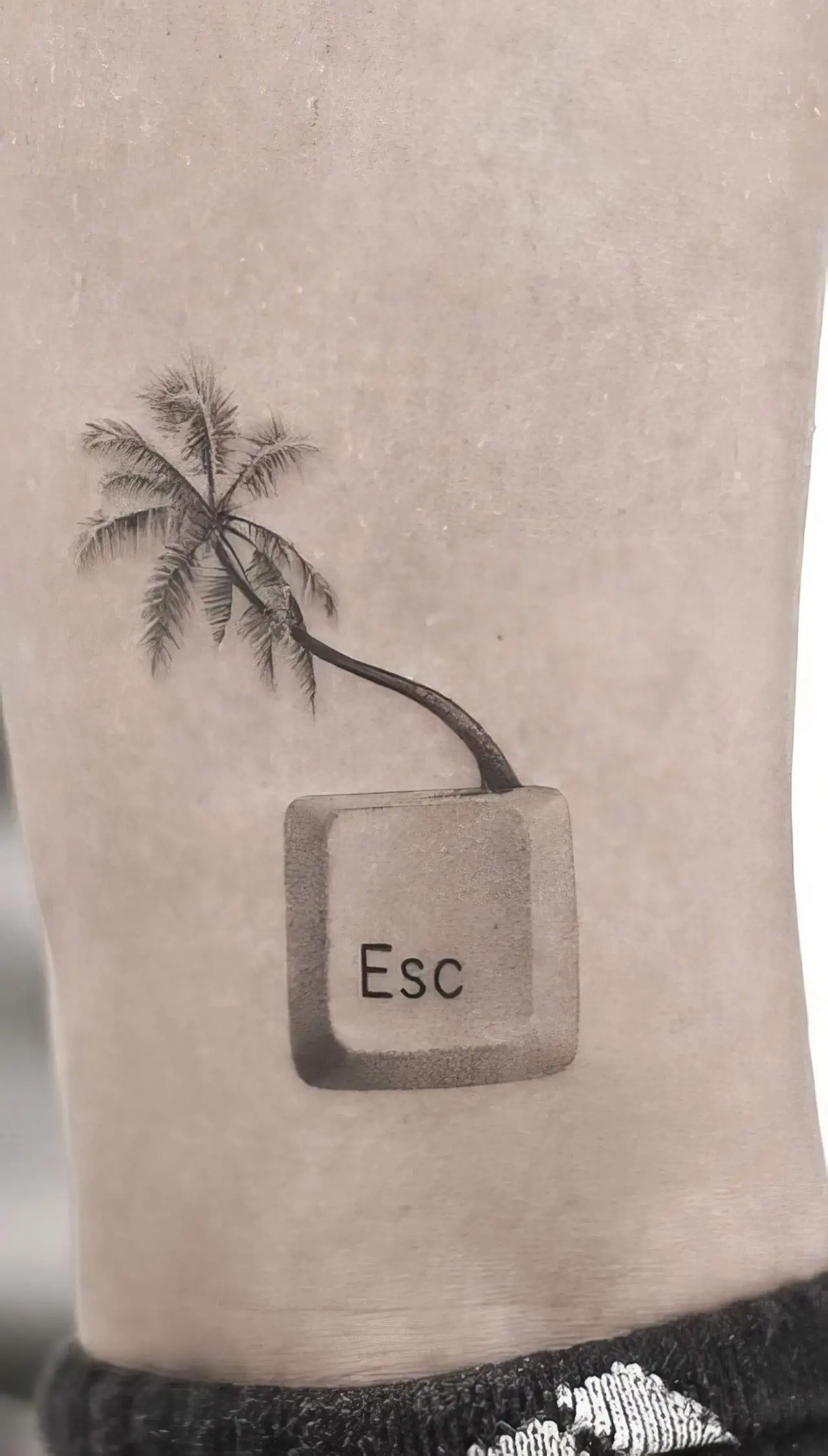
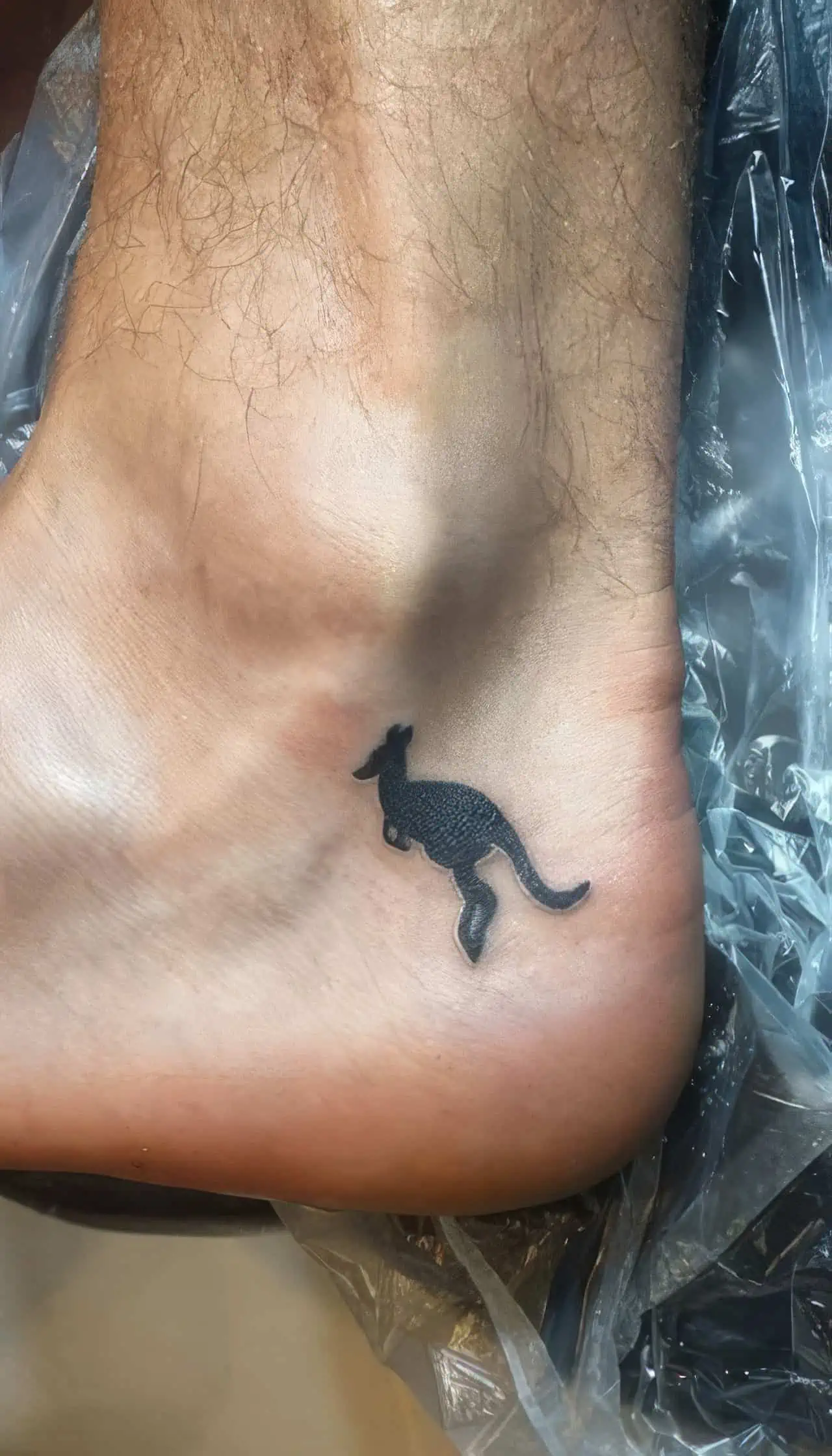
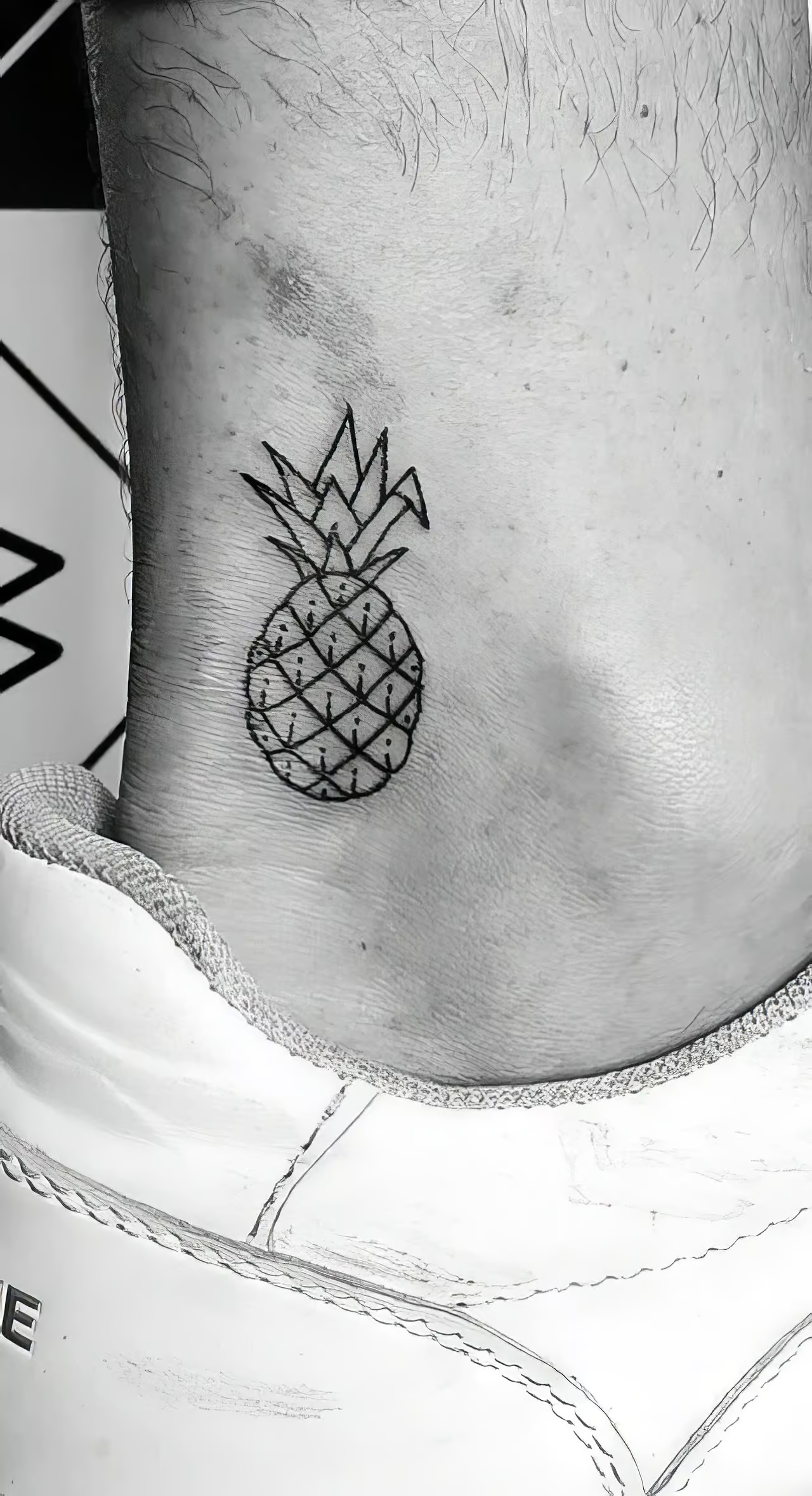
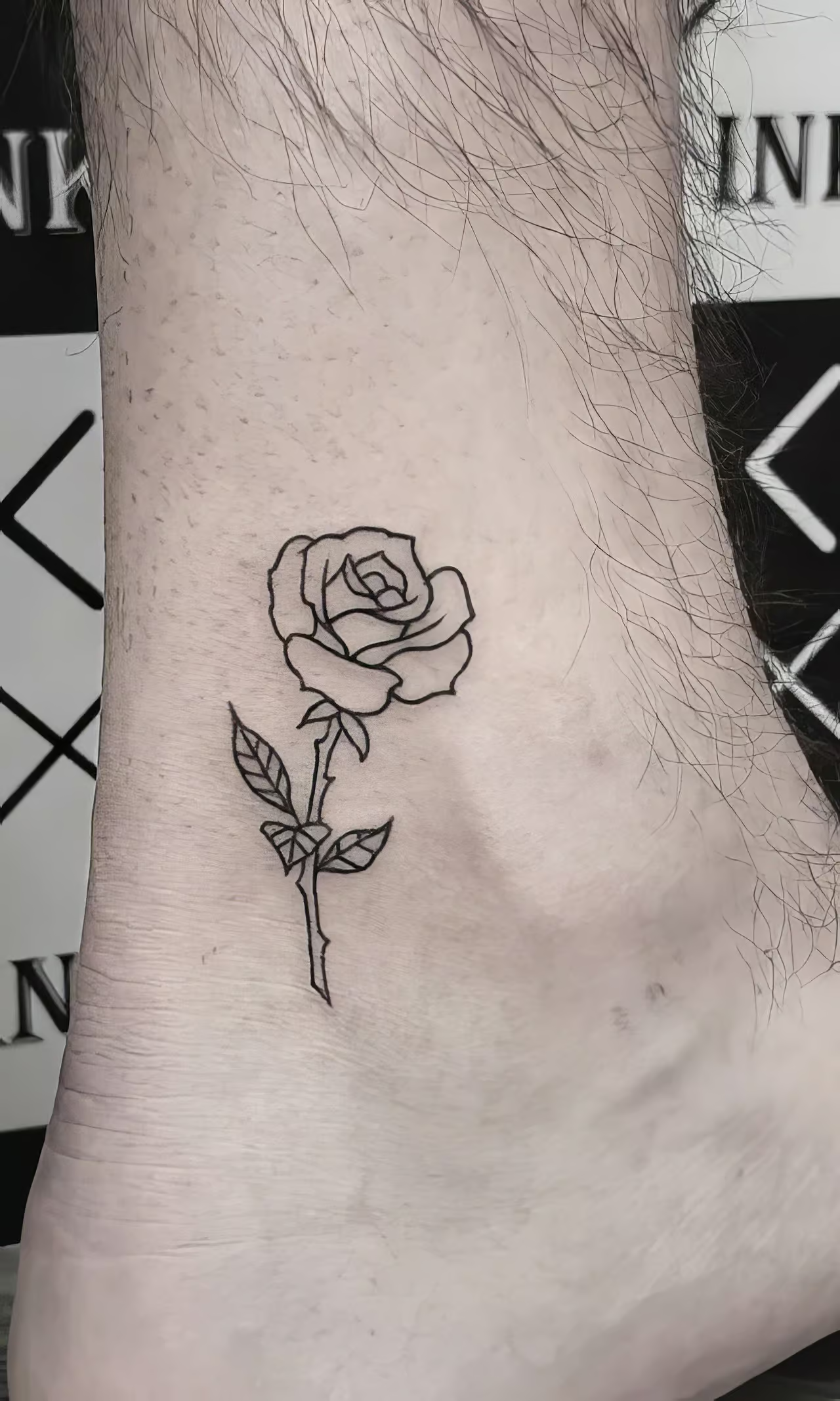
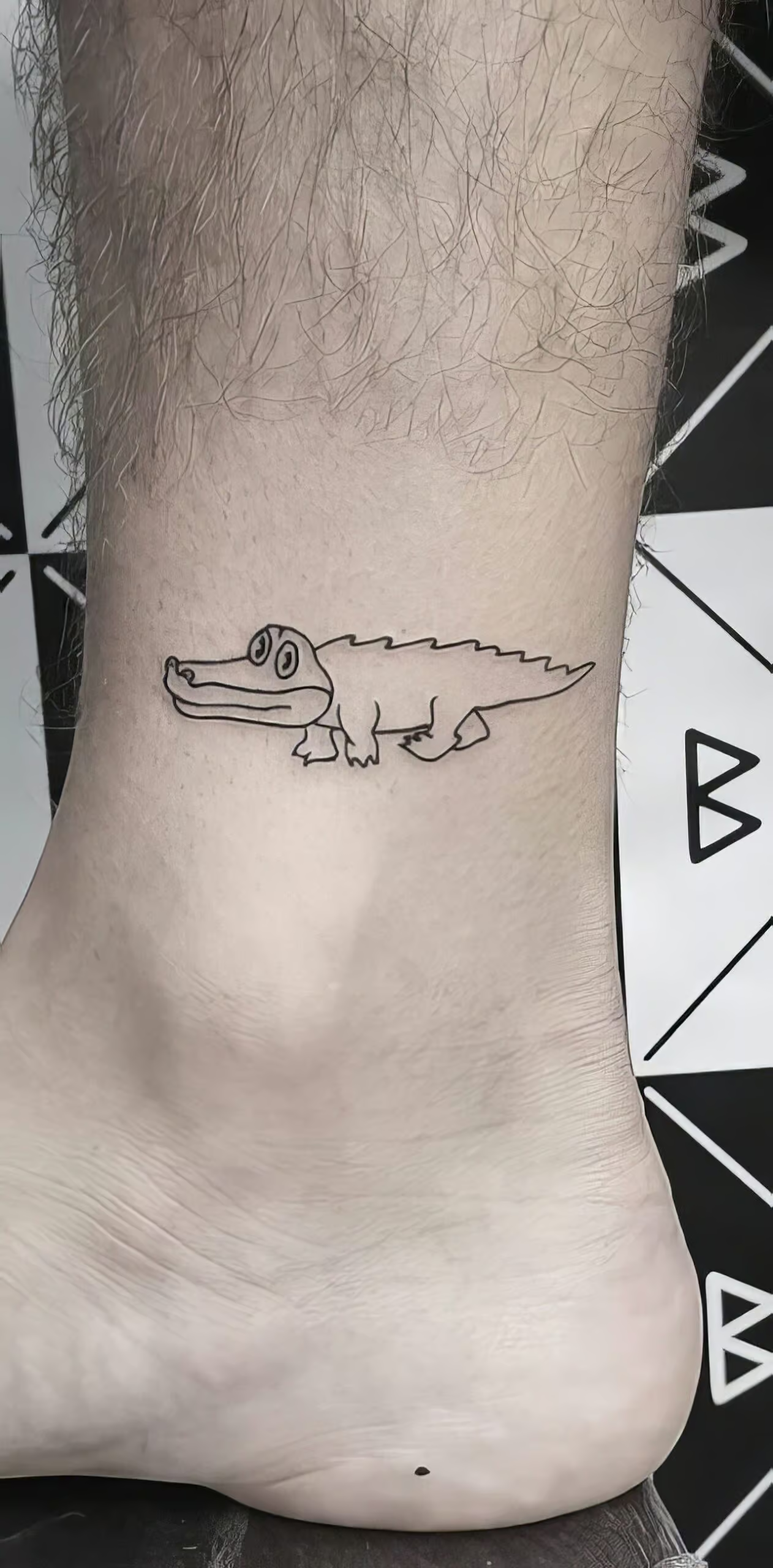
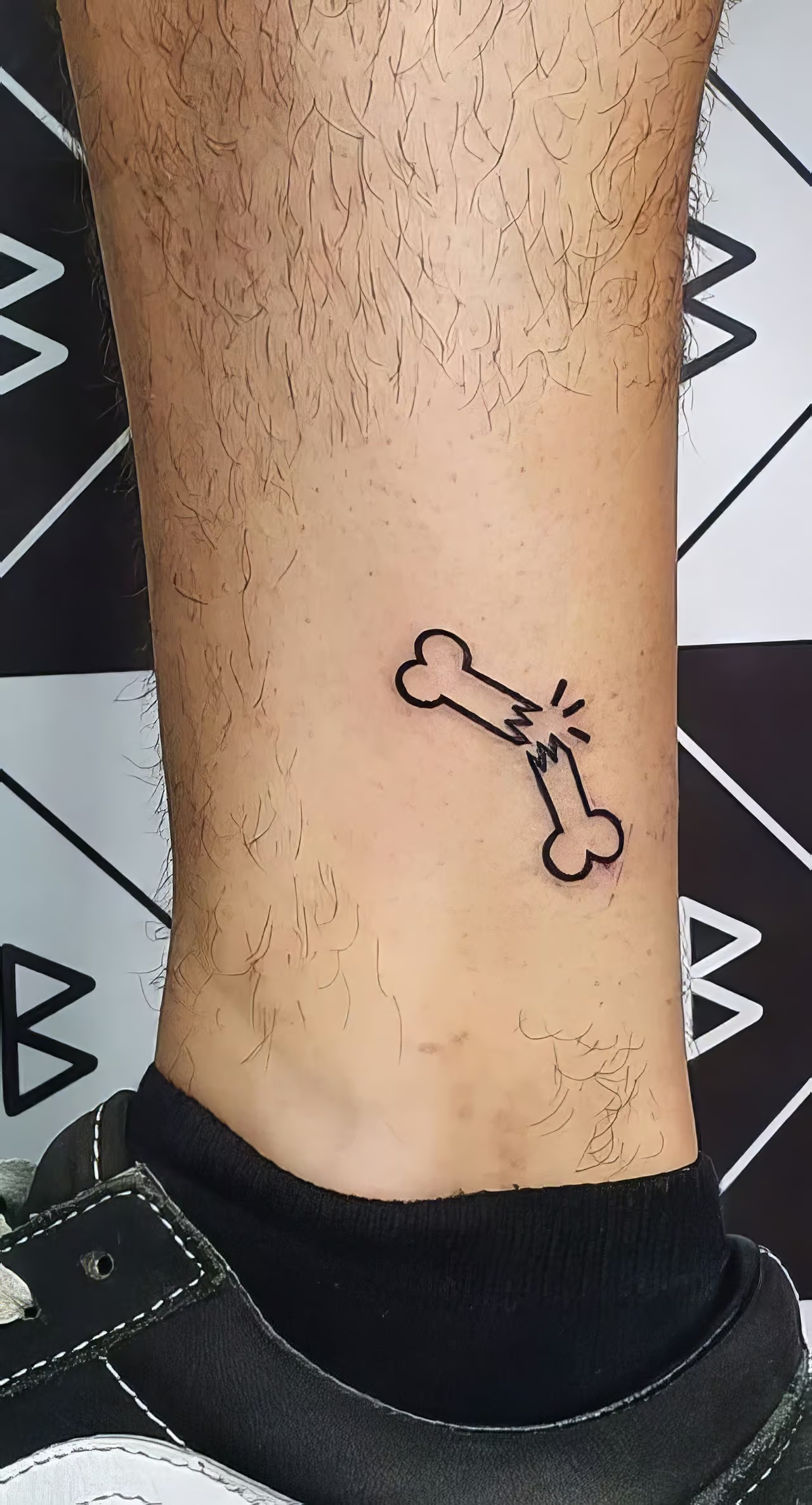
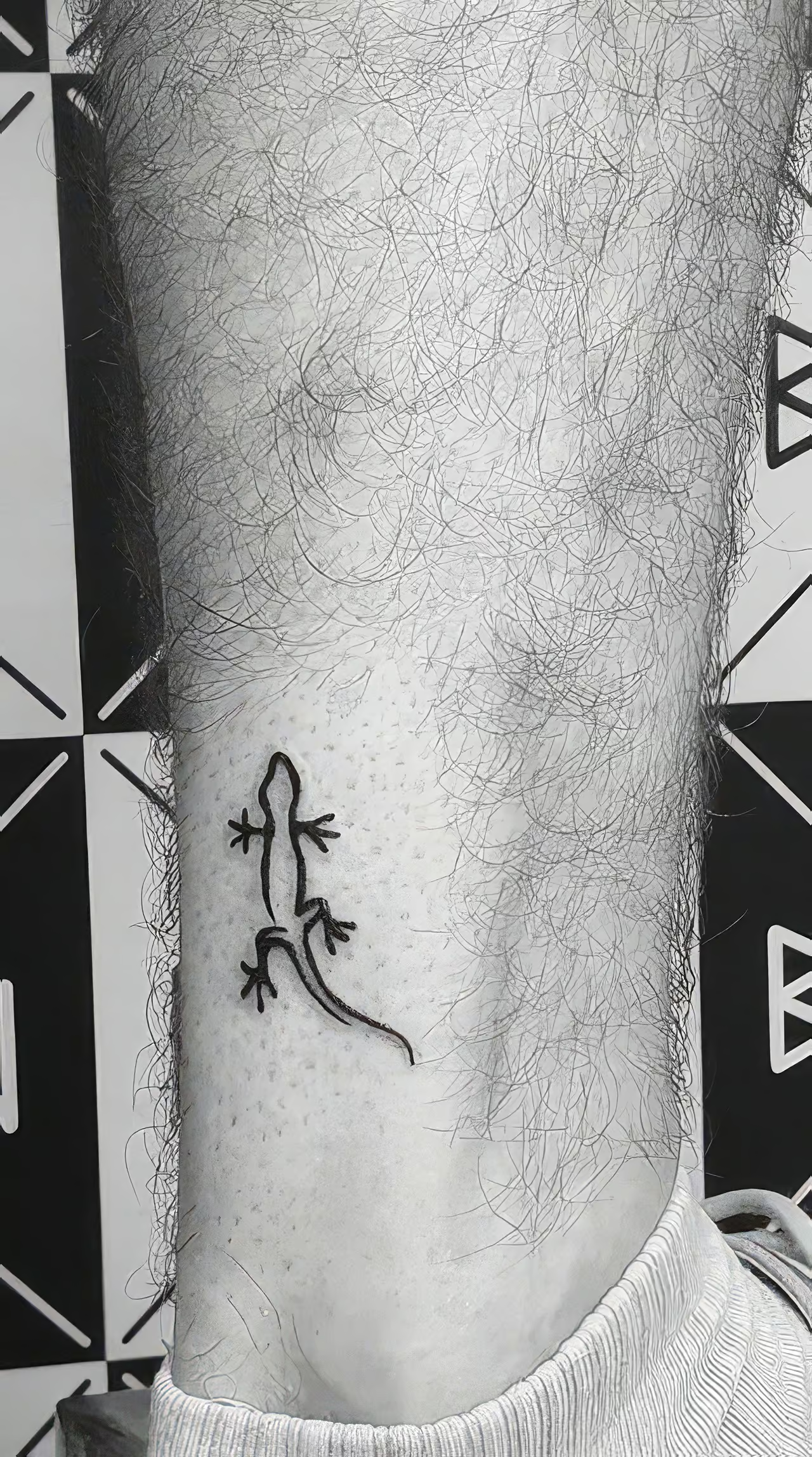
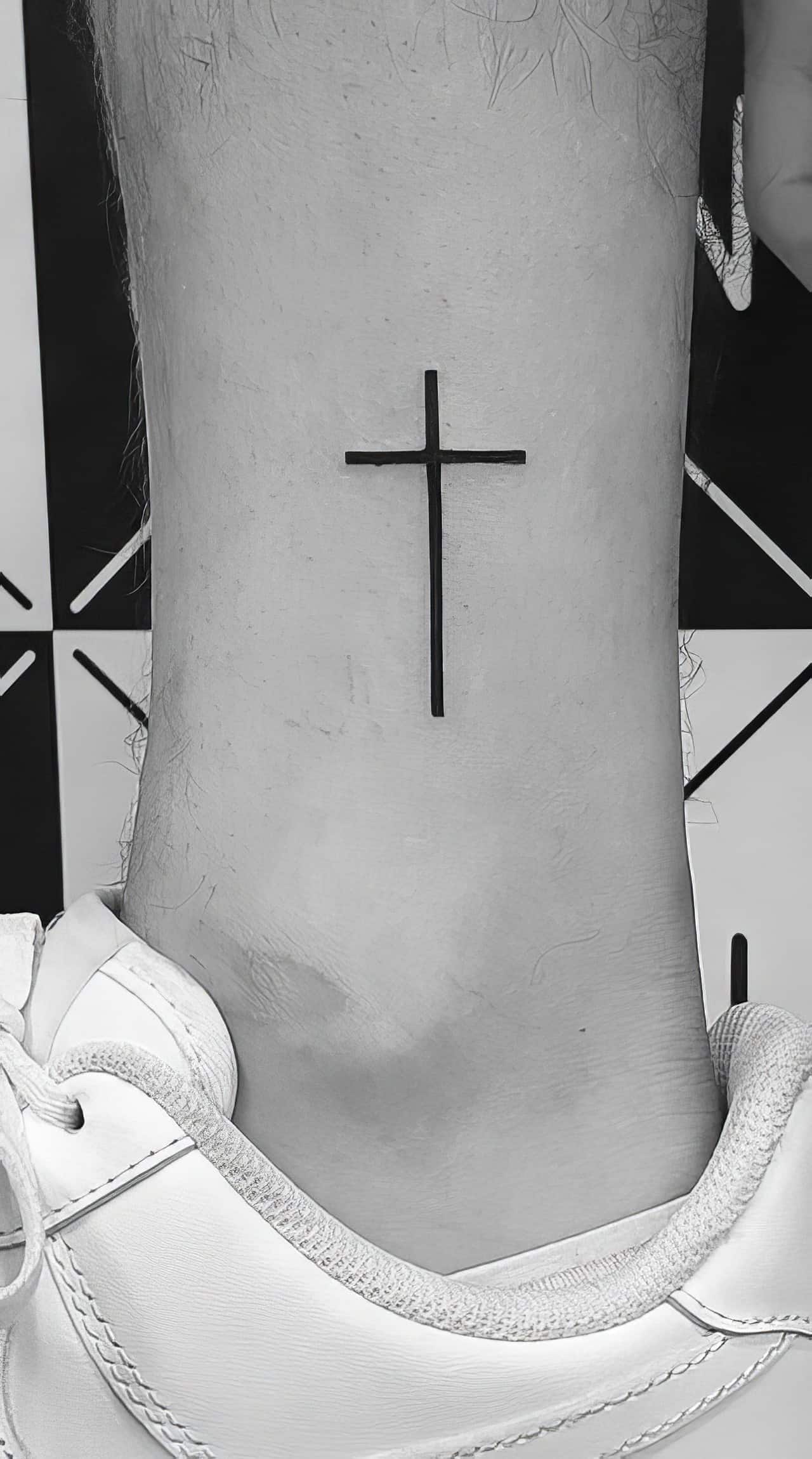
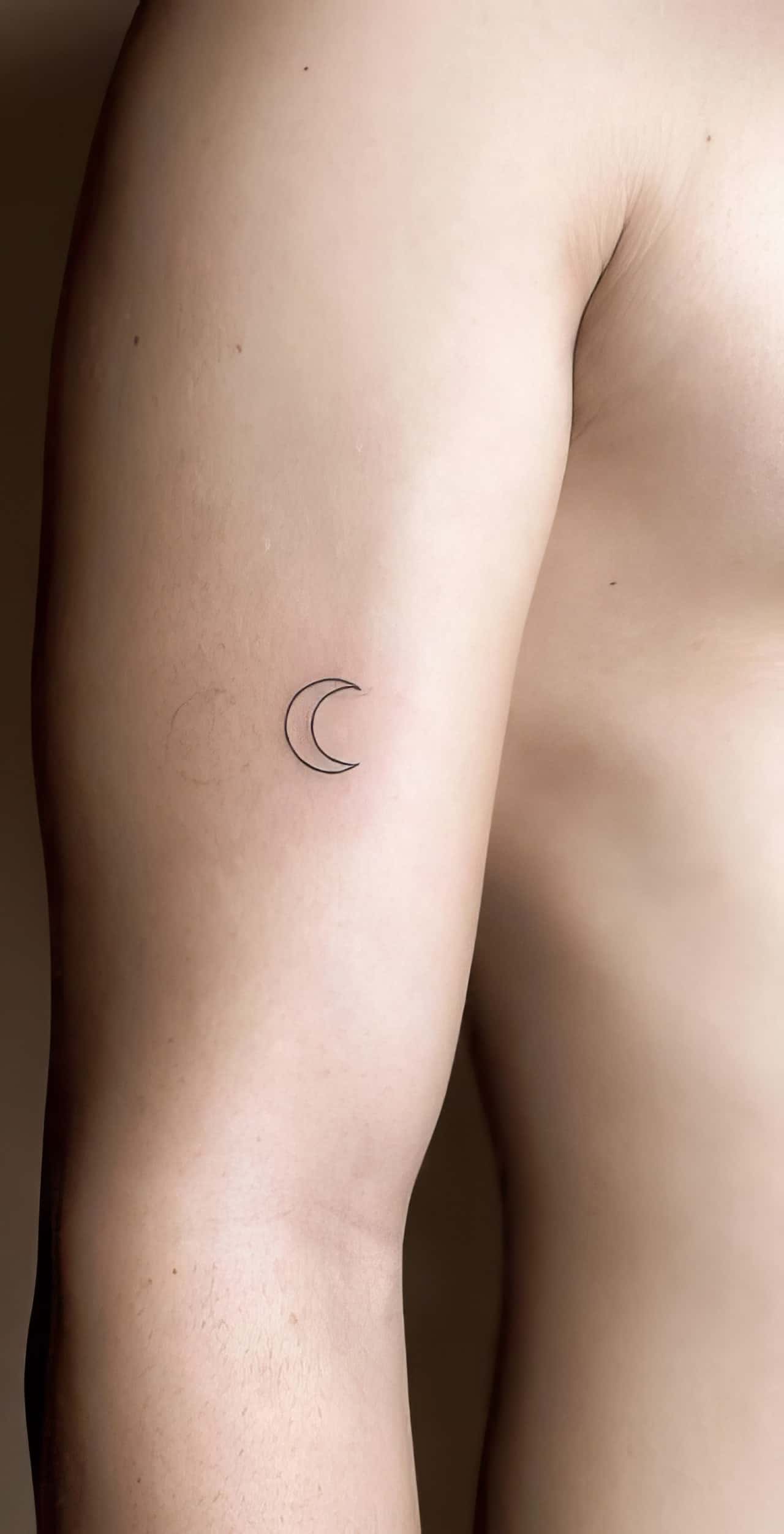
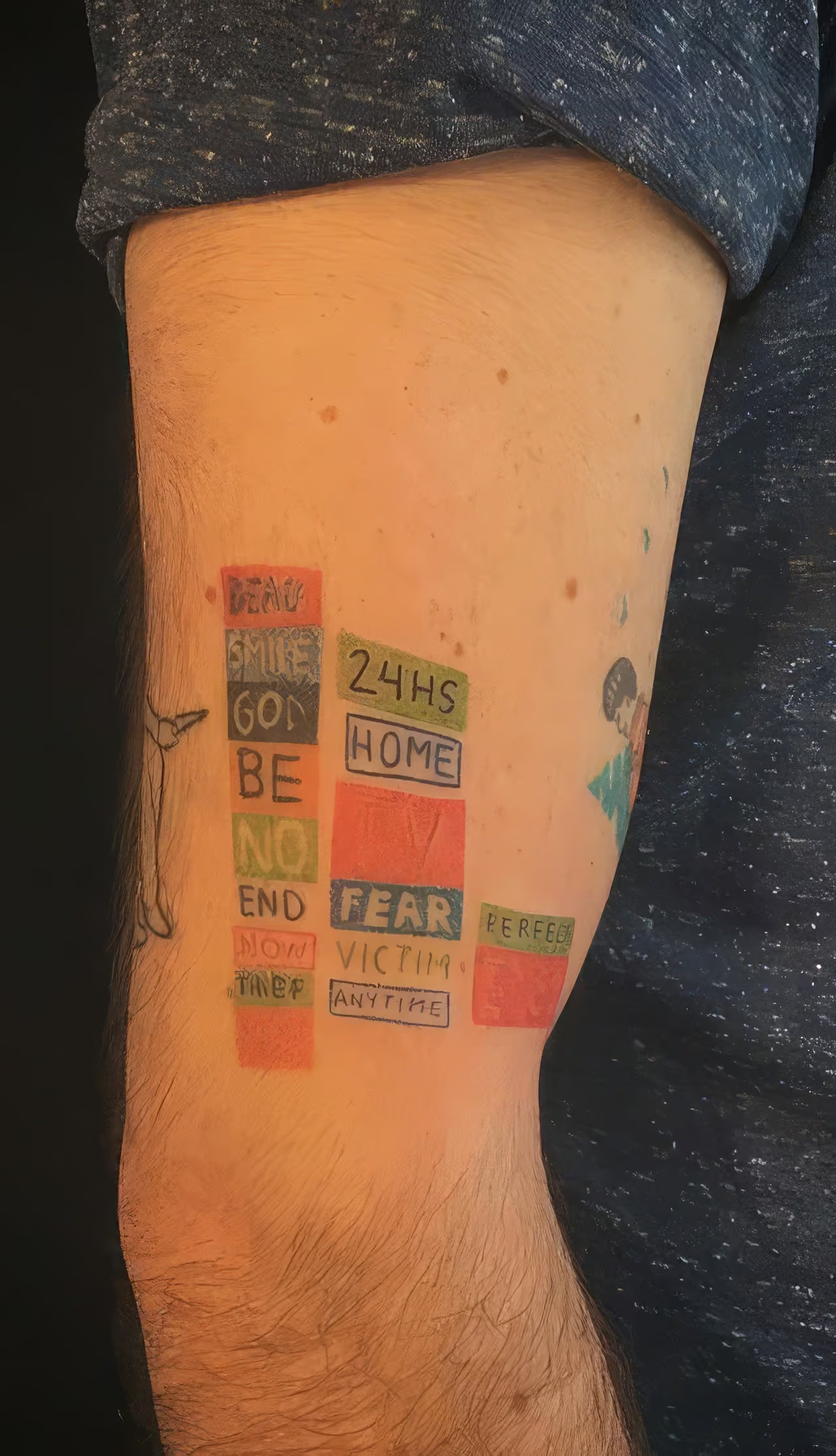
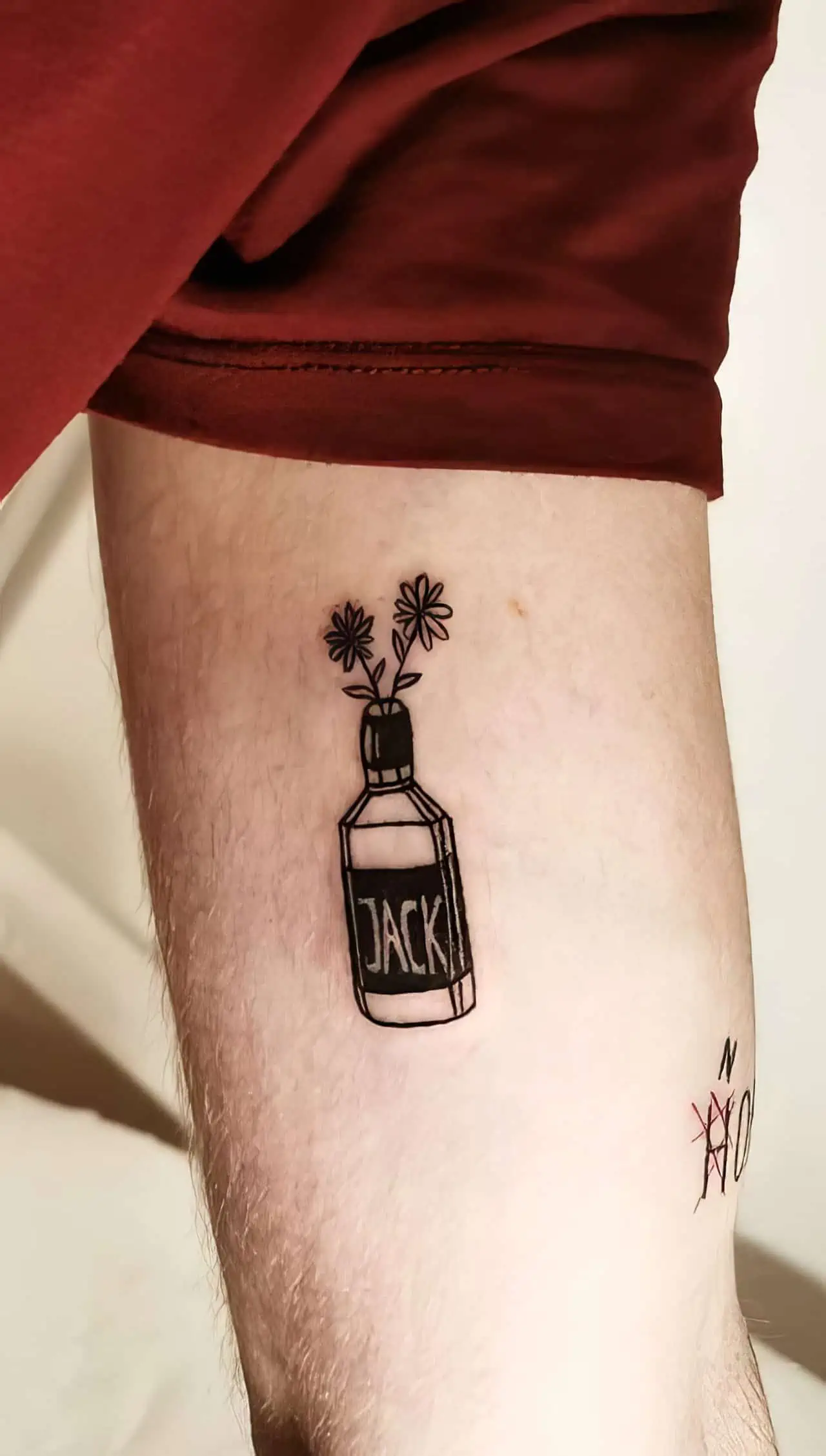
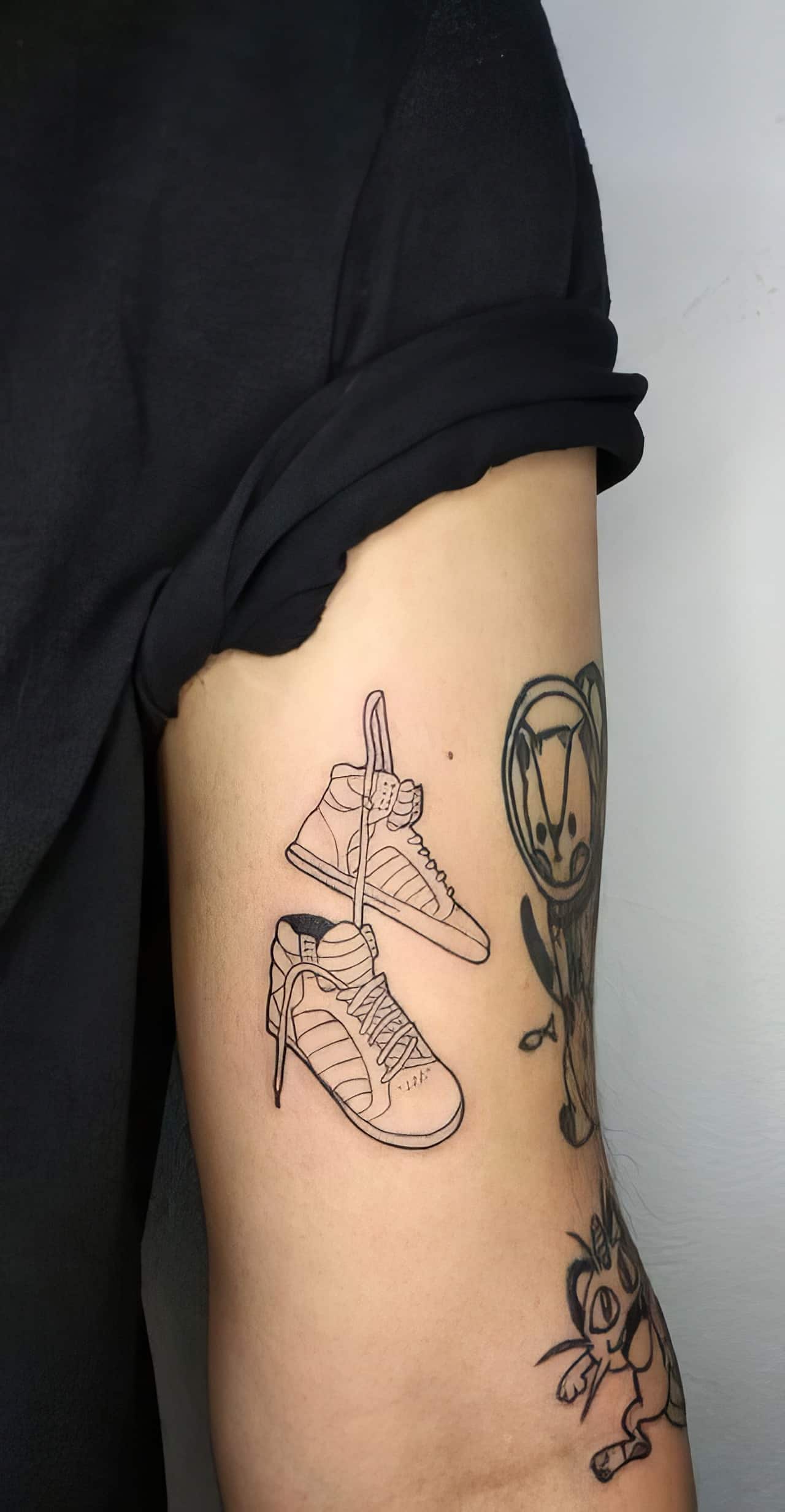
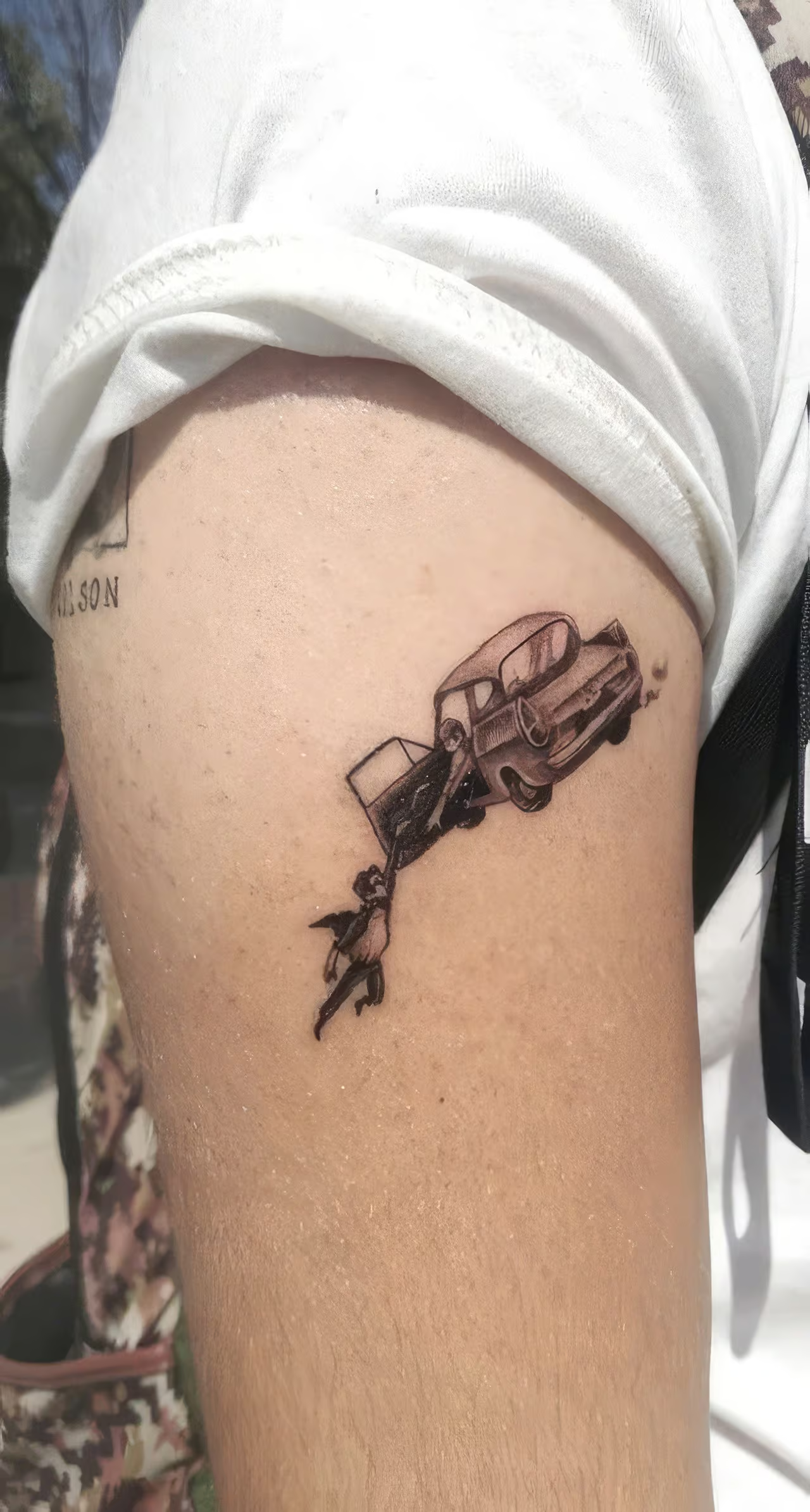
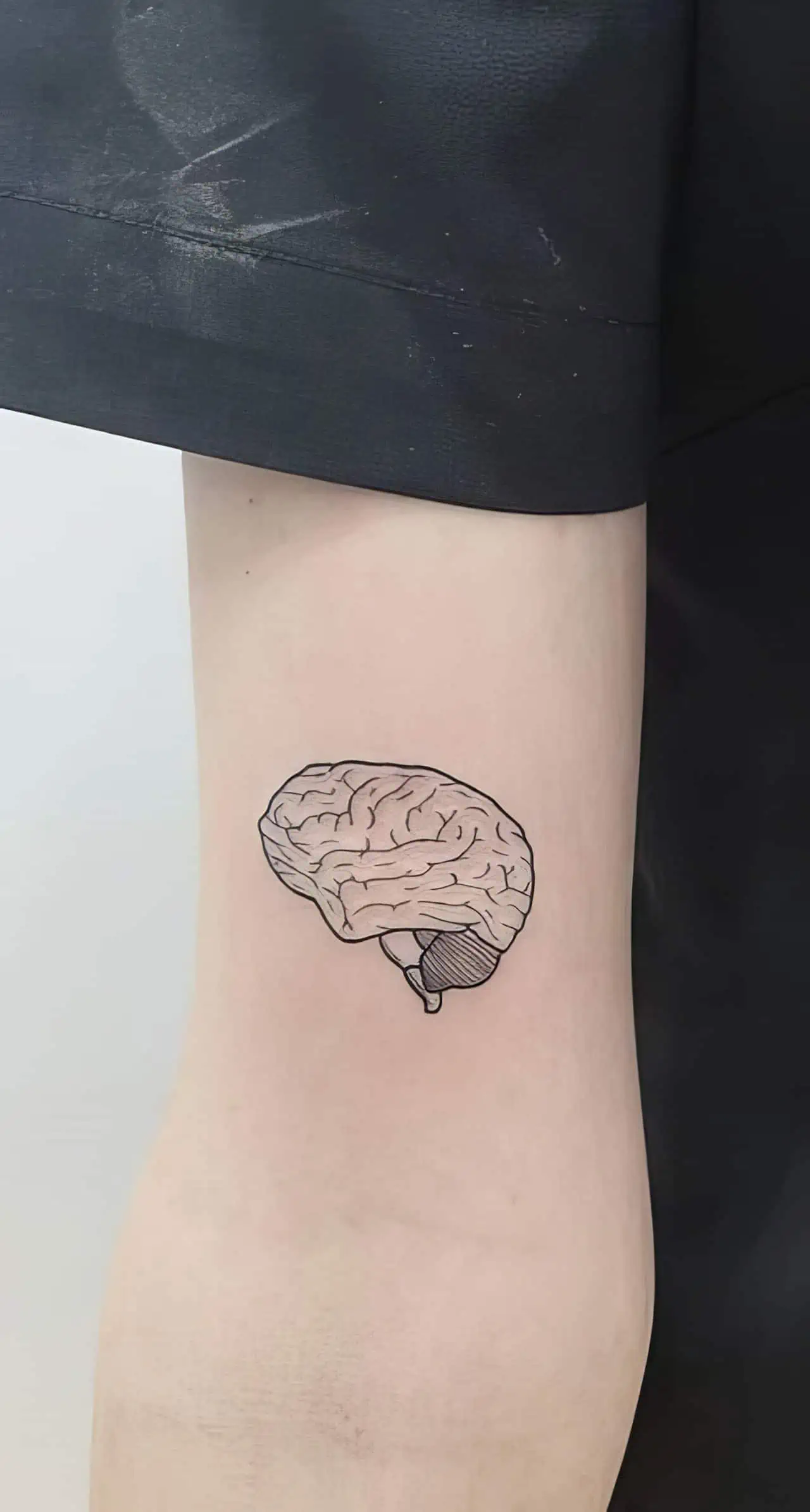
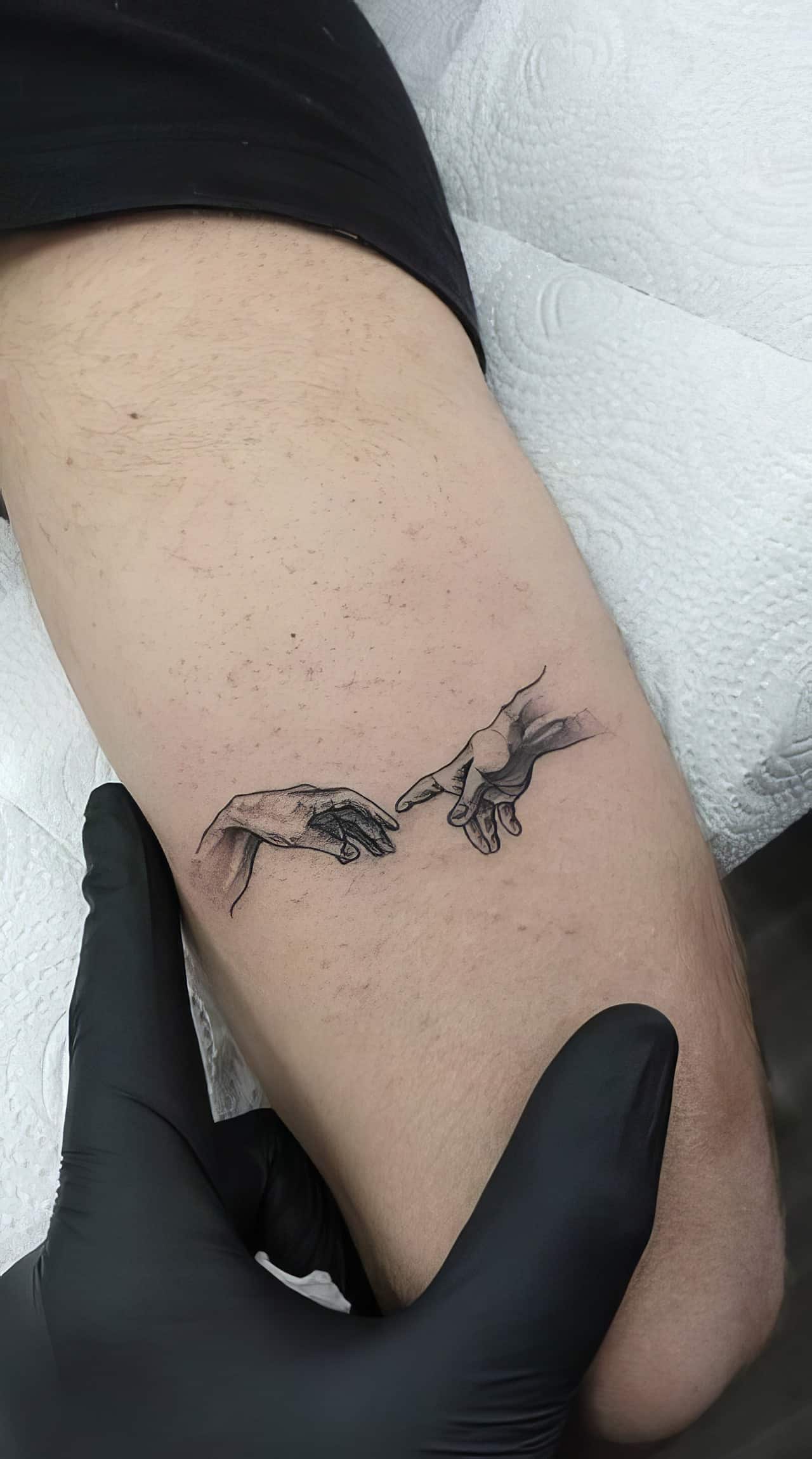
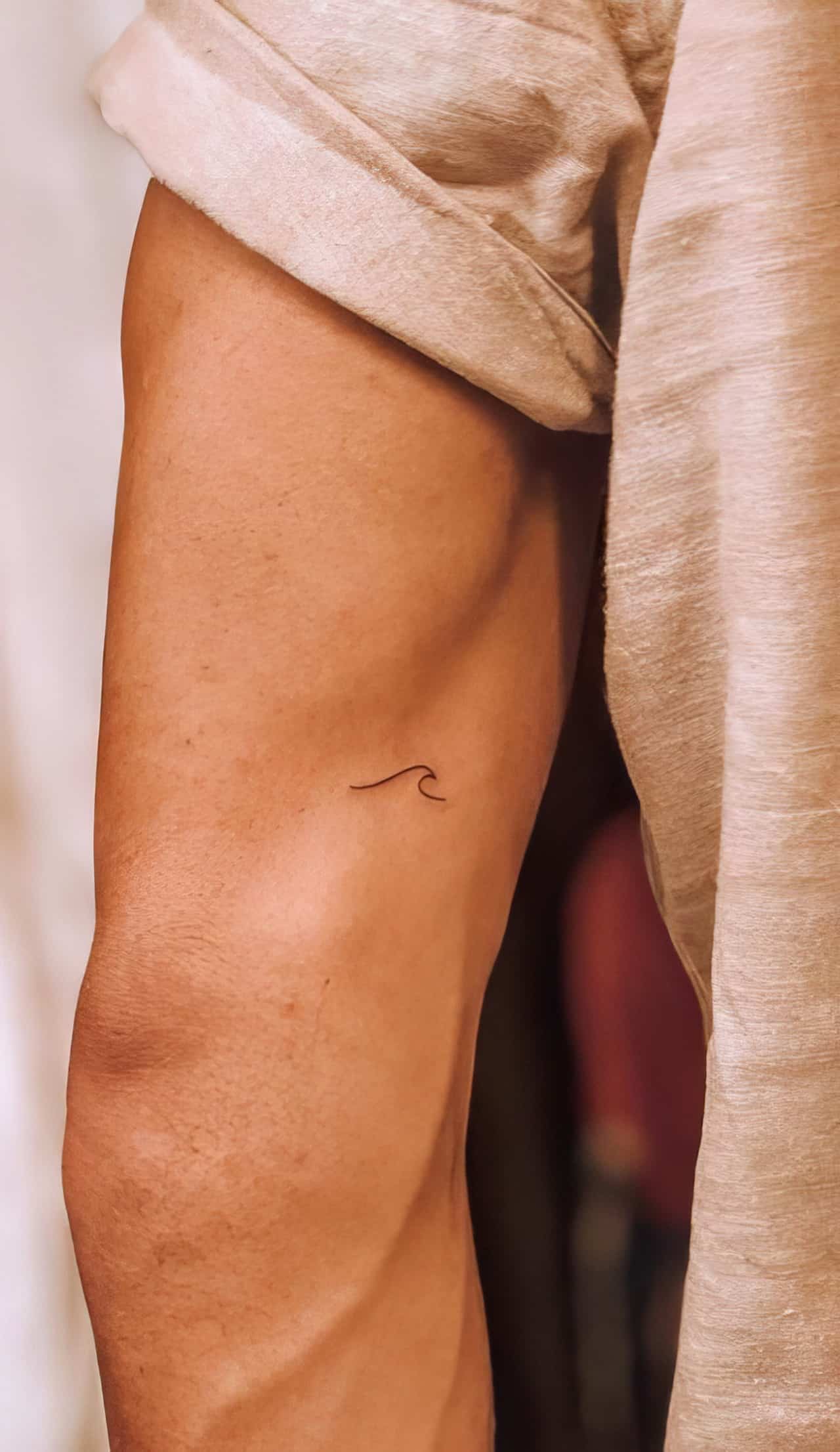
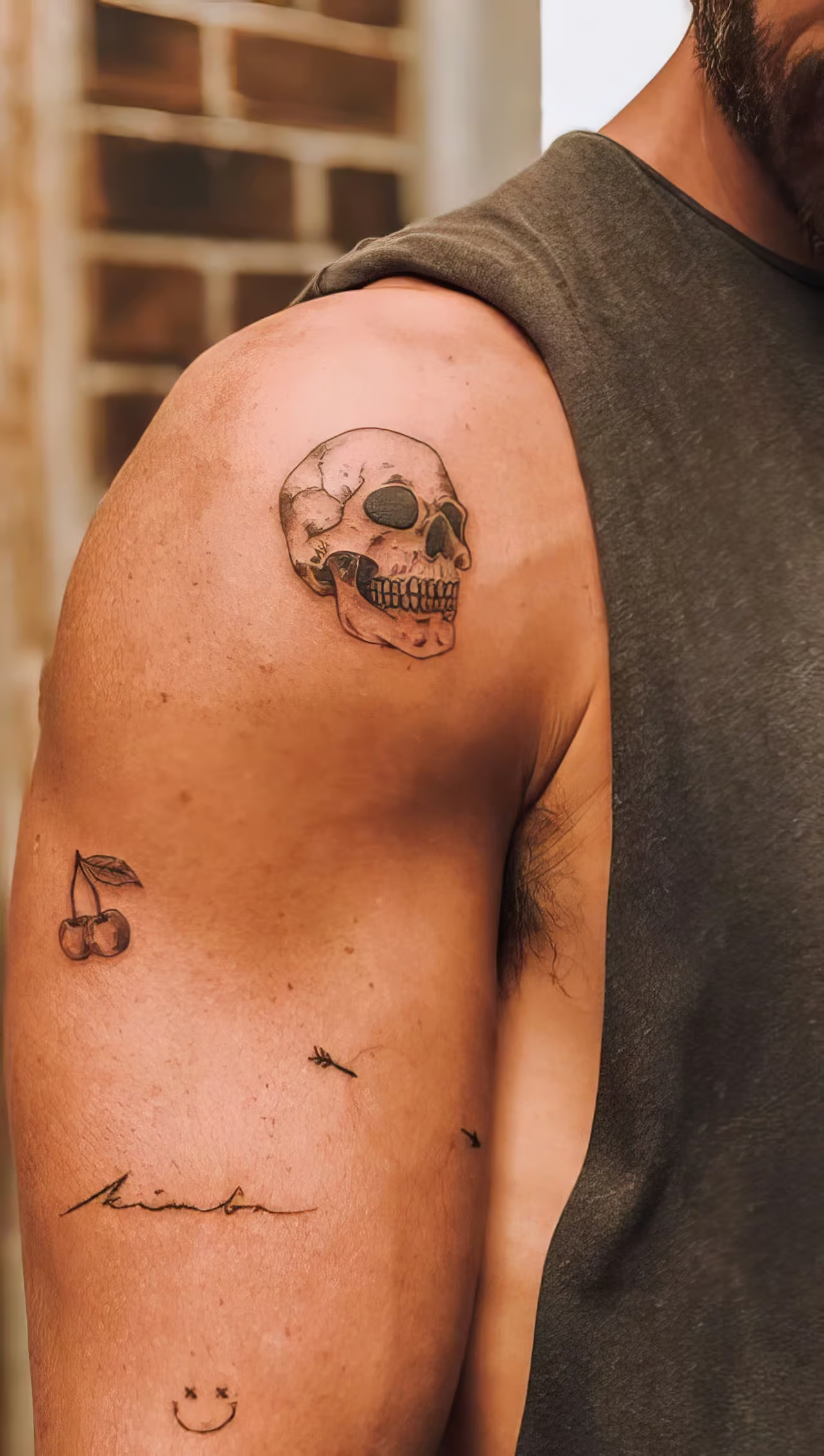
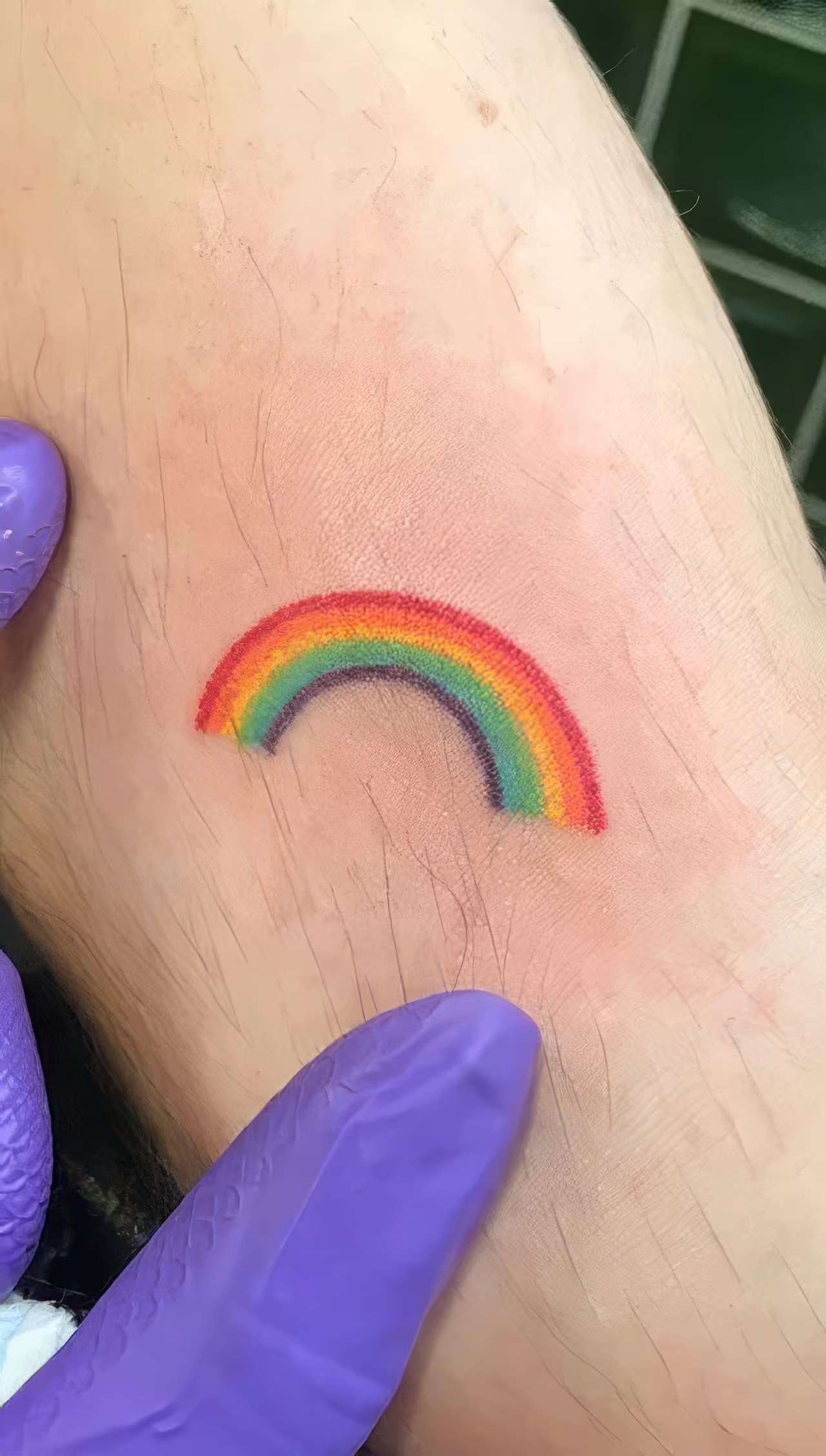

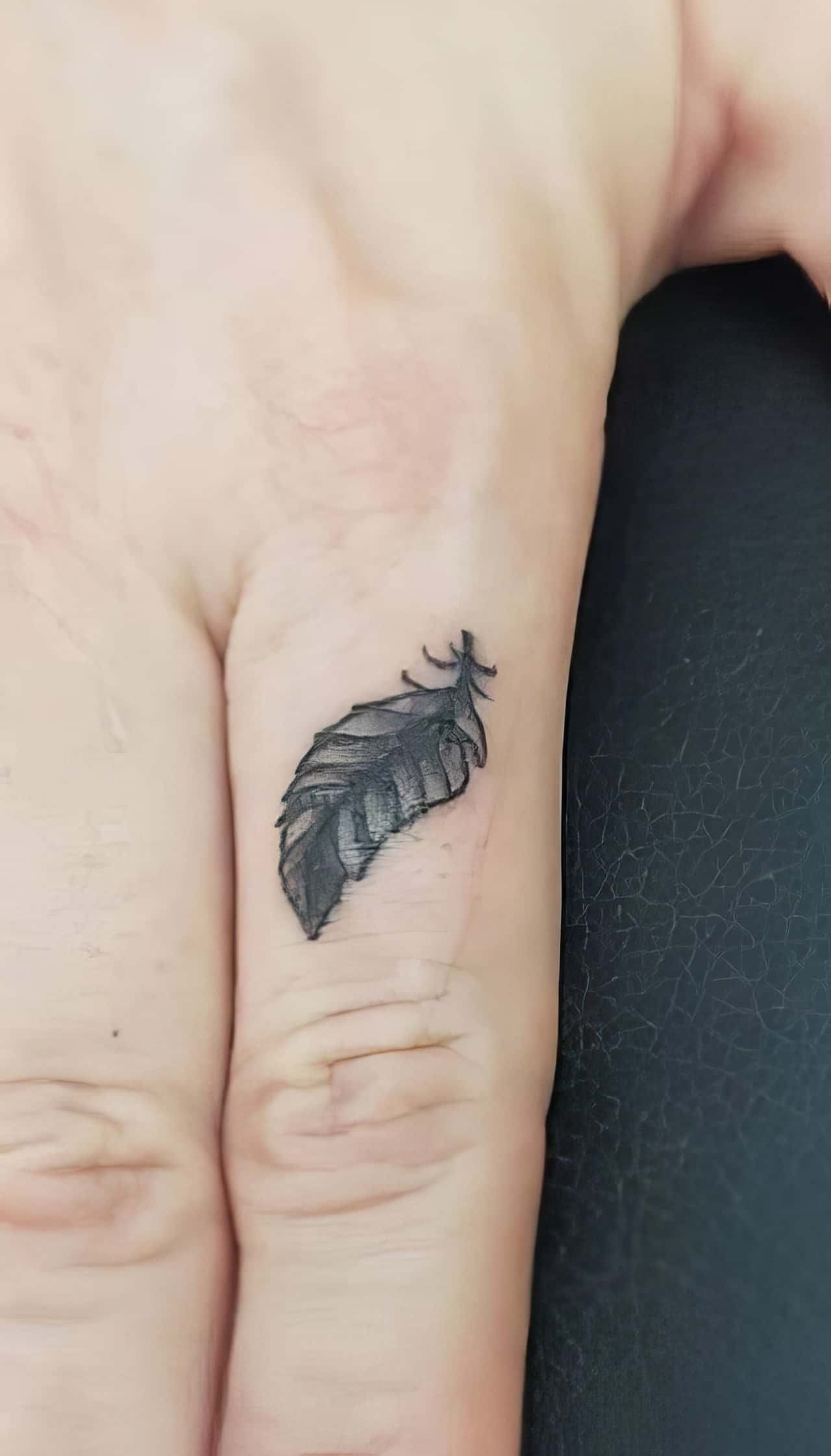
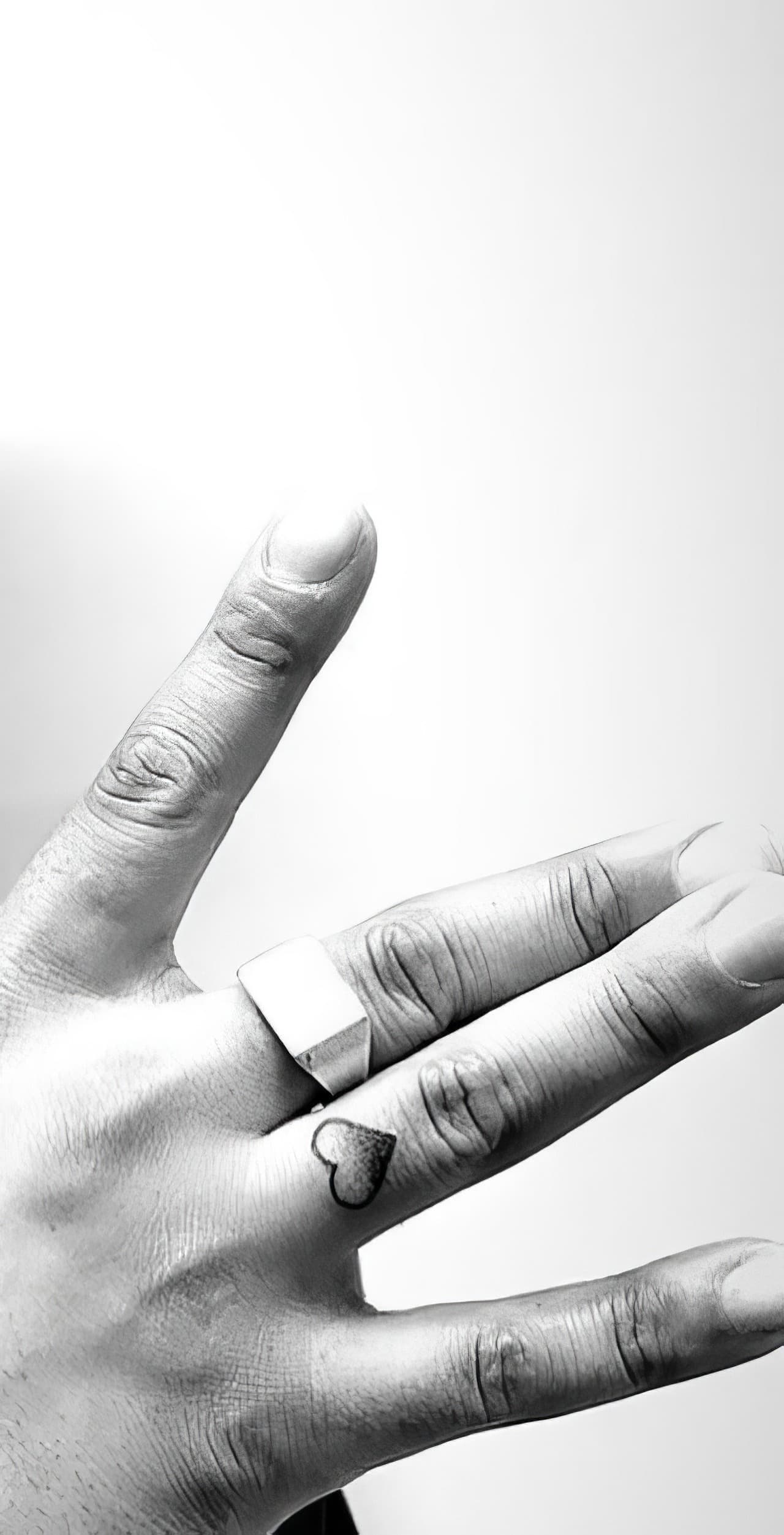
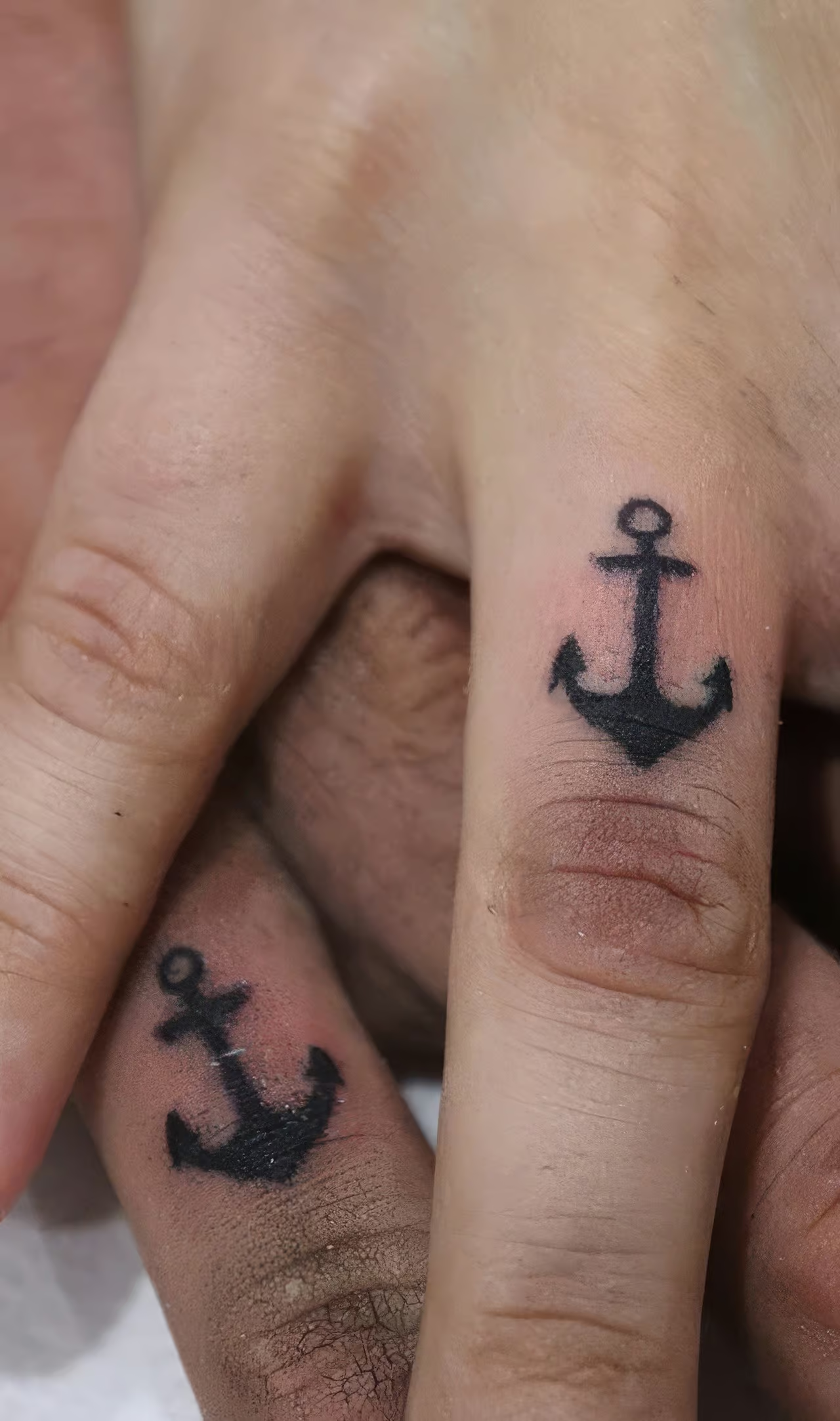
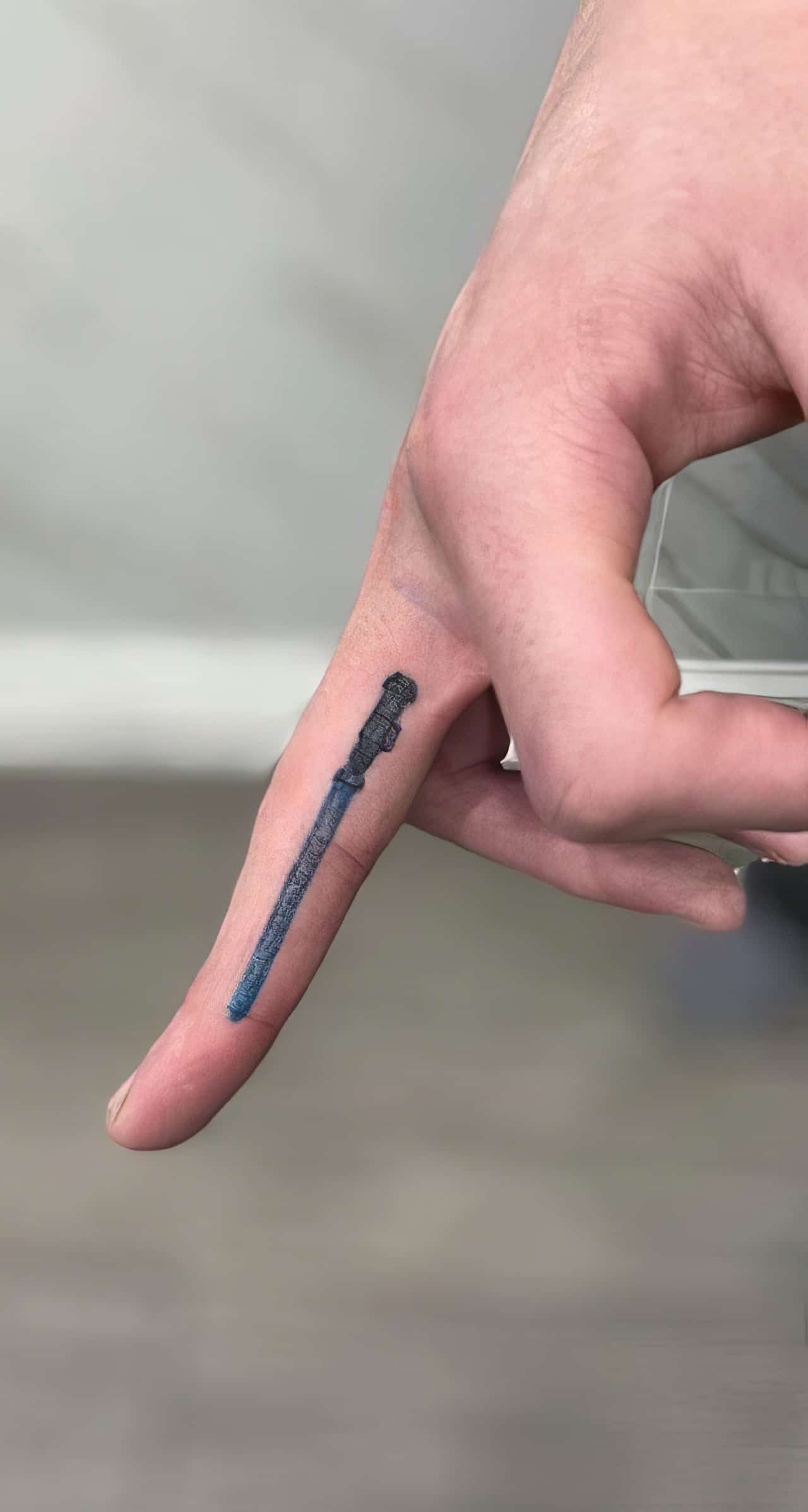
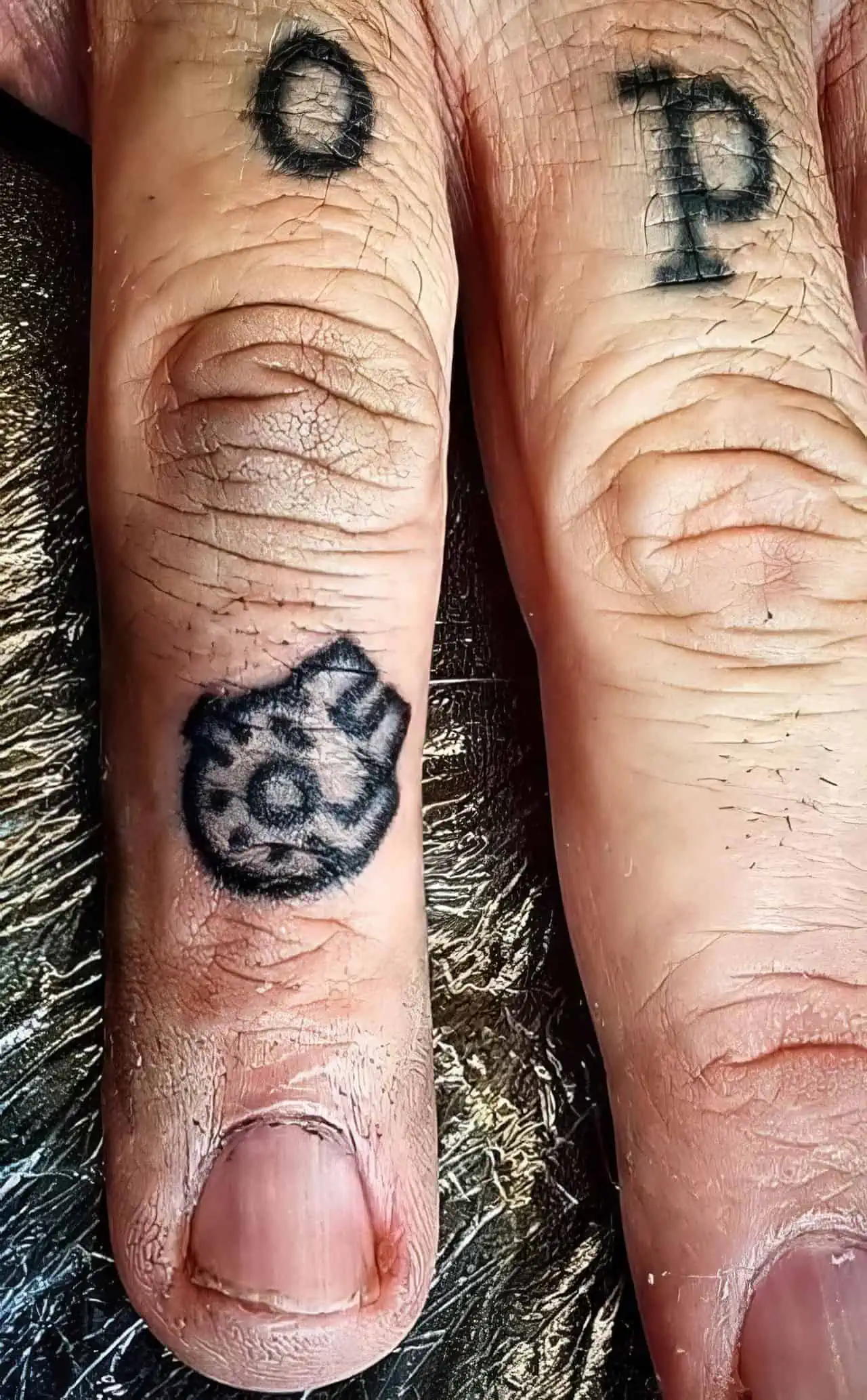
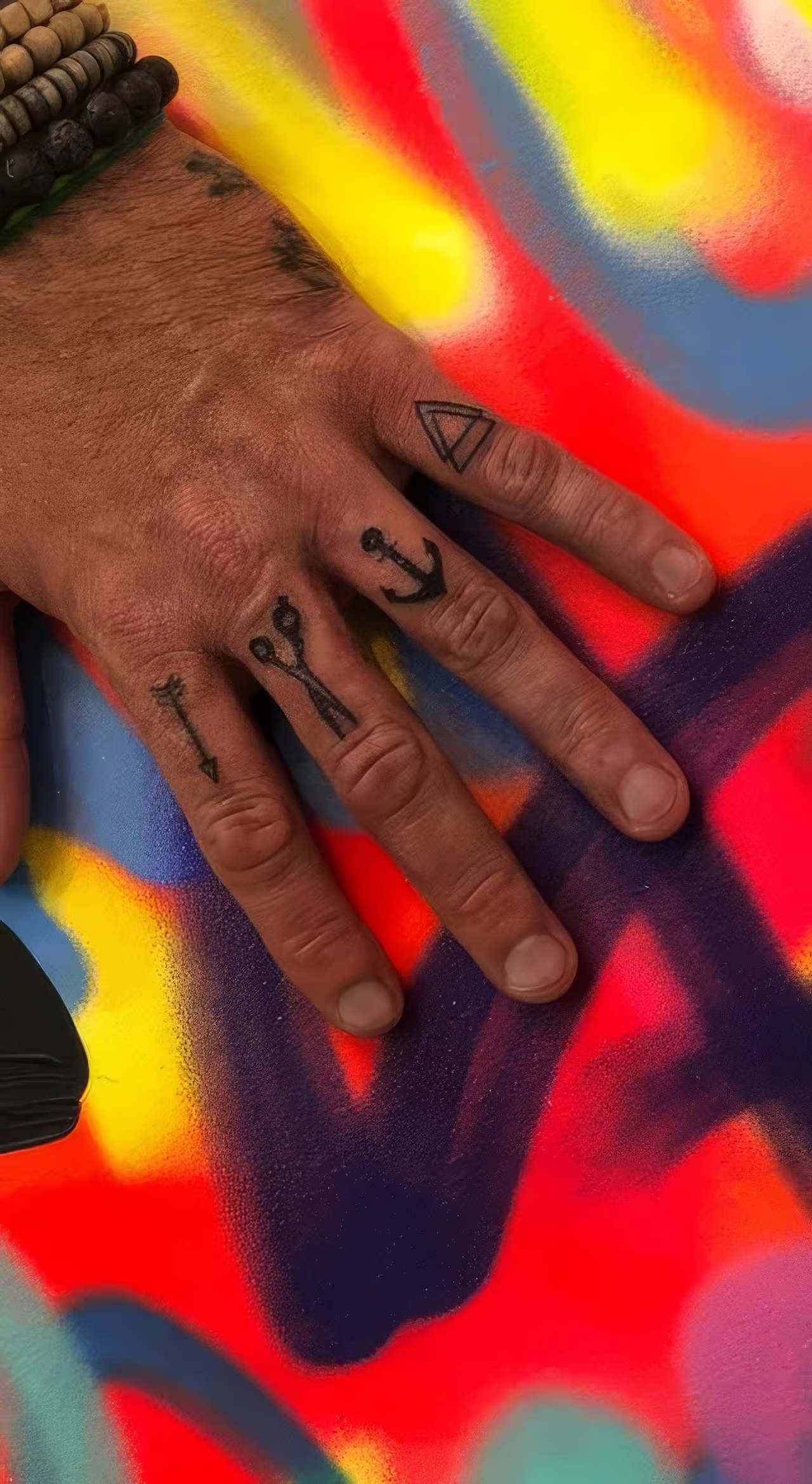
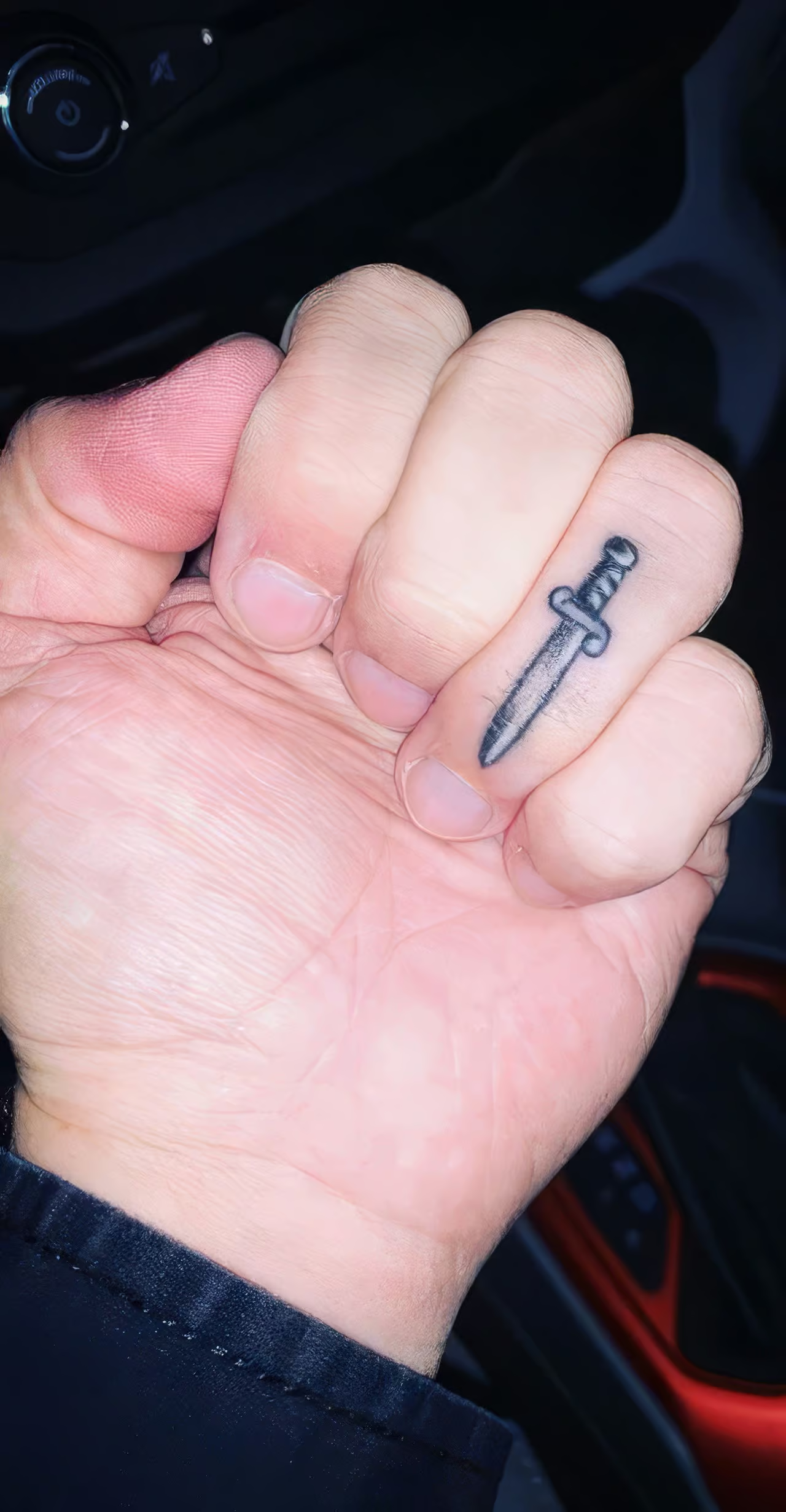
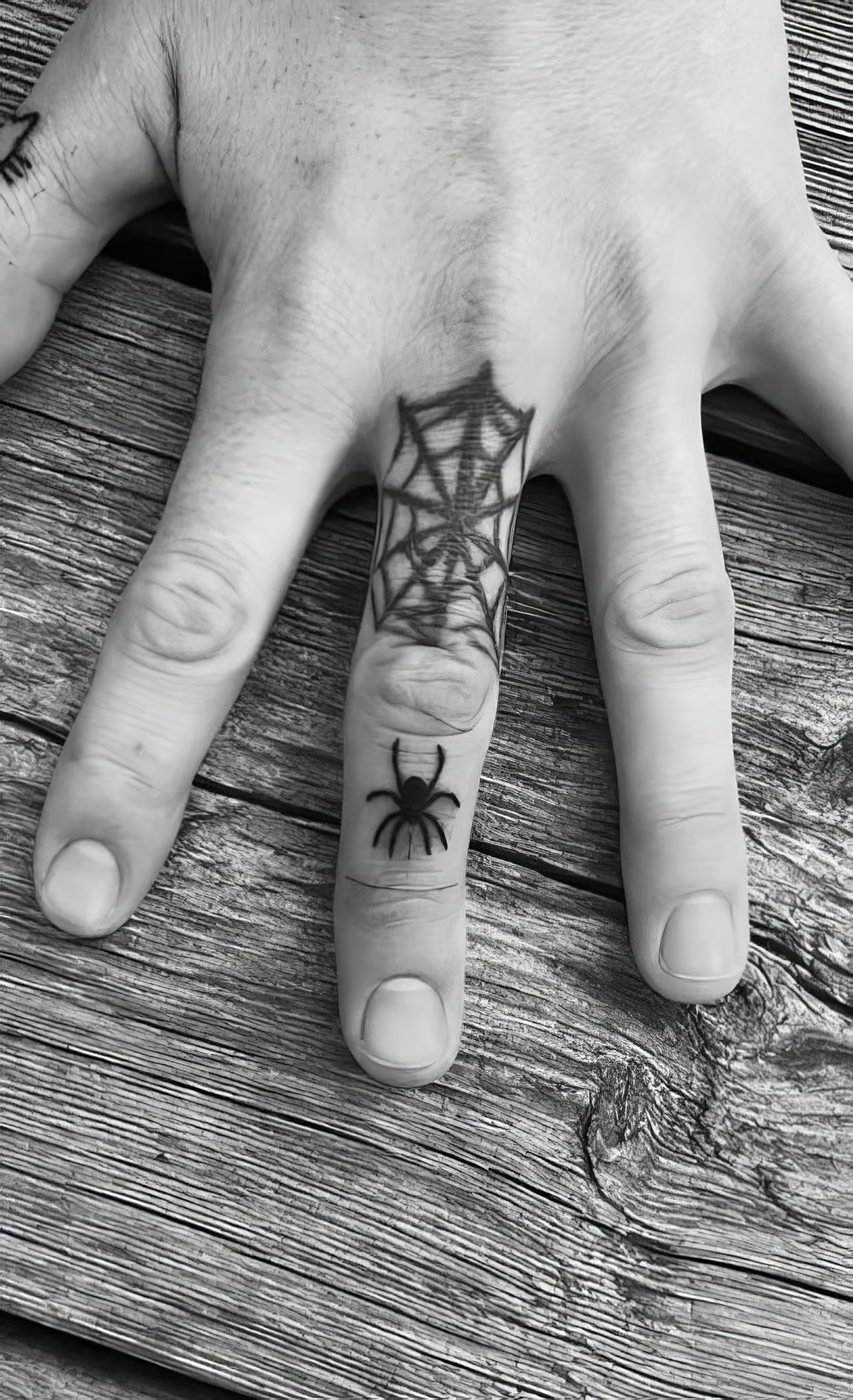
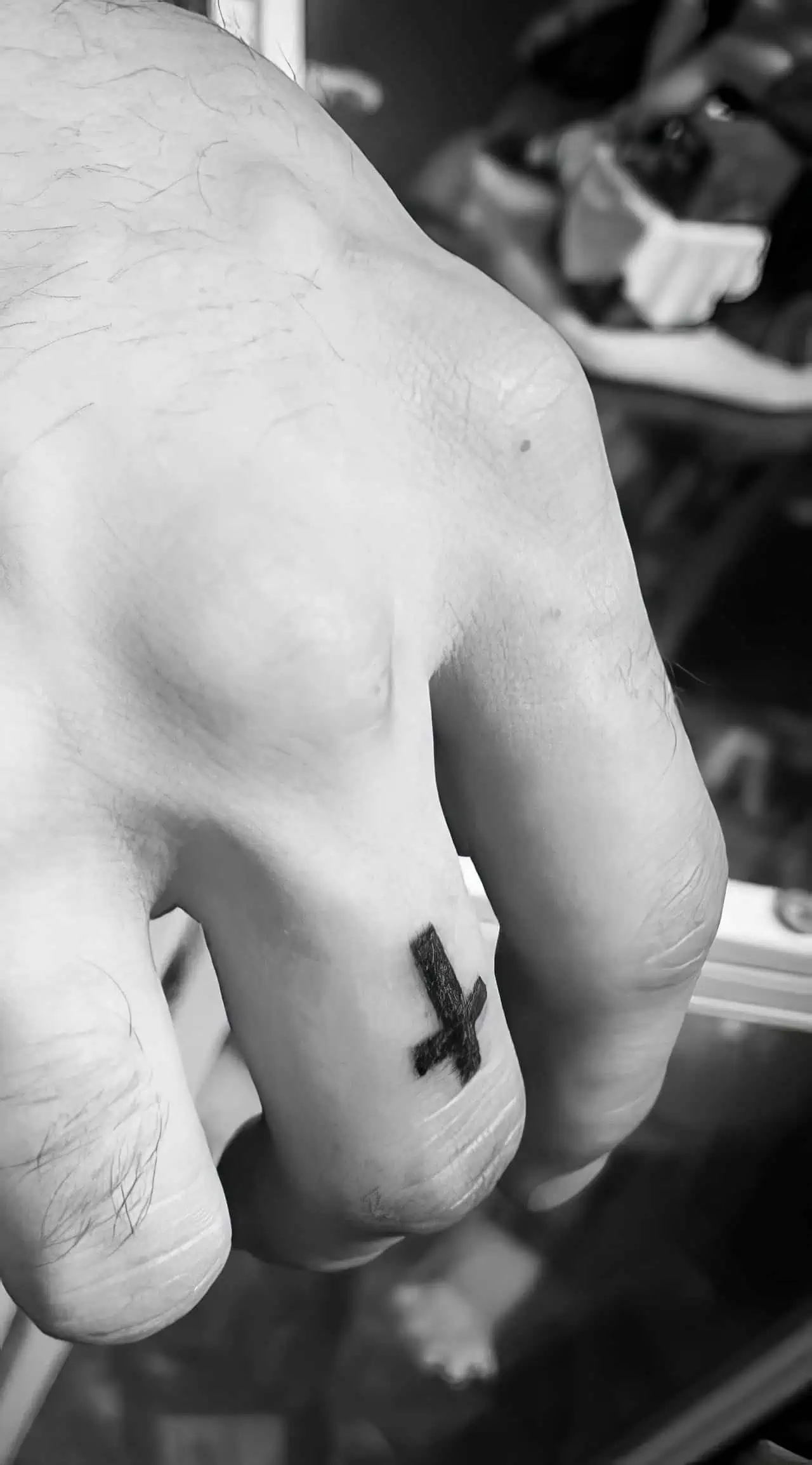
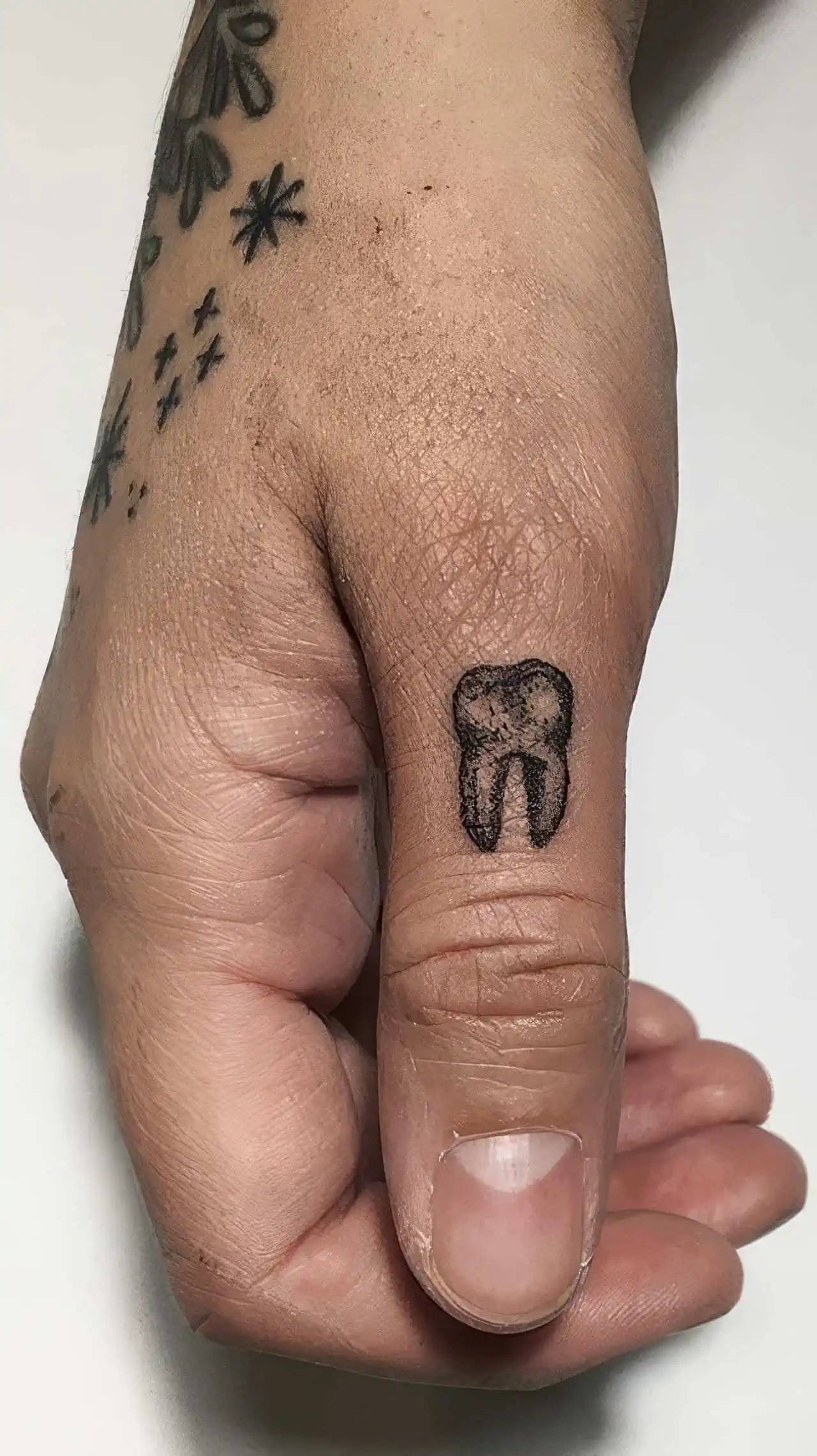
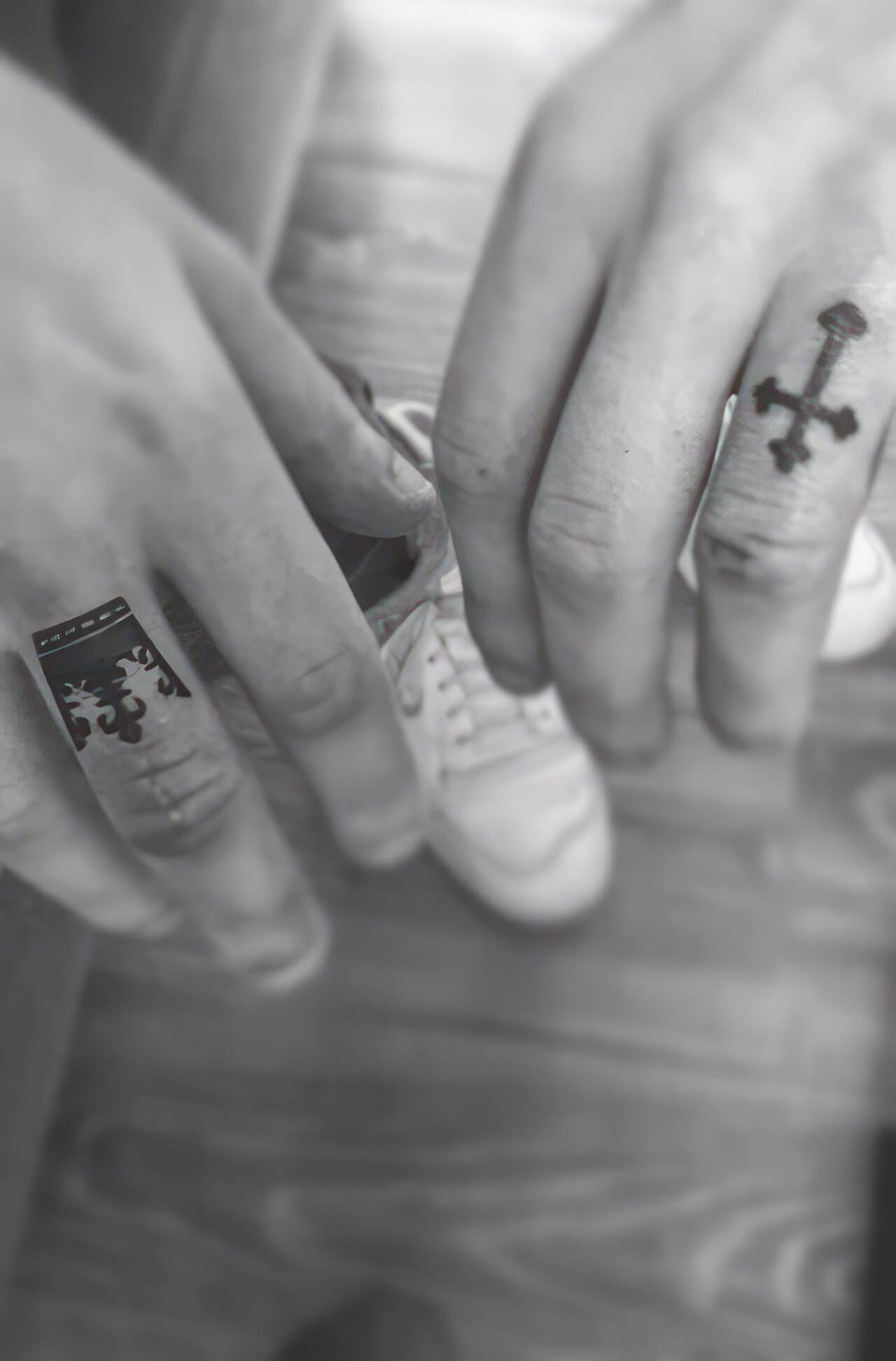
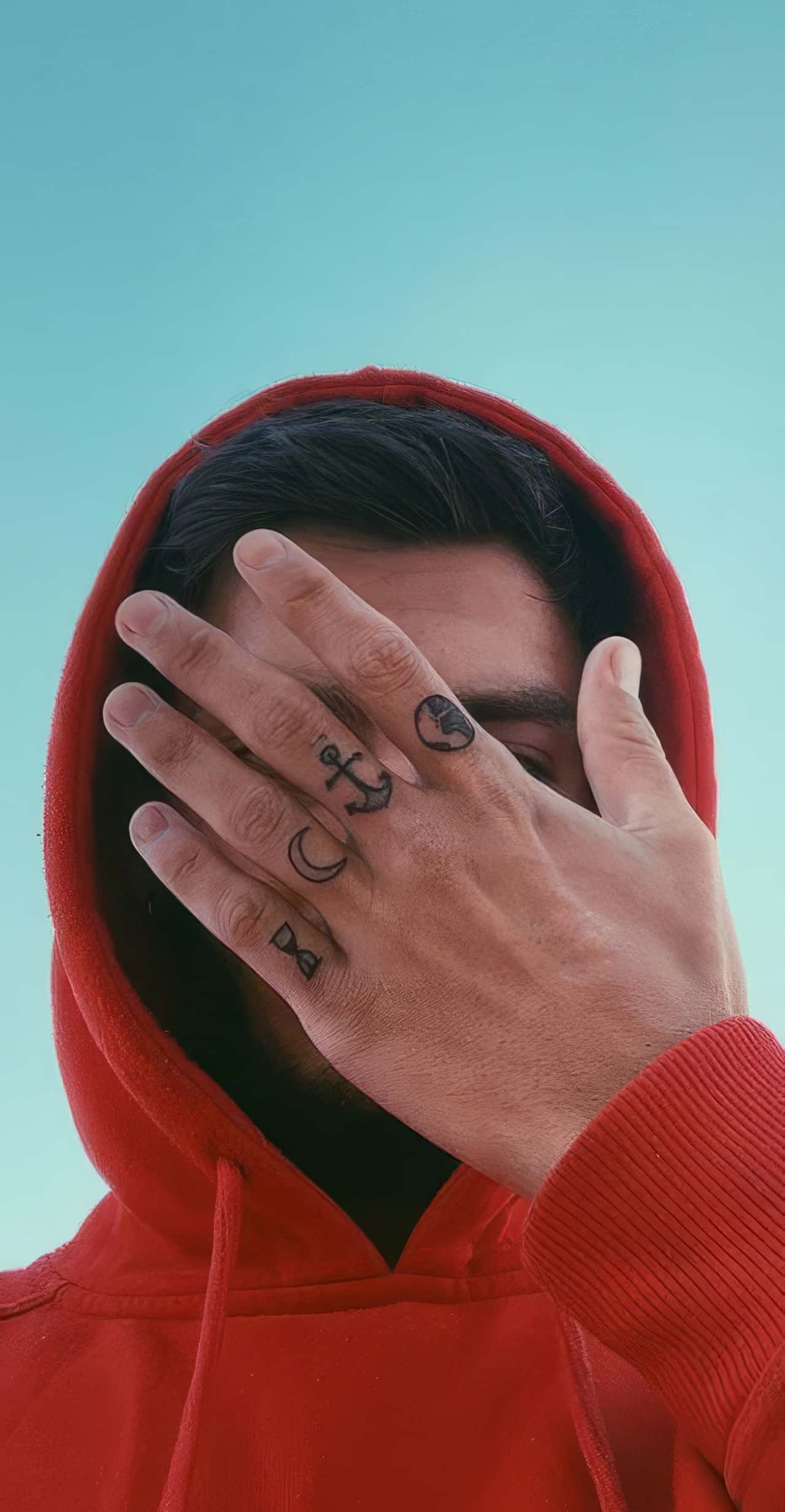

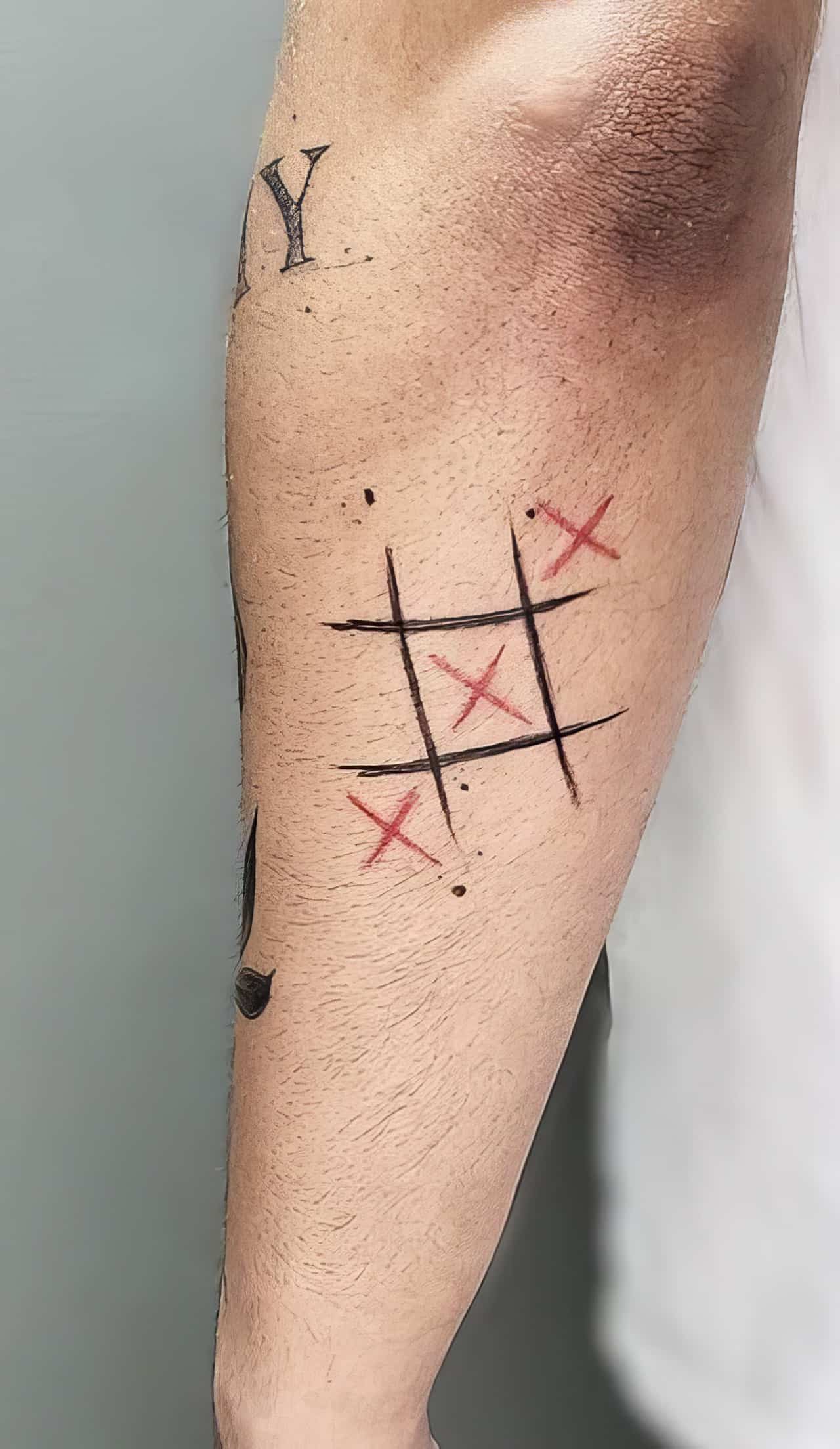
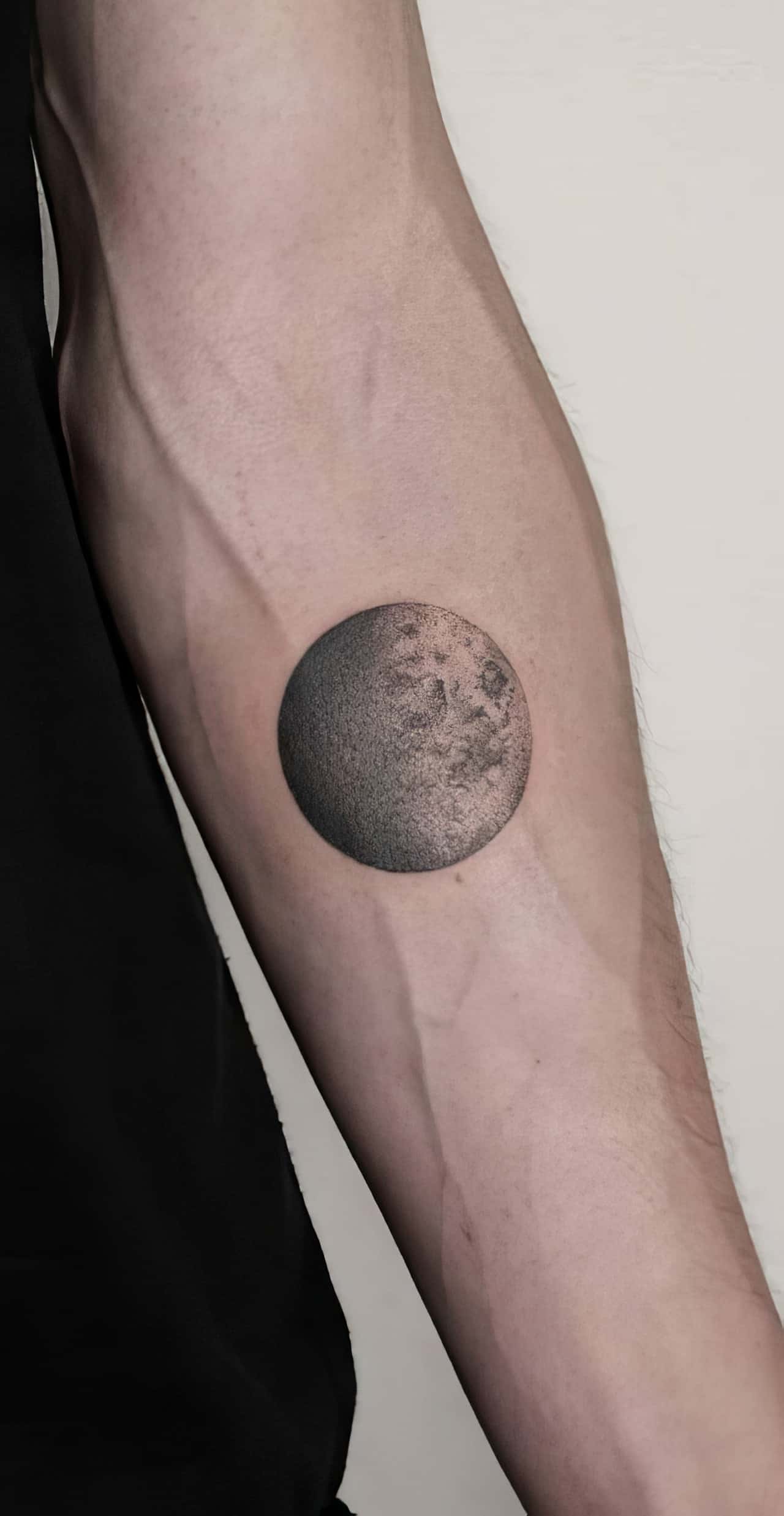
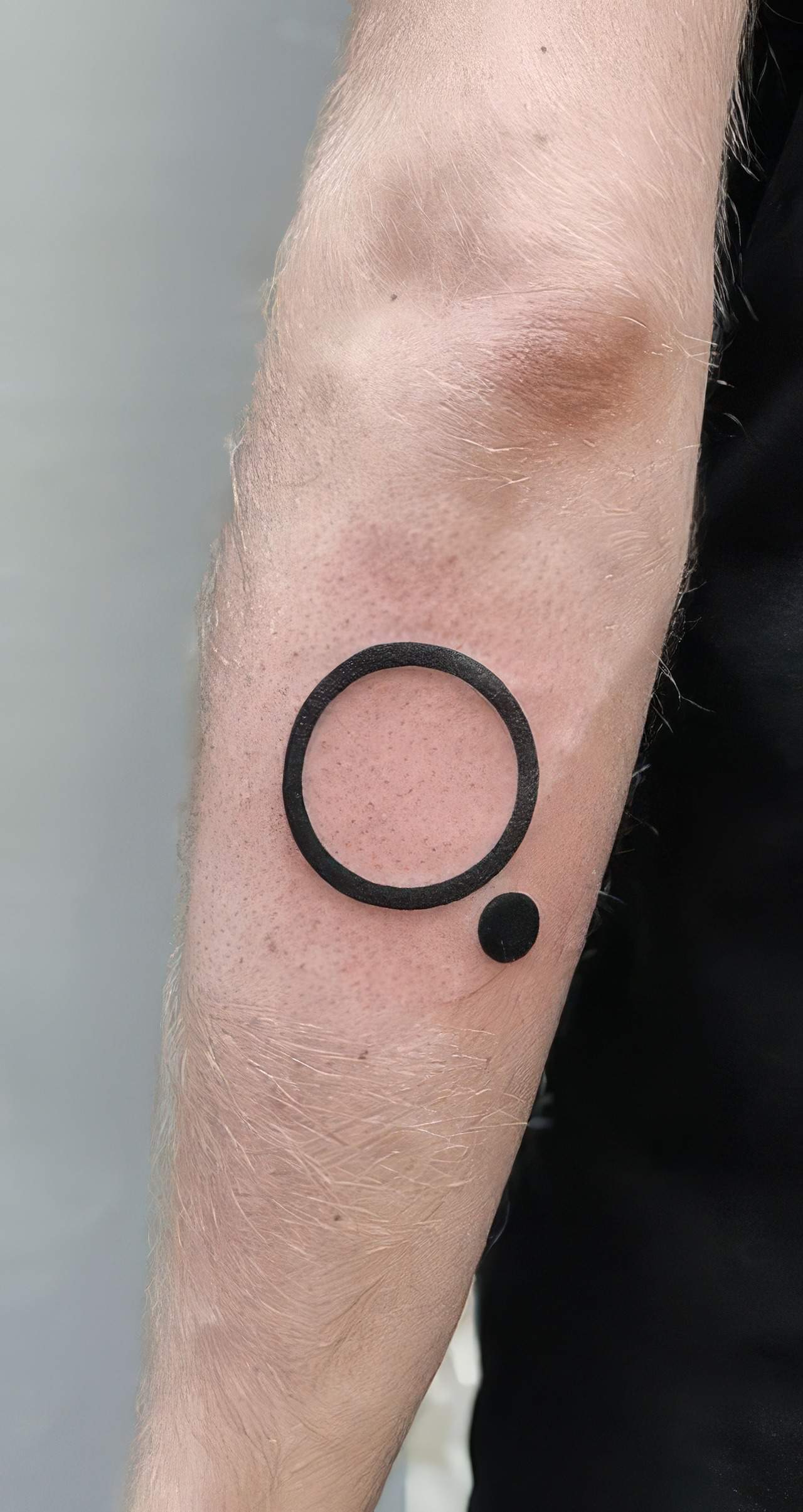
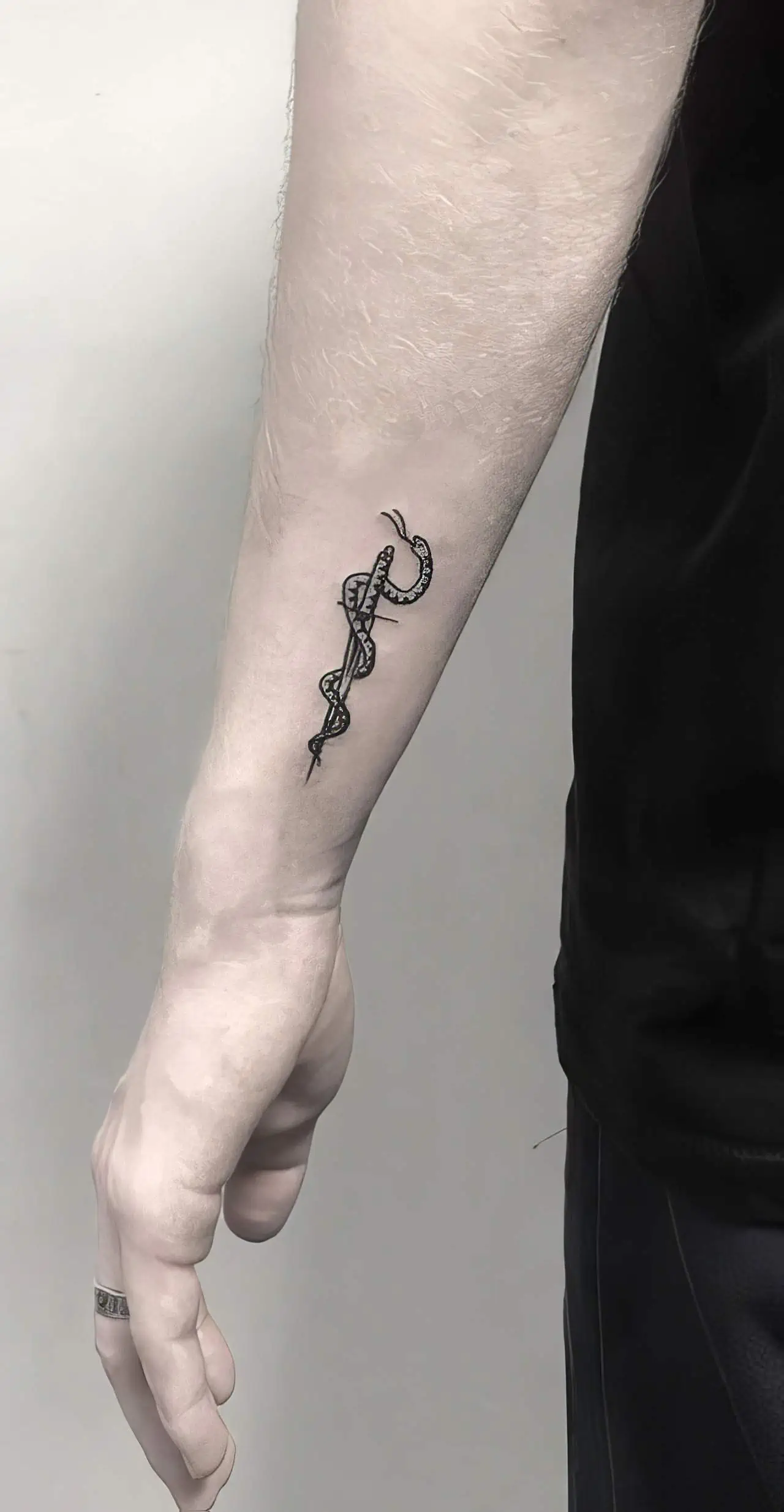
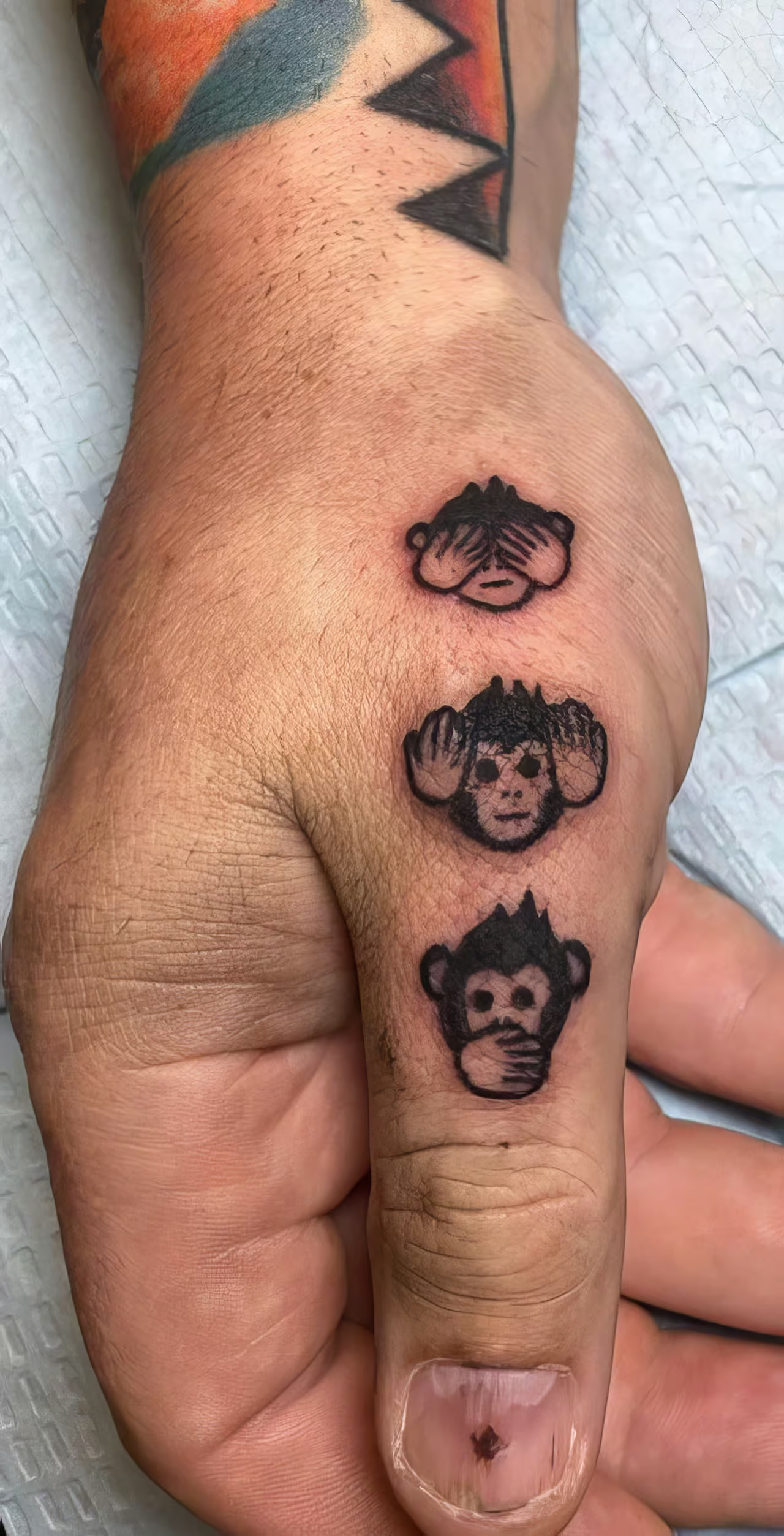
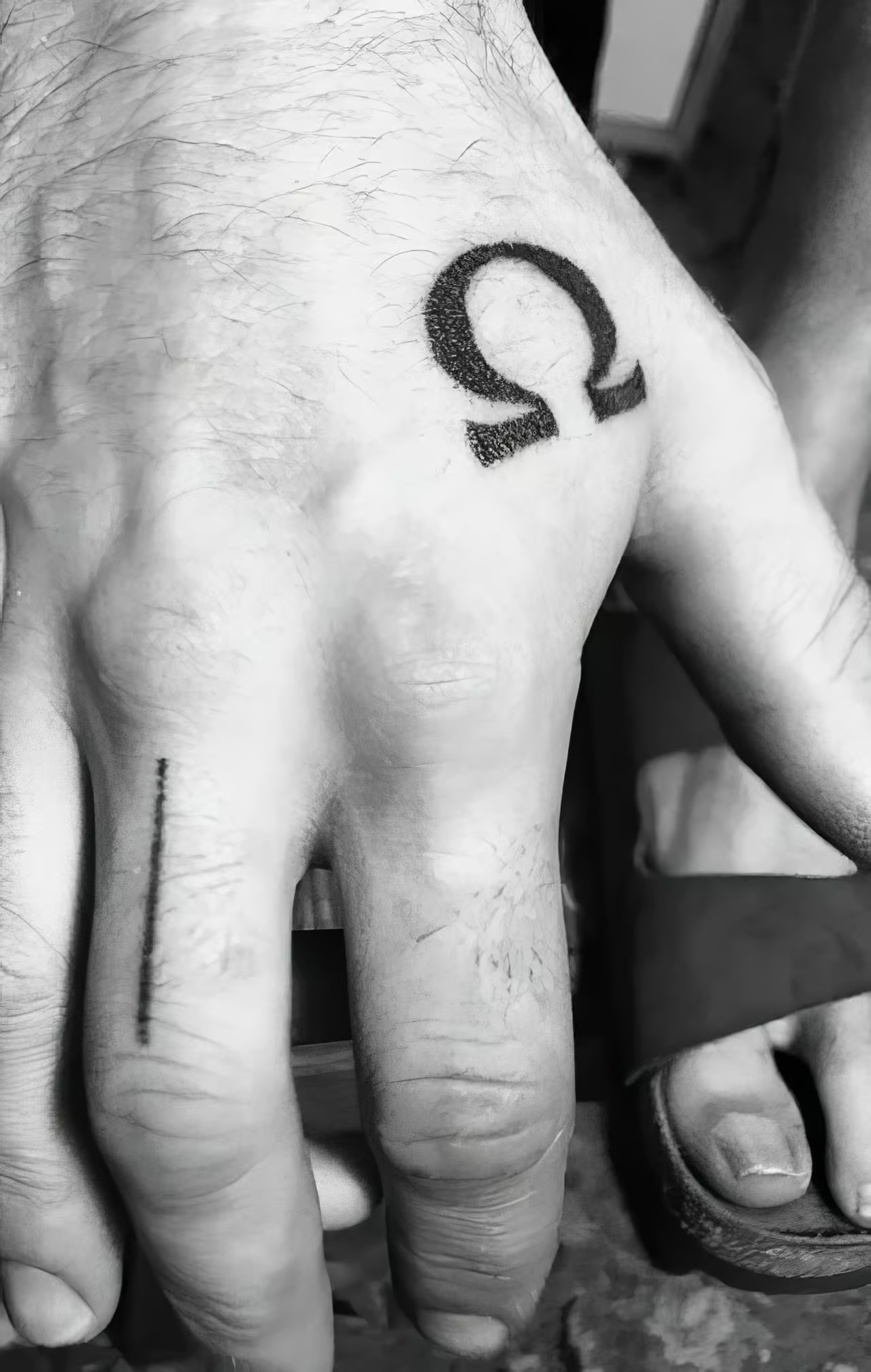
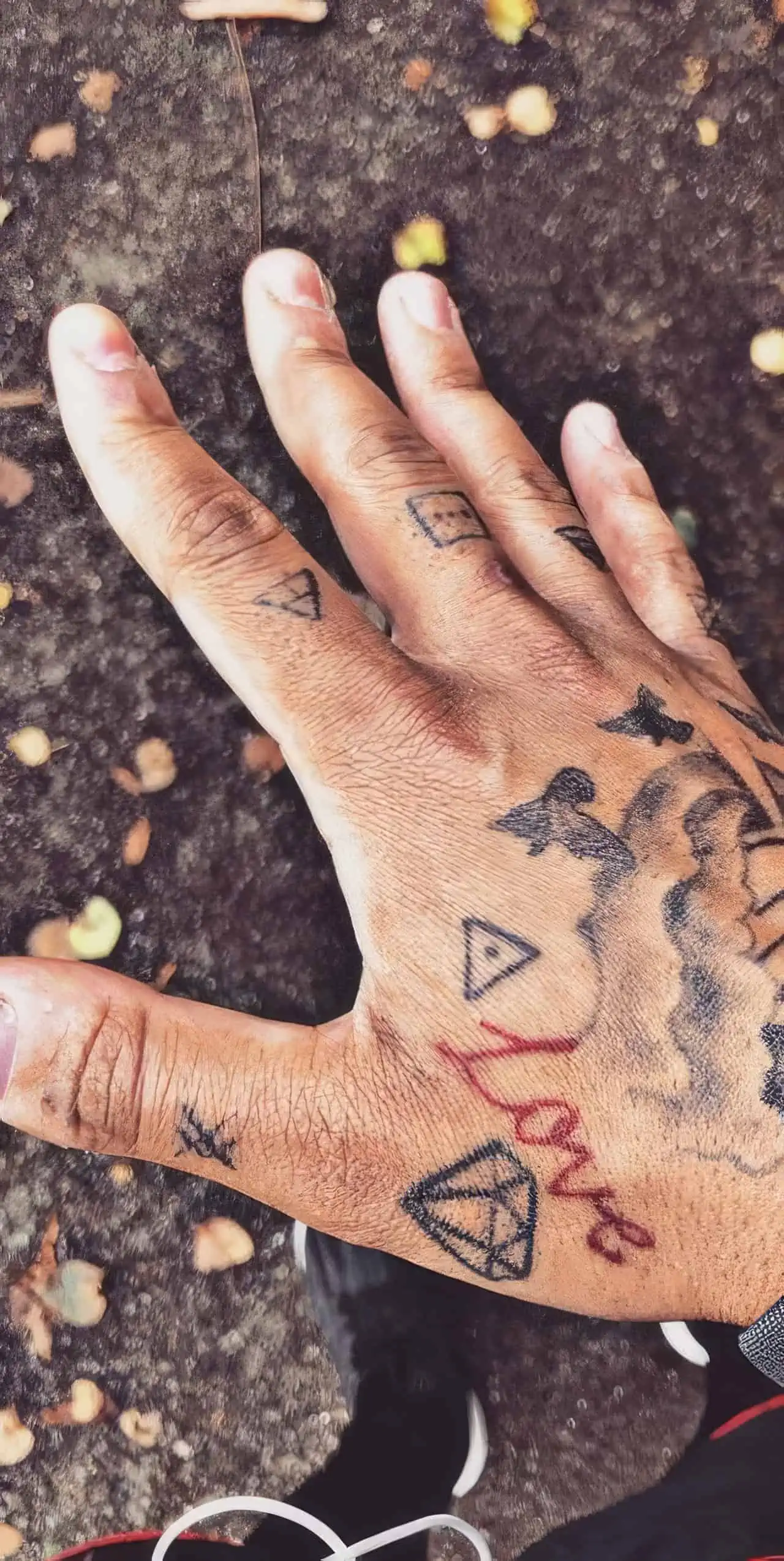
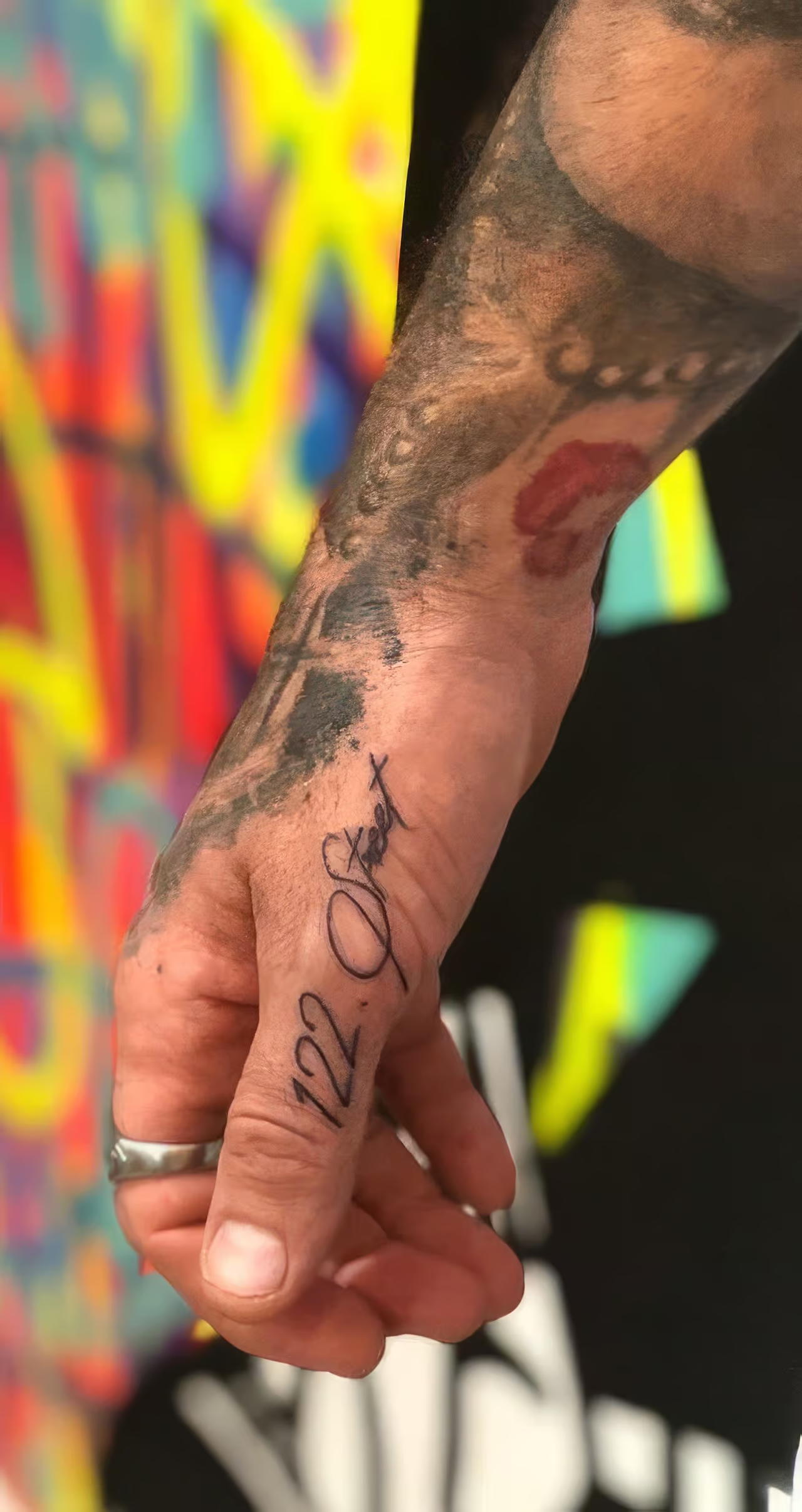
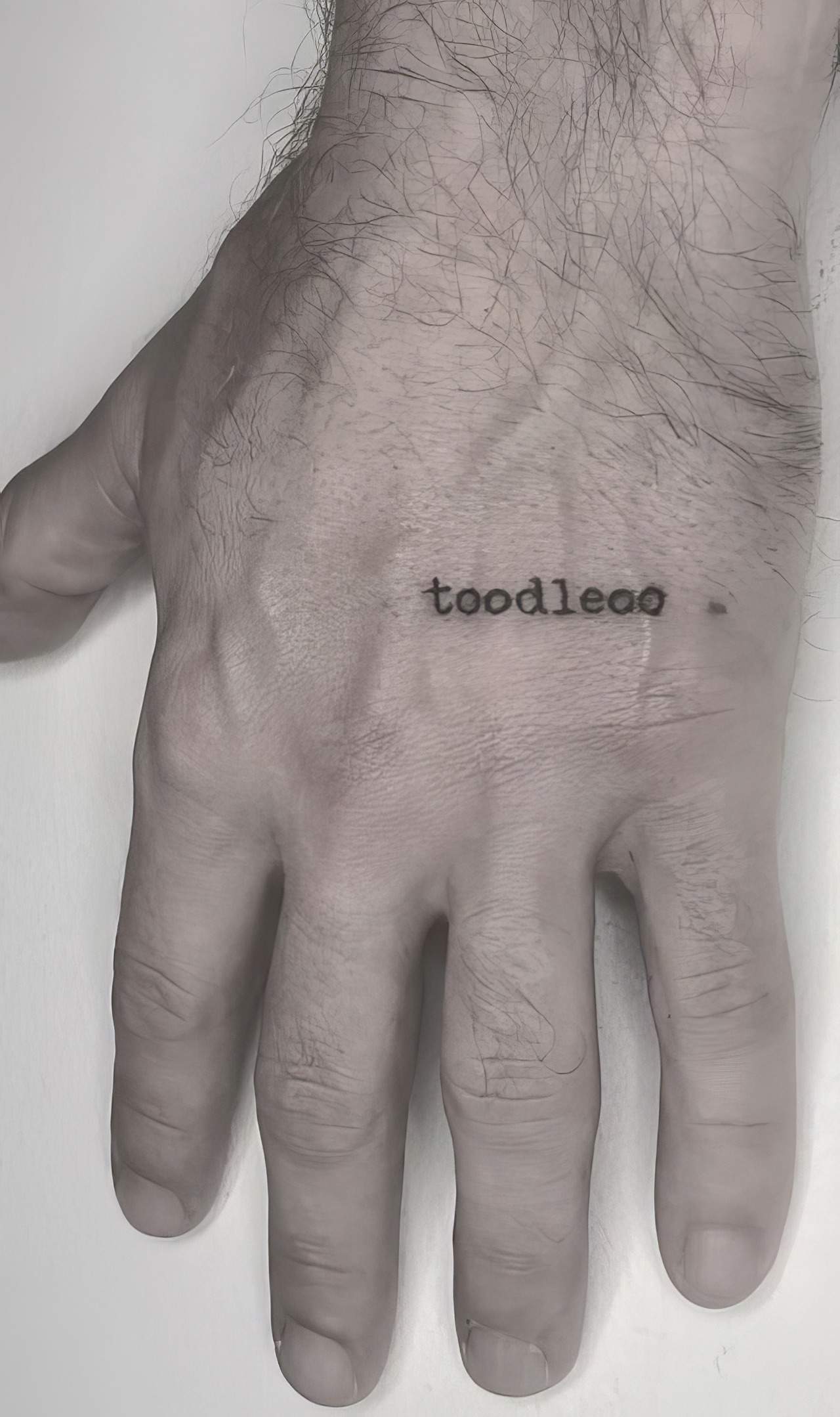
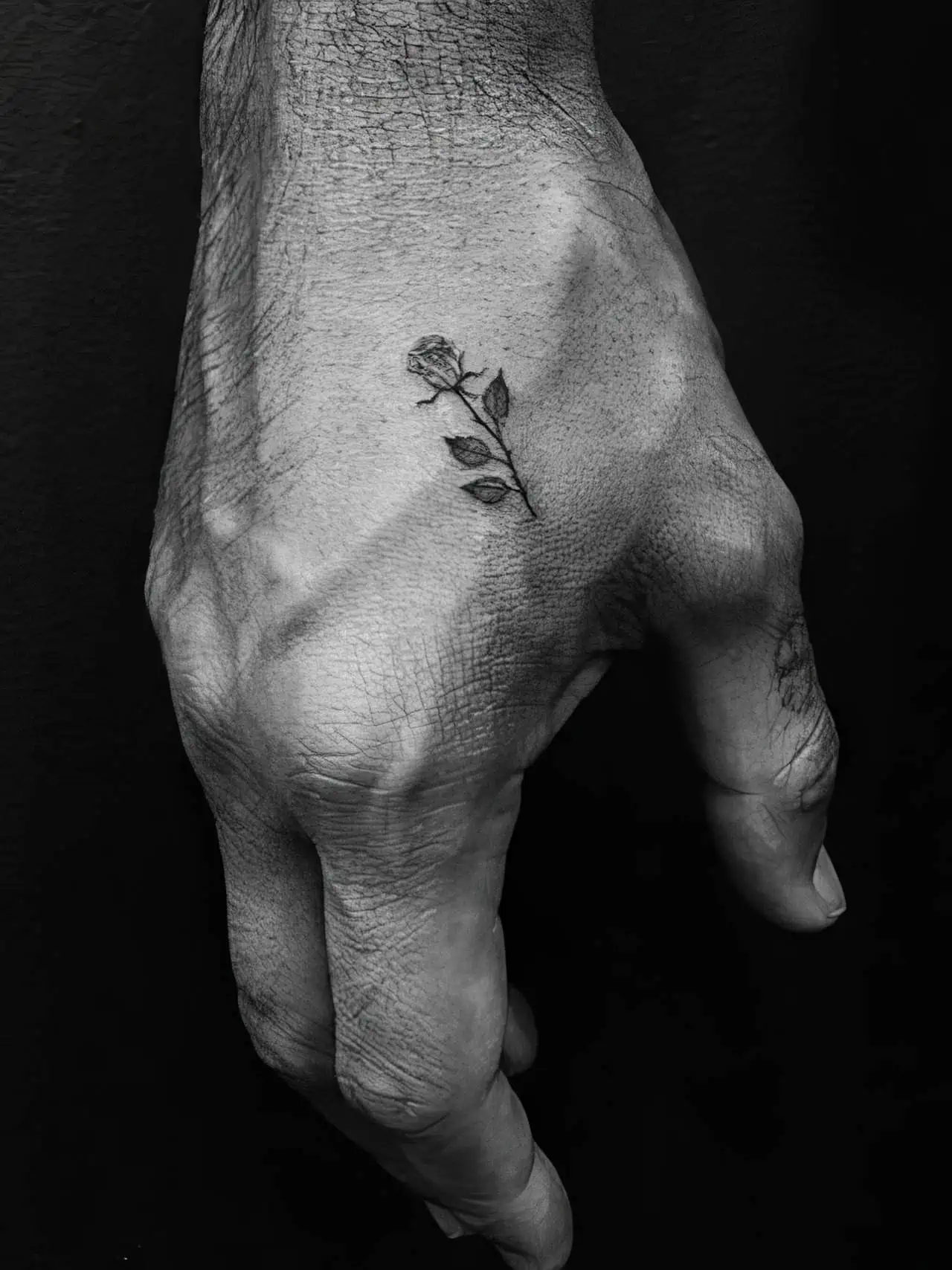
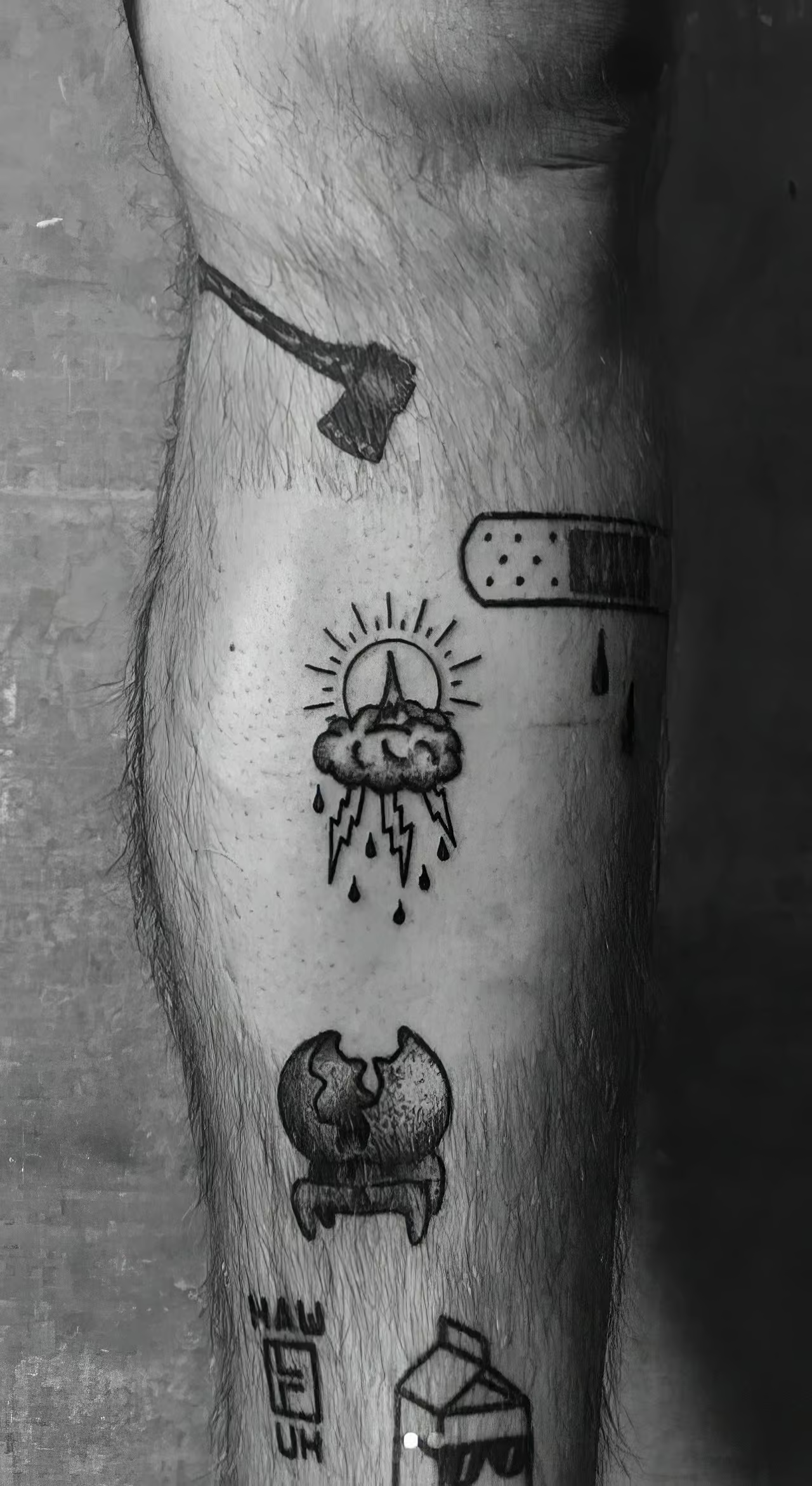
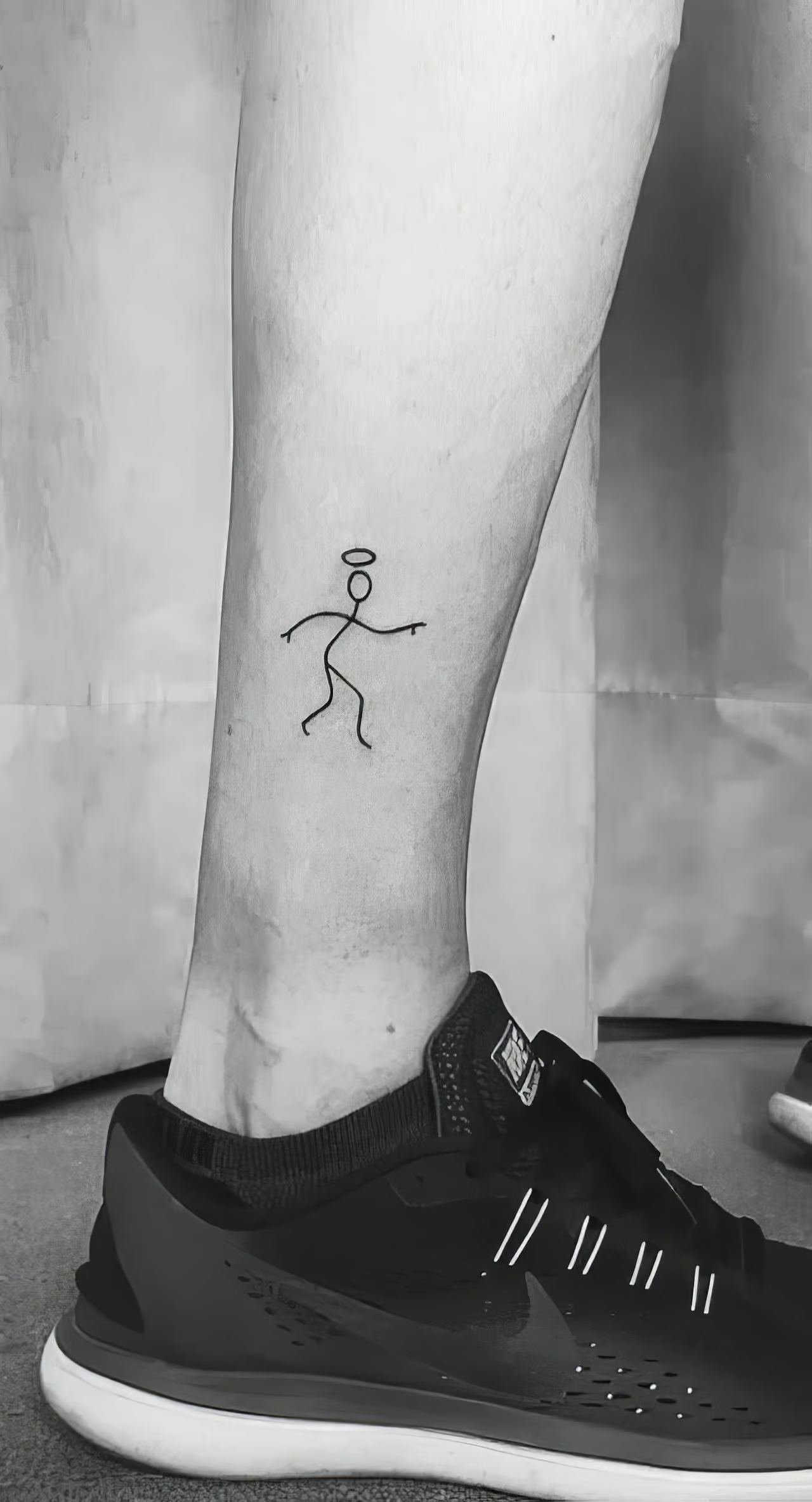
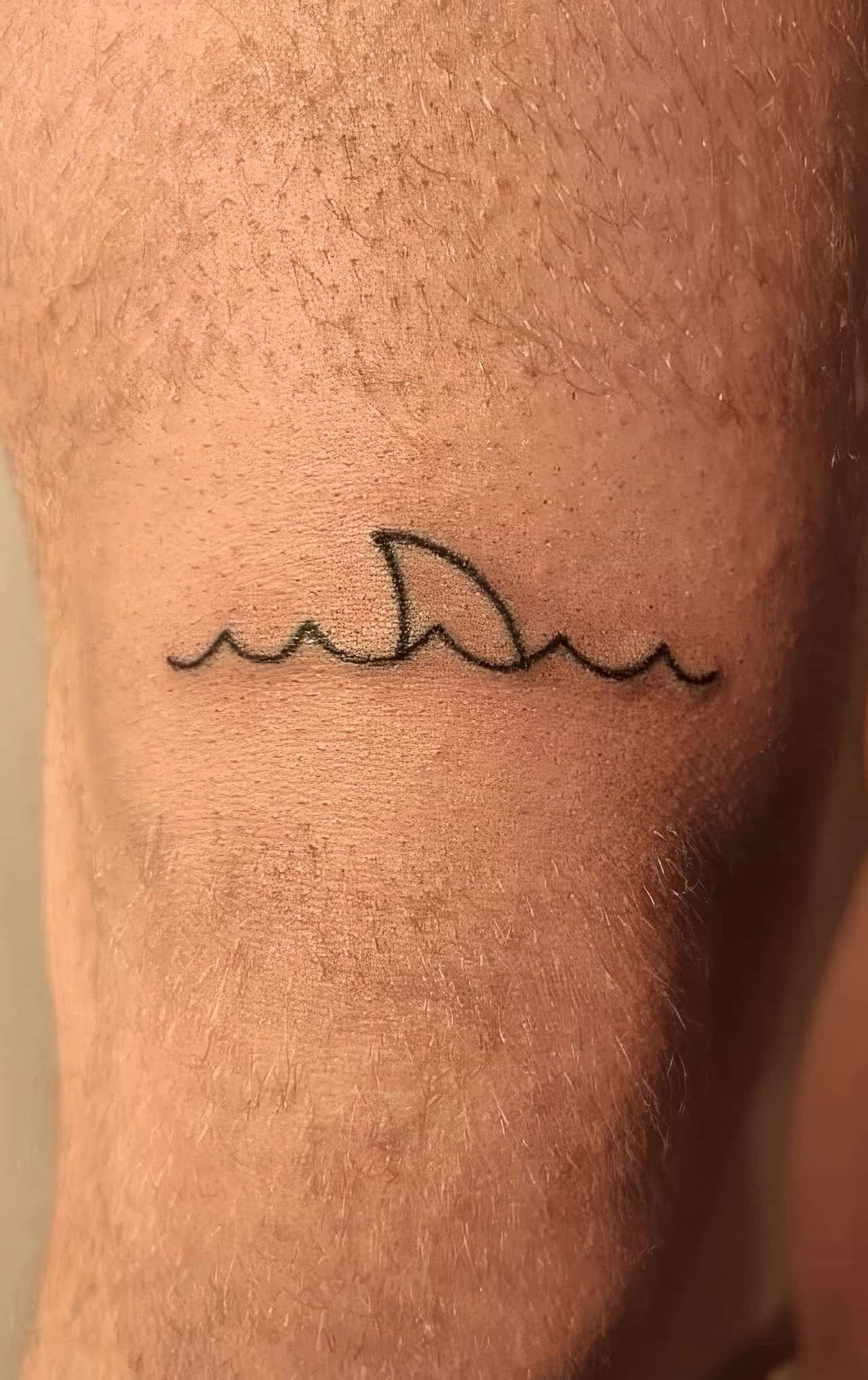
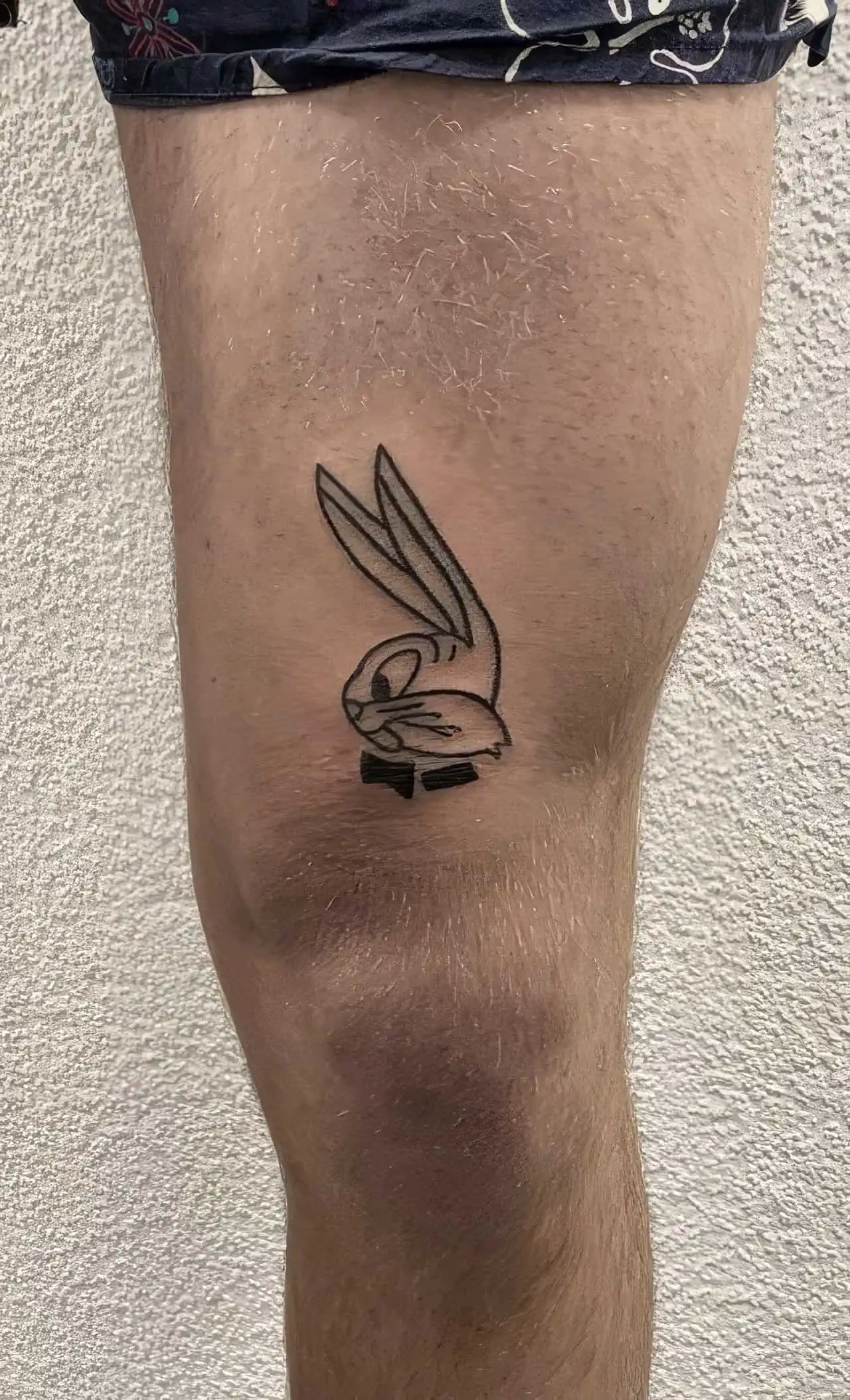
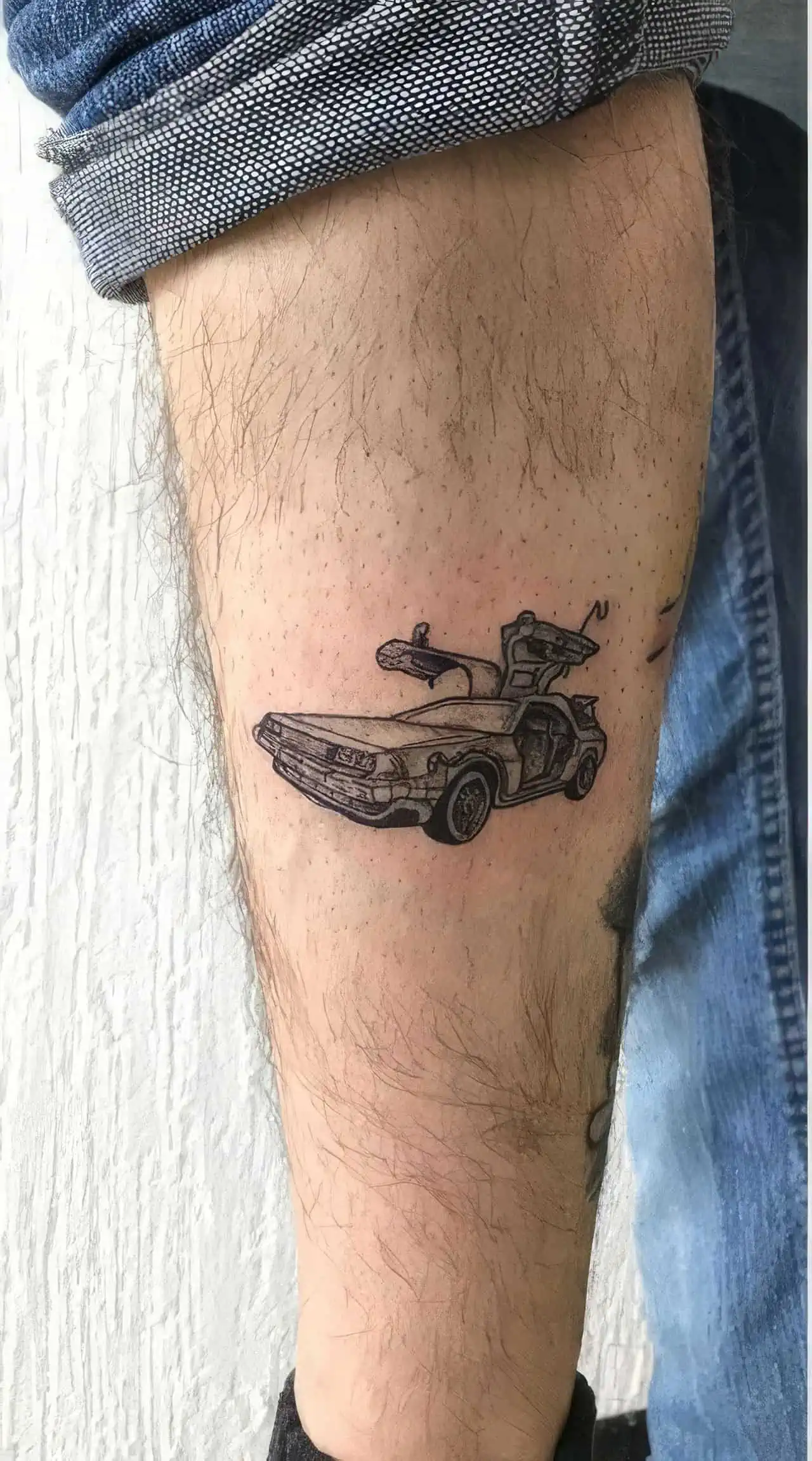
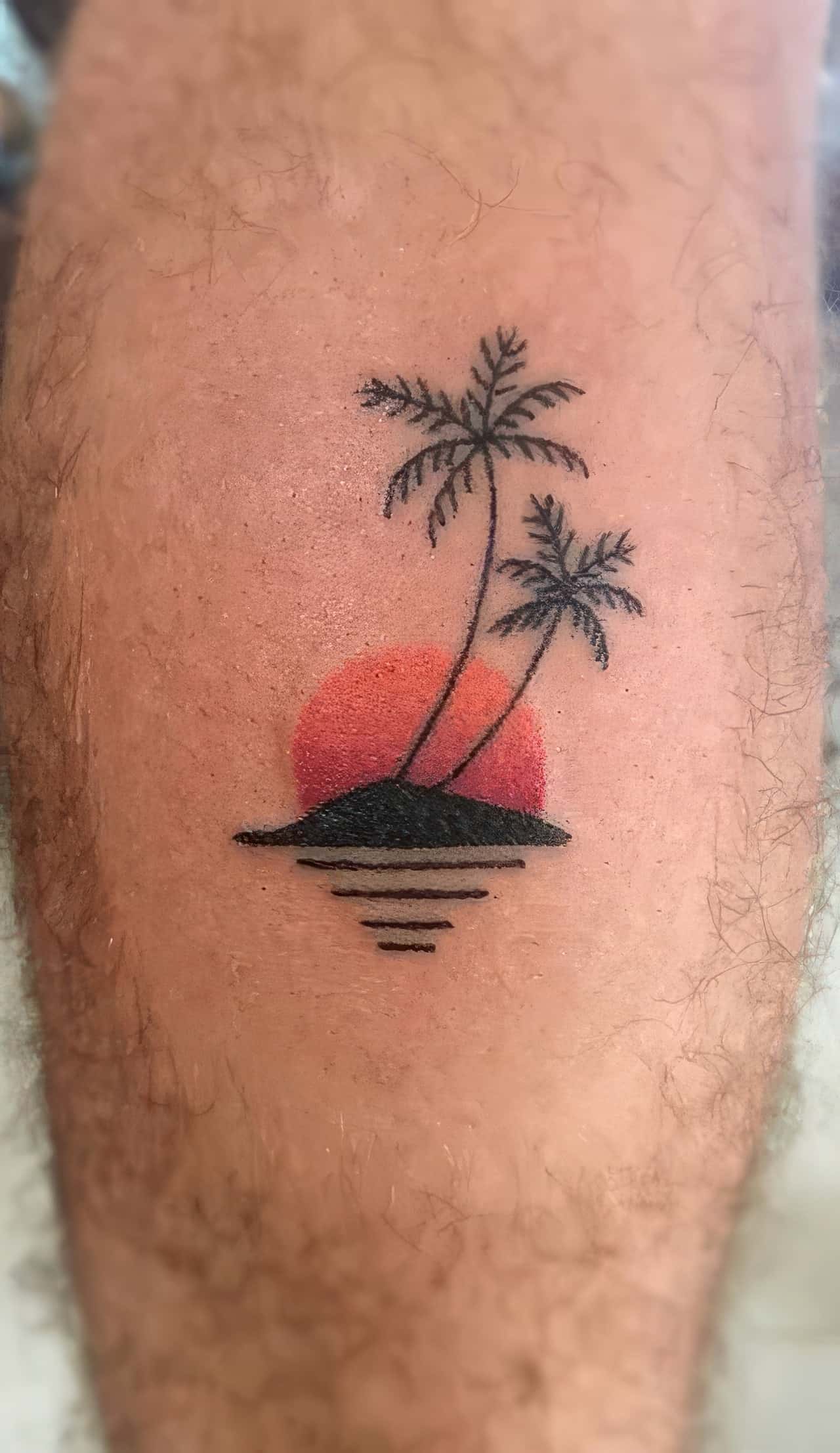
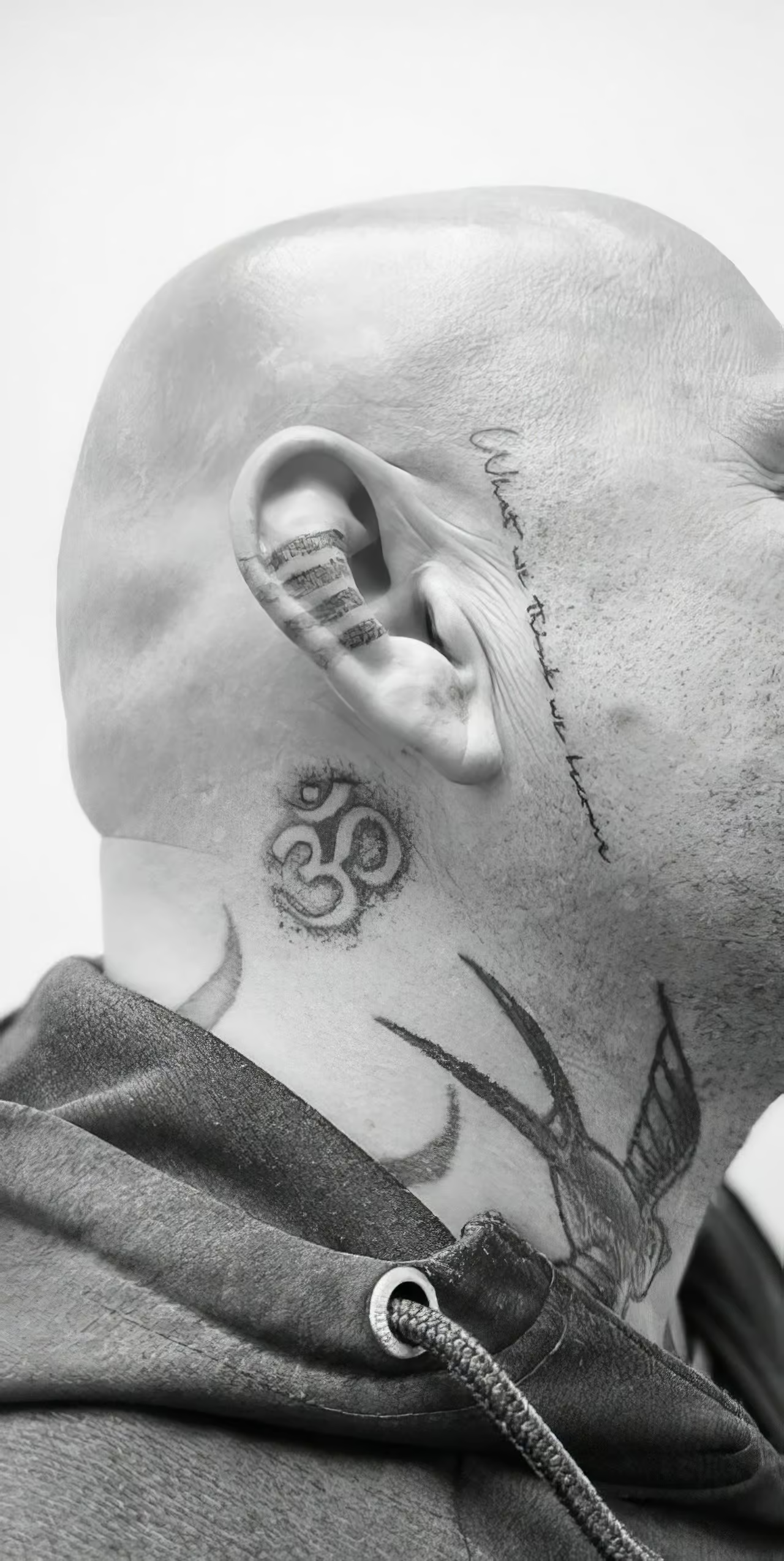
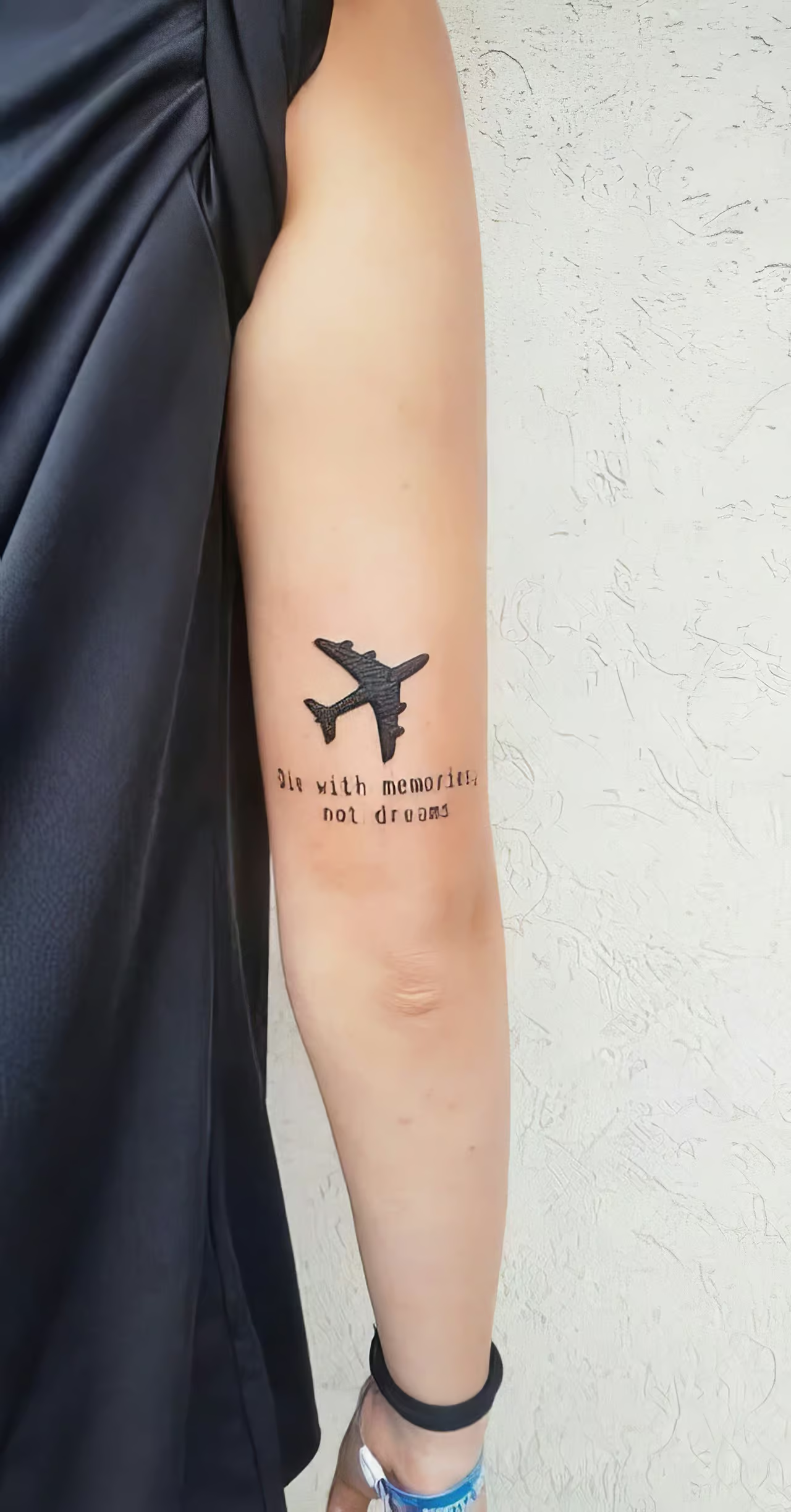
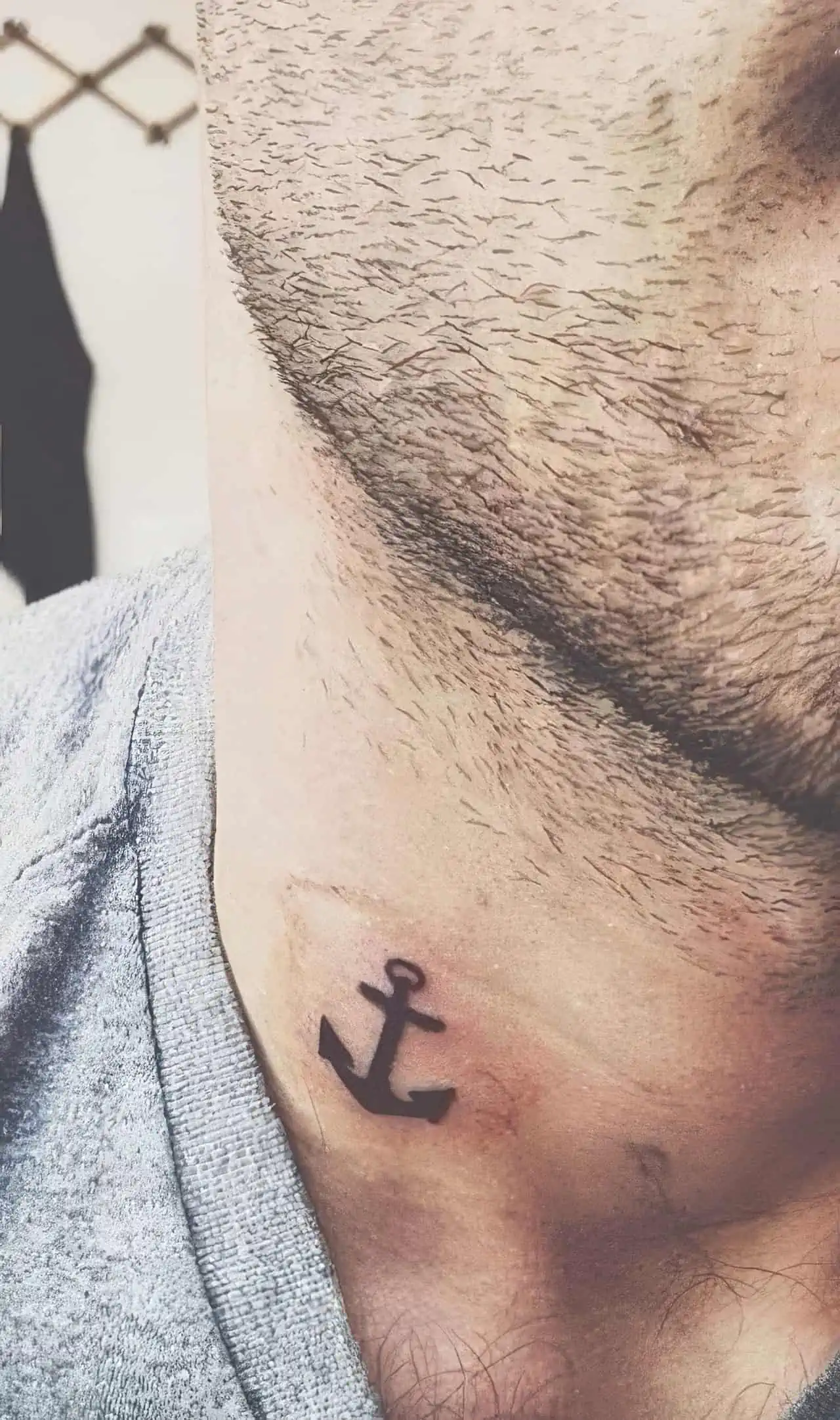
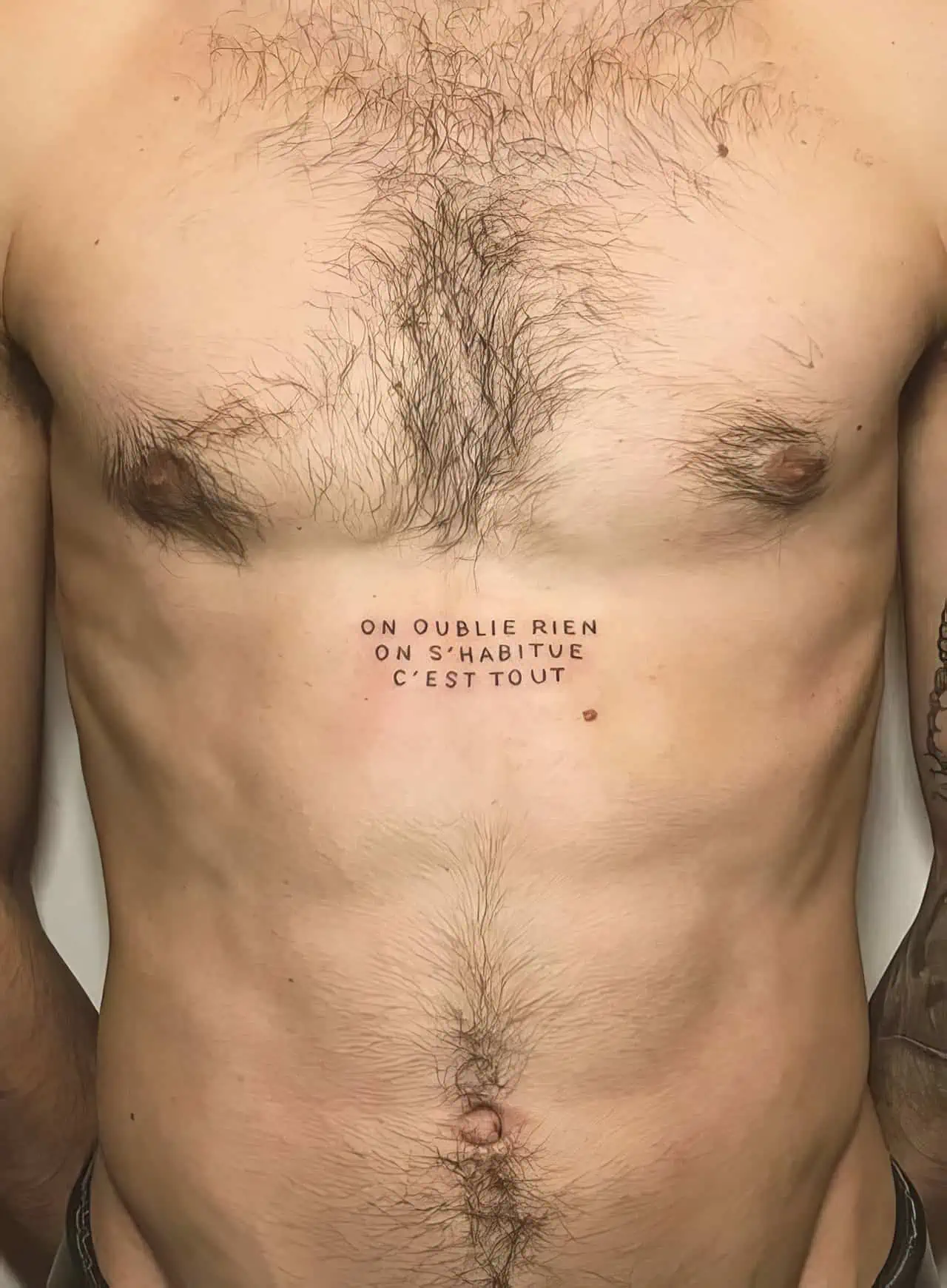
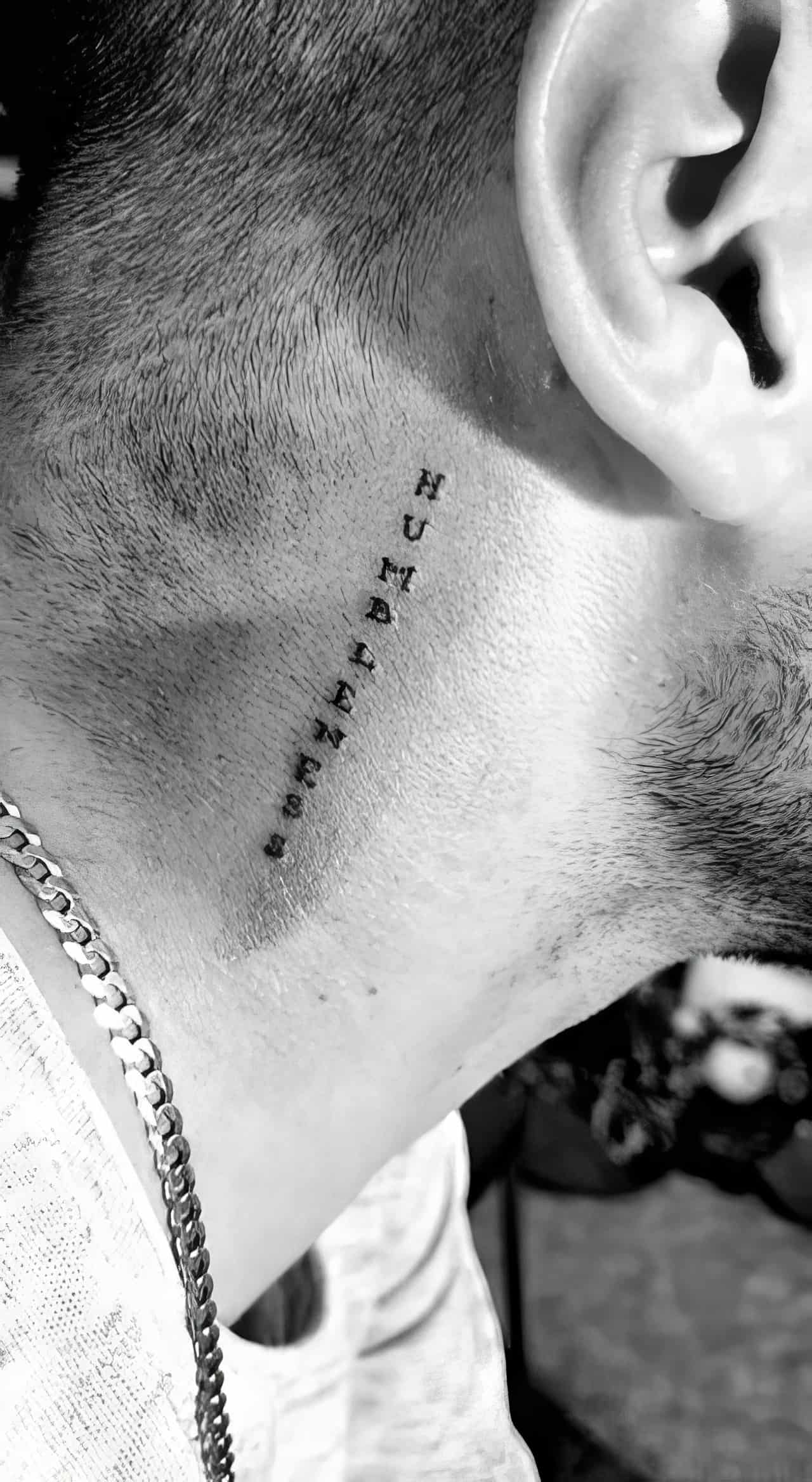
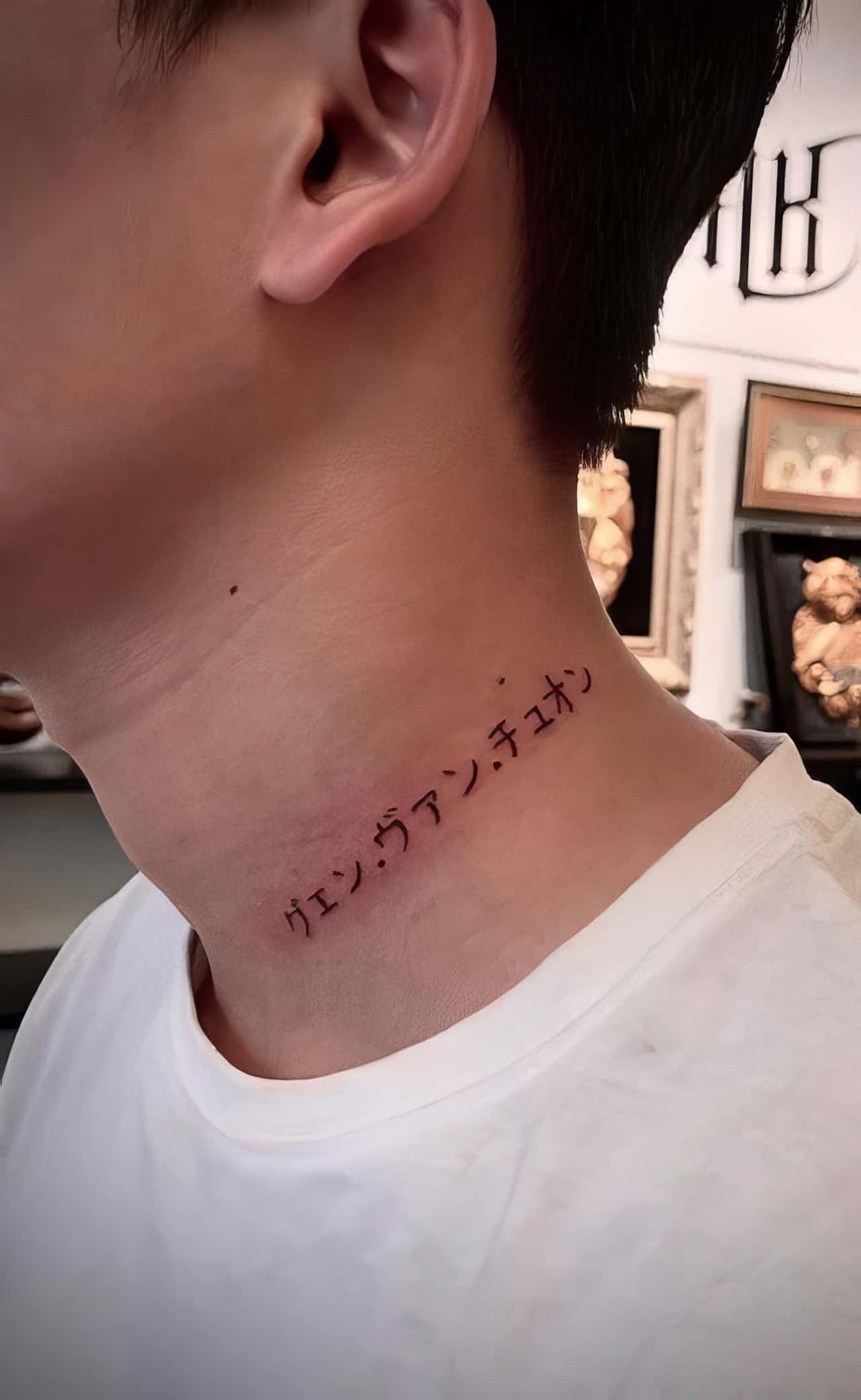
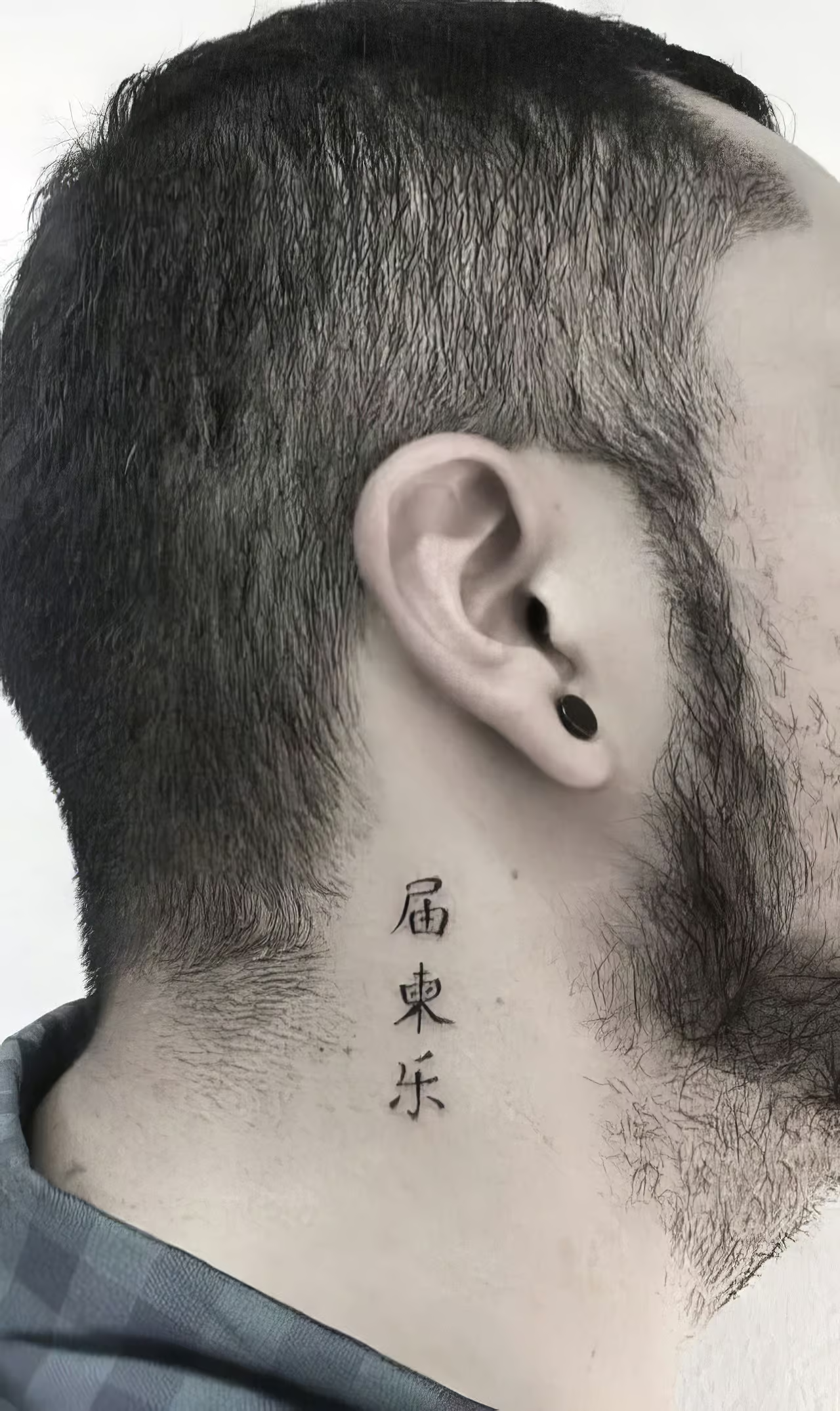
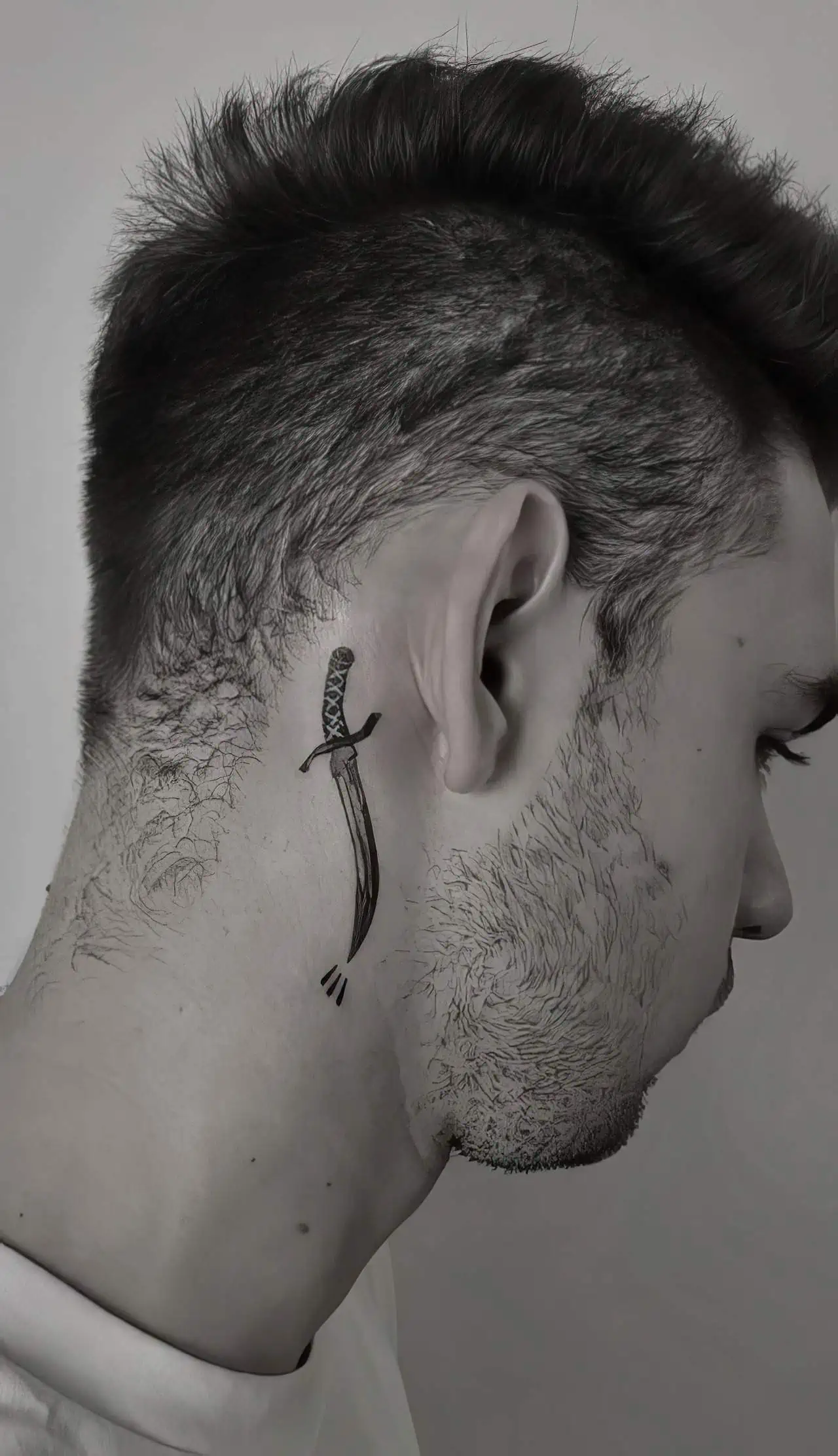
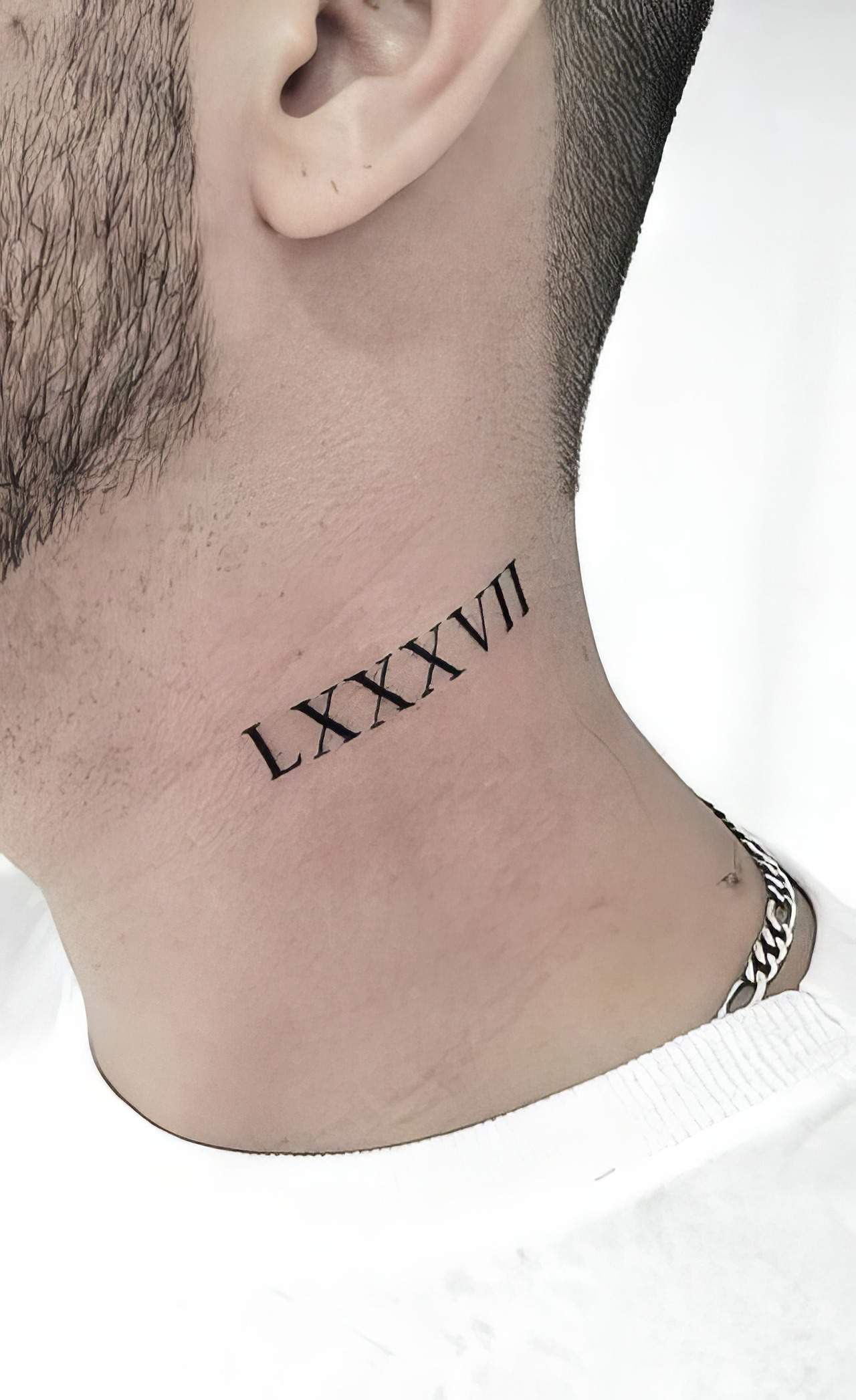
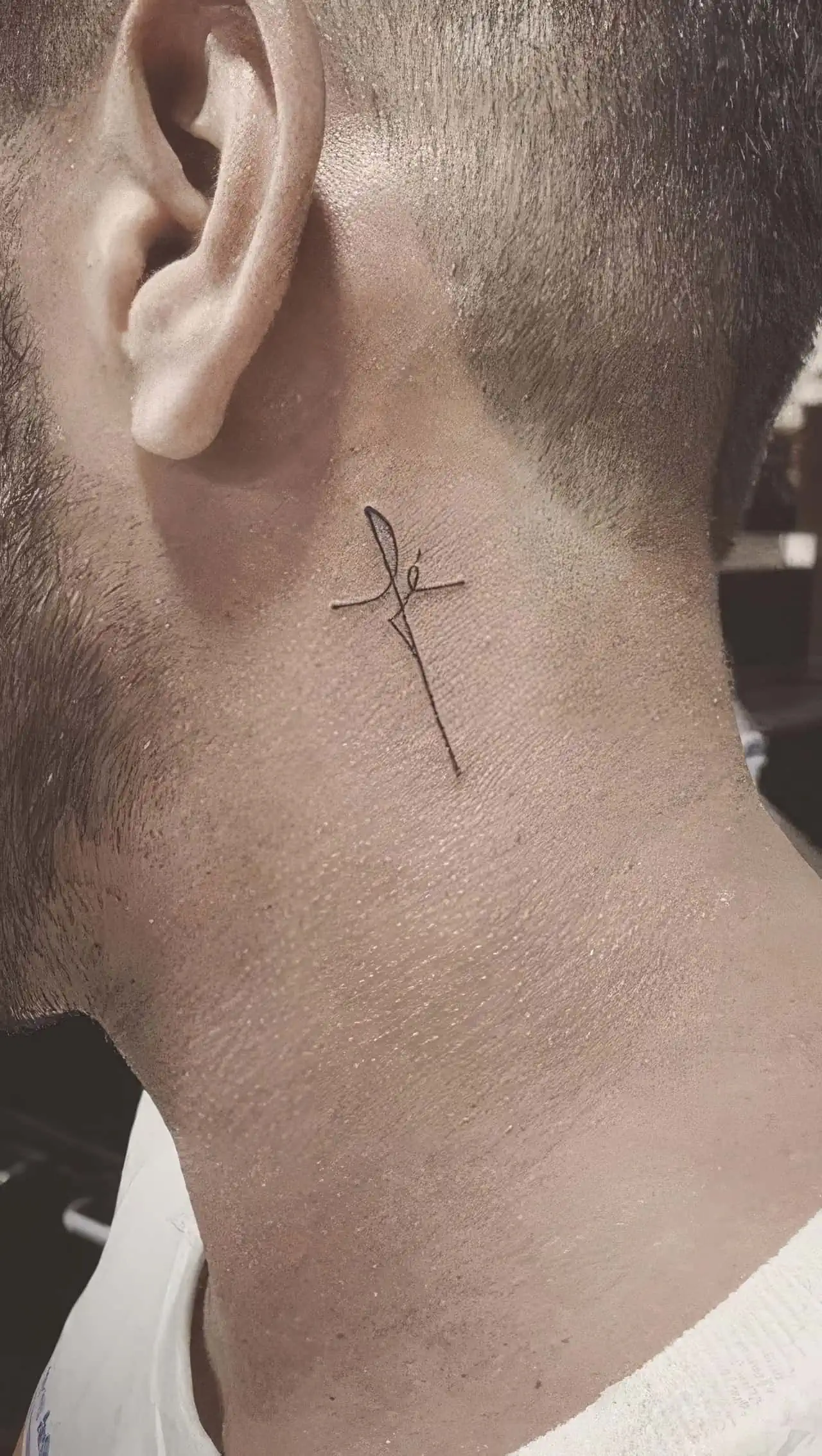
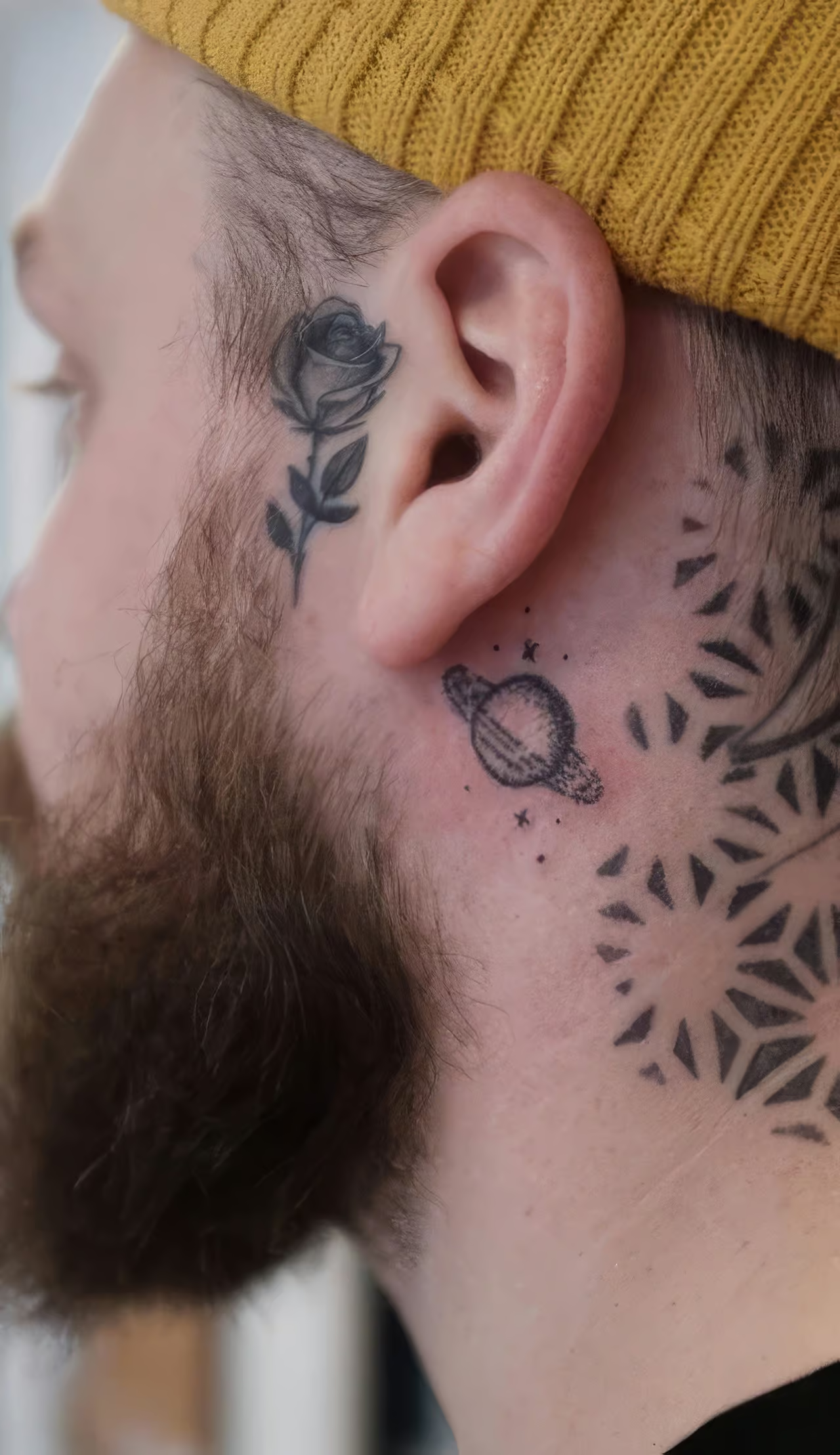
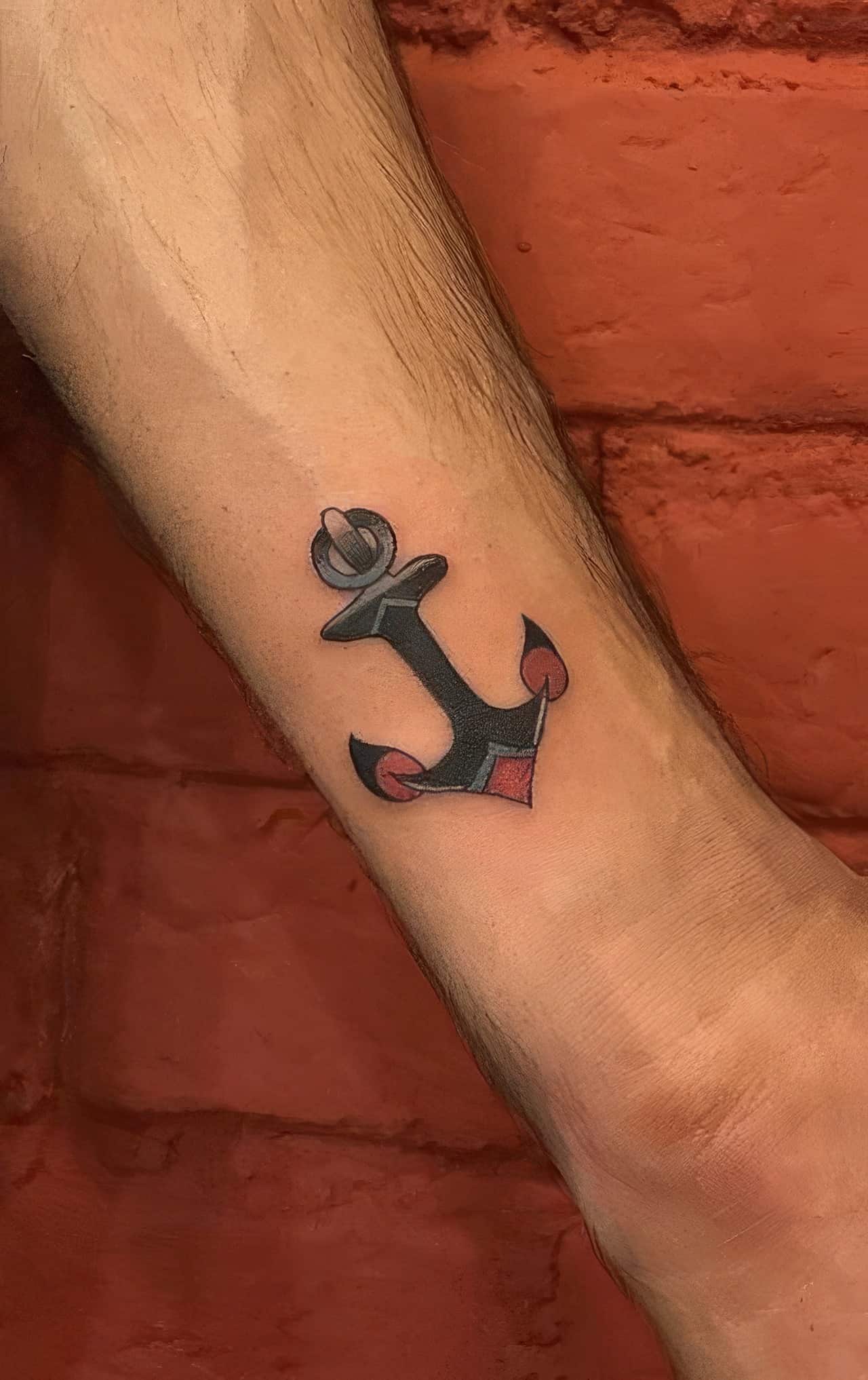
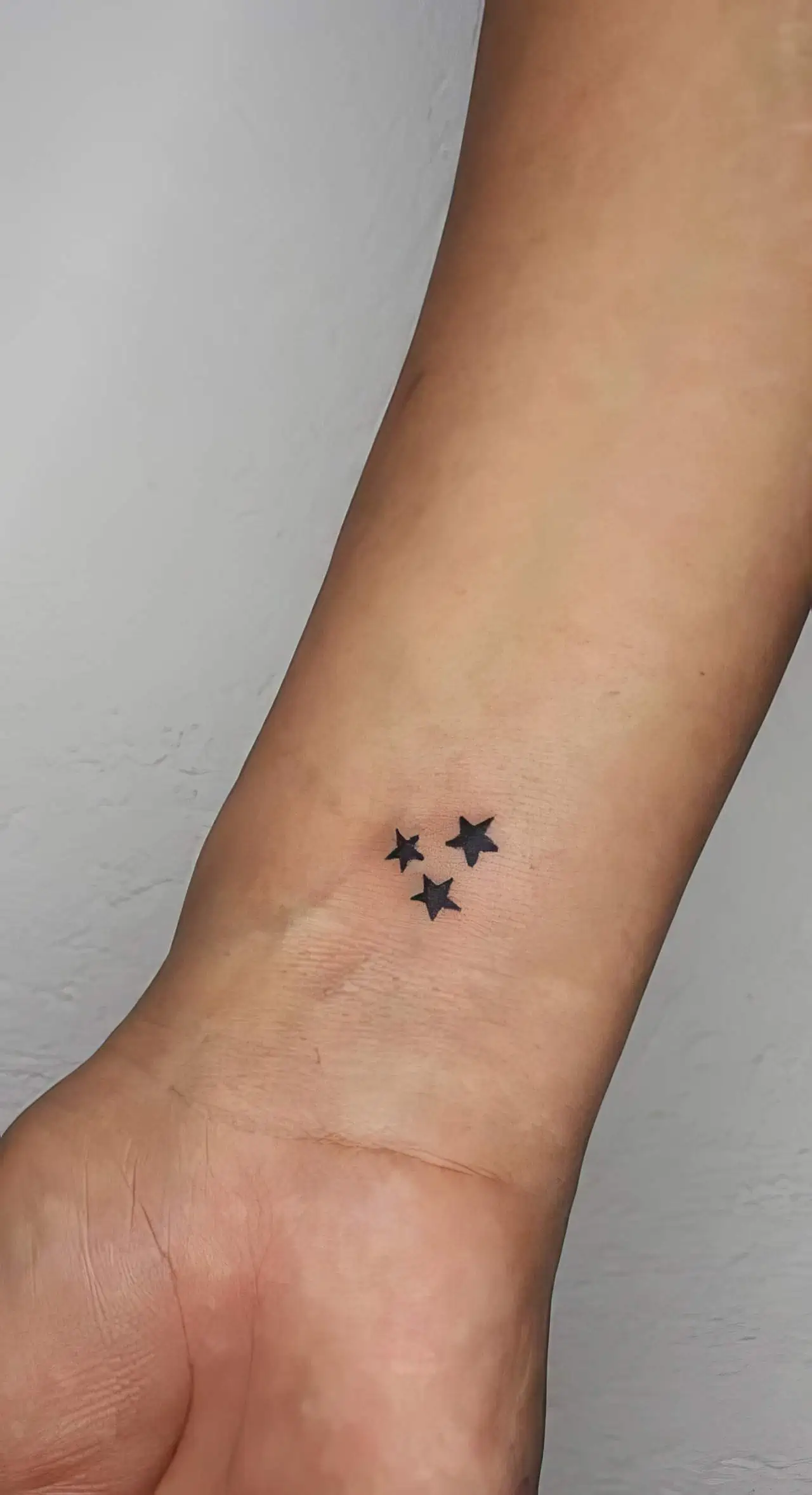
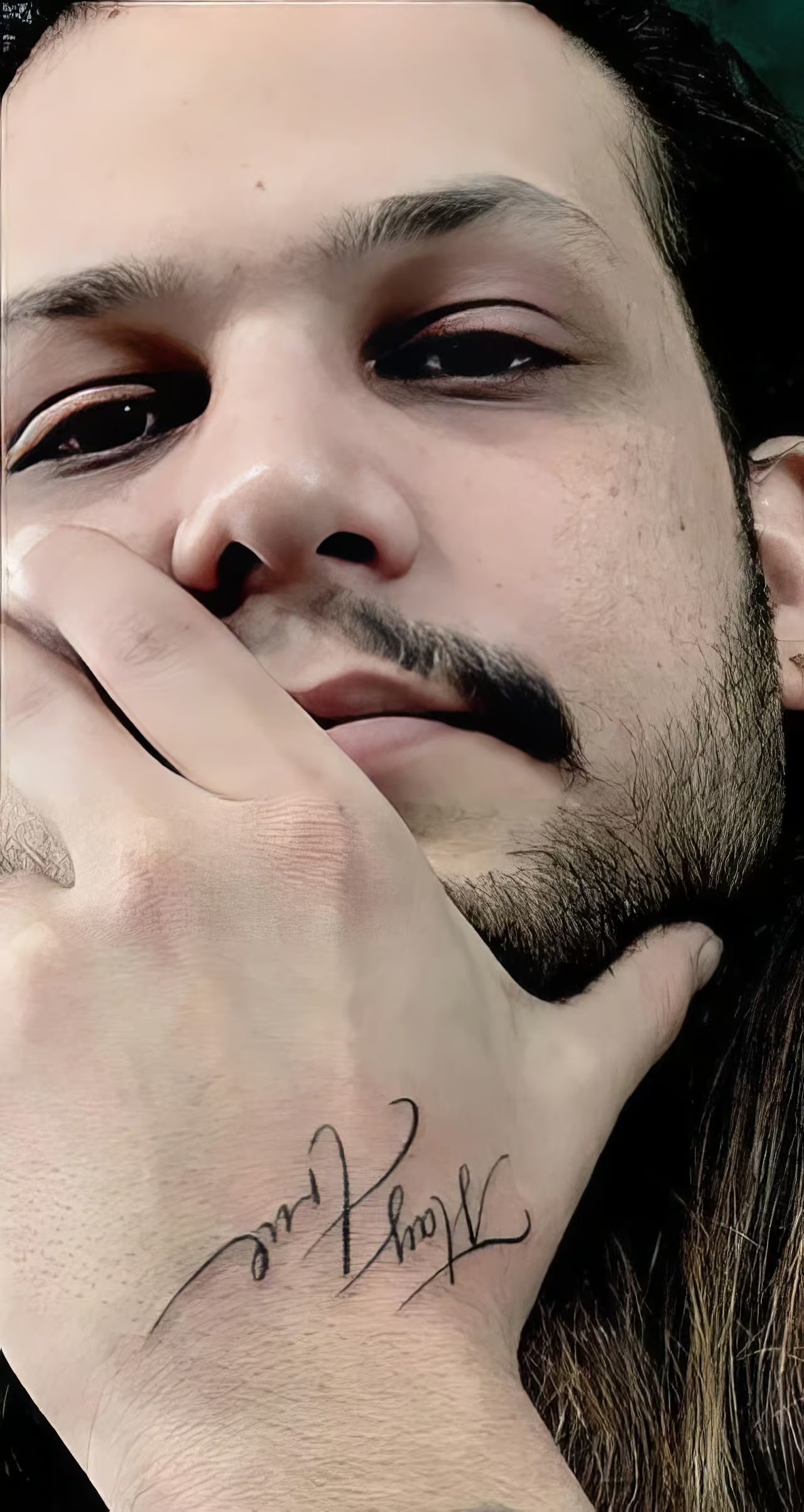
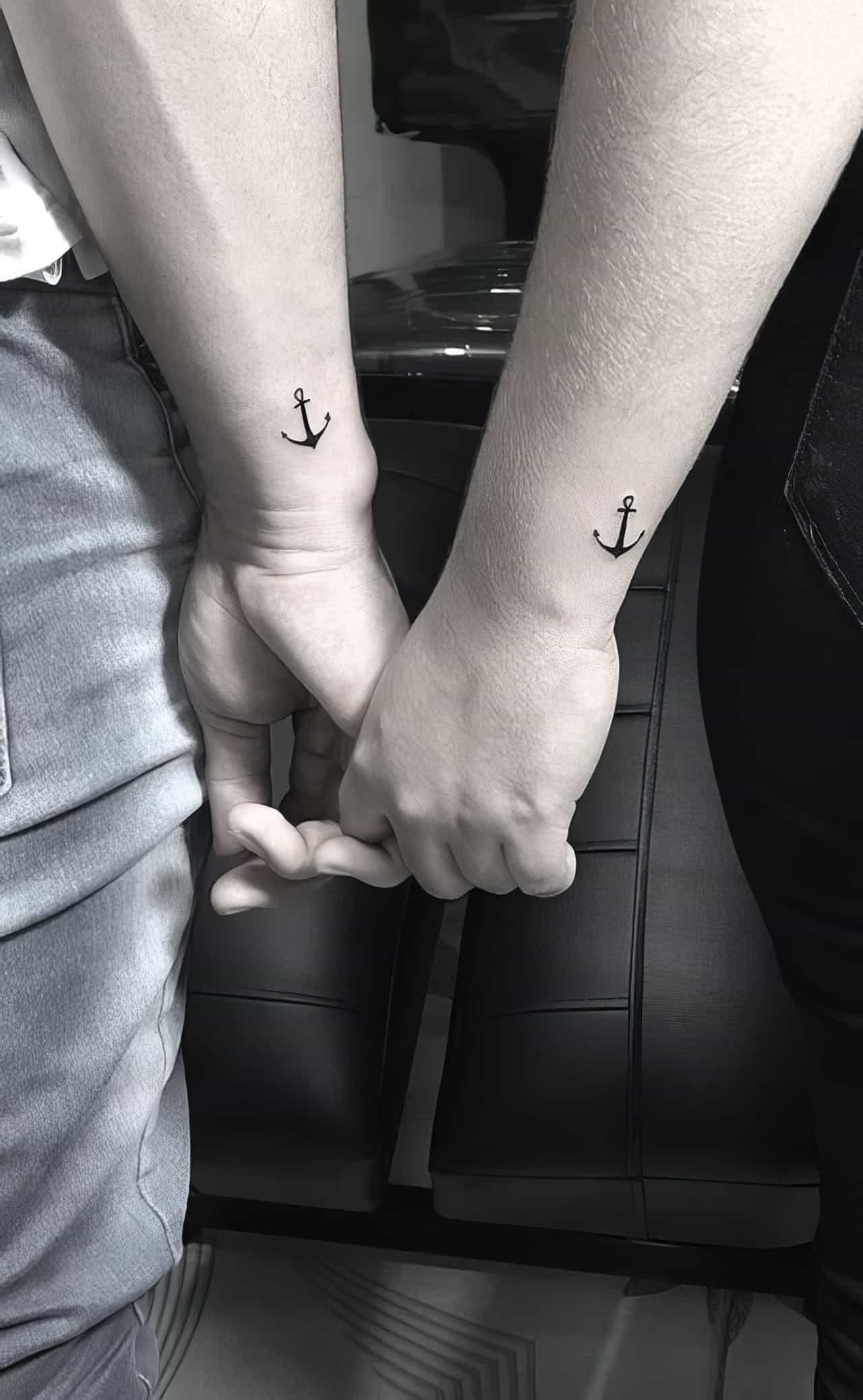
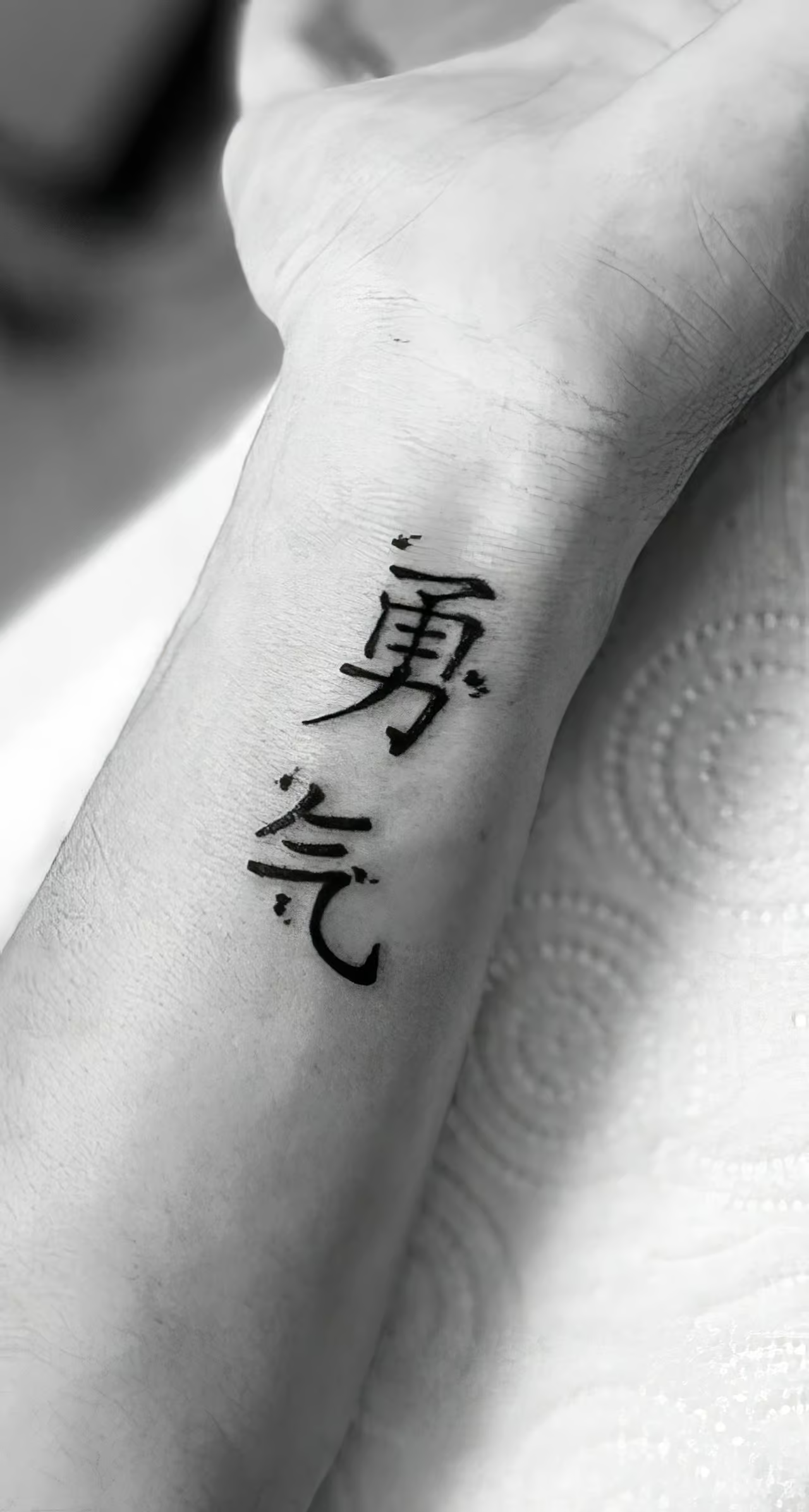
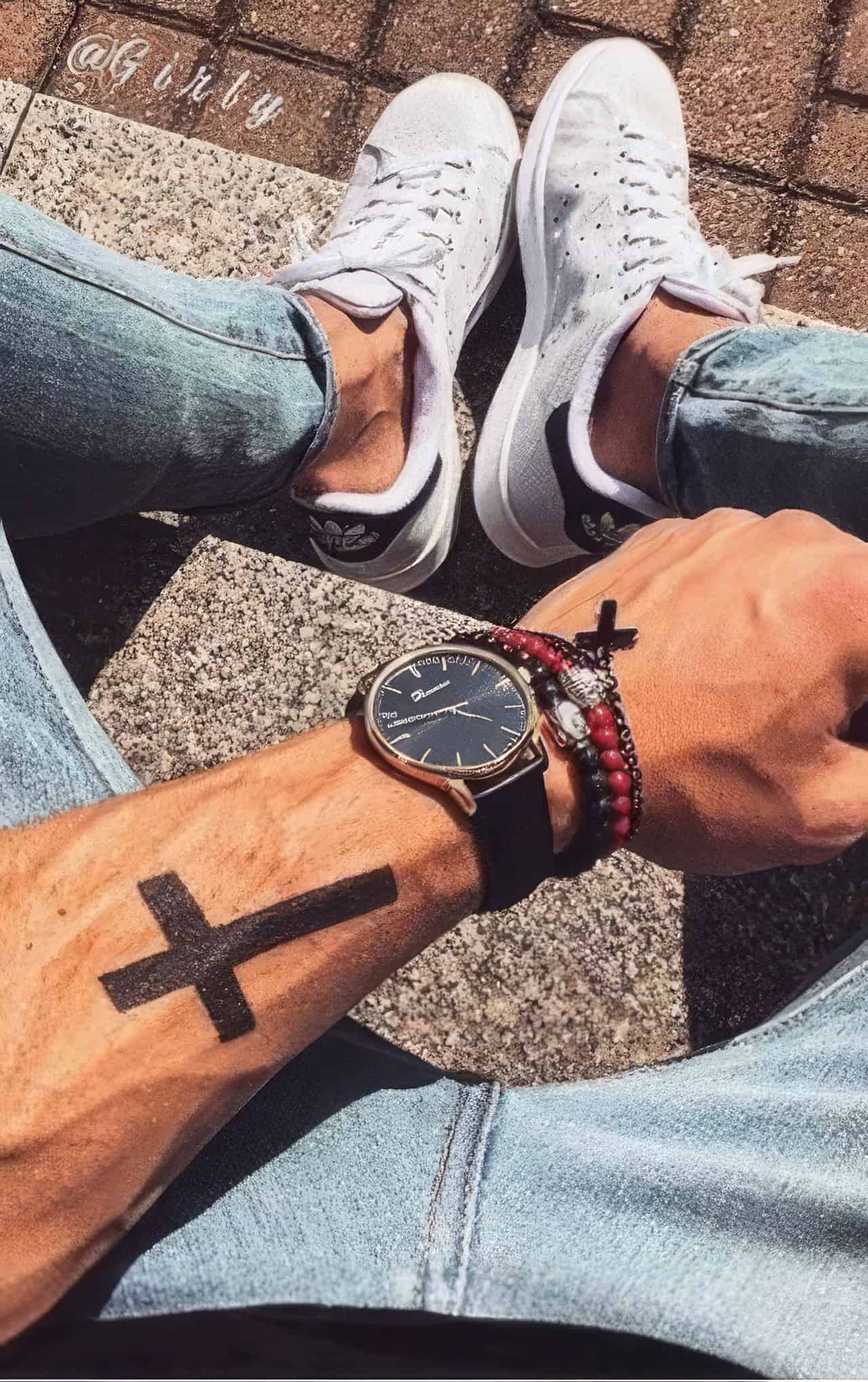
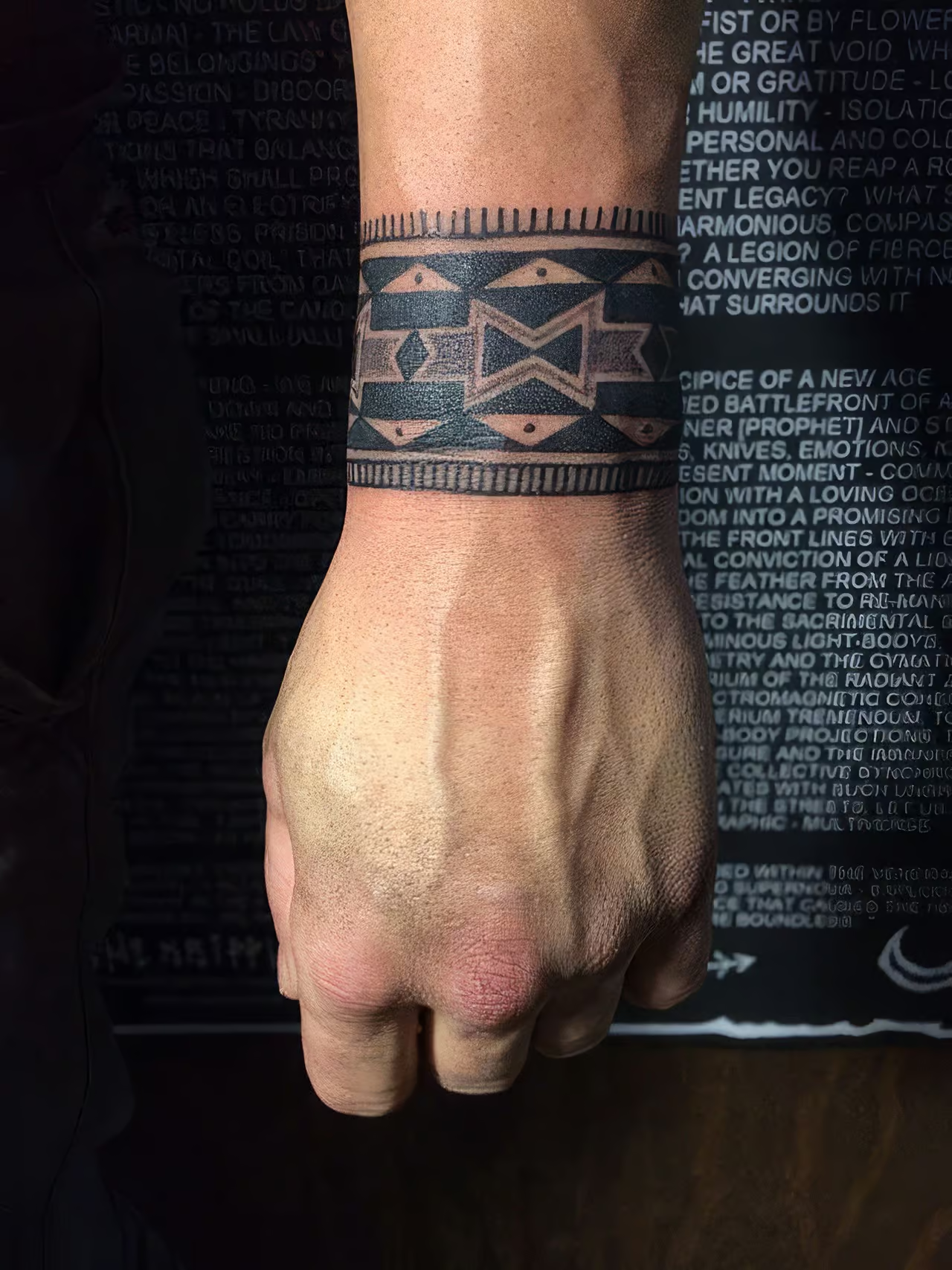
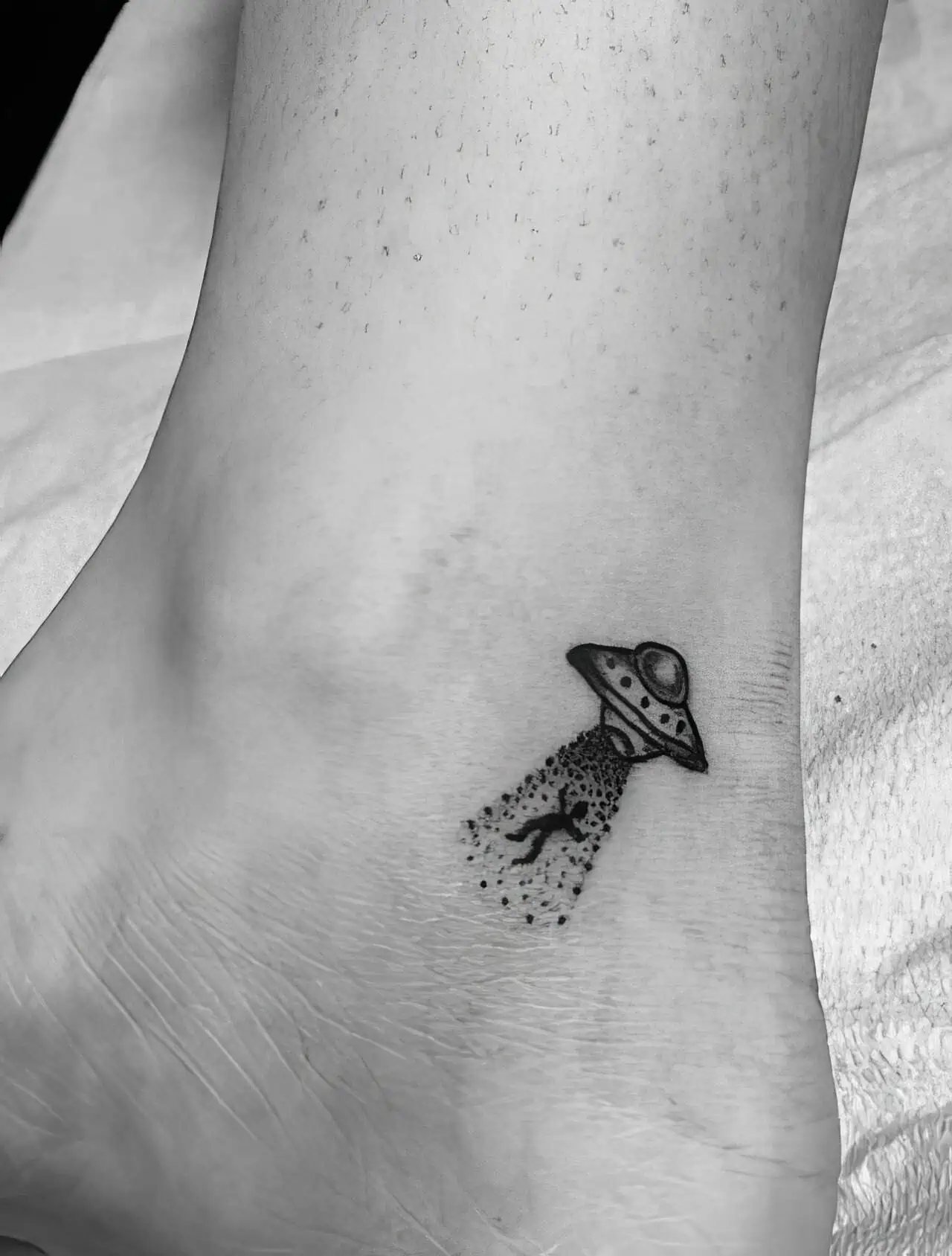
Sci-fi, fantasy, and comic icons
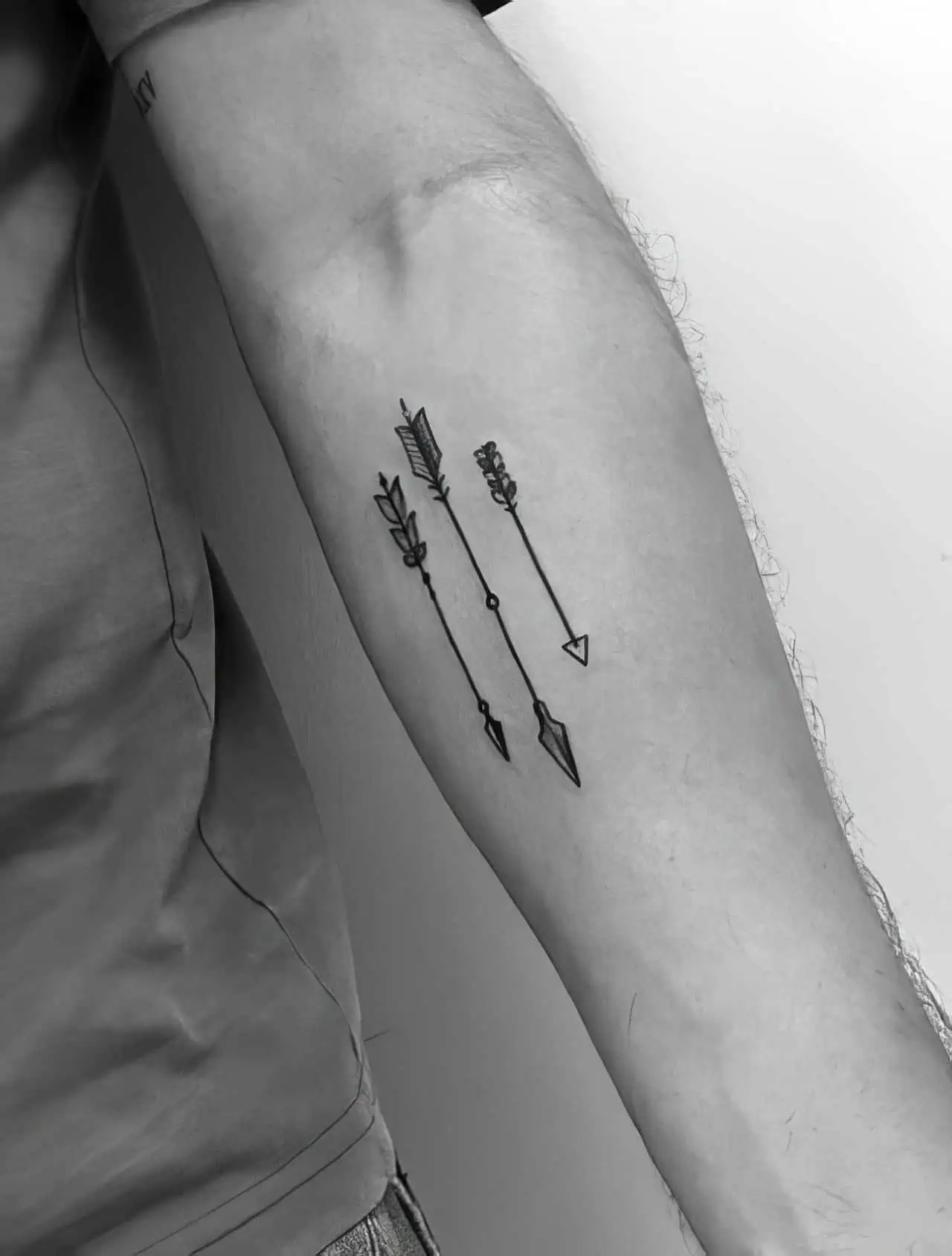
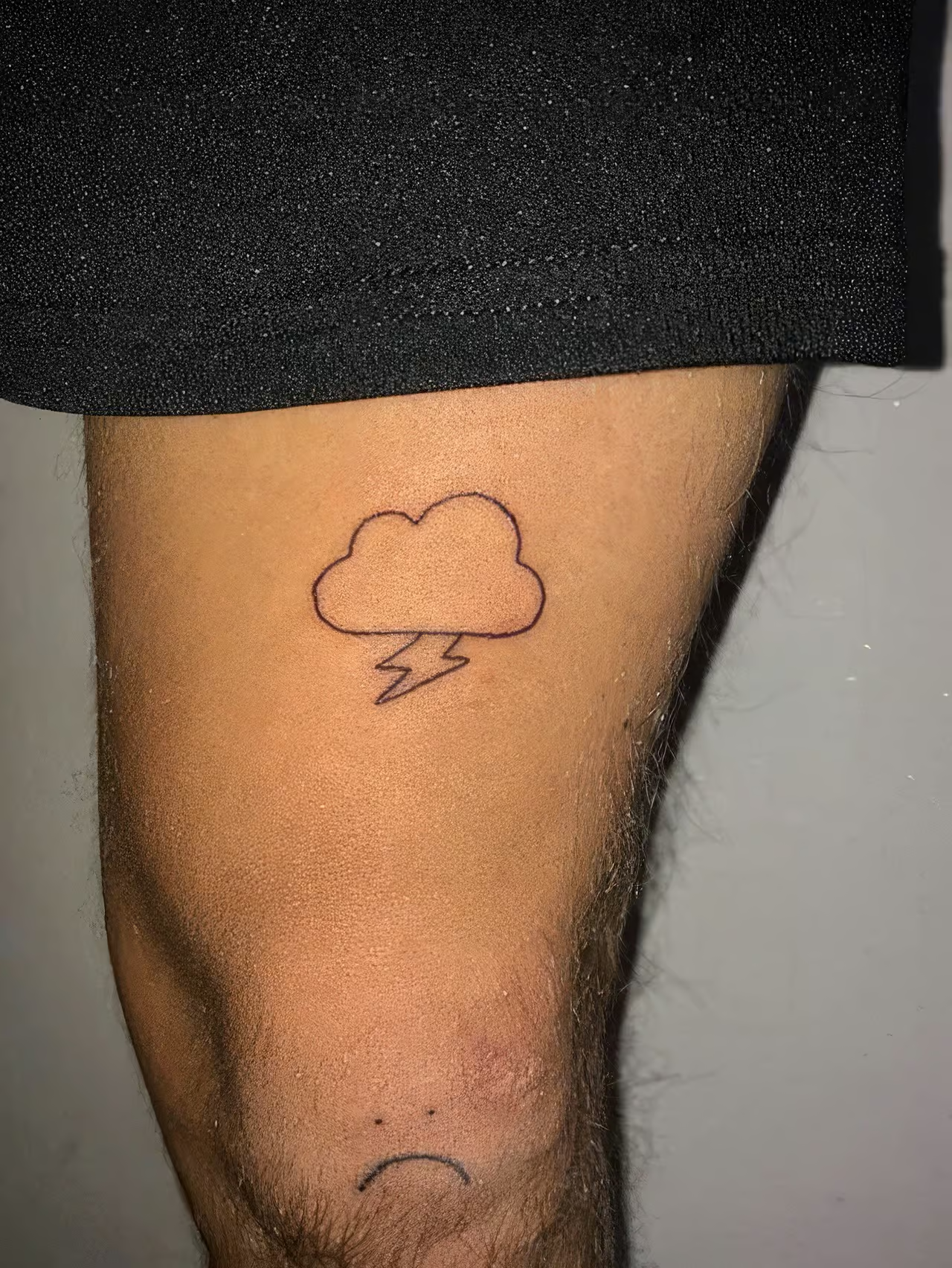
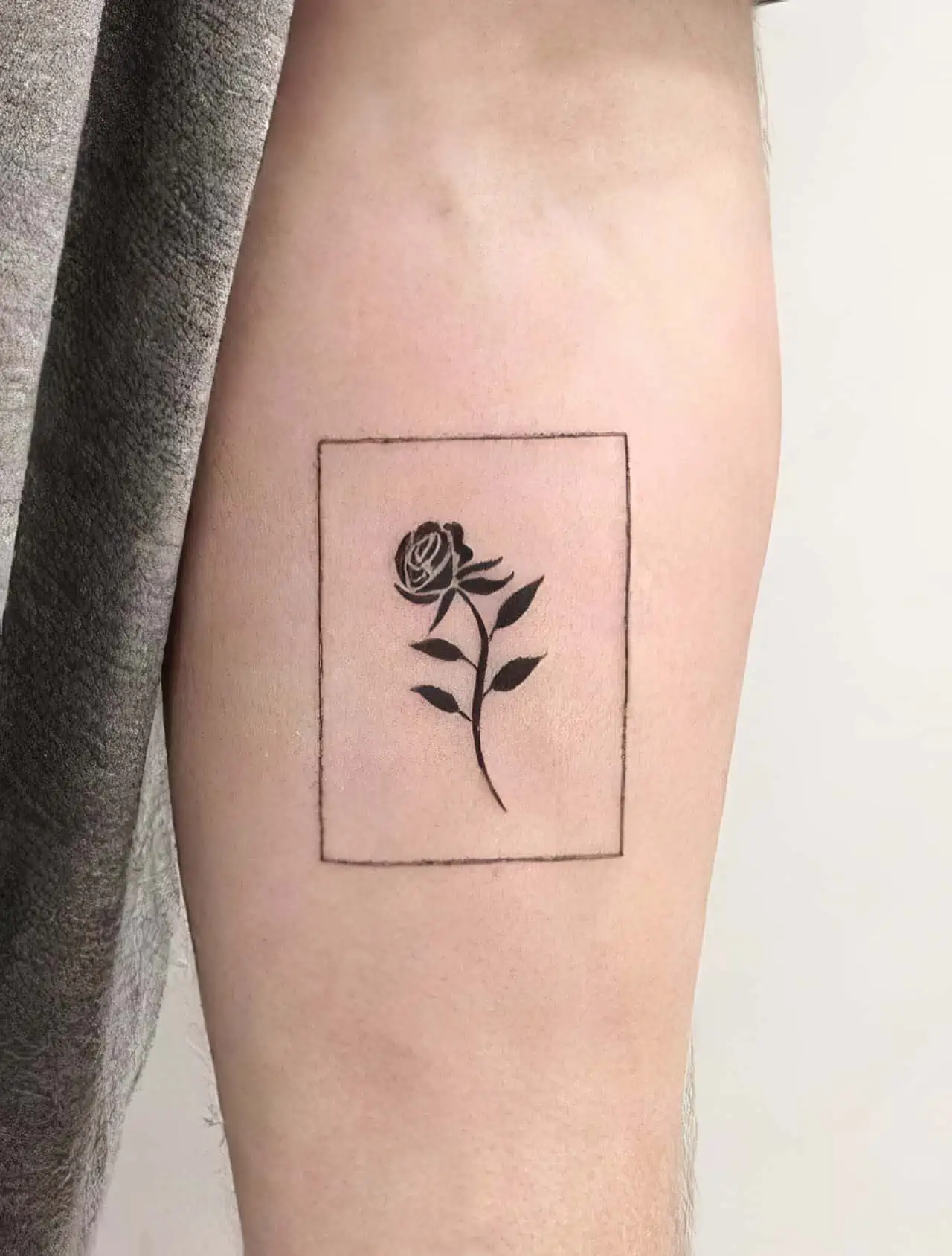
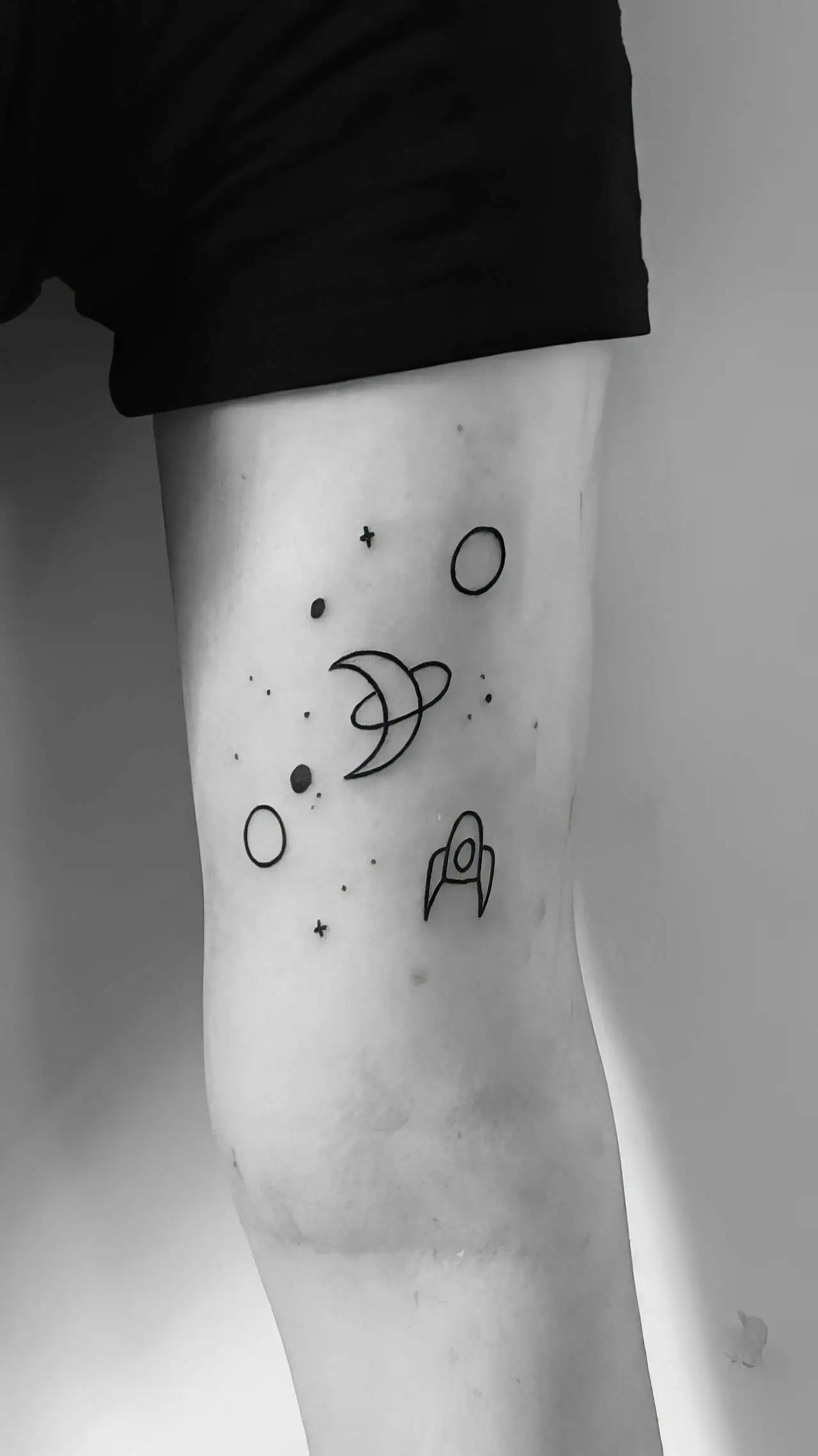
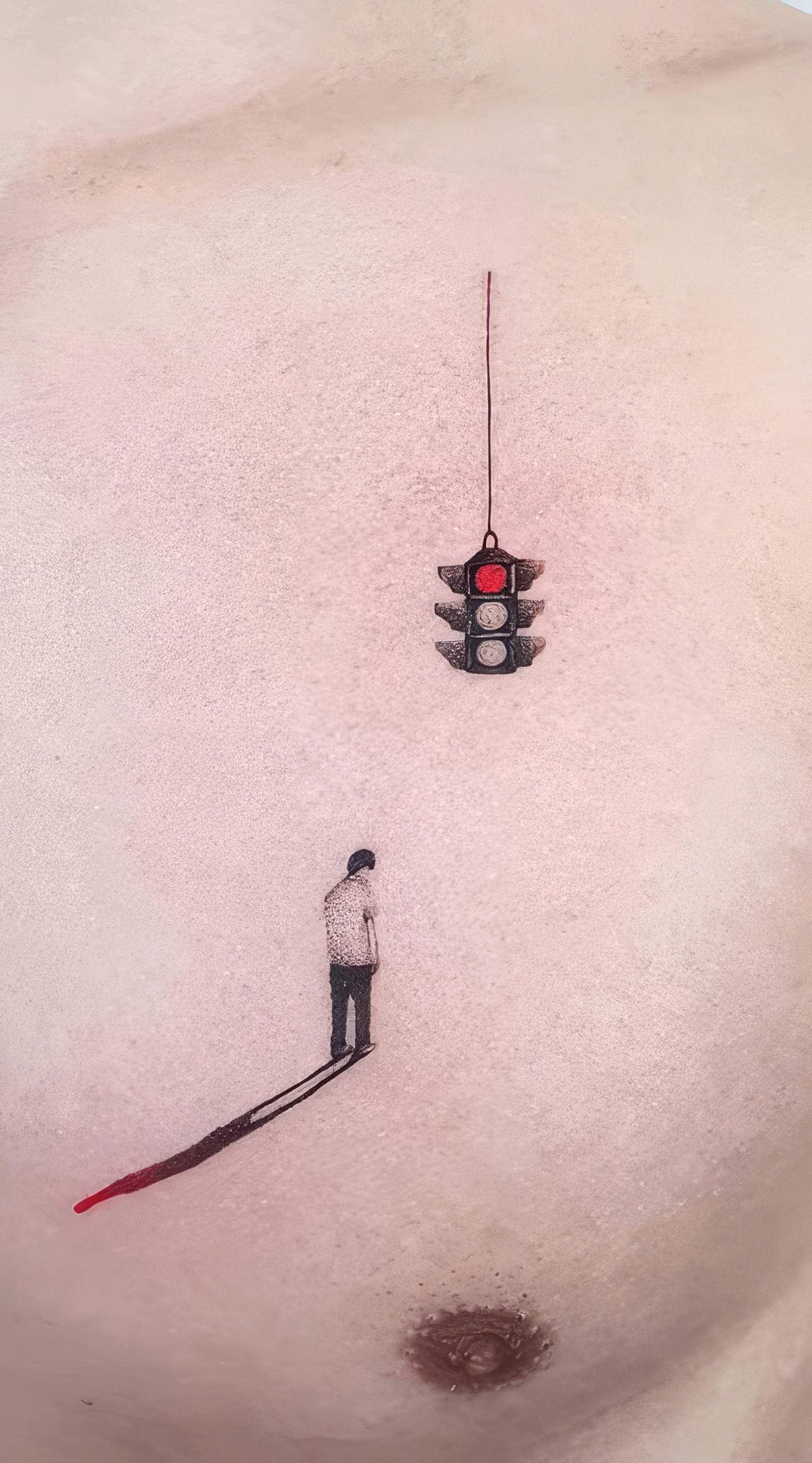
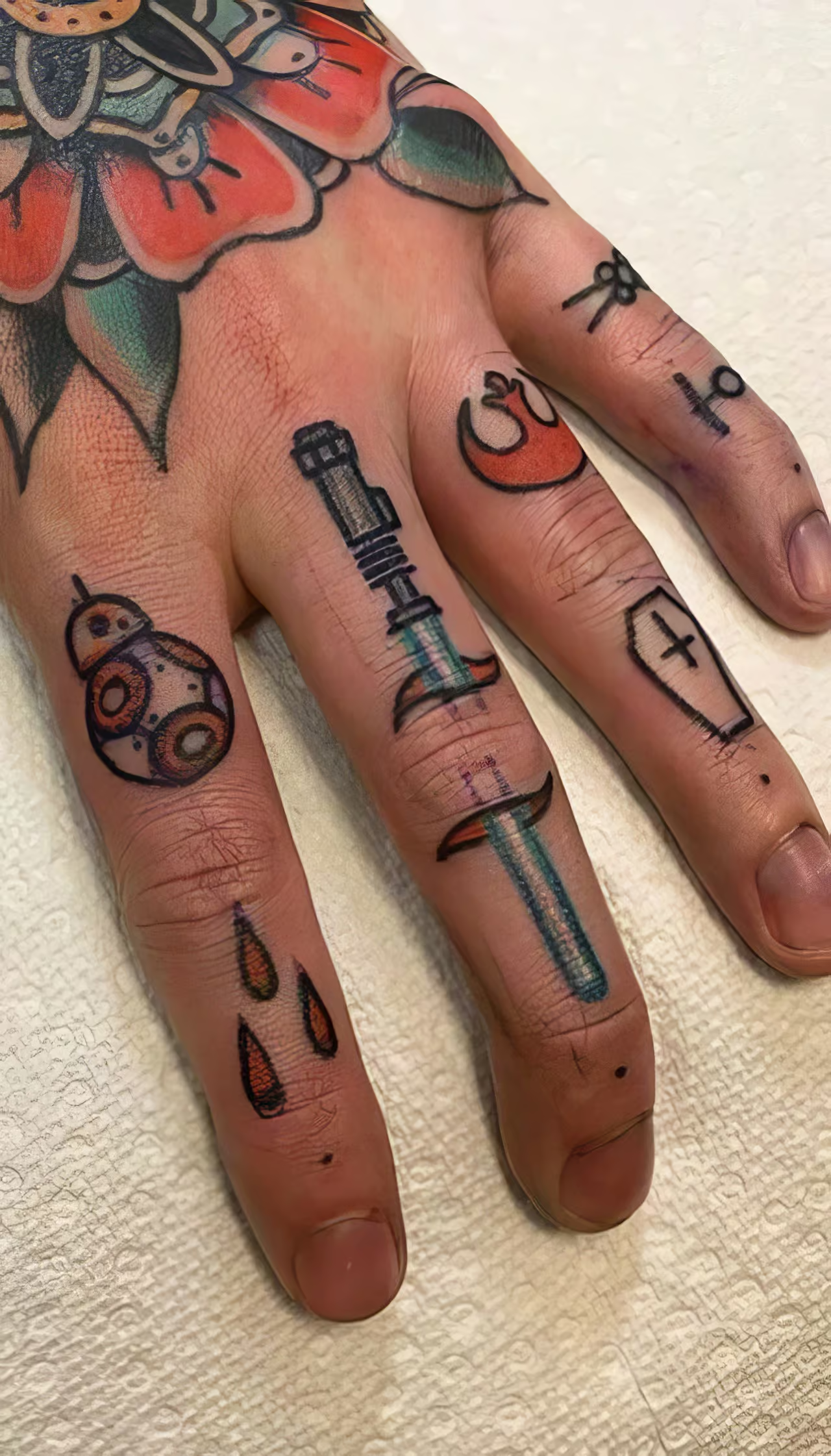
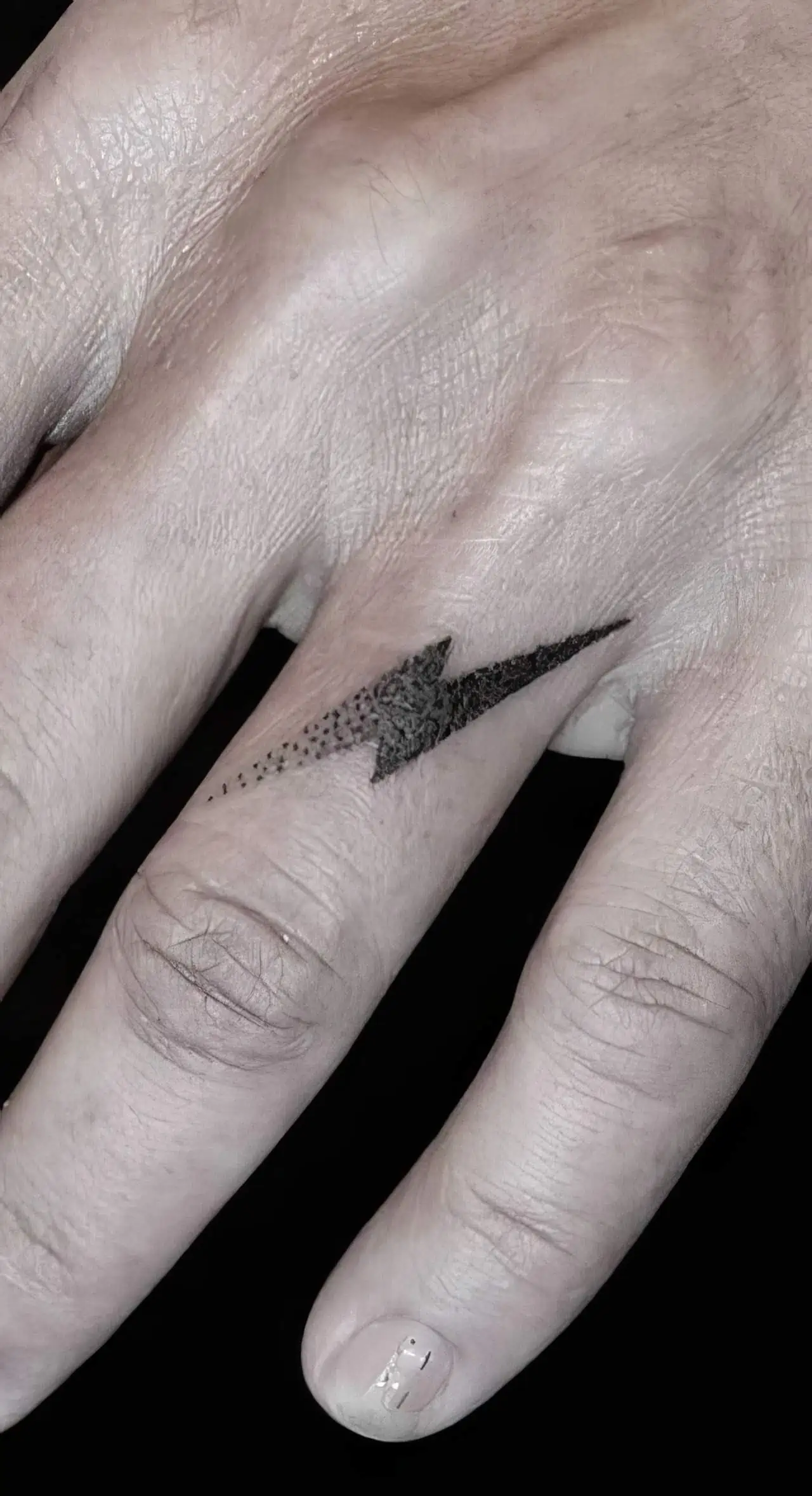
Fandom ink works best when it strips away the noise. A tiny Harry Potter lightning bolt or a minimalist Star Wars Death Star offers an immediately recognizable profile without demanding heavy shading. This approach works just as well for Marvel and Disney icons. The goal is to distill thousands of hours of screen time into a single, stark geometric shape or outline.
Music and media symbols
Band tattoos easily cross the line into sloppy territory. Instead of recreating an entire album cover, pull a single element. A minimalist Nirvana logo or a tiny treble clef functions better as a quiet signifier.
This level of precision is a modern luxury. In 2026, artists executing micro tattoos rely heavily on thinner needles that allow for ultra-detailed, incredibly compact art that simply was not mechanically possible decades ago.
If pop culture does not hold the right gravity for you, shifting from symbols to script is a timeless alternative.
Meaningful script and typographic reminders
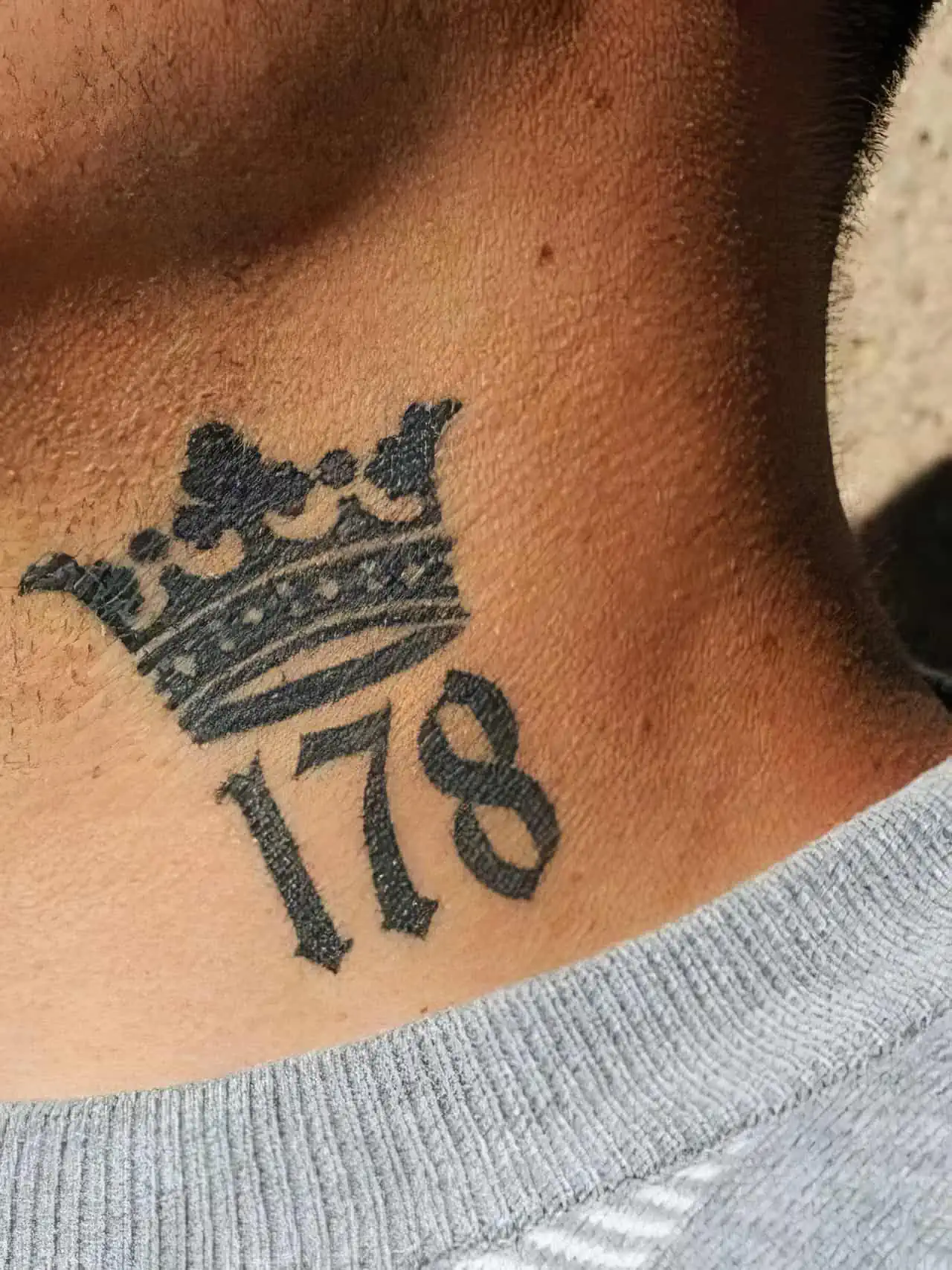
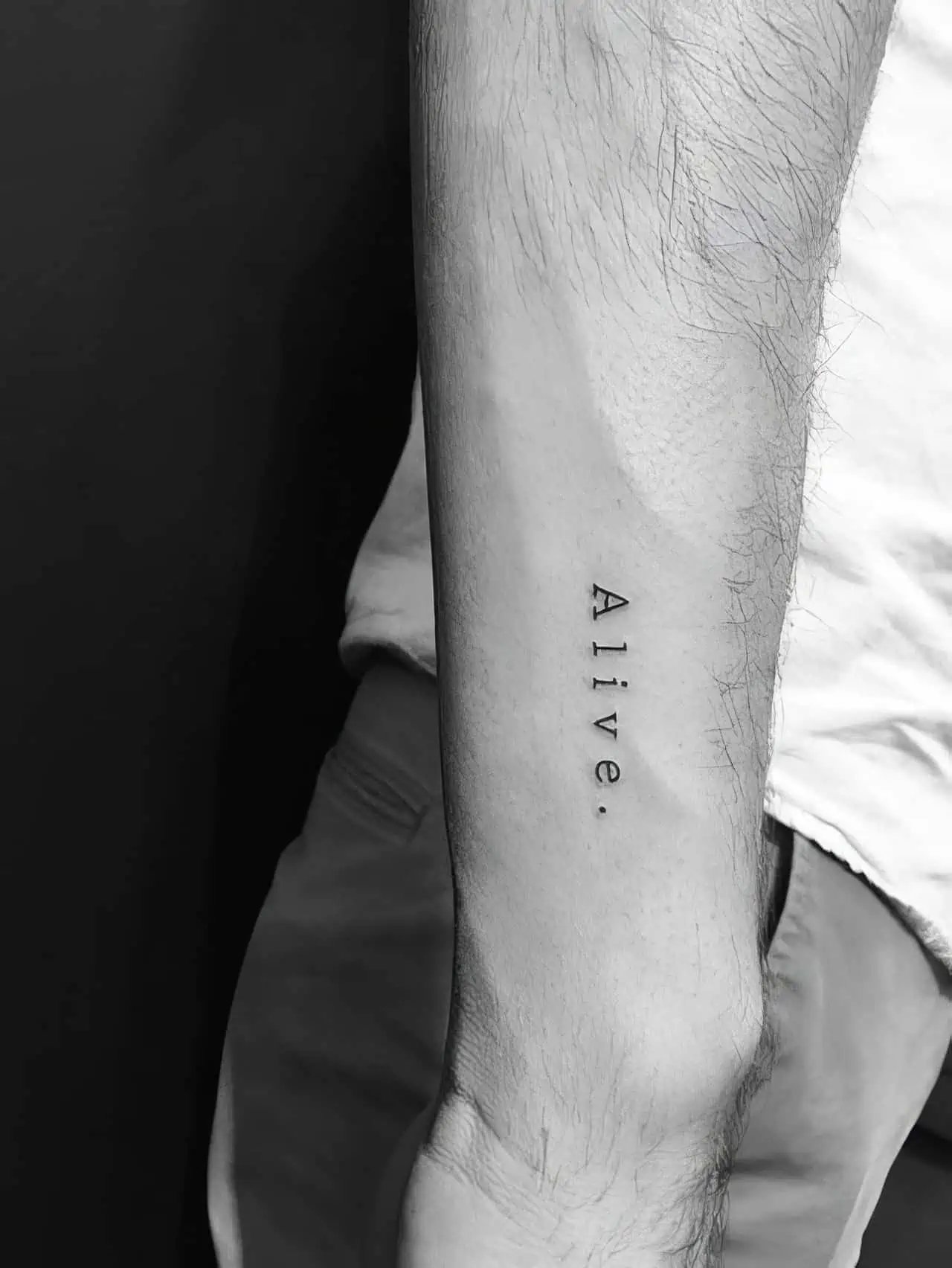
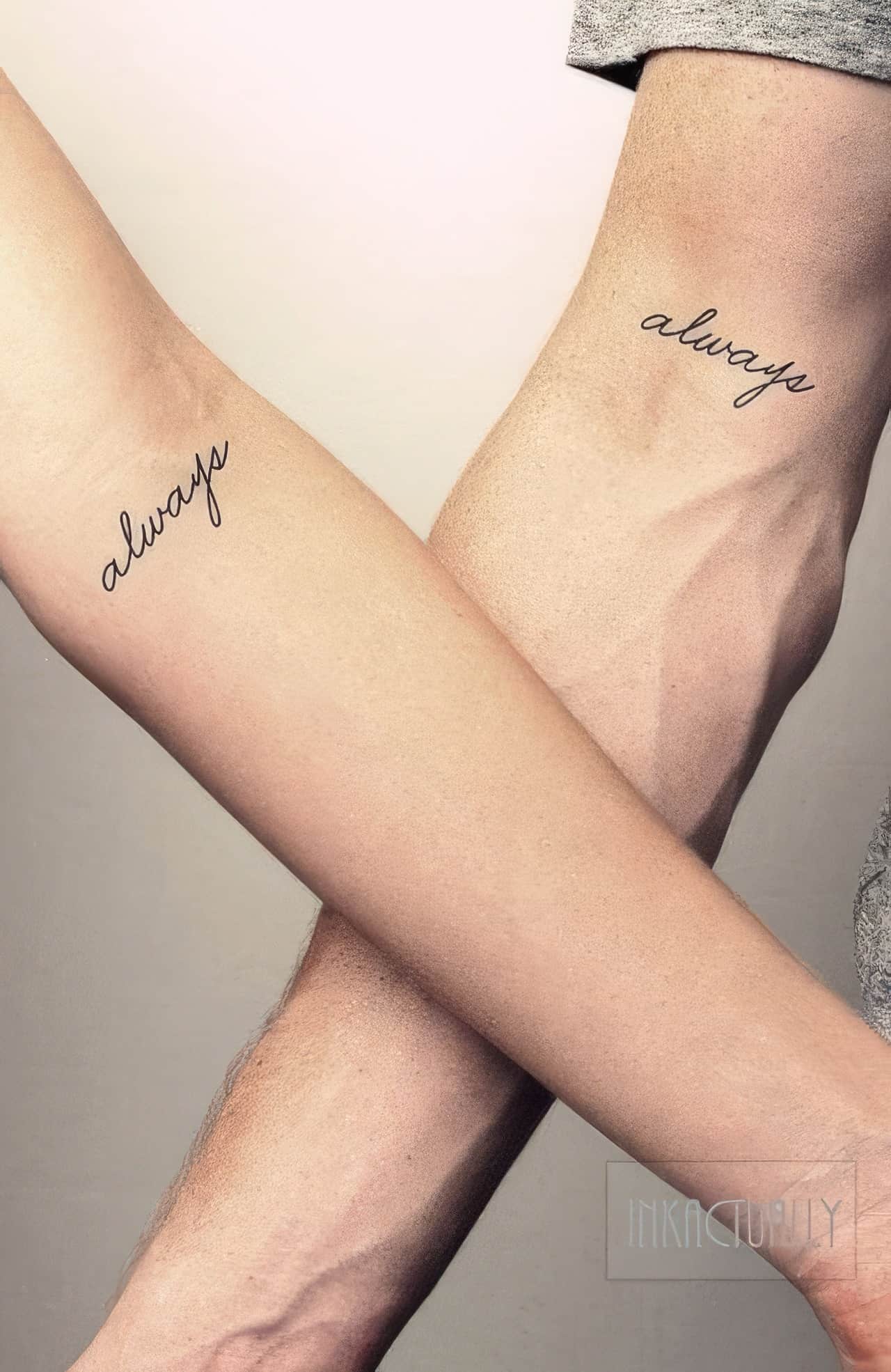
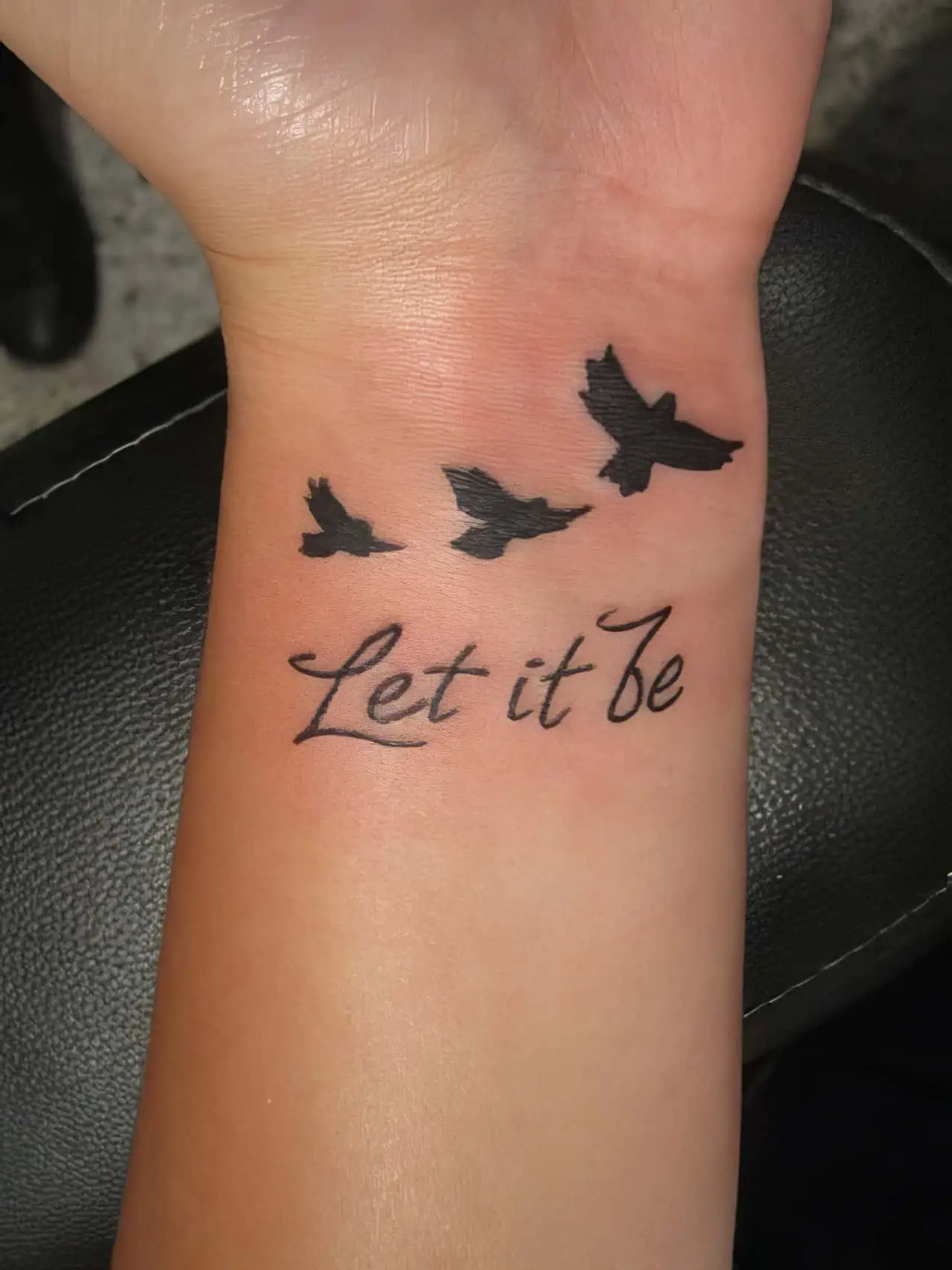
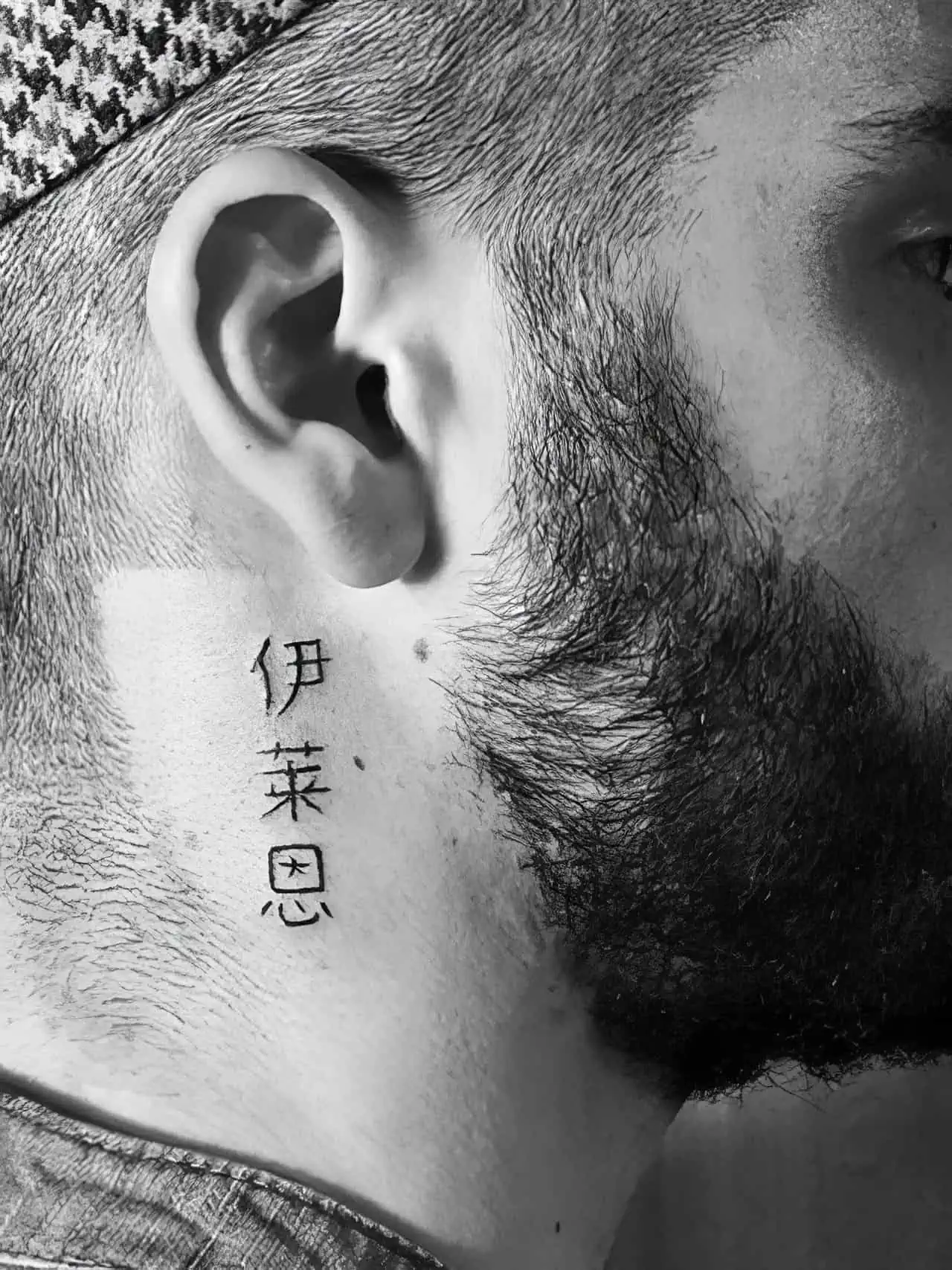
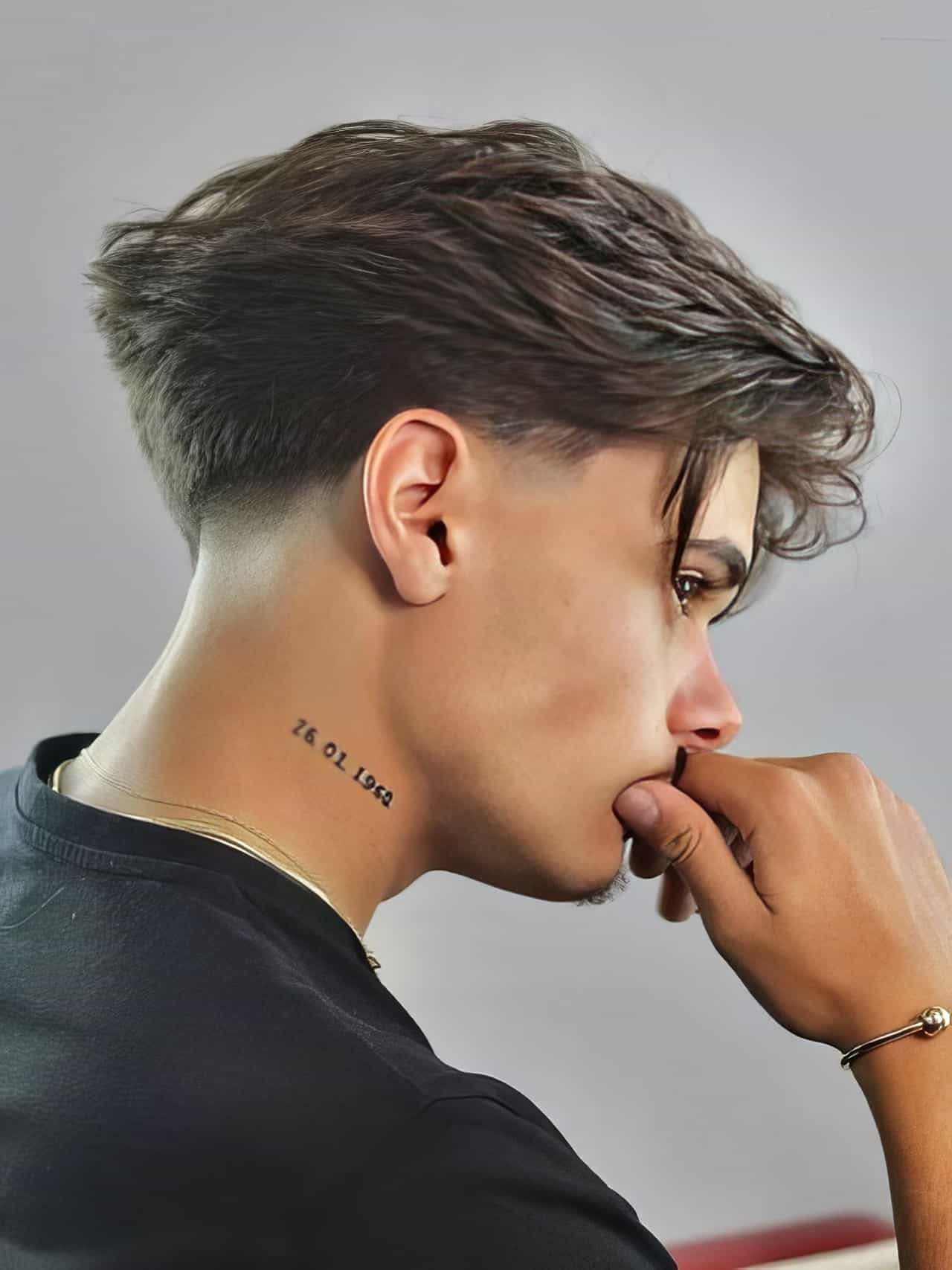
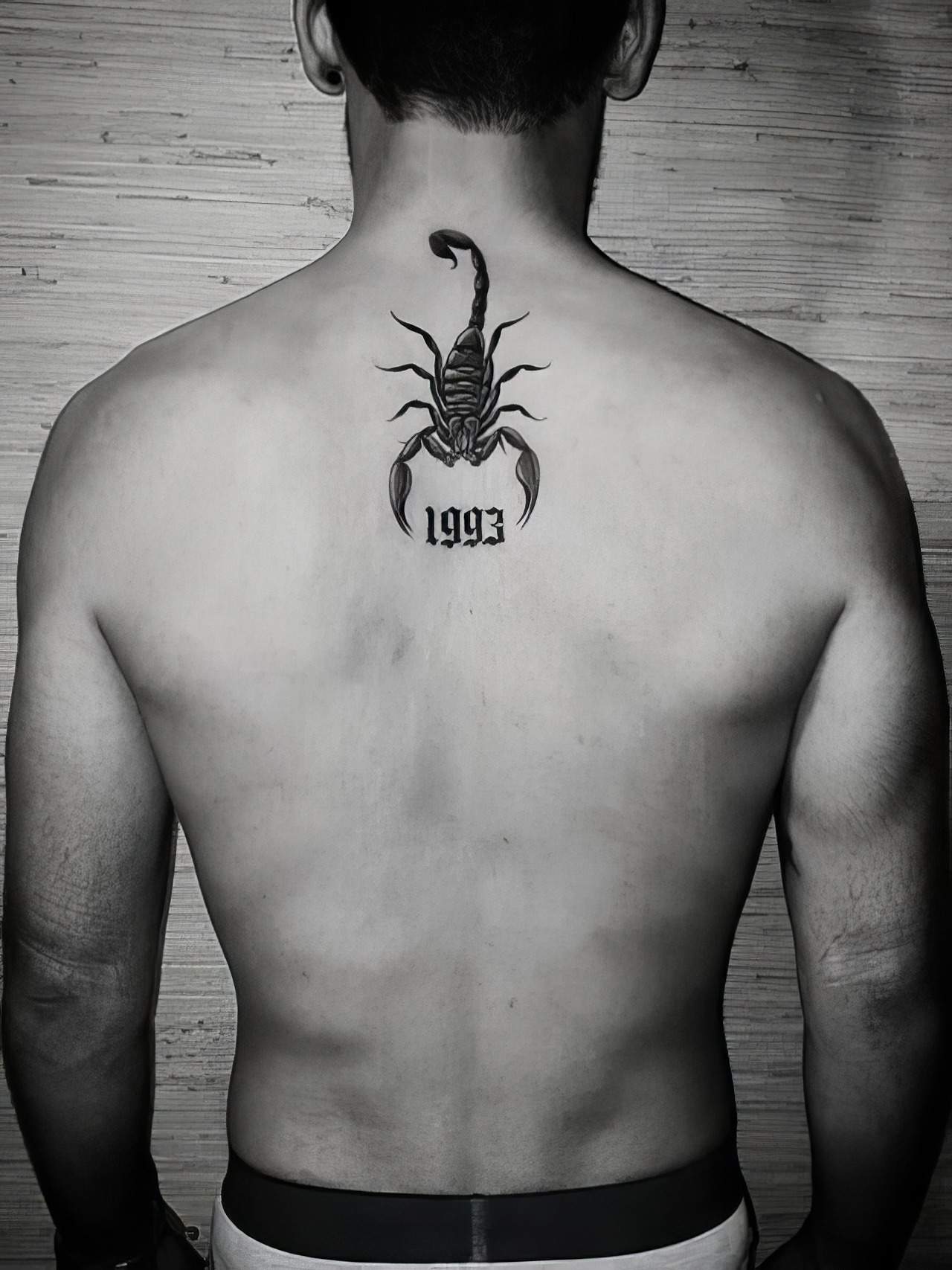
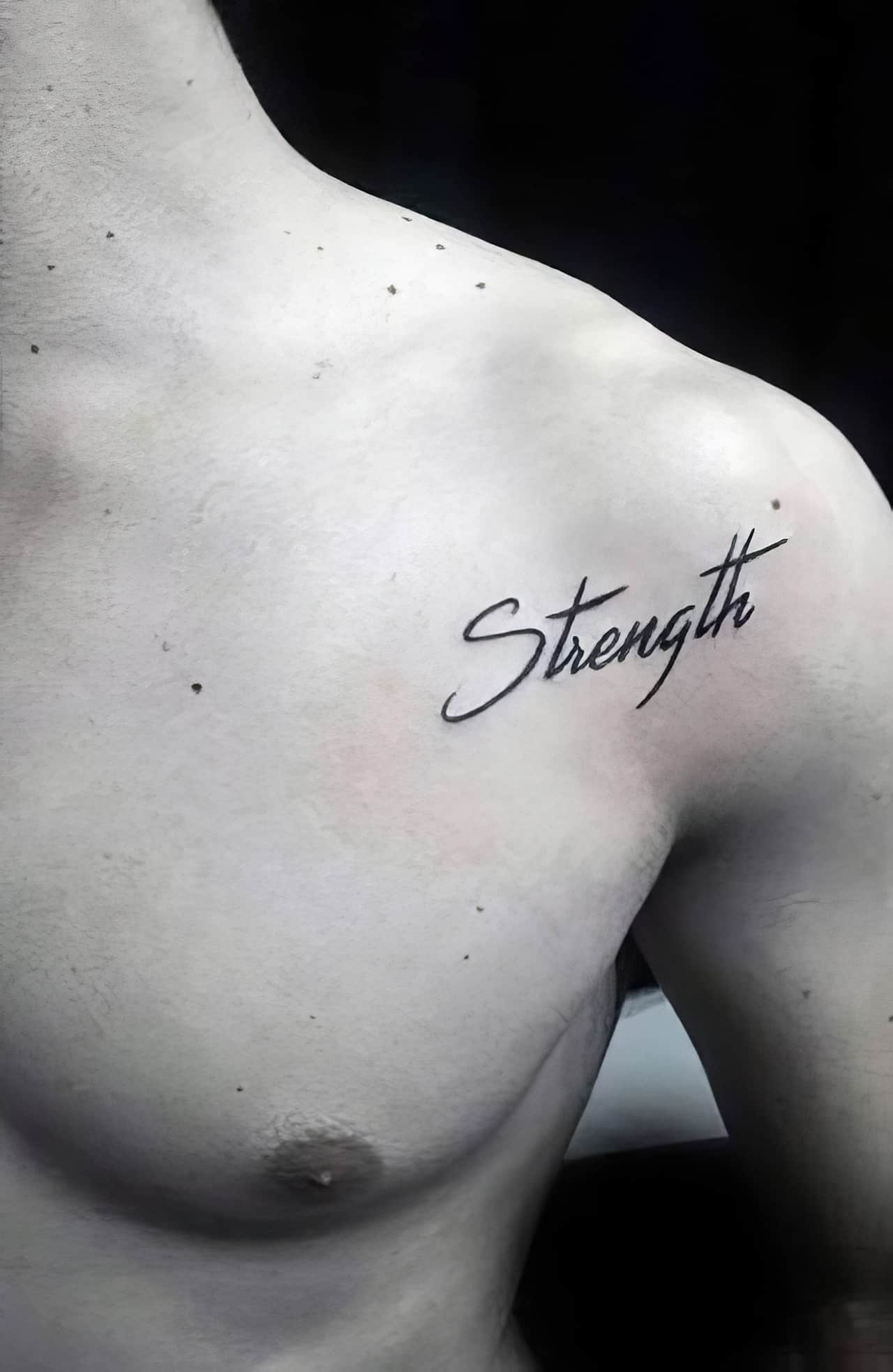
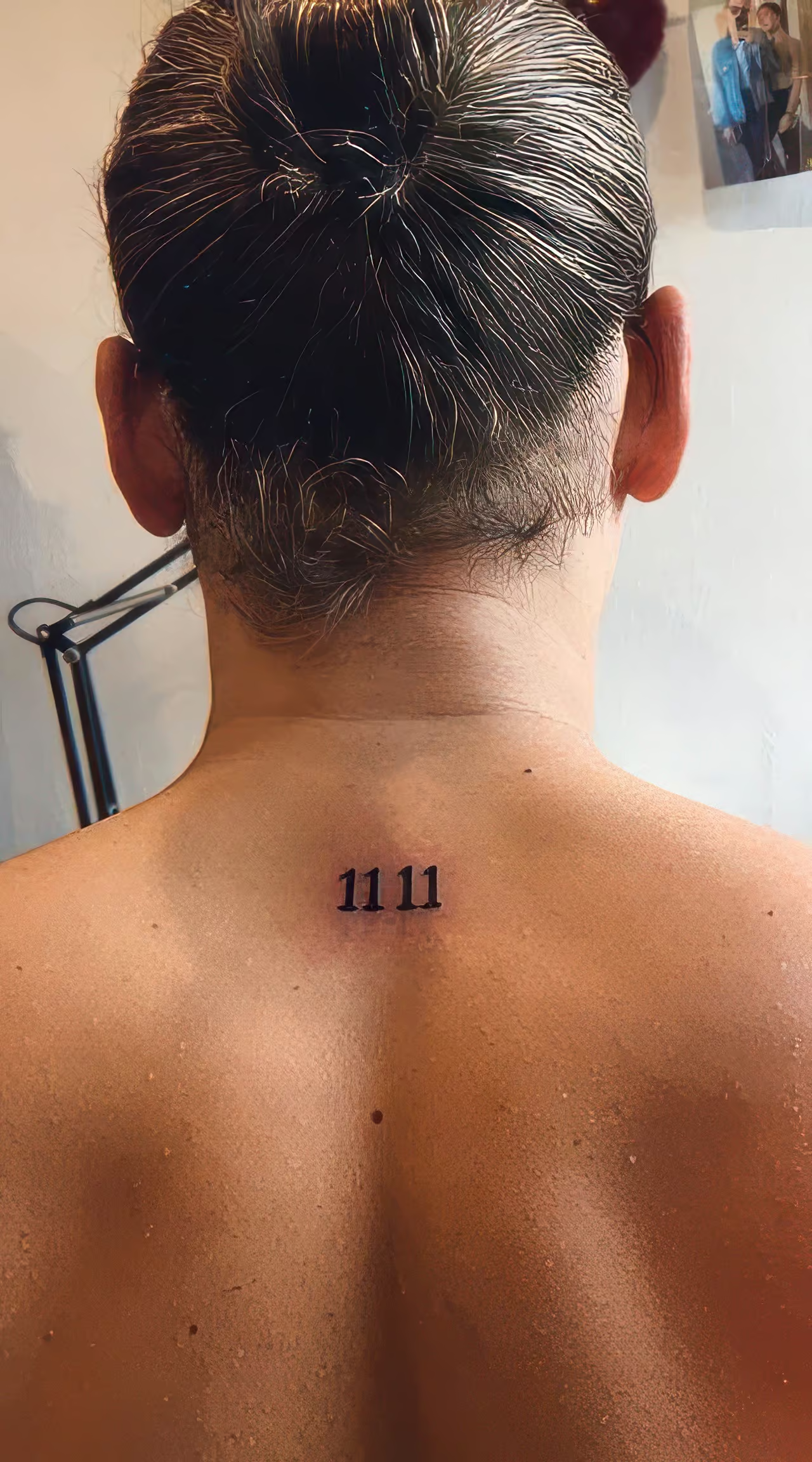
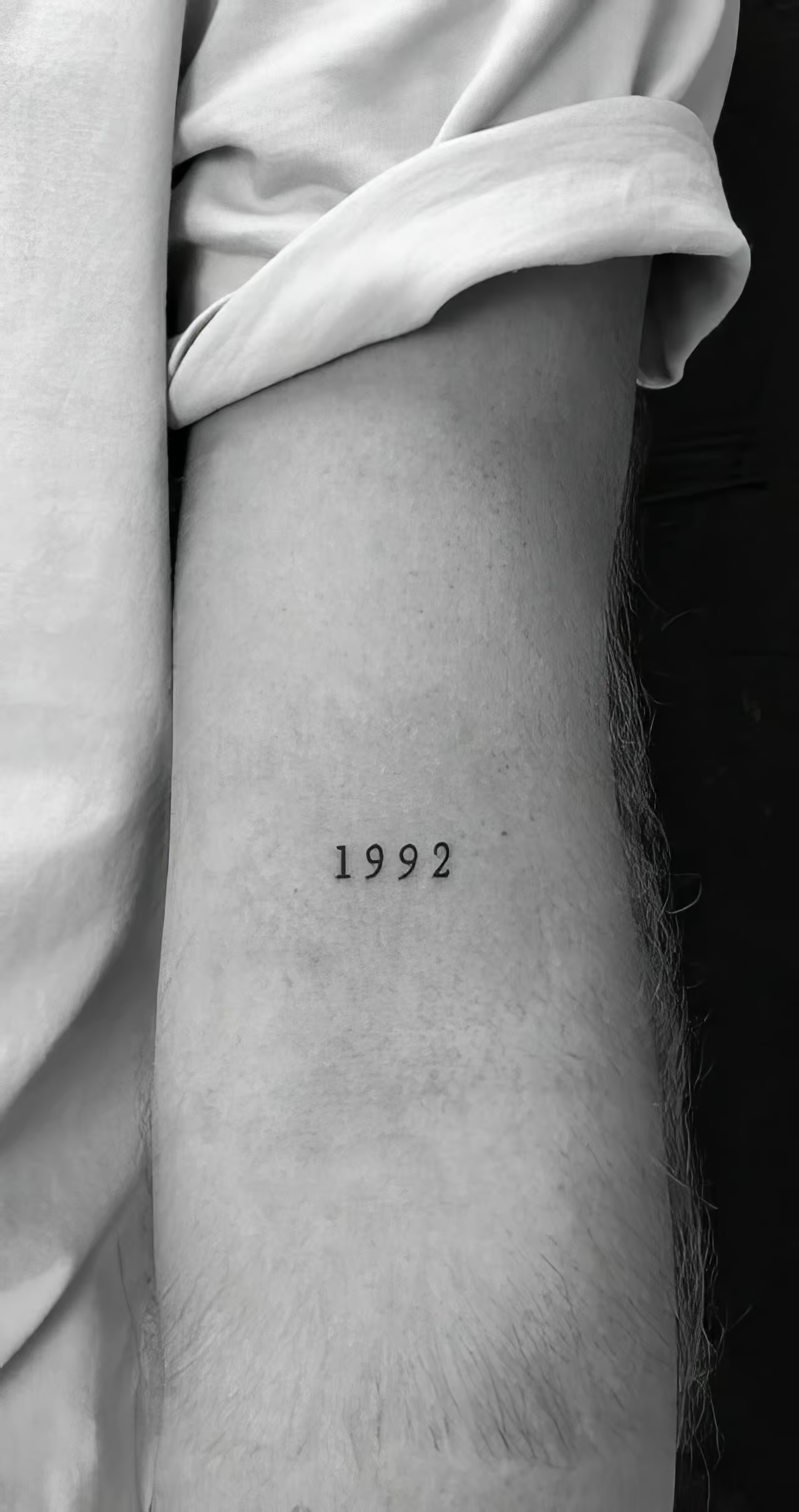
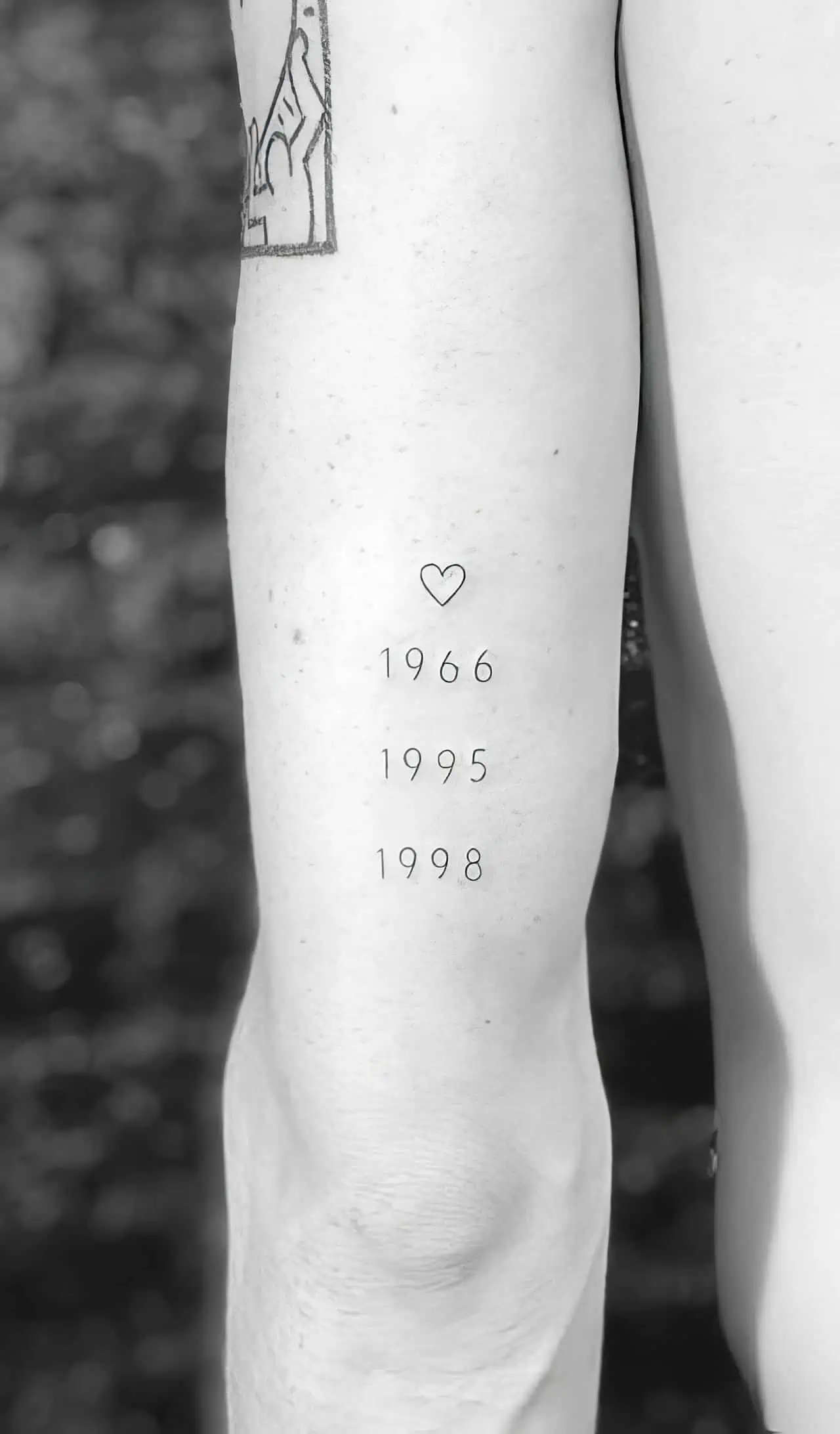
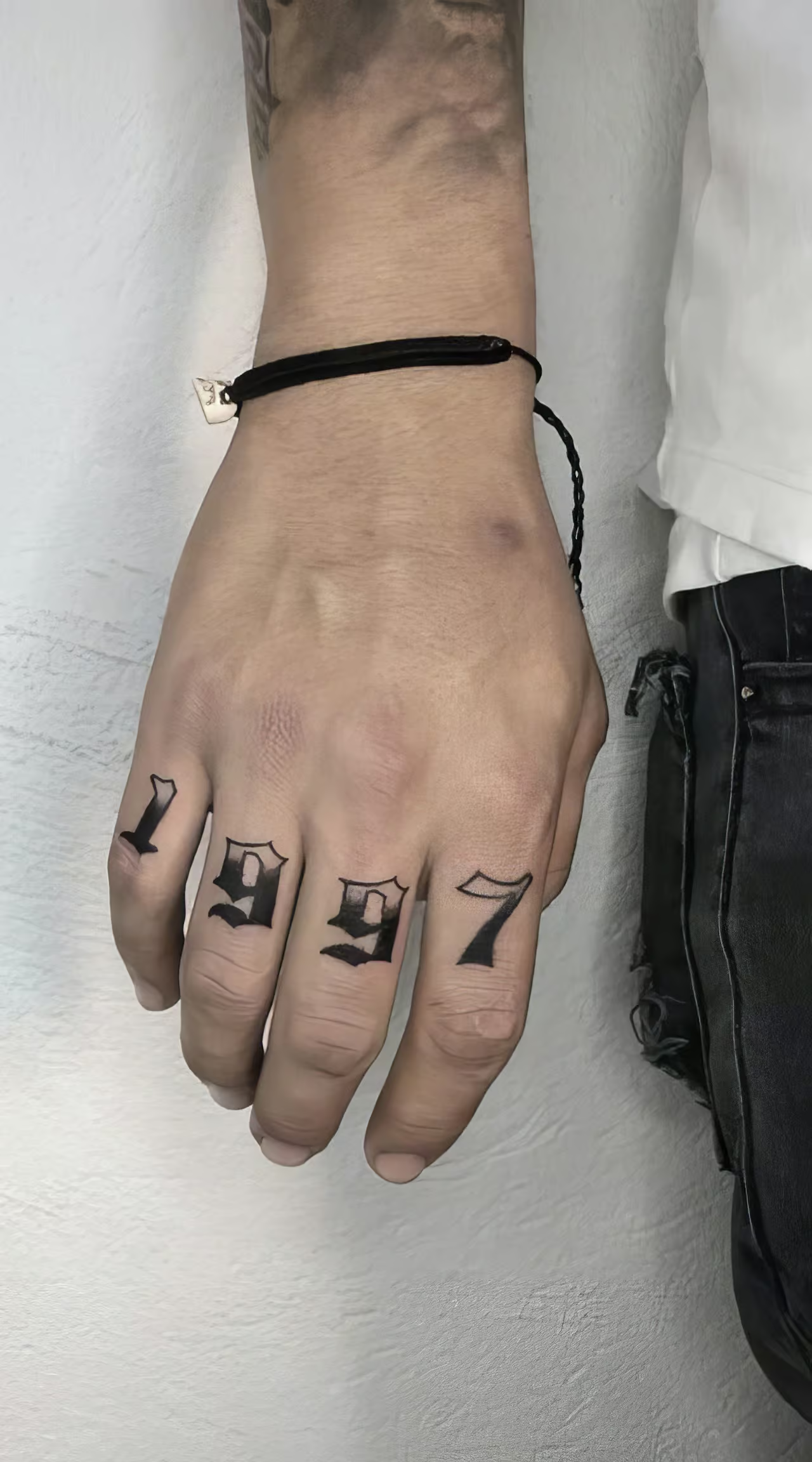
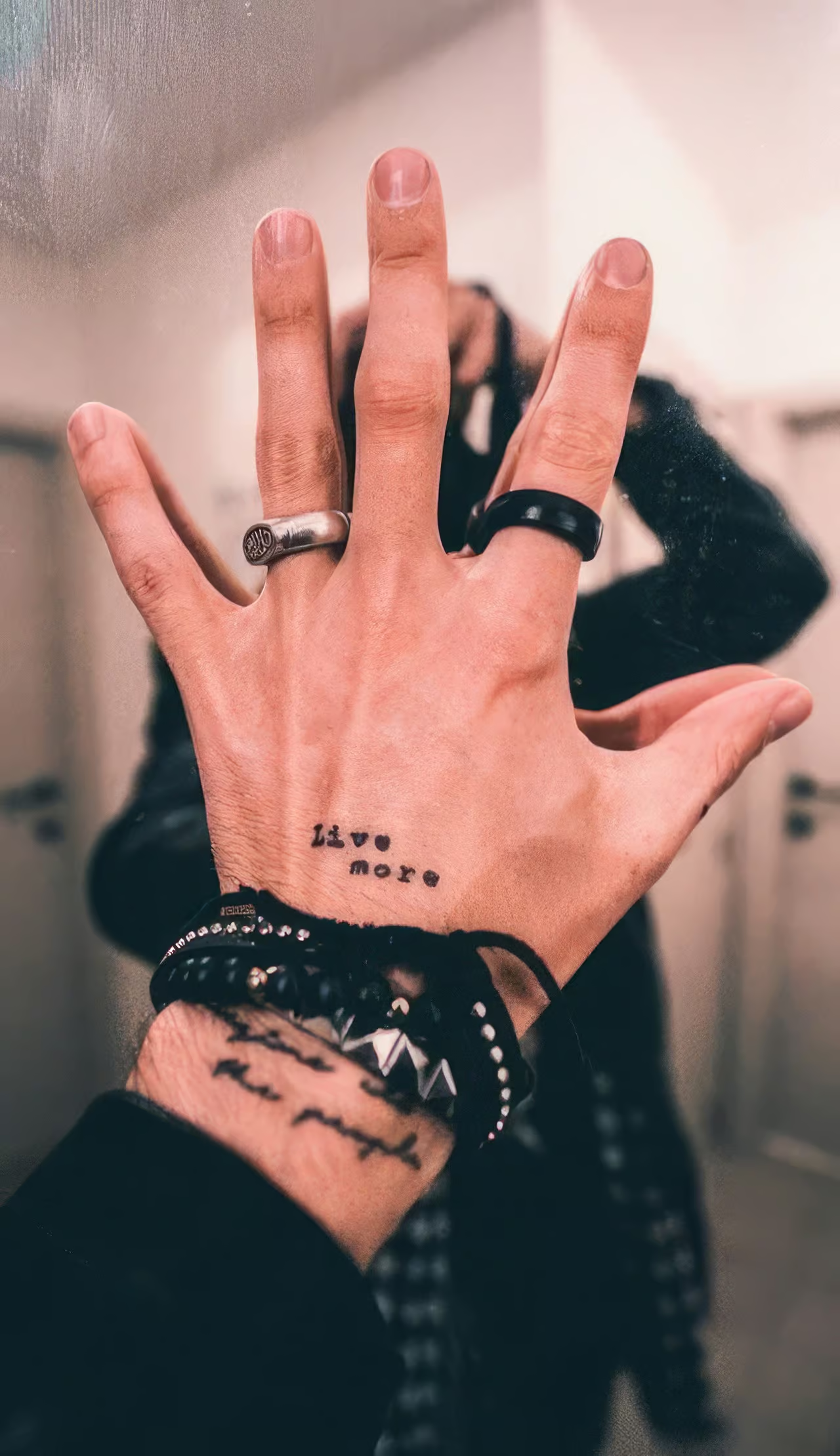
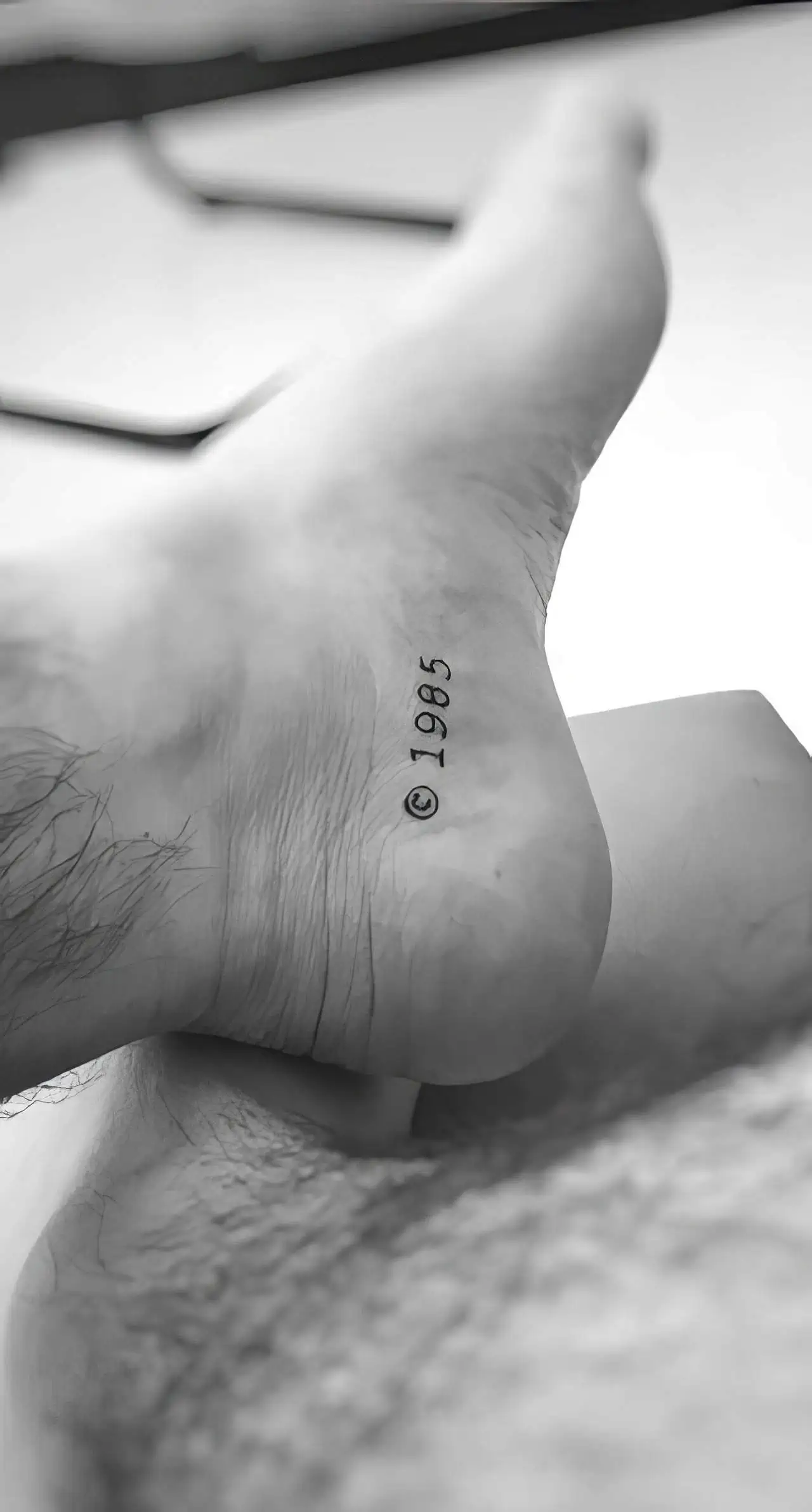
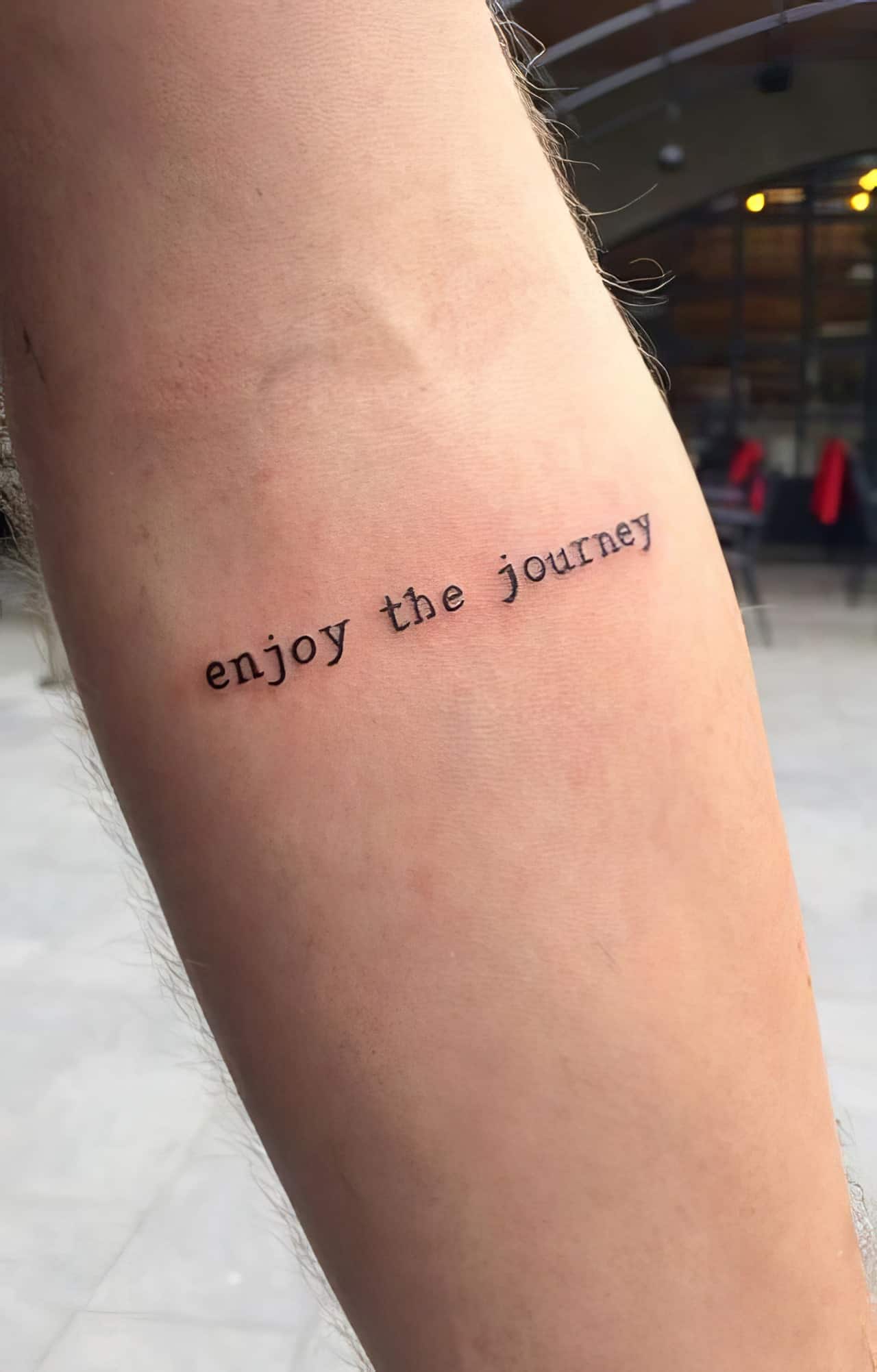
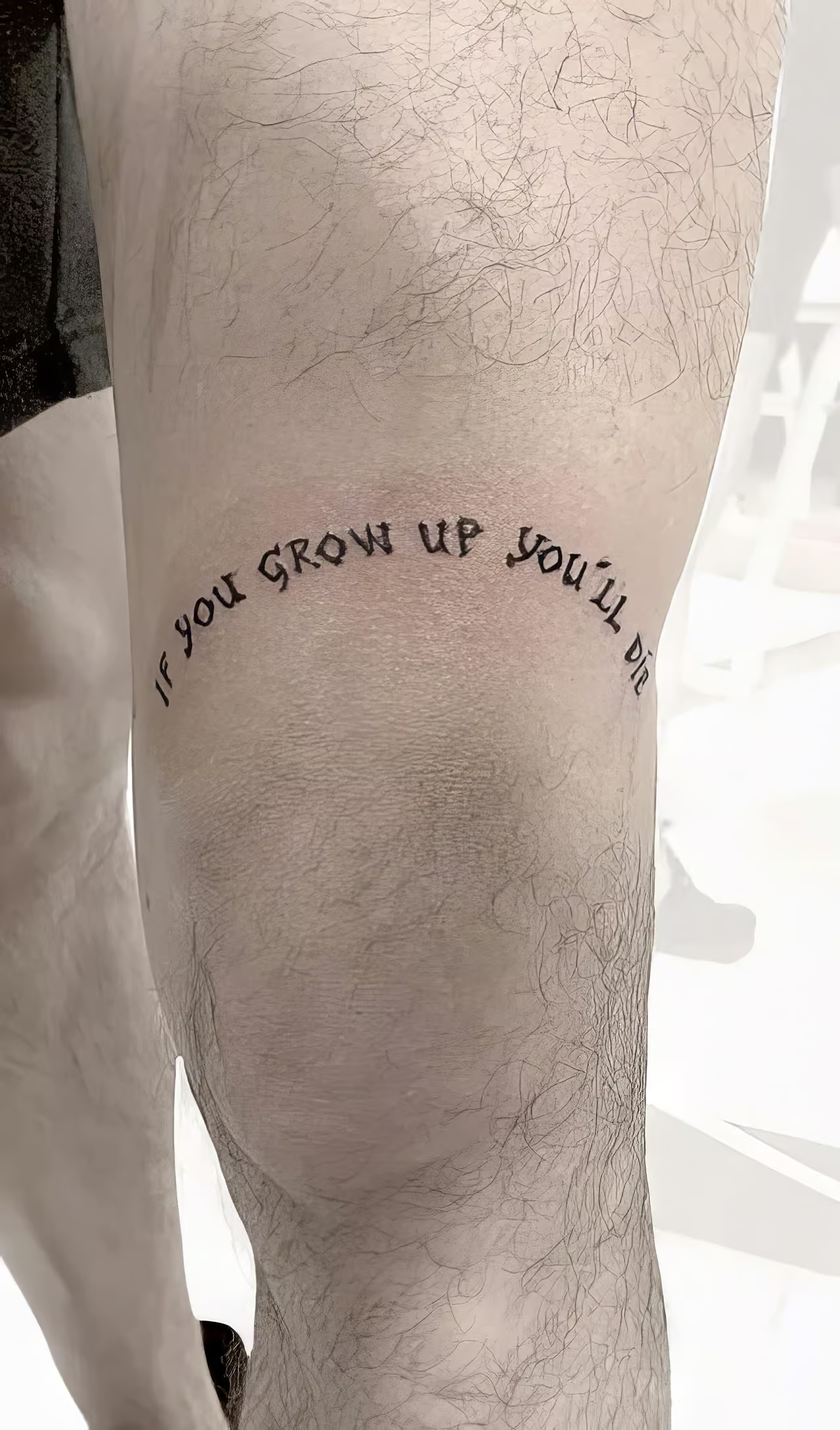
Phrases and numbers age well because human brains are hardwired to read text. Even as ink lightly softens over the years, bold, clean typography maintains a clear, readable meaning.
Dead languages and stoic mantras
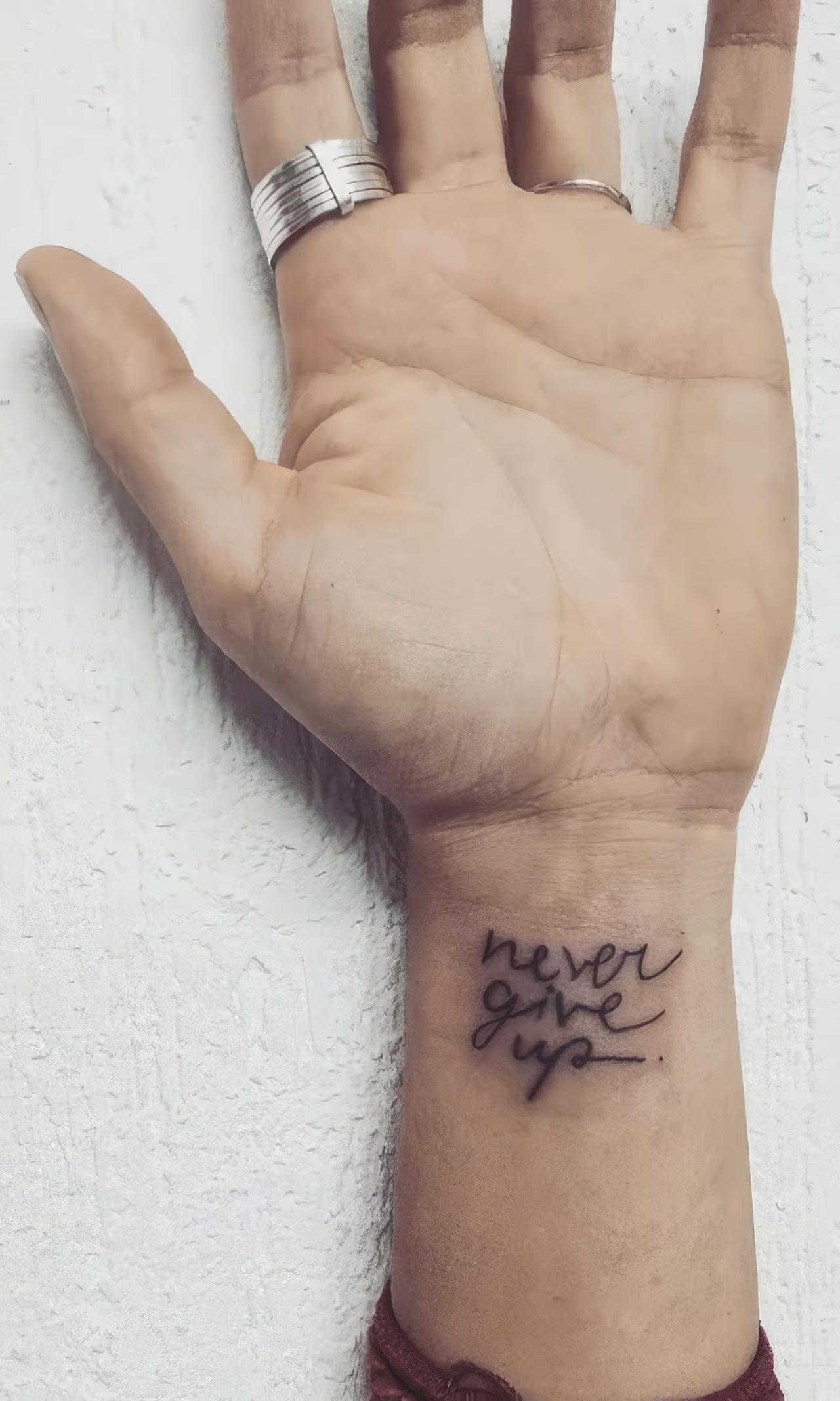
Plastering “Never Give Up” across your forearm is a public declaration. Translating deeply personal mantras into dead languages adds a necessary layer of privacy. Stoic reminders like a Latin Memento Mori (remember you will die) or Carpe Diem (seize the day) serve as private motivations. They let you wear a raw emotional phrase without it feeling cliché or exposing your internal monologue to every casual observer at the gym.
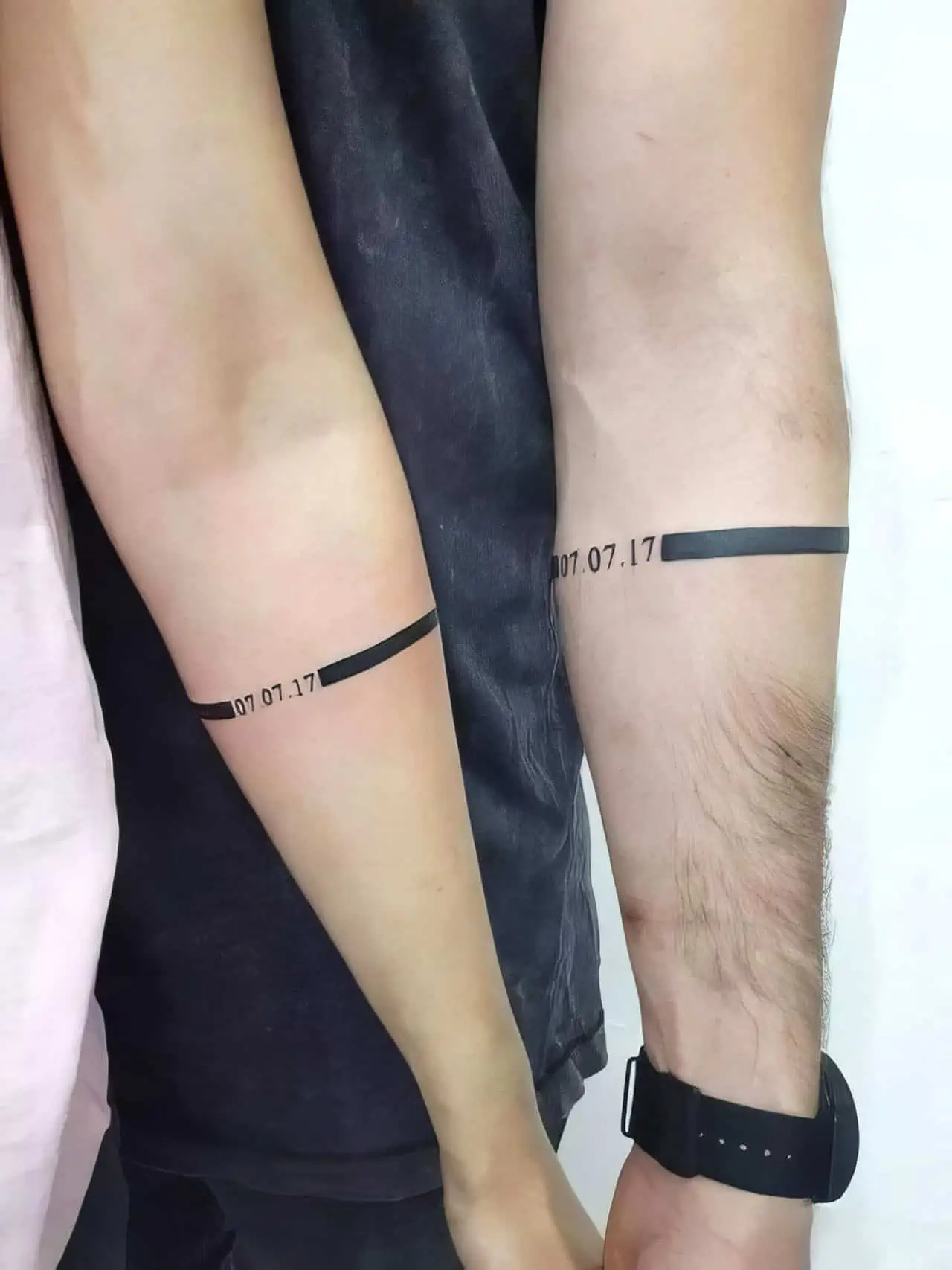
Dates and coordinates
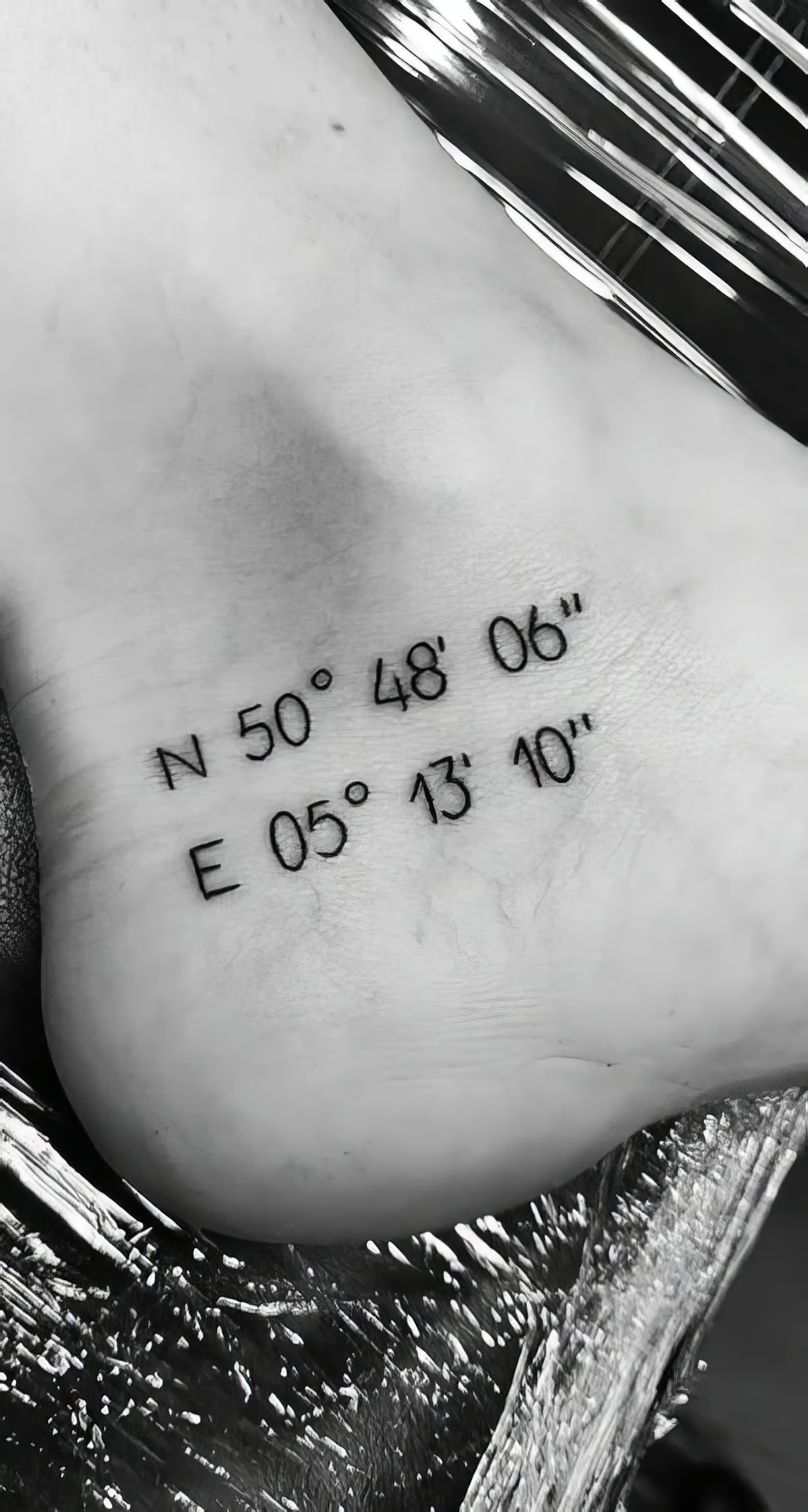
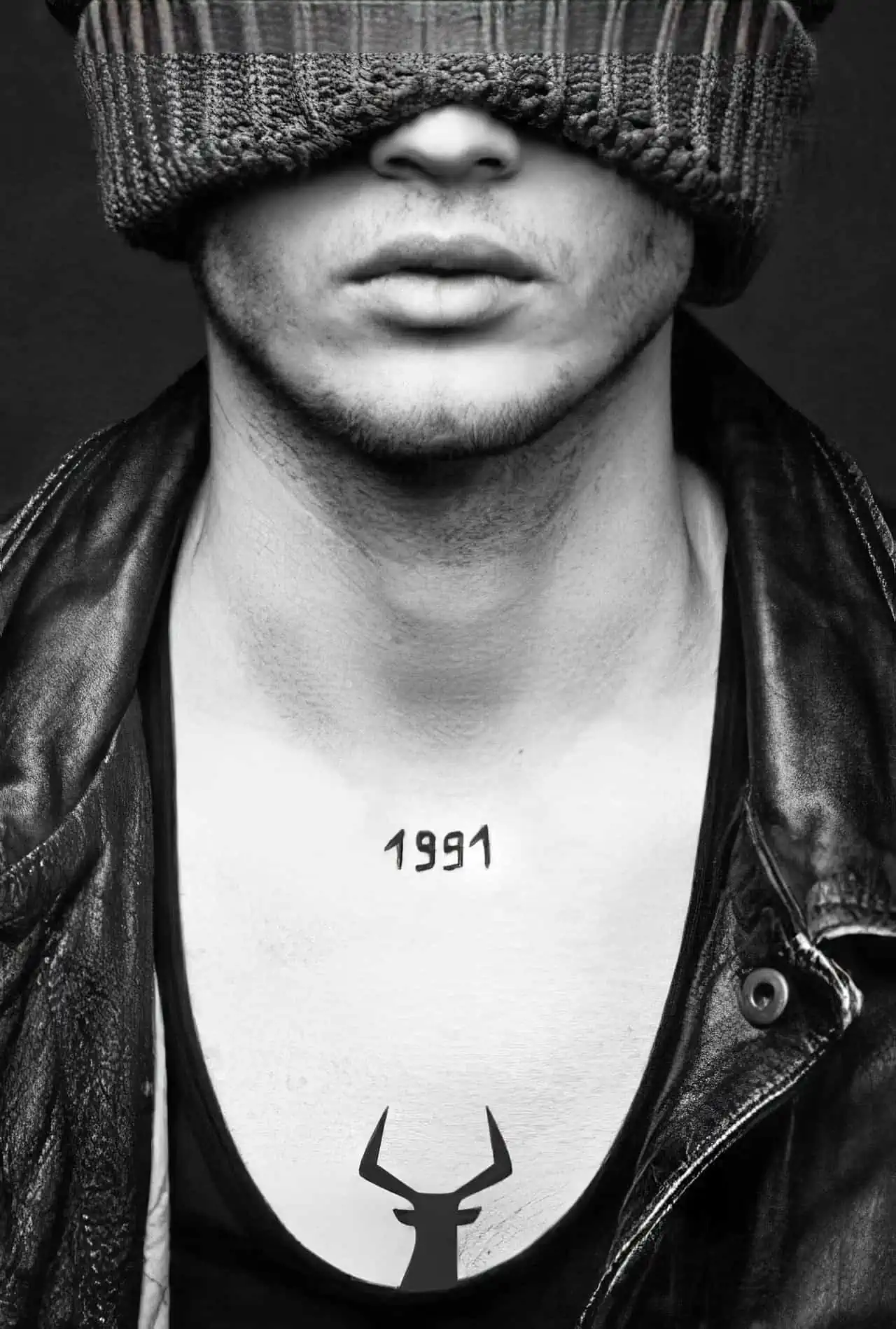
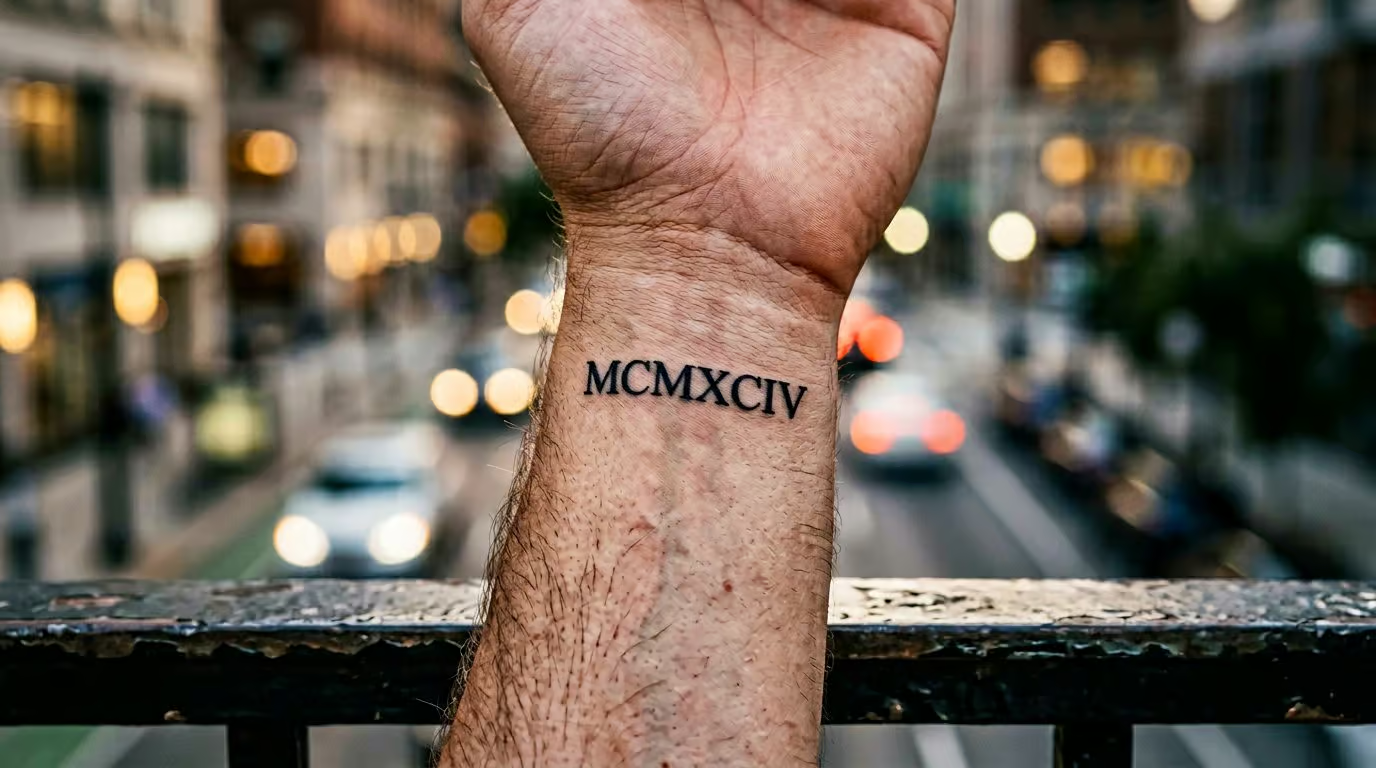
Typography requires the right canvas. The pairing of Roman numerals and the inner wrist is anatomically perfect. The flat plane of the wrist naturally frames the rigid, linear structure of ancient numerals, making it an ideal choice for commemorating a birth year or a specific coordinate.
Geometric small tattoos for men
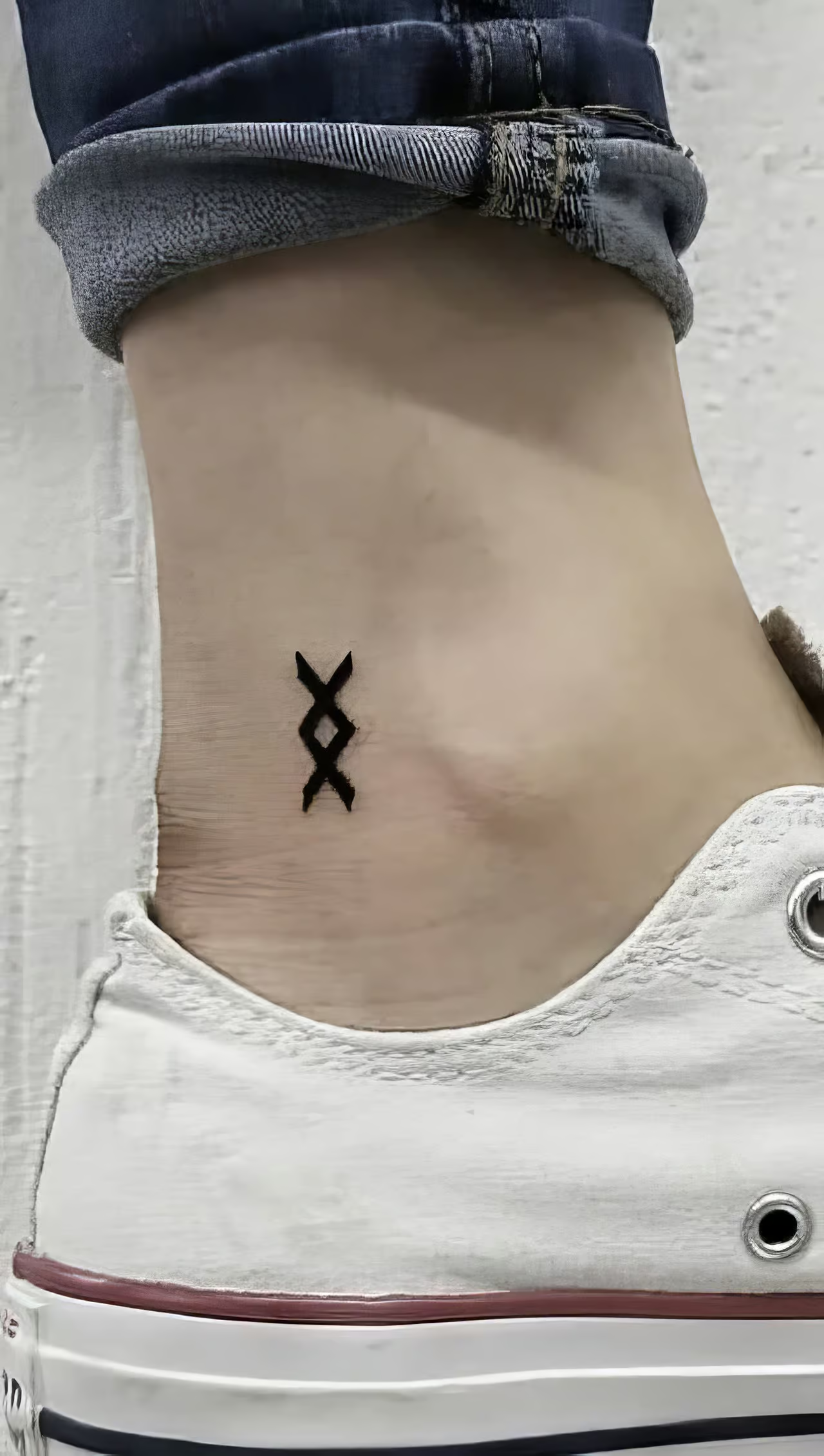
Math and geometry offer the cleanest aging process in the tattoo world. Their rigid structure naturally resists the visual blurring that complex miniature shading suffers from over a decade.
The psychology of shapes
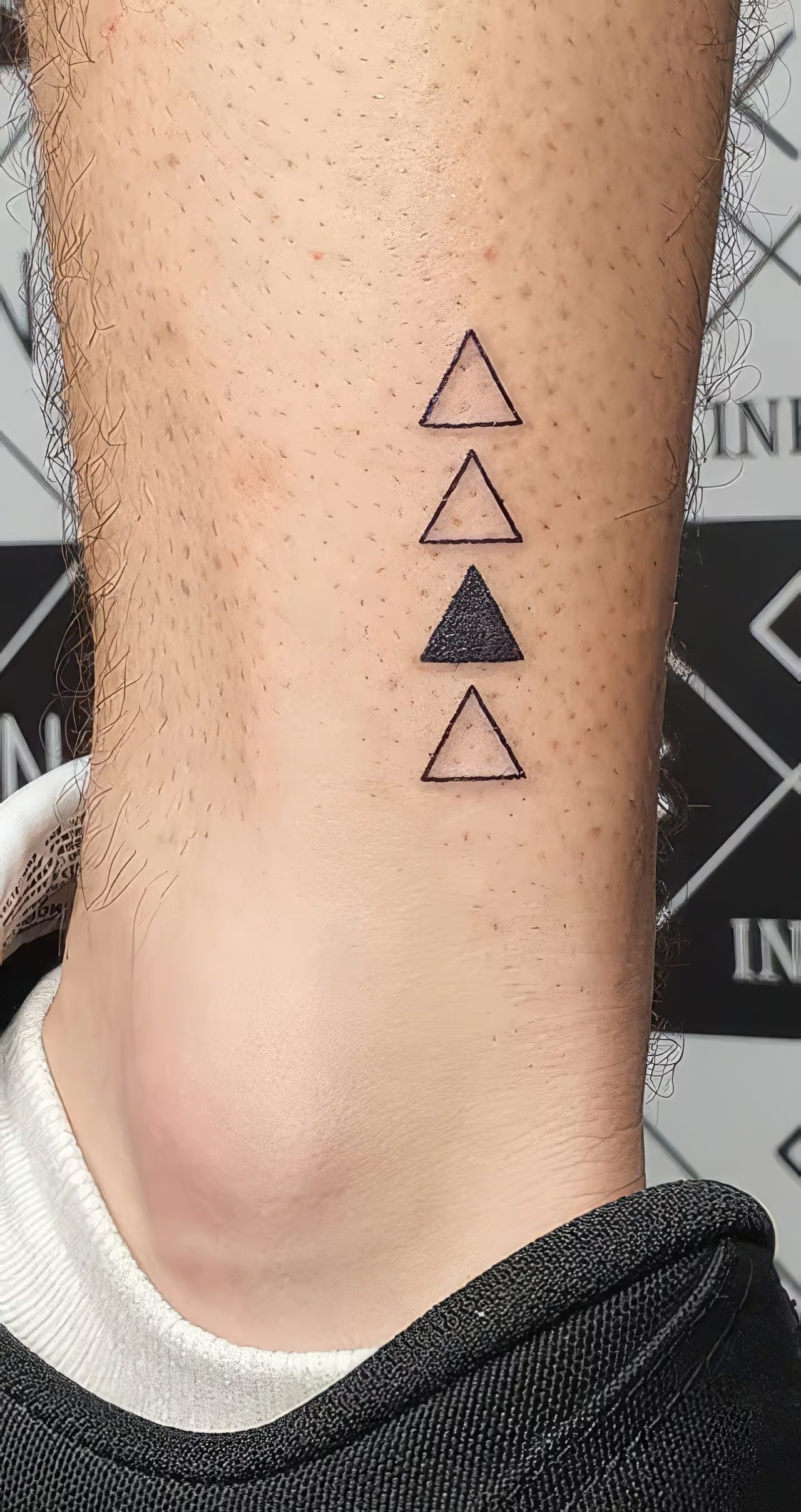
Basic shapes carry specific psychological weight. Triangles signal stability and direction. Hexagons represent structural balance. Circles imply unity and completion. A geometric shape does the heavy lifting of communicating a vibe without requiring interpretation.
The mechanics of minimalist lines and negative space
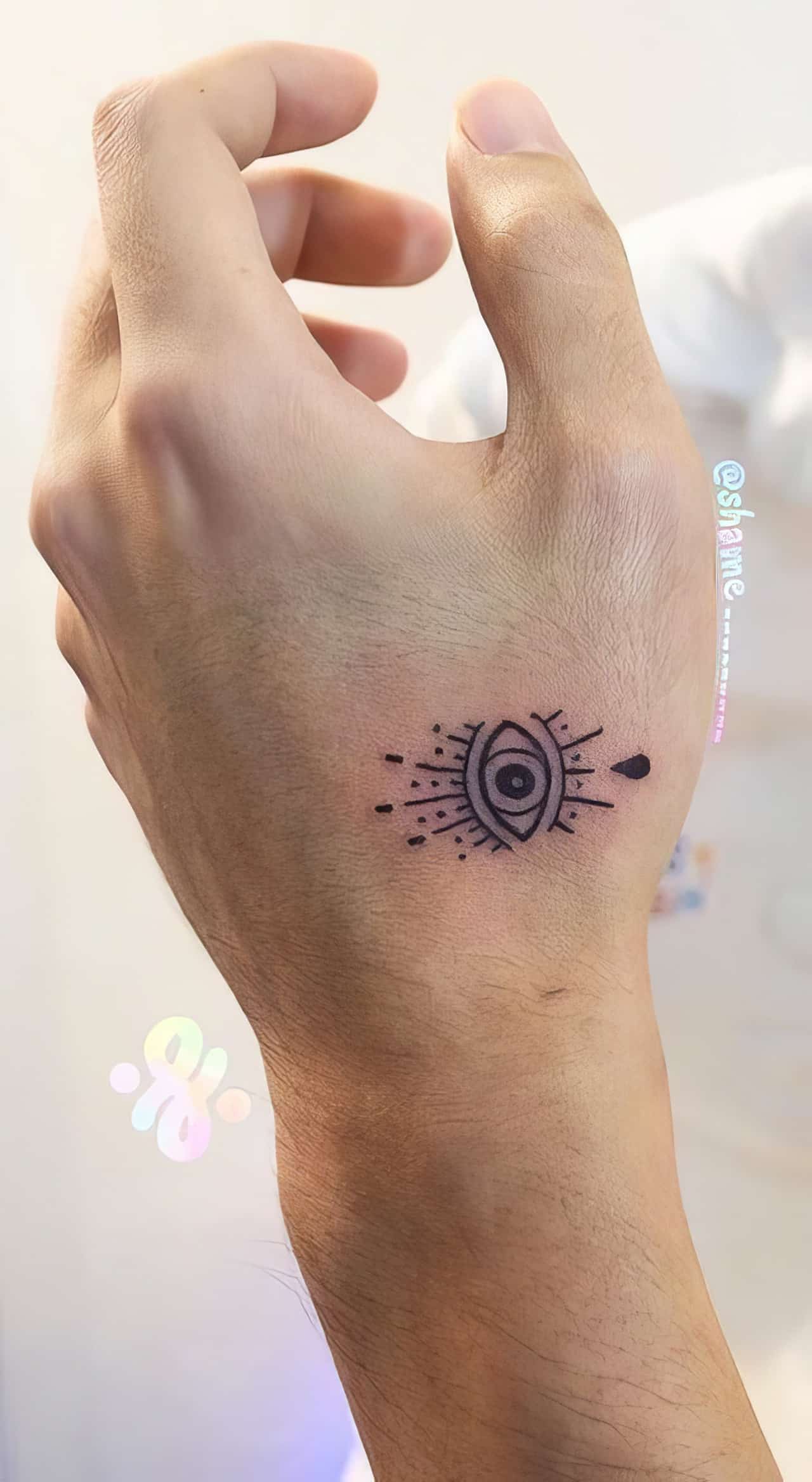
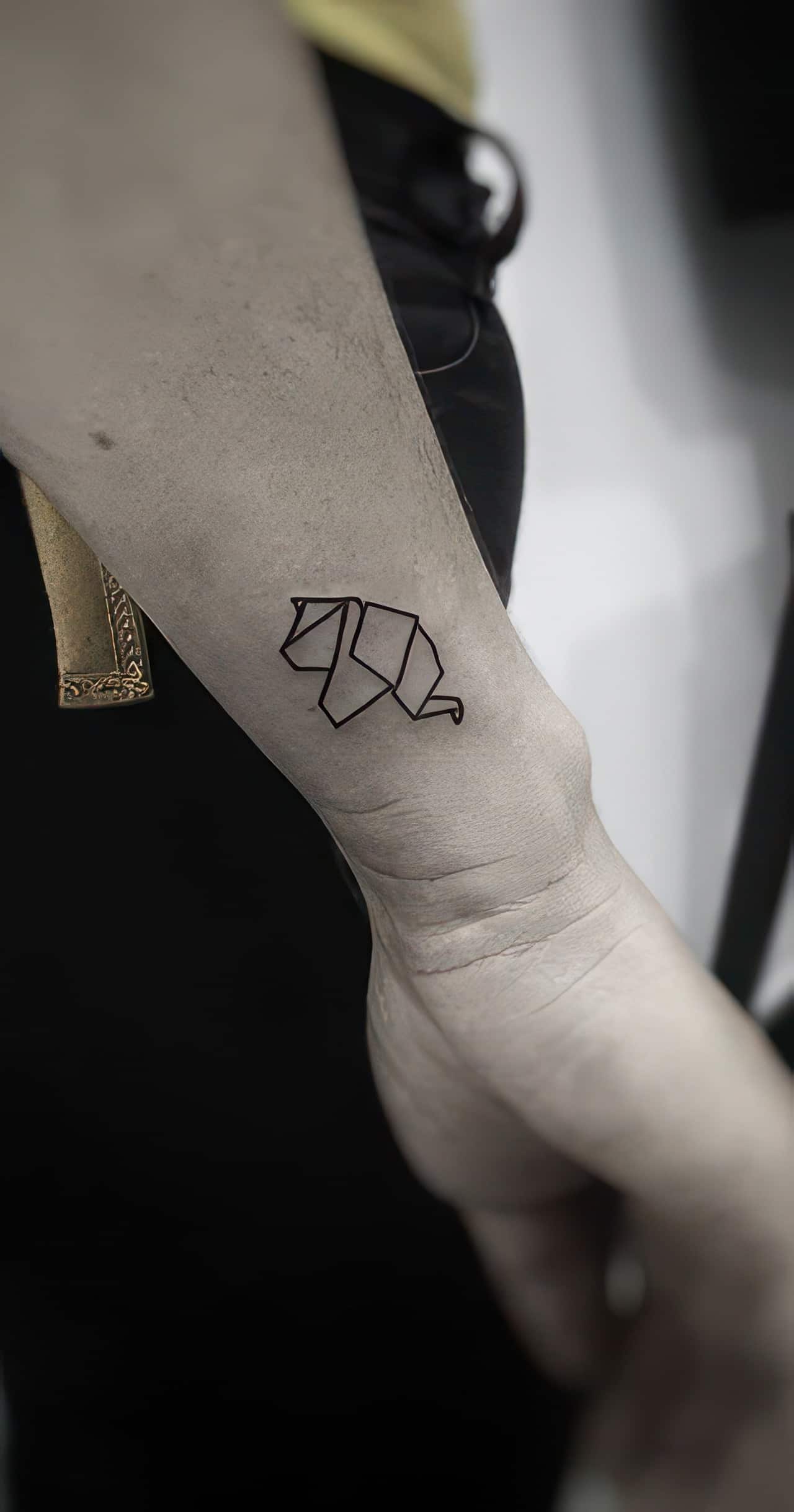
Geometry survives because of what is not there. Sacred geometry relies completely on clean outlines and the strategic use of negative space, where the undecorated skin actually defines the minimalist ink.
“Geometry survives because of what is not there.”
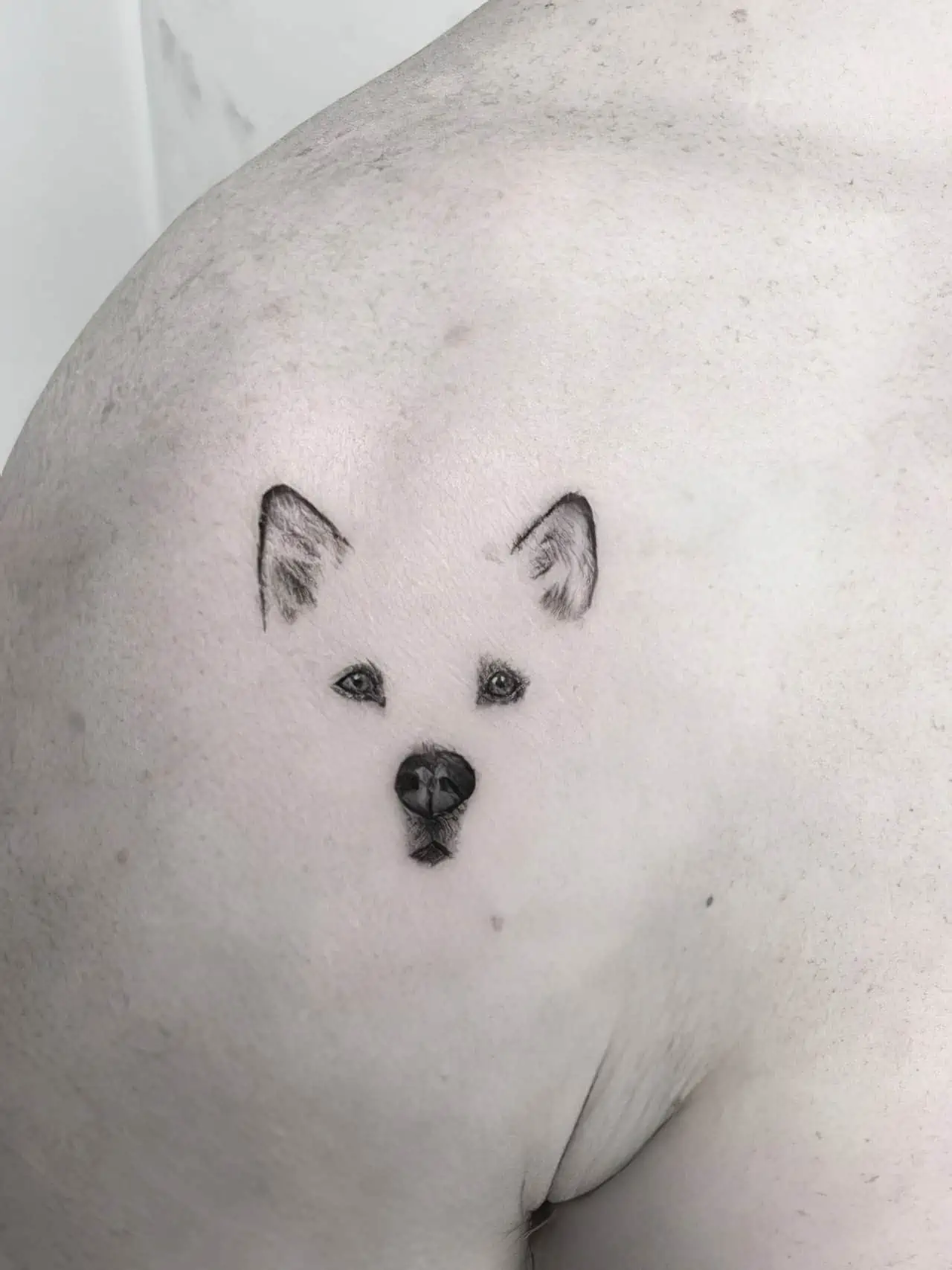
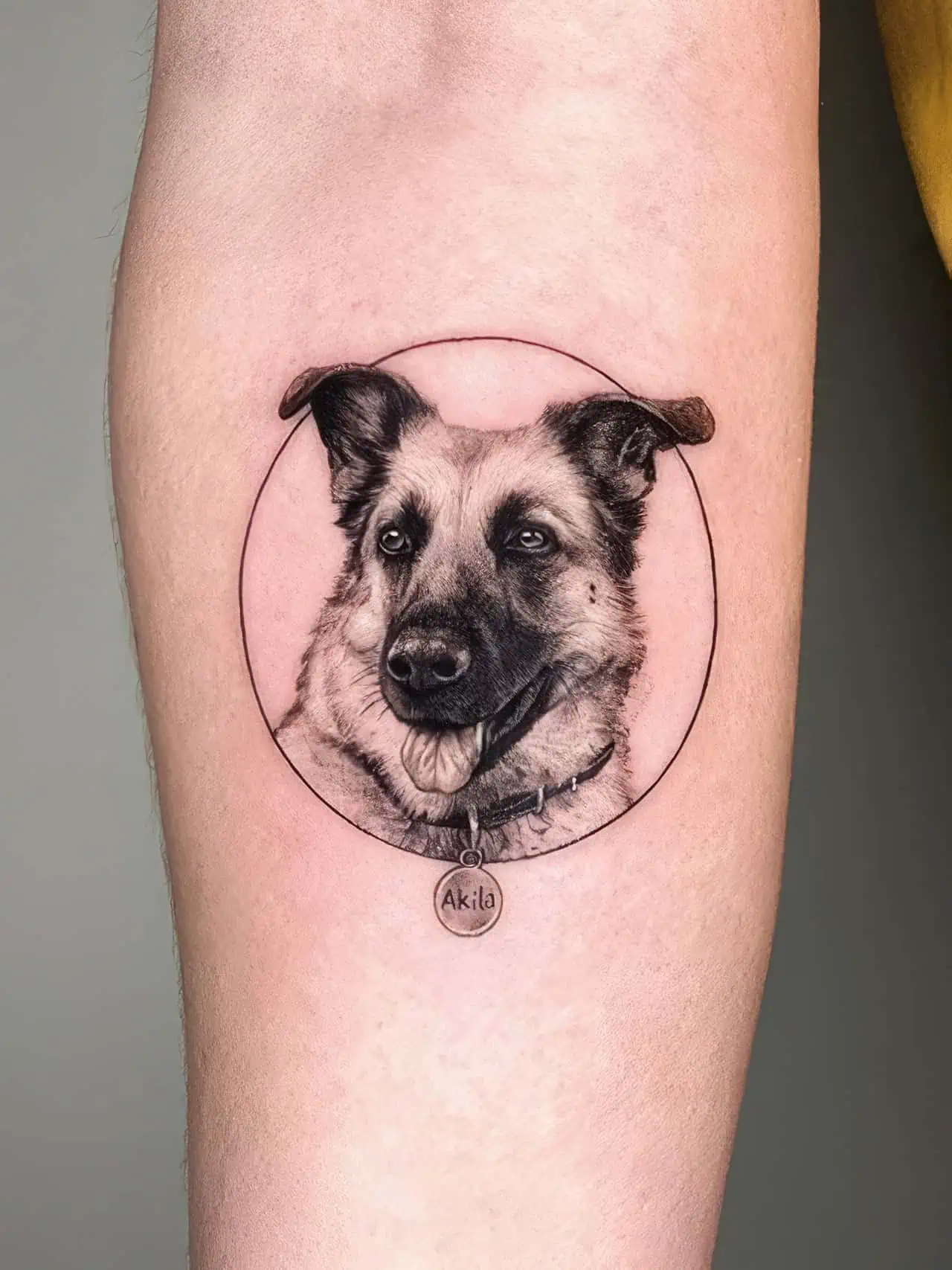
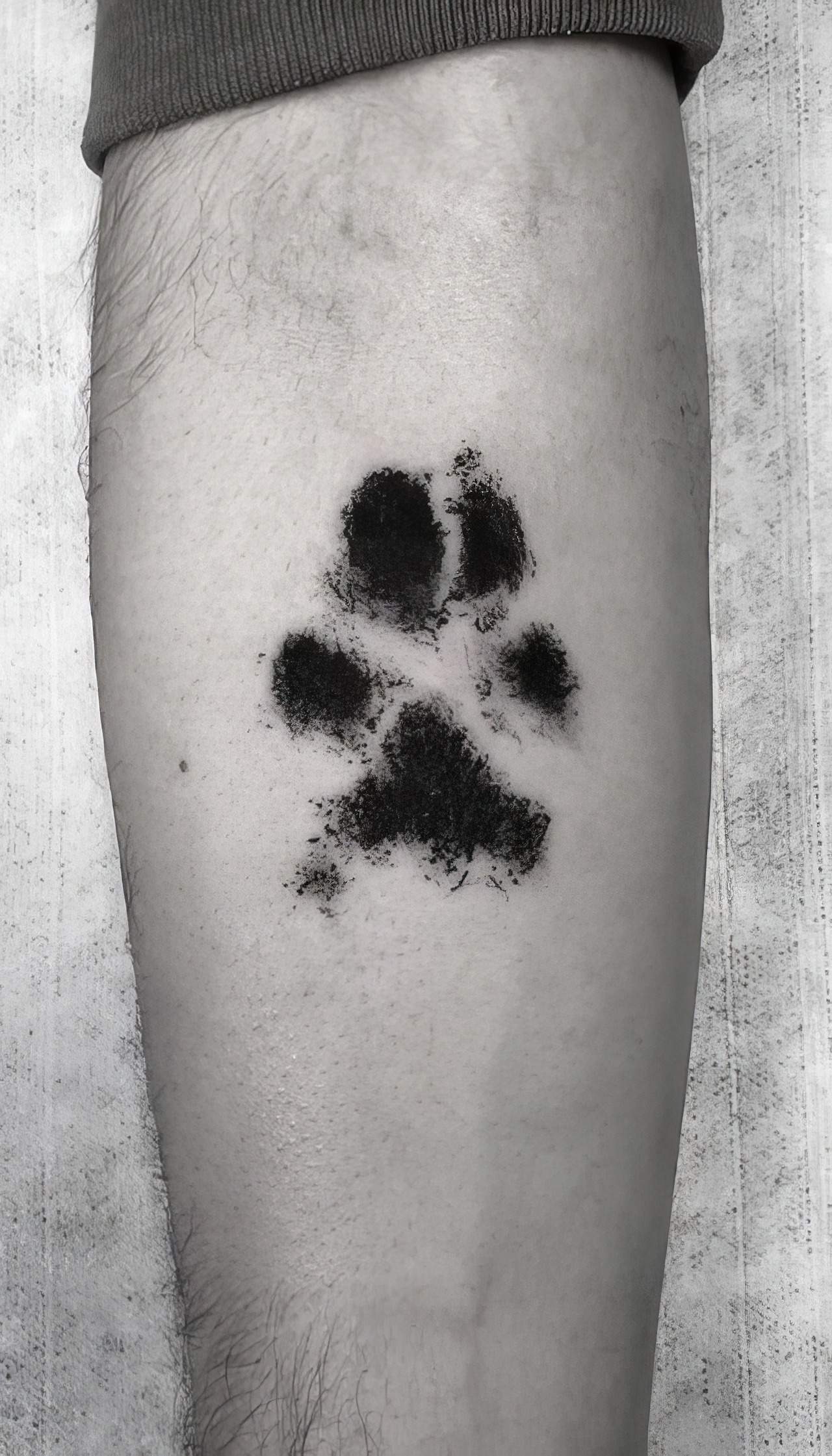
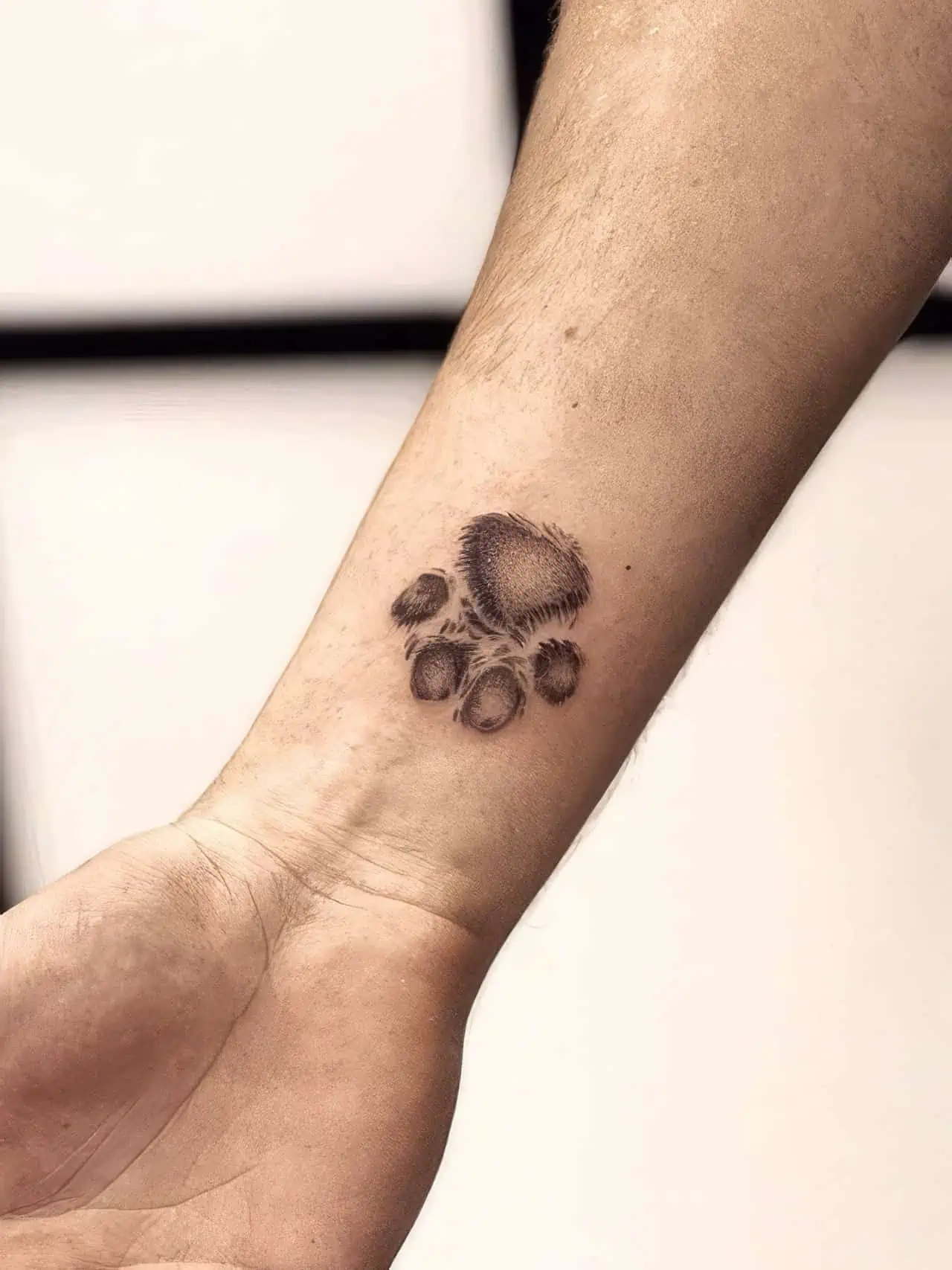
This matters because of tattoo blowout. Hyper-detailed micro-realism—like a tiny portrait of a dog—frequently ages poorly after five to ten years. As the ink settles under the skin, tight clusters of black pigment bleed together. Geometric designs leave wide margins of empty skin, meaning even if the lines thicken slightly over time, the visual structure remains undeniable.
Beyond abstract math, looking to the physical world offers a different kind of structural blueprint for small tattoos.
Nature motifs and wild animal totems
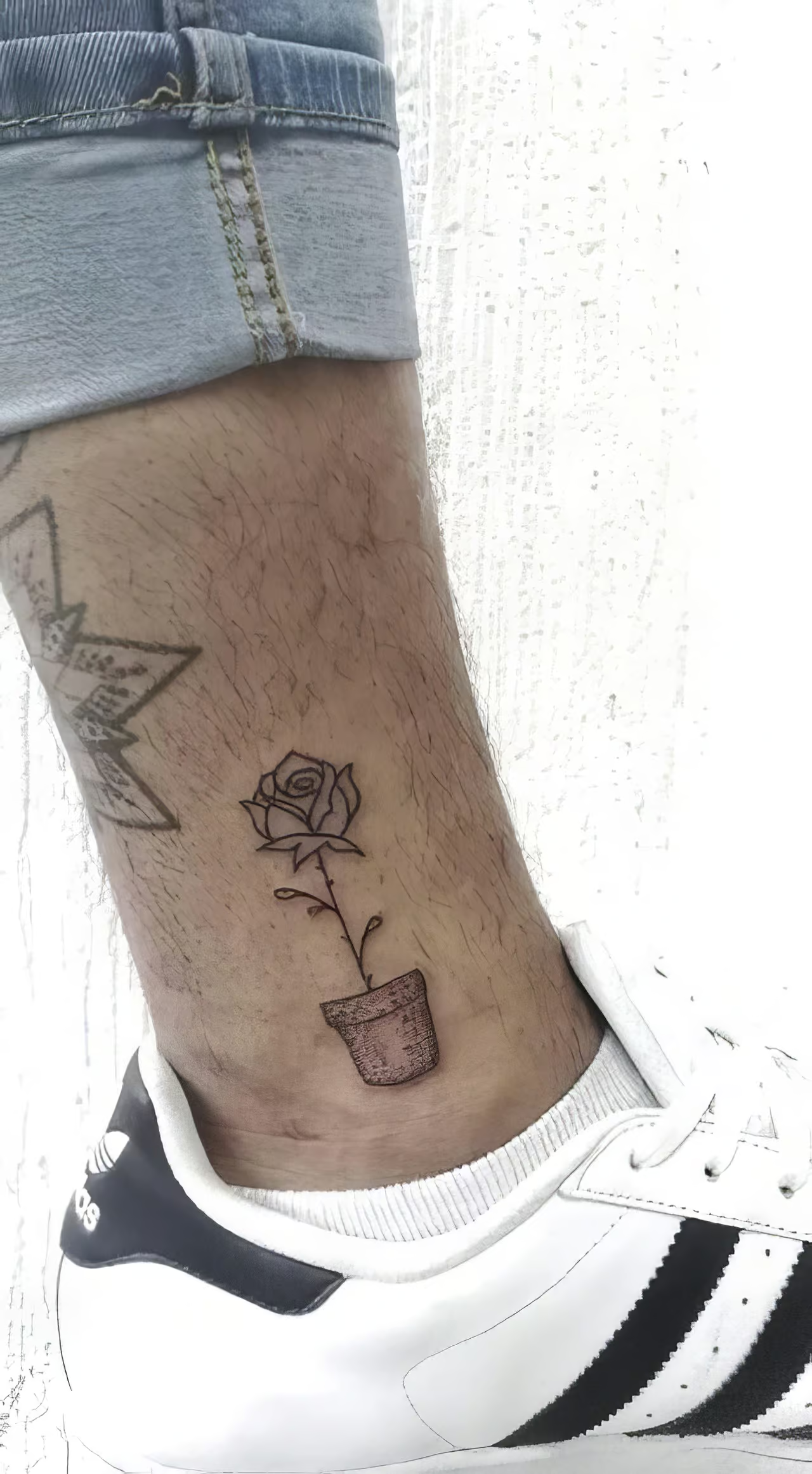
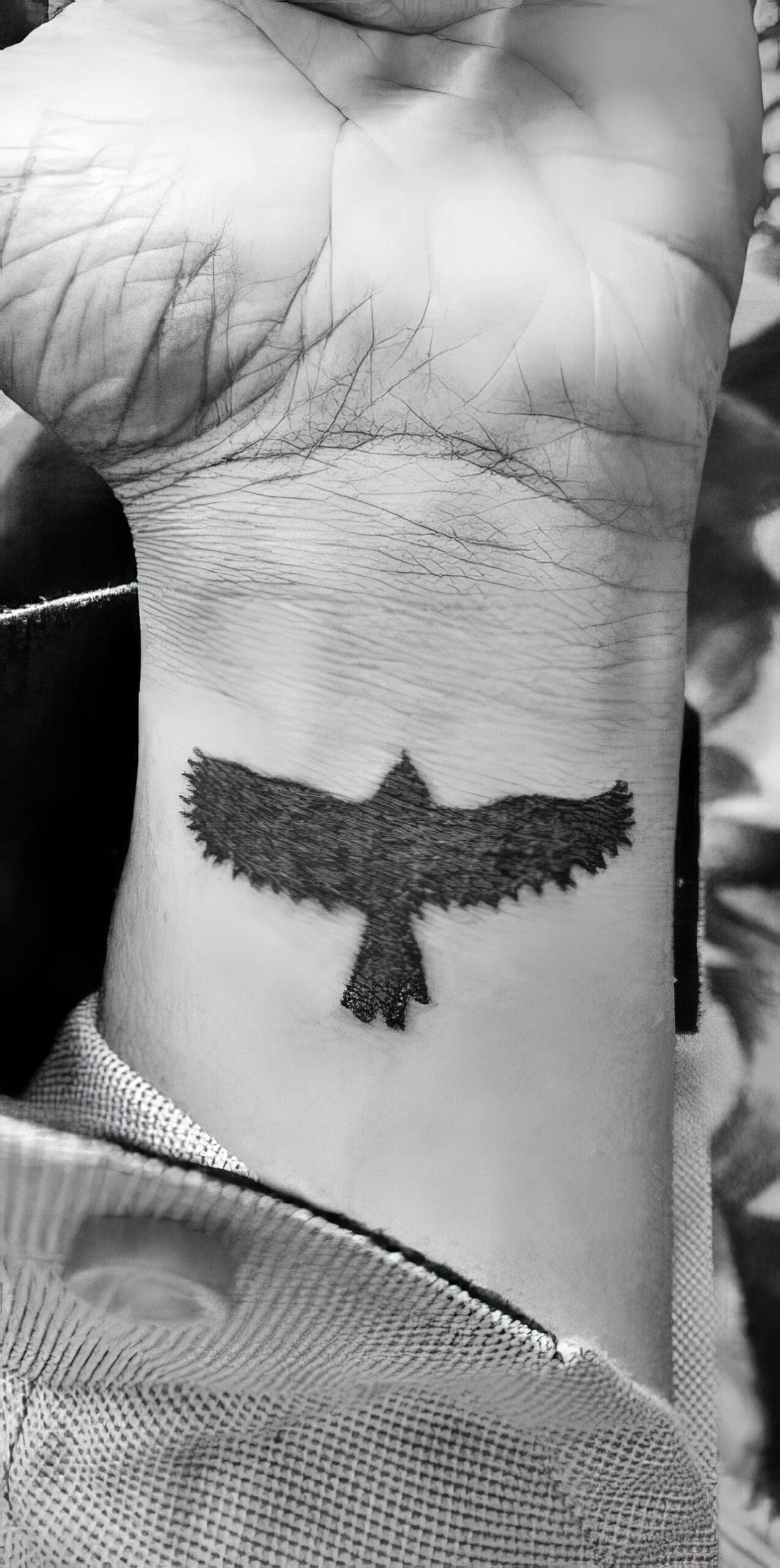
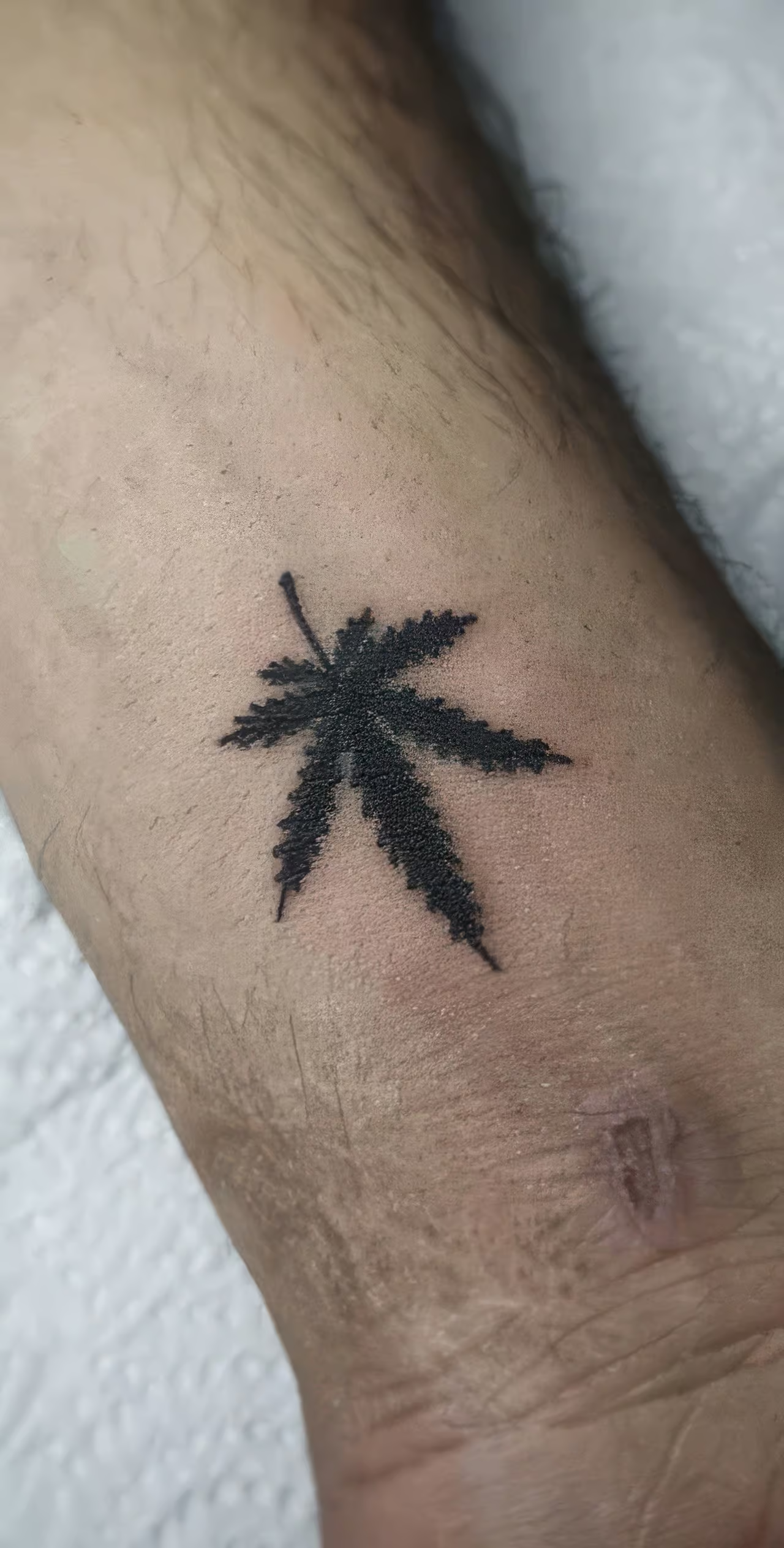
Animal designs and environmental outlines translate complex human traits into universally understood visual shorthand.
Aspirational wildlife
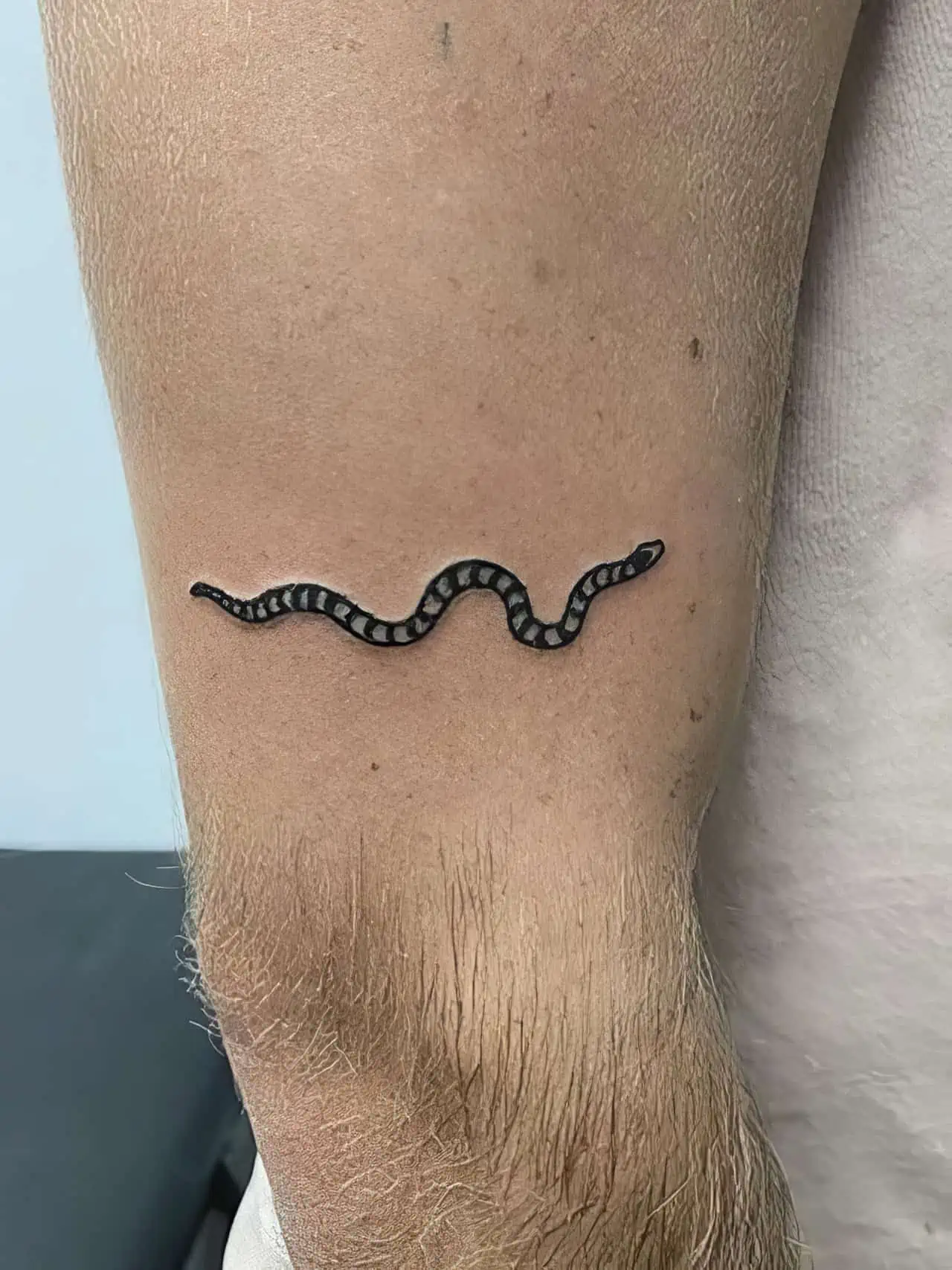
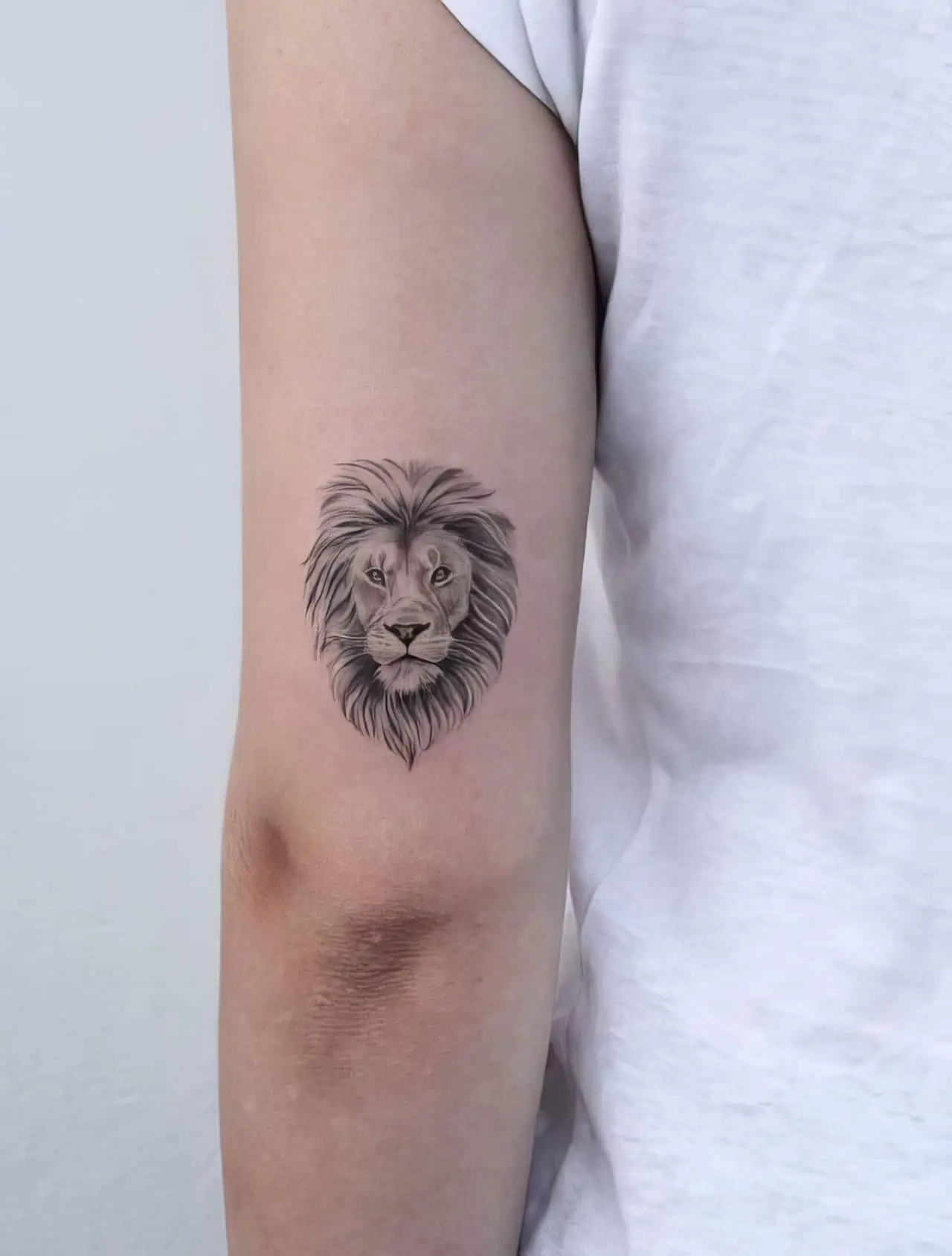
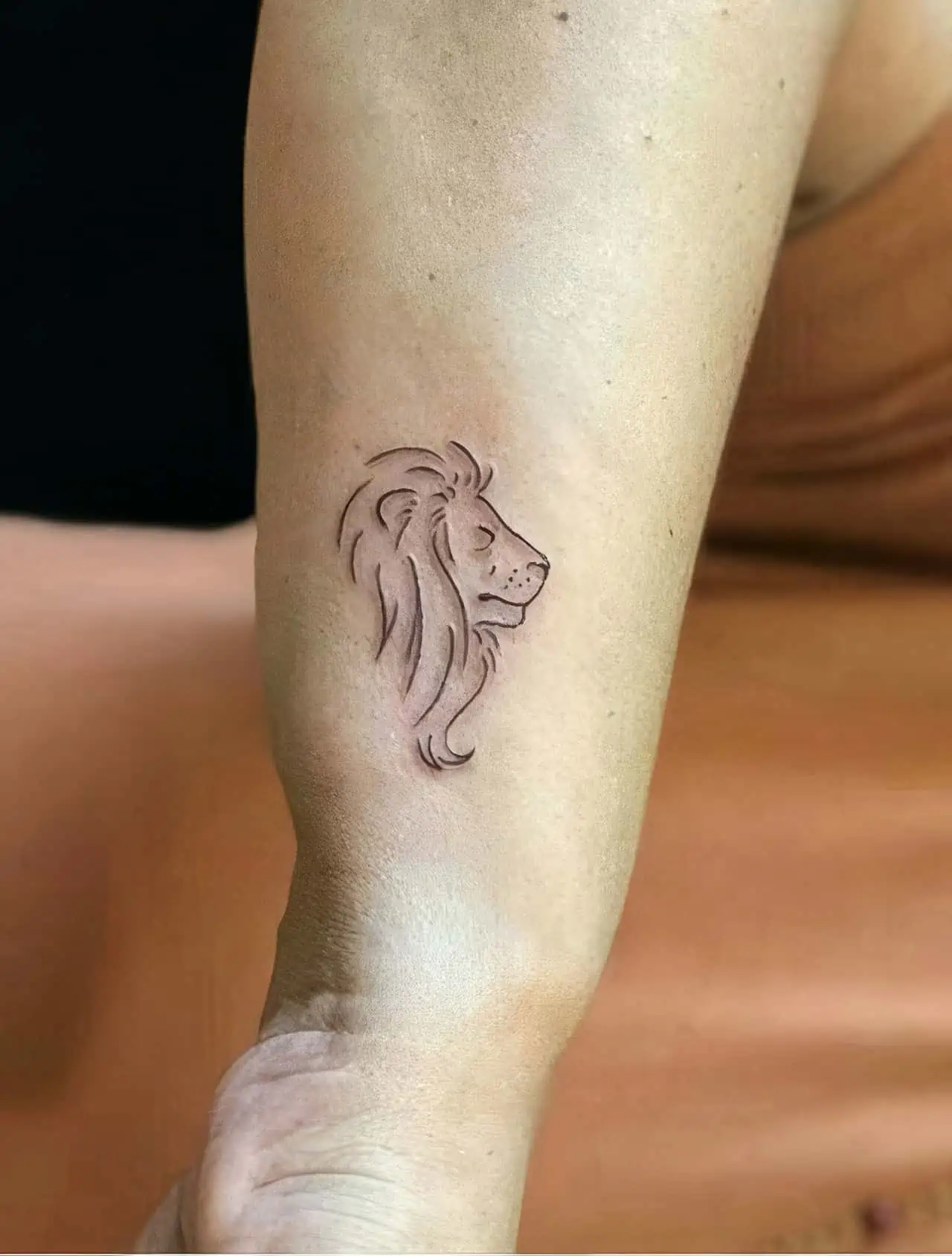
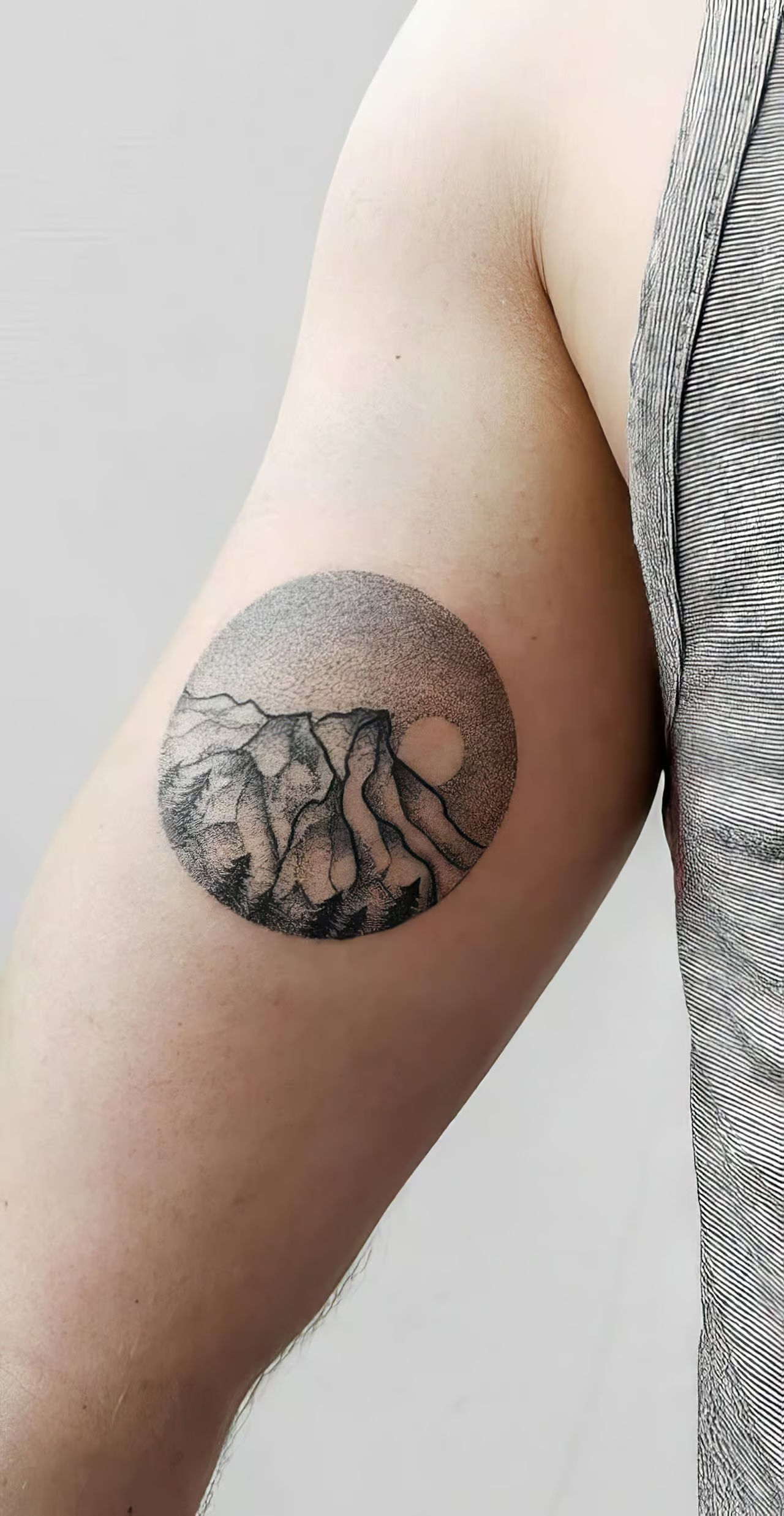
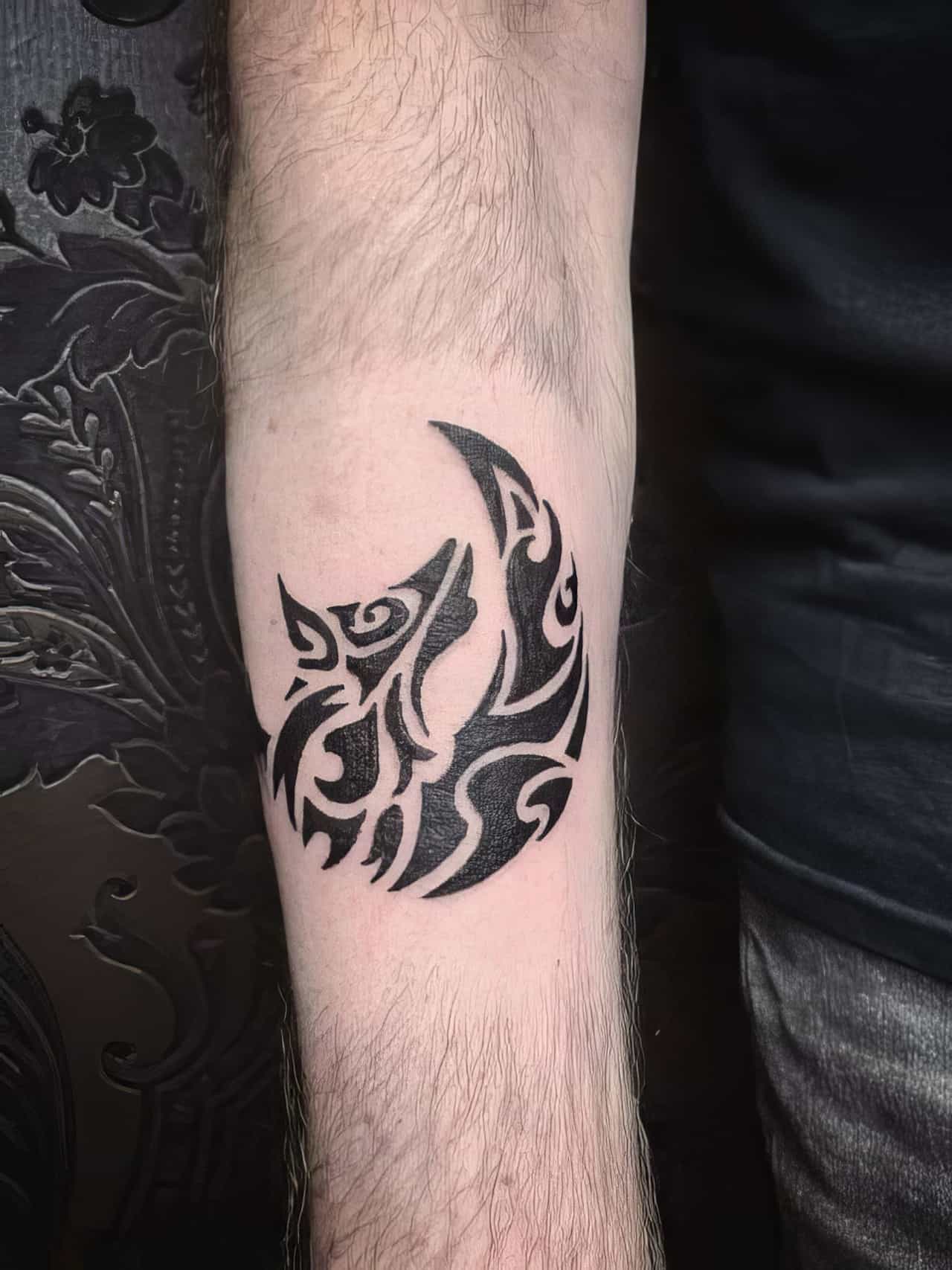
Wildlife tattoos function best as aspirational totems. They let men subtly wear the virtues they want to cultivate moving forward. Wolves represent loyalty and pack strength. Lions stand for bravery. Snakes signal wisdom and new beginnings. Elephants indicate intelligence and luck. Single-line silhouettes of these animals—or even specific stylized options like tiger tattoos—work perfectly in a small footprint. Keeping them mostly black with a tiny splash-color accent keeps them looking sharp in the workplace.
Landscapes and wanderlust
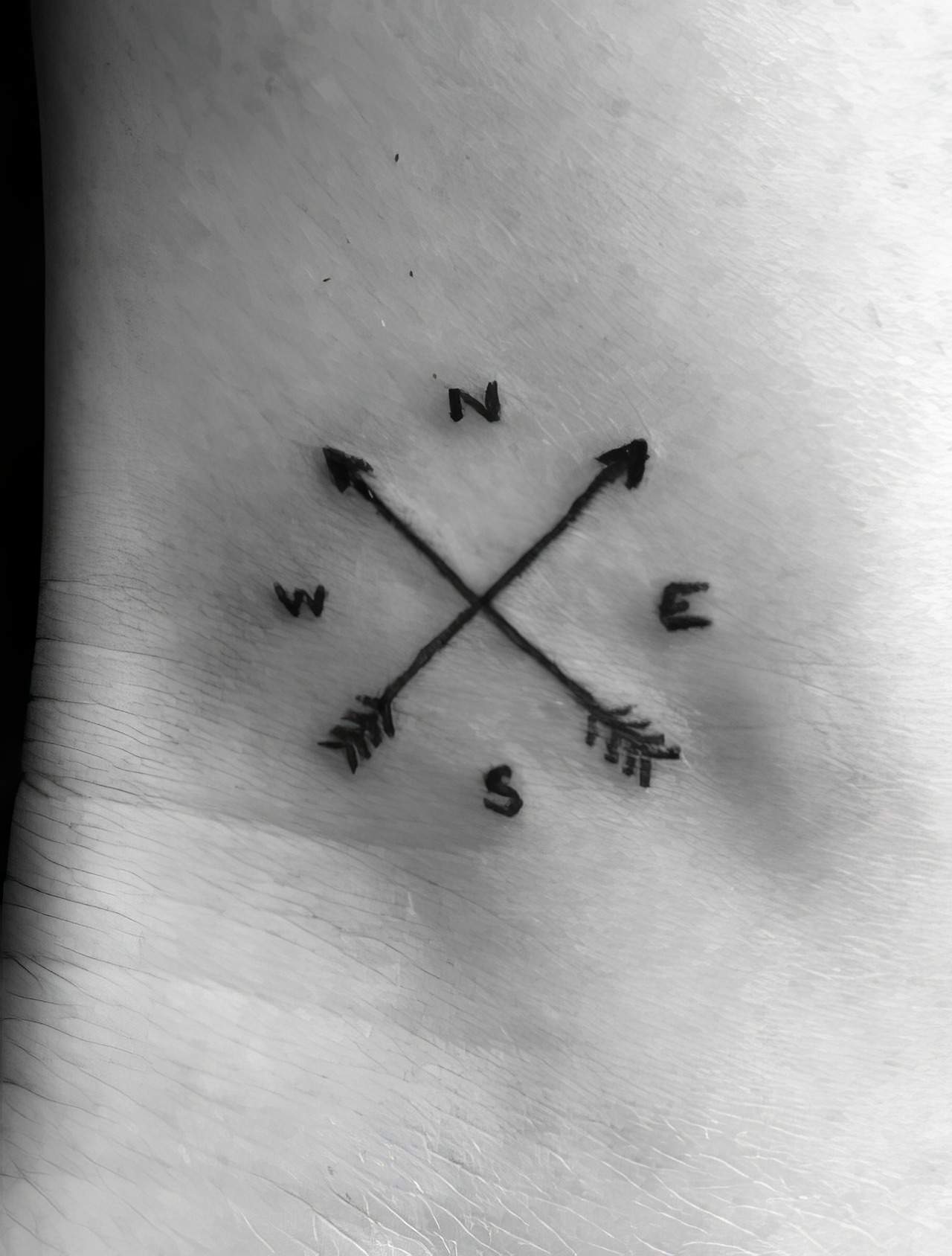
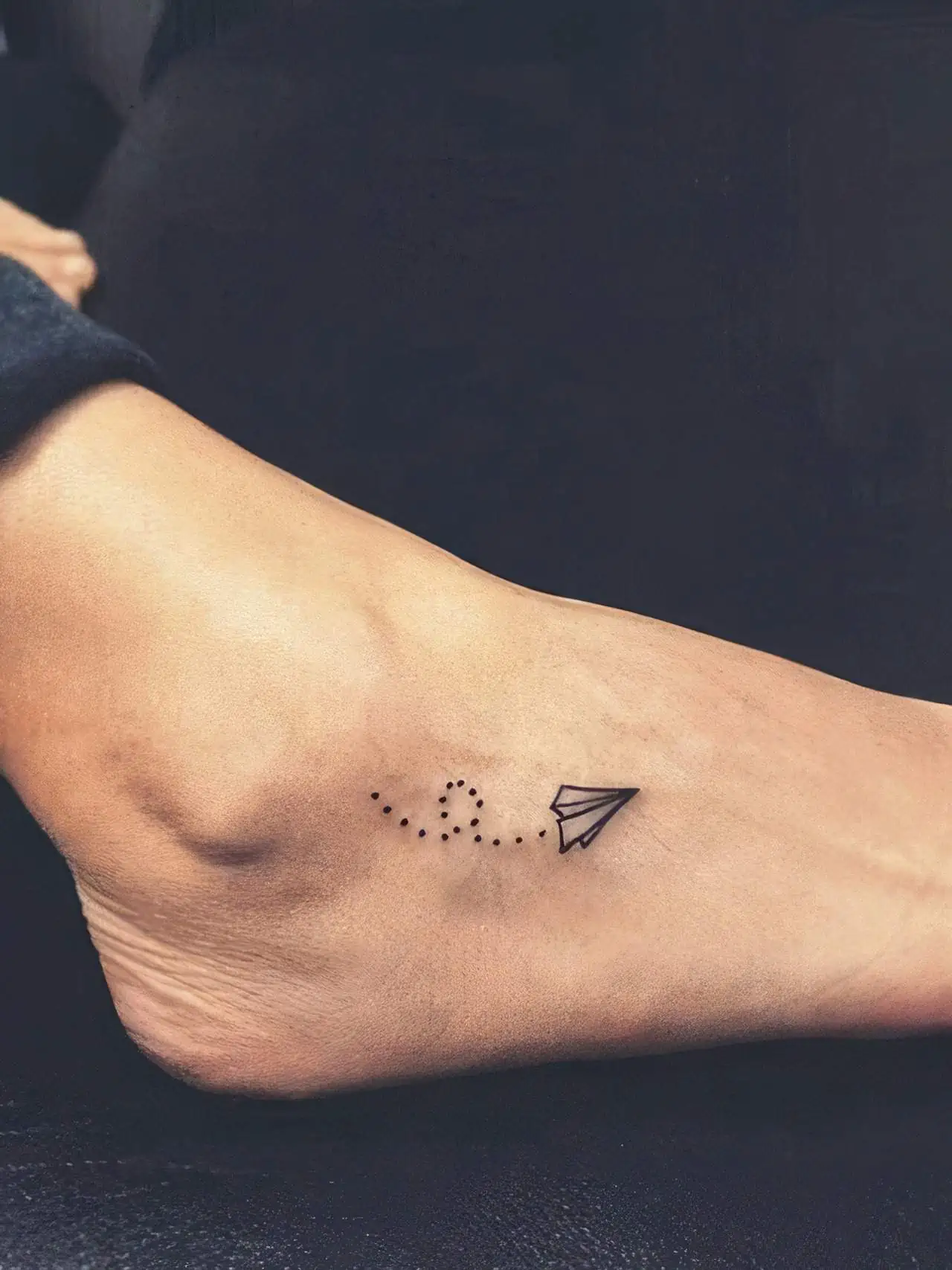
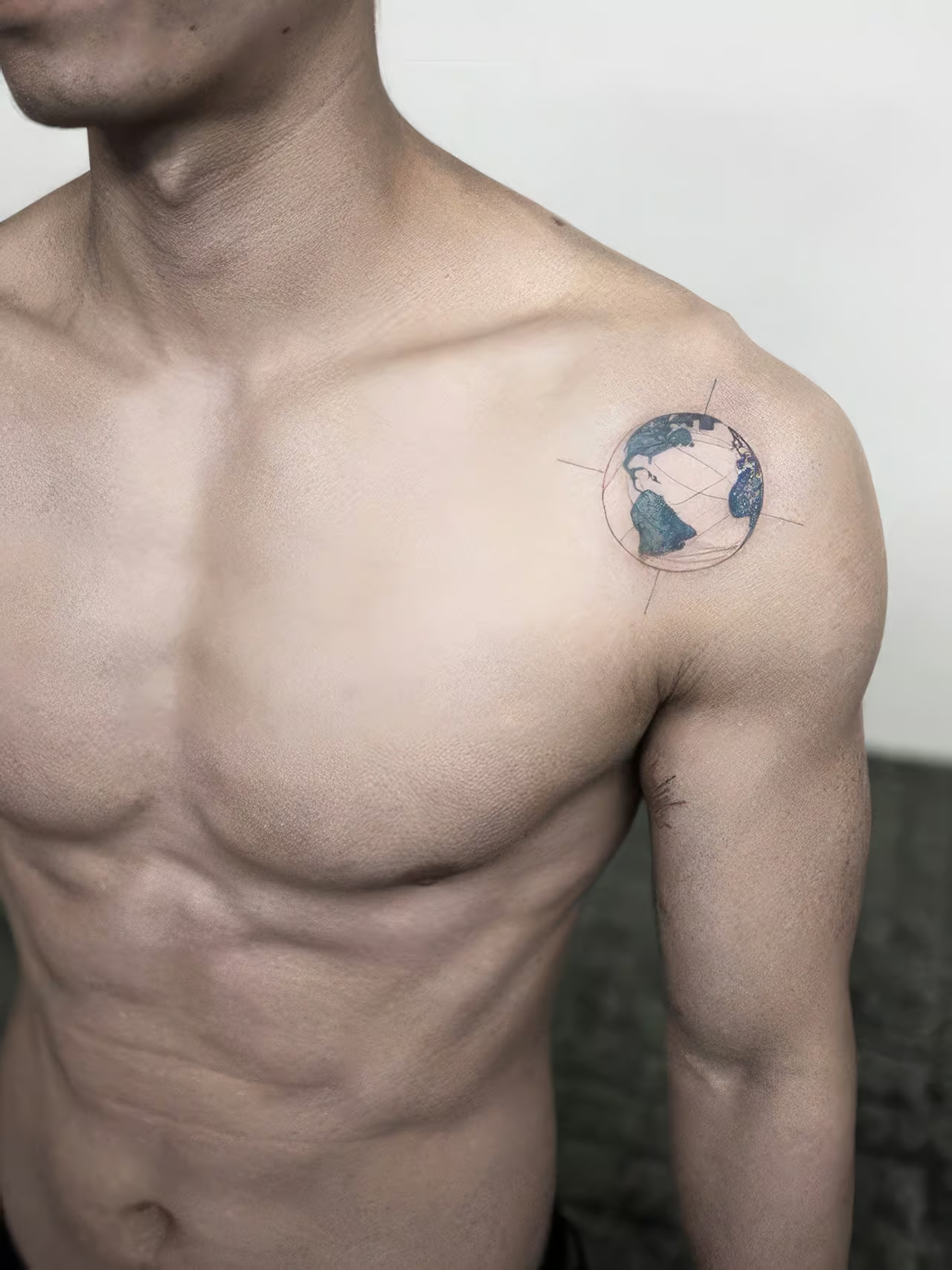
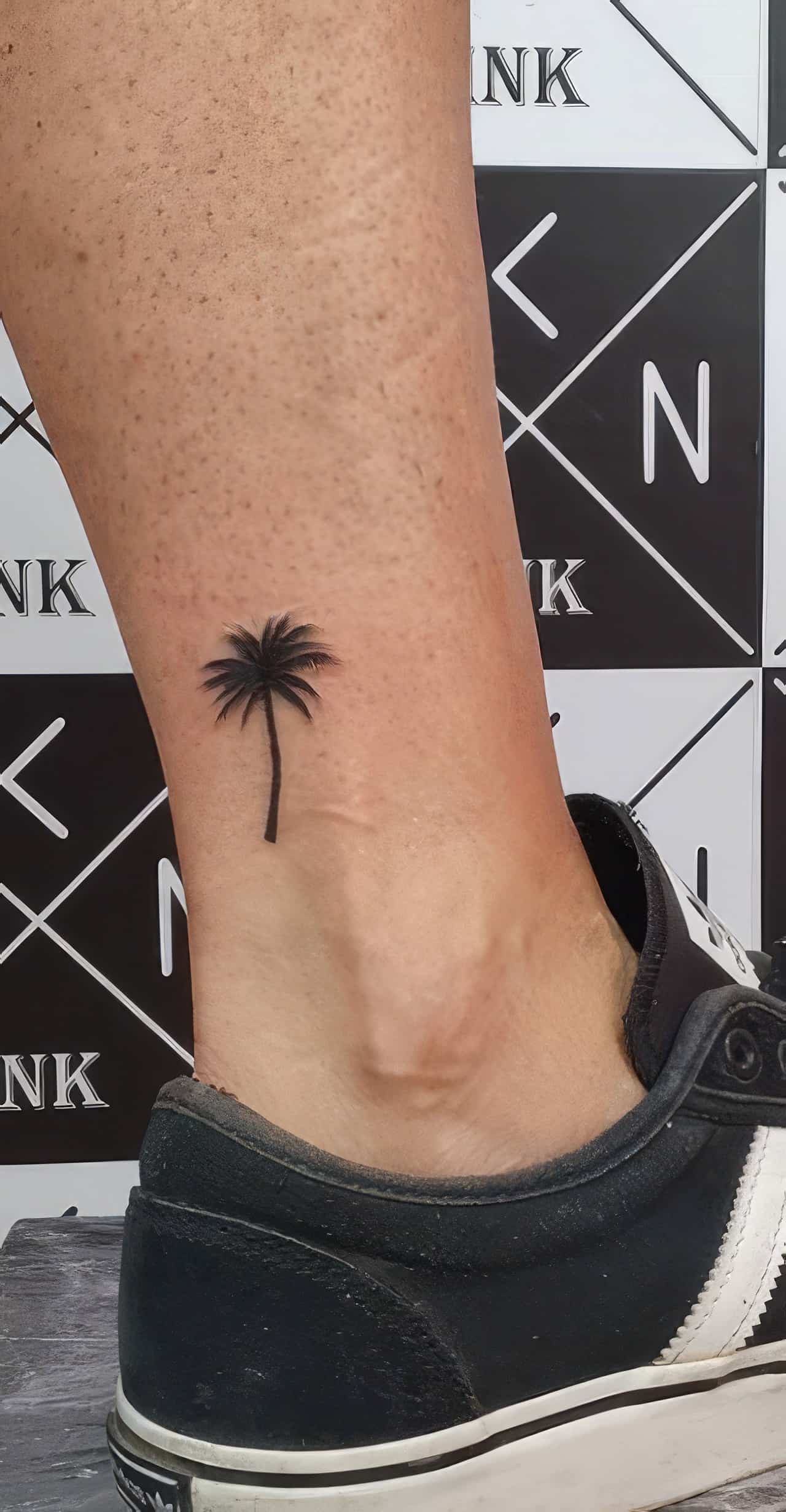
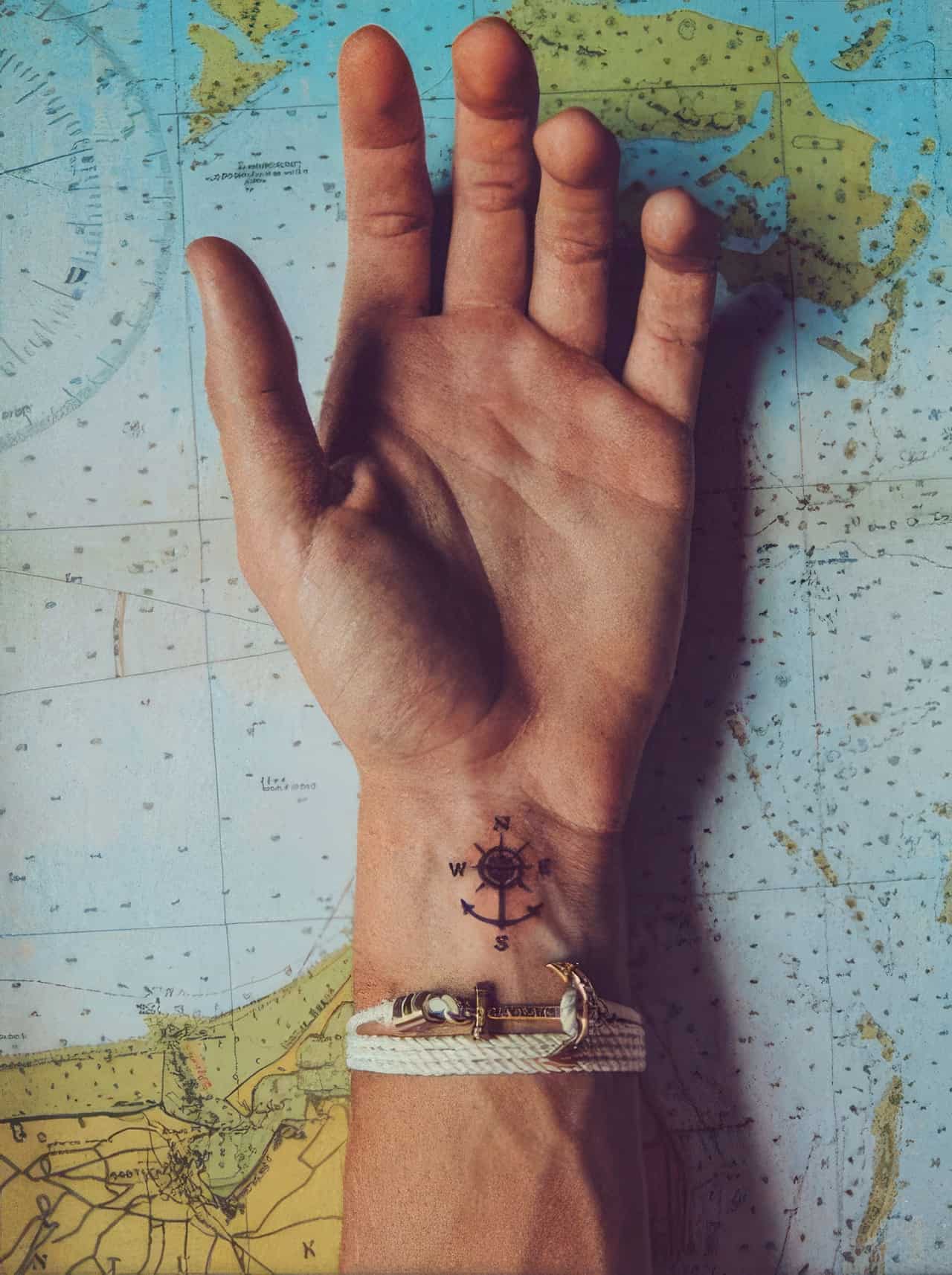
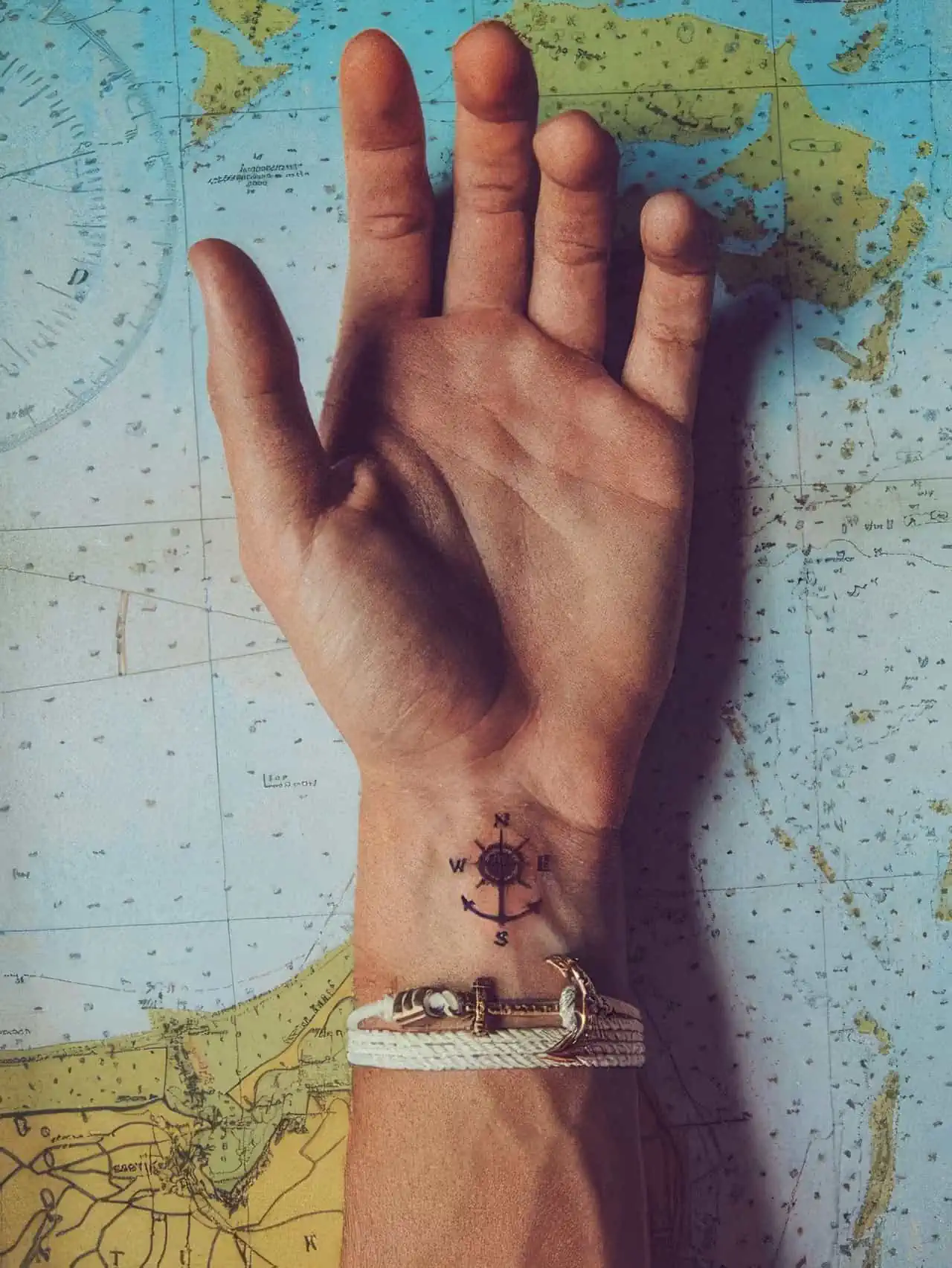
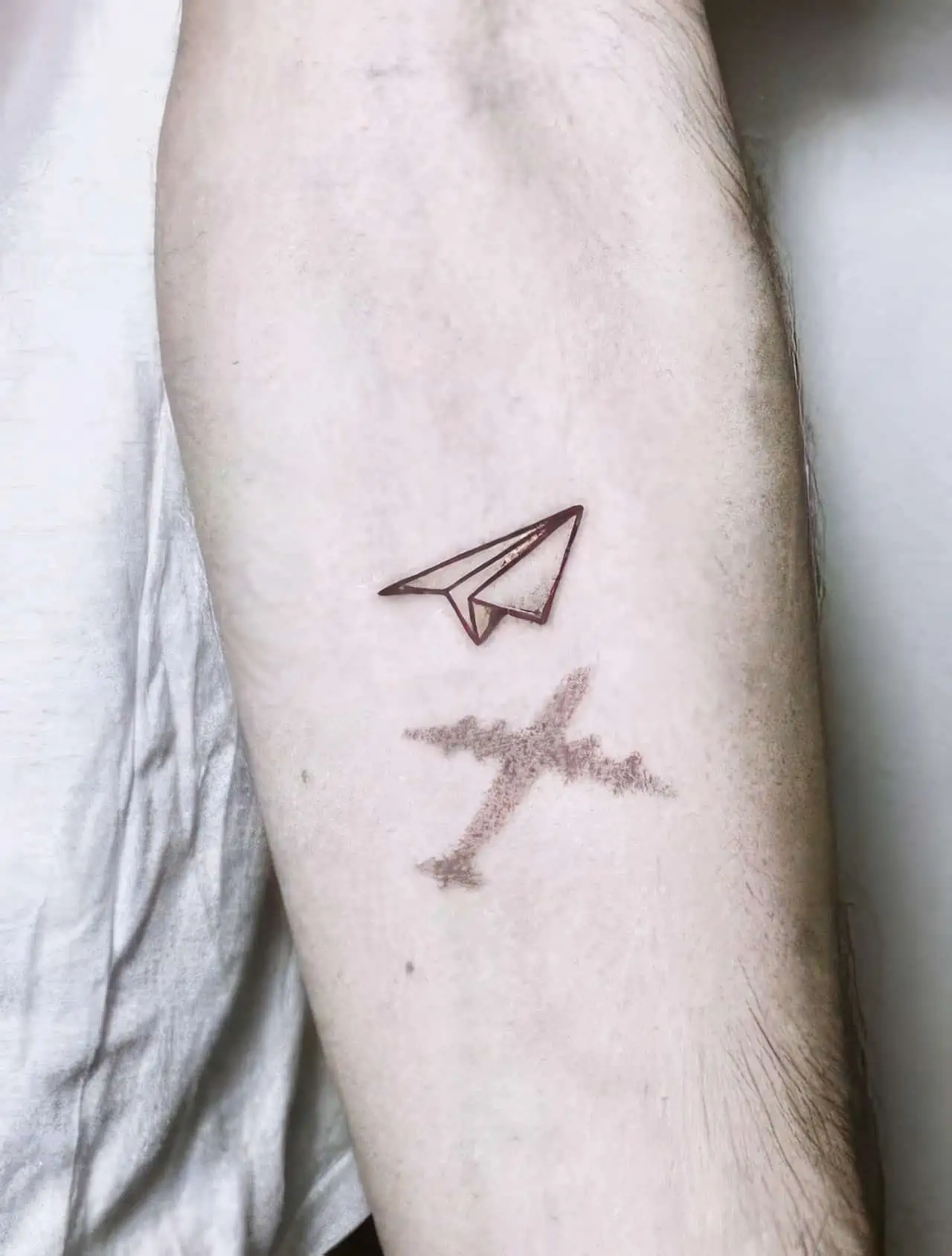
The drive for personal storytelling naturally aligns with wanderlust. Travel experiences sit cleanly on the skin as minimalist pine trees, ocean waves, airplanes, or tiny globes. Whether you get inked at a hometown studio or walk into a famous tourist staple like Koolsville tattoo in Las Vegas, travel tattoos serve as permanent stamps in your physical passport.
A great design is only half the battle. If you put standard ink on the wrong part of the body, it will not survive the decade.
Strategic body placements and fade rates
Mapping the body by fade rate and professional coverability is far more crucial for small tattoos than evaluating your pain tolerance. The physical discomfort of a minimalist tattoo is over before the adrenaline even wears off. Your priority should be longevity.
High-fade wear zones and tattoo pigments
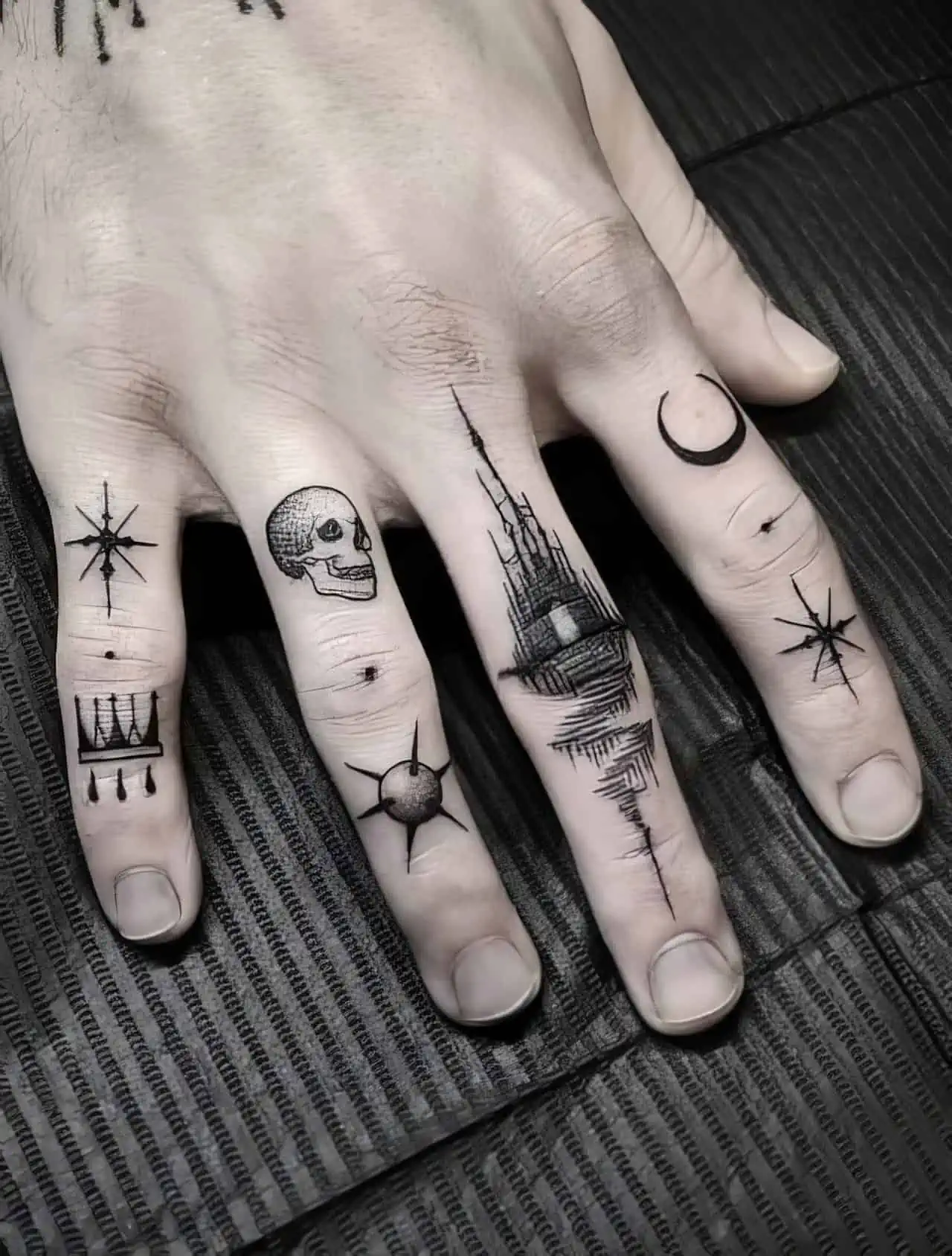
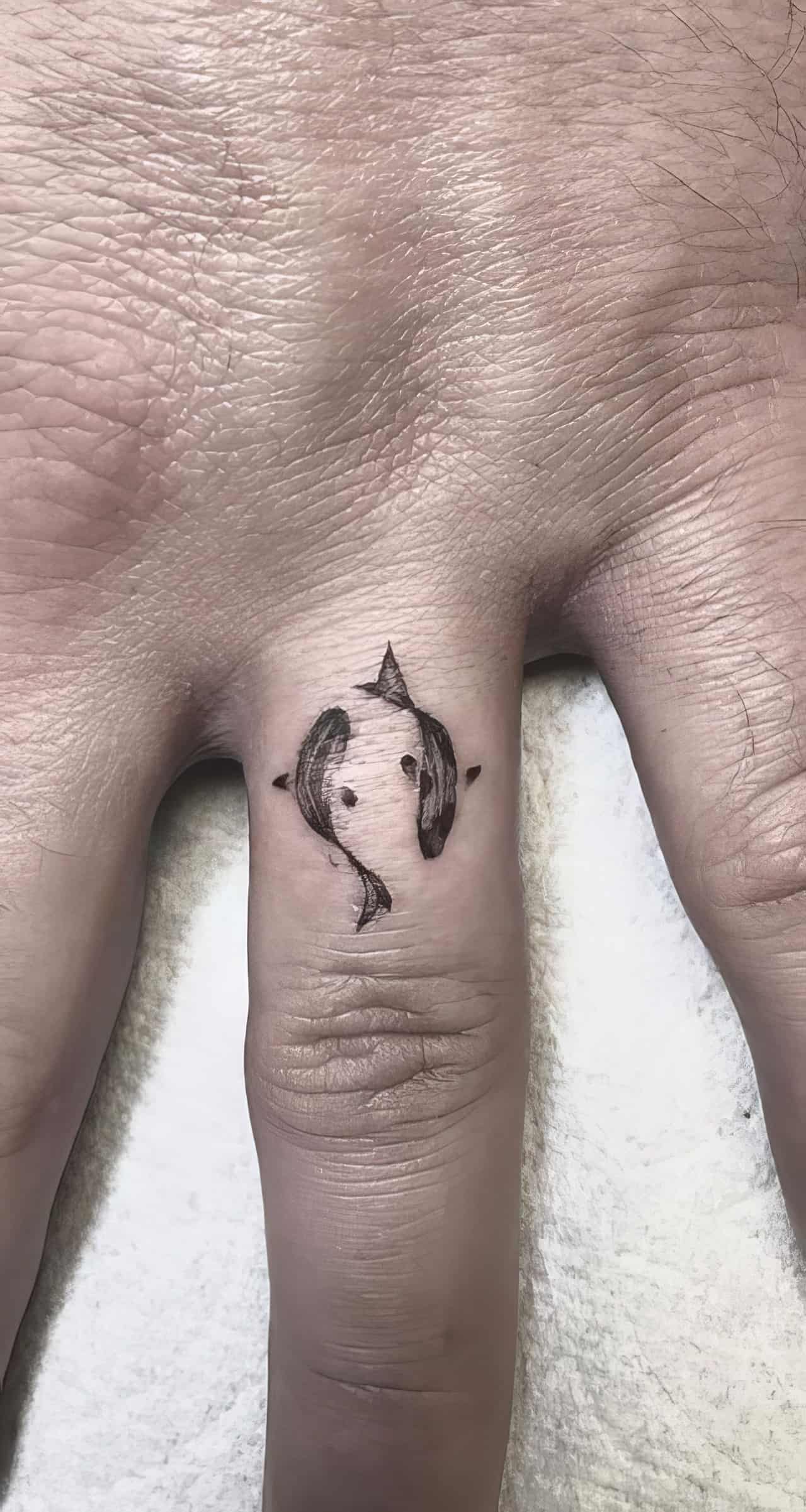
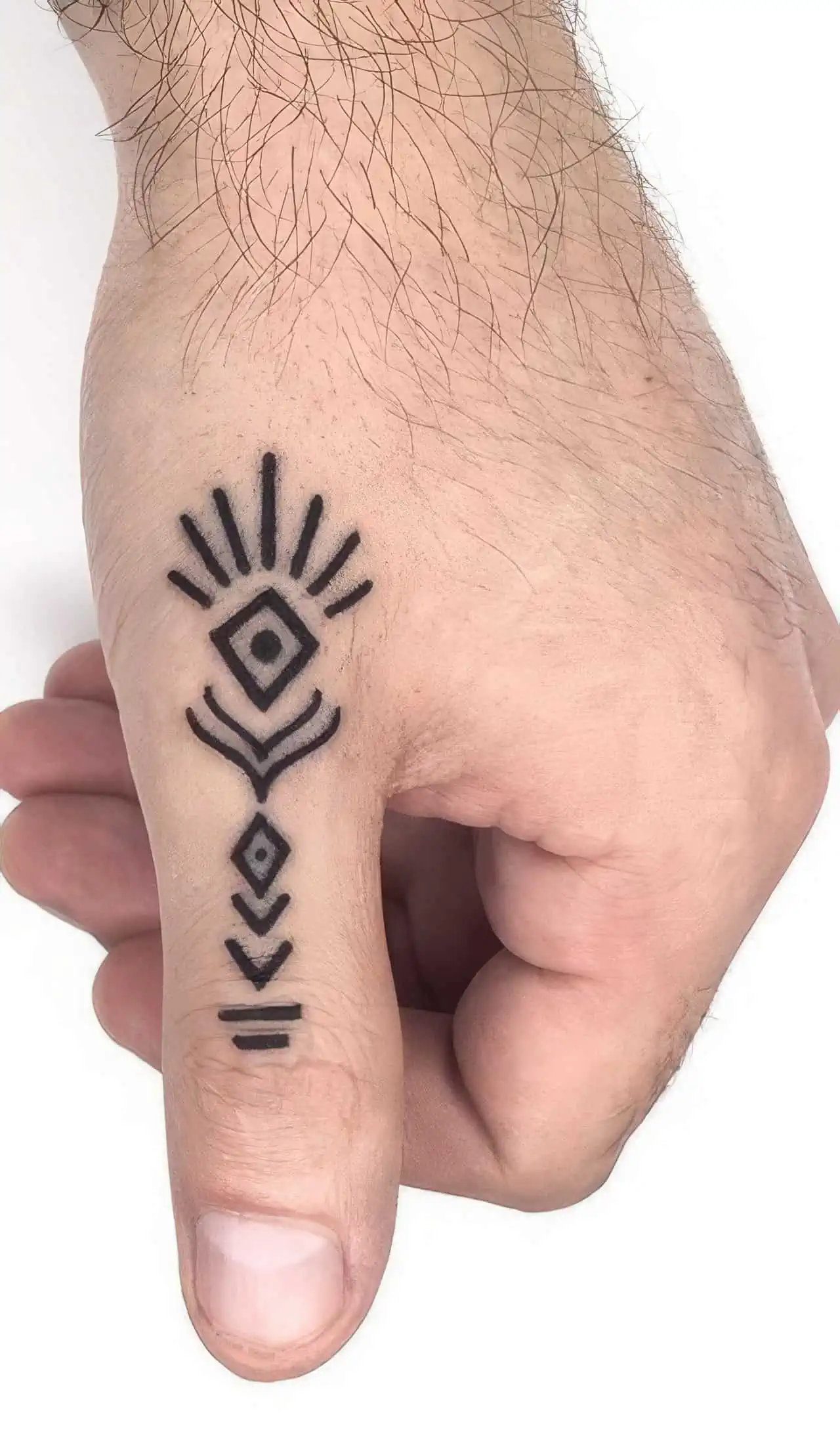
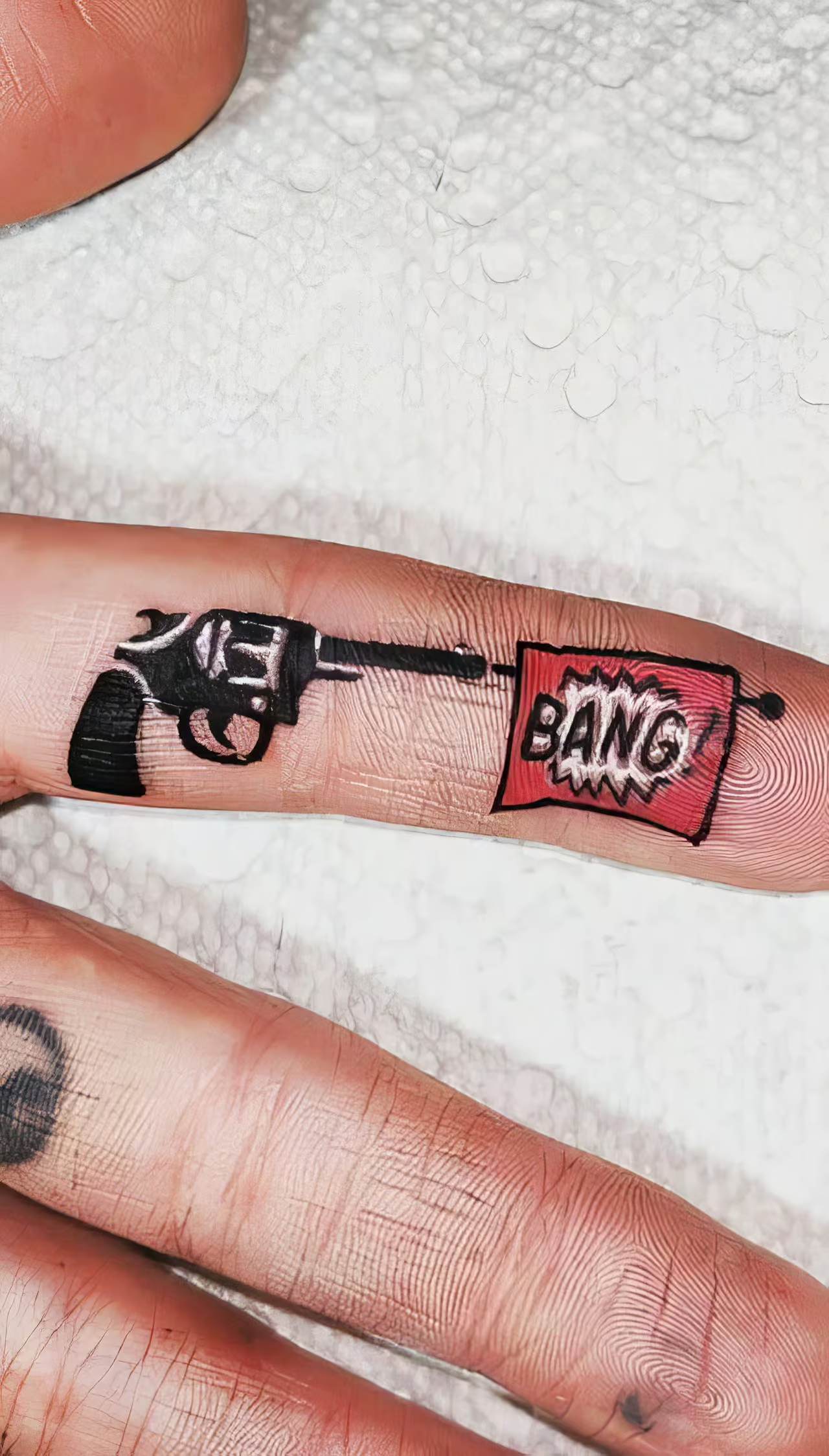
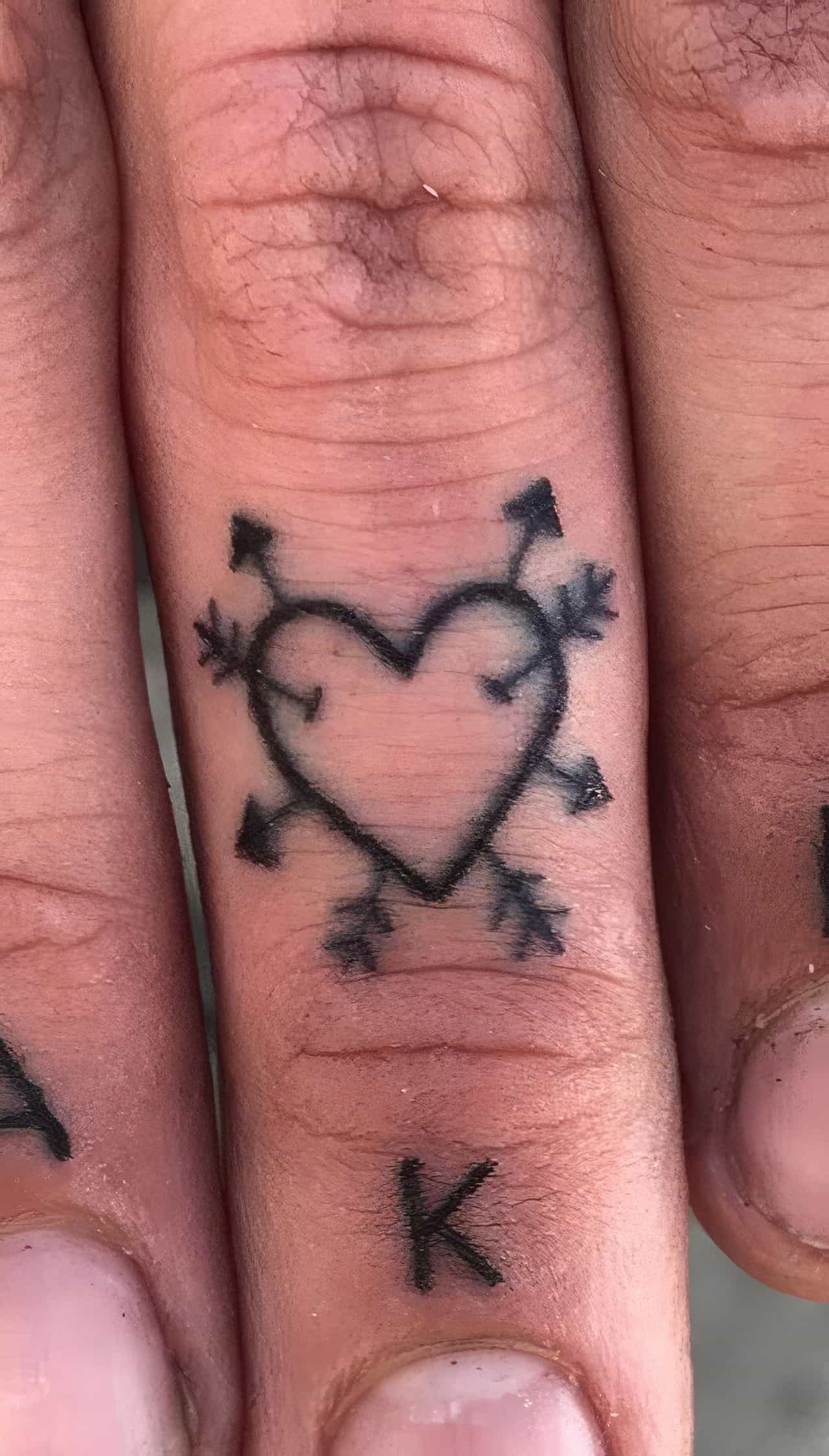
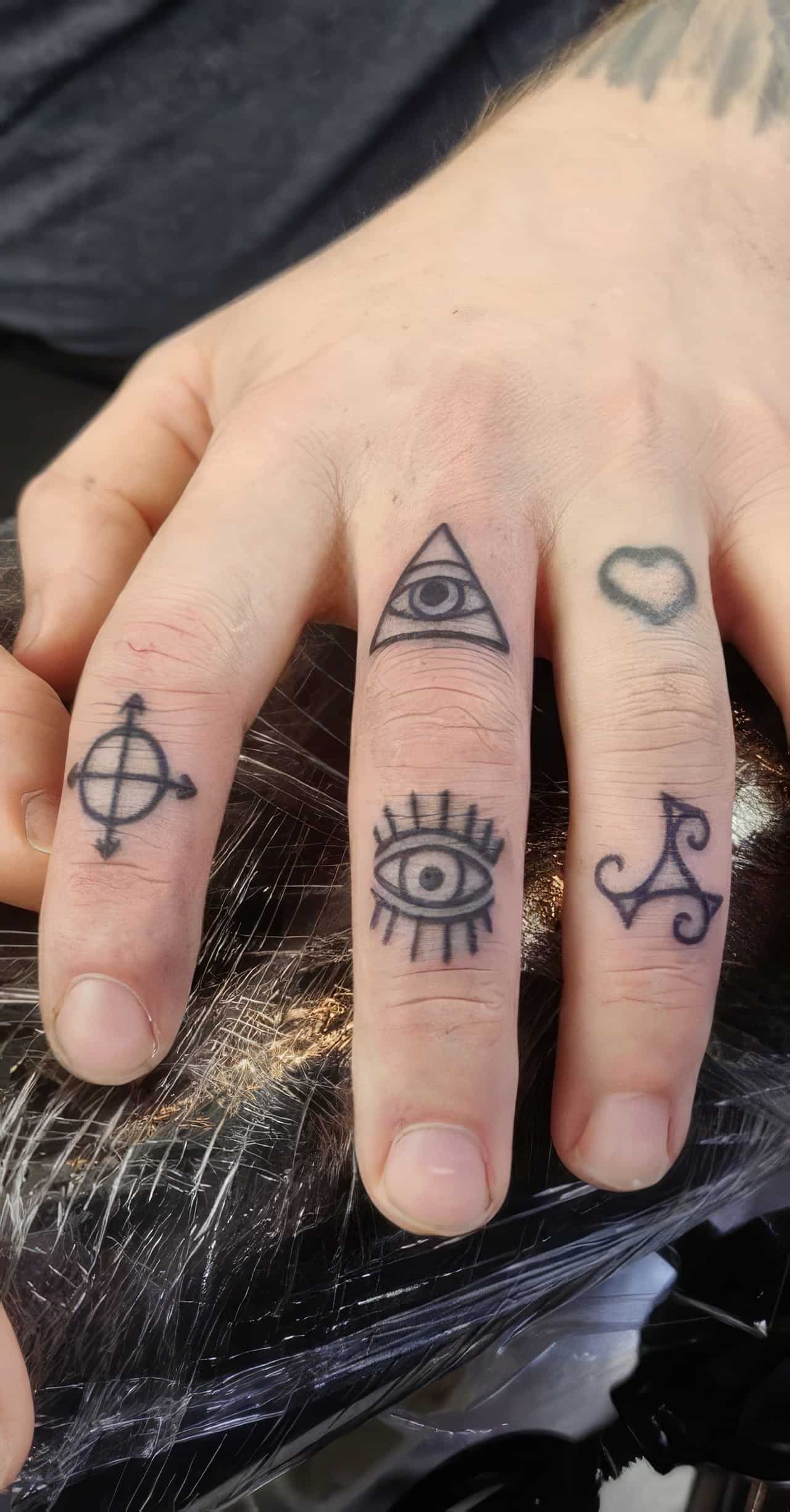
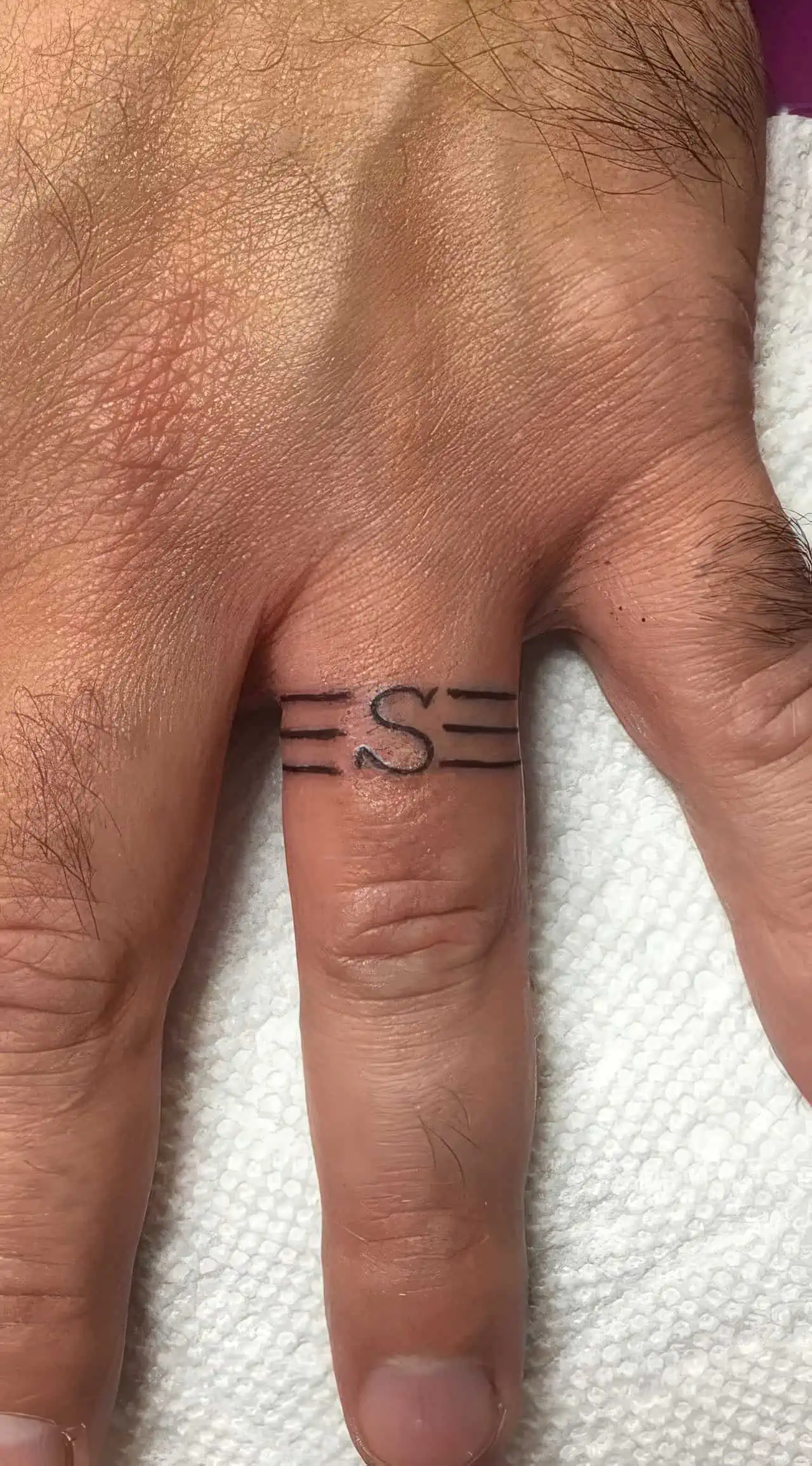
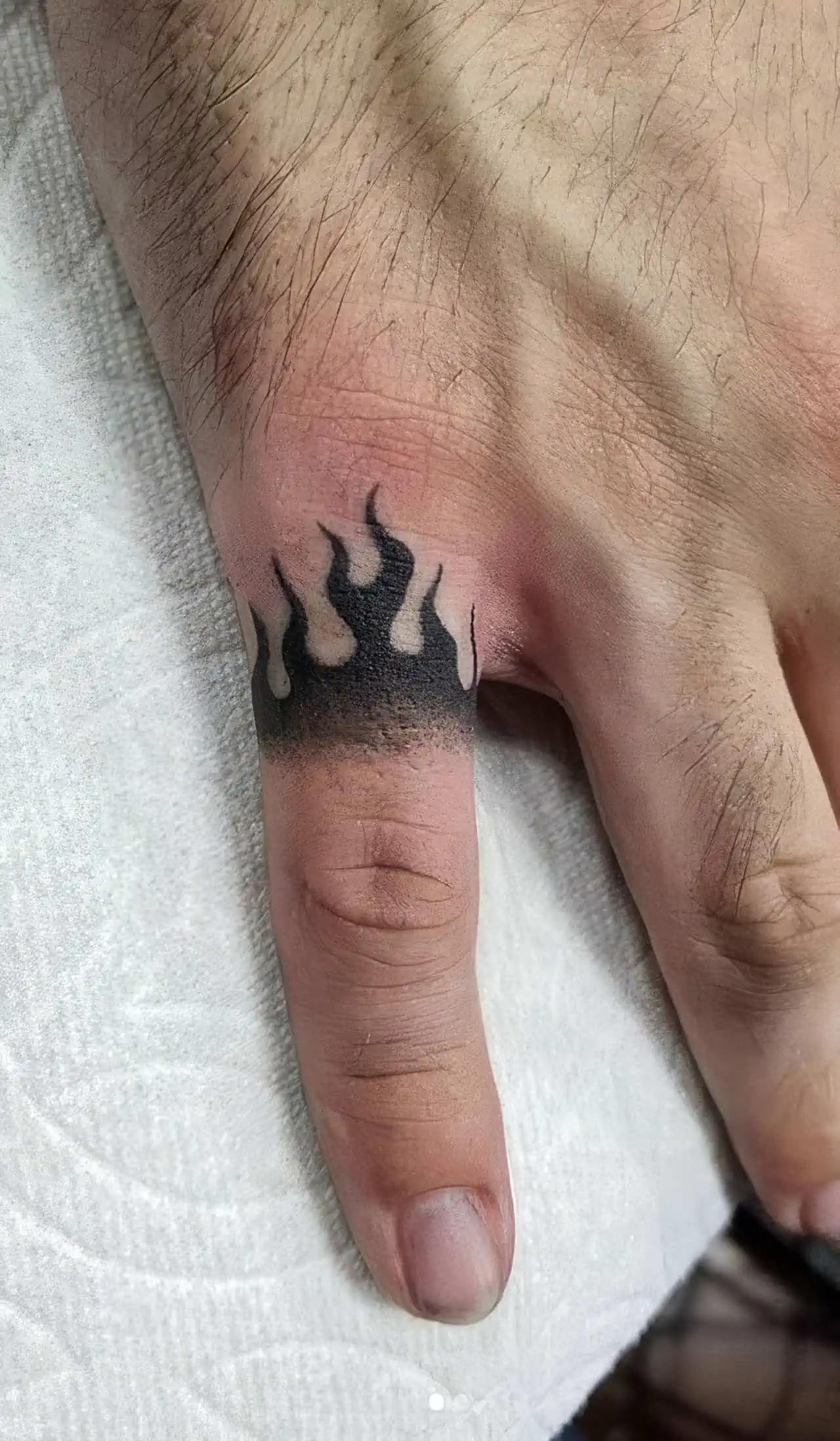
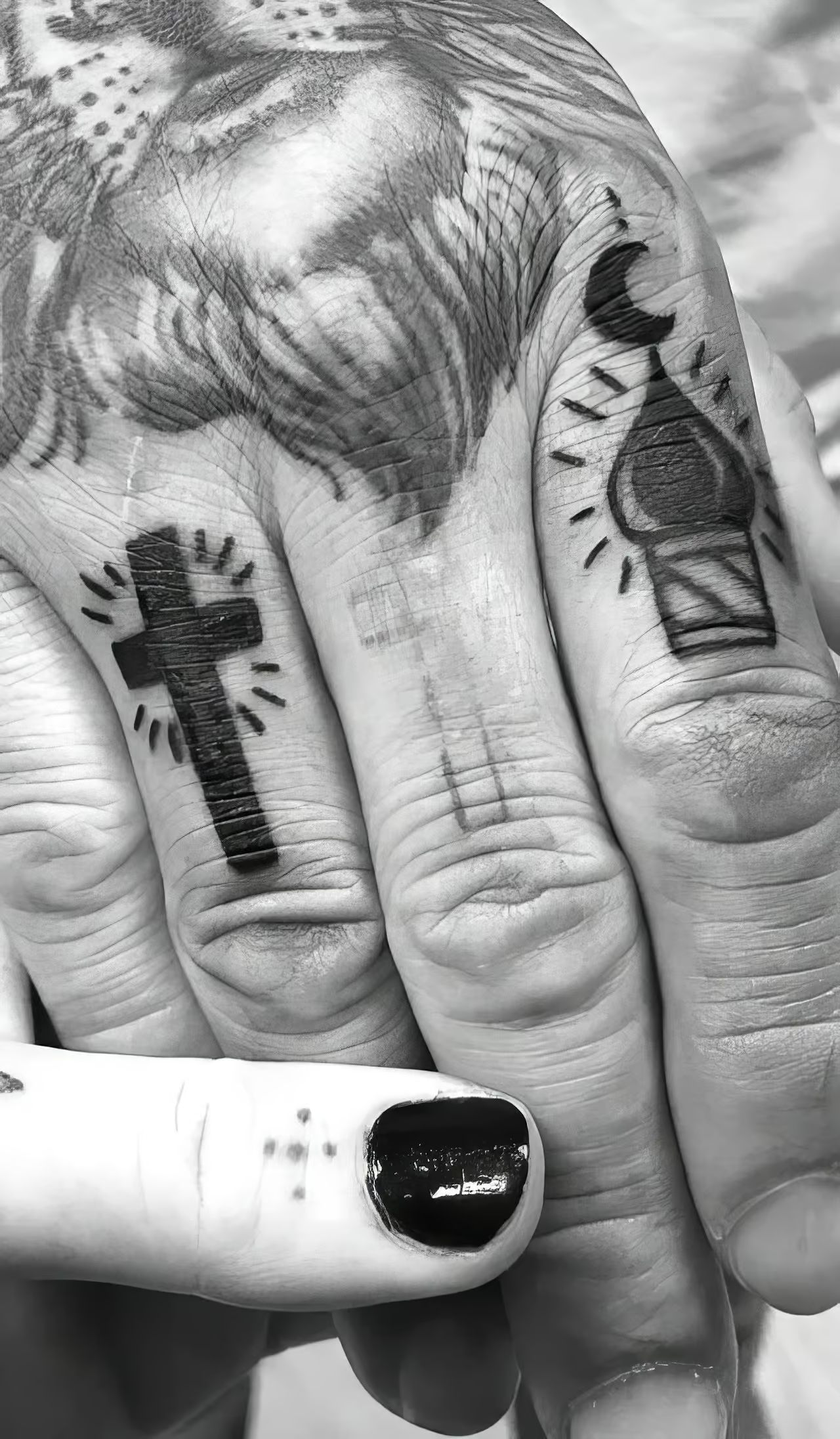
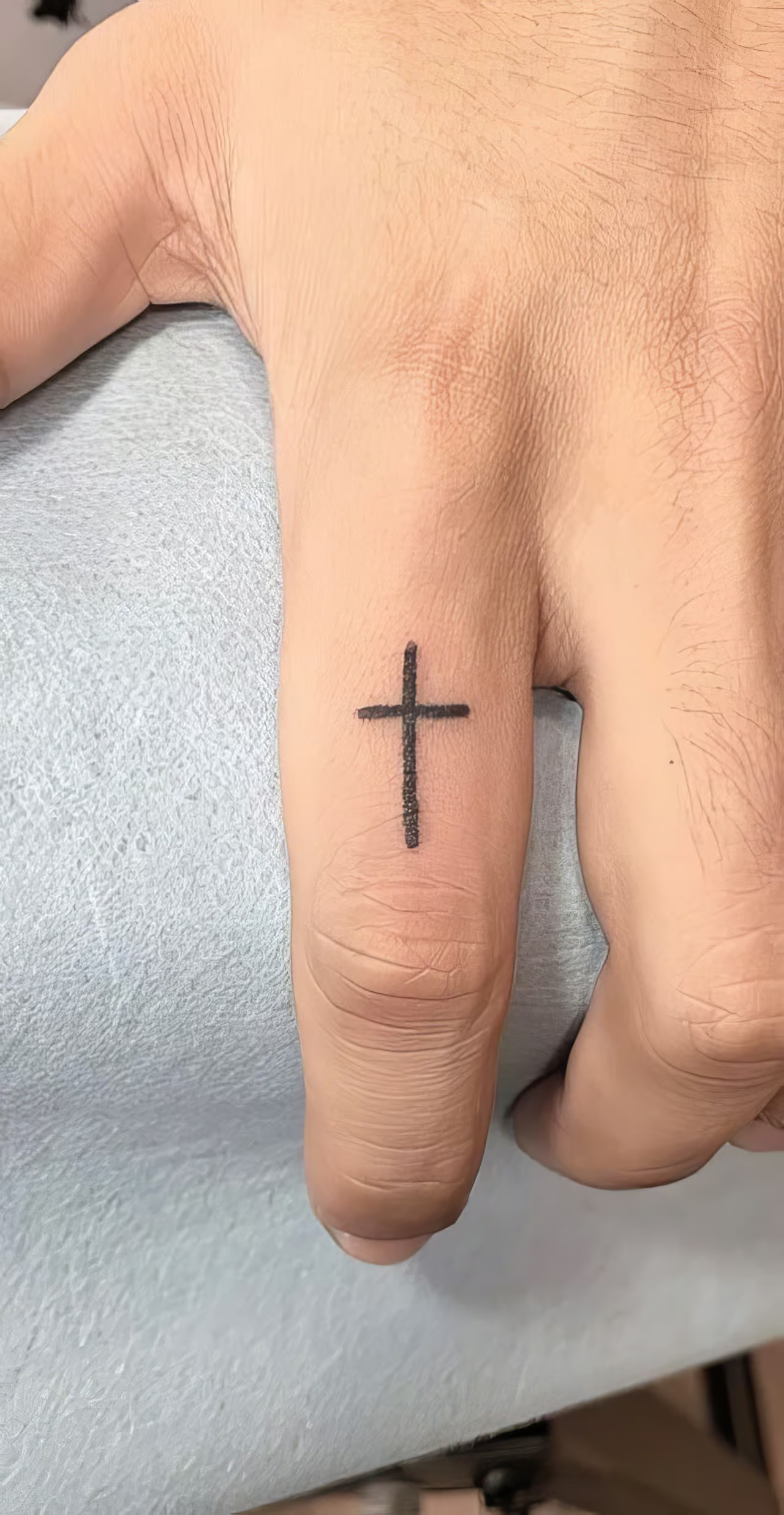
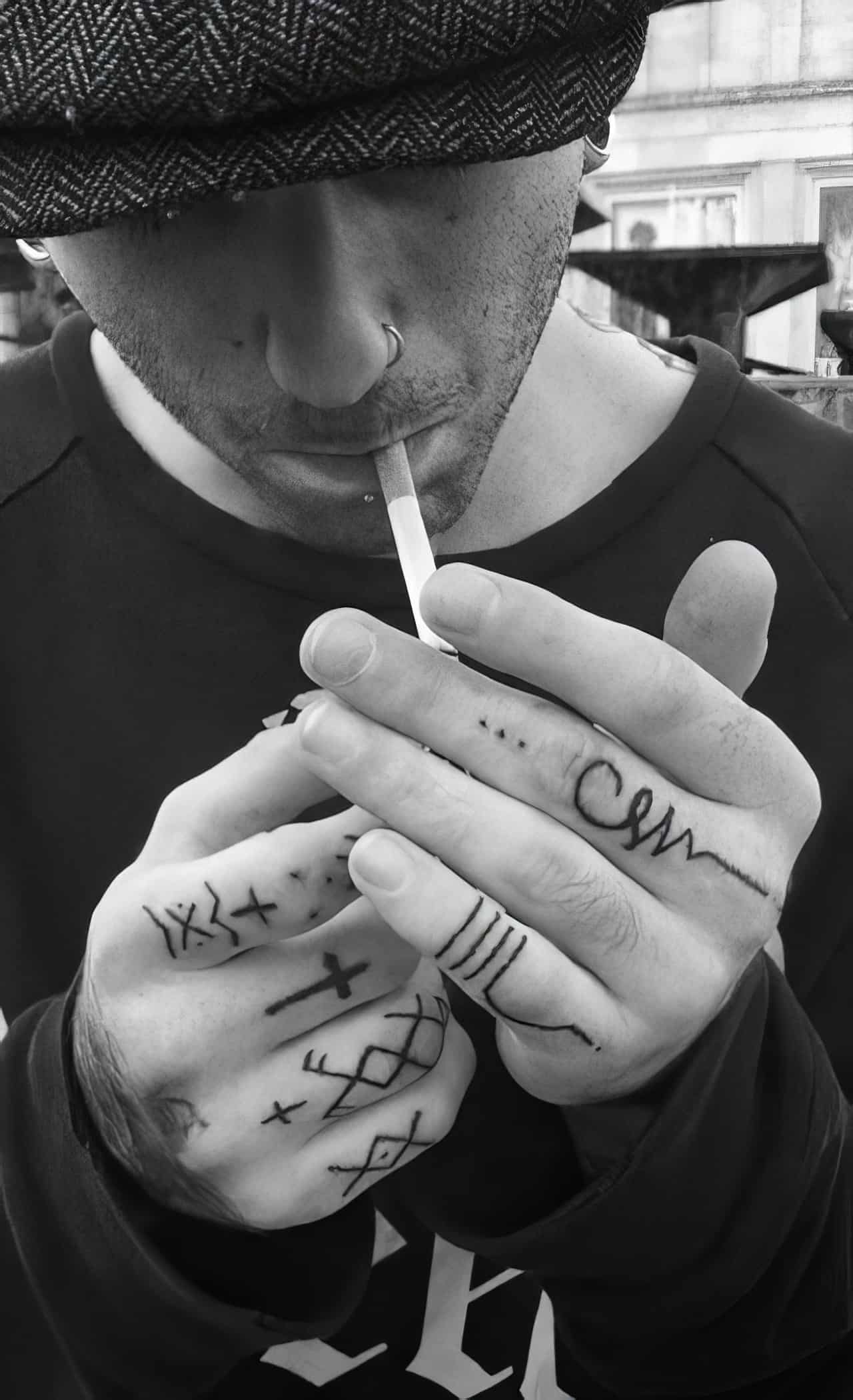
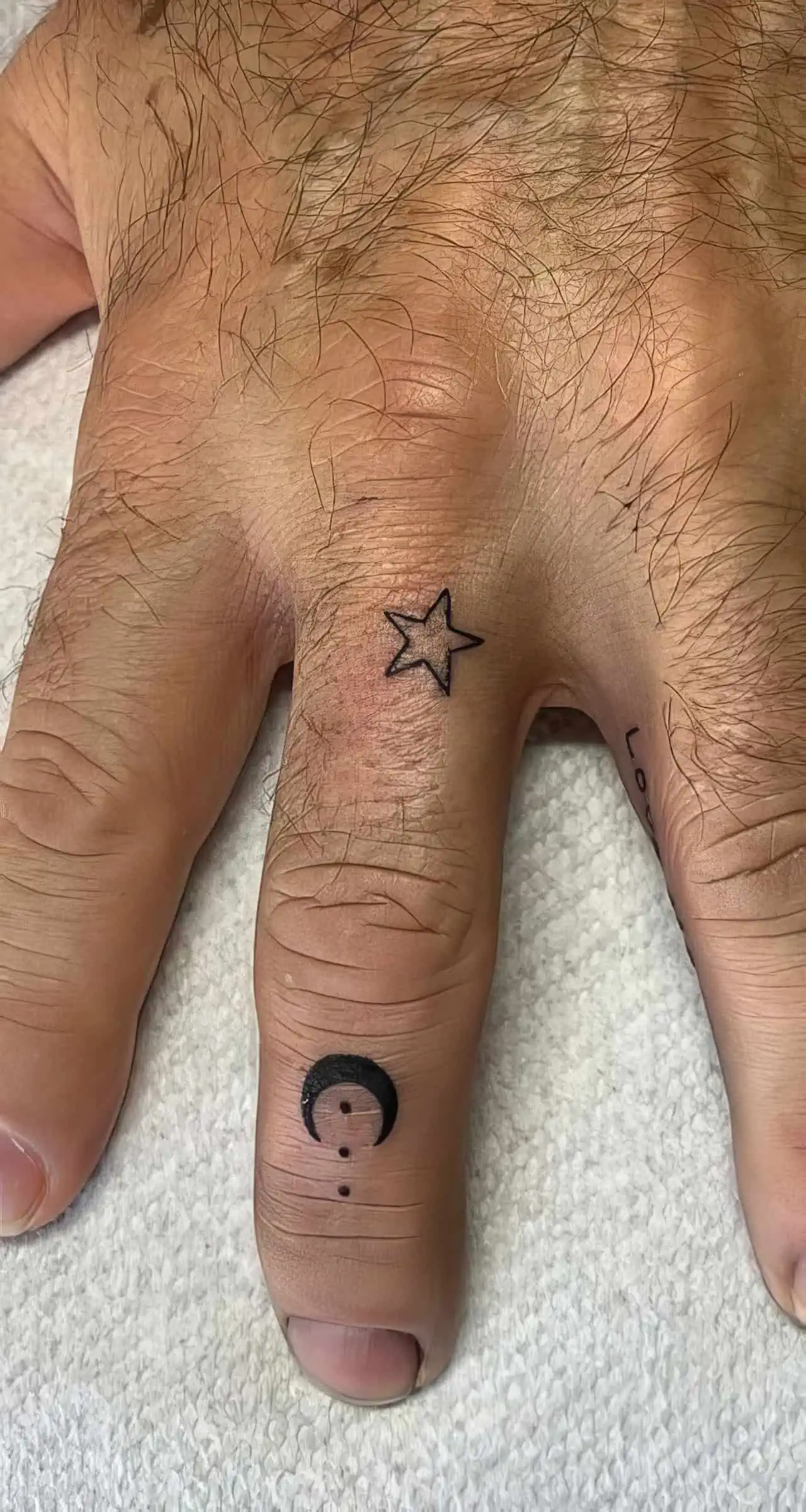
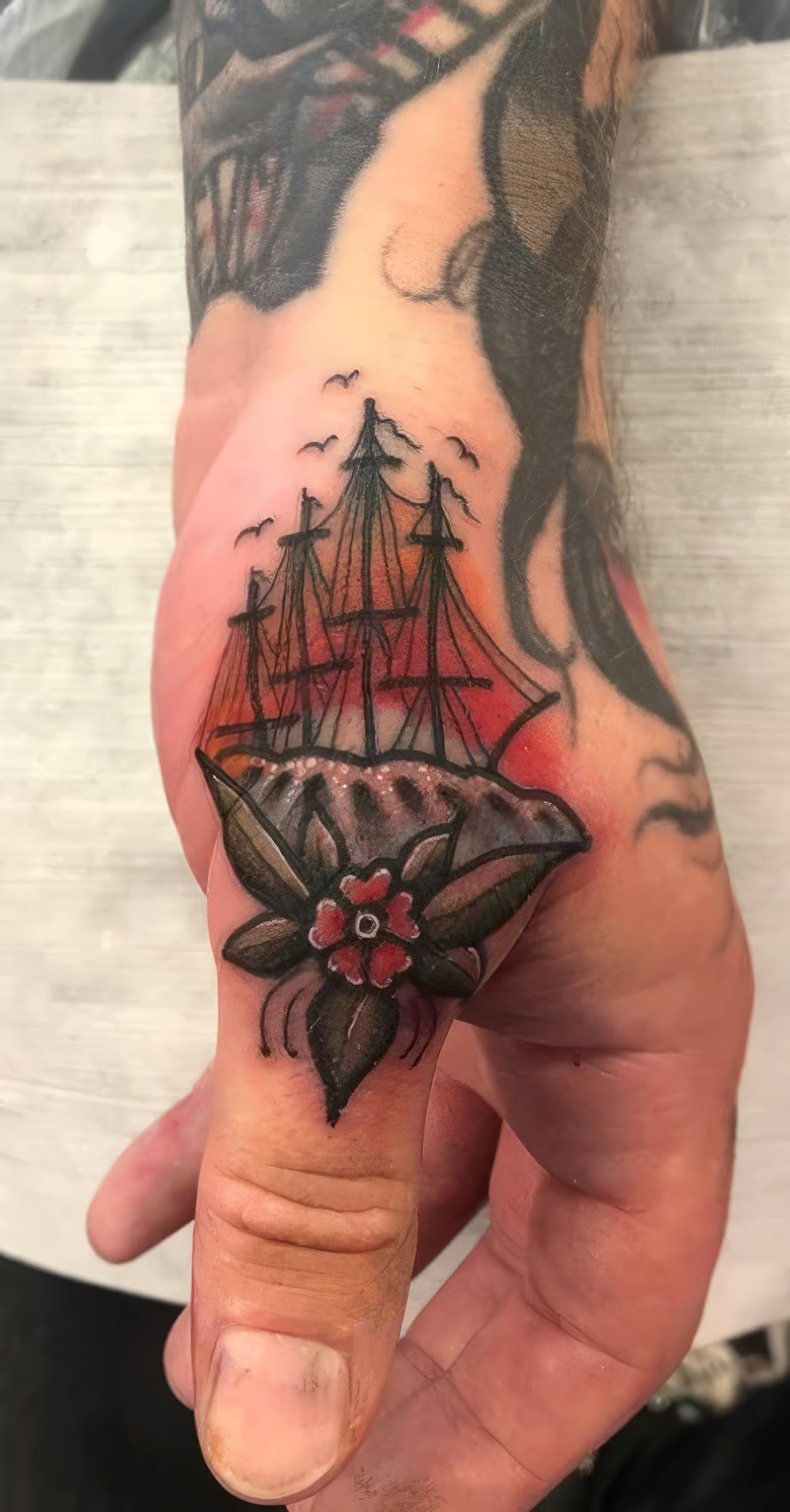
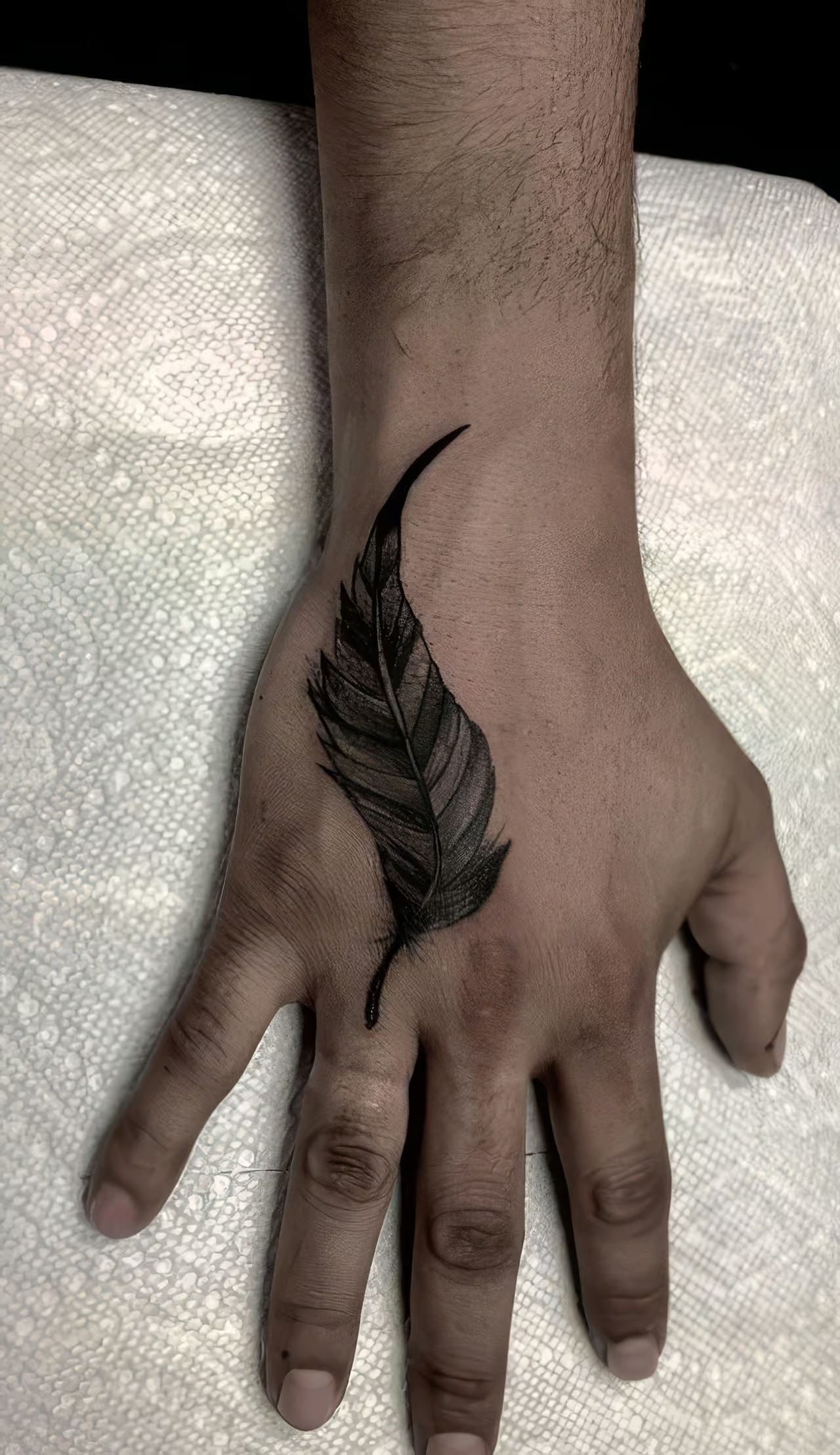
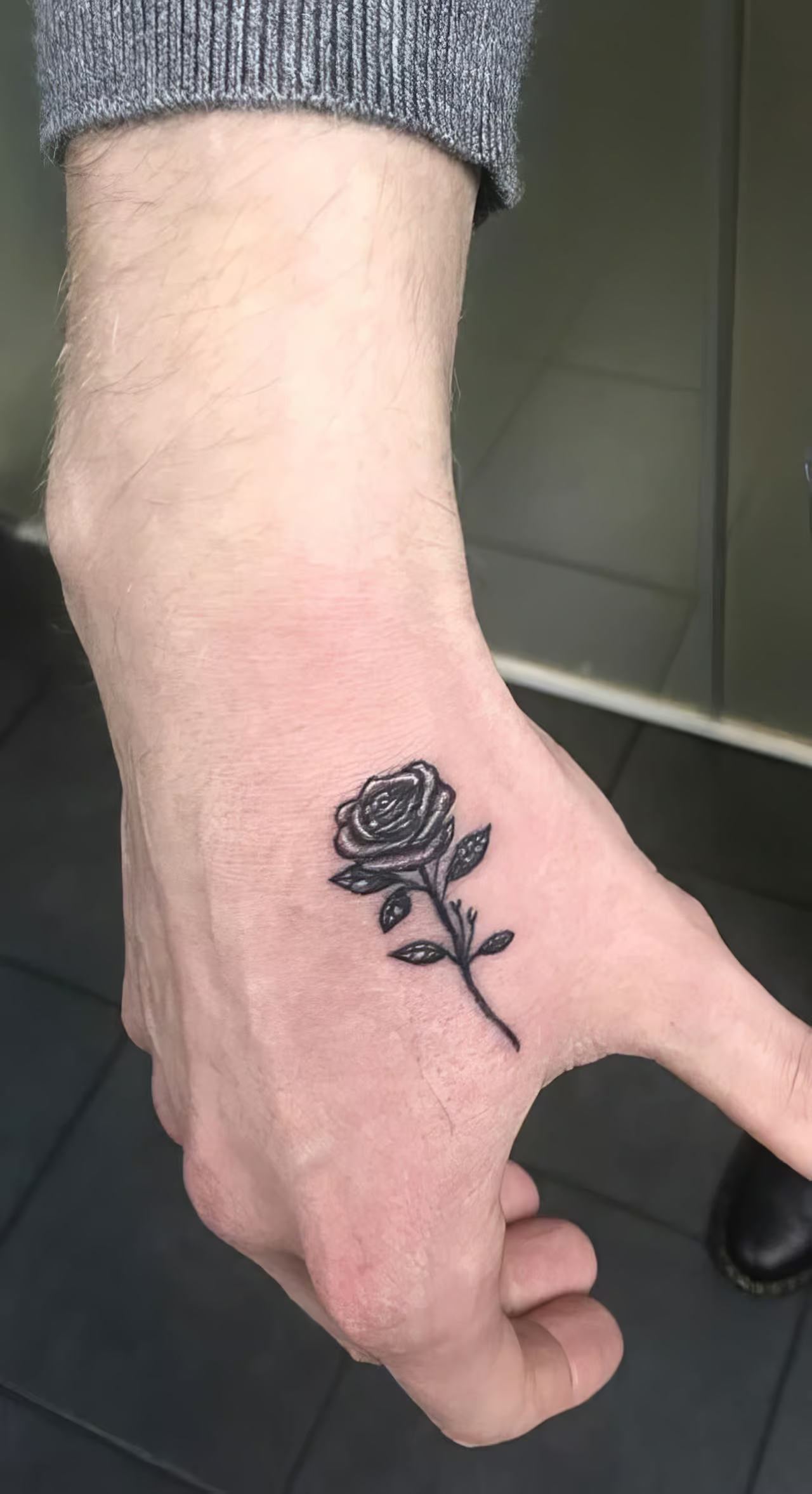
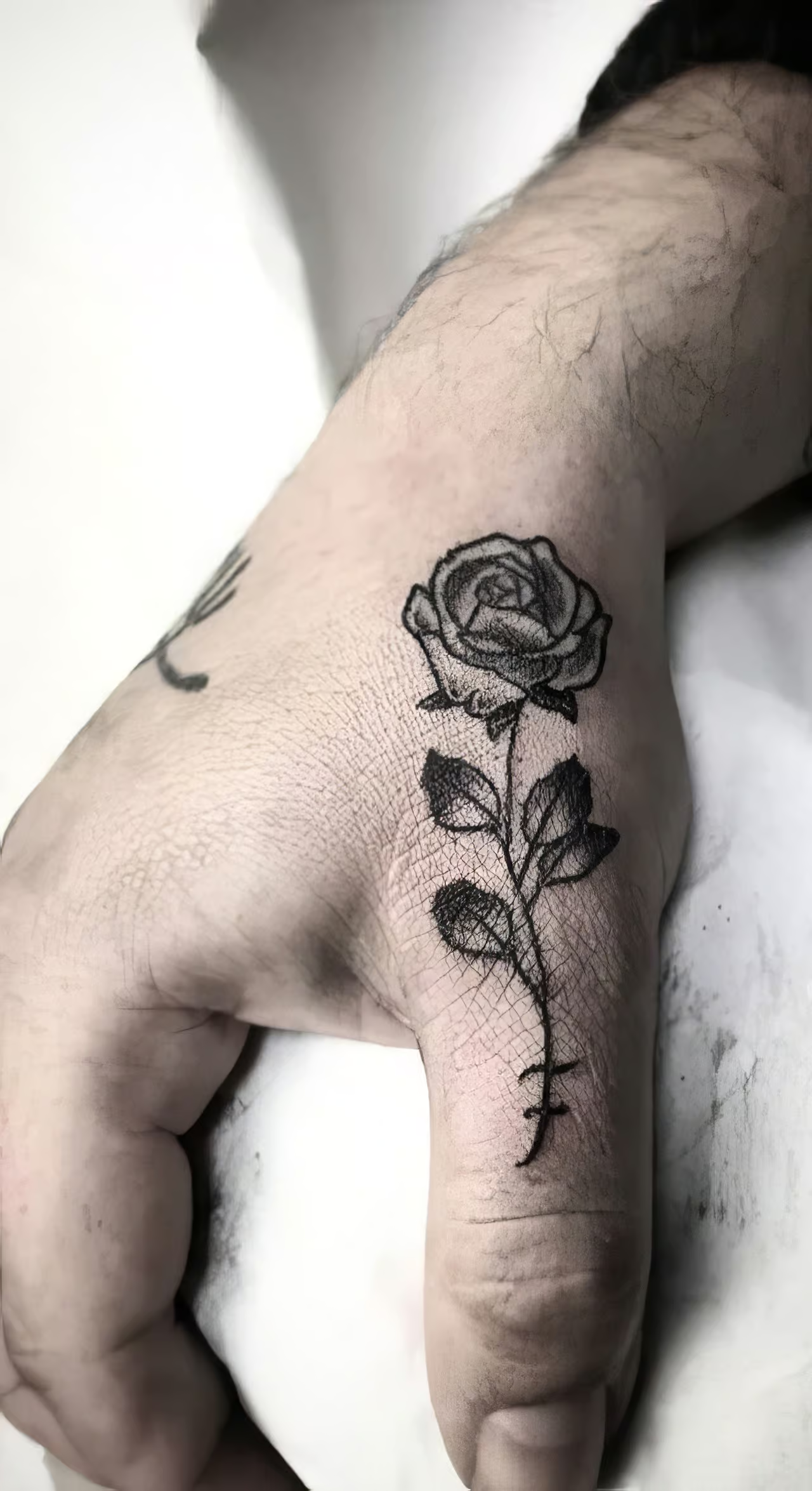
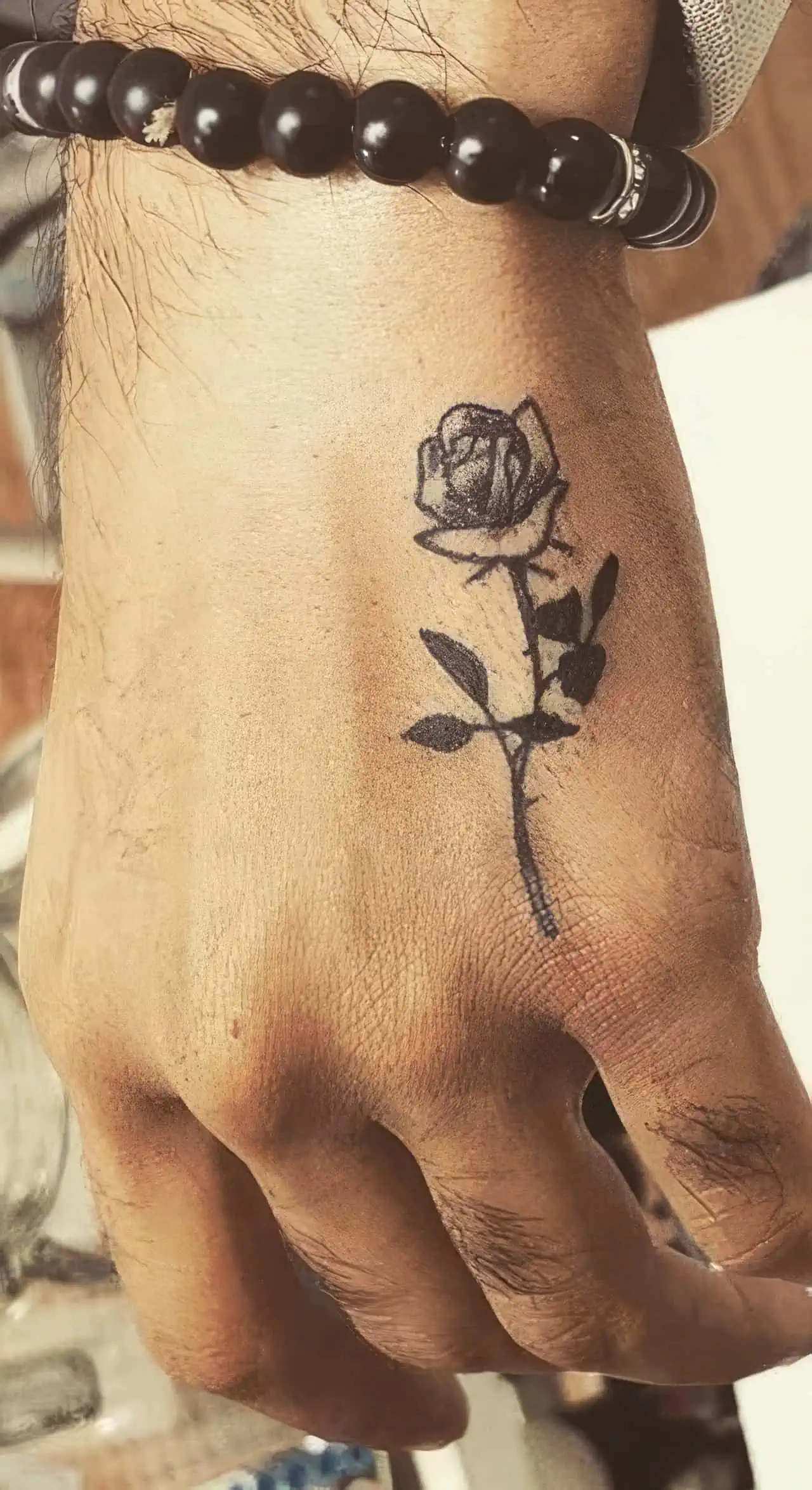
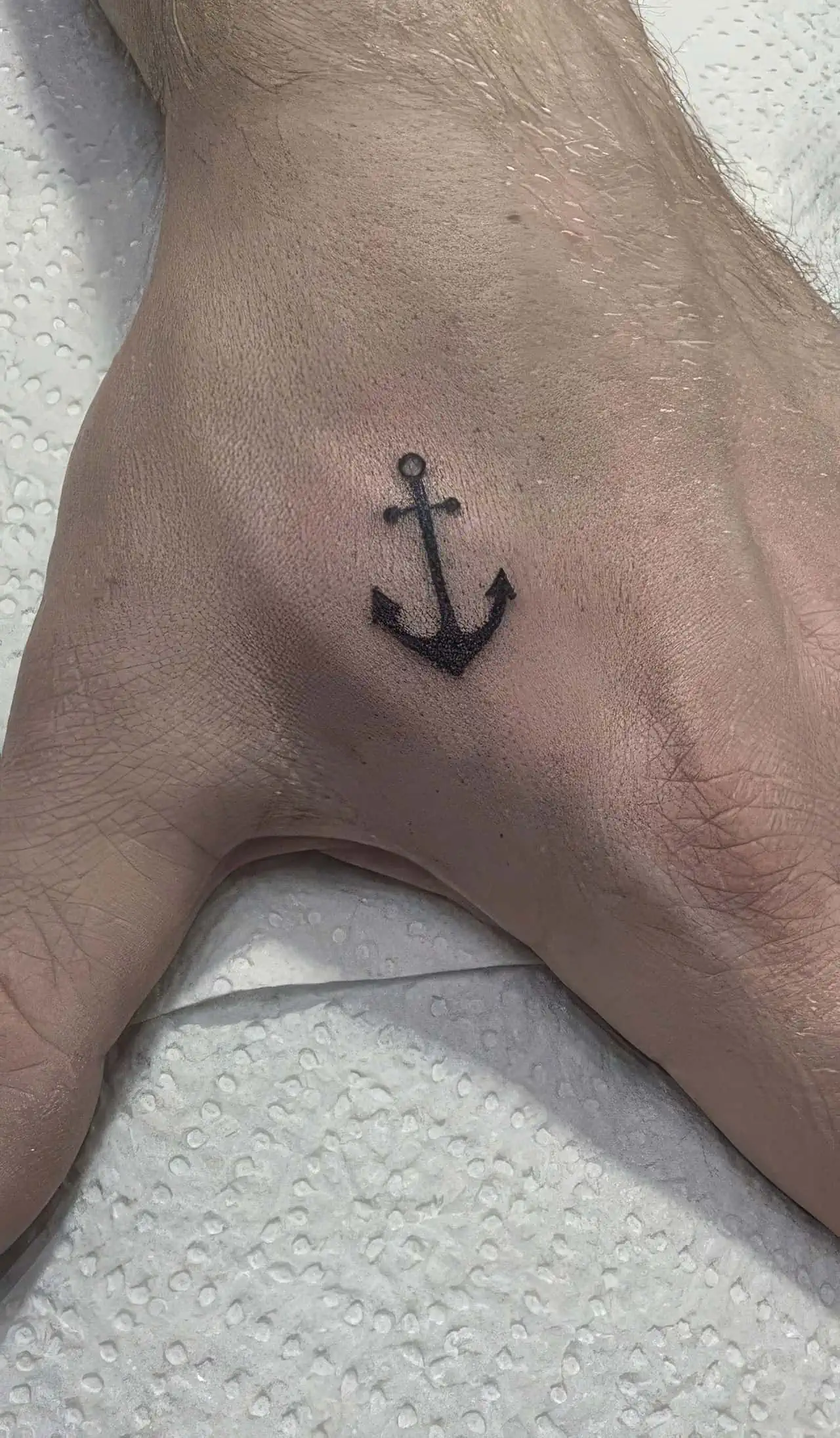
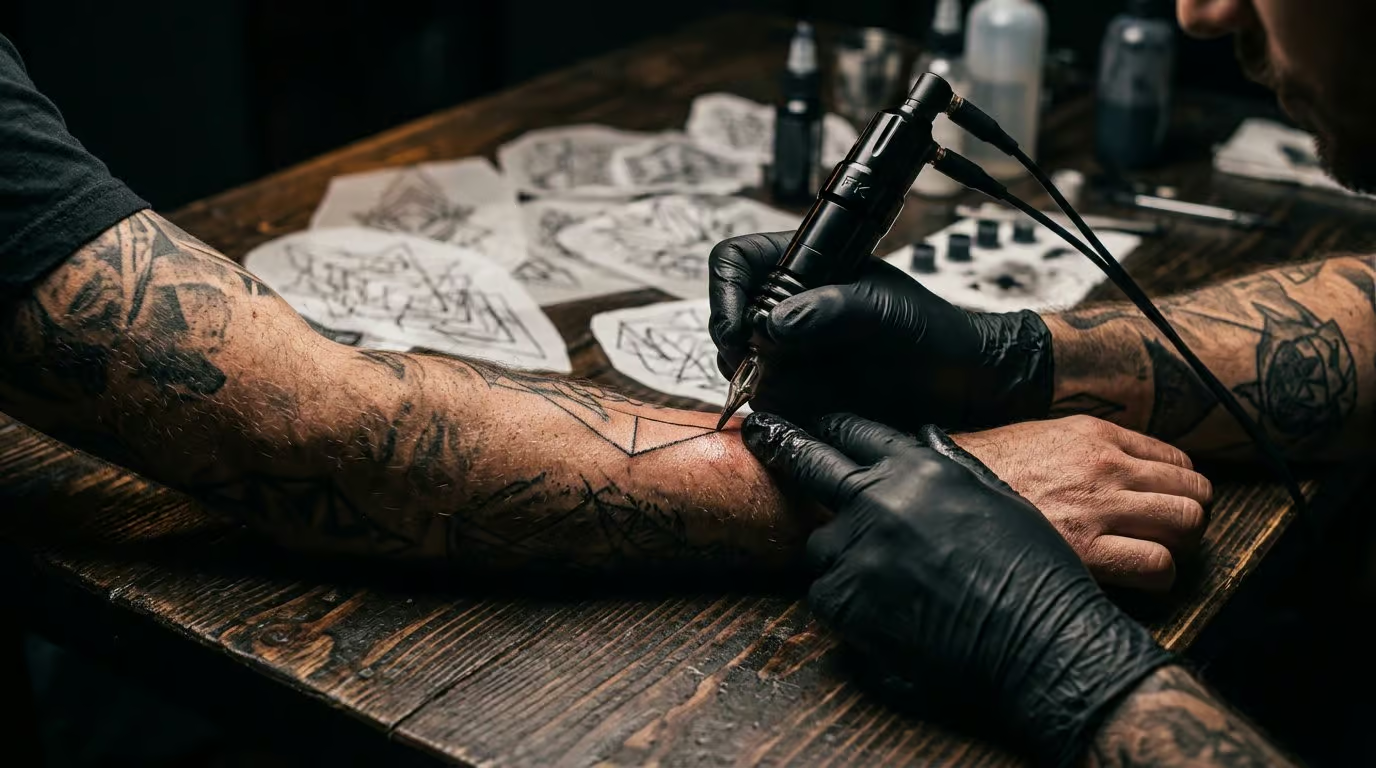
Skin is a harsh environment for ink. The biological reality of the hand and fingers makes them terrible canvases for longevity. Frequent washing, severe friction, and daily UV rays break down tattoo pigments rapidly. Hand tattoos fade quicker than almost anywhere else, often requiring expensive rework to stay legible.
Longevity and low-visibility canvases
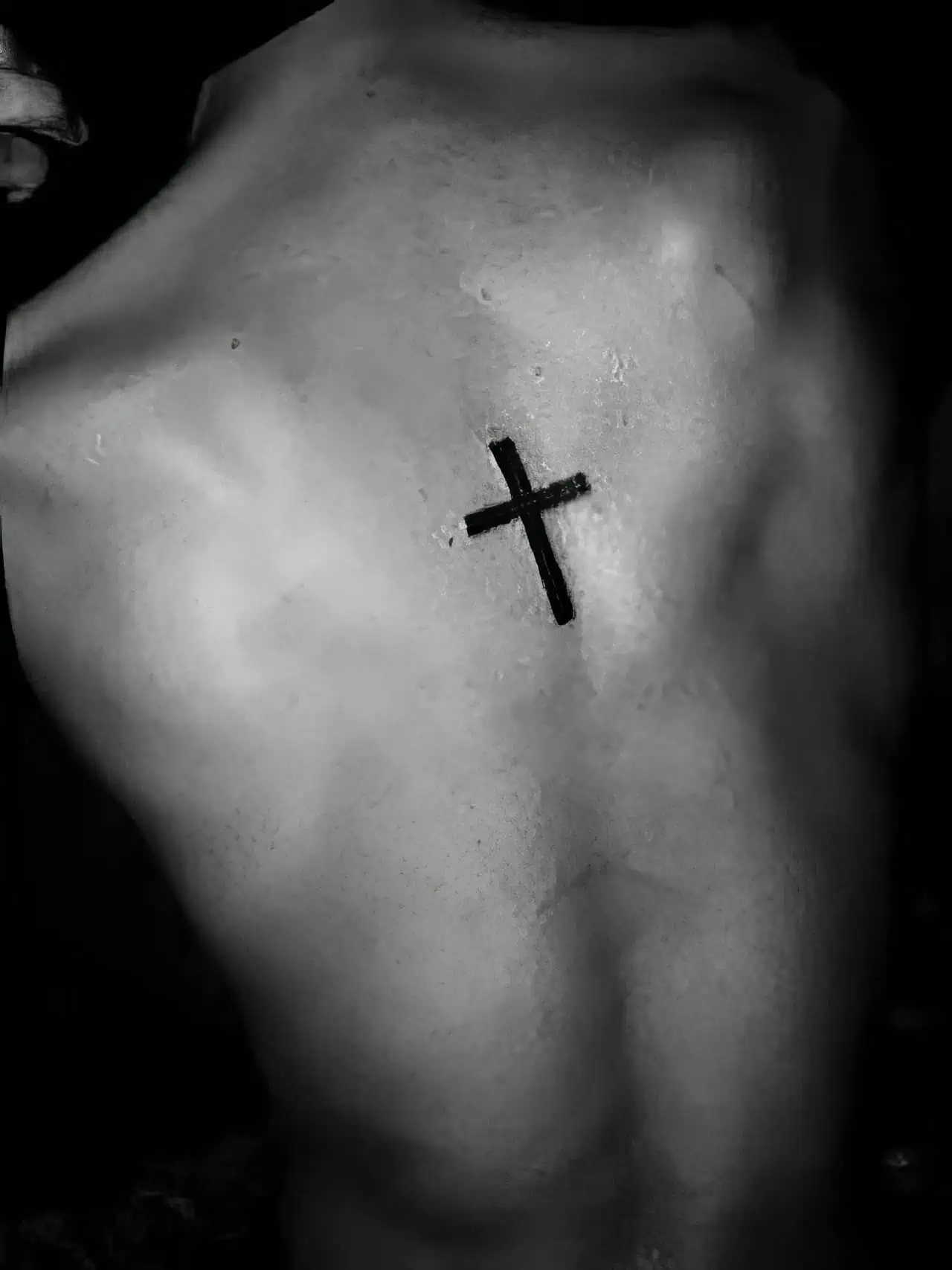
For vibrant, lasting ink, seek out thicker skin. The chest, forearms, and lower back offer stable environments that hold ink securely. Compared to just being easy to hide beneath a shirt, canvases like the chest and back explicitly offer deeper privacy for designs with intimate meaning.
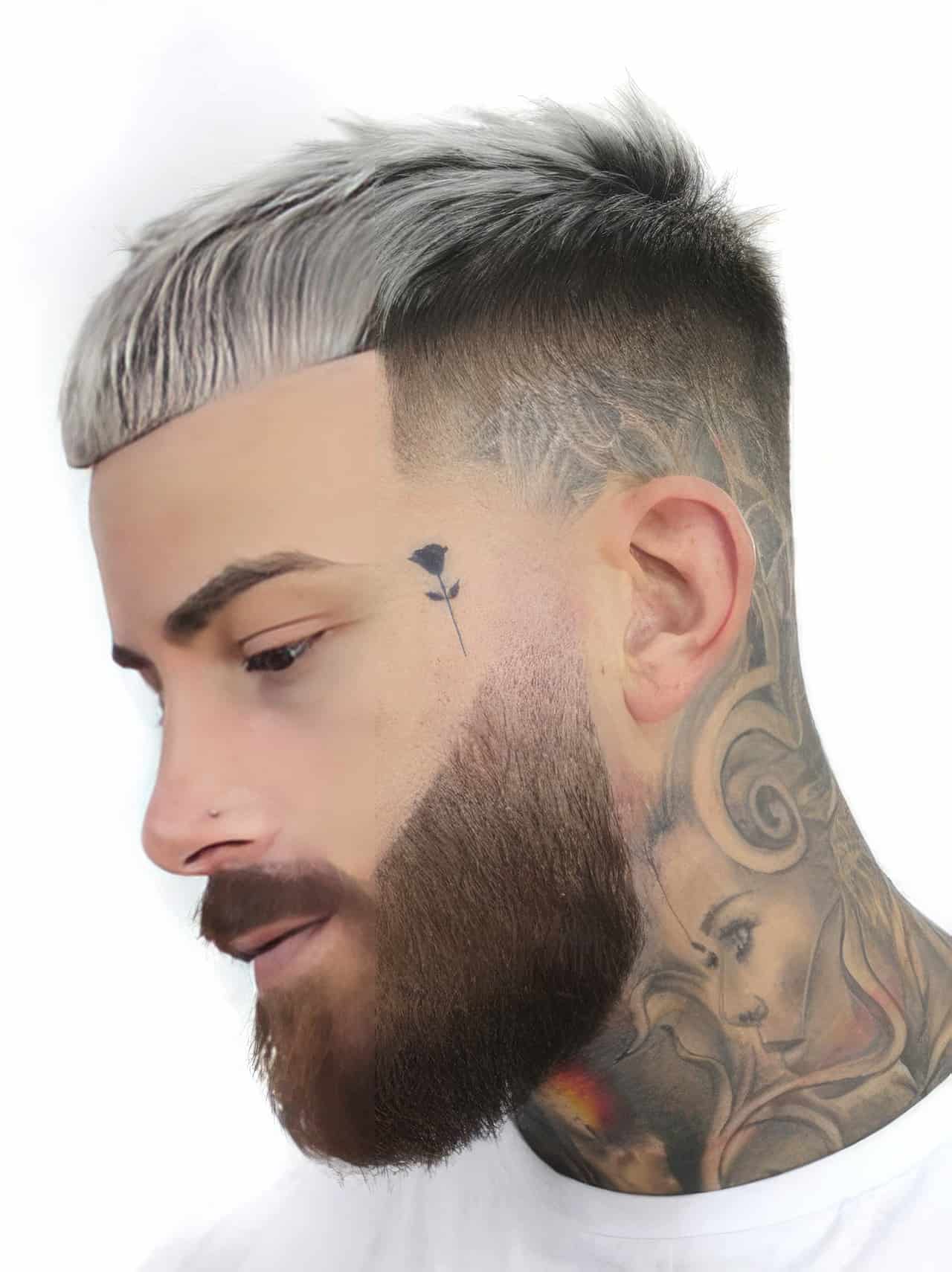
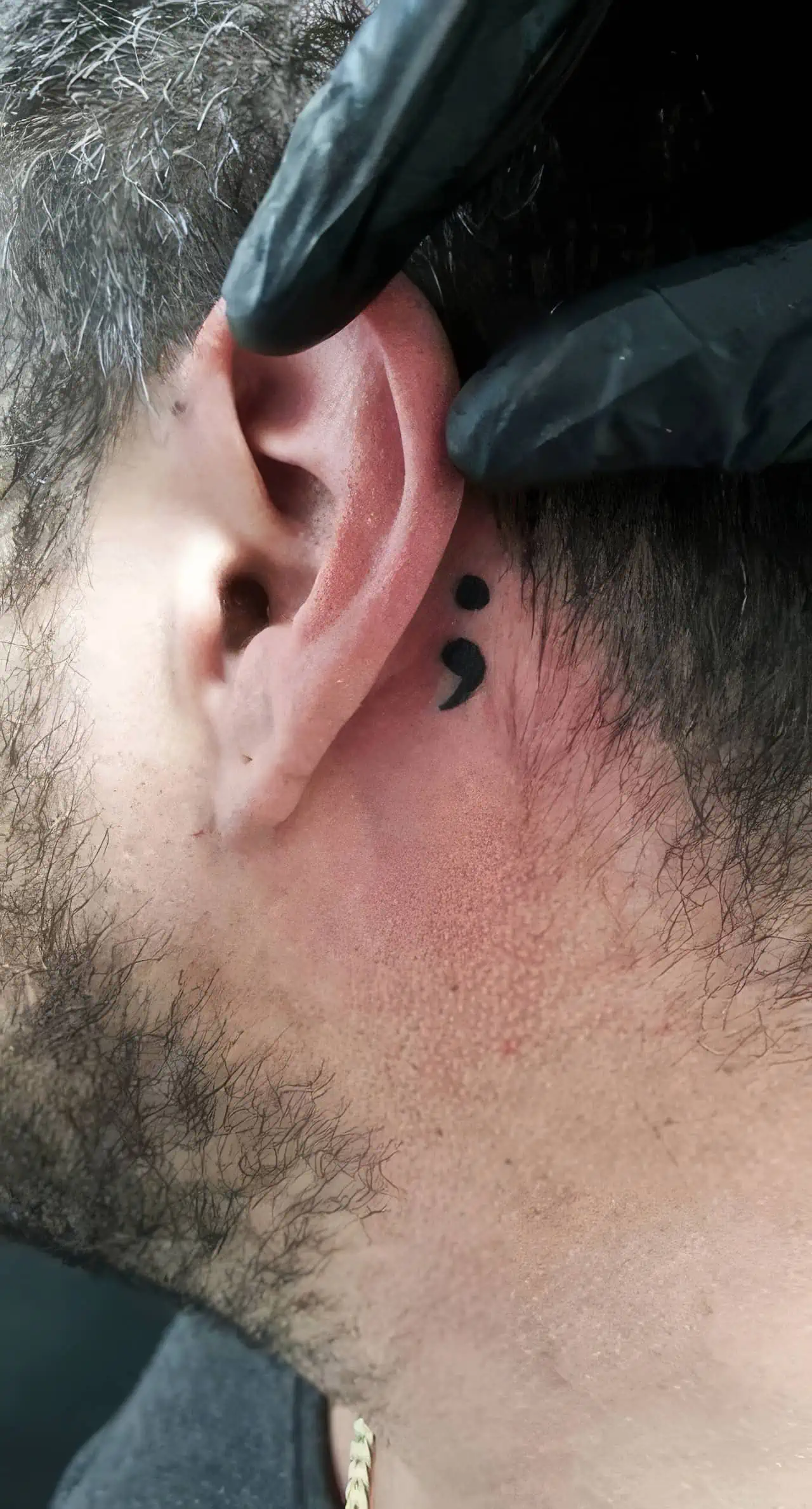
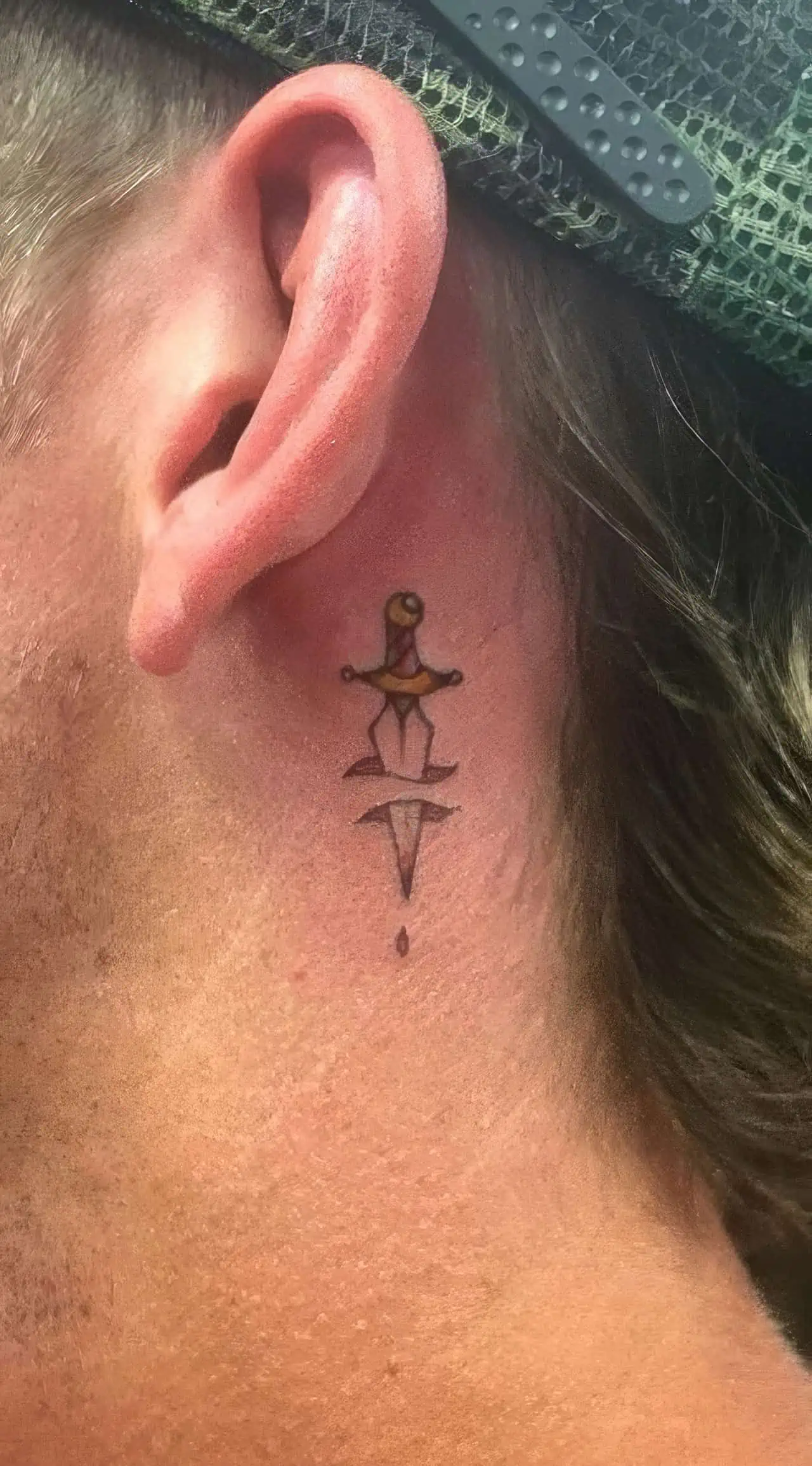
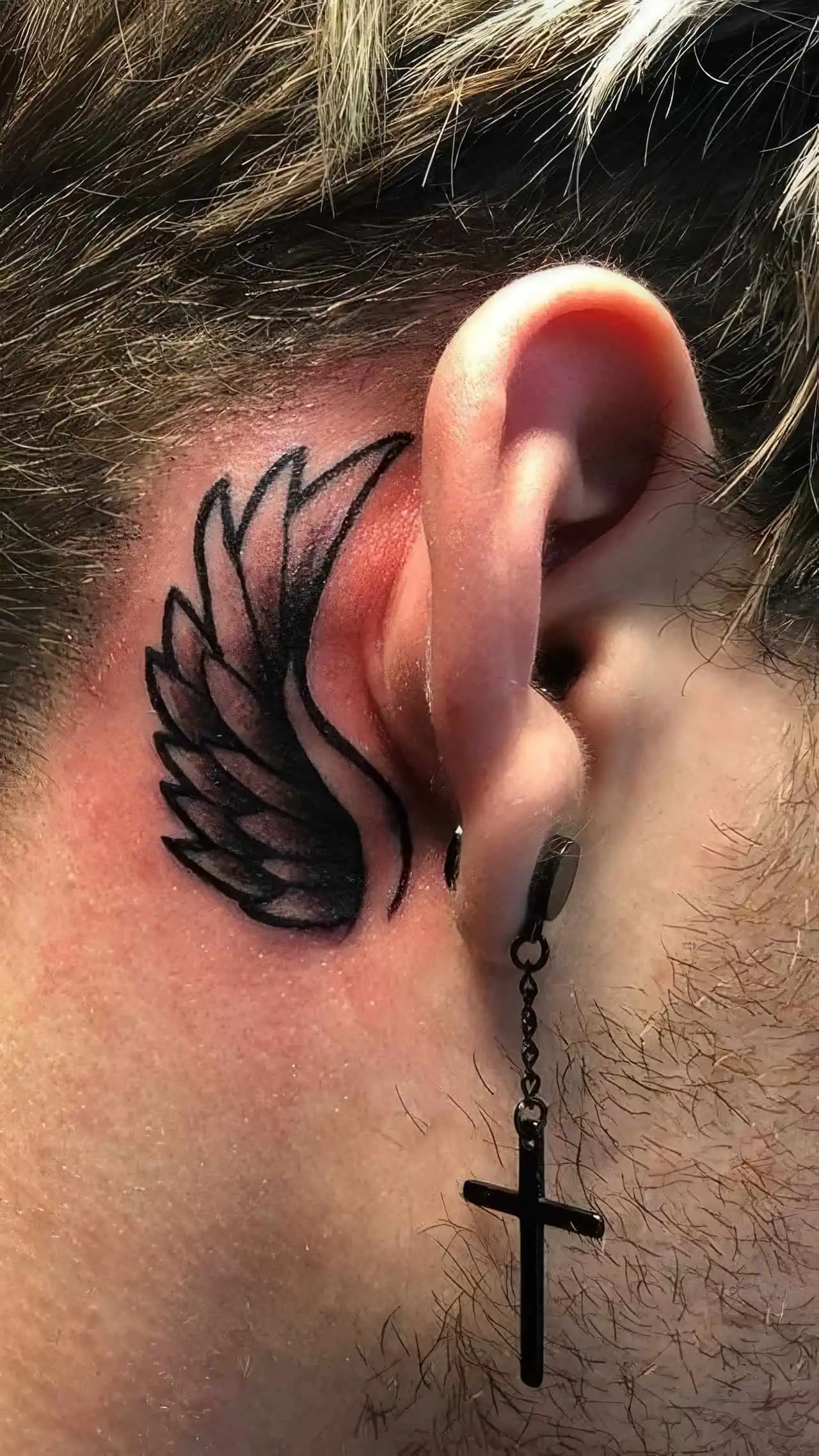
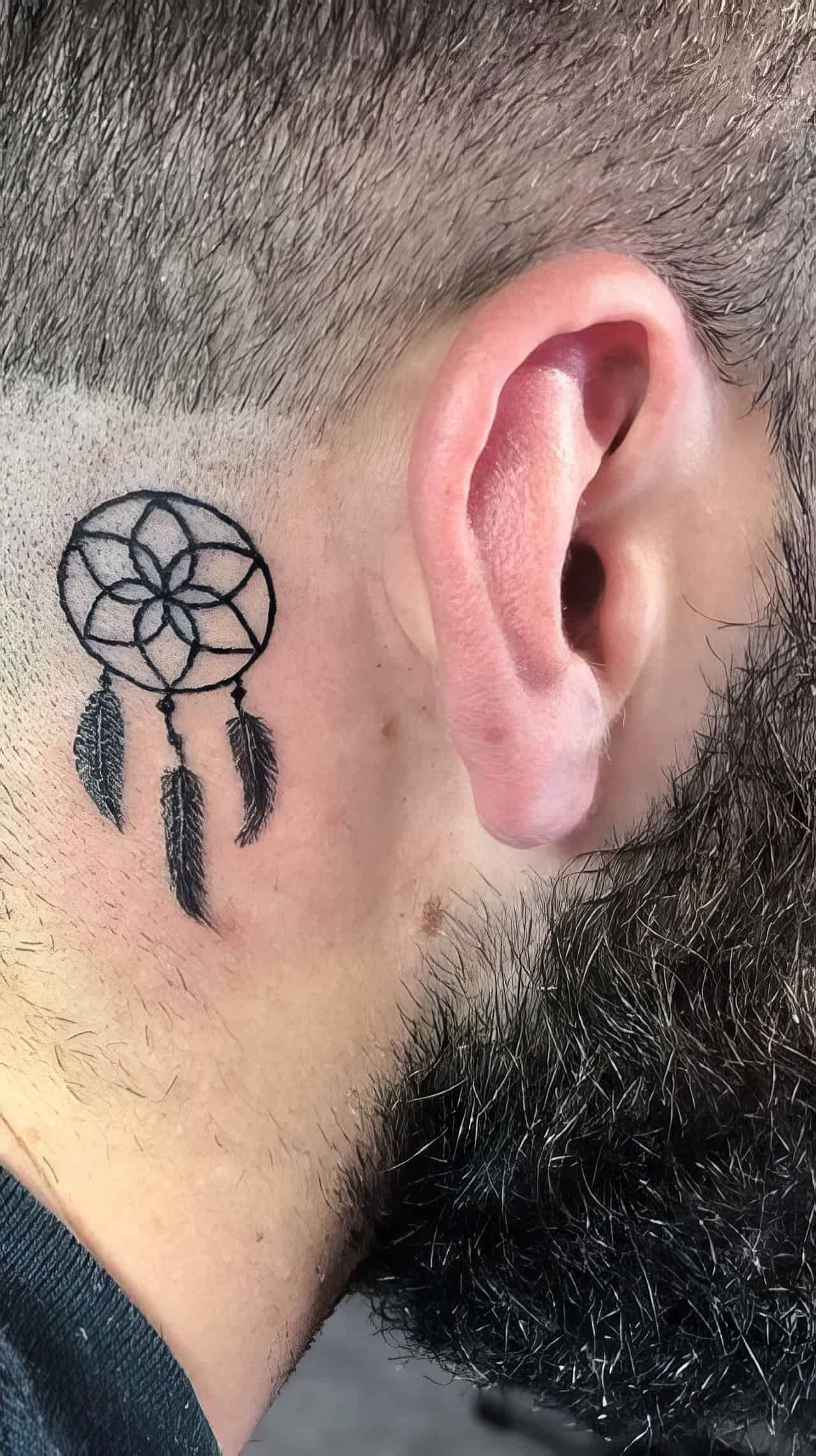
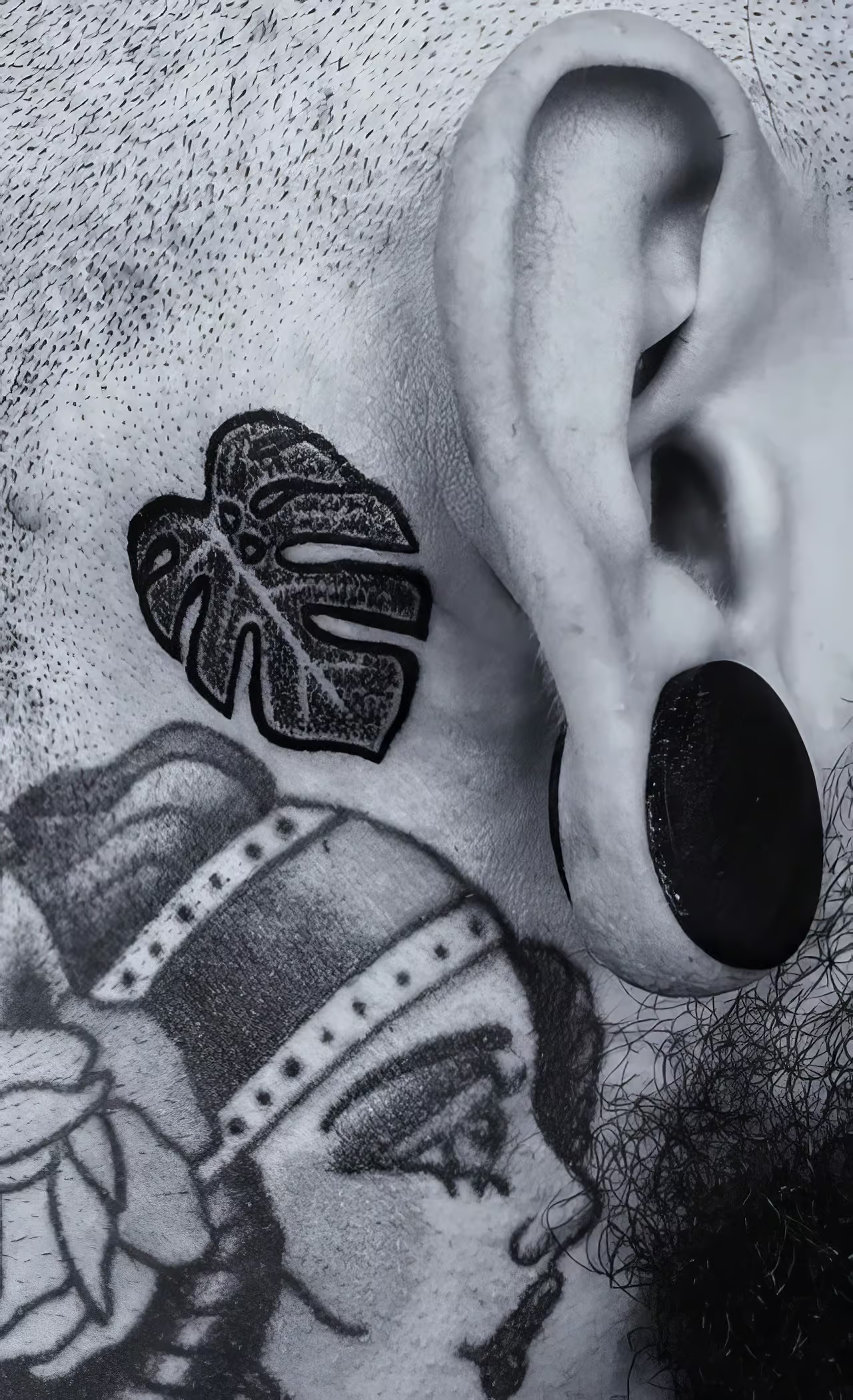
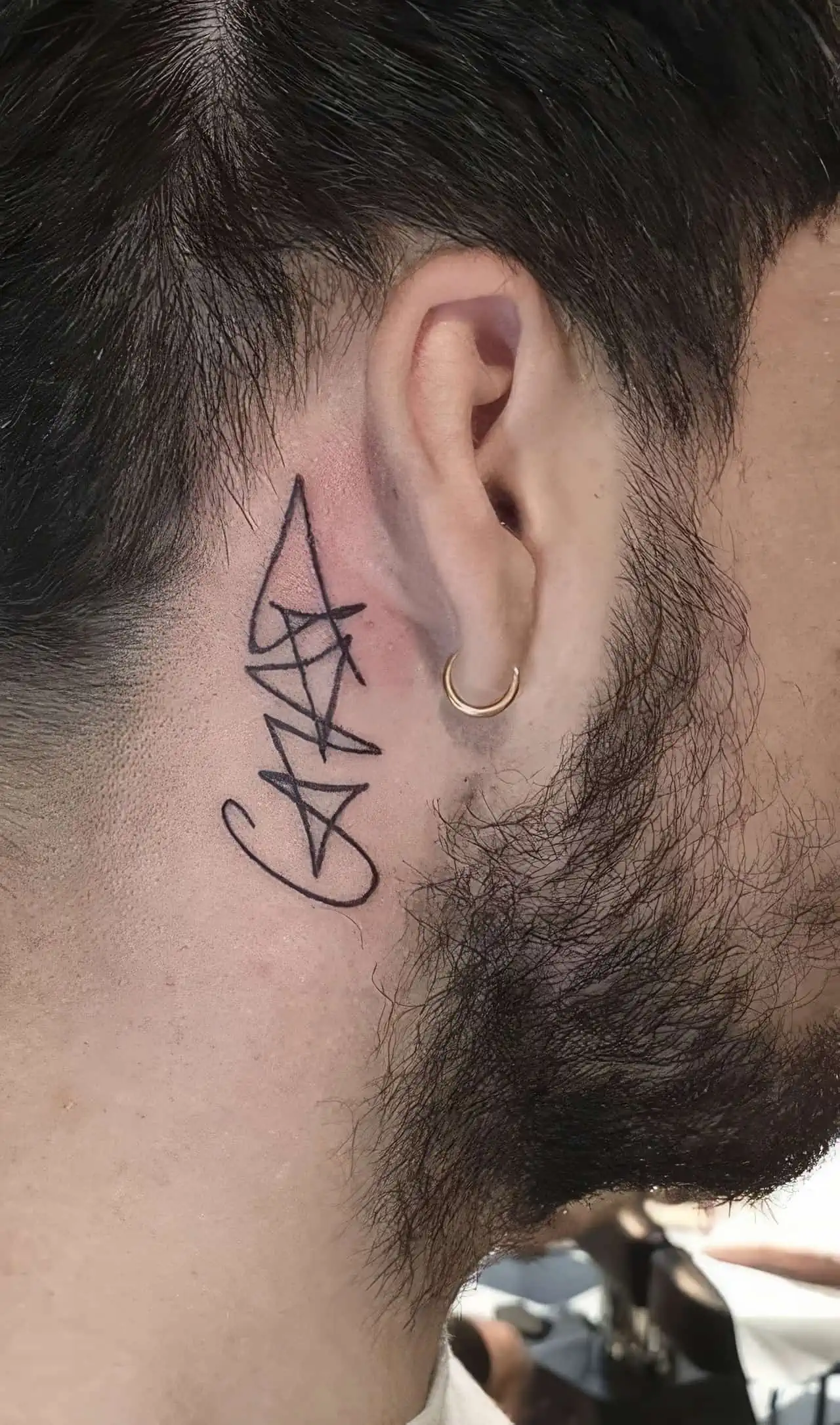
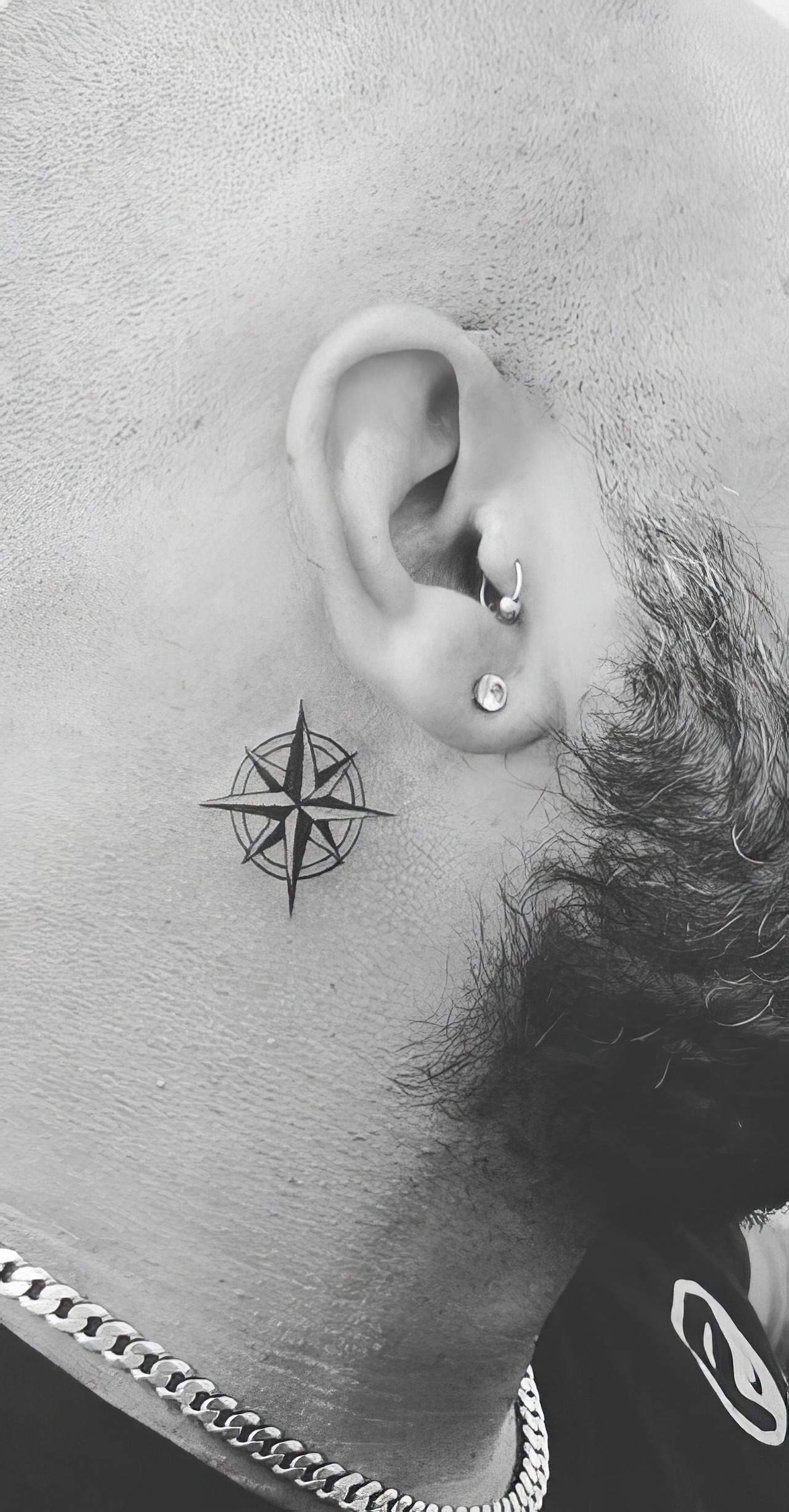
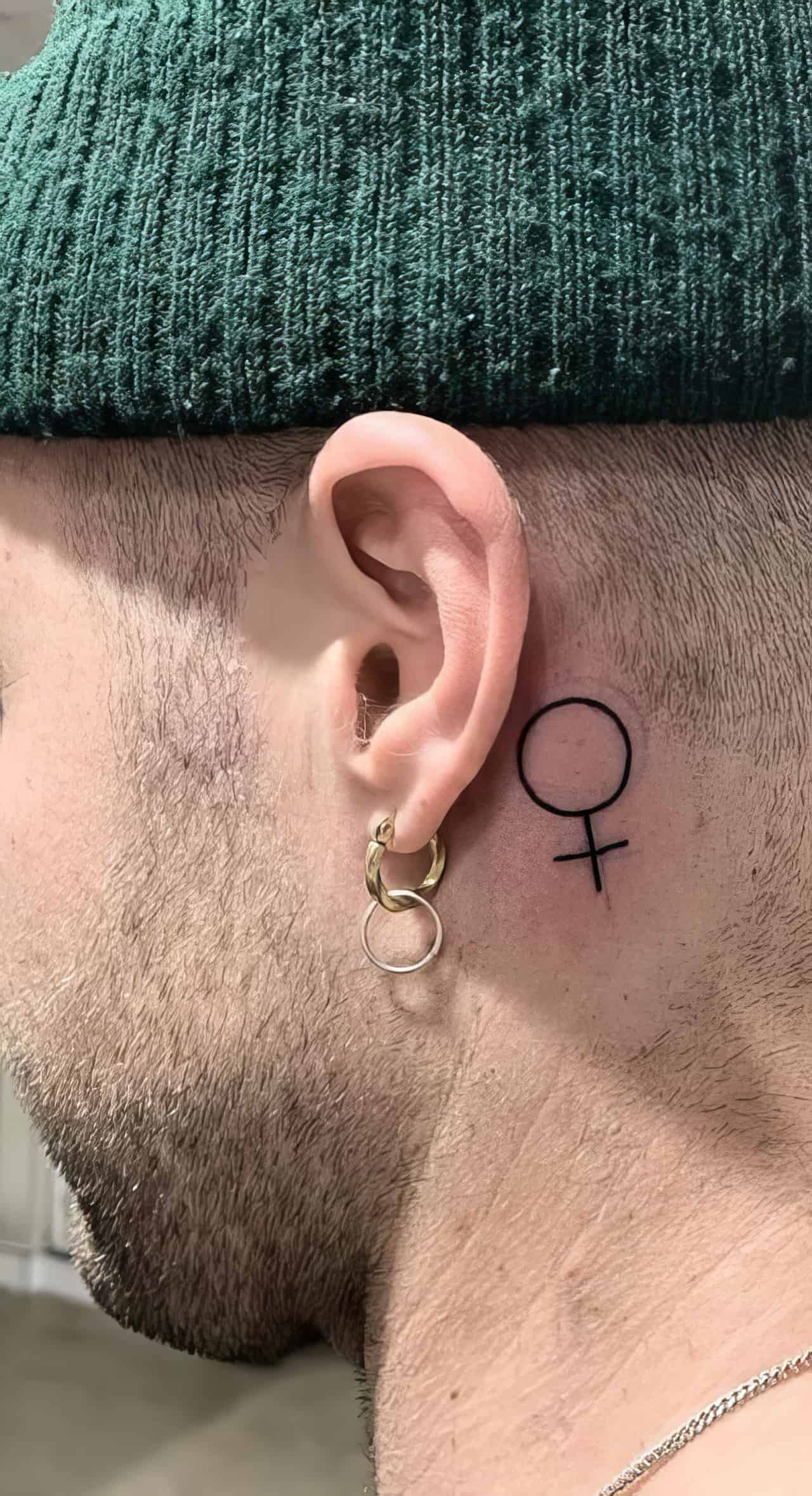
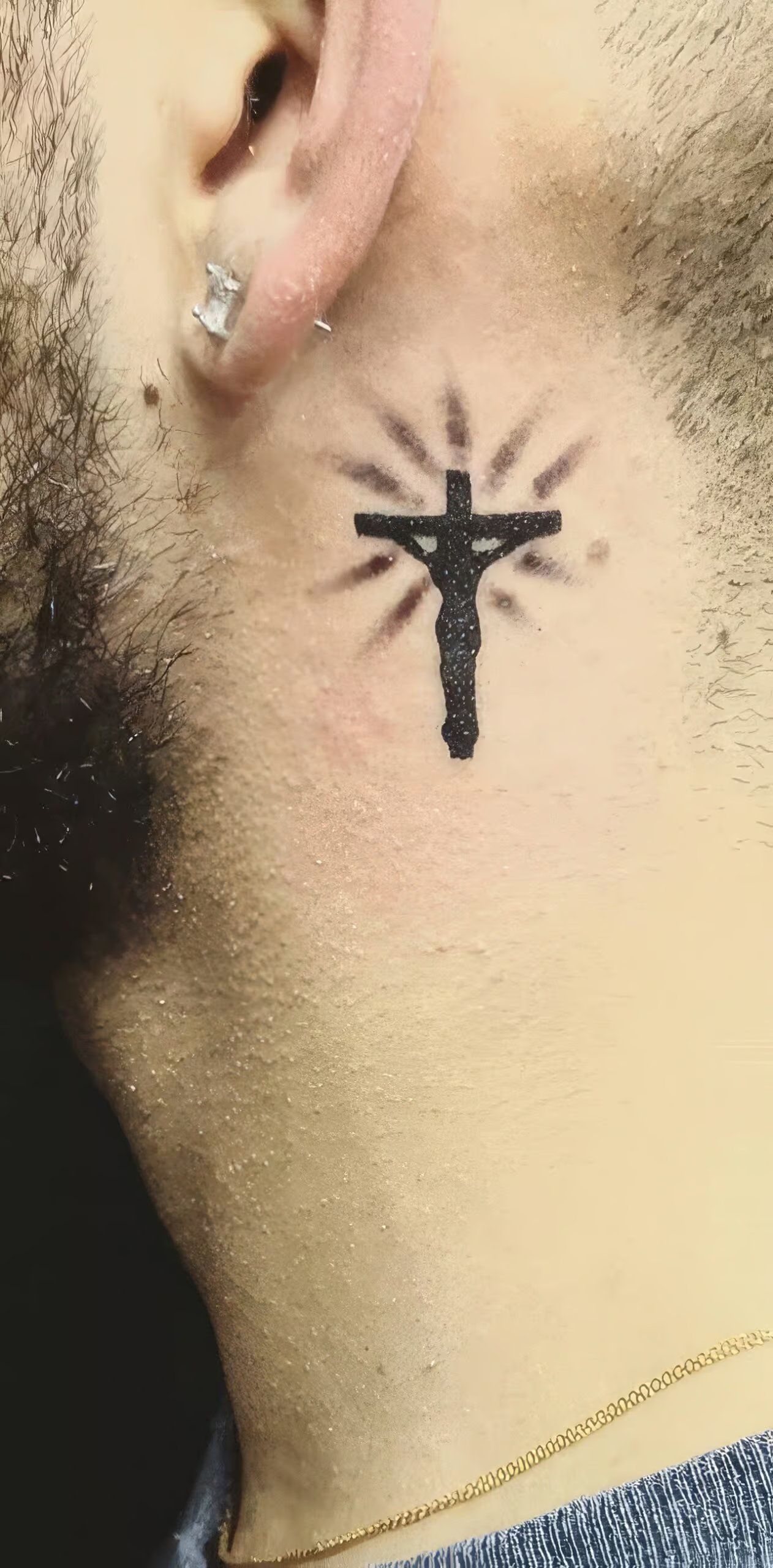
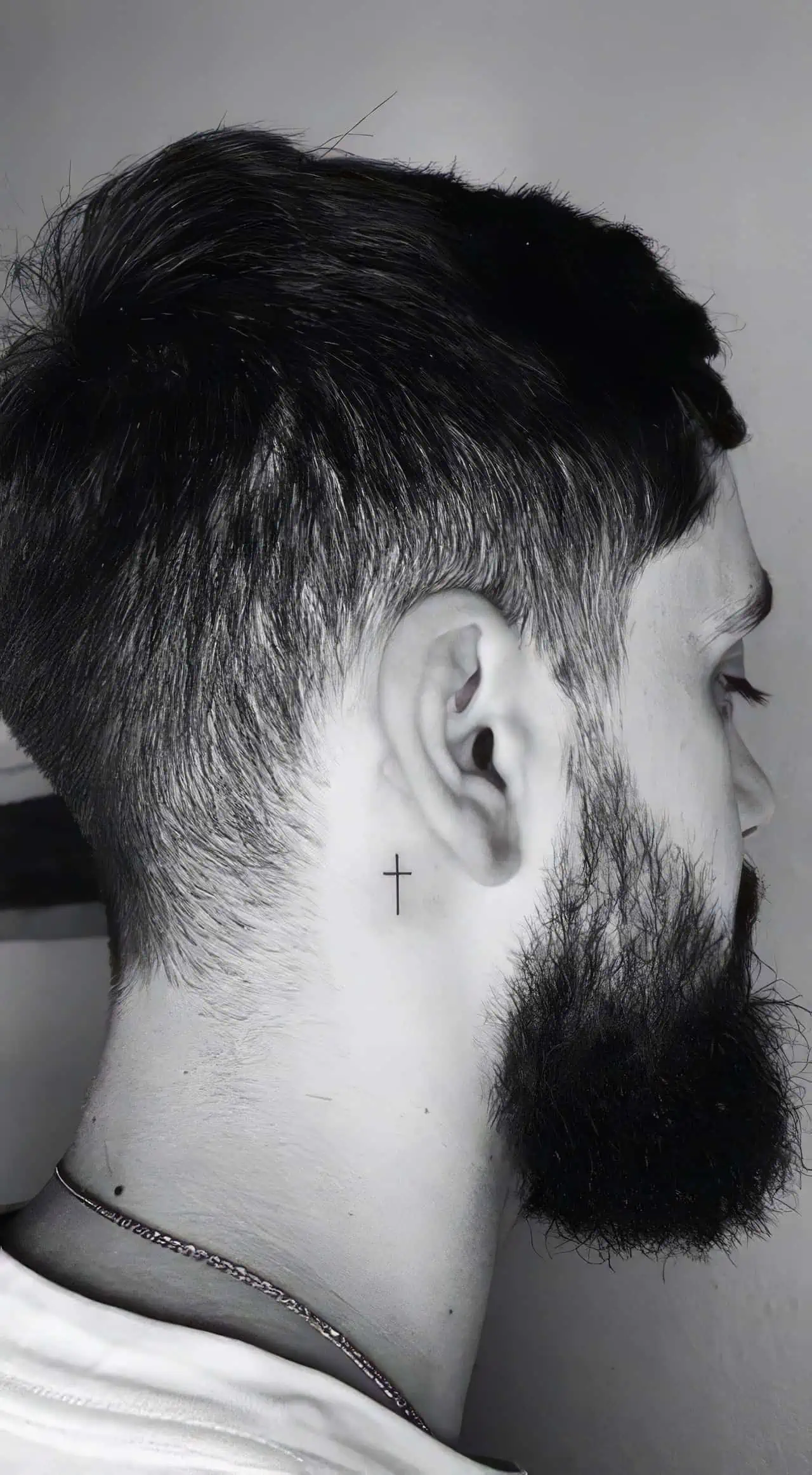
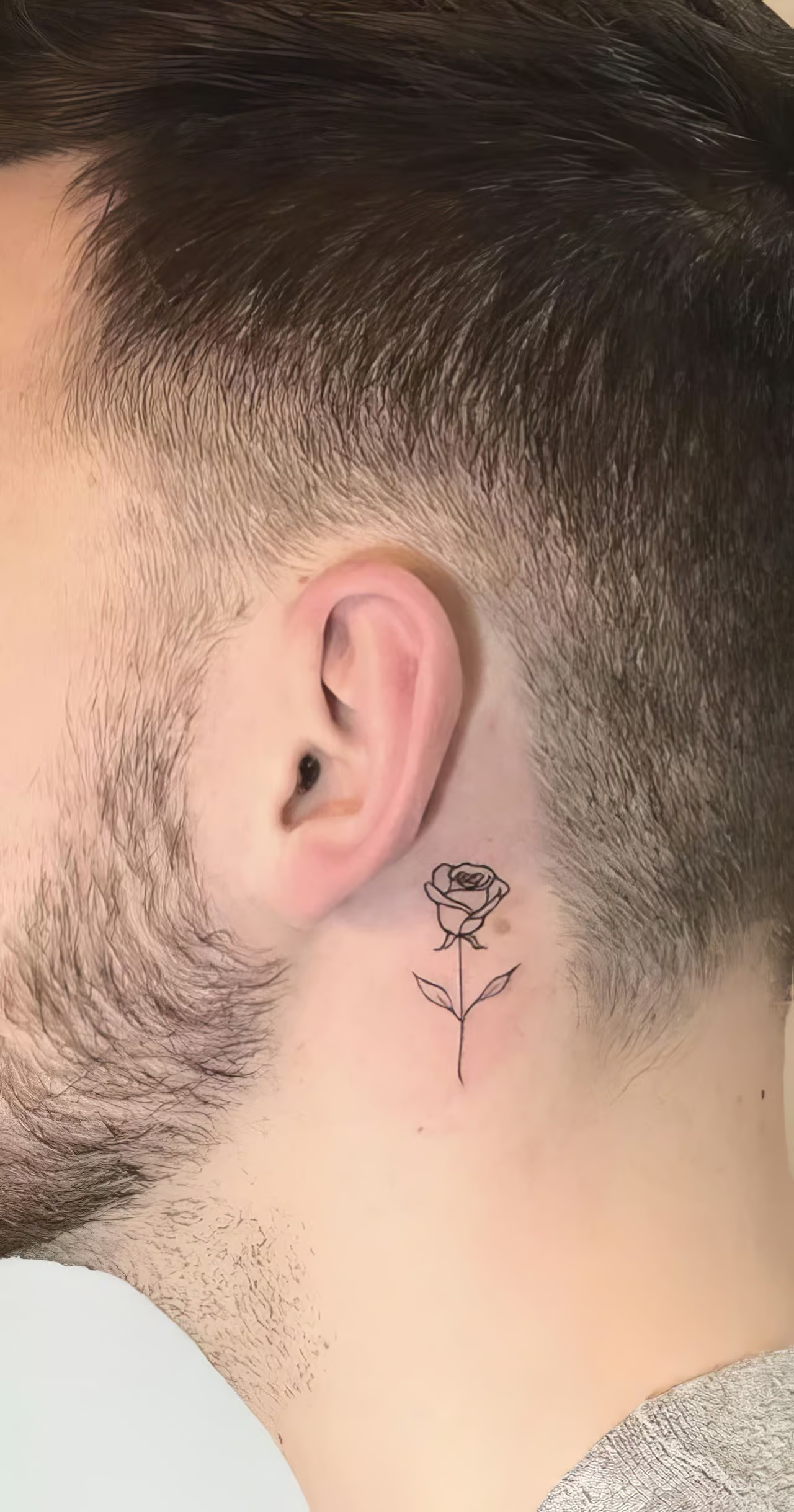
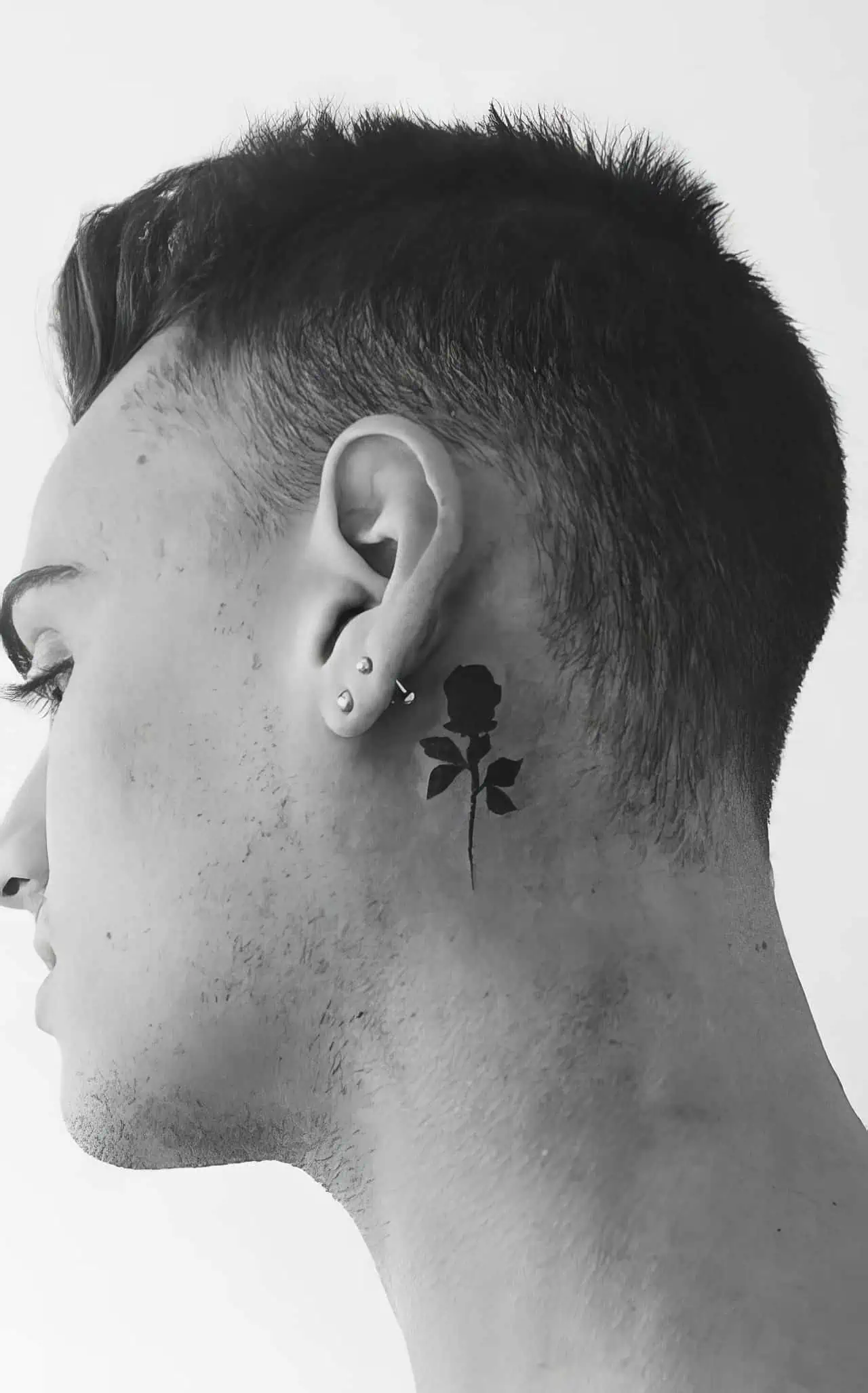
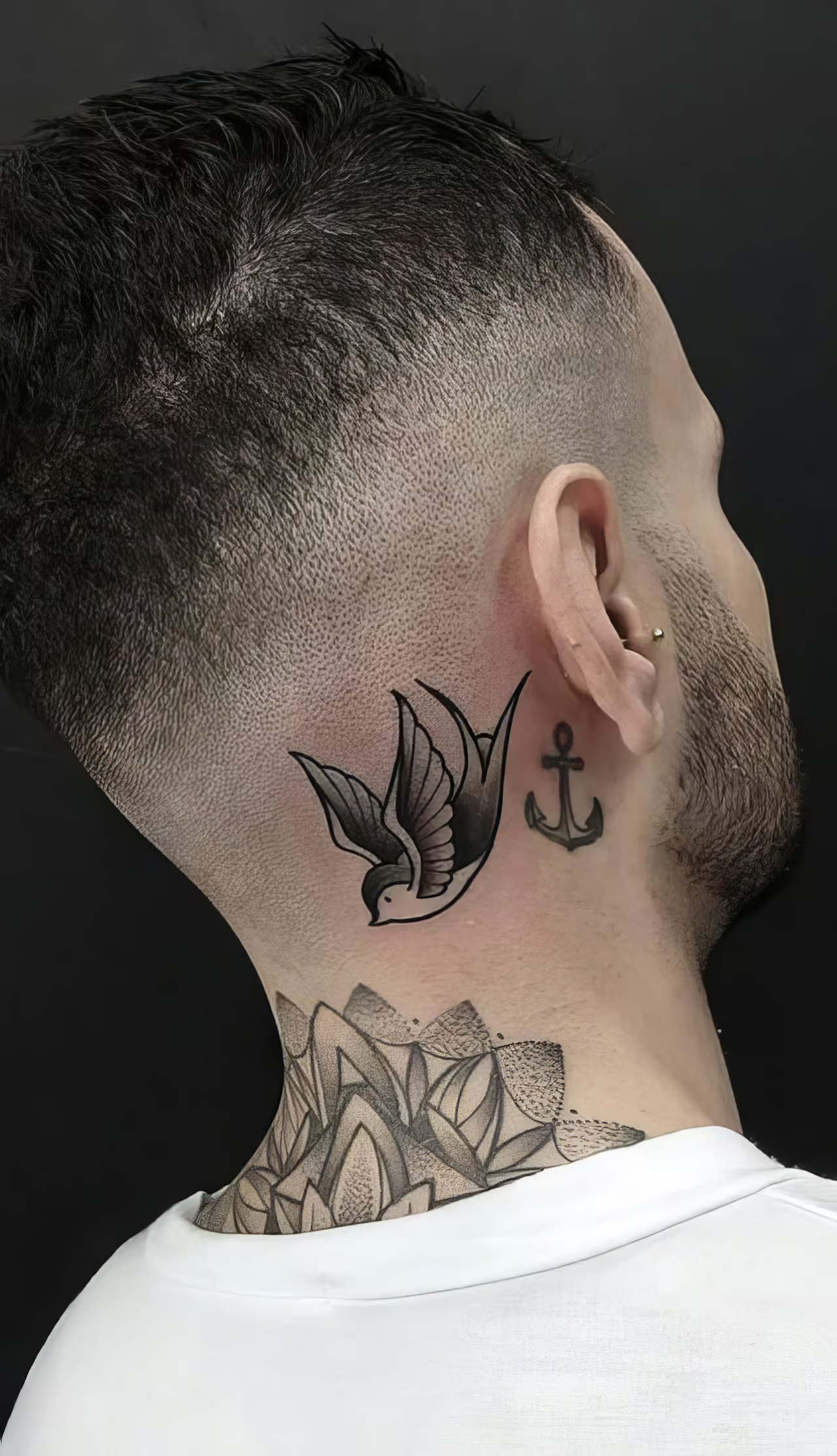
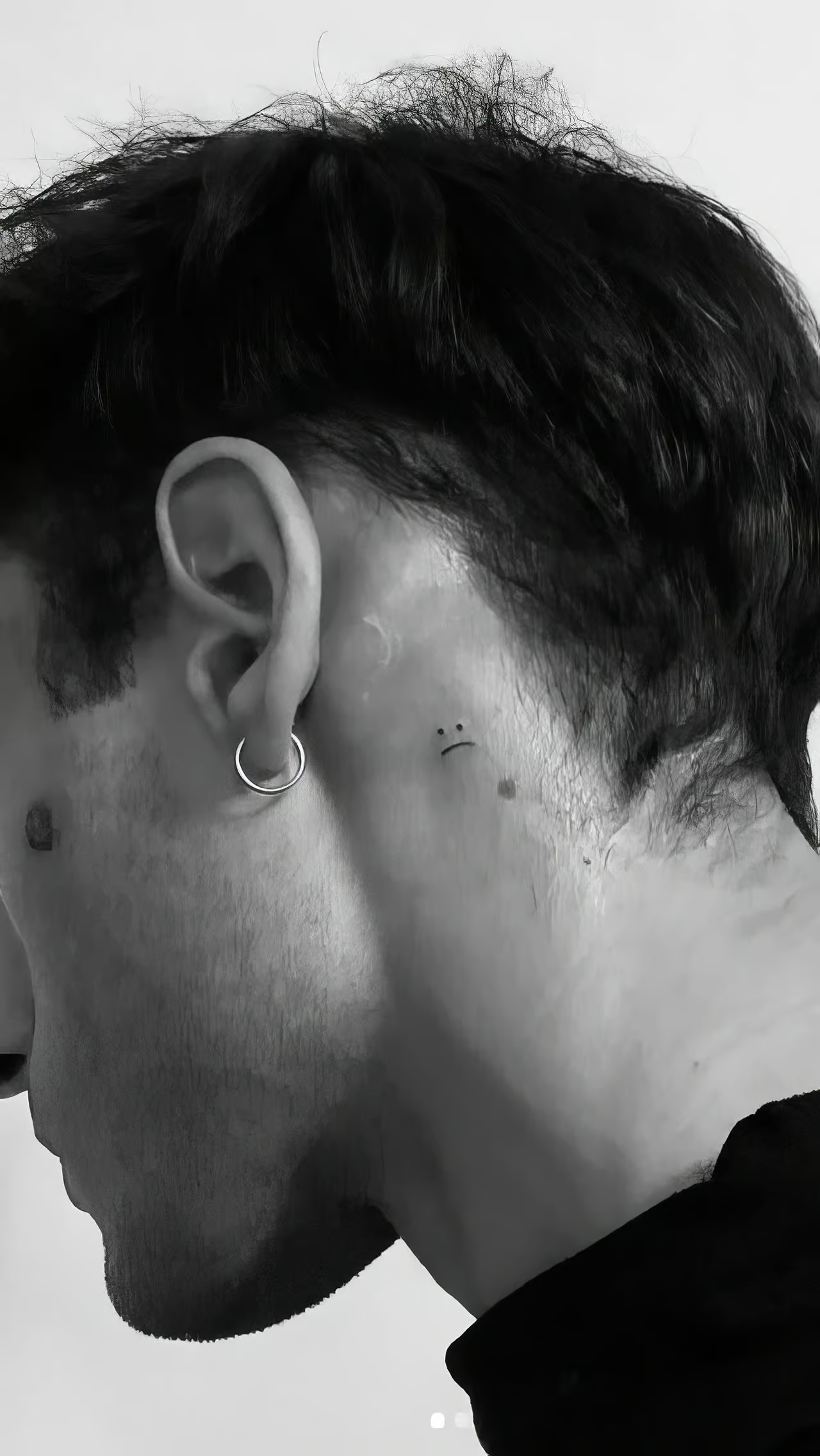
Conversely, the behind-the-ear placement—a trend sparked heavily by Angelina Jolie—requires caution. The skin is incredibly thin, the area features dense nerve clusters, and the pain is remarkably sharp. Furthermore, much like front and side neck tattoos, this high-visibility placement severely impacts professional coverability.
No matter the placement, the actual biological skin layers dictate the healing process. While the surface looks fine in weeks, the underlying tissue takes up to six months to truly settle. Consistent touch-up appointments are a required maintenance relationship to keep fine-line work from losing its sharpness over time.
The decision framework for your permanent design

Overcoming analysis paralysis comes down to a rapid, three-step checklist:
- Pick a core pillar: Determine your core interest, whether that is fandom, stoicism, or nature.
- Audit for 10-year blur risk: Match it to an aesthetic style that survives the test of time.
- Select a canvas based on professional coverability.
Do not let the fear of a fifteen-minute needle session dictate your placement. Prioritize fade-resistance, bold lines, and personal resonance. If you still need a visual push, browse our gallery of over 200 small tattoo ideas to find the exact piece that sparks a definitive green light.
Treat the aftermath like mandatory maintenance. Just as you wouldn’t ignore a stubbornly dry scalp or skip applying a soothing balm after a close shave, your peeling, healing ink demands an investment in legitimate skincare. Proper aftercare requires daily moisturizing with a high-quality, unscented lotion and applying a heavy SPF every time that patch of skin steps into the sun. If you respect the baseline rules of longevity and placement, your small tattoo will easily outlast the indecision it took to pick it. And if you have a friend stuck in that same cycle of hesitation, offering to gift a tattoo session is the ultimate way to force their hand.
Frequently Asked Questions
Why do artists warn against getting the smallest tattoo size possible?
Ink naturally spreads as you age, meaning a microscopic, complex design will inevitably turn into a permanent blur within a decade. Opting for a slightly larger minimal piece preserves the vital empty skin between the lines to keep the artwork aggressively sharp.
What’s the difference between geometric tattoos and micro-realism as they age?
Geometric designs survive the aging process beautifully because they rely heavily on clean outlines and negative space. Hyper-detailed micro-realism is prone to blowout, where tight clusters of pigment bleed together into a dark smudge as the ink settles over the years.
Can I get a tiny tattoo on my finger to keep it subtle?
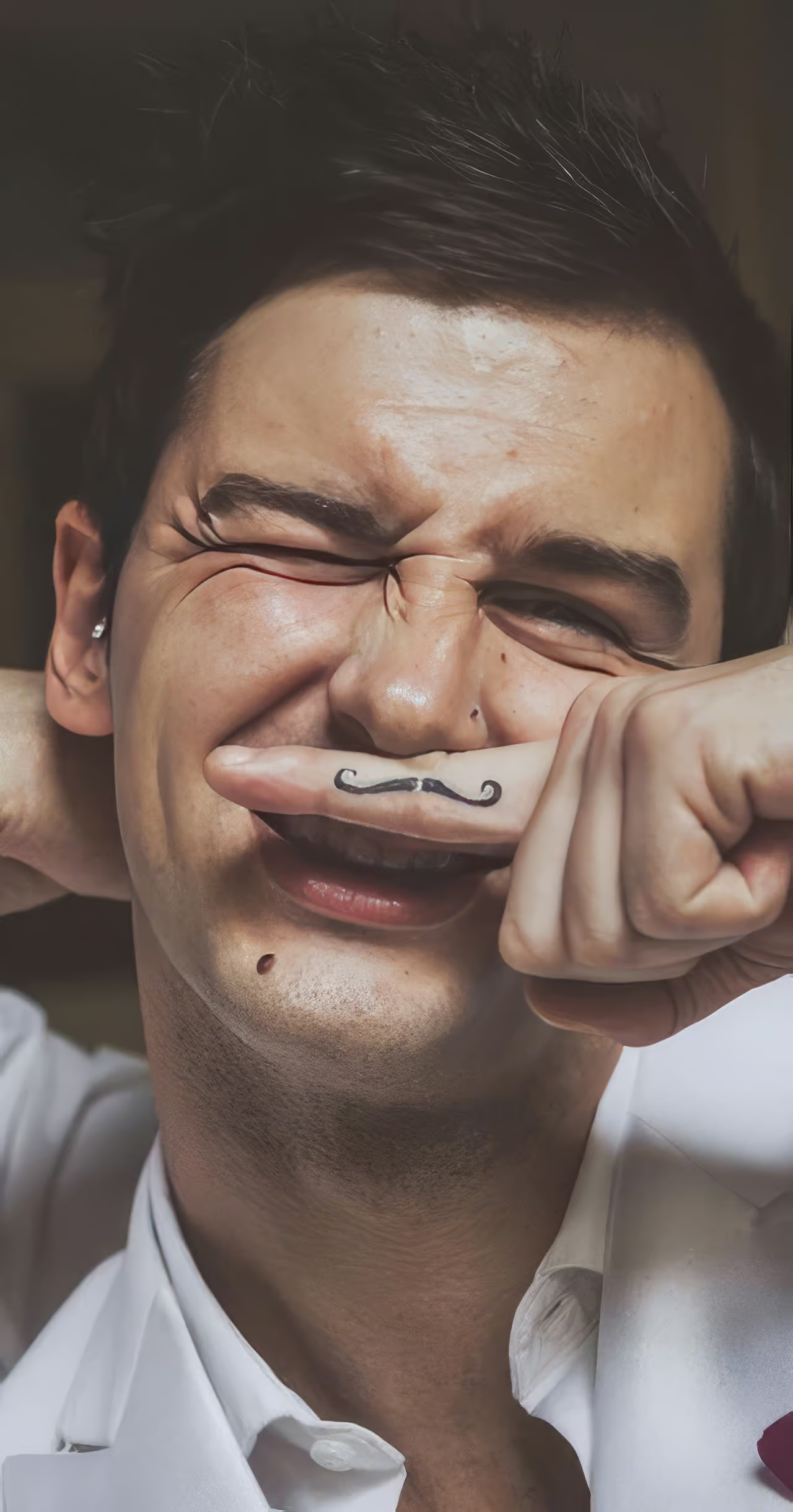
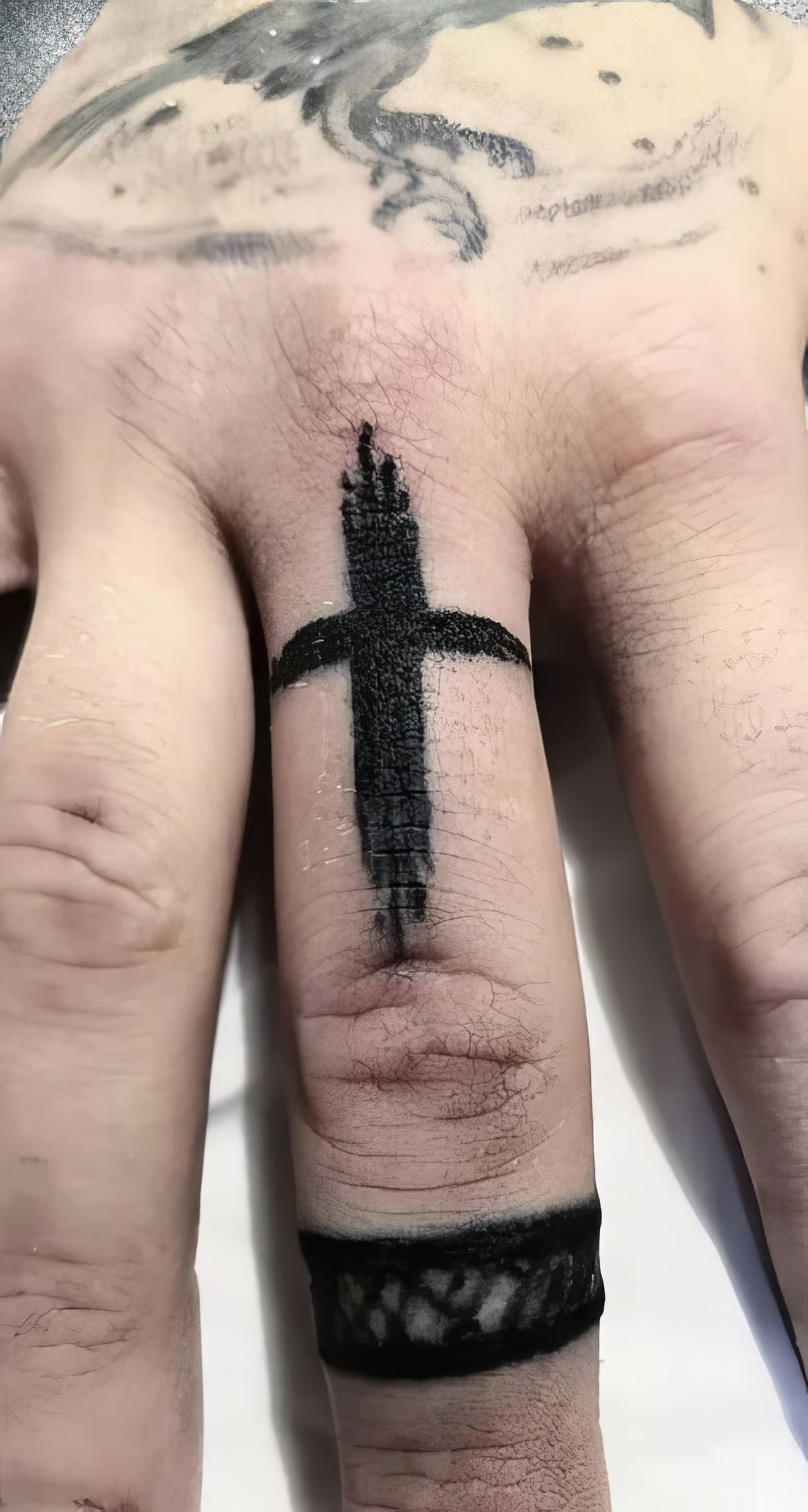
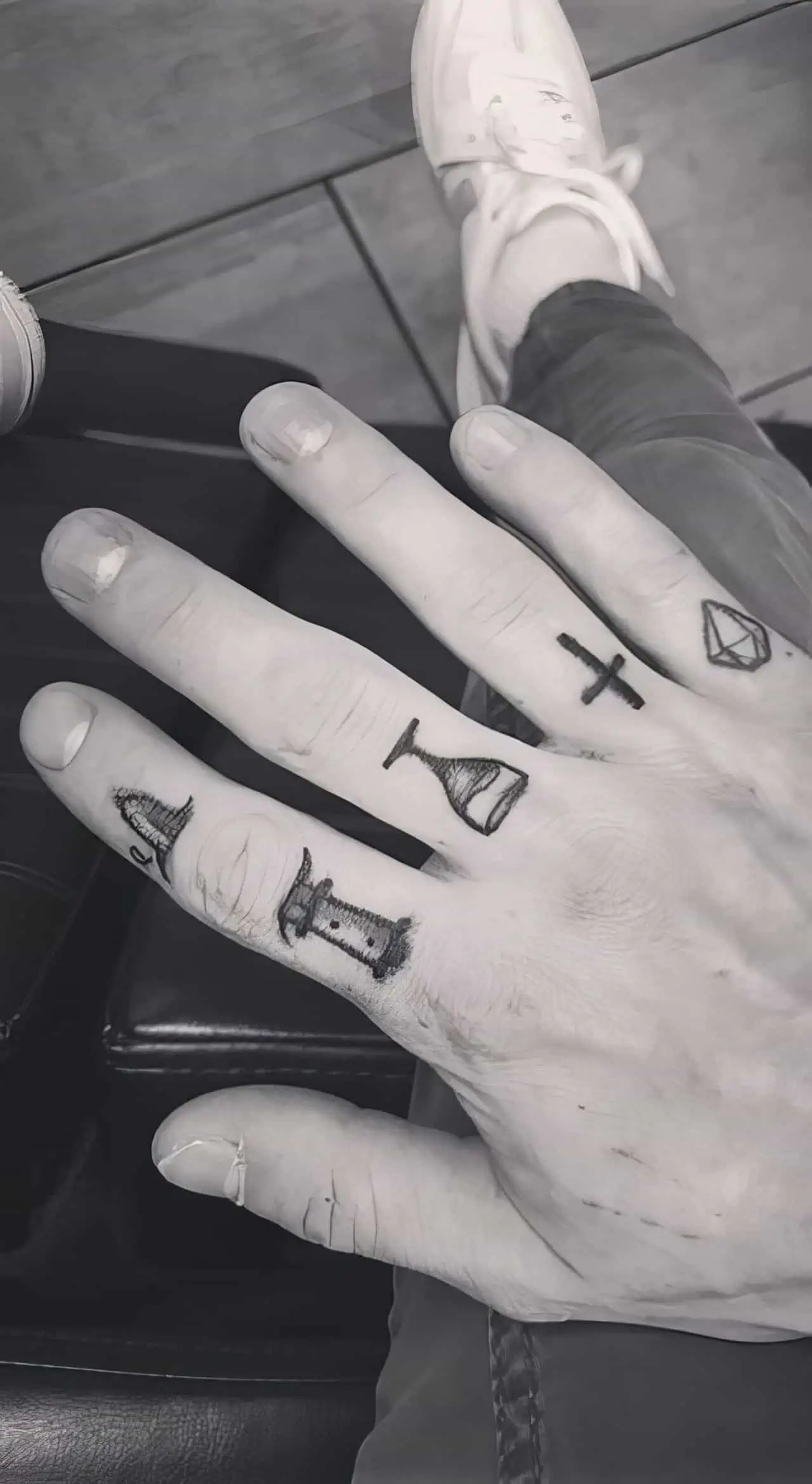
You can, but you shouldn’t expect it to last cleanly. The hand is a brutal biological environment for ink due to constant washing, severe friction, and daily UV exposure. Pigments break down rapidly there, guaranteeing expensive rework just to keep the design legible.
Is a small behind-the-ear tattoo worth the hype?
Only if you have a high pain tolerance and fully understand the placement’s downsides. The skin behind your ear is incredibly thin and packed with dense nerve clusters, making the needlework remarkably sharp compared to thicker skin on your chest or forearm.
How does modern equipment change what’s possible for micro tattoos?
Artists now rely on heavily refined, microscopic needle groupings that allow for ultra-detailed, incredibly compact line work. This level of mechanical precision simply wasn’t possible decades ago, making dime-sized, razor-sharp pop culture icons a relatively modern luxury.
How long does a minimalist tattoo actually take to heal?
While the surface of your skin might stop peeling and look completely fine in just a few weeks, true healing is a much slower biological process. The underlying skin tissue takes up to six months to fully settle and permanently lock the ink into place.
How can I get a meaningful script tattoo without it looking cliché?
Translate your personal mantra into a dead language like Latin to add a necessary layer of privacy. Plastering a phrase like “Memento Mori” lets you wear raw, stoic motivation without exposing your internal monologue to every casual observer at the gym.


From minimalist designs to meaningful phrases and pop culture references, these ideas can be customized to fit any individual’s personal style. It’s important to consider size and placement when choosing a small tattoo, but with proper aftercare and touch-up appointments, they can last a lifetime.
Great roundup of minimalist tattoo ideas! As someone with both sleeves and several small pieces, I appreciate how this article highlights the versatility of subtle ink. The ‘hidden meaning’ examples (like the nautical star and arrow) are particularly smart – they prove impactful tattoos don’t need to be palm-sized.
One observation: The healing process for fine-line work (like those geometric designs) often surprises first-timers. Would love to see a follow-up on aftercare for delicate tattoos – my single-needle wrist text blurred slightly because I underestimated how much small details can spread over time.
For guys considering their first tattoo, this is gold. That microlocation advice (behind ear vs. inner bicep) could save someone from workplace headaches later. Anyone else notice their small tattoos actually get more comments than larger pieces?