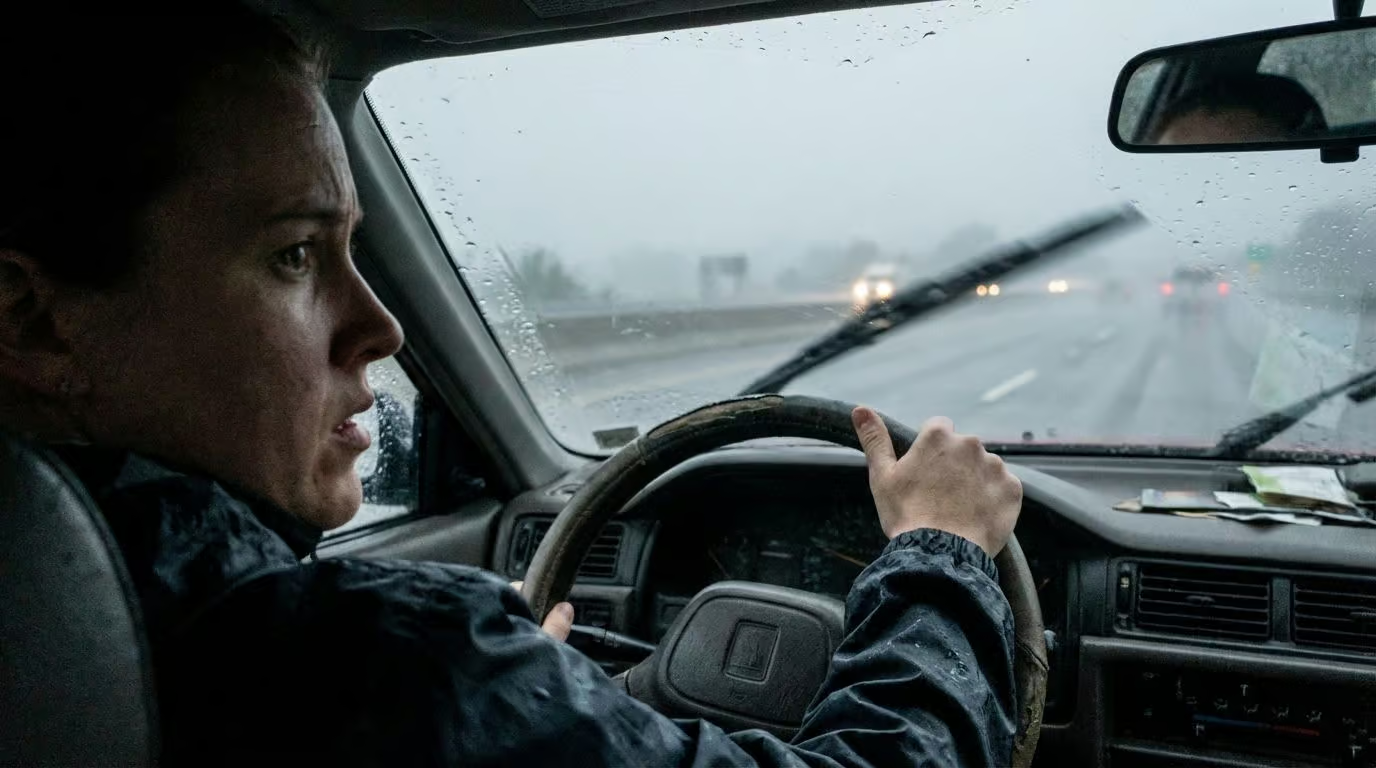
Have you ever watched the sky go that weird shade of green and thought, “Yeah, this could get serious”?
A severe thunderstorm can turn a normal evening into flying debris, hail, and a power outage fast.
The National Severe Storms Laboratory notes there are about 100,000 thunderstorms in the U.S. each year, and about 10% reach severe levels.
This guide (Introduction to how to weather any storm) walks you through the exact steps I use to prep my place, follow weather forecasts, and make smart calls during tornadoes, hurricanes, heavy rainfall, and flash flooding.
I worked with a local National Weather Service office and trained as a storm spotter, so I’ve learned what forecasters look for, what warnings and watches mean, and how fast a convection cell can ramp up.
I also helped set up storm shelters after big tornadoes in Moore, Oklahoma, so I take evacuation plans and power outage plans seriously.
Read on.
Key Takeaways
About 100,000 U.S. thunderstorms form yearly, roughly 10% become severe, so don’t wait until the first big gust to get your home and emergency plan ready.
For water, the CDC advises at least one gallon per person per day for three days. If you can build beyond that for staying home during long outages, even better.
Use layered alerts: phone emergency alerts, local mass notification, and NOAA weather radio. A severe thunderstorm watch means conditions are favorable, a warning means take shelter now.
Run generators outdoors at least 20 feet from doors, windows, and vents. Skip candles, use safe lights, and photograph damage, then back it up to the cloud for insurance.
Table of Contents
Preparing Before a Severe Thunderstorm
If you want an easier storm night, do the boring stuff early. Tie down patio furniture, stash the propane grill, and move potted plants inside.
Clear gutters and street drains near your driveway. In heavy rainfall, this small chore can buy you time by moving water away before it turns into floodwater.
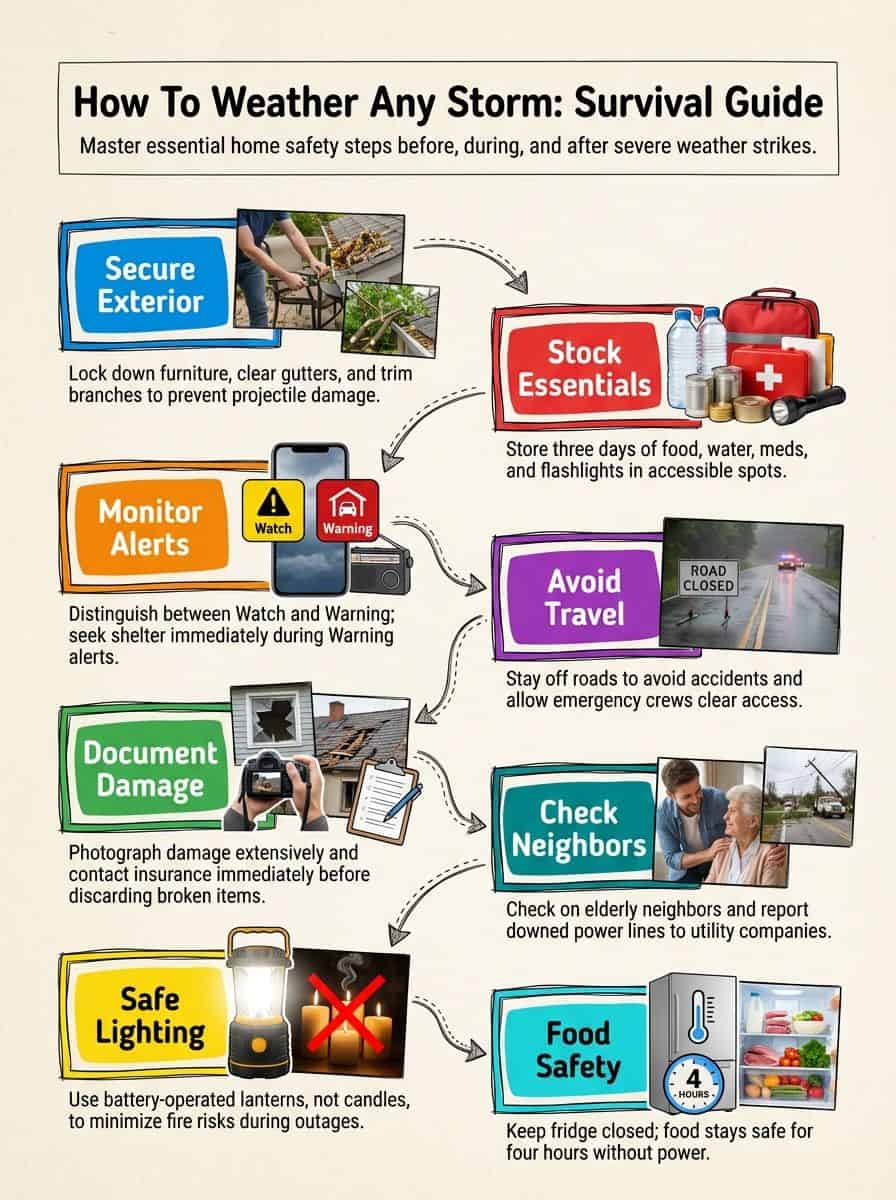
Set a clear emergency plan, sign up for mass notification, and watch weather forecasts. If you like tracking patterns, you can also use a real-time and historical weather API to follow severe thunderstorm watches and tornado warnings as they evolve.
One detail most guys skip: learn what “severe” means. The National Weather Service definition is winds of 58 mph or higher, hail at least 1 inch (about quarter-size), or a tornado, so you treat a severe thunderstorm warning like a real threat, not background noise.
A quick pre-storm checklist I run every time
- Fuel your car and park it away from trees, power lines, and loose fence panels.
- Charge phones, power banks, and work lights, then put one battery pack in your go-bag.
- Pick your safe spot now (basement, storm cellar, or an interior room on the lowest floor).
- Do a 2-minute yard scan for anything that can become a projectile: ladders, trash cans, tools, trampoline parts.
- Pull up the radar, then set alerts for warnings and watches so you don’t miss the upgrade from “watch” to “warning.”
How do I secure my home and outdoor items before a storm?
I lock down the house hours before storms now. I learned the hard way after a late spring tornado scare in Oklahoma.
Start outside, because wind turns “normal stuff” into fast, ugly hazards. Think like a storm: it grabs the light, loose, and tall things first.
- Secure bins, ladders, trampolines, garden furniture, and tools. Tie them down or store them in a garage or cellar so they don’t become projectiles in a severe thunderstorm or hurricanes.
- Check roof tiles and fence posts for looseness, replace or fasten anything wobbly, and clear gutters of moss and leaves so floodwater can drain away faster during heavy rain.
- Cut back loose or overhanging branches that could hit the roof or windows during tornado warnings or severe weather with high winds. I removed a rotten limb that saved my skylight.
- Close and lock external doors and windows, fit storm shutters if you have them, and park vehicles in a garage or away from trees and fences to reduce damage from flying debris.
- Secure loft trapdoors, and learn how to shut off gas, electricity, and water. Keep a cordless drill and a wrench handy so you can move fast if officials advise shutting off utilities.
- Move valuables and essentials upstairs in flood-risk zones, store important papers in waterproof boxes, and raise your grill off the patio to avoid it getting swept by fast-moving water.
- Check title deeds for fence ownership, talk to neighbors about shared anchors, and set a simple emergency plan with mass notification numbers and a meeting spot, so you act fast during severe thunderstorm watches.
If you’re looking for one upgrade that actually matters, look at your roof and garage door. The Insurance Institute for Business and Home Safety points out that garage doors often fail in high-wind events, and that failure can trigger bigger roof and wall damage.
When you re-roof, ask about IBHS FORTIFIED-style details like sealed roof decks and ring-shank nails. Their program notes ring-shank nails can nearly double roof-deck attachment strength, which is the kind of “hidden” improvement you feel after the storm, not during the sales pitch.
What emergency supplies should I stock up on before a storm?
Stock up now, before the weather turns. Get gear that keeps you fed, warm, and able to communicate.
- Fill water jugs. Store at least one gallon per person per day and aim for at least three days (the CDC’s baseline), then scale up if your area routinely loses power for days.
- Pack nonperishable food that matches your reality, not your fantasy. Canned meals, protein bars, instant meals, a manual can opener, basic utensils, and yes, a small morale boost like cookies.
- Grab flashlights, fresh batteries, and a battery-operated clock radio. I like at least two light sources per room, plus one headlamp for hands-free work.
- Charge phones fully and keep portable battery packs plus a car charger. Put your insurance info, IDs, and key contacts in a waterproof pouch, and back up photos and documents to the cloud so you can access them anywhere.
- Stock prescription and OTC meds with a few extra days’ supply, include diabetes or heart meds, pack basic first aid, allergy medicine, and printed dosages for caregivers, especially if tornadoes in Oklahoma or EF5 tornadoes hit nearby.
- Keep blankets and warm clothes, and plan for pets and kids: pet food, infant care items, and calm-down items for long nights.
- Add tools, a multi-tool, work gloves, safety glasses, and tarps for quick patch jobs after wind damage from hurricanes or EF4 or EF5 intensity tornadoes.
- Plan for communications: a whistle, paper maps, a written family meeting spot, and some cash. Cell towers go down, and it’s smart to have a low-tech backup.
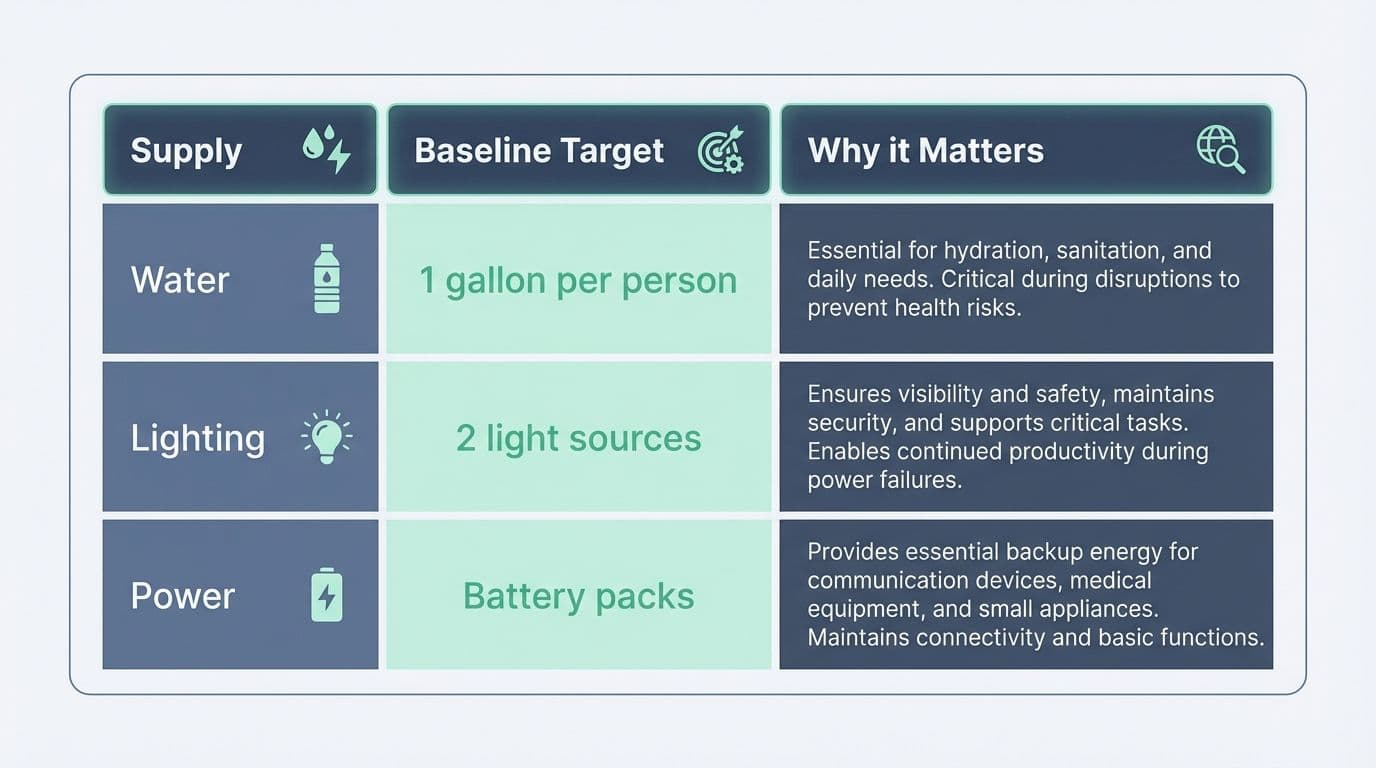
| Supply | Baseline target | Why it matters during severe weather |
|---|---|---|
| Water | 1 gallon per person per day (at least 3 days) | Hydration, cooking, basic hygiene, plus backup if local water is unsafe after flooding |
| Lighting | 2 light sources per room | You can move safely, treat minor injuries, and avoid candle fires |
| Power | Battery packs + car charger | Texts often work when calls fail, and you need a way to recharge |
Staying Safe During a Storm
Once the storm is on you, your job is simple: stay informed, stay sheltered, and avoid turning a bad situation into a worse one.
Watch alerts from the National Weather Service, and keep a battery radio or two-way radio ready, like you would when planning a sailing run. Keep your first aid kit close, not buried in a closet.
How do I follow weather alerts and warnings effectively?
Use more than one alert source. Phones die, sirens don’t cover every neighborhood, and storms hit at night when you’re asleep.
Wireless Emergency Alerts can push “Extreme Weather” warnings to most phones automatically with no signup, and they’re built for tornado warning and flash flooding situations where seconds matter.
Then add a second layer: a weather app plus NOAA maps for live updates so you can see where the warning polygon is headed.
- WATCH: Conditions are favorable. This is your cue to top off devices, move cars, and get everybody close to the safe room.
- WARNING: Severe weather is happening or about to. Get to shelter immediately.
If lightning is part of the show, use the 30-30 rule. When the flash-to-bang time is 30 seconds or less, you’re close enough to get hit, and you wait 30 minutes after the last thunder before going back out.
For tornado warnings, don’t overthink it. The CDC’s guidance is clear: go to a basement or an interior room without windows on the lowest floor, and protect your head and neck.
If you live where flash flooding is common, treat water like a moving hazard, not a puddle. The National Weather Service’s Turn Around Don’t Drown campaign warns that 6 inches of fast water can knock an adult down, 12 inches can move a car, and 2 feet can carry away an SUV or truck.
Why should I avoid unnecessary travel during a storm?

Stay off the roads, save lives, and let crews do their jobs.
I once drove through a whiteout, my GPS looped, visibility dropped to a few yards, and I skidded. I stayed calm and steered into the skid, and I did not slam the brakes.
Storms make roads slick, cut visibility, and raise crash risk. Flash flooding is especially brutal because you can’t judge depth at night, and water can hide a washed-out road edge.
If you truly have to drive, keep it boring and cautious:
- Slow down early, give yourself extra following distance, and avoid hard braking.
- Never drive around barricades on flooded roads, that’s where people get trapped.
- If you hit heavy rainfall and can’t see lane lines, pull off safely and wait it out.
If you keep a “just in case” vehicle kit, include a poncho and a real umbrella. I’ve even seen guys swear by the umbrella for a rainy world design because it handles wind better than the cheap gas-station kind.
What To Do After a Storm
After the wind quits, don’t rush the victory lap. The most dangerous stuff often shows up after, like downed wires, unstable trees, gas leaks, and nails in the yard.
Walk your property with a camera and a notepad, and call your insurance adjuster to report damage. Check on neighbors, and save receipts on your phone for claims and aid.
How do I assess damage and document it for insurance claims?
I climbed into the attic and snapped photos with my phone camera. I called my insurer after I finished, and their 24-hour helpline answered.
- Before you document anything, do a safety scan. If you smell gas, hear hissing, or see sagging lines, back off and call 911.
- Take high-quality photos and video from multiple angles. Include a tape measure for scale, and capture wide shots plus close-ups.
- Back up your photos to the cloud the same day. I lost one SD card once, never again.
- Make a detailed inventory of damaged items. List brand, age, and approximate value, using a spreadsheet or inventory app.
- Keep receipts for temporary emergency repairs and written contractor estimates. Many policies expect you to prevent further damage, but you still want the adjuster to see the original problem.
- Do not toss damaged items without telling your adjuster. Hold onto samples like carpet or drywall if you’re dealing with water stains or possible mold.
- Photograph structural damage from outside and inside, including utility meters, HVAC units, and foundation areas.
How can I check on neighbors and community needs after a storm?
After you document damage, shift focus to people. Check who needs help, fast.
- Walk your street and knock on doors. Check on older neighbors and anyone relying on oxygen or other medical devices.
- If someone is in immediate danger, call 911. For non-emergency local help and resource referrals, many areas use 211.
- Keep a safe distance from downed wires. Assume every line is live, and report it to the utility company or 911.
- Look after pets. Bring animals indoors when you can, and report missing or injured pets to local shelters or animal rescue groups.
- Coordinate with local groups, faith centers, or community organizations for aid drops, shelter locations, and volunteer lists.
- Use a clipboard or phone note to log names, needs, and actions taken. A simple list keeps you from doing the same task twice while missing something urgent.
Tips for Power Outages
Power can fail fast. If you plan ahead, you can keep lights on, keep phones alive, and avoid the two big killers after storms: carbon monoxide and bad decisions.
Keep a flashlight, LED lantern, and power bank ready, plus a portable cooker and spare fuel stored safely.
How can I use alternative light sources safely during a power outage?
Pick safe lights and tools for dark nights, and keep them in one spot so you’re not hunting around in the dark.
- Use battery-operated flashlights and lanterns. Store spares in an easy bag by the door, and check them every few months.
- Skip candles. Use LED lanterns instead, and teach everyone in the house where they live.
- If you use propane lanterns or glow sticks, follow the directions and keep good airflow. Never sleep in a closed room with a fuel light.
- Run generators outdoors only. The CDC says to place them at least 20 feet from doors, windows, and vents, and never in a garage, even with the door open.
- If you use a portable propane heater, choose a model labeled for indoor use and keep clearance from anything that burns. Crack a window for fresh air if the manufacturer recommends it.
- Install smoke alarms and carbon monoxide alarms. Test them monthly, change batteries yearly, and replace units that have hit end-of-life.
- When the power returns, turn big appliances back on one at a time to reduce surge damage. Keep one lamp on so you notice power return.
What are the best ways to preserve food with minimal refrigerator use?
I kept a full freezer safe through a 36 hour outage, so I speak from experience. These steps help you waste less and stay safer.
The USDA’s food safety guidance is a solid rule of thumb: a closed fridge holds temp about 4 hours, and a full freezer about 48 hours (24 hours if it’s half-full).
| Appliance | What to do | Safe time if unopened |
|---|---|---|
| Refrigerator | Keep the door shut, move perishables to a cooler with ice if the outage drags on | About 4 hours |
| Freezer (full) | Keep it closed, pack it tight, add frozen water bottles to fill gaps | About 48 hours |
| Freezer (half-full) | Consolidate items, avoid opening, use ice or dry ice if needed | About 24 hours |
- Use an appliance thermometer so you’re not guessing. Aim to keep cold food at 40°F or below.
- Fill gaps in the freezer with bottles of water. A tighter freezer holds cold longer.
- Group like items together in the fridge and freezer. Clumping cold food helps it stay colder.
- Move food into a big insulated cooler, add frozen gel packs or ice, and separate raw meats from produce.
- Refreeze meat that still has ice crystals. Quality may drop, but it can still be safe.
- Rely on nonperishables like whole fruits and vegetables, hard cheeses, and unopened juices.
- Cook outdoors only. If you use a portable generator or gas grill for minimal cooking, keep it outside and use a food thermometer.
If you build the habits now, you’ll handle the next severe thunderstorm with a lot less stress.
Stay alert, shelter early, and keep your crew safe.
People Also Ask
What belongs in a home emergency kit?
Pack at least three days of water and nonperishable food, a first aid kit, a light source and spare power cells, and a weather alert device. Add medications, copies of ID and insurance papers, a charging cable and a portable charger, this kit is the core of home safety and survival tips.
How do I secure my home before a storm?
Move patio furniture and loose items inside, seal gaps, board or brace windows with wood boards, and clear gutters.
When should I evacuate, and how do I make an evacuation plan?
Leave when officials tell you to, or if your home sits in a flood zone or shows clear danger. Plan a route, pick a meeting spot, make a simple communication plan, and pack your emergency kit ahead of time. Think of it like buckling a seatbelt, practice the plan, so you act fast and calm.
How do I keep power and stay in touch during a long outage?
Keep a backup power source, spare power cells, and portable chargers ready, limit heavy power use to save juice. Use a weather alert device, set a family check-in time, and know where nearby shelters or charging hubs are.
References
https://www.cdc.gov/hurricanes/safety/index.html (2025-07-30)
https://www.fema.gov/blog/six-ways-prepare-your-home-hurricane (2025-08-28)
https://www.ready.gov/kit (2025-08-21)
https://www.weather.gov/mqt/hometips
https://pmc.ncbi.nlm.nih.gov/articles/PMC10098234/
https://www.sciencedirect.com/science/article/pii/S2666592125000071
https://cmslawgroup.com/how-to-document-storm-damage-at-your-home/
https://flash.org/what-to-do-after-a-storm-or-natural-disaster-to-stay-safe/
https://extension.usu.edu/preparedness/articles-and-research/alternatives-during-a-power-outage
https://www.c2es.org/wp-content/uploads/2018/08/resilience-strategies-power-outages.pdf
https://www.foodsafety.gov/food-safety-charts/food-safety-during-power-outage