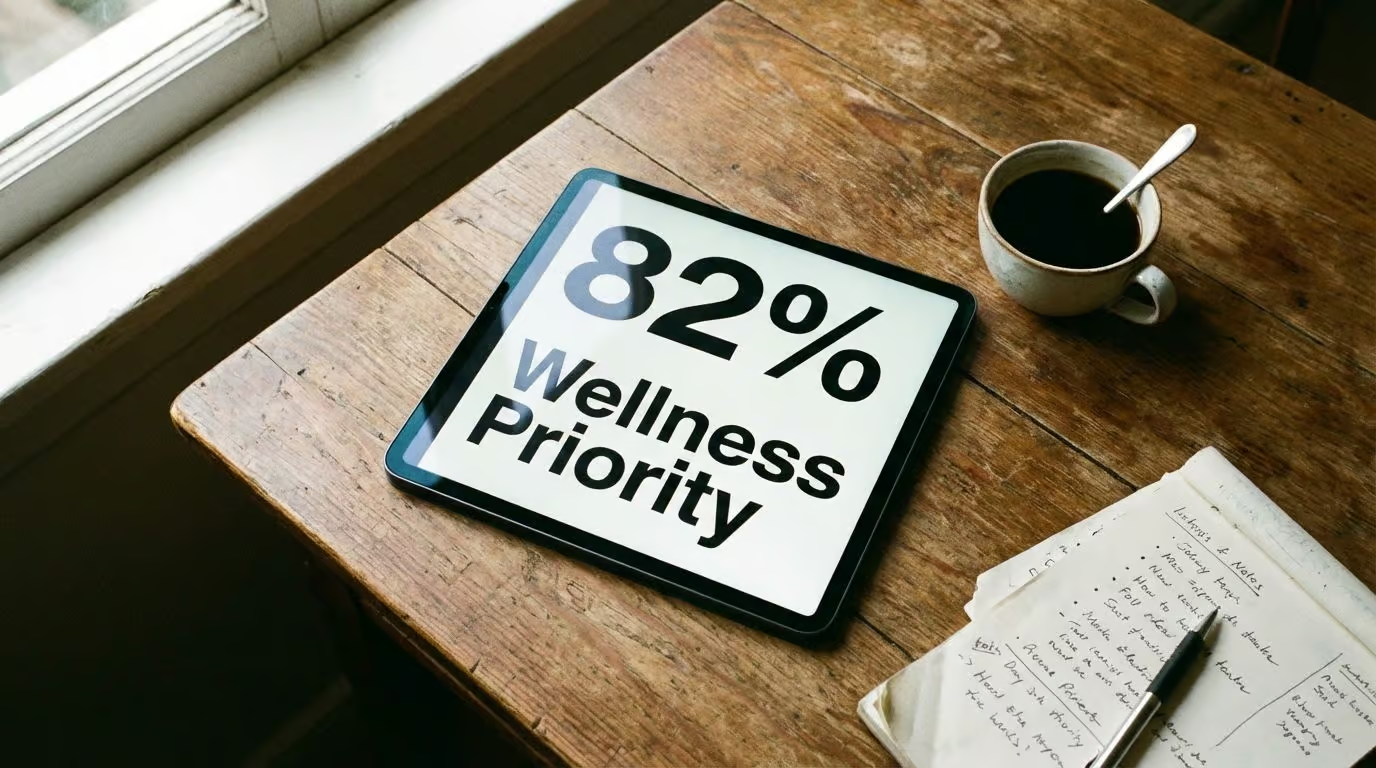
Growing a health and wellness brand often feels like shouting into the wind and hoping someone notices. I know exactly how tough it is. Since 82% of Americans now list wellness as a top priority, the market is crowded.
You want to stand out. This guide on How to Promote Your Health and Wellness Brand gives you proven digital marketing tips, smart ways to build customer loyalty, and simple tools like SEO and social media that boost your brand’s reach fast.
I am going to walk you through the exact steps I use. You will be surprised at how easy it can be.
So, grab a cup of coffee. Let’s go through it together.
Key Takeaways
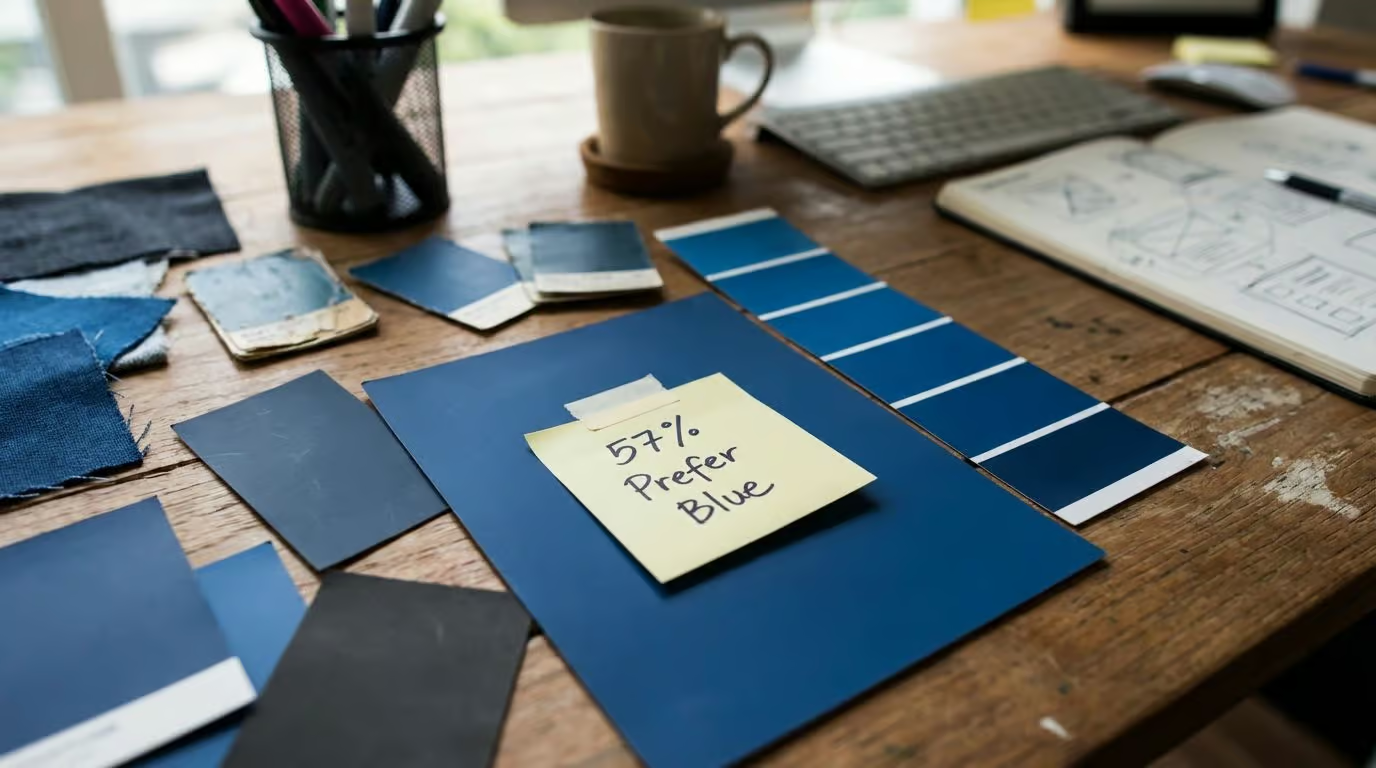
I build a strong brand identity by sticking to a “Blue and Black” color palette, which 57% of men prefer for its association with trust and strength; consistent visuals across platforms can increase revenue by 23%.
I focus my social media efforts where men actually hang out; 36% of men learn health trends from YouTube, and engagement is higher on “utility-driven” platforms like Reddit compared to aesthetic-focused ones.
Trust comes from volume; products with over 101 reviews see a 270% conversion lift, so I use tools like Yotpo and Fomo to display real-time social proof and counter skepticism.
Personalization drives my strategy; I use AI-driven data from wearables to offer custom plans, knowing that 33% of men aged 18-34 specifically trust brands that tailor experiences to their needs.
For 2025, I am betting big on functional nutrition trends like NAD+ and peptides, which have seen search volume spikes of 500%, and I leverage micro-influencers (1k-100k followers) who deliver 3-7% engagement rates.
Table of Contents
Establish a Strong Brand Identity
Standing out isn’t just about a cool logo or a catchy slogan. Your brand’s personality should pop. Every color, font, and message you put out there shows people who you are.
It is like shaking hands through the screen. If your grip is weak or your palms are sweaty, people notice.
![How To Promote Your Health And Wellness Brand [2025 Guide]](https://www.unfinishedman.com/wp-content/uploads/2025/12/infographic-How-To-Promote-Your-Health-And-Wellness-Brand-2025-Guide-415519-_0522.jpg "How To Promote Your Health And Wellness Brand [2025 Guide]")
What are your brand’s mission and core values?
My mission aims to help men achieve mental clarity, physical strength, and better overall well-being. I focus on building trust with simple messaging and honest practices that support long-term brand loyalty.
“Relationships shape outcomes; authenticity builds connections.” That’s my guiding star every day in health and wellness marketing.
Core values drive every decision: honesty, reliability, inclusivity, and making a real difference. My visual content always matches these ideals. I use the same colors across social media platforms like Instagram or LinkedIn and the same voice in all written materials.
Consistency is key for stronger brand recognition among my target demographic. Chad Barnsdale at Healthful SEO, experts in SEO for supplements companies, once told me straight up that brands don’t need the biggest budget if they know their story inside out.
By keeping customer testimonials up front and collecting real transformation stories as social proof, I create emotional bonds that last. Men respond to this consistency because it signals reliability.
How can you create a consistent visual identity?
Strong core values shape every brand choice I make. This goes right down to colors and logos. To stand out in healthcare SEO and social media marketing, I use visuals that match my mission.
I stick to a specific palette. Research shows that 57% of men prefer blue because it signals trust, security, and logic. I pair this with black or dark gray, which communicates authority and sophistication.
| Color Choice | Psychological Impact on Men | Best Use Case |
|---|---|---|
| Deep Blue | Trust, Calm, Intelligence | Medical advice, mental health apps, supplements |
| Black / Charcoal | Power, Luxury, Authority | Fitness gear, premium coaching, high-end equipment |
| Orange | Energy, Action, Vitality | Call-to-action buttons, workout challenges |
Consistency is king with everything from Instagram posts to printed ads. For me, the logo stays put on every touchpoint. This includes websites, Google Ads, and even those old-school flyers some gyms still use.
Every photo tells my story. I avoid random stock images that clash with the vibe I build online through branding efforts and influencer marketing campaigns. I use tools like Canva or Adobe Express to lock in my templates so every post looks like it came from the same pro.
Infographics pull triple duty since they get shared three times more than ordinary content. This is a simple way to boost online reviews fast while building brand awareness across busy platforms like TikTok or Pinterest.
Educational videos work wonders too. One short clip about self-care routines can set me apart in a crowded market of wellness marketers hungry for clicks and sales data analytics. Sticking with these visual cues builds an emotional link between my health message and every guy scrolling his feed for stress-relief tips or mindfulness strategies supported by experts and mental health advocates alike.
Inclusivity matters. I show diverse faces so everyone feels welcome on their path to better well-being through my consistent approach at each step of targeted marketing campaigns.
Leverage Social Media for Engagement
Social media apps like Instagram, TikTok, and LinkedIn give me instant ways to chat with my target audience. By mixing in polls, stories, and audience questions, I can boost real customer engagement without sounding like a cold ad.
How do you share authentic, value-driven content?
I post real-life stories and share both wins and setbacks. This shows that health goals take effort. Men connect best with straightforward advice, so I leave out any medical mumbo-jumbo.
In my posts, I mix facts about mental well-being from credible sources like the CDC or WHO and put them straight on images or infographics for clarity. To boost engagement, I use polls or Q&A stickers for feedback. Nothing beats having someone vote on their favorite workout challenge.
Once a week, I’ll drop an educational video covering fitness tips, stress hacks, or even safe supplement use. I always stick to compliance standards. Community support trumps flashy ads.
User-generated content from guys posting transformations adds serious credibility fast. I encourage this by running monthly “show your progress” hashtags.
Each touchpoint gives value through calls to action that invite comments or shares without sounding pushy. With this approach dialed in across Instagram and TikTok, it’s much easier to build trust before moving into which platforms drive the most targeted social media engagement.
Which social media platforms like Instagram, TikTok, and LinkedIn should you use?
Most men check their phones dozens of times a day. It pays to meet them where they scroll. Picking the right platform means your wellness brand stays in their heads, not lost in digital noise.
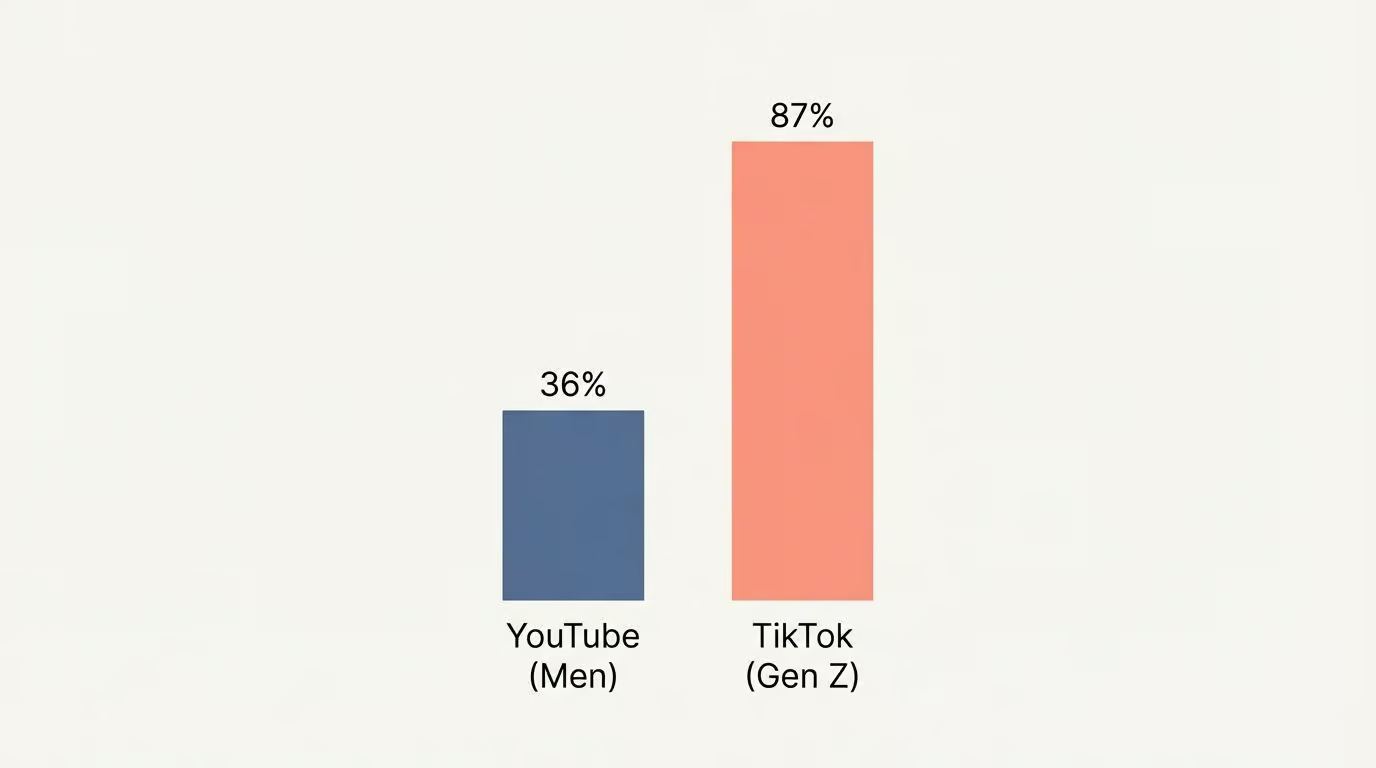
- YouTube is a powerhouse for men. Statistics show that 36% of men specifically use YouTube to learn about new health and wellness trends. I post deep-dive “how-to” videos here because men often look for utility and technical details rather than just inspiration.
- Reddit fosters real conversation. Unlike other platforms, Reddit is where guys go to discuss the nitty-gritty of supplements or workout plans honestly. I participate in subreddits like r/Fitness or r/Biohackers to answer questions without being salesy.
- Instagram draws the fitness crowd. It works best for visuals. Gym selfies, workout videos, and transformation stories catch eyes fast. With 73% of wellness buyers using smartphones for research, sharing real routines on Instagram Stories boosts click-through rates.
- TikTok rules with viral trends. This app reaches 87% of younger users who seek everything from mental health awareness tips to physical health hacks. Posting fun challenges or using influencers gives you word-of-mouth firepower. TikTok data visualization tools help track which trends pull more likes from your target audiences.
- LinkedIn brings your message to professionals. This is the place for strategic marketing ideas or B2B solutions in health and wellness. Thoughtful articles about consumer behaviors, integrated marketing strategies, or SEO optimization can set your brand apart as an expert voice rather than just another ad campaign.
You don’t have to tackle every channel alone. Pick two that fit your style, test what sticks, then scale up what works best for building trust with men interested in wellbeing or self-improvement. Even more insights are available if you want to learn how pros promote your side hustle over at promote your side hustle.
Build Trust Through Transparency
I show customers my real story and honest feedback, like open reviews and behind-the-scenes peeks. People know I care about mental wellness, not just ad campaigns or keywords, so they feel safe using their CareCredit or credit card with me.
How can customer testimonials and reviews build trust?
Customer testimonials and reviews speak louder than ad campaigns. Nearly 76 percent of guys, myself included, check online feedback before picking a new gym or health product.
Fresh positive comments on my website or social media grab attention. In fact, products that reach over 101 reviews see a conversion lift of up to 270%. This data from PowerReviews proves that volume matters.
I focus on getting that number up. Sharing stories from real users, like a dad getting back in shape with the help of fitness trackers or someone finding better sleep through my subscription wellness box, gives proof that my brand works.
I always ask for reviews and use referral programs to keep the process rolling. Referred customers stick around longer. They have about 16 percent higher lifetime value according to recent studies.
Automation tools make it easy to gather and post these reviews wherever subscribers look for advice. I use Yotpo to automate review requests and Fomo to show real-time “someone just bought this” notifications. Search engines love this stuff too!
Endorsements from doctors or sharing results supported by scientific studies nudge trust even higher since people want more than just fancy marketing strategies; they need facts wrapped in real experiences with proven benefits.
Why share behind-the-scenes content with your audience?
Showing the real side of my brand builds deep trust and helps guys make informed choices. People want facts, not filtered marketing fluff or airbrushed celebrities.
“Every unfiltered photo and raw video is a handshake between me and you.”
Transparent, behind-the-scenes clips show how I practice what I preach. If I share how our products are made, test wearable devices, or chat with pros on set, it wipes out myths faster than any ad campaign.
This type of content opens doors for honest conversations. No more guessing games or hidden secrets. Viewers ask questions about routines or ingredient sourcing right there in the comments section on Instagram Live or TikTok.
It’s like inviting everyone to peek into my toolbox; nothing is off limits, whether it’s talking about search engine optimization tricks or market research results from 2024 surveys. Authentic storytelling inspires more men to join health events and strengthens community ties while making sure we stay open about compliance rules too.
Implement Content Marketing Strategies
I use email marketing and SEO to get my brand in front of more eyes. Sometimes, a good infographic or a quick explainer video says more than any long blog post ever could.
What wellness topics should you cover in blogs and articles?
Every guy wants to feel better, stronger, and keep life on track. If you write about health and wellness, picking the right topics matters as much as the advice itself.
I use tools like AnswerThePublic and Semrush to find exactly what questions men are asking. Right now, high-interest topics include:

- Biohacking basics: Explain trendy concepts like cold plunges or intermittent fasting with clear, safe protocols.
- Fitness for busy schedules: Share 20-minute bodyweight circuits or resistance band workouts that don’t need a gym membership.
- Basic nutrition hacks: Highlight food swaps, meal prepping tips, and easy recipes using affordable ingredients backed by sound research.
- Mental health strategies: Talk about mindfulness practices like box breathing, bedtime routines, or using apps like Headspace for stress relief.
- Weight management guidance: Cover calorie tracking basics with free apps like MyFitnessPal and offer before-and-after stories from real guys who made changes.
- Disease prevention: Target men’s risks for heart disease or diabetes by breaking down what numbers mean during check-ups.
- Academic and work performance: Show how hydration affects memory or why movement breaks improve focus; productivity is a huge hook for men.
- Wellness tools: Compare apps for tracking habits or review wearables that monitor sleep cycles accurately.
- New trends via SEO: Catch what’s hot with teens and young adults, from wearable trackers like Fitbit to AI-generated meal plans.
- Expert interviews: A quick Q&A with personal trainers or nutritionists gives your blog brand personality and builds trust fast.
- Self-care routines: Quick lists of morning habits boost productivity while supporting mental well-being too.
Each topic lets me speak from real experience. I have tried most of these myself. Using buyer personas helps tailor every article so readers see themselves in the content.
How do educational videos and infographics support your brand?
Educational videos and infographics have changed the way I connect with men who care about health. Both tools help me grab attention, share facts fast, and keep my message clear.
- Videos on platforms like YouTube increase patient engagement while also making challenging wellness topics easy to understand.
- Short clips allow me to explain how my marketing strategy works or show step-by-step fitness routines without putting anyone to sleep.
- Infographics travel three times further online than plain posts, spreading my brand image into more feeds, more often.
- Using visuals in every part of my advertising helps set my brand apart and keeps it feeling consistent, which builds up trust over time.
- Bright graphics and real data support all those big words I use in blog articles, turning numbers into something guys can recall after they scroll by.
- I’ve seen firsthand that sharing infographics on Instagram or LinkedIn starts conversations among men who don’t usually comment on standard posts.
- Good visuals improve customer experience because they allow men to scan for answers without digging through walls of text.
- Real stories mixed with video testimonials make brand marketing relatable; people see themselves in the story rather than just another sales pitch.
- Infographics double as useful marketing tools for generating leads; one clear chart about weight loss tips or sports injuries gets shared everywhere from barbershops to gyms.
- My commitment to visual branding supports inclusivity and diversity because pictures cross language barriers better than words alone.
With these tools bringing in new eyes each week, collaborating with influencers just makes sense as the next step for expanding my reach.
Collaborate with Influencers and Experts
I like working with wellness influencers because their audience listens and reacts. Bringing in respected nutritionists or fitness coaches lets my brand grow fast. Trust me, people pay attention when real health pros talk about products.
How do you partner with health and wellness influencers?
I always start by finding influencers whose mission and core values match mine. I prefer working with micro-influencers—those with one thousand to 100,000 followers.
The data backs this up. Micro-influencers typically see engagement rates of 3-7%, compared to just 1% for big celebrities. Their followers actually trust them.
Last year, I reached out to fitness coach Mike Davis on TikTok. He shares content that supports my brand’s focus on honest wellness. Since 87 percent of millennial and Gen Z men turn to TikTok for health advice, this platform gives a strong marketing channel for personalized campaigns. I use platforms like Aspire or Influencity to find these hidden gems who have real authority.
Every pitch I write feels personal. I give creative freedom but outline clear contract terms and share my brand guidelines up front. During partnership talks, I ask about their experience with celebrity endorsements or past wellness companies.
My top goal is getting quality conversations going. Tracking engagement rates, conversions, and return on investment matters more than just likes or views. Finally, following FTC rules keeps every campaign aboveboard and protects both sides long term.
What are effective ways to host webinars or events with experts?
Hosting webinars with experts is a sharp move for any health and wellness brand. I have seen strong lead generation, lively engagement, and long-term loyalty bloom from these live sessions.
I schedule these events carefully. Research shows the best times to host webinars for men and professionals are Tuesday through Thursday, between 11 AM and 2 PM.
- Invite established health pros like nutritionists, therapists, or trainers to speak on must-solve challenges. Think weight management, men’s stress, or healthy eating in 2025.
- Gather registration info before each event so I can send targeted ads or personalized follow-up offers after the session ends.
- Keep topics clear and simple; guys respect actionable advice over marketing fluff every day of the week.
- Give away practical incentives for attending, such as discount codes or free e-books tied to my products.
- Use platforms like Zoom or Crowdcast that offer polls and chat functions. I get real-time feedback this way.
- Always record each webinar. Later, I chop up the best moments into short clips for posts across Instagram, TikTok, and LinkedIn.
- After product launch webinars, shoot out post-event surveys to collect feedback. Men want to know their voice counts in brand decisions.
- Set clear goals. Sometimes building awareness trumps pushing sales numbers.
- Run a quick self-care challenge right after a webinar. It keeps new leads engaged and adds value beyond the call itself.
- Mix up formats. Some months I’ll host virtual sessions for reach, other times local workshops at gyms or clinics give me boots-on-the-ground authority.
- For big-ticket events like retreats or conferences, bring on well-known experts as headline speakers.
- Always respect privacy laws when collecting participant data during these events. I stay transparent about how info will be used.
Offer Personalized Experiences
Guys love it when a brand gets personal. Think fitness apps that track our gains, or wellness plans that fit our crazy work weeks. If I get a self-care box built around my habits, with cool gear and healthy snacks from brands like Calm, Fitbit, or Headspace mixed in? Sign me up faster than you can say “New Year’s resolution”!
How can you create tailored wellness challenges or programs?
I like using data analytics and smart devices to shape wellness programs that feel personal. Apps make it easy for me to track my progress, whether I’m pushing through a 30-day fitness challenge or tweaking things for my own pace.
About 33% of men aged 18-34 say they trust brands more when they offer personalized experiences. This isn’t just a trend; it’s an expectation.
Time-limited challenges spark urgency. Short bursts like an eight-week muscle-building plan keep me motivated. Offering rewards keeps interest high. Nothing gets me moving faster than the promise of free gear or a discount after finishing.
With apps and wearables tracking everything from steps to sleep, I can join guys at different skill levels. No one feels left behind. Getting feedback on how everyone does helps build better marketing strategies too, almost like getting playbook notes after the big game.
Community events in-app or online help us connect about goals and struggles, which makes it all stick longer than any quick fix ever could.
What are the benefits of launching self-care subscription boxes?
After setting up wellness programs that fit each person, self-care subscription boxes take the idea a step further. These boxes let me give customers ongoing, personalized solutions right at their door every month.
Using advanced data analytics and machine learning helps pick items that match different preferences and needs. No more random one-size-fits-all stuff. I use tools like Recharge or Bold Subscriptions to manage these recurring orders seamlessly.
The best part is how this approach grows loyalty through strong CRM systems while also creating steady revenue streams for my business. Seasonal themes or tiered choices mean I can keep things fresh and fun, no matter what mood strikes my buyers next quarter.
Connecting with other brands lets me widen product options too, which draws in new faces who want to try something different without any fuss about privacy; compliance rules always protect subscriber trust and security along the way.
Utilize Referral and Loyalty Programs
I keep things lively with referral links and points programs from tools like Smile.io and ReferralCandy. Everyone loves a little reward for sharing or coming back, especially when you can swap those credits for cool wellness gear or discounts on MyFitnessPal subscriptions.
How do you encourage customer referrals with incentives?
I like to keep referral programs simple. I offer store credit, free products, or generous discounts for every new customer someone sends my way. These kinds of rewards really get people talking.
The Collagen Co., for example, hit a high return on investment by rewarding referrals with tempting bonuses. Proof this marketing strategy pays off.
Sharing and tracking referral links takes just a few clicks now with tools like ReferralCandy or Yotpo, which helps guys spread the word fast across Instagram or TikTok. Email blasts and posts in Facebook groups remind everyone about the incentives waiting for them.
Public thank-yous on social media give folks a bit of spotlight too. That little ego boost keeps loyalty strong without breaking my budget. Mixing these personal touches with review requests gives every happy customer more reasons to bring their friends along.
What loyalty benefits can you offer repeat customers?
Strong loyalty benefits keep guys like me coming back for more, especially if the perks feel genuine. Rewards can lead to higher engagement, more trust, and a real sense of value.
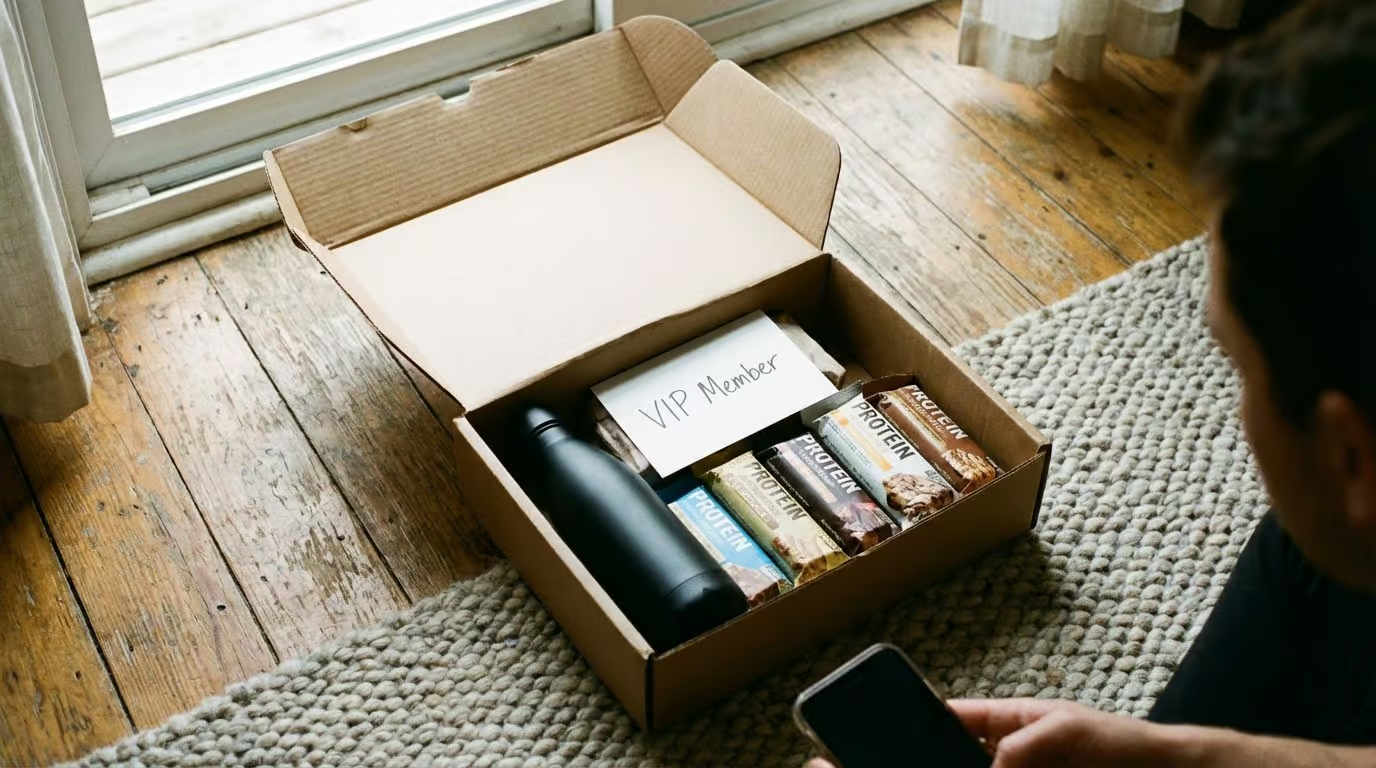
- Discounts for returning customers always get my attention; nothing says “thank you” quite like seeing that price drop at checkout.
- Early access to new wellness products or limited runs lets me feel in-the-know, which is cool if I want to try what’s fresh before everyone else.
- Exclusive invites to local health workshops or virtual fitness classes through Zoom help me connect with experts and other members.
- Bonus points on each purchase make every protein shake or supplement order feel rewarding; these points can add up fast toward future savings.
- Birthday surprises like free samples or a small gift box show a brand pays attention to little details in personalization.
- VIP status unlocks perks such as priority shipping and special customer service lines, making it easier to solve issues quickly.
- Access to private online groups or Slack channels for loyal customers adds community vibes. I use Circle or Mighty Networks to host these private spaces.
- Regular check-ins via email about upcoming deals, personalized offers, or new wellness tips make me feel noticed and appreciated.
- Free entries into monthly prize draws add an extra bit of excitement on top of regular rewards.
- Tiered benefits mean the more I buy, the better the perks. From bigger discounts to entry into exclusive seminars led by nutritionists like Dr. Axe.
- Special bundles only available for repeat buyers offer value-packed deals I can’t find anywhere else.
With 77% of shoppers sticking around because they love their loyalty program perks according to 2024 stats from Yotpo, it’s clear why brands invest in marketing strategies that focus on personalization and rewards. Repeating business gets even easier if the steps are simple: sign up once and start earning those bonuses right away.
Host Community-Oriented Events
I like bringing people together for wellness meetups, yoga classes, and even nutrition workshops. Sometimes, sharing a protein shake with a neighbor at these events does more for my brand than any ad campaign on Facebook or Instagram ever could.
How do you organize local wellness workshops or retreats?
I scout out affordable spaces, like community halls or gyms, to hold workshops and retreats. Kicking things off with a clear goal in mind keeps the event focused. This could be lead generation, brand awareness, or even boosting product sales.
I bring in local massage therapists and trainers for micro-expos. Their expertise draws more folks from the neighborhood. Sometimes I team up with these pros for one-day wellness conferences because nothing clarifies credibility quite like sharing a stage.
Connections matter, so I reach out to my own clients first since strong relationships make any marketing strategy easier to grow. Local micro-influencers help spread the buzz online as they keep things real on Instagram and TikTok stories about our events.
Whether meeting face-to-face or hopping onto Zoom calls, I always collect attendees’ contact info using signup sheets or digital tools such as Google Forms. This makes follow-up campaigns easy later on.
Next up: getting involved by joining local health fairs or even sponsoring charity 5K runs in town can help lift both spirits and brand visibility alike.
Why participate in or sponsor community health events?
Showing up at community health events puts my brand right where people live and work. It feels good to see the real issues, like food access or nutrition gaps, and put some muscle behind solving them.
I might sponsor a free kids’ soccer day or back a local blood drive. Each time, folks get to know what I stand for.
These gatherings let me rub elbows with nonprofits, local leaders, and customers alike. Sharing stories about men who benefit from these programs proves that my marketing strategies are rooted in action. Not empty promises.
Supporting groups facing bigger health hurdles shines a light on what matters most: fairness and working together. Every handshake builds trust; every event keeps my brand top of mind long after the banners come down.
How Will Wellness Branding Evolve in 2025?
I see wellness branding shifting hard toward Gen Z and millennial needs in 2025. These folks drive over 41 percent of total spending now, but stress runs high among them, especially with unmet mental health demands.
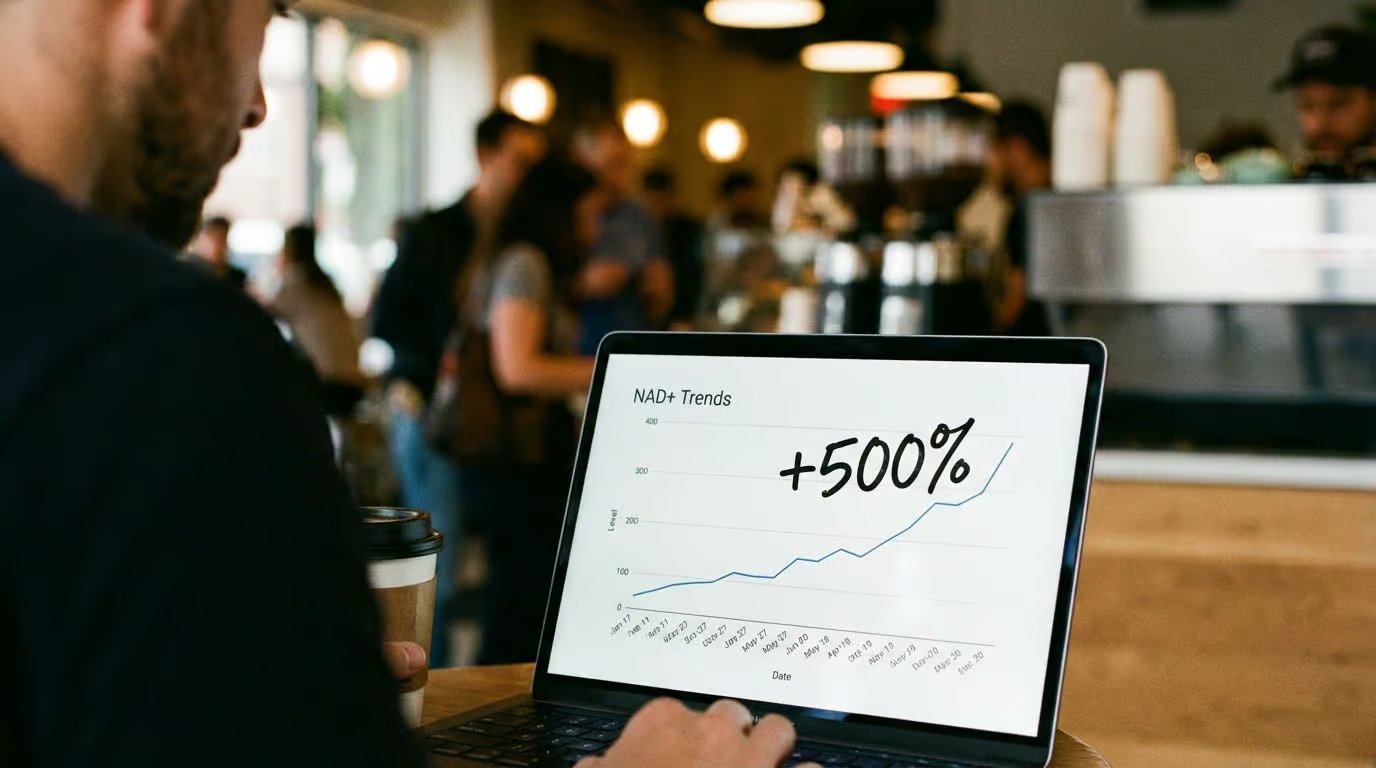
Marketing strategies will focus less on age-old fitness hype and more on cognitive boosts and longevity. I am watching the massive spike in interest for functional nutrition. Specifically, searches for NAD+ have rocketed 500% and interest in peptides is surging. Brands that get real about these science-backed options will draw eyes and wallets.
More guys like me expect open talk from brands. We want honest reviews and stories straight from the shop floor, none of this polished ad stuff. Partnerships matter too.
Think mental health collabs with therapists or local wellness clinics to boost trust. This grabs attention on social media favorites like Instagram or TikTok.
New marketing plans need fresh angles. Men’s self-care kits by mailboxes one month, a weight management app challenge the next. Growth comes when I feel seen.
With the US health and wellness market projected to hit nearly $988 billion by 2025, it pays to show up where younger men already spend time online. Delivering value we can use right away is the only way to win.
People Also Ask
What marketing strategies work best for promoting a health and wellness brand in 2025?
I have found that short-form video on YouTube Shorts is the most effective strategy right now because it reaches men where they are actually spending their downtime. You should focus on filming raw and unfiltered clips that show your product solving a real problem instead of wasting money on polished ads that people skip.
How can I make my health and wellness brand stand out using modern marketing strategies?
You need to lean into “Building in Public” on platforms like X by sharing your actual revenue numbers and product failures. I have seen that this level of radical transparency builds immediate trust with male consumers who are tired of slick corporate marketing.
Are there cost-effective marketing strategies for small health brands?
Leveraging user-generated content is the single most efficient way to grow because reposting a customer’s success story costs you absolutely nothing.
Why do some health and wellness brands struggle even when they use popular marketing strategies?
Most brands fail because they use vague language that does not address a specific pain point like energy levels or sleep quality. If you do not explicitly state how you solve a problem for a specific type of guy, your audience will tune you out immediately.
References
https://www.kovlystudio.com/journal/wellness-brand-positioning-guide-2025
https://pmc.ncbi.nlm.nih.gov/articles/PMC4332908/
https://www.5wpr.com/new/leveraging-social-media-to-engage-health-conscious-consumers/ (2025-11-11)
https://pmc.ncbi.nlm.nih.gov/articles/PMC11353519/
https://pmc.ncbi.nlm.nih.gov/articles/PMC12608964/
https://pmc.ncbi.nlm.nih.gov/articles/PMC10439458/
https://launchpadagency.com/blog/how-to-build-trust-and-boost-sales-for-your-health-and-wellness-brand/ (2025-02-10)
https://pmc.ncbi.nlm.nih.gov/articles/PMC8156131/
https://www.purdueglobal.edu/blog/student-life/valuable-health-wellness-blogs/ (2024-12-19)
https://venngage.com/blog/healthcare-marketing/ (2025-09-10)
https://www.getsaral.com/academy/health-wellness-guide-to-influencer-marketing (2025-08-22)
https://pmc.ncbi.nlm.nih.gov/articles/PMC6683418/
https://webinarninja.com/blog/webinar-ideas/ (2025-09-30)
https://www.tability.io/templates/strategies/tags/health-professionals
https://www.socalnewsgroup.com/2025/02/15/wellness-marketing-guide-2025/ (2025-02-15)
https://quimbydigital.com/the-2025-playbook-for-health-and-wellness-marketing/ (2025-10-27)
https://www.linkedin.com/pulse/how-self-care-subscription-box-works-one-simple-flow-s76vc/
https://okendo.io/resources/blog/health-wellness-strategies/ (2024-11-18)
https://cdn.vanderbilt.edu/vu-URL/wp-content/uploads/sites/412/2025/10/17195957/The-Loyalty-Trap.pdf
https://saltmarketing.co/community-marketing-ideas-wellness-practices/
https://pmc.ncbi.nlm.nih.gov/articles/PMC11989079/
https://www.mckinsey.com/industries/consumer-packaged-goods/our-insights/future-of-wellness-trends (2025-05-29)
https://www.sciencedirect.com/science/article/abs/pii/S0160791X24003567