
Ever stood in front of your closet, totally lost on what men’s suit to wear for a big event? Picking the right outfit gets tricky since dress codes can range from business suits at meetings to tuxedos at black-tie events.
You are not the only one staring at those hangers in confusion. I have been there too. The good news is that understanding a few simple rules changes everything.
This guide gives you simple tips on how to choose the right men’s suit for different occasions, so you look sharp without stress. Stick around, because your next great formal attire choice is just ahead.
Key Takeaways
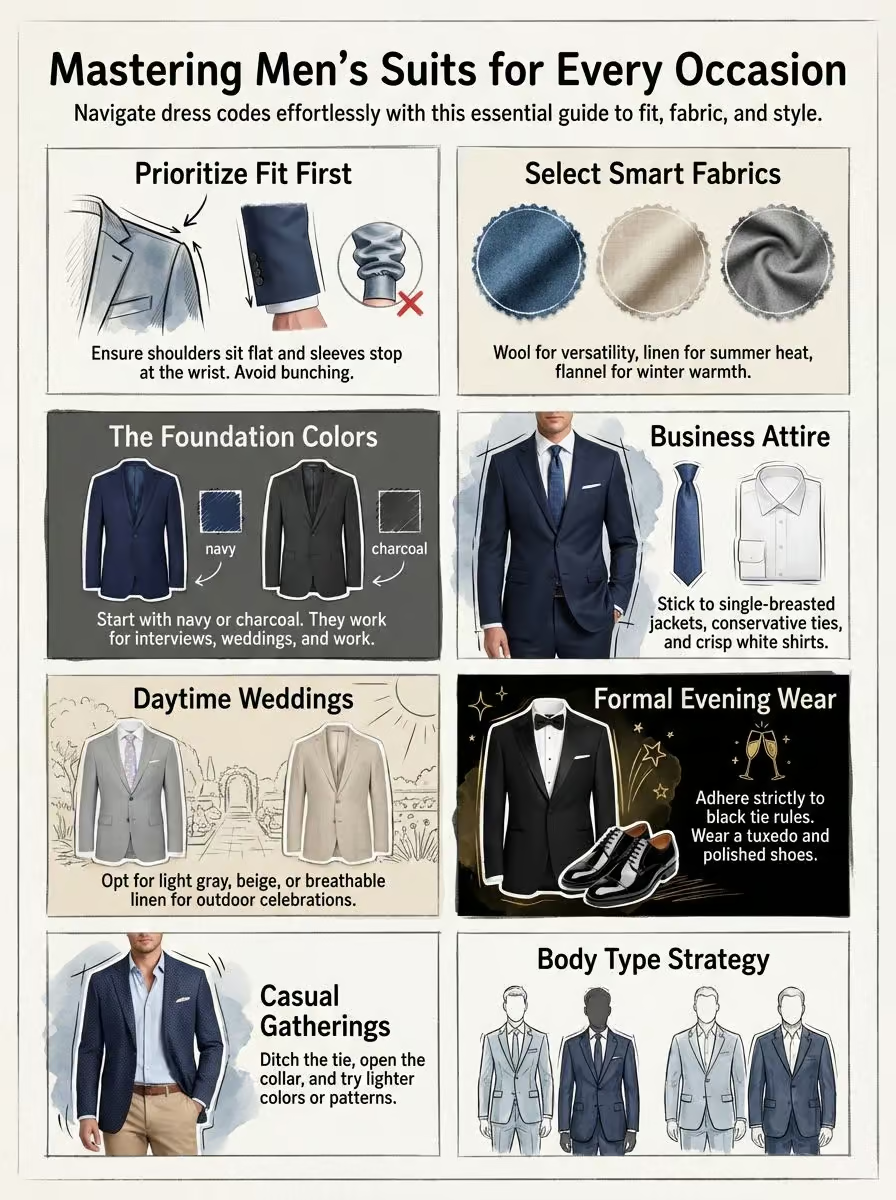
Fit is the most important factor; shoulders should sit flat, sleeves reach your wrist, and trousers break at the hem; always use a tailor if possible for both off-the-rack or made-to-measure suits.
Wool is the top fabric because it’s breathable and fits well year-round; linen and cotton are better for summer but wrinkle easier, while flannel and tweed keep you warm during cold weather events.
Navy blue or charcoal gray suits work best for almost any event, from job interviews to weddings, while light shades like beige or pastel are ideal for daytime gatherings.
For business or interviews, wear single-breasted wool suits in navy or charcoal with conservative shirts (white or pale blue) and polished oxford shoes; avoid loud patterns on ties.
Formal evening events require black tie (classic tuxedo), white tie (tailcoat), polished leather shoes, fitted tailoring, and subtle accessories like cufflinks; follow dress codes closely to show respect.
Table of Contents
Key Factors to Consider When Choosing a Suit
Snagging the right fit and fabric can make a men’s suit feel like it was made just for you, whether it’s off-the-rack or made-to-measure. A great color or pattern on your suit jacket goes a long way, so don’t skip those details.
They transform simple garments into sharp business attire. Let’s look at the three pillars that hold up every great outfit.
Why is fit important when selecting a suit?
A bad fit can turn any men’s suit into a fashion disaster, no matter how fine the fabric or famous the brand. Shoulders need to sit flat, not droop or pinch. Sleeves should stop right at your wrist, while trousers must skim your shoes and break just at the hem.
I once bought a navy blue suit off-the-rack for an interview; it was too loose in all the wrong places. Looking back at that photo still makes me wince! Wearing a well-fitted suit brings instant confidence. You stand taller and move with ease whether it’s business attire or a black tie event.
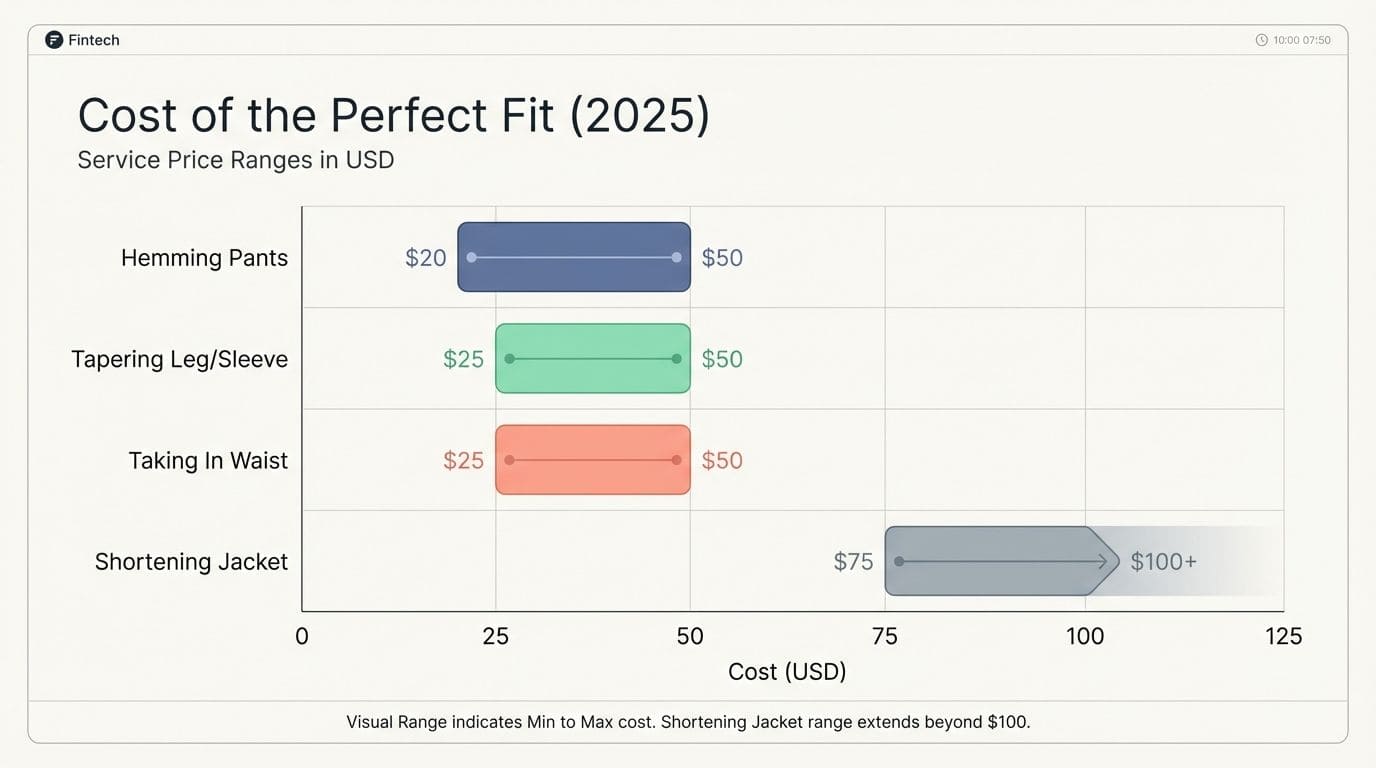 The Cost of the Perfect Fit (US Averages 2025):
Many guys skip the tailor because they fear the cost. But fixing an off-the-rack suit is often cheaper than buying custom.
| Alteration Type | Estimated Cost (US) | Impact on Look |
|---|---|---|
| Hemming Pants | $20 – $50 | Essential. Prevents “puddling” at shoes. |
| Tapering Leg/Sleeve | $25 – $50 | High. Creates a modern, sharp silhouette. |
| Taking In Waist | $25 – $50 | High. Stops the jacket from looking boxy. |
| Shortening Jacket | $75 – $100+ | Medium. Improves proportion for shorter guys. |
Suit fit affects comfort as much as style. Try to avoid pants that bunch up at your shoes or jackets pulling across your chest; both shout “borrowed.” Slim fit suits usually flatter lean frames best, but classic fits work better if you’re built broader across the shoulders.
Tailors recommend taking every garment to be adjusted by experts who know menswear inside and out. This includes trousers, dress shirts, and even vests. A polished look helps you nail job interviews and shine at formal occasions like proms and cocktail parties alike.
For more tips on finding sharp office suits or smart-casual outfits that never sag in awkward spots, check out this guide to find the perfect fit.
A good suit is like armor. You wear it well when it fits right.
Thinking about choosing fabrics? The next step can help polish your personal style.
What fabrics are best for men’s suits?
Wool sits at the top for men’s suits. A 100% wool suit feels soft, shapes well, and keeps you warm or cool as needed. Wool is breathable, moisture-wicking, and looks sharp every time you wear it.
But not all wool is equal. You will often see “Super” numbers on the label. Here is how to read them so you buy the right tool for the job.
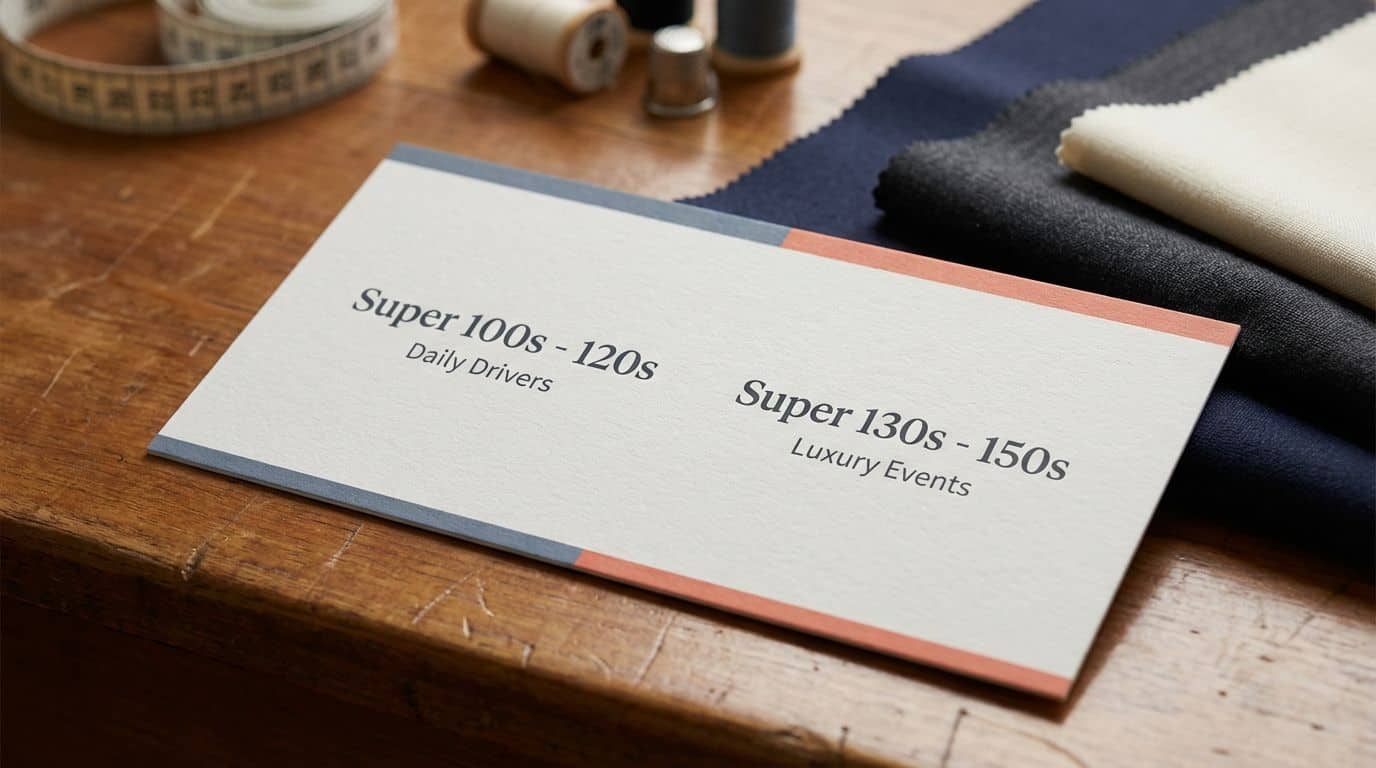
- Super 100s – 120s: These are your “daily drivers.” They are durable, resist wrinkles, and handle daily office wear perfectly.
- Super 130s – 150s: These are smoother and feel luxurious. Treat them like a sports car; great for special events but too delicate for the daily grind.
- Fresco Wool: This is a high-twist wool that breathes incredibly well. It is the secret weapon for looking crisp in hot weather.
For summer heat or sticky commutes, switch to linen or cotton suits. These choices feel lighter but wrinkle easily. That is a small price for comfort in blazing weather. Cotton claims second place in popularity after wool because of its breathability and laid-back look.
If you want more affordability and fewer wrinkles, grab a wool blend that mixes polyester or nylon with natural fiber. Cold winter mornings call for flannel or tweed suit jackets paired with thick dress pants. Flannel gives warmth like a big mug of coffee while tweed stands tough against chilly winds at fall outdoor weddings or brisk walks to work.
Linen makes summer events easy since it weighs almost nothing. Expect some creases by the end of the day if your celebration lasts long into the night! For someone who likes luxury items, vicuña offers rarity and softness but can cost more than a new car payment per yard.
Choosing fabrics sets up everything else. Now let’s look at how color and pattern change up your wardrobe game.
How do color and pattern affect suit versatility?
Suit color can shape how others see you before you even speak. Want a suit that works for almost any event? Pick navy blue or charcoal gray. Navy suits are perfect for job interviews, business meetings, and weddings.
The Psychology of Color:
- Navy Blue: This is the color of trust. It signals reliability and confidence. It is the safest and strongest choice for a first interview.
- Charcoal Gray: This color projects authority and experience. It is often seen as slightly more formal and mature than navy.
- Black: Save this for funerals or black-tie events. In a normal office, it can look too severe or like a uniform.
Charcoal gray suits offer freedom; they pair well with bold ties or simple button-down shirts for less formal events.
Patterns also play a big part in versatility. Stick with solid colors at first if your closet is just starting out. You’ll use these more than checked or plaid jackets. Trust me, I learned it the hard way after I bought bold stripes too soon! Light gray or beige feels right during the day and at summer gatherings while black keeps things classic at evening occasions like white-tie nuptials.
As your collection grows, add pinstripes, windowpane checks, or plaids for days when you want to stand out a bit more without losing that smart casual edge. Don’t be afraid to mix in accessories like colorful bow ties or pocket squares from stores that help you coordinate your outfit with men’s accessories more easily.
Suit Choices by Occasion
Picking the right men’s suit can make you look sharp, whether it’s a power suit for business or a dinner jacket at night. Certain fabrics like wool and seersucker work better in some settings, and the right cut can change your whole style game. Let’s break down exactly what to wear and when.
What suits are appropriate for business or interviews?
Business and interviews call for smart choices in men’s suits. A sharp suit sends a strong message before you even speak.

- Navy or charcoal suits set the gold standard. These colors show confidence and never go out of style, making them perfect for both interviews and daily formal dress.
- Wool fabric stands out here. It breathes well, moves with you, and handles all seasons without breaking a sweat.
- Single-breasted jackets with two buttons fit almost every office setting. They feel modern, look sharp, and stay within business formal rules.
- Pinstripe suits add flair but keep it subtle for the first impression at interviews. Thin stripes say you mean business without shouting.
- Pair that suit with a crisp white or pale blue dress shirt. Light colors work best under harsh office lights and look clean on camera too.
- Conservative ties in solid shades or soft patterns do the trick; forget loud prints that distract from what you say.
- Polished oxford or brogue shoes finish your outfit strong; loafers can hurt your image with stricter dress codes.
- Keep accessories classic. A simple watch, silver cufflinks if needed, and a leather belt matching your shoes are all you need. Nothing flashy needed here.
- For winter interviews, reach for heavier woolen fabric to stay warm without losing style points; skip bulky coats inside the building.
- Skip patch pockets and stick to besom pockets for a cleaner profile; this quiet detail helps your men’s suit stand apart in formality.
A good business suit works as armor and handshake rolled into one. It helps others view you as someone who means business from day one.
Which suits work best for daytime weddings or events?
Picking a suit for a daytime wedding can feel tricky, but it gets much easier with the right tips. Suit up confidently with styles and colors fit for sunshine, celebration, and comfort.
- Light gray suits stand out for summer weddings and semi-formal parties. Their vibe is cool, crisp, and modern. I wore one to a friend’s outdoor ceremony last July. It photographed well, and I got more compliments than the groom.
- Beige suits give off luxury and effortless class if styled right, especially outdoors or by the beach. They look smart at daytime events under clear skies and pair perfectly with brown shoes or loafers. Skip beige if all other guests are in black tuxedos; you don’t want to stand out for the wrong reason.
- Linen suits are popular at warm weather gatherings due to breathability and light weight. A linen men’s suit keeps sweat at bay while looking sharp from vows to reception drinks.
- Seersucker suits provide texture and pinstripe charm that’s become a fashion statement in Southern weddings or springtime events from Savannah to Miami.
- Pastel blue lounge suits are bold yet appropriate as long as you keep your shirt simple and add a muted tie for balance.
- Cotton three-piece suits offer versatility. Drop the vest if things heat up! These work well with both classic oxfords or playful loafers for laid-back garden settings.
- Stick to lighter fabrics like cotton blends in spring or summer months; these help match the season without trapping heat during lengthy ceremonies.
- Daytime wedding power suits do not need dark tones; save those navy peak lapels for evening wear or boardrooms.
- Shawl lapel jackets offer an easy-going sophistication perfect for afternoon nuptials at country clubs or rooftop celebrations downtown.
For more inspiration on color, patterns, style notes, or simply a wider selection of men’s suits perfect for any event, check out this selection of men’s suits which offers options fit for every occasion.
What should I wear to formal evening events?
Dressing for formal evening events calls for clear rules. Expectations are high, but getting it right gets you noticed in a good way.

- Dress codes set the tone, with black tie and white tie as the most common; always check your invitation.
- Black tie means a classic black tuxedo jacket, matching trousers, white formal shirt, silk bow tie, and polished black leather shoes; add a cummerbund or vest if you want an extra sharp look.
- For “black-tie optional” on an invite, you can wear a dark navy blue dinner jacket or full tuxedo set. Either way, keep things crisp and clean.
- White tie calls for the top level of men’s fashion. This includes a black tailcoat (also called a morning coat), black trousers with satin stripe, starched white cotton waistcoat and shirt, plus a white bow tie. Think heads of state or award shows.
- Navy or charcoal formalwear suits work well at less strict events and look great paired with silk ties and crisp dress shirts.
- Choose wool fabrics when possible; they breathe well under banquet hall lights but still keep shape late into the night.
- Details matter. A sharp pocket square, grosgrain lapels on your blazer or jacket, pleated shirts, and cufflinks that match your watch are small touches that boost confidence fast.
- Avoid patched pockets or business-casual blazers at these events. Office gear doesn’t belong on the dance floor!
- Get your suit tailored for fit; nothing reduces the appeal of fine fabric faster than baggy sleeves or sagging cuffs under chandelier light.
- Polished leather shoes finish your look; shiny oxfords work best for both tuxedos and dark suits.
A proper outfit signals respect for tradition. It keeps all eyes on you until dessert is served.
How can I choose suits for casual gatherings?
Casual gatherings let you get creative with your suit choices. You can mix relaxed fits, fresh colors, and modern styles for a laid-back vibe.
- Lighter colors work best for casual events; think beige, light grey, or even pastel shades in the summer.
- Linen suits keep you cool and comfortable at weekend barbeques or backyard parties; these breathe better than wool.
- Casual suits often have patch pockets instead of flap ones; they add a little sportiness I love.
- Chinos or dark jeans with an unstructured blazer nod to smart casual without losing that smart casual edge.
- Green and burgundy suits are trending for guys who want their style to stand out at birthday dinners or art gallery meetups.
- Ditch the tie and open your shirt collar; this trick has saved me from feeling overdressed more times than I can count.
- Patterns like subtle checks or windowpanes give personality without going full peacock.
- For business casual hangs at a rooftop bar, select dinner jackets in lighter shades with notch lapels. They look easygoing but sharp.
- Wool-blend suits work if cold weather hits, keeping things comfy while still looking put together.
- Single-breasted jackets feel less stuffy than double-breasted options in a casual setting.
Can you wear sneakers with a suit?
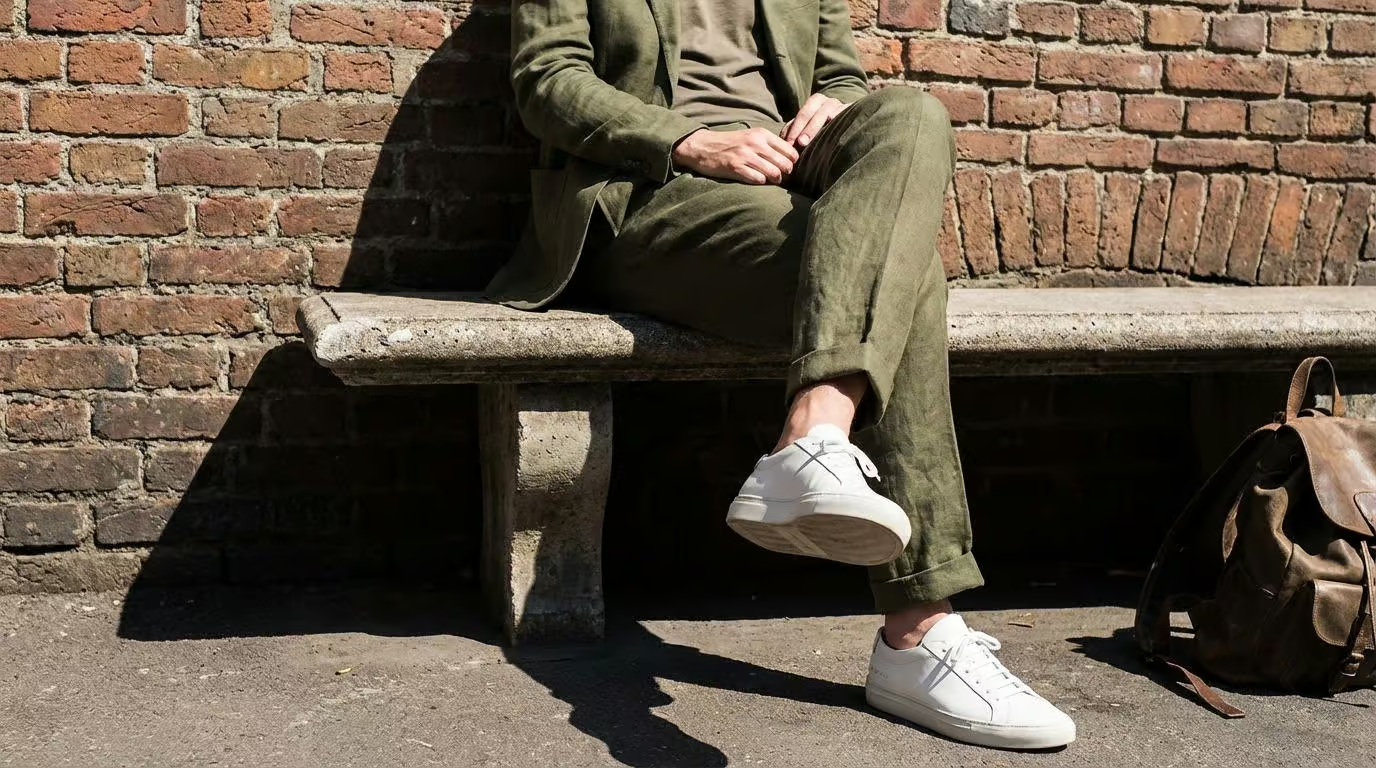
In 2026, the answer is yes, but there are rules. To pull this off, your sneakers must be pristine. Stick to low-top leather sneakers in white or black from brands like Common Projects or Koio. Avoid your gym running shoes at all costs; they will just look like you forgot your dress shoes.
Mix up textures and accessories like a woven belt or suede loafers to strike that balance between polished and easygoing. If anyone asks whether it’s “custom clothing,” just wink and say you know a guy.
What fabrics are ideal for cold weather suits?
After picking out suits for casual gatherings, next up is keeping warm without turning into a walking sleeping bag. Heavy wool wins the race in winter formal wear. My first three piece suit was pure wool, and let me tell you, it kept me warmer than grandma’s hugs at Christmas dinner.
Flannel adds another layer of coziness. Its textured finish traps heat while keeping things relaxed but sharp enough for men’s fashion standards. Look for weights around 12oz or 340g if you want true winter protection.
Tweed steps onto the scene with rugged good looks and weather resistance that laughs at wind and drizzle. Corduroy also deserves respect; it holds warmth well and shrugs off creases like magic.
For those wanting a taste of luxury, vicuña fabric stands as king. Rare fibers make it light yet insulating, though it can empty your wallet faster than a sudden rain shower at an outdoor wedding.
Wool-silk blends work during chilly fall mornings or iffy spring afternoons when you need something lighter. No matter what, flannel, tweed, corduroy or even twill, all these options give morning suits or vested outfits extra muscle against the cold while still looking sharp.
A proper cold-weather suit doesn’t just keep out the chill; it brings confidence to any room.
Essential Suit Styles to Know
Every guy has a go-to jacket, but picking between single-breasted and double-breasted can feel like choosing sides in a pizza debate. If you care about comfort or body type, the difference between slim and classic cuts could steer your whole look.
What are the differences between single-breasted and double-breasted jackets?
Single-breasted jackets have a single row of buttons down the front. You see these in most offices, at interviews, and even at casual events. This style goes with almost anything, from jeans to suit pants. It is the champion of versatility in men’s fashion.
Double-breasted suits carry two parallel rows of buttons and overlapping flaps. They create a broader shape across your chest and shoulders, which can make you look more confident or sharp. Think about how many CEOs or celebrities wear them on red carpets.
These are more formal, so wearing one to a random lunch feels like showing up with fireworks for a backyard barbecue. If you want extra flair or are heading to an event where dress codes matter, give double-breasted suits, and maybe shawl lapels, a try when looking into custom suits or clothing options.
How do slim fit and classic fit suits suit different body types?
Slim fit suits cut close to the body, giving a sharp, modern silhouette. Guys with lean or athletic builds often feel comfortable in these since there’s less extra fabric. If you have broad shoulders and a trim waist, slim fits from brands like Hugo Boss or Indochino can highlight those features.
I once wore a slim Italian suit for my friend’s wedding. I felt like James Bond until dessert.
Classic fit suits allow more room around the chest and waist, making them better for bigger or stockier men who value comfort over trends. Brooks Brothers and similar labels offer classic cuts that don’t cling but still look clean.
For guys who want both style and movement when sitting at long events or running between meetings, classic wins every time. Whether you pick off-the-rack menswear or choose custom clothing, proper measurements make all the difference in how confident you feel in your suit.
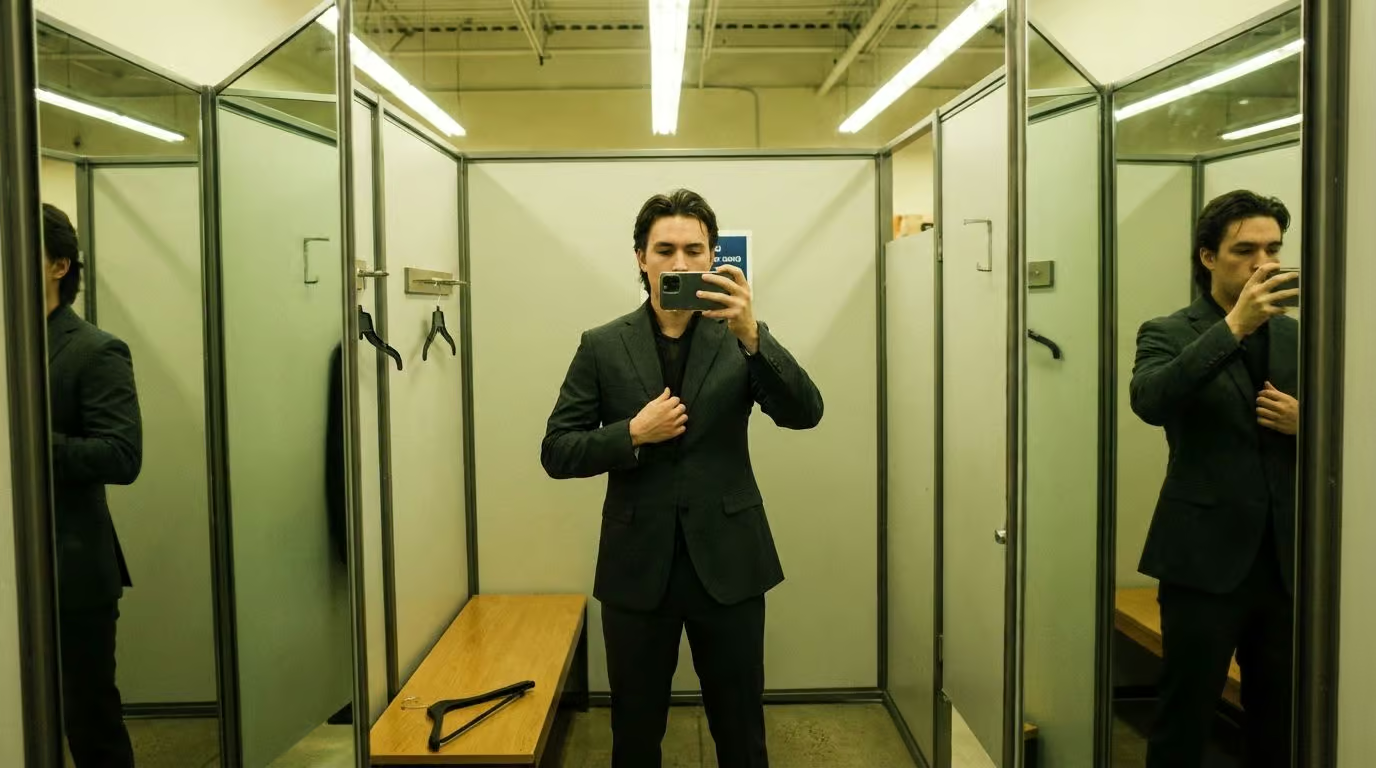
The “First Suit” Rule
Start with a deep blue or charcoal wool suit. That single choice covers work, special events, and more, like a Swiss Army knife for men’s fashion.
Why invest in a versatile navy or charcoal wool suit?
Navy and charcoal wool suits never look out of place, whether you are at a big business meeting or your cousin’s wedding. These colors work for almost every event.
A well-dyed wool suit is breathable, wrinkle-resistant, and lasts season after season. If you choose one in navy or charcoal, it matches most shirt and tie combos with ease. You can even get adventurous with some brighter shades later.
A classic men’s suit in these tones fits nearly all skin types. People notice that first impression; navy or charcoal shows credibility right away. Wool holds its shape better than most materials, so this investment keeps paying off while cheaper fabrics wear out fast.
Smart guys often pick custom clothing in these colors because they want both style and value without the fuss. You can be ready for anything, from workdays to evenings out, with just one timeless choice neatly hanging at home.
How Will Men’s Suiting Trends Change in 2026?
Suiting in 2026 will look bolder and more relaxed. Think of wider shoulders, roomier trousers, and double-breasted jackets channeling the 1980s. Many designers now offer these bigger fits, inspired by styles from the ’30s and ’40s. We are seeing a shift away from the super-skinny cuts of the last decade.
Bright colors like pink, pale orange, lilac, or deep jewel tones are gaining steam too. Traditional gray is getting company from brown suits matched with lighter shirts for warmth. You might even see shades of violet or aubergine appearing in spring collections.
Thanks to remote work and a rise in casual dressing, comfort rules men’s fashion. This “Grandpacore” vibe means softer fabrics and easier silhouettes.
Brooches on lapels, chunky chains hanging off jackets, or attention-grabbing bags add flair to your suit game. You don’t have to play it safe anymore. Even the “Anderson Pop,” a one-sided collar pop seen on runways, is making waves for those daring enough to try it.
Neckties make a strong comeback as well; people tuck them under wider lapels for an extra punch of style. If you want custom suits that stand out at any event in 2026, don’t be shy about mixing patterns or pushing the envelope on color choices.
People Also Ask
How do I pick the right men’s suit for a wedding or formal event?
Stick to classic navy or charcoal in a versatile high-twist wool, as these shades work for almost any US dress code year-round. A custom-made jacket accounts for your specific posture, ensuring the fabric lies flat against your chest without the bunching often found in store-bought versions.
What makes bespoke clothing better than off-the-rack options?
Custom clothing is constructed from scratch using over 20 specific body measurements, allowing for a full canvas interior that molds to your shape over time. Unlike mass-produced items that often use glue, these pieces offer superior durability and let you select functional details like working buttonholes.
Can I wear my bespoke suit in both business meetings and casual settings?
Yes, choosing a textured fabric like navy hopsack allows you to easily wear the jacket with jeans for a night out or with matching trousers for a serious meeting.
How do I know if my new suit really fits me well?
Your jacket shoulder seam should end exactly at your shoulder bone, and the collar must sit tight against your neck without any gaps. Aim for about a half-inch of shirt cuff showing and ensure your trousers barely graze the top of your shoes to maintain a clean line.