
We’ve all felt it. You look in the mirror and see a guy who has a house, a steady paycheck, and maybe even a family, yet you still feel like a kid playing dress-up in your dad’s clothes. A lot of guys are walking around today with the external markers of adulthood but are still acting like toddlers on the inside.
Society uses external markers like graduating college, getting a job, marrying, or buying a house to define adulthood. As writer Cameron Schaefer points out, you can coast through your entire life and never grow up.
So, why do I feel like I’m not masculine enough compared to other guys? The answer: you are comparing your internal doubts to their performative masks.
Key Takeaways
True manhood is about what you’re made of, not the clothes or gear you own. Look at guys like Fred Rogers or Maximus from Gladiator; their strength was quiet and built to last.
You build resilience through simple, low-ego habits. Take a 30-minute walk every day, or commit to six months of Brazilian Jiu-Jitsu.
Growing up means taking care of your own house and keeping your life organized so you don’t spend your day feeling overwhelmed.
Table of Contents
Step 1: Confronting the psychological shadow of absent father figures
When a father figure is absent, distant, or volatile, you’re often left feeling psychologically untested. But anyone can have a kid. Taking responsibility for one is what makes a dad.
So, what are the common psychological signs of not having a positive father figure growing up? It shows up as chasing approval from older guys who you feel are judging you. Instead of trying to please a ghost or an unavailable elder, you have to learn the art of self-fathering.
Start by auditing your childhood honestly. Keep the traits that work—like appreciating the hard work and risk others took on your behalf—and draw a sharp line against any legacy of emotional suppression or toxic blowups. Pick a historical figure, a mentor, or even a fictional hero. Study their specific behaviors, extract what works, and use those blocks to build your own emotional foundation.
Step 2: Recognizing the anxiety driving locker room posturing
Many men feel alienated by aggressive, performative behavior, contrasting it with quiet authenticity and consistency. That loud, performative behavior isn’t strength; it is a defensive shield.
Is it normal for men to feel sensitive or uncomfortable with locker room culture? It is. This usually happens because you realize that locker-room talk is just a way for guys to hide their social insecurity and their fear of not measuring up.
Being a secure partner means treating your significant other as an equal, communicating, and sharing your weak spots without fear of losing your “man card.” If you asked someone out, handle the date like a professional: pay the bill, open the door, and treat them with steady respect. And for some practical, day-to-day survival: never start a conversation at a urinal. Keep your head down and handle your business.
Step 3: Distinguishing character-based traits from aesthetic markers
Becoming a man is not about hoarding gear, growing a beard, or hitting arbitrary weight targets.
The vanity of perishable assets
If you want to grow, stay far away from the online “masculinity gurus” who try to sell you a grifty political angle or a quick-fix lifestyle product. Physical physique, sports achievement, and wealth are superficial assets that decay; internal virtues like integrity, empathy, and humility define maturity. True strength is a non-perishable character asset that you build by helping others, like volunteering your time or learning how to cook and fix practical things around the house. Instead of reading self-help blogs, spend your time reading timeless classics like Don Quixote, Pride and Prejudice, or Sam Keen’s Fire in the Belly.

The metal of mental endurance
We can look at the United States Navy SEAL selection, known as BUD/S, to understand how this works in the real world. That selection process is not a contest of who has the muscles or who can scream the loudest. Instead, BUD/S selection isn’t about being the biggest guy in the room; it’s about your ability to endure freezing mud flats while still helping your teammates. It’s a perfect look at what you can do under pressure versus who you actually are.
Step 4: Emulating role models of gentle and secure strength
You do not have to model your life after loud internet personalities who equate masculinity with aggression. Models like Fred Rogers, Steve Irwin, and Bob Ross exemplify ‘manly’ kindness through warmth, service, and creativity.
The gentle titans of modern culture
We’ve got plenty of examples of calm, grounded guys in modern media if you know where to look. Consider Fred Rogers, who set the gold standard for quiet, steady kindness. Think about Bob Ross, who showed that real men can be patient, or Steve Irwin, who proved that passion and vulnerability are masculine. Even Bandit Heeler, the cartoon dad from Bluey, serves as a great blueprint of an engaged, playful parent who takes up space in his kids’ lives with high integrity.
Historical stoicism and defensive force
If you need a cinematic or historical example, look no further than Gladiator. The hero, Maximus Decimus Meridius, is a masterclass in how to carry yourself, leading from a position of duty, quiet stoicism, and integrity. Contrast his quiet strength with the insecure, swaggering, power-hungry entitlement of his rival, Commodus, who only acts out of fear and ego. You see similar lessons in the stoic writings of Roman Emperor Marcus Aurelius, who focused on handling his own limits without complaining, or even in the pop-culture work ethic of Goku, who trains relentlessly to protect his family and community, never to gloat.

What are some ways to define masculinity on my own terms? It means looking beyond just manly guy names and picking and choosing the specific virtues of these figures—whether it’s the kindness of Rogers, the stoic duty of Maximus, or the playful energy of Bandit—and embodying them in your own life.
Step 5: Overcoming gym intimidation through character conditioning
Let’s talk about gym intimidation. Gym intimidation often stems from comparing oneself to aesthetic markers like physique; however, internal character traits define maturity. But being bad at lifting weights, cardio, or martial arts is the starting line.

Drop the performative gym behavior entirely. Block out the loud rooms, ignore the temptation to show off, keep your head down, and focus on your own work. If you want to build the character of a man of the world through a physical practice that forces real ego-dissolution, sign up for Brazilian Jiu-Jitsu and stick with it for at least six months. There is nothing that washes away performative ego faster than getting tapped out by someone half your size with better technique.
How do I start building physical fitness without feeling intimidated at the gym? You don’t need a complex training plan right away. Keep it simple: pack your own healthy lunch, eat a Mediterranean diet rich in whole grains and fiber to fuel your body, and commit to a simple 30-minute daily walk or a basic outdoor hike. It costs nothing, clears your head, and builds a foundation of consistent movement.
Step 6: Mastering daily routines to lead your personal life
We need to kill the myth of “helping out” around the house. Taking out the trash, washing the dishes, and keeping the kitchen clean isn’t a favor you do for your partner; it is basic domestic accountability.

How can I learn to lead or take charge in my personal life? Prioritize domestic duties—such as taking out the trash, dishes, and parenting—as core masculine responsibilities rather than optional chores. Moving from boyhood to manhood means switching from acting on mood to acting on commitment. Flaking on plans, losing track of appointments, or missing bills because you “didn’t feel like it” are the habits of a child.
To bridge this gap, you’ve got to start treating chores like a real job. Stop trying to keep your schedule in your head—it isn’t working. Use a simple daily routine to manage your stress and get your day in order. Every morning, spend just 10 minutes drinking a glass of water, checking a physical calendar or list, and organizing your schedule before the world gets loud.
Step 7: Building male confidence outside of cultural stereotypes
Here is a secret: you do not need to care about hunting, beards, sports, or car culture to be a man. If traditional hobbies bore you, trying to fake an interest in them just to have something to talk about with other guys is an exercise in futility.

How can I build confidence if I don’t fit traditional masculine stereotypes? Double down on what you actually enjoy. Whether you’re into music production, digital art, history, or learning a specific technical trade, the guy who unapologetically owns his niche is always more respected than the guy wearing a costume of someone else’s interests.
Growing up is all about being consistent in how you carry yourself. You don’t need a fancy script to get things done. If you don’t know how to do something, roll up your sleeves, look up a guide on wikiHow, and just get it done.
Step 8: Forging deep male friendships without locker-room bravado
Male isolation is an epidemic, and trying to build friendships past a certain age can feel awkward. You are not the only guy sitting in a room wishing you had a crew. But the solution isn’t to force small talk at a local bar.
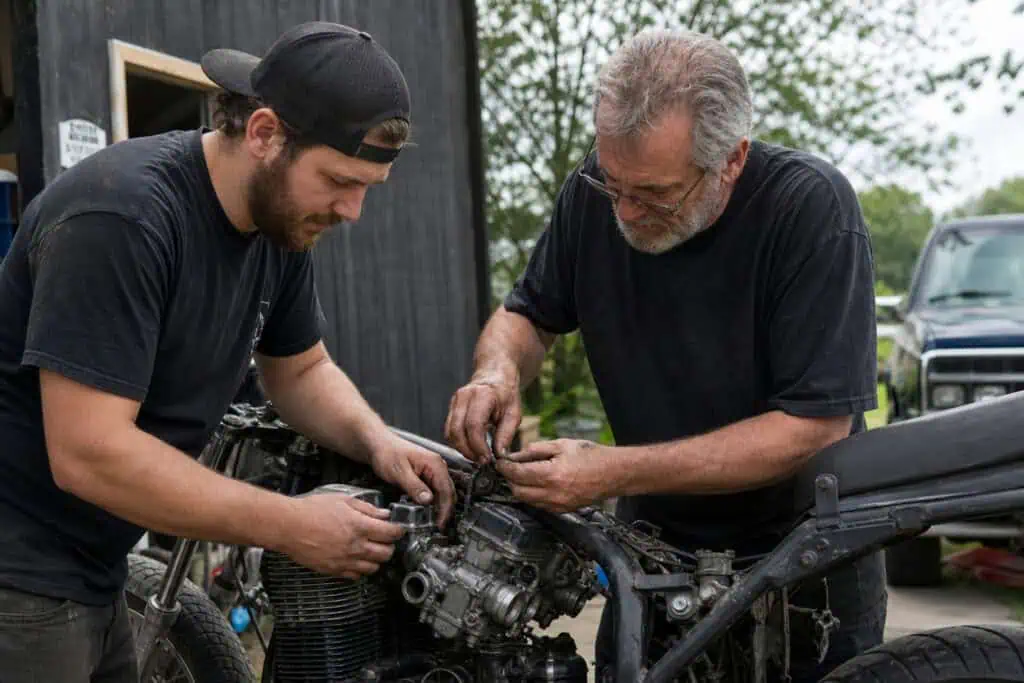
How to make male friends when you have shared interests outside of sports or cars? The trick is to focus on shoulder-to-shoulder connection. Men bond best when they’re working together on an objective problem, creative project, technical class, or community volunteer effort. Find a local class, show up consistently, offer genuine value, and let the friendships form naturally through shared work.
Conclusion: Finding assertiveness through humility and active agency
True humility isn’t thinking less of yourself; it’s thinking of yourself less. Secure men don’t waste energy fighting for personal credit; they give their team the win and focus entirely on carrying their share of the weight.
How do you stand up for yourself without being a jerk? Assertiveness isn’t about being loud. It’s just knowing your own boundaries and having the guts to say “I’m sorry” when you actually mess up.
Seeking outside help—whether that means finding a mentor, asking for feedback, or going to therapy—is a sign of radical agency, not weakness. Pick your mentors carefully, but remember that you retain the ultimate right to ignore any advice that does not match your core values. Get your body and mind right, keep your head down, hold your boundaries, and handle your life.
Frequently Asked Questions
How do I start being a man?
Start by shifting your focus from external aesthetics—like clothes, gear, or physical appearance—to developing internal virtues like integrity and consistency. Move from acting based on your moods to fulfilling your commitments, such as managing your own household duties and maintaining a reliable daily routine.
What are 5 qualities of a good man?
A mature man prioritizes accountability, quiet resilience, emotional honesty, humble service, and consistent action. Instead of seeking validation through performative aggression, a good man focuses on being a reliable partner, owning his mistakes, and supporting his community without needing personal credit.
How can I build confidence if I don’t fit traditional masculine stereotypes?
Build confidence by unapologetically leaning into your genuine interests rather than pretending to enjoy traditional hobbies like sports or car culture. When you authentically own your niche and show competence in your chosen field, you earn more respect than you would by wearing a costume of someone else’s idea of masculinity.
Is it normal for men to feel sensitive or uncomfortable with locker room culture?
Yes, it is common to feel alienated by aggressive locker room posturing, which is often a defensive shield to mask social insecurity. Feeling uncomfortable usually signals that you prioritize authentic behavior over the performative, bravado-filled communication styles used by men who fear they aren’t measuring up.
How can I learn to lead or take charge in my personal life?
You lead your personal life by treating domestic and daily responsibilities as core obligations rather than optional chores. This means managing your schedule, maintaining your household, and being an engaged, reliable partner instead of waiting to be told what to do or flaking on your commitments.
How do you stand up for yourself without being a jerk?
Assertiveness is rooted in knowing your own boundaries and having the character to own your mistakes when you are wrong. True strength involves being calm and firm in what you stand for, rather than using volume or hostility to force others into submission.
How to make male friends when you have shared interests outside of sports or cars?
Focus on shoulder-to-shoulder connections by working on objective problems, such as taking a technical class or volunteering for community projects. Men often form the strongest bonds through shared tasks, as this allows friendships to develop naturally around consistent, productive action rather than forced small talk.