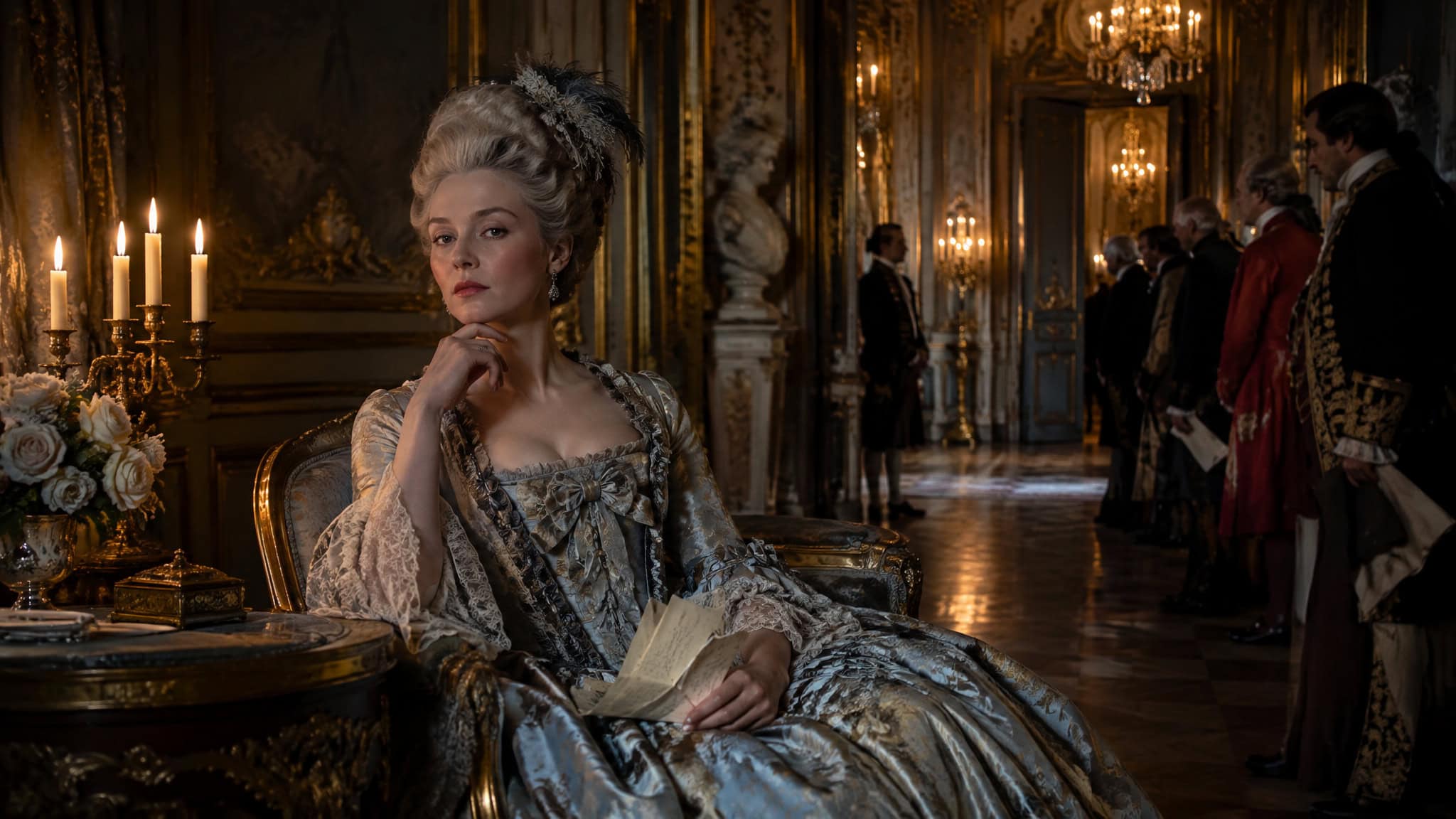
The most powerful person at Versailles in 1750 had no job title, no legal standing, and no official salary. What she had was an apartment above the king’s, a queue of diplomats waiting outside her door, and the ability to make or sink a treaty. She got there by catching a bored monarch’s eye at a masked ball, and she kept it by being better at politics than most of the men in the building.
That’s the strange core of this whole story: for roughly five centuries of European monarchy, the woman who slept with the king often wielded more day-to-day power than the queen who wore the crown. Her position came with a palace apartment, a stream of cash, titles for her relatives, and a seat at every table that mattered. It also came with zero protection. The benefits package was a château; the severance plan was a convent, or the street, or worse.
Madame de Pompadour ran French foreign policy from a makeup table. Barbara Villiers delivered the king’s child at Hampton Court while the king was on his honeymoon with his actual wife. Inês de Castro got beheaded and then, in an unmatched career move, got crowned queen after death. One of these women is now Queen Consort of the United Kingdom.
So this isn’t a scandal roundup. It’s an outcomes piece: what the role actually was, why the institution existed, who played it well, who got destroyed by it, and how a handful of women turned the least official job in Europe into a crown.
Key Takeaways
The job was never official. Most women held cover posts like lady-in-waiting while everyone at court knew the real position, and from the 1400s France gave chief mistresses the semi-official title maîtresse-en-titre with a palace apartment.
Kings had mistresses because royal marriages were political contracts with no room for affection, and the double standard was total: a king’s mistress was tolerated, a queen’s lover was treason.
Children of mistresses were barred from succession but routinely got titles and court or army posts; the exceptions who did inherit thrones include Haakon the Good, Haakon IV, and John I of Portugal.
A few mistresses became queens outright, from Catherine I of Russia (an orphaned scullery maid turned empress) to Camilla, confirmed Queen Consort on September 8, 2022.
Table of Contents
| Exact model | Decisive documented advantage |
|---|---|
| Barbara Villiers | Barbara Palmer helped Henry Bennett, Earl of Arlington, gain access to Charles II |
| Madame de Pompadour | Madame de Pompadour: Commoner groomed for the role after fortune teller told her mother she would ‘reign over the heart of a king’; Attended Enlightenment salons with Voltaire; |
| Diane de Poitiers | Diane de Poitiers began a relationship with the future Henry II when he was 15 and she was 35; she received the Château de Chenonceau and was presented as the goddess Diana. |
| María Inés Calderón | María Inés Calderón bore Philip IV’s only recognised illegitimate son (John of Austria the Younger, 1629), lost custody, and was forced into a convent in 1643, becoming abbess in |
| Dorothea Jordan | Johann Ludwig, Count von Wallmoden (1736-1811) King William IV (reigned 1830-1837) Before he became king, William IV had a long-term relationship with actress Dorothea Jordan. |
| Alice Keppel | Alice Keppel was Edward VII’s favourite mistress (met 1898), attended his deathbed, relayed ministers’ views, and was great-grandmother of Camilla, Queen Consort.. Keppel profile |
| Mathilde Kschessinska | Mathilde Kschessinska: ballet dancer, mistress to Nicholas II and simultaneously two Romanov Grand Dukes, married Andrei in Paris 1921 |
| Anne Boleyn | Henry VIII married Jane Seymour 11 days after Anne Boleyn’s execution |
Model details below derive from the cited sources; check the brand pages for current pricing.
What Was a Royal Mistress? Cover Roles, Maîtresse-en-Titre, and the Open Secret
Start with the mechanics, because the mechanics are the interesting part. A royal mistress was simply the king’s known lover outside his marriage. That’s it. No oath, no contract, no HR department.
She provided intimacy, companionship, and often genuinely useful advice, and in exchange she got money, titles, honours, and a place at court. It was a job with benefits and no legal protection, which shaped every decision these women made.
Here’s the part that makes it a weird system rather than just an arrangement: the title of royal mistress was never official. Most of these women held a cover job. Lady-in-waiting was the classic. Maid-of-honour worked too, and governess to the royal children was the boldest option, since it put you inside the family’s daily life.
Meanwhile, the entire court knew exactly what the real position was. They knew, the ambassadors knew, the queen knew, probably the kitchen staff knew. Nobody said it out loud. It was the most public open secret in Europe, and managing it was part of the job description.
From the 1400s onward, mostly in France, the position got a semi-official upgrade. The chief mistress could hold the title maîtresse-en-titre, which is French for, roughly, “official mistress,” and it came with a concrete perk: an assigned palace apartment. Not a metaphorical apartment. Rooms in the palace, near the king, that everyone understood came with the role. There were even two tiers, mentioned once here because it’s kind of funny: the maîtresse déclarée, the declared one, and the petite maîtresse, the side ones who didn’t rate the apartment.
Why was the title never on paper? Historians who’ve studied the early French court, including the Adamses and Elizabeth and Tracy Wellman’s circle of scholarship on the period, point out something that changes how you read all of it: that court drew no real line between formal and informal power. Being the king’s favourite carried weight whether or not a document said so. The paper was a formality the institution never needed.
Why Did Kings Have Mistresses? Dynastic Marriage, Not Personal Vice
Kings had mistresses because royal marriages were business deals. Historian Danièle Cybulskie’s structural explanation is the right one: royal marriages were negotiated purely for political and dynastic gain, which left no room whatsoever for affection. The king married a treaty. The affection happened elsewhere.
There was a double standard built into the whole thing, and it’s worth stating flatly. A king keeping one mistress at a time was mostly tolerated by the standards of the day. A queen caught with a lover was guilty of treason, because nobody could be sure the heir was the king’s. That’s the cold logic of a hereditary system: his infidelity was an open secret; hers was a succession crisis.
Mistresses as Political Brokers: Gatekeepers and Scapegoats
Some mistresses weren’t decorations. They were effectively senior politicians, and access to the king ran through them. Diplomats trying to reach Louis XV in the mid-1700s had to go through Madame de Pompadour, who received them while applying her makeup in public, which was less a beauty routine than a performance of exactly how informal and untouchable her power was. Barbara Palmer got the Earl of Arlington his access to Charles II. Securing offices for friends and family was routine business.
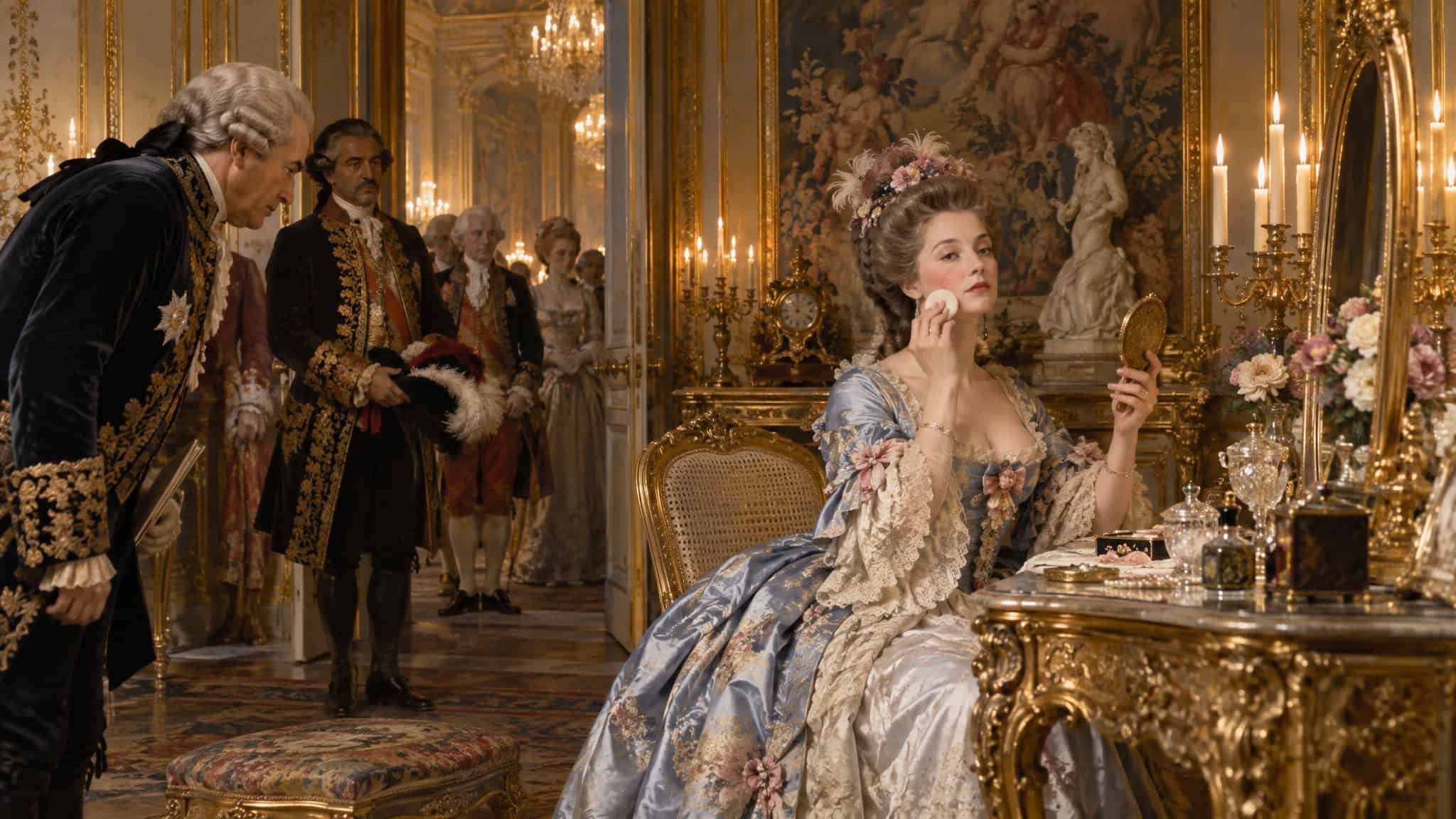
Historian Christine M. Adams has the key insight into why they worked so hard: the mistress was totally dependent on the king, so she guarded his interests and nobody else’s. Her whole position rested on his satisfaction, so she was the most loyal operator in the building by default. Kings sometimes even appeared at ceremonies with the mistress instead of the wife, as Wellman has observed.
The closest modern comparison is a first lady: the unelected spouse who runs the social side of power and gets treated as a head of state by visiting dignitaries. Think Nancy Reagan’s gatekeeping, minus the marriage license. And there was a downside the first lady doesn’t share: when a king screwed up, the mistress caught the blame. Pompadour took more than her share of it.
Barbara Villiers, Charles II’s “Uncrowned Queen”
Villiers was the most powerful of Charles II’s mistresses, though not the most famous, and the detail that tells you everything about Restoration court norms is this: she gave birth to the king’s child at Hampton Court while Charles was honeymooning there with his new wife, Catherine of Braganza.
Her backstory was respectable royalist stock. Her father was killed in the English Civil Wars, she married Roger Palmer in 1659 at 18, and the affair with Charles began around his 1660 restoration. Their first daughter arrived in February 1661. She had five children, possibly six, with five officially recognised by the king, and the workaround for their illegitimacy was elegant: the Palmers were granted the Castlemaine titles so the royal children would have names and inheritance.
She also did real politics. She placed allies on the Privy Council, interfered in the peace negotiations between England and the Dutch Republic, and passed information to the French ambassador during the treaty talks of the late 1660s. Her exit was better than most: her own title as Duchess of Cleveland and a permanent spot in Lely’s Windsor Beauties.
Madame de Pompadour: Gatekeeper of Versailles and Patron of the Arts
Pompadour’s origin story starts with a fortune teller who told her mother the girl would “reign over the heart of a king.” Her mother took the prophecy seriously and groomed her for the role. Give the fortune teller some credit: it worked.
She came up through Enlightenment salons alongside Voltaire, caught Louis XV’s eye by driving ahead of the royal hunt in bright blue and pink, and got her invitation to the masked ball at Versailles. In 1745 she was officially introduced to the court as maîtresse-en-titre, reportedly the first woman to hold that official title, though earlier French chief mistresses complicate that claim, so treat it as reported rather than settled. She received a country estate and an apartment directly above the king’s at Versailles.
Here’s the part that made her exceptional. Around 1750, the sexual side of the arrangement wound down. The overall run lasted roughly twenty years. She stayed anyway, as the king’s closest advisor and a major patron of the arts who helped popularise Rococo.
The Austrian diplomat working on the Franco-Austrian treaty asked her to intervene, and she did. She even kept the Queen on her side, which no other mistress managed. She died of tuberculosis in 1764 at 42, and Louis immediately handed the title to Madame du Barry.
Diane de Poitiers: The Goddess Diana of the French Court
Diane ran the patronage-and-image game at Henry II’s court for two decades, and she was nobody’s ingénue. A French noblewoman educated in Latin, Greek, rhetoric, and arithmetic, she was a keen swimmer and horsewoman whose legal and financial skill impressed Francis I. After her husband died, she managed his lands without a male guardian, which was rarer than it should have been.
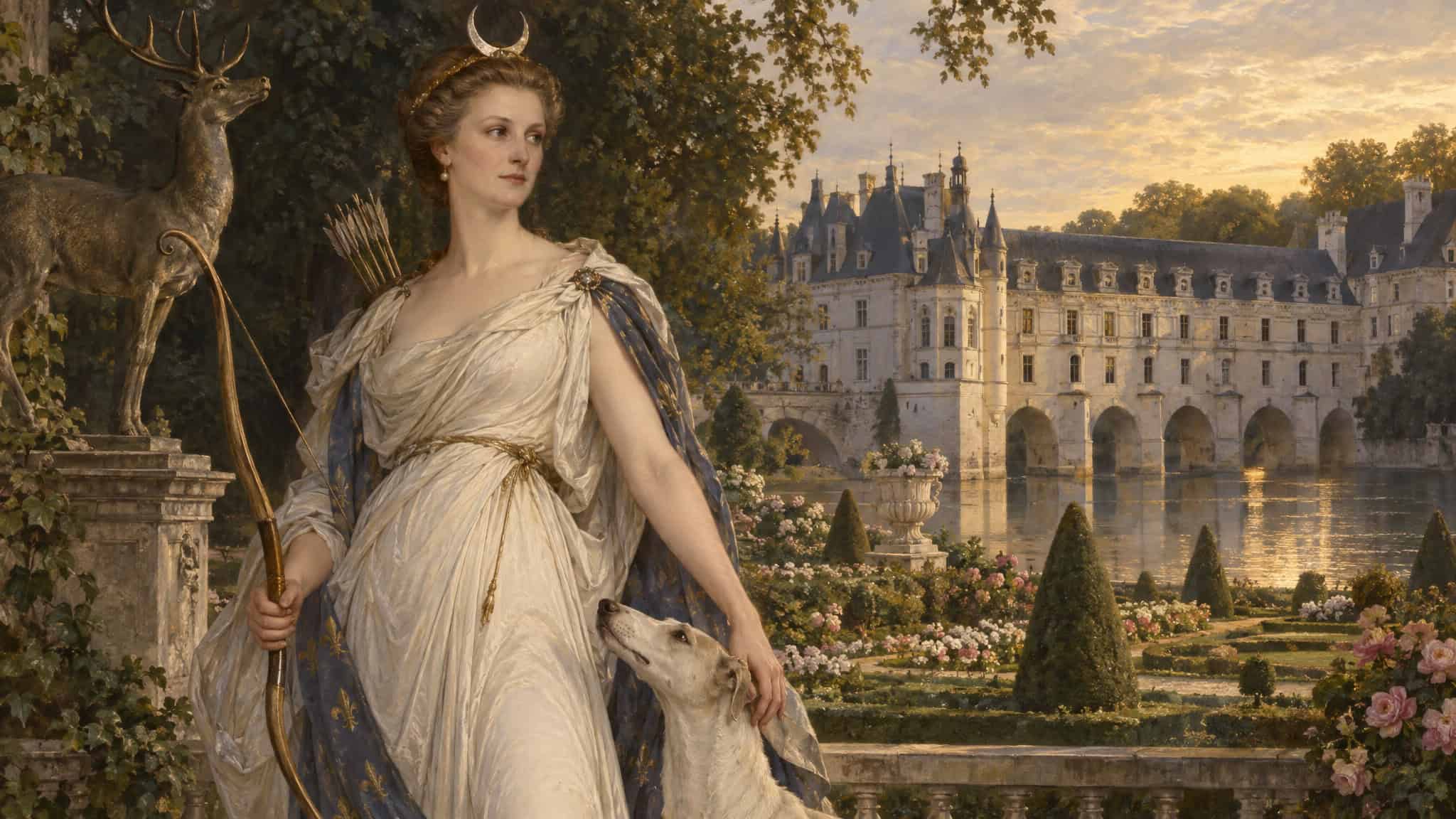
The relationship with the future Henry II reportedly began when he was 15 and she was 35. Whatever you think of the arithmetic, the payoff was real: the titles Duchess of Valentinois and Duchesse d’Étampes, plus the Château de Chenonceau, one of the most beautiful buildings in France. She financed multiple castles with architect Philibert de l’Orme, had herself presented as the goddess Diana with Henry as a god beside her, and received a personal gift from a visiting Pope. That’s a career.
Charles II’s Other Mistresses: Gwynn, Kéroualle, and Mancini
At Charles II’s court, fame and power were two different things, and the three other women in his orbit prove it in different directions.
Nell Gwynn
The actress, and the most famous of Charles’s mistresses by a mile. Also not the most powerful. Fame and influence were separate currencies, and Nell held one, not the other.
Louise de Kéroualle
A 21-year-old French maid of honour who caught Charles’s eye in 1670, became his acknowledged mistress in 1671, and was made Duchess of Portsmouth in 1673. She got a vast, lavishly decorated Whitehall apartment and turned it into the unofficial reception desk for the king, where favoured courtiers queued for access. Because she was Catholic and maintained close ties to the French ambassador, Protestant parliamentarians loathed her intensely enough to bring formal articles of treason against her, accusing her of high treason and of encouraging Charles to dissolve Parliament. Formal articles. Against a mistress.
Hortense Mancini
Attacked in print and manuscript satires alongside the Duchess of Cleveland, and fought back the way she knew how: commissioning sympathetic portraits that shaped her own image.
The Image War: Portraits as Weapons, Satire as Counterattack
Restoration England fought an actual media war over whether women could hold political power, and the weapons were oil paint and satire.
Portraits as weapons
The historical grand style turned court figures into classical and biblical archetypes. Lely painted Cleveland and Portsmouth as shepherdesses. Gennari painted Mazarin with a spear, translating the sceptre emblem into an allegory of female authority. Verrio’s The Sea Triumph of Charles II (c. 1674) imagined the king as Neptune.
The sharpest move of all: Castlemaine commissioned Lely to imitate Huysmans’s portrait of Queen Catherine (c. 1662-64). The mirroring was read at the time as an open declaration of competition, and the fertility symbols, the blossoms and the lambs, were pointed, given that Castlemaine had borne a royal boy by summer 1662 while all succession hopes rested on Catherine. Sherwin’s engraving (c. 1668-75) is the only reason we still know the lost Lely painting.
Satire as counterattack
The lampoons ran viciously around Whitehall. Rochester’s His Scepter and his Prick are of a length used sexual shorthand to cast suspicion on female political power itself, and satirists framed the mistresses’ luxury as a drain on the treasury. The chronology runs: Waller in 1665, Marvell in 1666, Rochester’s “Signior Dildo” in 1673, “An Essay of Scandal” in 1681, On the D, ss of P, th’s PICTURE in 1682. Portraits asserted; satire mocked. Same fight, opposite ends.
María Inés Calderón: The Mistress Who Lost Everything
Calderón is what happens when the deal goes bad. An actress in Madrid, she caught Philip IV’s eye in 1627, which meant being forced to break off with the Duke of Medina de las Torres and quit acting. In 1629 she bore the king’s only recognised illegitimate son, John of Austria the Younger. Philip took sole custody of the boy and refused to see her again.
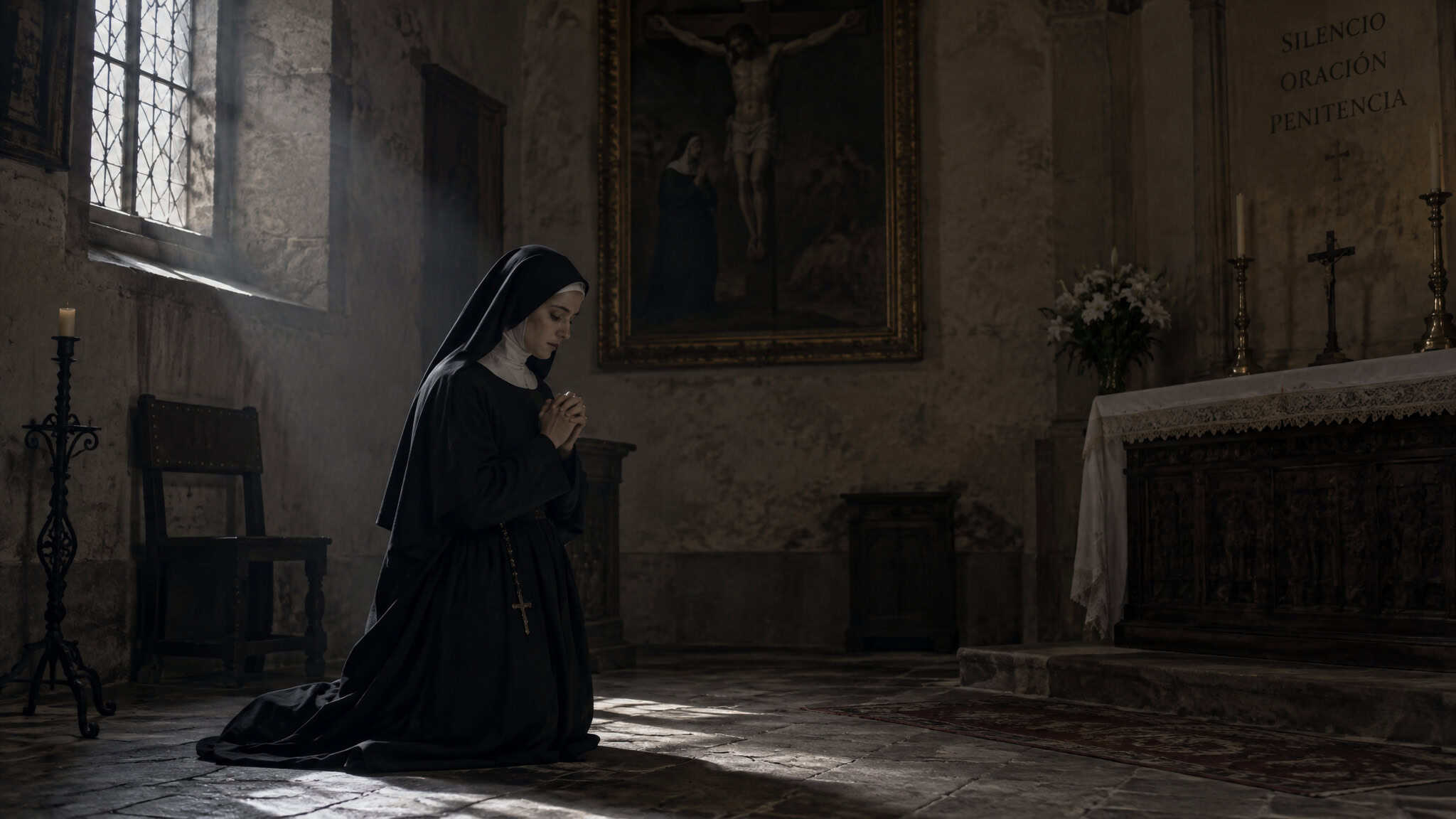
It got worse. She was forced to become a nun in 1643 at San Juan Bautista of Valfermoso, and was abbess by 1644. The son, meanwhile, went on to hold political and military positions, the compensatory-titles pattern doing exactly what it was designed to do: take care of the bloodline, forget the mother.
Dorothea Jordan: Ten FitzClarence Children and a Stipend Cut
Jordan’s story proves the favor was contractual, never sentimental. Born near Waterford, Ireland, she was a beloved comic actress at Drury Lane and the mistress of William, Duke of Clarence, the future William IV, from 1790. They had ten children, all surnamed FitzClarence.
The contract had terms. In 1811, at the Regency, she received custody of the daughters and an annual stipend on one condition: she stop acting. In 1814 she went back on stage to cover her son-in-law’s debts. The stipend was cut and she lost the daughters. She died in France, in debt and poor health. Read the fine print.
Alice Keppel: The Discretion That Outlasted the Affair
Keppel is the survivor counterexample, the woman who converted favor into permanent status. Edward VII’s favourite mistress, she met him in 1898 when she was 29 and he was 56. She was a society hostess whose husband was, conveniently, absent during the king’s visits, and her tact was so good that even Queen Alexandra extended her tolerance.
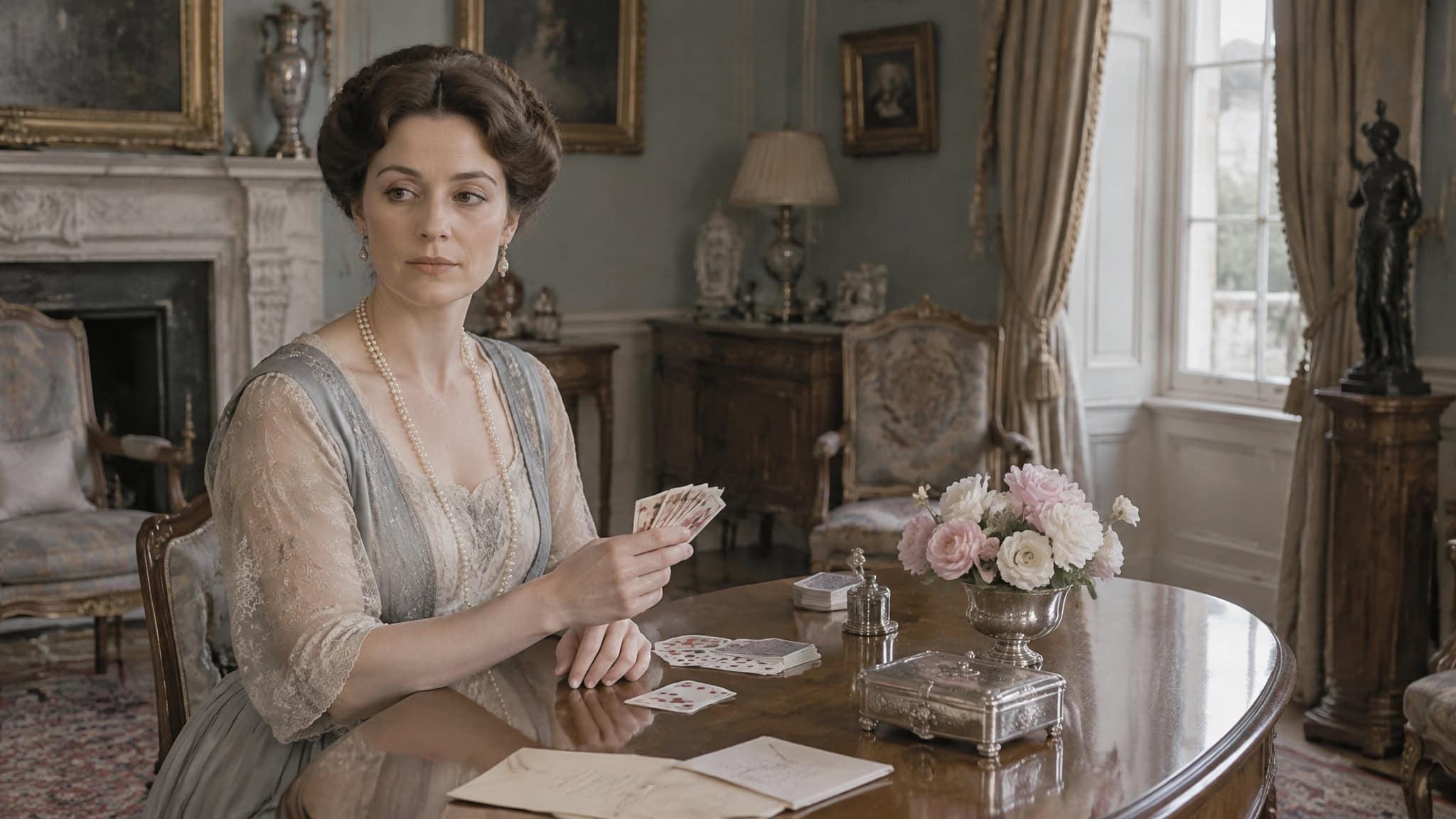
She ran it like a career. A better-paid job for her husband, a Groom in Waiting post for her brother Archie, and a two-way political relay: ministers’ views to the king, the king’s views to society. She attended Edward on his deathbed in 1910, the final professional obligation, handled with the same discretion. And the dynastic kicker: she was the great-grandmother of Camilla.
Mathilde Kschessinska: Ballet, Two Grand Dukes, and a Nicholas II Affair
Kschessinska is the rare case where the role ended in marriage. Trained at the Imperial Theatre School from the age of eight and praised by Tsar Alexander III, she caught the eye of the future Nicholas II at her 1890 graduating performance. Three years as his mistress, 1890 to 1893, with Nicholas picking up the tab for her apartment, clothes, jewellery, and travel.
He broke it off before proposing to Princess Alix of Hesse. She didn’t slow down. She kept two Romanov Grand Dukes, Sergei Mikhailovich and Andrei Vladimirovich, simultaneously, and married Andrei in Paris in 1921, with him legally counted as her son’s father. Exit strategy: complete.
Mistresses Who Became Queens
Occasionally the boundary between mistress and queen got crossed, and it happened four times spectacularly.
Inês de Castro
Mistress and later secret wife of Peter I of Portugal, beheaded on King Alfonso IV’s orders. Pedro’s response was to have her body exhumed, crowned, and seated on the throne as a posthumous queen. History’s most macabre promotion.
Karin Månsdotter
A tavern waitress who became Eric XIV of Sweden’s lover at 15 and was crowned queen. She was a stabilising influence on him, and after his imprisonment and arsenic poisoning, she was respected in Finland. Waitress to queen consort is a career arc you don’t see anymore.
Catherine I of Russia
Born Marta Helena Skowronska, an orphaned, illiterate scullery maid who became Peter the Great’s wife and a crowned empress. She saved the army by bribing the Ottomans with her own jewelry, became the first woman to rule Russia after a coup following Peter’s death, had 12 children of whom only 2 survived, ruled 2 years, and died at 43. Every word of that sentence is true.
Camilla
Met Charles in 1971, lived as “the other woman” during his marriage to Diana, married him in 2005, and was confirmed Queen Consort on Elizabeth II’s death, September 8, 2022. The mistress-to-queen arc closed in the most public way possible.
Others married their monarchs too, a longer and more varied list than most people assume: Cecilia, Louise Rasmussen, Bianca Lancia (possibly), Éléonore Desmier d’Olbreuse, Wilhelmine von Grävenitz (bigamously, it should be said), Franziska von Hohenheim, Bianca Cappello, Anna Canalis di Cumiana, Rosa Vercellana, María de Padilla (posthumously), Magda Lupescu, Draga Mašin, and Eudokia Angelina.
Mistresses’ Children: Succession Rules and the Title Workaround
The rule was simple and the workarounds were consistent. Children of mistresses were typically barred from the line of succession, with one exception: claims of a secret marriage. But barred from the throne didn’t mean left with nothing. They regularly received titles and high court or army positions. The Palmers’ granted Castlemaine titles under Charles II is the model workaround: give the royal children a name and an inheritance without touching the succession.
Three sons of mistresses did become kings: Tora Mosterstong mothered Haakon the Good, Inga of Varteig mothered Haakon IV, and Teresa Lourenço mothered John I of Portugal. And the lines run into the present. Arabella Churchill, James II’s mistress from 1665, bore him four children; her sons became the 1st Duke of Berwick and 1st Duke of Albemarle, and the Earls Spencer and Diana, Princess of Wales descend from her FitzJames line.
Anne Boleyn and the Henry VIII Mistresses
Anne Boleyn is the mistress-to-queen arc that ended on the scaffold. She resisted Henry VIII for seven years, was crowned in June 1533 while pregnant, bore Elizabeth I, and was beheaded on charges of adultery and incest that were likely fabricated. Henry married Jane Seymour 11 days after the execution. Jane died 12 days after giving birth to Edward VI.
Mary Boleyn was also Henry’s mistress, and also Anne’s sister, which tells you something about how the Boleyn family played the game. And Catherine Howard deserves the framing history is finally giving her: coerced, victimized, a teenager fed into a machine. Not a scandal. A casualty.
Maria Fitzherbert and Melusine von der Schulenberg: The Quasi-Wife Problem
Two women who were wives in every way but law.
Maria Fitzherbert
Twice married and twice widowed by the time she entered London high society, she was pursued by the Prince of Wales, six years her junior, until she agreed to marry him. The marriage was considered invalid because his father hadn’t consented. His £60,000 debt was paid on the condition that he sever ties with her. On his deathbed, he kept her letter wishing him well. Draw your own conclusion about whether the severance worked.
Melusine von der Schulenberg
A baron’s daughter and Maid of Honour to Electress Sophia of Hanover, and George I made no effort to hide her, he brought her from Germany. (The source dates her arrival in Britain to 1698, though George acceded in 1714; the dates don’t reconcile, so they’re left as recorded.) She bore him three children, was largely considered his wife amid rumors of a secret marriage, collected multiple titles, made a fortune selling public offices and titles, and collected £10,000 for her part in bringing the exiled Viscount Bolingbroke home. A quasi-wife with a revenue stream.
Virginia de Castiglioni: The Mistress as Diplomatic Instrument
Castiglioni is the rare case of a mistress dispatched by the state. Minor Italian nobility, she was sent to lobby Napoleon III for Italian unification by her cousin, a minister of Victor Emmanuel II. She became his most notorious mistress, and the scandal got her divorced. She mixed with European royalty, Augusta of Saxe-Weimar, Bismarck, Thiers, and spent her entire fortune on early photography, documenting her own life in staged images. Italian unification was announced four years after their parting. The photography project is the modern echo of the court portrait war: control the image, control the story.
A Wider Survey: Famous Mistresses, Court by Court
The role was a European institution, and the roster below is the long version. Thin records are flagged as thin; where dates don’t exist, they don’t get invented.
Austria
Maximilian I: Margareta von Edelsheim (d. 1522) and Anna von Helfenstein. Charles V: Johanna van der Gheynst (1505-1541) and Barbara Blomberg (1527-1597). Rudolf II: Kateřina Stradová (1568-1629). Francis I: Maria Wilhelmina von Neipperg (1738-1775).
Leopold II: Livia Raimondi. Franz Joseph I: Katharina Schratt (1853-1940) and Anna Nahowski (1860-1930). Crown Prince Rudolf: Mizzi Kaspar and Baroness Mary Vetsera.
Belgium
Leopold I: Caroline Bauer (1807-1877) and Arcadie Claret (1826-1897). Leopold II: Caroline Lacroix (1883-1948). Albert II: Sybille de Selys Longchamps (b. 1941).
Denmark
Helena Guttormsdotter (fl. 1205, where “fl.” means we only know when she appears in the records). Cecilia (d. after 1459), mistress and later wife of Eric of Pomerania. Edele Jernskjæg (d. 1512). Dyveke Sigbritsdatter (1490-1517).
Christian IV ran three: Karen Andersdatter (d. 1673), Vibeke Kruse (d. 1648), and Kirsten Madsdatter (d. 1629). Anne Lykke (1595-1641). And later, Louise Rasmussen, mistress and later wife of Frederick VII.
Egypt
The oldest name on this list by a wide margin belongs to Bilistiche (b. 280 BCE), who held the role under Ptolemy II Philadelphus. Agathoclea (247-202/3 BCE) under Ptolemy IV. Barbara Skelton (1918-1996) under King Farouk, the modern name in a very old institution.
Germany
Bianca Lancia (1210-1248), mistress and possibly last wife of Frederick II. Clara Elisabeth von Platen (1648-1700). Magdalena Sibylla of Neidschutz (1675-1694). Wilhelmine Dorothee von der Marwitz (1718-1787). Katharina Werner, no dates on record. Karoline Jagemann (1777-1848).
Bavaria
Aleid van Poelgeest (1370-1392). Agnes Le Louchier (1660-1717). Maria Caroline Charlotte von Ingenheim (1704-1749). Josepha von Heydeck (1748-1771).
Diana Rabe von Pappenheim (1788-1844), under Jérôme Bonaparte, Napoleon’s brother. And Lola Montez (1821-1861) under Ludwig I, the name most readers will recognize from the whole Bavarian list. Jane Digby rounds it out.
Brunswick
Eva von Trott (1505-1567). Anna Rumschottel, recorded only around 1528. Éléonore Desmier d’Olbreuse (1639-1722), mistress turned wife. Maria Antonia Branconi (1746-1793).
Hesse
Barbara Christine von Bernhold (1690-1756). Helena Martini (1728-1803). Charlotte Christine Buissine (1749-1781). Rosa Dorothea Ritter (1759-1833). Karoline von Schlotheim (1766-1847).
Prussia and Württemberg
Prussia: Catharina von Wartenberg (1674-1734) and Wilhelmine, Gräfin von Lichtenau (1753-1820). Württemberg: Wilhelmine von Grävenitz (1684-1744), mistress and bigamous wife of Eberhard Louis, and and Countess Franziska von Hohenheim (1748-1811), who went from the role to marriage with Charles Eugene.
Italy
Rotruda of Pavia (d. 945). Isabella Boschetti (b. 1502). Claudia Colla (d. 1611). In Ferrara: Stella de’ Tolomei (d. 1419) and Laura Dianti (d. 1573).
In Florence: Lucrezia Donati (1447-1501), Fioretta Gorini (1453-1478), Taddea Malaspina (1505-1559), and Bianca Cappello (1548-1587), mistress and later wife of Francesco I. In Milan: Agnese del Maino (1411-1465), Giovanna d’Acquapendente, and Lucrezia Landriani. In Naples: Lucrezia d’Alagno (1430-1479) and Trogia Gazzella (1460-1511). In Savoy: Jeanne Baptiste d’Albert de Luynes (1670-1736), Anna Canalis di Cumiana (1680-1769, later wife), Laura Bon (1825-1904), Rosa Vercellana (1833-1885, later wife), and Eugenia Attendolo Bolognini (1837-1914).
Norway and Poland
Norway: Tora Mosterstong, mother of Haakon the Good; Borghild Olavsdotter (fl. 1115); Bjaðǫk (12th century), mother of Eystein II; Inga of Varteig (1183/85-1234/45), mother of Haakon IV. Poland: Sulisława (d. 1294), later wife of Mestwin II; Esterka under Casimir III, who also married Krystyna Rokiczana (d. 1365); Katarzyna Telniczanka (1480-1528); Barbara Radziwiłł (1520-1551), later wife of Sigismund II Augustus; Urszula Meyerin (1570-1635); Jadwiga Łuszkowska (1616-1648) and Rozyna Małgorzata von Eckenberg (1625-1648). Under Augustus the Strong, the Saxon-Polish succession ran on a schedule: Maria Aurora von Königsmarck (1694-96), Anna Aloysia Maximiliane von Lamberg (1696-99), Ursula Katharina of Altenbockum (1698-1704, later Princess of Teschen), Maria Aurora von Spiegel (1701-06), Anna Constantia von Brockdorff (1704-13, later Countess of Cosel), Henriette Rénard (1706-07), and Maria Magdalena of Bielinski (1713-19).
Portugal, Romania, Spain, and Castile
Portugal: Madragana (b. 1230); Inês de Castro (1325-1355); Teresa Lourenço (b. 1330), mother of John I; Inês Peres; Maria Soares da Cunha; Brites Anes (b. 1460) and Ana de Mendonça (1460-1542), through to Gaby Deslys in the modern era. Romania: Doamna Velica (fl. 1601); Marițica Bibescu (1815-1869, later wife); Elena Văcărescu (1864-1947); Magda Lupescu (1899-1977, later wife of Carol II). Spain: Aldonza Ruiz de Ivorra (1454-1513); Isabel Osorio (1522-1589) and Eufrasia de Guzmán (fl. 1592) under Philip II; María Calderón (1605-1678) and María Manrique under Philip IV; María del Pilar Acedo y Sarriá (1784-1869) under Joseph Bonaparte; Elena Sanz (1844-1898); Carmen Ruiz Moragas (1898-1936). Castile and León: Jimena Muñoz (d. 1128); Gontrodo Pérez (1105-1186); Rahel la Fermosa (1165-1195); Urraca López de Haro (1160-1230, later wife); Aldonza Martínez de Silva (d. 1236); Mayor Guillén de Guzmán (1205-1262); plus Eleanor de Guzmán (1310-1351) and María de Padilla (1334-1361, posthumous wife).
Sweden, Britain, and the rest
Sweden’s entry is Hedvig Taube (1714-1744). Britain’s runs from Melusine and Henrietta Howard under George II, through Dorothea Jordan, to Freda Dudley Ward and Thelma, Viscountess Furness, under Edward VIII, and finally Camilla. Elsewhere: Eudokia Angelina (1173-1211), later Empress in Byzantium; Agnes of Kuenring (c. 1236-fl. 1261); Barbara Edelpöck (d. 1495); Angelitha Wass (d. after 1521); Marietta de Patras (d. 1503); Fotini Mavromichali (1826-1878); Émilie Ambre; Katarina Konstantinović; Draga Mašin; and Marie Juliette Louvet.
Winners, Losers, and the Exit Problem
The position’s security lasted exactly as long as the monarch’s favor. That’s the whole risk model, and it sorts the roster cleanly.
The winners converted. Villiers walked away with a duchess title. Pompadour stayed advisor to the end. Keppel became permanent “friend of the King” and built a dynasty of her own descendants into the royal line.
The fallen didn’t convert: Jordan died in debt in France, Calderón ended in a convent. Scapegoating was the standing political hazard. Pompadour took more than her share of blame for the king’s failures, and Kéroualle faced formal treason articles.
The arc repeats: rise through a cover post, accumulate titles and apartments, lose everything at the monarch’s death or fall. These weren’t figures in a painting. They were navigating a high-risk career with no benefits, no contract, and one client.
Bottom line: The job had no contract and one client. When the client died, the career ended — the only variable was whether you’d converted favor into something permanent first.
Royal Wives, Double Standards, and the Limits of the Role
Royal wives reacted to mistresses in every way from open rivalry (Catherine of Braganza versus Castlemaine’s commissioned portrait copies) to accommodation (Alexandra tolerating Keppel). The asymmetry was stark: a queen’s lover was treason while a king’s mistress got an apartment; Elizabeth I kept her suitors far more private than kings kept their mistresses; Same-sex rumors were worse still: they dogged Edward II and Queen Anne, the one from The Favourite.
Modern Echoes and Further Reading
The last famous case is still alive. Camilla went from “the other woman” to confirmed Queen Consort on September 8, 2022, and she’s Alice Keppel’s great-granddaughter.
For the deeper dive: Carlton’s Royal Mistresses (Routledge, 1990); Cawthorne (Prion, 1994); Friedman’s Ladies of the Bedchamber (Peter Owen, 2003); Hermann’s Sex with Kings (HarperCollins, 2004); and Powell’s Royal Sex (Amberley, 2010), plus the historians’ own works, the Adamses’ The Creation of the Official French Royal Mistress, Cybulskie’s Life in Medieval Europe, and Wellman’s Queens and Mistresses of Renaissance France. Five centuries of the job, and the last woman to hold it ended up wearing the crown.
Frequently Asked Questions
Who are some famous female mistresses?
The most famous include Madame de Pompadour, who ran French foreign policy under Louis XV; Barbara Villiers, Duchess of Cleveland, Charles II’s most powerful mistress; Diane de Poitiers, who dominated Henry II’s French court for two decades; Nell Gwynn, the actress; and Alice Keppel, Edward VII’s favourite. The list runs all the way to Camilla, who went from ‘the other woman’ to confirmed Queen Consort on September 8, 2022.
What are some of the most scandalous love affairs in history?
Barbara Villiers gave birth to Charles II’s child at Hampton Court while the king was honeymooning there with his actual wife. Diane de Poitiers began her relationship with the future Henry II when he was 15 and she was 35. Mathilde Kschessinska kept two Romanov Grand Dukes simultaneously before marrying one of them in Paris in 1921.
Have any royal mistresses actually become queens?
Yes, several. Catherine I of Russia went from orphaned scullery maid to crowned empress, Karin Månsdotter went from tavern waitress to Queen of Sweden, and Inês de Castro was crowned queen after death. The most recent case is Camilla, who met Charles in 1971, married him in 2005, and was confirmed Queen Consort on Elizabeth II’s death on September 8, 2022.
What happened to royal mistresses when the king died or lost interest?
The position’s security lasted exactly as long as the monarch’s favor — no contract, no legal protection, one client. The winners converted favor into something permanent: Villiers walked away with a duchess title, Keppel became a permanent fixture of the royal circle. The fallen didn’t: Dorothea Jordan had her stipend cut for returning to the stage and died in debt in France, while María Calderón was forced into a convent.