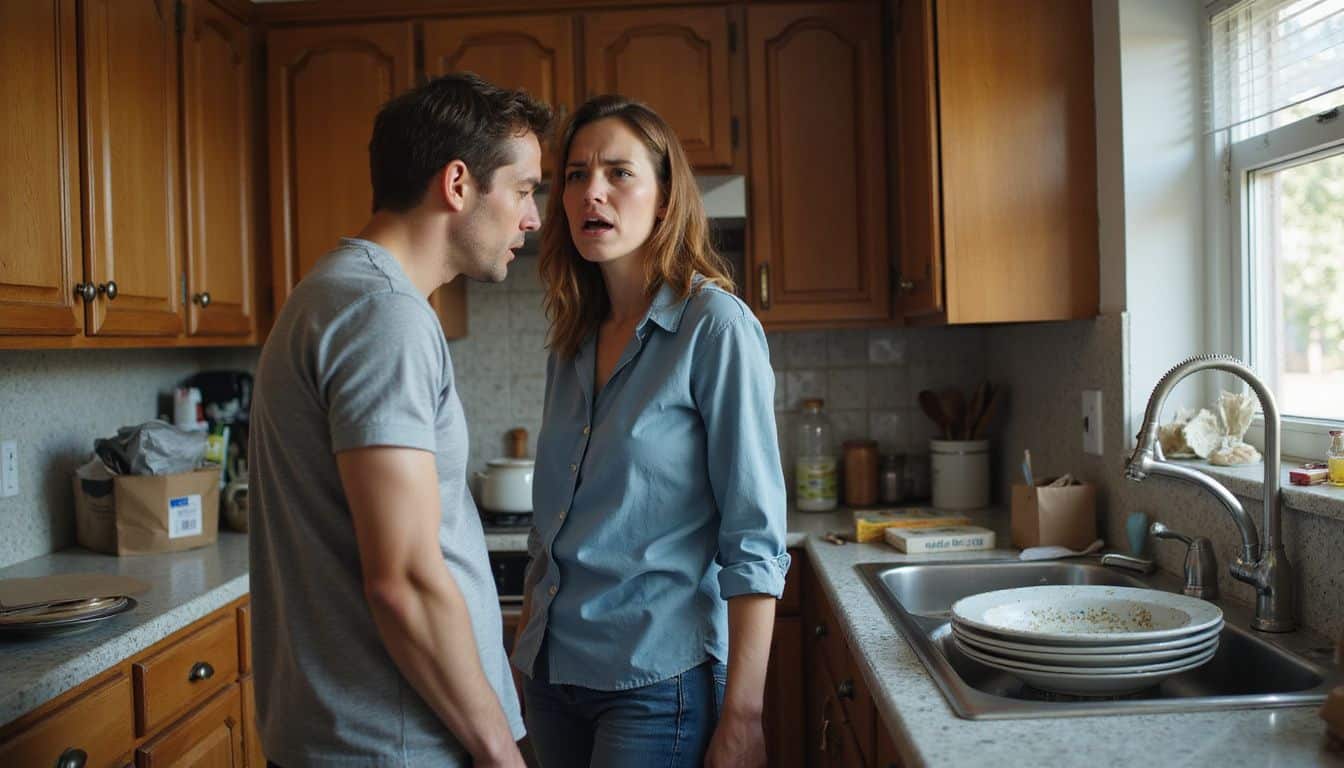
You’re sitting there wondering, why is my wife yelling at me yet again? And you feel lost about what went wrong this time. Frequent yelling in marriages often signals deeper problems that need attention, not just surface-level arguments about dishes or schedules.
This guide breaks down eight common reasons wives raise their voices, plus practical ways to respond that can actually improve your relationship instead of making things worse. Ready to turn down the volume and turn up the understanding?
Key Takeaways
Frequent yelling in marriages signals deeper problems like feeling unheard, financial stress, mental health challenges, or unresolved conflicts.
Yelling damages trust, emotional intimacy, and children’s mental health while creating toxic cycles that harm both partners.
Active listening, avoiding defensive reactions, and taking cooling-down breaks help de-escalate conflicts and improve communication.
Validation means acknowledging your wife’s emotions without accepting yelling as appropriate behavior in the relationship.
Professional counseling becomes necessary when yelling patterns persist despite efforts to improve communication and resolve underlying issues.
Table of Contents
Common Reasons Why Your Wife May Yell

Yelling rarely happens out of nowhere, and understanding the root causes can help you address the real issues in your marriage. Your wife’s raised voice might signal deeper problems that have been building up over time, from feeling ignored to dealing with overwhelming stress.
Why Does She Feel Unheard?

Your wife experiences a sense of not being heard because her emotions are often overlooked or disregarded during conversations. This frustration accumulates over time. Past interactions that caused hurt feelings can trigger these emotions in future discussions.
She might recall instances when you dismissed her concerns or changed the subject. Poor communication patterns learned from parents also contribute to this issue. If her family used yelling to express feeling unheard, she may have adopted this behavior early on.
Mental health challenges such as anxiety or depression can intensify these feelings. External pressures compound the situation, making everything seem overwhelming. The mental burden of daily decision-making weighs heavily on her mind.
Perceptions of disrespect exacerbate the problem. She feels that her voice lacks importance in the relationship. Active listening is crucial in this situation, but many men overlook this step.
Eye contact and body language convey powerful messages about whether you’re truly attentive.
“Feeling unheard in a relationship is like shouting into the void, hoping someone will finally acknowledge your pain.”
How Might You Have Hurt Her Feelings?

Emotional wounds often underlie feelings of not being heard. Previous discussions that resulted in hurt feelings can lead to future outbursts. You may have dismissed her concerns last week or interrupted her story about work stress.
These experiences accumulate over time.
Men may overlook subtle ways they cause emotional pain. Rolling your eyes during an argument conveys disrespect. Checking your phone while she discusses her day hurts more than you might think.
Forgetting important dates or promises erodes her trust. Comments about her appearance, cooking, or decisions can be deeply hurtful, even when intended to be helpful. She retains these memories long after you’ve moved past them.
Resentment grows until it erupts in arguments that appear to come unexpectedly.
Can Financial Stress Cause Yelling?
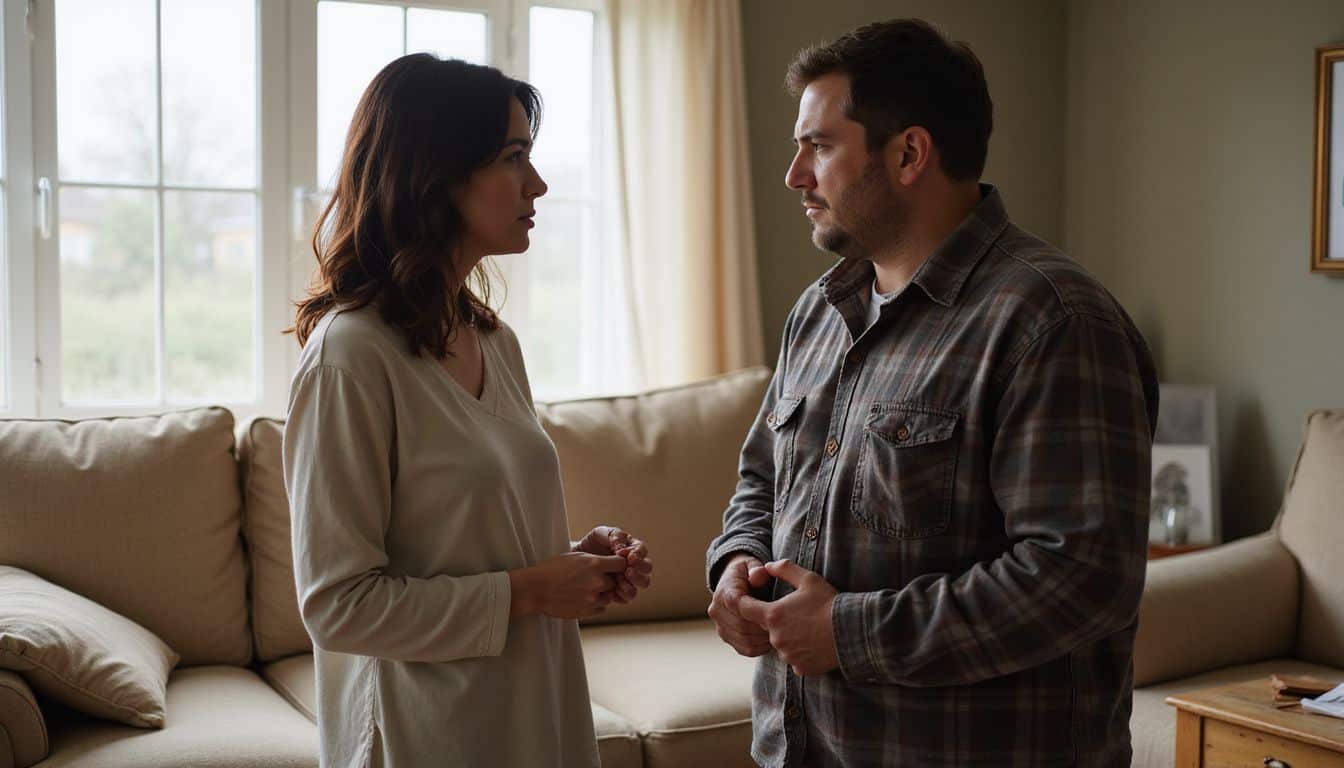
Money troubles hit marriages like a wrecking ball. Financial stress often triggers heightened emotions, leading to yelling due to anxiety and feeling overwhelmed. Your wife might raise her voice because bills pile up, savings disappear, or job security feels shaky.
Stress management becomes nearly impossible during tough economic times. Mental health struggles, such as depression and anxiety, can be exacerbated by financial pressures, resulting in misdirected anger.
Poor conflict resolution skills during financially stressful times can lead to yelling instead of constructive discussions. Your partner might lash out because she feels trapped or powerless about money problems.
The pressure cooker effect happens fast. Bills create stresses that build up until someone explodes. Communication in marriage suffers most during financial hardship. Couples often blame each other instead of tackling problems together.
Could Mental Health Challenges Be a Factor?

Financial stress often goes hand in hand with mental health challenges, creating a perfect storm for relationship conflicts. Frequent yelling in a marriage can indicate underlying mental health challenges, such as anxiety or depression.
Your wife might be struggling with emotional responses that feel overwhelming to her. Mental health issues can make everyday situations feel impossible to handle. Anxiety might cause her to react more strongly to small problems.
Depression can leave her feeling hopeless, which comes out as anger.
These behavioral health concerns affect how people communicate with their intimate partner. Trauma from past experiences can trigger intense emotional reactions. Complex trauma makes it hard to stay calm during disagreements.
Individual psychotherapy helps people learn better ways to express their feelings. Marriage counseling gives couples tools to support each other through mental health struggles. Professional help becomes vital when yelling stems from deeper psychological issues that need proper treatment.
What Causes Loss of Respect in a Relationship?
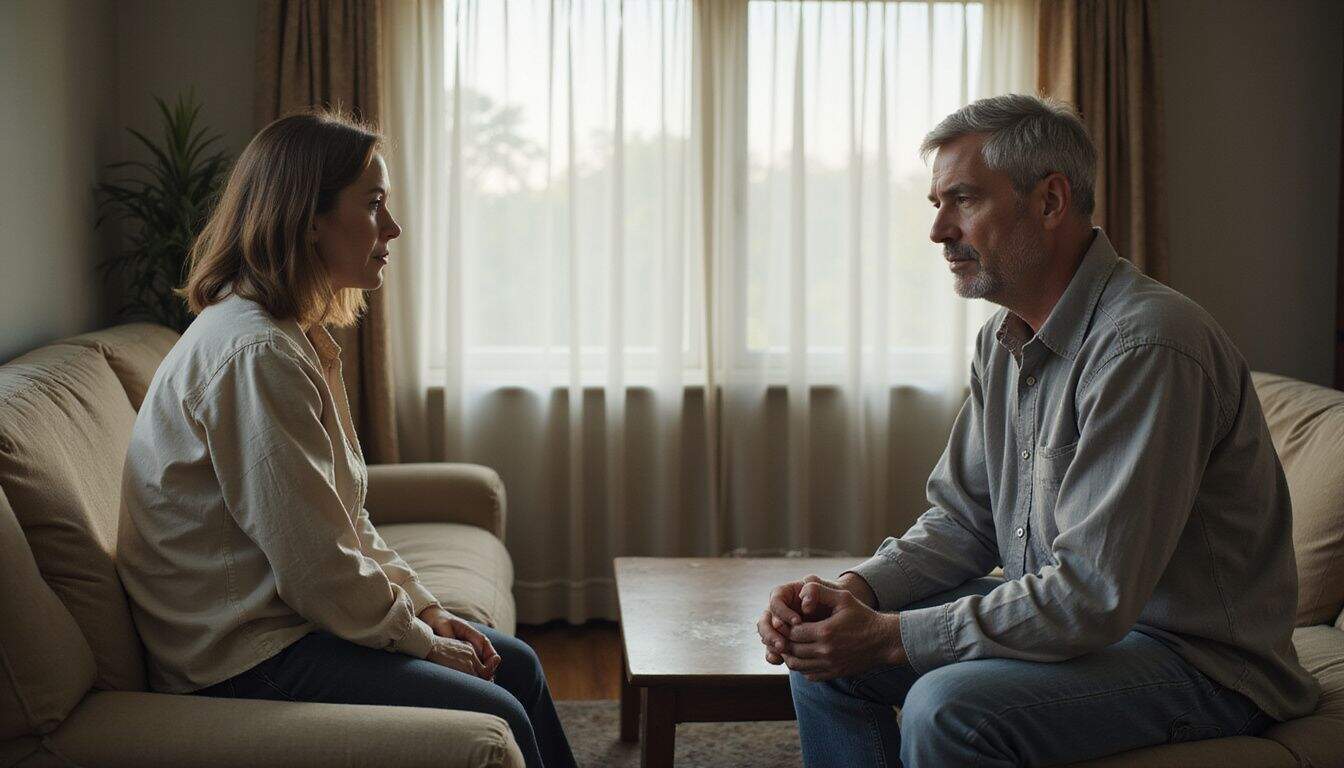
Respect crumbles like a house of cards, one unresolved issue at a time. Unmet needs pile up, creating frustration that eats away at the foundation of your marriage. Your wife might start yelling because she feels her concerns get brushed aside repeatedly.
Small problems become big ones, and big ones turn toxic. Poor communication skills make everything worse. You might dismiss her feelings without realizing it. She stops seeing you as her partner and starts viewing you as part of the problem.
This shift happens slowly, then all at once.
Respect is earned in drops and lost in buckets.
Emotional distance grows when couples stop connecting on a deeper level. Mental health struggles like anxiety can make your wife feel overwhelmed and unheard. She might recognize controlling behaviors that undermine mutual respect in the relationship dynamic.
External stressors add pressure to an already strained bond. Loss of intimacy creates a vicious cycle where both partners feel disconnected. Your wife’s self-esteem takes a hit, and she might lash out through verbal outbursts.
The respect that once held your relationship together starts slipping away, leaving both of you feeling like strangers.
Why Is There Growing Emotional Distance?
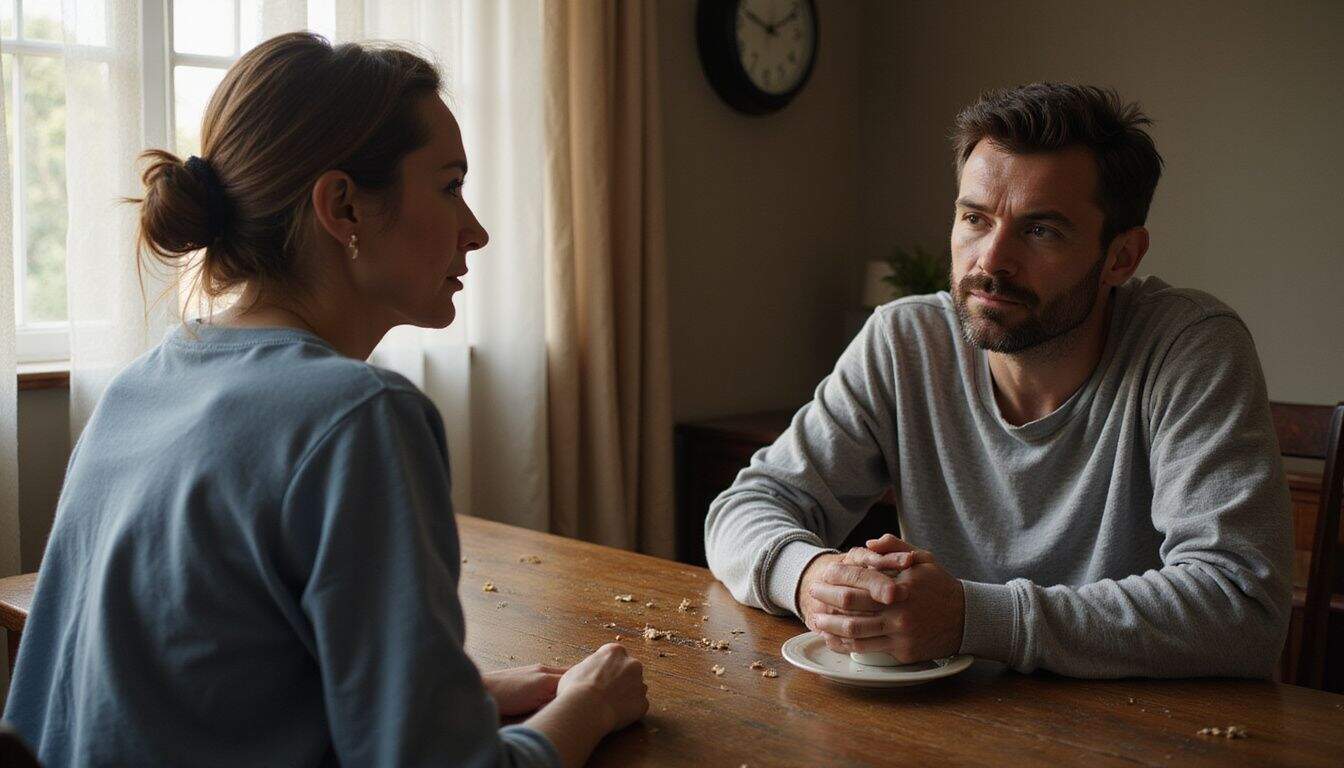
Emotional distance creeps into marriages like a slow leak in a tire. You might not notice it at first, but one day you wake up feeling like strangers living under the same roof. This gap often starts when couples stop sharing their daily experiences, dreams, and fears.
Small resentments pile up over time, creating walls between partners. Work stress, parenting demands, and financial pressures can push spouses apart without them realizing it.
Physical intimacy takes a backseat to busy schedules. Date nights become rare memories. Conversations turn into logistics about bills, kids, and household tasks. The friendship that once anchored your marriage starts to fade.
Many men find themselves wondering how they drifted so far from the woman they married. This growing space between you and your wife creates fertile ground for frustration and yelling.
She might raise her voice because she feels disconnected from you, not because she wants to hurt you. Couples therapy can help bridge this emotional gap and restore the closeness you both crave.
Building emotional intimacy requires daily effort and conscious choices to prioritize your relationship. The stress from this distance often triggers other relationship problems that make wives feel overwhelmed.
How Does Feeling Overwhelmed Lead to Yelling?

Emotional distance often stems from the same root cause that triggers explosive outbursts: feeling completely swamped by life’s demands. Your wife might carry a heavier load of household responsibilities and work commitments than you realize.
This creates a perfect storm for emotional meltdowns.
Multiple responsibilities pile up like dirty laundry, creating emotional stressors that push anyone to their breaking point. Women frequently juggle more tasks at home while managing their careers, leaving them stretched thin.
The pressure builds until something small, like leaving dishes in the sink, becomes the final straw that breaks the camel’s back. Yelling becomes her release valve for all that pent-up frustration and exhaustion.
What Are Unresolved Conflicts or Triggers?

Unresolved conflicts accumulate like dirty dishes in the sink. Past trauma or unresolved communication problems can trigger yelling during conflicts, creating a cycle that seems impossible to break.
Your wife might explode over something small because bigger issues remain buried. Maybe you promised to help more with childrearing but nothing changed. Perhaps financial stress keeps coming up in fights, but you never really solve the money problems together.
These leftover arguments don’t disappear, they simmer under the surface like a pot ready to boil over.
Awareness of triggers is essential for addressing unresolved conflicts.
Triggers function like emotional landmines in your marriage. A simple comment about dinner plans might set off yelling because it connects to deeper feelings of being unheard or overwhelmed.
Disparity in household responsibilities can overwhelm a partner, leading to frustration that explodes at unexpected moments. Your wife’s brain remembers every time she felt dismissed or ignored.
Those memories create sensitive spots that cause big reactions to small problems. Recognizing these patterns helps you understand why a conversation about taking out trash turns into a screaming match about respect and love.
Is Yelling a Sign of Deeper Issues?
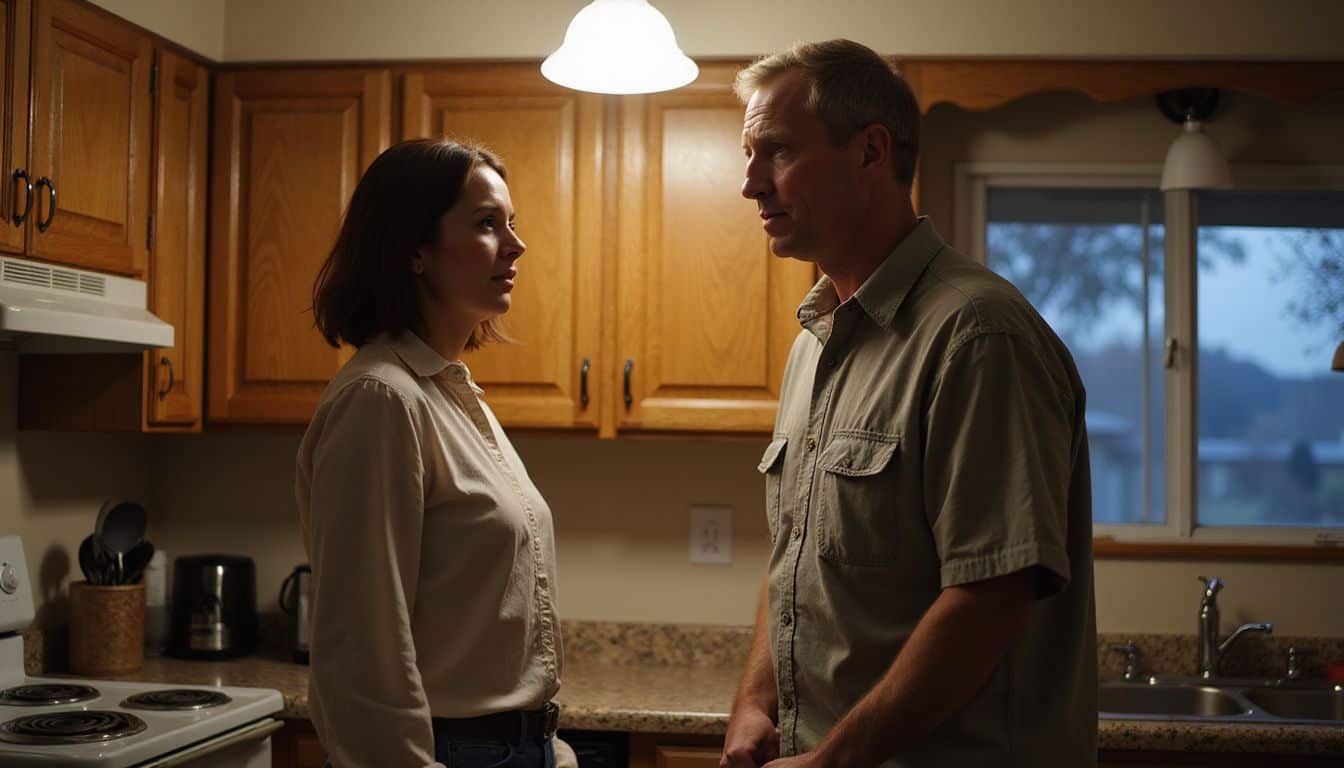
Yelling often acts like smoke from a fire – it signals something bigger burning underneath. When your wife raises her voice regularly, it might point to deeper relationship problems that need attention before they cause more damage.
What Are the Signs of Relationship Unhappiness?
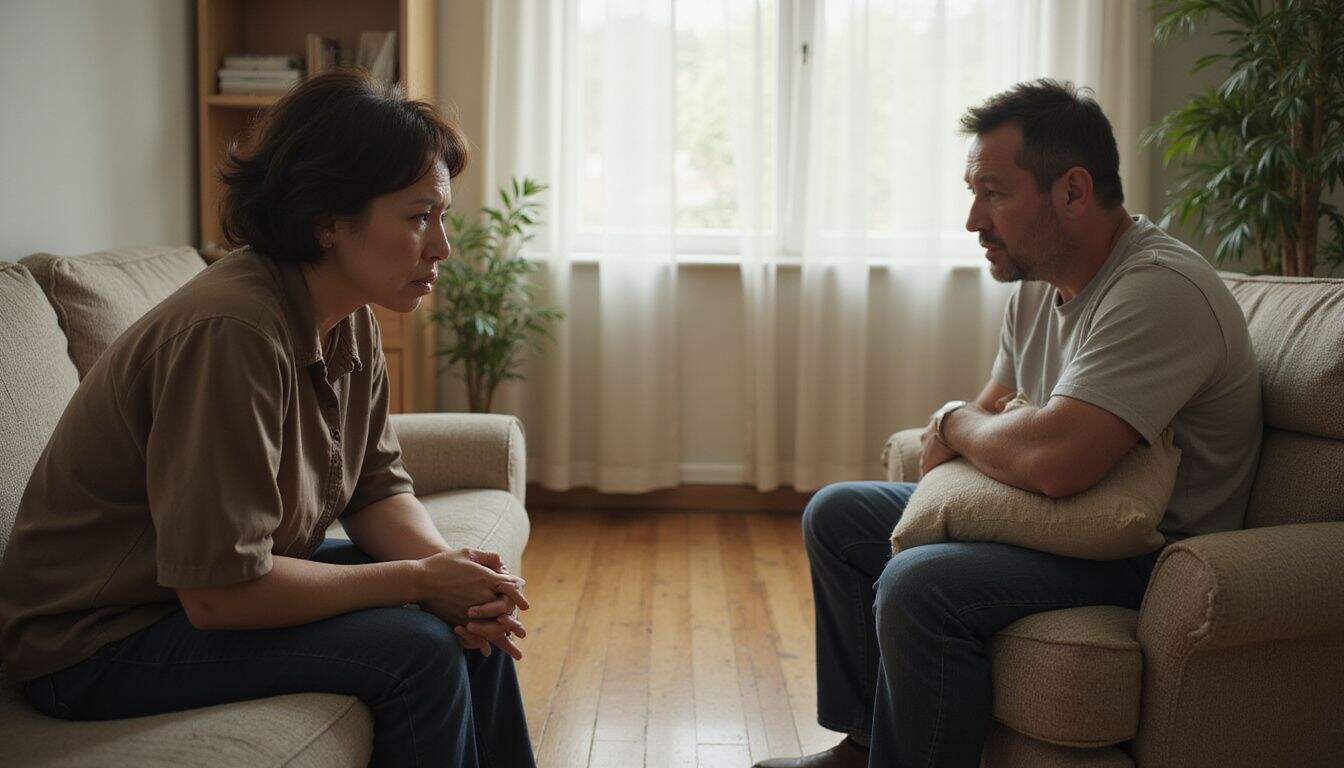
Relationship unhappiness shows up in ways that are hard to ignore. Your wife might stop sharing her daily experiences with you, or conversations become purely functional, focused only on schedules and household tasks.
Physical intimacy drops off dramatically, and she might avoid cuddling or even casual touches. Arguments escalate quickly over minor issues, and you notice she seems constantly frustrated or withdrawn.
Many men miss these early warning signs because they develop gradually over time. She may start spending more time with friends or at work, creating emotional distance that feels like a wall between you both.
Signs of marital dissatisfaction and betrayal often overlap with general unhappiness, making it crucial to address problems before they worsen.
Frequent yelling indicates underlying problems in a relationship that have been building for months or years. Your partner might express feelings of being unheard, which creates resentment that bubbles over into verbal outbursts.
Financial stress can trigger intense arguments about money, spending, or future security. Emotional expression becomes negative and hostile rather than loving and supportive. She may criticize your decisions more often or show less interest in your thoughts and opinions.
Continuous yelling can harm trust and emotional intimacy, creating a cycle where both partners feel defensive and misunderstood. Professional help is recommended for unresolved communication issues that persist despite your best efforts to improve things on your own.
When Does Yelling Cross Into Verbal Abuse?
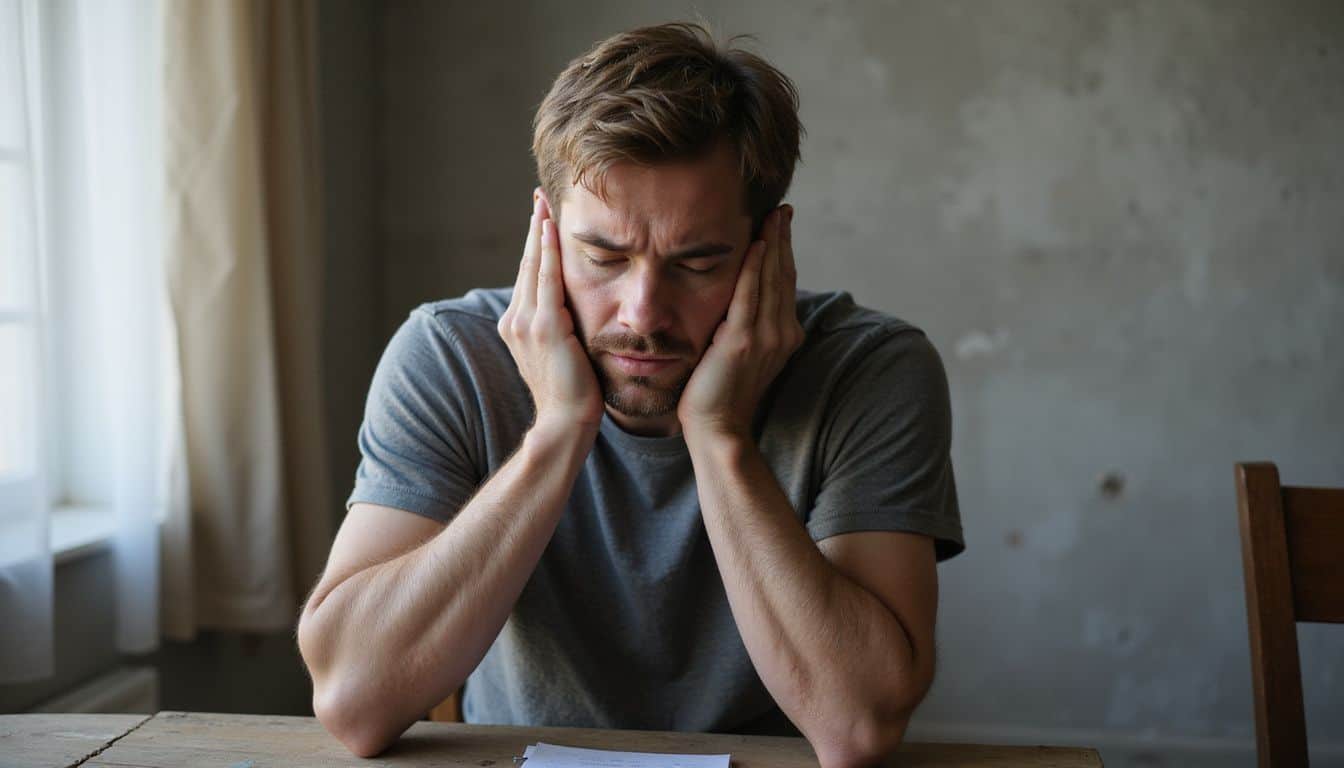
Recognizing signs of relationship unhappiness often leads to a bigger question about the nature of your partner’s behavior. Yelling transforms into verbal abuse when it includes insults, threats, or controlling behavior that instills fear.
This line gets crossed when your wife starts attacking your character, calling you names, or making you feel worthless. The shift happens when raised voices become weapons designed to hurt rather than express frustration.
Verbal assault differs from regular arguments because it aims to control and intimidate. Abusive behavior includes screaming that makes you walk on eggshells, threats about leaving or taking the kids, or constant put-downs about your abilities as a partner.
I’ve seen men describe feeling like they’re trapped in a simulator where nothing they do is right. The key difference lies in intent, frequency, and the emotional damage it causes to your self-worth.
Consequences of Yelling in a Marriage
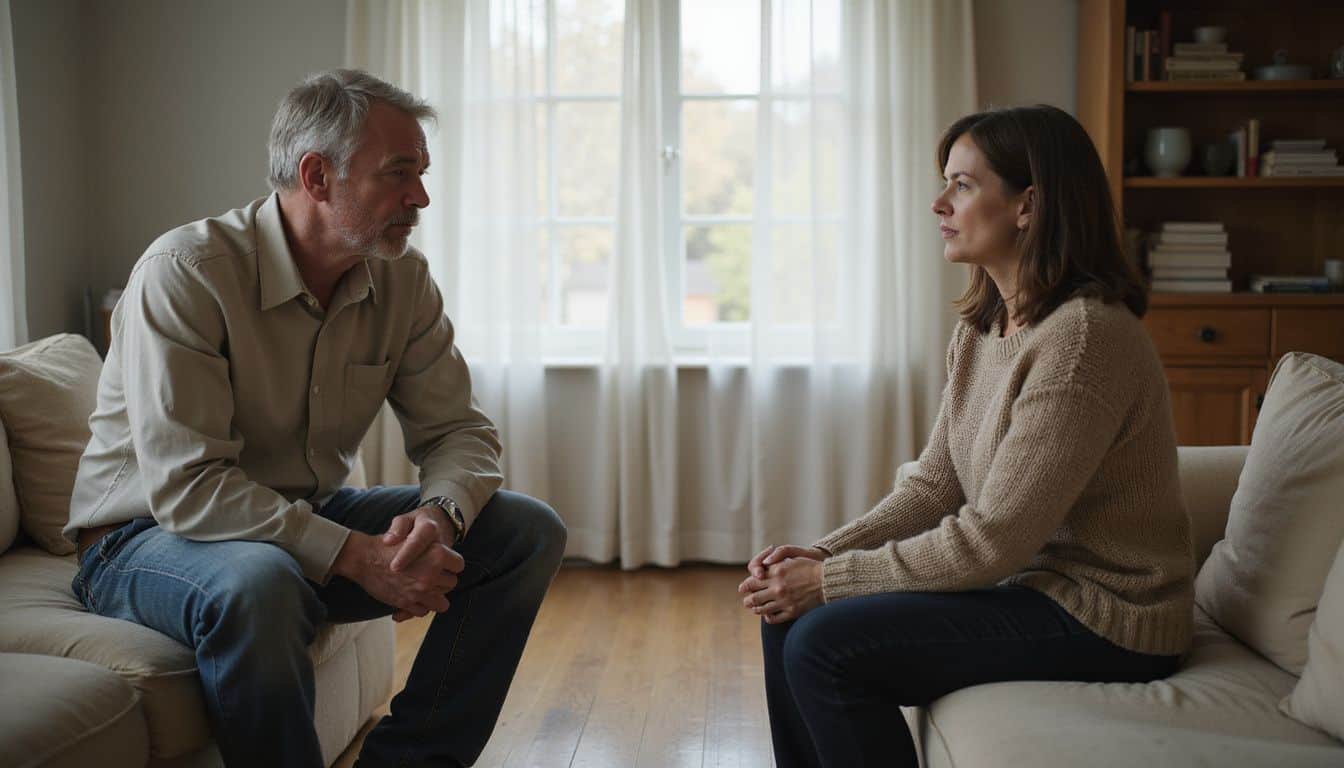
Yelling creates a toxic cycle that damages both partners and tears apart the foundation of trust. When voices rise and harsh words fly, the emotional fallout spreads far beyond that single moment, leaving scars that can take years to heal.
How Does Yelling Affect Both Partners Emotionally?

Frequent yelling creates a toxic relationship dynamic that damages both partners deeply. The person being yelled at often feels hurt, confused, and anxious after each outburst. Their self-esteem takes a hit, and they start walking on eggshells around their spouse.
Fear creeps in, making them question their own worth and judgment. Trust begins to crumble as emotional safety disappears from the relationship. Many men describe feeling like they’re living with a stranger, constantly bracing for the next explosion.
The partner who yells also suffers emotional consequences, though they might not realize it immediately. Guilt and shame often follow their outbursts, creating a cycle of negative feelings.
They may feel out of control, which damages their self-image and confidence. Emotional distance grows as their behavior pushes their spouse away. Some experience anxiety about their own actions and worry about becoming someone they don’t recognize.
I’ve seen couples where both partners end up feeling isolated and misunderstood, trapped in patterns that hurt everyone involved. Managing feelings when your partner’s behavior becomes overwhelming becomes crucial for maintaining your mental health during these difficult times.
What Negative Effects Does Yelling Have on Children?
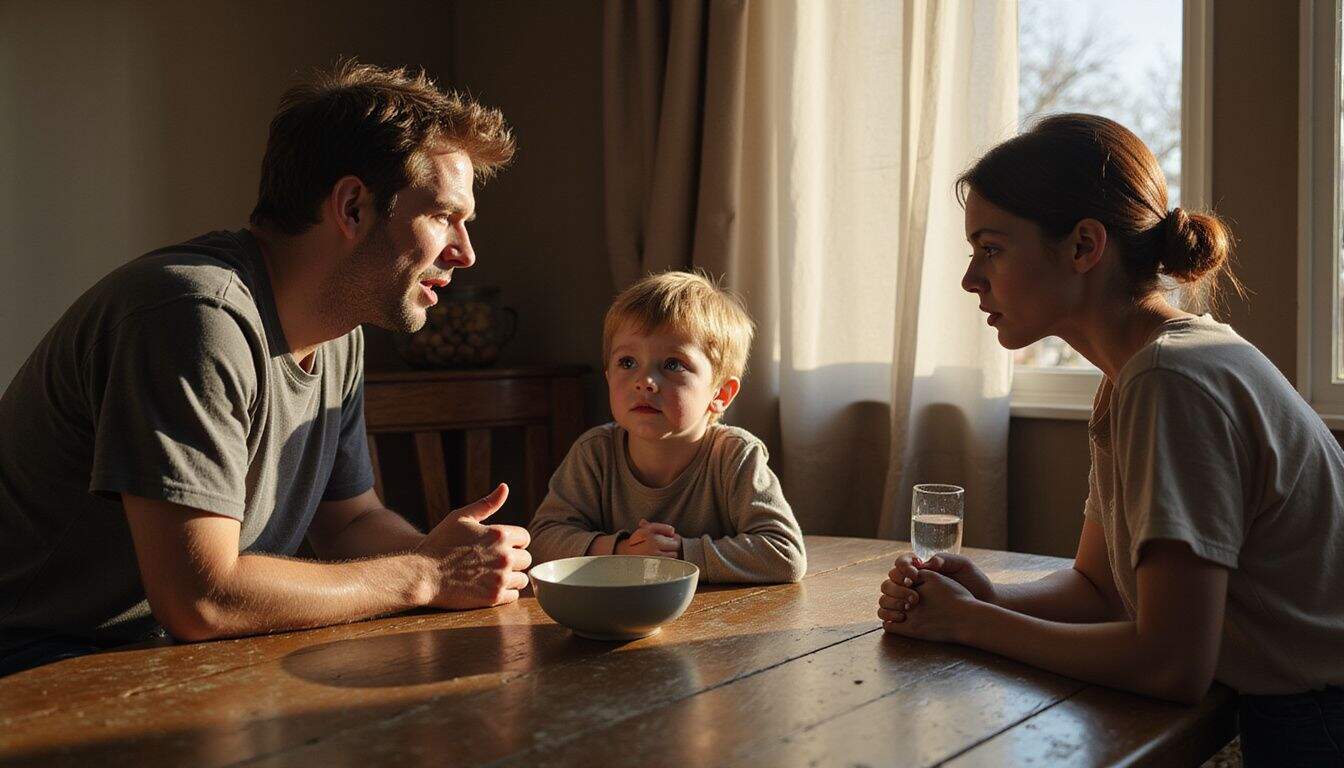
Children exposed to parental yelling often develop anxiety and low self-esteem. Your kids absorb every raised voice like sponges. They start walking on eggshells, afraid to speak up or make mistakes.
This constant tension creates emotional distress that follows them long after the argument ends. Kids from yelling households may experience trust issues and emotional instability that stick around for years.
I’ve seen children who flinch at loud noises because they associate volume with conflict. Their nervous systems stay on high alert, ready for the next explosion.
Yelling disrupts children’s ability to learn healthy communication skills. Kids copy what they see at home. If Mom and Dad solve problems by raising their voices, children think that’s normal.
They struggle to express feelings calmly or work through disagreements peacefully. The emotional fallout from yelling can have long-term effects on children’s mental health. Some kids become people-pleasers who avoid conflict at all costs.
Others turn aggressive because they learned that volume equals power. Professional counseling can help address the negative impacts of yelling on children, but prevention works better than repair.
Marriage counselling becomes crucial for breaking these toxic patterns before they damage your family permanently.
How Does Yelling Erode Trust and Intimacy?

Yelling acts like acid on the foundation of your marriage. Each outburst chips away at the safety your wife once felt with you. Trust takes years to build, but a single screaming match can shatter it in seconds.
Your wife starts walking on eggshells, afraid to share her real thoughts or feelings. She begins to question whether you truly care about her emotions or just want to win arguments.
Continuous yelling damages trust and emotional intimacy, creating distance between partners that feels impossible to bridge. Physical closeness becomes awkward after verbal explosions.
Your wife may stop reaching for your hand or sharing those quiet moments that once brought you together. The bedroom turns into another casualty of this emotional warfare. Intimacy requires vulnerability, and vulnerability needs safety.
Yelling destroys that safe space faster than you can rebuild it. Understanding these consequences helps you recognize why your responses matter so much.
How to Respond When Your Wife Yells

When your wife raises her voice, your response can make or break the moment. The right approach turns conflict into connection, while the wrong move pushes you both further apart.
How Can You Practice Active Listening?
Active listening starts with your full attention, not just your ears. Put down your phone, turn off the TV, and make eye contact with your wife. This shows empathy and tells her that her words matter to you.
Your body language speaks volumes before you even open your mouth.
Restating your wife’s words in your own language proves you’re truly hearing her. Try saying, “So you feel frustrated because I didn’t help with dinner prep, and that made you feel unappreciated.” This simple technique validates her emotions and builds compassion in your relationship.
Taking a timeout during heated conversations gives both of you space to cool down and think clearly.
Why Should You Avoid Reacting Defensively or Yelling Back?
Active listening sets the foundation, but your response matters just as much. Responding defensively or yelling back escalates conflicts and damages trust in relationships. Think of it like throwing gasoline on a fire, you’ll only make things worse.
Your defensive reactions create a toxic cycle that spirals out of control. She yells, you yell back, and suddenly you’re both trapped in a screaming match that solves nothing. This pattern harms self-esteem and creates anxiety for both partners.
You’ll find yourselves walking on eggshells around each other, afraid to speak up about real issues. Continuous yelling destroys the emotional safety net that healthy marriages need.
Your wife might start feeling like she can’t express her concerns without facing aggression from you. This breakdown in communication pushes couples toward emotional abuse patterns that can devastate a relationship.
When Should You Take Time to Cool Down?
Stepping back instead of fighting fire with fire makes all the difference in heated moments. Recognizing signs of heightened emotions is crucial for deciding when to take time to cool down.
Your heart pounds, your voice gets louder, and rational thinking goes out the window. These red flags signal it’s time to hit the pause button.
Continuous yelling can indicate unresolved issues that need cooling down to foster improvement. Taking timeouts during heated arguments helps de-escalate tensions and promotes healthier communication.
Call for a break when you feel your anger rising or when the conversation turns into a shouting match. Tell your wife, “I need twenty minutes to think about this.” This isn’t running away from the problem, it’s preventing things from getting worse.
Emotional disconnection and unmet needs may necessitate cooling down periods to address underlying issues. Your relationship advice should include this simple rule: cool heads solve problems better than hot tempers.
How Do You Validate Her Emotions Without Excusing Bad Behavior?
Validation means acknowledging her feelings without agreeing that yelling is okay. You can say something like, “I hear that you’re frustrated and hurt, and I want to understand what’s bothering you.” This approach shows you empathize with her emotional state while still maintaining boundaries about respectful communication.
Think of it like separating the message from the delivery method, you can accept her concerns without accepting the way she’s expressing them.
Setting boundaries becomes crucial for emotional safety in your marriage. You might respond with, “Your feelings matter to me, but we need to talk about this without yelling.” A couples therapist often recommends this balanced approach because it addresses underlying issues while preventing abusive relationship patterns from developing.
Both partners must work together to create healthier communication habits, and this starts with recognizing that intense emotions don’t justify harmful behavior.
Improving Communication in Your Relationship

Strong communication skills can turn your marriage around, even after years of yelling and conflict. Learning to talk through problems takes practice, but it beats living in a war zone where every conversation becomes a battle.
How Can You Build Healthy Conflict Resolution Skills?
Building healthy conflict resolution skills requires practice, patience, and a genuine desire to understand your partner’s perspective. These skills can turn heated arguments into productive conversations that strengthen your relationship.
- Practice active listening by putting down your phone, making eye contact, and focusing completely on what she’s saying. Active listening helps reduce frustrations that often lead to shouting matches.
- Take breaks during intense discussions to prevent emotional escalation and maintain your calm. Stepping away for 10-15 minutes gives both partners time to collect their thoughts.
- Use the Echo Method by restating what your partner just said in your own words. This technique fosters connection and shows you’re truly hearing her concerns.
- Plan regular check-ins about feelings and needs to prevent stress buildup that causes explosive arguments. Weekly conversations can address problems before they become major conflicts.
- Acknowledge her emotions even when you disagree with her actions or words. Saying “I understand you’re frustrated” doesn’t excuse bad behavior but shows empathy.
- Ask open-ended questions like “Help me understand why this upset you” instead of making defensive statements. Questions encourage dialogue rather than creating more conflict.
- Focus on specific behaviors rather than criticizing character traits during disagreements. Say “I felt hurt when you interrupted me” instead of “You never listen.”
- Learn to apologize sincerely when you’ve made mistakes without adding excuses or blame. A genuine apology can reduce tension quickly and rebuild trust.
- Consider couples therapy to develop effective communication tools and healthy conflict resolution skills. Therapists provide structured approaches that many couples find helpful.
What Is the “Echo Method” for Understanding?
The Echo Method involves mirroring your wife’s communication style, including her volume and pace, to enhance understanding and connection. This technique means you match how she speaks, not what she says.
You use key phrases from your partner to show active listening and validate their feelings. I learned this approach after years of marriage counseling sessions taught me that communication patterns matter more than words alone.
This method promotes a calming response, suggesting that lowering your voice can help de-escalate situations. You reflect her emotional tone while gradually reducing intensity. The technique addresses underlying issues by facilitating healthier communication between partners and reducing conflicts.
Practicing the Echo Method consistently fosters emotional safety and trust, counteracting the negative effects of frequent yelling. Effective communication strategies like this help navigate conflicts without resorting to shouting, enhancing emotional intimacy.
Quality time and regular check-ins become natural extensions of this practice.
How Can You Reconnect Through Quality Time and Check-Ins?
Quality time acts like relationship glue, binding couples together through shared experiences and genuine connection. Regular check-ins between partners are essential for gauging feelings and improving communication in the relationship.
- Schedule weekly relationship check-ins where you both share feelings without judgment or interruption. Active listening helps understand each partner’s perspective and reduces the likelihood of yelling during these conversations.
- Put away phones and devices during meals to create space for real conversation and connection. Reconnecting through quality time can strengthen the relationship and foster a deeper emotional connection between partners.
- Plan activities you both enjoy, whether it’s cooking together, walking, or watching movies side by side. Shared experiences build positive memories that counteract the negative impact of conflicts and arguments.
- Ask open-ended questions about her day, dreams, and concerns rather than just surface-level topics. This approach helps identify unresolved issues and miscommunication before they become triggers for yelling episodes.
- Create rituals like morning coffee together or evening walks that become consistent touchpoints for connection. These moments provide natural opportunities for partners to gauge feelings and address concerns early.
- Listen to her responses without planning your rebuttal or getting defensive about past mistakes. Sincere apologies and loving gestures can heal emotional wounds and encourage positive interactions going forward.
- Share your own vulnerabilities and struggles to create mutual understanding and emotional intimacy. This openness helps break down walls that may have formed due to ongoing relationship stress.
- Make time for physical affection like hugging, holding hands, or cuddling without expecting it to lead somewhere else. Physical touch releases bonding hormones that reduce stress and improve overall relationship satisfaction.
Professional counseling can assist couples in restructuring communication habits when quality time alone isn’t enough to address deeper issues.
When Should You Seek Professional Counseling?
Professional counseling becomes necessary once yelling turns into a frequent or abusive pattern in your marriage. Couples therapy can help develop fair fighting rules and improve conflict resolution skills.
A therapist provides a safe space to explore concerns and identify triggers for yelling. Professional support can address unresolved conflicts and restructure communication habits that have become maladaptive over time.
Emotional safety gets prioritized in therapy, especially if yelling escalates to threatening behavior or intimate partner violence. Individual therapy might help if your wife has experienced traumas or a traumatic event that contributes to her outbursts.
A neurologist can assess if neurological factors play a role in emotional regulation issues. Marriage counselors create an environment where both partners can break the silences and build resilience in their relationship without fear of judgment or stigma.
How Will Marriage Communication Strategies Evolve in 2025?

Marriage communication will transform dramatically in 2025. Couples will adopt strategies that promote understanding, empathy, and emotional safety. The Opposite Action Protocol will encourage positive responses during conflicts instead of reactive yelling.
This method teaches partners to respond with calm words rather than matching their spouse’s anger. The Future Self Framework will help men envision desired relationship outcomes for proactive communication.
Partners will ask themselves how their future selves would handle disagreements. The Third Point Method will facilitate viewing conflicts neutrally to de-escalate tensions. This technique involves both partners stepping back to see the situation from an outside perspective.
Open communication about emotional loads will be essential for maintaining healthy relationship dynamics. Regular check-ins and quality time will be vital for rebuilding emotional intimacy and addressing unresolved issues.
Therapy recommendations will increase as couples face communication challenges. Professional support will become more accepted and accessible through artificial intelligence tools and online platforms.
These digital resources will simulate real conversations to help men practice better responses before actual conflicts arise. Marriage counselors will integrate technology to track progress and provide personalized guidance.
The focus will shift from reactive problem-solving to preventive communication skills that stop yelling before it starts.
People Also Ask
Is yelling always a sign of domestic violence or abuse?
Not always, but it can be a warning sign. If yelling comes with threats, physical violence, or attempts to control you, that crosses into domestic abuse territory.
When does arguing become abusive relationships?
When one partner uses fear, control, or intimidation to get their way. Healthy couples disagree, but abusive relationships involve power games, threats, or any form of physical abuse.
What should I do if my wife’s anger includes threats of violence?
Take threats seriously and seek help immediately. Contact domestic violence resources or law enforcement if you feel unsafe, because threats can escalate to actual physical violence or sexual assault.
Can addiction treatment help if substance abuse is causing the yelling?
Yes, addiction often fuels anger and conflict in marriages. Professional addiction treatment can address the root cause and teach healthier ways to handle stress and communicate.
How do I know if I need to leave an abusive situation?
If you fear for your safety, feel like you’re walking on eggshells, or experience any physical abuse, sexual violence, or rape, it’s time to reach out for help. Trust your gut, because your safety matters most.