
Shopping for a used car? You’re making a smart move. But plenty of guys get burned by hidden problems and surprise repair bills. A bad car can drain your bank account faster than you can say “check engine light.”
Here’s something you should know: The Federal Trade Commission makes dealers put a window sticker on every used vehicle. This “Buyer’s Guide” tells you whether the car comes “as is” or still has warranty coverage.
This guide shows you exactly what to check when buying a used car. We’ll cover everything from getting a vehicle history report to testing those brake lights and reading service records. Smart research now means fewer headaches later. Let’s make sure you drive away with a solid ride, not someone else’s problem.
Key Takeaways
Check the vehicle identification number (VIN) through NHTSA’s recall tool and the National Insurance Crime Bureau’s VINCheck. This reveals recall history, theft records, title problems, or odometer fraud. Remember that real VINs never contain the letters I, O, or Q.
Look at the car’s title status carefully. Clean means no major damage. Salvage indicates severe damage from floods, fires, or crashes. Rebuilt titles might hide serious past damage. Run an NMVTIS search for extra protection since title problems often cross state lines.
Ask for all maintenance and repair records. Good receipts from known shops like Firestone show proper care. Watch for missing papers or strange mileage jumps that could mean skipped service or hidden damage.
Check exterior panels for rust bubbles around wheel wells and doors. Test suspicious paint with a magnet to find hidden body filler. Uneven tire wear points to alignment trouble. Different brands of glass might mean cheap accident repairs.
Get a professional pre-purchase inspection from an ASE-certified mechanic. Yes, it costs $100 to $150. But mechanics use diagnostic scanners to find hidden trouble codes. Their reports help you negotiate better prices. This one step can save thousands later, according to Carchex and SGS.
Table of Contents
Research Before Shopping

Do your homework before you hit the lots. Check vehicle identification numbers with the National Motor Vehicle Title Information System. Compare prices on Kelley Blue Book so dealers can’t play games with you.
What are common issues for this make and model?
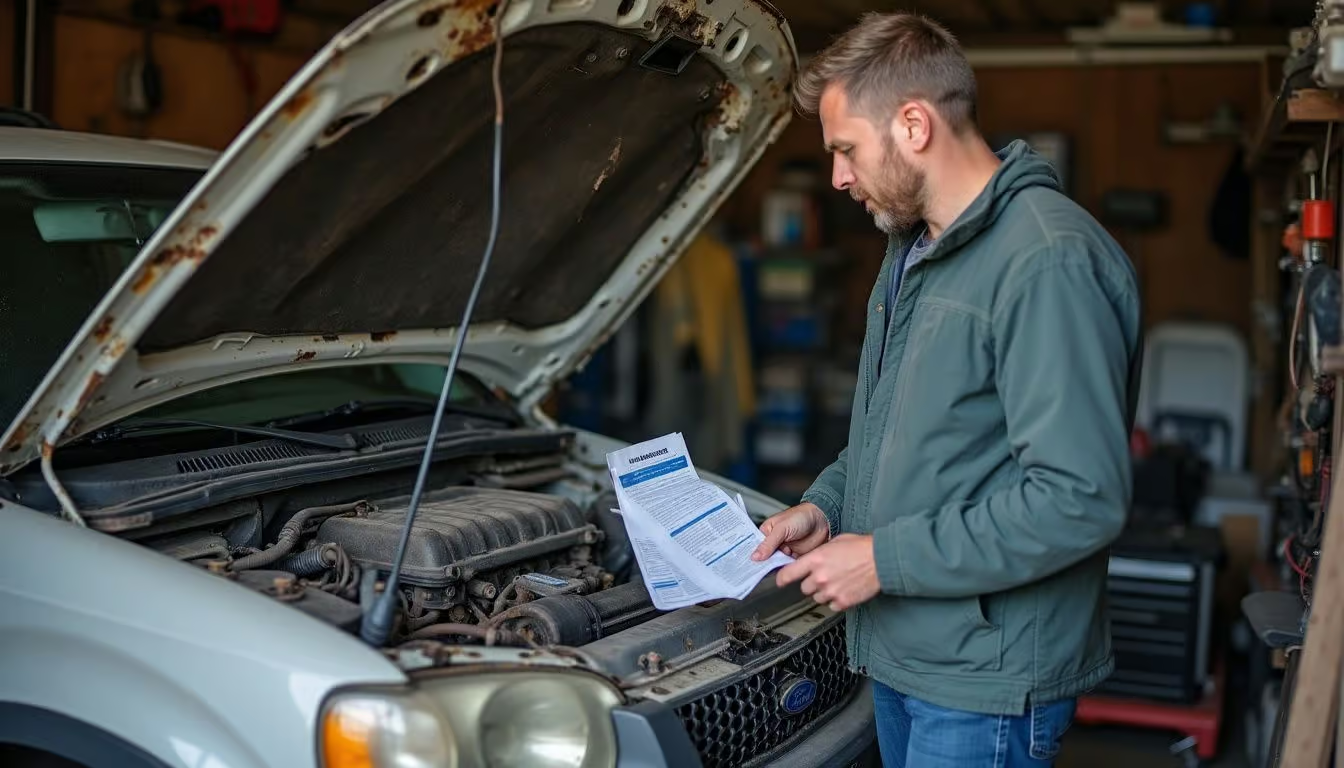
Every car has weak spots. Some models earn top marks from Consumer Reports lists, while others break down early. Take the Ford Escape. It often develops transmission troubles before hitting 100,000 miles. Toyota RAV4s score well for reliability, but you still need to check the car history report for blown head gasket repairs. Also search for recalls with the National Highway Traffic Safety Administration (NHTSA).
Used SUVs often show rust on door frames and need new brake pads by year seven. Watch for these patterns. Rotors wear down and make brakes squeak. Older sedans leak coolant from worn radiator hoses around 60,000 miles. That’s normal wear, but it still costs money to fix.
Test the seat adjustments and cruise control buttons on mid-2010s models. Electrical problems love to hide there. Dealership service bulletins warn about constant-velocity-joint clicking in front-wheel drives with high mileage. These joints connect the transmission to the wheels. When they fail, you’ll hear clicking sounds during turns.
My last truck fooled me good. The paint looked fresh and the title seemed clean. But a vehicle check using the VIN showed accident damage. Always run that VIN check. It catches hidden crashes and odometer fraud that sellers won’t mention.
How do I compare prices and set a budget?

Start with your monthly income. List every expense you have. Now figure out what car payment won’t break you. Add insurance costs, gas money based on fuel efficiency, regular service at local garages, and emergency repair funds. Cars always need something fixed.
Kelley Blue Book shows you fair market values for used cars. Compare these prices across different sources. Check CarGurus, local dealership lots, auction sites, and the National Automobile Dealers Association (NADA) guides. Each source gives you ammunition for negotiating.
Watch how prices change over time. They spike when everyone wants used cars. New car prices also push people toward used options. Build your budget with extra room for surprises. That way, one repair won’t wipe you out.
Features and gadgets make guys lose their minds. Stay strong. Use price guides from Edmunds and NADA to fight auto dealer markups. If negotiations get ugly, walk out. Another car will come along. The budget-friendly car buying guide says it best: patience beats rushing into bad deals.
A wise man knows his limits before signing on any dotted line.
How can I check for recalls and safety ratings?
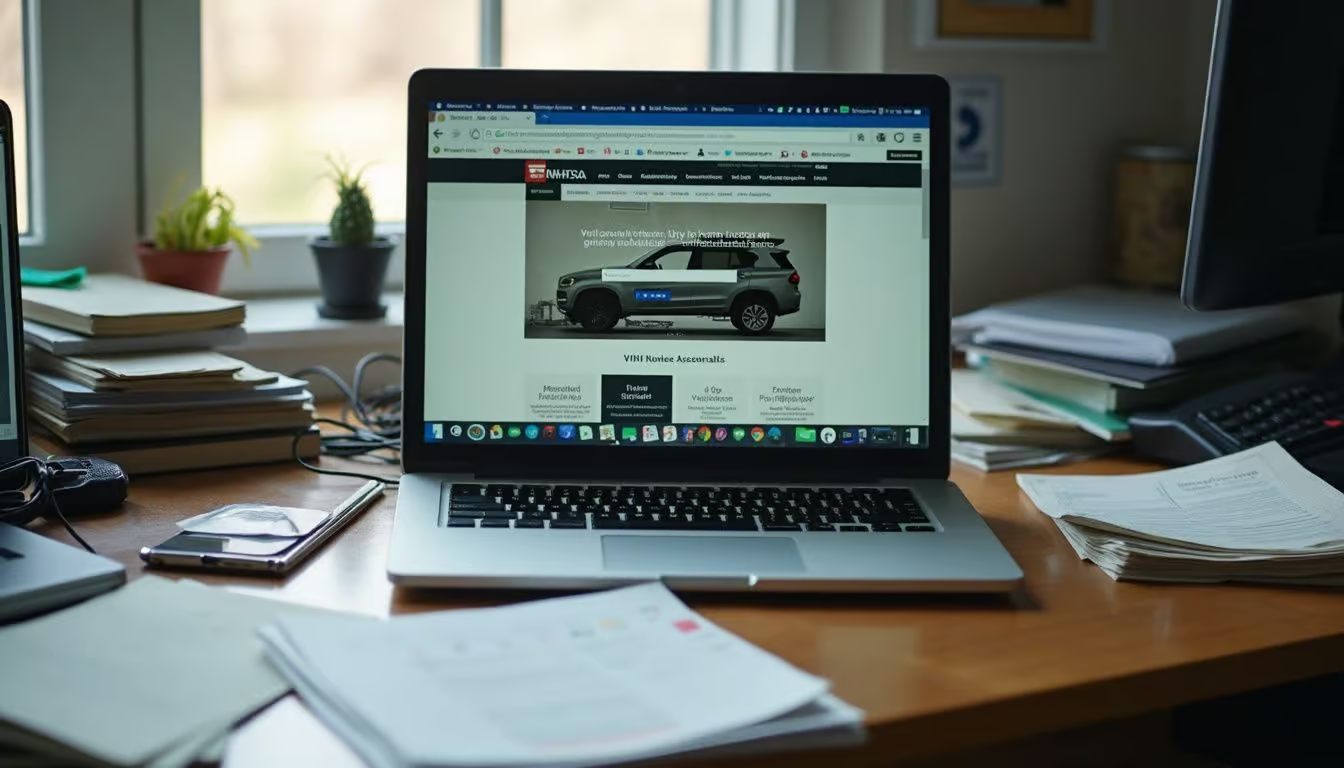
After setting your budget, focus on safety checks and recalls. The National Highway Traffic Safety Administration has a “Check for Recalls” tool. Type in the VIN and see open recalls instantly. Car makers must fix safety recalls for free if the car is under 10 years old. Just take it to an authorized dealer.
The NHTSA site offers more than recall checks. You’ll find crash-test scores and can sign up for email alerts. Their SaferCar app sends recall notices right to your phone. Want every detail? Download their guide called “Motor Vehicle Defects and Safety Recalls.” It explains your rights as a buyer.
Consumer Reports and IIHS-HLDI both test vehicle safety ratings. Compare their scores during your used-car inspection process. Manufacturers have 60 days to tell owners about new recalls. But stuff gets missed. Check every six months after you buy to stay safe.
Vehicle History and Paperwork

Never buy without checking the VIN and title first. Good maintenance records separate decent cars from future nightmares. Skip these steps and you might end up in small claims court fighting over a lemon.
How do I verify the Vehicle Identification Number (VIN)?
Find the Vehicle Identification Number at the windshield base, on the driver’s doorjamb, or on the title papers. Every car gets a unique 17-character code. Here’s a tip: real VINs never use the letters I, O, or Q. If you see those, something’s wrong.
Take that VIN to NHTSA’s recall tool right away. Then check the National Insurance Crime Bureau’s VINCheck tool for theft or salvage records. Both searches are free and take seconds.
The eighth digit tells you what engine sits under that hood; the tenth marks its model year.
Match every digit on the dashboard plate against the paperwork and any Carfax report. All numbers must line up perfectly. Run an NMVTIS search too. This government database shows liens and salvage titles that used car lots might not mention. See scratched or altered numbers? Run away fast. That car brings nothing but trouble.
What does the title status mean: clean, salvage, or rebuilt?
A “clean” title is what you want. It means no major damage ever happened. Insurance companies never wrote it off. Banks will loan money on clean titles. Auto insurance companies cover them without hassle. These cars cost more, but for good reason.
A “salvage” title warns you to stay away. The department of motor vehicles marks cars this way after serious damage from crashes, floods, or fires. The repair cost exceeded the car’s value. These vehicles haven’t been fixed yet. They’re just sitting on record as totaled.
When someone repairs a salvage car and it passes state inspection, it becomes “rebuilt.” But some states don’t use the rebuilt label at all. Check your local rules before signing contracts or paying fees.
Cars with rebuilt paperwork seem like bargains. Don’t fall for it. Fresh paint hides many sins. Insurance companies hate these cars. Some won’t cover them at all. Others offer basic coverage only.
Title washing happens more than you think. Dealers move cars between states to hide bad history. That’s why you need a VINCheck before spending your credit on any deal. Know what each title means before you even look at maintenance records or test that used truck.
How can I review maintenance and repair records?
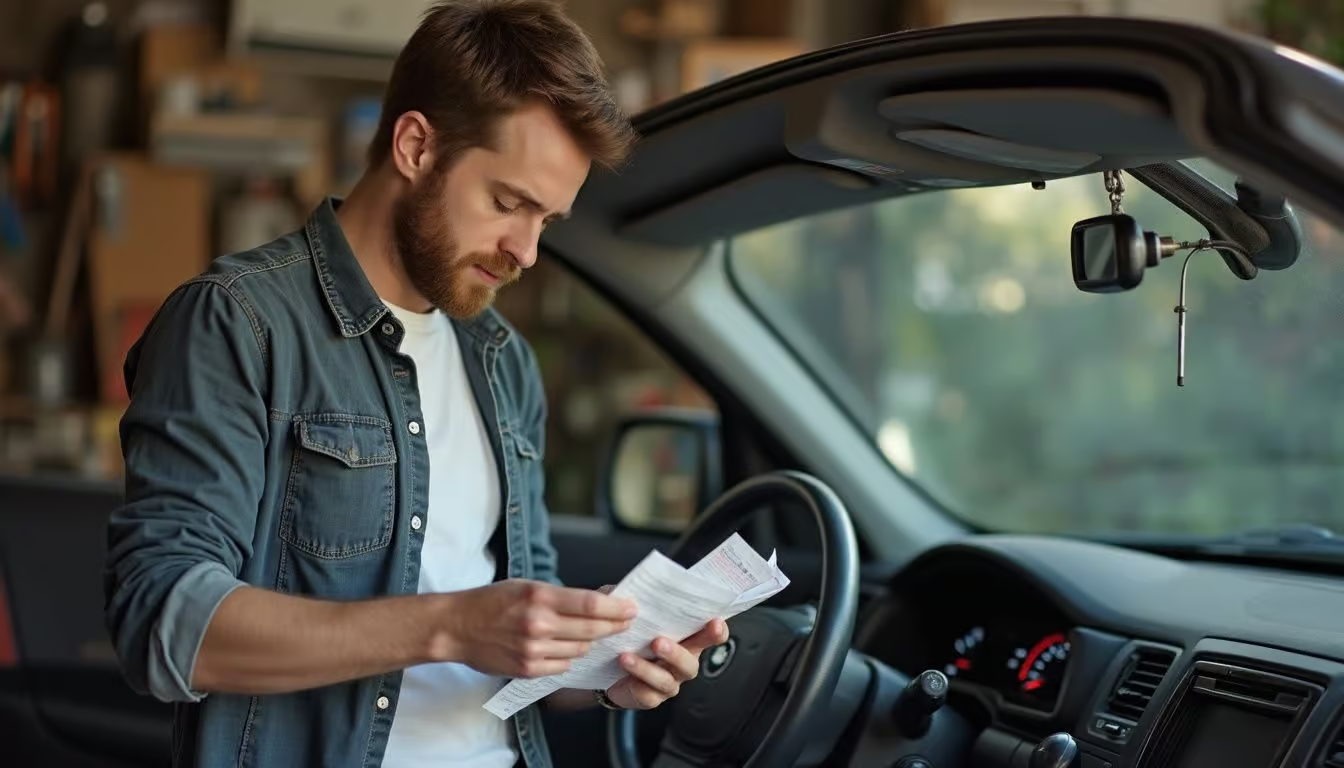
Get all maintenance and repair records from the seller. Neat, complete paperwork shows someone cared for this car. Check every receipt carefully. The odometer readings should match what’s on the dashboard now.
Look for service stamps from known shops like Firestone or Jiffy Lube. That’s a positive sign. Match the dates and mileage to manufacturer guidelines. Oil changes, transmission fluid changes, and brake work should happen on schedule.
Pull a vehicle history report from Carfax to fill in any gaps. Watch for missing papers or fuzzy explanations about work done “by a friend.” Missing documents often mean skipped maintenance. Sellers who get angry about record requests are hiding problems. Trust your gut and move on if something feels wrong.
Good records give you leverage. Bad ones tell you to keep shopping. Once you’ve checked the paperwork, head outside for your rust inspection.
Exterior Inspection
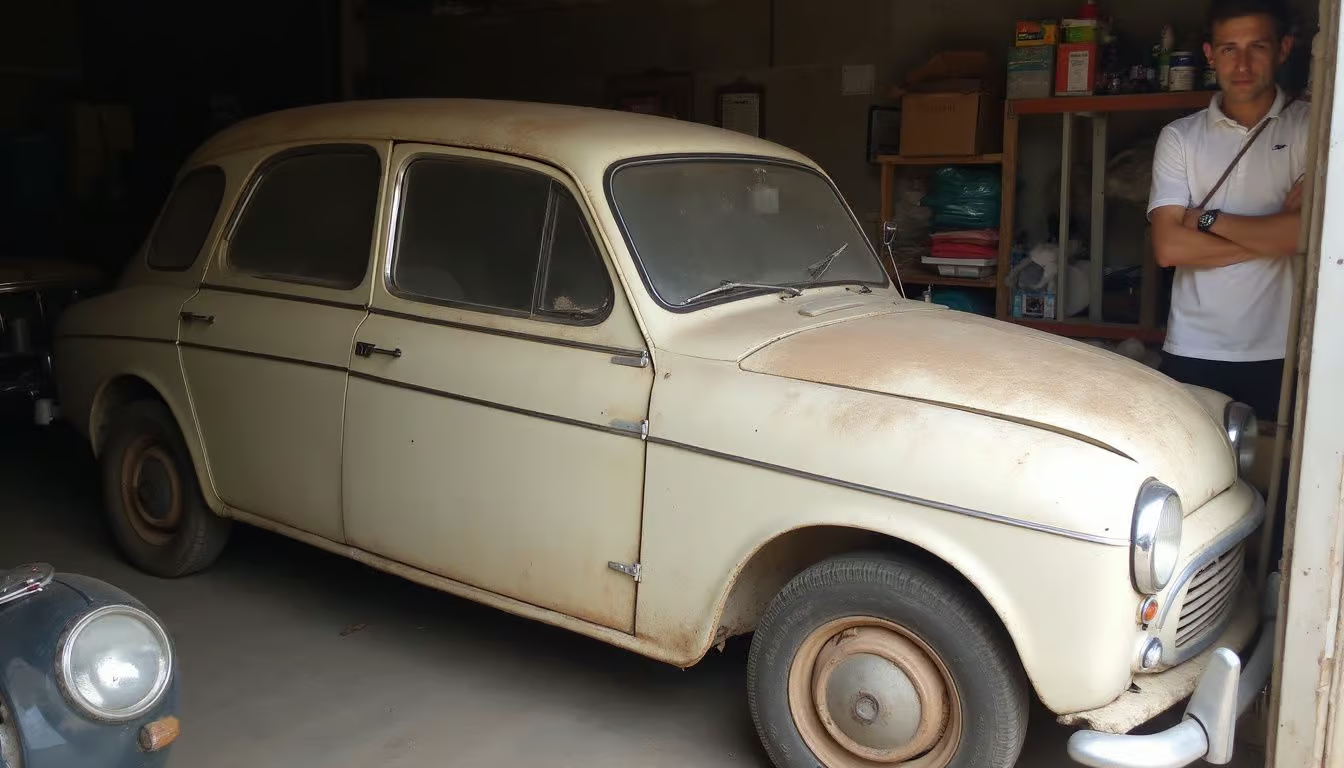
Time to get your hands dirty. Check the car’s body, examine tire sidewalls, and inspect all glass for damage signs. This part of your used car inspection reveals expensive problems hiding in plain sight.
What signs of rust, dents, or mismatched paint should I look for?
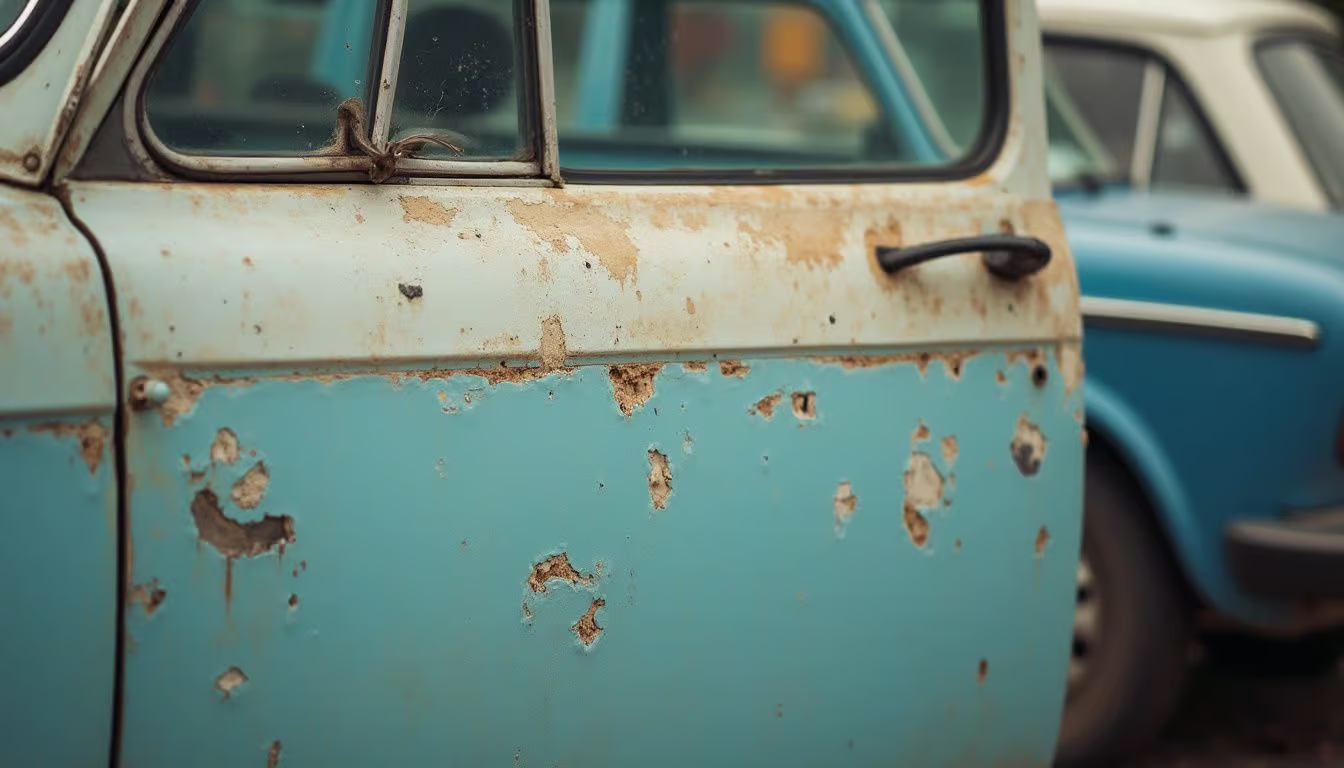
Inspect every body panel for dents, scratches, and paint bubbles. Small blisters around wheel wells or doors often hide spreading rust. Different paint shades between panels mean past bodywork. Fresh paint on an older car? That’s suspicious.
Run your hand along the car’s surface. Feel bumps or rough spots? That’s trouble brewing underneath. Bring a magnet for suspicious areas. If it won’t stick to painted metal, you’ve found body filler instead of steel. Body filler means accident damage.
Check inside door frames, under floor mats, in the trunk, and around the gas cap. These spots show rust first. Frame rust is the worst kind. It makes the car unsafe and costs a fortune to fix properly.
“Fresh paint is like cologne on a skunk, nice try but who are we kidding?”
Close all doors and the hood. Look at the gaps between panels. Uneven spacing or sagging parts mean past crash damage or bad repairs. Car dealers love to rush these fixes before a sale.
How do I inspect tires for wear and alignment problems?

Study the tread pattern on each tire. Even wear is good. Bald spots in the center mean too much air pressure. Worn edges show low pressure. Cupped or wavy tread points to bad shocks, worn suspension, or brake problems.
Feel the sidewalls and check the wheels. Cracks, cuts, or bulges spell danger. Mixed tire brands on a low-mileage car? Ask why. A car with under 20,000 miles should still have matching original tires unless something bad happened.
Test tread depth with a quarter. Stick Washington’s head into the groove. Can you see his whole head? Those tires are illegal. They need less than 1/16 inch of tread, which is the legal minimum in America. New Zealand requires 1.5 mm over most of the tire surface.
Check the spare tire and tools too. Make sure everything’s there for roadside emergencies. Poor alignment causes uneven tire wear patterns. This usually means expensive suspension work is coming soon. Bad tires are just the start of your problems.
How can I check glass for cracks or chips?
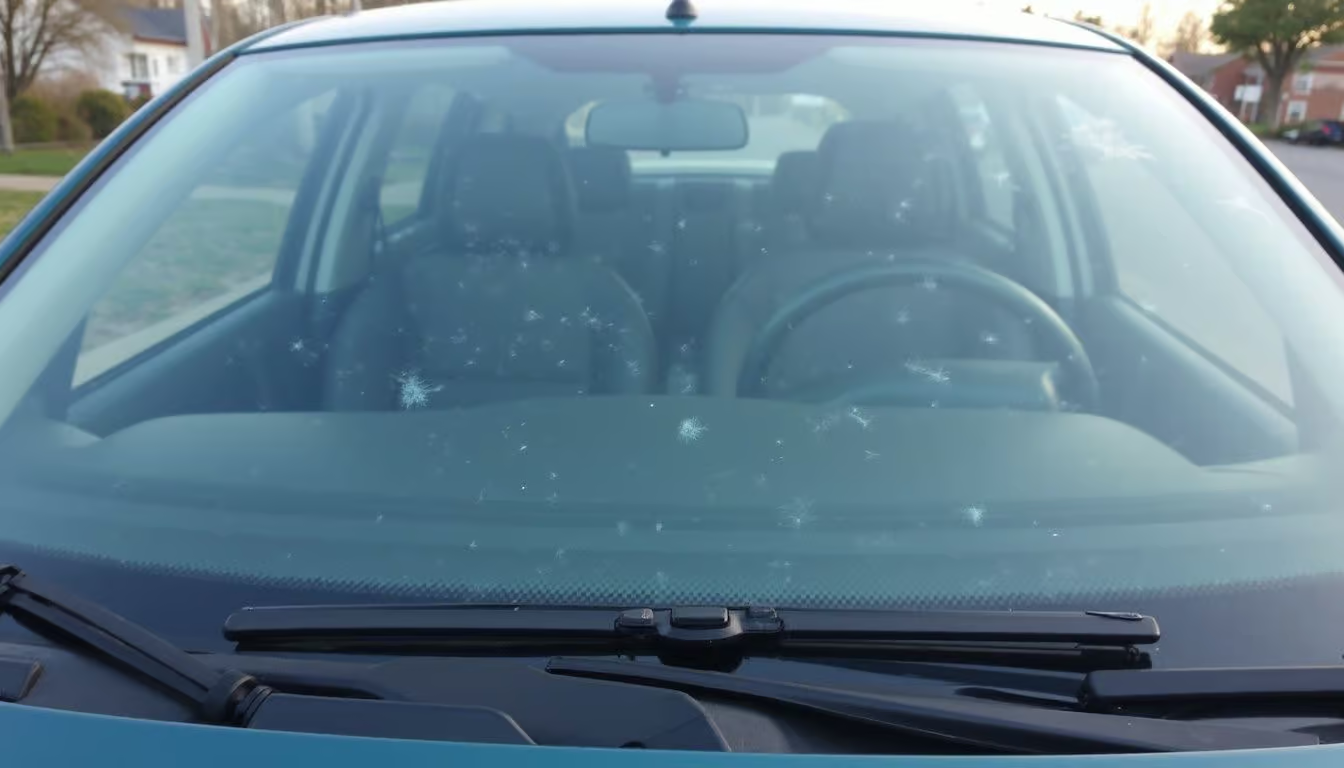
Examine the windshield and every window for cracks or stone chips. Small chips spread fast in cold weather. They turn into expensive cracks overnight. Open and close each door while watching the glass. Loose or shifting glass means poor past repairs.
Check all light covers carefully. Look for cracks, moisture inside, or missing pieces on taillights and headlights. Cloudy headlights with water droplets inside suggest flood damage. Water lines in the lens confirm it.
Different brands of glass on different windows? That’s a red flag. Cheap aftermarket glass doesn’t match OEM quality. Use these findings to negotiate the price down for minor issues. Small problems today become big expenses tomorrow. After glass inspection, focus on the interior next.
Interior Inspection
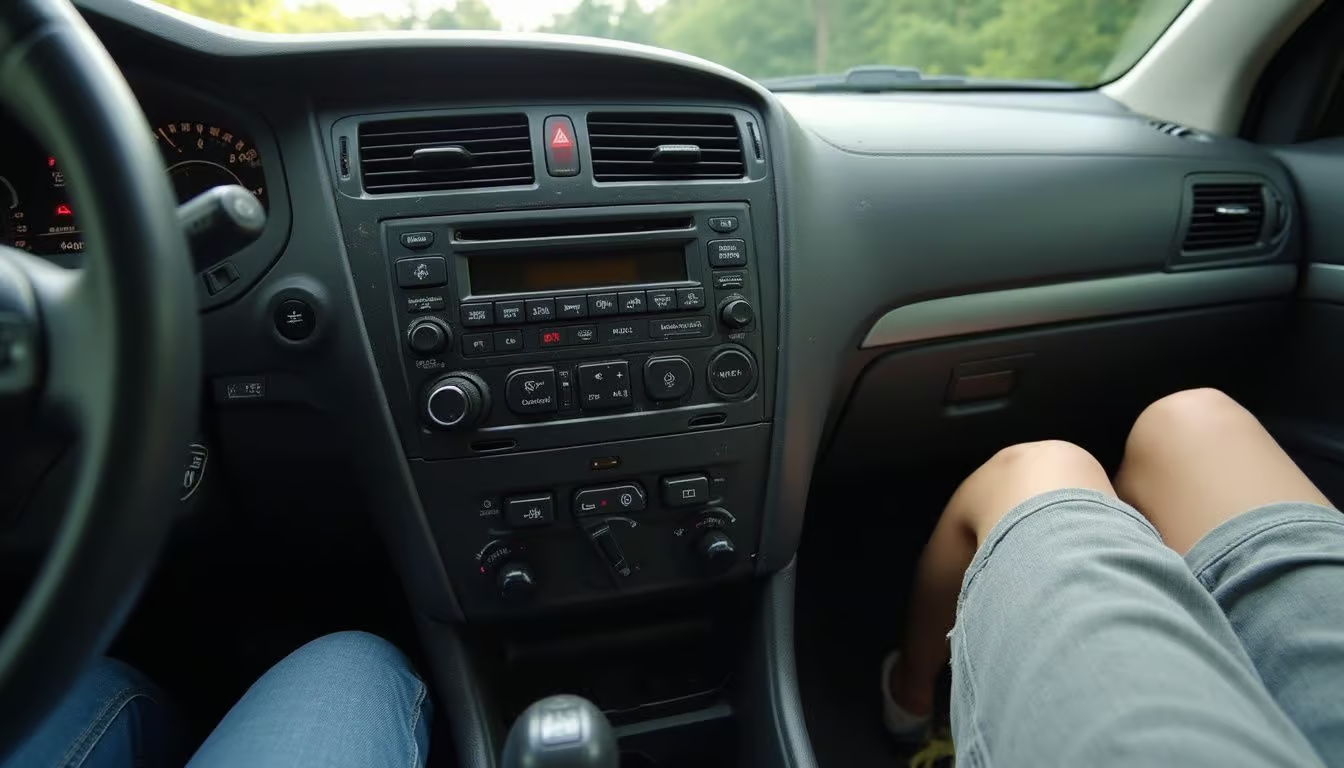
Press every button and switch you can find. Test turn signals, USB ports, and the radio. Your nose matters here too. Strange smells reveal water damage or smoke that sellers try to hide.
How do I test electronics like lights and air conditioning?

Switch on all lights: headlights, taillights, and turn signals. Every bulb should work perfectly. Start the car and watch the dashboard. Warning lights should turn off after a few seconds. My friend Mike taught me this: “A check engine or airbag light that stays on means expensive repairs are coming.”
Test everything that moves or lights up. Radio, USB ports, heated seats, power windows, sunroof. Push every button twice. Lazy or dead switches cost money to fix later.
Run the air conditioning on max for five minutes. Then test the heater the same way. Listen for strange noises or weak airflow. Musty smells mean water leaks that destroy wiring under the carpets.
Pop the hood while you’re at it. Check belts and hoses for cracks. These parts affect your electrical system. Review any recent maintenance records about electrical work. Know what you’re getting into before discussing extended warranties. Being careful beats dealing with lawsuits over a lemon.
What should I look for when examining upholstery for stains or damage?

Examine seats for tears, worn spots, and stains. Cracked leather or faded fabric shows age and hard use. Look up at the ceiling liner. Sagging or water stains mean leaks from bad seals. Musty odors warn you about mold growing in seats or carpets.
Reach into seat crevices and corners. Feel for dampness, grime, or mold. Lift the floor mats and check underneath. Wet spots in weird places suggest flood damage. Stains on carpet backing? Think twice. Lemon law claims get complicated without solid proof of flooding.
Test every safety belt and anchor point. Pull hard on them. Loose parts fail when you need them most. Adjust all the mirrors too. They should move smoothly and stay in place.
A clean interior tells you the previous owner cared about the car. Dirty cup holders and grimy surfaces reveal poor maintenance habits. Strange chemical smells might mean coolant leaks soaking into seats. Trust what you smell and see. These clues matter more than any extended warranty promise.
How do I verify the mileage on the odometer?
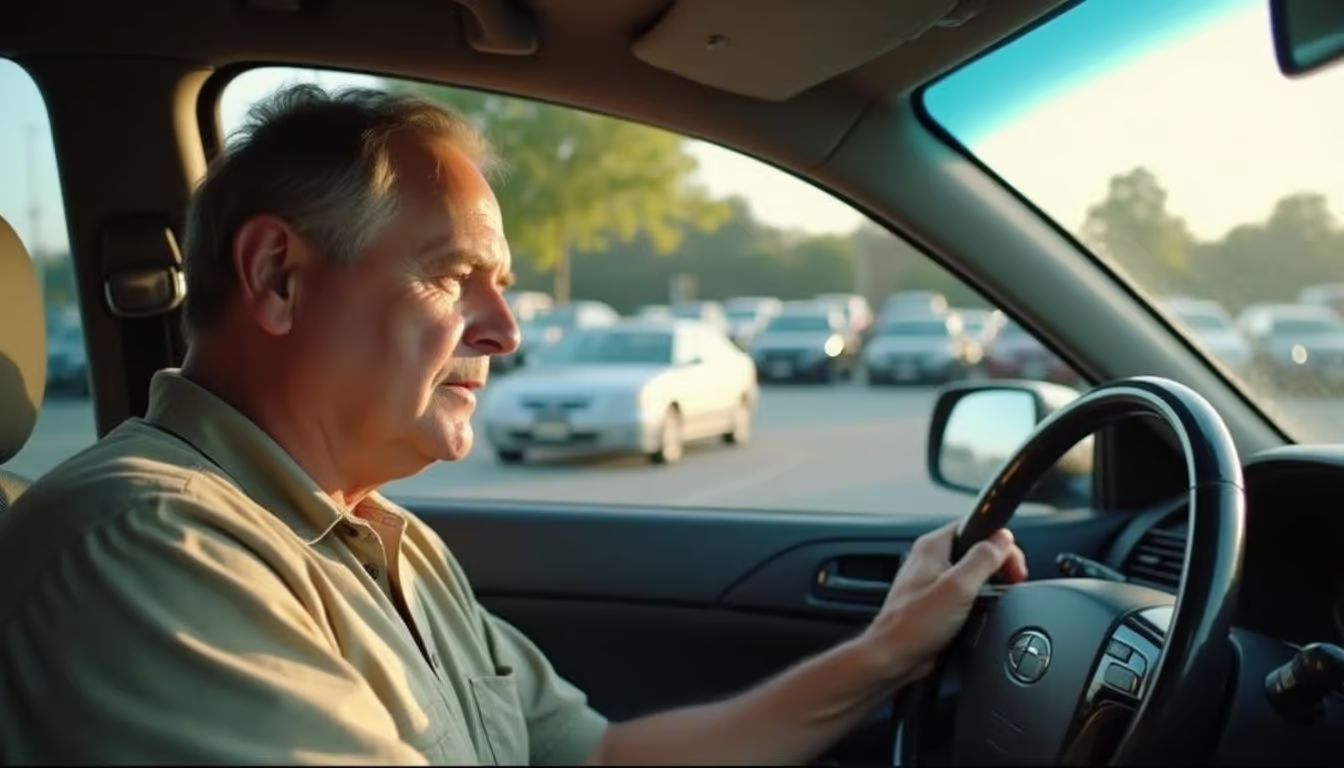
Sit in the driver’s seat and study the whole dashboard. Look for worn pedals and a shiny steering wheel. Heavy wear doesn’t match “low mileage” claims. If the gas pedal looks like someone tap-danced on it for years, those numbers lie.
Compare maintenance records to the odometer reading. Each receipt should show mileage that makes sense over time. Sudden jumps or gaps mean trouble.
Order a Vehicle History Report from ACV Auctions or vingurus.com using the VIN. These reports compare claimed mileage against government records and service data. The federal trade commission requires all dealers to show accurate odometer readings on paperwork. This includes your bill of sale.
A regular cab truck with low miles should have fresh-looking seats and carpets. Everything should match up. When pieces don’t fit the story, start asking hard questions. Do this before discussing interest rates or warranty of merchantability at contract time.
Test Drive

Push that accelerator pedal and test the handbrake hard. Listen for engine problems or handling issues. Strange sounds or poor performance might void any implied warranty promises.
How do I assess engine performance and handling?
Start the engine and listen. Quick, smooth starts are good. Slow cranking or weird sounds mean problems ahead. Let it idle, then drive. Knocking, clicking, or rattling reveals damage. I learned this the hard way with a 1998 crew cab Chevy. Ignored a rattle. Cost me $700 later.
Floor the accelerator when merging onto a highway. The car should respond instantly without hesitation. Drive up a steep hill next. Watch for blue smoke from the exhaust or weak power. Both are bad news.
Coast downhill, then hit the gas again. Smoke or delayed response? Walk away from that deal.
Test the transmission shifts in both automatic and manual cars during your vehicle inspection. Shifts should feel smooth, not jerky. Work the steering on straight roads and over bumps. Clunking sounds or wandering means suspension trouble.
Find an empty parking lot. Brake hard. The car should stop straight without grinding noises. Test the air conditioning and heater too. Weak airflow predicts future repairs and sweaty drives. These checks save serious money after you sign those terms and conditions.
What unusual noises or vibrations should I listen for?
Pay attention to every strange sound or shake after checking engine performance. I once test drove a pickup that seemed fine until I heard a knocking noise. That tapping meant rod bearing or piston damage. Major expense dodged.
Listen during startup and while driving. Rattling, clicking, or banging sounds spell trouble. Clicking while turning usually means constant velocity joints are dying. These connect your wheels to the transmission.
Grinding or whining during gear changes warns of transmission problems. Squealing brakes need new pads soon. That’s normal wear but still costs money.
Drive over bumps and listen for clunks. These sounds mean suspension parts are worn out. Problems only get worse from here.
After your test drive, park and look underneath. Check for fresh leaks from oil pans or brake lines. This engine inspection step catches problems before you sign anything. Weird noises predict big repair bills. Trust what you hear during that pre-purchase inspection.
How do I inspect for leaks after the drive?
Park on clean, flat pavement and let the engine idle for one minute. Get out and look for new puddles or wet spots underneath. Gas, oil, coolant, or transmission fluid leaks are serious problems.
Use a flashlight to spot green or red drips. Green means coolant leaking from hoses or the radiator. Red is usually transmission fluid. Both need immediate attention.
Touch the area around the tailpipe. Black, oily gunk means the engine burns oil. Dry gray dust is normal. Heavy rust on the exhaust pipe? Plan for exhaust repairs soon.
Look behind each wheel for torn CV boots. These rubber covers protect constant velocity joints. Split boots mean expensive joint replacement is coming. Without good boots, dirt destroys the joints fast.
Turn off the engine and open the hood. Search for wet spots on metal parts and hoses. Look for smoke or moisture near gaskets. These point to cooling or electrical problems. Water dripping on hot days is probably just air conditioner condensation. That’s normal. But oily leaks destroy engines quickly. The Magnuson-Moss Warranty Act won’t save you from hidden leak damage.
Professional Pre-Purchase Inspection

A skilled mechanic sees problems you’ll miss, even on cars that look perfect. Get that professional inspection before signing anything. Skip this step and you’ll regret it.
Why should I hire a trusted mechanic to inspect the car?
Professional mechanics find problems you can’t see or hear. My friend Mike saved me thousands once. He found hidden engine damage in a truck that looked perfect. His diagnostic scanner revealed trouble codes I never would have caught.
Look for mechanics with ASE or AAA certification. They know every system: engines, transmissions, brakes, frames. These pros spot past accident damage that got covered up. They use computer scanners to read error codes before problems drain your wallet.
That inspection fee of $100 to $150? It’s the best money you’ll spend. Companies like Carchex and SGS offer nationwide inspection services. Use their reports to demand repairs or knock money off the asking price.
Old implied warranties often exclude major problems. The mechanic’s report protects you. Getting professional approval, or a clear warning, brings peace of mind. Don’t sign anything at any annual percentage rate until a pro checks that car thoroughly.
How Will Used Car Shopping Change in 2025?

New rules in 2025 will make dealers show more about safety recalls and repair histories. Government agencies want buyers to easily spot flood-damaged cars, title washing schemes, and false advertising. More transparency means fewer guys getting scammed.
Technology keeps changing how we shop. Dealers use apps, websites, and even telemarketing to sell used cars faster than ever. Electric vehicles will flood the market as early adopters trade in for newer models. Expect to see more EV options at every price point.
Price swings will continue into 2025. Years of supply problems and expensive new cars keep pushing buyers toward used options. Strong demand means prices stay high for quality used cars.
The government plans stricter rules about predatory lending practices. Lenders must use clearer contract language. No more hiding fees in fine print or using confusing terms to trap buyers.
Online tools now show instant price comparisons from multiple dealers. Shop from your couch in your pajamas. Compare dozens of options before visiting any lot. The days of walking blind into dealerships are over.
People Also Ask
What are the most critical red flags to look for when buying a used car?
Start with rust, odd smells, and mismatched paint. Check for leaks under the hood or on your driveway. Listen for strange noises during a test drive. If you spot warning lights on the dashboard, that’s a big clue something’s off.
How can I tell if a used car has been in an accident?
Look at panel gaps; uneven spacing hints at past repairs. Inspect the trunk and doors for new bolts or fresh welds. Ask for a vehicle history report; it can reveal accidents that sellers might not mention.
Why should I check service records before buying a used car?
Service records show if the previous owner cared about maintenance. Gaps in these papers can mean skipped oil changes or ignored repairs. A well-documented history is like finding gold at a garage sale; it shows you what’s been fixed and what hasn’t.
Is it important to get an independent inspection before purchase?
Absolutely, yes! Even if you trust your gut, let a mechanic take a peek under the hood. They spot hidden problems faster than you can say “lemon.” This step could save you from costly surprises down the road.
References
https://www.consumerreports.org/cars/smarter-biggest-red-flags-when-buying-a-used-car-a2304649714/ (2022-11-23)
https://www.drivethewave.com/how-to-buy-a-used-car-key-factors-to-consider-before-buying
https://cars.usnews.com/cars-trucks/advice/how-to-buy-a-used-car
https://www.cars.com/articles/what-is-a-rebuilt-title-and-should-i-buy-a-car-with-one-415789/ (2025-06-11)
https://www.consumerreports.org/cars/how-to-inspect-a-used-car-a1377126659/
https://www.nissanofrockvillecentre.com/blog/inspecting-used-cars-red-flags (2025-08-10)
https://www.edmunds.com/car-buying/inspect-that-used-car-before-buying.html (2025-09-19)
https://www.jensenautoservice.com/how-to-inspect-car-tires-for-wear/
https://msaford.com/blog/spotting-common-red-flags-when-inspecting-used-cars/ (2023-08-22)
https://allaroundautorepair.com/how-to-spot-a-reliable-used-car-a-buyers-checklist-for-peace-of-mind/ (2024-11-21)
https://www.totalautosale.com/what-to-look-for-in-a-used-cars-interior-condition/
https://www.acvauctions.com/blog/odometer-laws-verification (2023-08-22)
https://www.autonationusa.com/research/test-driving-a-used-car-checklist.htm
https://blog.iemotorsdirect.com/2023/10/25/test-driving-a-used-car-what-to-look-for-when-test-driving/ (2023-10-25)
https://www.paautosales.com/buying-used-car-red-flags/ (2024-08-24)