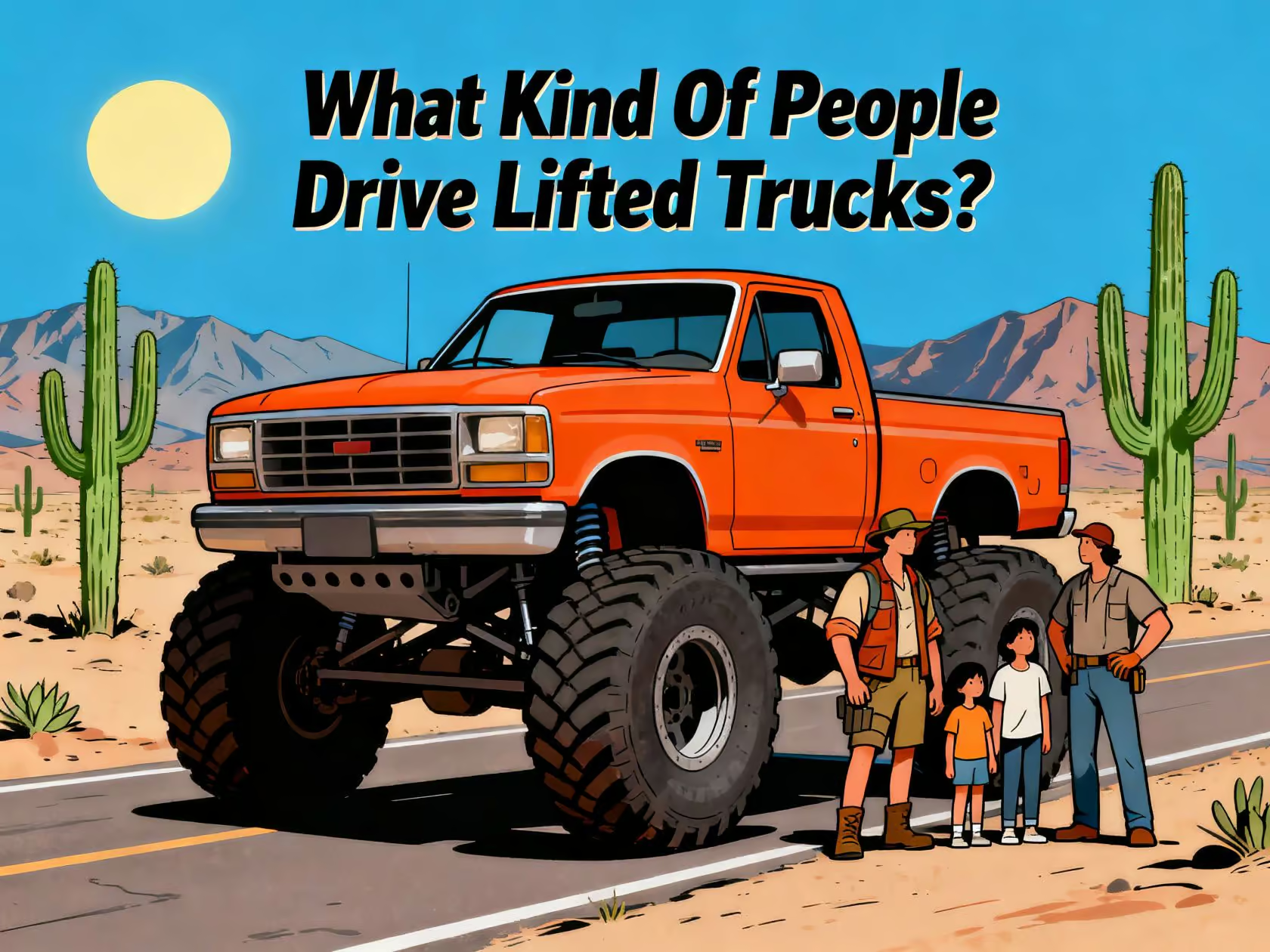
Ever get that feeling when one of those massive lifted trucks rolls by and you can’t help but wonder what kind of guy is behind the wheel?
It’s not just about looks. Many drivers pick these giant rigs for a real purpose, like getting better ground clearance for tough trails, beefing up their suspension systems for heavy loads, or getting serious traction control in the mud.
I’m going to walk you through the different types of guys who love these trucks. We’ll also clear up some of the myths floating around about things like mileage and upkeep.
So, stick around. Let’s figure out which group fits you best!
Key Takeaways
Off-road fans, driving trucks like the Jeep Gladiator and Toyota Tacoma TRD Pro, use lifted trucks to conquer rocky hills and muddy trails, a hobby with roots in rugged military vehicles.
Customization is a huge part of the culture, with drivers adding giant tires from brands like Nitto, bold paint, and LED lights. This supports a massive automotive aftermarket industry that is expected to grow by 5.1% in 2025 alone.
In rural areas, lifted trucks like the Ford F-250s or Ram 3500s are essential tools for farmers hauling hay through muddy fields or for tradespeople needing extra ground clearance on job sites.
Younger drivers are drawn to the bold look and social media appeal of lifted rigs, often financing the modifications and sharing photos of their trucks at local meets.
By 2025, brands like RAM are offering factory-lifted models like the RAM 1500 RHO, which comes equipped with advanced terrain management systems and can handle 35 to 37-inch tires right from the dealership.
Table of Contents
Who Are Off-Road Adventure Enthusiasts?
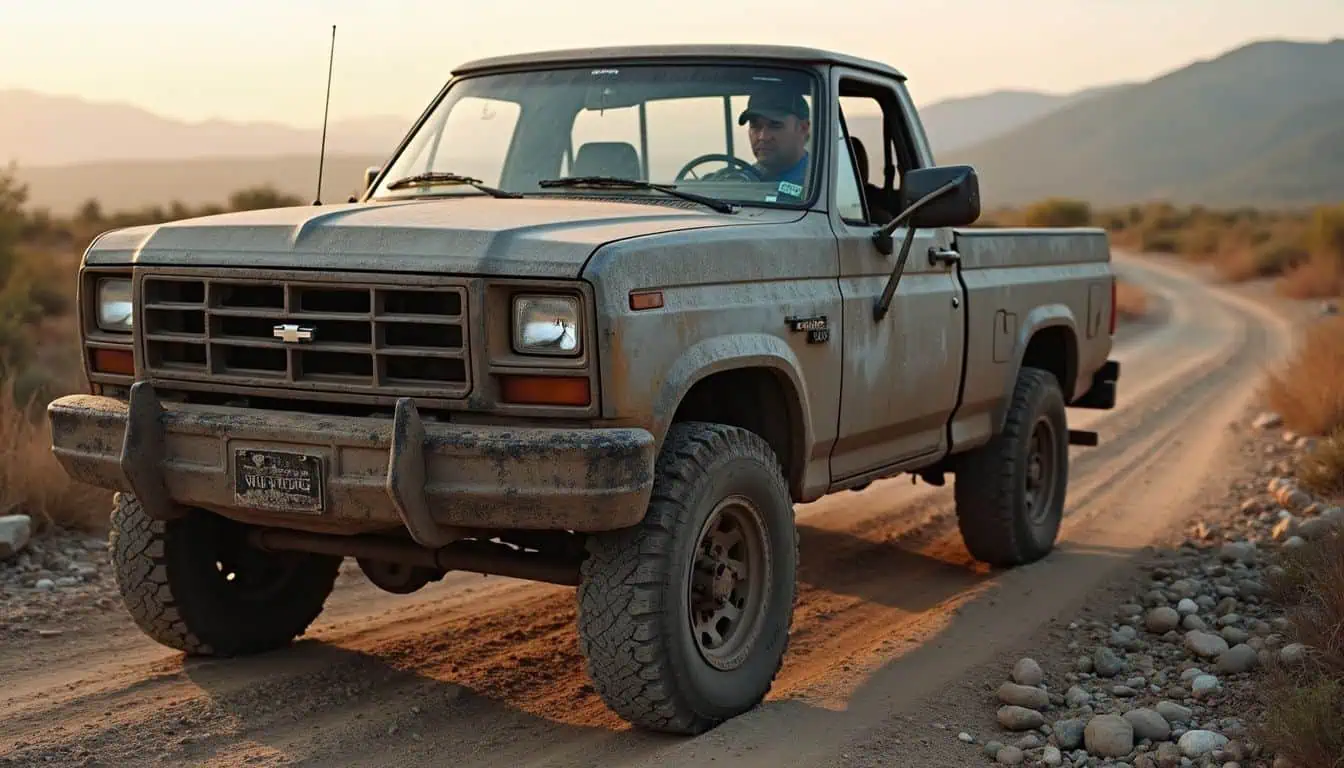
Guys who love a good off-road adventure are all about dusty trails, rocky hills, and deep mud pits. You’ll see them driving everything from the agile Jeep Gladiator to a powerful Ford F-150 Raptor or a reliable Toyota Tacoma built for trail performance.
On most weekends, they’re out testing their truck’s ground clearance, crawling over boulders in places like Moab, Utah, that would give a city driver a heart attack. It’s a passion that has deep roots, with many tracing their truck’s DNA back to tough-as-nails military vehicles known for their pure grit.
You’ll see Jeep and Toyota trucks filling the lots at off-road parks every year. Now, some are even building lifted electric trucks because they care about the planet as much as they care about power.
My wife calls it playing in the dirt, but I call it living. It’s about pushing your machine to its limits and knowing it can handle whatever you throw at it.
My buddy Greg summed it up perfectly after blasting through a creek in his old Tacoma: “You don’t need a smooth road when your wheels eat rocks for breakfast.”
Why Do People Customize and Personalize Lifted Trucks?
According to Ultimate Ride, customizing a lifted truck is about way more than just adding big tires and a mean-looking grille. It’s a way to show off your personality, power, and individual style. A lot of guys see their trucks as a blank canvas, ready for anything from a wild flame paint job to a set of massive mud-terrain wheels from a brand like Fuel Off-Road that makes people stare at a stoplight.
This passion for personalization has fueled a massive industry. According to the Auto Care Association, the light-duty automotive aftermarket in the U.S. grew to over $413 billion in 2024 and is projected to expand by another 5.1% in 2025. That growth supports everything from small local shops to major events like the SEMA Show in Las Vegas.
Of course, personal touches often go beyond looks. Some common customizations include:
- Suspension Lifts: Kits from companies like BDS Suspension are engineered to improve off-road handling without sacrificing ride quality on the highway.
- Aggressive Tires: Brands like Nitto and Toyo are popular for their rugged look and superior grip in mud and on rocks.
- Performance Lighting: High-powered LED light bars from brands like Rigid Industries are essential for lighting up dark trails.
- Heavy-Duty Bumpers: These add protection and often include mounts for winches and other recovery gear.
But sometimes, a custom look can go too far. A trend known as the “Carolina Squat,” where the front of the truck is lifted much higher than the rear, has been banned in states like North Carolina, South Carolina, and Virginia due to safety concerns over poor visibility. Customization is all about freedom, but it has to be done right.
Who Drives Lifted Trucks for a Powerful Road Presence?
Let’s be honest, a big reason guys drive lifted trucks is for that commanding presence on the road. Sitting high above everyone else gives you a clear view of traffic ahead, making it easier to spot hazards and feel completely in control.
That feeling of authority is a huge draw. It’s not just about style, it’s about confidence. A typical 6-inch lift kit can raise a driver’s eye-level by nearly a foot, which completely changes your perspective compared to sitting in a sedan.
While that high vantage point is great for seeing down the road, it’s important to remember a key pitfall: blind spots. The area immediately around a tall truck can be hard to see, especially for smaller cars. It’s a trade-off that every lifted truck owner has to be mindful of.
Why Do Outdoor and Wilderness Fans Choose Lifted Trucks?
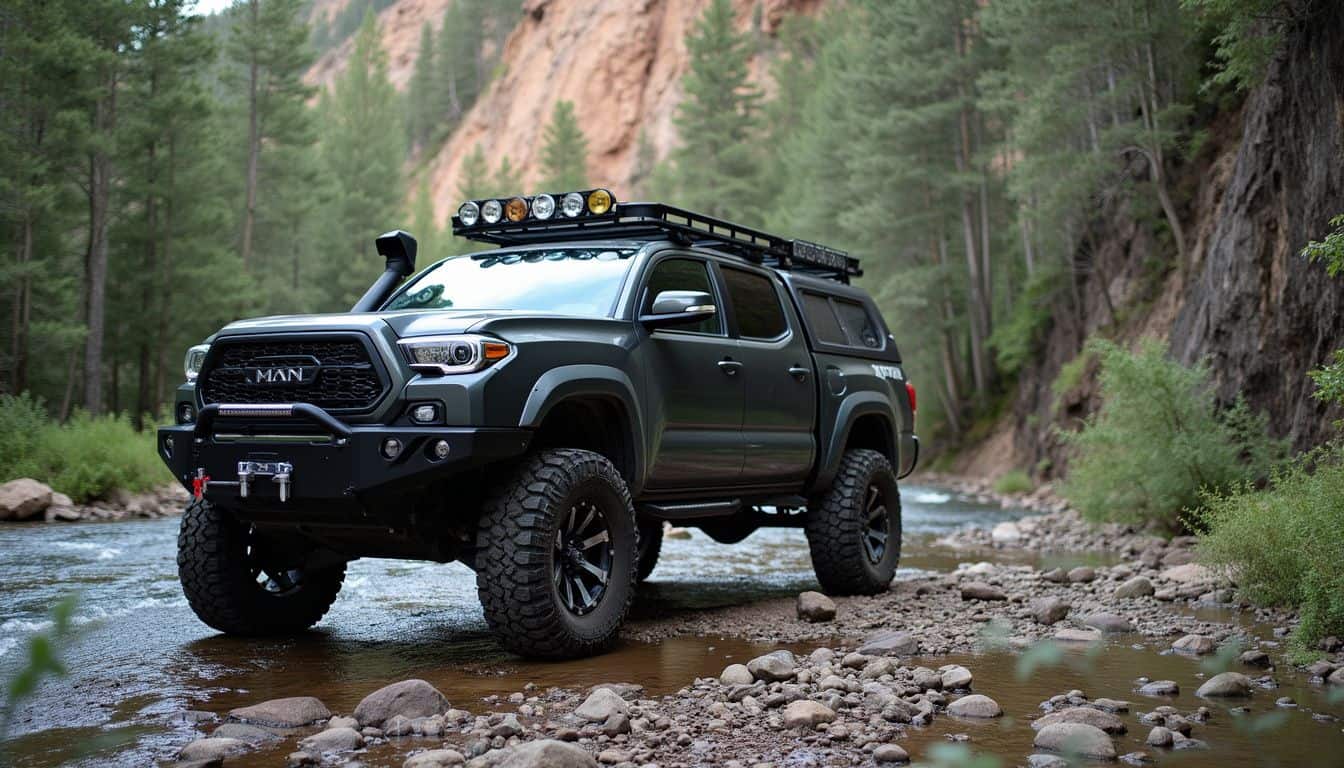
While a powerful road presence is great in the city, outdoor and wilderness fans need trucks that can handle a whole different world. For them, a lifted truck is a tool that opens up access to remote places that a standard vehicle could never reach.
I grew up duck hunting with my dad in Arkansas, and our Ford F-250 had to get through thick, muddy woods. A regular pickup would have been stuck in minutes. That’s why hunters, hikers, and fishermen all depend on the extra traction and ground clearance you get from a lifted rig.
These guys often add specific gear for their hobbies, turning their trucks into mobile basecamps. You’ll commonly see setups that include:
- Winches from trusted brands like Warn for recovery situations or hauling big game.
- Heavy-duty roof racks from companies like Yakima or Thule to carry kayaks, bikes, or rooftop tents.
- Bright LED light bars for navigating trails after dark.
- Onboard air compressors for adjusting tire pressure on the trail.
This has become a huge movement known as “overlanding,” where the journey is the destination. Communities like Overland Bound are filled with people sharing tips on the best gear and the coolest remote spots to explore. It’s a bond that runs deep in the dirt-loving crowd who appreciate weird truck modifications as much as practical ones.
What Makes Lifted Trucks Popular in Rural and Agricultural Areas?
While outdoor fans seek adventure, folks in rural and farming communities need lifted trucks for pure, practical muscle. When a field turns into a mud pit after a storm, a farmer with a lifted rig doesn’t even blink, those big tires just chew right through it.
I’ve got buddies who run farms and swear by their Ford F-250s and Ram 3500s with custom suspension systems. They use them for everything, from hauling massive hay bales to pulling a stuck tractor out of a ditch. For tradespeople like linemen or construction crews, the extra ground clearance is non-negotiable. A stock F-250 might have around 8 inches of clearance, but a simple lift can easily push that past a foot, which makes all the difference when navigating rocky job sites.
For many in rural America, a lifted truck isn’t a luxury, it’s a necessary tool. It’s about function over form every single time.
In towns across the country, from Texas to Montana, you’ll see Chevy Silverados and Dodge Rams sitting high. Ranchers depend on them to cross rough terrain without bottoming out, and hunters can load up their gear without worrying about scraping the undercarriage on a backwoods trail. For these guys, a lifted truck is just another reliable tool in the barn.
What Attracts Fans to Truck Shows and Automotive Communities?
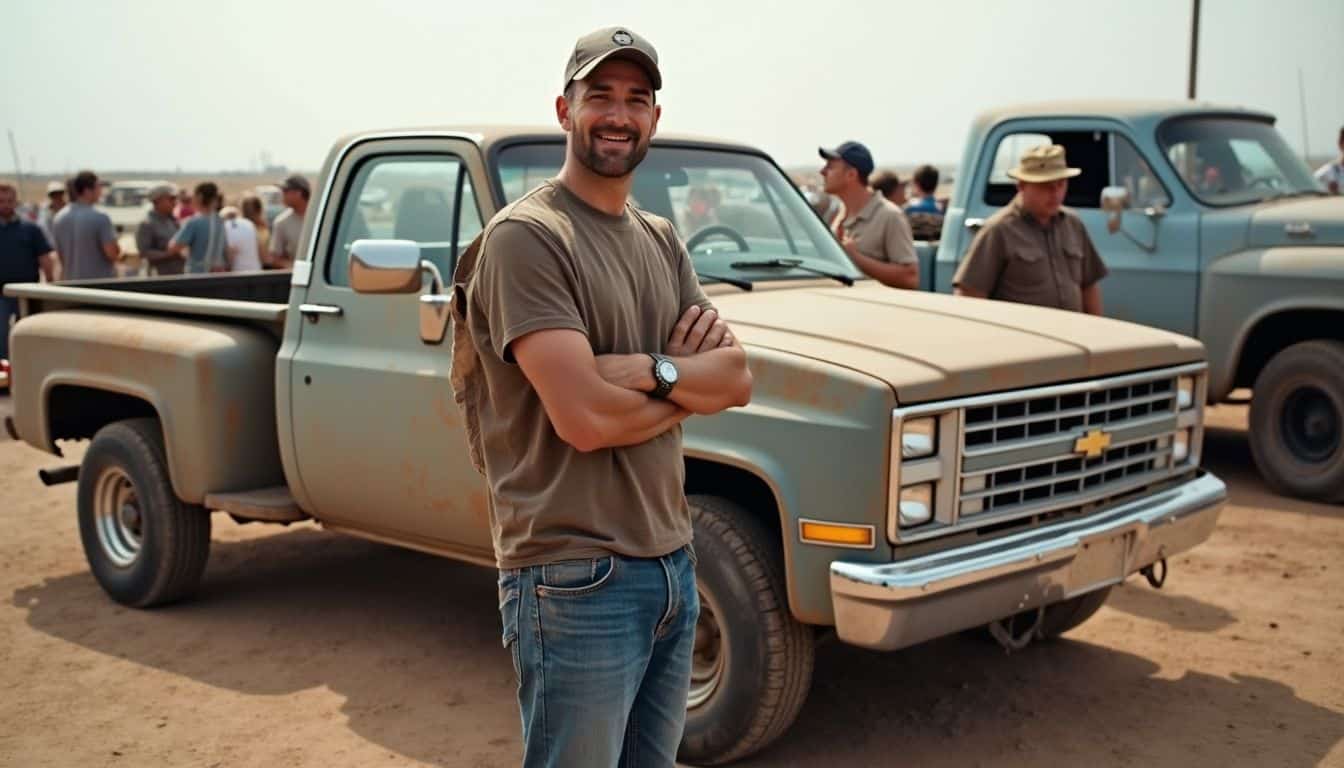
It’s the sense of community that really pulls people in. Truck shows, local meetups, and online groups on platforms like Instagram and Reddit using hashtags like #LiftedTrucks are buzzing with energy. It’s a place where owners can swap stories, get advice on their next mod, or just show off their latest build.
These events are a huge deal. The Mid-America Trucking Show (MATS) in Louisville, for example, is the largest annual heavy-duty trucking event in the world, attracting over 58,000 attendees to see what’s new in the industry. Everyone wants that nod of respect for their hard work, whether they spent a few hundred bucks on a leveling kit or poured years and thousands into a custom garage build.
Winning a trophy for “Best Lift” or “Wildest Paint” at a show creates a friendly rivalry among Ford F-250 and RAM 1500 owners. For me, standing next to my Chevy Silverado while people point at its massive tires makes all the hard work worth it. These events are more than just gatherings, they’re a celebration of grit, passion, and self-expression both off-road and online.
Who Needs Lifted Trucks for Towing and Hauling?
Pulling my bass boat with a Ford F-150 Raptor, I totally get why guys who tow heavy loads love lifted trucks. That extra height and beefed-up suspension make it easier to handle big trailers, especially over bumpy farm roads or rugged construction sites.
Farmers with Ram 2500 Cummins Diesels and construction crews with tool trailers count on that lift to prevent bottoming out. But there’s a catch. While it might seem like a lift helps with towing, it can actually change the truck’s geometry and, in some cases, reduce the manufacturer’s official towing capacity.
This is a critical point that many overlook. To do it right, you need to make sure you have the correct equipment.
| Towing Consideration | Why It Matters for a Lifted Truck |
|---|---|
| Higher Center of Gravity | A lift raises the truck’s center of gravity, which can reduce stability control, especially with a heavy trailer in tow. |
| Drop Hitch | This is essential. A drop hitch lowers the ball mount to ensure the trailer stays level, which is crucial for safe and stable towing. |
| Suspension Type | A cosmetic body lift is less likely to affect towing, but a full suspension lift alters the whole setup and can cause the rear to sag under a heavy load. |
“It’s not about showing off,” my buddy Joe says, “it’s about getting the job done without breaking something.” And doing it safely is the most important part.
Why Do Younger Drivers Prefer Modified Lifted Trucks?

For a lot of younger guys, a lifted truck is the ultimate way to stand out. It’s all about making a bold statement with huge tires, a taller suspension, and maybe a custom paint job that grabs everyone’s attention.
Social media platforms like TikTok and Instagram are filled with pictures of these trucks, whether they’re kicking up mud in a field or just looking clean parked outside a local hangout. A lifted truck is guaranteed to get likes, both online and in real life.
Personalizing every detail lets young owners show their creativity, from swapping out bumpers to adding custom LED lighting. Truck clubs and online forums create a strong sense of brotherhood, making it easy to plan trail rides or just meet up and talk shop.
Many younger buyers make it happen by rolling the cost of the lift, wheels, and tires, which can easily top $10,000, directly into their vehicle loan at specialized dealerships. These rigs become rolling billboards for confidence and status, announcing you’ve arrived before you even step out of the cab.
How Will Lifted Trucks and Their Enthusiasts Evolve in 2025?
The world of lifted trucks is definitely not standing still, and 2025 is bringing some cool changes. Major brands like RAM, Chevy, and Ford are leaning into the trend, offering factory-lifted packages that come with a full warranty. Companies like SCA Performance and Tuscany Motor Co. continue to put out incredible custom trucks you can buy right off the showroom floor.
The new 2025 RAM 1500 RHO, for instance, comes with an advanced terrain management system that lets you adjust your settings for mud, rocks, or sand with the push of a button. These trucks are built to handle giant 35- to 37-inch tires without any issues from the get-go.
Here are a few key trends to watch:
- Electric Lifted Trucks: We’re seeing more custom lifted versions of electric trucks like the Ford F-150 Lightning and Rivian R1T, blending sustainability with off-road power.
- Advanced Suspensions: Adjustable air suspension systems are becoming more popular, allowing drivers to change their ride height on the fly for better performance or easier access.
- Smarter Tech: Dashboards are looking more like airplane cockpits, with huge screens and digital controls integrated into every aspect of the driving experience.
The future looks taller, smarter, and more capable than ever for anyone who wants their ride to stand out from the crowd.
People Also Ask
What are the main types of people who drive lifted trucks?
You’ll find a mix, from off-roaders needing clearance for events like the King of the Hammers to workers who need to cross rough job sites. Many are DIY fans who enjoy installing lift kits from brands like BDS Suspension, while others just want the aggressive look and commanding road view.
Do only young drivers choose lifted trucks?
Not at all; a 2023 Hedges & Company study found the average pickup truck owner is 55 years old. While younger guys love the style, many older drivers use them for towing boats or campers.
Are lifted truck owners mostly outdoor enthusiasts?
While many use their rigs for hunting and trail riding, a large number are city drivers who want the style and commanding view over traffic, creating a category some call “pavement princesses.”
Why do some people prefer driving a lifted truck instead of a regular one?
It’s about capability, as a common 4-to-6-inch lift provides the clearance needed for larger 35-inch tires that can handle deep snow and rugged trails.
References
https://www.facebook.com/groups/naturalstateoverland/posts/4063093867262307/
https://gaugemagazine.com/built-to-stand-tall-why-americans-love-custom-lifted-trucks/
https://www.sarasotaford.com/blogs/3372/benefits-of-driving-lifted-trucks/
https://vehicles.ridefox.com/blogs/gear-and-grit/why-are-lifted-trucks-so-popular (2025-02-24)
https://sanchezmotorsllc.com/why-lifted-trucks-are-gaining-popularity-among-drivers/
https://www.lemon8-app.com/@ms.walker89/7277737369896649222?region=us
https://www.sherry4x4.com/2025-lifted-trucks-whats-new-in-the-world-of-elevated-performance/ (2024-11-26)
https://ctmcustoms.com/the-top-automotive-customization-trends-of-2025/ (2025-02-24)