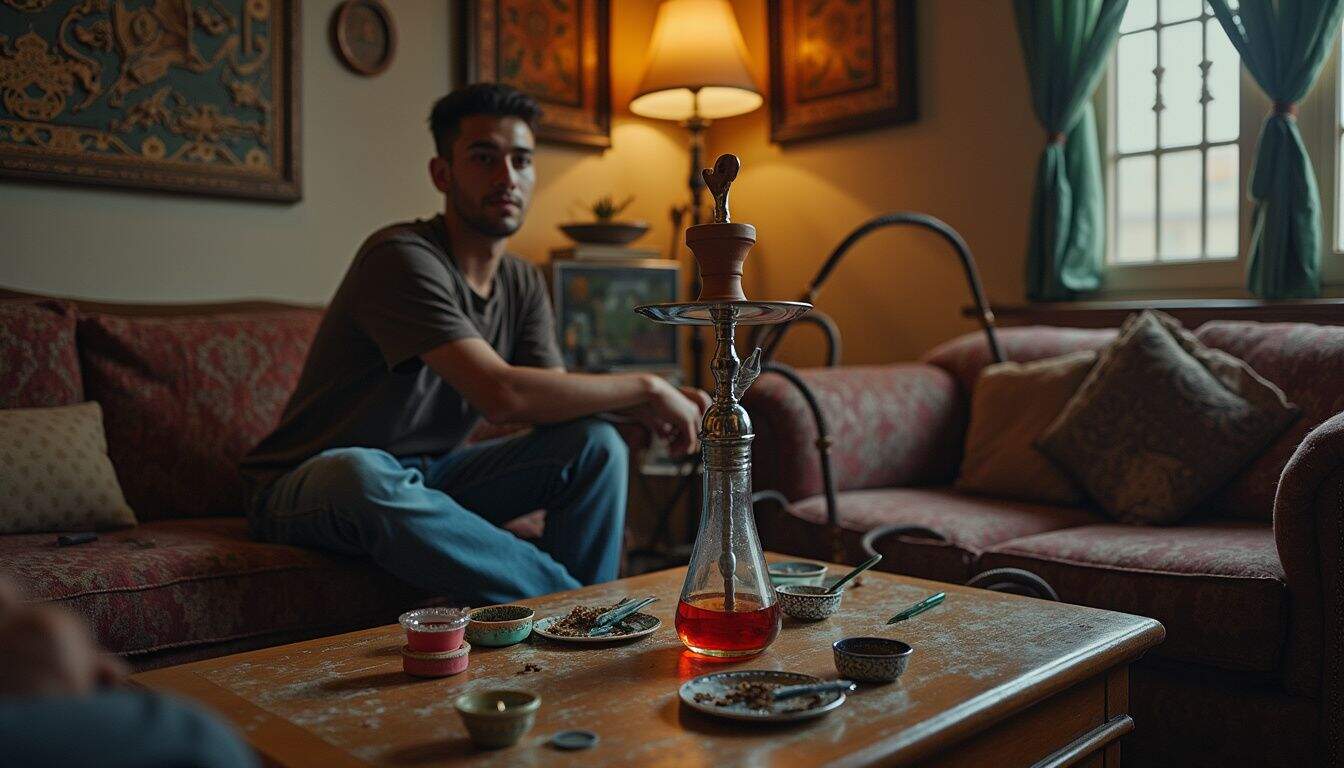
Ever wondered what hookah culture is and why it’s popping up everywhere from trendy lounges to your social media feed? The hookah, also known as a water pipe or nargile, has been a symbol of social connection for centuries and is now a global phenomenon.
This guide breaks down everything you need to know. We’ll cover its rich history, the serious health risks like secondhand smoke exposure, proper etiquette for sharing a hose, and the latest trends in shisha tobacco flavors.
Stick around if you want straight answers without any smoke and mirrors.
Key Takeaways
Hookah culture first appeared in 16th-century India, though some historians trace it to Persia’s Safavid dynasty. It was initially invented by a physician named Abul-Fath Gilani to “purify” smoke through water before spreading through trade routes to Ottoman Turkey and Egypt, where it became a staple in coffeehouses.
Flavored shisha tobacco, known as muassel, transformed hookah in the 1800s by making it more accessible with sweet tastes. Today, popular brands like Al-Fakher and Starbuzz offer countless flavors, from classic double apple and mint to fusion blends like blueberry mint or Starbuzz’s famous Blue Mist.
Sharing a hookah is a deep-rooted social ritual that signifies hospitality and friendship from Cairo to Istanbul. Modern etiquette still follows traditional rules, such as passing the hose with your right hand and using disposable tips for hygiene, even in contemporary American lounges.
The health risks are significant and similar to those of cigarettes. A typical one-hour session can expose you to 100-200 times the smoke volume of a single cigarette, delivering toxic chemicals like tar, heavy metals, benzene, and high levels of carbon monoxide. According to the CDC, this increases the risk of lung disease, cancer, and nicotine addiction.
Common myths that water filtration makes hookah safe are false. Research published in the journal BMC Public Health confirms that water does not effectively filter out harmful substances like heavy metals. Sharing a hose can also transmit infectious diseases like oral herpes, tuberculosis, and H. pylori if strict hygiene isn’t followed.
Table of Contents
The Origins of What is Hookah Culture
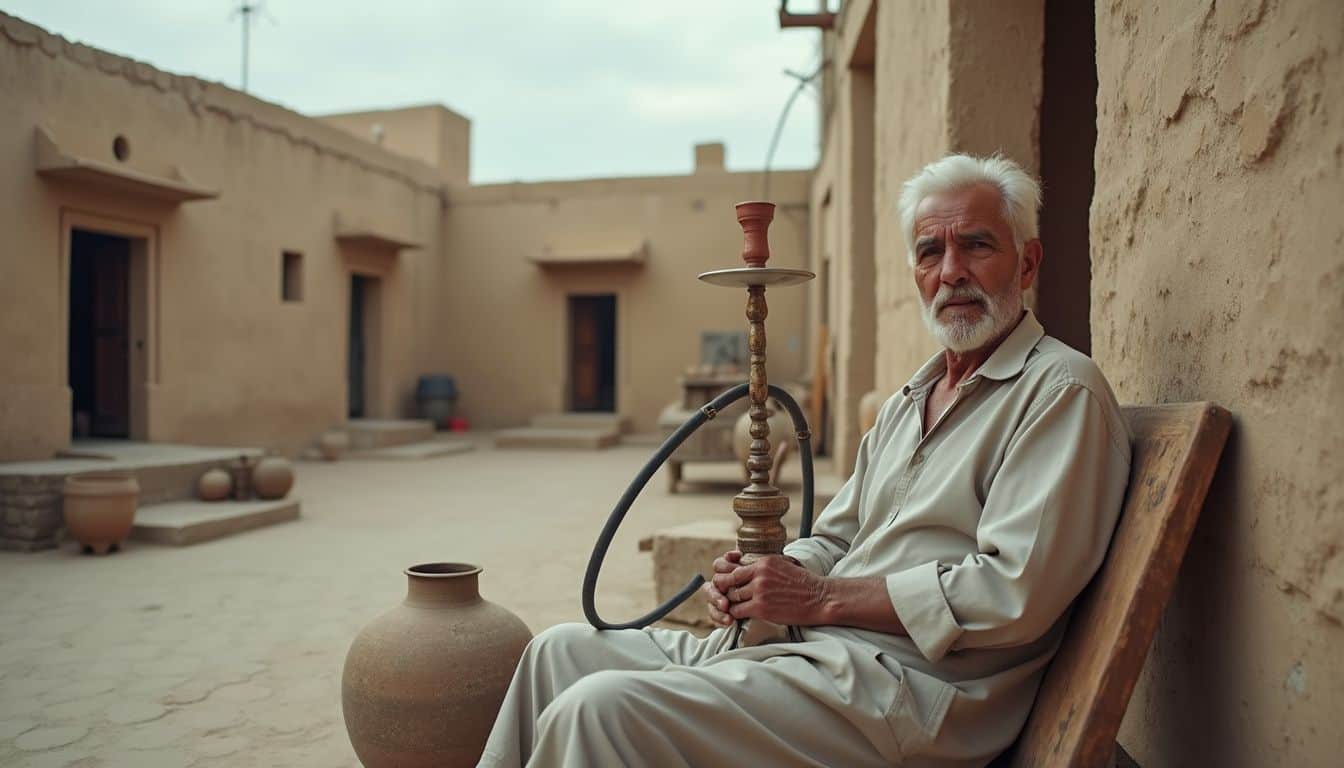
Hookah culture started centuries ago, with its roots running deep into Persia and India during the Safavid and Mughal dynasties. Traders and travelers carried these water pipes, known by names like narguilé and huqqa, to Arabia, Ottoman lands, and beyond.
Where did hookah culture begin historically?
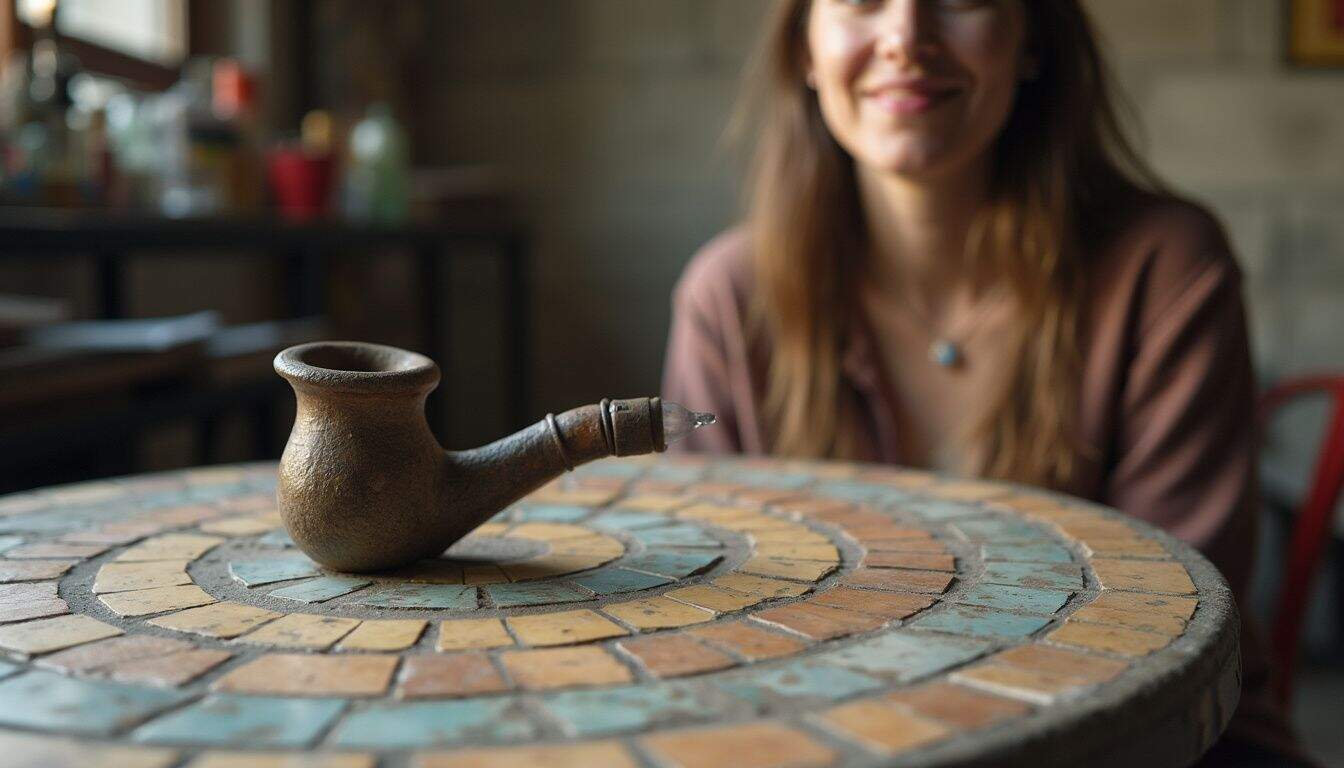
The invention of the water pipe is most often credited to Abul-Fath Gilani, an Iranian physician in the court of Mughal Emperor Akbar. Concerned about the health effects of tobacco, which had been introduced to India, Gilani devised a system to pass the smoke through water, believing it would purify it.
This early shisha tradition was a luxury reserved for Indian aristocrats and nobility. These first hookahs were simple, sometimes made from coconut shells and bamboo tubes, but they quickly became a symbol of status. The word “hookah” itself comes from the Hindustani word “huqqa.”

Soon after its invention, the qalyan culture spread across borders into Persia and through the Ottoman Empire. It traveled along caravan routes and became a fixture in the famous coffeehouses of the era. You can find more about this journey by checking out MSN’s coverage of the rise of modern hookah culture.
How did hookah culture spread to the Middle East and other regions?
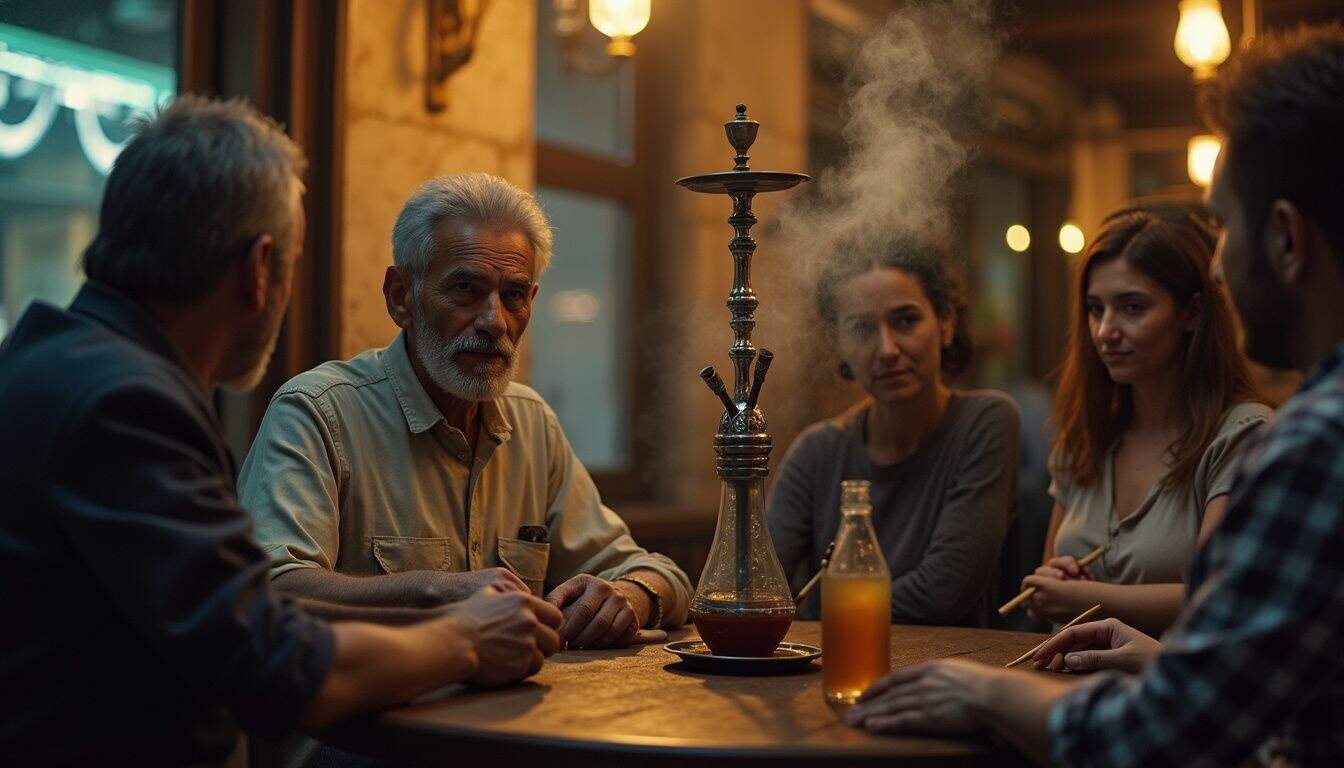 When Portuguese traders introduced tobacco to India in the 15th century, the court of Mughal Emperor Akbar quickly adopted the water pipe, calling it a hukka. Through trade and travel, these devices made their way into Persia in the 16th century.
Shah Abbas I of Persia was a major promoter of the hookah, weaving it deep into Persian cultural life. From there, it was introduced to Turkey under the Ottomans, where it became known as the nargile.
Ottoman rulers embraced the nargile, making it a staple in the famous “kahvehane,” or coffee shops, and social gatherings across Istanbul. Soon, these “hubble-bubble” pipes were found from Egypt to Lebanon, with each region giving them a new name like argila or narghileh.
Hookah bars became social hubs in cities along major trade routes. My first time trying mu’assel in a smoky Cairo café felt like stepping back in time, watching people trade stories over ornate shisha pipes late into the night.
Evolution of Hookah Culture

Hookah was once a status symbol for Persian royals like Shah ʿAbbās. Today, it’s a social activity where friends gather at shisha cafes to share flavored tobacco and conversation.
How did hookah transition from a prestige symbol to a social activity?

During the Mughal era, royal courts treated the hookah as a luxury item. Only nobles and rulers could enjoy ornate nargileh pipes filled with strong, unflavored tobacco called Ajami.
Over time, these traditions moved from palaces into public spaces. The invention of flavored shisha tobacco in the 1800s in Egypt made smoking smoother and more appealing, especially to younger people and women.

Shisha cafes began opening in cities from Cairo to Istanbul, turning the activity into one focused on socializing instead of ceremony. Friends gathered to relax and connect, not just to display wealth.
“Sharing smoke is sharing stories.”
Today, enjoying a hookah at a lounge is less about status and more about meeting friends. You sip coffee or tea, trade jokes, and relax together.
What role did flavored tobacco (shisha) play in this evolution?

Flavored tobacco, known as muassel, completely changed hookah culture. Sweet apple, mint, and grape flavors quickly replaced the harsh taste of plain tobacco. Walk into any modern lounge, and you’ll see colorful jars of shisha lined up like candy.
This shift made hookah accessible to a much wider audience. It was no longer just for elite men in the courts of rulers like Shah Ṭahmāsp I. It became a social activity for friends and families to enjoy after work or during celebrations.
Global brands like the UAE-based Al-Fakher and American brand Starbuzz now dominate the market, offering everything from traditional Two Apples to exotic mixes like Blue Mist. This variety draws in younger crowds worldwide but also brings risks. Flavored options still contain the toxic chemicals found in cigarette smoke and can lead to nicotine dependence.
Watching people pick out new flavors is a reminder of how the tradition continues to evolve. However, health experts are raising alarms louder than ever about the potential dangers.
Social and Cultural Significance of Hookah
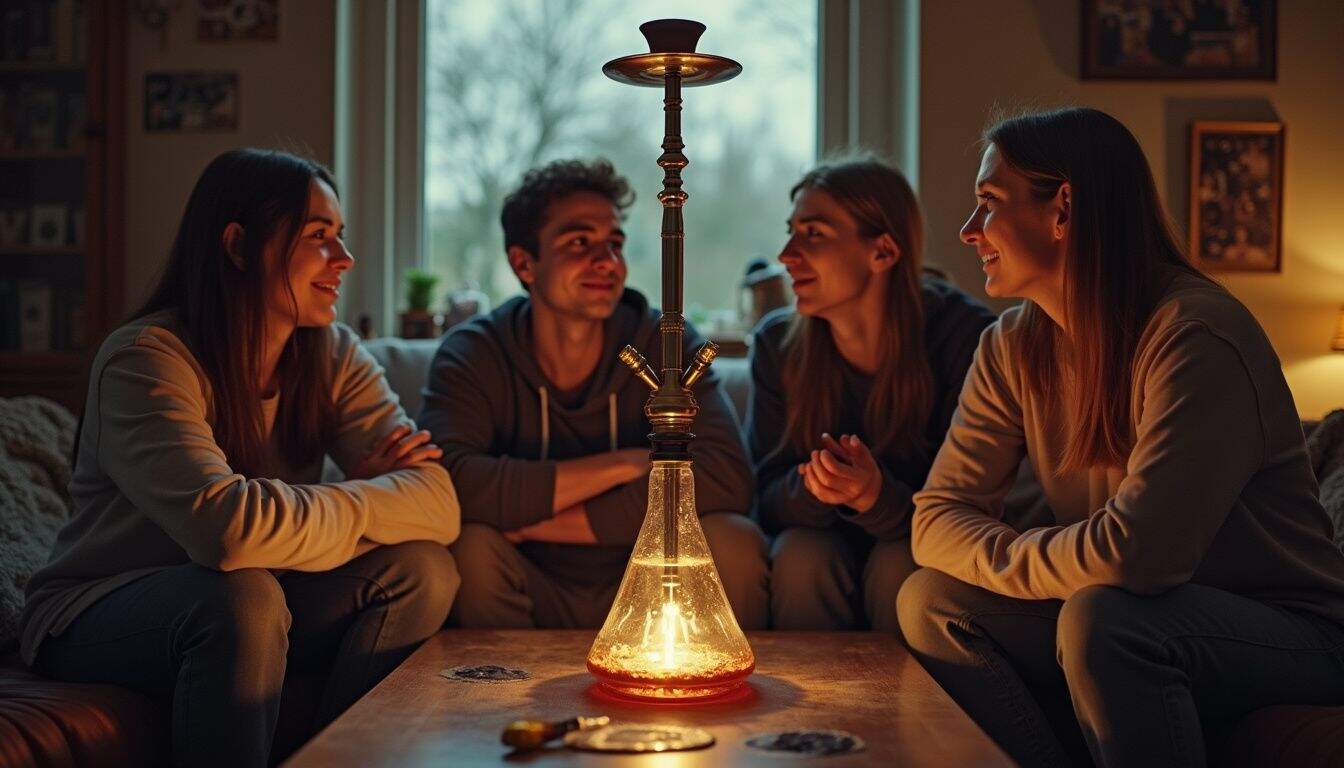
Hookah often brings people together, sparking conversation and laughter over shisha tobacco. Sharing a narguile can turn strangers into friends faster than you can say “pass the hose.”
What is the role of hookah in hospitality and welcoming guests?

In many Middle Eastern homes, offering a guest a hookah is a powerful symbol of hospitality and respect. It’s an invitation to relax, feel welcome, and connect on a personal level. Not offering a hookah was historically seen as an insult.
Friends and relatives often sit in a circle, sharing stories while passing the hose. “Sharing sheesha turns strangers into friends,” says Ali, a café owner in Cairo. This ritual is a cornerstone of social life, similar to sharing a meal.

Family gatherings often include a hookah alongside coffee and desserts. Young people now gather at lounges to watch sports and socialize, carrying on traditions that date back centuries.
Hygiene is also a key part of this hospitality. Most hosts provide disposable mouthpieces so everyone can share comfortably, keeping the focus on friendship without spreading germs.
How does hookah promote community and social bonding?
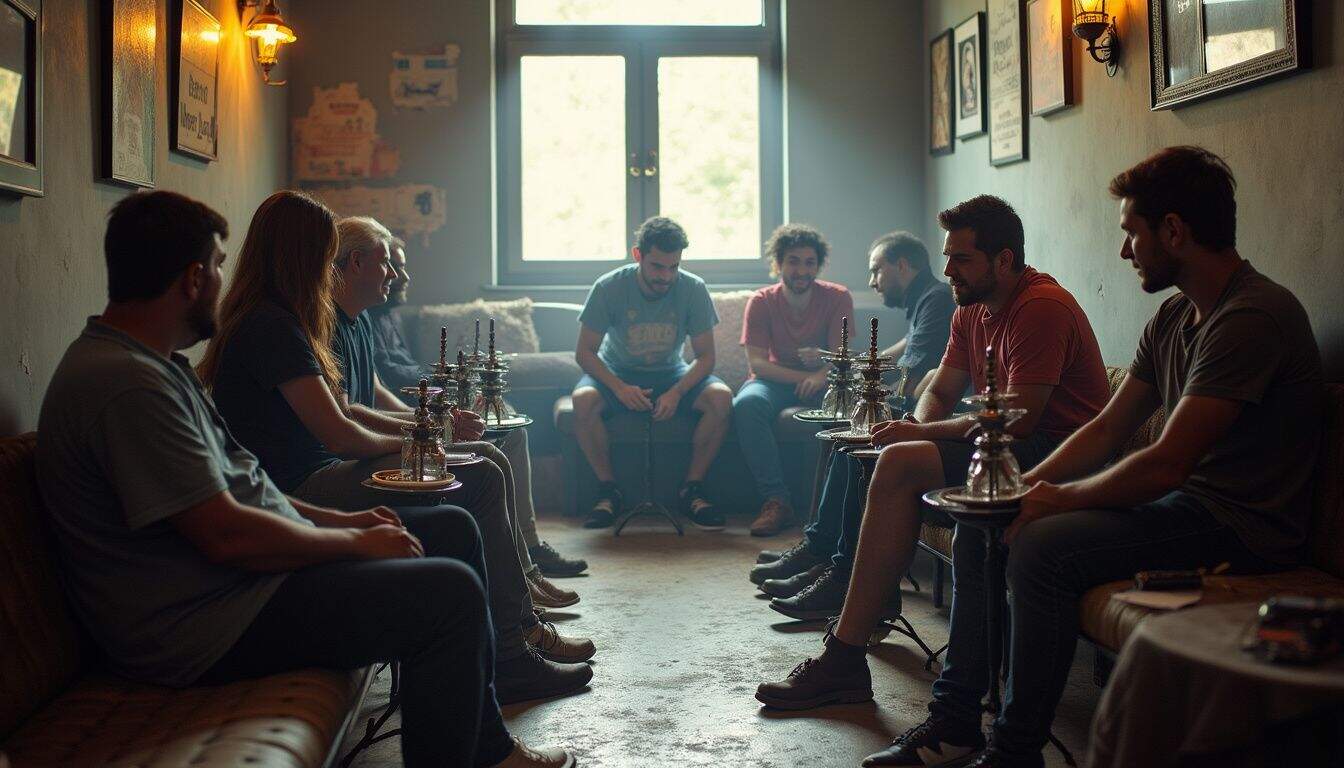
Shared hookah sessions are natural icebreakers. In cafes and lounges, friends and newcomers gather around a single water pipe, and conversation flows easily as the hose makes its rounds. The act of sharing encourages people to linger and connect.
The slow, communal nature of hookah smoking encourages people to talk. A bowl packed with shisha tobacco is an invitation to discuss everything from sports to family news.
During my first night in a downtown hookah lounge, I met three new people just by picking a grape-mint mix. We ended up comparing our favorite flavors and sharing stories for over an hour.
Passing the hose builds a sense of trust and camaraderie. Everyone follows unspoken rules of etiquette, like not hogging the mouthpiece, which reinforces the communal experience. Even debates about health risks become less tense when people are relaxing together.
Why is hookah important in Middle Eastern traditions?
In the Arab world, hookah brings people together much like a backyard barbecue does in the West. It’s a fundamental part of social life and a symbol of hospitality and respect.
Hosts from Egypt to Turkey offer shisha to guests alongside drinks and snacks. Sharing a hookah is a gesture that builds stronger bonds than a simple handshake.
The tradition has deep roots. It became famous after spreading from 16th-century India through the Ottoman Empire under rulers like Sultan Ahmed I. It was used to forge alliances, sign treaties, and seal business deals.
Today, sharing a hose connects generations. It’s a ritual that allows elders to pass down stories and younger people to create new ones, all while enjoying flavored vapor together.
Modern Hookah Culture

Hookah lounges are now popular spots for people who want a relaxed place to gather, enjoy drinks, and share shisha. These modern venues mix old-school customs with new flavors and flashy pipes.
What are hookah lounges and how did they emerge?
While traditional cafes have existed for centuries, modern hookah lounges became a global trend in the late 20th and early 21st centuries. The trend took off in the U.S. in the early 2000s, especially around college campuses, where they became a popular hangout for young adults.
These lounges offer a dedicated space for flavored tobacco sessions, often with comfortable seating, music, and a menu of drinks and snacks. Famous spots like Mojo Hookah Lounge in Los Angeles and Babylon Hookah Lounge in Houston offer upscale and relaxed atmospheres for socializing.
The rise of smoke-free policies in many public places also contributed to their popularity. Many cigarette smokers were pushed into spaces where only water-pipe vapor was permitted.
People don’t just come here to smoke—they come to unwind after class, catch up with friends, or reflect on life’s wins, says Ahmad Hassan, owner of three downtown hookah spots.
Modern lounges have become a big-city staple across America. They blend traditional practices with contemporary styles to create a unique social experience.
How do traditional and contemporary practices blend in modern hookah culture?
Modern hookah lounges create a fusion of timeless rituals and current trends. You can find guests relaxing on plush sofas sharing shisha, much like people did centuries ago in the court of Fat′h-Ali Shah Qajar.
However, the equipment has evolved. While traditional hand-carved wooden hookahs are still used, many lounges now feature pipes made from stainless steel or aluminum, with silicone hoses for easier cleaning. Some high-end brands like Porsche Design have even created sleek, minimalist hookahs.
You might see a traditional clay bowl next to a modern Phunnel bowl, which is designed to keep the shisha juices from dripping down the stem. This blend of old and new appeals to a wide range of customers.
Disposable mouthpieces are standard as a nod to health consciousness. Social media now drives new flavor trends, but the old etiquette of passing the hose politely remains a core part of the experience. This blend of tradition and modernity draws people from all walks of life, from Lebanon to Los Angeles, whether they’re looking for comfort or exploring things to do in Dubai.
What are the main components of a hookah?
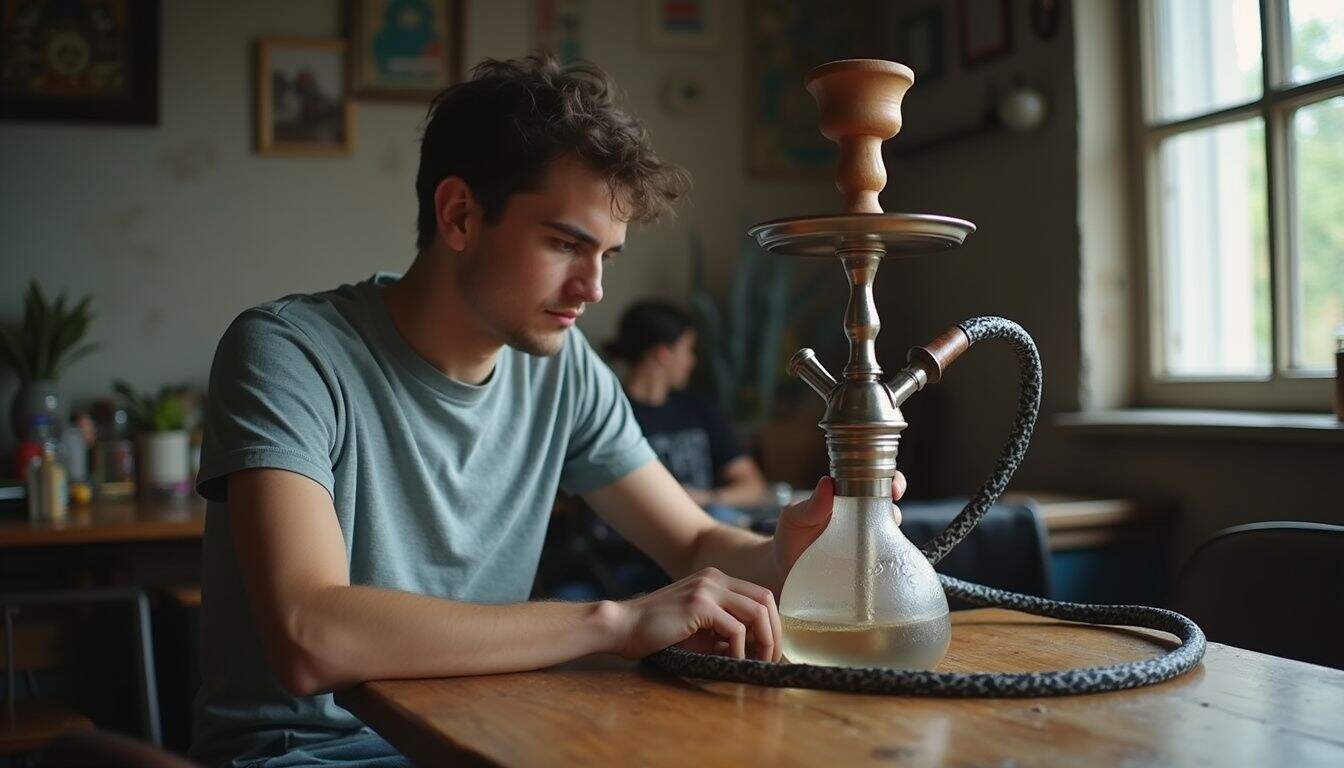
A hookah has several key parts that work together to create a smooth, flavored vapor. Each piece, from the water chamber to the hose, is essential to the smoking process.
What is the function of the base (water chamber)?
The base, or water chamber, is responsible for cooling and filtering the vapor before you inhale it. Most bases are made of glass, which allows you to see the bubbling action as the smoke passes through the water.
When you take a pull, the suction draws the smoke from the bowl down through the stem and into the water. This process cools the smoke, making it less harsh on your throat compared to dry cigarette smoke.
I’ve tried hookahs everywhere from Cairo to Texas, and a properly filled base is key to controlling the harshness of the smoke. However, it’s a common misconception that the water filters out all harmful chemicals.
While the water does trap some particles, dangerous carcinogens and carbon monoxide still pass through. So, while the base makes the smoke smoother, it doesn’t make it safe.
What roles do the stem and bowl play?
The bowl, or head, sits at the very top of the hookah and holds the shisha tobacco. A foil or metal screen is placed over the bowl to separate the hot coals from the tobacco, allowing it to bake rather than burn.
Bowls come in different materials like clay, ceramic, and silicone, and in various designs like the traditional Egyptian style or the modern Phunnel bowl. Each type affects heat distribution and airflow, which has a big impact on the flavor and thickness of the smoke.
The stem is the metal shaft that connects the bowl to the base. It has a tube, called a downstem, that extends into the water, carrying the smoke from the bowl down to be filtered.
An effective stem must be airtight to ensure proper suction. This combination of an efficient stem and a well-packed bowl is crucial for a satisfying session.
How do the hose and mouthpiece work?
The hose is the flexible tube that connects to the hookah’s stem, allowing you to inhale the smoke. When you inhale through the mouthpiece, you create a vacuum that pulls air through the entire system.
This suction pulls air over the hot coals, which heats the shisha and creates the vapor that travels down the stem, through the water, and up the hose to your lungs. Traditional hoses were often made of leather, but modern hoses are typically made of washable silicone for better hygiene and to prevent flavor “ghosting.”
The mouthpiece is the tip at the end of the hose where you place your lips. In social settings, it’s common to use disposable plastic tips for hygiene. This simple practice helps prevent the spread of germs when sharing with friends.
How does a hookah work?

A hookah works by using indirect heat from charcoal to bake the shisha tobacco, creating a vapor that is then cooled by water before you inhale. If you’re curious how all the parts work together, keep reading.
How is the tobacco heated in a hookah?
The shisha tobacco is placed in a bowl at the top of the hookah. You then cover the bowl with aluminum foil or a heat management device, and place hot natural charcoal on top.
The coals, which burn at around 600 degrees Fahrenheit, don’t directly burn the shisha. Instead, the heat bakes the moist tobacco through convection, releasing the flavors and nicotine as a thick vapor.
When you inhale from the hose, the suction pulls hot air from the coals down through the shisha. This airflow creates an aerosol that contains nicotine and other chemicals, which then travels down the stem.
You can control the heat by moving the charcoal around on the foil. This careful heat management is key to preventing the shisha from burning and ensuring a smooth, flavorful session.
How does filtration through water occur?
Once the hot vapor is produced, it travels down the stem and into the water-filled base. The downstem of the hookah is submerged in the water, so the vapor is forced to bubble through it.
This process has two main effects: it cools the hot vapor, making it much smoother to inhale, and it filters out some of the larger particles. You can often hear the distinct bubbling sound with each pull on the hose.
Many people believe this water filtration removes all the harmful toxins, but that’s a dangerous myth. According to a study in *BMC Public Health*, the water only removes about 3% of heavy metals and does not filter out dangerous chemicals like carbon monoxide or other carcinogens.
So while the water makes the smoke feel less harsh, it doesn’t make it safe. Plenty of harmful substances still make their way into your lungs.
What happens during the inhalation process?
When you pull on the hookah hose, you create a pressure drop inside the base. This vacuum pulls air down through the charcoal and the shisha, creating vapor.
The vapor travels down the stem, bubbles through the water, and then fills the empty space in the base. As you continue to inhale, this cooled and filtered vapor is pulled up through the hose and into your lungs.
Each hit delivers flavored smoke loaded with both taste and toxins. Even with the water filtration, you are still exposed to dangerous chemicals and carcinogens withevery session. I’ve seen friends feel lightheaded or cough after a long session, which is a clear sign that those toxins are getting through, no matter how smooth it tastes.
What are popular hookah flavors and current trends?
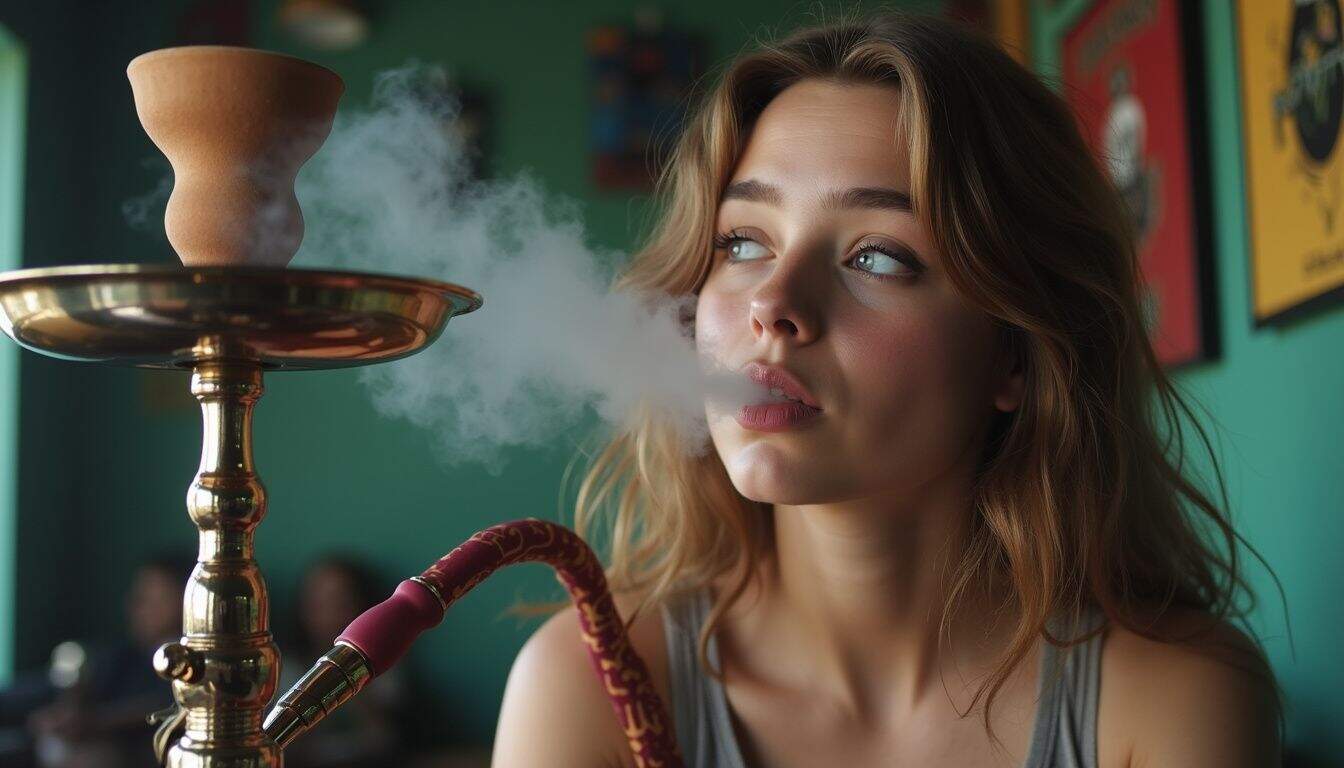
Hookah smokers now have a huge variety of shisha tobacco flavors to choose from. Lounges offer everything from traditional single-note flavors to wild fusion blends that keep people coming back for more.
What are traditional hookah flavors like mint, apple, and grape?
Mint, apple, and grape are the classic flavors that form the foundation of shisha tobacco. Most people try one of these when they first visit a hookah lounge. Mint provides a cool, refreshing blast with every puff.
Apple, particularly “Two Apples” from brands like Al-Fakher, is one of the most iconic flavors, known for its sweet taste with a distinct hint of anise or black licorice. Grape offers a rich, sugary flavor that produces thick, sweet-smelling clouds.
These flavors have remained popular for decades because they are both delicious on their own and great for mixing. In almost any lounge from Cairo to Chicago, you’ll find mint being mixed with other flavors to add a cool finish.
What are some innovative fusion flavor blends?
While the classics are still popular, modern brands are constantly creating new and exciting fusion blends. Companies like Starbuzz have built their reputation on innovative flavors that appeal to a younger, more adventurous audience.
One of the most famous fusion flavors is Starbuzz Blue Mist, a sweet blend of blueberry with a cool, minty finish. Other popular blends include “Sex on the Beach,” which combines peach, orange, and cranberry, and “Code 69,” a mix of fruit punch and citrus notes.
My last trip to a lounge in Houston surprised me with a peach and coconut mix with a splash of vanilla. Some brands, like Al-Fakher, also offer creative blends like California Citrus Breeze or Magic Love, which combines melon and mint with spices.
The trend of mixing flavors continues to grow, with lounge owners and enthusiasts constantly experimenting to find the next great combination. There’s also a rising interest in herbal, non-tobacco shisha for those looking for a nicotine-free option.
How do flavor preferences vary by region?
In the Middle East and North Africa, traditional flavors like mint, two apples, and grape still reign supreme. These classic tastes are often enjoyed at family gatherings and local cafes.
In contrast, hookah lounges in the United States and Europe are like flavor laboratories. Menus often feature dozens of choices, with a strong preference for sweet, fruity, and dessert-inspired blends. In places like Los Angeles or Miami, you’re more likely to see people smoking exotic mixes like mango, guava, or even cappuccino-flavored shisha.
Last week at my local spot in Texas, I counted over 50 flavor choices, from blueberry muffin to classic grape-mint. As hookah culture spreads, flavor preferences continue to evolve, reflecting the tastes of a younger and more global audience.
What is proper hookah etiquette?
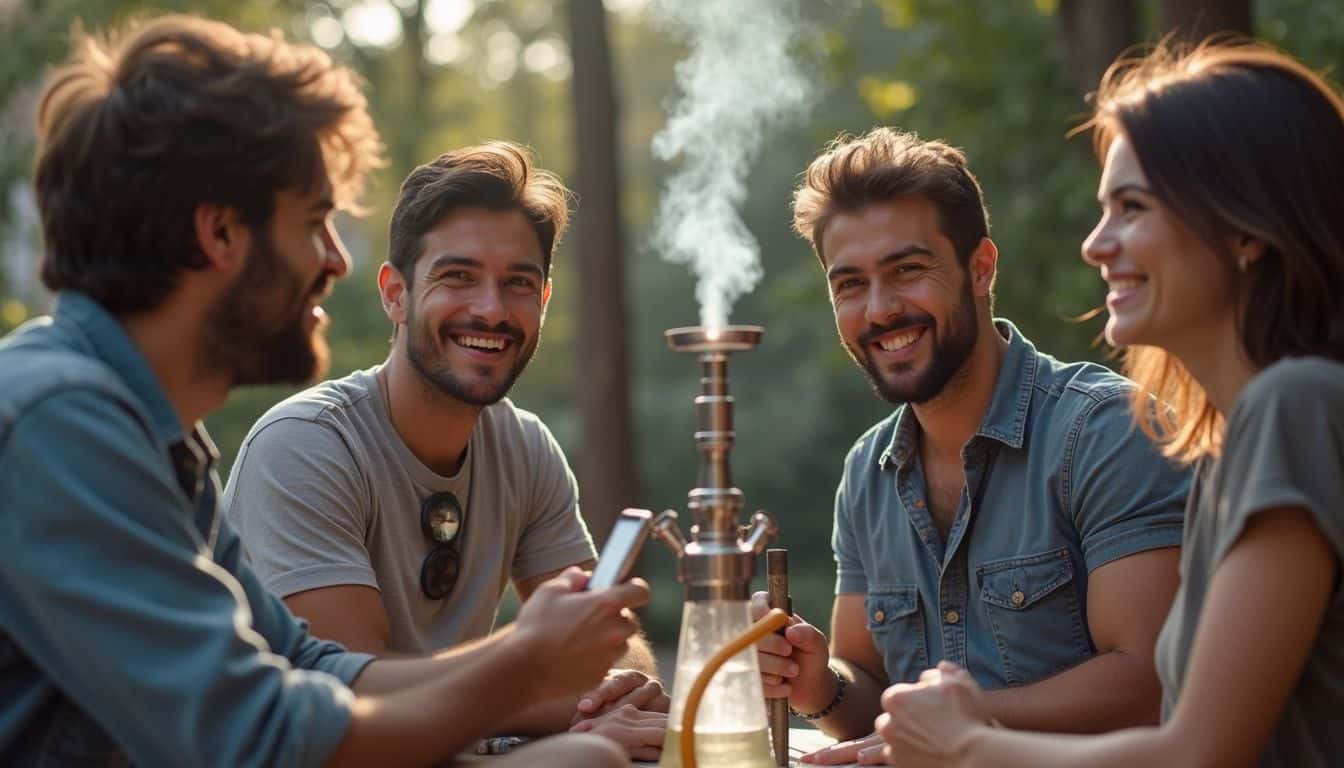
Sharing a shisha hose requires a bit of social grace. Knowing the basic rules of etiquette is important, especially when you’re smoking with a group.
How should you share and pass the hose?
When you pass the hose to the next person, always fold it back on itself so the mouthpiece is pointing toward you, not at them. This is a sign of respect. It is also customary in many cultures to pass the hose with your right hand, as the left hand is sometimes considered unclean.
For hygiene, always use a disposable tip and remove it before you pass the hose. This is a simple step that prevents the spread of germs and makes everyone feel more comfortable. Also, don’t hog the hose; a good rule of thumb is to take two or three puffs before passing it on.
Wait for someone to finish their turn before reaching for the hose. Rushing can make the atmosphere feel less relaxed. The goal is to keep the conversation flowing and ensure everyone has an enjoyable time.
What is proper hookah use in social settings?
Always keep the hookah on the floor or a low table. In many Middle Eastern cultures, placing the hookah on a table at the same level as the guests is considered disrespectful, as if you are elevating the pipe above the people.
When it’s your turn, take a couple of pulls and then pass the hose in a clockwise rotation. If you’re talking or taking a break, rest the hose on the table instead of holding onto it. Be mindful of where you blow your smoke, and never blow it in someone’s face.
It’s also considered bad manners to light a cigarette using the coals from the hookah. This can affect the flavor of the shisha and is generally frowned upon. Finally, always respect anyone’s decision not to smoke. The social aspect is about company, not pressure.
How can you respect cultural practices while using hookah?
Show respect for hookah culture by understanding its history as a symbol of hospitality and community. When you’re smoking with others, you’re participating in a tradition that’s centuries old.
In many traditional settings, the hose is not passed directly from hand to hand. Instead, you place it on the table to signal that it’s available for the next person. This simple gesture shows you value the shared experience.
Pay attention to local customs and etiquette. What’s acceptable in a trendy lounge in Miami might be different from a traditional cafe in Cairo. By observing how others behave and following their lead, you can ensure a respectful and enjoyable session for everyone.
What health considerations come with hookah use?

Smoking shisha from a hookah might feel smoother than cigarettes, but it exposes your body to a host of harmful chemicals. It’s important to understand the real health risks involved.
What are the risks of tobacco and carbon monoxide exposure?
Hookah smoke is packed with toxic chemicals and carcinogens, even after it passes through water. Each puff delivers tar, heavy metals like arsenic and lead, and cancer-causing agents directly to your lungs.
The charcoal used to heat the tobacco produces extremely high levels of carbon monoxide. A single hookah session can expose you to nearly 9 times more carbon monoxide than a single cigarette. High levels of carbon monoxide reduce the oxygen in your blood, which can cause headaches, dizziness, or even poisoning.
According to the CDC, long-term use significantly increases your risk of lung, bladder, and oral cancers, as well as heart disease. Don’t let the sweet, flavored smoke trick you into thinking it’s a safe alternative.
What is the impact of secondhand smoke from hookah?
Secondhand smoke from hookah is also a serious concern. The air in hookah lounges contains significant amounts of toxic chemicals, often in concentrations greater than those found in places where cigarettes are smoked.
The smoke comes not only from the tobacco but also from the burning charcoal, which releases its own set of harmful chemicals. Anyone in the vicinity, including employees and non-smokers, is exposed to these toxins, putting them at risk for respiratory problems and other health issues.
The social nature of hookah often masks the real harm. People underestimate the risks of addiction and the damage caused by secondhand smoke to those around them.
How does hookah compare to cigarettes in health risks?
While a hookah session feels different from smoking a cigarette, the health risks are very similar, and in some cases, even greater. A typical one-hour hookah session involves inhaling 100 to 200 times the volume of smoke of a single cigarette.
This massive volume of smoke means you can absorb higher concentrations of toxins. A single session can expose you to 1.7 times more nicotine than a cigarette, making it highly addictive. The risks of lung disease, cancer, and heart issues are just as real with hookah as they are with cigarettes.
Many people I know once believed that the water pipe was a safer option. But the science is clear: both hookah and cigarettes can lead to nicotine addiction and serious, long-term health problems.
What are common myths about hookah?
Plenty of people at the hookah lounge believe shisha is harmless, but the facts tell a very different story. Let’s clear the air on some of the most common myths.
Is it true that hookah is safer than cigarettes?
Many people believe that the water in the hookah filters out the harmful toxins, making it safer than cigarettes. This is probably the most dangerous myth of all. The reality is that the water does not protect you.
Hookah smoke contains many of the same carcinogens as cigarette smoke, including tar, benzene, and heavy metals. Health researchers have found that a single one-hour hookah session can expose you to more smoke than an entire pack of cigarettes.
The smooth feel of the smoke is due to the moisture, not a lack of toxicity. Myths about “safe” water filtration don’t hold up when doctors continue to warn about the risks. Secondhand hookah vapor also carries these same risks, especially when inhaled for hours in an enclosed space.
Is herbal shisha harmless as some believe?
Herbal or nicotine-free shisha might sound like a safe alternative, but that’s not the case. Even without tobacco, this type of shisha still requires burning charcoal to produce smoke.
That smoke still contains high levels of carbon monoxide and other toxic chemicals from the combustion process. You might be avoiding nicotine, but your lungs are still getting hit with harmful substances that are not filtered out by the water. The fruit flavoring is just that, flavoring, and does not add any health benefits.
The myth that water makes these sessions harmless just doesn’t hold up. Inhaling any kind of smoke brings real health risks to the table.
Is sharing a hose safe?
Sharing a hookah hose without proper precautions is a recipe for passing germs. It can easily transmit infectious diseases like oral herpes, tuberculosis, and H. pylori, which can cause stomach ulcers. I once saw a friend get cold sores just days after a group session, and his doctor blamed it on sharing mouthpieces.
The warm, moist environment of the hose is an ideal breeding ground for bacteria and viruses. While most lounges offer disposable mouth tips, they are only effective if used consistently and correctly.
Even with flavored clouds filling the air, it’s important to remember that you’re sharing more than just a good time. Ignoring safety can spread illnesses faster than you’d think.
Hookah Culture Around the World

From street cafes in Cairo to high-tech lounges in Houston, every region puts its own unique spin on the tradition of shisha. Let’s take a look at how these flavors and customs mix worldwide.
Hookah culture in the Middle East (Egypt, Turkey, Lebanon)
In Egypt, Turkey, and Lebanon, hookah is deeply woven into the fabric of daily life. People of all ages gather in traditional cafes, known as “qahwahs,” for long conversations over a shared hookah. The air is often filled with the sweet smells of mint or two apples.
The water pipe is a central part of hospitality rituals, with families often offering guests a freshly packed bowl as a sign of welcome and respect. In the historic streets of Cairo and the lively quarters of Beirut, you’ll find bubbling pipes in nearly every cafe and restaurant, blending ancient tradition with modern social life.
Hookah culture in South Asia (India, Pakistan)
Hookah first appeared in South Asia during the 16th century, where it was adopted by Mughal royalty as a symbol of status. My friend’s grandfather in India still uses a classic wooden hookah with unflavored tobacco for special family gatherings.
Today, the culture has evolved. Young people in cities like Mumbai and Lahore now flock to trendy hookah lounges that offer a wide array of flavored shisha. While Pakistan officially banned public hookah smoking in 2013, many establishments still operate, keeping the hoses burning late into the night.
Hookah culture in North America (United States, Canada)
The hookah tradition was brought to North America by immigrants, and by the 1960s and 70s, it began to gain popularity in social circles. By the early 2000s, hookah cafes were booming, especially around college campuses.
Modern lounges in cities like Los Angeles, Houston, and Chicago are now popular social hubs for young adults. Places like the House of Hookah in Chicago or the Oasis Hookah Lounge in Austin offer a relaxed atmosphere for conversation, often with a huge menu of creative flavors. While the setting is more contemporary, the core idea of sharing and socializing remains the same.
However, many patrons overlook the serious health concerns associated with the sweet-smelling clouds. The social atmosphere can sometimes mask the fact that shisha tobacco contains nicotine and the same toxic chemicals found in cigarettes.
The Future of Hookah Culture
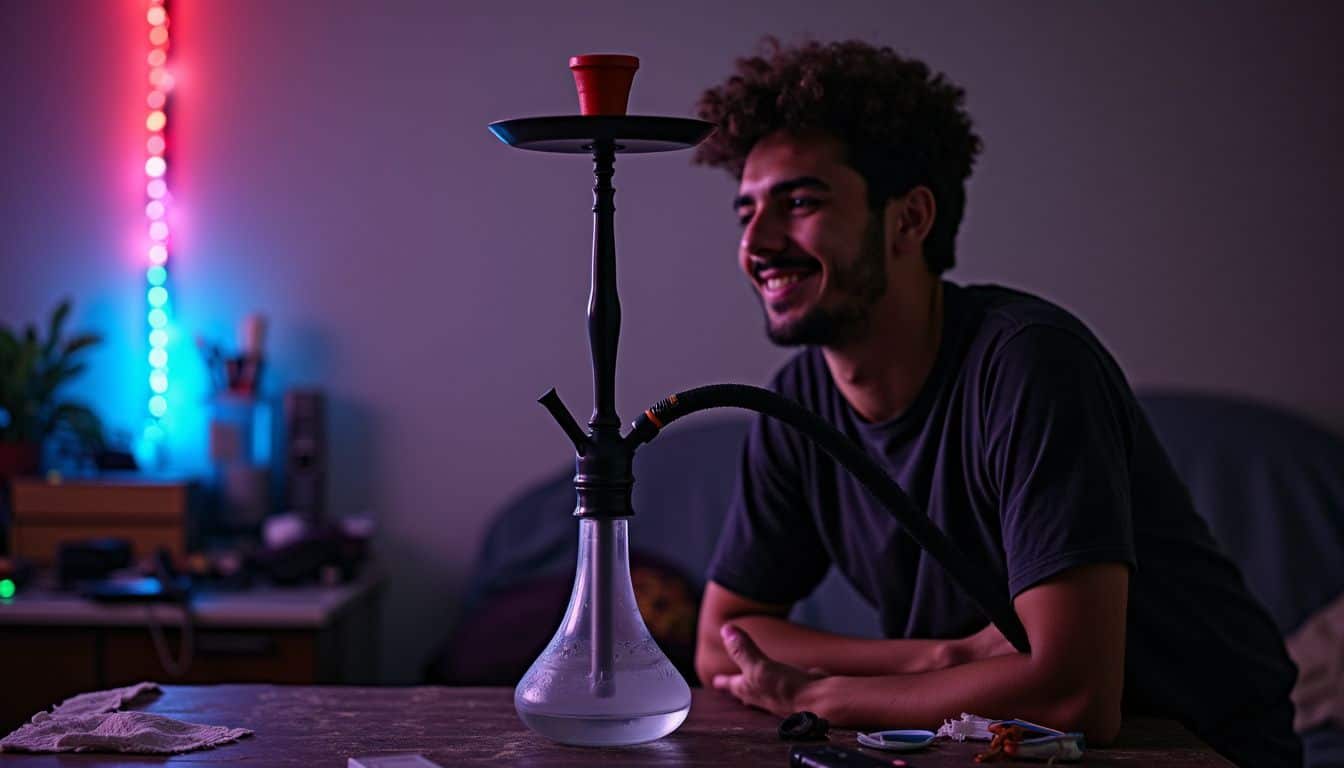
Hookah culture is constantly evolving, with new innovations in design and technology shaping the future of this ancient tradition. Let’s explore what’s next.
What innovations are happening in hookah design?
Manufacturers are moving away from traditional copper and brass, now using modern materials like stainless steel, aluminum, and even carbon fiber. This makes hookahs more durable and easier to clean.
High-end brands like the Polish company Wookah are known for their beautifully crafted wooden hookahs, while others are creating portable pipes that can fit in a backpack. We’re also seeing the rise of electronic hookah heads, or e-bowls, which vaporize e-liquid instead of burning shisha, offering a tobacco-free alternative.
Some modern hookahs even come with app integration, allowing you to track your usage or control LED lights with your phone. These innovations are blending bold new aesthetics with practical upgrades that appeal to a new generation of smokers.
Where is hookah culture growing in popularity?
Hookah culture is experiencing a global surge, especially among urban youth. In addition to its strongholds in the Middle East and South Asia, it’s gaining popularity in Southeast Asian cities like Bangkok and Ho Chi Minh City.
In Russia and Eastern Europe, hookah lounges have become trendy social spots for young people to gather. Even in places like South Africa, “hubbly bubbly” is a common feature at parties and social hangouts.
While hookah use among high schoolers in the U.S. has declined, adult lounges in downtown areas remain popular social destinations. The global spread of hookah culture continues, with each region adding its own unique twist to the tradition.
How is the balance between tradition and modernity maintained?
As hookah culture spreads globally, lounges are finding creative ways to blend classic rituals with new social trends. While you might see someone smoking from a sleek, modern glass pipe, the traditional etiquette of sharing and socializing remains central to the experience.
Many modern urban lounges offer vibrant fusion flavors like blueberry-mint or cola-lime, served in pipes with LED-lit bases and silicone hoses. At the same time, growing health awareness has led to the widespread use of personal mouthpieces, a modern adaptation that respects the communal spirit while prioritizing hygiene.
Designers are blending old-world craftsmanship with new materials, and cafes might play modern pop music instead of traditional folk songs. Even as the culture evolves, the core values of hospitality, respect, and community continue to tie it to its rich past.
How will hookah culture change in 2025?
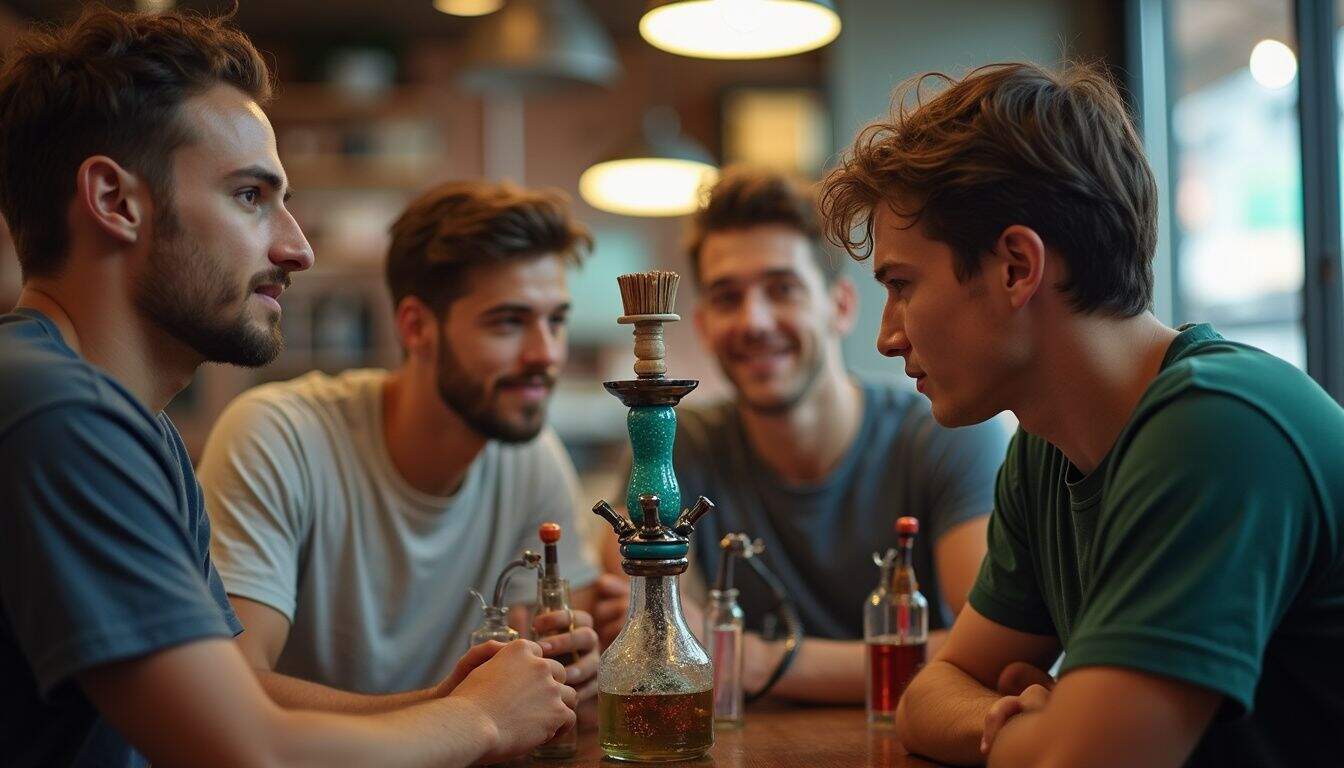
By 2025, expect hookah lounges to continue their growth as popular social spaces. Innovations in shisha tobacco flavors and bold new pipe designs, like neon-lit hoses and ice-tipped mouthpieces, will keep the younger crowd engaged.
Social etiquette will remain a cornerstone of the experience. The rules of passing the hose, respecting others’ space, and maintaining good hygiene will continue to be important.
However, we’ll also see a growing conversation around the health risks of shisha tobacco. Increased awareness may lead more lounges to offer low-nicotine or nicotine-free herbal blends to cater to health-conscious customers. Just last week at my favorite spot near downtown Dallas, my friends and I were debating which new attachment provided the coolest smoke, showing how tradition and technology are constantly mixing.
People Also Ask
What is hookah culture and why do people gather for it?
Hookah culture is a social tradition centered around sharing flavored tobacco from a water pipe. People gather at lounges or homes to relax, talk, and connect in a communal setting.
Are there health risks with smoking shisha tobacco?
Yes, smoking shisha is not a safe alternative to cigarettes. It exposes you to high levels of nicotine, tar, carbon monoxide, and other cancer-causing chemicals that can harm your lungs and heart.
Is there special etiquette when using hookah with others?
Absolutely. Proper etiquette includes passing the hose with the mouthpiece pointed away from the receiver, not hogging the hose, and using a disposable tip for hygiene. It’s all about respect and sharing.
How has hookah culture changed over time?
Hookah has evolved from a luxury item for nobility to a global social activity. Modern trends include a huge variety of fusion flavors, high-tech pipe designs, and trendy lounges with music and drinks, blending ancient tradition with contemporary style.