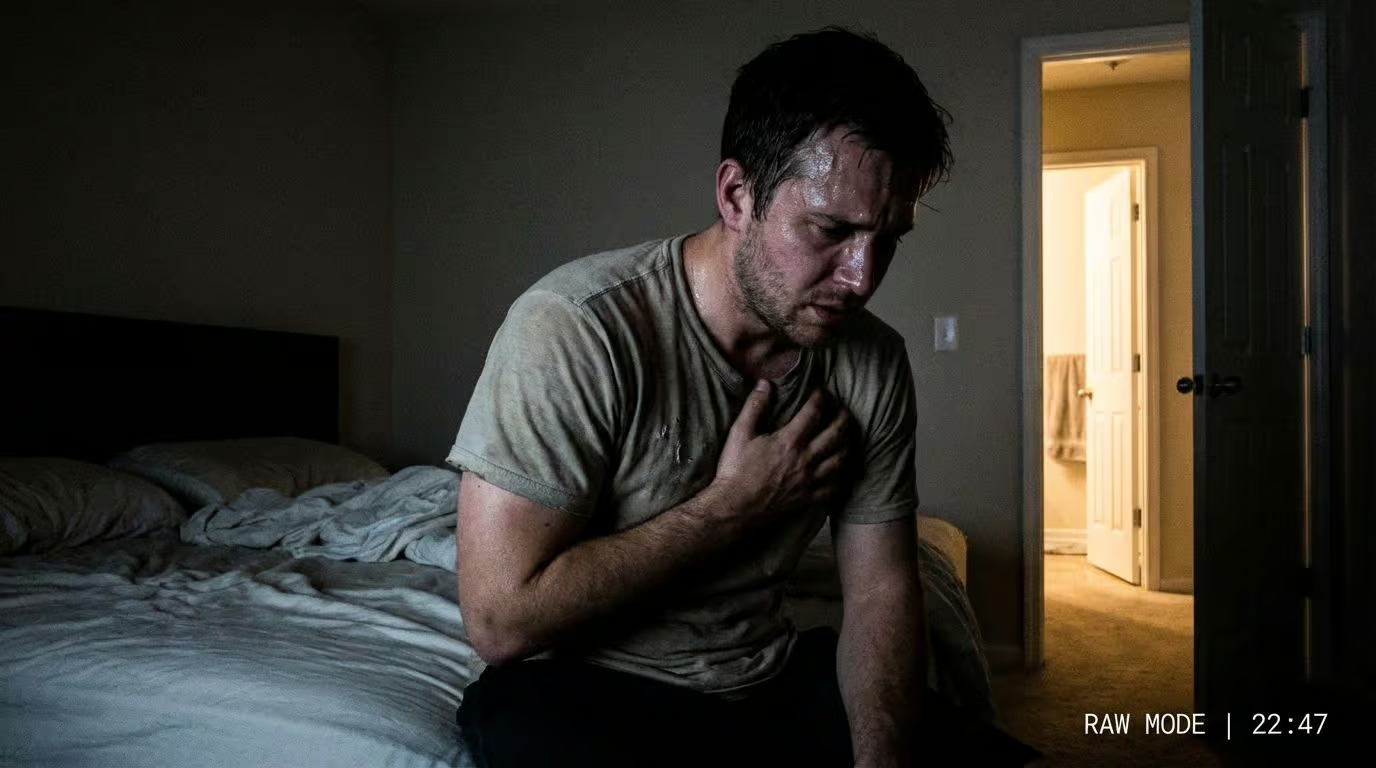
Ever wondered what a panic attack actually feels like for a man? It hits fast—your heart races, the room spins, and you might feel like you can’t breathe. For many guys, it happens without any clear warning.
This guide breaks down the physical symptoms, mental battles, triggers, and practical ways to handle anxiety and panic disorders. If you want real answers without the confusing medical jargon, you are in the right place.
I am going to walk you through the exact signs and solutions, so grab a coffee and let’s get into it.
Key Takeaways
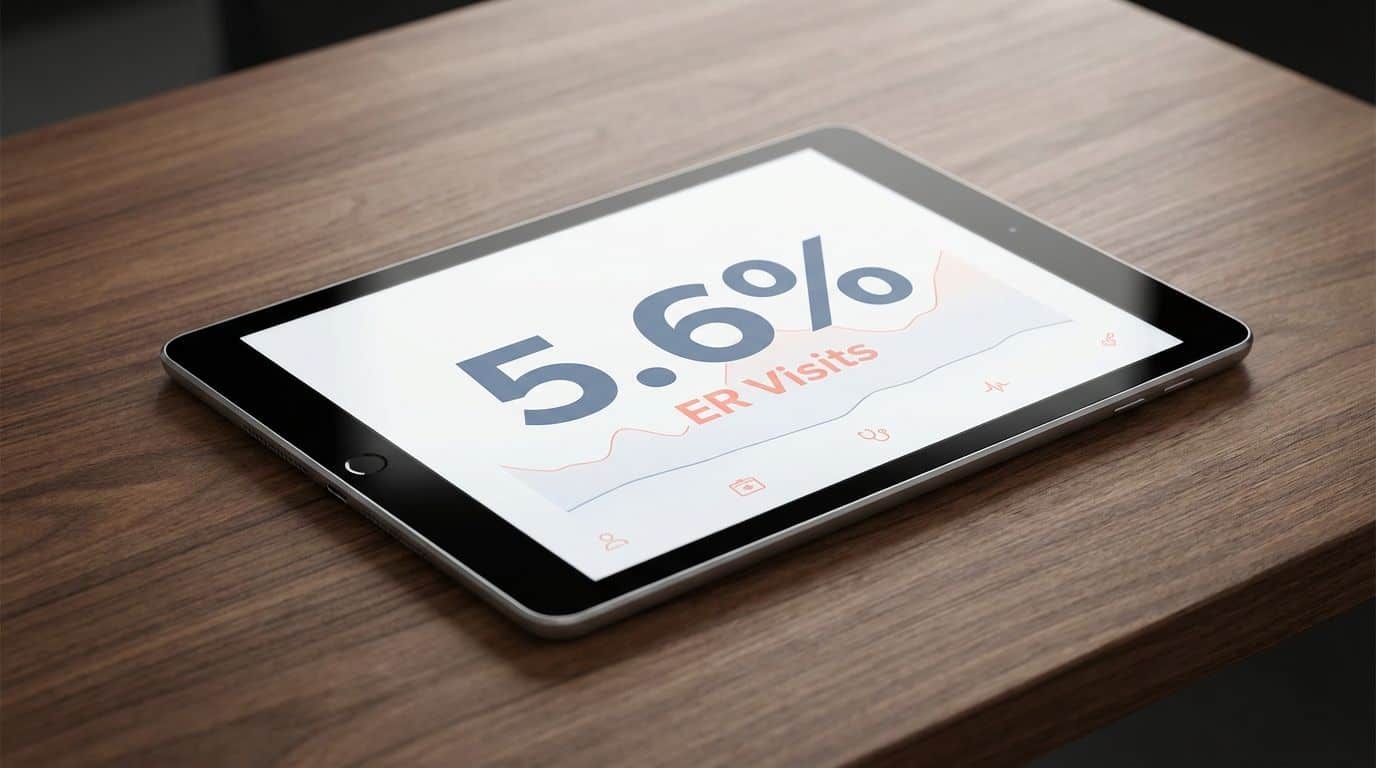
Physical Impact: Panic attacks in men often show up as rapid heartbeat, chest pain, and drenching sweats; these symptoms mimic heart attacks so closely that non-cardiac chest pain accounts for 5.6% of all ER visits in the U.S.
Emotional Signs: You might feel an intense sense of doom, racing thoughts, or a sensation that you are in a movie (derealization); men frequently hide these feelings due to “tough guy” stigmas.
Major Triggers: Financial stress is a massive factor, with 42% of people facing money worries reporting panic attacks; other triggers include job loss, health anxiety (“cyberchondria”), and substance use.
Actionable Coping: The “Box Breathing” technique (used by Navy SEALs) is a proven way to calm down; other tools include the 5-4-3-2-1 grounding method and apps like Headspace or Calm.
2025 Trends: There is a significant rise in searches for “male depression symptoms“; more men are turning to AI-powered tools like Woebot and online resources like HeadsUpGuys to find private, effective help.
Table of Contents
Physical Symptoms of a Panic Attack in Men
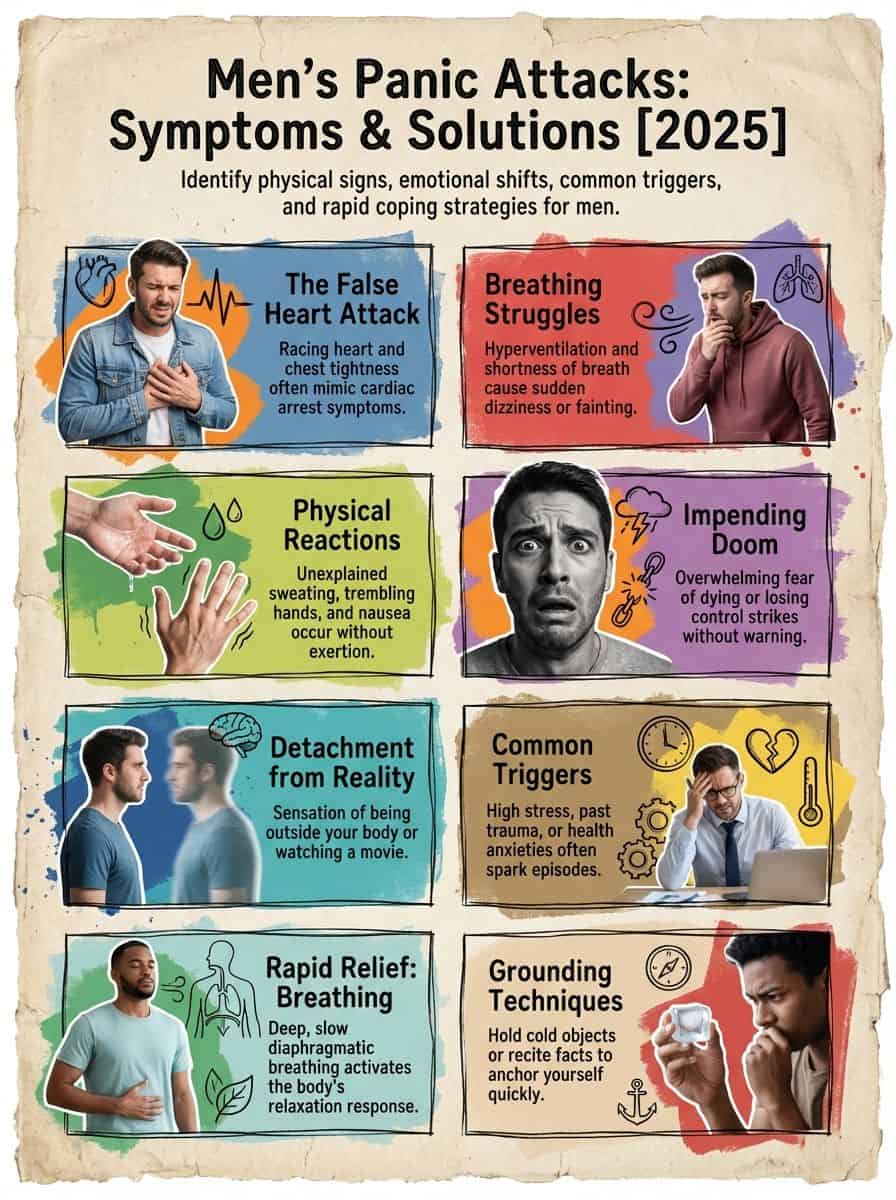
Your heart pounds like a drum, your chest feels tight, and breathing turns into a struggle. Sweat pours out of nowhere, your hands shake, and your stomach knots up. It is genuinely hard to tell if you are sick or just scared stiff.
What causes rapid heartbeat and chest pain during a panic attack?
A panic attack throws your body into high alert, like you are standing eye-to-eye with a bear. The fight-or-flight response kicks in instantly. The amygdala, which handles fear, tells your body something is wrong.
This triggers an “adrenergic storm,” flooding your system with adrenaline and cortisol. Your heart rate spikes as your body scrambles to pump blood to your muscles, thinking it needs to save the day.
For many men, chest pain tags along for the ride. This is often due to intercostal muscle strain—the muscles between your ribs tightening up—rather than a heart issue. Suddenly, each beat feels wild enough to make you wonder if it’s a heart attack.
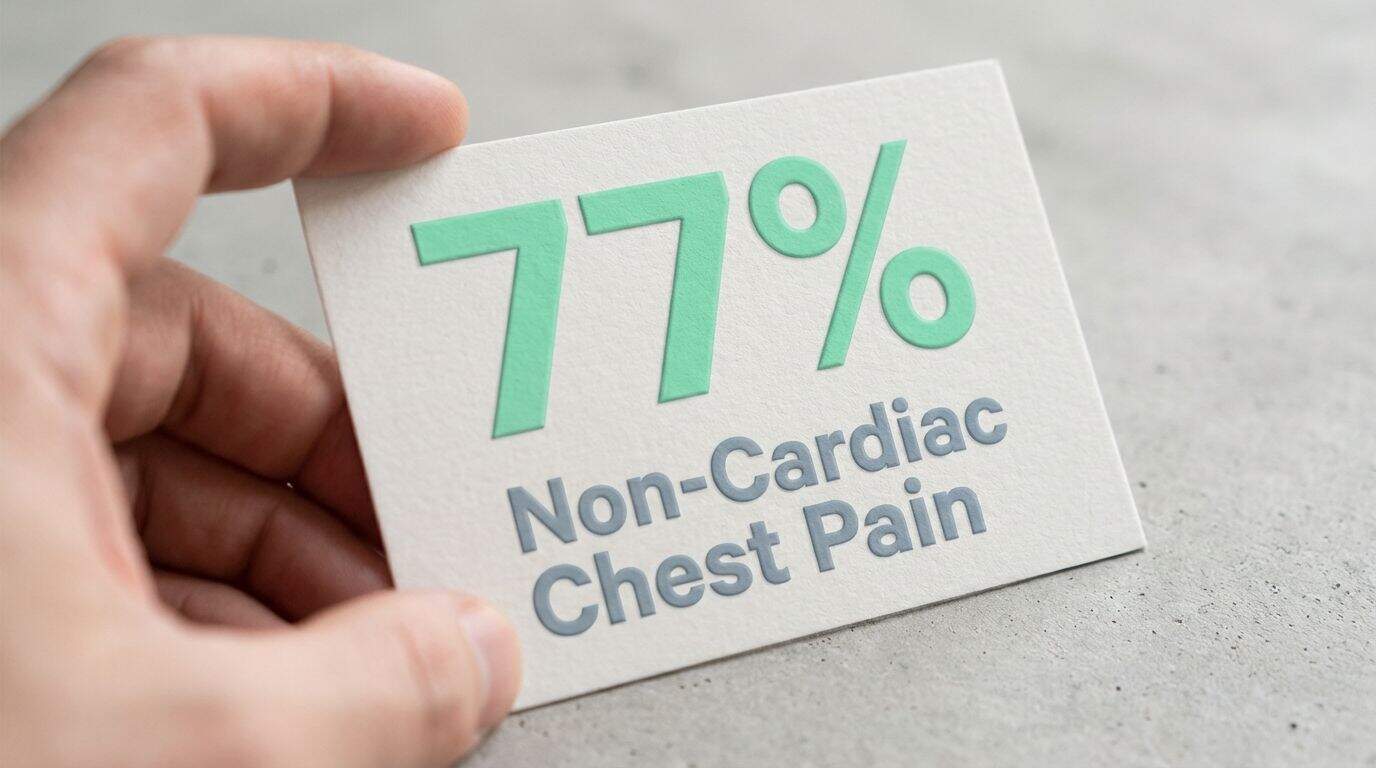
In fact, research shows that nearly 77% of patients who visit the ER for non-cardiac chest pain have recently experienced a panic attack. Chemical imbalances fueled by stress or past trauma only add fuel to this firestorm, which the DSM-5 lists as a core sign of panic disorder.
Sometimes medications or medical issues like hyperthyroidism can spark these attacks too. Many guys search online about “silent panic attacks” because they feel these signs without obvious triggers. You can check out silent panic attacks for more insight straight from experts at States of Mind.
“During a panic attack, my chest squeezed so tight I thought something inside me would snap,” one man shared after a visit with his clinical psychologist.
Why do men experience shortness of breath or hyperventilation?
Shortness of breath hits fast, like getting the wind knocked out of you. Your chest might tighten up, making each breath feel shallow and rushed. The fight-or-flight response floods your body with adrenaline, telling your lungs to work overtime.
That surge can cause hyperventilation—fast breathing that drops your carbon dioxide levels too low. This chemical shift is what leaves you feeling dizzy or lightheaded.
Mental health conditions such as post-traumatic stress disorder often set this cycle in motion for men. If you have asthma or other medical conditions, it can feel even more intense.
Panic disorder might show up first as a teen or young adult but sticks around if left untreated. It turns every small fear into physical symptoms like difficulty breathing. A helpful tool some men use is a pulse oximeter; seeing a normal oxygen level (usually 95% or higher) on the screen can be a quick reality check that you are actually getting enough air.
How do sweating and trembling manifest in panic attacks?
Sweating and trembling can start out of nowhere. Your palms might drip or your whole body could break into a sweat, even if the room is cool. At the same time, your hands may shake or your legs might feel wobbly.
These signs often peak fast and last between 5 to 20 minutes. This is different from a workout sweat; it is often a “cold sweat” caused by the body’s stress response shunting blood away from your skin.
Doctors use the DSM-5 to diagnose panic disorder, looking for at least four physical signs including sweating and trembling. Intense fear or thoughts of doom often make these reactions worse in men.
Many guys mistake these feelings for serious issues such as heart problems. Sweating and trembling may also show up with nausea or chills during an anxiety attack.
What makes dizziness and nausea common during panic attacks?
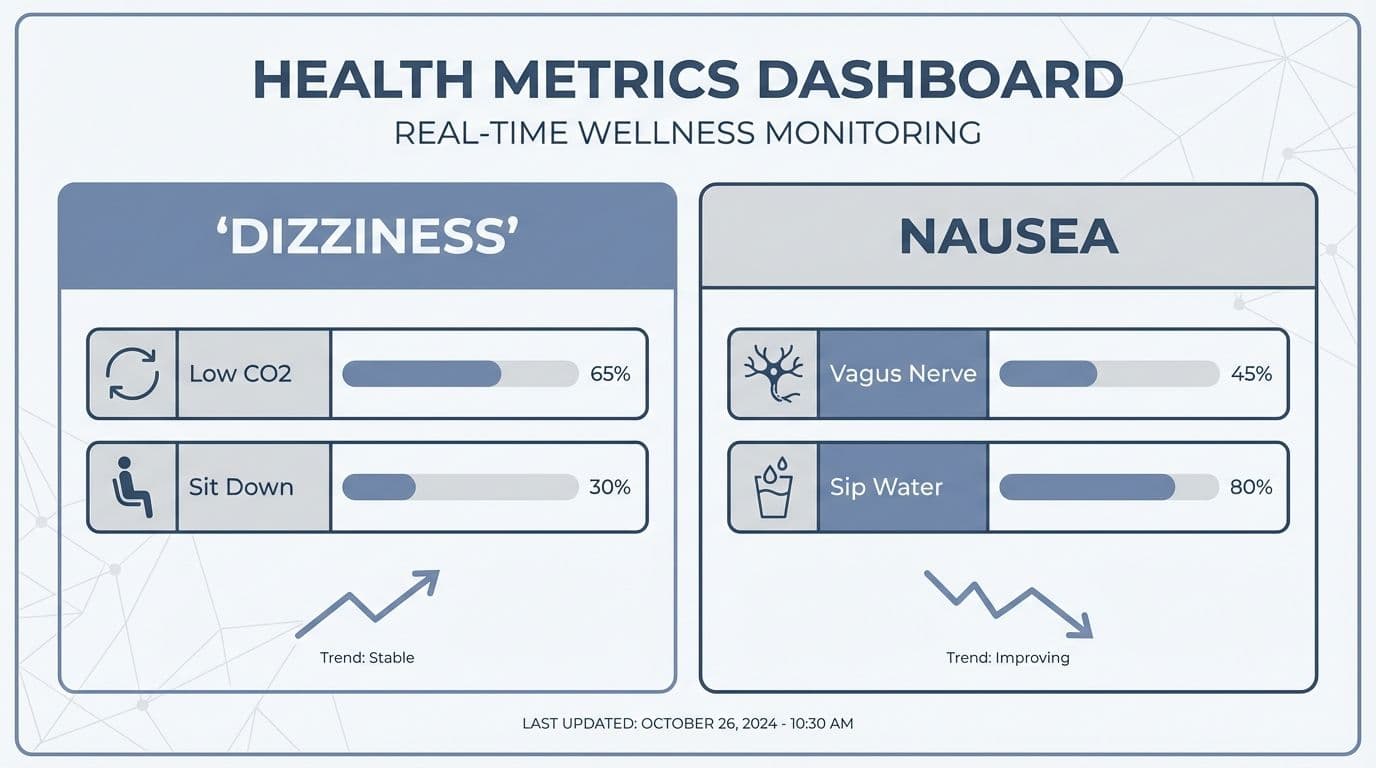
Rapid heartbeat and shallow breaths hit hard during panic attacks. The body goes into full fight-or-flight mode. Hyperventilation drops your blood carbon dioxide levels, which constricts blood vessels in your brain and leaves you spinning with dizziness.
This rush also affects your gut. The stress response can stimulate the vagus nerve, which connects your brain to your stomach, causing sudden nausea.
The Diagnostic and Statistical Manual of Mental Disorders (DSM-5) lists both dizziness and nausea among common symptoms of panic disorder. Genetics play a role here; some men are just wired to feel these sensations more than others.
| Symptom | Why It Happens | Quick Fix |
|---|---|---|
| Dizziness | Low CO2 from fast breathing constricts blood flow to the brain. | Sit down and breathe slowly through your nose to restore CO2 levels. |
| Nausea | The vagus nerve triggers a “purge” response to stress. | Sip ice-cold water or suck on a mint to calm the vagus nerve. |
During my worst attack, I felt like the room was tilting while my stomach threatened to jump ship—panic made everything louder.
What emotional and mental symptoms do men feel during a panic attack?
During a panic attack, men often get hit with overwhelming fear, racing thoughts, and a strange sense they aren’t real. It is like your mind just stepped outside the room.
Why do men feel intense fear or a sense of doom?
Strong feelings of fear or dread often hit men because the brain sounds its alarm, even if there is no real danger. Childhood lessons on “toughness” play a big part; boys are often taught to bottle anxiety rather than talk about it.
This condition, sometimes called alexithymia, makes it hard to identify emotions until they explode. As adults, this pressure builds up until something snaps.
Men may fear losing control or worry they will look weak in front of others. They can feel certain they are having a heart attack, dying, or “going crazy.” This sense of doom comes from adrenaline flooding the body fast.
Instead of sharing these fears, many guys turn to alcohol or drugs to push down those wild emotions. Self-medication becomes an escape route but makes things worse in the long run.
Sadly, intense anxiety has been linked with higher rates of suicidal thoughts. If you or someone you know is in crisis, the 988 Suicide & Crisis Lifeline in the U.S. is available 24/7. Panic attacks feed on silence, and nobody wins that battle alone.

What does feeling detached or unreal mean during a panic attack?
Intense fear often comes with bizarre feelings. You might sense you are outside your own body or watching yourself from across the room. This is called depersonalization.
Sometimes, familiar places look strange or fake, almost cartoon-like; this is derealization. It can feel like you are trapped in “The Truman Show” or a video game.
Both symptoms can hit hard and leave you rattled. Many men describe these moments as if they were walking through fog. These odd feelings do not mean you are losing control or going crazy—they are actually your brain’s way of trying to distance you from the stress.
Simple things can break the spell. Gripping something cold, like an ice cube, shocks your senses back to the present. Grounding techniques help anchor you back in reality.
Talk therapy like cognitive behavioral therapy (CBT) teaches men ways to manage these symptoms well. With the rise of telehealth options since 2023, mental health support is now more accessible than ever.
What are common triggers of panic attacks in men?
Stressful life changes, health worries, or past trauma can yank you into an anxiety tailspin. Keep reading to see what sparks that inner alarm and how it might be switched off.
How do stressful life events trigger panic attacks?
Losses, breakups, job changes, and health scares can hit hard. About 80-100% of men have faced stressful life events before their first panic attack. A fight with a friend or family member might not spark symptoms right away.
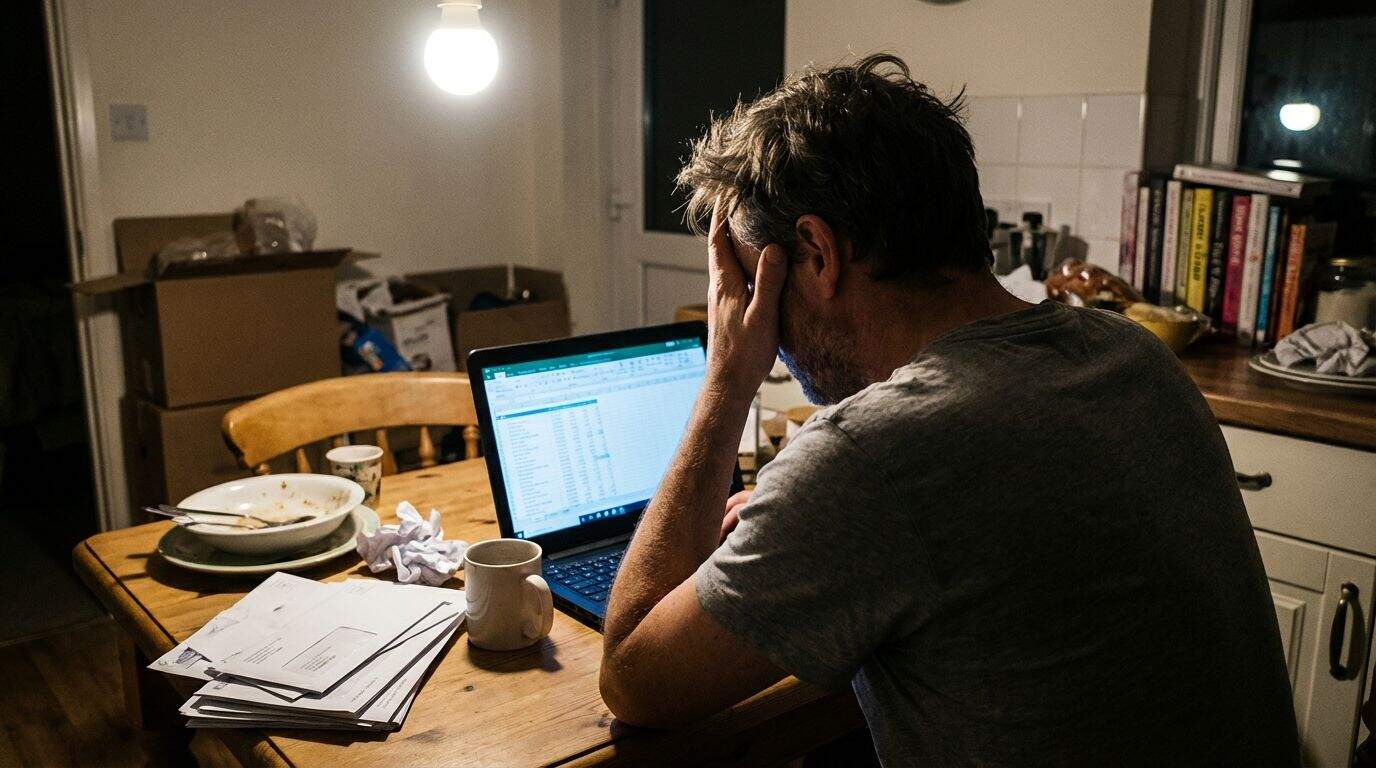
Panic attacks often come out of the blue, sometimes weeks after a major setback. Financial stress is a massive trigger; a 2024 study found that 42% of people dealing with money anxiety reported experiencing panic attacks.
Biological theories say panic disorder may come from being extra sensitive to suffocation cues inside your body. Interpersonal conflicts and big changes put your mind and nerves on high alert for up to twelve weeks after the event.
Sometimes there is no clear outside trigger at all. Panic just lands in your lap while watching TV or sitting in traffic.
Stress sneaks up like an uninvited guest; one minute you feel fine—the next you’re flooded with fear.
Therapists use cognitive behavioral therapy (CBT), exposure therapy, and even serotonin-norepinephrine reuptake inhibitors for treatment. For simple ways to blow off steam, laughter truly works wonders—and gets you breathing easier too.
Can health-related concerns cause panic attacks in men?
Health-related concerns can spark panic attacks in men. A racing heart or chest pain might look like a real medical crisis. This fear pushes many guys to rush to the ER, worried it is a heart attack.
This cycle is often fueled by “cyberchondria”—the habit of Googling symptoms until you are convinced you have a rare disease. Studies from the National Institute of Mental Health (NIMH) show that health worries raise the risk for anxiety disorder.
Physical illness isn’t the only trigger. Certain medications and tension from managing chronic diseases pile onto nerves too. Sometimes ordinary things—a spike in blood pressure after coffee or feeling dizzy at work—can set off powerful alarms.
Many men with health anxiety go through repeated tests but never find anything serious wrong. This cycle feeds more stress and worsens symptoms of panic disorder over time. Some end up avoiding doctors altogether.
Not acting on these triggers can allow stress, substance misuse like alcohol use, or money problems to push things further south. Avoiding care means missing treatment options such as cognitive behavioral therapy (CBT), talk therapy with a mental health professional, or anti-anxiety medications including selective serotonin reuptake inhibitors (SSRIs) like sertraline hydrochloride.
What are effective coping mechanisms for men experiencing panic attacks?
There are smart ways to help yourself calm down during a panic attack. These are not just “think happy thoughts” advice; they are biological hacks to reset your nervous system.
How can breathing exercises help during a panic attack?
Breathing exercises act fast during panic attacks. Slow, deep breaths boost your body’s relaxation response by supporting the parasympathetic nervous system. This helps calm a racing heartbeat.
One of the best methods for men is “Box Breathing” (or square breathing). It is a technique used by Navy SEALs to stay calm under extreme pressure. Here is how you do it:
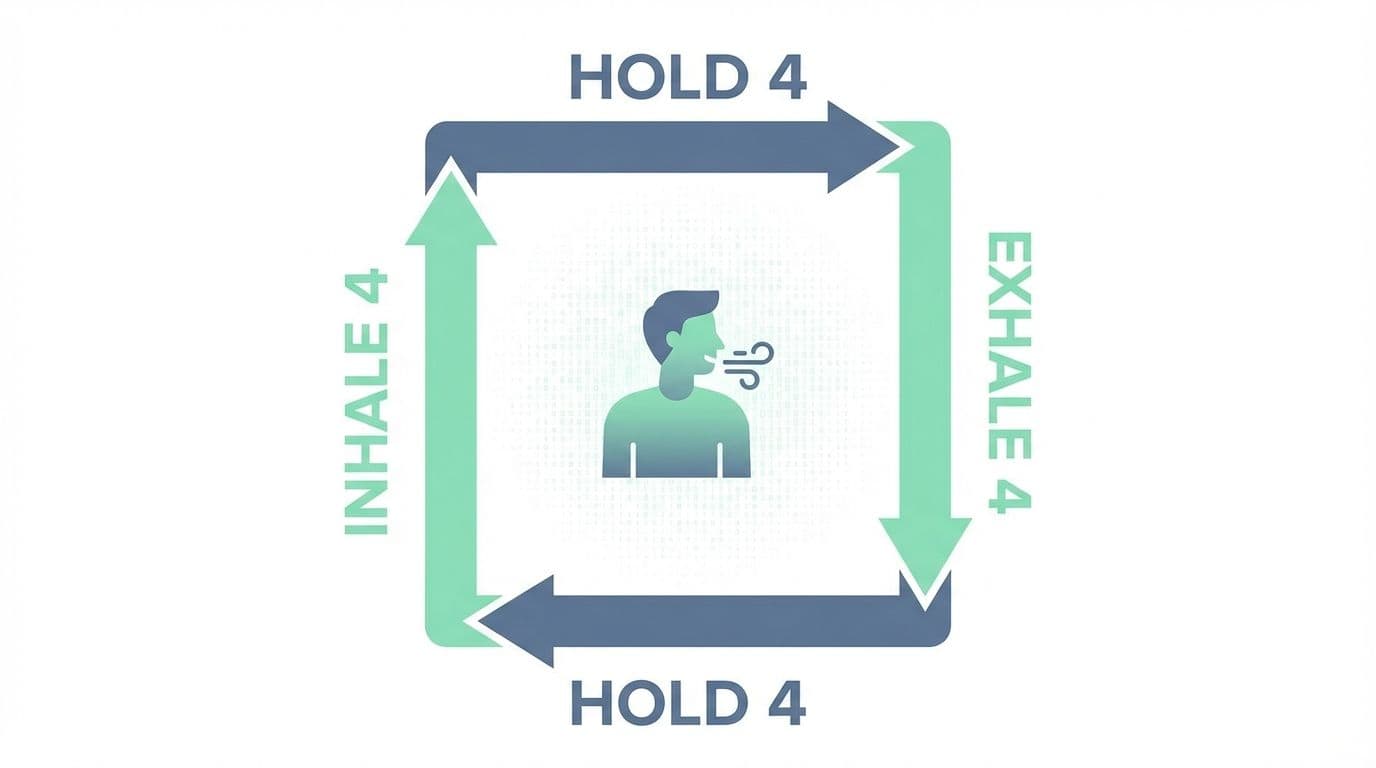
- Inhale through your nose for a count of 4.
- Hold that breath for a count of 4.
- Exhale through your mouth for a count of 4.
- Hold your lungs empty for a count of 4.
Diaphragmatic breathing counteracts hyperventilation, while paced slow breathing can reduce dizziness. Research since 2022 backs up that simple breathing techniques lower stress levels during anxiety spikes, according to studies funded by the National Institute of Mental Health (NIMH).
These exercises don’t cost a dime and need zero fancy gear. I have felt my hands stop shaking after just three rounds of this before a big meeting.
What grounding techniques work best for men?
Listening to calming music or holding something cold, like an ice cube, can snap your brain out of panic mode. The shock of the cold forces your brain to focus on the physical sensation instead of the fear.
Another powerful tool is the 5-4-3-2-1 technique. It forces your brain to engage with the present moment:
- 5 things you can see.
- 4 things you can touch.
- 3 things you can hear.
- 2 things you can smell.
- 1 thing you can taste (or a favorite food you like).
Many men also find comfort in touching familiar objects: a set of keys, the steering wheel, or even petting a dog. These sensory exercises engage sight and touch, which quiet intense anxiety symptoms.
Simple stretches help release tension during panic attacks. Creative tasks such as doodling redirect focus away from fear and unwanted memories that ride shotgun with panic disorder. With techniques like these in play, breathing exercises become an even more powerful tool for managing symptoms effectively.
How Will the Landscape of Panic Attacks in Men Change in 2025?
New surveys show a significant jump in searches for “male depression symptoms” and anxiety help this year. Guys are asking more questions, and that is changing everything fast. Online therapy platforms now offer private ways to get support.
Telehealth usage has exploded, making it easier for men to get help from home without sitting in a waiting room. Services like HeadsUpGuys provide resources specifically designed for men, helping to cut through the noise.
Social media groups give men safe spots to open up about symptoms of panic disorder, coping tricks, or struggles with antidepressant medications like paroxetine hydrochloride. AI-driven tools, such as the Woebot app or Headspace’s “Ebb” feature, offer immediate, judgment-free support at any hour.
Therapists notice a bigger push for cognitive behavioral therapy (CBT) and exposure therapy geared just for guys. As economic anxiety grows in the US, mental health resources keep growing too—meeting men where they are at instead of making them wait until things spiral.
Access is getting easier; shame is fading away faster than ever before.
People Also Ask
What are the main symptoms of panic attacks in men?
You might experience intense physical signs like chest pain, a racing heart, or feeling like you’re choking, which many men mistake for a heart attack. Beyond the physical rush, it’s common to feel a sudden, overwhelming fear of losing control or dying.
How does panic disorder differ from general anxiety disorder in men?
Panic disorder hits you with sudden, intense spikes of fear often triggered by internal feelings, whereas general anxiety is a constant, low-grade hum of worry about daily life. While anxiety lingers, a panic attack is an episodic explosion of terror that peaks within minutes.
Can traumatic events trigger panic attacks in men?
Yes, a 2021 meta-analysis confirms that men with high Adverse Childhood Experiences (ACEs) scores are over twice as likely to develop panic disorder later in life. This happens because past trauma can sensitize your nervous system, causing it to react to current stress as if it were an immediate threat.
What treatments help manage panic disorder in men?
Cognitive Behavioral Therapy (CBT) is the gold standard, often using “interoceptive exposure” to help you tolerate physical sensations without spiraling. Doctors also frequently prescribe SSRIs like Sertraline or Fluoxetine to stabilize your system while you build these coping skills.
Are there lifestyle changes that support recovery from frequent panic attacks?
Regular aerobic exercise is a powerful tool that burns off excess adrenaline and trains your nervous system to handle a higher heart rate without triggering a panic response.
When should someone seek professional help for recurring symptoms?
You should book an appointment if these episodes force you to change your routine, like avoiding highway driving or missing work. Reaching out immediately is critical if you start using alcohol to cope or have thoughts of harming yourself.
References
https://my.clevelandclinic.org/health/diseases/4451-panic-attack-panic-disorder
https://www.ncbi.nlm.nih.gov/books/NBK430973/
https://pmc.ncbi.nlm.nih.gov/articles/PMC8895358/
https://www.verywellmind.com/depersonalization-and-derealization-2584238
https://pmc.ncbi.nlm.nih.gov/articles/PMC3170458/
https://www.who.int/news-room/fact-sheets/detail/anxiety-disorders
https://pmc.ncbi.nlm.nih.gov/articles/PMC10741869/
https://www.nature.com/articles/s41598-022-27247-y
https://health.clevelandclinic.org/grounding-techniques (2024-11-25)
https://hr.jhu.edu/wp-content/uploads/JHEAP-Grounding-Techniques-to-Help-Control-Anxietypdf.pdf
https://www.adaptivebehavioralservices.com/mental-wellness-blog/mens-mental-health (2025-11-19)
https://www.equimundo.org/wp-content/uploads/2025/06/State-of-American-Men-2025.pdf