
You know that heavy feeling in your chest when the day ends and your to-do list still looks full? It’s a pressure most of us men feel—the drive to check every box before we can relax.
I’m an Upholder myself, so I get it. I used to think leaving tasks undone meant I was failing.
But here is what I found: holding on too tightly to “finishing” actually kills your momentum. Research backs this up, showing that obsession with completion can spike anxiety and lower performance.
That’s why I started using the unfinished mantra: “YOU DON’T HAVE TO FINISH TODAY.”
It sounds counterintuitive, right? But this simple shift can turn your daily grind into a tool for real growth and peace of mind.
I’m going to walk you through exactly how this works and why it might be the most practical productivity tool you add to your arsenal this year.
Key Takeaways
The unfinished mantra, “YOU DON’T HAVE TO FINISH TODAY,” helps you accept daily imperfections and reduces anxiety by shifting your focus from a final result to steady progress.
While strict rituals in Hinduism warn that interrupted mantras can disrupt sacred energy, modern psychology (like the Zeigarnik Effect) shows that leaving tasks unfinished can actually boost memory and problem-solving.
Regular use of mantras improves focus, lowers stress, and increases emotional health; a 2024 study on the Default Mode Network confirms that mantra practice quiets the brain’s “worry center.”
Celebrating small wins is critical for motivation; data from The Progress Principle shows that making progress is the number one driver of a good workday, even if the task isn’t finished.
In 2025, the concept of an unfinished mantra is evolving into “Personal Scrum” and agile living, where ongoing learning and iteration are valued over flawless execution.
Table of Contents
What Is an Unfinished Mantra?

An unfinished mantra is like a prayer half-whispered, hanging in the air, full of hope. In Vedic practice and tantric yoga, it opens the door for personal growth by letting me sit with my struggles rather than rushing to a finish line.
Think of it as the spiritual version of an “open loop.” In psychology, this is known as the Zeigarnik Effect, named after psychologist Bluma Zeigarnik. She discovered that our brains actually remember interrupted or incomplete tasks better than finished ones. By intentionally leaving a mantra or task “unfinished,” you keep your subconscious mind working on it, sparking creativity without the pressure of immediate closure.
https://www.youtube.com/watch?v=RxYUQ5vzSPo
How is an unfinished mantra used in rituals?
In traditional Hindu rituals, specifically the Vedic Yajna (fire sacrifice), stopping a mantra in the middle is a serious issue. The ceremony feels off, like a priest dropping his prayer beads and losing rhythm.
Ritual mantras are supposed to be finished, with every syllable counted and spoken right so spiritual liberation or moksha may come.
If a priest messes up, they often have to perform a Prayaschitta—a specific act of atonement to fix the error. Skipping the end breaks the chain; it’s seen as more than just a mistake, it disrupts sacred energy and even your birth chart readings can reflect this block.
Some mantras take years of repetition to show results—think veda recitations or tantric buddhist chants like secret mantra practice. Leaving them undone is like walking off the field before halftime during the Super Bowl.
Old texts say that sometimes only hard work brings completion but other times, higher powers help us finish what we start if our devotion stays strong.
A broken mantra leaves the door half-open—you never know what winds might rush in.
What does an unfinished mantra mean for personal growth?
While rituals may fear the unfinished mantra, I use it to invite growth. I see my own struggles mirrored in every incomplete phrase. There’s no such thing as a perfect daily mantra in life; even monks like Tilopa or acharya Naropa walked winding paths, full of stops and restarts.

Personal growth looks more like slow progress than sudden leaps. A 2024 study on the Default Mode Network (DMN)—the part of the brain responsible for self-referential thoughts and wandering—found that mantra meditation quiets this noise, even if you don’t reach a state of perfect “bliss.”
Each day I meditate with a mantric practice or study teachings from Tibetan Buddhist practices—whether it’s kriya tantra or yidam visualization—I notice little shifts instead of big fireworks.
Perfectionism used to trap me. It made me think if I wasn’t finished or flawless, then why try? The truth hit hard: everyone is a work in progress, even sadhakas chasing Buddhahood through highest yoga tantra practices.
Kindness works better than judgment on this path; accepting my stumbles lets improvement stick around longer than shame ever could. That’s where the beauty lies: facing fears without aiming for some final scorecard unlocks real change over time, not overnight heroics.
If you want more insight about being okay with imperfection and making steady gains, check out the [unfinished manifesto](https://www.unfinishedman.com/unfinished-manifesto) for fresh perspective.
The Symbolism of Incompletion
I see the unfinished mantra as a work in progress, much like how yogis sit with their thoughts during tantric ritual. Sometimes, what feels incomplete holds deep wisdom, just waiting to be found in sadhana or while reflecting on images of meditational deities.
This aligns with the Japanese concept of Wabi-Sabi, which finds beauty in the imperfect, impermanent, and incomplete. It teaches us that a cracked bowl—or an unfinished project—has more character and history than a flawless one.
Why is the journey more important than the destination?
I once heard a priest lose his rhythm in prayer, pausing mid-mantra, then picking up again with a small smile. That moment stuck with me because it showed how growth and meaning often come from the pauses, not just the finish line.
In many Indian religions like Vajrayana or Kagyü schools of Tibetan Buddhism, mantras such as Mahamudra or Savitr are recited over years; their power grows through daily repetition and patience rather than instant results.
The Mahabharata reminds me to focus on duty each day instead of chasing an end result that may never feel complete.
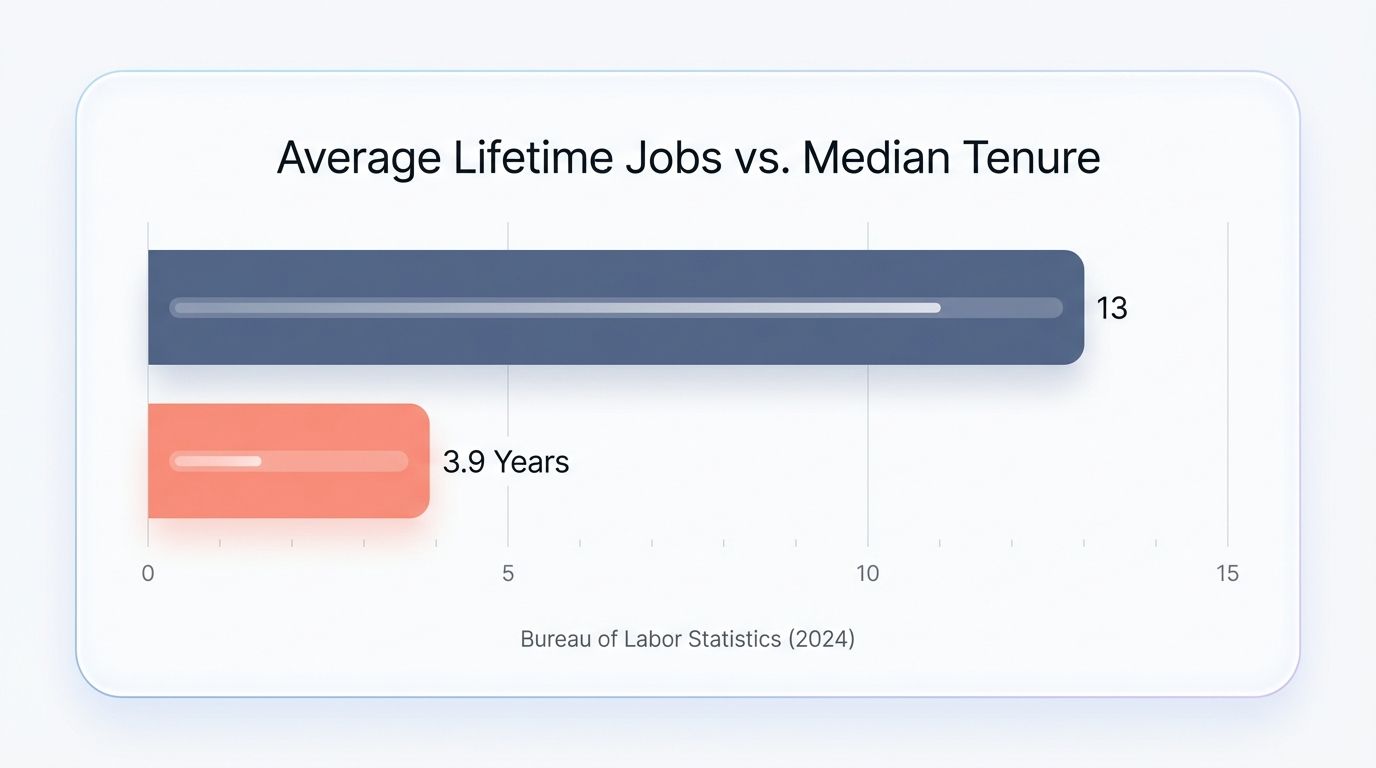
Modern data supports this view of a long, winding journey. According to the Bureau of Labor Statistics (2024), the average American man holds nearly 13 jobs in his lifetime, with a median tenure of just 3.9 years. We are constantly in a state of “unfinished business” with our careers, and that is normal.
Each mantra I repeat adds another brushstroke to my life’s canvas—even if the masterpiece remains unfinished. “I will figure it out,” has become my go-to phrase for those times things don’t land perfectly on schedule.
Chasing perfection feels stale while learning through practice keeps life interesting. As tantric ritual teachers say, trust isn’t born from sudden success but slow build-up, often happening during ordinary moments—like brushing teeth instead of seeking grand visions under esoteric lights.
Patience is not about waiting; it’s about what you do while you wait.
How can you trust the process of growth?
Choosing growth over a fixed endpoint can feel like walking barefoot on gravel. I left the clean sidewalks of structured education and stepped into the raw, uncertain job world. With every unpaid internship and passing contract, doubts piled up higher than my student loan debt.
In India, chasing a Master’s abroad looked to some people like I just needed an excuse for a “gap year” instead of real progress.
Many days, it seemed my karma was off balance; years buried in books didn’t always lead me to that perfect job or ritual completion stage I’d hoped for. Sometimes patience means letting life settle before jumping to close out hard talks or conflicts—much like pausing between breaths during meditations with deity yoga or yogini practices in Tibetan tantric Buddhism.
This mindset shift is what Nassim Taleb calls “Antifragile.” It’s not just about surviving the chaos of an unfinished path; it’s about getting stronger because of it. The transformation is slow but steady; allowing myself small wins has helped build trust in the process even when my path veered from what others expected.
Growth often comes from sitting with discomfort and realizing that unfinished prayers or secret mantra practices are not failures—they’re just another part of becoming whole within imperfection itself.
Lessons from an Unfinished Mantra
I learn patience from meditating with a mantra that trails off, much like the way a chakra can spin without locking into place. Imperfection shapes me, teaching strength—just like how even a half-said prayer to a goddess in tantric rituals carries power and feeling.
How can you cultivate patience and acceptance?
Patience can feel like a tall order, especially if your mind races faster than a yogic mantra. My grandmother modeled this for me without flinching. She held her unfinished sarma, repeating the chant day after day, never doubting it would work in time.
Hindu mantras sometimes take years to manifest; even great mahasiddhas sat with their feelings for decades before seeing changes. Sometimes I pause my tasks and come back later—like reader Calvonia suggests—for better mental health and clarity.
Self-compassion is another tool that works wonders. If perfection seems out of reach, I look at myself as calmly as Vajradhara in meditation posture—accepting mistakes as part of the process instead of fighting them.
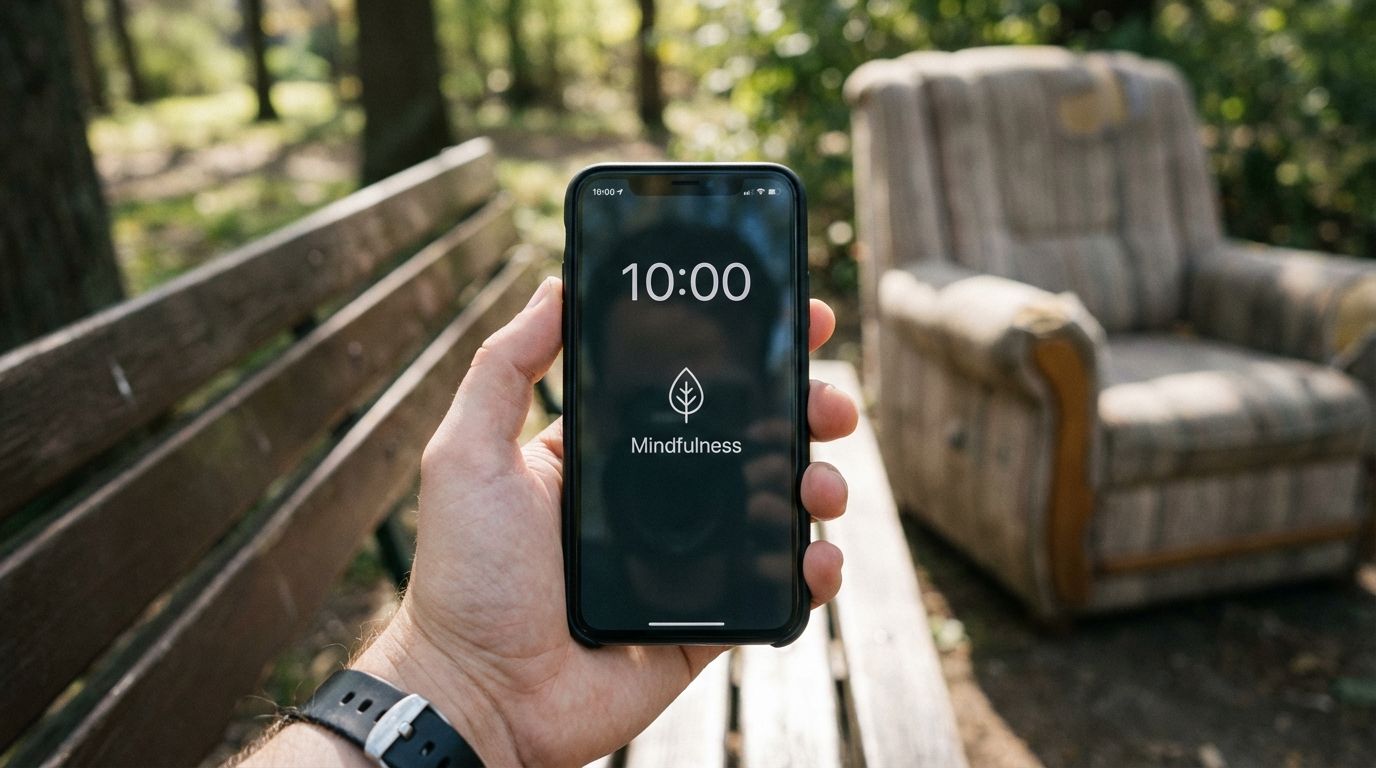
This isn’t just spiritual advice; it’s a mental health necessity. Usage statistics from apps like Headspace and Calm show that millions of men are turning to short, daily mindfulness sessions—often just 5-10 minutes—to manage anxiety, proving that you don’t need a perfect hour-long session to get results.
Buddhist teachings show that acceptance of unfinished business is not just allowed but necessary; Maryleigh once said she could find grace in not finishing everything right away. A toothbrush sits by my sink, reminding me daily that some things require small steps over many days—a little patience goes further than mouthwash ever will.
Grace grows best in winter.
How do you find strength in imperfection?
Learning patience and acceptance taught me to see imperfection as a source of power, not weakness. Vulnerability can feel raw, but it lets real growth in the door. Instead of hiding flaws like an unfinished mantra left hanging in tantric ritual, I open up about struggles with friends or my partner.
Kym’s style hits home for me too, choosing relationships over checking off tasks—proof no one needs to be flawless to matter.
I show myself compassion when life gets messy. If I mess up during a lower tantra meditation or say something dumb during mouth wash chit-chat at work, that’s human nature showing its face.
Setting clear boundaries helps me avoid beating myself up with harsh [unkind self-talk](https://www.unfinishedman.com/how-can-unkind-self-talk-harm-your-mental-health/). Shared moments and honest talk with other ngakpa practitioners remind me that accepting each other’s limits strengthens every bond.
Finding courage here means letting imperfections breathe instead of smothering them under fake perfectionism.
The Role of Mantras in Personal Development
Mantras ground me, like a firm handshake with my thoughts—bringing order to the daily chaos. When I sit and repeat words from tantric meditation or think about dharmas, I see my mind sharpen and old stress slip away.
How can mantras help improve focus and clarity?
Repeating my chosen mantra, like “GROW BY CREATING” or “LOVE BY LISTENING,” feels like setting a compass in the storm of daily stress. Each morning, I meditate for at least five minutes, just as Stephen Warley does to help battle anxiety and sharpen focus.
This small ritual helps me filter out distractions and dial into what matters most. It works similarly to the Pomodoro Technique, where you focus intensely for short bursts. The mantra acts as your timer and your anchor.
On tough days, speaking these words out loud offers comfort and brings my mind back from wandering thoughts. Traditional tantrika teachings talk about how meditative phrases can guide energy toward clarity—no need for fancy tools or a meditational deity on standby.
People using mantras each day report better emotional health and clearer thinking; it’s practical self-mastery found in old wisdom with a new translation twist. A simple practice but powerful enough to turn noise into calm purpose, even if the rest of life feels full of unfinished business.
Why is ongoing transformation valuable?
Every time I say my mantra, whether it’s the highest yoga tantra or something simple, I notice real shifts in my body and mind. Scientific studies show that consistent mantra repetition sparks changes in brain activity and helps with neuroplasticity.

A 2024 study from IIT Delhi found that practices like Yoga Nidra (which often uses mantras) significantly alter functional connectivity in the brain, helping experienced practitioners regulate their emotions better than novices.
My routines feel less like chores and more like keys unlocking calmness. Over time, ongoing practice improves focus, reduces stress levels, sharpens thinking, and even leads to better sleep.
Tantric sex rituals use unfinished mantras to stretch growth even further—nothing stays fixed or stuck in one spot for long. That same idea works outside of rituals too; steady transformation means I’m always learning and adapting.
The science backs this up—daily mantras can help handle pain better and even boost heart health over months of practice. These small changes stack up into life-long strength without any magic tricks required; just patience, consistency, and a willingness to accept imperfection as part of the path.
Embracing Incompletion in Everyday Life
I see how my day rarely goes as planned, yet I still find small wins, like a mantra repeating softly in the background. My need for perfection slips away when I notice even lower tantras can teach patience if I just pay attention.
How can you celebrate small wins?
I use a daily system that keeps me on track. In the morning, I plan for small victories, even if it’s just making my bed or showing up to meditate with my lower tantras playlist running.
As soon as anything gets done, I jot it down fast—coffee brewed right, samaya kept strong at work. Evening comes and out comes my list; did those little wins add up? Seeing progress—even in tiny steps—triggers dopamine.
This strategy is backed by hard data. In The Progress Principle, Teresa Amabile found that 76% of people’s “best days” at work involved simply making progress on a meaningful task, not necessarily finishing it.
That little spark feels good and makes me want to keep going. Stacking these “success stones” makes bigger goals feel closer every day. Tracking metrics clears fog from my mind and shows real progress—I see what is working and what needs more work.
My November 10 podcast episode, “I Celebrate Small Wins,” speaks right to this practice: focus on growth today instead of waiting for perfection tomorrow. The point isn’t some out-of-body experience; it’s finding joy in each unfinished mantra along the way and feeling stronger for each step taken forward.
How do you let go of the need for perfection?
Some days, chores pile up and nothing feels “done.” Theresa Boedeker learned from her husband that housework like cooking never really ends. That idea stuck with me. I used to think every project or task needed to be perfect before I could relax.
Barb Hegreberg struggled too—she would not even start projects unless sure she could finish flawlessly but tried giving herself a break instead.
Jobs often hand you tasks that seem never-ending, just ask Lesley who faces unfinished lists daily. Lynn D. Morrissey found progress happens bit by bit; trying to do everything at once only leads to stalling out.
Now, self-compassion became my mantra, especially on tough days when things stay half-baked or incomplete. Simple mindfulness helps: I pause, take stock of what’s truly important and remind myself: YOU DON’T HAVE TO FINISH TODAY—it is fine if the floor stays a little dusty or if meditation gets interrupted by an out-of-body experience.

I apply the 80/20 Rule (Pareto Principle) here: 80% of the value comes from 20% of the effort. Once I hit that 80% mark, I give myself permission to stop.
I practice highest yoga tantras and sometimes leave my mantra unfinished as a sign that growth is always in motion, not about crossing the line first but learning along the road. The non-dualistic way sees flaws as part of life’s bigger picture rather than mistakes needing correction—just marks of being human working through another day.
How Will the Unfinished Mantra Evolve in 2025?
In 2025, I see the unfinished mantra stepping into new spaces like technology design and leadership training. Tech companies will blend values like patience and growth straight into their development process.
We are seeing this with the rise of “Personal Scrum” methodologies, where individuals use agile sprint planning to manage their lives—focusing on iterative progress rather than rigid, completed master plans.
Leaders in regenerative development, such as architects and city planners, will use the mantra to guide projects that focus on both progress and reflection.
Groups studying out of body experiences could mix these mantras into research or personal practice, using them to stay present during experiments. Critical thinking will shape how teams approach ongoing change; they’ll keep unlearning old habits while trying fresh ideas.
This idea isn’t just for meditation anymore—it’s breaking boundaries across fields where being “unfinished” means open-mindedness wins over perfection every time.
People Also Ask
What does “Unfinished Mantra” mean in daily life?
It is similar to the Japanese concept of Wabi-Sabi, which encourages us to find beauty in the imperfect and incomplete. Instead of stressing over a “perfect” life, I accept that chaos—like a messy kitchen—is just part of the process. This simple shift helps you move forward rather than getting paralyzed by the details.
How can I use these four keys to embrace imperfection at work?
I apply the Pareto Principle (80/20 Rule) by focusing my energy on the 20% of tasks that drive 80% of the results. You can also try Jeff Bezos’s “70% Rule,” which means making decisions when you have 70% of the information rather than waiting for 100% certainty. This approach turns “good enough” into a competitive advantage for speed.
Why do people struggle so much with being imperfect?
It is often conditioned early on; a 2024 study by The Hardin Group found that 92% of people are now affected by perfectionism. We are taught that “flawless” equals “worthy,” but this zero-defect mentality actually kills innovation and leads to burnout.
Can embracing imperfection really make me happier?
Absolutely; research from Swarthmore College shows that “satisficers” (those who accept good enough) are consistently happier than “maximizers” (those seeking the absolute best). Letting go of the need for the “best” eliminates the stress of constant comparison, lightening your mental load immediately.
References
https://pmc.ncbi.nlm.nih.gov/articles/PMC6937880/
https://prizmah.org/hayidion/116638/print
https://wellbalancedwomen.com/using-a-personal-mantra-to-reach-your-goals/
https://etda.libraries.psu.edu/files/final_submissions/5671
https://www.asteroidhealth.com/blog/how-to-develop-a-personal-mantra-for-mental-clarity (2025-01-14)
https://pastlivesexperience.com/index.php/2024/07/19/the-science-behind-mantras-how-to-master-yourself/ (2024-07-19)
https://www.lauranguyen.co/blog/the-art-of-celebrating-small-wins-stay-motivated-every-day