
Ever feel like planning a trip with your elderly parents brings up more questions than answers?
You’re not alone. You might be juggling worries about wheelchair assistance, managing medications, or just finding activities that everyone, from grandkids to grandparents, can genuinely enjoy.
It can feel like a logistical nightmare, trying to make sure your folks are comfortable without boring the younger crowd.
Here’s the secret I’ve learned: open communication is the key. It’s what turns a stressful trip into a relaxing one where nobody feels like they’re just being dragged along. In this guide, packed with vacation tips and ideas for elderly parents, I’ll walk you through everything. We’ll cover choosing senior-friendly destinations, smart packing, and even specific sightseeing options, like the accessible beaches in La Jolla or the guided South Rim tours at Yellowstone National Park.
Ready to make some great family memories without the usual stress? Let’s get into it together.
Key Takeaways
Talk to your elderly parents when planning. Ask about their favorite activities, where they’d like to go, and how costs will be handled. If grandkids are coming, figure out childcare early on.
Choose senior-friendly destinations with easy-to-use accessible transportation. Look for hotels with ramps and grab bars. Consider guided national park tours, like those at Yellowstone, or scenic trains like the Amtrak Coast Starlight.
Be mindful of the weather. Seniors are at a higher risk of heat exhaustion, so avoid traveling during extreme heat. Plan outdoor activities for the cooler morning or late afternoon hours.
Pack all medications in carry-on baggage, using their original bottles. Bring at least two weeks’ worth of extra doses, copies of prescriptions, and a list of emergency contacts.
For international trips, enroll in the State Department’s Smart Traveler Enrollment Program (STEP) to receive alerts and make it easier for the embassy to contact you in an emergency.
Table of Contents
Tips for Planning a Vacation with Elderly Parents

Getting your parents involved in the planning process is the best way to make sure everyone is excited for the trip. Always have walkers, canes, and extra medicine ready to go for any sightseeing adventure.
How can I include my elderly parents in vacation planning?

Start by simply asking your parents about their favorite activities and what they’ve enjoyed on past vacations. Get their thoughts on destinations, how long the trip should be, and who will pay for what. Getting this sorted out from the beginning prevents confusion later.
If grandkids are part of the picture, bring up childcare early. This ensures you’re not stuck trying to figure things out halfway through the vacation.
A great way to keep everyone on the same page is by using a shared Google Doc. You can create a simple itinerary where everyone can add ideas for sightseeing plans or link to all-inclusive resorts they like. This makes budgeting and planning a team effort.
Choosing activities that align with your parents’ interests and physical abilities is crucial. Including them in these decisions does more than just logistics; it boosts their emotional health and can reduce feelings of loneliness. These conversations build stronger family friendships and contribute to everyone’s overall well-being.
For more ideas on what you can do with your elderly parents, there are plenty of helpful guides available online.
“A good plan today is better than a perfect plan tomorrow.”
What mobility and accessibility needs should I consider?

For older folks, a simple flight of stairs can quickly become a major obstacle. Always look for senior-friendly spots that have elevators, ramps, and grab bars in the bathrooms. Many Caribbean resorts, for example, offer ground-floor rooms and have restaurants on-site to minimize walking.
Some destinations make it easy to plan ahead. Torrey Pines State Park, for instance, lists the grade of its trails online, so you can choose a path that’s flat and manageable. My dad managed the flat trail there perfectly, even with his walker. Always double-check that your hotel has wide doorways and no high thresholds, these small details make a huge difference.
Navigating large airports can be tough. When booking flights, choose aisle seats for easier access to the restroom. If your parents get tired easily, consider bringing a lightweight folding wheelchair or renting one from a service like Scootaround, which delivers to hotels and cruise ships.
You can also borrow equipment from local organizations like AGE of Central Texas to avoid buying gear for a single trip. Only rely on public transport if it specifically advertises accessible buses or shuttles. Long lines and rough terrain can be frustrating for many seniors.
Why should I plan for extra time during travel?

Airports can be a real challenge, especially for older adults. It takes longer to get through security, check baggage, or use airport wheelchair assistance. Flight delays or unexpected stairs can throw a wrench in your plans if you’re in a hurry.
Building in extra time is your best defense against stress. While airlines usually suggest arriving two hours early for domestic flights, you should plan for more if your dad moves slowly or your mom uses a walker. Recent TSA data shows that even on a good day, standard security wait times can be around 4-7 minutes, and that’s before you factor in walking to the gate.
A helpful service to know about is TSA Cares. It’s a helpline you can call at least 72 hours before your flight to get assistance for travelers with disabilities or medical conditions. They can answer questions and arrange for a Passenger Support Specialist to help you through the screening process.
A flexible schedule also means you can take breaks for the restroom or just to stretch your legs at a rest stop. Scheduling the main activity for the morning leaves the afternoon free for a nap or a quiet coffee, which keeps everyone energized and happy.
How do I research medical and travel insurance for seniors?

Arranging medical insurance for seniors, particularly those over 75, can feel complicated. Start by checking if you can add your parents to your own policy for the trip, but be aware this can take some extra time.
It’s important to shop around, as plans often become more expensive when pre-existing conditions are involved. Remember, Medicare typically doesn’t cover healthcare services outside of the U.S., so good travel insurance is essential for international trips.
The CDC strongly recommends travel insurance for international travel, especially for older adults. Several companies offer robust plans tailored for seniors. Here are a few solid options to compare:
| Insurance Provider & Plan | Key Feature | Good For |
|---|---|---|
| BCBS Travel Insurance (GeoBlue) | Direct billing with a network of doctors abroad. | Travelers who want to avoid paying upfront for medical care. |
| IMG (Patriot Platinum) | High coverage limits for medical expenses. | Peace of mind for comprehensive coverage. |
| Allianz Global Assistance | Offers plans with coverage for pre-existing medical conditions. | Travelers with chronic health issues. |
Always review the details of each plan to make sure it covers the specific health concerns or mobility issues your parents have.
“A stitch in time saves nine, get coverage sorted early.”
What should be on a packing checklist for elderly travelers?
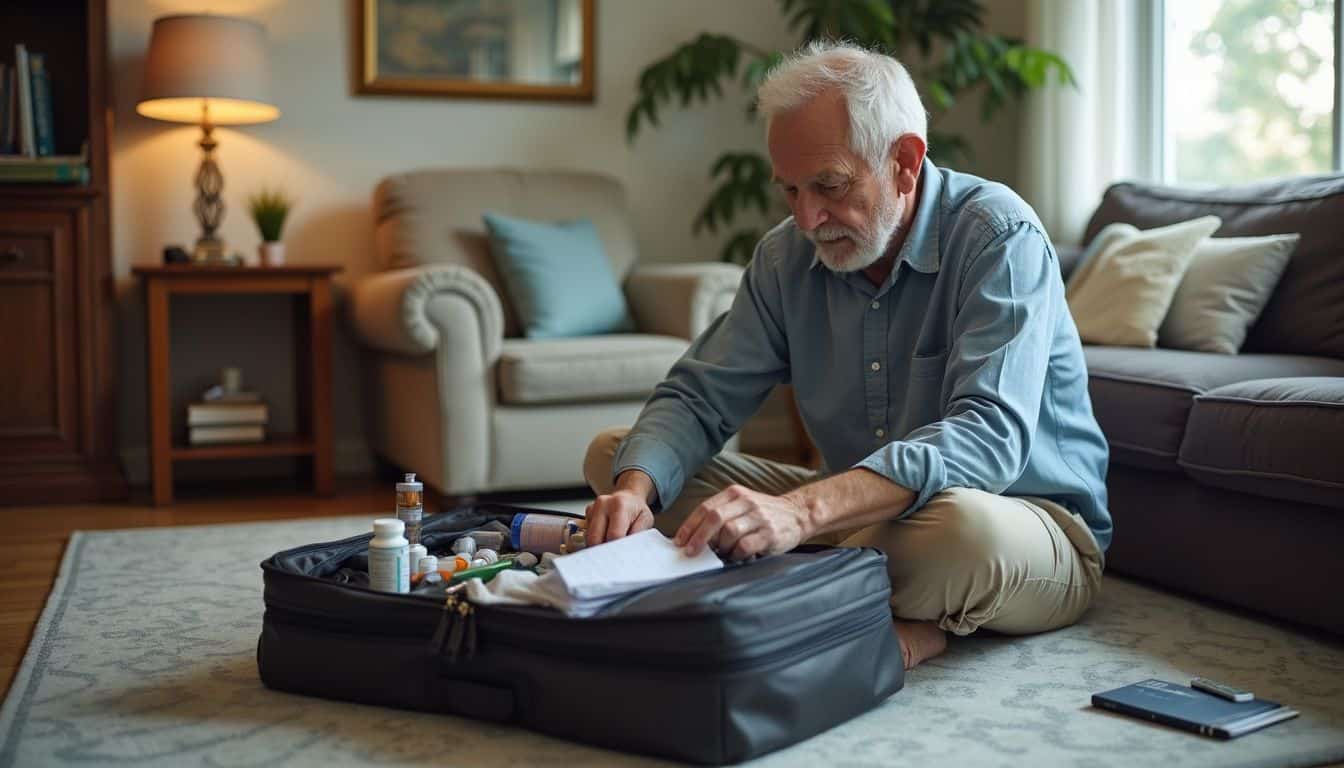
Traveling with elderly parents requires some smart packing. I learned this the hard way after forgetting Dad’s favorite hat on our Florida trip, a mistake he cheerfully reminds me of to this day.
- Necessary Medications: Pack all medicines in their original, labeled bottles. It’s a good idea to split them between your carry-on and a checked bag, just in case one gets lost.
- Copies of Prescriptions: Some security checkpoints or customs officials may ask for proof for certain medications.
- Extra Clothes: Include at least two full changes of clothes. An extra sweater is always a good idea for chilly airplanes.
- Comfortable Footwear: Pack shoes that are easy to slip on and off. Comfort is far more important than style when you’re traveling.
- Hygiene Items: Wet wipes, gloves, and hand sanitizer are great to have on hand for quick clean-ups.
- Incontinence Items: If this is relevant for your parent, packing what they need will save a lot of stress during your trip.
- Important Documents: Carry up-to-date IDs, health insurance information, and a written list of emergency contacts, don’t just rely on your phone.
- Medical Information: Keep a list of current medical conditions, allergies, daily medications, and the prescribing doctor’s contact details.
- Luggage Tracker: Consider placing an Apple AirTag or Tile tracker in your parents’ luggage for extra peace of mind.
- Recent Photo: Keep a recent color photo of your parent in your wallet. It can be incredibly helpful if you get separated in a crowded place.
Choosing the Right Destination

Try to pick a place where your parents can enjoy themselves without dealing with long walks or steep stairs. Think museums, golf courses, or botanical gardens. Make sure the local transportation and hotels can accommodate wheelchairs and walkers if needed.
Which destinations offer senior-friendly activities?

Alaska is a fantastic option for older travelers, offering incredible whale watching opportunities, gentle hikes, and sightseeing cruises that are easy to access. For a different vibe, New Orleans has cozy jazz venues and flat streets in the French Quarter that are perfect for a leisurely stroll.
National parks like Yellowstone National Park and the Grand Canyon offer guided tours with plenty of benches along the paved paths. If you want a more structured experience, tour companies like Road Scholar specialize in expert-led trips to UNESCO World Heritage Sites, ensuring each day is full of discovery but never exhausting.
During a trip to Italy with my dad, we discovered that many museums in Rome offer senior-priced tickets and have chair lifts for steep sections. Switzerland was another pleasant surprise, with family-friendly train routes that let Grandpa enjoy stunning mountain views from a comfortable seat.
In Asia, Japan stands out with its safe crosswalks and Tokyo’s beautiful gardens, which feature plenty of shaded walking paths. In Thailand, we found that many temples offered step-free access, and Mom really appreciated the rest areas near the local food stalls.
What weather conditions should seniors avoid when traveling?

After you’ve found a great destination, it’s smart to check the weather forecast. Extreme heat can be dangerous for seniors, who are at a higher risk of heat exhaustion and heatstroke because their bodies don’t cool down as efficiently.
I learned this firsthand on a summer trip to Orlando. My dad went from being a happy explorer to feeling dizzy in less than an hour as the temperatures climbed above 90°F. High humidity makes it even tougher for the body to cool itself, which can quickly push an older adult past their limit.
It’s best to avoid traveling during major heat waves or to tropical destinations where it’s hard to escape the sun. A good rule of thumb is to use a weather app to monitor not just the temperature, but also the UV index and humidity levels.
Plan your outings for the morning or late afternoon when it’s cooler. If you do go to the beach, make sure you have an umbrella for shade and limit time in the direct sun.
Nothing ruins a vacation like spending it fighting off overheating instead of enjoying yourself.
How do I find accessible transportation and accommodations?

With more than 70% of travelers over 50 requiring some form of mobility help, knowing where to find accessible options is key. Cities like Amelia Island, Florida, are very welcoming, with ADA-compliant beach mats and wheelchair-friendly boardwalks.
For booking, specialized websites can be a lifesaver. Platforms like accessibleGO and Wheel the World allow you to filter hotels by specific needs, such as roll-in showers or rooms without steps, before you book. This takes the guesswork out of finding a comfortable place to stay.
When you arrive, you can often book accessible ride services like UberWAV directly through their apps. Destinations known for being senior-friendly, like Branson, Missouri, have attractions like the Titanic Museum and Silver Dollar City that are designed for wheelchairs and walkers.
In Scottsdale, Arizona, over 70 hotels partner with platforms like accessibleGO to list their accessible features, making it easy to find a room with grab bars in the bathroom. Taking a little time to research these options beforehand can make the entire trip smoother and more enjoyable for your parents.
Vacation Ideas for Elderly Parents
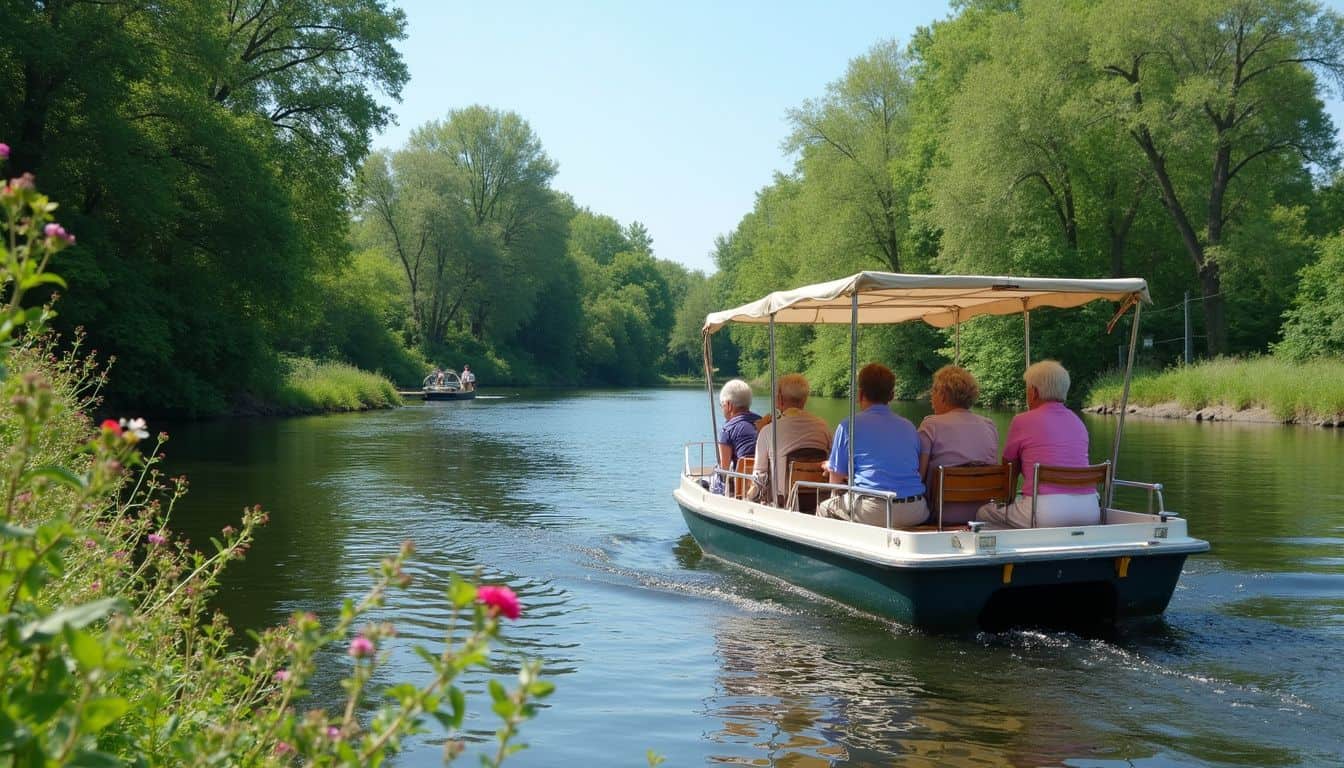
Focus on laid-back trips that prioritize comfort. Think about options like river cruises, local gardens, or sunny beaches where there’s minimal walking and plenty of shade.
What are the benefits of all-inclusive beach resorts for seniors?

All-inclusive beach resorts are a fantastic, low-stress option for elderly travelers. Places like Beaches Negril in Jamaica bundle meals, activities, entertainment, and lodging into a single price.
This means no one has to worry about splitting checks or carrying a wallet around. The on-site staff ensures that help is always available, and many resorts even have medical facilities on the property for extra peace of mind.
The costs are predictable since everything is covered upfront, so you rarely have to deal with surprise fees on the final bill. Best of all, everyone has direct access to gentle beaches, poolside lounging, and shaded hammocks without needing to take long treks across the property.
Social travel networks like The Freebird Club can also connect seniors with like-minded travelers, creating opportunities to share stories and a laugh over dinner.
“At Beaches Negril, my parents felt cared for every step of the way—meals, help, and easy fun, all in one package.”
Are cruises suitable for elderly travelers with special needs?

Cruises are another excellent choice for seniors. Modern cruise lines have put a lot of effort into accessibility. Companies like Royal Caribbean and Holland America Line are well-regarded for their services for guests with special needs.
These cruise lines offer features that make a big difference:
- Accessible Staterooms: These rooms have wider doorways (at least 32 inches), roll-in showers, grab bars, and a five-foot turning radius for easy maneuverability.
- Onboard Assistance: Crew members are trained to assist with mobility and can help arrange services if you notify them in advance.
- Medical Facilities: Onboard medical teams are equipped to handle health issues, which provides a great sense of security for many families.
Many ships also use identification wristbands to help keep track of seniors, ensuring their safety on board. If your parents are new to cruising, it’s a smart idea to start with a shorter three- to five-day itinerary to see how they like it before booking a longer voyage.
Which scenic train rides are ideal for seniors?

The Glacier Express in Switzerland is famous for its breathtaking journey through the Alps, offering views of snow-capped peaks and serene valleys. In Canada, the Rocky Mountaineer lets travelers experience the wild beauty of forests and rivers from spacious, comfortable seats. A two-day trip in their SilverLeaf service can start at around $1,725 USD per person.
In the U.S., the Amtrak Coast Starlight provides a stunning ride along the West Coast, where seniors can watch the Pacific Ocean and evergreen forests pass by without any effort. For a touch of luxury, the Palace on Wheels in India treats guests to fine dining and guided tours of historic cities.
These train trips are perfect for seniors with limited mobility. Most popular routes feature ramps, wide aisles, and spacious restrooms. A scenic train ride eliminates the hassles of driving and navigating, allowing you to simply relax and enjoy the view as the world drifts by your window.
What national parks have guided tours for elderly visitors?

Many seniors love the fresh air and grandeur of a national park. Parks like the Grand Canyon, Yellowstone National Park, Denali, Zion, Great Smoky Mountains, Acadia, and Yosemite are excellent choices because they offer guided tours specifically for older adults.
These tours are often led by expert park rangers and naturalists. They range from gentle strolls along paved paths, like the boardwalks around Old Faithful in Yellowstone, to more adventurous routes for those who are feeling active. The South Rim of the Grand Canyon, for example, is largely paved and accessible, making it a great spot for sightseeing.
The tour company Road Scholar organizes senior-friendly trips that handle all the logistics. These guided vacations typically last six to ten days and cover everything from lodging in cozy park cabins to transportation. This allows seniors to experience the beauty of nature without the stress of planning every detail.
How can botanical garden visits be enjoyable for seniors?

Botanical gardens offer a peaceful and beautiful setting for a low-key outing. They are enjoyable year-round, from the new blooms of spring to the colorful leaves of fall.
To make the visit as pleasant as possible, try to go in the morning during the summer to avoid the biggest crowds and the worst of the heat. Don’t forget to bring water and a hat.
Look for gardens known for their accessibility. For example, Longwood Gardens in Pennsylvania has beautifully paved trails and offers scooter rentals and guided tram tours, making it easy for visitors with limited mobility to see the sights. Benches are usually placed along the paths, providing perfect spots to rest, chat, and enjoy the scenery.
A visit to a botanical garden provides gentle exercise, which is great for keeping joints healthy and boosting mood, all without the need for a gym.
What should I know about riverboat tours for elderly parents?

A riverboat tour is another wonderfully relaxing option for elderly parents. The boats move along calm waters, which makes for a smooth and easy journey, especially for those with mobility issues.
Companies like Viking River Cruises are popular for a reason. The smaller boats create a friendly, almost family-like atmosphere. My dad still talks about the great conversations he had with other guests over coffee on the deck. The onboard chefs prepare delicious meals every day, so you don’t have to worry about finding restaurants.
Most tours include daily excursions that cater to different energy levels, such as scenic bus rides through charming towns or gentle walks along the riverbank. River cruises generally involve much less walking than typical city sightseeing trips, which keeps the activities low-stress and enjoyable for everyone.
Which museums and theaters offer senior-friendly tours?
Many world-class museums are well-equipped for senior visitors. The Metropolitan Museum of Art in New York and the Art Institute of Chicago both offer guided tours and have wheelchairs available on-site. The Met even has special programs, like “Met Escapes,” designed for individuals with dementia and their caregivers.
In Paris, museums like the Musée d’Orsay and the Centre Pompidou will loan you a wheelchair for free with a driver’s license, which is a huge help on those cobblestone streets.
When it comes to theater, Broadway theaters often provide early seating for guests who need a little more time to get to their seats. Ushers are usually happy to bring a program directly to you. Many local symphony halls and playhouses also reserve seats near exits and accessible restrooms, making for a much less stressful evening out.
How can golf vacations provide relaxation for elderly parents?
Golf vacations are a great way for older parents to relax, stay active, and enjoy some fresh air. Walking the fairways at renowned courses like Pebble Beach or Pinehurst offers moderate exercise, which studies have shown is beneficial for heart health in people over 60.
Opting for an all-inclusive golf resort means all the details are handled for you, from meals to tee times. This takes the planning stress off your shoulders. There’s something incredibly peaceful about watching the sunrise over a quiet green.
The slow pace of golf makes it easy to have conversations while strolling from hole to hole. My uncle Joe, who is 72, always says he laughs more on the golf course than anywhere else. Many clubs offer carts, so no one has to walk more than they’re comfortable with. These courses are often set in beautiful, serene locations, which is great for mental wellness.
Tips for a Smooth Vacation

Pace your days to include plenty of rest and prevent everyone from getting worn out. Keep a day bag stocked with a medical info card, snacks, and a water bottle for easy access.
How do I pace an itinerary to allow rest breaks?
A good rule to follow is the “one big thing a day” principle. Schedule the most demanding activity, like a museum tour or a city walk, for the morning when everyone has the most energy. This leaves the afternoon open for downtime.
A nap by the hotel pool or a slow walk through a nearby park can do wonders to recharge everyone’s batteries. I found that my dad could enjoy Disneyland for much longer once we started building in an hour-long break for lunch in the shade every two hours.
Choose shorter travel days and try to limit your sightseeing to two or three main attractions per day. The goal isn’t to see everything, but to enjoy what you do see. Staying longer in fewer locations helped my mom enjoy our trip without feeling rushed or exhausted.
Why is hydration and nutrition important during senior travel?
Older adults can become dehydrated more quickly, especially when traveling. Dehydration is serious, it can land you in the hospital and make chronic health issues worse. Men should generally aim for about 2.0 liters of fluids each day, while women need around 1.6 liters.
I learned my lesson at Mount Rushmore after skipping water refills and ending up with a terrible headache. Remember that water, juice, and even broth all count as fluids.
Good nutrition is also key to keeping digestion regular, which can often be a problem on trips. Pack high-fiber snacks like fruit, nuts, or granola bars to have on hand instead of relying on heavy fast food. Eating healthy helps maintain stable blood pressure and keeps energy levels up for all the fun activities you have planned.
How should medications be carried during
Handling medication while traveling requires a bit of careful planning. The number one rule is to never put essential medications in a checked bag. That’s a risk you just don’t want to take.
- Keep all medications in your carry-on bag. This gives you immediate access and protects you from lost luggage or flight delays.
- Bring extra doses. Always pack enough for the entire trip, plus at least a week’s extra in case of unexpected changes to your travel plans.
- Talk to their doctor. Consult their healthcare provider about adjusting medication schedules for different time zones. An app like Medisafe can be helpful for sending reminders.
- Use a travel cooler. If any medications need to be kept cold, use a small cooler bag and bring a doctor’s note explaining why it’s necessary. This will help at airport security.
- Declare liquid medications. The TSA allows medically necessary liquids in amounts larger than 3.4 ounces (100 ml), but you need to declare them at the checkpoint to make the process smoother.
- Use original prescription bottles. This helps customs officers and security personnel verify that the medications are legitimate.
What emergency contacts should I keep handy?
It’s a good idea to have a list of important contacts stored in multiple places, not just on your phone. Keep a physical copy in your wallet and another in your travel bag.
Your list should include:
- Close family members.
- Your parents’ primary care doctor and any medical specialists, like their cardiologist.
- For international travel, the phone number for the nearest U.S. embassy or consulate.
A fantastic free resource for international travel is the Smart Traveler Enrollment Program (STEP). By enrolling your trip with the U.S. State Department, you’ll receive safety alerts for your destination, and it makes it much easier for the embassy to contact you in an emergency.
Also, slip an emergency info card into your parent’s wallet. This is especially important if memory loss is a concern. The card should list their name, any major health conditions, allergies, and your contact number.
How Will Planning a Vacation with Elderly Parents Change in 2025?

One trend to be aware of is that some agencies providing care for elderly parents now recommend booking travel support services up to 90 days in advance. Planning ahead is becoming more important.
Also, be prepared for more technology at the airport. Airlines and railways are increasingly using digital boarding passes, so having a charged smartphone is essential. And a quick heads-up: starting May 7, 2025, you’ll need a REAL ID-compliant driver’s license or another approved form of ID to fly within the U.S.
For trips to Europe, remember that many cities have cobblestone streets and steep stairs. It’s wise to pack lighter bags with durable wheels to make getting around easier.
Choosing a hotel that is centrally located and close to the main attractions can save a lot of energy and make your trip much more enjoyable. With some thoughtful planning, you can navigate these changes and continue to make incredible memories with your parents.
People Also Ask
What are some good vacation ideas for elderly parents who want a low-stress trip?
Consider an all-inclusive trip with a company like Viking River Cruises, where daily tours and meals are handled for you. A scenic train journey, such as one on the Rocky Mountaineer, lets your folks enjoy incredible views from a comfortable seat. These options take the planning stress off your plate so everyone can relax.
How can I make travel easier for my aging parents?
Book direct flights and call the airline at least 48 hours ahead to request free wheelchair assistance through the airport. Also, consider signing them up for TSA PreCheck; travelers 75 and older can leave on their shoes and a light jacket, which makes security much faster.
Are there safe destinations that cater to older travelers?
Yes, many national parks like Zion and the Grand Canyon offer paved trails and free shuttle buses to major viewpoints. Beach resorts from brands like Hyatt Ziva are often built on flat ground and provide golf cart shuttles to get from the room to the pool or restaurants.
What should I consider before planning a trip for my elderly mom and dad?
Before you go, confirm their travel insurance covers pre-existing conditions and plan for only one major activity each day to keep the pace comfortable.
References
https://www.beaches.com/blog/vacation-ideas-elderly-parents/ (2025-03-16)
https://homecare-aid.com/tips-for-hassle-free-travel-with-older-parents/ (2024-08-26)
https://www.aarp.org/travel/travel-tips/safety/vacationing-with-older-adults/
https://ambercourtal.com/senior-travel/
https://www.roadscholar.org/browse-collections/populardestinations/
https://www.aarp.org/travel/travel-tips/safety/tips-for-traveling-in-summer-heat-and-humidity/
https://www.aarp.org/travel/destinations/accessible-vacation-destinations/
https://freebirdclub.com/article/all-inclusive-vacations-for-seniors-benefits-best-places/
https://www.agingcare.com/articles/cruise-tips-for-elderly-150746.htm
https://lakehousecoldwater.seniorlivingnearme.com/blog/discover-scenic-rail-journeys-for-retirees
https://www.roadscholar.org/collections/national-parks/
https://www.facebook.com/groups/1031095493709443/posts/3182350381917266/
https://terrabellaseniorliving.com/senior-living-blog/the-advantages-of-visiting-botanical-gardens-for-seniors/ (2024-11-13)
https://www.facebook.com/groups/RickStevesEurope/posts/896090477773243/
https://pmc.ncbi.nlm.nih.gov/articles/PMC5256129/
https://www.familynursingcare.com/traveling-with-aging-loved-ones-tips-for-a-smooth-summer-vacation/ (2025-06-19)
https://pmc.ncbi.nlm.nih.gov/articles/PMC10255140/
https://pmc.ncbi.nlm.nih.gov/articles/PMC9623173/
https://www.bannerhealth.com/healthcareblog/advise-me/traveling-with-medications (2021-12-14)
https://www.ncoa.org/article/safe-travel-tips-for-older-adults/
https://www.touchinghearts.com/blog/travel-tips-for-seniors-safe-and-stress-free-trips/ (2025-07-23)