
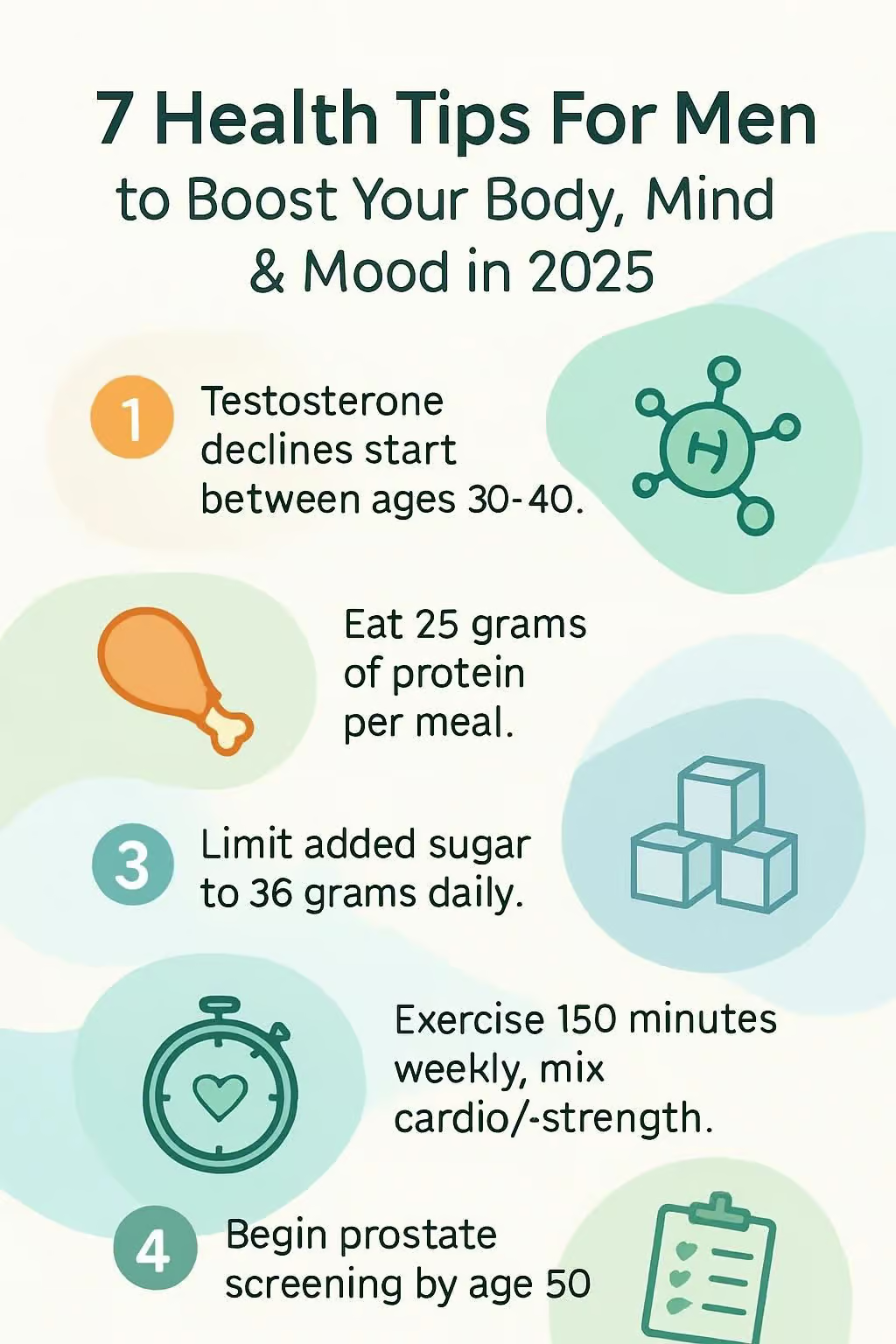
Feeling tired, moody, or noticing some unwanted weight gain? I get it. Around age 30 to 40, a man’s testosterone naturally begins to drop. This shift can mess with your mood, strength training results, where your body stores fat, and even your sex drive.
But you don’t have to just accept it. This guide shares simple but effective health tips for men to help you boost your body, mind, and mood in 2025. Read on for easy ways to feel stronger and healthier, starting today.
Key Takeaways
Men’s testosterone levels often start declining between ages 30 and 40. This drop can weaken mood, strength, libido, and increase body fat.
Boost protein intake to around 30 grams per meal, add daily fiber (about 25-38 grams), choose healthy fats, and limit added sugar to no more than 36 grams a day.
Aim for at least 150 minutes of physical activity every week, mixing cardio with strength exercises, and avoid sitting for more than a few hours at a time.
Combat stress with relaxing hobbies, meditation apps like Calm or Headspace, or gentle stretches. Managing stress is key to protecting testosterone levels.
Get regular health checkups. Men over 50 should have a physical every year. Start prostate screening by age 45-50, or sooner if prostate problems run in your family.
Table of Contents
Maintain a Balanced Diet

What you put on your plate is the foundation for everything else. Good nutrition is the starting point for all the other health goals you want to hit in 2025.
Prioritize protein, fiber, and healthy fats
I’ve found that most guys overlook three key nutrients for peak health: protein, fiber, and healthy fats. Protein is crucial for building muscle, boosting strength, and keeping you feeling full.
A good rule of thumb is to aim for about 30 grams of protein at every meal. For context, a 3-ounce serving of chicken breast has about 26 grams, and a cup of Greek yogurt has around 23 grams. Spreading your intake throughout the day is more effective than having one huge high-protein meal.
Fiber is another area where most men fall short, with many getting less than half the recommended 25 to 38 grams daily. Adding more fiber from sources like black beans, avocados, and whole grains helps with weight control, improves digestion, and lowers your risk of heart disease.
And don’t fear fats, just choose the right ones. Healthy fats are vital for your body. They support brain health and can naturally boost testosterone. Great sources include avocados, nuts, fatty fish like salmon, and extra-virgin olive oil.
Recently, I started adding a handful of almonds to my morning oatmeal and noticed my energy levels at work stayed higher all morning. Simple changes make a real difference.
Eating balanced meals with these three nutrients helps keep your cholesterol and blood pressure in check. Smart food choices support both physical health and clear thinking, especially when you practice techniques like mindful eating.
Limit added sugars and refined carbohydrates
While protein, fiber, and healthy fats build your body up, excess sugar and processed carbs can tear it down. High sugar intake has been shown to hurt testosterone levels, so keeping it low is important.

The American Heart Association recommends men limit added sugars to no more than 36 grams (about nine teaspoons) per day. To put that in perspective, a single 12-ounce can of soda can contain up to 39 grams of sugar, exceeding your entire daily limit.
The food you eat can be either the safest and most powerful form of medicine or the slowest form of poison.
Refined carbs like white bread, pastries, and many breakfast cereals cause sharp blood sugar spikes, which often lead to an energy crash that leaves you tired and irritable. These processed carbs are often hidden in packaged snacks and can contribute to extra belly fat, known as visceral fat. This type of deep abdominal fat is particularly dangerous, as it surrounds your organs and increases the risk for type 2 diabetes and heart disease.
Making simple swaps can protect you. Choose whole-grain bread over white, and grab a piece of fruit instead of a candy bar. Even when you’re away from home, you can maintain these healthy eating habits even in a hotel.
Stay Physically Active

Regular movement keeps your body strong, your mind sharp, and your energy levels high. Consistent exercise is one of the most powerful tools you have to fight off disease as you age.
Engage in regular exercise
The goal is to build a sustainable routine that keeps you healthy and strong. Here are a few tips to make exercise a consistent part of your life.
- Aim for 150 Minutes Weekly: The CDC recommends at least 150 minutes of moderate-intensity activity each week. That breaks down to just 30 minutes a day, five days a week.
- Mix It Up: Combine cardio (like brisk walking, jogging, or cycling) with strength training. Cardio is great for your heart, while resistance training is proven to reduce visceral fat and increase testosterone production.
- Find Something You Enjoy: You’re more likely to stick with it if it doesn’t feel like a chore. Whether it’s hiking, swimming, or playing a sport, find an activity you genuinely like.
- Use Technology: Track your progress with an app like Strava or MyFitnessPal. Seeing your improvements in strength or stamina is a powerful motivator.
- Listen to Your Body: Pay attention to signals to avoid injuries. Muscle soreness is normal, but sharp pain is a sign to stop and rest.
Avoid prolonged sedentary habits
Many of us have jobs that keep us at a desk for hours. Unfortunately, sitting for too long can seriously damage your health. Some studies have found that sitting for more than eight hours a day with no physical activity carries a risk of dying similar to that of obesity and smoking.
I noticed my own energy tanks after just a couple of hours at my desk. Your body is designed to move.
Motion is lotion for your body. Regular movement throughout the day keeps your systems running smoothly.
Breaking up long periods of sitting is critical. A 2024 Australian study found that men with high sitting times and low physical activity had a 47% higher risk of all-cause mortality. Try to stand up, stretch, or walk around for a few minutes every half-hour. I set a simple timer on my phone as a reminder.
Small adjustments can make a big impact. Consider a standing desk, like one from a company called Vari, or simply pace around your office during phone calls. These habits help lower your risk of weight gain, high blood pressure, and heart disease over time.
Prioritize Mental Health

Your mental health is just as important as your physical health. Men often try to “tough it out” and ignore stress, but that can lead to bigger problems down the line. A 2025 report from the Bupa Wellbeing Index showed that nearly a third of men say their mental health is suffering.
Manage stress effectively
Chronic stress has a real physical impact. It raises cortisol levels, which can suppress testosterone, drain your energy, and tank your mood. I discovered that taking just ten minutes a day to meditate using an app like Calm or Headspace made a huge difference in my stress levels.

Finding a relaxing hobby you enjoy, whether it’s fishing, woodworking, or listening to music, is also a great way to decompress. According to the American Psychological Association’s 2025 Stress in America™ report, men report an average stress level of 4.8 out of 10. Simple practices can help lower that number.
One powerful technique is “box breathing,” used by Navy SEALs to stay calm under pressure. You simply inhale for four seconds, hold for four, exhale for four, and hold for four. It’s a simple, effective tool you can use anywhere.
It’s also important to avoid negative internal chatter. For more on that, check out this article on avoiding unkind self-talk.
Ensure adequate sleep
Sleep is when your body repairs itself, and it’s absolutely essential for good health. Most men need around seven to eight hours of quality sleep per night to maintain physical and mental wellness. It’s during this deep rest that your body lowers blood pressure and your muscles repair themselves.
Many of us sacrifice sleep to fit more into our day, but this habit slowly chips away at our health. Poor sleep is linked to weight gain, mood swings, and a decreased sex drive. When I have trouble sleeping, I’ve found it’s often because of a lack of a consistent routine.
- Set a Consistent Bedtime: Going to bed and waking up around the same time each day helps regulate your body’s internal clock.
- Create a Restful Environment: Keep your bedroom dark, cool, and quiet.
- Power Down Electronics: The blue light from phones and screens can interfere with melatonin production, the hormone that controls sleep. Turn them off at least an hour before bed.
- Consider a Tracker: A wearable device like an Oura Ring or WHOOP strap can provide valuable data on your sleep quality, helping you identify patterns and make improvements.
Focus on Preventive Health
One of the biggest mistakes men make is waiting until something is wrong to see a doctor. Statistics show men are far less likely to seek preventive care than women. Regular health screenings can catch issues early, often before you even notice symptoms.
Schedule regular checkups
Think of checkups as an investment in your future health. They can spot problems early, when they’re much easier to manage. According to the Mayo Clinic Health System, males over 50 should have a yearly physical, while those younger than 50 should get one every three to five years.
Here’s a simple checklist for what to cover with your doctor:
- Annual Physical: Review your blood pressure, cholesterol, and weight. High blood pressure is a “silent killer” because it often has no symptoms.
- Heart Disease Risk: Discuss risk factors for heart disease and stroke, which remain the leading causes of death for men.
- Cancer Screenings: The U.S. Preventive Services Task Force recommends starting colorectal cancer screening at age 45. Ask your doctor about prostate cancer screening around age 50, or earlier if youhave a family history.
- Dental and Vision: See a dentist every six months and get your eyes checked every couple of years to screen for issues like diabetes or glaucoma.
- Vaccinations: Stay up-to-date on shots like the annual flu vaccine and tetanus boosters.
Monitor prostate and overall health
Prostate health becomes increasingly important for men over 40. Prostate cancer is the second most common cancer in men globally, so being proactive is key. I skipped my annual exam one year and was surprised when my doctor noted my blood pressure had crept up. It was a wake-up call.
Here’s how you can stay on top of it:
- Know the Symptoms: Be aware of common signs of prostate trouble, such as difficulty urinating, a weak stream, or frequent nighttime bathroom trips.
- Get the PSA Test: Talk to your doctor about the prostate-specific antigen (PSA) blood test. It’s a simple screening tool to assess your risk.
- Eat Prostate-Friendly Foods: Some research suggests that foods rich in lycopene, like tomatoes, and omega-3s, found in fatty fish like salmon, can support prostate health.
- Limit Red Meat: Some studies have linked high consumption of red and processed meat to an increased risk of prostate issues.
- Be Honest with Your Doctor: It can feel awkward, but be upfront about any changes or discomfort you experience. Early detection makes a huge difference.
How Will Men’s Health Evolve in 2025?

Men’s healthcare is changing fast, and by 2025, it’s going to be more convenient and personalized than ever. Technology is playing a huge role in making it easier for us to stay on top of our health.
One of the biggest shifts is the growth of telehealth and wearable devices. Tools like smartwatches and fitness trackers can now monitor everything from heart rate to sleep patterns in real-time, sending data directly to you and your doctor. According to Forbes, this integration with wearables is a key trend, allowing for earlier detection of potential issues.
Telemedicine makes it possible to have a video call with a doctor without leaving home, which is a game-changer for guys with busy schedules or those who feel uncomfortable in a clinical setting. We’re also seeing an expansion of at-home diagnostics, with companies like Everlywell offering kits to test everything from testosterone to food sensitivity.
Mental health is also getting more attention, with a new wave of apps and online therapy platforms making support more accessible and discreet. A 2023 study found that men who used mental health apps were 35% more likely to seek in-person help, showing how technology can be a bridge to care. The goal of all these innovations is simple: to make staying healthy a more seamless part of your daily life.
People Also Ask
What are the key elements of a healthy diet for men in 2025?
A healthy diet in 2025 focuses on whole foods: fruits, vegetables, lean proteins, and whole grains. A Mediterranean-style eating pattern is a great model, as it’s linked to better weight control, lower cholesterol, and improved heart health. The goal is to limit processed foods, which helps reduce the risk of chronic disease and keeps your energy levels stable.
How much physical activity do men need for good health?
The general recommendation is at least 150 minutes of moderate-intensity aerobic exercise, like brisk walking or cycling, plus two sessions of strength training each week. Regular workouts help manage blood pressure, reduce the risk of heart attack, and control body fat. Even short bursts of activity throughout the day are beneficial.
Why is weight management important for men’s health?
Keeping a healthy weight is crucial because it lowers your risk of serious conditions like heart disease, type 2 diabetes, high cholesterol, and certain types of cancer. Excess body fat, particularly around the belly (visceral fat), is metabolically active and can disrupt normal hormone function.
Can lifestyle changes help with urinary symptoms and erectile dysfunction?
Absolutely. For urinary issues, simple pelvic floor exercises can improve bladder control. Reducing caffeine and alcohol can also help. For erectile dysfunction, lifestyle changes like increasing physical activity, drinking less alcohol, and improving your diet often lead to significant improvements without needing medication.
How often should men get health checkups?
Men over 50 should see a doctor for a physical once a year. Men younger than 50 should go every three to five years, assuming they feel healthy. Regular visits help your doctor monitor key health markers like blood pressure and cholesterol, catching potential problems early when they’re easier to treat.
What role does mental health play in overall men’s health?
Mental and physical health are deeply connected. Chronic stress, poor sleep, and excessive drinking can harm both your body and your mind. Making time for relaxation, staying connected with friends, and talking about what’s on your mind are all key to good mental health. If you feel overwhelmed, reaching out to a professional is a sign of strength.
References
https://www.houstonmethodist.org/blog/articles/2023/jun/15-fitness-nutrition-tips-just-for-men/
https://www.healthline.com/nutrition/13-habits-linked-to-a-long-life
https://www.mayoclinic.org/healthy-lifestyle/fitness/in-depth/exercise/art-20048389
https://www.health.harvard.edu/mind-and-mood/more-evidence-that-exercise-can-boost-mood
https://pmc.ncbi.nlm.nih.gov/articles/PMC7700832/
https://www.premiermedicalhv.com/news/manage-stress-and-boost-your-mental-well-being/
https://www.sleepfoundation.org/how-sleep-works/benefits-of-sleep
https://namimaine.org/start-fresh-tips-for-setting-achieving-mental-health-goals/
https://www.swgeneral.com/blog/2025/april/staying-healthy-for-the-long-haul-a-guide-to-men/ (2025-04-30)
https://www.worldclinics.net/en/blog-detail/men-s-health-prostate-health-preventative-care-and-more
https://feea.org/2024/06/mens-health-month/
https://thrivewellness.clinic/mens-health-trends-in-2025-innovations-and-insights-for-better-living/ (2024-12-30)