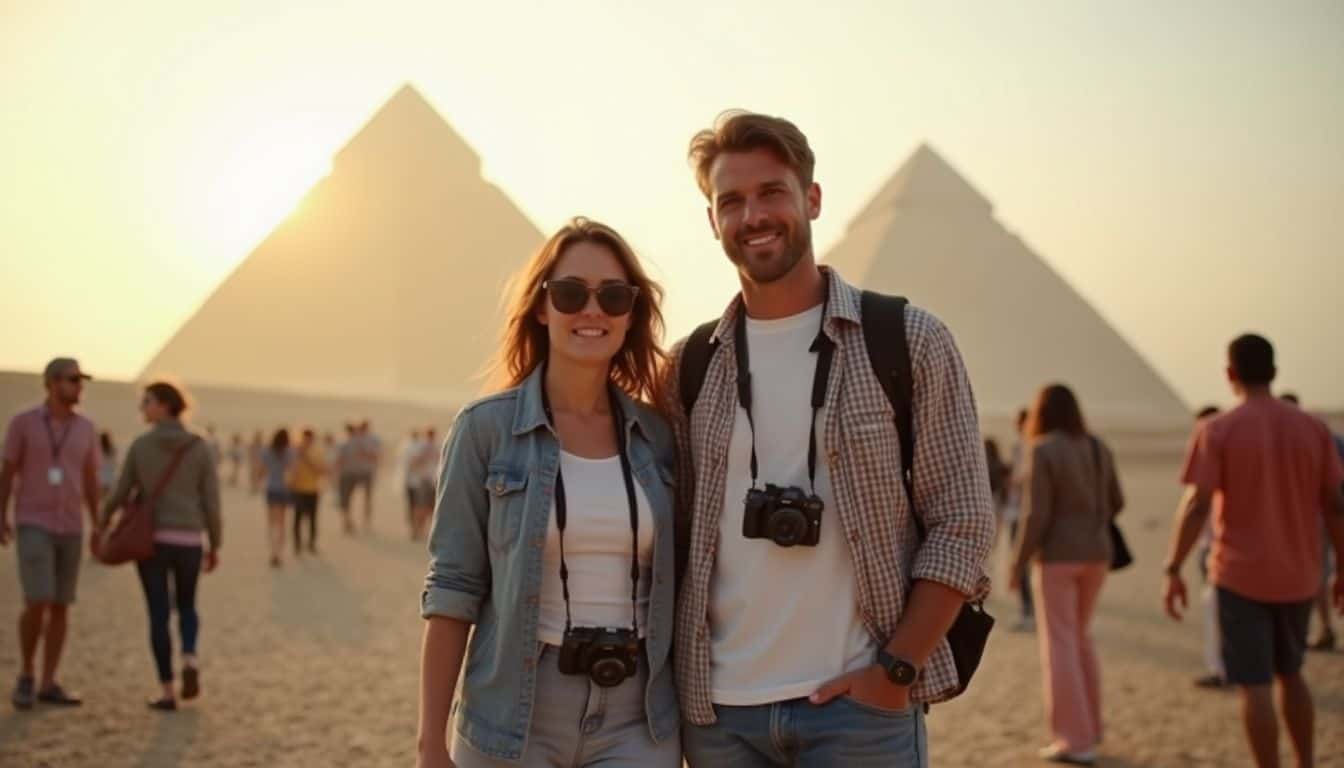
First time in Egypt? A little planning beats stress fast. These Egypt travel tips cover visas, money, safety, and culture.
Hit famous tourist attractions like Karnak Temple, Luxor, and Aswan with confidence. Start here, then build the trip you want.
This complete guide walks through visas, ATMs in Egypt, local customs, and the best SIM card options. You will want every tip we share.
Key Takeaways
Most visitors need a visa. Pay $25 for a visa on arrival or apply for an eVisa. Your passport needs six months of validity.
Buy travel insurance. Aim for at least $100,000 medical and $250,000 evacuation coverage, since U.S. plans usually do not work abroad.
Use Egyptian Pounds (LE) for daily costs. ATMs that accept Visa and MasterCard are common. Carry small bills for tips, called baksheesh, and markets.
Drink sealed bottled water, not tap water. Choose street food stands that look clean and busy.
Licensed guides are required under tighter 2025 rules. Book certified Egyptologists through approved operators for crowded sites like Giza and Luxor.
Table of Contents
Preparing for Your Trip to Egypt
Start by checking Egypt’s visa process for your passport. Pack light clothing for Cairo heat and more conservative towns.
Plan outfits that work for Abu Simbel and Sharm el-Sheikh. You will blend in better and feel comfortable across different regions.
What are the visa requirements for traveling to Egypt?
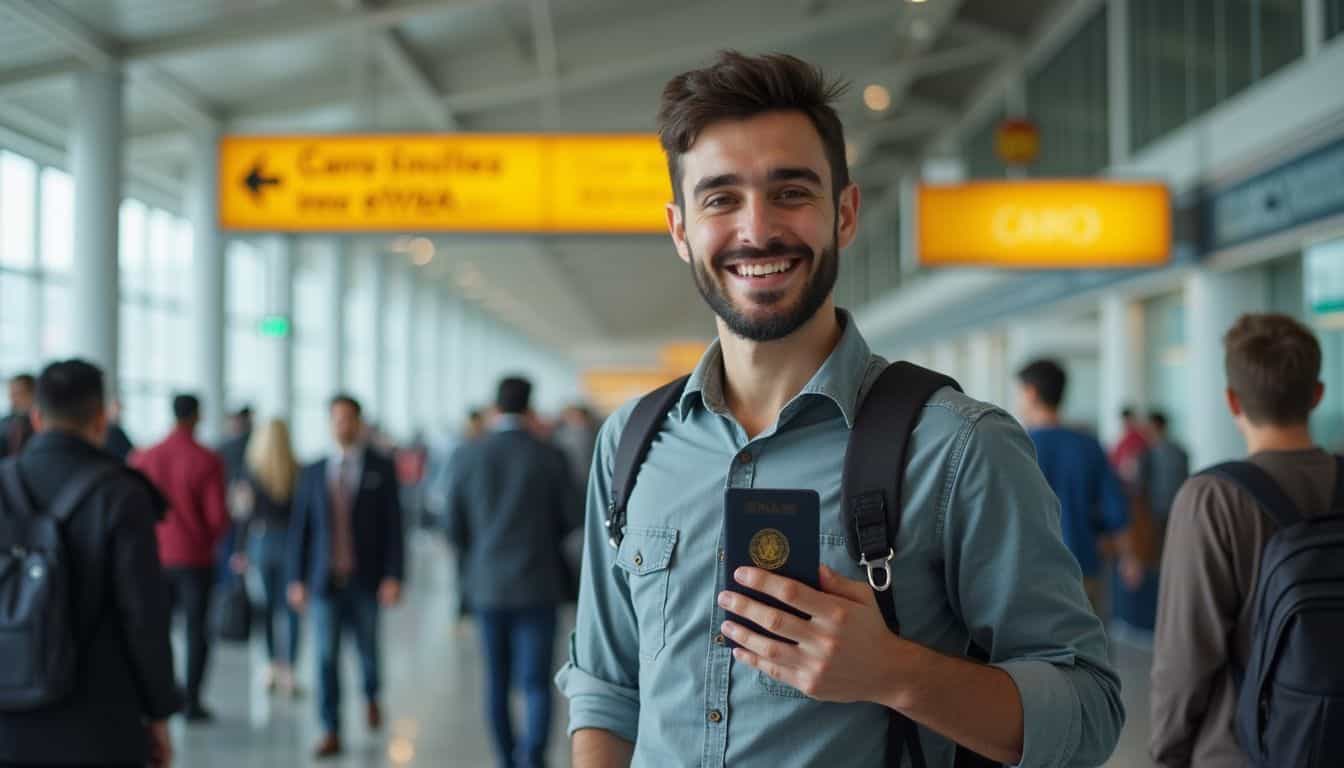
Most travelers need a visa. Many nationalities buy a visa on arrival for $25 at Cairo or Sphinx International Airport. Have exact cash ready for a faster line.
About 70 nationalities can use the eVisa system. Approval usually takes four business days. Your passport must be valid for six months beyond entry, with one empty page.
If planning repeat entries, choose a multiple-entry visa for $60. Some visitors can stay in Sinai resorts, like Sharm el-Sheikh, visa-free for up to 14 days.
Yellow fever proof is required only if coming from affected areas. For stays over 30 days, health tests may apply. Rules can change, so confirm with an embassy before travel.
“The peace of mind I felt walking through immigration with my eVisa already approved made everything smoother.”
Headed to Abu Simbel, Edfu Temple, or the Valley of the Kings? Check requirements early to save time at arrival. For guided tours that cover Giza and more, see Egypt Tours.
What clothing should I pack for Egypt?
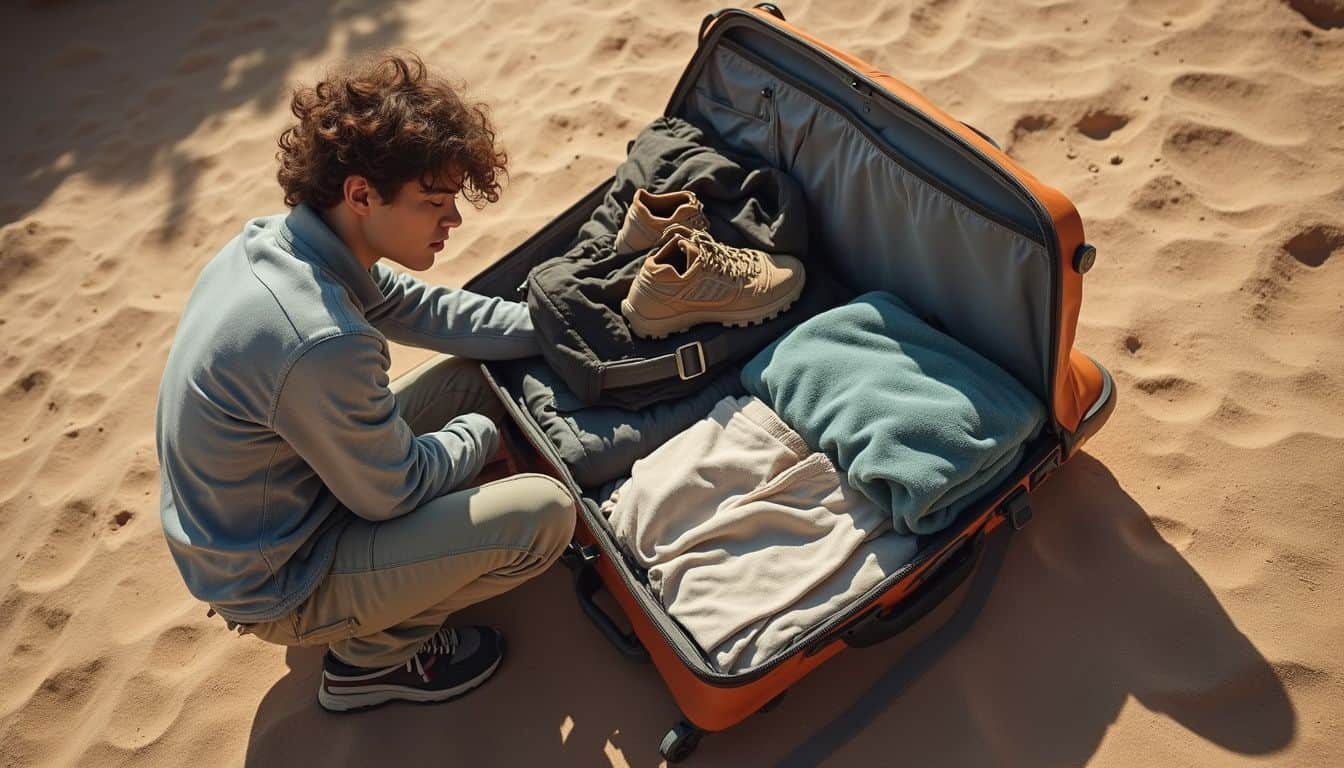
Choose lightweight clothing that covers shoulders and goes below the knee. Summer days in the South can hit 105°F, and nights stay warm.
Winter in Cairo can drop to 45°F in the morning, with highs near 63°F. Luxor may reach 80°F on sunny winter days. Pack a light fleece for cool evenings or desert wind.
Wear loose pants, longer shorts, and cotton shirts with sleeves. Avoid white, since dust shows quickly. Bring comfy walking shoes. Sneakers or sturdy sandals work well on ancient stone paths.
At mosques, men should wear long pants. Women should cover from ankle to elbow. A headscarf is optional unless a mosque requests it.
These outfits help in markets and on transit like trains, taxis, or microbuses. A Vodafone SIM card or other local SIM cards can help with maps and calls.
Next up: Should I get travel insurance for my Egypt trip?
Should I get travel insurance for my Egypt trip?
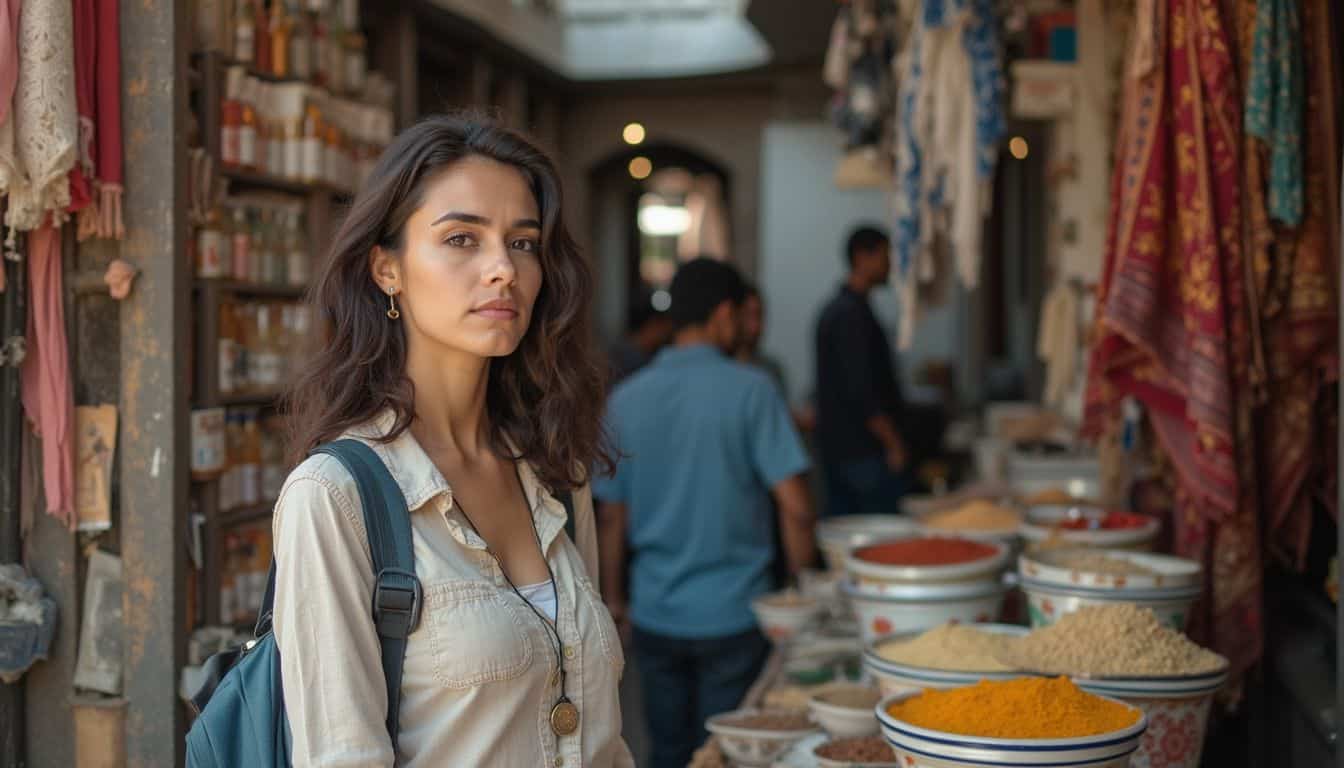
Yes, get it. Many U.S. plans stop at the border. A friend needed a doctor for a head cold and paid out of pocket. Costs add up fast without coverage.
Buy a policy with at least $100,000 for emergency medical expenses and $250,000 for evacuation. Egypt does not check for insurance at entry, but the risk is real.
Trusted providers include Allianz Travel Insurance or World Nomads. Delayed bags and canceled tours happen. A policy turns a mess into a simple claim.
Health and safety first. A hotel security guard is helpful, but insurance covers the big stuff. Keep digital copies of your policy.
How can translation apps help me in Egypt?

Translation apps remove stress. Download Arabic for offline use, which helps in smaller towns and oases.
Use voice tools to order a meal or ask for public restrooms. Point your camera at menus or street signs to read them in English.
Learn basic Arabic numbers for shopping. This helps with prices and a services charge question. English is common in tourist hubs, but less so in remote areas.
Navigating Egypt

Moving between sites gets easy with cash, cards, and clear plans. Keep a translation app handy for signs and quick chats.
How do I communicate if I don’t speak Arabic?
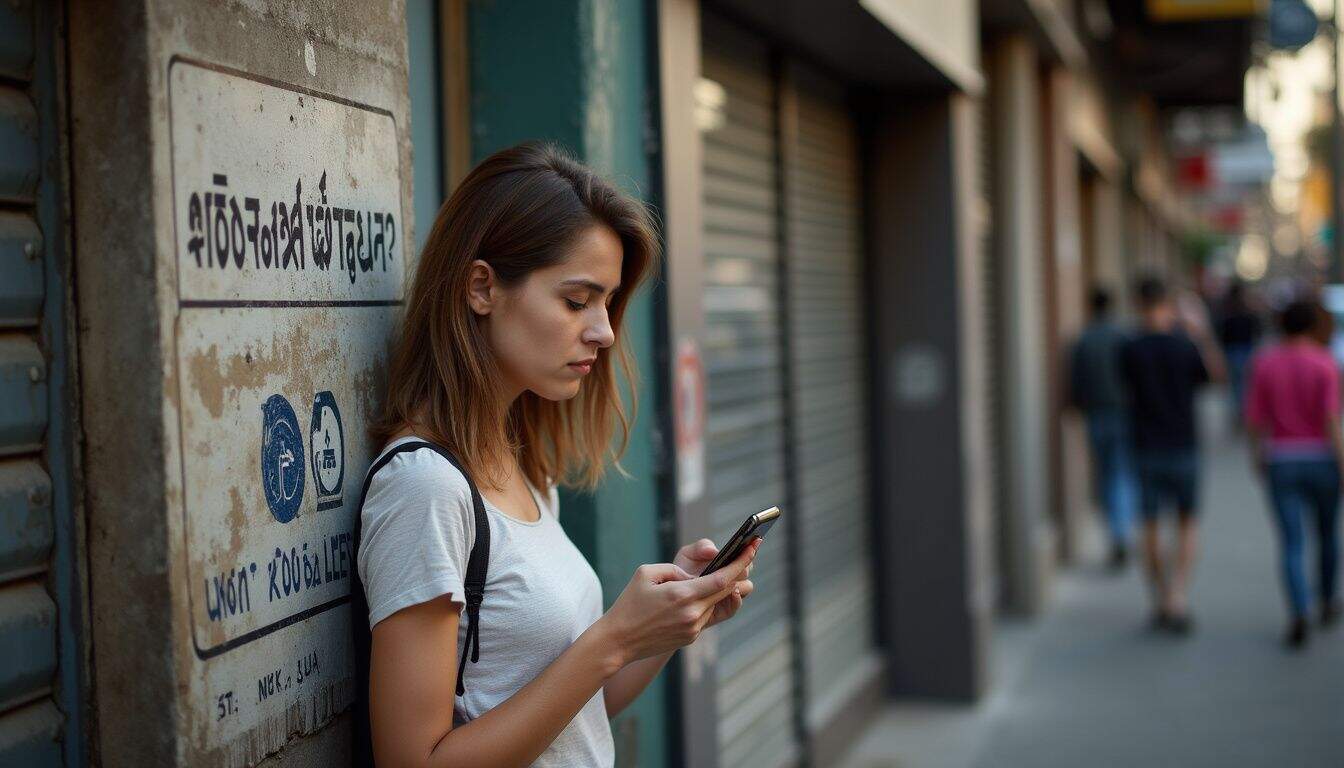 Standard Arabic is official. Egyptian Arabic is used daily. In Cairo and Luxor, hotel staff and licensed guides usually speak English.
On a recent Luton to Egypt Air flight, the crew used both English and Arabic. In smaller towns, expect less English. Smile and keep sentences short.
Try Google Translate. Snap a picture of a menu to decode dishes. Show your screen if needed to confirm orders.
Licensed guides help with prices and a service charge discussion. Simple gestures and finger counting work almost everywhere.
What currency is used and how do I use credit cards or ATMs?
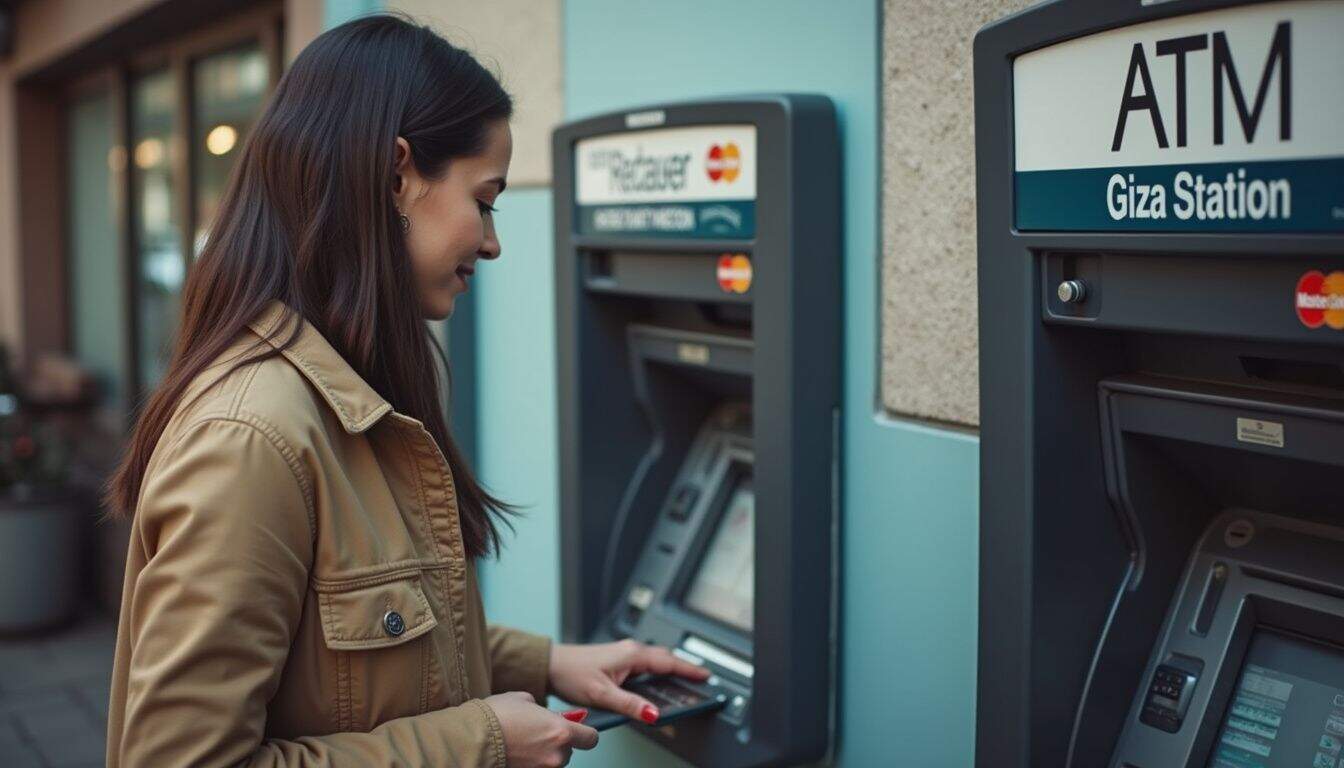
Egypt uses the Egyptian Pound, shown as “£” or “LE.” Exchange a little at the airport. Local banks in Cairo often have better rates.
Tourist restaurants and shops often take Visa or MasterCard. Markets and small kiosks want cash. Keep small bills for tips and taxis.
ATMs with Cirrus, MasterCard, or Visa are common. Many work with foreign cards for quick withdrawals.
Some hotel staff like tips in U.S. dollars. For street food or markets, carry Egyptian Pounds for fair prices.
“I withdrew 1,000 LE from an ATM outside Giza Station using my MasterCard, easy and safe.”
Getting around Egypt calls for knowing your transportation options next.
What transportation options are available in Egypt?
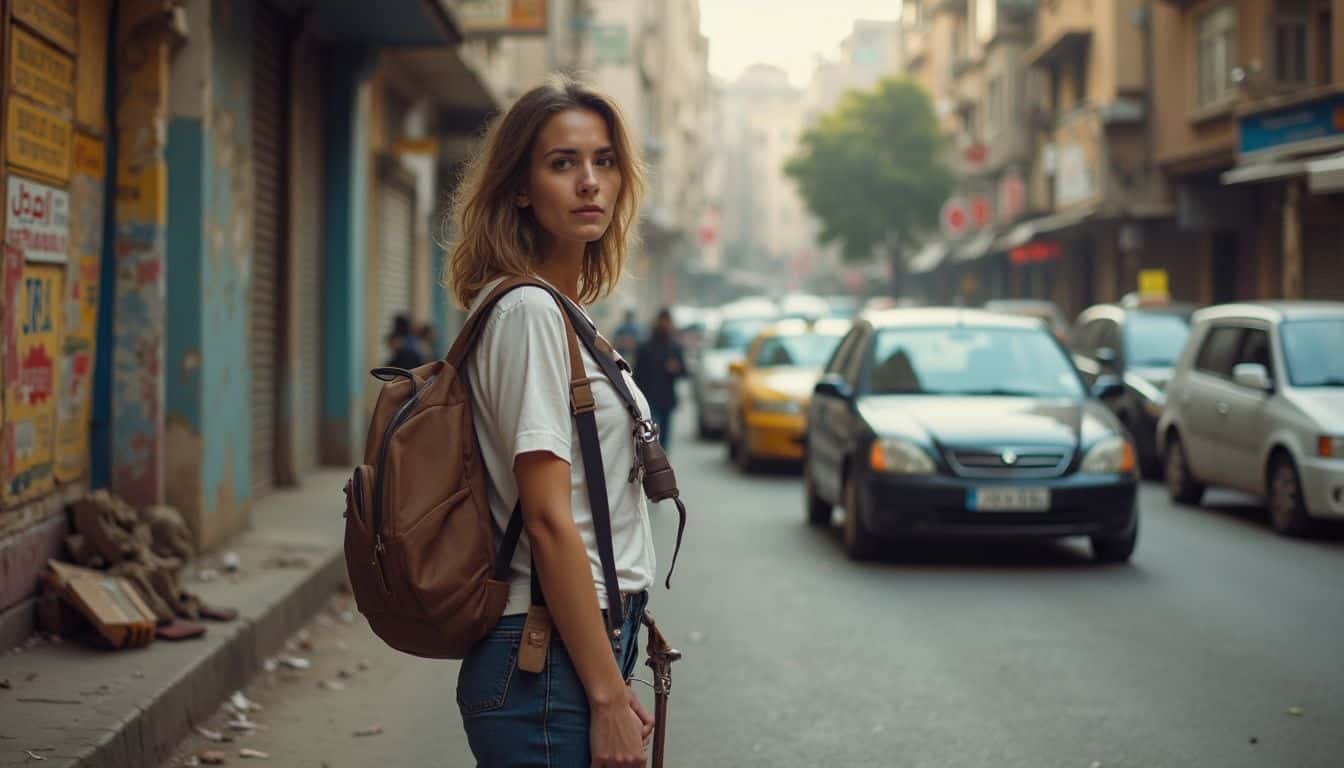
Egypt offers many ways to move between cities and sites. Each option has tradeoffs for cost, time, and comfort.
- Domestic flights save time on Cairo to Luxor or Aswan. Egypt Air is reliable and often affordable.
- Buses are the main intercity option. Companies like Go Bus run direct routes with clean vehicles.
- Trains cost less but can be crowded and slow. First class is cooler and more comfortable.
- The Cairo Metro is fast and cheap. Women-only cars operate during rush hours.
- Taxis work well in big cities. Agree on a fare first or use Uber or Careem to avoid scams.
- Car rentals give freedom but come with risk. Driving can feel chaotic with fast traffic and worn vehicles.
- Nile ferries cross between banks in Luxor and Aswan. Short rides offer great views.
- Cairo International Airport is busy. Allow extra time for lines and security checks.
For longer distances, modern buses often balance comfort and price well.
Safety and Security Tips
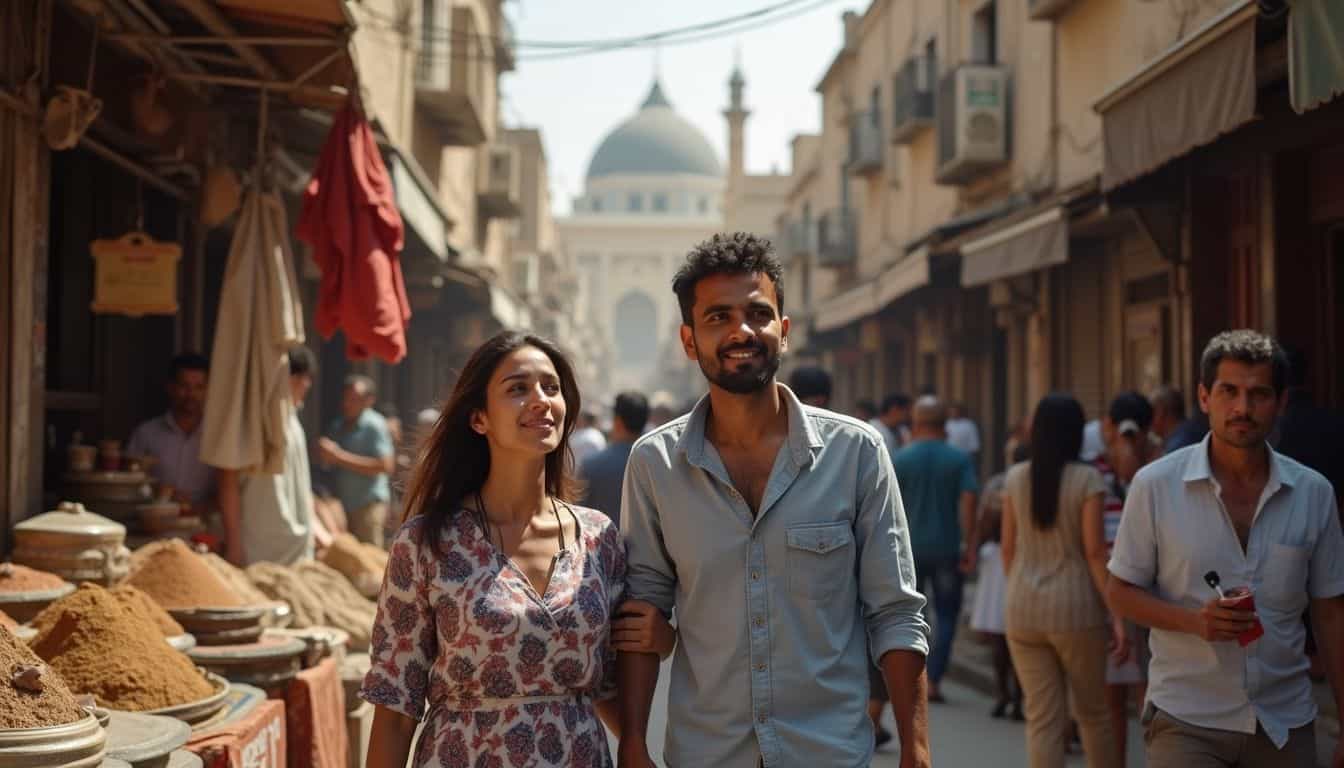
Stay alert in crowds and near big landmarks. Choose registered guides and trusted apps for bookings.
How can I stay aware of my surroundings in Egypt?
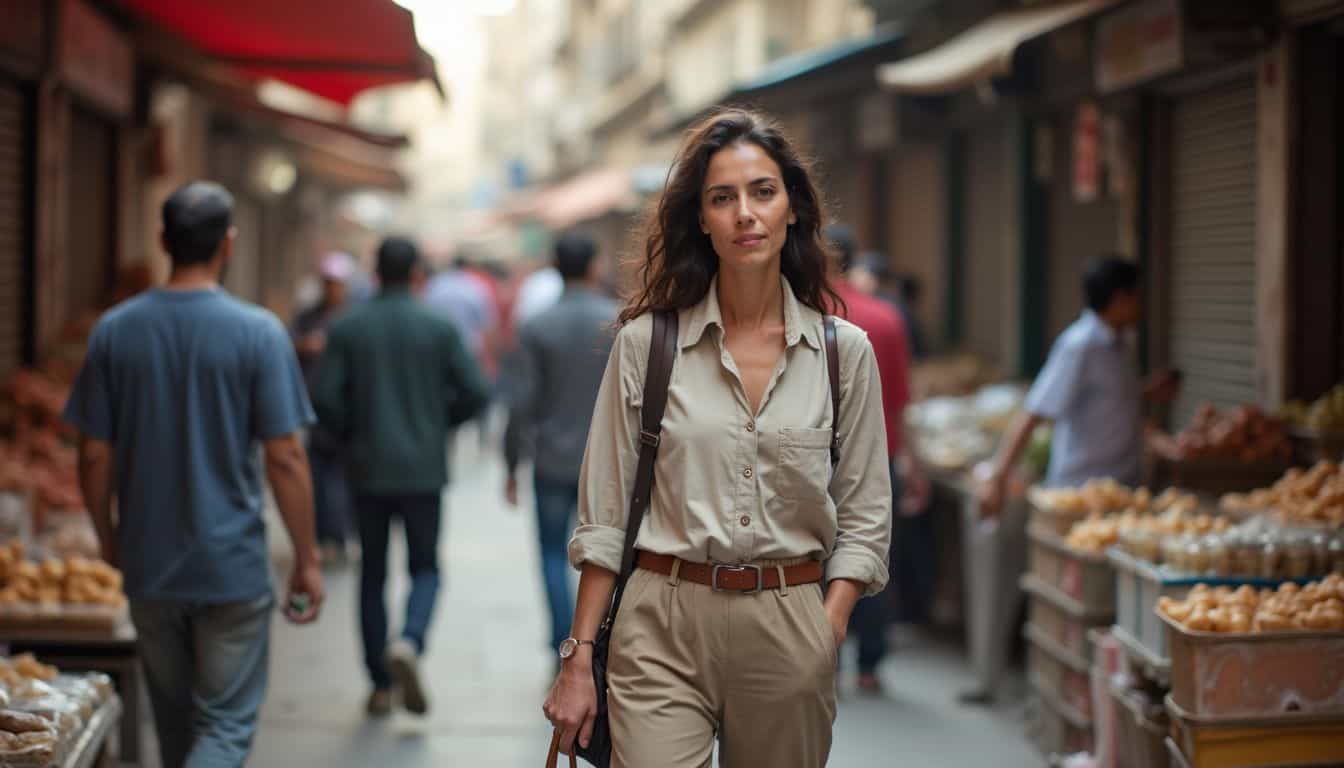
Watch your gear in crowded places like bazaars, the Pyramids of Giza, and stations. Thieves look for distracted tourists.
Use a bag with solid zippers and keep it close. Skip flashy watches and large cameras on the street.
Dress modestly in both cities and small towns. Use licensed taxis with meters or ride-share apps for safer trips.
Save emergency numbers in your phone. A few Arabic phrases can help in loud markets.
Next up: discover why working with licensed guides adds safety and insider access across your itinerary.
Why should I use licensed guides and services?
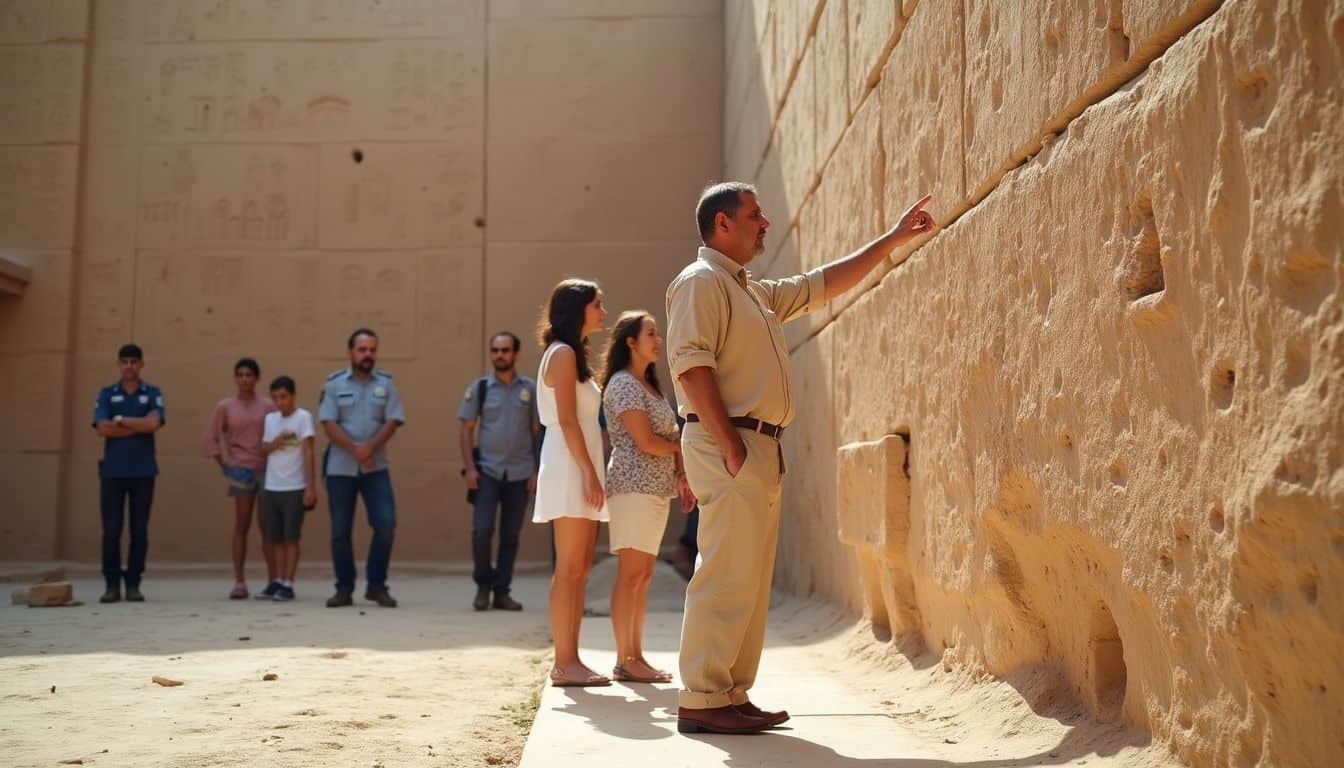
Egypt requires licensed companies for foreign tourists. Every guide must be a certified Egyptologist, which means a degree and strict exams.
You will notice strong security at top sites. Safety is a nationwide focus.
Licensed agencies file your itinerary, hotels, flights, and vehicle info with authorities. This improves access and smooths logistics at pyramids and museums.
Guides bring history to life and keep schedules on track. You see more and worry less.
Only licensed Egyptologists are trusted with guiding foreigners through the wonders of Egypt.
How do I avoid scams and haggle confidently?
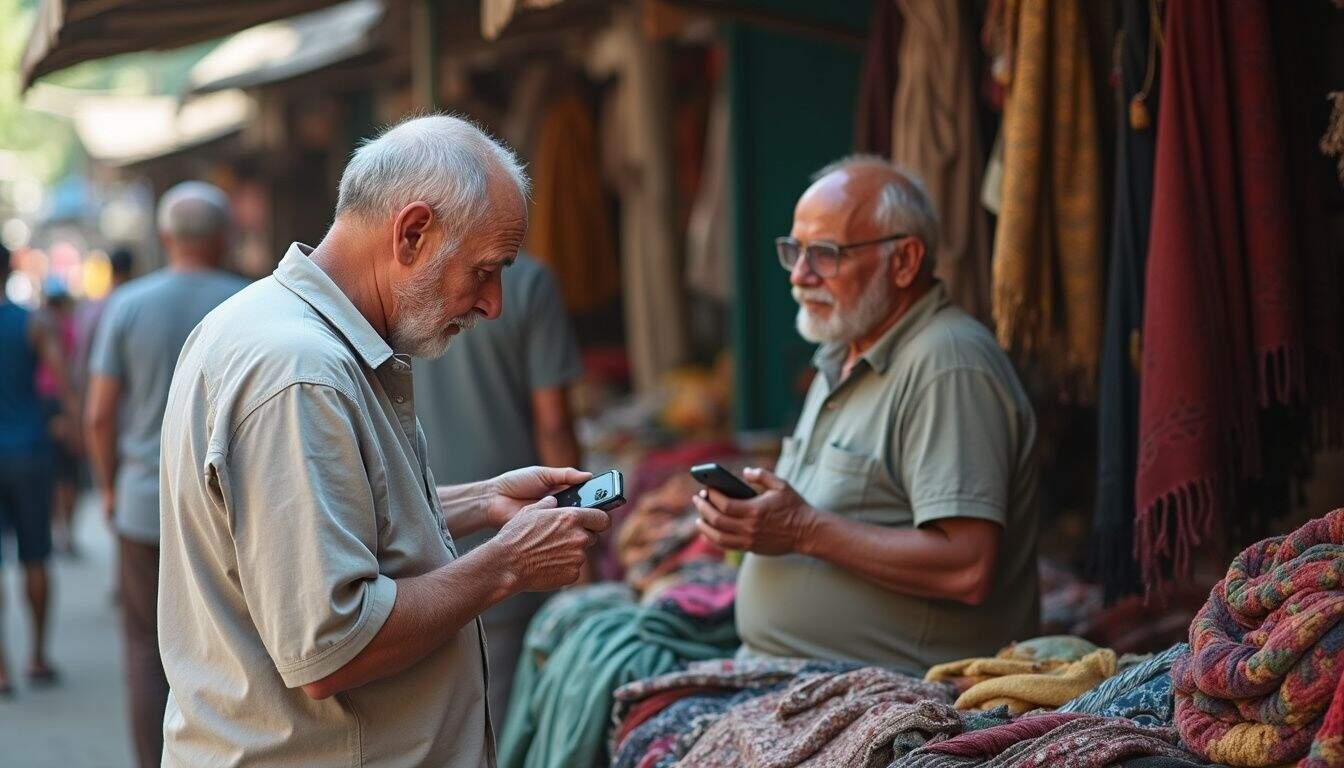
Learn typical prices before heading to busy markets. Start near half the first price, then meet in the middle.
Confirm your price out loud before camel rides, taxis, tours, or photos. Be polite but firm.
Decline help from strangers. Unofficial guides often ask for big tips at the end.
If someone offers a free picture or directions, a payment request may follow. Use your phone to verify routes on Google Maps and check prices with a translation app.
Choose licensed guides whenever possible. Clear agreements save money and stress.
Accommodation Advice
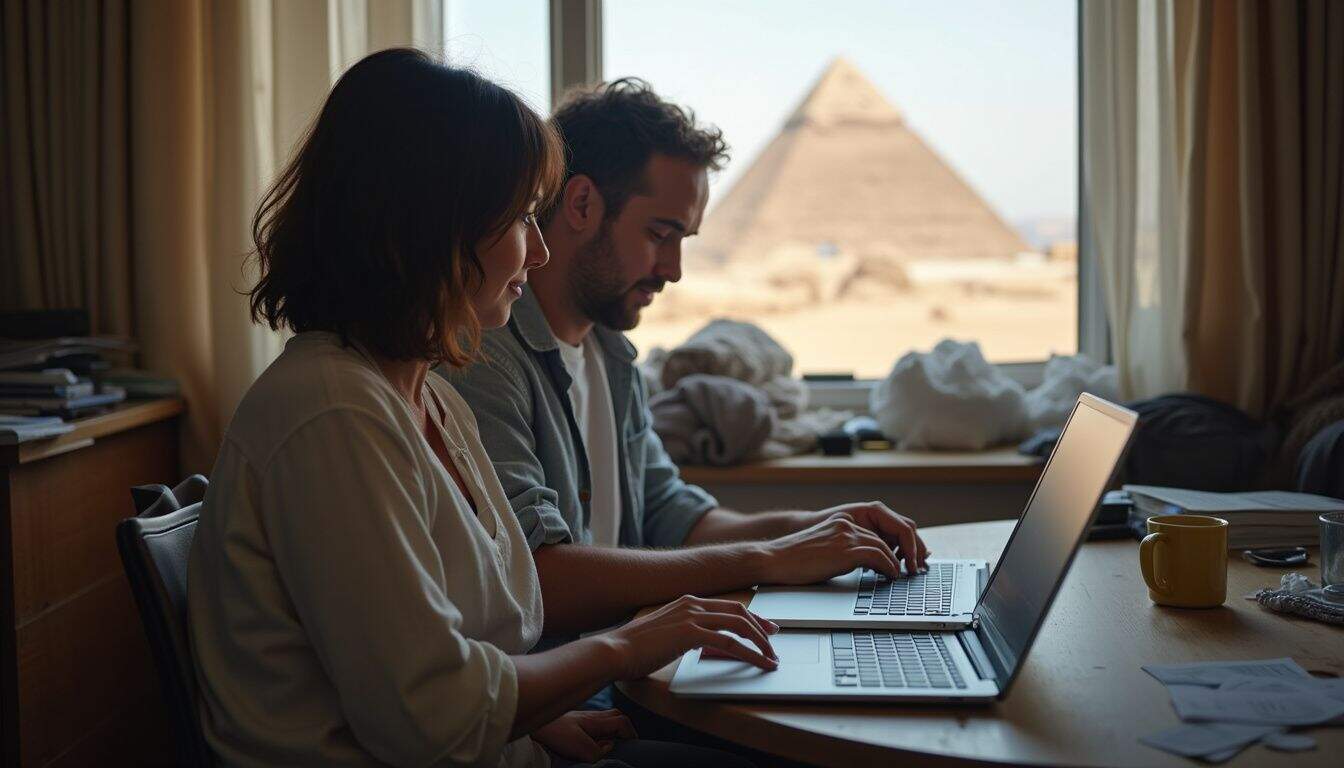
Cairo and Luxor have options for every budget on Booking.com and Airbnb. Reserve early if visiting during holidays.
What are the popular areas to stay in Egypt?
Downtown, called Wust el-Balad, sits near major museums and nightlife. Zamalek is a Nile island with boutique hotels and coffee spots.
For a pyramid view, Giza puts you near the Pyramids. Early mornings feel calm before the crowds arrive.
In Luxor, The Winter Palace and nearby guesthouses serve small or private groups. Markets sit a short walk away.
Farther south in Aswan, riverside hotels face sailboats at sunset. Along the Red Sea coast and Sinai Peninsula, resorts draw divers. Dahab is budget friendly and close to calm reefs.
How should I book accommodation and what are the best tips?
Pick a neighborhood first, then secure the room. A smart booking plan saves time and cash.
- Reserve well ahead for high season from October to April. Early bookings get better rates.
- Read reviews on trusted sites like Booking.com or TripAdvisor. Check safety, comfort, and noise.
- Five-star hotels cost less than in Canada and often include breakfast. I paid about half of my usual back home.
- Beds run firm in Egypt. Message the hotel if you need something softer.
- Use creator booking links when helpful. You support travel blogs at no extra cost.
- Compare big brands like Marriott or Hilton with hostels and family inns. Each fits different needs.
- Check cancellation terms before paying. Flexible rules help if flight times change.
- Keep digital confirmations handy for fast check-in.
Smart booking brings peace of mind from arrival to checkout.
Food and Water Tips

Egypt’s flavors stand out. Drink only sealed bottled water, and pick clean kitchens.
What local cuisines should I try in Egypt?
Koshari takes the top spot. It mixes lentils, rice, pasta, chickpeas, and crispy onions with tangy tomato sauce. Filling and cheap.
Breakfast often means ful medames, slow-cooked fava beans with bread. Add taameya, a fava bean falafel. For late meals, try mahshi stuffed vegetables or molokhia green soup with chicken and rice.
Grilled meats like shawarma are everywhere. Order a side of tehina for dipping.
Is it safe to drink tap water or should I drink bottled water?
Tap water is treated, but most visitors avoid drinking it. Even locals prefer bottled water for drinking.
Bottled water is easy to find in shops and hotels. Always check the seal before buying or brushing your teeth.
Summer heat hits 104°F, especially in the south. Hydration is key at sites like the Pyramids or Luxor Temple.
Guides, drivers, Nile boats, and hotels often hand out bottles daily. Plan for safe water, then enjoy street food with care.
How can I avoid eating food from questionable sources?
Pick restaurants and cafes that look clean and busy. Buy sealed bottled water from reputable shops or hotels. Skip ice unless you know it is safe.
Peel bananas and dates yourself. Wash unpeeled produce with bottled water or avoid it.
Stomach bugs hit fast. One street meal can ruin a day. Use apps to confirm ingredients if you have allergies or restrictions.
Use a few Arabic words to clarify orders. Simple steps cut the risk a lot.
Key Cultural Etiquette
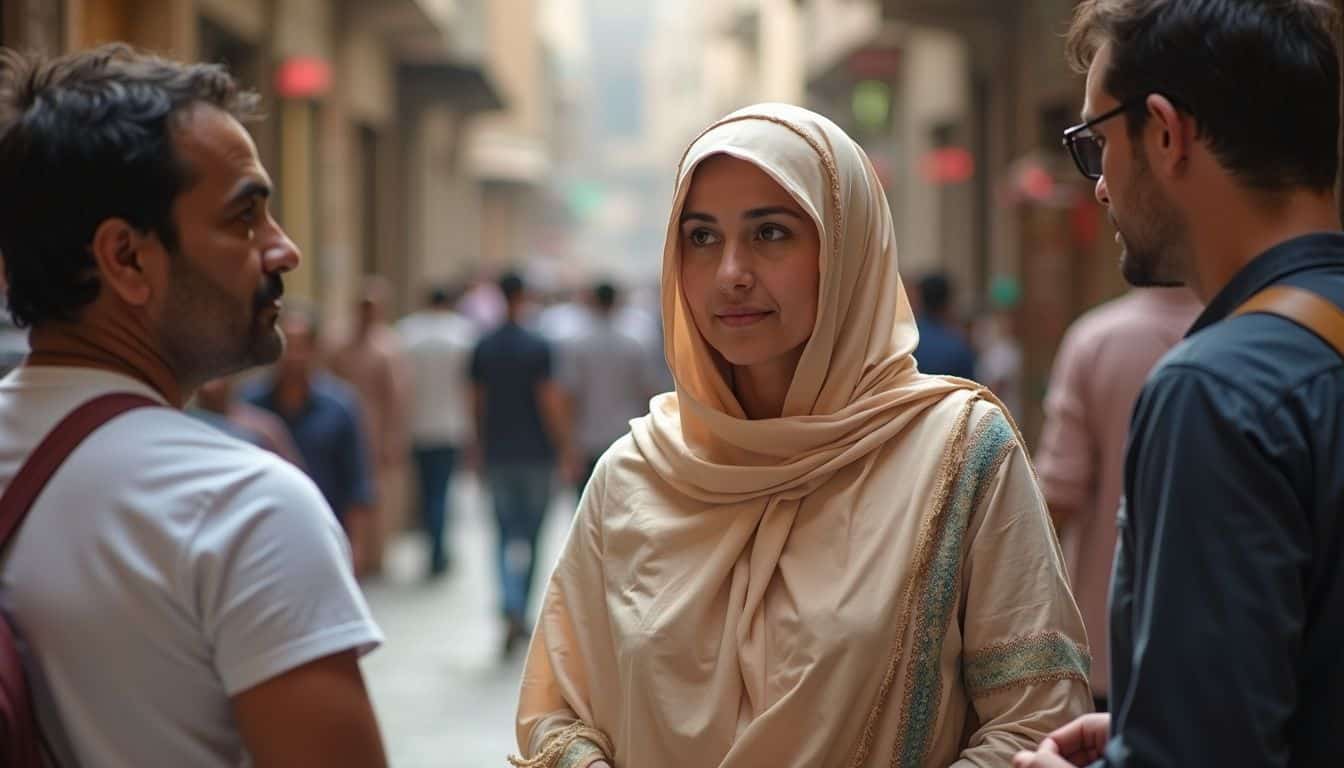
Dress with respect, greet politely, and tip fairly. These habits win smiles fast.
How should I dress modestly in Egypt?
Men should wear short or long-sleeved shirts and lightweight trousers. Tank tops draw attention in most neighborhoods.
Locals dress modestly, especially outside tourist hubs. Mosques require full coverage, so avoid shorts.
Wear sandals or walking shoes for uneven streets and temple visits. Swimwear is fine at hotel pools and private beaches. Pack a cover-up for trips outside those areas.
Respect brings smoother days and fewer hassles.
What local customs and traditions should I respect?
Greet with “As-salamu alaykum,” and reply “Wa alaykum as-salam.” During Ramadan, do not eat or drink in public from sunrise to sunset.
Public displays of affection are uncommon. Keep hugs and kisses private. Always ask before taking photos of people or inside religious sites.
Weekends are Friday and Saturday. Many places close on Friday mornings for prayers.
Dress modestly near mosques and in small towns. You will fit in and avoid unwanted attention.
What are the tipping guidelines in Egypt?
Tipping, or baksheesh
, is part of daily life. Service workers count on tips to boost modest wages.
At restaurants, leave 10 to 15 percent. Street cafes often get 50 to 100 EGP, about $1 to $2. Private guides may receive $5 to $20 for a full day, sometimes more in Cairo or Luxor.
Local currency helps most. Restroom attendants collect about 5 EGP, so keep small bills handy.
Carry $25 USD in cash for the entry visa at the airport. Paying with Egyptian Pounds supports families in popular tourist areas like Giza and Nile cruise boats.
Essential Travel Tips
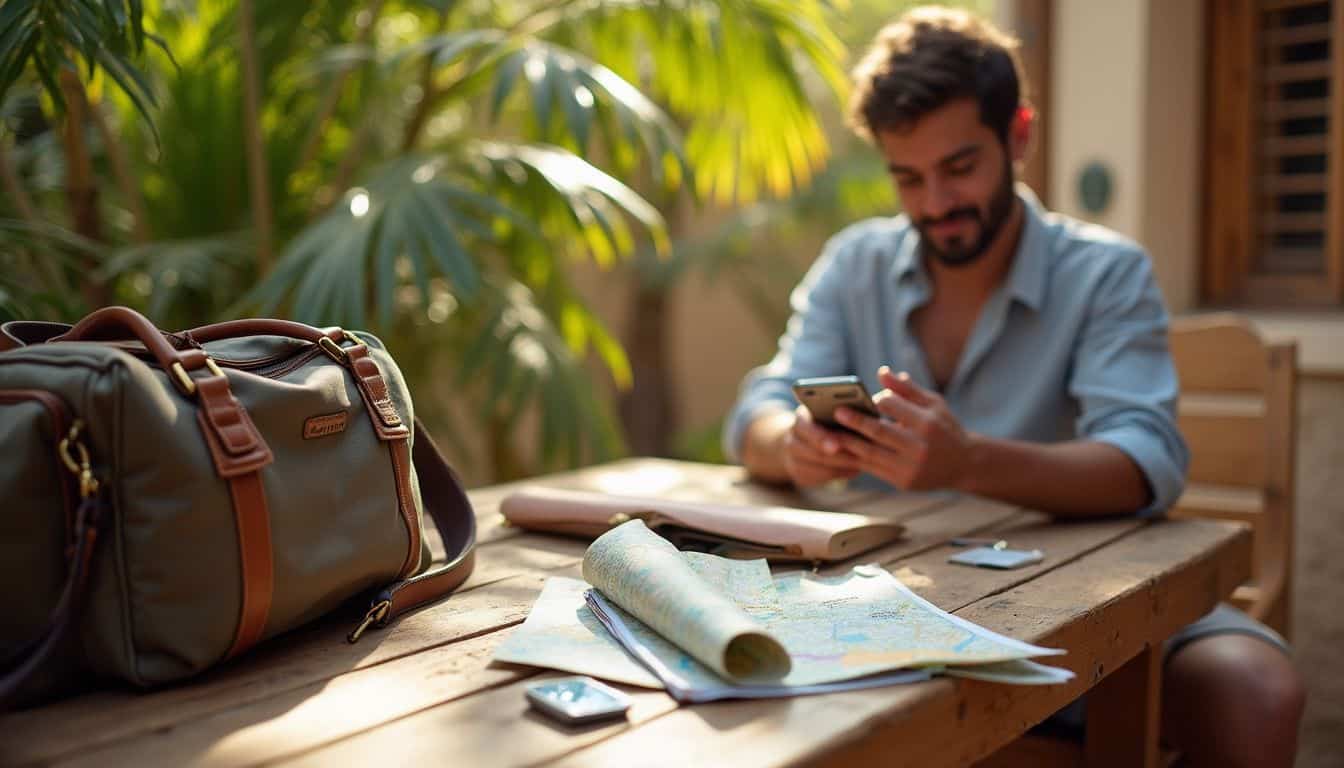
Simple planning leads to smooth days. A digital SIM card keeps maps and messages working on the go.
How do I manage my itinerary effectively?
Book tickets for popular sites like the Grand Egyptian Museum and Giza in advance. Use a planner app with opening hours and reminders.
Visit during Egypt’s best weather months, October to April. Lines are shorter, and heat feels manageable.
Download a currency app to track spending. Carry clean bills, since some places reject damaged notes. Tell your bank about your trip so cards work at hotels and ATMs.
Review local customs before you go. Knowing the basics makes every stop easier.
How can I stay hydrated in Egypt’s hot weather?
Summer temperatures can reach 85 to 105°F. Drink at least three liters of water daily.
Carry a refillable bottle and stock sealed bottles from shops. In Luxor and Aswan, the midday sun is intense. Plan shade breaks.
Try fresh juices like hibiscus or sugarcane. Eat watermelon and oranges for extra hydration. Tap water is not for drinking.
Ask for “mayya ma’zouz,” which means bottled water. Rest in cool spots during the afternoon, then head back out later.
What are the benefits of using a digital SIM card (eSIM)?
Staying connected helps with safety, rides, and tickets. A digital SIM card, also called an eSIM, lets you add data without a plastic card.
With Airalo, I set up a plan at Cairo Airport in minutes. No shop hunt or carrier line. I even received the airport Wi-Fi code by text.
eSIMs avoid high international roaming fees. If you hop between countries, switch plans in your phone settings.
Everything stays in one device, so you do not lose tiny chips. Spend your time at Giza, not at a kiosk.
Must-Have Experiences in Egypt
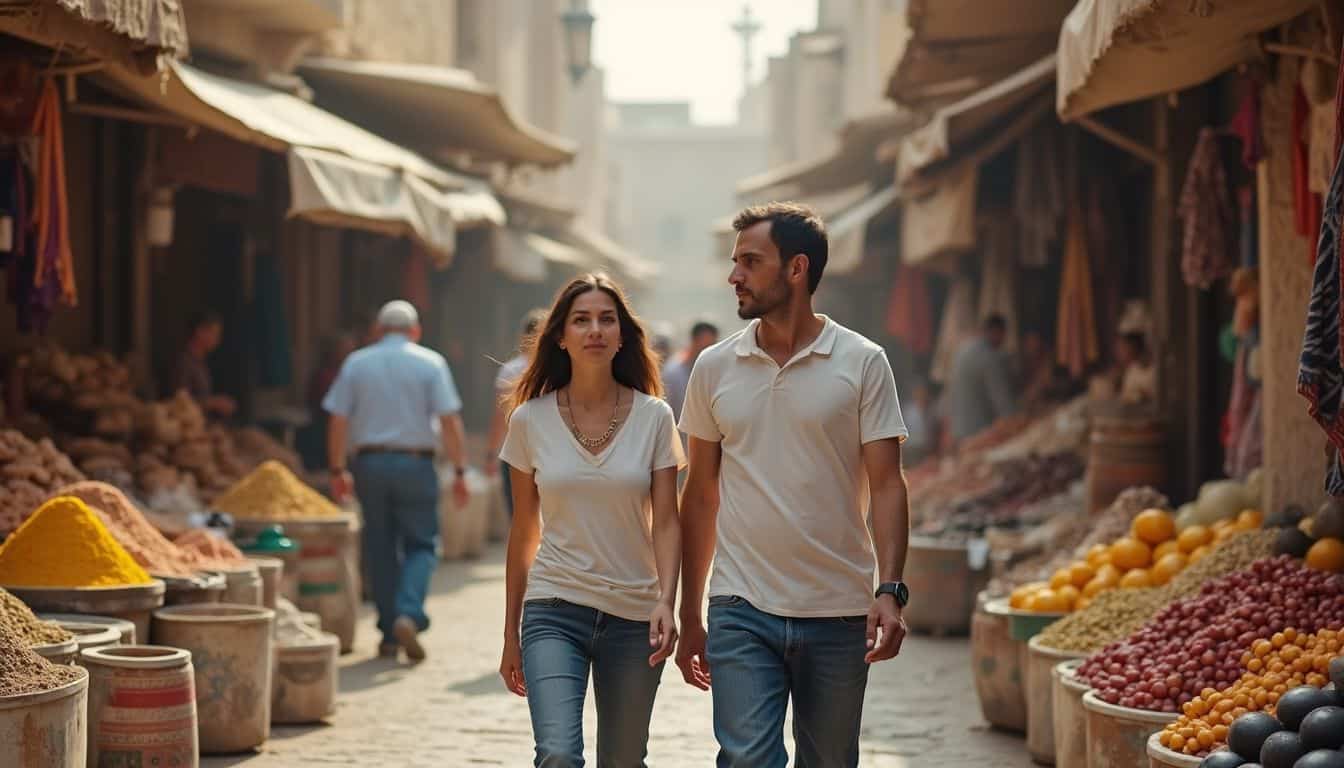
Egypt mixes daily life with deep history. Markets, temples, and river views are all part of the ride.
What historical landmarks should I visit in Egypt?
Stand before the Pyramids of Giza, including the Great Pyramid of Khufu. Walk the avenue at Luxor Temple, guarded by colossal statues of Ramses II.
At Karnak Temple Complex, the Great Hypostyle Hall holds 134 towering columns. Explore the Valley of the Kings, with more than sixty rock-cut tombs. King Tutankhamun’s chamber is a favorite stop.
See the rock temples at Abu Simbel, built by Ramses II. Explore treasures from Tutankhamun at the Egyptian Museum in Cairo.
Take a boat to Philae Temple, which honors Isis. I took many photos, but the feeling of being there matters most.
If you want more tips on maximizing your Great Pyramids experience, [check out this guide](https://www.unfinishedman.com/getting-the-most-trip-to-great-pyramids/). Up next are ways to safely enjoy local markets while exploring Egypt’s energy and culture.
How can I explore local markets safely and enjoyably?
Wear sunglasses to avoid eye contact with aggressive vendors. Walk with purpose if you do not plan to buy.
Ignore touts who follow or try to chat. That signals you are not an easy target.
Bargaining is normal. Negotiate every price. Some guides detour to shops for “special demos” that were never on your plan.
Expect some litter, even near the Giza Pyramids. Watch your step. A few Arabic phrases often cool a hard sell.
After the market run, a Nile River cruise offers a calmer pace.
What should I expect on a Nile River cruise?
Most Nile River cruises between Luxor and Aswan last 4 to 5 days. Ships range from modern vessels with pools to simple sailboats.
Meals are usually included with buffet-style dining. Daily tours cover iconic landmarks like Karnak and Luxor Temple, often timed around sunset light. You may also visit Philae Temple near Aswan.
Operators handle transport and tickets. You focus on scenery and stories along the riverbanks.
October through April brings pleasant for sightseeing weather. Book early for the best cabins.
Next up is how travel in Egypt keeps getting easier each year thanks to new options and better infrastructure.
How Will Travel to Egypt Transform in 2025?
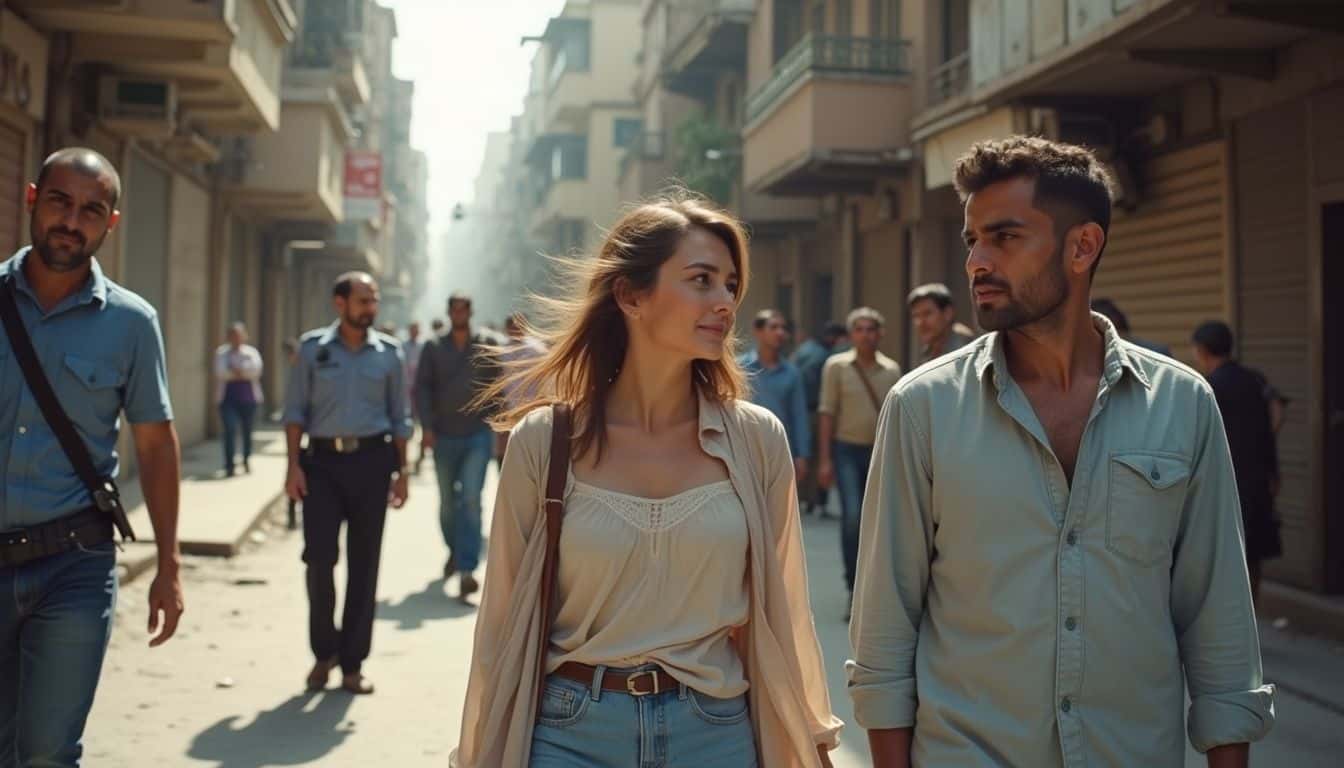
Tourism in Egypt is tightening standards in 2025. Only licensed companies can work with foreign tourists, which raises safety and quality at crowded sites.
Security teams are visible near major cities and sites. You will notice them at checkpoints and museum entrances.
The Grand Egyptian Museum plans to open soon, which will reshape itineraries. Smaller private tours now offer strong value compared with big bus groups. Expect more depth and less waiting around.
Always compare operators before paying. Some still chase profits over service. Skip animal rides that look harsh or unsafe for camels or horses, especially in peak seasons.
Use these Egypt travel tips to plan smart and stay safe. Double-check visa and health rules with official sources before you fly. This guide is general information, not legal or medical advice.
People Also Ask
What are the most important travel tips for visiting Egypt?
Plan your trip during cooler months, such as October to April, for comfortable sightseeing. Dress modestly in public areas and respect local customs. Carry cash since many small shops do not accept cards. Stay hydrated and use bottled water.
How can travelers stay safe while exploring Egypt?
Stay aware of your surroundings in crowded places like markets or tourist sites. Use reputable transportation services when moving between cities or attractions. Avoid political gatherings and follow guidance from local authorities at all times.
Which essential items should I pack for my journey to Egypt?
Bring lightweight clothing that covers shoulders and knees, a wide-brimmed hat, sunscreen, sunglasses, sturdy walking shoes, and a reusable water bottle. Pack copies of important documents such as your passport and travel insurance details.
What cultural practices should visitors know before arriving in Egypt?
Greet people politely with a smile or nod; avoid public displays of affection out of respect for tradition. Always ask permission before photographing locals or religious sites; remove shoes when entering mosques or certain homes to show courtesy toward hosts’ beliefs and customs.
References
https://www.egypttoursportal.com/en-us/blog/egypt-travel-requirements/ (2025-04-17)
https://www.intrepidtravel.com/us/egypt/what-to-wear-in-egypt
https://www.visitorscoverage.com/travel-insurance-requirements/egypt/
https://www.travelguard.com/travel-resources/destinations/africa/egypt
https://www.egypttourstraviio.com/en-US/egypt-travel-guide
https://www.magnificenttravel.com/en/blog/egypt/currency-used-in-egypt/
https://www.tripsavvy.com/currency-in-egypt-4581266
https://sheiswanderlust.com/how-to-get-around-egypt/
https://scratchyourmapa.com/egypt-transportation-guide/
https://travelingwithjessica.com/blog/travel-advice-is-it-safe-to-travel-to-egypt (2024-01-26)
https://www.travelyesplease.com/what-to-expect-first-trip-to-egypt/ (2025-04-30)
https://beyondthebucketlist.co/common-egypt-scams/
https://www.roughguides.com/egypt/accommodation/ (2025-05-22)
https://thehistoriantraveller.com/planning-a-trip-to-egypt-with-itinerary-and-expenses/ (2025-02-21)
https://scratchyourmapa.com/what-to-eat-in-egypt-food-guide/ (2025-01-16)
https://www.facebook.com/groups/egytraveltips/posts/768447712553162/
https://visitegypt.com/cultural-etiquette-in-egypt-what-tourists-should-know/
https://www.nilecruisevacation.com/blog/Egypt-travel-tips (2025-02-20)
https://bea-adventurous.com/tipping-in-egypt/
https://greenwithrenvy.com/egypt-travel-tips/ (2023-01-17)
https://www.facebook.com/groups/1241283236706024/posts/1942520969915577/ (2025-05-24)
https://www.pocketesim.com/blog/the-advantages-of-using-an-esim-in-egypt (2025-03-26)
https://visitegypt.com/top-10-must-visit-historical-sites-in-egypt-your-ultimate-egypt-travel-guide/
https://nilecruisers.com/a-guide-to-nile-river-cruise-trip/
https://www.magnificenttravel.com/en/blog/egypt/a-first-timer-s-guide-to-cruising-the-nile-river/
https://www.egypttoursportal.com/en-us/egypt-travel-tips/ (2018-03-19)