
Running a site like Unfinished Man has forced me to figure out exactly how to relax after work without letting the job bleed into the evening. Finding an effective work-life boundary isn’t just a corporate buzzword; it is a mechanical necessity for your overall health and mental health. You cannot reside in a gray zone where you are kind of working and kind of resting. Being half-clenched on the couch while checking Slack spikes your baseline work stress more than just staying at your desk an extra hour.
You need absolute separation. Some guys transition out of work mode using a hit of THCA flower to force a mental shift, while others—myself included—lean on high-friction hobbies. A somatic reset and proper cortisol clearing demand deliberate action. You cannot just think your way out of a stressful day.
Table of Contents
The hard shutdown routine to relax after work
A hard boundary is a built environment, and a shutdown routine is the specific architecture you use to enforce it. If you work from home, or your digital life makes you constantly reachable, you lack the built-in geographic limits that a factory worker or a bartender has. You must manufacture a fake commute.
Start with a Letting Go of the Day protocol. This means consciously closing your laptop, turning off the office lights, and literally walking away. Make sure to engage in a specific, 2-minute Shut Down Routine meditation immediately upon closing your laptop. As soon as you exit that liminal space, force a context switching moment by immediately changing your clothes. Taking off the jeans or collared shirt you worked in signals to your brain that the employee mindset is dead for the day, instantly helping to shift your mood. Trying to decompress in the clothes you answered emails in is a rookie mistake that invites procrastination on your evening recovery.
If you are struggling to blow off some steam, trying to wander over to Reddit to distract yourself is often a trap. Beyond the fact that a corporate VPN might hit you with a network security block, staying on a screen keeps you tethered to the machine.
Disconnecting Google and Microsoft work apps
Environmental optimization requires a complete sensory shift. That shift is impossible if you bring your professional digital tethers to the couch. When you carry a synced phone, you carry active integrations and a background network of trackers that keeps your nervous system implicitly on edge.
Every time you visit a seemingly innocent website, your device is running a relentless gauntlet of data exchanges. Behind the scenes, servers are dropping tracking cookies, deploying background scripts to manage rogue bots, and pushing your browser through the occasional redirect. Before you can even read an article, you are hooked into Google Analytics and repeatedly asked to prove your humanity to a recaptcha.
This bloated digital architecture—fueled entirely by user targeting and the data demands of online advertising—translates to microscopic software latency and constant notification checks. Your brain knows it is still tethered to the grid. Absolute decompression means muting or powering down the devices running these loops. You must explicitly mute or sign out of your corporate SSO (Single Sign-On) connected work apps to ensure workplace communications cannot bleed into your personal screen time.
High-focus multiplayer video games
Passive downtime does not work for hyper-aroused brains. This is why doomscrolling fails. Mindlessly scrolling Twitter or falling down a YouTube rabbit hole logs your physical location and engagement metrics, allowing algorithms to track your vulnerability to hit you with e-commerce pushes.
Stop being a data node and pick up a controller. High-engagement relaxation natively blocks intrusive thoughts and combats creeping burnout. Pulling up a fast-paced multiplayer video game with your friends provides immediate social decompression and fights off late-afternoon exhaustion. Active escapism naturally induces a flow state. You cannot worry about a client email when you are calculating a sniper trajectory or coordinating a team raid. The mental bandwidth required to survive a digital firefight crowds out workplace rumination entirely.
“The mental bandwidth required to survive a digital firefight crowds out workplace rumination entirely.”

Indoor rock climbing and demanding hobbies
If digital flow isn’t enough to break the cycle, you need physical consequences. The power of hobbies lies in their ability to absorb your complete attention. Many guys assume genuine rest has to look like a man meditating barefoot on a rock. But for high-achievers and stressed professionals, stillness often just creates a vacuum for anxiety. When left unchecked, that physical tension can quickly manifest as stiff shoulders, tension headaches, or even stress-induced migraines.
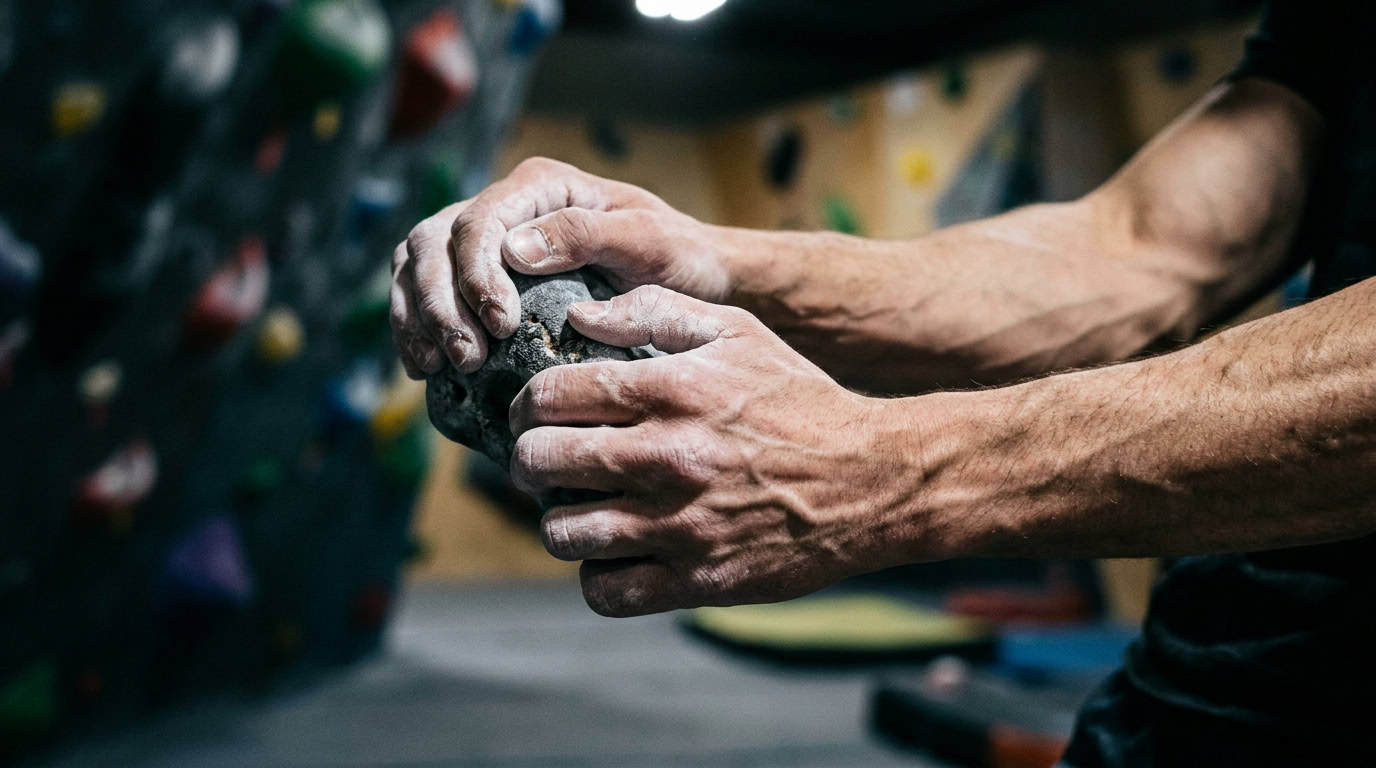
Indoor rock climbing is the ultimate mental cleanse. When you are twenty feet up a wall holding on by a pair of crimps, your brain is utterly forbidden from wandering. Physical fear and complex route calculation demand absolute present-moment awareness, acting as a brutal but highly effective form of active mindfulness.
If a passive Nature Walk allows your mind to drift, switch to an Active Nature Walk—like brisk hiking or focused foraging—that successfully demands your attention, or seek out high-friction, chilling activities instead. Demanding physical exertion efficiently crushes specialized work anxiety.
Temperature therapy and somatic body resets
Once you have burned off the mental hyper-arousal through gaming or climbing, you must turn to parasympathetic activation. You need to flush the lingering physical stress from your muscles.
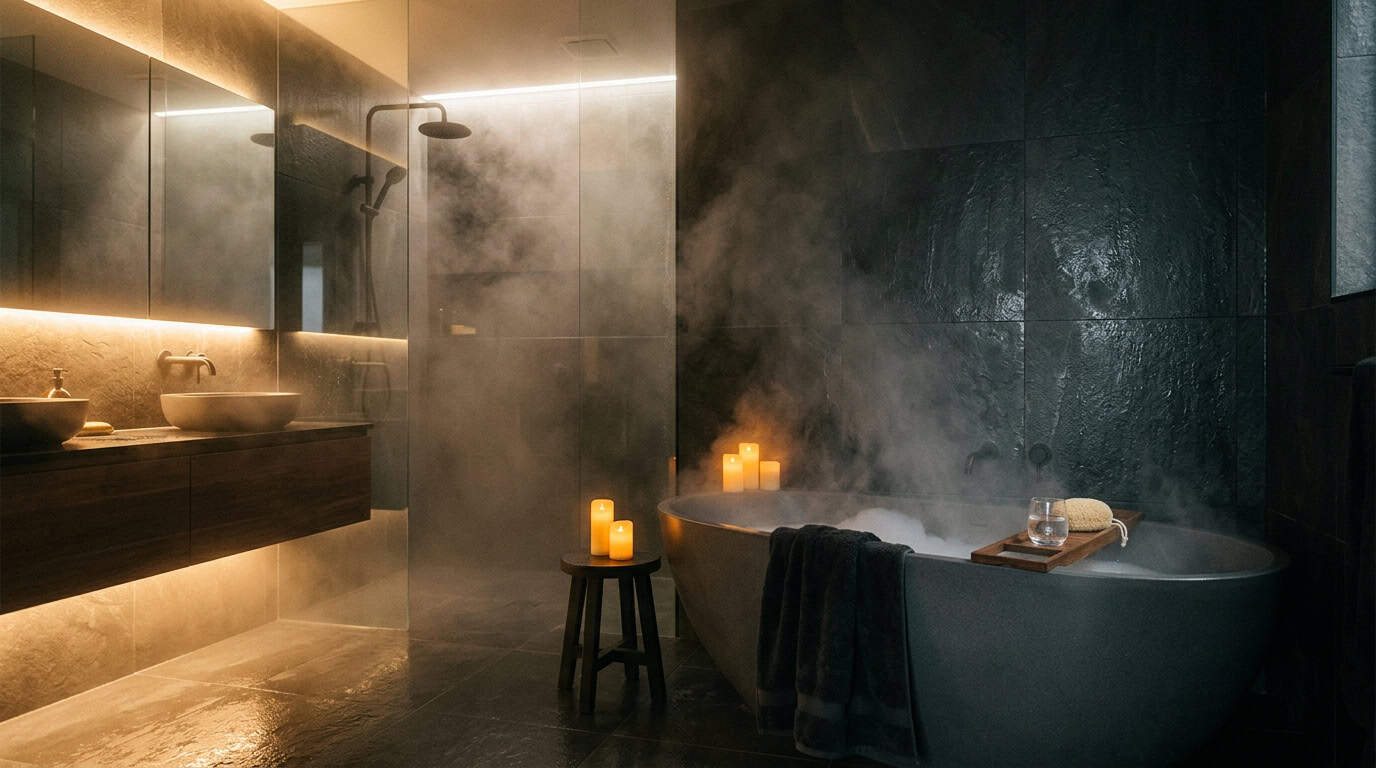
A somatic reset is the conscious physical processing of built-up stress through the body’s natural regulatory systems. True self-care requires thermal regulation. Stepping into a hot bath or shower systematically forces tense muscle groups to drop their guard. Combine this heat therapy with active deep breathing exercises. Deliberately exhaling while the hot water runs over your back physically shifts the nervous system out of fight-or-flight mode.
Dial in the environment to support your overall wellbeing. Dim the overhead lights and queue up a mellow ambient playlist on a speaker. This provides the final auditory cue your brain needs to confirm that the professional portion of the day has concluded.
Forward setup journaling for tomorrow
To completely switch off tonight, you have to neutralize tomorrow. Chronic meta-worry is the stress about being stressed later, and a forward setup is the organized effort to eliminate it before bed.
Do not try to pretend your obligations don’t exist. Instead, grab a notebook and dedicate five precise minutes to journaling tomorrow’s priorities. Getting the tasks out of your head and onto a physical piece of paper locks them away. You no longer have to spend ambient energy trying to remember them.
Once the list is closed, anchor yourself back into the evening with mindful routines. Chopping vegetables during a healthy meal prep forces you out of your head and back into your hands.
Parasympathetic activation via the Calm Sleep app
The final hurdle is crossing over into actual rest. When your nervous system is fried, staring at the ceiling “trying to sleep” usually sends you spiraling right back into professional anxieties. At its worst, this nightly cycle can invite feelings of hopelessness, mild depression, or chronic insomnia.
The Calm Blog regularly points out that countless tips exist just to help get you to the starting line of sleep. The brand’s dedicated tool, the Calm Sleep app, is built specifically to handle the critical final descent and heavily improve your overall sleep quality. Calm Sleep offers over 300+ hours of dreamy audio content engineered to distract the exhausted brain.
Using structured sleep audio bypasses the brain’s remaining attempts to ruminate. It gives you an immersive external narrative to listen to, forcing the physical transition from hyper-arousal directly into rest-and-digest mode.
The absolute 100 percent rule for decompression
Mastering your evening autonomy means choosing 100 percent resting. The anxious gray zone is a trap that keeps you unproductive and miserable. Real relaxation isn’t accidental, and it isn’t passive—it is an active, engineered pursuit.
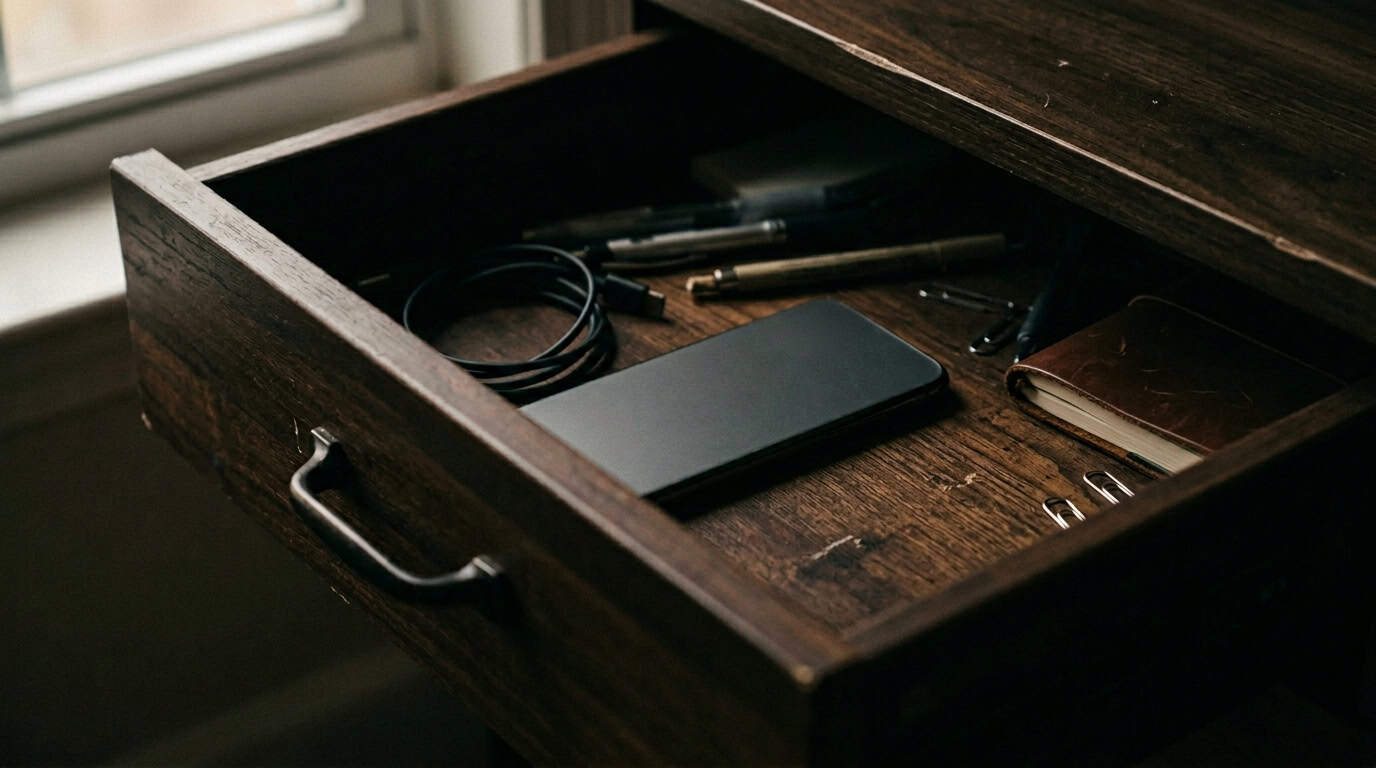
Audit your routine tonight. Put the work phone in a drawer, cut off the digital ad trackers, and mandate a physical shutdown. Whether you choose to wipe the slate clean by climbing a wall, dropping into a multiplayer lobby, or doing a full somatic thermal reset, do it completely. You owe it to yourself to be entirely off the clock.
Frequently Asked Questions
What is a ‘fake commute’ and why do remote workers actually need one?
A fake commute is a manufactured transition routine designed to replace the geographic boundaries remote workers lack. It involves deliberate actions like shutting down the laptop, turning off office lights, and immediately changing out of your work clothes. This establishes a physical hard boundary that signals to your brain the employee mindset is dead for the day.
Why does playing fast-paced multiplayer video games reduce stress better than scrolling social media?
Mindless doomscrolling is passive downtime that leaves your brain hyper-aroused and vulnerable to intrusive work thoughts and algorithm-driven e-commerce pushes. Fast-paced multiplayer games force active escapism and naturally induce a flow state. You simply cannot ruminate on a stressful client email when your mental bandwidth is entirely consumed by coordinating a team raid or surviving a digital firefight.
What is the difference between taking a quiet nature walk and choosing a ‘high-friction’ hobby?
For high-achievers, passive downtime like a quiet nature walk often creates a silent vacuum for anxiety, allowing the mind to drift right back to the office. High-friction hobbies like indoor rock climbing demand absolute present-moment awareness through physical consequences. When you are twenty feet up a wall, your brain is utterly forbidden from wandering, making it a brutal but highly effective form of active mindfulness.
How does a ‘forward setup’ stop you from worrying about tomorrow’s workload while trying to sleep?
Chronic meta-worry is the stress about being stressed later, and a forward setup neutralizes it by physically locking your tasks away before bed. By dedicating five precise minutes to journaling tomorrow’s priorities on paper, you get the obligations out of your head. This saves you from burning ambient mental energy trying to remember what you need to accomplish the next day.
What exactly is a somatic reset for work stress?
A somatic reset is the conscious physical processing of built-up tension to shift your nervous system out of fight-or-flight mode. It is achieved through thermal regulation, like stepping into a hot bath or shower, paired with active deep breathing exercises. This heat therapy directly forces tense, clenched muscle groups to drop their guard and triggers parasympathetic activation.
Can I actually relax while keeping my work phone nearby if the notifications are muted?
No, because keeping a synced device on the couch keeps your nervous system implicitly on edge. Even if silenced, your phone is constantly running data exchanges, dropping tracking cookies, and generating microscopic software latency that your brain registers. Absolute decompression means breaking these digital tethers completely by putting the device in a drawer and stepping away from the corporate grid.