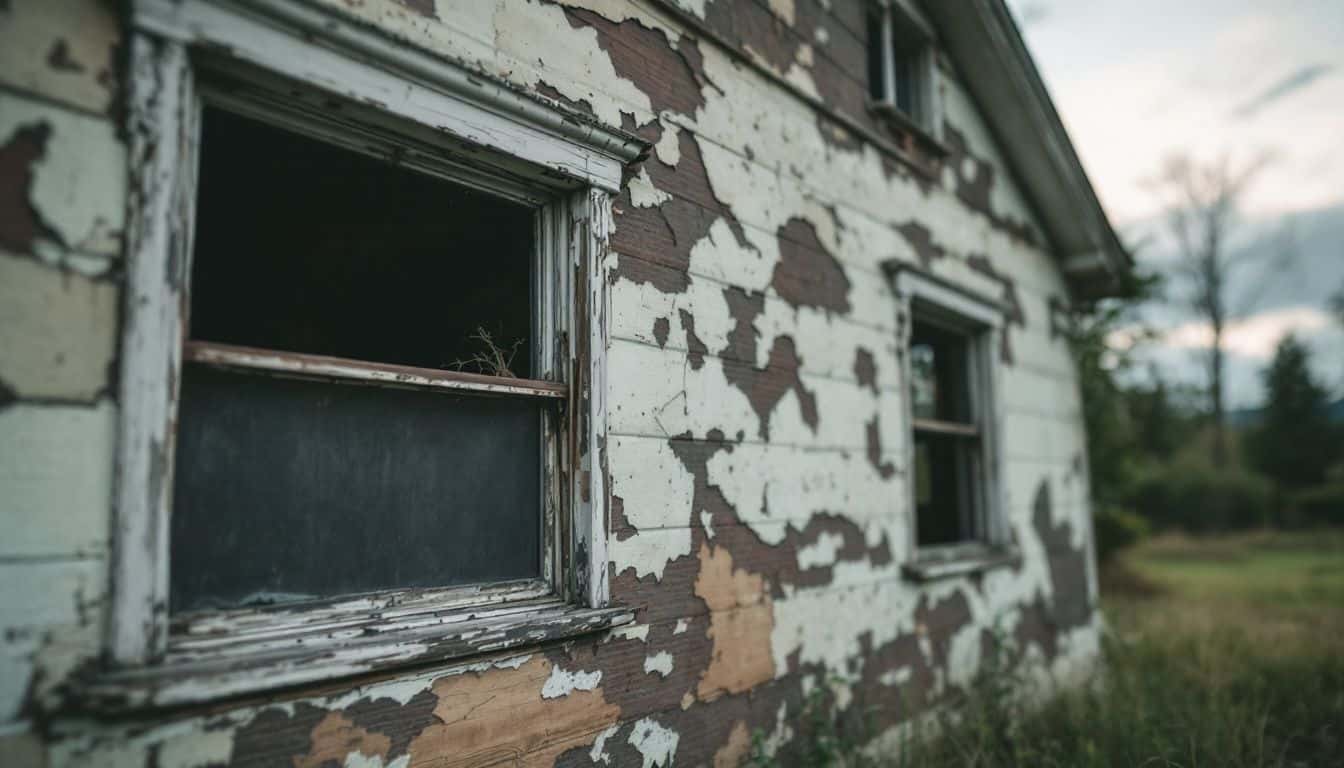
Old houses have a certain charm, but their character can hide serious risks that might harm your family. HGTV star Christina Hall found this out the hard way after experiencing lead poisoning from renovating older homes.
The dangers of living in an old house are more than just quirky flaws. They range from toxic materials like asbestos to outdated electrical systems that require skilled electricians Lakeland homeowners trust. This guide will walk you through the seven biggest hidden dangers, what to look for, and how to keep your family safe.
Key Takeaways
Homes built before 1978 likely contain lead paint, a major hazard that can cause serious neurological damage, especially in children.
Asbestos is common in homes built before the 1990s and can cause lung cancer and mesothelioma if its fibers are inhaled.
Leaky pipes and poor drainage lead to mold growth, which can trigger allergies, asthma attacks, and other respiratory problems.
Outdated wiring, like aluminum or knob-and-tube, is a major fire hazard and can’t handle the electrical demands of modern appliances.
Invisible radon gas can seep into basements, and the EPA estimates it’s the second leading cause of lung cancer in the United States.
Table of Contents
Common Dangers in Old Houses
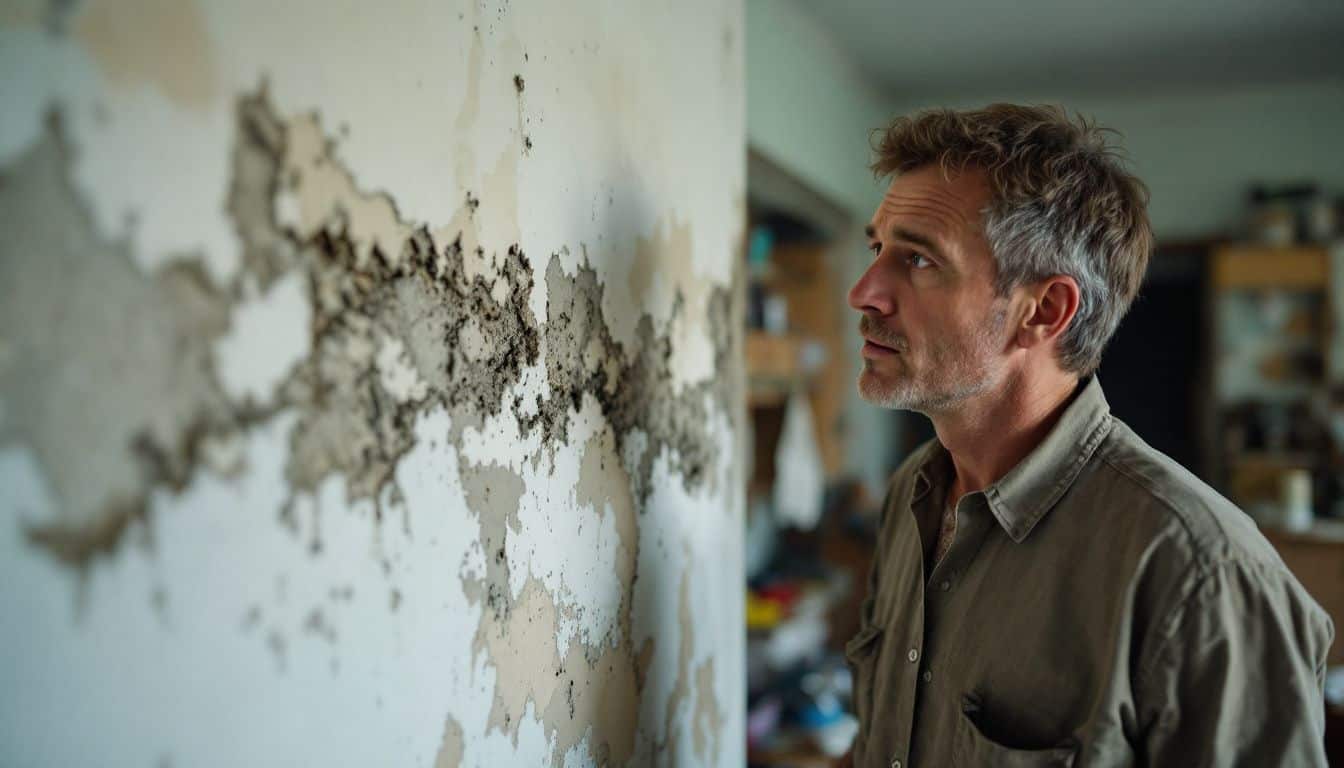
Old houses hide many dangers that can harm your health and your wallet. These risks often lurk behind walls or under floors, causing problems long before you notice them.
Lead Paint
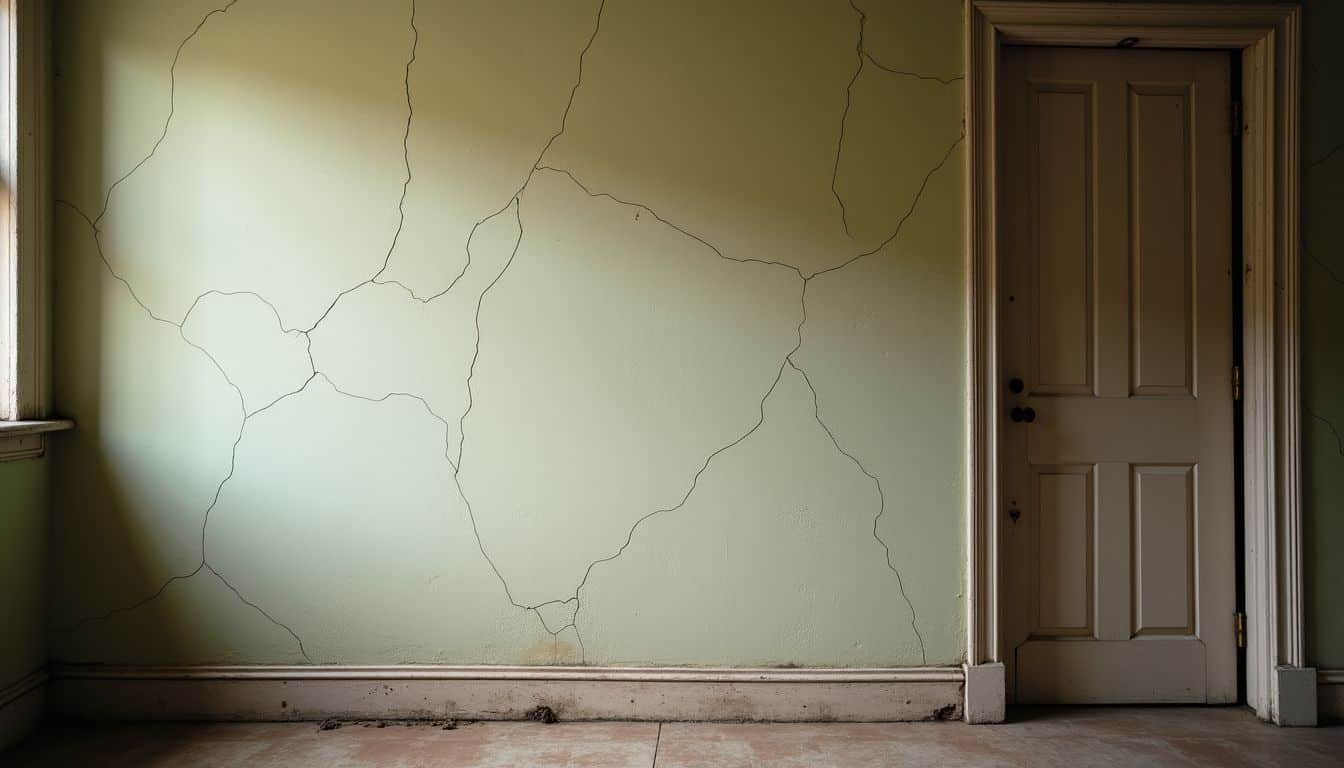
If your home was built before 1978, there’s a good chance it contains lead paint. According to the CDC, approximately 29 million housing units in the U.S. have lead-based paint hazards. This isn’t just a statistic, it’s a serious health threat hiding in plain sight.
You can often spot lead paint by its distinct cracking pattern, which looks like scales or alligator skin. When this paint peels or chips, it creates toxic dust that can be inhaled.

Lead exposure is especially dangerous for children, causing damage to the brain and nervous system, slowed growth, and learning disabilities. In adults, it can lead to high blood pressure, joint pain, and memory issues.
- Test for Lead: You can buy a DIY test kit, like the 3M LeadCheck swabs, from a hardware store for a quick check. For a definitive result, hire a certified lead risk assessor.
- Never Sand or Scrape: The danger increases during renovations. Never use a power sander or open-flame torch on lead paint, as this creates a large amount of toxic dust.
- Consider Abatement Costs: Professional lead paint removal is not a cheap fix. Costs can range from $6 to $17 per square foot, meaning a whole-home project could cost over $10,000.
Asbestos
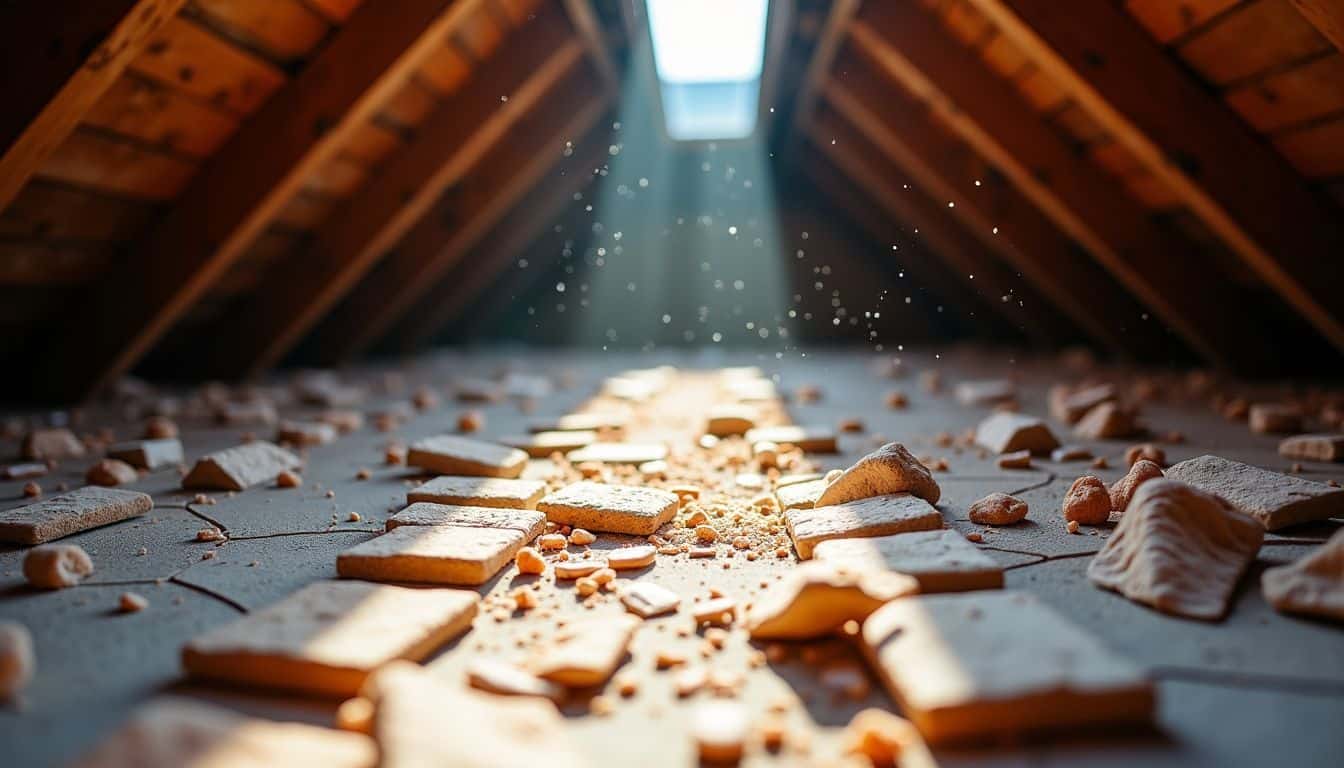 Asbestos is another hidden danger common in homes built before the 1990s. This heat-resistant mineral was used in everything from insulation and floor tiles to siding and “popcorn” ceilings. The EPA banned most asbestos products in 1989 because of its severe health risks.
The danger comes from tiny fibers that are released into the air when asbestos-containing materials are disturbed or damaged. You can’t see or smell them, but inhaling them can cause serious diseases decades later, including lung cancer and mesothelioma treatment.
My neighbor found asbestos in his attic last year and had to hire a special team. The cost for professional removal can be significant, averaging around $2,235 but can go much higher for larger areas.
Never try to remove asbestos yourself. This is a job for certified professionals who follow strict safety protocols. An AHERA-certified inspector can test materials in your home to confirm the presence of asbestos. If it’s found, abatement costs for interior spaces range from $5 to $20 per square foot, while exterior siding can be much more expensive to remove.
Mold and Mildew
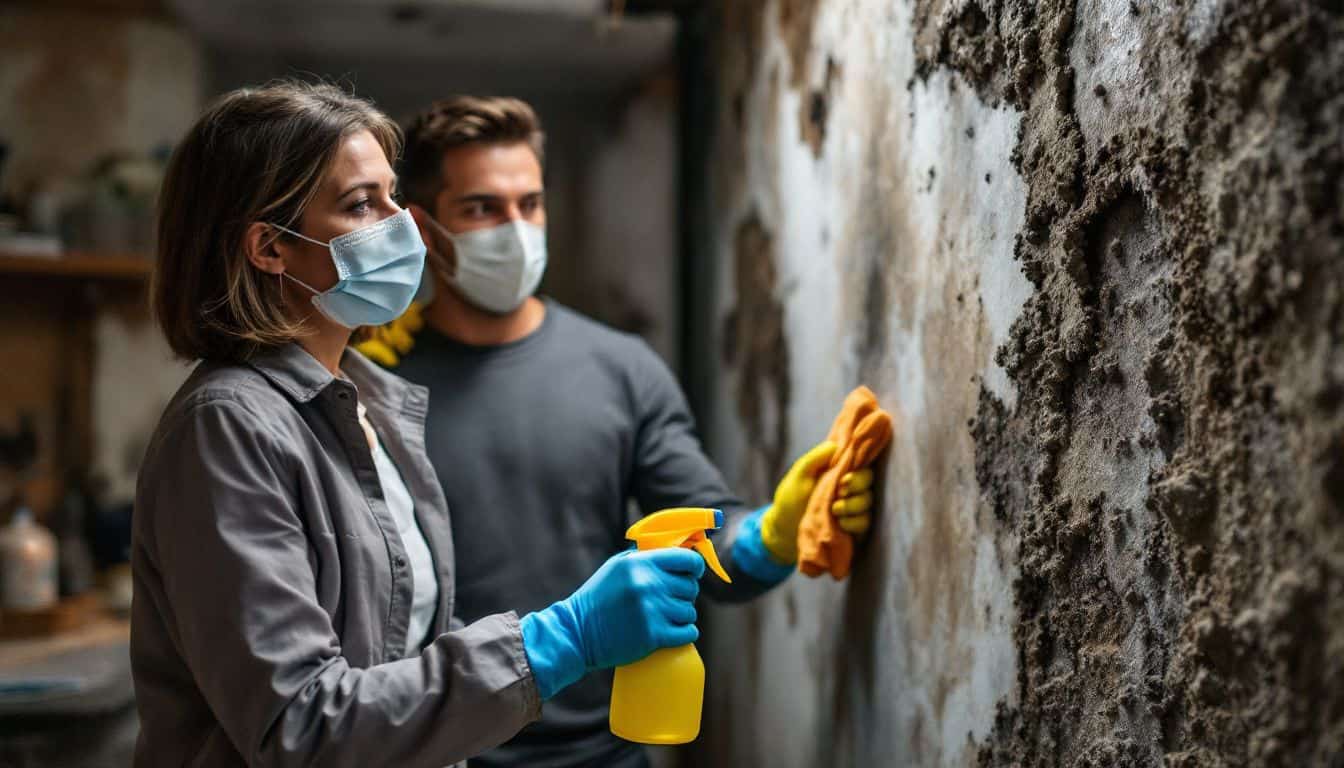
Mold loves old, damp houses. It thrives in basements, bathrooms, and anywhere moisture builds up. While some mold is just ugly, certain types, like Stachybotrys chartarum (black mold), can be toxic.
According to the CDC, mold exposure can cause a variety of health issues, even in people who are not allergic. Common symptoms include a stuffy nose, wheezing, and red or itchy eyes. For people with asthma or allergies, the reactions can be much more severe.
The most dangerous mold is the mold you don’t know about.
A key to preventing mold is controlling moisture. A study from the World Health Organization confirmed a strong link between indoor dampness and negative health effects. Use a hygrometer to keep your home’s humidity between 30% and 50%. If you have a large mold problem (more than 10 square feet), it’s best to call in a professional remediation service.
Dampness and Water Damage
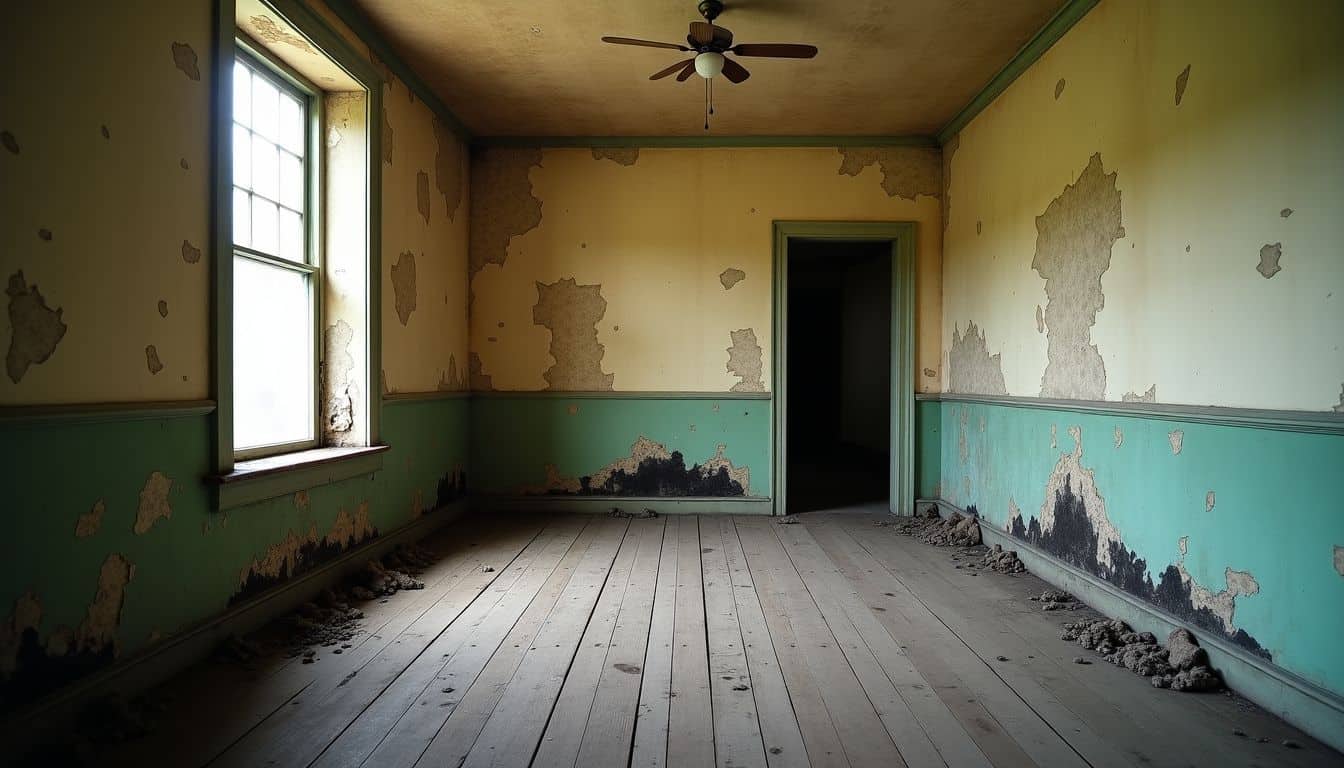
Water damage is the root cause of many problems in old houses, including mold and structural decay. You might spot obvious signs like watermarks on the ceiling, peeling wallpaper, or swollen floors.
These issues don’t just look bad, they threaten your home’s integrity. One of the most common and overlooked causes is clogged gutters. When gutters overflow, water runs down the side of the house and can seep into the foundation or walls.
Cleaning your gutters at least twice a year is a simple preventative step that can save you thousands in repairs. You should also check for proper drainage around your foundation to ensure water flows away from the house, not toward it.
Radon Gas: The Invisible Threat
One of the most serious dangers in any home, old or new, is radon. It’s a naturally occurring radioactive gas that you can’t see, smell, or taste. It seeps into homes from the ground through cracks in the foundation.
The EPA states that radon is the second leading cause of lung cancer in the United States, responsible for about 21,000 deaths each year. Nearly one in every 15 homes has elevated radon levels. The risk is even higher for smokers.
Because it’s invisible, the only way to know if you have a radon problem is to test for it. You can purchase a DIY short-term test kit, like those from AirChek or First Alert, for under $30.
If your home’s radon level is 4 picocuries per liter (pCi/L) or higher, the EPA recommends taking action. A professional radon mitigation system, which typically involves venting the gas from below your home to the outside, usually costs between $800 and $1,500. This is a small price to pay to remove a major cancer risk.
Structural Issues

Structural issues in old houses can pose serious risks, from cracked foundations to rotting beams that might collapse without warning. It’s important to learn how to spot these hidden dangers before they put your family at risk.
Weak Foundations
A weak foundation is one of the most serious threats to an old home. Over time, soil shifts and moisture can cause foundations to crack, settle, or bow. Telltale signs include large, zig-zagging cracks in brick walls, doors that won’t close properly, or noticeably sloping floors.
I noticed the floors in my own century-old home felt a bit bouncy, a clear sign of issues with the support structure. These aren’t just cosmetic problems, they affect your home’s entire structural integrity.

Fixing foundation issues can be expensive. Minor crack repairs might cost a few hundred dollars, but major stabilization work can easily exceed $10,000. Hiring a structural engineer to assess the problem typically costs between $500 and $1,000, but it’s a crucial step to understand the scope of the repairs needed for the house of your dreams.
Rusted Iron and Metal Components

Old houses often hide rusted metal parts that pose serious dangers. I once bought a Victorian home where the original iron support beams in the basement were badly rusted. Rust isn’t just ugly, it literally eats away at the metal, turning strong supports into weak, flaky powder.
This can lead to the sudden failure of crucial structural elements, like lally columns (the steel posts holding up the main beam in your basement) or the fasteners holding the house together. Rust can also affect old plumbing, leading to leaks and further water damage.
The next section explains how deteriorating brickwork and wood can further compromise your home’s safety.
Deteriorating Brickwork or Wood
Brick walls with cracked or missing mortar can create serious problems. Water seeps through these gaps and causes dampness inside the structure. This moisture attacks wooden beams, floor joists, and window frames from the inside out.
If left untreated, thisdampness leads to rotting wood, which weakens your home’s core structure. Look for wood that is soft and spongy to the touch, especially in basements and crawl spaces.
Pests make these problems even worse. Carpenter ants and termites are drawn to soft, damp wood. They build nests inside your walls and chew through supports, creating pathways for even more moisture to enter and causing significant structural damage over time.
Electrical and Gas Hazards
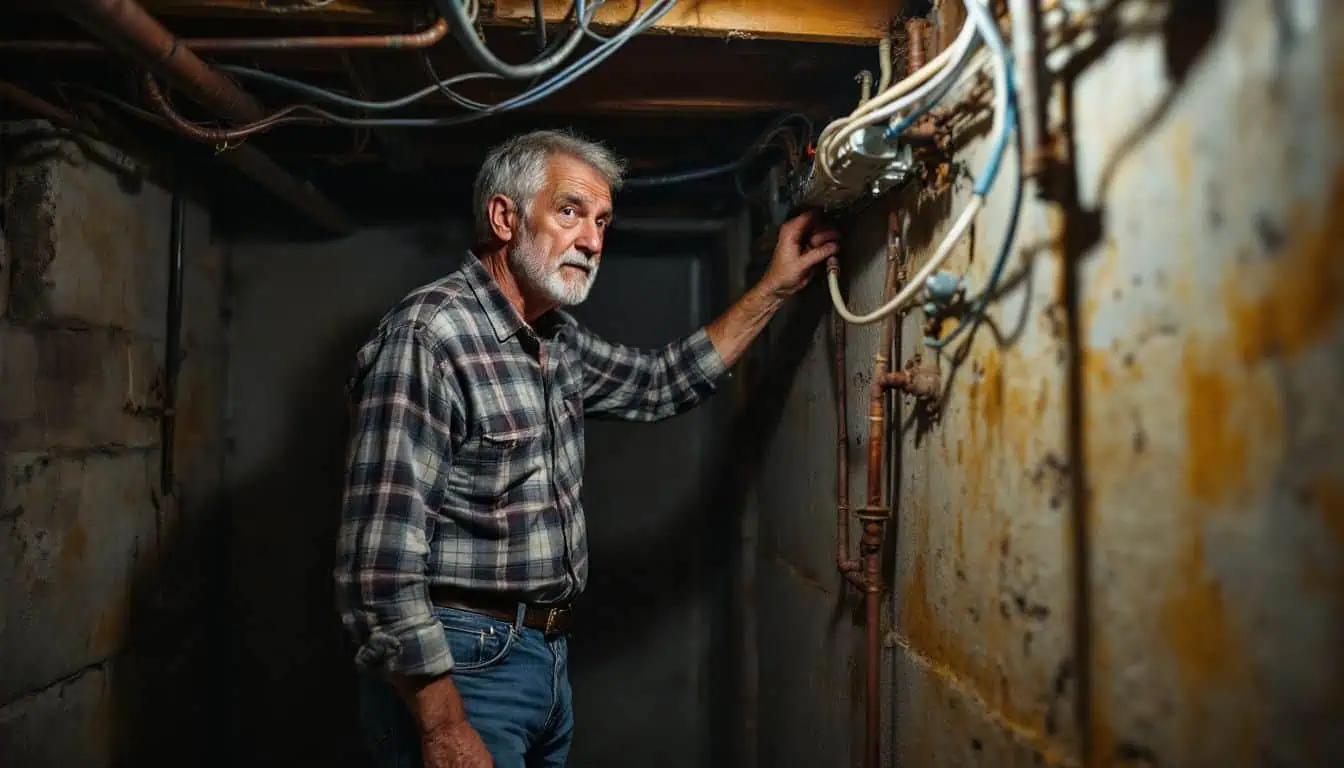
Old homes often hide outdated electrical systems that can spark fires without warning. Gas pipes and fixtures may also leak deadly carbon monoxide that you can’t see or smell.
Outdated Electrical Wiring
Many old houses have wiring that is simply not safe for modern life. Two common types of dangerous, outdated wiring are aluminum and knob-and-tube.
- Aluminum Wiring: Used in some homes built in the 1960s and 70s, aluminum wiring is 55 times more likely to have connections reach “Fire Hazard Conditions” than copper wire, according to the U.S. Consumer Product Safety Commission.
- Knob-and-Tube Wiring: Found in homes built before the 1940s, this system uses ceramic knobs and tubes. It lacks a ground wire, a critical safety feature that protects against electric shock, and the rubber insulation often becomes brittle and flakes off over time.

Warning signs of faulty wiring include flickering lights, a burning smell near outlets, or circuit breakers that trip frequently. If you see any two-prong (un-grounded) outlets, that’s another major red flag. A full home rewire is a major job, often costing between $8,000 and $15,000, but it’s a necessary investment for your family’s safety.
Carbon Monoxide Risks
Old homes often hide a silent killer: carbon monoxide (CO). This invisible, odorless gas is produced when fuels like gas, oil, or wood don’t burn completely in appliances like your furnace, water heater, or fireplace.
CO poisoning strikes without warning, causing symptoms that are easily mistaken for the flu: headache, dizziness, nausea, and confusion. I once woke up with a splitting headache and felt dizzy, only to discover later that my old furnace had malfunctioned.
The most dangerous threats are those we cannot see or smell.
The CDC reports that hundreds of people in the U.S. die from unintentional CO poisoning every year. The best way to protect your family is to install CO detectors on every level of your home, especially near sleeping areas. Good brands to look for include Kidde and First Alert. You should test them monthly and replace the batteries regularly.
Pest Infestations
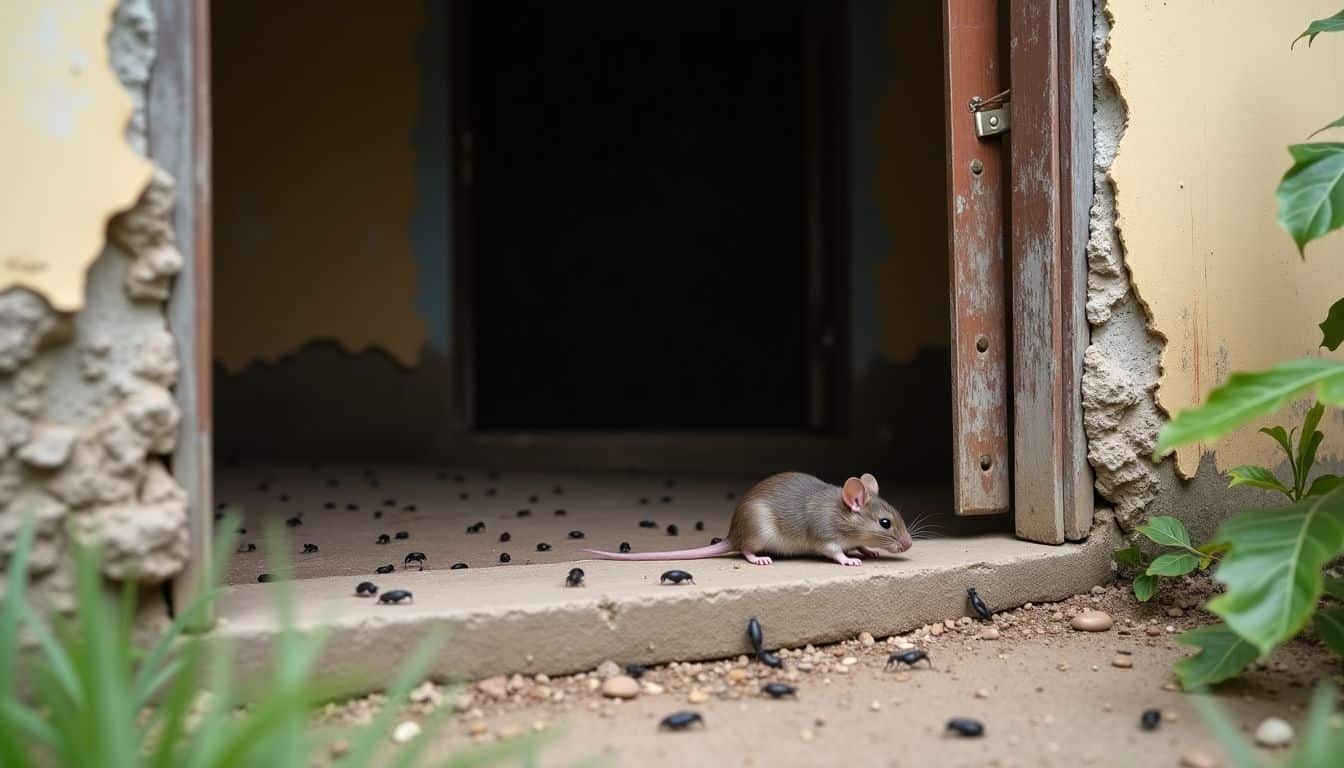
Old houses often have plenty of cracks and gaps, making them easy targets for unwanted guests like mice, termites, and cockroaches. These pests don’t just cause structural damage, they also pose serious health risks.
Rodents and Insects
Mice and rats can sneak through tiny holes and bring a host of diseases into your home. The National Pest Management Association estimates that rodents invade about 21 million U.S. homes each winter.
Their droppings and urine can spread bacteria and viruses, leading to illnesses. Some of the most serious diseases transmitted by rodents include:
- Hantavirus: A rare but potentially fatal respiratory disease spread by inhaling dust contaminated with deer mice droppings.
- Salmonella: Rodents can contaminate food and kitchen surfaces, causing food poisoning.
- Lymphocytic Choriomeningitis (LCMV): A viral infection carried by the common house mouse that can cause neurological problems.
Beyond the health risks, rodents can cause serious damage by chewing through electrical wires, which creates a fire hazard. You can prevent infestations by sealing gaps around pipes and in the foundation with steel wool and caulk.
Impacts on Health and Safety
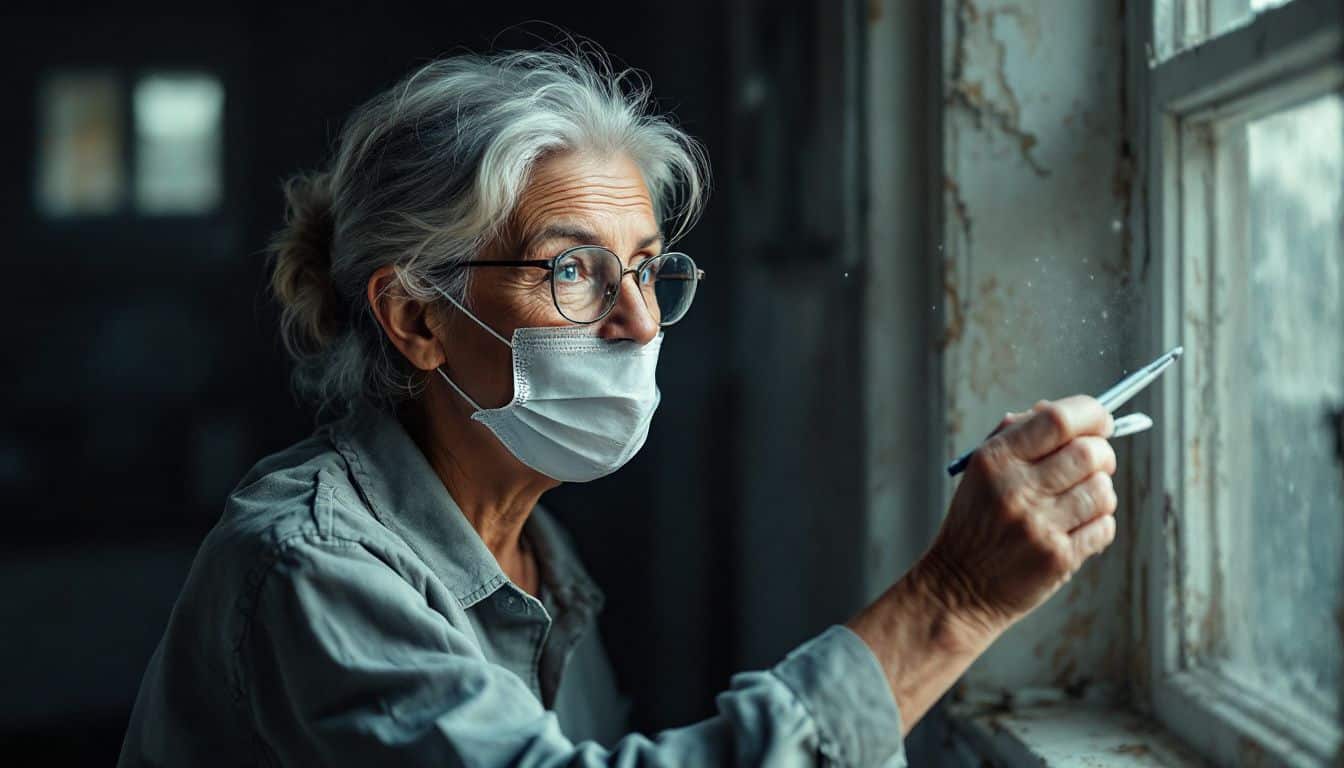
Living in an old house can cause serious health issues like lung problems and chronic illness from long-term contact with harmful substances. Read on to learn how to protect yourself and your family.
Respiratory Issues
Old houses often hide dangers that directly attack your lungs. Mold, a common problem in damp spaces, releases tiny spores into the air. According to the CDC, this can cause everything from eye and skin irritation to persistent coughing and wheezing.
I noticed this firsthand when my basement flooded last year. Within weeks, I developed a morning cough that just wouldn’t go away until the issue was professionally remediated.
Poor airflow makes these problems worse. Research has linked bad ventilation to a higher risk of asthma and other chest infections. For people who already have asthma, mold exposure can trigger more frequent and severe attacks.
The combination of hazards like lead dust, mold spores, and asbestos fibers can create a toxic indoor air cocktail, especially in winter when windows are kept closed.
Long-term Exposure Risks
Living in an old house can expose you to silent dangers that cause damage over many years. Daily, low-level exposure to asbestos fibers, for example, can lead to serious lung diseases like mesothelioma and asbestosis, often 20 to 30 years after exposure.
Lead paint poses another major long-term threat. In children, it can cause permanent brain damage, while in adults, it can lead to chronic nervous system problems and high blood pressure. These toxins don’t make you sick overnight, the damage builds up slowly and silently.
Faulty heating systems can create ongoing carbon monoxide risks, and old wiring systems increase the danger of a house fire over time. The longer you live with these conditions, the higher your chances of developing serious health issues. This is why regular testing and upgrades aren’t just home improvements, they are life-saving measures.
Precautions to Take When Living in an Old House
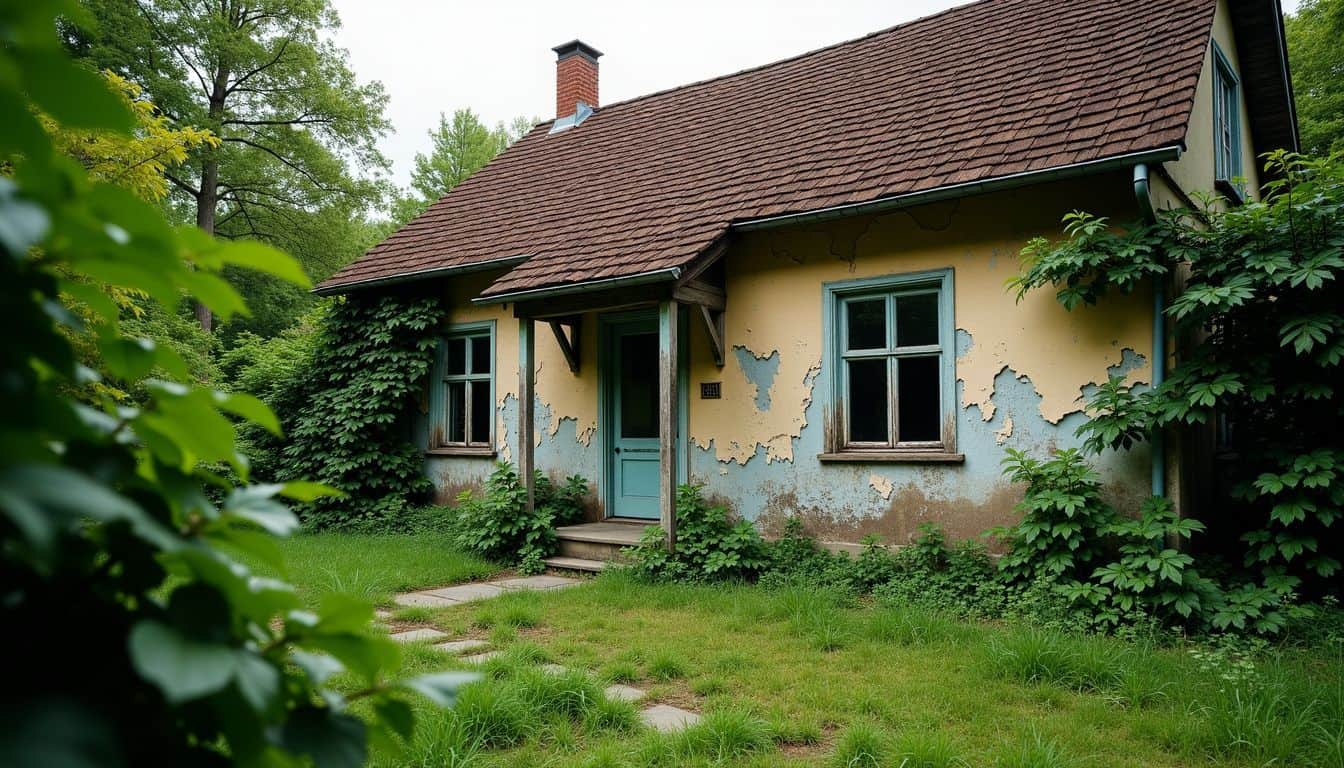
Taking smart steps to protect your family means doing regular checks and getting quick fixes for any dangers you find. Read on to learn how to stay safe while keeping the charm of your historic home.
Regular Inspections
Old houses need your eyes on them often. Smart homeowners check their property at least twice a year for signs of trouble. Look for new cracks in walls, sagging floors, or water stains on ceilings.
These small clues can point to bigger issues hiding beneath the surface. Pay special attention to areas where asbestos might lurk, like around old pipe insulation, in vinyl floor tiles, or in popcorn ceiling textures. Remember that exposure can cause serious health problems if these materials are disturbed.
Your safety also depends on working systems. Install carbon monoxide detectors on each floor, especially near bedrooms, and test them monthly. A professional home inspection is always worth the cost to identify hazards you might miss.
Professional Repairs and Upgrades
After regular inspections identify issues, you’ll need expert help for major fixes. Professional repairs are essential for serious health risks like mold growth, lead paint, and asbestos removal. These hazards require specialized equipment and training to handle safely, and many states have laws requiring certified experts.
Updating an old electrical system is one of the most important upgrades you can make to reduce fire risk. The same goes for outdated plumbing, which can leak and cause massive water damage. Always hire licensed contractors who understand the unique challenges of older homes and can bring them up to modern safety codes.
Home Hazard Inspection Checklist
- Examine exterior walls for cracks and peeling paint that may indicate lead exposure.
- Inspect insulation, floor tiles, and ceilings in pre-1990s homes for materials that could contain asbestos.
- Check for water stains, a musty smell, or visible mold growth in basements, attics, and under sinks.
- Test electrical outlets for proper grounding and look for signs of knob-and-tube or aluminum wiring.
- Assess structural elements like the foundation and support beams for visible damage or rust.
- Ensure carbon monoxide detectors are installed on each level and are functioning properly.
- Look for signs of pest infestations such as droppings, chewed wood, or damaged insulation.
- Confirm that gutters and downspouts are clear and directing water away from the foundation.
People Also Ask
What are the most common health risks in old houses?
Old houses often hide dangers like lead paint, asbestos, and toxic mold in damp areas. These can cause breathing problems and serious illnesses over time. Invisible threats like radon gas, which can seep through foundations, and carbon monoxide from faulty appliances are also major risks.
How can I tell if my old home has unsafe wiring?
Look for warning signs like flickering lights, buzzing sounds from outlets, or circuit breakers that trip often. Two-prong outlets are a clear sign of an ungrounded system. If you see ceramic knobs and tubes in the basement or attic, you have outdated knob-and-tube wiring, which is a fire risk.
What structural problems should I watch for in an older home?
Keep an eye out for sloping floors, large cracks in walls (especially in a zig-zag pattern), and doors or windows that stick or won’t close properly. These are often signs of foundation issues. In the basement, look for bowing walls or crumbling concrete.
Are plumbing systems in old houses something to worry about?
Yes, old pipes can be a big concern. Some homes built before the 1980s may have lead pipes that can contaminate your drinking water. Corroded galvanized steel pipes can cause low water pressure and rusty water. Old sewer lines are also prone to cracks and tree root invasions, which can lead to costly backups.
References
https://peteryounghomeinspections.com/2020/07/hidden-dangers-may-lurk-in-older-homes/
https://www.atomic-ranch.com/architecture-design/preservation-corner/common-old-home-dangers/
https://www.asbestos.com/exposure/home/
https://www.gpinspect.com/article/buying-house-with-mold/ (2023-10-25)
https://pmc.ncbi.nlm.nih.gov/articles/PMC4667360/
https://www.ncbi.nlm.nih.gov/books/NBK215639/
https://www.samsweldinginc.com/7-ways-rust-can-impact-your-metal72ef8e25 (2019-10-18)
https://www.idealresponse.co.uk/blog/8-dangers-of-old-buildings-you-need-to-know-about/
https://actionplumbing.net/common-electrical-problems-in-older-homes-and-how-to-fix-them/
https://www.wolcott.pro/blog/2023/november/the-hidden-dangers-of-carbon-monoxide-why-detect/
https://pmc.ncbi.nlm.nih.gov/articles/PMC1820437/
https://pmc.ncbi.nlm.nih.gov/articles/PMC6181819/
https://www.asapenvironmental.com/7-health-dangers-that-might-be-hiding-in-your-home
https://www.progressive.com/lifelanes/safety-tips-for-old-houses/