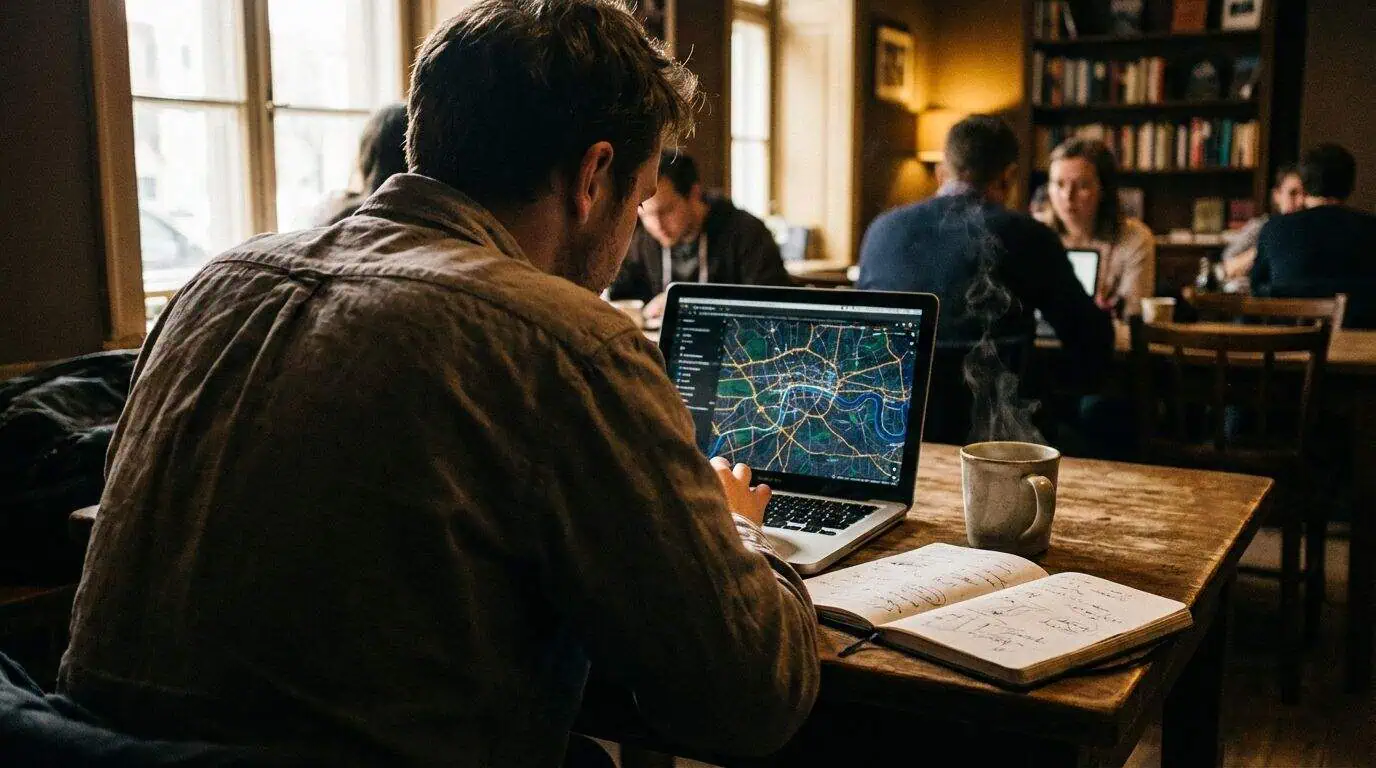
Choosing between a Norway or Iceland Northern Lights trip is a tough call. I’ve been there, staring at flight comparisons and wondering which Arctic destination would give me the best shot at seeing the green lady dance. After spending time in both Tromsø and Reykjavik, I realized the decision comes down to what kind of adventure you want.
Do you want the raw, dramatic fjords of Norway where the mountains crash into the sea? Or are you looking for the volcanic, steaming landscapes of Iceland where fire and ice meet? I found that Tromsø offers easier access to the lights right from the city edge, while Iceland requires a bit more hunting to escape the cloud cover.
In this guide, I’m going to break down everything I learned. We’ll look at the specific costs, the best viewing spots, and the gear you actually need to survive the cold. So, grab a coffee and let’s figure out which trip is right for you.
Key Takeaways
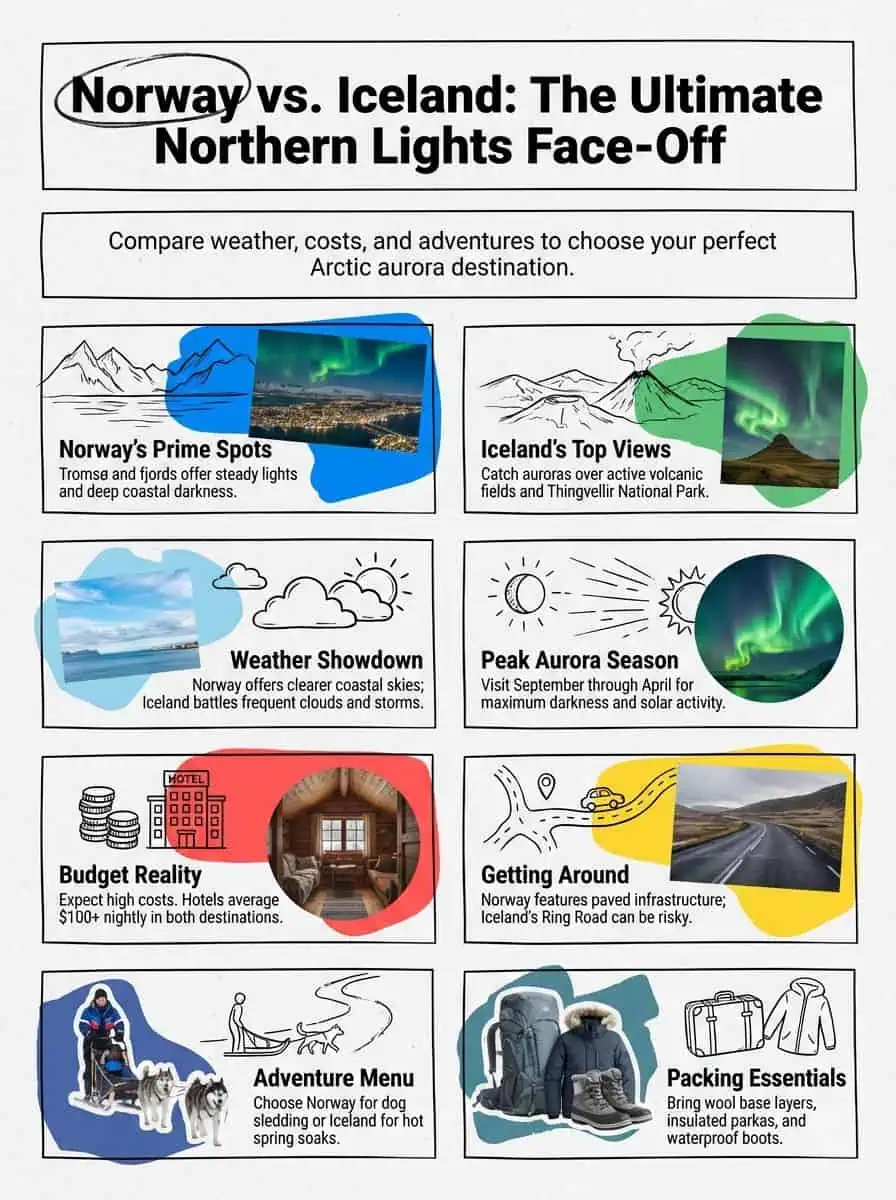
Travel Logistics: Norway has a smoother ride with excellent roads and tunnels connecting islands like Tromsø; Iceland’s Ring Road can be a beast in winter with sudden closures near the glacier lagoon.
Season & Visibility: The Northern Lights season hits peak viewing between November and March for Norway (Tromsø avg: 25°F) and October to February for Iceland (Reykjavik avg: 32°F).
Best Spots: Norway’s Lofoten Islands and Alta offer clear coastal views; Iceland’s Thingvellir National Park and Kirkjufell are iconic, but watch out for Atlantic storms blocking the sky.
Unique Features: Iceland is the land of hot springs and active volcanoes (like the recent Sundhnúkagígar eruptions); Norway is king of the fjords and dog sledding adventures.
The Cost Reality: Expect to pay around $11 for a pint of beer in both countries. Car rentals hover near $100 per day, but gas is pricier in Iceland at over $8.50 per gallon.
Table of Contents
Northern Lights Viewing in Norway
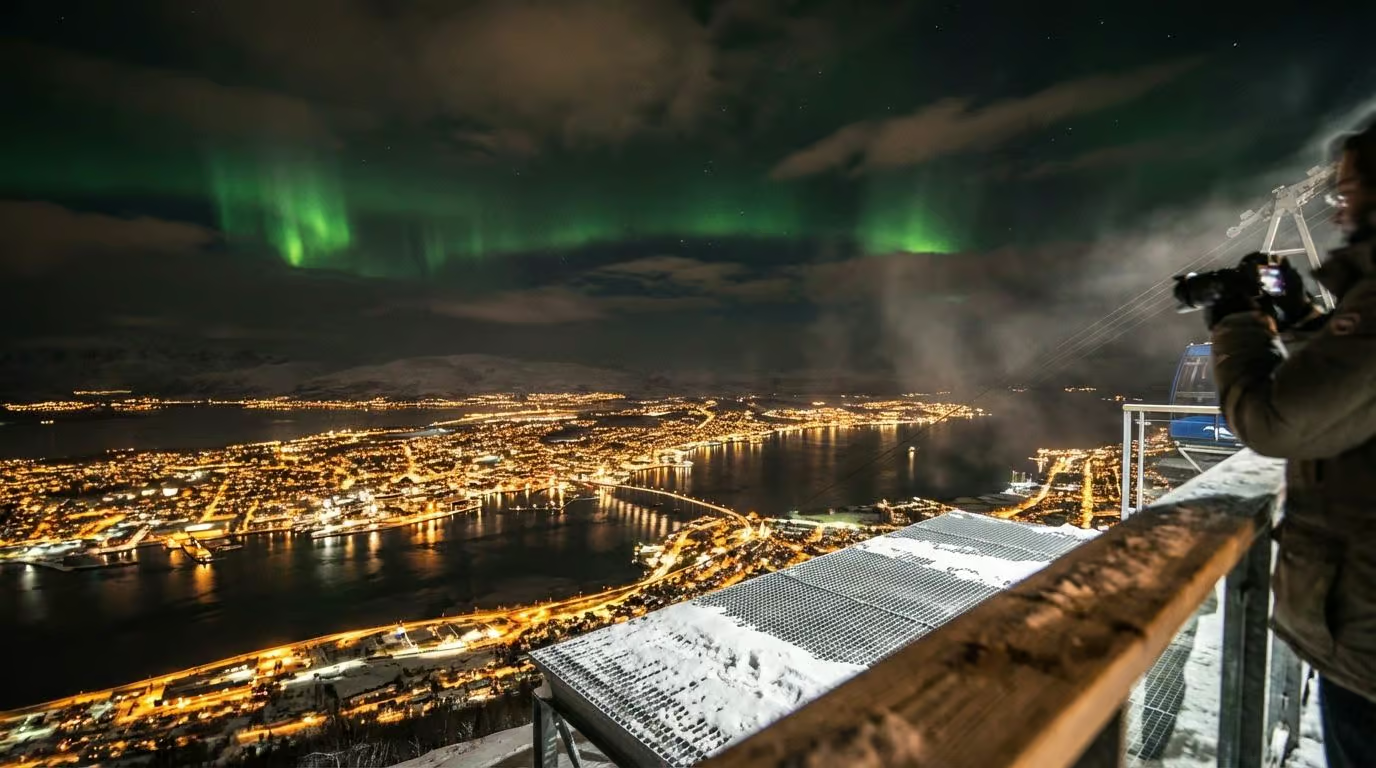
Tromsø feels like the capital of the aurora world. When I first landed, I was surprised by how “alive” the city felt even during the dark months. It sits right in the middle of the aurora oval, meaning you can often see the lights from your hotel window if the conditions are strong enough.
The scenery here is exactly what you see in the magazines. Steep mountains shoot straight up from the dark water, giving you a foreground that makes photos look professional with zero effort.
Where are the best places to see the Northern Lights in Norway?
If you want my honest advice, start with Tromsø. It’s accessible, fun, and offers easy wins. I took the Fjellheisen cable car up Mt. Storsteinen one night—it costs about 450 NOK ($40)—and saw the lights dancing over the city lights below. It beats freezing in a car for hours.
For those willing to venture further, Alta is known as the “City of the Northern Lights” for a reason. It has a drier climate than the coast, which means fewer clouds and better visibility. I also recommend the Lofoten Islands if you want those dramatic jagged peaks in your shots, though getting there takes a bit more planning.
Here are the top spots I tracked down:
- Tromsø: The main hub. Great for tours and nightlife.
- Senja: Stunning, wild nature with zero light pollution.
- North Cape: Standing at the edge of the continent feels epic.
- Svalbard: The only place you can see daytime auroras during the polar night.
A third of Norway sits inside the Arctic Circle, so your options are endless. Just remember to get away from the streetlights. On my last trip, I drove out to a quiet fjord near Ersfjordbotn, parked the car, and had a private show that lasted two hours. For organized options, there are plenty of trips to Norway Northern Lights that handle the driving for you.
When is the ideal time to visit Norway for Northern Lights?
The official aurora season runs from September to April. However, I found that the sweet spot is late September to late March. This is when the nights are darkest and the snow on the ground reflects the moonlight, making everything brighter and easier to see.
If you go in December or January, you are dealing with the Polar Night. The sun doesn’t rise at all in Tromsø. This sounds depressing, but it actually gives you 24 hours of potential viewing time. I’ve seen the lights at 4:00 PM while walking to get dinner.
The temperatures in January hover around 21°F to 29°F. It’s cold, but the Gulf Stream keeps the coast from turning into a deep freezer. If you want clearer skies, March is a fantastic option; the weather is more stable, and you still get plenty of darkness.
What are the weather and visibility conditions like in Norway?
Weather is the boss up here. You can check the apps—I use Aurora Reach or My Aurora Forecast—but if the clouds roll in, the show is over. Coastal Norway, including Tromsø, can get cloudy because of the ocean air.
However, the weather changes fast. I’ve stood in a snowstorm that cleared up twenty minutes later to reveal a perfect green arc. Inland areas like Alta generally have more stable, clear weather than the coast. If you are serious about seeing them, booking a “chase” tour is smart because the guides will drive all the way to Finland just to find a hole in the clouds.
Compared to Iceland, I found Norway’s weather slightly more predictable in the winter. You deal with snow, sure, but fewer of the violent windstorms that can shut down the Icelandic Ring Road for days.
What unique experiences do fjords and coastal views offer for aurora watchers?
Seeing the lights reflect off the water of a fjord is something that stays with you. I remember taking a night cruise out of Tromsø. We drifted silently on the dark water, holding hot chocolate, while the sky exploded above us. The reflection doubled the size of the aurora.
You can also combine viewing with a stay in unique spots like the Snowhotel Kirkenes or the sorrisniva Igloo Hotel in Alta. Sleeping on a block of ice is a cool story, even if I was happy to get back to a heated room the next night.
For a different vibe, you can head south to Bergen, but honestly, it’s too far south for reliable sightings. Stick to the north. If you want to mix volcanic landscapes with your trip, you might look into Iceland Northern Lights tours instead.
“Every time those colored lights ripple above Norwegian fjords, I don’t just watch nature—I catch history flickering right there in neon.”
Northern Lights Viewing in Iceland
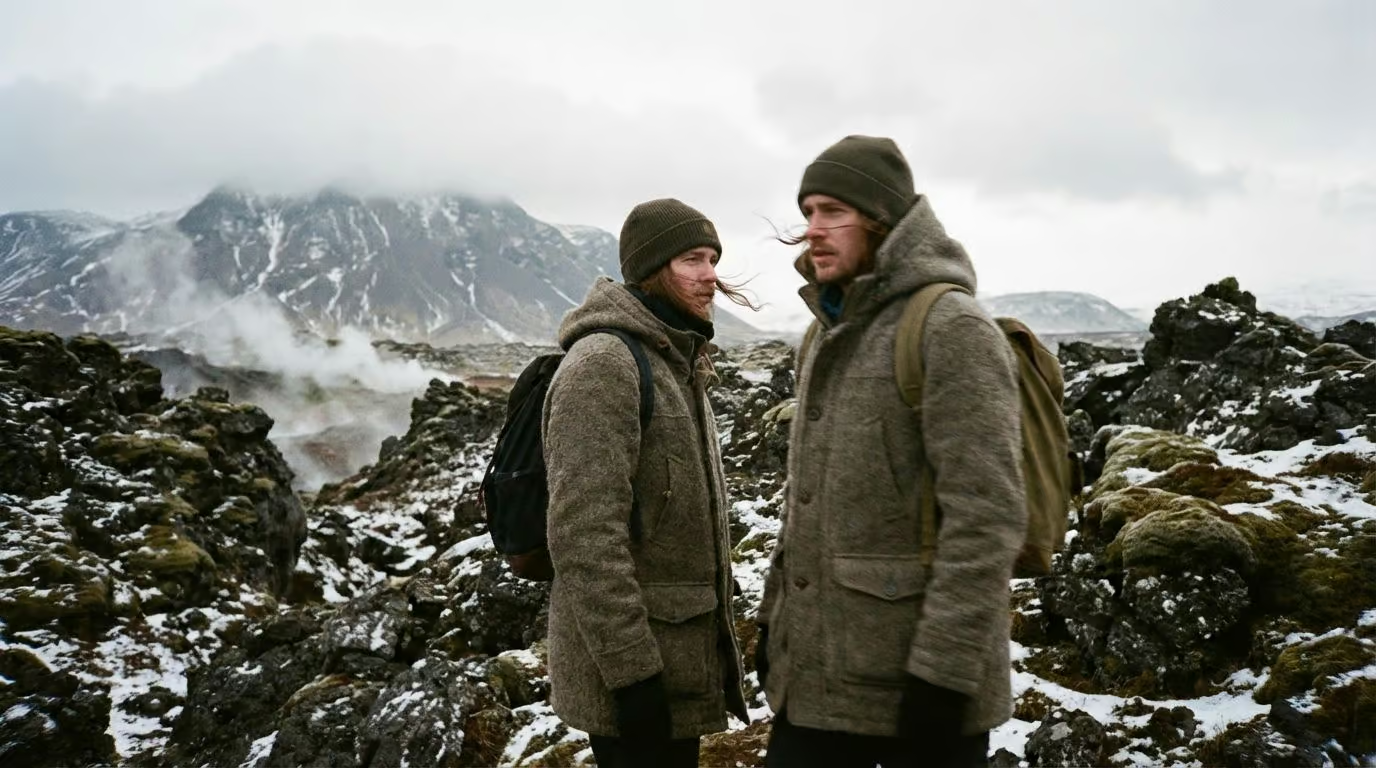
Iceland feels wilder. It’s a land of extremes where you might be driving through a blizzard one minute and watching steam rise from a lava field the next. The aurora hunting here feels like an expedition.
Where can you see the Northern Lights best in Iceland?
Reykjavik is a good base, but you need to escape the city glow. I often drive out to the Grótta Island Lighthouse at the tip of the peninsula. It’s only ten minutes from downtown, but it’s dark enough to see a good show.
For the classic shots, you have to head to Thingvellir National Park. It’s about an hour drive, and the wide-open plains mean huge skies. Another favorite of mine is Kirkjufell mountain on the Snæfellsnes Peninsula. It’s that cone-shaped mountain you see in every Instagram post. Seeing the lights swirl around its peak is worth the drive.
If you really want to go off the grid, Grimsey Island is the only part of Iceland that actually touches the Arctic Circle. It’s remote, quiet, and offers zero light pollution.
When is the best time to visit Iceland for Northern Lights?
Similar to Norway, the window is September to April. I prefer visiting in October or February. October gives you decent daylight for exploring sights like the Golden Circle, while February brings snowy landscapes that make the photos pop.
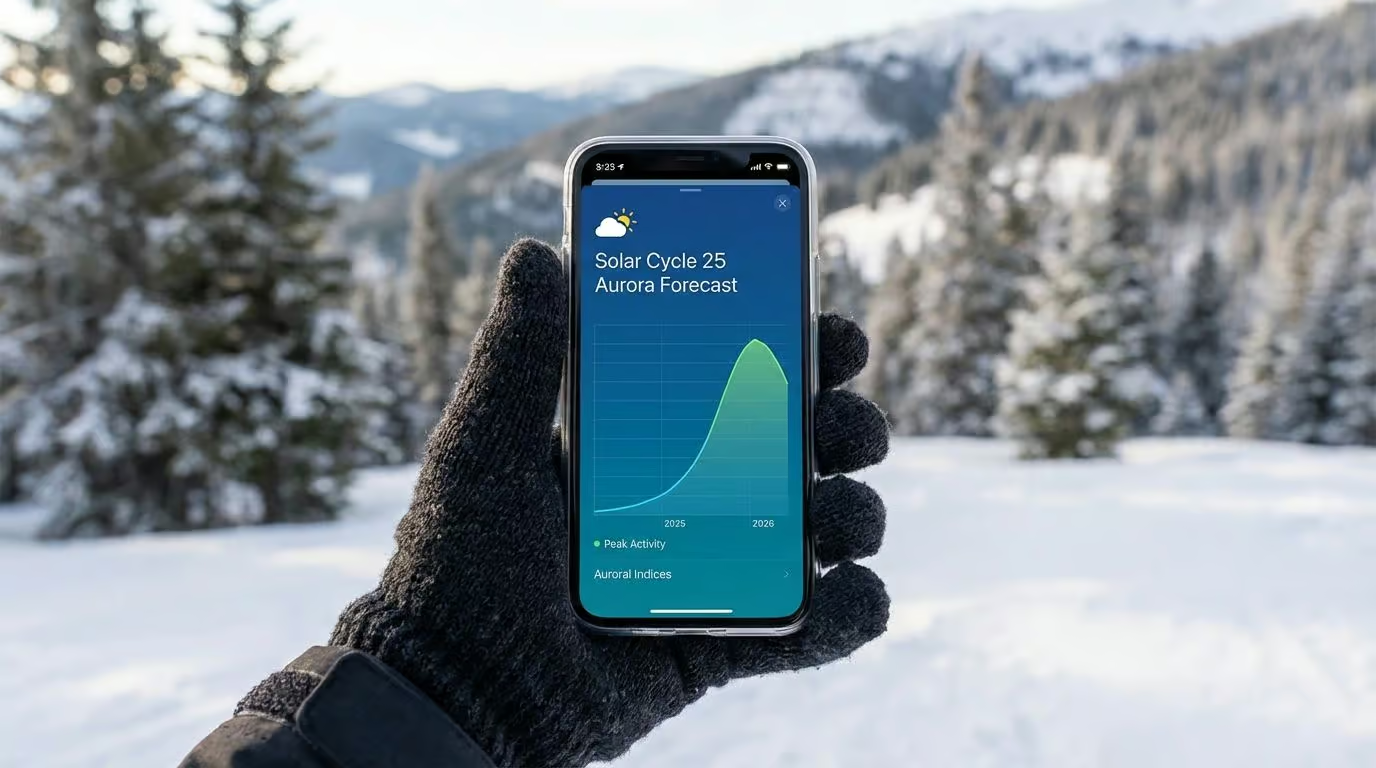
Solar activity is high right now. We are currently near the peak of Solar Cycle 25. NOAA predicts strong activity through 2025 and 2026, so your chances of seeing vibrant displays are better now than they have been in a decade.
Just be warned: December days are short. You might only get 4-5 hours of daylight. This is great for auroras but tough if you want to see waterfalls and glaciers in the sunlight.
How do weather and visibility affect Northern Lights in Iceland?
Here is the hard truth: Iceland’s weather is chaotic. The island sits in the middle of the North Atlantic, and storms hit it constantly. I have had trips where I didn’t see the sky for three days straight because of thick cloud cover.
The wind here is no joke. I’m talking about gusts that can rip a car door off its hinges if you aren’t careful (seriously, hold onto the door when you open it). Reykjavik averages about 9.7 inches of snow in January, but the wind whips it into whiteout conditions fast.
Flexibility is your best weapon. Rent a car so you can chase the clear patches. Check the Icelandic Met Office website (vedur.is) for the cloud cover forecast—it is surprisingly accurate and essential for hunting.
What unique experiences do volcanic landscapes and hot springs provide?
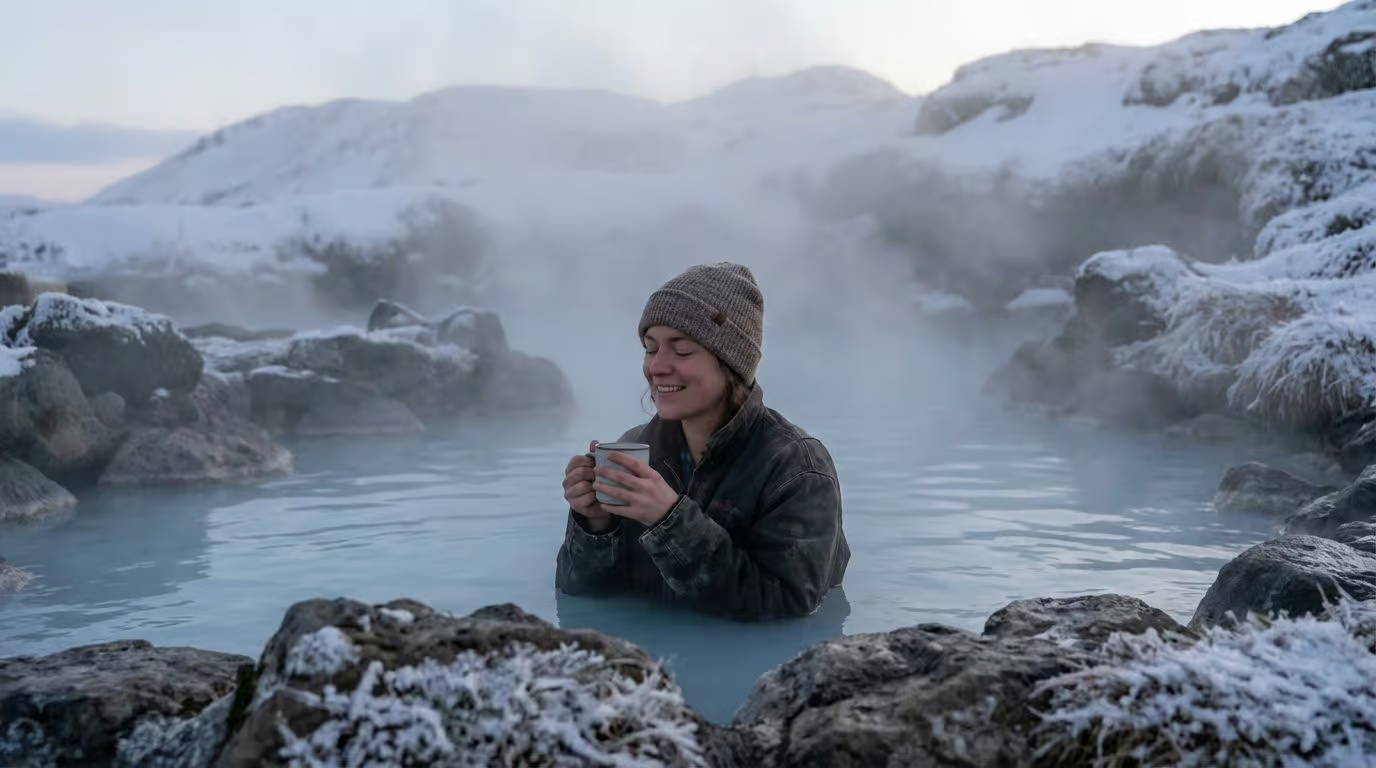
This is where Iceland wins. Waiting for the lights while soaking in a hot spring is unbeatable. The Blue Lagoon is famous, but recent volcanic activity in the Sundhnúkagígar crater row on the Reykjanes Peninsula has caused temporary closures in late 2023 and 2024. Always check their website before you go.
For a more reliable dip, I love the Sky Lagoon near Reykjavik or the Secret Lagoon in the Golden Circle. Sitting in 100°F water with a cold beer in hand, waiting for the sky to turn green, is the ultimate way to relax.
You can also visit the black sand beaches near Vík. The contrast of the white surf, black sand, and green sky is surreal. Just don’t turn your back on the waves at Reynisfjara—they are dangerous.
Comparing Norway and Iceland for Northern Lights
Comparing these two is like choosing between a high-tech winter resort and a rugged wilderness adventure. Norway feels more settled and organized, while Iceland feels raw and unpredictable.
How accessible are Norway and Iceland for Northern Lights travel?
Norway wins on infrastructure. Even in the far north, the roads are excellent. They have bridges and deep undersea tunnels that connect the islands, so you don’t have to wait for ferries as often. Plus, the plowing service is relentless.
Iceland is easy around Reykjavik, but once you get onto the Ring Road, things get dicey. I’ve seen tourists slide off the road because they underestimated the wind and ice. If you aren’t confident driving in severe winter conditions, stick to the tours in Iceland.
For digital nomads, Norway’s connectivity is top-tier. I had 5G signal on top of a mountain. If you are looking to work while you travel, check out this guide on how to become a digital nomad.
What are the costs of Northern Lights tours and accommodations in both countries?
Let’s talk money. Both countries are expensive, but there are differences. I built this table to give you a real-world comparison of what I spent on my recent trips.

| Item | Norway (Tromsø) Cost (USD) | Iceland (Reykjavik) Cost (USD) |
|---|---|---|
| Pint of Beer | $10 – $12 | $10 – $13 |
| Burger Meal | $25 – $30 | $25 – $35 |
| Gallon of Gas | ~$7.50 | ~$8.50+ |
| Mid-Range Hotel | $150 – $200 | $180 – $250 |
| Aurora Tour | $120 – $180 | $100 – $150 |
Alcohol is a pain to buy in both places. In Norway, you go to Vinmonopolet; in Iceland, it’s Vínbúðin. Both are government monopolies. Pro-tip: Both close on Sundays and close early on Saturdays (usually 4 PM or 6 PM). Stock up at the Duty-Free store at the airport when you land—it’s about 50% cheaper.
Groceries are the best way to save. In Norway, look for Rema 1000 or Kiwi. In Iceland, look for Bónus (the yellow store with the pink pig logo). You can save a fortune by making your own sandwiches.
What variety of activities can you do beyond Northern Lights viewing?
In Norway, the focus is on snow. Dog sledding at the Tromsø Villmarkssenter was a highlight for me. Mushing your own team of huskies through the Arctic tundra costs about $200, but it’s a rush. I also recommend the Fjellheisen cable car for the views and whale watching tours to see Orcas in the fjords.
Iceland offers more geological thrills. You can snorkel between tectonic plates at Silfra fissure (water temp is 35°F, but the dry suit keeps you warm). Exploring ice caves in Vatnajökull National Park is another must-do. And, of course, chasing waterfalls like Skógafoss and Seljalandsfoss is free and spectacular.
What accommodation options are available in Norway and Iceland?
Norway has a great network of cabins and “rorbu” (fisherman’s cabins). These are often right on the water and perfect for groups. I stayed in one in the Lofoten Islands, and stepping out onto the deck to see the aurora was unforgettable.
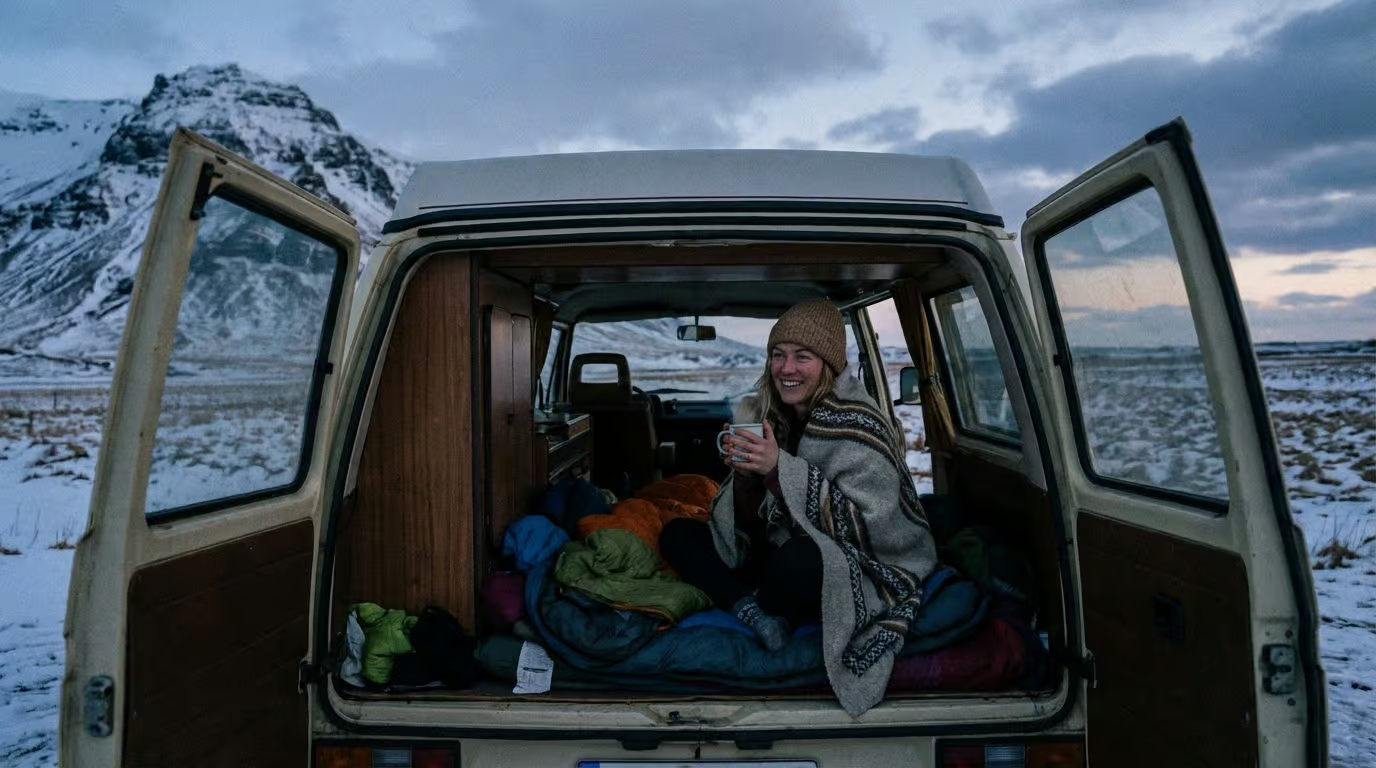
Iceland has plenty of hotels, but camper vans are huge there. Renting a heated camper van lets you chase the clear skies and sleep wherever you find a campsite. Just know that wild camping is illegal now; you must stay in designated campsites. In winter, this can be cold, so make sure the heater is top-notch.
How do culinary experiences compare between Norway and Iceland?
Food in Norway leans heavily on seafood. You’ll eat a lot of cod, salmon, and king crab. A traditional reindeer stew is the perfect way to warm up after a night out. It’s hearty, rich, and delicious.
Iceland has stepped up its food game. Reykjavik has incredible food halls like Hlemmur Mathöll where you can get gourmet tacos, fresh seafood, and craft beer. Traditional food includes lamb soup (Kjötsúpa) and, if you are brave, fermented shark (Hákarl). I tried the shark once—it tastes like cleaning supplies. I’d stick to the hot dogs from Bæjarins Beztu Pylsur; they are famous for a reason and cheap.
Best Time to Visit for Northern Lights in Both Countries
Timing is everything. You can have the best gear in the world, but if the sun doesn’t set or the clouds don’t break, you’re out of luck.
What are the seasonal differences for Northern Lights in Norway?
In Norway, September and October are great because it’s not freezing yet. You can see the lights reflect in the lakes before they freeze over. November through January is the dark period. It’s excellent for aurora hunting because you have 18+ hours of darkness, but you won’t see much of the landscape.
March is my personal favorite. The days are getting longer, so you can ski or hike in the sun, but the nights are still pitch black for aurora viewing.
What seasonal differences affect Northern Lights viewing in Iceland?
Iceland follows a similar pattern. October is often rainy and windy, so bring good rain gear. December and January are snowy and beautiful, but the short days limit your sightseeing.
One major factor for Iceland is the road conditions. In mid-winter, access to the North or the East fjords can be cut off by snow. If you visit in March, the roads are usually clearer, and the solar activity around the equinox can be intense.
Other Natural Wonders to Explore
You aren’t flying all the way to the Arctic just for the night sky. The daytime views are just as mind-blowing.
What mountains and fjords can you explore in Norway?
The Lyngen Alps near Tromsø are a paradise for ski touring. These mountains rise 6,000 feet straight out of the ocean. Even if you don’t ski, a boat tour through the fjords gives you that classic Viking feel.
Further south, the Geirangerfjord and Nærøyfjord are UNESCO sites, though they are harder to reach in winter. For winter trips, I stick to the north where the infrastructure is built for the cold.
What glaciers and volcanoes are notable in Iceland?
Iceland is basically a geology lesson on steroids. Vatnajökull is Europe’s largest glacier. You can take a Super Jeep tour up onto the ice or walk into a blue ice cave. It feels like being inside a diamond.
For volcanoes, the Reykjanes Peninsula is the hot spot right now. The recent eruptions have created fresh lava fields that are still steaming. Seeing new land being formed is a humbling experience.
How do hot springs in Iceland compare to those in Norway?
This is a blowout win for Iceland. Norway has very few natural hot springs. Iceland sits on a geothermal hotspot. From the luxury of the Retreat at Blue Lagoon to the free natural hot pots like Hrunalaug, soaking in hot water is a daily ritual here.
In Norway, the tradition is the sauna. You bake in a hot sauna and then jump into the freezing fjord. It’s invigorating, for sure, but I prefer the relaxing soak of an Icelandic hot spring.
Adventure Activities in Each Destination
If you need an adrenaline fix, both countries deliver, but in very different ways.
What hiking opportunities exist in Norway and Iceland?
In winter, hiking in Norway usually requires snowshoes. There are great trails around Tromsø, like the walk to the Sherpa Stairs (though the stairs themselves might be icy). The culture of friluftsliv (open-air living) means trails are well-marked.
In Iceland, you can hike to waterfalls like Hengifoss or walk on the glacier tongues. Just be careful on the black sand beaches. I can’t stress this enough: the waves are unpredictable.
What snow-based activities like skiing and snowshoeing are available?
Norway is the birthplace of skiing. You can go cross-country skiing on lit trails right in the middle of Tromsø. Snowshoeing is also accessible for beginners.
Iceland is better for snowmobiling. You can ride across the top of a glacier, which is an incredible rush. Ice climbing on Sólheimajökull glacier is another favorite of mine—strapping on crampons and climbing a vertical wall of blue ice makes you feel like an explorer.
Practical Tips for Planning Your Trip
A little preparation goes a long way. Here is what I wish I knew before my first trip.
What should you pack for winter trips to Norway and Iceland?
The saying “there is no bad weather, only bad clothing” is the law up here. Cotton is your enemy. If it gets wet, you stay cold.
- Base Layer: Merino wool tops and bottoms. It doesn’t smell and keeps you warm even if you sweat.
- Mid Layer: A thick fleece or wool sweater.
- Outer Shell: A windproof and waterproof jacket. Gore-Tex is your friend.
- Insulation: A down puffer jacket for when you are standing still watching the lights.
- Feet: Insulated boots and wool socks. I wear crampons (micro-spikes) in the city because the sidewalks are pure ice.
- Hands: Mittens are warmer than gloves. Use hand warmers inside them.
- Tech: Bring spare batteries for your camera. The cold drains them in minutes.
What are the driving conditions and car rental options?
In Norway, rental cars come with studded tires in winter. The roads are icy but well-maintained. I found driving there pretty stress-free.
In Iceland, rent a 4×4. Do not skimp on this. The wind can blow snow across the road, creating drifts in minutes. Check road.is every single morning before you head out. If a road is marked red, do not drive on it. You will get stuck, and rescue is expensive.
Should you choose guided tours or plan your trip yourself?
If you are on a tight schedule, book a tour. Guides like those from Chasing Lights in Tromsø know the micro-climates and will find clear sky if it exists. They also provide thermal suits and photos.
If you have more time and want to save money, renting a car is great. It lets you chase the lights on your own terms. I loved parking at a random spot and having a thermos of coffee while waiting for the show.
How Will Northern Lights Viewing Change in 2025?
The year 2025 is shaping up to be legendary for aurora hunters. We are in the peak phase of Solar Cycle 25. This means the sun is firing off more flares and solar wind than it has in over a decade.
Experts at NOAA predict that this high activity will continue through 2025 and into 2026. This means you might see the lights further south, and the displays in Norway and Iceland will be more intense and colorful—think purples and reds mixed in with the standard green.
Infrastructure is also improving. Both countries are seeing more electric car chargers and better flight connections. Just book early; with the “solar maximum” hype, hotels in prime spots like Tromsø and Myvatn are filling up months in advance.
People Also Ask
Where is the best place to see the northern lights, Norway or Iceland?
If you want the highest statistical chance of clear skies, I recommend Norway’s inland spots like Alta where the weather is more stable. However, for sheer dramatic impact, the view from Diamond Beach in Iceland offers a foreground of glowing ice that I believe is unmatched anywhere else in the world.
What makes Diamond Beach in Iceland special for aurora viewing?
It is the only place I know where you can photograph massive, crystal-clear icebergs washing up on jet-black volcanic sand while the aurora reflects off the ice.
Is it easier to reach good northern lights spots in Norway or Iceland?
Norway’s roads are surprisingly well-maintained with constant plowing, so I found driving there much less stressful in winter. In Iceland, you absolutely need a 4×4 with studded tires because the Ring Road can shut down completely with zero warning during a storm.
Which country offers more than just auroras for travelers?
Iceland allows you to tour natural blue ice caves in Vatnajökull National Park right after you visit the beach. Norway, however, is my top pick for wildlife action, especially the killer whale safaris that run out of Tromsø during the dark season.