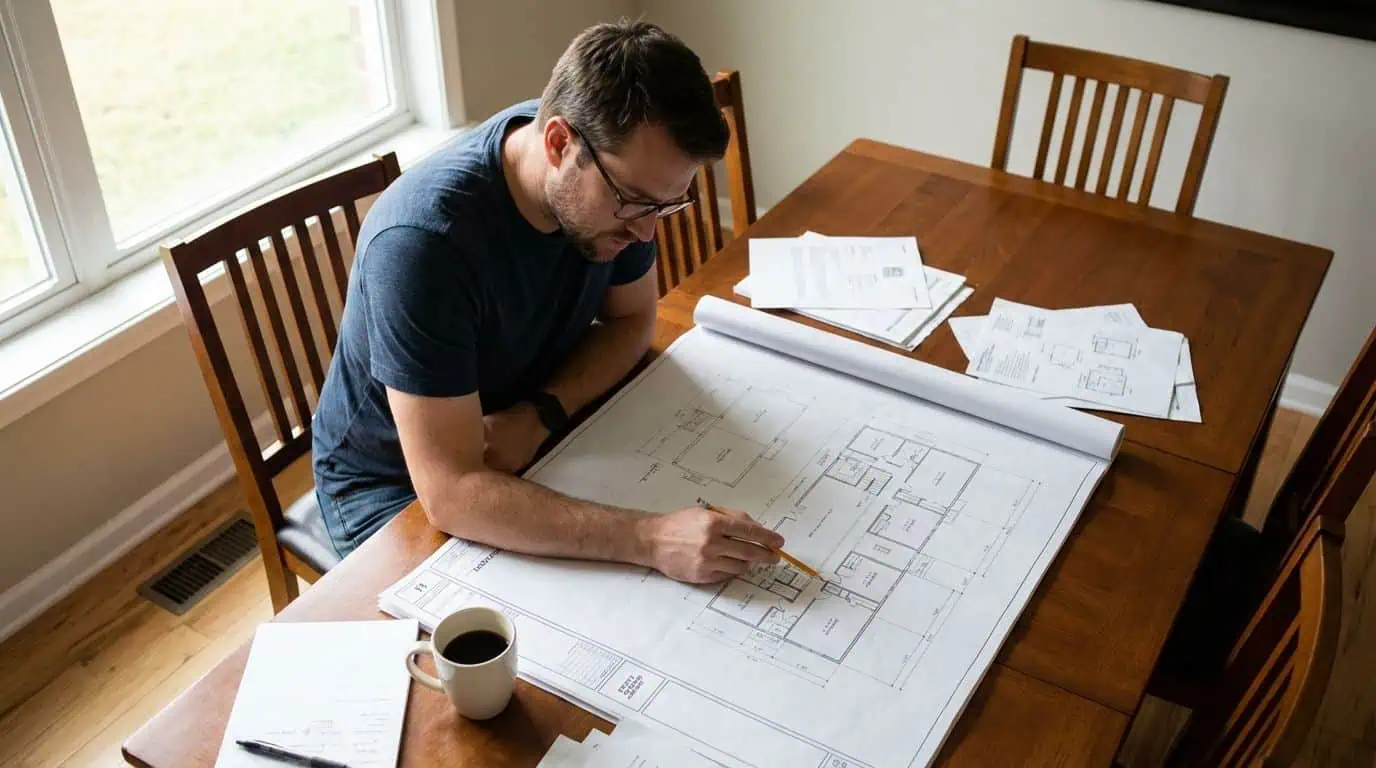
Ever stare at a set of house plans and think, “Cool, but what features will I actually use every day?” Picking the right Must-Have Home Features, starting with an open floor plan, can keep your build moving and protect your budget.
This introduction pulls together 14 custom choices and 11 high-value upgrades so you can plan comfort, resale, and day-to-day function without guessing.
Read on.
Key Takeaways
Brian Carlin lists 14 custom choices and 11 high-value upgrades to guide must-have home features and budgeting for patios, insulation, solar, and smart gear.
Invest in kitchens: quartz counters cost $800 to $2,500, islands and vent hoods $1,500 to $3,000, and walk-in pantries return about 70% ROI.
Add storage and mudrooms: built-in garage systems improve day-to-day function, mudrooms cost $6,500 to $18,000 with roughly 50% ROI, mud benches $1,200 to $1,500.
Prioritize efficiency and EV readiness: dense-packed insulation $1,000 to $1,500, HVAC upgrades $1,600 to $2,000, Level 2 chargers add 20 to 40 miles per hour, and federal tax credits can cover up to 30% (with location rules).
Table of Contents
Functional Layouts for Modern Living (Including an Open Floor Plan)
If you want your custom home to feel easy to live in, start with the “walking routes” you do every day: garage to kitchen, kitchen to patio, bedroom to shower, and back again.
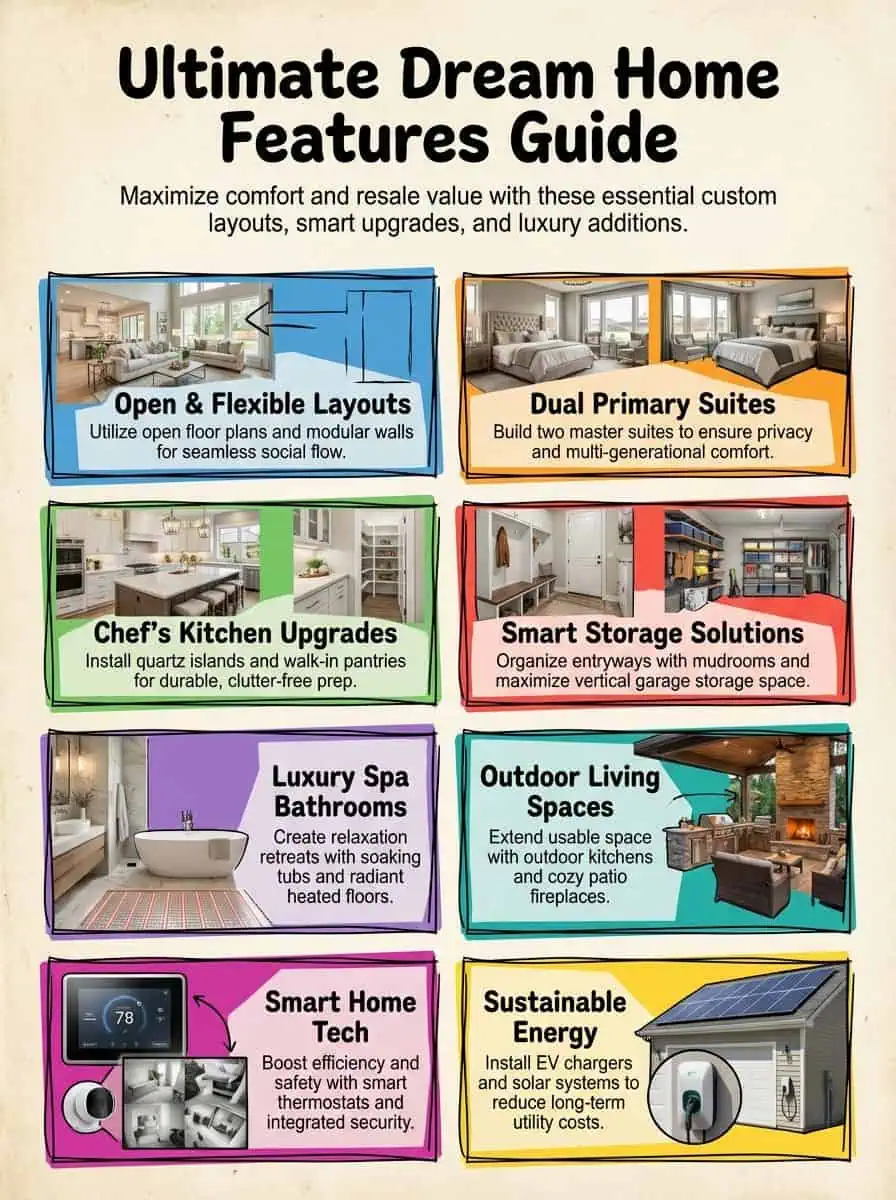
Open floor plans and smart kitchen layouts help, but the real win comes from planning the support systems early: hvac systems, ventilation systems, storage, and where you will stash the stuff that piles up fast.
Think through where heavy deliveries and projects will happen too. On a build site, crews may use a telehandler, forklift, skid steer, or even a small crane for materials, so it’s smart to plan driveway access and a clear garage bay before you finish the landscaping.
- Layout first: decide where you want the kitchen, pantry, and mudroom to “catch” traffic.
- Air next: plan return vents, filtration, and fresh-air intake so you get clean indoor air.
- Storage last: lock in garage walls, ceiling height, and outlets before drywall so you can mount cabinetry and chargers cleanly.
What Are the Benefits of Open Floor Plans?
An open floor plan links the kitchen, family room, and dining area, so light flows and rooms feel larger. It also makes it easier to keep an eye on kids, pets, or a game on TV while you’re cooking.
Open-concept living can also help your hvac system maintain more even temperatures because air moves more freely between spaces. That’s especially true if you pair the layout with the right returns and properly placed supply vents.

One thing guys often overlook is sound and smell control. If you grill indoors, run loud dishwashers, or do early-morning coffee while someone sleeps, add a strong vent hood, soft-close cabinetry, and a quiet, ducted bath fan plan.
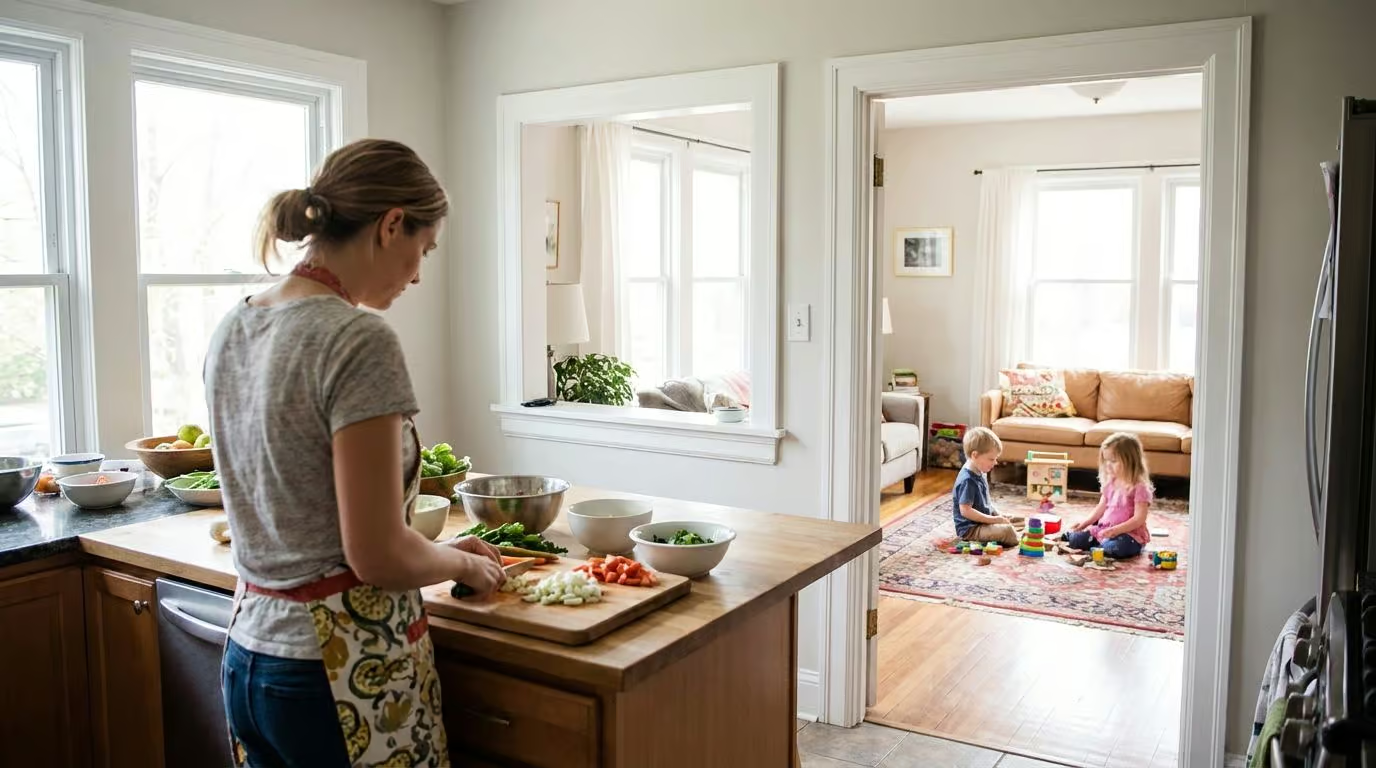
If you want open floor plans to feel “calm,” plan airflow, lighting, and storage like they are part of the layout, because they are.
How Can Flexible Living Spaces Adapt to Your Needs?
Flexible layouts let you widen, narrow, divide, or merge rooms, so a spare bedroom can turn into a home office, workout space, or guest suite. If you work from home part-time, a pocket door and good soundproofing can matter more than fancy decor.
Modular construction can speed builds and cut waste, and crews often move panels with a telehandler or forklift on site. That’s one reason more builders are offering flexible “option walls” you can shift without redesigning the whole structure.
- Home office swap: add a closet now so your office can become a bedroom later (it helps resale and future-proofing).
- Baby proofing: use lever handles, soft-close drawers, and plan where gates can mount without blocking walk paths.
- Pet-ready: plan doggy doors and a dog bath near the mudroom so you don’t drag dirt through the house.
- Budget divider: French doors often cost $1,100 to $1,400 and give you separation without building a full wall.
Use flexible specs to support energy efficiency, better r-value choices, and smart gear like Google Nest. Buyers chase lower bills and easier living, and adaptable spaces help you deliver that without adding square footage.
If you want a compact plan that still grows with you, this guide on starter homes that can evolve is a helpful read.
Why Include Two Primary Suites for Multi-Generational Families?
Two primary suites can be a smart move if you expect parents to visit for long stretches, you want a private guest wing, or you want a main-level bedroom for aging in place.
A second primary suite works best when it feels intentional, not like an afterthought. Give it a real closet, a comfortable shower, and sound separation from the main living area.
In my experience, the feature that keeps peace in a multi-generational setup is the “two coffee makers” rule: two bathrooms that feel equally usable at 6 a.m. is worth more than a bigger TV.
What Kitchen Features Are Essential for a Dream Home?
A dream kitchen is less about trends and more about flow. If you can unload groceries, cook, and clean up without crossing paths five times, you’ll feel it every day.
Start with your kitchen layout, then pick surfaces and appliances that match how you actually cook. Add smart lighting and a solid ventilation plan, and you’ll keep heat, odors, and humidity under control.
Energy-saving choices like efficient air conditioners and quality LED lighting can cut your long-term costs while keeping the kitchen comfortable during heavy cooking.
What Makes Large Islands and Quartz Countertops Popular?
Large islands give you extra prep space, storage, and a spot where people naturally hang out. If you entertain, it becomes the command center for food, drinks, and conversation.
Quartz counters stay popular because they resist stains and scratches, and they hold up well to daily use. Granite countertops also deliver strong durability, especially if you like a natural stone look and don’t mind periodic sealing.
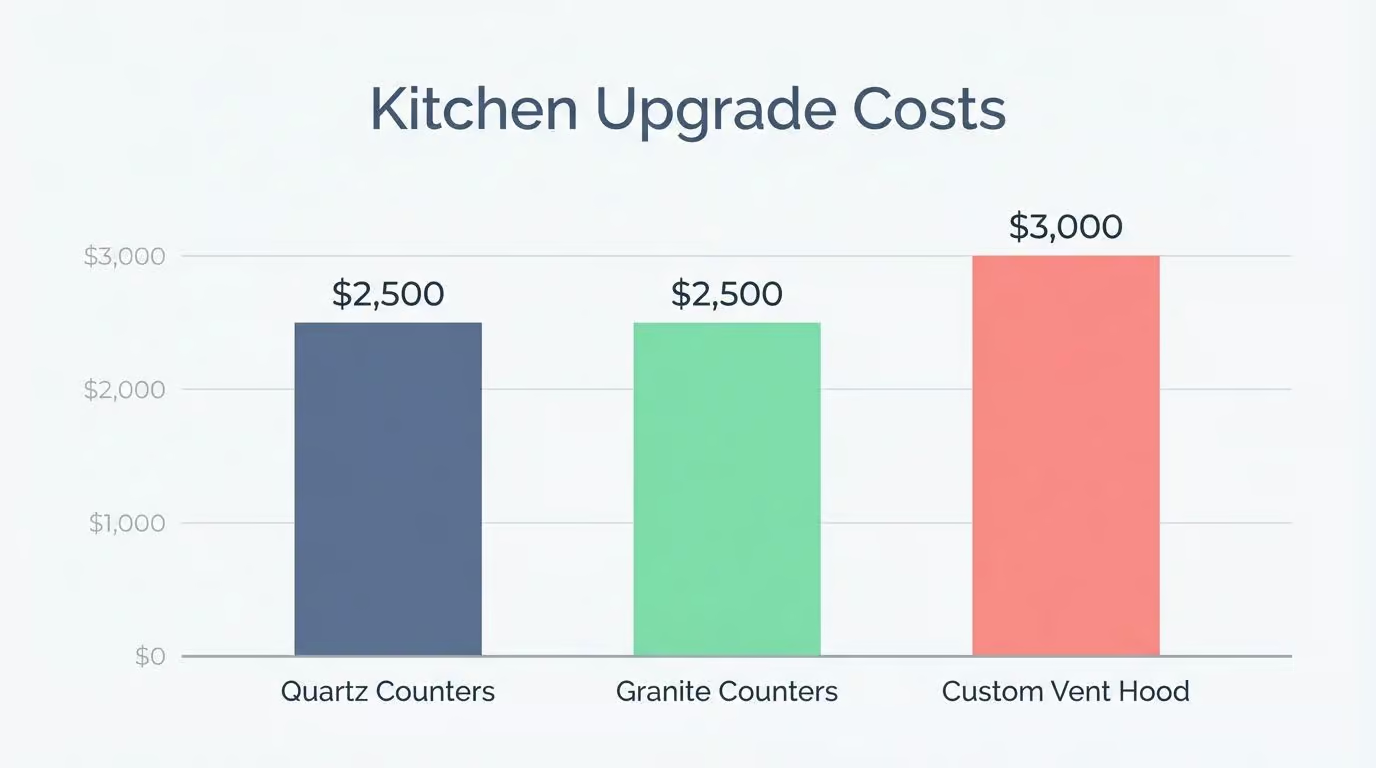
| Upgrade | Typical Cost Range | Why It’s Worth It |
|---|---|---|
| Quartz counters | $800 to $2,500 | Low maintenance, consistent look, strong daily durability |
| Granite counters | $400 to $2,500 | Natural stone character, excellent heat tolerance when sealed and cared for |
| Custom vent hood | $1,500 to $3,000 | Helps control smoke, grease, and odors in open concept layouts |
One practical tip: size your island for how you move. If you want stools plus walk-around space, make sure you can pass behind someone sitting without doing the sideways shuffle.
Why Choose a Walk-In Pantry?
A walk-in pantry gives you room to store bulk buys, small appliances, and the stuff that clutters counters fast. It’s also one of those features you feel every single day, especially if you cook often or you shop once a week instead of daily.
Many walk-in pantries land in the 25 to 100 square foot range, and the National Association of Home Builders has reported that a large majority of buyers rate a walk-in pantry as desirable.
I built a 5′ x 6′ pantry once with shelving, cabinetry, and space for a freezer, and it changed how the kitchen lived. Food stayed visible, counters stayed clear, and prep felt faster.
A clean counter makes cooking feel like a pro move.
Remodeling ROI can vary by market, but the “hidden win” is simple: fewer countertop piles means you’ll use the kitchen more, and you’ll fight with it less.
How Do Smart Appliances Enhance Kitchen Functionality?
With a stocked pantry, smart home features in the kitchen can save time and reduce waste. I like being able to check the fridge inventory from my phone, then build a grocery list without guessing.
Smart ovens can preheat remotely, and app-guided cooking helps you nail timing. That’s handy if you’re juggling kids, work calls, or you’re outside running the grill.
- Real benefit: fewer store runs and less food waste.
- Daily comfort: better control of kitchen heat, humidity, and smells when paired with a strong vent hood and fans.
- Security angle: change default passwords and turn on two-factor authentication for any appliance that connects to your home network.
What Are the Best Storage Solutions for Your Home?
Storage is what keeps a house from feeling like a constant weekend project. If you plan it right, you’ll stop “re-organizing” the same pile every three months.
Focus on three zones: bedroom closets, a real drop zone (mudroom), and the garage. Leave room for electric vehicles and a charger while you’re at it.
How Do Walk-In Closets Improve Organization?
I cleared out one small closet, added shelves, and my mornings stopped being a scavenger hunt.
A walk-in closet makes it easier to sort clothes, shoes, and gear so you can find what you need fast. Use shelves, rods, and drawers to separate daily stuff from seasonal storage.
Lighting matters more than people think. Bright, even lighting helps you see colors correctly and keeps you from buying a “second black hoodie” because the first one was buried.
- Fast win: add drawer dividers and a shoe wall so everything has a slot.
- Top shelf plan: labeled bins for winter gear, extra bedding, and bags.
- Small tech add: a charging station for a phone, watch, and car key fob.
What Are the Advantages of Mudrooms and Mud Benches?
Mudrooms keep dirt and clutter from spreading into the house. They give you a place for boots, coats, bags, and sports gear, plus they’re a natural spot for a dog bath if you have pets.
As of a 2025 cost update from HomeAdvisor, mudroom additions often land in the $6,500 to $18,000 range, with a typical project around $12,000.
I built one in 2022 and it paid off fast. Kids tossed gear into cubbies, and I hung my extended cab work jacket on a hook without leaving it on a chair for three days.
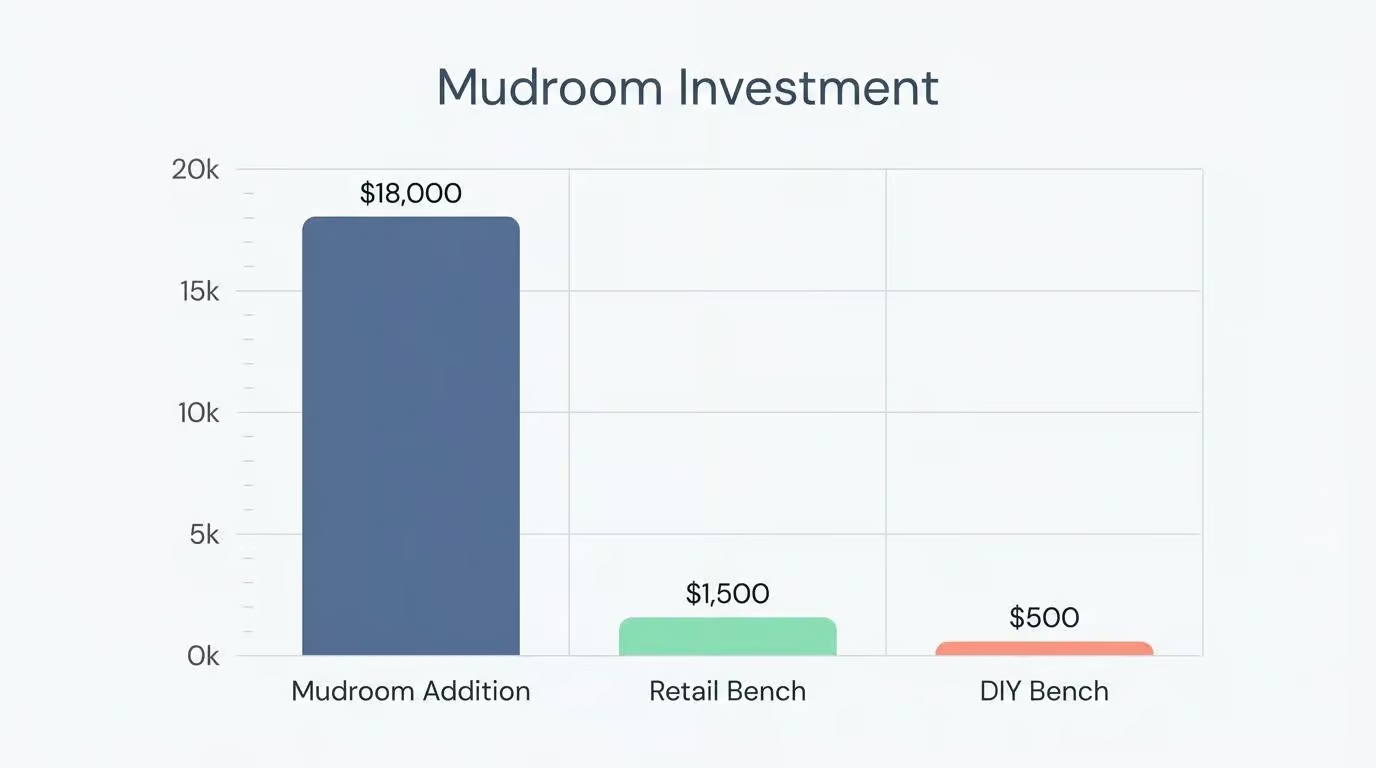
| Feature | Typical Price | How to Make It Earn Its Keep |
|---|---|---|
| Mudroom addition | $6,500 to $18,000 | Add a bench, hooks, and a tall cabinet for vacuums, helmets, and cleaning supplies |
| Mud bench (retail) | $1,200 to $1,500 | Choose durable materials and an easy-to-clean wall behind hooks |
| Mud bench (DIY materials) | $300 to $500 | Build it deep enough for adult boots and sturdy enough for daily sitting |
If you want it to feel “finished,” plan a washable floor, a strong exhaust fan if you’re drying wet gear, and a spot for waste management like a hidden trash pullout.
How Can Built-In Garage Storage Maximize Space?
Built-in ceiling racks, cabinets, and wall systems use vertical space so you can park cars and still have room to work. They also keep your tools from living on the floor.
Skip the random shelf pile and plan zones: lawn and garden, power tools, sports gear, and seasonal stuff. Clear bins with labels help you grab what you need fast.
- Ceiling racks: best for light, bulky items like holiday decor.
- Wall systems: ideal for hand tools, ladders, and extension cords.
- Cabinets: keep chemicals and sharp tools away from kids.
- Workbench lane: leave a straight path so you can work without moving bikes every time.
If you’re thinking about a bigger garage, current national cost guides published in January 2026 put many two-car garage builds around $25,000 to $60,000. Prices swing by region, permits, and finish level, so use that range as a planning number, not a quote.
Also plan for the real future: a dedicated circuit for a charger, space for a battery, and a clean wall where you can mount gear without fighting studs later. If you do serious projects, think through where a wheel loader or skip loader might need to access the driveway during landscaping or material drops.
Luxury and Comfort Features to Elevate Your Home
Luxury features feel best when they remove friction. That can mean heated floors on cold mornings, humidity control that keeps the air comfortable, or a bathroom setup that makes getting ready faster.
If you want a “hotel” feel without wasting money, focus on the stuff you touch and use: shower pressure, lighting layers, quiet fans, and storage that keeps counters clear.
What Defines a Spa-Like Bathroom?
A stand-alone soaking tub can be a great focal point, and it’s hard to beat after a long day. I put one in my last remodel and it became the room everyone comments on first.
What makes the room feel spa-like is the combo: a good shower, warm floors, and lighting you can adjust. Add a quiet exhaust fan and you’ll also protect your indoor air quality by controlling moisture.
A hot soak clears the head, every time.
Heated floors cost more up front, but they can change how the room feels all winter. If you want to keep it practical, put radiant heat where bare feet land first: in front of the vanity and shower.
- Shower: choose a rainfall head plus a handheld for cleaning and easy rinse-down.
- Humidity control: use a properly sized fan, and run it long enough to dry the room.
- Lighting: bright task lighting at the mirror, softer lighting for evenings.
How to Design Expansive Primary Suites?
Start with how you sleep and wake up. Leave space around the bed, plan outlets where you actually place chargers, and make sure the room stays cool at night with the right air conditioning plan.
Add flexible living spaces inside the bedroom, like a small chair and table, so you can read, stretch, or decompress without sitting on the bed.
Give your closet room to breathe with enlarged walk-in closets, shoe racks, and dressers. If you want to keep mornings smooth, plan a path from closet to shower to sink without tight corners.
Why Choose Taller Ceilings and Grand Entryways?
Taller ceilings can make a home feel brighter and more open, especially if you add skylights or larger windows to pull in daylight.
Grand entryways can also set the tone, but they only feel “worth it” if the rest of the house supports them. That means planning insulation, air sealing, and returns so your heating, ventilating and air conditioning equipment doesn’t struggle with temperature swings.
One practical note: higher volume can mean more echo. If you like hard flooring, mix in sound-softening materials like rugs, curtains, and even strategic fiberglass batting in key interior walls for noise control.
How to Create Inviting Outdoor Living Spaces
Outdoor living works best when it’s easy to use. If you have to drag everything outside, you won’t do it often.
A patio, a cooking station, and good lighting can turn your yard into the spot where you start mornings and end nights.
What Are the Benefits of Outdoor Kitchens?
An outdoor kitchen makes hosting feel easier because you stop running back and forth inside. I built one with an embedded grill, an outdoor fridge, long counters, and a stainless sink, and it turned cookouts into actual hangouts.
In a widely shared analysis of millions of listings, Zillow has reported that listings mentioning outdoor kitchens can sell for a premium (often cited around 2.2%). Treat that as market-sensitive, but it shows buyers pay attention to usable outdoor space.
- Comfort: you keep heat and smells outside, which can reduce strain on indoor air conditioners.
- Flow: put the grill, prep area, and serving area in a straight line so two people can cook without bumping elbows.
- Maintenance: choose materials that can handle sun, grease, and weather.
How Do Patios with Fireplaces Enhance Outdoor Comfort?
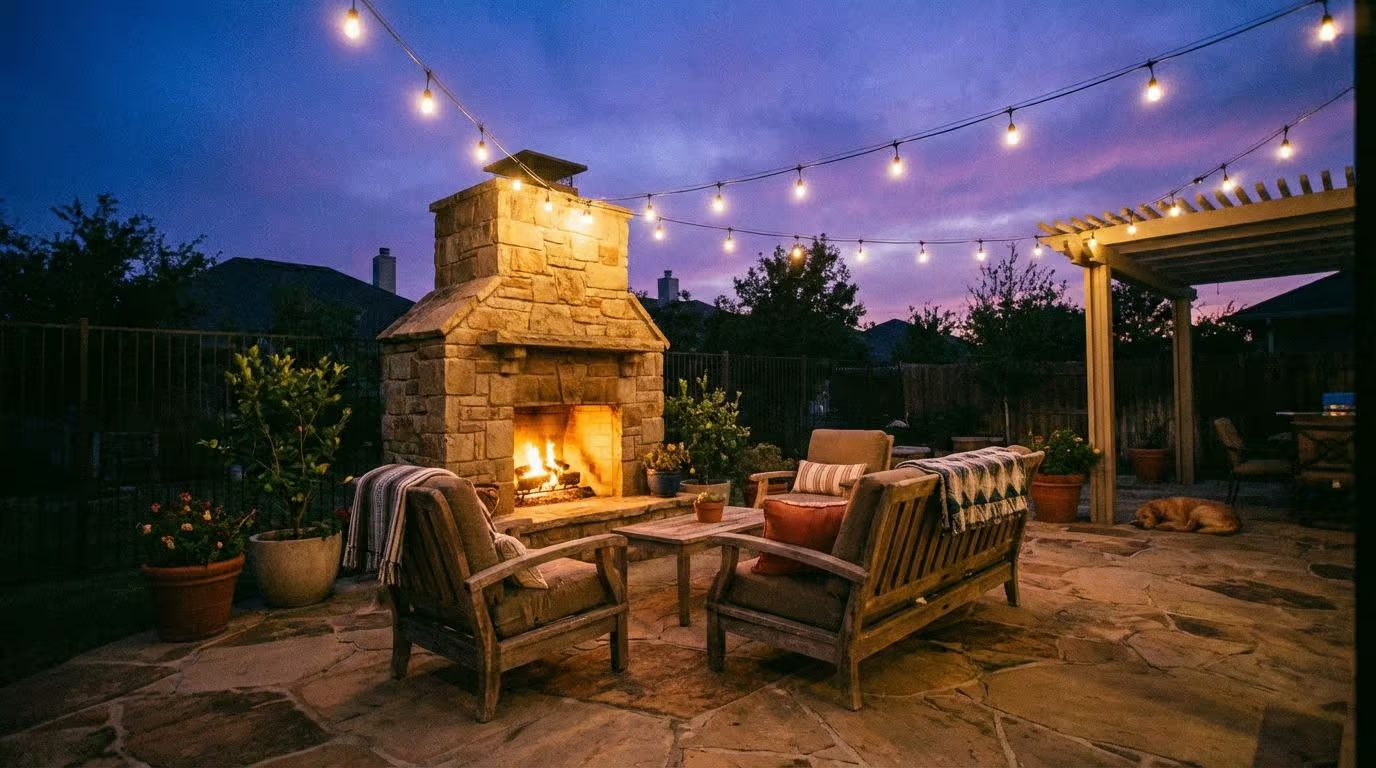
A patio fireplace adds warmth and gives people a natural place to gather. It can also stretch your outdoor season into cooler months.
If you want to keep costs controlled, decide early if you want gas or wood, then build around that choice. Gas is cleaner and easier to use, while wood gives you the classic feel but needs more cleanup and storage.
Build the seating layout first, then choose the fire feature that matches how you actually hang out.
What Makes Landscaped Gardens Essential?
Landscaping isn’t just about looks. A good plan can give you privacy, shade, and lower water use if you choose the right plants for your region.
I had my yard reworked in 2023, and the biggest money-saver was matching plants to the site instead of fighting the soil. Drip irrigation and mulch helped too, and compost kept the beds healthier without constant fertilizer runs.
- Shade: place trees to cool patios and reduce heat on south and west exposures.
- Water: use drip lines and group plants with similar water needs.
- Function: carve out “rooms” for grilling, play, and quiet time.
What Smart and Sustainable Technologies Should You Consider?
Smart tech is worth it when it saves time or money, or when it keeps you comfortable with less effort. The best setup usually mixes solar, a heat pump plan, LED lighting, and a smart thermostat.
Then layer in security and EV charging so the house is ready for what’s next.
How Do Energy-Efficient Systems Save Money and Energy?
ENERGY STAR appliances can cut energy use by running more efficient cycles and using less power for the same work.
Air sealing and insulation do a lot of the heavy lifting. If your walls and attic leak air, your HVAC system pays the price every hour it runs.
For smart control, ENERGY STAR notes that certified smart thermostats average about 8% savings on heating and cooling bills, often around $50 per year. That’s why I like using one even in smaller homes.
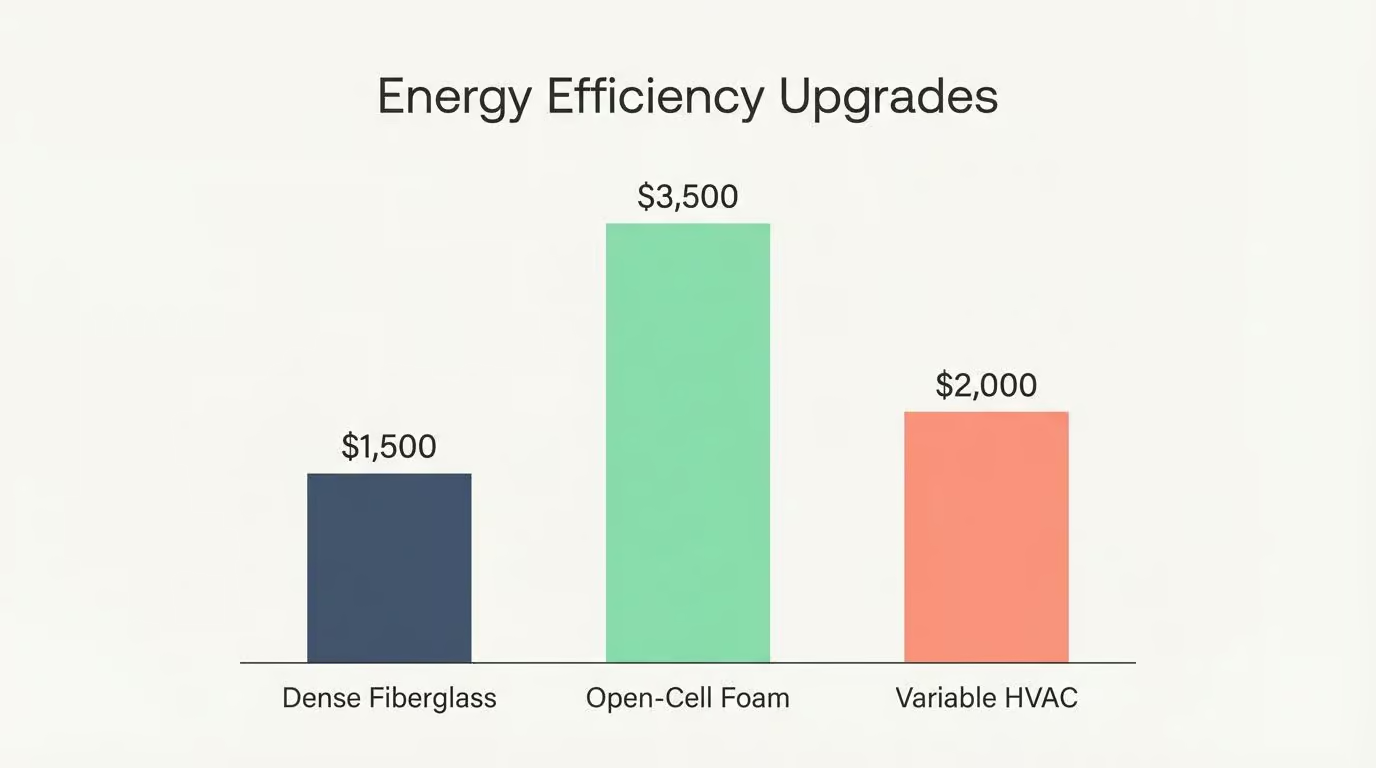
| Upgrade | Typical Cost Range | What You Get |
|---|---|---|
| Dense-packed fiberglass (around 2,000 sq ft home) | $1,000 to $1,500 | Improved r-value and comfort, fewer drafts |
| Open-cell foam insulation | $3,000 to $3,500 | Strong air sealing, helps with temperature stability |
| Variable-speed or two-stage HVAC | $1,600 to $2,000 | Steadier temps, better humidity control, quieter operation |
Ventilation matters too. The U.S. Environmental Protection Agency points out that ASHRAE’s residential ventilation guidance has included targets like 0.35 air changes per hour (with minimums per person) to support healthier indoor air.
What Are the Features of Smart Home Security?
I installed Alexa and Google Nest devices, and I use Ring cameras, smart locks, and a garage door opener I can control from my phone. It’s peace of mind, especially when you travel or you’re out late.
Programmable lighting and smart locks let you set schedules so the house looks lived-in. Door notifications and camera alerts also help you keep tabs on deliveries.
- Do this first: turn on two-factor authentication for your smart home accounts.
- Do this second: update default passwords, including your router.
- Do this third: put smart devices on a guest network if your router supports it.
Why Install Electric Car Charging Stations?
If you own an electric car or you think you will soon, a home charger is one of the most useful upgrades you can do. A Level 2 charger can add around 20 to 40 miles of range per hour (vehicle and amperage matter), which is why it feels like a totally different experience than a standard wall outlet.
I used a Tesla Wall Connector on a NEMA 14-50 circuit, and it made overnight charging routine instead of a chore.
Tax incentives can change year to year, but the IRS has confirmed the Alternative Fuel Vehicle Refueling Property Credit can be 30% up to $1,000 for eligible home installations. The catch is that it has location rules tied to qualifying census tracts, so check eligibility before you count that money.
Plan the electrical now. Pulling conduit and upgrading a panel is cheaper before drywall and finishes.
How Will Home Design Trends Evolve in 2026?
In 2026, the homes that feel best are the ones that feel personal and practical at the same time. Think warmer colors, real texture, and spaces that make it easier to connect, like a kitchen island that actually fits people comfortably.
Function is getting louder too. Buyers keep asking for true work-from-home space, better storage, and practical upgrades like EV charging, solar, and high-performance HVAC systems that keep rooms comfortable without constant fiddling.
- Comfort: better indoor air quality and humidity control, especially in tight new builds.
- Connection: conversation-first layouts, reading nooks, and shared workbenches.
- Materials: more reclaimed and recycled options that still look sharp.
- Flexibility: rooms that can switch from home office to guest space without drama.
If you take one idea from the 2026 trend talk, make it this: choose features that fit the life you actually live. An open floor plan can be awesome, but it shines when it’s paired with smart storage, quiet ventilation, and a kitchen layout that keeps the daily grind smooth.
People Also Ask
What are the top must-have home features for my dream property?
Pick a clear layout, lots of natural light, and good storage, these are core home features. Add energy efficient systems and smart home controls to save money and time.
How important is location compared to features?
Location matters most, it shapes your commute, schools, and neighborhood vibe. A great spot can make modest features feel like a true dream property.
Can smart tech and energy efficiency really save money?
Yes, smart controls and energy saving upgrades cut bills, they pay back over time. Think solar power, efficient heating, and smart controls for lighting and temperature, small changes add up like compound interest.
What outdoor or extra spaces should I look for?
Look for usable outdoor space, a flat yard or sheltered deck works well. Also check for vehicle storage, a flexible lower level, and built-in storage inside, those features keep daily life easy.