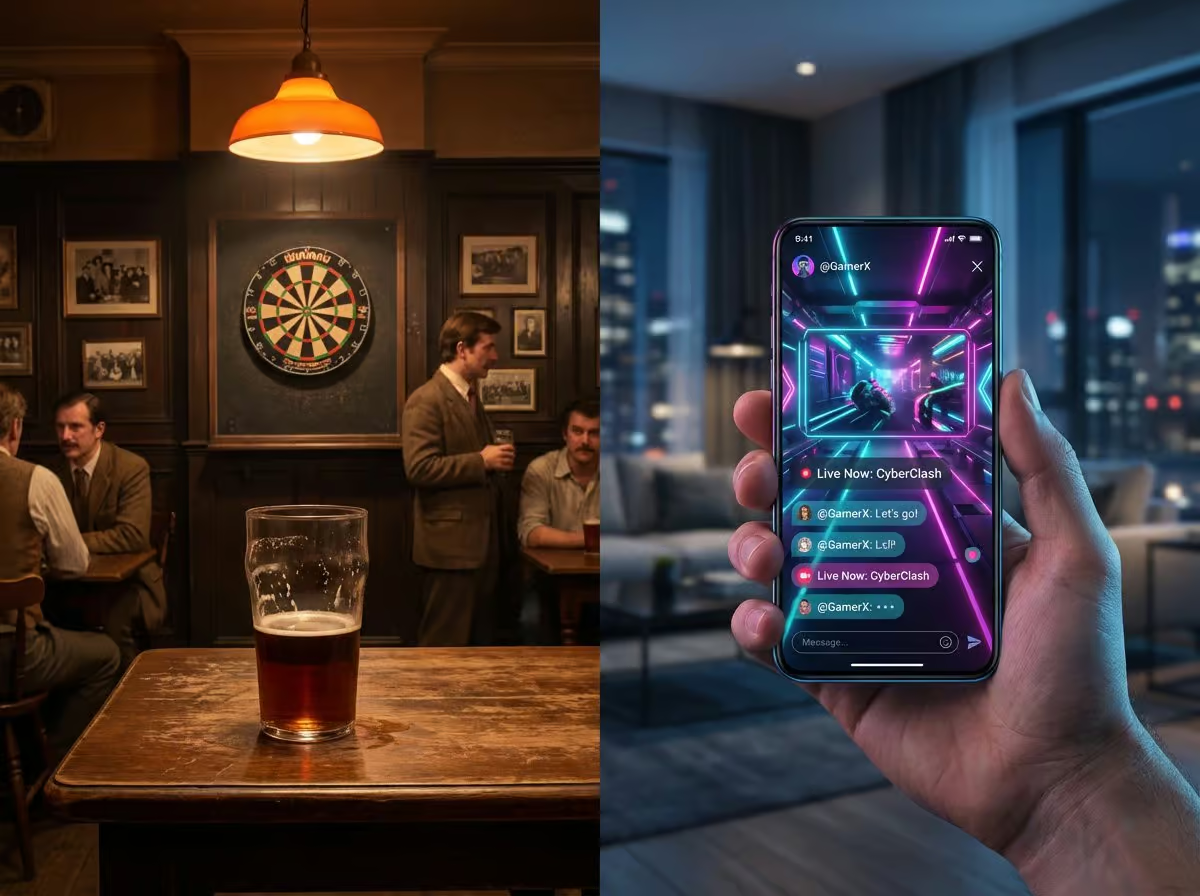
On a Tuesday night in London, the local pub is half-empty, the fireplace cold, and the dartboard untouched. But across thousands of pulsating fiber-optic cables, a digital lobby is roaring. This is the core of the Mobile Manifesto: the “third space”, that vital area between work and home, isn’t dead. It just migrated into your pocket.
As someone who once spent every weekend at a physical sports bar, I’ve seen the energy shift firsthand. It is no longer about being in the same room. It is about being in the same stream.
Key Takeaways
The Virtual “Third Space”: Digital platforms have replaced traditional physical hangouts—like pubs and garages—becoming the primary social hubs between work and home.
End of Isolation: High-fidelity communities, such as Discord and OlyBet, have debunked the “lonely gamer” myth by providing 24-hour ecosystems centered on camaraderie and competition.
Mobile Autonomy: Smartphones won the culture war by turning fragmented “dead time” (commutes or breaks) into instant, curated social opportunities that physical venues cannot match.
Active vs. Passive Engagement: True social fulfillment in the digital age requires active participation—chatting and competing—rather than passive, mindless scrolling.
Corporate Boundaries: While digital clubs offer egalitarian access, users must navigate the tension between genuine community and the “dopamine loops” designed by the corporations hosting these spaces.
Table of Contents
The End of the “Lonely Gamer” Myth
For decades, digital entertainment was dismissed as a solitary, isolating pursuit. That outdated narrative is now obsolete. Today’s digital platforms have evolved into massive social hubs, serving the same purpose as the 19th-century gentlemen’s club or the 1950s garage.
Take Discord for example. It’s not just a chat app, it’s a sprawling network of communities with over 150 million monthly active users. A 2022 study from the Entertainment Software Association found that over 65% of players say games actually help them connect with friends. These are the new town squares.
Whether it is a Discord server for high-stakes strategy or the community within an international digital entertainment company like OlyBet, these platforms provide three things many people seek: competition, camaraderie, and a sense of place.
“We aren’t just giving people a game or a stream,” says Marcus Thorne, a digital strategist specializing in online communities. “We are providing a 24-hour social ecosystem where your reputation and your friend group are as real as they are on the street.”
Why the Smartphone Won the Culture War
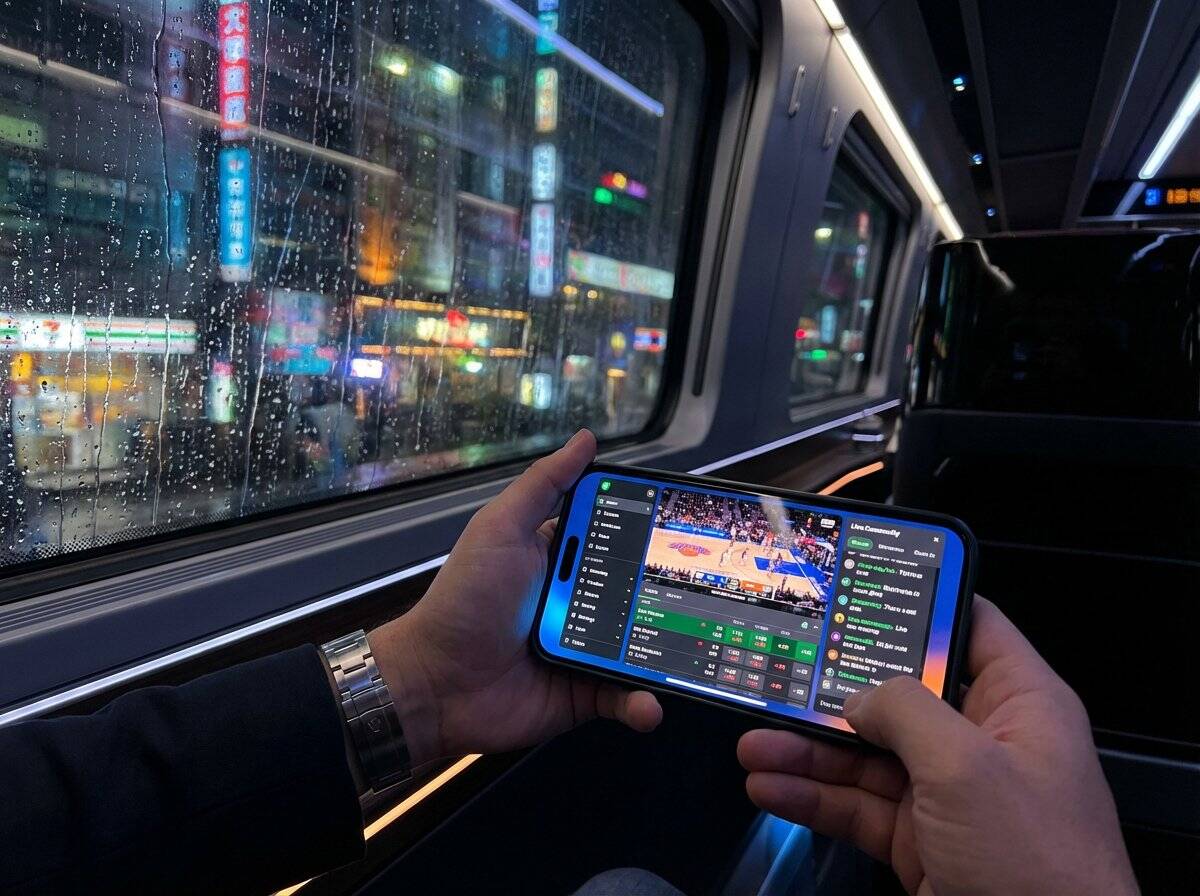
The shift to mobile-first entertainment isn’t just about convenience, it is about autonomy. The modern lifestyle is fragmented. We have ten minutes between meetings, twenty minutes on the train, and thirty minutes before sleep. Digital clubs require only a 5G connection.
This “Mobile Manifesto” is built on pillars that physical spaces struggle to match. Recent data from DataReportal shows the average user spends hours on their phone each day, making it the default venue for connection.
- Instant Access: You can jump from a FaceTime call with family to a live sports betting lobby or a Twitch stream in seconds. There is no travel time or cover charge.
- Curated Connection: Instead of just whoever is at the bar, you interact with thousands of people who share your exact interests, thanks to powerful algorithms that connect like minds.
- Interactive Engagement: Unlike watching TV, you are part of the show. You can influence the odds, chat directly with the host, and compete against peers in real time.
The Ethics of the Digital Dopamine Loop
Of course, this shift sparks a heated debate. Critics argue that replacing face-to-face contact with glass screens erodes social skills. Is a digital greeting “as good” as a firm handshake?
Perhaps not. But for many, the privilege of physical presence is a daily luxury. Digital spaces offer an egalitarian alternative. They provide a place to decompress without the cost or time commitment of a night out.
However, we must ask if we are controlling the platforms, or if they are controlling us. Tech ethicists like Tristan Harris, co-founder of the Center for Humane Technology, warn of a “race to the bottom of the brainstem,” where apps are designed to keep us hooked. When your “social club” is owned by a corporation, the line between community and consumerism blurs.
The New Rules of the Club
The “Digital Den” is here to stay. To navigate it well, the modern man needs a new set of rules.
- Prioritize Active Over Passive: Don’t just scroll, engage. Research from the University of Michigan suggests that active participation, like commenting and chatting, improves well-being, while passive scrolling can have the opposite effect.
- Set “Analog” Boundaries: Use built-in phone features like Apple’s Screen Time or Android’s Digital Wellbeing to set limits. Use the digital club to recharge, but don’t let it replace the physical gym or the dinner table.
- Find Your Tribe: Look for quality interactions. Use platforms like OlyBet for focused entertainment or find specialized subreddits on Reddit for deep conversations on niche hobbies, from vintage watches to home brewing.
The smartphone is no longer just a tool. It is the membership card to the most expansive and accessible club in the world.
The question is no longer where you hang out, but who you’re logged in with.
People Also Ask
What is the “virtual third space” in modern culture?
The virtual third space is a digital environment—such as a Discord server, gaming lobby, or social entertainment platform like OlyBet—that serves as a social hub outside of the home (first space) and the workplace (second space). As physical venues like pubs and community centers decline, these digital ecosystems provide the camaraderie, competition, and sense of belonging traditionally found in physical gathering spots.
Is digital entertainment replacing physical social interaction?
While digital entertainment is not a complete replacement for face-to-face contact, it has become a primary alternative for the modern, mobile-first lifestyle. For many, digital spaces provide an egalitarian and accessible “social den” that fits into a fragmented schedule, offering community connection without the cost, travel, or time commitment of traditional night-outs.
How do mobile-first platforms impact the “lonely gamer” myth?
Modern mobile platforms have debunked the myth of the isolated gamer by integrating deep social layers into entertainment. Features like live chat, real-time multiplayer competition, and persistent community reputation systems turn screen time into a collaborative experience. Statistics show that over 65% of players use digital platforms specifically to maintain and grow their real-world friendships.
What are the benefits of active vs. passive digital consumption?
Active digital consumption involves engaging with a platform through chatting, competing, or strategizing, which studies suggest can improve mental well-being and social fulfillment. Conversely, passive consumption—such as mindless scrolling through feeds—is often linked to lower mood. High-quality digital “clubs” encourage active participation, turning the smartphone into a tool for connection rather than just a distraction.
How can I balance digital social clubs with real-life boundaries?
Balancing the “Digital Den” requires setting intentional “analog” boundaries. Use mobile features like Apple’s Screen Time or Android’s Digital Wellbeing to monitor usage, and prioritize “active” social platforms over passive ones. The goal is to use digital clubs to recharge and connect during “dead time” (like commutes) so that your physical “analog” time—like gym sessions or dinners—remains uninterrupted.