Ever stand in front of your closet and feel like you have nothing to wear? You are definitely not the only one.
I used to stare at my clothes every morning, wondering why nothing looked quite right. After spending over a decade studying men’s fashion trends, I realized it wasn’t about having more clothes.
It was about having the right clothes.
This guide breaks down the rules that actually matter. I will show you why fit beats a high price tag every time. We will cover the essentials, from classic leather jackets to the specific white sneakers that pair with everything.
So, grab a coffee and let’s get your wardrobe sorted. This is going to be your best-dressed year yet.
Key Takeaways
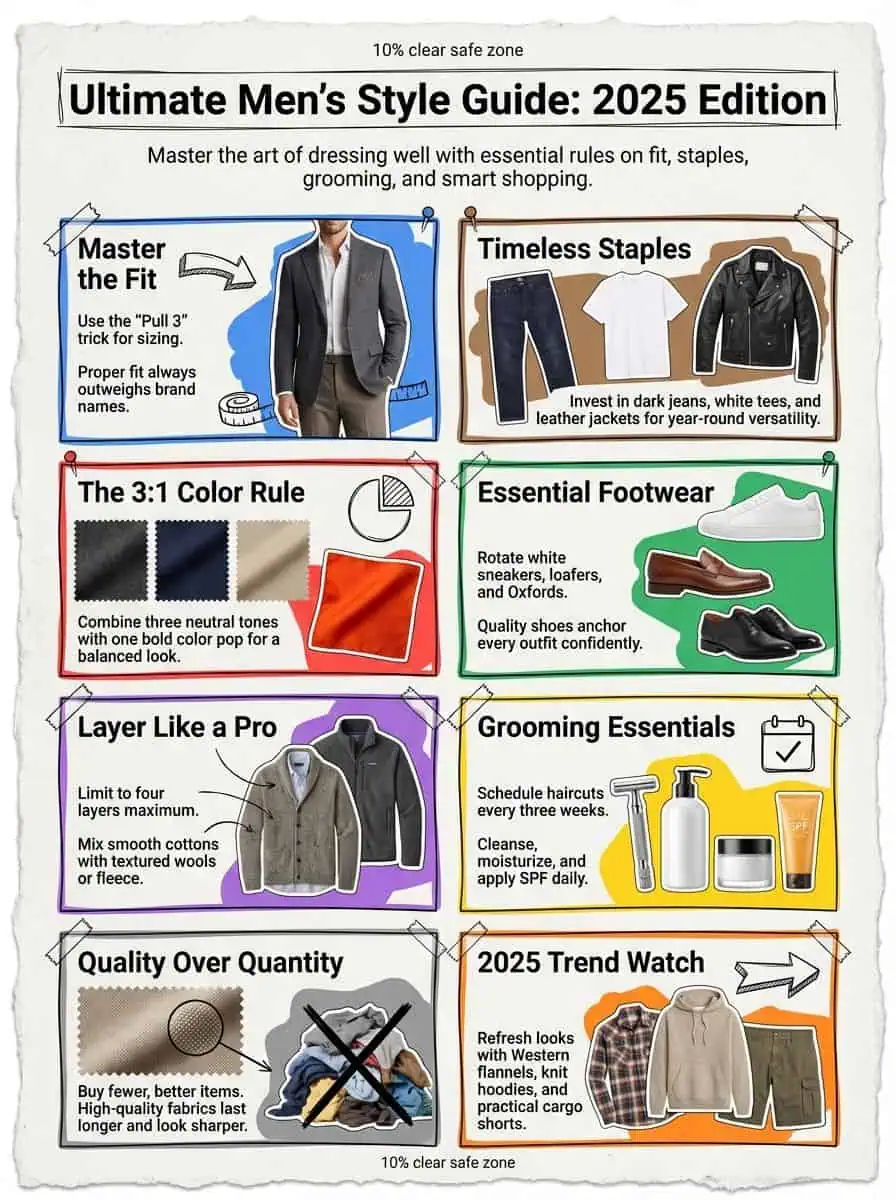
Fit is king: A $50 shirt that fits perfectly looks better than a $200 shirt that doesn’t. Roughly 90% of style mistakes happen because clothes are too baggy or too tight.
Stick to the classics: Dark blue jeans (think Levi’s 501s), white tees, and Oxford shirts are the backbone of a solid closet. Brands like J.Crew and Uniqlo are great starting points for these staples.
Master the “Sandwich Rule”: This color trick involves matching your shoes to your top layer (like a jacket or shirt) to create a balanced look instantly.
Cost Per Wear (CPW): Spending $250 on high-quality boots that last five years is cheaper than buying $60 shoes every six months. Quality materials like full-grain leather save you money over time.
2025 Trends to watch: Men’s style is shifting toward comfort with purpose. Look for relaxed fits in trousers, “gorpcore” technical fabrics from brands like Arc’teryx, and vintage-inspired accessories like beaded jewelry.
Table of Contents
Building the Foundation of Men’s Style
Getting the basics right sets you up for success. I think of it like building a house; you need a solid foundation before you worry about the paint color.
I’ll walk you through the simple tips that cover everything from job interviews to baseball games.
Why is fit important in men’s fashion?
Clothes that fit well fix almost every style problem I run into. In my experience, most men wear clothes that are one size too big.
Oversized gear makes you look sloppier and often heavier than you are. This applies whether you are wearing rugged Carhartt workwear or a crisp oxford shirt for the office.
I discovered that a simple trip to a tailor costs less than you think. Hemming a pair of pants usually runs about $15 to $20. That small investment makes off-the-rack pants look custom-made.
When I shop, I always use Peter Nguyen’s “Pull 3” trick. I grab my size, one size up, and one size down. You would be surprised how often the size on the tag is misleading.
A good fit changes how people see you. On dates or in meetings, people notice the silhouette before they notice the brand.
“Good clothes open all doors.”
If you want to dive deeper into dressing for success, check out this guide on how to dress like a winner.
What are timeless wardrobe staples every man should own?
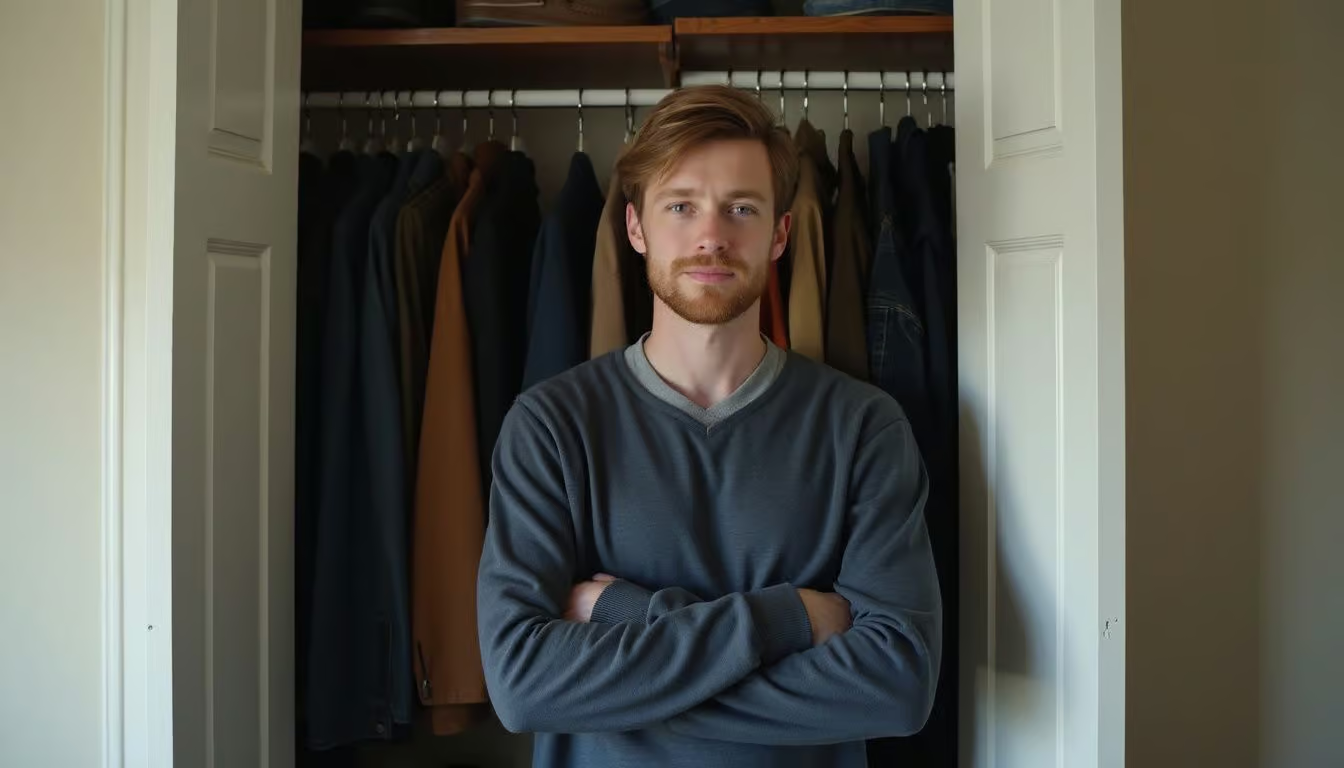
I try to keep my life simple. I want to look good without spending twenty minutes staring at hangers every morning.
Here is my checklist for a bulletproof closet:
- Dark Blue Jeans: Look for raw or dark-wash denim. They work with a sweatshirt or a blazer. Levi’s 501s are the classic choice here.
- White Leather Sneakers: A clean pair of minimalist sneakers, like the Adidas Stan Smith or Common Projects, anchors any casual outfit.
- Grey Crewneck Sweatshirt: This is your weekend warrior. It layers perfectly under a denim or bomber jacket.
- Oxford Cloth Button-Down (OCBD): In white or light blue, this shirt handles business casual and Sunday brunch equally well.
- Navy Blazer: This is the Swiss Army knife of menswear. It dresses up jeans instantly.
- Brown Leather Loafers: Perfect for when you need to look sharp but don’t want to deal with laces at airport security.
- Classic Topcoat: A wool coat in camel or charcoal keeps you warm and looks professional. J.Crew’s model from 2024 remains a strong contender for value and style.
How do you coordinate colors in men’s outfits?
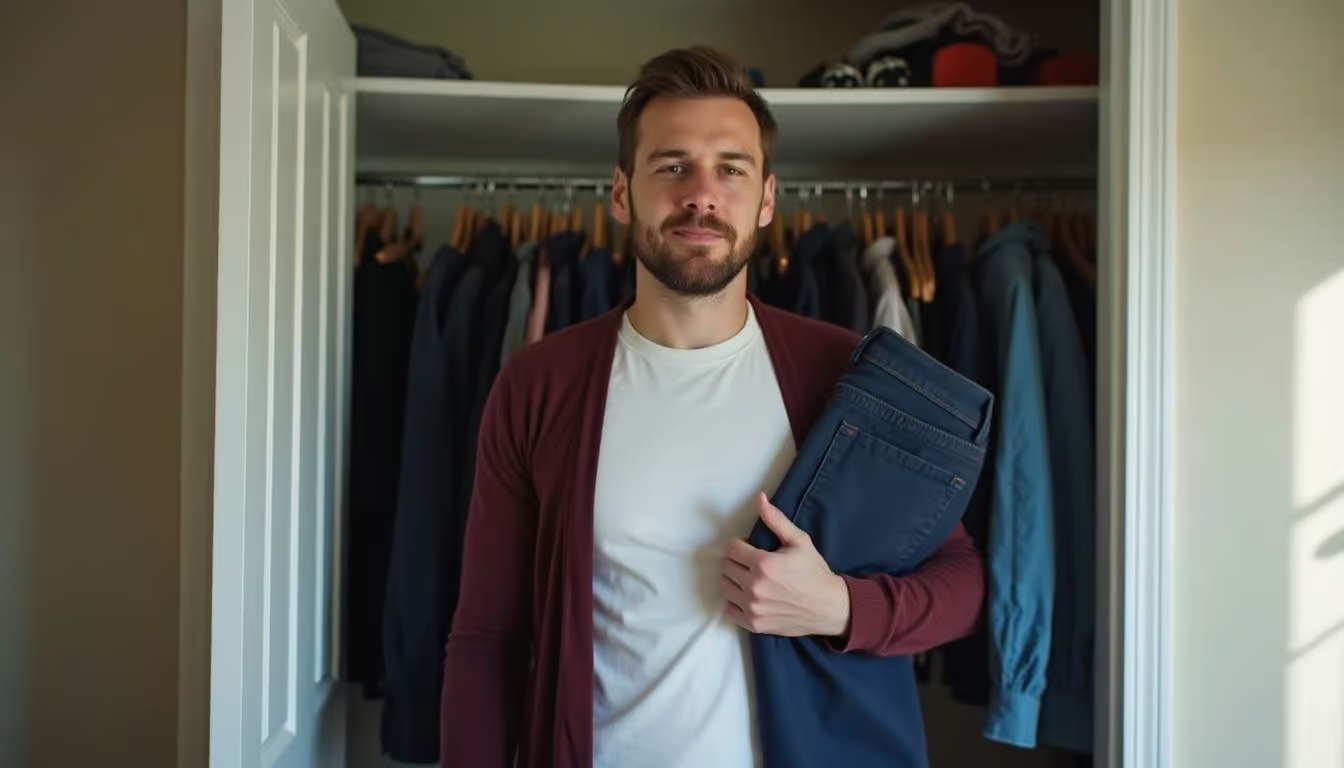
I stick to a simple strategy called the 60-30-10 rule. It stops me from looking like a walking rainbow.
Here is how it works: 60% of the outfit is a neutral base (like navy pants), 30% is a secondary color (like a grey shirt), and 10% is an accent (like a patterned tie or colorful socks).
I also rely heavily on “The Sandwich Method.” I match the color of my shoes to my jacket or hat, sandwiching the rest of the outfit in between. It creates balance without any real effort.
| Vibe | Primary Color | Secondary Color | Accent Color |
|---|---|---|---|
| Professional | Navy Blue | White | Burgundy |
| Casual Earthy | Olive Green | Beige/Tan | Denim Blue |
| Modern Sharp | Black | Grey | White |
Neutral tones do the heavy lifting. Once you have a base of navy, grey, and white, you can throw in a seasonal color—like burnt orange in October or sage green in May—and it will pop perfectly.
Essential Men’s Clothing Styles
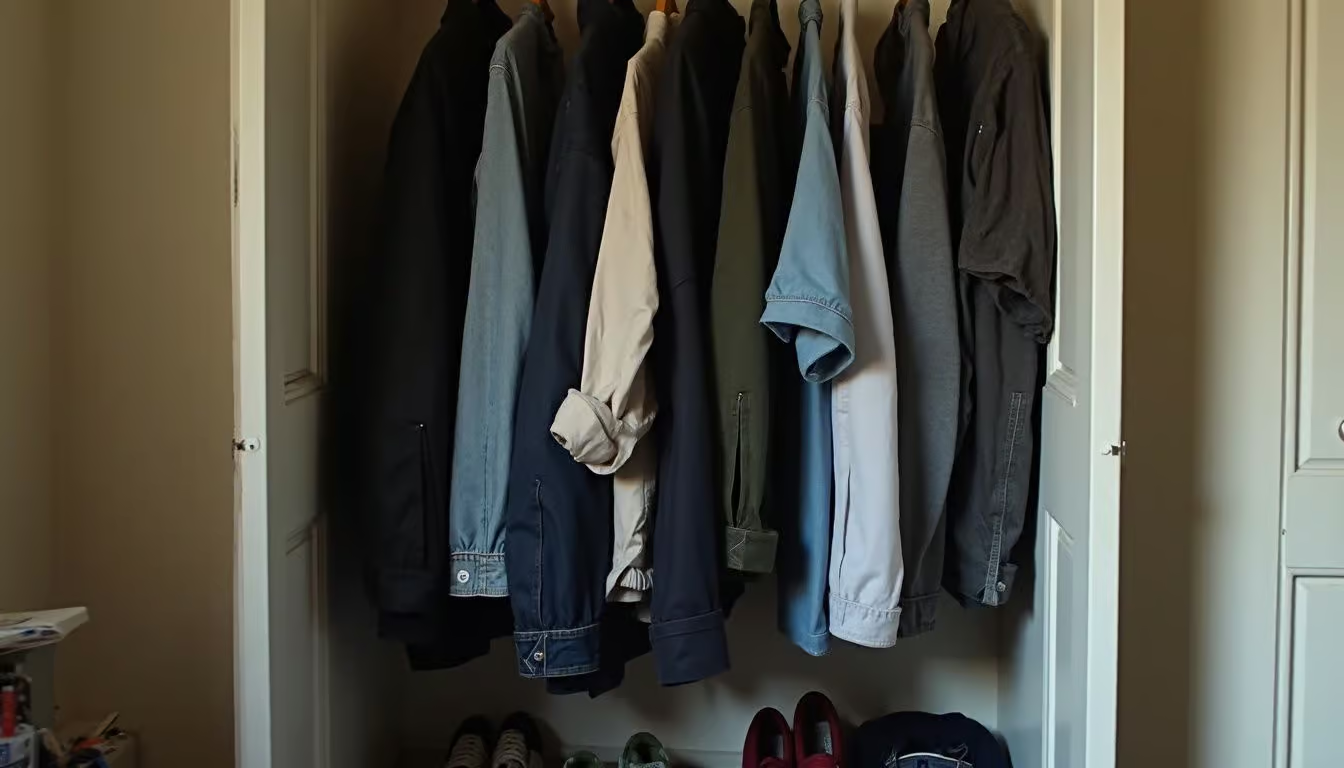
Style is how you introduce yourself without speaking. Whether you like the rugged look or something tailored, your outfit tells a story.
What defines classic men’s style?

I stick to classic men’s style because it has survived for decades. We are talking about the pieces that looked good in 1950 and will still look good in 2030.
Think about icons like Steve McQueen or Paul Newman. They didn’t chase wild fads. They wore fitted suits, crisp dress shirts, and durable outerwear.
I focus on fabrics that age well. A waxed canvas jacket or a pair of leather dress shoes often looks better after three years of wear than they did on day one. This style is about longevity.
If you are trying to dress more masculine, start here. Structured shoulders and heavier fabrics naturally build a stronger silhouette.
How can I describe streetwear style?
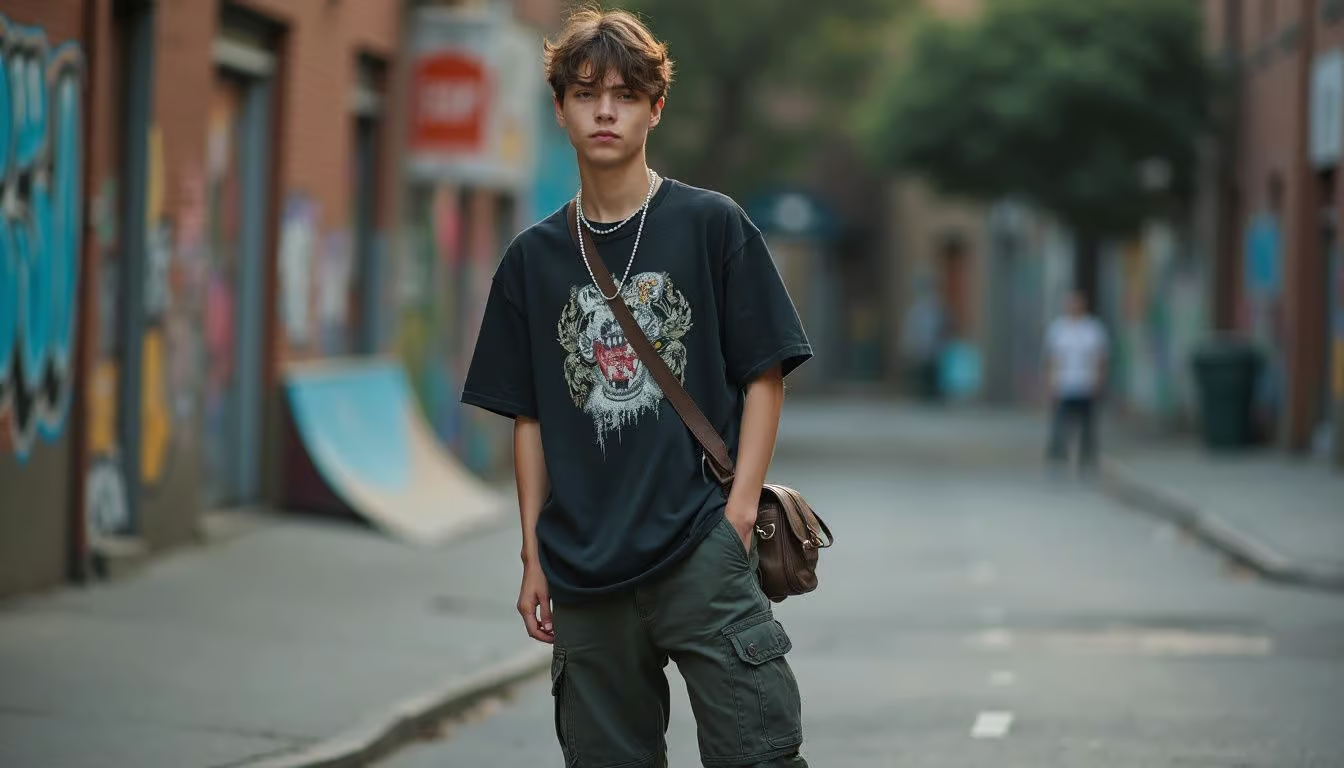
Streetwear is where I let my personality loose. It’s rooted in the skate and hip-hop culture of the 80s and 90s, but today it is a global powerhouse.
It’s not just about baggy t-shirts anymore. In 2025, we see a lot of “Gorpcore”—wearing technical hiking gear from brands like Arc’teryx or The North Face as everyday fashion. It’s practical and looks sharp.
Key elements include:
- Graphic Tees: Vintage band tees or brand logos like Stüssy.
- Sneaker Culture: High-tops like Jordan 1s or chunky “dad shoes” like New Balance 990s.
- Accessories: Crossbody bags, beanies, and increasingly, pearl necklaces or silver chains.
The market for this style is massive, hitting over $185 billion recently. It proves that comfort and cool can coexist.
What is smart casual style and how to wear it?

Smart casual is my default setting. It sits right between a full suit and a hoodie. It is professional enough for a creative office but relaxed enough for a date.
The secret is the “High-Low” mix. I pair a formal item with a casual one. For example, I will wear a structured blazer (High) with a clean white t-shirt and dark jeans (Low).
Fabric choice is huge here. I trade shiny suit wool for textured fabrics like flannel, tweed, or matte cotton. These textures feel less stuffy.
For shoes, I swap gym sneakers for suede chukka boots or minimal leather trainers. It’s an easy upgrade that doesn’t sacrifice comfort.
How do I achieve a minimalist style?
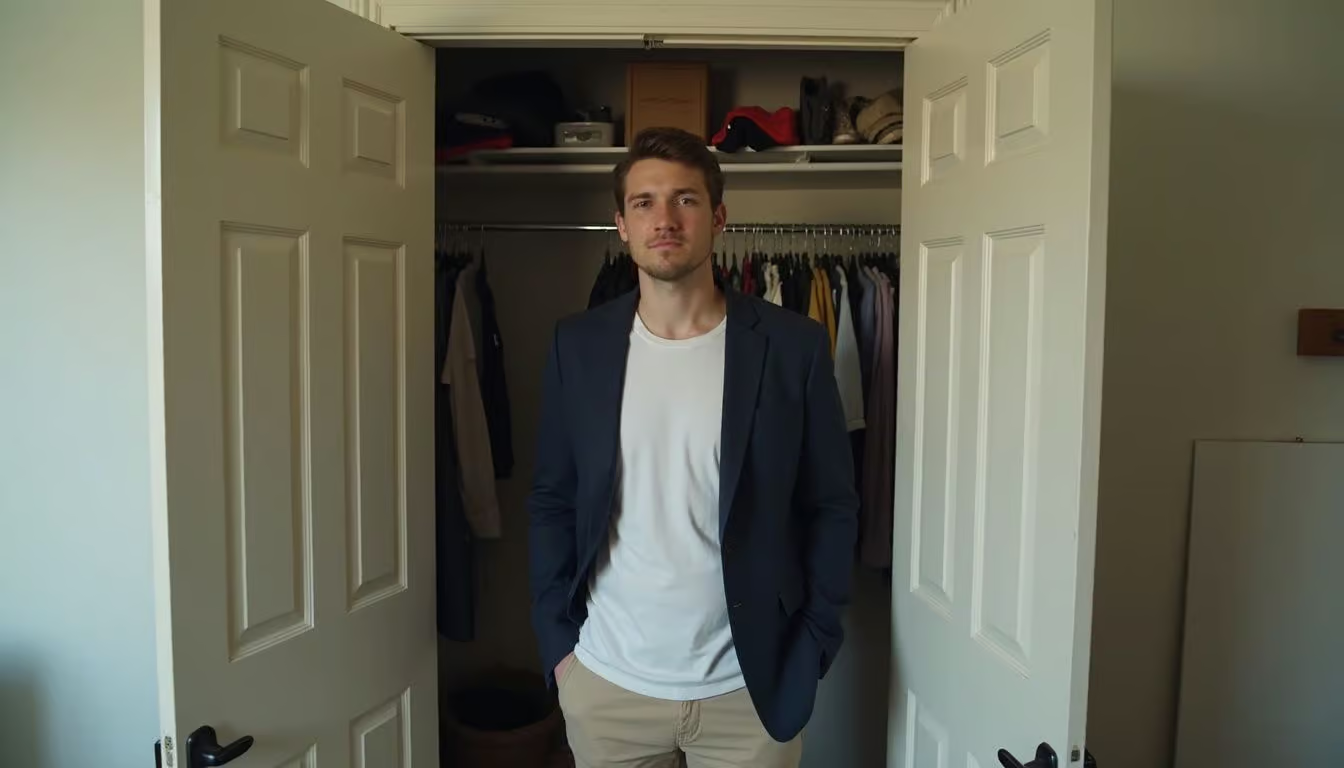
Minimalism is about removing the noise. I focus on neutral colors—black, white, grey, and navy—so everything matches automatically.
I look for brands like ASKET or Uniqlo that strip away logos. A plain black tee from a high-quality cotton speaks louder than a shirt with a giant billboard on the chest.
“Less is always more.”
The goal is a “capsule wardrobe.” This might mean owning only 30 items total, but loving every single one of them. It makes getting dressed in the morning incredibly fast.
What are the key elements of preppy style?
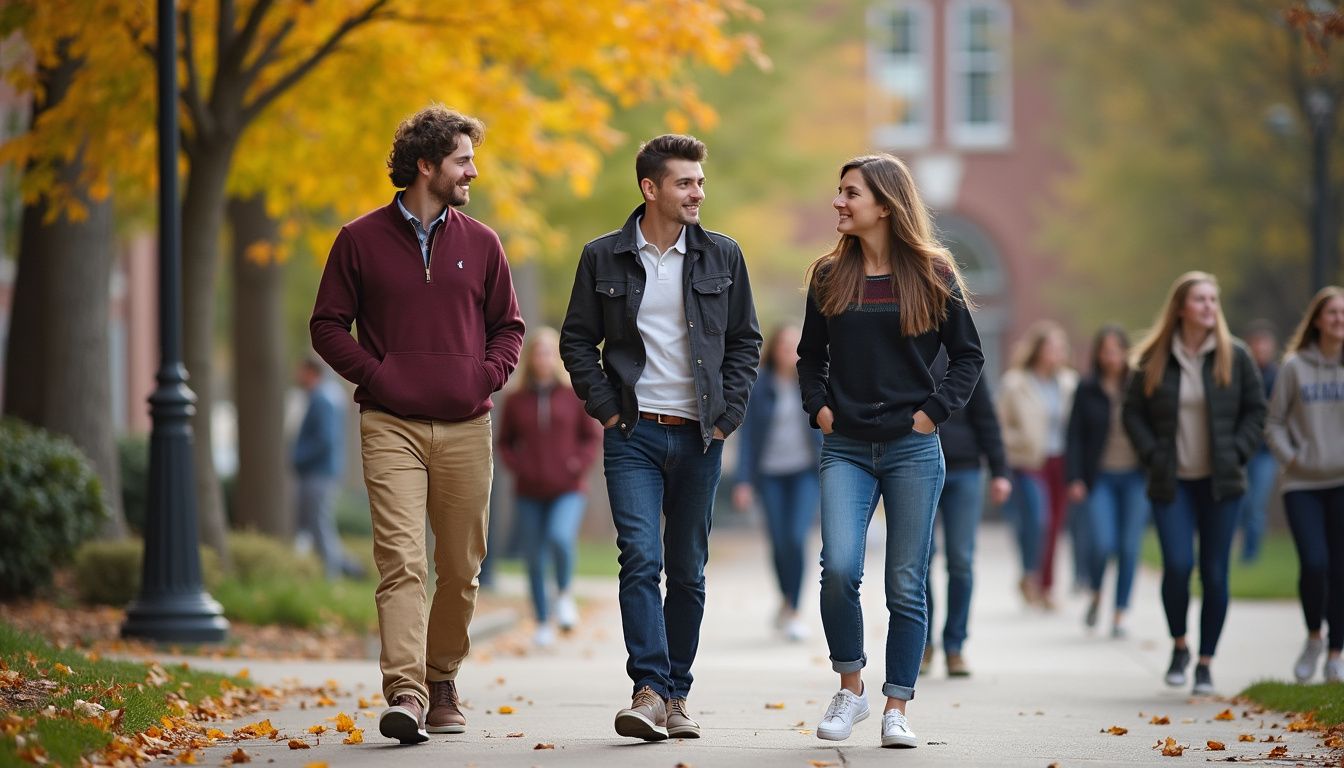
Preppy style has made a huge comeback, blending old-school Ivy League vibes with modern streetwear. Think of brands like Aimé Leon Dore reinventing the look.
I lean into staples like rugby shirts, cable-knit sweaters, and loafers. But I wear them differently now. Instead of tight khakis, I might wear wide-leg chinos or even sweatpants with a blazer.
Accessories matter here. A canvas belt, a baseball cap with a simple logo, or a draped sweater over the shoulders adds that collegiate touch. It is about looking put-together but sporty, ready for a regatta or a coffee run.
Key Wardrobe Essentials
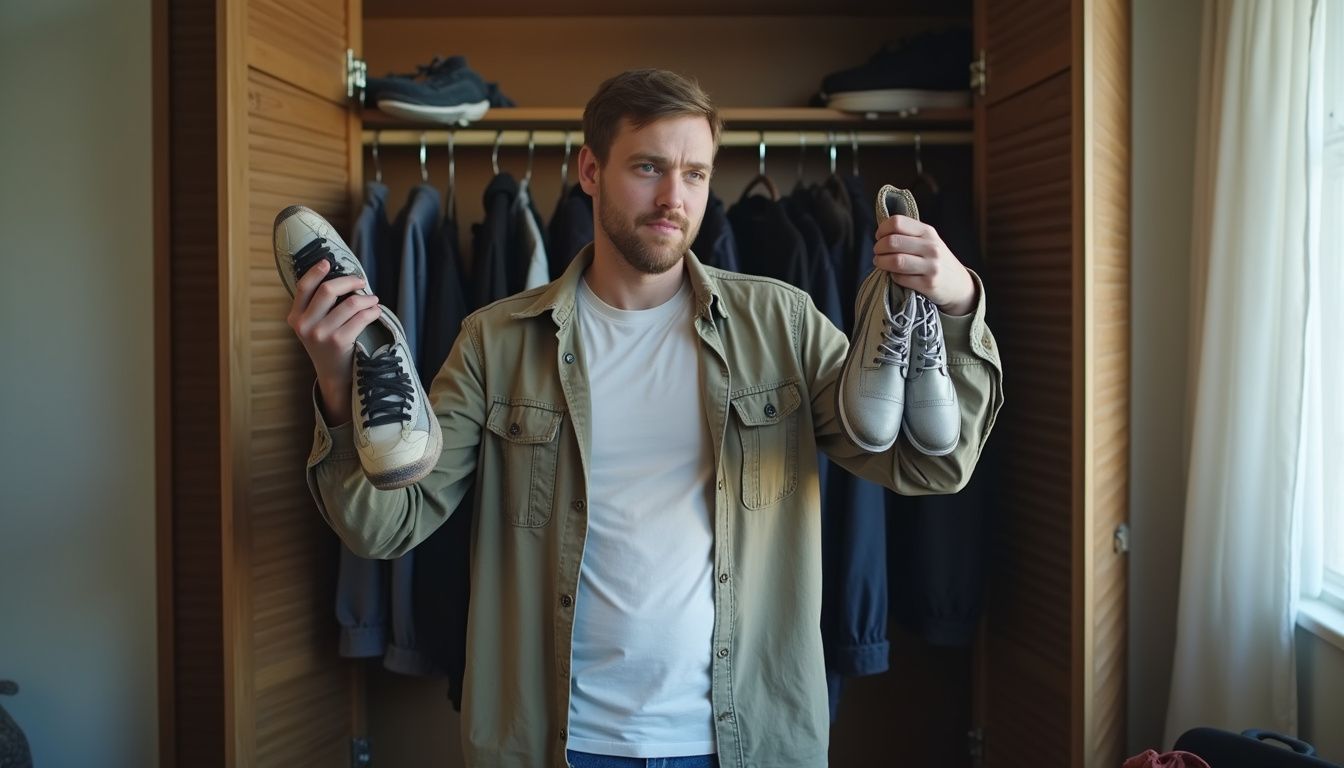
Let’s talk about the heavy hitters. These are the items you will reach for 80% of the time. Investing here pays off the most.
What makes a shirt well-fitted?
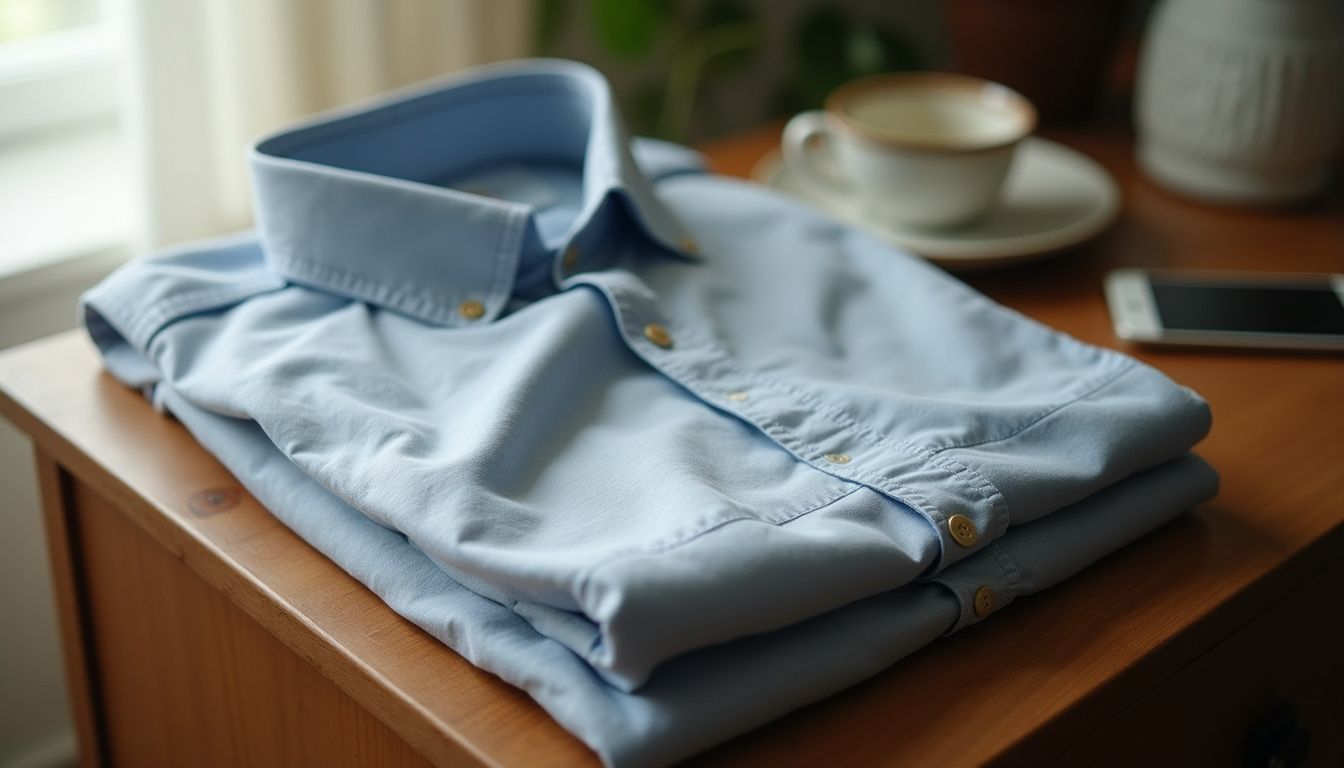
A well-fitted shirt should frame your face, not drown it. The shoulder seam needs to sit right at the corner of your shoulder bone. If it droops down your arm, the shirt is too big.
I use the “pinch test” at the waist. I should be able to pinch about 1-2 inches of fabric on the side. Any more than that, and it looks like a muffin top. Any less, and I risk popping a button after lunch.
Sleeve length is critical too. The cuff should end right where your wrist meets your hand. For tucking, I use the “military tuck” technique—folding the excess side fabric back before tucking it in—to keep the waistline sharp.
How should tailored trousers fit?
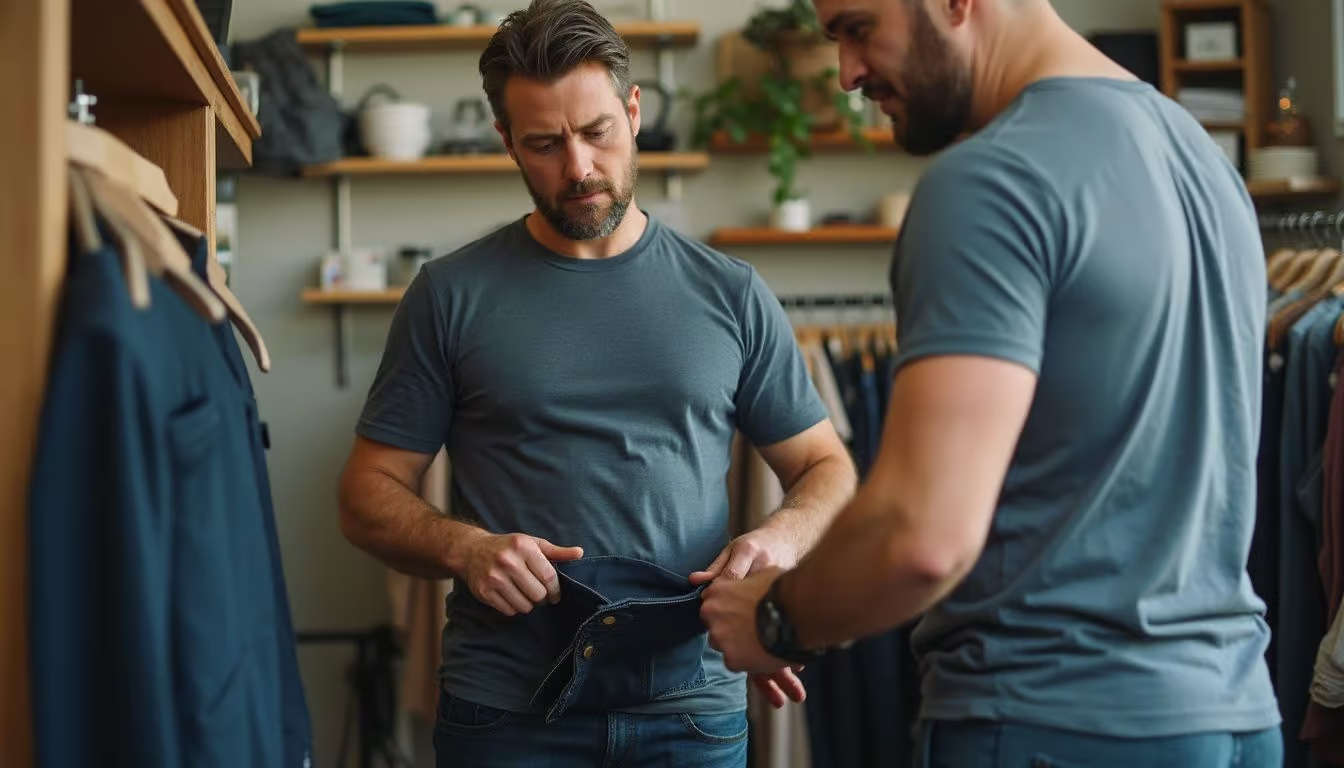
Pants fit is personal, but there are rules. I pay attention to the “break,” which is how the pant leg hits the shoe.
For a modern look, I prefer a “no break” or “slight break.” This means the trouser leg just barely touches the top of the shoe. It creates a clean, vertical line that makes me look taller.
The waist should stay up without a belt. If I need to cinch my belt tight to keep them up, they are too big. I also look for a “tapered” leg—wider at the thigh and narrower at the ankle—which flatters most guys with athletic legs.
What are versatile blazer styles?
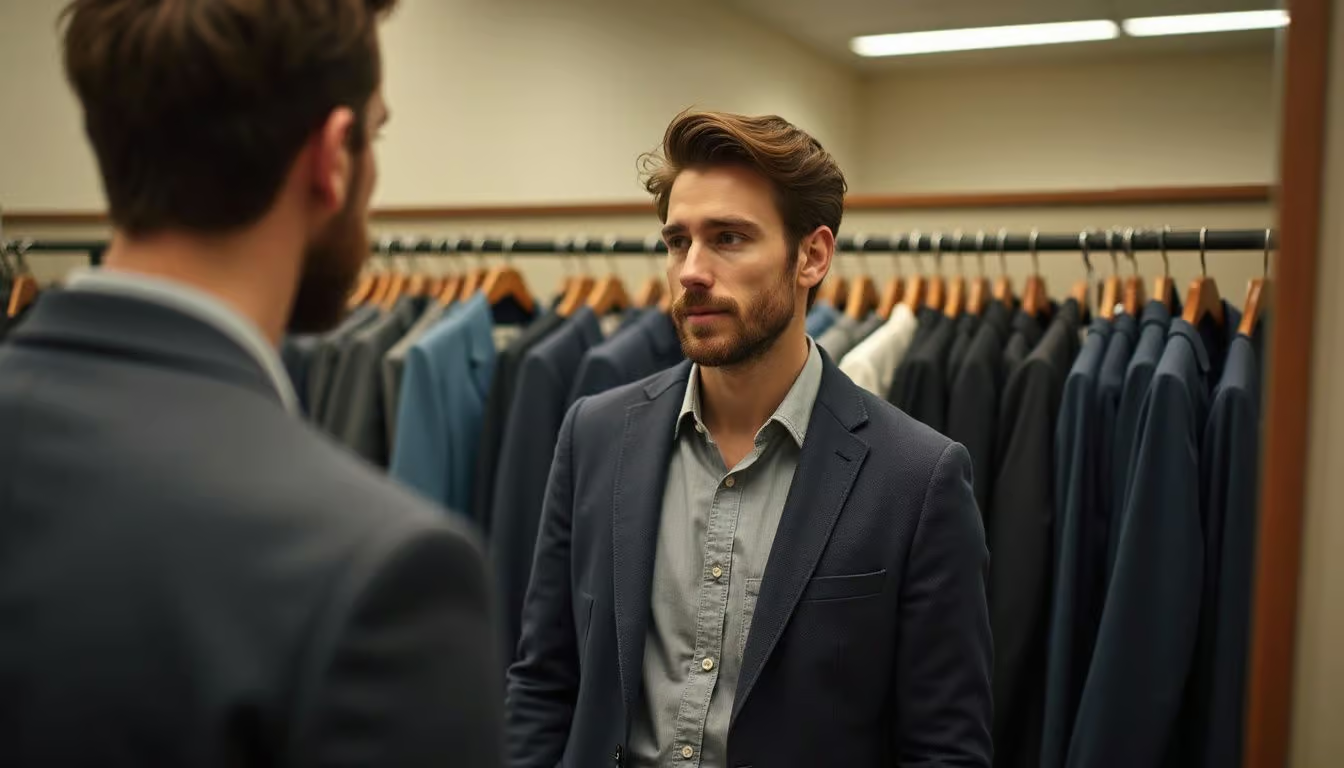
Not all blazers are created equal. I avoid “suit orphans”—suit jackets worn as separate blazers—because the smooth, shiny wool looks odd with jeans.
Instead, I look for texture.
- Hopsack Wool: This has a basket-weave texture that resists wrinkles. It is breathable and looks great with chinos.
- Unstructured Cotton/Linen: Great for warmer months. These have no shoulder padding, so they drape like a cardigan but look like a jacket.
- Tweed or Flannel: Perfect for winter. They add visual weight and keep you warm.
I stick to navy, charcoal, and maybe a subtle pattern like herringbone. These colors work with almost every shirt in my rotation.
Which casual and formal shoes are must-haves?
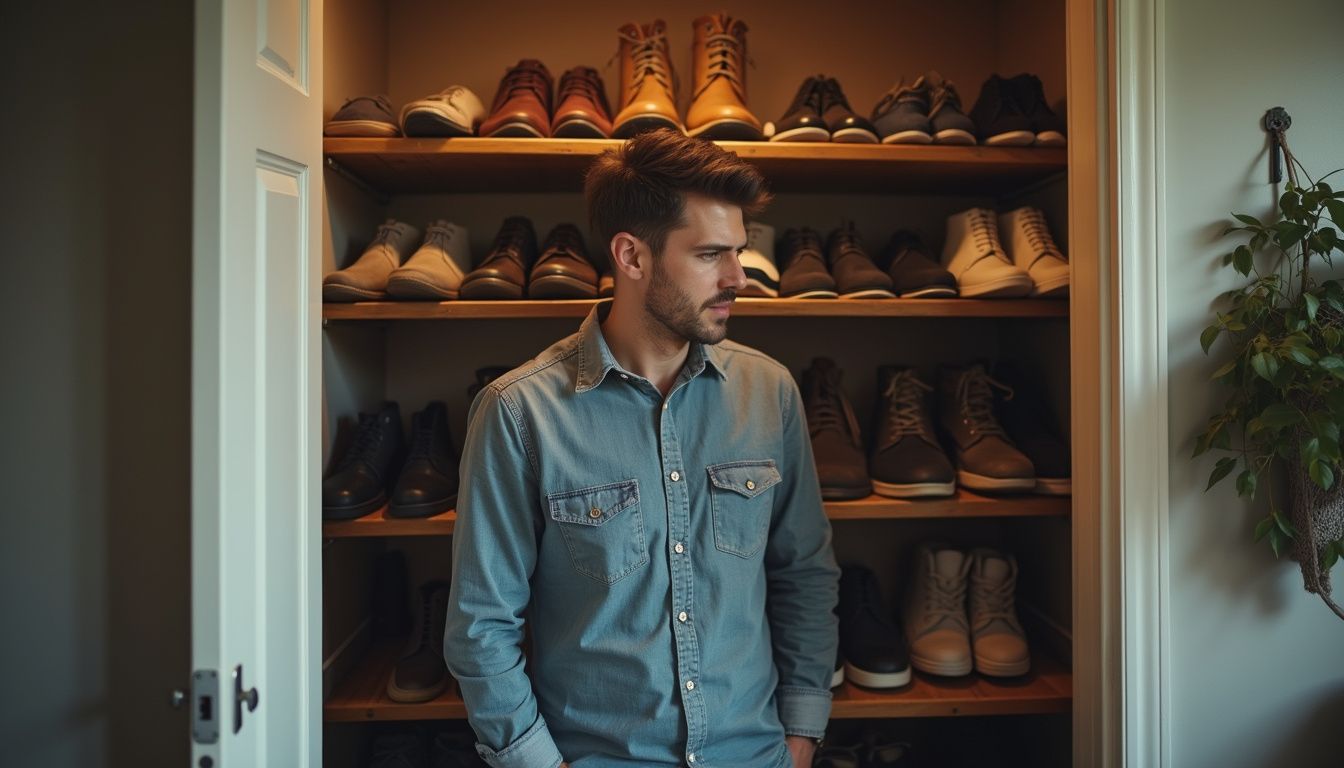
Shoes are the anchor of the outfit. I have found that cheap shoes are expensive because you replace them so often.
Here is my essential rotation:
- White Minimalist Sneaker: Think Koio Capri or Adidas Stan Smith. Clean, simple, and works with everything.
- Brown Leather Boot: A Chelsea boot or a service boot (like the Thursday Boot Co. Captain) is rugged yet refined.
- The Loafer: A penny loafer in oxblood or brown leather is the ultimate smart-casual shoe.
- The Oxford: For weddings and funerals, you need one pair of black Cap-Toe Oxfords. Allen Edmonds Park Avenue is the gold standard here.
- Running Shoe: A retro runner, like a New Balance 574, is perfect for errands where you want comfort but style.
Tips for Elevating Everyday Outfits
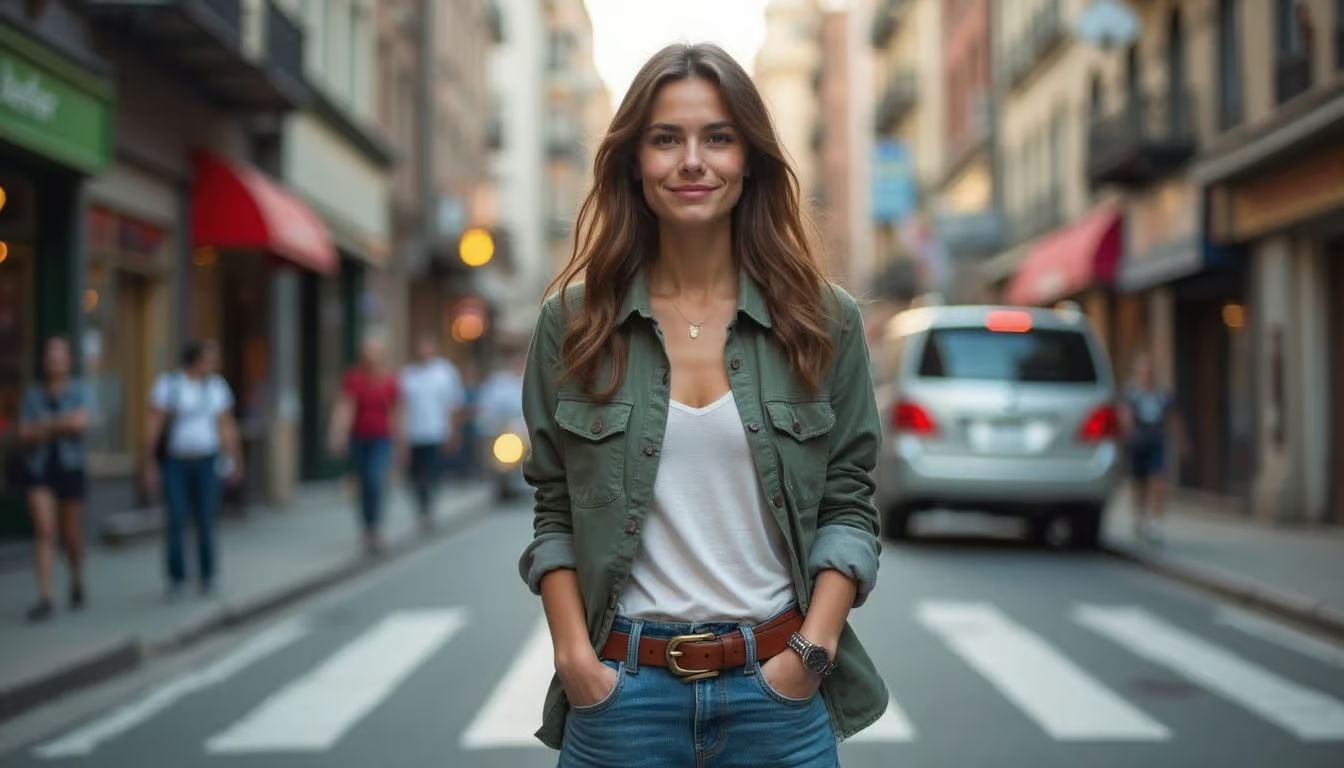
You have the basics. Now, let’s make them interesting. Small tweaks can turn a boring outfit into a head-turner.
How to accessorize with belts, watches, and ties?

Accessories are the spices of an outfit. Without them, things can taste a bit bland. I always follow the “Leather Rule”: my belt leather should generally match my shoe leather. It doesn’t need to be exact, but brown goes with brown, and black goes with black.
For watches, size matters. If you have a smaller wrist (under 7 inches), stick to a case size between 38mm and 40mm. A classic field watch, like a Hamilton Khaki, looks good on almost everyone.
With ties, I learned to embrace texture. A knit tie with a square bottom is a game-changer. It is less formal than a shiny silk tie, making it perfect for daily wear. A tie bar is a functional piece of jewelry; place it between the third and fourth buttons of your shirt.
What are the best layering techniques for different seasons?
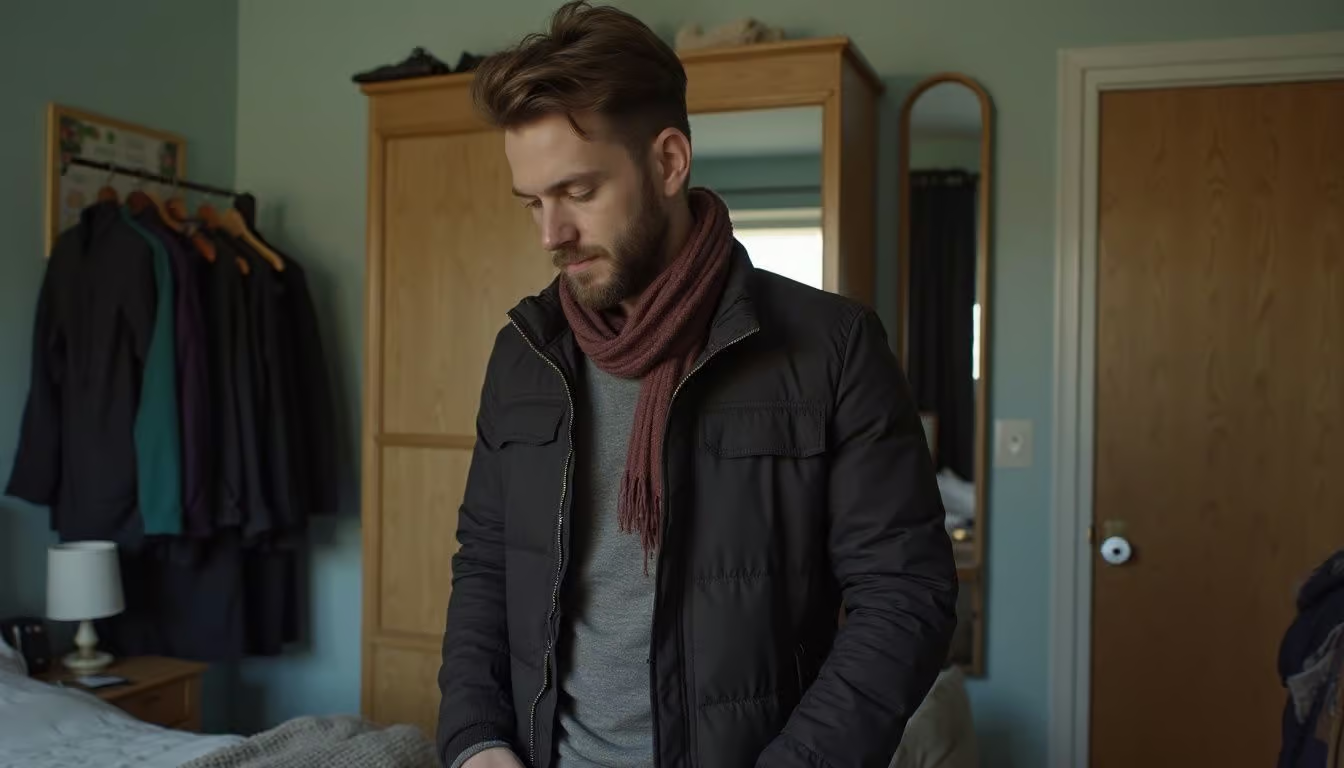
Layering is practical magic. It lets you adjust to temperature changes while adding visual depth.
I use the “Thin to Thick” system:
- Base Layer: Lightweight and close to the skin. This is your t-shirt or dress shirt.
- Mid Layer: Provides insulation. This is your flannel shirt, merino wool sweater, or denim jacket.
- Outer Layer: Weather protection. This is your heavy peacoat, trench, or parka.
In spring, I might layer a denim jacket over a hoodie. In winter, I will put a quilted vest under a topcoat. The key is ensuring the outer layers are longer than the inner layers so nothing pokes out the bottom awkwardly.
How can I mix patterns and textures effectively?
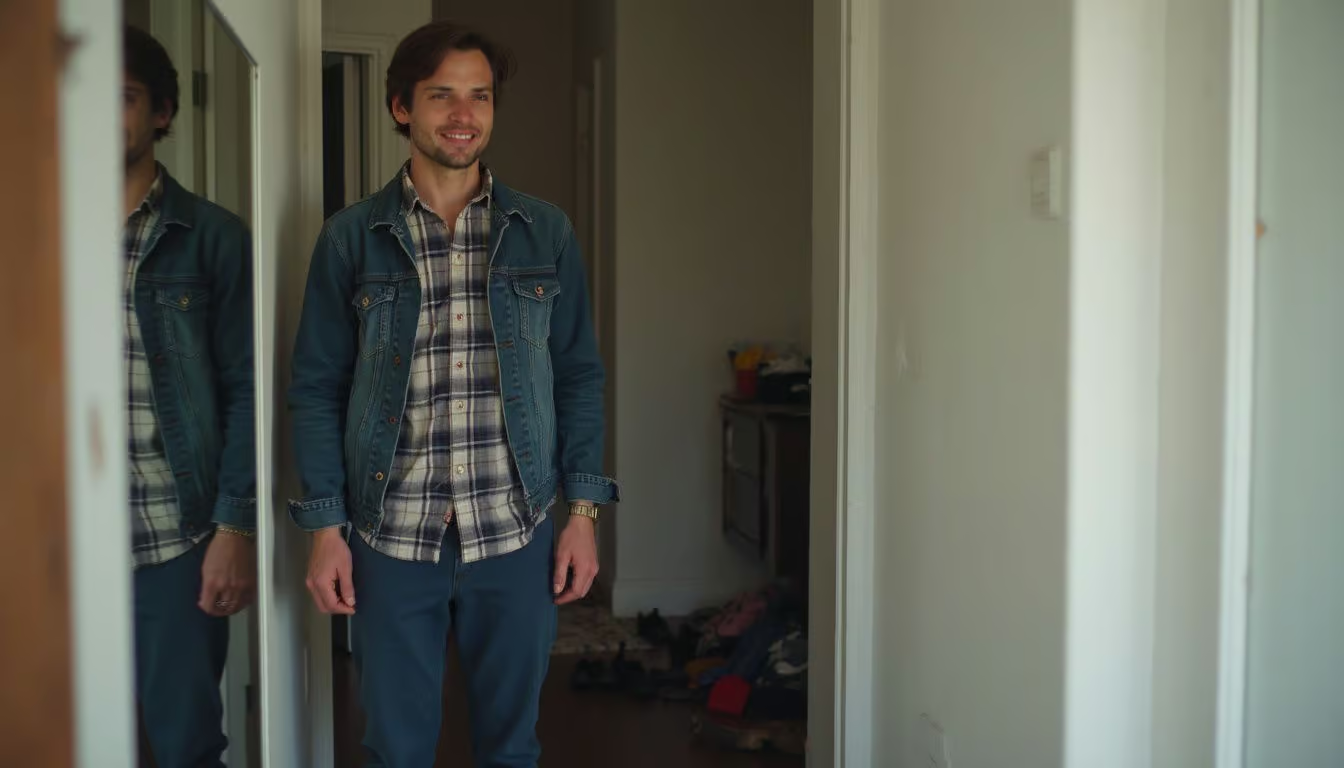
Mixing patterns used to scare me. Then I learned the “Scale Rule.”
If one pattern is large, the other must be small. For example, a shirt with thin, tight stripes looks great under a blazer with a large windowpane check. If both patterns are the same size, they clash and hurt the eyes.
I also love mixing textures to add interest without using bright colors. Wearing a corduroy jacket (bumpy) with a silk knit tie (crunchy) and an oxford shirt (rough) creates a rich, sophisticated look, even if the whole outfit is just shades of blue.
Grooming and Hygiene as Part of Style
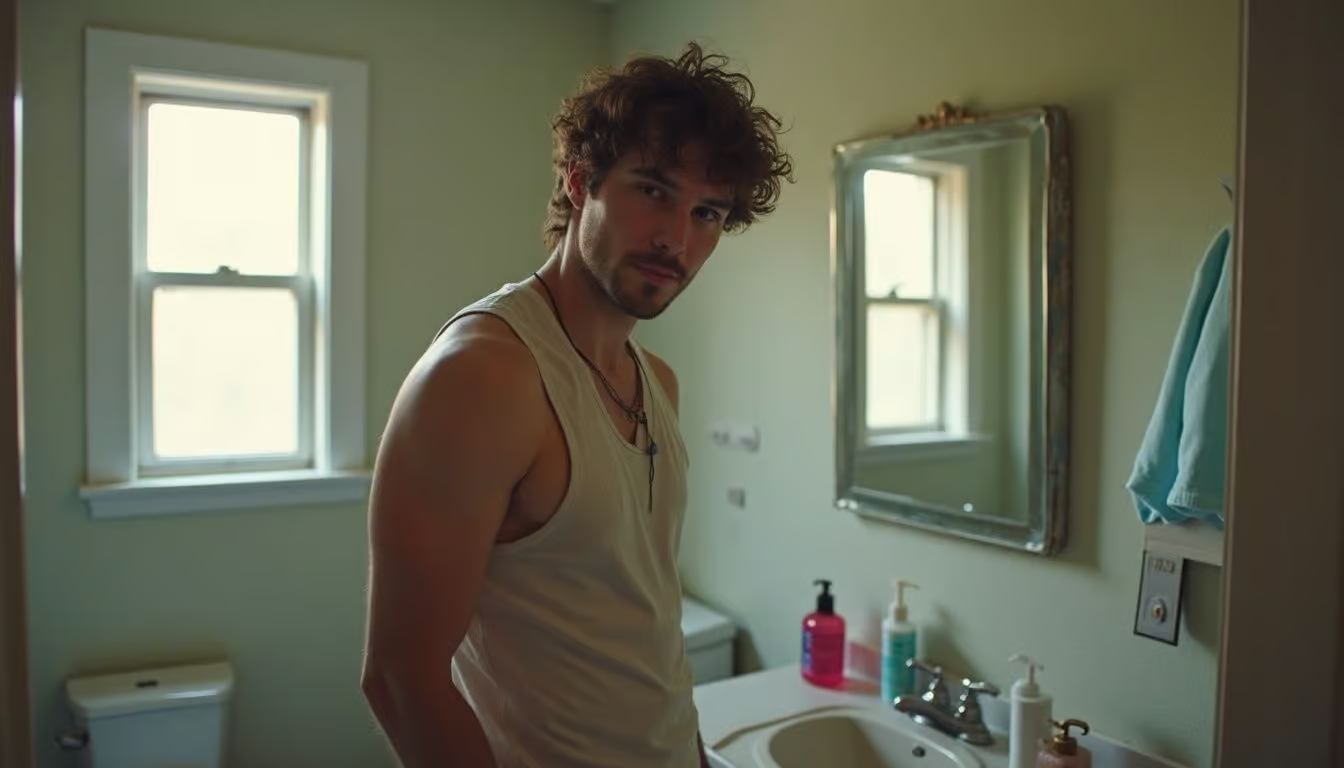
You can wear a $5,000 suit, but if your grooming is messy, you will still look unkempt. Taking care of your face and hair is the final polish on your style.
How do I maintain a neat haircut?
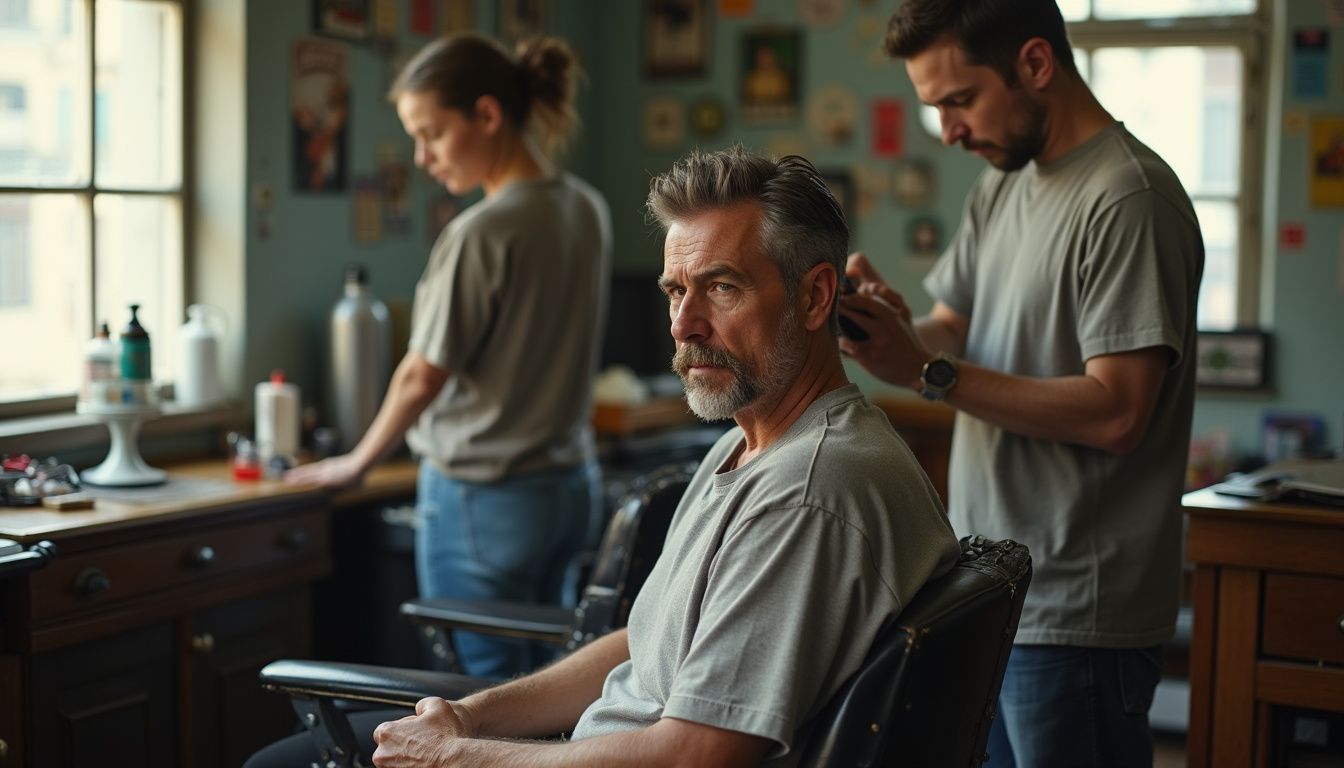
I found that the difference between a good haircut and a bad one is about two weeks. I book my appointments in advance, usually every 3 to 4 weeks, to keep the edges sharp.
Communication is key. I bring a photo to show the barber exactly what I want. Terms like “fade” or “texture” can mean different things to different people.
For product, I match it to my hair type. If you have thin hair, use a matte clay or paste to add volume. If you have thick, unruly hair, a pomade with some shine helps control it.
What are essential skincare and beard grooming tips?
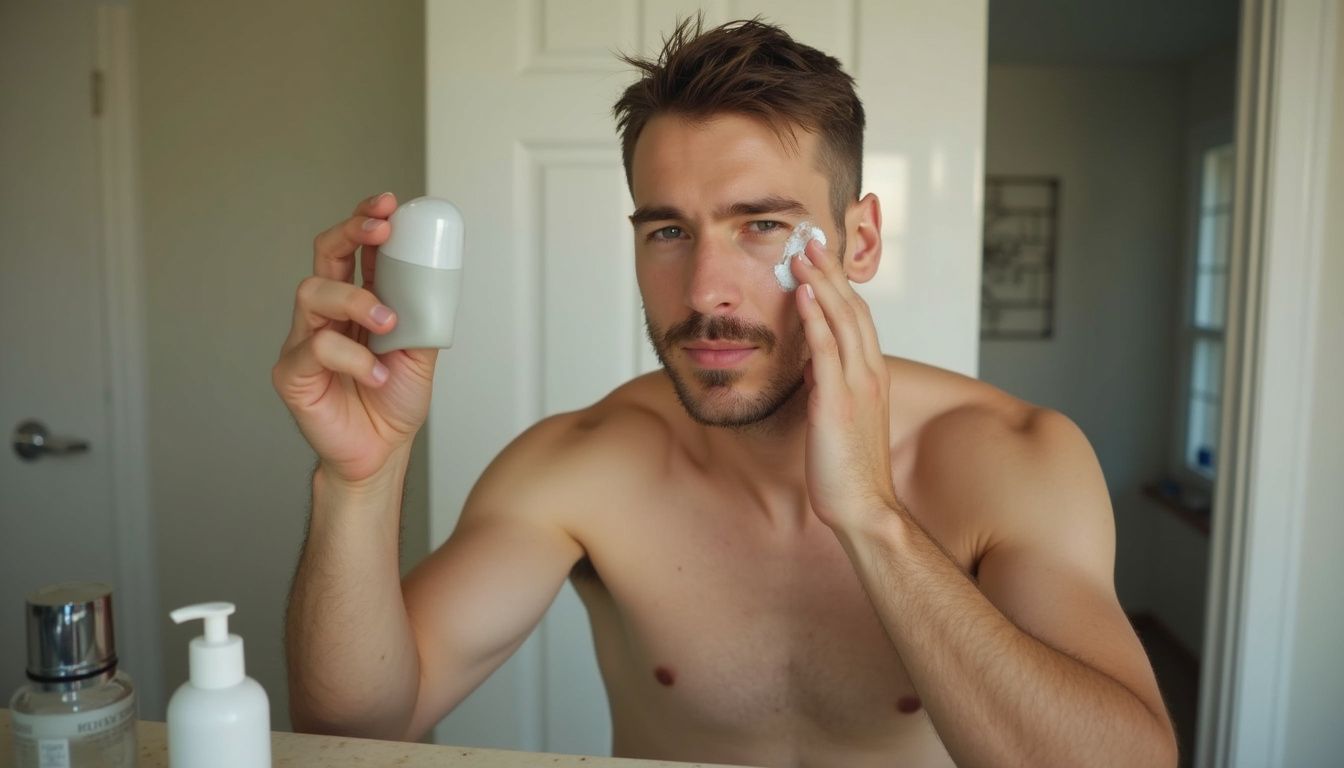
My skincare routine used to be just water. That was a mistake. Now, I follow a simple three-step process: Cleanse, Moisturize, and Protect.
- The Cleanser: A gentle face wash (like CeraVe) removes dirt without stripping oil. Use it morning and night.
- The Moisturizer: This keeps skin elastic. Look for ingredients like Hyaluronic Acid.
- The SPF: The sun is the number one cause of aging skin. I wear an SPF 30 daily, even when it is cloudy.
For beards, oil is non-negotiable. It stops the dreaded “beard itch” and keeps the hair soft. I also trim the neckline right above the Adam’s apple. Too high, and it looks odd; too low, and it looks messy.
Shopping Smart for Men’s Fashion
Shopping shouldn’t bankrupt you. I use tools like CamelCamelCamel to track prices and wait for end-of-season sales in January and July to grab big-ticket items.
Why should I invest in quality over quantity?
I use the “Cost Per Wear” (CPW) formula. It changed how I view price tags.
A $300 pair of boots worn 300 times costs $1 per wear. A $60 pair of cheap shoes that falls apart after 30 wears costs $2 per wear. The expensive boots are actually cheaper in the long run.
I look for specific markers of quality. For leather jackets, I want full-grain leather and heavy-duty zippers like RiRi or YKK. For sweaters, I look for natural fibers like Merino wool rather than acrylic, which pills easily.
If you want to master this mindset, check out this guide on how to dress better.
How do I identify reliable men’s fashion brands?

Reliable brands are consistent. I love Uniqlo for basics like t-shirts and socks because they use decent cotton at fair prices.
For mid-tier investment pieces, brands like J.Crew, SuitSupply, and Buck Mason offer great value. They focus on fabric quality and modern cuts.
I usually avoid brands that sell everything for under $20. Usually, that means they are cutting corners on labor or materials. I check reviews on Reddit’s r/malefashionadvice to see if real people—not just influencers—are happy with the durability.
How can I find deals without sacrificing quality?
I never pay full price if I can help it. I sign up for email newsletters (and filter them into a separate folder) because brands often send “welcome” codes for 15% off.
Second-hand markets are gold mines. Apps like Poshmark, Grailed, and Depop are full of gently used designer gear. I once found a $400 Barbour jacket for $100 just because it had a missing button.
I also shop out of season. Buying a winter coat in April or swim trunks in October usually guarantees the deepest discounts.
Staying Updated with Trends
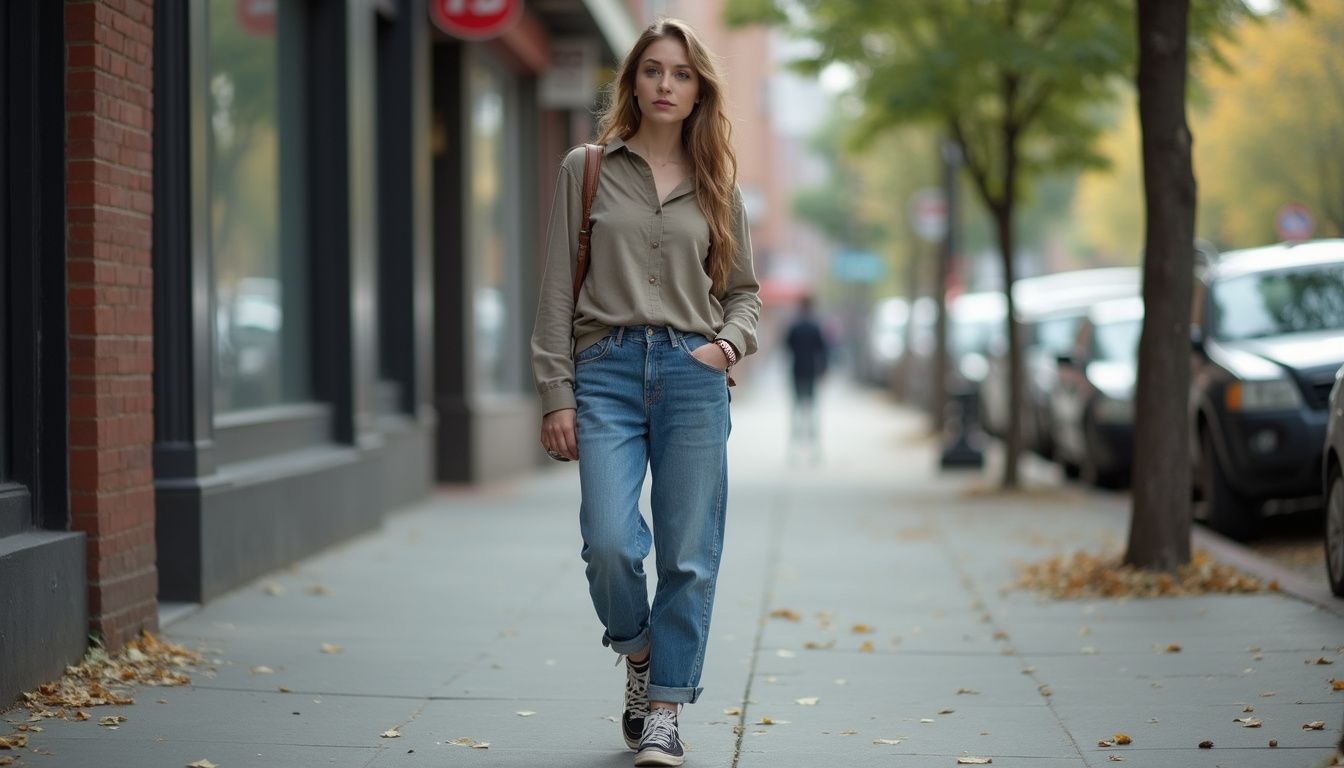
Trends are fun, but they are the garnish, not the meal. I use them to keep things fresh without reinventing the wheel.
How do I incorporate subtle trends into my wardrobe?
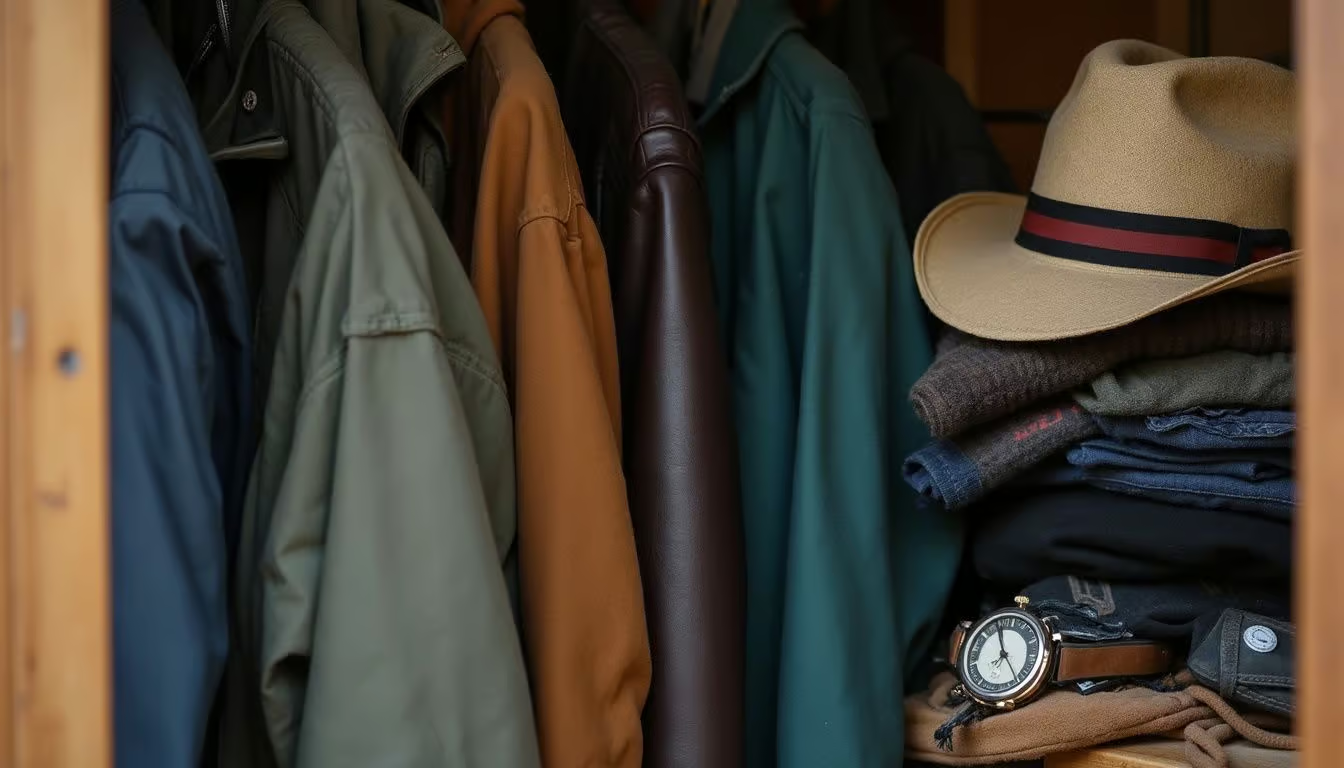
I start small. If “earth tones” are trending, I will buy a beanie or a scarf in that color rather than a whole new suit.
Accessories are the safest bet. Changing your watch strap, eyewear, or socks allows you to nod to a trend without committing to it. For 2025, wider pants are in. Instead of buying extreme baggy jeans, I might just switch from “Skinny” fit to “Straight” or “Relaxed Taper” fit.
It feels modern but still looks like me.
How can I balance modern and timeless pieces?
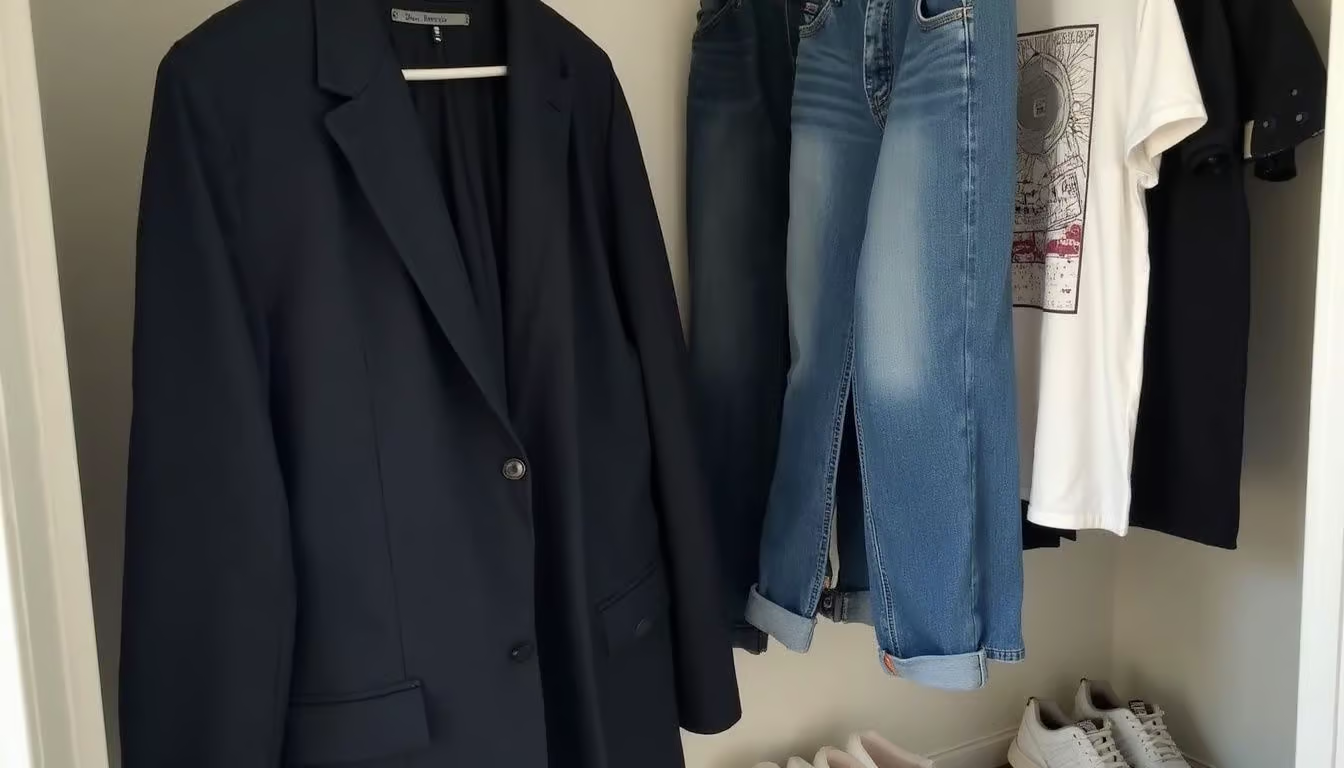
I follow the “One Trend Rule.” I wear only one trendy item at a time.
If I am wearing a trendy oversized hoodie, I pair it with classic, fitted jeans and clean sneakers. This grounds the outfit.
If I am wearing bold, chunky Dad shoes, I keep the rest of the outfit simple and streamlined. This contrast stops me from looking like a fashion victim and makes the trendy piece stand out more effectively.
Building Confidence in Your Style
At the end of the day, if you don’t feel good in it, you won’t look good in it. Confidence is the invisible accessory.
How can I experiment with new looks confidently?
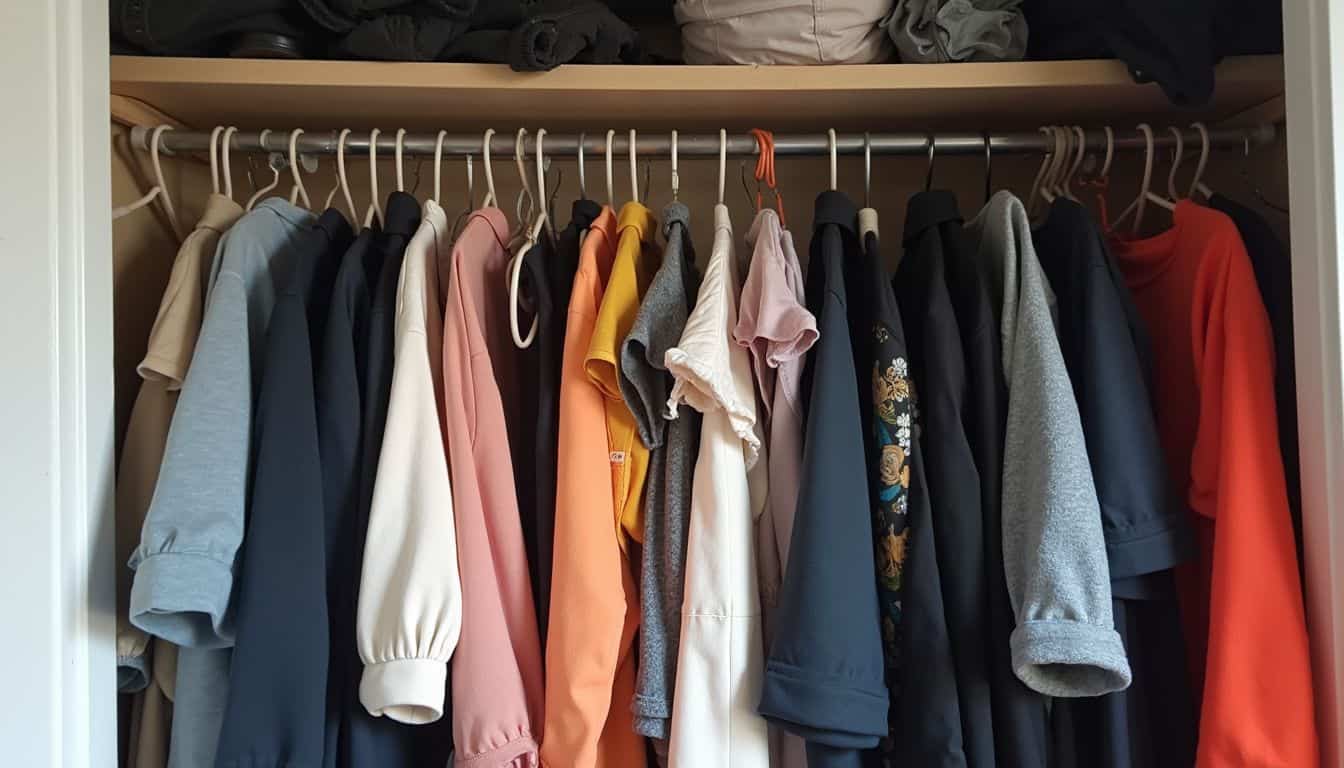
I test drive new outfits. I will wear a new jacket to the grocery store or a coffee shop first.
Being around strangers who don’t care what I look like lowers the stakes. If I feel good there, I will wear it to work or a party.
I also take selfies—not for Instagram, but for myself. A mirror can lie, but a photo shows how the clothes actually sit on my body. It helps me spot if pants are too long or a shirt is too boxy.
How do I embrace my personal style flair?
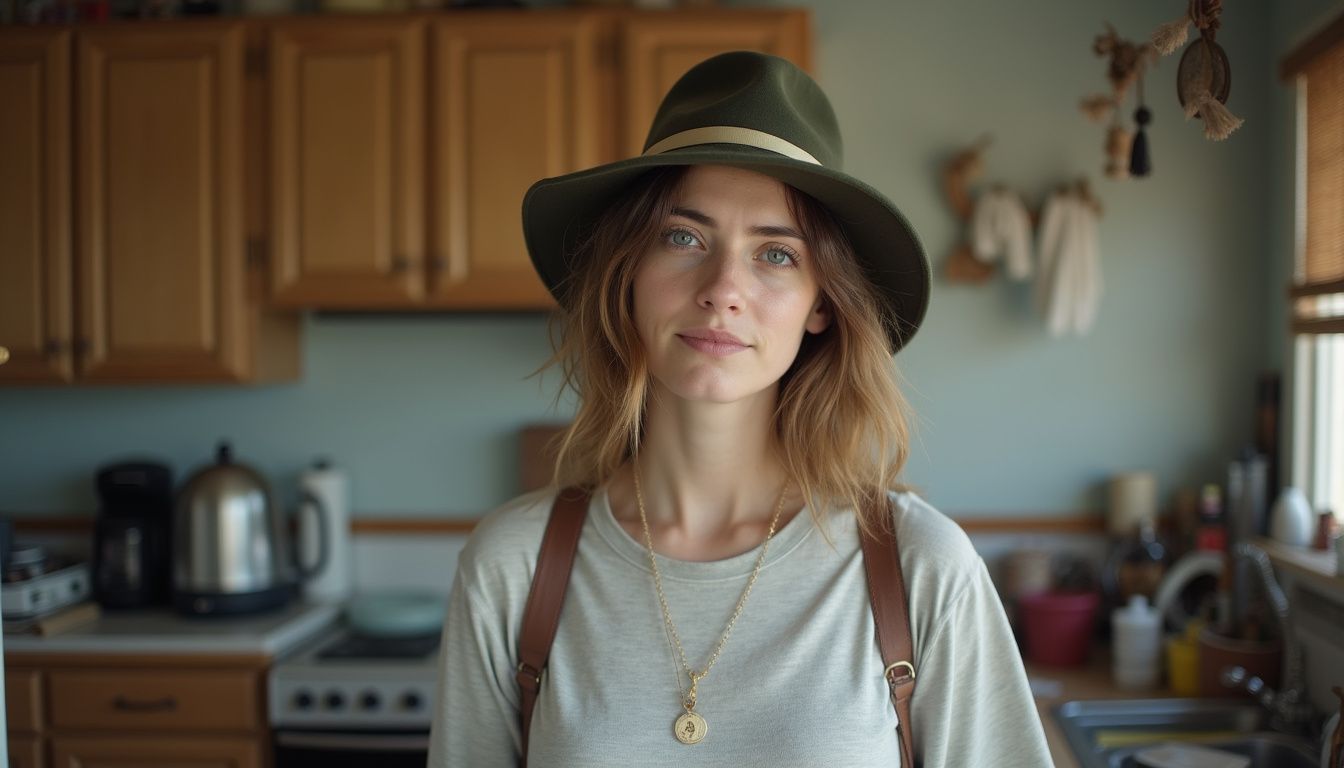
I stopped trying to dress like everyone else and started leaning into what I like. If you love vintage watches, make that your signature.
Maybe you love bright sneakers. Wear them with neutral outfits so they shine. Your “flair” is just the thing that makes you happy.
Don’t be afraid to alter clothes to fit your vision. I sometimes swap out buttons on a blazer or taper a pair of thrift store pants. If you are feeling creative, learning how to design your own clothes opens up a whole new world of possibilities.
How Will Men’s Style Evolve in 2025?
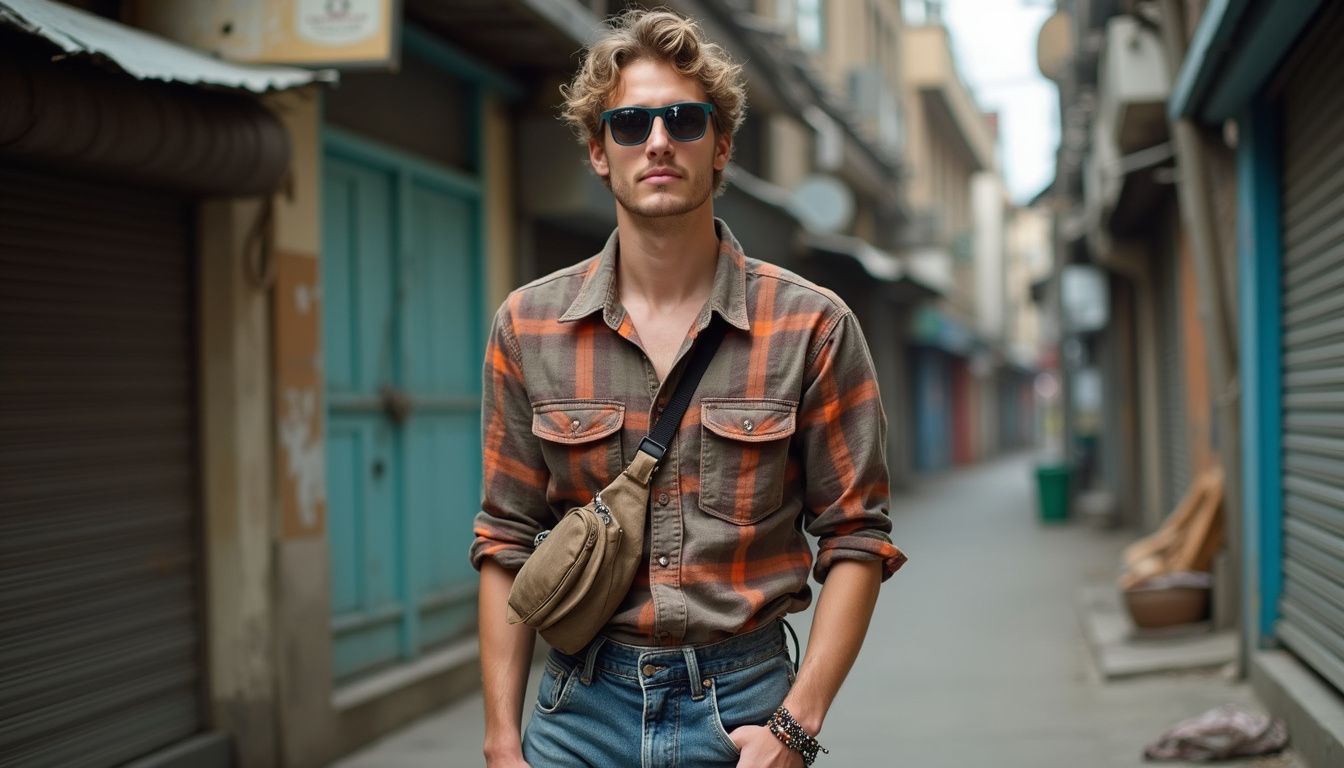
Looking ahead, I see a shift toward “Soft Utility.” We are moving away from stiff, restrictive clothing.
Expect to see more Western influences, like snap-button shirts and boots, driven by pop culture. Knitwear is getting chunkier and cozier, replacing strict hoodies. We are also seeing a return to higher waistlines on pants, which is actually much more comfortable once you get used to it.
Accessories like wraparound sunglasses and crossbody bags are here to stay. They blend function with that futuristic, sporty vibe. In 2025, the rules are looser. It is less about a strict uniform and more about mixing comfort with character.
People Also Ask
What makes the Ultimate Men’s Fashion Style Guide [2025 Edition] stand out from other style guides?
This guide gets straight to the point on the biggest 2025 shifts, like the move to looser fits and polished workwear. I explain how to pull off specific trends, such as dark indigo denim or the new “grandpacore” cardigans, without looking like you are trying too hard. You will get real, usable tips for your daily rotation instead of just runway theory.
How can I use this style guide if I’m new to men’s fashion?
I suggest starting with a foolproof “uniform” to build your foundation. Pick up some basics like vintage-wash straight jeans, a heavyweight white tee, and a versatile flannel overshirt to keep things easy. This book breaks down those combinations step-by-step, acting like a knowledgeable friend who steers you away from expensive mistakes.
Does the 2025 edition address seasonal changes in men’s clothing?
Absolutely; I show you how to handle the weather by swapping in specific fabrics, like breathable knit polos for spring heat or dense wool coats for winter. We even cover layering tricks with hoodies and blazers so you can stay comfortable during those tricky transitional months.
Will this guide help me build confidence with my personal style?
Yes; I have found that taking your items to a pro for simple fit adjustments is the single best way to build your confidence.
References
https://www.gq.com/story/wardrobe-essentials-for-men-2025 (2025-02-10)
https://www.realmenrealstyle.com/summer-color-combos/
https://www.cuindependent.com/mens-fashion-styles-guide-for-different-clothing-styles/ (2025-09-11)
https://www.montagio.com.au/cms/smart-casual-dress-code-for-men
https://www.gq.com/story/preppy-style-guide (2025-10-21)
https://www.theessentialman.com/blog/mens-capsule-wardrobe-guide
https://dreamcather.com/blogs/blogs/the-ultimate-guide-to-men-s-shoes-in-2025-styles-trends-buying-tips (2025-09-14)
https://therake.com/default/stories/the-art-of-layering-the-ultimate-men-s-styling-trick
https://billybsbarbershop.com/blog/f/beard-grooming-tips-every-guy-should-know-in-2025
https://www.sciencedirect.com/science/article/pii/S0959652624036813
https://www.vogue.co.uk/article/best-mens-clothing-brands (2025-06-25)
https://ww2.jacksonms.gov/libweb/kSe7rK/7OK140/how_do-i__look__style.pdf
https://www.gq.com/story/mens-fashion-trends-predictions-2025