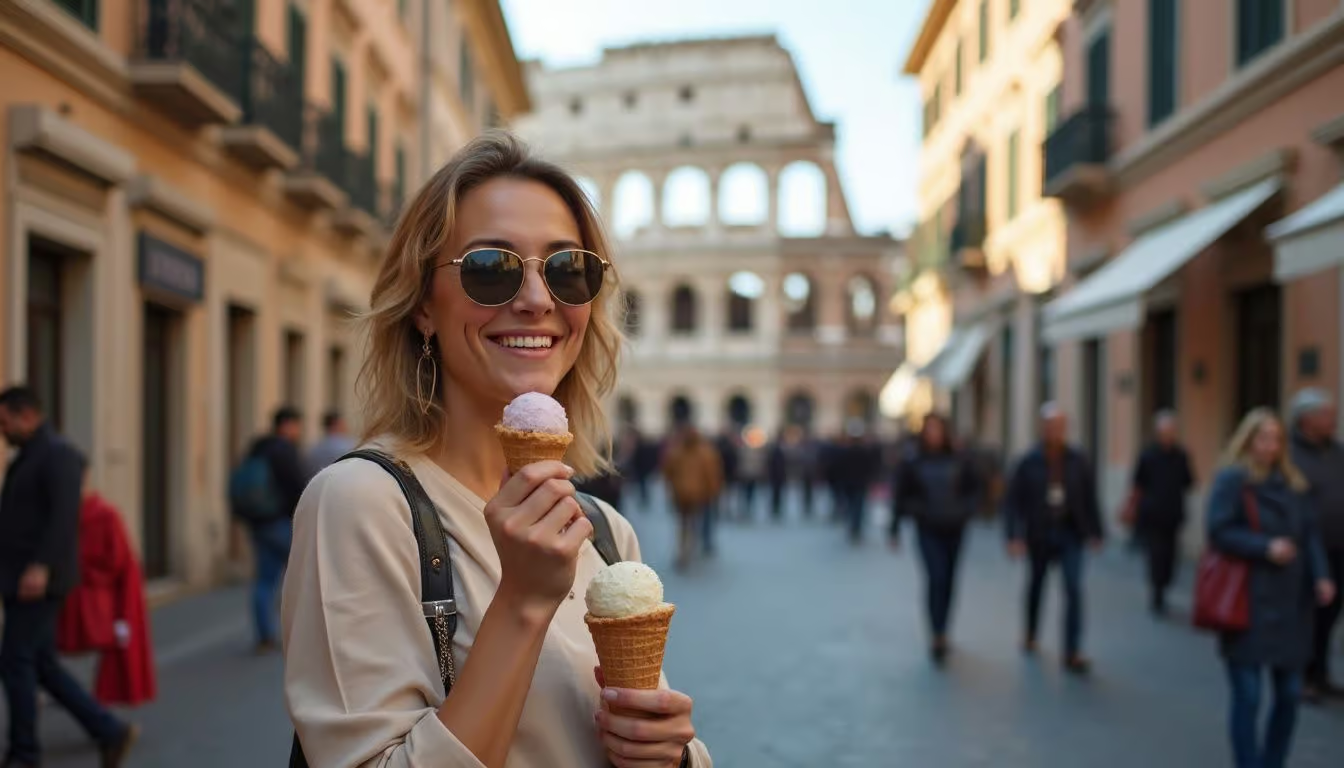
Ever find yourself wondering, is Italy worth visiting?
I get it. You see the pictures of Rome and Florence, and you dream about the history, the art, and of course, the incredible Italian food. But is it really as good as everyone says?
Let me tell you, it is. I’m going to give you 12 solid reasons why a trip to Italy will stick with you for the rest of your life.
So grab a coffee, and let’s get into it. I’ll walk you through everything you need to know.
Key Takeaways
Italy is home to iconic historical sites like the Colosseum, which saw over 14 million visitors in 2024, the Pantheon, and the Trevi Fountain. In Florence, the Uffizi Gallery houses masterpieces like Botticelli’s “Birth of Venus.”
The country’s landscapes are breathtakingly diverse. You can explore the Amalfi Coast, a UNESCO World Heritage site, hike the Dolomites, relax by Lake Como, or see Mount Etna in Sicily, Europe’s tallest active volcano.
The Italian food experience is second to none, with regional specialties like handmade pasta in Rome and authentic tiramisu near Venice. The country is also the birthplace of the Slow Food movement, which champions local ingredients and traditional cooking.
You can immerse yourself in vibrant Italian culture through events like the Carnevale in Venice or the historic Palio di Siena horse races, which take place on July 2nd and August 16th, 2025.
Traveling in 2025 has some new twists. Rome is celebrating a Catholic Jubilee Year, drawing huge crowds. Also, day-trippers visiting Venice on peak days now need to pay an entry fee of €5-€10.
Table of Contents
Top Reasons to Visit Italy
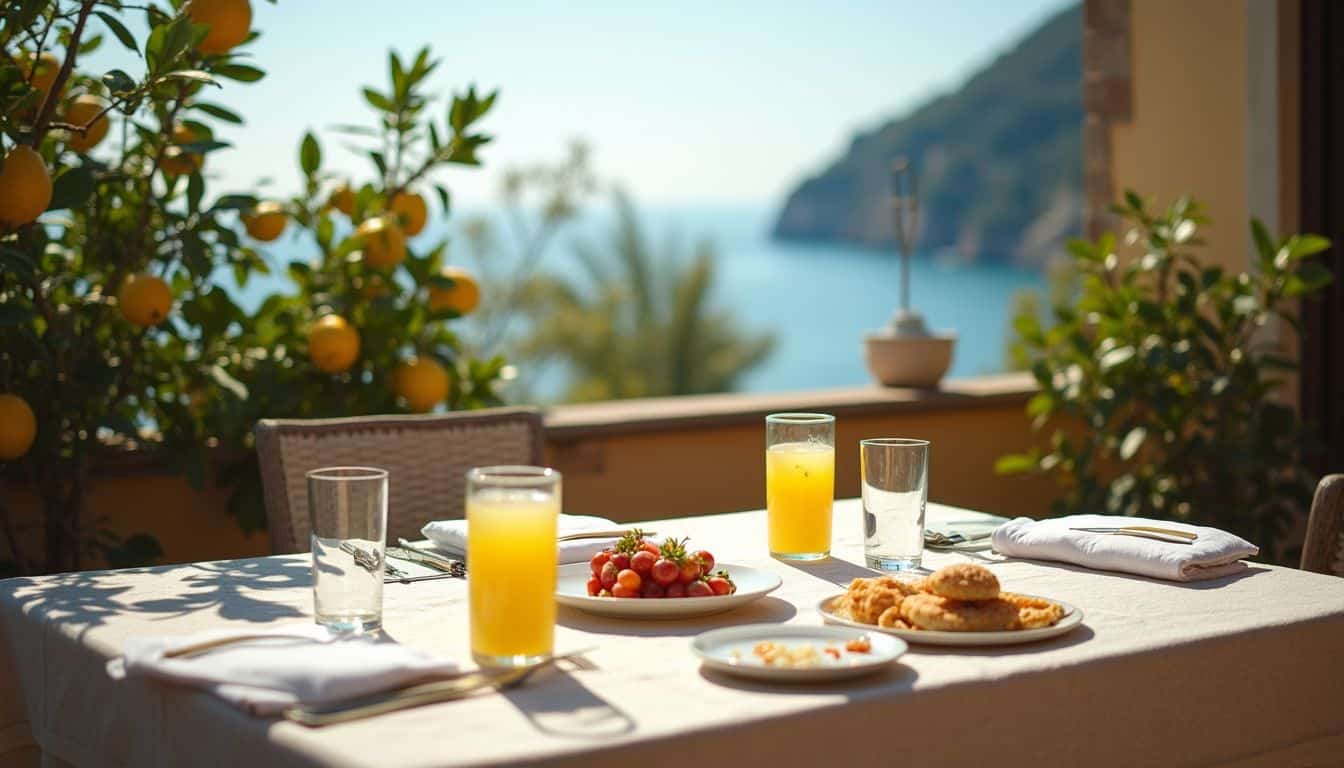
Italy hits you from all angles. One moment you’re looking up at a masterpiece by Michelangelo, and the next you’re kicking back in Sorrento with a glass of wine and a perfect dessert.
It’s a country that truly has something for everyone.
What are the most famous historical sites in Italy?

If you’re a guy who appreciates history, Italy is your playground. I’ve walked through these ancient sites myself, and the sheer scale of them is something you have to see to believe.
- The Colosseum in Rome is a must. This place is massive, and it’s hard to imagine gladiators fighting lions for cheering crowds. In 2024, the Colosseum Archaeological Park attracted nearly 15 million visitors.
- The Pantheon has this incredible domed ceiling with a hole in the top called an oculus. It’s been standing since around 27 BCE, which is just mind-blowing.
- Don’t forget to toss a coin in the Trevi Fountain. It’s a tradition that’s supposed to guarantee your return to Rome.
- St. Peter’s Basilica in the Vatican is enormous and holds some of the most famous Renaissance art in the world.
- The Leaning Tower of Pisa is a classic photo op. It tilts because the ground is too soft, a mistake that turned into a world-famous landmark.
- Michelangelo’s ceiling frescoes in the Sistine Chapel are absolutely stunning. You could stare at them for hours.
- Art lovers have to visit the Uffizi Gallery in Florence. It’s where you’ll find Botticelli’s “Birth of Venus.”
- The Milan Cathedral is Italy’s largest church, covered in 3,400 statues. It took nearly six centuries to finish.
For an experience that goes beyond the usual tourist path, I highly recommend booking with private Italy tours. The local guides I’ve used gave me insights you just can’t get from an app.
Why is Italy known for world-class art and architecture?

Artists like Michelangelo, Leonardo da Vinci, and Raphael were all from Italy, and their work basically defined the Renaissance. You can’t walk down a street in Florence without bumping into history, from stunning statues to incredible buildings.
The city is famous for its Renaissance art and architecture. The Uffizi Gallery is packed with masterpieces, and Rome’s buildings tell a story that stretches from ancient times to today. Think about the powerful arches of the Colosseum or the stunning detail of the Sistine Chapel ceiling.
From Milan’s modern designs to Venice’s romantic canals, Italy’s cities feel like giant outdoor museums. Even small towns have beautiful frescoes or statues in their main squares. It’s not just in museums, you’ll see artistic touches everywhere, even while grabbing a gelato or sipping a glass of Chianti Classico wine from northwest Italy.
Art is born of the observation and investigation of nature. — Cicero
But Italy isn’t just about cities and art. Next up, let’s talk about its incredible natural landscapes.
Where can you find stunning natural landscapes in Italy?
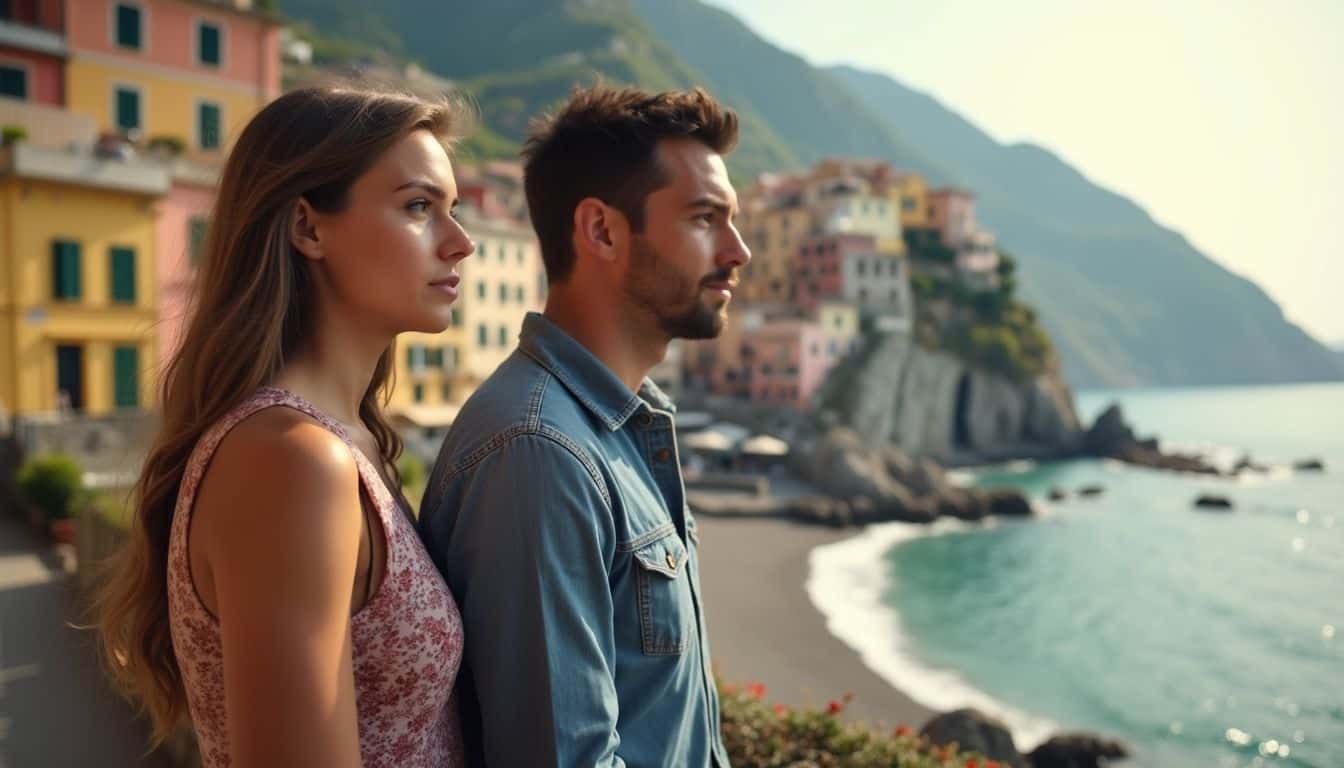
While the art is legendary, Italy’s landscapes are just as impressive. Every region offers something different for guys who want to get outside.
- The Amalfi Coast is a showstopper with its steep cliffs and colorful towns. It’s a UNESCO World Heritage site for a reason. Hiking the “Path of the Gods” trail here gives you views you won’t forget.
- The Dolomites in the north have jagged peaks perfect for hiking in the summer and skiing in the winter at resorts like Cortina d’Ampezzo.
- Lake Como is famous for its alpine views and deep blue waters. It has a touch of glamour, but it’s still a great place to relax and enjoy the scenery.
- Tuscany offers rolling hills covered in vineyards and sunflower fields. It’s the perfect place for a scenic drive or bike ride.
- Sicily is a whole other world, with everything from crystal-clear water to the smoking crater of Mount Etna, Europe’s tallest active volcano.
- Lake Garda is another great spot for outdoor activities, with calm shores and dramatic cliffs. It’s a hub for watersports and relaxing by the water.
Here’s a tip from my last road trip: get off the highways. Take the slower country roads. You’ll find amazing views and hidden gems that aren’t in any guidebook.
What makes Italian cuisine so incredible?

You might come for the sights, but you’ll stay for the Italian food. Every city has its own specialty, and the focus is always on fresh, simple ingredients.
In Rome, I had a tomato salad that was so fresh it tasted like sunshine. You haven’t had real pasta until you’ve tried handmade tagliatelle from a small shop in Florence. Italy is also the birthplace of the Slow Food movement, which started in 1986 to protest a McDonald’s opening in Rome and now promotes preserving local food traditions worldwide.
The core idea is simple: food should be good, clean, and fair.
Even the coffee is an art form, deep and rich. My kids still talk about the tiramisu we had near Venice. And yes, the wine is as good as its reputation. A glass of limoncello after dinner while looking out over the vineyards is the perfect end to any day.
Eating in Italy isn’t just about the food, it’s about the experience. Meals are long, full of conversation and laughter, a true taste of *la dolce vita*.
How can you experience vibrant local culture in Italy?

The “dolce vita,” or sweet life, is a real thing in Italy. The Italian culture is warm and welcoming, and it’s easy to feel like a part of it.
- Go to Carnevale in Venice to see the incredible masks and costumes that fill the streets.
- Experience the Palio di Siena, a historic horse race where jockeys ride bareback around the main square. In 2025, the races are on July 2nd and August 16th.
- Wander through local markets. The air is filled with the smell of fresh bread and the sound of vendors chatting with customers.
- Eat at a family-run trattoria. The pace is slower, and you might find yourself in a conversation with the waiter about soccer.
- Explore the small shops selling handmade leather goods or local art. Each piece has a story behind it.
- Just walk. My family and I would walk 15-25 kilometers a day in cities like Rome and Florence. It’s the best way to see everything up close.
- Find a local bar for your morning coffee. Stand at the counter like the locals do, and you’ll get a great espresso for about €1.20.
Must-Visit Destinations in Italy
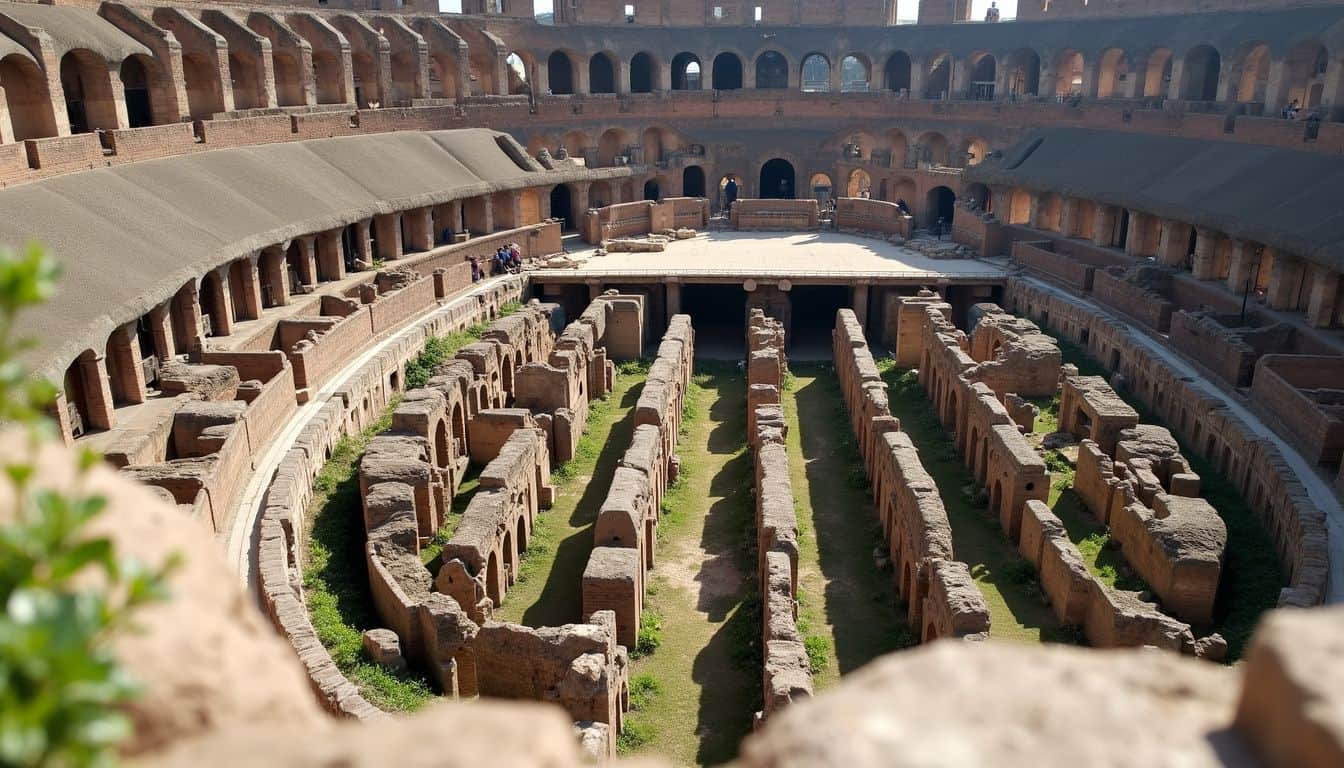
You can stand where emperors once made history or explore colorful villages that seem to hang off cliffs. Italy’s top spots are a mix of ancient history, stunning coastlines, and cities overflowing with art.
What ancient ruins should you see in Rome?
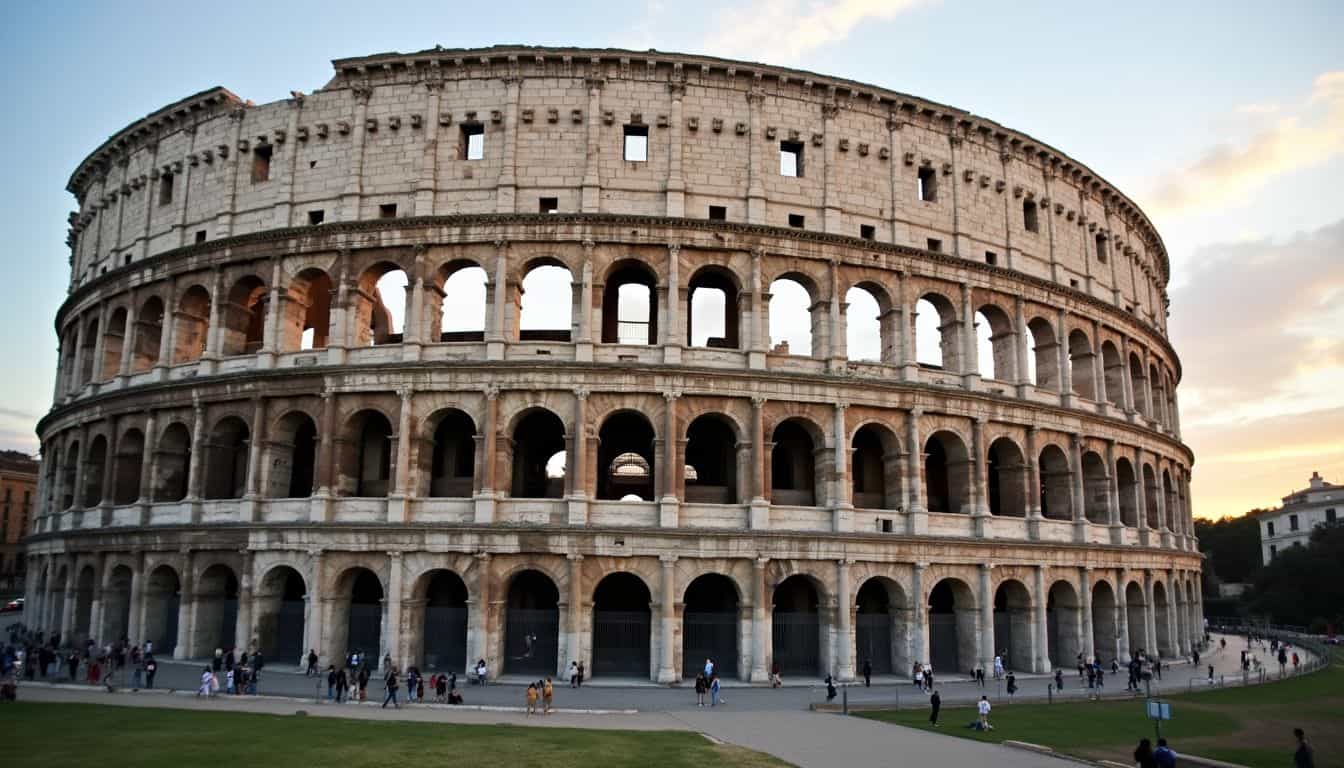
Rome is like a living museum. Every corner you turn, you find another piece of ancient history waiting for you.
- The Colosseum is the largest Roman amphitheater ever built. You can almost hear the roar of the crowds that once watched gladiators battle here.
- The Pantheon, with its incredible concrete dome, has been standing since 125 AD and is still an architectural marvel.
- Palatine Hill is considered the birthplace of Rome. It’s where the emperors built their palaces, and the ruins are incredible to explore.
- The Roman Forum was the center of daily life in ancient Rome. It was filled with temples, government buildings, and markets.
- For a different perspective, check out Ostia Antica. It was Rome’s ancient port city and gives you a real feel for everyday life.
- If you have time for a day trip, Villa Adriana in Tivoli was Emperor Hadrian’s massive countryside retreat, a stunning complex of pools and grand buildings.
- And of course, there’s Pompeii, near Mount Vesuvius, where a whole city was frozen in time by a volcanic eruption in 79 AD.
A quick tip: these places get incredibly busy, especially in the summer. Book your tickets online in advance to avoid spending hours waiting in line.
Why is the Amalfi Coast a popular travel spot?

After exploring ancient ruins, the Amalfi Coast is a completely different kind of beautiful. This 50-kilometer stretch of coastline has been a UNESCO World Heritage site since 1997.
It’s lined with thirteen towns, each with its own vibe. Positano is famous for its colorful houses stacked on the cliffs, while Sorrento offers jaw-dropping views. The cliffs drop straight into stunningly clear blue water.
A boat tour is one of the best ways to see the coast, giving you a perspective you can’t get from the winding roads. For food, you can find everything from casual beachside spots like Chez Black in Positano to Michelin-starred restaurants.
The area can be pricey, especially for things like beach chairs, but visiting in the spring or fall helps you avoid the biggest crowds and enjoy perfect weather. It’s a great alternative to the equally beautiful but often more crowded Cinque Terre.
What Renaissance art can you find in Florence?

Florence is the heart of the Renaissance, and it’s packed with art that literally changed the world. You can see Botticelli’s “Birth of Venus” at the Uffizi Gallery, which welcomed over 5 million visitors in 2024.
Of course, the main event for many is Michelangelo’s “David” at the Accademia Gallery. The statue is over 17 feet tall and is even more impressive in person.
If you’re into sculpture, the Bargello Museum is filled with works by Donatello. And don’t miss the San Giovanni Baptistry, with its incredible marble walls and mosaic ceiling.
Florence offers more than paintings on a wall—it gives you front row seats to creativity that rocked the world.
Museums get packed, so book tickets ahead of time. If you plan on visiting many museums, look into the Firenze Card, which can sometimes save you money by bundling entry fees.
What makes Venice’s canals unique?
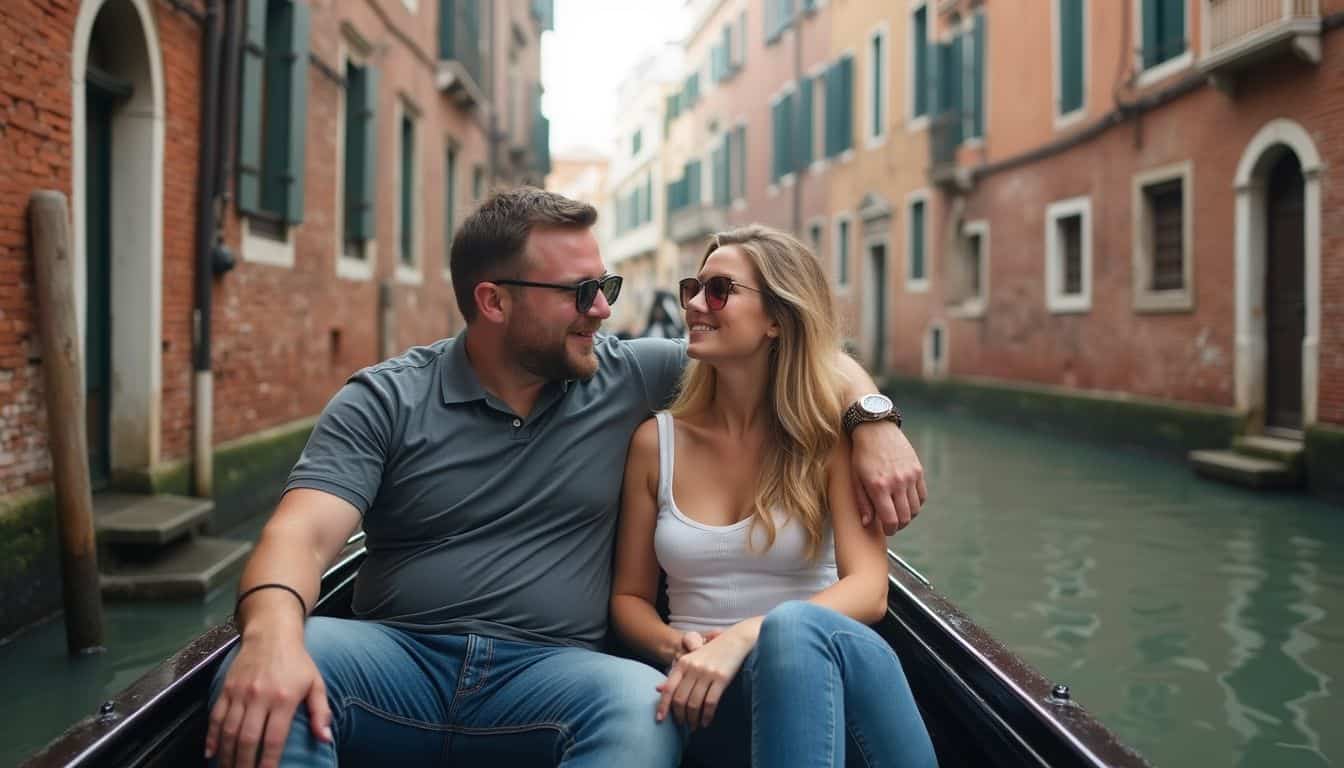
There’s no place on earth like Venice. The city is built on 118 small islands connected by over 150 canals and 400 bridges. There are no cars, just boats and your own two feet.
The Grand Canal is the main waterway, and taking a Vaporetto (water bus) ride along it is a great way to see the city’s stunning architecture. Of course, a gondola ride is the classic romantic experience, especially in the evening.
A big change for 2025 is the new tourist fee. On peak days, day-trippers have to pay an access fee of €5 if booked in advance, or €10 for last-minute payments, to enter the historic center between 8:30 AM and 4:00 PM. If you’re staying overnight in the city, you’re exempt because you already pay a tourist tax.
The city’s unique layout also influences the local Italian food, with an emphasis on fresh seafood from the lagoon. During Carnival in February or March, the city comes alive with masks and costumes, making it an unforgettable spectacle.
What is special about Sicily’s charm?
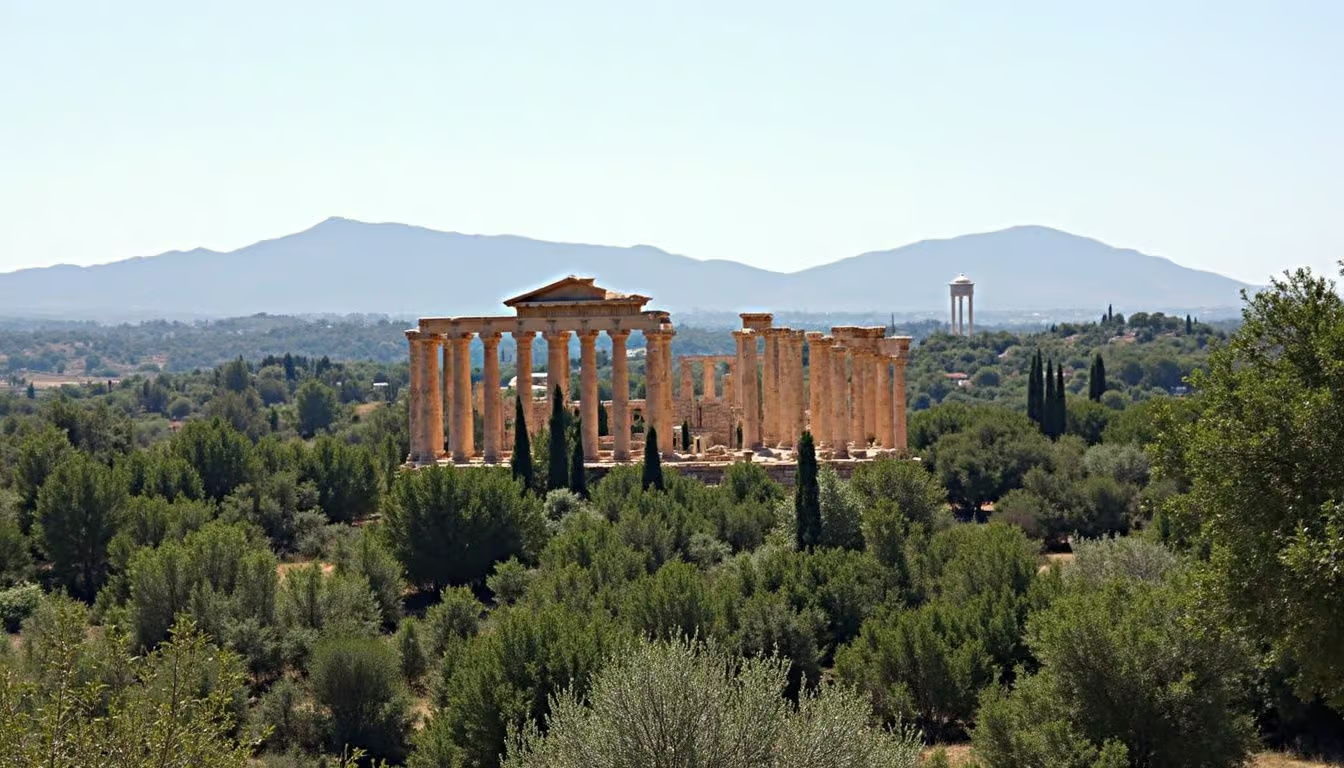
After the magic of Venice, Sicily offers a completely different, rugged charm. This huge Mediterranean island is a mix of incredible history, wild landscapes, and amazing food.
You can walk through ancient Greek temples in Agrigento one day and climb the volcanic slopes of Mount Etna the next. The beaches are fantastic, and the street food is on another level. You have to try arancini, which are delicious fried rice balls.
Sicily has been influenced by many cultures over the centuries, from the Greeks and Romans to the Normans and Arabs, and you can see it in the architecture and the food. One of the best ways to experience local life is by visiting a food market, like the bustling Ballarò market in Palermo.
Even during the busy season, Sicily feels less crowded than Rome or Florence, giving it a more authentic, laid-back vibe. To explore the island’s unique spots, check out these Sicily tour packages.
Things to Consider Before Visiting
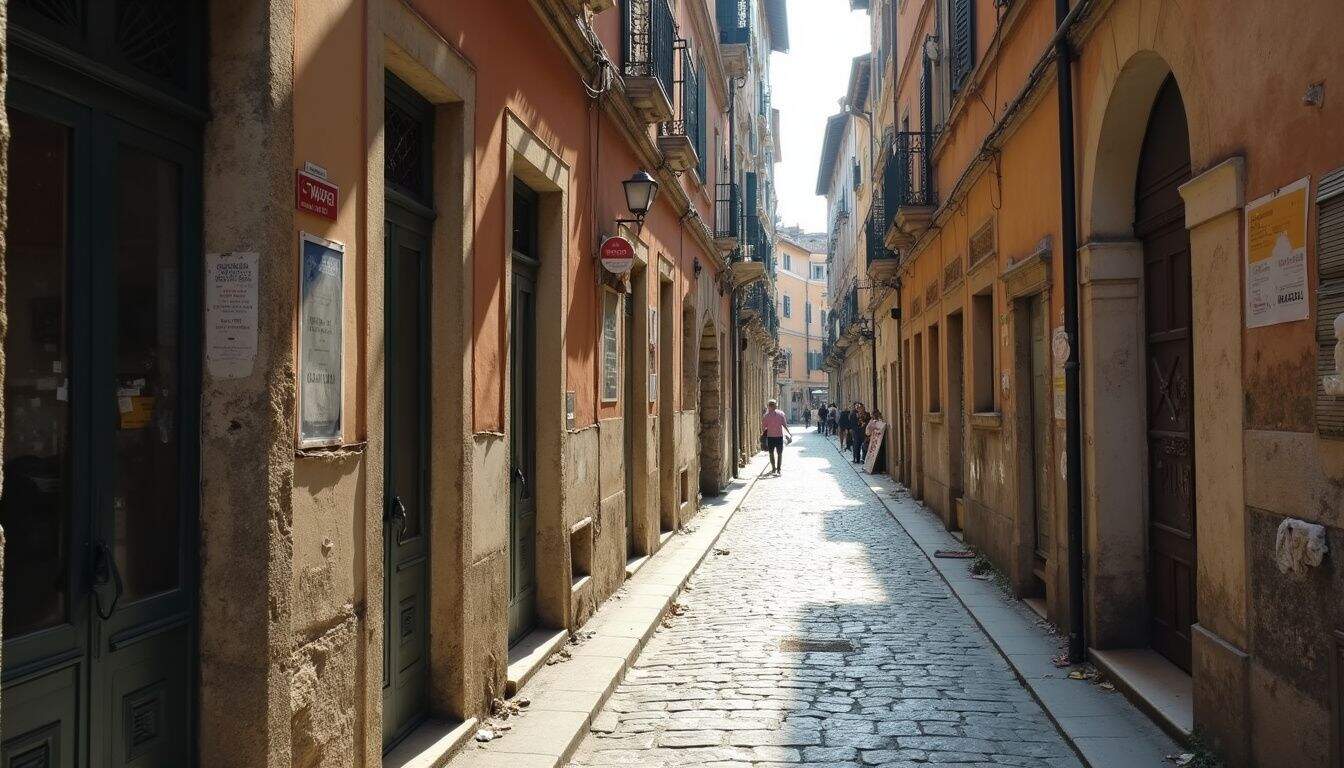
Italy is incredibly popular, which means you’ll be sharing it with a lot of other people. Planning ahead is key to making sure you have a great trip without breaking the bank or getting stuck in endless lines.
How can you manage crowds at popular Italian attractions?
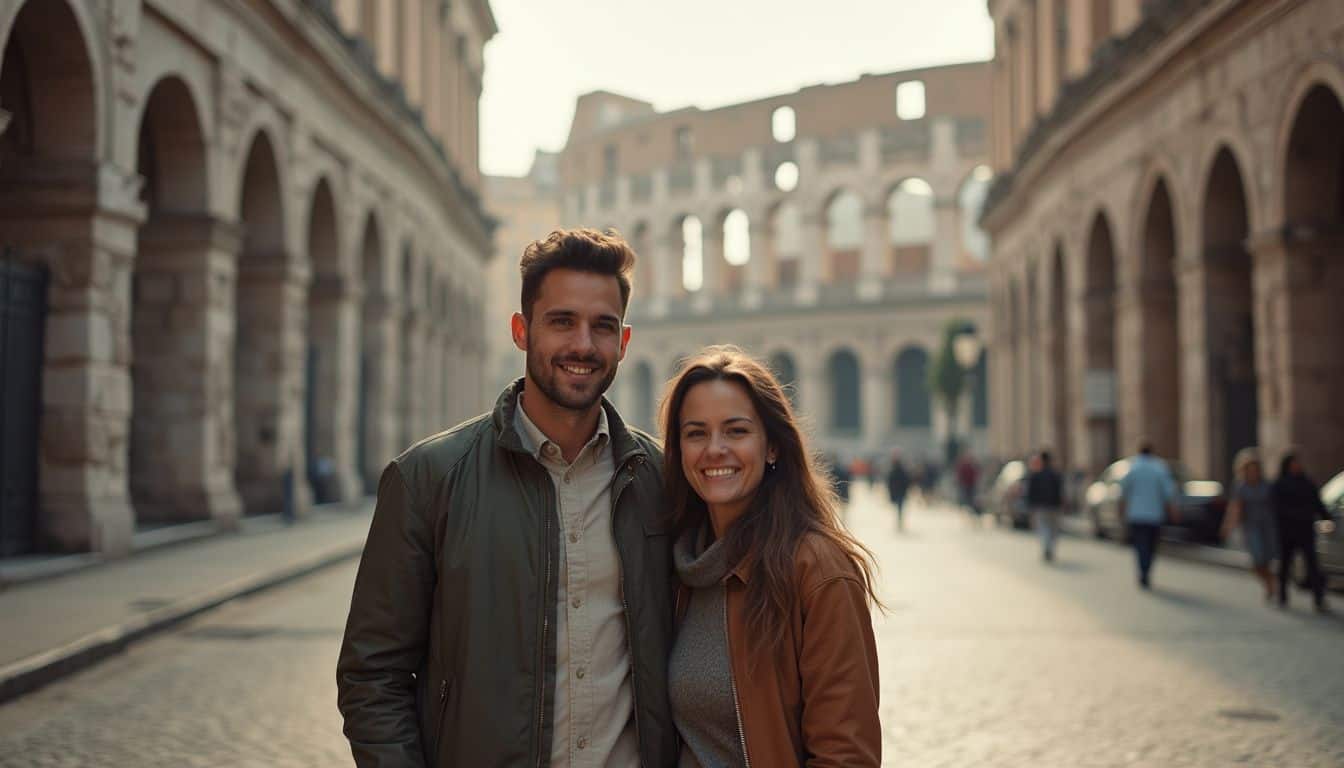
Big crowds can be a real drag. Here are a few tricks to help you avoid the worst of them.
- Travel during the “shoulder seasons” like April-May or September-October. The weather is still great, but the crowds are much smaller.
- Stay overnight in popular places like Venice or Florence. Most of the crowds are day-trippers who leave in the evening.
- Visit major landmarks like the Colosseum either first thing in the morning or later in the afternoon.
- Always book tickets and restaurant reservations online before your trip.
- Explore underrated regions. Instead of Tuscany, check out Umbria, which is known as Italy’s “green heart.” Cities like Perugia and Orvieto are beautiful and much less crowded.
- Consider a stay at an agriturismo, or farm stay. It’s a great way to experience the countryside and escape the tourist hotspots.
Next, let’s talk about how to make your money go further on your Italian adventure.
What are some budgeting tips for visiting Italy?

Italy can be expensive, but with a few smart moves, you can have an amazing trip without emptying your bank account.
- Book accommodations and train tickets months in advance, especially for summer travel.
- Use public transportation in cities. Renting a car can be a nightmare with “Zona Traffico Limitato” (ZTL) areas where traffic is restricted, often resulting in heavy fines.
- High-speed Frecciarossa trains are great for traveling between cities like Rome and Florence. A ticket can cost as little as $13-$30 if you book ahead.
- Eat like a local. Stand at the bar for your coffee instead of sitting at a table in a touristy piazza. You’ll pay less and get a more authentic experience. A cappuccino at the bar costs around €1.80.
- Look for trattorias away from the main tourist drags. The food is often better and cheaper.
- Tipping isn’t expected in Italy. Only leave a small tip if the service was exceptional.
- Consider traveling in the off-season, from October to April. You’ll find great deals on flights and hotels.
- Explore cheaper regions. Places like Molise or Calabria offer incredible culture and coastline without the high prices of more famous spots.
Saving money on the basics means you’ll have more to spend on things like luxury shopping in Italy. Now, let’s figure out the best time for your trip.
When is the best time to visit Italy for different experiences?

The right time to visit Italy really depends on what you want to do. Here’s a quick breakdown to help you decide.
- For sightseeing: April-May and September-October are perfect. The weather is mild, and the crowds are smaller than in the summer.
- For food and wine: Fall is harvest season in regions like Tuscany and Piedmont. It’s a great time for wine tasting and food festivals, like the Alba Truffle Festival in October.
- For beaches: If you want to hit the Amalfi Coast or Sicily for some sun, July and August are the hottest months, but be prepared for big crowds and high prices.
- For skiing: Head to the Dolomites between December and February for excellent snow conditions in resorts like Cortina d’Ampezzo.
- For budget travel: The winter months (outside of the holidays) offer the cheapest flights and hotels, plus you’ll have popular sites almost to yourself.
- For hiking: June or early September are ideal for hiking in the Alps or around Lake Garda, when the trails are clear and the weather is pleasant.
A pro-tip: try to avoid traveling around August 15th, which is a major public holiday called Ferragosto. The entire country seems to go on vacation, and coastal areas get extremely crowded.
How Will Travel to Italy Change in 2025?

A few things are new for travelers heading to Italy in 2025, so it pays to be prepared.
First, Rome is hosting the Catholic Jubilee Year, a major event that happens every 25 years. Millions of pilgrims are expected to visit, which means the city will be much busier than usual, and you’ll need to book accommodations well in advance.
There’s also a big change for visitors from countries like the US, Canada, and Australia. Starting in mid-2025, you’ll need to apply online for an ETIAS (European Travel Information and Authorisation System) waiver before you go. It’s expected to cost around €7 and will be valid for three years.
And as I mentioned earlier, Venice has implemented its entry fee for day-trippers on peak days to help manage overtourism. So if you’re planning a quick visit, check the calendar and be ready to pay the fee online.
Despite these changes, 2025 is an amazing time to visit. The exchange rate is favorable, and there’s a growing trend towards “slow tourism,” encouraging visitors to explore lesser-known villages and enjoy more authentic experiences. So, is Italy worth visiting? Absolutely.
People Also Ask
Why is Italy worth visiting compared to other places?
Italy has more UNESCO World Heritage sites than any other country in the world, letting you explore ancient wonders like the Colosseum one day and drive the stunning Amalfi Coast the next. Its unique mix of history, phenomenal food, and beautiful landscapes is hard to beat.
What are some unforgettable things to do in Italy?
Beyond seeing the icons, you can hike Mount Vesuvius, the volcano that buried Pompeii, or test drive a Ferrari near its home factory in Maranello. A great tip is to visit Rome’s Trevi Fountain early in the morning, before 8 a.m., to see it without the huge crowds.
Is traveling around Italy easy for first-timers?
Yes, the high-speed train system is excellent, with companies like Trenitalia and Italo connecting major cities quickly and comfortably. For example, you can get from Rome to Florence in under two hours, making it easy to see a lot of the country.
Does Italian food live up to its reputation?
Absolutely, from trying a classic Neapolitan pizza in Naples to enjoying the simple perfection of cacio e pepe in a Roman trattoria, the regional food is legendary.