You’ve heard the horror stories about motorcycles, right? Back in 2013, bikes were only 3% of all vehicles on the road. But they caused 14% of traffic deaths. That’s a scary number. So let’s talk straight about whether riding a motorcycle is actually a bad idea.
We’ll cover seven real risks you face on two wheels. Then we’ll look at seven rewards that keep riders coming back for more.
Key Takeaways
Motorcycle riders face death rates 29 times higher than car drivers. This is true even though bikes are just 3% of vehicles but cause 14% of traffic deaths.
Most motorcycle accidents happen at intersections. About 70% involve cars turning left who don’t see the bike. Phones and other distractions make this worse.
Common injuries include road rash, broken bones, brain injuries, and spinal damage. Not wearing protective gear or lacking experience makes these risks much worse.
You can lower your risks by taking professional courses and wearing quality gear. Regular bike maintenance and never riding drunk also help keep you safer.
Riding has serious dangers like bad weather and careless drivers. But it also offers great fuel economy (often over 50 mpg), easier traffic navigation, better mental health, and strong friendships with other riders.
Table of Contents
Why Riding a Motorcycle Is Risky
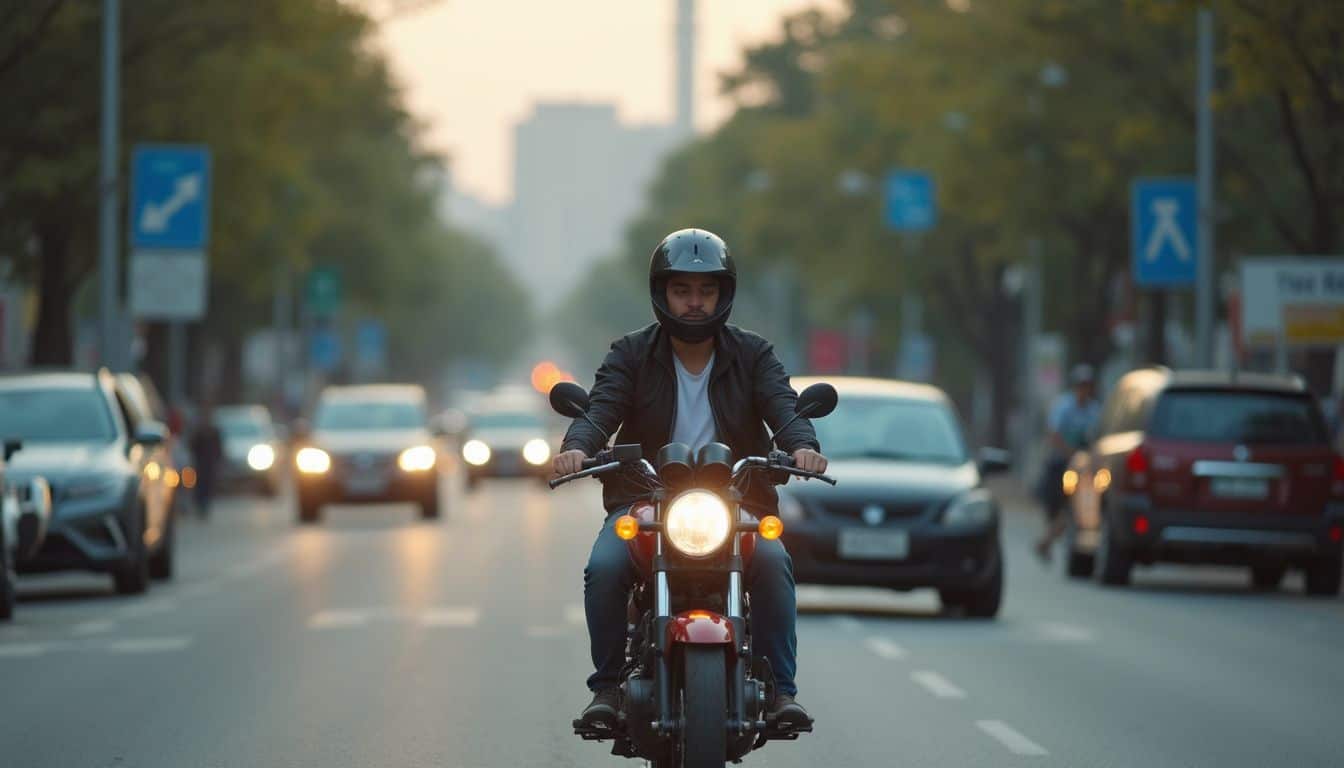
Motorcycles don’t have the safety features that cars do. No airbags. No seatbelts. This leaves riders exposed to serious injuries when crashes happen. The National Highway Traffic Safety Administration (NHTSA) has studied this problem for years.
What protective features do motorcycles lack compared to cars?
Cars wrap you in a metal shell that protects you during crashes. Motorcycles have nothing like that. No crumple zones or airbags to absorb impact. No seat belts to keep you in place. If you crash, you’ll probably get thrown onto the pavement.
I learned this the hard way. According to one legal team I consulted after taking a nasty spill on my motorcycle—when a deranged ice cream truck driver cut me off on the highway—they explained just how exposed riders really are. A crazy ice cream truck driver cut me off on the highway. When skin meets pavement instead of a dashboard, the damage gets real fast.
I learned this the hard way. A crazy ice cream truck driver cut me off on the highway. My lawyer later explained how exposed riders really are. When skin meets pavement instead of a dashboard, the damage gets real fast.
Cars have heavy steel frames that protect passengers. Motorcycles don’t. This puts riders at much higher risk for severe traffic injuries. The NHTSA points out that even simple things matter. Air conditioning keeps car drivers alert and comfortable. Meanwhile, motorcycle riders sweat it out and fight the weather directly.
Bikes are also much smaller than cars. Other drivers often don’t see them. This size difference makes crashes way more likely. Let’s look at why these crashes can be so dangerous.
How likely are severe injuries or fatalities when riding a motorcycle?
The numbers don’t lie about motorcycle safety risks. Riders face 29 times the risk of dying in a crash compared to people in cars. The Insurance Institute for Highway Safety has tracked these statistics for years.
Think about this. In 2013, motorcycles were only 3% of all registered vehicles. Yet they caused 14% of all traffic deaths in America. Those aren’t good odds.
Multi-vehicle crashes are especially deadly. They kill riders in 61% of fatal crashes. Most accidents happen when another driver doesn’t pay attention at intersections. Florida sees about 70% of its bike wrecks happen this way. Alcohol makes things even worse. About 28% of riders who died had been drinking.
I nearly became a statistic myself on Colonial Drive. Some guy ran a red light while texting. My helmet and armored jacket saved my life that day.
You can fix broken bones, but you can’t fix dead.
Why are motorcycles harder for other drivers to see?
After looking at injury and death risks, we need to understand why bikes end up in so many accidents. The main problem is size. Motorcycles are tiny compared to cars. They slip into blind spots faster than you can blink. Dark-colored bikes become nearly invisible at dawn, dusk, or in rain.
Drivers at intersections scan for big vehicles like SUVs and trucks. Their brains register large shapes first. A sportbike can zip by without being noticed. The National Highway Traffic and Safety Administration says these visibility issues cause most intersection accidents. That’s where most fatal crashes happen.
This hidden danger makes motorcycle crashes different from regular fender-benders between cars. Small size equals big risk on the road.
What Are the Common Causes of Motorcycle Accidents?
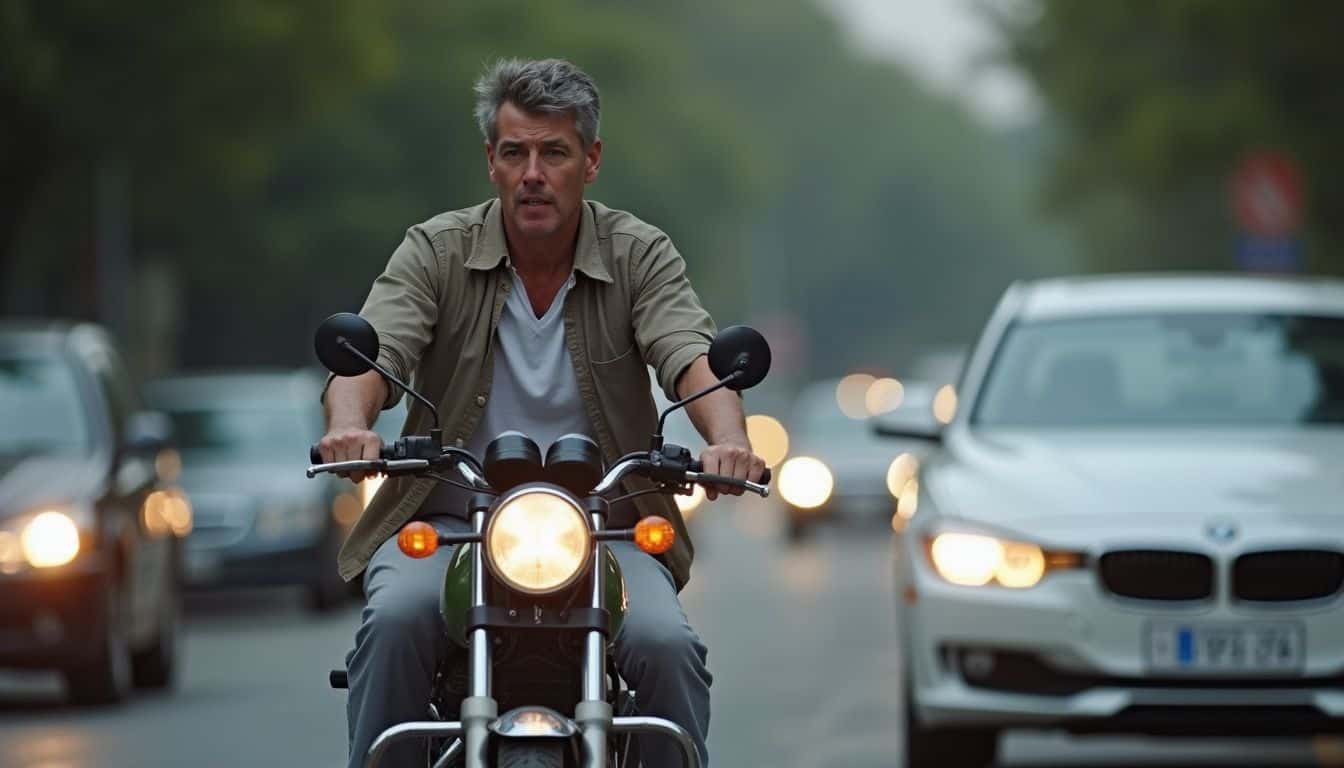
Every ride brings different dangers for motorcyclists. Small mistakes by car or truck drivers can cause motorcycle crashes that change lives forever.
How do left-turn collisions happen with motorcycles?
Cars turning left at intersections cause most bike crashes. Drivers miss motorcycles because bikes are slim and hide in blind spots. In over half of two-vehicle crashes, the car driver never saw the approaching bike before turning. The National Highway Traffic Safety Administration says left-turn collisions kill more riders than any other type of crash.
Distracted driving makes this problem worse. Cell phones, radios, even spilled coffee steal attention away. Drivers forget to look for motorcycles. My buddy Joe learned this the hard way. A sedan turned across his lane without warning. He still talks about how fast everything went wrong.
New riders sometimes freeze up in these situations. They can’t judge what cars might do next. This puts them at even higher risk. Defensive riding helps you spot trouble early. But it can’t fix another driver’s mistakes.
A second of distraction can change everything on a motorcycle.
Why is speeding and reckless driving dangerous for motorcyclists?
Speed kills reaction time. When crashes happen at high speeds, motorcyclists get thrown across the street. This leads to serious injuries like broken bones or brain trauma. Motorcycle deaths happen 29 times more often than car deaths. Why? Bikes don’t have seat belts or airbags to protect riders.
Aggressive riding makes mistakes deadly. Weaving through traffic or racing past the speed limit leaves no room for error. Even skilled riders can’t recover from high-speed mistakes. Bikes become unstable with quick direction changes. The physical demands and stress increase too.
Other drivers can’t track fast-moving motorcycles. Especially at intersections. Speed makes stopping distances longer. Without protective gear, one small mistake means road rash or spinal damage. These injuries can change your life forever. High-speed crashes have worse outcomes because motorcycles can’t absorb impacts like cars do. This is why helmet laws save lives, whether you’re going fast or slow.
How do distracted or inattentive drivers cause motorcycle crashes?
Distracted drivers look away from the road for just a few seconds. That’s enough time to miss a motorcycle in their blind spot or at an intersection. Phones, food, and loud music steal their focus. In 2013, about 42% of motorcycle fatalities in two-vehicle crashes happened when another vehicle turned left. The driver simply didn’t see the rider coming.
Motorcycles lack the protective features of cars. A quick glance away can turn into a crash with severe injuries or death. Many distracted drivers don’t notice smaller vehicles like motorcycles when changing lanes or turning. Their carelessness puts riders at extreme risk. Motorcyclists are 28 times more likely to die than car occupants in collisions.
Safe riding depends on everyone paying attention. But distracted driving makes the roads deadly for anyone on two wheels.
What Injuries Are Common in Motorcycle Accidents?
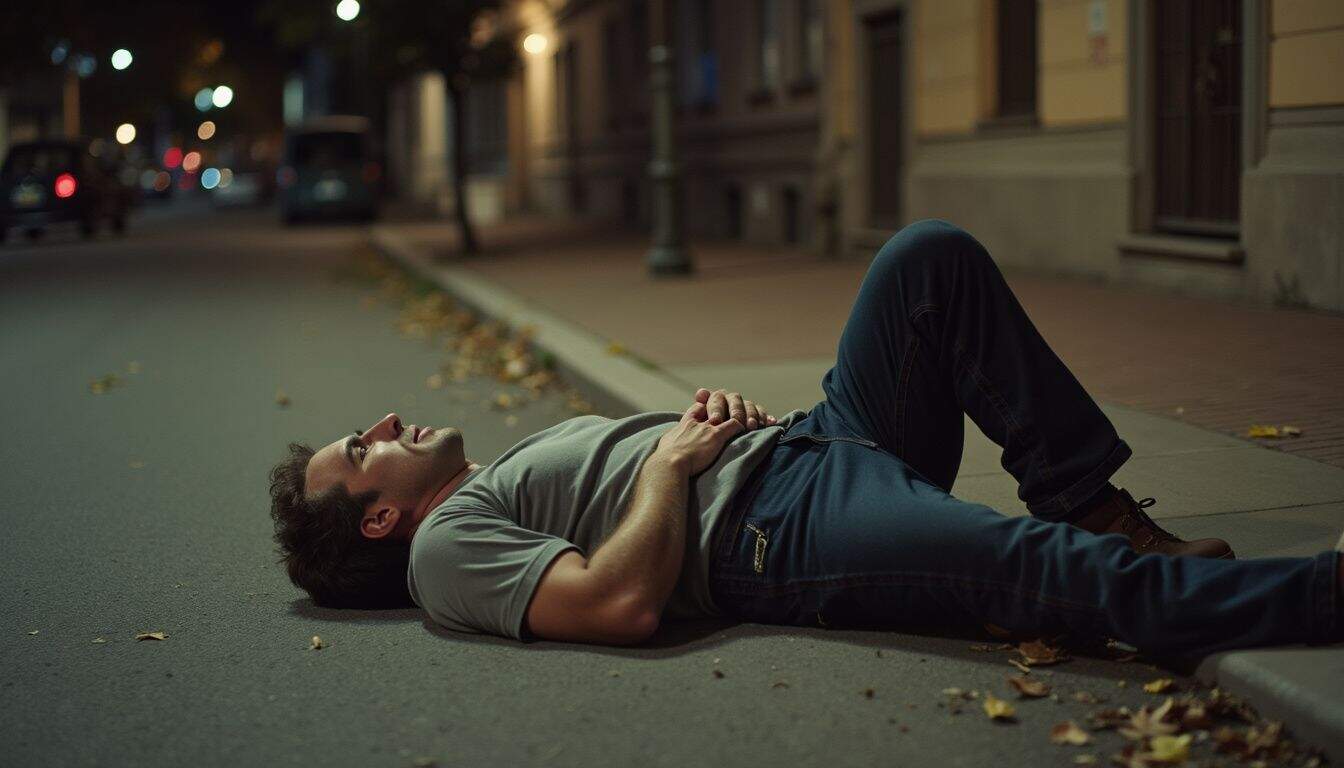
Motorcycle crashes can destroy skin, shatter bones, and cause lasting mental trauma. Want to know what else could happen? Keep reading for the harsh truth.
What is road rash and how serious can it be?
When you slide across asphalt after a crash, it tears your skin off like a cheese grater. Road rash goes deep. Sometimes it rips through muscle until you can see bone. Many cases heal with proper cleaning and care. But the worst ones bring infections, ugly scars, or nerve damage that lasts years. Some riders need surgery to fix the shredded skin from just one bad slide.
Good gear cuts your road rash risk by more than half. Armored jackets and gloves protect your skin. Helmets keep your face from getting torn up in a crash. Deep wounds might mean weeks off work. You could face permanent loss of feeling where nerves got damaged. Every ride without protection is like playing Russian roulette with your skin.
A helmet might save you from nightmares about skin grafts, said Dr. Lisa Ford, trauma surgeon and motorcycle safety advocate.
How often do broken bones occur in motorcycle crashes?
Broken bones happen constantly in bike crashes. Riders have no protection between them and the road. Arms, legs, wrists, and ribs break way too often. These injuries happen more in bike wrecks than in car crashes. Car drivers get airbags and steel doors. Riders get nothing.
Doctors treat broken bones from motorcycle accidents with splints or casts if you’re lucky. Serious breaks need metal pins or surgery. The worst cases might require amputation to save your life or stop infection. Many riders leave the hospital with permanent scars from these injuries.
Your skill level doesn’t matter when bones break. One crash can keep you off your bike for months. Now let’s examine how dangerous traumatic brain injuries can be for riders without proper helmets.
What are the risks of traumatic brain injuries for riders?
Hard impacts to the head cause traumatic brain injuries (TBIs) for many riders. I watched a friend crash after a car ignored his turn signal. His helmet cracked in half, but it saved his life. Rider deaths happen 29 times more often than car driver deaths. TBIs are a huge part of that scary statistic. Some states don’t enforce strong helmet laws, so riders cruise with minimal head protection.
TBI symptoms might not show up right away. They can sneak up hours later. Riders face higher odds of coma, memory loss, and mood changes. PTSD and even paralysis can happen if your head hits hard enough. About 70% of motorcycle deaths link to rider error or poor safety choices. Skipping quality helmets makes those numbers climb fast.
Group rides get riskier when someone forgets their gear. After any crash, get checked by doctors before getting back on your bike. Your brain might be hurt even if you feel fine.
How can spinal cord injuries affect motorcyclists?
Spinal cord injuries can destroy a rider’s life in seconds. Damage to the backbone, discs, or spinal cord often causes loss of movement or paralysis. Many riders spend months in hospitals. Then they face tough rehab programs trying to regain basic functions.
Life after these crashes means learning to do daily tasks with limited mobility. PTSD and mental stress hit hard as your mind processes the trauma. Not wearing protective gear increases your risk of serious spine injuries in a crash. Reckless riding and poor training make those odds even worse.
Helmets help reduce some damage, but nothing makes you bulletproof on two wheels. Recovery isn’t just about healing bones. It takes serious mental strength to fight through the mental health struggles that follow permanent injuries.
A single moment on the road can change everything, protect your spine like your freedom depends on it.
What Factors Increase Motorcycle Riding Risks?
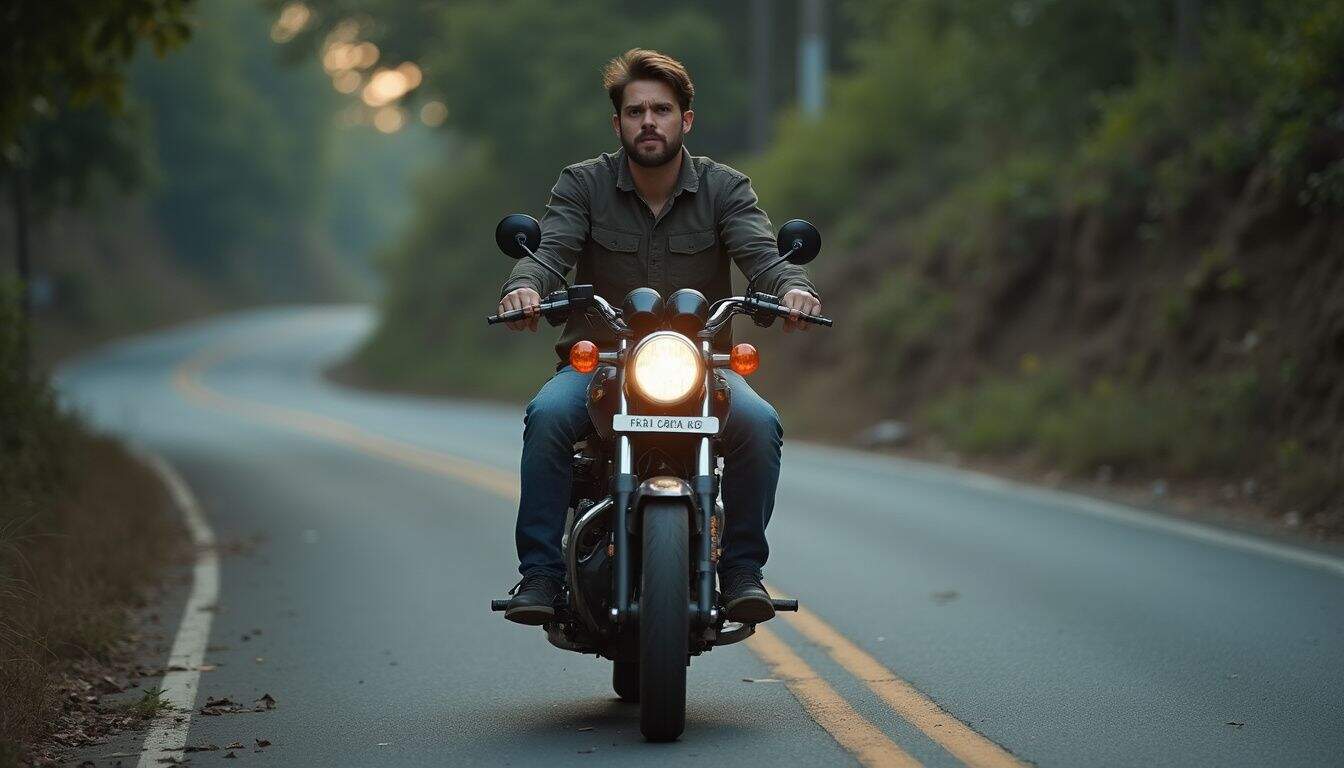
Some guys jump on a bike thinking they’re invincible. But real dangers ride with you every time. Things like skill level, safety gear, and road conditions can turn a fun ride into a nightmare. Recovery from motorcycle accidents is no joke.
How does lack of experience or training affect safety?
New riders with little practice face much higher risk on two wheels. About 70% of motorcycle deaths link to basic mistakes made by the rider. My cousin Dave learned this the hard way. He crashed his bike in week one because he took a curve too fast. Classic rookie mistake. He ended up with road rash and hurt pride.
Without proper training, simple things become dangerous. Quick stops and slippery turns feel like ice skating for the first time. Wobbly and scary. In 2013, one quarter of riders who died didn’t have legal licenses. That shows how many crashes happen before anyone else gets involved. Skill really matters when riding motorcycles.
Crashes increase among riders aged 25 to 34 who skip proper classes or don’t study defensive techniques. Professional courses work. They cut accident rates by teaching good habits. They show you what to do when trouble appears fast. Quality gear works better when you have sharp instincts. Those instincts come from training, not from learning the hard way after a crash.
Why is wearing proper safety gear important?
Motorcycle riders don’t get the protective shell cars provide. No airbags. No metal frames. No sidewalls. Your body takes all the impact in a crash. Helmets and jackets become your only shields. Good gear cuts injury risks by more than half. It also increases your chances of surviving serious crashes.
A good helmet protects against brain injuries. Gloves and boots prevent road rash. In 2022, crash data showed something important. Riders wearing proper gear had fewer broken bones and spinal cord injuries than those who didn’t suit up. The right equipment can mean walking away from an accident. Without it, you might leave in an ambulance.
How does alcohol or substance use impact motorcycle safety?
Wearing safety gear is smart. But no helmet can protect you from drunk riding. Alcohol and drugs destroy your judgment. They slow your reaction time. They mess up your coordination. These changes make risky moves more likely. Things like speeding or sudden swerves to avoid crashes become common.
Studies show many riders in serious crashes have blood alcohol above legal limits. Even one drink can turn a safe rider into someone making deadly choices. Police reports often mention reckless driving linked to alcohol use at crash scenes.
In fatal crashes across America, alcohol plays a huge role year after year. Learning these facts helps guys understand the danger. Booze and drugs massively increase your chances for broken bones, spine injuries, or death. There’s no shortcut here. Clear heads save lives on every ride.
How do poor weather and road conditions raise risks?
After drinking, some riders think they can still control their bike. Alcohol and drugs slow reactions and cloud thinking. Add rain or snow, and things get dangerous fast. Wet pavement steals your tire grip. Wheels slip at stoplights and sharp turns. In 2022, over 20% of fatal motorcycle crashes involved poor visibility or slippery roads.
Cold weather doesn’t just make you shiver. It hurts your focus and makes muscles stiff. I once hit black ice on a back road. My heart nearly stopped as both wheels fought for traction. Thick gloves helped with cold hands but didn’t help with the ice. Road grit hides in puddles after storms. Simple rides become risky in seconds.
Helmet visors fog up quickly. This makes it hard to see cars that already miss motorcycles at intersections. That’s a big reason crashes happen even on clear days. Heavy jackets keep some water out. But getting soaked through creates real danger from hypothermia.
Smart riders check weather before leaving home. They choose boots made for gripping wet roads instead of flat sneakers. Defensive riding matters twice as much when nature tries to knock you down. Trust me, that’s better than learning this lesson while sliding on cold concrete.
How Can You Reduce the Risks of Riding a Motorcycle?
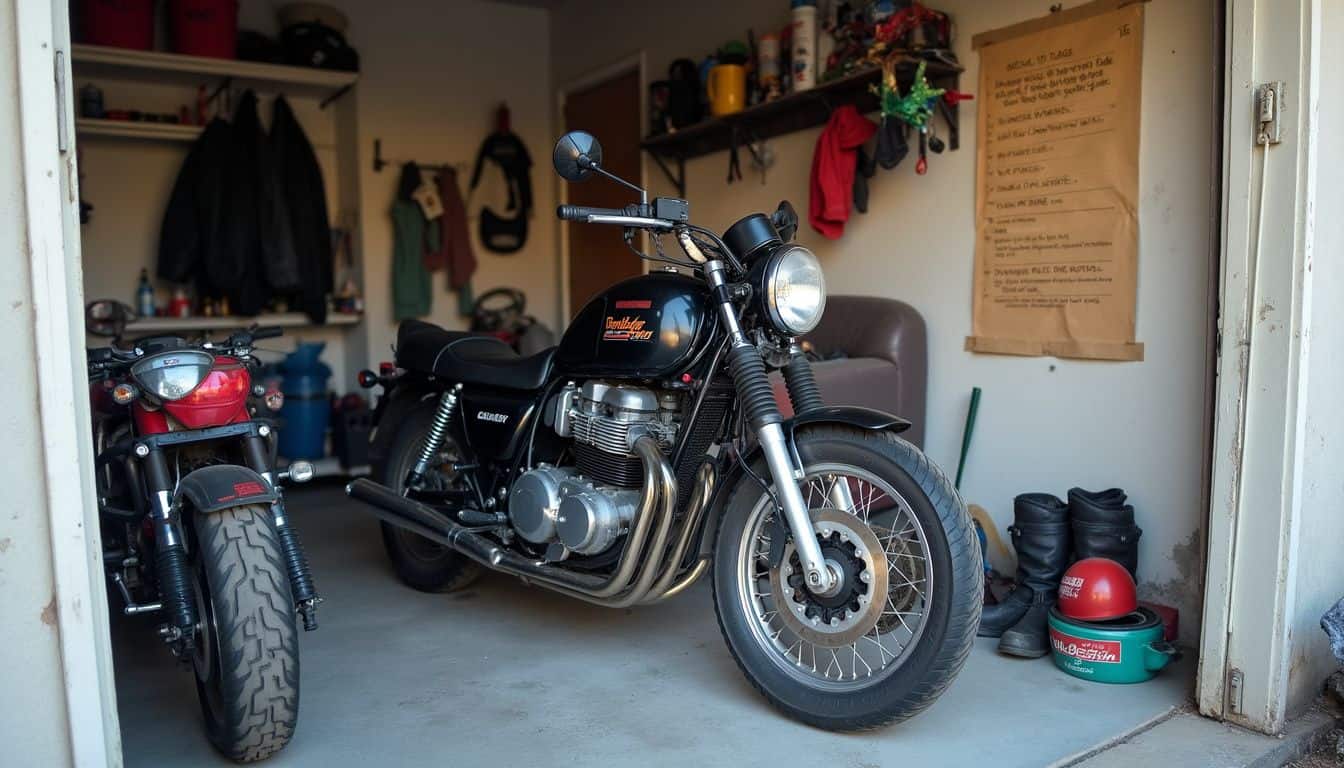
You can lower your crash chances with smart riding habits and regular bike checks. Motorcycle safety depends on your gear, your alertness, and the choices you make each time you ride.
Why take professional riding courses?
Professional riding courses like the Basic Rider Course (BRC) sharpen your reflexes. They teach survival skills every biker needs. These classes make getting your legal endorsements easier. That means less hassle if cops pull you over. In 2022, experts found that 34% of riders in fatal crashes were speeding. Training helps you avoid becoming that statistic. It teaches control and good habits from day one.
Instructors show why safety gear matters. They help most students use helmets and armor every ride. Riders who take courses learn how small mistakes can cause a spinal cord injury or worse. Many crashes don’t involve other vehicles at all. They happen when riders mess up on their own.
Regular practice builds confidence on highways, back roads, and city streets. It doesn’t matter what weather comes your way. Next, let’s see how the right protective gear adds more defense against risk.
How does high-quality protective gear improve safety?
Quality protective gear does serious work for motorcycle safety. Helmets, Kevlar-lined jackets, gloves, and boots can cut your risk of serious injury during crashes. Modern materials like Kevlar shield your skin from road rash. They lower your chances of traumatic brain injuries if you hit pavement at 35 miles per hour or faster.
Good gear must fit right. Loose sleeves or baggy pants won’t protect you on rough roads. Wearing great gear also boosts confidence. You focus better when you’re not worried about every bump. Safety training plus solid protection sharpens skills while keeping risks low. This means fewer broken bones or spinal damage.
Gear that gets checked often lasts longer. Look at zippers, fasteners, and helmet straps before each ride. Riding without gear is like playing football without pads. Painful lessons stick faster than bugs on your windshield!
What are defensive riding strategies to stay safe?
Scan the road ahead constantly. Check your mirrors often too. Bright or reflective gear helps car drivers spot you faster. This works especially well at night or in bad weather. Keep safe distance from other vehicles. You need time to react if someone hits their brakes or swerves suddenly.
Be extra careful at intersections. Left-turning vehicles cause many crashes there. Sign up for Motorcycle Safety Foundation classes to improve your skills and awareness. Watch for distracted drivers who might drift into your lane. They’re often texting or eating while driving.
Check tires and brakes before every ride. Look for wear that could cause problems if something goes wrong. After learning these habits, you’ll understand why regular motorcycle maintenance matters even more for staying safe on the road.
How often should you inspect and maintain your motorcycle?
Check your motorcycle before every single ride. Small problems become big dangers fast on two wheels. Don’t put off these checks. I test my tire pressure weekly and always after big temperature changes. Those numbers can drop quickly. Low pressure throws off your balance in corners.
Motorcycle tires typically last less than 5,592 miles. Replace them sooner if you spot cracks or bald areas. Bad tires are asking for trouble.
Inspect safety gear like helmets and jackets monthly for damage. You don’t want to discover your helmet has cracks after crashing on the highway. Run through basic checks before riding. Test brakes for proper response. Make sure lights work bright. Check that the chain is oiled but not too greasy. Look for loose nuts or bolts.
Skills fade too. Sign up for training yearly and practice moves regularly. Bad habits sneak in when you’re not paying attention. This keeps both you and your machine ready when things go wrong on the road.
What Are the Benefits of Riding a Motorcycle?
Riding a motorcycle brings adventure into your life. It saves money on gas and can boost your mood. Want to know more perks? Keep reading.
How does riding increase your sense of freedom?
Twisting the throttle makes daily stress disappear. The wind hits your face. The landscape flies by. Every curve connects you to the road in ways cars can’t match. You forget about boring car rides completely. Riding demands your full attention. Dodging traffic and taking corners keeps your mind sharp and senses alert.
Each ride puts quick decisions in your hands. Total control belongs to you. Zipping past traffic jams makes you feel smarter than rush hour. Other riders become your brothers. You build respect and skill together instead of dealing with road rage. Wearing proper safety gear lets you chase thrills while staying protected. It’s all part of the deal for those who want real freedom instead of the comfort found in cars.
What fuel efficiency and cost savings come with motorcycles?
Motorcycles destroy most cars in fuel efficiency. Many bikes get over 50 miles per gallon easily. You’ll visit gas stations way less often. This saves serious money each month. Most riders also drive fewer miles than car owners. So they spend even less on fuel overall.
Bikes have simpler engines than cars. This makes maintenance bills cheaper and easier. Service doesn’t cost as much when there’s less to fix. Insurance for motorcycles usually costs way less than car insurance. Parking becomes simple too. Bikes fit in small spots. Many cities have special motorcycle parking that costs little or nothing.
These savings add up fast over time. You’ll have extra money for better gear or road trips. Now let’s see how bikes help you beat city traffic like a pro.
Why is it easier to navigate traffic on a motorcycle?
Two wheels slice through rush hour traffic like nothing else can. Bikes are slim and quick. Riders weave between cars stuck in congested lanes. They beat the clock while drivers sit trapped behind bumpers. California even allows lane filtering. Motorcyclists can filter forward safely during traffic jams there. It’s completely legal.
Cars need lots of space and move slowly in traffic. Crashes or gridlock make them crawl. A motorcycle only needs a small gap to slip past stalled vehicles. This cuts travel time by many minutes. Those minutes add up to hours saved each week. That freedom is hard to match when you’re stuck in a car with nowhere to go.
How can riding improve personal enjoyment and mental health?
Twisting the throttle shakes off a tough week at work. The engine rumbles beneath you. Your worries fade behind your helmet. Riding demands focus. It pulls you into the present moment. It forces quick thinking. This clears mental clutter better than most activities. Being part of motorcycle communities lets guys build real friendships. You share roads and stories with people who get it.
Every ride builds skill and confidence. This creates a sense of achievement I’ve never found in cars or trucks. Perhaps this is why men ride motorcycles – not just for the speed or the image, but for that deep satisfaction of mastering something challenging. Instead of sitting stuck in traffic or staring out windows, two wheels turn every mile into an adventure. Even just riding across town for coffee becomes exciting. That thrill is worth its weight in gold some days.
Is Riding a Motorcycle Worth the Risk?
Some guys crave the thrill even knowing crashes can destroy lives. Want the full picture before buying a bike? Keep reading.
How do you balance the thrill with potential dangers?
Chasing thrills on a motorcycle feels like flying down Route 66 with wind at your back. To keep that feeling alive, I wear high-quality safety gear every single ride. No exceptions. A helmet and armored jacket have saved me from serious harm multiple times. Professional courses sharpen my instincts. They help me react fast when things get risky on crowded roads or during crashes.
Constant learning keeps skills sharp and prevents overconfidence. I check tire pressure, brakes, and lights before leaving my garage. Small problems can turn dangerous out there. Alcohol never mixes with riding. I treat each trip seriously because statistics prove it. Motorcycles are much riskier than cars, with higher fatal injury rates around every corner.
The freedom feels amazing but personal responsibility matters even more. You need this mindset if you want many safe rides ahead.
Why is personal responsibility and preparation crucial?
Personal responsibility causes 70% of motorcycle deaths. So it really matters every time you ride. Skills from training courses can save your life. They’re the difference between a close call and a serious crash. Helmets and armored clothes protect your head, arms, and spine. These items do more than just look cool.
You ride exposed on two wheels. Motorcycles don’t have metal frames or airbags like cars do. Drivers often miss seeing bikes at intersections. This means staying alert keeps you alive. Defensive riding beats overconfidence every single time.
A rider who checks his bike before each trip avoids breakdowns. These checks prevent getting stranded or worse, getting hurt. Practice builds muscle memory for safer reactions under pressure. Skill drills stop you from becoming another statistic in tomorrow’s news.
Smart riders never mix alcohol or drugs with riding. Even one bad decision changes everything instantly. Without ongoing preparation, one distracted moment can lead to lifelong regret. Or no life at all.
How Will Motorcycle Riding—and Its Risks—Change in 2025?
Riders will see better safety features on motorcycles in 2025. Anti-lock braking systems and traction control will become standard on most bikes. Some companies already test smart helmets with built-in HUDs. These helmets have rear cameras and crash sensors. The sensors can call for help after an accident.
Smart roads are coming too. They’ll have sensors that spot dangers faster than human eyes can see. New wireless tech lets vehicles ‘talk’ to each other. Cars will get warnings about nearby bikers. This keeps motorcycles out of blind spots during crashes.
Nobody can remove every risk from riding. That’s just life on two wheels. But technology keeps improving. Weather apps now send real-time rain alerts before you even grab your keys. Electric bikes grow more popular as gas prices climb. Cities want cleaner air, so they support electric vehicles more.
Many states are looking at new laws. Some consider rules about lane-splitting or helmet requirements. Lawmakers try to keep up with all these changes. As someone who has felt invisible at intersections too many times, I welcome anything that makes roads safer. These improvements help both riders and car drivers understand each other better.
People Also Ask
Why do people say riding a motorcycle is risky?
Riding a motorcycle puts you closer to the road and traffic. Unlike cars, motorcycles offer little protection in auto accidents. Even small mistakes can lead to big trouble.
What are some rewards of riding a motorcycle?
Motorcycles give you freedom on the open road and let you feel every curve and breeze. Many riders talk about stress melting away as soon as they start their engines.
How do auto accidents affect motorcyclists differently than car drivers?
Auto accidents often cause more harm to motorcyclists because there’s no metal shell around them like in cars or trucks. Injuries tend to be worse even at low speeds.
Can beginners lower their risk when learning to ride a motorcycle?
Yes, new riders can take safety classes, wear protective gear, and practice defensive driving skills on quiet roads first; these steps help reduce risks linked with motorcycles and auto accidents alike.