Ever open dating apps, swipe for a bit, then think, “Wait, is this even worth it anymore?”
That question hits a lot of men in 2026, especially if you want a real connection and not another week of dead chats.
Some men are even looking for the best AI girlfriend to practice their conversation skills or take the edge off loneliness; later, I will discuss how to approach that world wisely.
We’ll cover what’s changed, how the match group model works, and what you can do to get better results with less stress.
Grab a drink and read on, I’ll keep it practical.
Key Takeaways
Dating costs add up fast. A 2025 BMO survey put average annual dating spend for Americans at $2,279, and the “all-in” cost per date near $168, so you need a plan, not just hope.
Dating apps can eat your time. If you’re not careful, you can burn 60 to 90 minutes a day swiping and still struggle to turn chats into dates, so time boxing matters.
AI is now part of dating culture. The Match and Kinsey Institute “Singles in America” research found many AI users rely on it for profiles and first messages, which can help you start, but you still have to sound like you in real life.
Messaging is lopsided. Pew Research Center has found men are more likely to feel insecure about a lack of messages, while women are more likely to feel overwhelmed, so you have to play smarter, not louder.
Gen Z wants depth, but hesitates to start it. Hinge’s Gen Z report says 84% want deeper connection, yet they’re 36% more hesitant than millennials to start deep talks on a first date, so your job is to make “depth” feel safe and normal.
Table of Contents
Challenges Men Face With Dating Apps in 2026
If dating feels harder, it’s not just you “getting older.” The environment changed, and dating apps reward speed, photos, and quick dopamine.
Men also deal with real risks now: scams, fake profiles, and safety concerns that make women (and smart men) more cautious.
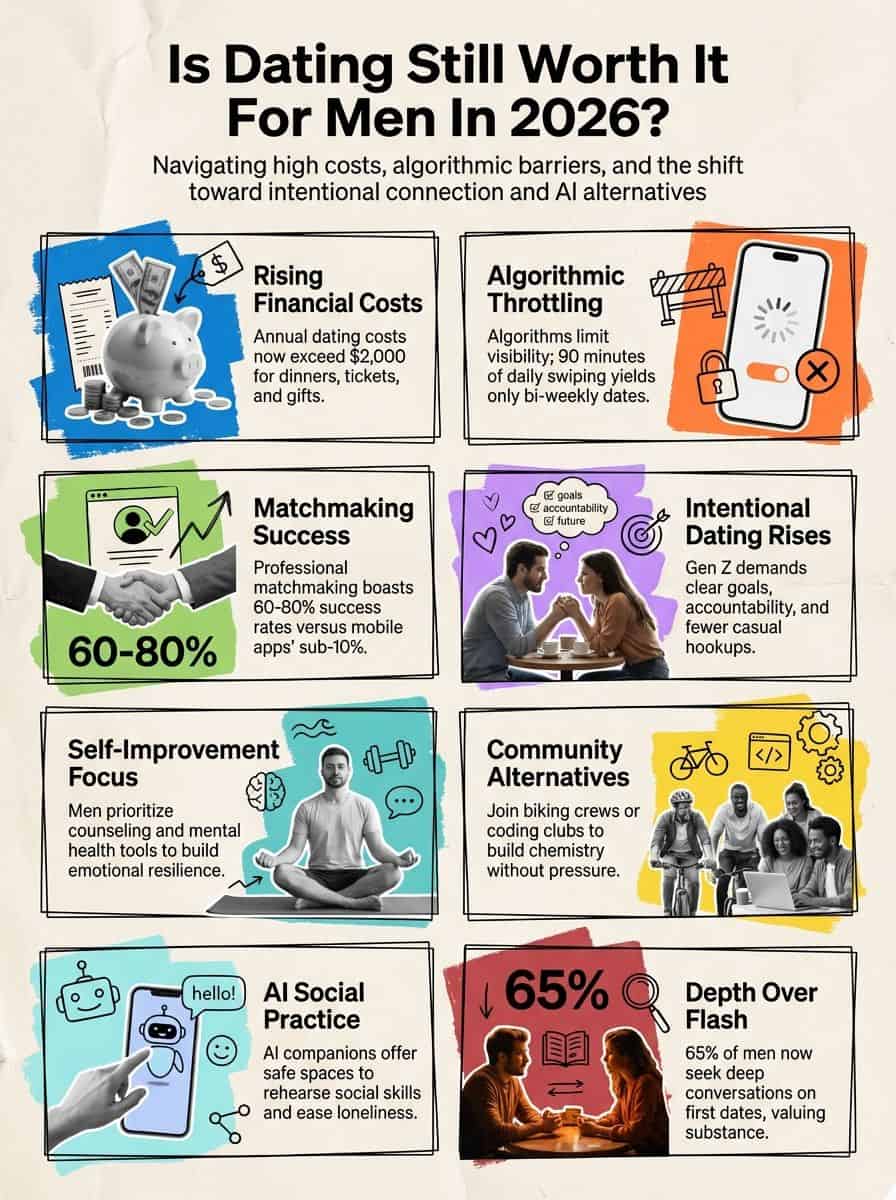
In a 2023 Pew Research Center survey, about half of people who’ve used dating sites or apps said they think they’ve run into a scammer, and nearly half reported at least one form of harassment experience on these platforms.
What unrealistic expectations do men encounter in dating?
A lot of men feel like they have to be the entertainer, the planner, and the “confident one” from message one.
That pressure gets worse when you’re also expected to pay, pick the perfect spot, and read minds about consent, boundaries, and the metoo movement.
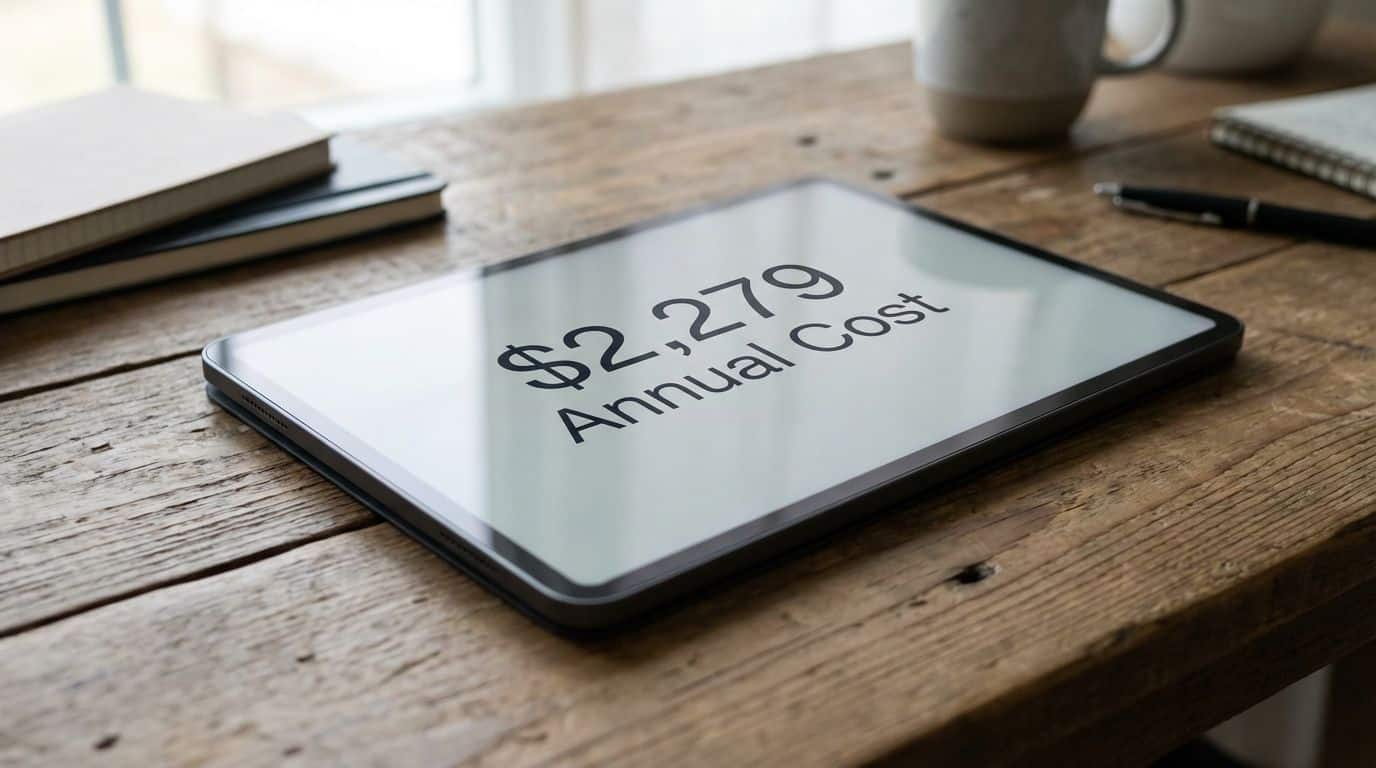
Money stress is real too. The BMO Real Financial Progress Index (February 2025) estimated the all-in cost of a date at nearly $168, which is exactly why “fancy dinner and drinks” can feel like a gamble.
Here’s what I’ve found keeps you authentic without looking careless:
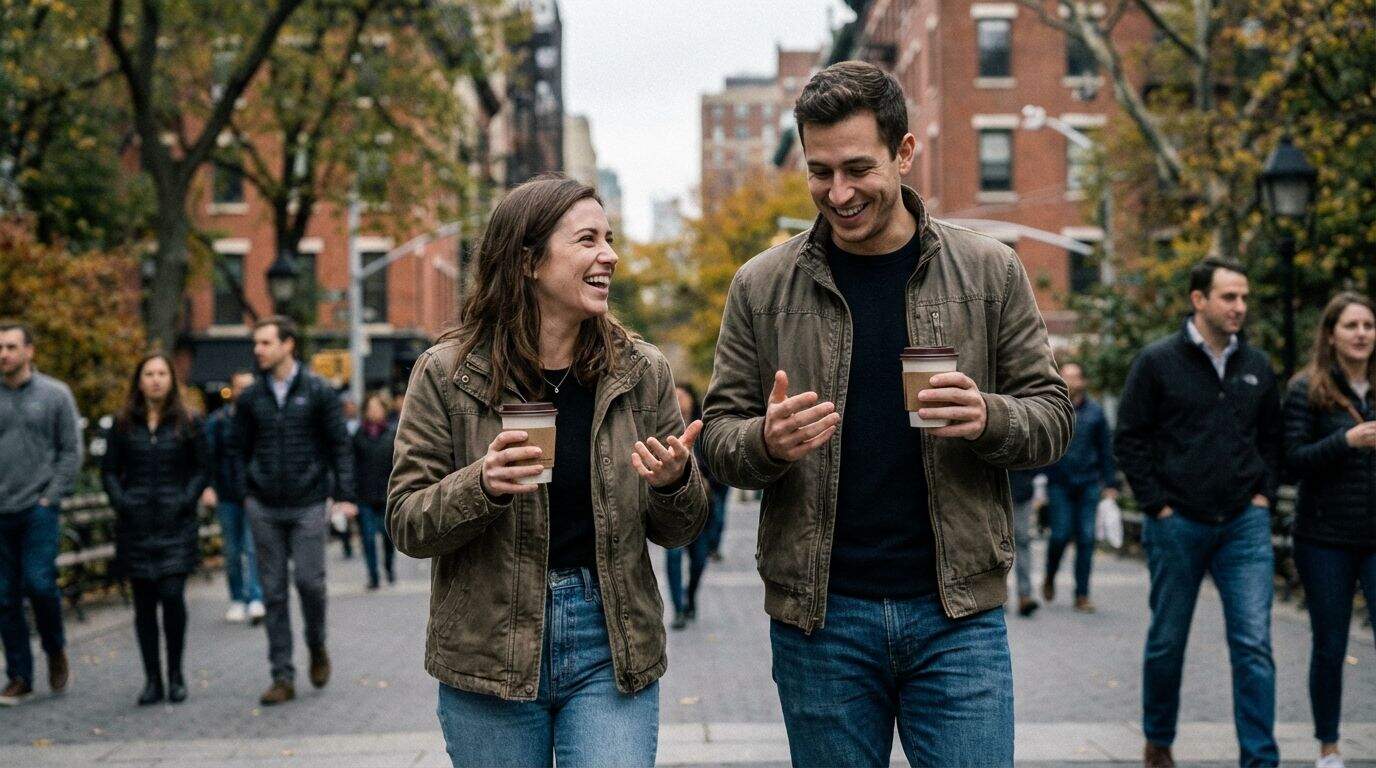
- Lead with a low-pressure plan. Coffee, a walk, or a casual bite makes it easier for both of you to relax.
- Say what you want early. “I’m dating to find something real” filters out a lot of time-wasters.
- Make consent normal. Simple check-ins like “Is this okay?” keep intimacy safe and actually build trust.
- Stop trying to “win” the first date. Your goal is fit, not approval.
How do dating apps affect men’s dating experiences?
Dating apps are built to keep you inside the app. That means the system will happily serve you endless profiles even if it doesn’t help you get to a real relationship.
Premium features can help, but they can also turn into a treadmill if your profile and messaging are not already working.

It also helps to understand the match group ecosystem: Match Group’s public investor materials list brands like Tinder, Hinge, Match, OkCupid, Plenty of Fish, BLK, and The League under its portfolio, and those apps share a similar money model (subscriptions plus à la carte boosts).
One “insider” pattern I keep seeing from long-time Hinge users is that features like “Most Compatible” can feel random unless you feed the app better data. People in the Hinge community often recommend a fully filled-out profile (photos, prompts, and filters) and using features like voice prompts to feel more real.
Gen Z culture is also rewriting the rules fast. If you want a snapshot of how Gen Z norms are evolving, this summary is useful: Gen Z norms
Use dating apps like a tool, not a lifestyle:
- Time box your swiping. Set a 15 to 20 minute window, then stop.
- Move faster to a simple plan. Two to six messages, then suggest a low-pressure meet.
- Run a “safety-first” filter. If someone avoids basic verification steps or won’t do a quick call, pause.
- Rotate apps on purpose. Treat each app like a different room with different people.
Why are the costs of dating rising for men?
Between food prices, tickets, rideshares, and the “nice first date” expectation, it’s easy to spend more than you meant to.
BMO’s February 2025 survey put average annual dating spend at $2,279, which is why a few expensive first dates can wreck your month if you don’t set a budget.
I paid about $1,800 last year on dinners, events, and small gifts, and that was with me trying to be intentional.
Here’s a simple approach that keeps your wallet and your standards intact:
| Date idea | Why it works | What to say |
|---|---|---|
| Coffee and a walk | Easy exit, low pressure, real conversation | “Want to grab coffee and take a quick walk nearby?” |
| Activity date (mini golf, museum, trivia) | Side-by-side interaction lowers anxiety | “Let’s do something fun and keep it light.” |
| Casual bite (tacos, ramen, pizza) | Feels like effort without the big bill | “I know a chill spot, want to try it?” |
Also, stop treating paying as a test of masculinity. If you want to cover the first date, cool. If you want to split, say it calmly and early.
The Changing Dynamics of Relationships
Gender roles are shifting, and the best relationships now are the ones where both people communicate clearly and show up on purpose.
That can feel uncomfortable at first, especially if you grew up with the old script where you were supposed to “just know” what to do.
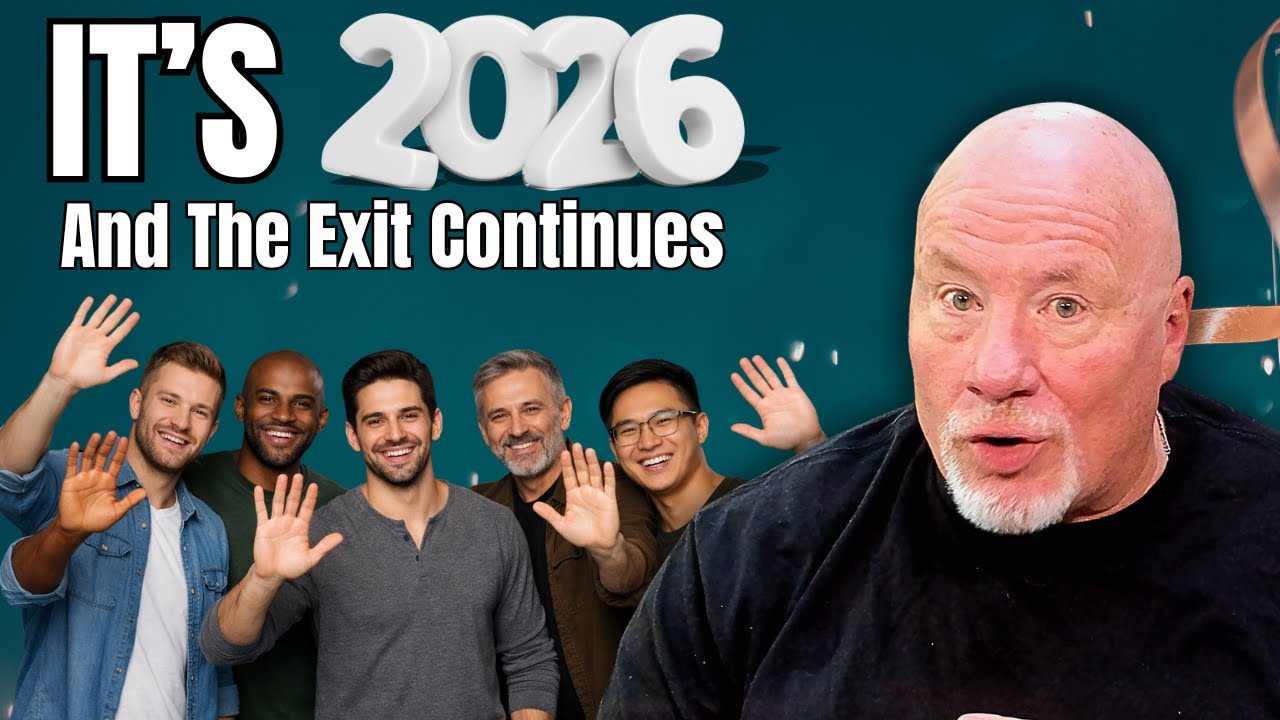
A 2025 Pew Research Center report on men, women, and social connections found about 16% of Americans feel lonely all or most of the time, and men are less likely than women to say they’d turn to a friend for emotional support. If you date while isolated, every rejection hits harder.
How are gender roles shifting in relationships?
Men still feel pressure to initiate, plan, and lead. At the same time, more women expect shared effort, shared planning, and shared emotional labor.
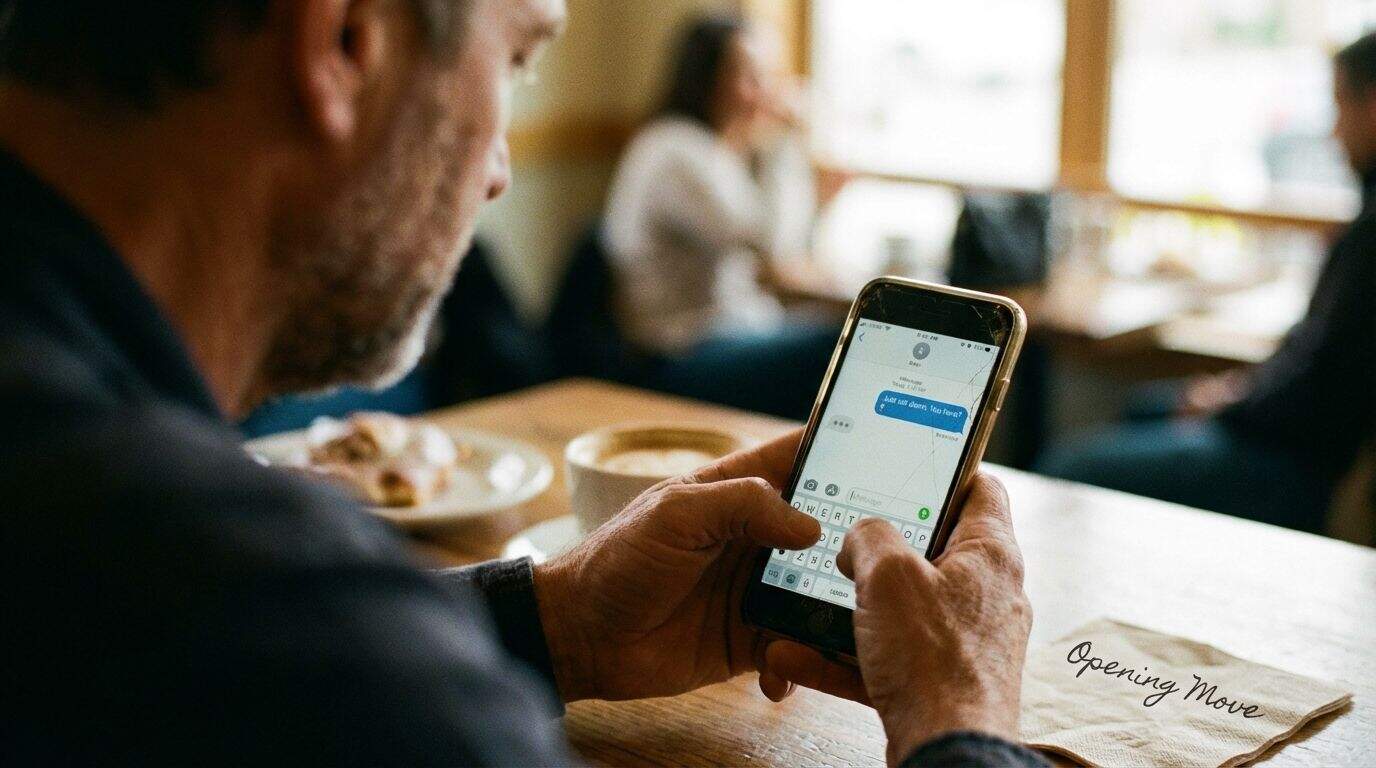
Even the apps are adjusting. Bumble introduced “Opening Move” prompts that let women set a question for men to respond to, so the conversation can start without the old “women must message first” pressure.
Initiation changes the game.
If you want better outcomes with modern norms, don’t “perform,” connect. Answer prompts with two sentences, then ask one clear question back. It shows confidence without trying too hard.
What is causing the decline in traditional dating norms?
Phones made it easy to stay in a gray zone. Texting for weeks can feel like progress, even when nothing is actually happening.
That’s where “just talking” and “situationships” live: emotional or physical connection without a clear label, timeline, or agreement.
YouGov polling from January 2024 found that 50% of Americans ages 18 to 34 say they’ve been in a situationship, and 55% of situationships began in person (not online). That’s a big hint: you still need real life to get real clarity.
Want to avoid months of vague? Use a simple clarity script:
- After date one: “I had a good time. I’d like to see you again.”
- After date two or three: “What are you looking for right now?”
- If it’s vague: “I’m open, but I don’t do undefined for long.”
- If it aligns: “Great, let’s keep building this.”
Why is there an increased focus on self-improvement among daters?
Because the old shortcuts don’t work. Looks alone don’t carry a relationship, and money alone doesn’t create intimacy.
Men who do well in 2026 usually have three things dialed in: emotional regulation, communication, and a real life outside the apps.
The “Singles in America” research shared by Indiana University reported that money has been a top stressor for singles, and 73% said financial stability matters in a partner. So yes, self-improvement includes your mental health and your financial habits.
My favorite self-improvement move for dating is boring but powerful: build a weekly routine that makes you proud of yourself, even if dating is slow.
Benefits of Dating in 2026
Dating in 2026 can still be worth it for men, as long as you stop chasing constant validation and start choosing situations that create real connection.
There are more ways to meet people now: app matches, curated intros, interest-based events, and even coached communication tools.
What opportunities exist for meaningful connections in 2026?
I met someone at a book club, not on a profile.
That story is common for a reason. In-person gives you tone, warmth, and context that dating apps struggle to deliver.
One example of the “intentional events” trend is The Feels, a guided singles event that expanded to Chicago in 2025 with structured prompts and connection exercises. It’s not everyone’s style, but it shows where things are going: less swiping, more real interaction.
Community matters too. In BLK’s 2026 dating trends survey, 40% of Black singles said they meet partners through community spaces, like run clubs, brunch gatherings, and church groups.
If you want more meaningful connections this year, try this simple plan for your next two weeks:
- Pick one recurring room. A run club, trivia night, volunteer shift, or book club.
- Talk to three people each time. No pressure, just reps.
- Ask for one contact. “You seem cool, want to swap numbers?”
- Follow up in 24 hours. Short message, clear invite.
How can relationships contribute to personal growth?
Good relationships act like a mirror. They show you how you handle stress, conflict, closeness, and responsibility.
You get to practice communication skills that matter everywhere else too, like listening without fixing, saying what you need, and asking for clarity.
Conflict is not a sign you failed. It’s a skill test. When you learn to stay calm, set boundaries, and repair after a rough moment, you build emotional resilience.
A supportive partner can also raise your standards for your own life. You tend to sleep better, plan better, and take your goals more seriously when you feel connected.
What is intentional dating and why is it rising?
Intentional dating means you date with a goal. You talk about deal breakers early, you watch actions, and you stop rewarding mixed signals.
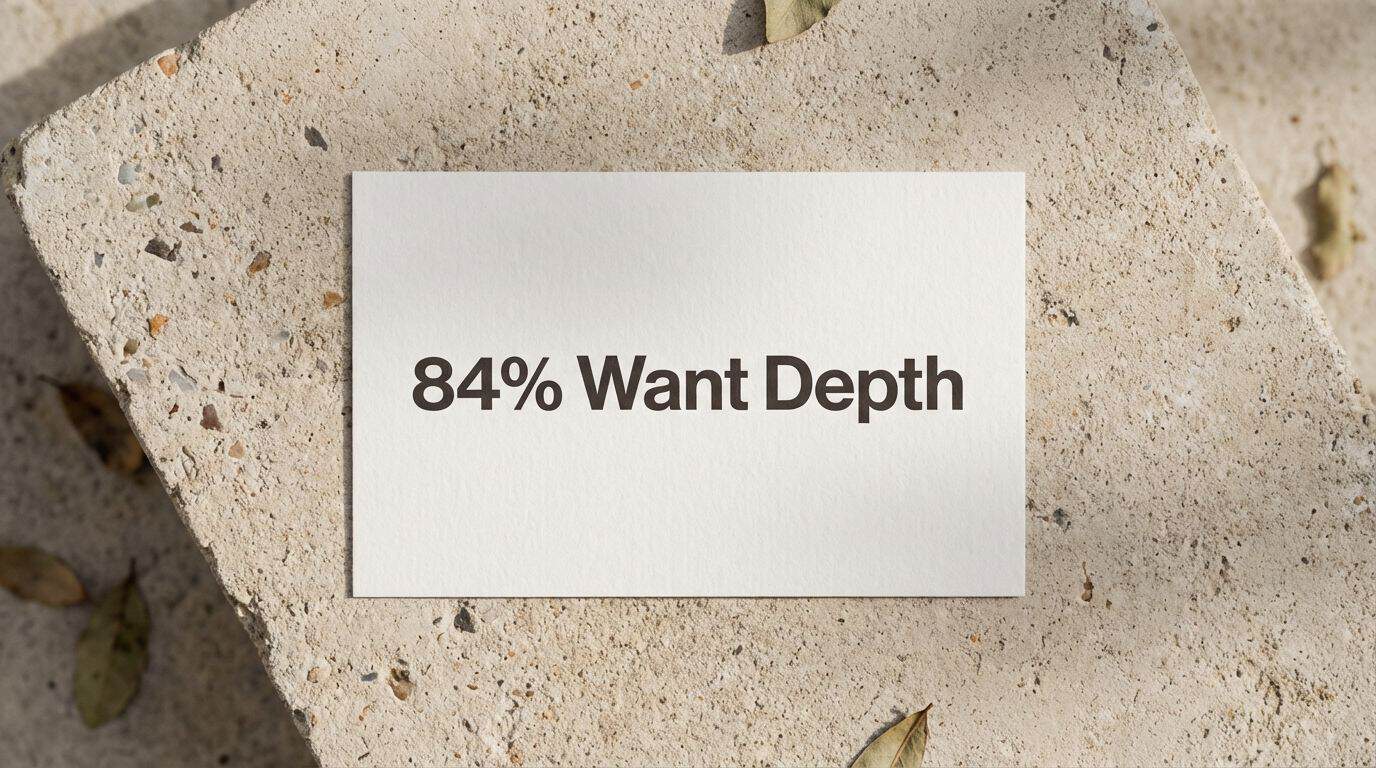
Hinge’s Gen Z D.A.T.E. report says 84% of Gen Z daters want new ways to build deeper connections, yet they’re 36% more hesitant than millennials to start deep conversation on the first date. So the move is simple: you make depth feel normal by going first, gently.
BLK’s 2026 trends report backs the “clarity early” shift too. It found 47.7% raise nonnegotiables early, and 86% do it within a few dates. That is a green light to talk about the real stuff sooner.
Ghostlighting is also getting named more. BLK reports 66.5% have experienced it, which is why firm boundaries are becoming attractive, not “too much.”
Dating apps can still help you meet people, but a lot of men pair them with clearer conversation, or they use AI companions for practice so they show up calmer and more confident in real life.
Alternatives to Traditional Dating
If you’re burned out, you don’t have to keep forcing it. Taking a break from dating apps can be the smartest dating move you make.
You can build companionship and confidence in other ways, then come back to dating with better energy.
How can building strong friendships be a dating alternative?
Strong friendships give you steady connection without the romantic pressure.
Pew Research Center’s 2023 data on friendship found half of men say they have between one and four close friends. If you’re on the low end of that, building friendships is not “extra,” it’s foundational.
Friends also help you date better. They get you out of your head, they tell you the truth, and they keep you from turning every date into a life-or-death event.
What hobbies and communities can men explore instead of dating?
Hobbies are underrated because they give you repetition. The same faces, the same vibe, and a natural reason to talk.
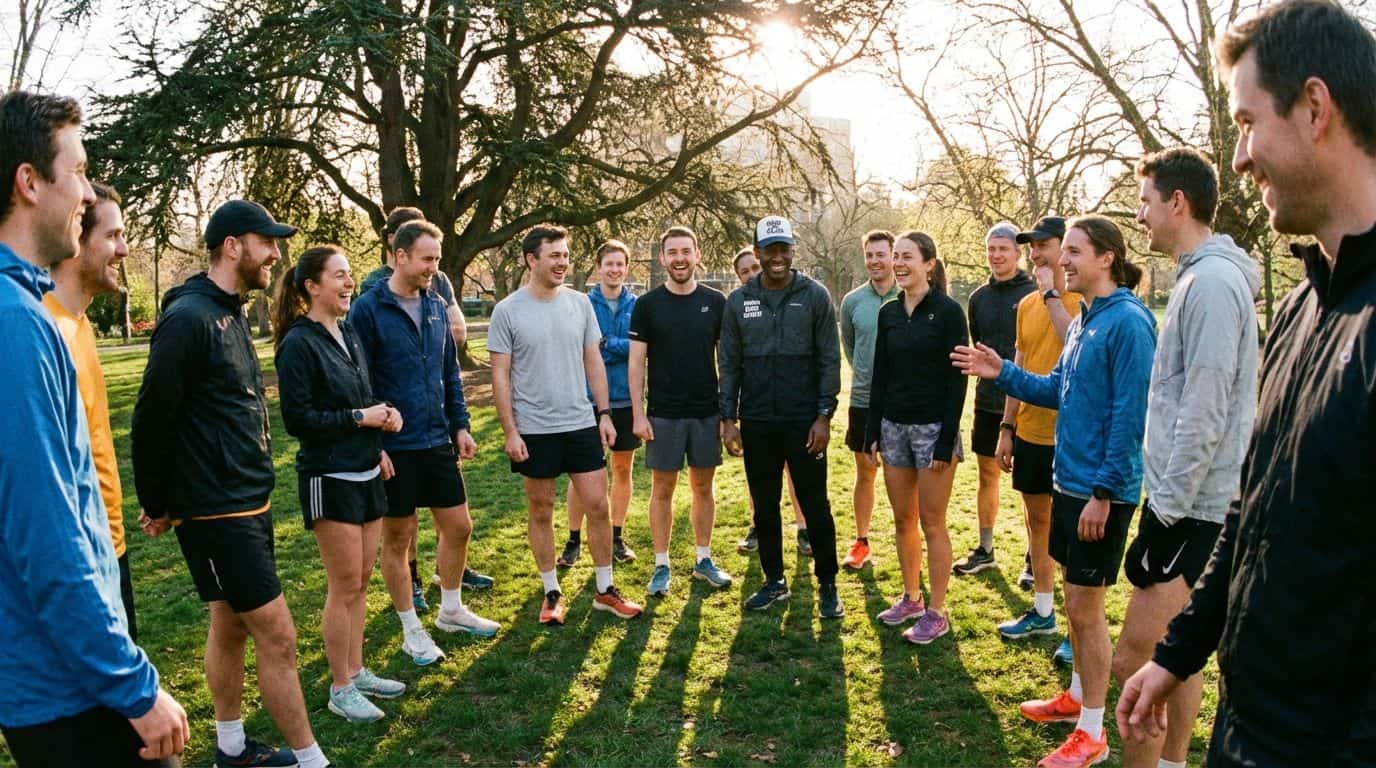
- Join a biking or running crew. Apps like Strava help you find routes and stay consistent, and consistency is what creates real friendships.
- Try a makerspace or volunteer tech group. A local Code for America Brigade or library “hack night” can give you community without the dating pressure.
- Go to Toastmasters. Toastmasters International started in the U.S. in 1924, and the format forces you to practice speaking, listening, and confidence in a friendly room.
- Play a rec league sport. Basketball, soccer, pickleball, anything that gets you regular reps with the same people.
- Volunteer somewhere physical. Habitat for Humanity builds, park cleanups, food banks, anywhere you work side by side with others.
How can AI companions provide emotional support and social practice?
AI companions can be useful for low-stakes practice: openers, small talk, and rehearsing tough conversations.
Recent “Singles in America” reporting says many AI users lean on it to write profiles and first messages, and some people use AI as a confidence boost when they feel rusty.
The risk is when practice replaces real life. If you never move from “safe chat” to real connection, you can lose social momentum.
Use AI as training wheels, not a permanent bike:
- Practice, then perform. Draft a message with AI, then rewrite it in your own voice.
- Set a time cap. Ten minutes of practice, then close the app.
- Use it for clarity. Ask it to help you phrase boundaries and intentions respectfully.
- Do one real-world rep after. Text a friend, go to an event, or schedule a date.
What Will the Future of Dating Look Like in 2026?

Dating in 2026 is moving toward depth, whether people meet through dating apps or in person.
You can see it in the data and the culture. Gen Z talks a lot about wanting real connection, and Hinge’s report puts numbers on it: 84% want deeper bonds, even while many feel hesitant to start the deep conversation on date one.
Safety and verification will matter more too. A 2025 update cycle brought features like optional ID verification and date-sharing tools into major platforms, which signals a bigger shift toward “trust building” inside apps, not just matching.
So is dating still worth it for men in 2026? Yes, if you date on purpose.
Use dating apps to meet people, then move fast toward real connection, clear intentions, and a life that feels good even when dating is quiet.
People Also Ask
Is dating still worth it for men in 2026?
Yes, dating can be worth it for men in 2026. It can bring real connection and help you grow, but plan your time and guard your mental health when using dating apps.
What are the main benefits today?
You can find companionship, learn people skills, and test long-term or casual relationships through online dating and local events.
What are the risks and costs men should watch for?
Time and money can add up, and dating apps can fuel burnout and ghosting. You may face mixed signals and social pressure. Set limits, take breaks, and put your mental health first.
How should men start dating in 2026?
Be clear about what you want, write honest profiles, and try different ways to meet people, from apps to meetups. Dip your toe in, ask friends for tips, and keep respect at the center of every choice.