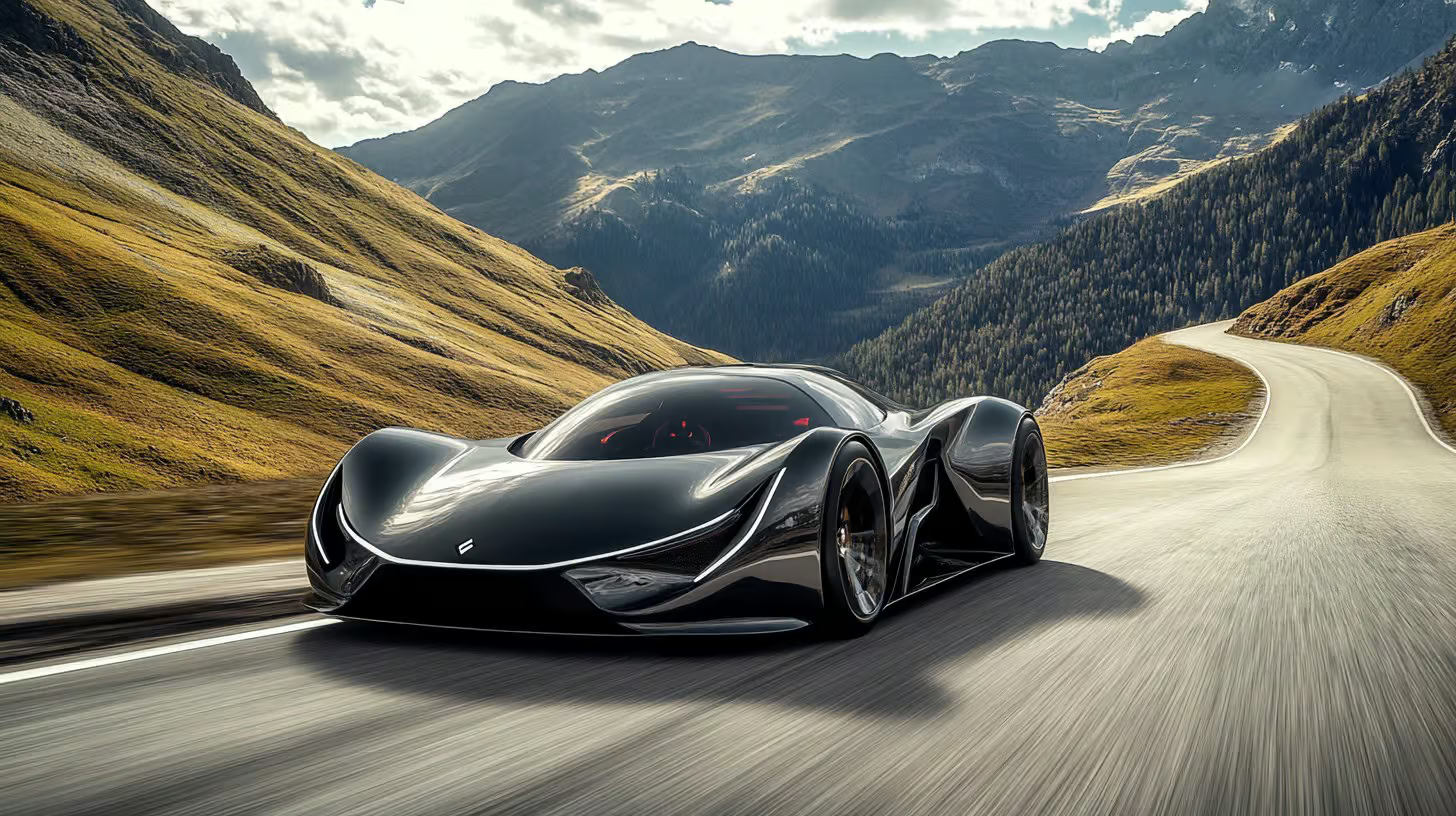
Ever see a car so stunning it looks like it’s breaking the speed limit while standing still? That’s the magic of a supercar. These machines are the pinnacle of automotive engineering, blending breathtaking design with performance that pushes the boundaries of physics.
But what is a supercar, really? We’re about to pop the hood and show you what makes these four-wheeled wonders so special.
Strap in, because this is where the fun begins.
Key Takeaways
Supercars are high-performance vehicles that can launch from 0 to 60 mph in under 3 seconds and often cost between $200,000 and $1 million.
Key supercar milestones include the 1966 Lamborghini Miura, which introduced the mid-engine layout, the 1992 McLaren F1, and the 2023 Rimac Nevera, an electric hypercar that set a Nürburgring lap record.
The US supercar market is projected to see steady growth, with boutique manufacturers like Hennessey Performance Engineering pushing the limits with models like the Venom F5.
Japanese supercars like the original Honda NSX and the Nissan GT-R have influenced the industry by delivering exotic performance with greater reliability and advanced technology.
Owning a supercar involves high maintenance costs. An oil change can cost up to $2,000, while a new set of high-performance tires like Michelin Pilot Sport Cup 2s can be another $2,000 or more.
Table of Contents
What Is a Supercar? A Clear Definition
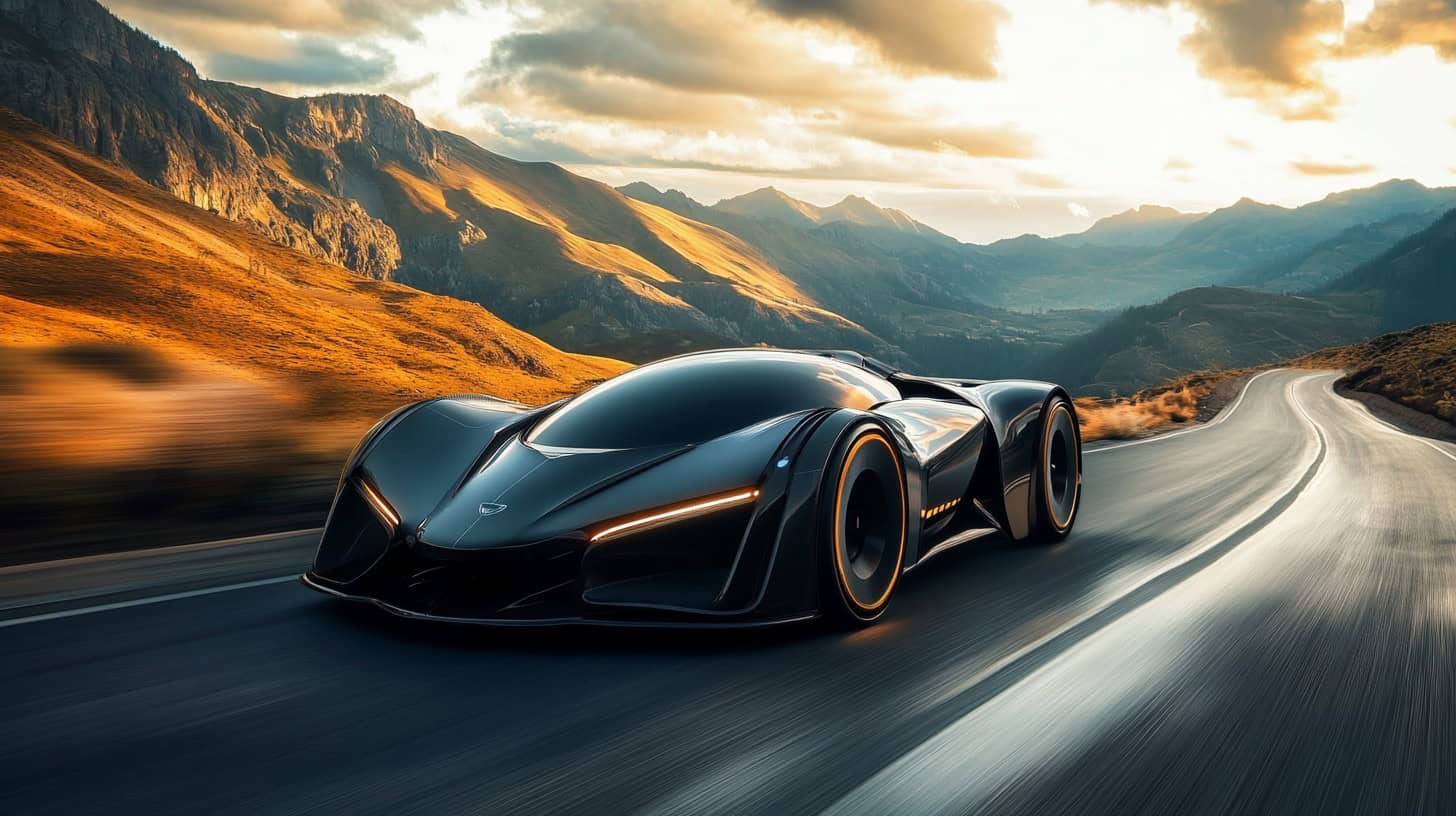
A supercar is a high-performance, street-legal luxury car. Think of it as the top tier of production vehicles, sitting in a special class defined by rarity, speed, and eye-watering price tags.
They are the rock stars of the auto world, turning heads faster than you can say “zero to sixty.”
Characteristics and Performance Features of Supercars
Supercars are engineered for one thing above all else: speed. They often accelerate from 0 to 60 mph in under 3.5 seconds, with models like the Ferrari 296 GTB doing it in a blistering 2.9 seconds.1 This incredible performance comes from a combination of powerful engines and a high power-to-weight ratio.
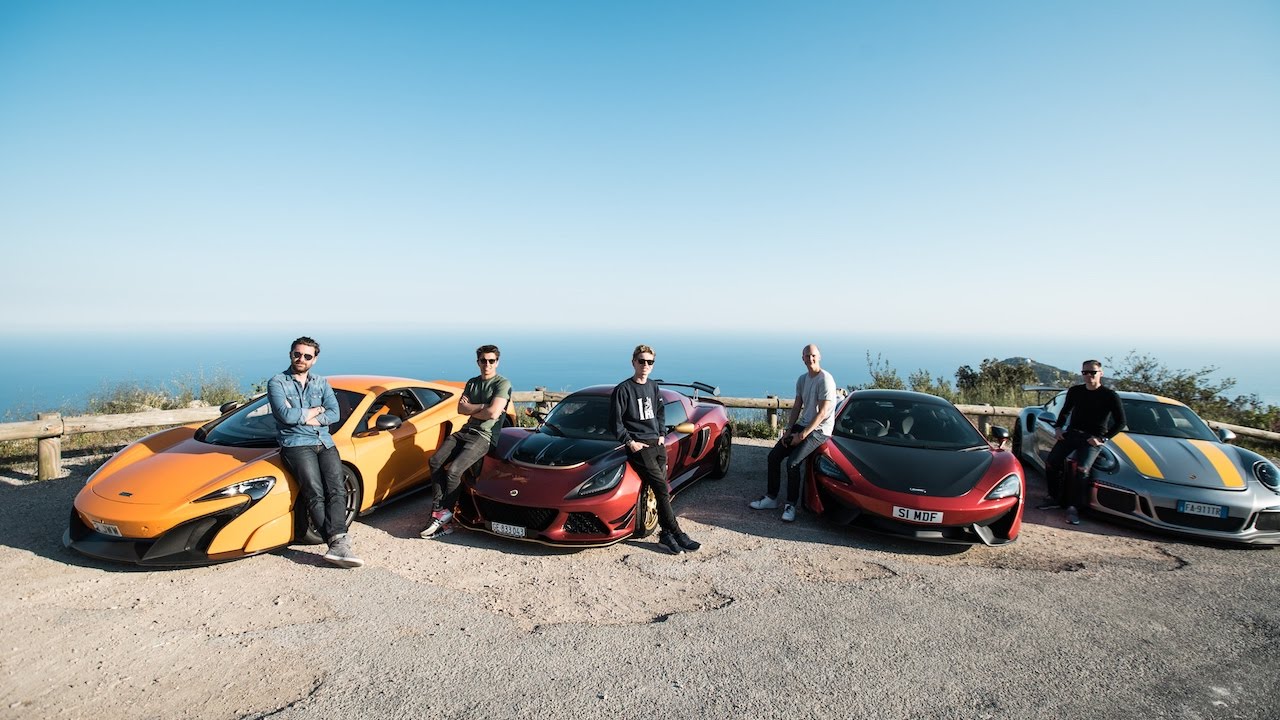
Their aggressive aerodynamics, with spoilers and vents, aren’t just for show. They generate downforce, effectively gluing the car to the road at high speeds. When it’s time to stop, massive carbon-ceramic brakes, often supplied by specialists like Brembo, provide incredible stopping power without fading under pressure.
Of course, this level of engineering comes at a cost. Prices typically range from $200,000 to over a million dollars. For those who want the thrill without the commitment, a luxury supercar rental in Dubai can offer a taste of this pure, unadulterated performance.
How Supercars Differ from Sports Cars and Hypercars

The automotive world has a clear hierarchy. Supercars occupy the exciting middle ground between more common sports cars and the ultra-rare hypercars.
Hypercars are the unicorns of the automotive world, representing the absolute peak of technology, performance, and price. They are often produced in numbers you can count on two hands.
To make the distinction clear, let’s look at a side-by-side comparison.
| Category | Sports Car (e.g., Porsche 911) | Supercar (e.g., Lamborghini Huracán) | Hypercar (e.g., Bugatti Chiron) |
|---|---|---|---|
| Horsepower | 350 – 500 hp | 500 – 900 hp | 1,000+ hp |
| 0-60 MPH Time | 3.5 – 4.5 seconds | 2.5 – 3.5 seconds | Under 2.5 seconds |
| Top Speed | ~180 mph | ~200 mph | 250+ mph |
| Price Range | $70k – $150k | $200k – $1M | $1M – $5M+ |
As you can see, while a sports car is impressively quick, a supercar operates on another level of performance. Hypercars like the Bugatti Chiron Super Sport 300++ or the Koenigsegg Jesko Absolut exist in their own stratosphere of speed, design, and rarity.
Evolution of Supercars
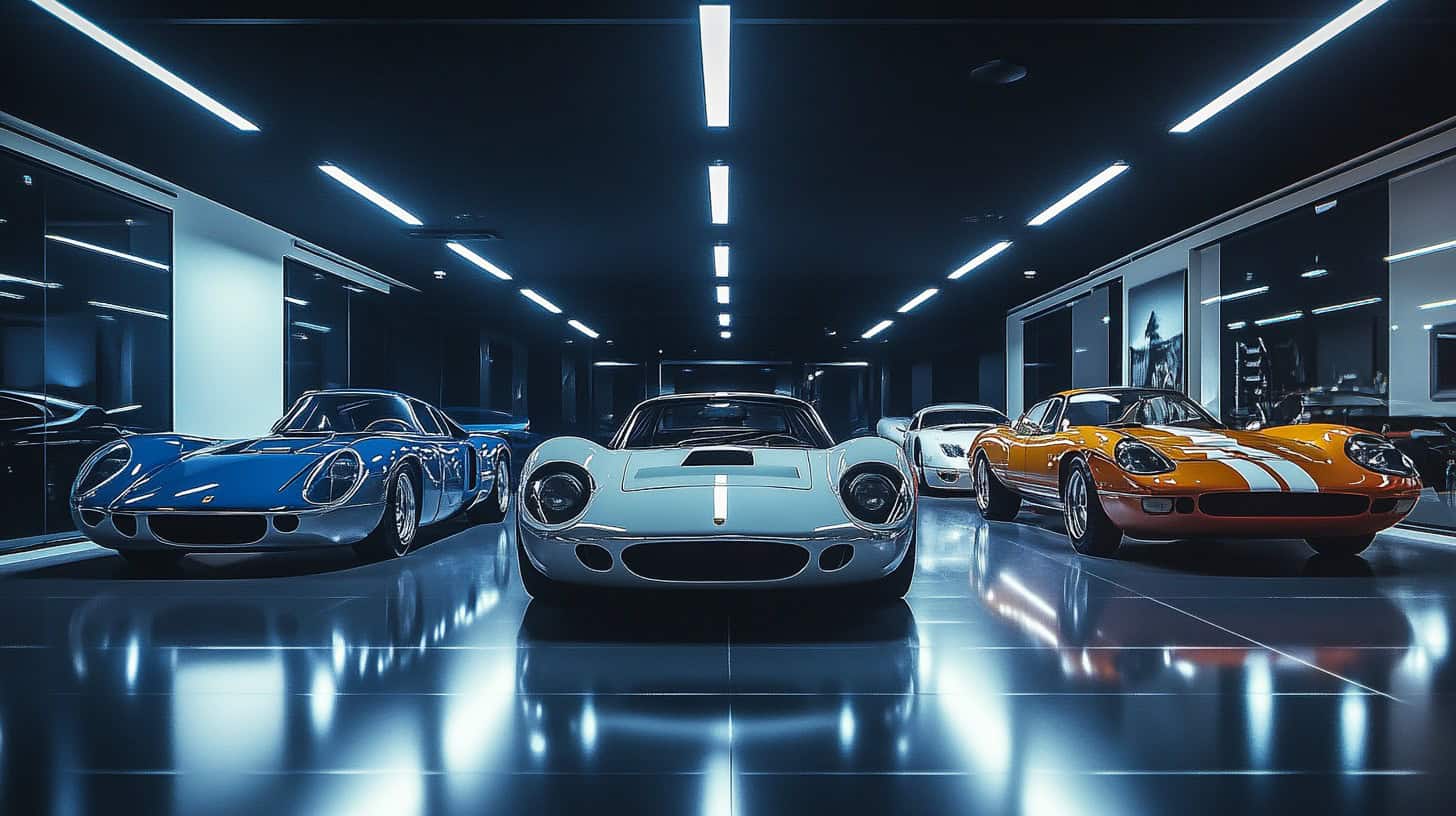
Supercars haven’t always been the high-tech marvels we see today. Their journey reflects decades of innovation, rivalry, and a relentless pursuit of speed.
Milestones in the Supercar Scene in Europe
Europe, particularly Italy and Germany, has always been the heartland of supercar development. Here are some of the key moments that defined the breed.
- 1966: The Lamborghini Miura arrives and changes everything. Its stunning looks and revolutionary mid-engine layout became the blueprint for nearly every supercar that followed.
- 1986: The Porsche 959 debuts as a technological marvel. It introduced computer-controlled all-wheel drive and advanced aerodynamics, proving supercars could be smart as well as fast.
- 1992: The McLaren F1 sets a new benchmark. With its unique central driving position and a gold-lined engine bay, it held the production car speed record for over a decade.
- 2005: The Bugatti Veyron kicks off the hypercar era. With over 1,000 horsepower, it shattered performance expectations.
- 2013: The “Holy Trinity” is born. The Ferrari LaFerrari, McLaren P1, and Porsche 918 Spyder introduce hybrid power to the top tier of performance.
- 2023: The all-electric Rimac Nevera proves the future is fast. In August 2023, it set a new lap record for a production electric vehicle at Germany’s demanding Nürburgring race track.
These milestones pushed the entire industry forward. Now, let’s see how America made its own mark.
Key Developments in the US Supercar Market
The US supercar market has its own unique history, rooted in muscle and innovation. Today, it’s a thriving industry with a bright future.
- Muscle Car Roots: The powerful muscle cars of the 1960s, like the Dodge Charger, can be seen as America’s original supercars, prioritizing raw power above all else.
- Homegrown Icons: The Chevrolet Corvette, Dodge Viper, and Ford GT cemented America’s place on the global stage, proving the US could compete with Europe’s best.
- Boutique Powerhouses: Modern American innovation is often led by smaller companies like Hennessey Performance Engineering. Their Venom F5 hypercar aims to exceed 300 mph, showcasing extreme American engineering.
- Market Growth: The US supercar market is projected to grow significantly. According to a 2024 report by Market Research Future, the global supercar market is expected to expand considerably between 2024 and 2031.
- The Price of Entry: Most supercars sold in the US fall between $200,000 and $500,000, making them a significant investment.
- Modern Challenges: Stricter emissions regulations and economic fluctuations present hurdles, but the industry continues to innovate with more efficient engines and hybrid technologies.
Japan’s Influence on Supercar Technology
Japan brought a different philosophy to the supercar world, focusing on technology, reliability, and precision engineering. Their influence has been profound.
- Honda NSX (1990): This was Japan’s first true supercar, and it sent shockwaves through the industry. With its all-aluminum body and legendary reliability, it proved that an exotic car could be driven every day.
- Lexus LFA (2010): A masterpiece of engineering, the LFA featured a high-revving 4.8L V10 engine. In a unique collaboration, Yamaha’s musical instrument division was brought in to acoustically tune its incredible engine sound.
- Nissan GT-R (2009-present): Nicknamed “Godzilla,” the GT-R offered performance that could challenge supercars twice its price. Its advanced all-wheel-drive system and twin-turbo V6 became legendary.
- Hybrid Innovation: The second-generation Honda NSX (2016) brought hybrid technology to the forefront, using electric motors to enhance performance and handling.
- Precision and Quality: Japanese supercars raised the global standard for build quality and attention to detail, forcing European competitors to improve their own manufacturing processes.
Types of Supercars
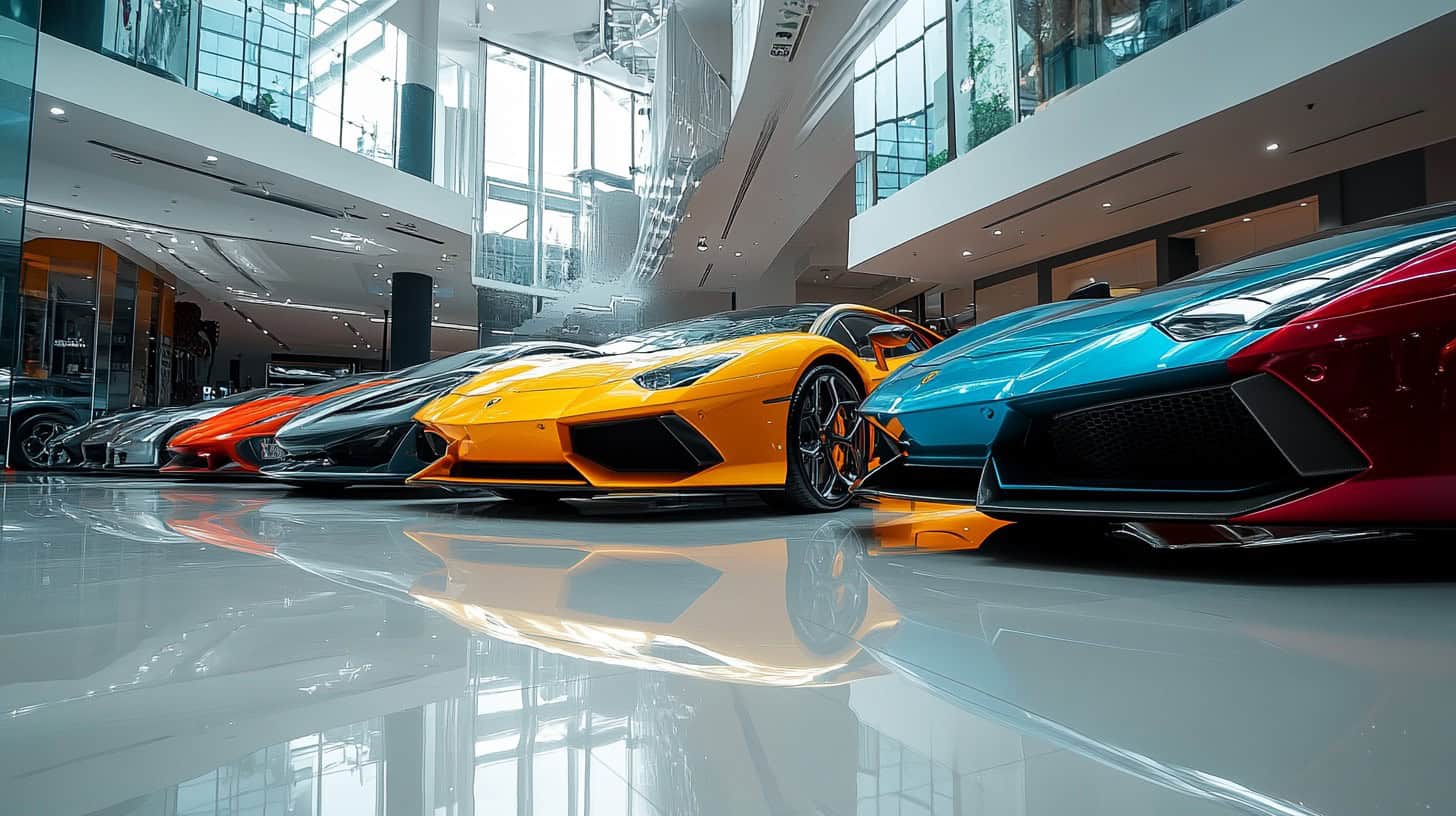
The supercar category is diverse, with different brands focusing on everything from raw track performance to luxurious grand touring.
Exploring Exotic and Luxury Supercar Brands
Brands like Ferrari, Lamborghini, and McLaren are household names for a reason. They build cars that are as much a statement of artistry as they are of engineering, typically packing 500 to 900 horsepower.

Each brand has a distinct personality:
- Ferrari: Known for its racing heritage and passionate, high-revving engines.
- Lamborghini: Famous for its wild, aggressive styling and powerful V10 and V12 engines.
- McLaren: Focuses on lightweight construction and advanced aerodynamics derived from its Formula 1 team.
- Pagani: Celebrated for its bespoke, artistic craftsmanship where every component is a work of art.
These manufacturers carefully manage production to maintain exclusivity. For instance, Ferrari shipped just 13,663 cars globally in 2023, ensuring that owning one remains a special experience. If you need deep pockets to afford a supercar, it’s because this rarity is a key part of their appeal.
Spotlight on Limited Production Supercars
Limited production supercars are the rarest of the rare. These are special editions or flagship models built in extremely small numbers, often for a brand’s most loyal customers.
These cars are instant collectibles. For example, the modernLamborghini Countach LPI 800-4, a tribute to the original icon, was limited to just 112 units worldwide. Another example is the Bugatti Centodieci, with only 10 ever made, each carrying a price tag of around $9 million at launch.
These vehicles often feature unique designs, more powerful engines, and the most advanced technology the manufacturer has to offer.
Advances in Supercar Technology
Supercars are testbeds for cutting-edge automotive technology. Materials like carbon fiber and titanium, once reserved for aerospace, are now common for reducing weight and increasing strength.
Perhaps the most visible innovation is in aerodynamics. Many modern supercars feature “active aero,” which uses moving flaps and wings to adjust downforce in real-time.
A prime example is Lamborghini’s ALA (Aerodinamica Lamborghini Attiva) system. It uses small electric motors to open and close flaps, either channeling air to create immense grip in corners or smoothing airflow to reduce drag for higher top speeds on a straightaway.
Today, the biggest advancements are in powertrain technology. The rise of hybrid systems in cars like the McLaren P1 and the emergence of fully electric hypercars like the Rimac Nevera and Lotus Evija show that the pursuit of speed is now deeply intertwined with electric power.
Benefits and Challenges of Owning a Supercar
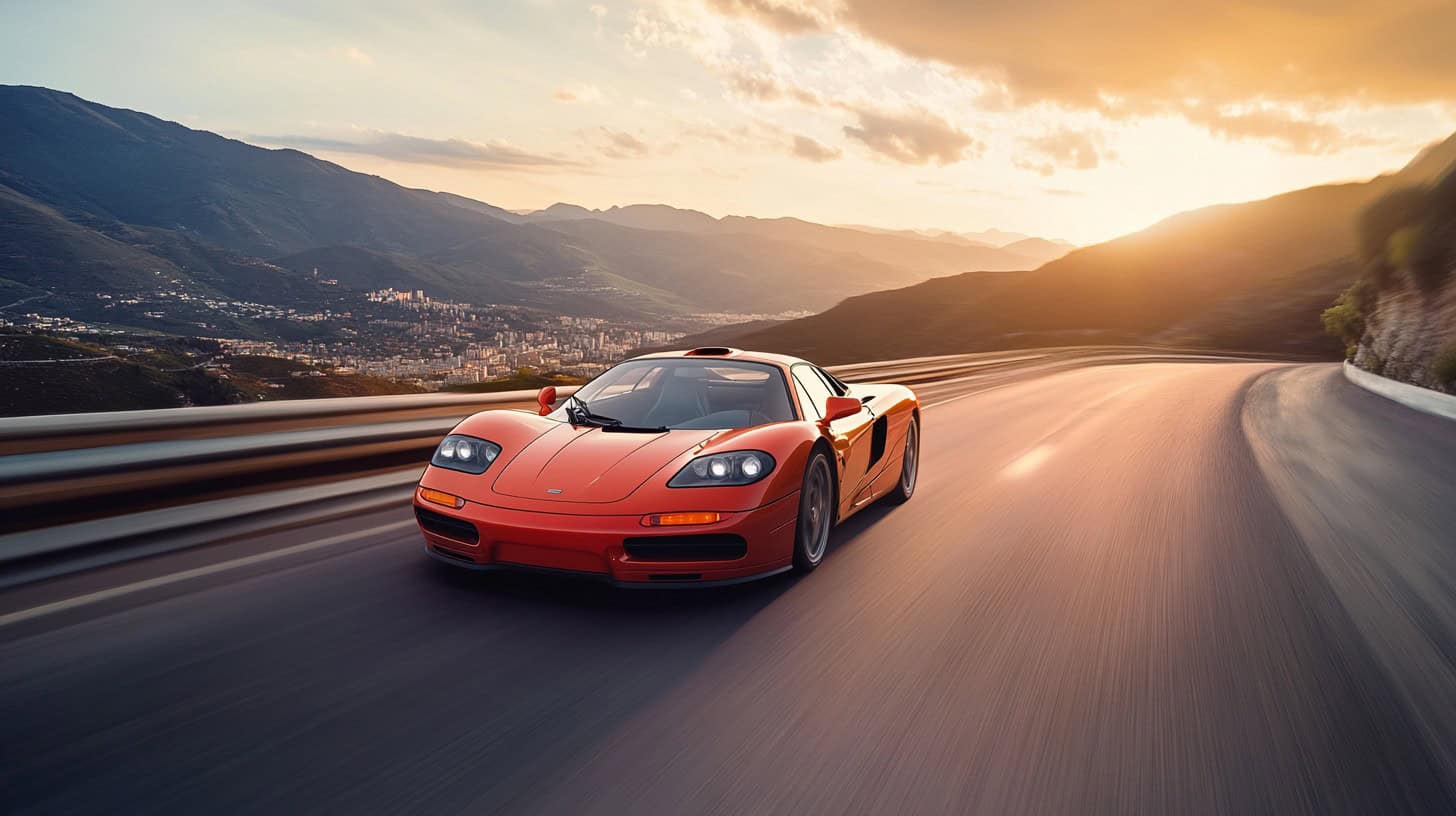
Owning a supercar is an incredible experience, but it’s not all glamour. It comes with a unique set of joys and headaches.
The Allure of Performance and Prestige
The number one reason to own a supercar is the driving experience. The sound, the acceleration, and the razor-sharp handling provide a thrill that regular cars simply can’t match.
There’s also the prestige. These cars are rolling works of art that command attention and respect. For many owners, it’s also about joining a community. Events like the Gumball 3000 and local car clubs provide a social outlet to share their passion with like-minded people.
Owning a supercar is like having a VIP pass to an exclusive world. From custom-built interiors to bespoke paint jobs from houses like Mansory, these cars are a reflection of their owner’s personality. Many owners even build pictures of luxury garages just to house their prized possessions.
Considerations of Cost and Maintenance for Supercars
While the performance is thrilling, the cost of ownership can be staggering. Routine maintenance comes with a “supercar tax.”
For example, an oil change on a Lamborghini can cost up to $2,000. A clutch replacement on a Ferrari F430 can range from $2,500 to $6,500. And a new set of high-performance tires, which wear out quickly, can easily top $2,000 for a McLaren.
According to owners on forums, one of the most feared repairs is on older automated manual gearboxes. Replacing the hydraulic actuators in a Ferrari “F1” transmission system, for example, can become a five-figure expense.
Beyond maintenance, you have to factor in insurance, storage, taxes, and potential customization costs. It’s a pricey hobby, but for those who can afford it, the joy of owning one of these incredible machines is worth every penny.
People Also Ask
What makes a car a supercar?
A supercar is a high-performance luxury vehicle defined by its exceptional speed, advanced technology, and exotic design. It typically features a powerful engine (like a V8, V10, or V12), a mid-engine layout for better balance, and can accelerate from 0-60 mph in under 3.5 seconds.
How fast can supercars go?
Most modern supercars can exceed 200 mph. The absolute fastest cars, often called hypercars, push this even further. For example, the SSC Tuatara has been clocked at over 300 mph, while the all-electric Rimac Nevera has a top speed of 258 mph.
Are supercars good for everyday driving?
Generally, no. Their stiff suspension, low ground clearance, poor fuel economy, and limited storage space make them impractical for daily tasks like grocery shopping. However, some brands like Porsche and Lamborghini (with its Urus SUV) offer models that blend supercar performance with more daily usability.
How much do supercars cost?
The price of entry for a new supercar typically starts around $200,000. Models from brands like Ferrari and Lamborghini often range from $250,000 to $600,000. Limited-edition models and hypercars can cost well into the millions. Remember to factor in high costs for insurance, fuel, and maintenance.
Who makes the best supercars?
This is a matter of personal taste! Italian brands like Ferrari and Lamborghini are legendary for their passion and style. McLaren from the UK is known for its cutting-edge technology. Porsche from Germany is praised for its precision engineering and track performance. Each brand offers a unique driving experience.
Can supercars be good investments?
It’s possible, but risky. Most supercars depreciate, losing value over time. However, very rare, limited-edition models, like a Ferrari LaFerrari or a Porsche 911 R, can appreciate significantly. It’s best to buy a supercar for the enjoyment of driving, not as a primary financial investment.
References
^ https://www.capitalone.com/cars/learn/finding-the-right-car/what-is-a-supercar/1411
^ https://www.continentalautosports.com/ferrari-information/what-is-a-supercar/
^ https://www.scuderiacarparts.com/blog/what-is-a-hypercar-difference-from-supercar-explained/ (2024-06-20)
^ https://www.washingtonexotics.com/what-is-a-supercar.html
^ https://www.motortrend.com/features/what-defines-a-supercar-history-evolution/ (2024-07-19)
^ https://www.performancecarexclusive.com/articles/general/the-evolution-of-supercars (2024-02-27)
^ https://www.linkedin.com/pulse/united-states-supercar-market-applications-market-reasearch-express-2erqf/
^ https://japanesenostalgiccar.com/japan-supercar-boom-history/ (2022-11-11)
^ https://www.autobytel.com/japanese-supercars-past-present-and-future (2016-06-16)
^ https://www.refined-marques.com/what-exactly-is-a-supercar-here-are-11-awesome-supercar-facts/
^ https://www.exoticcartrader.com/blog/what-is-a-supercar?srsltid=AfmBOordjm5aGDok-IoqZpmFuwjdERV8pWQZR2PvuKjrMbBeu2UKhyz2
^ https://www.exoticcartrader.com/blog/what-is-a-supercar
^ https://robbreport.com/motors/cars/gallery/greatest-supercars-of-the-21st-century-2890356/
^ https://www.koenigseggnc.com/reasons-to-own-a-supercar/
^ https://carfromjapan.com/article/industry-knowledge/how-much-does-it-cost-to-own-a-supercar/ (2024-07-14)
^ https://www.mclarenchicago.com/blog/importance-of-regular-maintenance-for-high-performance-cars/ (2024-07-17)