
Ever feel like figuring out how to start healthy eating habits is like trying to solve a puzzle with half the pieces missing?
You’re not the only one.
But here’s the good news: getting it right is simpler than you think. The science is clear that eating a balanced diet loaded with whole grains, fruits, and veggies can seriously lower your risk of heart disease and type 2 diabetes.
I’m going to walk you through some clear, simple steps to make healthier eating a permanent part of your life. Let’s get started and find food that actually fuels you.
Key Takeaways
Set clear, realistic goals by making small changes like swapping white bread for whole grain and adding veggies to meals; studies show balanced diets lower heart disease and type 2 diabetes risk.
Fill half your plate with fruits and vegetables, choose lean proteins such as chicken or canned tuna over fatty meats, and use low-fat dairy or plant-based alternatives to reduce saturated fat intake.
Use smaller plates, bowls, and forks to help practice portion control; a well-known Cornell University study found this simple change can cut calories without leaving you hungry.
Plan weekly meals with a grocery list using resources like USDA MyPlate, prepare snacks ahead of time, and cook at home to manage ingredients, leading to less processed food consumption and better health outcomes.
Stay hydrated by aiming for at least eight 8-ounce glasses of water daily; limit sugary drinks by reading nutrition labels since most added sugars hide in packaged beverages.
Table of Contents
Setting Realistic Healthy Eating Goals
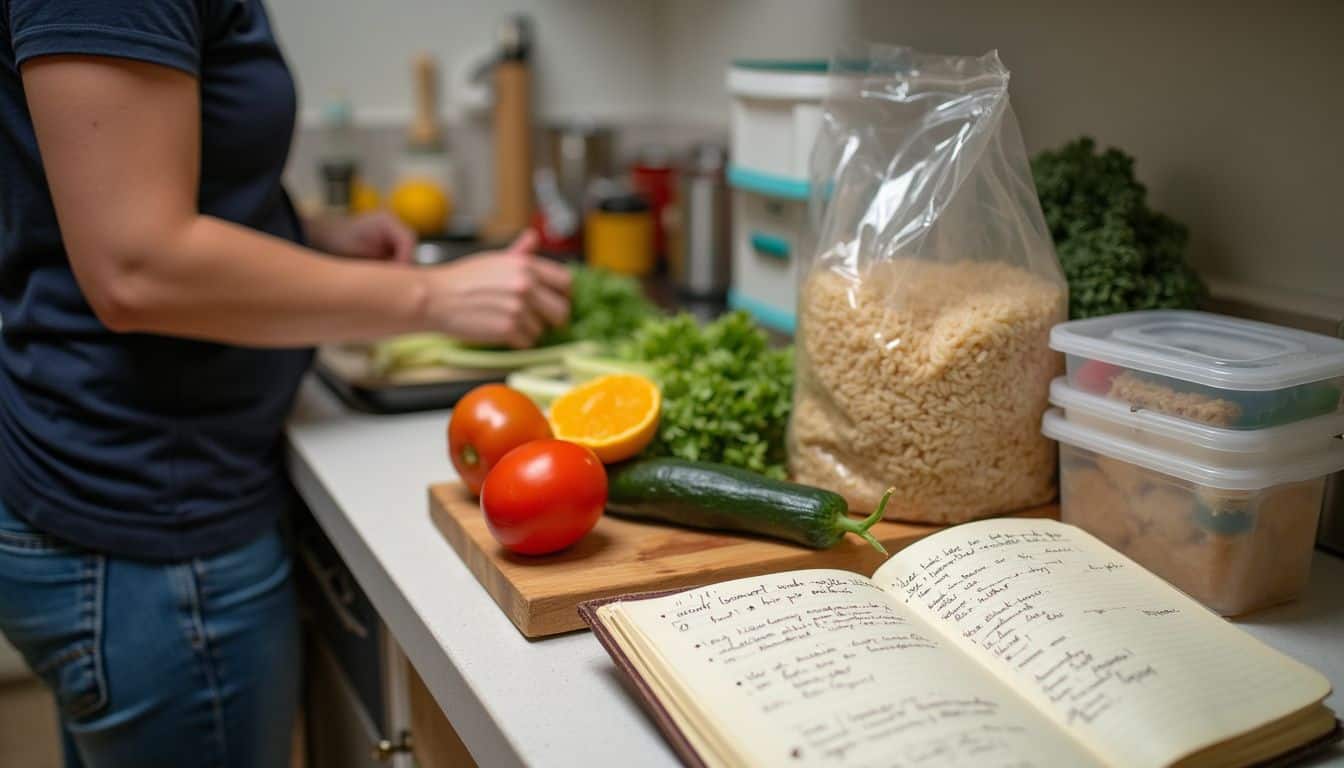
Set clear goals for your healthy diet, like eating more brown rice and adding extra veggies to your lunch. The key is to build habits that actually stick, not to chase a perfect plate at every single meal.
How can I start with small, achievable changes in my diet?
Jumping into healthier eating doesn’t require a total diet overhaul overnight. Small, steady shifts are what build a solid foundation for a long-term healthy, balanced diet.
- Swap white bread for whole grain. Choosing whole wheat boosts your fiber, keeps you full longer, and supports better digestion. Brands like Dave’s Killer Bread pack in protein and whole grains, making it an easy upgrade.
- Fill half your plate with fruits and vegetables. This is a simple visual cue to pack in more vitamins and minerals without overloading on calories.
- Add lean proteins. Go for beans, lentils, lean beef, or canned tuna instead of processed meats like bacon and sausage. This helps your heart and cuts down on saturated fat.
- Keep healthier snacks handy. Stock up on fresh fruit, carrot sticks, or a handful of almonds to avoid reaching for chips, fries, or cookies when hunger strikes.
- Ditch sugary drinks. Trade soda and other sugar drinks for water or unsweetened tea. This is one of the fastest ways to cut empty calories and reduce sugar intake.
- Choose healthier fats. Use cooking oils like olive oil instead of butter, lard, or coconut oil. These simple swaps replace unhealthy fats with ones that support your heart health.
- Rinse canned goods. A quick rinse of canned beans or vegetables under water can significantly slash your salt intake before you add them to meals.
- Use prepared ingredients strategically. Companies like Taylor Farms offer pre-cut vegetables that make salads and stir-fries incredibly easy. It cuts down on prep time and helps you get more nutrients in.
- Stock your freezer. Keep frozen fruits and veggies on hand for smoothies or soups. They are just as nutritious as fresh options and last much longer.
- Practice portion control. Using smaller plates and bowls is a proven trick. Studies show it helps you eat less without feeling deprived. Investing in a good set of meal prep containers, like the glass ones from Prep Naturals, can also make portioning automatic.
- Read nutrition facts labels. Get in the habit of checking labels on food products to keep an eye on saturated fats, free sugars, and sodium.
- Eat oily fish twice a week. Salmon, mackerel, or sardines are packed with omega-3 fatty acids, which are crucial for heart and brain health.
Each of these small steps can help you lose weight, avoid becoming overweight or obese, and lower your risk of chronic disease over the long haul.
Why is consistency more important than perfection in healthy eating?
Trying to be perfect with every single meal is a recipe for burnout. Aiming for only the healthiest foods all the time can leave you feeling frustrated and ready to quit.
Instead, focus on making small, repeatable changes. Swapping fizzy drinks for water or adding more vegetables to dinner is what really pays off over time.
A 2022 study in the journal *Obesity* found that people who made small, consistent changes to their eating habits were more successful at long-term weight loss than those who went on restrictive diets. The key was building habits that could survive a stressful week or a meal out with friends.
I once tried a super strict low-fat diet. It lasted until a stressful week at work, and I ended up caving and ditching the whole plan. Now, I focus on simple routines that keep my health goals on track, even if I hit the local fast-food spot occasionally.
Celebrating small wins, like choosing lean meat for lunch, makes the process feel more rewarding. This consistency helps healthy eating become second nature, creating skills that last a lifetime.
Incorporating More Whole Foods
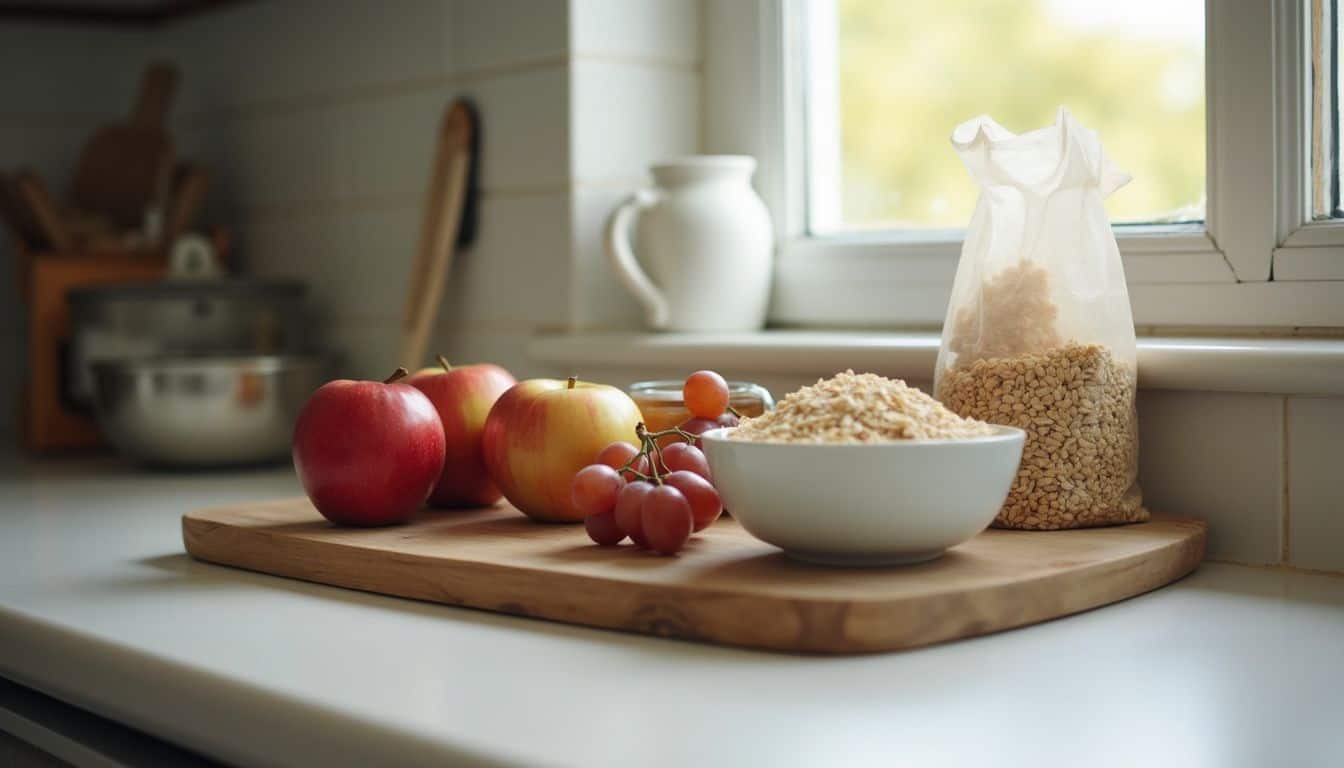
Eating more whole foods is simple. Swap sugary snacks for apples or grapes, and add brown rice or oats to your meals. Choose whole chicken over chicken nuggets to skip the extra breading and oil.
What fruits, vegetables, whole grains, and lean proteins should I include in my meals?
A healthy diet is all about variety and color. The more diverse your plate, the wider the range of nutrients you get.
- Fill half your plate with fruits and veggies. Think blueberries, apples, oranges, and grapes. For vegetables, go for colorful options like spinach, broccoli, carrots, and sweet potatoes to support your immune system.
- Choose higher-fiber starchy foods. Whole wheat pasta, oats, and brown rice keep you feeling full and support healthy digestion. A USDA study found that people who ate whole grains lost about 100 more calories per day compared to those eating refined grains.
- Lean on beans and legumes. Black beans, lentils, and chickpeas are excellent plant-based proteins that can help lower your risk of heart disease.
- Pick fatty fish twice a week. Salmon or mackerel are loaded with omega-3s, which are great for your heart and brain.
- Select lean meats. Go for skinless chicken or turkey, and trim any visible fat. This gives you high-quality protein to help with muscle repair without the extra fatty calories.
- Incorporate low-fat dairy or alternatives. Low-fat yogurt, milk, or fortified plant-based milk like almond or soy milk provide calcium and vitamin D without extra saturated fat.
- Add nuts and seeds. A handful of unsalted almonds, walnuts, or pistachios provides healthy fats and protein. Toss them in oatmeal or salads for extra crunch.
- Stick to wholegrain breads. The extra dietary fiber helps with gut health and keeps your blood sugar stable. Women in the Nurses’ Health Study who ate 2-3 servings of whole-grain products daily were 30% less likely to have a heart attack.
How can I avoid highly processed foods effectively?
Cutting back on processed foods is one of the best things you can do for your health. Building meals around fruits, veggies, whole grains, and lean proteins is the perfect starting point.
I got serious about reading food labels after learning that nearly 70% of packaged foods in the U.S. contain added sugar. That small habit made it way easier to spot and avoid foods packed with unhealthy ingredients.
Stock your kitchen with healthier food choices so you’re not tempted by junk. Keep crunchy carrots, apples, or air-popped popcorn on hand for when you need a snack.
Cooking at home is a game-changer. It gives you full control over your ingredients. Prepping meals on a Sunday means you have healthy options ready to go, making it easier to dodge the drive-thru on busy weeknights.
Planning and Preparing Meals

A slow cooker or an Instant Pot can make meal prep feel a lot less like a chore. And creating a simple shopping list keeps your grocery trips quick and focused.
How do I create a weekly meal plan for healthy eating?
A simple weekly meal plan takes the stress out of eating healthily. You don’t need to be a professional chef, just organized.
- Check what you already have. Look in your fridge and pantry first to use up ingredients before they spoil. This saves money and reduces waste.
- Write everything down. Plan out breakfast, lunch, dinner, and snacks for each day. A simple method is the “3-1-1” approach: plan to cook 3 meals, have 1 night for leftovers, and leave 1 night open for takeout or a spontaneous dinner.
- Aim for balance. Make sure at least half your plate is fruits and vegetables, with the rest filled by lean proteins and whole grains.
- Plan for leftovers. Cook meals like chili or roast vegetables in large batches. Leftovers are a lifesaver on busy days when you don’t feel like cooking.
- Use helpful tools. Apps like PlateJoy or Mealime can create personalized meal plans and generate grocery lists for you. PlateJoy can even send your list to Instacart for delivery.
- Shop with a list. A complete grocery list helps you avoid impulse buys and stay away from the aisles with highly processed foods and candy.
- Prep snacks in advance. Cut up carrots, portion out some unsalted nuts, or have apples ready to grab. This keeps your energy steady between meals.
- Add variety. Don’t be afraid to try one new recipe a week to keep things interesting. Websites like EatingWell are fantastic resources for healthy and delicious ideas.
Sticking to a plan helped me drop the 10 pounds I gained last football season. It made it easier to stay on track with my physical activity and enjoy a pizza night without feeling guilty.
What are the benefits of cooking at home to control ingredients and portions?
Cooking at home puts you in the driver’s seat. You control everything that goes into your meals, from the amount of salt to the type of oil.
You can prioritize whole foods like fresh broccoli, brown rice, and lean beef while avoiding the mystery sauces and artificial flavors often found in takeout.
Regular home-cooked meals are linked to better physical health and even lower stress levels. Plus, portion control is much easier at home, as restaurants often serve oversized portions.
“Cooking is like love; it should be entered into with abandon or not at all.” – Harriet Van Horne
You’ll also save a good amount of money. And, you can turn cooking into a social activity by getting family or friends to help you chop veggies or grill chicken.
How can I practice portion control effectively?

Your stomach doesn’t need to be a bottomless pit. Simple tricks, like using smaller plates and bowls, can make a big difference in keeping your portions in check. Learn to pause before grabbing seconds.
How can using smaller plates and bowls help with portion control?
It’s a simple mind trick that really works. A normal serving of chicken or brown rice looks much more satisfying on an eight-inch plate than on a large dinner plate.
Big plates can fool your eyes into thinking you need more food. A study from Cornell University confirmed that people who use smaller dinnerware tend to cut calories without even noticing or feeling less full.
I once used a huge mixing bowl for a salad and ended up piling on way too many toppings. When I switched to a small cereal bowl, my portion looked just right, and I felt equally satisfied.
This simple swap forces you to slow down and pay attention to when you’re actually full, not just stuffed. It saved me hundreds of calories a week and made a noticeable difference over time.
How do I listen to my body’s hunger cues to avoid overeating?
Cravings often pop up when you’re stressed or bored, not truly hungry. High cortisol levels can make you reach for chips or sweets, especially after a long day.
A great way to manage this is with the “Hand Portion Method,” a technique popularized by Precision Nutrition. It uses your hand as a personalized measuring tool.
- Your palm determines your protein portion.
- Your fist determines your veggie portion.
- Your cupped hand determines your carb portion.
- Your thumb determines your fat portion.
This method is surprisingly accurate because your hand size is proportional to your body size. Studies have shown it can be nearly as effective as tracking macros in an app.
Using an app like MyFitnessPal can also help you spot patterns. I realized I often ate when I was feeling down, not actually hungry. Eating without distractions, like the TV, also helps you focus on your body’s signals.
Why is staying hydrated important for healthy eating?
Water is essential for keeping your body running smoothly. If you do one thing, swap out the soda for a water bottle. Your body will thank you for it.
How much water should I drink throughout the day?
The old rule of eight 8-ounce glasses a day, which equals about 2 liters, is a great, easy-to-remember target. For men, the official recommendation from The National Academies of Sciences, Engineering, and Medicine is around 15.5 cups (3.7 liters) of total fluids a day.
But that includes water from all beverages and even food, like fruits and salads. A good starting point for just water is about four to six cups a day if you’re generally healthy.
If you’re hitting the gym hard or spending time outside in the heat, you’ll definitely need more. A simple way to check your hydration is to look at your urine. If it’s dark yellow, it’s time to drink up.
What are the best ways to limit sugary beverages?
Start by reading nutrition labels on things like bottled teas and sports drinks. You’ll be surprised how much hidden added sugar is in them. According to the CDC, sugary drinks are the leading source of added sugars in the American diet.
Water should be your go-to drink. Carry a big refillable bottle with you everywhere. If you can’t quit sweet tea cold turkey, try mixing it half-and-half with unsweetened tea and gradually reduce the sweet portion.
Homemade smoothies are a much better choice than canned soda or juice because you control the ingredients. If you do drink fruit juice, limit it to one small glass (about 150ml) a day, as it’s still high in sugar.
“Don’t drink your calories if you can eat them instead.”
Cutting back on liquid calories is one of the easiest ways to support your health goals and boost your energy levels.
How can I make healthy eating more enjoyable?
Healthy eating doesn’t have to be boring. Try swapping your usual snacks for something new, like mango slices or air-popped popcorn. Or, challenge a friend to a cook-off with a new healthy recipe.
What are some tips for experimenting with new healthy recipes?
Trying new dishes is a great way to get more nutrients and keep your meals from getting monotonous.
- Set a weekly goal. Aim to try one new recipe each week. Websites like Skinnytaste and Love & Lemons have tons of healthy and delicious ideas.
- Try a new whole grain or legume. Ever cooked with quinoa or lentils? Give it a shot.
- Cook together. Ask your partner, kids, or a roommate to pick a healthy recipe and prepare it with you.
- Swap ingredients in old favorites. Use ground turkey instead of beef in your chili, or try mashed cauliflower instead of potatoes.
- Bulk up sauces and soups. Add extra spinach, mushrooms, or carrots to pasta sauce or soup for more nutrients.
- Use herbs and spices. Experiment with fresh basil, cumin, or oregano to add exciting new flavors without adding salt.
How can involving family and friends improve my healthy eating habits?
Bringing your family and friends into your healthy eating goals creates a powerful support system. Research from Johns Hopkins shows that families who eat together tend to eat more fruits and vegetables and have healthier overall habits.
Cooking with others can transform it from a chore into a fun activity. Let your kids choose the vegetable for a stir-fry or have friends help you prep for a taco night.
This kind of teamwork can make it easier to stay motivated and avoid the boredom of eating the same plain chicken and rice. Research also links regular family meals to better mental health and lower stress levels for everyone involved.
How Will Healthy Eating Change in 2025?
Food trends for 2025 are pointing toward the advice in the latest Dietary Guidelines for Americans, which is expected to be released by the end of the year. More people are using science-based recommendations to lower their risk of chronic disease.
We’re seeing a big focus on high-protein and high-fiber foods. According to a report from EIT Food, a plant-based or flexitarian diet is a trend that 82% of nutrition experts see continuing to rise. The new guidelines are expected to emphasize plant-based proteins by moving beans, peas, and lentils into the protein group. You’ll likely see more whole grains, fruits, and lean proteins on menus, while ultra-processed foods continue to get less shelf space.
Resources like the Eatwell Guide continue to help people understand balanced food groups with easy-to-use visuals. For many, healthy eating is becoming less about strict rules and more about building a collection of small, sustainable habits.
People Also Ask
What are the first steps to start healthy eating habits that last?
Start by swapping one sugary drink for water each day and adding one vegetable to your lunch. A simple tracking app, like Habitify or Atoms, can help you stay consistent and build momentum from these small wins.
How do I stick to healthy eating when I crave junk food?
Keep high-protein snacks like almonds or Greek yogurt on hand to fight off cravings before they start.
Can I eat out and still follow healthy eating habits?
Yes, just make simple swaps, like choosing a grilled chicken sandwich instead of fried, which can save over 80 calories. At places like Panera or Chipotle, focus on bowls or salads loaded with vegetables and lean protein. Asking for dressings on the side lets you control the calories.
How do I make healthy eating a habit for my family?
Make it a team effort with “build-your-own” nights for tacos or personal pizzas where everyone can add their own healthy toppings. Research shows that children who help prepare meals are more likely to eat healthier food.
References
https://medicalresearch.com/why-consistency-matters-more-than-perfection-in-healthy-habits/ (2025-01-20)
https://www.healthline.com/nutrition/how-to-eat-less-processed-food (2025-01-31)
https://www.mayoclinic.org/healthy-lifestyle/nutrition-and-healthy-eating/in-depth/healthy-meals/art-20546806 (2024-02-28)
https://www.myplate.gov/eat-healthy/healthy-eating-budget/make-plan
https://www.helpguide.org/wellness/nutrition/cooking-at-home (2024-09-30)
https://www.healthline.com/nutrition/portion-control (2024-08-15)
https://www.health.harvard.edu/blog/how-to-stop-eating-all-that-tasty-but-unhealthy-stuff-202109212597 (2021-09-21)
https://www.health.harvard.edu/staying-healthy/how-much-water-should-you-drink
https://pmc.ncbi.nlm.nih.gov/articles/PMC10260778/
https://www.healthline.com/nutrition/healthy-eating-tips
https://www.nhs.uk/live-well/eat-well/how-to-eat-a-balanced-diet/eight-tips-for-healthy-eating/