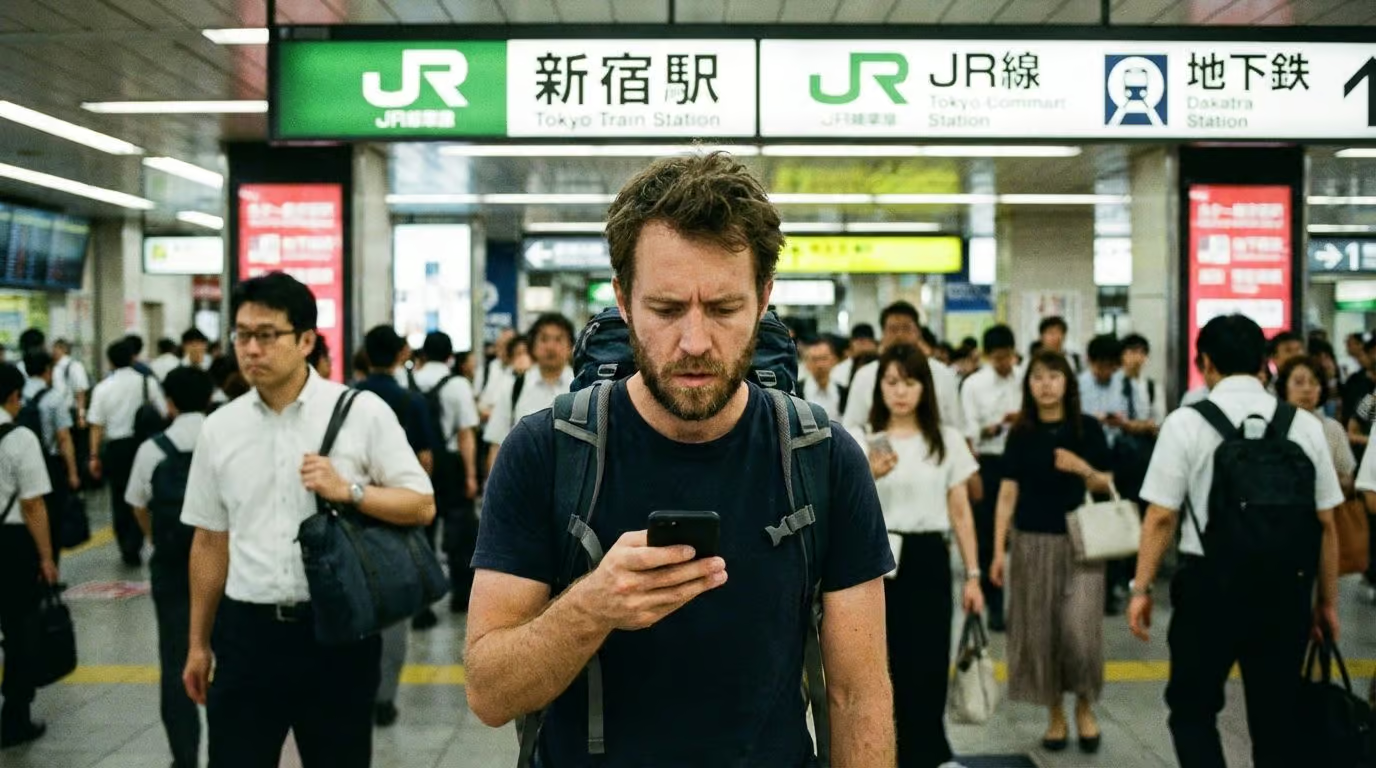
Thinking about a solo trip but feeling a little unsure? It’s completely normal. The idea of navigating Tokyo’s train maps, finding safe places to stay, or walking into a restaurant alone can seem overwhelming at first.
But here is the truth: Japan is arguably the best place on the planet for men traveling alone. Crime is incredibly low, public toilets are cleaner than most hotel bathrooms back home, and dining solo is practically a national pastime.
In fact, with the return of physical Suica cards in March 2025 and new tech making travel smoother, there has never been a better time to go. I’m going to walk you through exactly how to own this trip, from grabbing the right gear to ordering ramen like a local pro.
Key Takeaways
Japan remains a top tier destination for solo male travelers, ranking 9th on the 2024 Global Peace Index; the emergency number for police is 110.
Physical Suica and Pasmo cards are back on sale as of March 2025, solving the shortage that frustrated travelers for years.
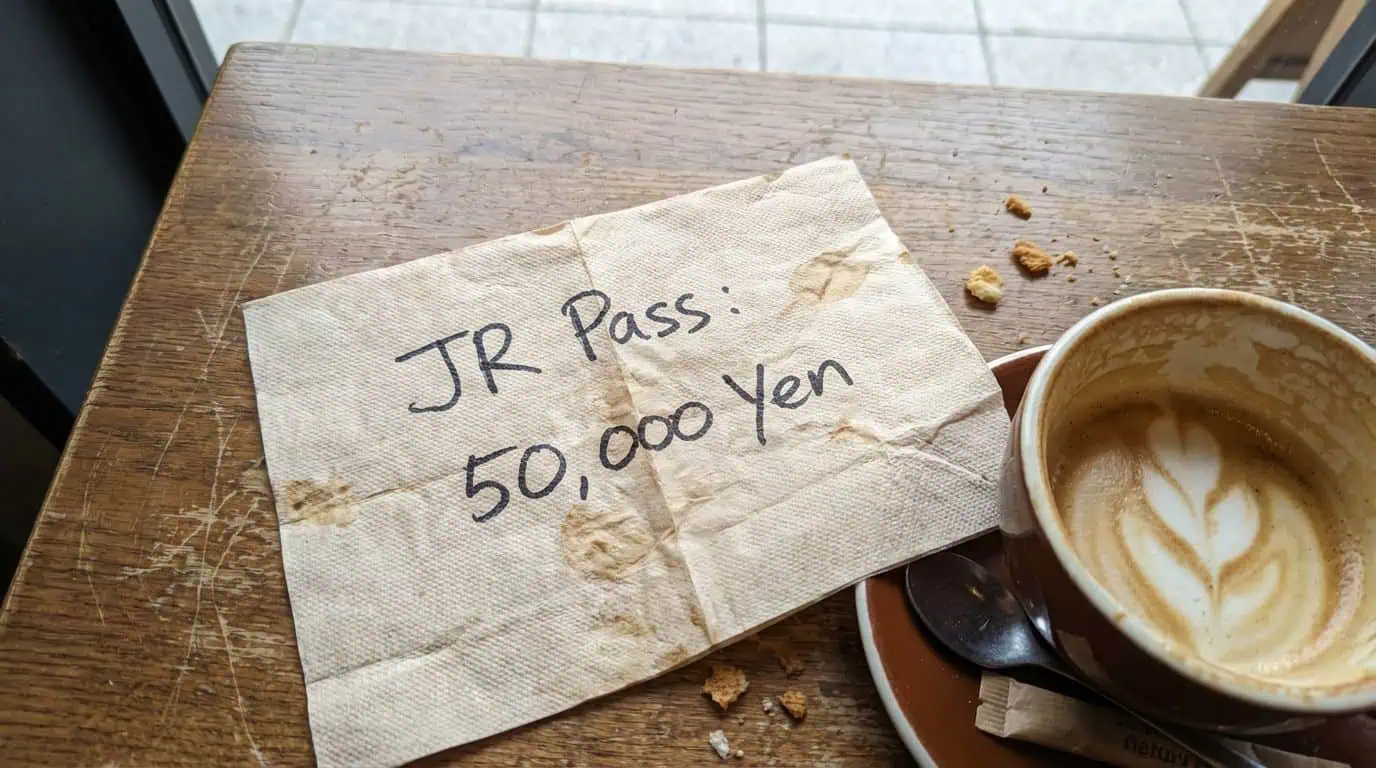
The JR Rail Pass price hike (now ~50,000 yen or $335 USD for 7 days) means buying single tickets via the SmartEX app is often cheaper for simple Tokyo-Kyoto round trips.
New banknotes issued in 2024 are high-tech but rejected by about 50% of older restaurant ticket machines; always carry coins or “old” 1,000 yen bills.
Solo dining is effortless at chains like Ichiran (private booths) and Yakiniku Like (solo BBQ grills), where eating alone is the standard.
Table of Contents
Why Solo Travel in Japan is Ideal for Men
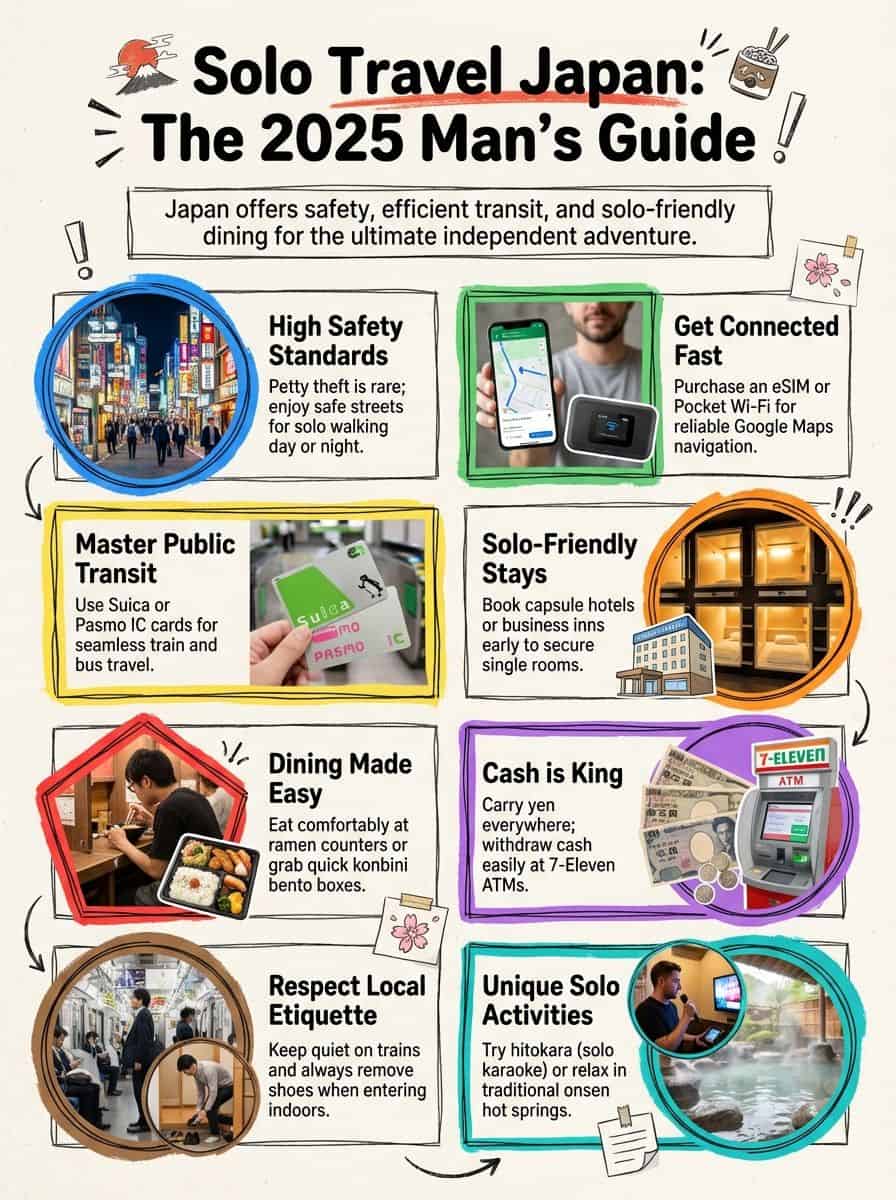
Traveling solo in Japan feels like unlocking a cheat code for adventure. You get all the excitement of a foreign culture with almost none of the usual stress. The streets are safe enough to walk at 2 AM, and the efficiency of the cities respects your time.
For guys who want freedom without the headache, this is it. You can spend three hours browsing retro games in Akihabara or hiking a mountain trail without asking anyone for permission.
High safety standards
Japan sets the gold standard for safety. I’ve left my laptop on a café table to use the restroom and found it exactly where I left it. The Global Peace Index consistently ranks Japan among the top 10 safest countries worldwide.
You will see “Koban” (small police boxes) on many corners. These officers are there to help with directions as much as to stop crime. Violent crime is statistically rare, and petty theft is unusually low compared to Europe or the US.
While chikan (groping) on trains is a serious issue that has led to women-only carriages, as a male traveler, your biggest concern will likely be following the rules rather than dodging danger. Just use common sense, especially in nightlife districts.
“In Japan, you’re more likely to lose your umbrella than your wallet,” a local businessman told me as we waited for the city bus near Kansai International Airport.
Efficient public transportation
You can set your watch by the trains here. The Tokaido Shinkansen, which connects Tokyo and Osaka, has an average delay of just 0.1 minutes per train. That is the kind of reliability that takes the stress out of travel.
Getting around is simple. I use the Google Maps app for everything—it tells you the exact platform number and even which car to board for the fastest exit. For intercity travel, booking a train from Tokyo to Osaka is a breeze using the SmartEX app or ticket machines with English menus.
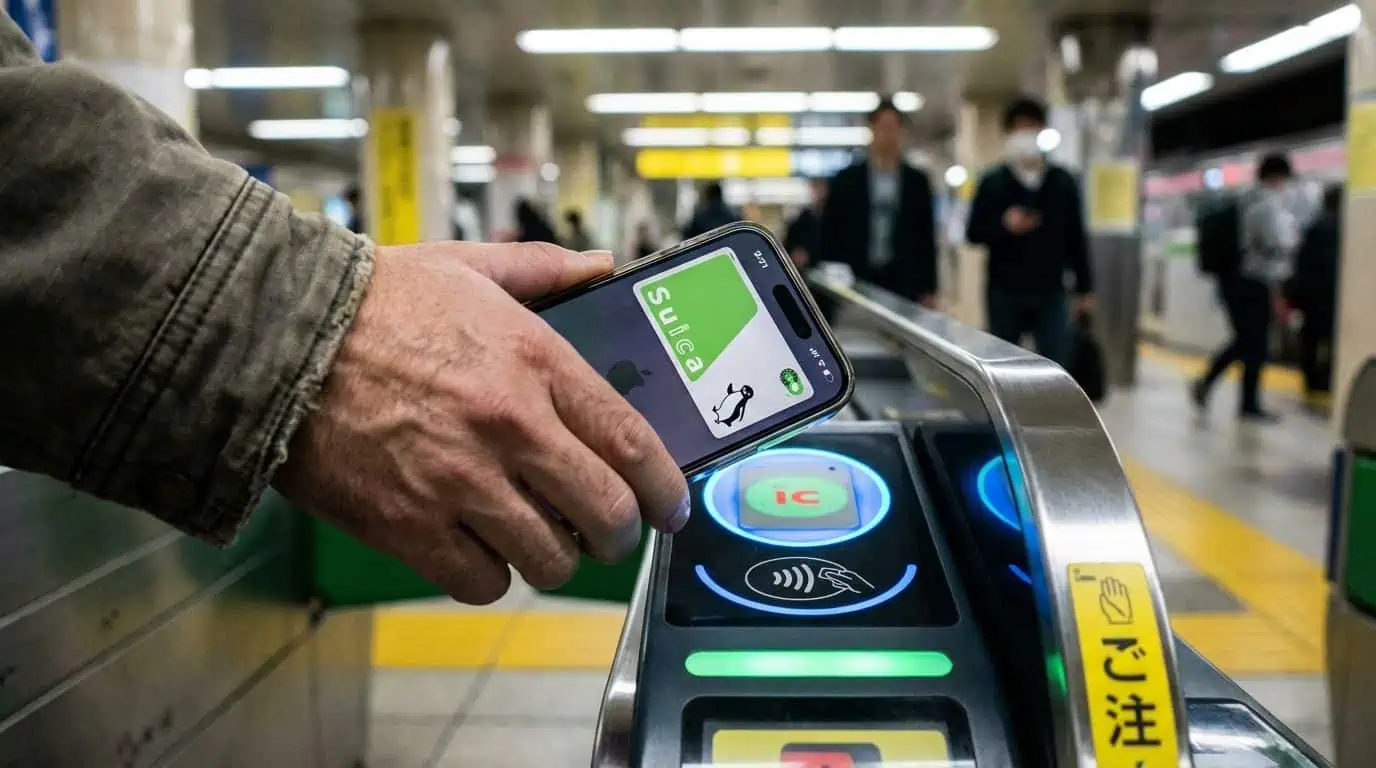
And yes, the shortage is over. As of March 2025, you can buy standard IC cards like Suica or Pasmo again. If you have an iPhone, adding a digital Suica to your Apple Wallet is still the fastest move—just load it with a Mastercard or Amex and tap your phone at the gate.
Solo-friendly dining and activities
Forget the awkwardness of asking for a “table for one.” Japan invented solo dining. Chains like Ichiran Ramen feature “flavor concentration booths”—individual cubicles meant for focusing entirely on your noodles. It’s perfect for solo travelers.
Another favorite of mine is Yakiniku Like, a chain where you get your own personal mini-grill to cook beef just for yourself. No sharing required.
Entertainment is the same way. I love hitting up “Hitokara” (solo karaoke) spots where you rent a booth just for yourself to belt out songs. Even visiting an onsen (hot spring) is a solitary, meditative experience where silence is golden. You fit right in.
Unique cultural experiences
Being alone opens doors. I’ve found that locals are more likely to strike up a conversation with a solo guy than a loud group. I once joined a zazen meditation session at a temple in Kyoto early in the morning; the silence was powerful.
You can also collect “Goshuin”—hand-calligraphed stamps from temples and shrines—in a special book. It gives you a mission for your solo wanderings.
One evening, I joined a tour with One Life Adventures Japan and ended up singing karaoke with a group of strangers who quickly became friends. Activities like kendo classes or tea ceremonies often have spots for singles, so you never miss out.
Essential Preparations Before Traveling
A little prep goes a long way. Japan is efficient, but it loves rules and paperwork. Getting your digital docs sorted and your internet ready before you fly will save you hours at the airport.
Get your travel documents in order
First, check your passport expiration; you need it valid for your whole stay. For US, Canadian, and UK citizens, you get a 90-day visa-free entry automatically.
The game-changer for 2025 is Visit Japan Web. This official site lets you fill out your immigration and customs forms before you leave home. You get a QR code to scan at arrival, letting you breeze past the people filling out paper forms at the counter.
If you plan to stay longer and work remotely, look into the Digital Nomad Visa introduced recently, though it has strict income requirements. For most of us, the standard tourist entry is plenty.
Book accommodation early
I cannot stress this enough: book early. During peak seasons like cherry blossoms (sakura) in late March, hotels fill up 3 to 6 months in advance. I once waited too long and paid double for a tiny room.
For solo guys, look for “Business Hotels.” Chains like APA Hotel, Dormy Inn (famous for free late-night ramen), and Super Hotel offer compact, clean single rooms for a great price.
Hostels are also a solid option, with high-end “poshtels” offering great design. Booking your train from Kyoto to Tokyo is easier when you know exactly where you’re sleeping on the other end.
Purchase an eSIM or pocket Wi-Fi
You need data the moment you land. Public Wi-Fi exists but it can be spotty. I highly recommend an eSIM if your phone is unlocked. Brands like Ubigi and Airalo have excellent coverage in Japan and are often cheaper than roaming.
For example, a 10GB plan on Ubigi might cost around $17, whereas a pocket Wi-Fi rental can run $5-8 per day. However, if you have multiple devices, a pocket Wi-Fi from Ninja WiFi is still a workhorse.
Having reliable internet is non-negotiable for translating menus and navigating the subway.
Understand Japan’s cash-based economy
Here is a critical tip for 2025: Japan issued new banknotes in July 2024. While they look great, many older ticket machines at ramen shops and drink vending machines still do not accept them.
I always keep a stash of the “old” 1,000 yen notes or plenty of 100 and 500 yen coins for these machines. 7-Eleven ATMs accept almost all foreign cards, but watch out for fees.
While contactless payments are growing, cash is still king in rural areas and small izakayas. I use a Wise card to pull out cash with lower fees, and I keep a coin purse because you will accumulate a lot of metal.
How to Plan Your Solo Trip
Timing is everything. You don’t want to accidentally land in Kyoto during a national holiday when every hotel is booked. A smart itinerary balances the big hits with some quiet days.
Decide when to visit based on seasonal highlights
Avoid Golden Week (late April to early May) at all costs. Domestic travel spikes, and prices skyrocket. It is not worth the hassle.
Late March for cherry blossoms is iconic, but expect crowds. Personally, I love mid-May or late November. May has perfect weather and fewer crowds, while November brings stunning autumn leaves (koyo) that rival the sakura.
If you don’t mind the heat, summer has amazing festivals (matsuri), but be ready for intense humidity. Winter is great for skiing in Hokkaido or seeing the snow monkeys, and hotel rates are usually lower.
Choose airports strategically for your itinerary
For Tokyo, Haneda Airport (HND) is the winner. It is a quick 30-minute train ride to the city center. Narita (NRT) is much further out—about an hour by express train.
If you are planning to visit Kyoto and Osaka first, fly into Kansai International Airport (KIX). It saves you the cost and time of a bullet train ride from Tokyo. “Open-jaw” tickets (fly into Tokyo, out of Osaka) are a pro move to avoid backtracking.
Determine if the JR Rail Pass is worth it
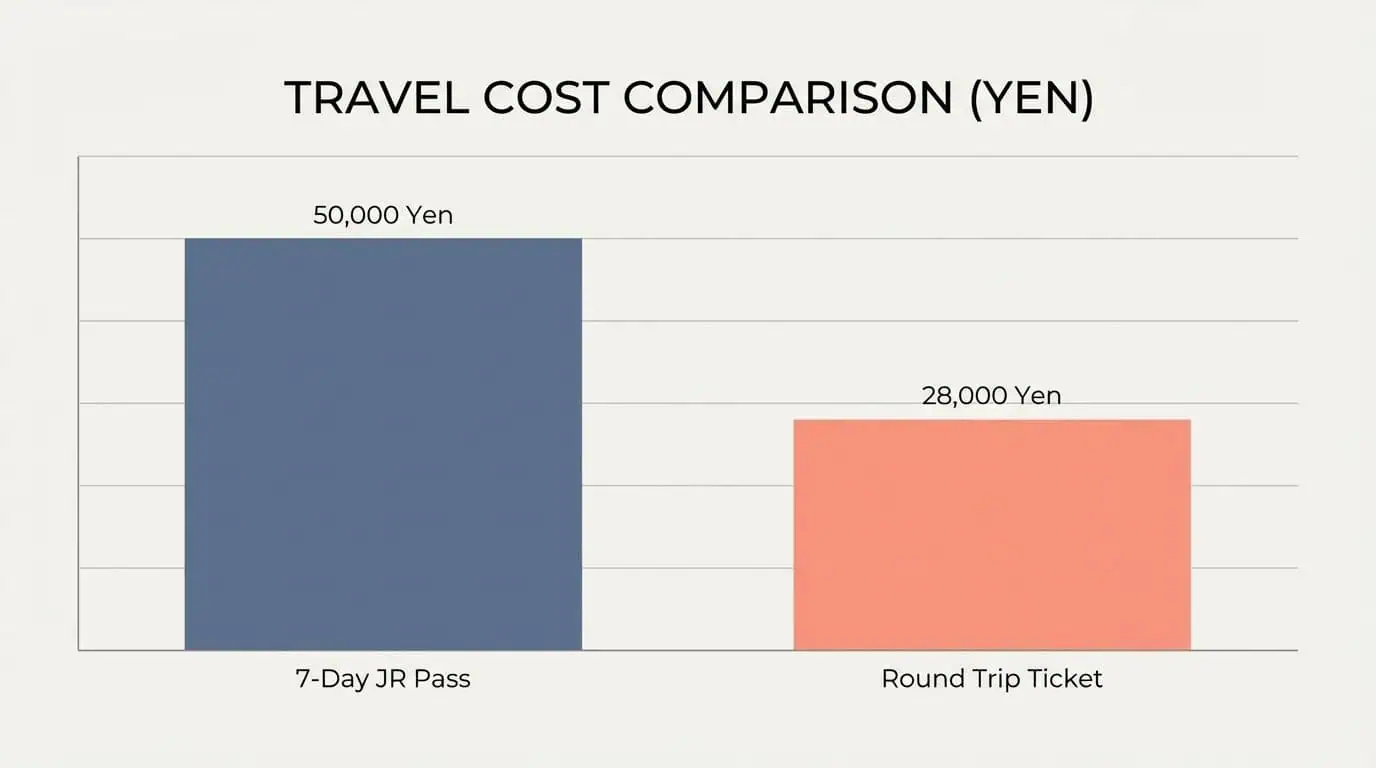
This is the big question for 2025. Since the price hike to 50,000 yen (~$335) for a 7-day pass, it is rarely worth it for a standard Tokyo-Kyoto round trip, which only costs about 28,000 yen.
I recommend using the SmartEX app to buy single Shinkansen tickets. It’s easy, often gives you discounts for booking early (Hayatoku fares), and lets you change your train time on your phone.
However, if you plan to visit Tokyo, Kanazawa, Kyoto, and Osaka, check out the Hokuriku Arch Pass. It is cheaper than the full nationwide pass and covers a great route. Regional passes are where the real value is now.
Book attractions and activities in advance
Spontaneity is great, but not for Shibuya Sky or the Ghibli Museum. These tickets sell out weeks, sometimes months, in advance.
For Ghibli Park near Nagoya, international ticket sales open months ahead and vanish instantly. Even TeamLab Planets in Tokyo requires booking a few weeks out to get a good time slot.
Set a reminder on your phone for when tickets go on sale. Most official sites accept foreign credit cards now. It’s better to have the ticket and not need it than to stand outside the Nintendo Museum wishing you had booked.
Best Accommodation Options for Solo Male Travelers

You don’t need a honeymoon suite. Japan offers incredible single-traveler options that are clean, safe, and often include cool perks like on-site baths.
Business hotels for convenience and affordability
Business hotels are my go-to. They are designed for solo Japanese salarymen, so they are efficient and quiet. Chains like Sotetsu Fresa Inn and Tokyu Stay (which often has a washer/dryer in the room) are fantastic.
Prices usually range from $50 to $100 a night. My personal favorite is Dormy Inn. Almost every location has a natural hot spring bath on the top floor and serves free “Yonaki Soba” (soy sauce ramen) to guests every night between 9:30 PM and 11:00 PM.
Capsule hotels for a unique experience
If you haven’t stayed in a capsule, try it for at least one night. Modern chains like Nine Hours look like spaceships. You get a locker for your bags, cool pajamas, and a sleeping pod.
For something more upscale, try Anshin Oyado. It’s a male-only luxury capsule chain that offers free drinks, massage chairs, and artificial hot springs. It’s a man-cave paradise for about $40 a night.
Hostels for meeting fellow travelers
Hostels in Japan are shockingly clean. Nui. Hostel in Tokyo and Len in Kyoto are stylish spots with coffee bars downstairs where it’s easy to meet people.
If you want to socialize, this is the way to do it. You can grab a bunk for $25-$35. Just bring earplugs, as walls can be thin. It’s the best way to find a dinner buddy if you’re tired of eating alone.
Ryokans offering single-person plans
Staying in a traditional inn (ryokan) usually requires two people, but that is changing. Places like Ryokan Sawanoya in Tokyo specifically cater to international solo travelers.
Look for “Ohitorisama” (one person) plans on booking sites. You get the full tatami mat and yukata experience without the “couples only” vibe. It’s a great way to recharge after the chaos of the city.
Getting Around Japan Solo
The transit system is a masterpiece. Once you understand the basics of IC cards and navigation apps, you will feel like a local in no time.
Use trains and buses for efficient travel
Subways cover the cities, and Shinkansen cover the country. For local travel, just follow the color-coded lines on Google Maps. Note that rush hour (7:30 AM to 9:00 AM) in Tokyo is no joke—trains are packed to 200% capacity.
Buses are useful in Kyoto. You usually enter from the back and pay at the front when you leave. Keep an eye on the screen at the front of the bus; it displays the fare and the next stop in English.
Purchase IC cards like Suica or Pasmo
Great news for 2025: Physical Suica and Pasmo cards are back on sale! You can buy them at ticket machines in major stations again. If you prefer not to carry a card, the Welcome Suica (available at airports) is a tourist version valid for 28 days with no deposit.
For iPhone users, the absolute easiest method is adding a Suica to your Apple Wallet. You don’t need a physical card to do this. Just open your Wallet app, tap the plus sign, select “Transit Card,” choose Suica, and load it with funds. You just tap your phone on the gate reader—no FaceID required.
Navigation tips for accurate transit planning
Google Maps is essential, but I also recommend the Japan Travel by Navitime app. It’s particularly good if you have a Rail Pass, as you can filter routes to show only trains covered by your pass.
Pay attention to the Exit Number (e.g., Exit B4). Stations like Shinjuku are massive underground labyrinths. If you take the wrong exit, you might be 20 minutes away from your destination. Follow the yellow signs!
Dining Alone in Japan
If you are worried about eating alone, don’t be. In Japan, it’s often preferred. You will see businessmen, students, and travelers dining solo everywhere.
Counter seating at ramen and sushi shops
Counter seats are the norm. At Sushiro or Kura Sushi (conveyor belt sushi chains), you check in on a screen, get a seat number, and order via tablet. You can eat 10 plates of sushi for under $15 and never speak to a soul.
For curry, CoCo Ichibanya is legendary. It has counter seats with outlets to charge your phone while you eat. Customizing your spice level and toppings is part of the fun.
Try meals from convenience stores (konbini)
The “Konbini” (7-Eleven, Lawson, FamilyMart) is a food paradise. My go-to quick lunch is the Famichiki (boneless fried chicken) from FamilyMart or the famous egg salad sandwich from Lawson.
They are open 24/7. If you are jet-lagged at 3 AM, a bento box warmed up by the clerk is a comfort meal like no other. It’s cheap, delicious, and requires zero reservation stress.
Explore izakayas for local cuisine
Izakayas are Japanese pubs. While they are social, many have counters for solo drinkers. Torikizoku is a popular chain where every item is the same low price (around 370 yen). You order on a tablet, making it super easy for non-Japanese speakers.
If you want a deeper experience, check out the Shinjuku Bar Hopping Tour. It helps you navigate the tiny alleys of Golden Gai, where bars only seat 6 people and cover charges can be confusing for first-timers.
Activities Perfect for Solo Travelers
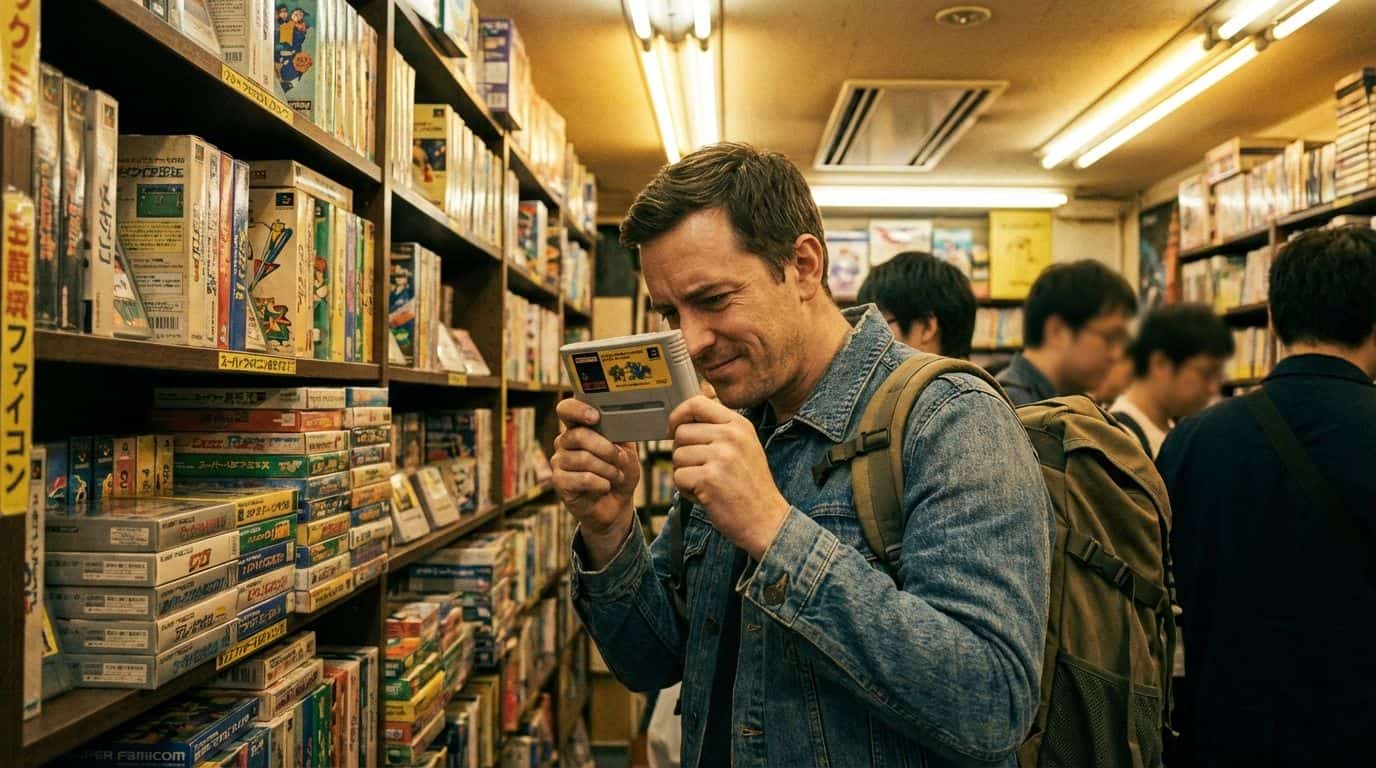
When you are solo, you can indulge in whatever niche hobby you like. Want to hunt for vintage vinyl or play retro arcade games for four hours? Go for it.
Explore Tokyo’s districts like Shibuya and Akihabara
Shibuya is pure energy. After the crossing, head up to Shibuya Sky for the best view in the city (book ahead!). For a cooler, laid-back vibe, take a train to Shimokitazawa. It’s the hipster capital, full of vintage clothing stores and small coffee roasters.
In Akihabara, go to Super Potato for retro video games or explore the multi-story arcades (Game Centers). It’s a judgement-free zone for geeks. Solo karaoke booths and manga cafes are everywhere here.
Visit Kyoto’s temples and gardens
Kyoto is best enjoyed slowly. Walk the Philosopher’s Path early in the morning for a quiet, meditative start. The Fushimi Inari shrine is open 24/7; go at night (after 8 PM) to walk through the spooky, lit-up torii gates without the crowds.
For a unique solo activity, rent a bike. Kyoto is flat and bike-friendly. You can zip between temples faster than the bus and explore hidden backstreets.
Hike around Mt. Fuji or the Japanese Alps
If you aren’t climbing Fuji itself, visit Lake Kawaguchiko. Renting an electric bike and cycling around the lake gives you incredible views of the mountain. The Chureito Pagoda offers that classic “pagoda and Fuji” photo, but be ready for a steep stair climb.
For the Alps, Kamikochi is stunning. It’s a resort valley in the Northern Alps with flat, easy walking trails along the river. It’s very accessible for solo travelers and feels like the Switzerland of Japan.
Experience traditional onsen (hot springs)
You cannot visit Japan without trying an onsen. Kusatsu Onsen in Gunma is famous for its healing waters. If you have tattoos, be careful—many public baths still ban them.
Look for “tattoo-friendly” spots or use cover patches. Kinosaki Onsen is a town where you can walk around in a yukata and hop between seven different public baths. It’s a great solo adventure.
Cultural Tips and Etiquette
Japan runs on respect. Showing that you are trying to follow the rules goes a long way. You don’t need to be perfect, just considerate.
Learn basic Japanese phrases
You don’t need to be fluent, but three words will save you daily: “Sumimasen” (Excuse me / Sorry), “Arigatou Gozaimasu” (Thank you very much), and “Kudasai” (Please).
Use “Sumimasen” for everything—calling a waiter, apologizing for bumping into someone, or asking for help. Google Translate’s camera feature is also a lifesaver for reading menus and washing machine buttons.
Respect quiet spaces like trains and temples
Trains are libraries on wheels. Keep your phone on “Manner Mode” (silent) and avoid talking on the phone. If you need to work, look for the “S Work” car on the Shinkansen, which is designated for business travelers using laptops.
At temples, take off your hat and sunglasses. It’s about showing respect to the space and the people praying there.
Follow shoe removal customs
If you see a sunken entryway (Genkan) or slippers lined up, take your shoes off. This applies to ryokans, some izakayas, and even dressing rooms in clothing stores.
Never step on the tatami mats with slippers—socks or bare feet only. It’s a hygiene thing that is strictly enforced.
Safety Tips for Solo Travelers
Japan is safe, but it’s not a utopia. There are specific traps that target tourists, mostly in nightlife areas.
Be cautious in entertainment districts
In places like Kabukicho (Shinjuku) and Roppongi, you will see “touts”—guys on the street trying to get you into their bar. Never follow them.
They often lead you to “Bottakuri” bars where they spike your drink and charge your credit card thousands of dollars. It’s the most common serious scam in Japan. Stick to places you find on Google Maps or reliable guides.
Check this guide on how to travel anonymously if you want extra privacy tips.
Avoid overpacking your itinerary
Tokyo is huge. Trying to do Shinjuku, Shibuya, and Asakusa in one day is a recipe for burnout. Pick one major neighborhood per day and explore it thoroughly.
Leave room for getting lost. Some of my best finds were random shops I stumbled into while looking for something else.
Keep your belongings secure in crowded areas
While pickpocketing is rare, don’t tempt fate in jammed places like Takeshita Street in Harajuku. I use a simple carabiner to clip my backpack zippers together when I’m in a crush of people.
If you do lose something, go to the nearest Koban. The odds of someone having turned it in are surprisingly high.
Budgeting for Your Solo Trip
Japan doesn’t have to break the bank. With the yen currently weaker against the dollar, your money goes further than you think.
Use public transit for cost efficiency
Taxis are expensive. A 20-minute ride can cost $30. Stick to trains and buses. The Tokyo Subway Ticket (available for 24, 48, or 72 hours) offers unlimited subway rides for a very low price and is exclusive to tourists.
For long distances, night buses (Willer Express) are a budget traveler’s best friend. You can get from Tokyo to Osaka for under $40 and save on a night’s hotel.
Eat at affordable local spots

You can eat like a king for $10. Beef bowl chains like Matsuya, Sukiya, and Yoshinoya serve hearty meals for around 500 yen ($3.50). They are tasty, fast, and open late.
Supermarkets discount their bento boxes and sushi by 20-50% after 7 PM. Look for the discount stickers—it’s a daily ritual for locals.
Save by staying in hostels or capsule hotels
Alternating between business hotels and hostels keeps costs down. A night at a Manga Cafe (like Kaikatsu Club) is another ultra-budget option. You get a private booth with a computer and reclining seat for about $15 a night, plus free soft drinks.
It’s not luxury, but it works in a pinch if you miss your last train.
Common Challenges of Solo Travel in Japan
It’s not all perfect. There are moments of loneliness and confusion, but they are easy to manage with the right mindset.
Limited single-room options at certain accommodations
Some traditional ryokans still charge for two people even if you are alone. Always filter for “single room” or check cherry blossom season guides for solo-friendly lists.
Booking via Japanese sites (using browser translation) like Rakuten Travel sometimes unlocks rooms that aren’t listed on Western booking sites.
Difficulty getting photos of yourself
If you don’t want a camera roll full of selfies, bring a small tripod. Japan is very safe, so setting up a tripod for a timer shot is generally fine, as long as you aren’t blocking traffic.
Asking people to take your photo is also easy. Just say “Shashin, OK?” and hand them your phone. They will usually help.
Navigating areas without English signage
In rural areas, English disappears. Google Lens is your best friend here. Point your camera at a menu or sign, and it translates instantly.
Download the VoiceTra app—it’s a translation app developed by the Japanese government that is surprisingly accurate for speech.
Sample Solo Travel Itinerary in Japan
Here are a few ways to structure your time depending on what you’re into.
One week: Tokyo, Kyoto, and Mt. Fuji
Start in Tokyo (3 days). Hit the neon lights of Shinjuku and the history of Asakusa. Then, take the bus to Kawaguchiko (1 day) for Fuji views and a bike ride. Finish in Kyoto (3 days) for temples and bamboo groves.
Use the SmartEX app for your Shinkansen tickets to keep it flexible.
Two weeks: Add Osaka and Hiroshima
After Kyoto, head to Osaka (2 days) for the food scene in Dotonbori. Day trip to Nara to see the deer. Then, take the Shinkansen to Hiroshima (1 day) for the Peace Park and Miyajima Island.
Miyajima is magical at night when the day-trippers leave, so consider staying overnight there.
Three weeks: Explore Hokkaido or Kyushu
Head north to Hokkaido for nature and seafood, or south to Kyushu for hot springs and ramen. Fukuoka in Kyushu has famous “Yatai” (street food stalls) that are incredibly social and welcoming to solo diners.
Four weeks: Include the Japanese Alps and more onsen time
Take the “New Golden Route” via Kanazawa and Takayama. See the thatched-roof villages of Shirakawa-go. This route takes you through the mountains and offers a completely different vibe from the coastal cities.
How Will Solo Travel in Japan Change in 2025?
The biggest shift is technology smoothing out the edges. With Apple Pay Suica and apps like GO Taxi (which works like Uber), the language barrier is lower than ever.
We are also seeing a rise in “experience-based” tourism. Instead of just sightseeing, people are booking ramen-making classes or sword-smithing workshops. These are great for meeting people.
Japan knows it’s a solo travel haven, and in 2025, they are making it easier than ever for us to explore. So pack your bag, download your maps, and go. You’ve got this.
People Also Ask
Is Japan safe for a man traveling alone?
Japan ranked 12th on the 2025 Global Peace Index, making it one of the safest destinations on earth for solo guys. You can comfortably walk through cities like Tokyo at night, and if you lose your wallet, the highly effective *koban* (police box) system means you’ll likely get it back with the cash still inside.
What should I pack for solo travel in Japan as a man?
Japanese outlets are exclusively 2-prong Type A, so you must pack a 3-to-2 prong adapter if your US electronics have a third grounding pin. I also strongly recommend bringing your own supply of deodorant, as local brands have much lower aluminum concentrations that often don’t work well for Western men during humid summers.
How do I meet people or make friends while traveling alone in Japan?
Booking a bed at a well-known social hub like Nui. Hostel in Tokyo is the single easiest way to instantly connect with other travelers for dinner or drinks.
Are there any cultural tips men should know before visiting Japan solo?
Never tip at restaurants or bars, as it causes confusion rather than gratitude; just say “gochisousama” (thank you for the meal) when you leave. Also, bring waterproof skin-colored tape to cover any tattoos, because many traditional *onsens* (hot springs) will strictly deny you entry if you have visible ink.