
Most guys struggle with how to make friends after college. The campus social scene disappears almost overnight, and your daily contact with classmates just ends. Suddenly, meeting new people feels ten times harder than it ever did before.
This isn’t just a feeling; it’s a well-documented challenge. But there are proven ways to build a great social circle as an adult. These tips work whether you have social anxiety, just moved to a new city, or simply feel stuck.
Key Takeaways
Join groups built around your hobbies, like local book clubs, fitness classes at places like F45, or sports leagues found on Meetup. Seeing the same people regularly is the secret to building real bonds.
Use online platforms like Discord servers and gaming communities to connect with people who share your interests. A 2022 Pew Research Center study found that 1 in 10 married or committed adults met their partner online, and similar principles apply to making friends.
Your workplace is a natural place to find friends. According to Gallup research, having a best friend at work leads to higher engagement and happiness.
Reach out to old friends and classmates through social media or alumni networks. Research from Harvard shows that reconnecting with these “dormant ties” can bring new perspectives and a renewed sense of identity.
Use friend-finder apps designed for platonic connections, like Bumble For Friends, or browse local Facebook Groups. A Pew Research Center report found that about 60% of adults have formed close friendships through introductions from mutual connections, which these apps can help facilitate.
Table of Contents
Explore Shared Interests
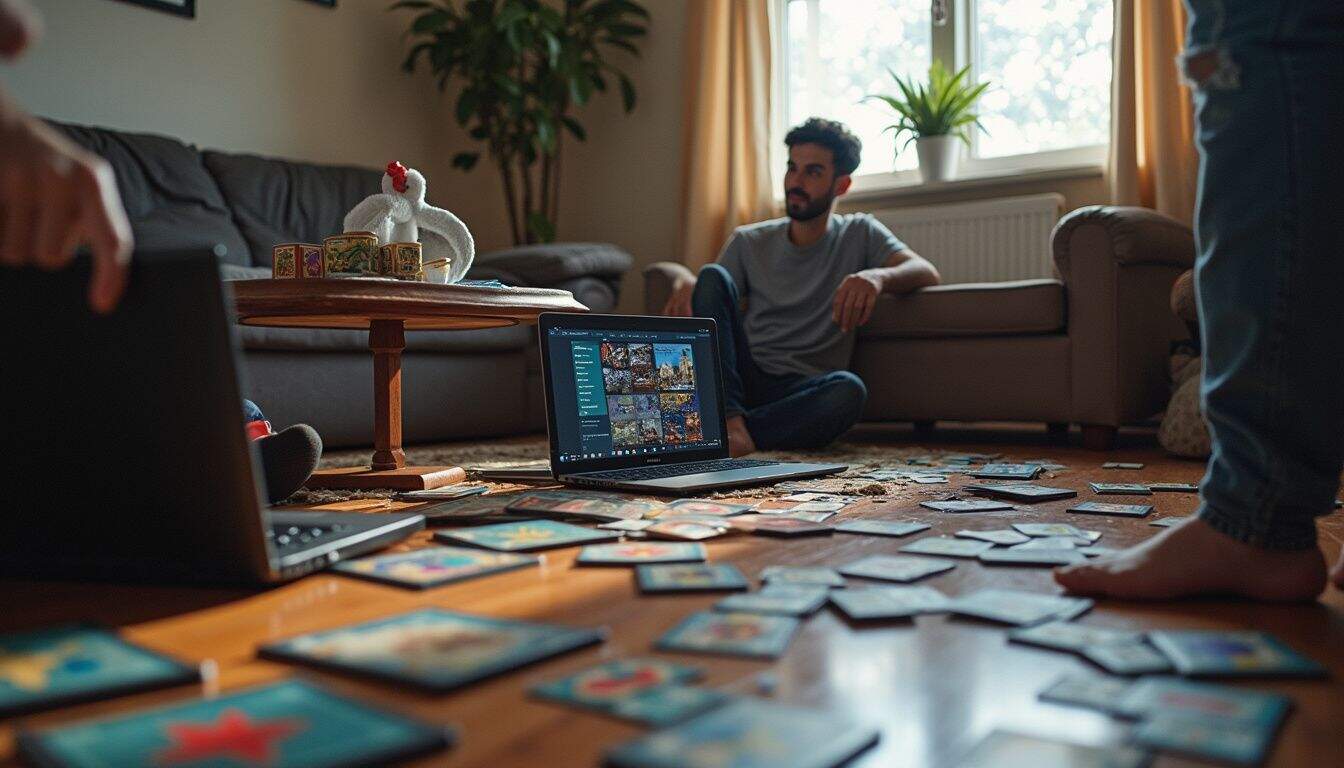
Common hobbies create instant connections. It’s far easier to chat with someone while learning a new skill in a pottery class than trying to make small talk at a bar.

A University of Kansas study found it takes around 50 hours of interaction to turn an acquaintance into a casual friend. Shared activities are the fastest way to log those hours.
Take a class or join a hobby group

Classes and hobby groups give you the best shot at building adult friendships. The secret is the consistent, low-pressure environment with people who already like what you like.
- Sign up for a class at a community center or a workshop at a place like General Assembly for coding. These classes often run for several weeks, giving you plenty of time to get to know your classmates.
- Join a local book club or a board game group. These activities naturally lead to deeper conversations and give you a built-in reason to meet up regularly.
- Try a fitness boot camp or a running club like the November Project. You can bring an old friend and ask them to bring someone new to grow your circle even faster.
- Play group sports through apps like Meetup.com. Basketball, soccer, and softball leagues are always looking for new players of all skill levels, so don’t worry if you’re not a pro.
- Online gaming communities on platforms like Discord servers are perfect for video game fans. Gamers bond quickly over team strategy and shared victories.
- Try a meditation workshop or a mindfulness course. These improve your thinking and mental health while connecting you with others focused on personal growth.
- Check out weekend seminars or workshops on topics that interest you. These events attract passionate people who are often open to making new friends.
These groups provide a structured way to build friendships that can last long after the class or season ends.
Attend group workout sessions or sports activities

Group workouts are one of the most effective ways to make friends while also improving your health. They provide a powerful combination of social support and shared challenge.
- Group fitness classes at studios like Orangetheory or F45 offer ready-made social support. The person next to you can become a workout partner who helps you stay motivated.
- Research from 2021 published in the *International Journal of Environmental Research and Public Health* found that group exercise significantly reduces loneliness.
- You’ll experience five types of support in these groups. This includes emotional support from sharing laughs, validation from cheering each other on, and companionship when you grab a smoothie after class.
- In my own life, I made two of my closest friends in a city cycling club. Nothing bonds people faster than struggling up the same hill together every Saturday morning.
- Sports leagues for basketball, soccer, or even pickleball encourage post-game hangouts. This is where friendships are often solidified over beers or burgers.
- Team sports naturally break the ice for guys who might be shy. You always have something to talk about, whether it’s the game plan or a great play.
- Science shows that being part of a group workout helps build a stronger identity as a “fit person.” This confidence boost can make you more approachable in other social settings too.
- Your workout buddies provide accountability. A 2023 study confirmed that this social support is key to maintaining long-term physical activity.
- Apps like Strava and Meetup can connect you to running squads or ultimate frisbee teams right in your neighborhood.
- It’s normal to feel nervous before your first session. Just remember that taking that first step puts you way ahead of most people who are trying to figure out how to make friends after college.
Fitness groups do more than just improve your health. They are a gateway to meaningful friendships with people who share your drive.
Join online gaming communities and Discord servers
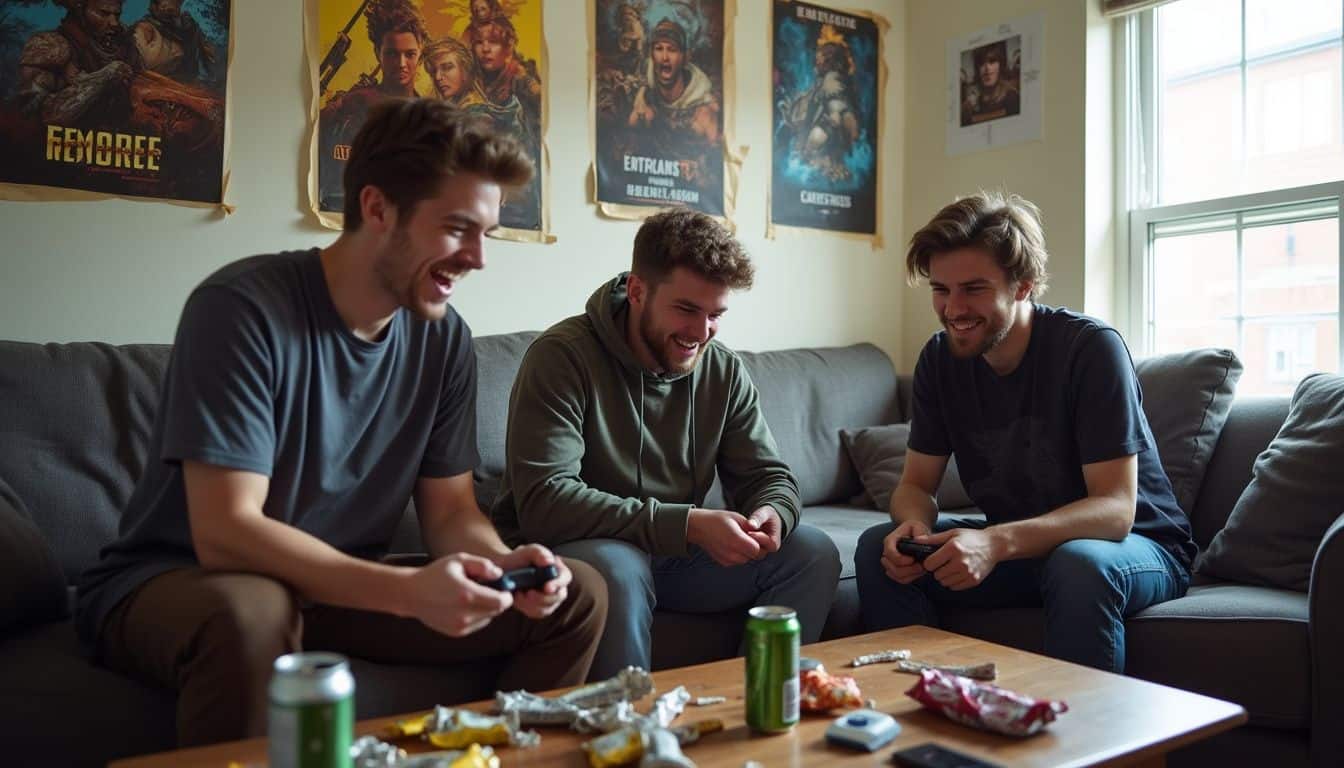
Online gaming and Discord offer an easy way to make friends after college because they’re built on shared experiences. Working together to win a match in *Call of Duty* builds connections fast.
- In gaming groups, nobody cares about your job title. The playing field is level for everyone, which makes it easy to connect with people from all walks of life.
- One study found that nearly 39% of people make friends through online gaming, proving that virtual connections can become very real bonds.
- Discord is like a digital community center. Thousands of servers exist for everything from specific games like *Fortnite* to hobbies like stock trading or fitness.
- Research has shown that Discord supports learning new skills together. Players can master chess openings or get cryptocurrency tips in specialized channels.
- Many gaming communities schedule regular game nights. These weekly sessions allow you to consistently connect with people from other cities or even countries.
- Gaming friendships have no distance limits. Your next best friend could be in New York, Tokyo, or a small town you’ve never even heard of.
- Mental health experts often note that these online connections can combat loneliness and boost self-esteem, which is especially helpful after graduation.
- While dating apps focus on romance, gaming platforms put friendship first. A bond formed over a tough video game level can often be more genuine and lasting.
- I spend some of my free time in online crypto casinos. I’ve made several friends who are now my go-to crypto casino experts. Winning and losing together creates a strong bond.
- For more tips on finding your squad, you can check out this guide on making gaming friends online.
Attend Events and Social Gatherings

Social events create natural opportunities for friendship. Getting out there consistently keeps your social skills sharp and opens doors to new connections.

Join community clubs or interest groups

Life after graduation can feel isolating. Local clubs and interest groups help you connect with people over shared activities without any awkward pressure.
- Weekend woodworking clubs let you build something cool while you chat with others. You don’t need any special skills, just a willingness to learn.
- Volunteering for an organization like Habitat for Humanity connects you with people who share your values. Working side-by-side on a project builds teamwork and camaraderie.
- Community college courses on topics you find interesting can introduce you to like-minded people. Evening classes in photography or a new language are great options.
- Local recreational sports leagues are available in almost every city for sports like soccer, basketball, and bowling. They bring neighbors together on a weekly basis.
- Photography clubs are perfect for both tech lovers and nature enthusiasts. Group photo walks make it easy to start conversations about camera gear or beautiful locations.
- Toastmasters helps you build public speaking confidence while growing your social circle. The meetings are incredibly supportive, even for shy people.
- Chess nights at local libraries or coffee shops combine friendly competition with real conversation.
- Online communities on Discord or Meetup often schedule monthly in-person hangouts, giving you the best of both worlds.
- Mental health professionals agree that hobby groups support emotional well-being by creating a sense of belonging and fighting loneliness.
Attend local events and meetups

Finding a good club is a great start. The next step is to jump into local events and “third places,” a term sociologists use for places outside of home and work where communities are built.
- Community centers often host regular meetups like trivia nights or pancake breakfasts. Check the bulletin board at your local library for flyers.
- Many city parks schedule outdoor movie nights or free concerts during the summer. These are relaxed environments where it’s easy to strike up a conversation.
- If you’re religious, services or study groups provide weekly face time with new people. One survey found that 27% of Americans have made friends at faith-based gatherings.
- Volunteering for community service projects builds trust quickly. You’ll bond with people while working together to clean up a park or help at a local event.
- Local Facebook groups and city-specific subreddits (like r/AskNYC) are great for finding out about street fairs and pub crawls. Following hashtags like #DallasEvents can also lead you to fun activities.
- Many towns now use interactive maps on social media to highlight events like car shows and farmer’s markets. I once found a taco festival this way and ended up making two new friends.
- Friend finder apps like Meetup list tons of in-person events, from dodgeball tournaments to fantasy sports drafts.
- Some cities even run digital scavenger hunts. My neighbor in Austin won a year’s supply of free coffee by finding hidden QR codes at local shops, and he met a bunch of people along the way.
How to Make Friends After College by Building Connections at Work

The break room offers more than just coffee. Small talk there can grow into real friendships, and company Slack channels or LinkedIn groups can create easy paths to finding your work buddies.

Get to know your coworkers

Making friends at work can feel tricky, but the rewards are huge. Gallup polls consistently show that people with a best friend at work are significantly more engaged and productive.
- Start with small talk near the water cooler or coffee machine. A simple “How’s your day going?” is an easy way to break the ice.
- Ask for recommendations for lunch spots or favorite food trucks nearby. Food is a universal topic that everyone can talk about.
- If you’re invited to a happy hour or team outing, make an effort to go. These events are designed to help people connect outside of a formal work setting.
- Use your weekend plans as a conversation starter. This shows that you’re friendly and approachable.
- Offer to help with a small task, especially if you see a coworker is busy. People always appreciate the support.
- Join the non-work-related channels on your company’s Microsoft Teams or Slack. This is where you’ll find out who else is into a TV show you love or follows the same sports team.
- Join an Employee Resource Group (ERG). Many companies have ERGs for young professionals, veterans, or employees with shared interests, which are designed for networking.
- Laugh at the workplace memes shared on Discord or in group chats. Humor is one of the fastest ways to build a bond.
- Step outside your comfort zone and invite someone for a “coffee walk.” A 15-minute walk is more dynamic and less formal than sitting in the break room.
Network within your professional circle

After connecting with your immediate coworkers, expanding your professional circle is a natural next step. Meeting people in your wider industry can lead to strong friendships and new opportunities.
- Attend networking events hosted by professional organizations like the American Marketing Association. You’ll meet people with similar goals who are also looking to connect.
- Volunteer for cross-departmental team projects at work. These projects can spark quick bonds with people you wouldn’t normally interact with.
- Use LinkedIn to connect with other local professionals in your field. I once messaged a guy to compliment a project he posted, which led to lunch and a lasting friendship.
- Join industry-specific online forums, like Reddit communities or Slack workspaces. Members often share advice and sometimes organize local meetups.
- Sign up for events through your university’s alumni club. According to one Pew Research poll, 73% of post-college men said these gatherings helped them make new friends.
- Start a weekly coffee meetup and invite people from different departments. Everyone gets a chance to share fresh perspectives.
- Ask a mentor if they can introduce you to anyone who shares your interests, whether it’s sports, gaming, or hiking. A quick introduction can go a long way.
- Try friend finder apps like Meetup that have professional networking categories. This breaks the ice by focusing on a shared interest.
Networking is about more than just swapping business cards. It’s about building genuine connections with people who are facing similar challenges and opportunities.
Leverage Existing Relationships
Sometimes the easiest way to make new friends is by starting with the ones you already have. Your next great friendship might just be one text message away.
Reconnect with old friends or classmates

Reaching out to old friends can give you a major confidence boost and a stronger sense of belonging. The fear of it being awkward is usually much worse than the reality.
In fact, a 2022 study in the *Journal of Personality and Social Psychology* found that people consistently underestimate how much their old friends appreciate hearing from them.
- Send a simple text or DM to an old college friend. Short, direct messages like, “Hey, it’s been a while, how are you?” work best.
- Mention a specific memory you shared, like late-night Taco Bell runs or losing at *Mario Kart* in the dorms. This breaks the ice and shows you genuinely remember your time together.
- Suggest a low-key activity like grabbing coffee or meeting up at a local event. This makes it easy for the other person to say yes without feeling pressured.
- One Dutch study found that the average person’s social circle changes every seven years. Don’t wait too long to reconnect, as old ties can fade if they’re not maintained.
- As Harvard research shows, reconnecting with “dormant” ties can help you rediscover parts of your identity and even spark new interests.
- Most guys worry about rejection or feeling weird. But usually, it’s just nerves talking. Your old friends are likely just as busy as you are and would be happy to hear from you.
Ask friends to introduce you to new people

Once you’ve reconnected with old friends, you can take it a step further. Asking for introductions is one of the least awkward ways to meet new people.
- Your friends act as a bridge to new connections. They are essentially vouching for you, which builds instant trust.
- A 2023 report from the Pew Research Center found that about 60% of adults formed close friendships through introductions from mutual friends.
- Research also shows that people are 32% more likely to pursue a friendship when a trusted person makes the introduction.
- Ask your buddy if he knows anyone who shares your hobbies. Maybe he knows someone who plays basketball at his gym or is in a *Dungeons & Dragons* group.
- A simple way to do this is to host a “plus-one” party. Invite your friends to a BBQ or game night and ask each of them to bring one other person.
- One BBQ could mean meeting five new people in a relaxed environment. There’s no awkward small talk required when everyone is already having fun.
- An introduction can be as simple as, “Hey man, this is Sam, he also loves grilling and fantasy football.” That quick handshake is all you need to get a conversation started.
Use Technology to Your Advantage

Apps like Bumble For Friends and Meetup can connect you with people who share your interests. Social media groups for local gamers or hikers also create easy paths to new friendships.
Try friend finder apps

Meeting people after college graduation can feel awkward. I tested three friend finder apps for a month to see which ones actually work.
- Bumble for Friends lets you create a profile and match with other guys in your city who are also looking for friends. The interface is easy to use.
- Meetup is less about one-on-one matching and more about finding groups. You can find everything from hiking clubs to coding workshops.
- Patook is a strictly platonic friend-making app that uses a point system to help you find compatible people based on your interests.
- The key to success on these apps is a specific profile. Instead of saying “I like movies,” say “I’m looking for someone to debate the ending of *Inception* with.”
- Building real friendships takes time. Research suggests it takes about 200 hours of interaction to form a close friendship.
- My “friend dates” had mixed results. One guy talked only about fantasy football for two hours, but another became a solid gym buddy.
- Setbacks will happen. You’ll deal with last-minute cancellations and people who ghost after a few messages. Persistence is key.
Use social media to connect with local groups

Social media can be a powerful tool for making friends. I met a running buddy through a local Facebook Group, and we still hit the track together every week.
- Search for local Facebook Groups based on your hobbies, sports, or neighborhood. These groups are constantly posting about upcoming events and hangouts.
- Check the “Events” tab on Facebook or platforms like Eventbrite for real-life meetups near you. You can find trivia nights, group hikes, and BBQs.
- Find Discord servers for your city or specific interests like gaming, food, or fitness. These online communities often schedule real-world get-togethers.
- Join your neighborhood on Nextdoor. While it’s often used for local news, it’s also a great place to find out about block parties and community events.
- Participate in the conversation online before you go to an event. This can make the in-person meeting feel less like a cold introduction.
- Send a casual DM to someone who comments about an event you’re interested in. A simple “Hey man, you going to the pickup game on Saturday?” can get the ball rolling.
- Follow your city’s official Instagram account. They’ll post about community events like street fairs, volunteer days, and food truck rallies.
- Use Twitter hashtags like #DallasEvents or #PhillyGuysNight to find recurring local activities like poker nights or weekend car meets.
How Will Making Friends Change in 2025?
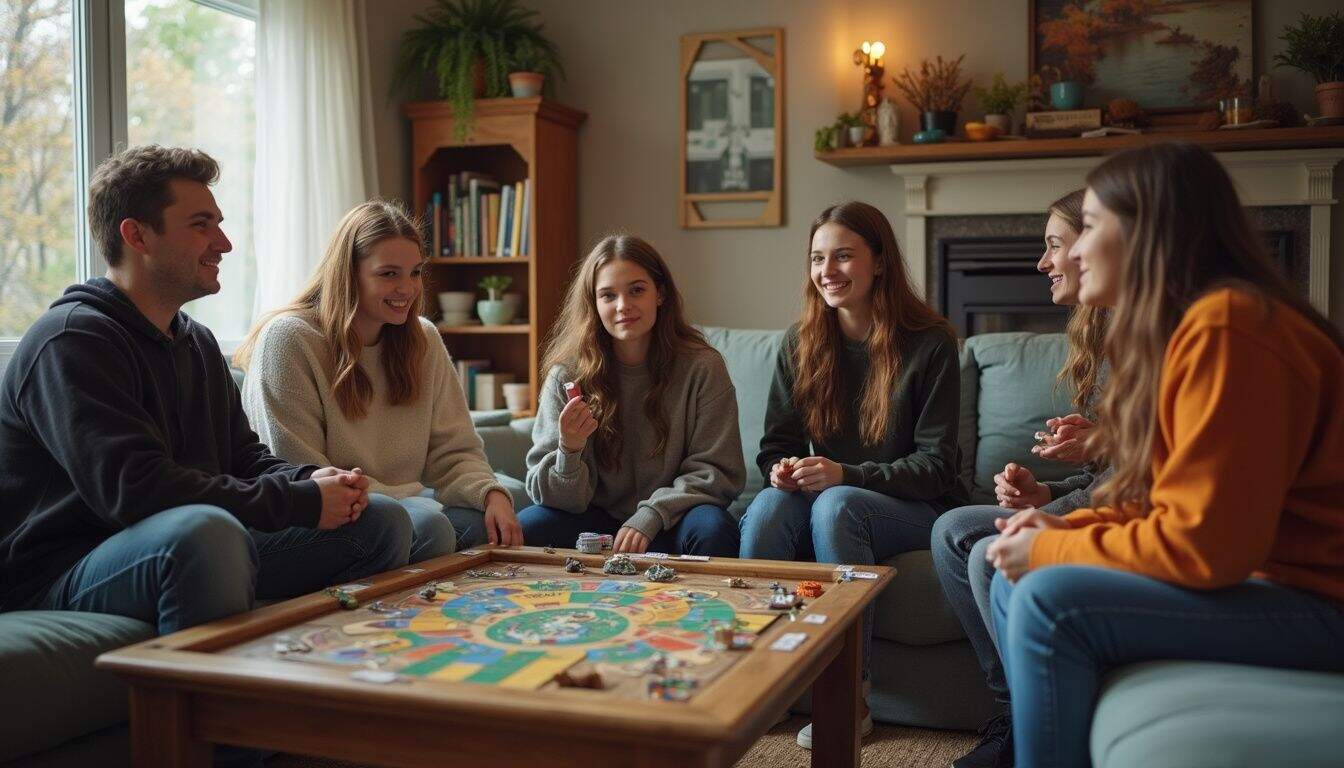 Making friends in 2025 will look a lot different than it did in college. Your social circles will likely be more diverse, including people from various age groups and backgrounds.
Hobbies will continue to be the main way people connect. We’ll see more hybrid communities, where a group might meet online on a platform like Geneva to discuss a shared interest and then organize quarterly in-person meetups.
My closest friend came from an online trivia night on a friend finder app. These kinds of events are becoming more and more common as tech makes it easier to connect.
People are using apps and social media for local interest communities rather than just endless scrolling. Friendships are shifting from random encounters to shared mini-adventures planned on TikTok or Reddit.
Post-college friendships are becoming more intentional. They often start with a shared goal, like running a marathon together or building a project with a Raspberry Pi kit.
People Also Ask
Why is it so hard to make friends after college?
After college, you lose the built-in social structure of campus life. Work schedules, moving to a new city, and other adult responsibilities make it much harder to meet people organically.
How long does it take to make a new friend?
A study from the University of Kansas found it takes about 50 hours of interaction to become a casual friend, 90 hours to become a real friend, and over 200 hours to become a close friend. The key is consistent time together.
How do I keep friendships strong when life gets busy?
Consistency is more important than grand gestures. A quick text, a funny meme, or scheduling a short phone call can keep the connection alive. Even five minutes of real conversation is better than months of silence.
What’s the best way to meet people in a new city?
Start with your hobbies. Use an app like Meetup to find groups for activities you enjoy, whether it’s hiking, board games, or coding. This ensures you’ll meet people you already have something in common with.