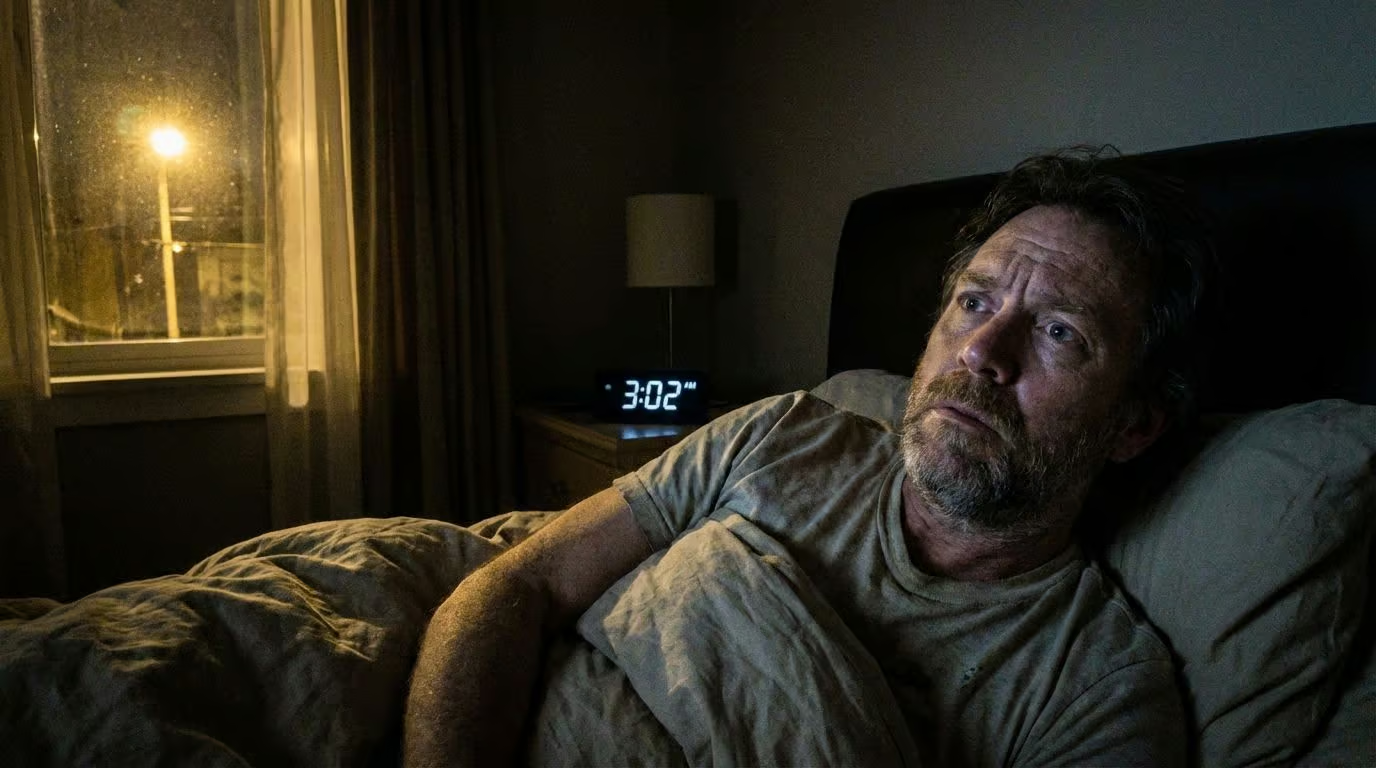
Ever feel like you’re losing your son to something you can’t quite see? You are not the only father lying awake at 3 AM wondering if that mood swing was just stress or something darker. Drug addiction affects millions of families, but for a dad, the inability to “fix” it can feel like a personal failure.
This guide is about action. We will break down the signs of substance use disorders, look at real treatment options like detox and therapy, and give you a plan that actually works.
We will also cover resources like Ridge RTC and SAMHSA.
Grab a coffee. Let’s get to work.
Key Takeaways
Spotting the signs early matters: Watch for specific behavioral changes like abandoning old friends for a new crowd, “lost” money, or physical signs like the “nod” associated with opioids; Ridge RTC and DSM-5 tools are vital for early detection.
The cost is real, but so is the help: A 30-day stay at a standard inpatient facility in the US often costs between $14,000 and $27,000, but the 2025 updates to the Mental Health Parity Act mean your insurance is legally required to cover this just like a broken leg.
Ditch the “tough love” for CRAFT: Research shows the Community Reinforcement and Family Training (CRAFT) method gets 64% of loved ones into treatment, compared to only 30% for traditional interventions.
Treatment is more than just talk: Effective plans often combine medication-assisted treatment (like Suboxone or Vivitrol) with therapy; new options in 2026 even look at GLP-1 medications (like semaglutide) to help curb cravings.
You need a team: Don’t go it alone; lean on peer support groups and family resources like Al-Anon or SMART Recovery Family & Friends to protect your own mental health while you fight for his.
Table of Contents
How Can I Recognize Drug Addiction Signs in My Son?
Your son might seem like a stranger in his own house. You might catch a glimpse of something—a look in his eye or a tremor in his hand—that sets off alarm bells. Professionals at Ridge RTC use criteria from the Diagnostic and Statistical Manual to pinpoint substance misuse, but you are the one on the front lines.
What behavioral changes indicate drug addiction?
You might notice he starts skipping class or work. Maybe he lies about where he has been. One major red flag is a sudden need for privacy that goes beyond normal teenage boundaries.
He might lock his door constantly or guard his phone like it contains nuclear codes. You might see his grades crash or his performance at work tank overnight. When a young man reaches this point, teen residential treatment is often the most effective way to help him focus on recovery away from daily triggers. The drug problem often becomes his full-time job.
Money is another big indicator. If cash disappears from your wallet or he constantly asks for “loans” for vague reasons, take note. Guys hooked on substances will often sell personal items or steal to fund the next high.
He may start using drugs daily just to function. This builds tolerance. He needs more of the drug to get the same effect. This cycle spirals fast with opioids or stimulants.
When he tries to stop, you might see withdrawal symptoms like shaking, sweating, or explosive anger. Relationships with family and friends often crack under this pressure. Ridge RTC counselors frequently see these patterns: neglecting responsibilities, acting out of character, and craving substances regardless of the consequences.
What physical symptoms should I watch for?
Physical signs are often the smoking gun. Look for bloodshot eyes or pupils that are pinned (tiny) or dilated (huge). Sudden weight changes are common too. He might drop 20 pounds in a month or look bloated and puffy.
Watch for shaky hands, frequent nosebleeds, or track marks on his arms (often hidden by long sleeves in summer). If he is using the new “tranq” (xylazine) mixed with fentanyl, you might see severe, necrotic skin ulcers or sores, even on parts of his body where he didn’t inject anything.
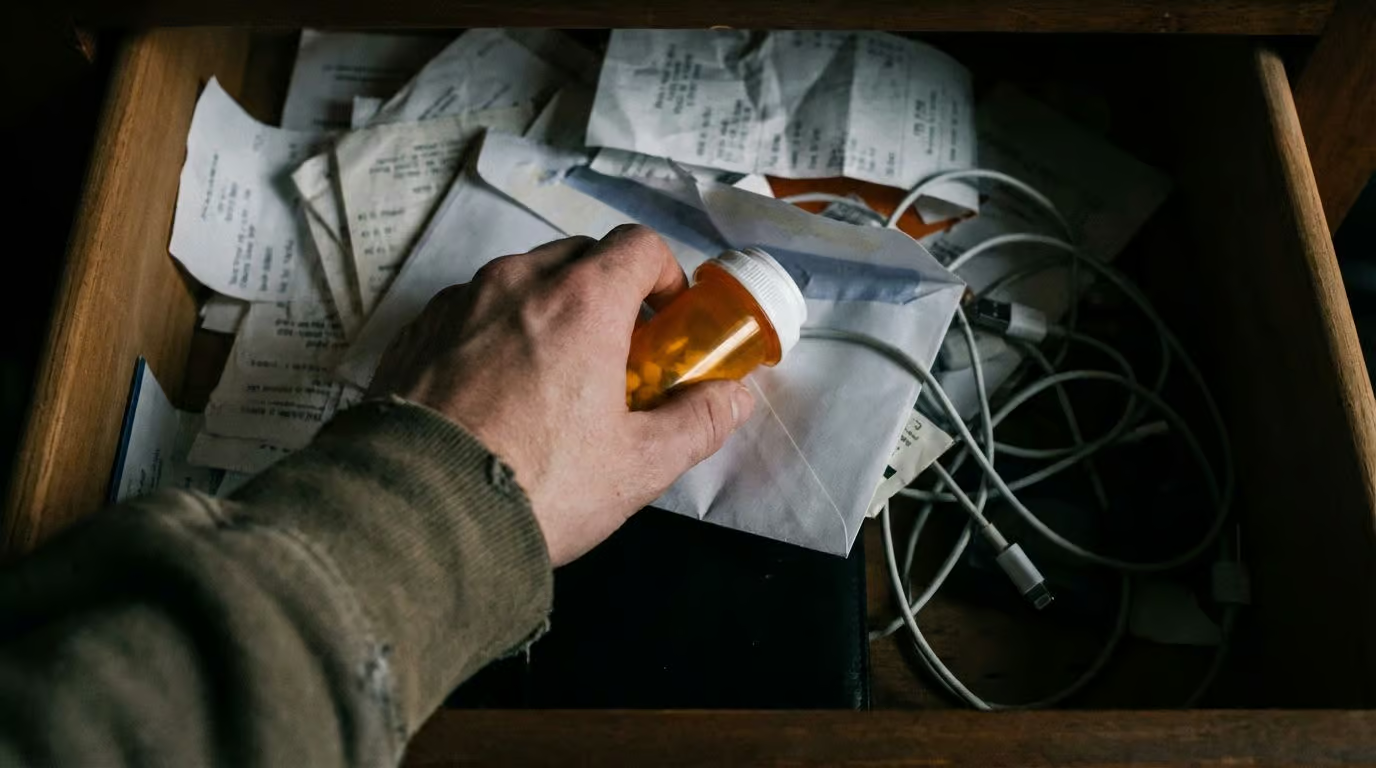
You might find paraphernalia like rolling papers, burnt foil, or small plastic baggies. A quick look in his room might reveal pill bottles that seem to refill themselves. Hygiene often slides too; he might stop brushing his teeth or showering.
Some guys sweat profusely for no clear reason. Others look pale and ghostly. Sudden headaches or deep fatigue that keeps him in bed until 2 PM are also warning signs. I once saw a father describe his son scratching his skin raw during withdrawal.
If he uses larger amounts than planned or cannot cut back despite trying, that is a hallmark of substance use disorder. The cravings take over until nothing else matters.
How do social withdrawal signs show up?
A son battling substance use disorders often pulls a disappearing act. He stops coming to Sunday dinners. He misses his little brother’s baseball games.
You might notice he ghosts his old friends—the guys he grew up with—and starts hanging out with a new, secretive crowd. He avoids eye contact and stops talking about his day.
His priorities shift. Football, video games, or working on his car get replaced by long periods of isolation. He spends hours alone in his room.
I stopped going to family BBQs and ignored group texts because the shame was too heavy to carry. That was my reality before Ridge RTC helped me turn it around.
Social withdrawal isn’t always dramatic. Sometimes it is just a silence that fills the room. These signs often point to a growing problem with alcohol addiction, mental illness, or other psychiatric conditions.
How Does Addiction Affect My Family?
Addiction is like a grenade that goes off in the living room. It hits everyone. Ridge RTC counselors help families deal with the fallout, which often includes grief, financial ruin, and severe mental health problems.
What emotional strains does addiction cause?
Betrayal becomes a daily flavor. You feel it when he looks you in the eye and lies. Emotional strain becomes physical. It sits in your chest like a rock.
One father I spoke to kept a “Domestic Friction Log” to track the chaos. In just eight weeks, his family averaged 14 screaming matches a week. The air in their house felt thick with stress.
Doubt infects every interaction. You stop trusting him. Resentment builds up like plaque in your arteries. You might find yourself reacting to his every move with a spike of cortisol.
This dad tracked his sleep and found his deep sleep dropped from 95 minutes to 22 minutes a night. That is caregiver burnout in action.
Thinking that crying or begging will change him is a rookie mistake. It often just adds to his shame. The dynamic only shifted for that father when he stopped the midnight interrogations.
His resting heart rate finally dropped. Addiction doesn’t just hijack your son’s brain; it colonizes your mental health too. Without help from places like Ridge RTC or family support groups, you become isolated in your own home.
What financial challenges might we face?
Addiction is expensive. It burns through savings faster than a wildfire. I saw a friend’s dad sell his truck to cover legal fees and rehab costs for his son’s heroin use.
Rehab facilities vary in price, but they are a significant investment. Here is a quick look at the estimated costs for 2025:
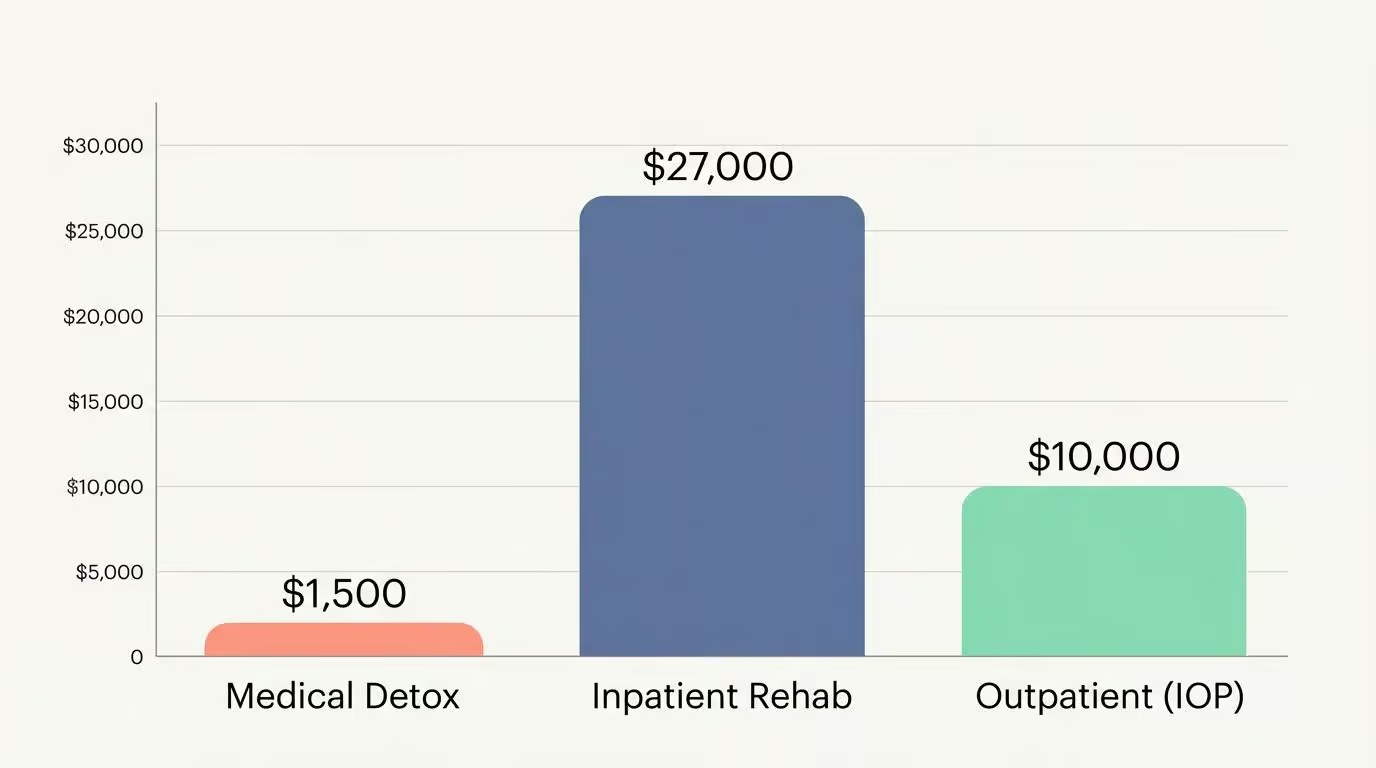
| Treatment Type | Estimated Cost (US) | What You Get |
|---|---|---|
| Medical Detox | $1,000 – $1,500/day | Medically supervised withdrawal management. |
| Inpatient Rehab (30 Days) | $14,000 – $27,000 | 24/7 supervision, housing, meals, intense therapy. |
| Outpatient (IOP) | $3,000 – $10,000 total | Therapy sessions 3-5 times a week; live at home. |
Job loss is another risk. Parents often miss work for court dates or crisis management. This hits your income just when you need it most.
Insurance coverage can be tricky, though the 2025 updates to the Mental Health Parity Act are making it harder for insurers to deny addiction treatment. Still, co-pays and deductibles add up.
Legal fees are another drain. If your son gets arrested, attorneys can cost thousands. Families with children facing mental disorders often see their yearly expenses jump by at least 10%.
Every dollar spent on the crisis is a dollar less for your retirement or daily life. This financial pressure makes it even harder to have calm, supportive conversations.
How Do I Talk to My Son About His Addiction?
This is the conversation you dread, but it is the one that saves his life. You don’t need a perfect script. You need honesty and maybe some guidance from a drug counselor or the team at Ridge RTC.
What is the best way to approach this conversation?
Forget the lecture. It doesn’t work. Create a space where he feels safe enough to drop the defensive act. Use active listening. This means hearing him out without planning your counter-argument while he is talking.
Show empathy. It builds a bridge. This is vital if he is dealing with alcohol use disorder or opioid addiction. Avoid the blame game. Focus on support.
Be clear about boundaries. You can love him without funding his habit. It is smart to consult an addiction specialist at Ridge RTC before you sit down. They can give you a roadmap.
If things get hot, take a break. Winning the argument isn’t the goal. Keeping the connection open is.
What should I say and avoid saying?
Tell him you are worried about his health and safety. Don’t call him an “addict” or a “junkie.” Say, “I’ve noticed you seem really down lately, and I’m worried about the changes in your mood.”
Stick to facts. “You missed work three times this week” is a fact. “You are lazy and irresponsible” is an attack. Attacks make him shut down.
Use “I” statements. “I feel scared when I don’t hear from you” works better than “You are ruining this family.” Avoid guilt trips like “After all we did for you…”
Listen more than you talk. Nod. Show him you get it. If he is open, mention treatment options like Ridge RTC. Some guys do better with individual therapy; others need the camaraderie of a group.
Do not make threats you won’t keep. Do not bargain (“I’ll buy you a car if you stop”). That is enabling behavior. Set firm limits on money.
Remind him that resources exist. Mention Narcotics Anonymous, peer support groups, or medical professionals who handle dual diagnosis (like PTSD combined with addiction).
Be patient. Recovery is a marathon. Addiction treatment programs are more accessible now thanks to federal laws, but the first step often starts at your kitchen table.
For more on why he might seem emotionally distant, check out this article on why an addict cant love.
When Should I Seek Professional Help?
You can’t fix this with a toolbox and good intentions. When drug use impacts his health, legal status, or your family’s safety, it is time to call in the pros. Experts at Ridge RTC specialize in substance use disorders.
How do I choose a therapist or counselor?
Look for a Licensed Alcohol and Drug Counselor (LADC) or a Certified Alcohol and Drug Counselor (CADC). These aren’t just fancy letters; they mean the person knows addiction recovery inside and out.
Check reviews. Ask your family doctor. Look for centers like Ridge RTC that offer both individual and family therapy. You need a place that treats the whole system, not just the symptom.
Verify insurance. Ask specifically if they treat co-occurring mental health problems like anxiety or depression. Addiction rarely travels alone.
Ask about their own recovery philosophy. You want a partner in this process, not just a service provider. Do your homework before you sign the papers.
Where can I find an addiction specialist?
Finding help shouldn’t feel like a treasure hunt. The SAMHSA Substance Abuse Treatment Facility Locator is a solid starting point. It lists thousands of addiction treatment centers across the US.
You can text your zip code to 435748 (HELP4U) for instant local resources. The SAMHSA National Helpline (1-800-662-HELP) is open 24/7. Real people answer.
If money is tight, ask about state-funded programs. Many accept Medicaid or offer sliding scale fees. You can find help for drug detox, opioid use treatment, and counseling even without a platinum insurance plan.
Ridge RTC is a respected name in this field. They tackle chronic health problems and addiction head-on. The network of help is vast; you just need to tap into it.
What Is an Intervention and How Do I Plan One?
An intervention is a planned conversation where you offer a lifeline. It isn’t an ambush. Ridge RTC can provide professional interventionists who keep the train on the tracks.
What does staging an intervention involve?
You form a team. This usually includes family and close friends who have seen the drug misuse firsthand. Bringing in a pro from Ridge RTC is often a smart move.
We used the “invitational” model rather than the surprise attack. It felt more respectful. I sat at the table while my family read impact letters. They didn’t scream; they told me how much they missed the old me.
You need to gather info on substance use disorders and medical risks. Prepare your script. Use love, not shame. Avoid labels like “junkie.”
State your boundaries clearly. “We love you, but we will not pay your rent if you are using.” Be ready to back that up.
Emotions will run high. Anger might flare. Deep breaths are your best friend. Having a professional there helps keep the temperature down.
What steps lead to a successful intervention?
Step 1: Make a Plan. Don’t wing it. Consult with a pro from Ridge RTC. Get your facts straight about insurance coverage and treatment centers.
Step 2: Build Your Team. Pick 4-6 people your son respects. Exclude anyone who might lose their temper or who is currently using substances themselves.
Step 3: Rehearse. This sounds weird, but practice what you will say. Stick to the script. Focus on compassion and specific examples of behavior.
Step 4: Choose the Time. Try to catch him when he is sober, or at least lucid. Early morning is often best.
Step 5: Have a Backup. If he says no, what is the plan? Will you ask him to leave? Will you cut off financial support? You must be ready to execute the consequences immediately.
Step 6: Follow Up. If he goes to treatment, your job isn’t done. Connect with family support groups to start your own healing.
What Treatment Options Are Available?
Options range from intense hospital stays to weekly meetings. The right choice depends on the severity of the drug addiction. Ridge RTC offers a spectrum of care.
What are inpatient and outpatient programs?
Inpatient programs (Residential Treatment) mean he lives at the facility. He gets 24-hour supervision. This is often necessary for detox and to break the physical cycle of addiction.
At Ridge RTC, doctors manage the medical side while therapists dig into the mental roots. My cousin did a 30-day stint; the structure saved him. He couldn’t “cheat” on his recovery there.
Outpatient programs allow him to live at home. Intensive Outpatient Programs (IOPs) are a middle ground. They require about 9-20 hours a week of therapy.
IOPs are good for guys who have completed detox or have a milder substance use disorder. They learn to handle triggers in the real world while still getting major support.
Most insurance plans cover both, but check your policy specifics regarding “residential” vs. “outpatient” coverage.
How do detoxification and rehabilitation work?
Detoxification is the first hurdle. It cleans the drugs out of his system. Doctors use meds to manage withdrawal symptoms so he doesn’t have a seizure or get dangerously sick.
The goal is safety. You can’t do therapy if you are vomiting or hallucinating.
Rehabilitation starts once the fog clears. This is where the work happens. He builds mental muscle. He learns why he uses and how to stop.
He might do individual therapy to tackle trauma or group sessions to learn from others. Ridge RTC uses peer support and family therapy to build a safety net.
Rehab addresses the psychological problems behind the use. It treats conditions like PTSD or childhood neglect that often fuel the fire.
What is medication-assisted treatment?
Medication-assisted treatment (MAT) is the gold standard for opioid and alcohol addiction. It combines meds with counseling. It isn’t “trading one drug for another”; it is treating a medical condition.
Common medications include:
- Buprenorphine (Suboxone): Reduces opioid cravings and withdrawal.
- Naltrexone (Vivitrol): Blocks the euphoric effects of opioids and alcohol.
- Methadone: Long-acting opioid agonist for severe addiction.
Newer options like Sublocade (a monthly shot) make it easier to stay on track. Research in 2026 is even looking at GLP-1 drugs (like semaglutide) to reduce cravings.
Cognitive-Behavioral Therapy and Contingency Management work alongside these meds. Federal law, specifically the Mental Health Parity and Addiction Equity Act, mandates that insurance covers MAT just like heart medication.
How Can I Support My Son’s Recovery?
Recovery doesn’t end when he leaves rehab. That is when the real test starts. Support groups and ongoing care from places like Ridge RTC are vital.
How do peer support groups help him?
Peer support groups put him in a room with guys who get it. No explanations needed. These are non-professional settings where he can be real about his substance use disorders.
He hears how others handle stress without getting high. He gets a sponsor—a mentor who has walked the path.
My friend Tom credited his group with saving his life. When he felt a craving, he called a peer instead of a dealer. They talked him off the ledge.
Data shows that men in peer support stay in addiction recovery longer. They build confidence. They learn to avoid risky behaviors.
Groups also tackle heavy topics like suicide prevention. They are a lifeline for mental health.
How can I provide emotional support?
Be a rock, not a pillow. Show kindness, but keep your structure. Ask, “How is your recovery going today?” instead of “Did you use?”
Listen without judgment. If he admits he is struggling, thank him for his honesty. Don’t punish the truth.
Keep your home routine predictable. Chaos is a trigger. Regular meals and sleep schedules help regulate his brain.
Set boundaries that protect your own sanity. You can’t pour from an empty cup. Attend family therapy at Ridge RTC to learn how to support him effectively.
Show up. Go to open meetings if he asks. Your presence says, “I’m with you.”
How do I help him rebuild his life?
Help him fill the void left by drugs. Mental health improves when you have a purpose. Encourage him to find new hobbies, join a gym, or volunteer.
Connect him with sober friends. Ridge RTC creates these networks. Help him manage the logistics of life—insurance paperwork, doctor appointments—so he can focus on staying sober.
If he slips, don’t panic. A relapse is a data point, not a death sentence. Help him get back on the horse immediately.
Trust takes time. Celebrate the small wins. A month sober is a huge victory. Building back trust is as important as breaking the addiction.
How Do I Establish Healthy Boundaries?
Boundaries aren’t walls; they are guardrails. They keep everyone safe. Ridge RTC helps families design these rules so they stick.
What clear expectations should I set?
Be specific. “Be good” is too vague. Try: “No drug use in this house. If you use, you must leave for 24 hours.”
Require respect. Abuse—verbal or physical—is a hard no. Make it clear that bad behavior has immediate consequences.
Mandate action. “You can live here rent-free if you attend 3 support meetings a week.” If he skips the meetings, he pays rent.
Stick to your guns. If you cave once, the boundary is gone. This consistency protects your family’s mental health.
How do I set financial boundaries?
Close the Bank of Dad. This is the hardest but most important step. Giving him cash is often handing him a loaded gun.
Stop paying his bills if he is using. Tell him: “I love you, but I won’t fund your substance use disorders. I will buy you groceries, but I won’t give you cash.”
If he is in recovery, you can pay vendors directly. Pay the landlord, not him. Pay the mechanic, not him.
Resources like Al-Anon can help you stay strong when he begs. Enforcing these rules teaches him accountability and protects your retirement fund.
Why Is Self-Care Important for Me?
You can’t save a drowning man if you are drowning too. Support groups and self-care give you the oxygen you need to keep going.
How do I practice self-care effectively?
Acknowledge that you are powerless over his addiction. You can influence him, but you can’t control him. This acceptance lowers your stress.
Find your tribe. Join Nar-Anon or SMART Recovery Family & Friends. Talking to other dads who have been there is powerful medicine.
Keep your own life. Don’t let his addiction consume your identity. Go fishing. Go to the gym. Eat well.
Ridge RTC emphasizes that parents who practice self-care are better equipped to handle the crises. You avoid emotional burnout.
How can joining support groups help families?
Isolation kills. Peer support groups break that isolation. The Partnership for Drug-Free Kids (1-855-378-4373) is a great resource.
In these groups, you get real-world advice. You learn how to navigate insurance, how to handle a relapse, and how to deal with the guilt.
Studies show that parents in support groups have lower rates of depression and anxiety. You learn coping skills for suicide prevention and trauma.
Ridge RTC often connects families to these networks. It helps you repair the trust and move forward together.
How Will Addiction Support and Treatment Evolve in 2026?
The future of addiction treatment is smarter and more personalized. By 2026, we expect to see even more focus on teens and young men with substance use disorders.
Early intervention is key. Centers like Ridge RTC are using better screening tools to catch problems before they become disasters. Mental health assessments are becoming standard in schools and clinics.
Technology is a game-changer. Telehealth allows for remote therapy, making it easier to stick with a program. Wearable tech might soon help track physiological signs of cravings, alerting you before a relapse happens.
Pharmacotherapy is advancing. Medications like GLP-1 agonists are showing promise in reducing cravings for alcohol and opioids. This gives doctors new tools in the fight.
Insurance coverage continues to improve under stricter enforcement of parity laws. This means fewer denials and better access to care for mental illness and addiction. The stigma is fading, and help is more effective than ever.
People Also Ask
How do I start a conversation with my son about substance use disorders?
Wait for a sober moment—never when he is under the influence—and use “I” statements to explain how his actions affect your relationship. This simple shift, often taught in CRAFT therapy, lowers his defenses because you are not attacking his character, just the behavior.
What role can support groups play in addiction recovery for families?
Groups like Parents of Addicted Loved Ones (PAL) or SMART Recovery Family & Friends connect you with other fathers who have already navigated this chaos. You will get field-tested advice on setting boundaries that actually stick, rather than just hearing generic sympathy.
Should we consider individual therapy or family therapy for our situation?
Individual therapy uses tools like Cognitive Behavioral Therapy (CBT) to help him build coping skills, while family therapy works to repair the broken trust in your household. Tackling both angles simultaneously is usually the most effective way to stabilize the entire family unit.
How can I find out if insurance coverage includes treatment for mental health disorders related to drug misuse?
Call your provider and explicitly ask if your plan covers residential treatment under the Mental Health Parity and Addiction Equity Act. You need to confirm your exact deductible and request a list of in-network facilities to avoid being blindsided by out-of-pocket costs later.
What steps should I take if my son talks about suicide or seems hopeless?
If he mentions self-harm, dial 988 immediately to connect with the Suicide & Crisis Lifeline, as you cannot handle that level of emergency alone.
References
https://www.mayoclinic.org/diseases-conditions/drug-addiction/symptoms-causes/syc-20365112 (2025-06-20)
https://pmc.ncbi.nlm.nih.gov/articles/PMC4663247/
https://americanaddictioncenters.org/rehab-guide/family-members/addiction-effects-on-family (2025-01-15)
https://pmc.ncbi.nlm.nih.gov/articles/PMC3725219/
https://transformationcounselingatl.com/how-to-talk-to-kids-about-drugs/ (2024-10-27)
https://www.helpguide.org/mental-health/addiction/substance-abuse-and-mental-health
https://americanaddictioncenters.org/intervention/guide
https://pmc.ncbi.nlm.nih.gov/articles/PMC4152944/
https://nida.nih.gov/publications/drugs-brains-behavior-science-addiction/treatment-recovery
https://americanaddictioncenters.org/addiction-medications (2025-02-28)
https://pmc.ncbi.nlm.nih.gov/articles/PMC5047716/
https://hopehavenusa.com/5-compassionate-ways-to-support-your-child-through-addiction-recovery/ (2026-01-28)
https://pmc.ncbi.nlm.nih.gov/articles/PMC7241222/
https://www.addictionpolicy.org/post/enabling-vs-helping (2020-11-10)