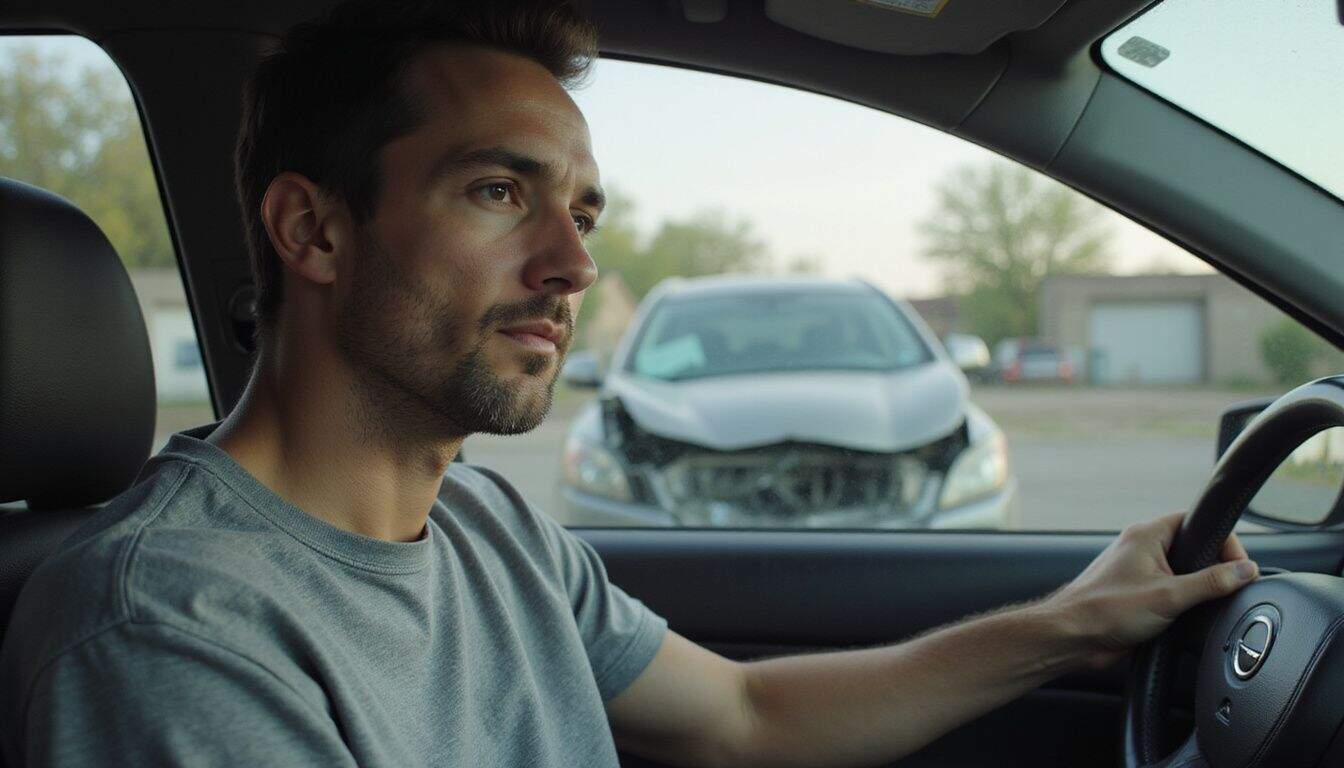
Car crashes shake you up more than just physically, and many guys find themselves struggling with unexpected stress, fear, and anxious feelings weeks after the accident. Around 17.4% of car accident survivors develop depression, while countless others experience anxiety that makes getting behind the wheel feel impossible.
This guide breaks down how to handle stress after a car accident with 10 practical steps that address everything from immediate coping strategies to long-term mental health support.
Your recovery starts here.
Key Takeaways
Around 17.4% of car accident survivors develop depression while 32.3% experience PTSD, making professional mental health support essential for recovery.
Seek immediate medical attention even for minor injuries since adrenaline masks serious conditions like concussions and internal damage for hours.
Cognitive behavioral therapy and EMDR therapy effectively treat post-accident trauma by rewiring negative thought patterns and processing traumatic memories.
Gradual exposure techniques help rebuild driving confidence through short trips in familiar areas before tackling more challenging road situations.
Building strong social support systems with family and friends significantly reduces stress levels and accelerates the overall healing process.
Table of Contents
Immediate Actions to Take After a Car Accident
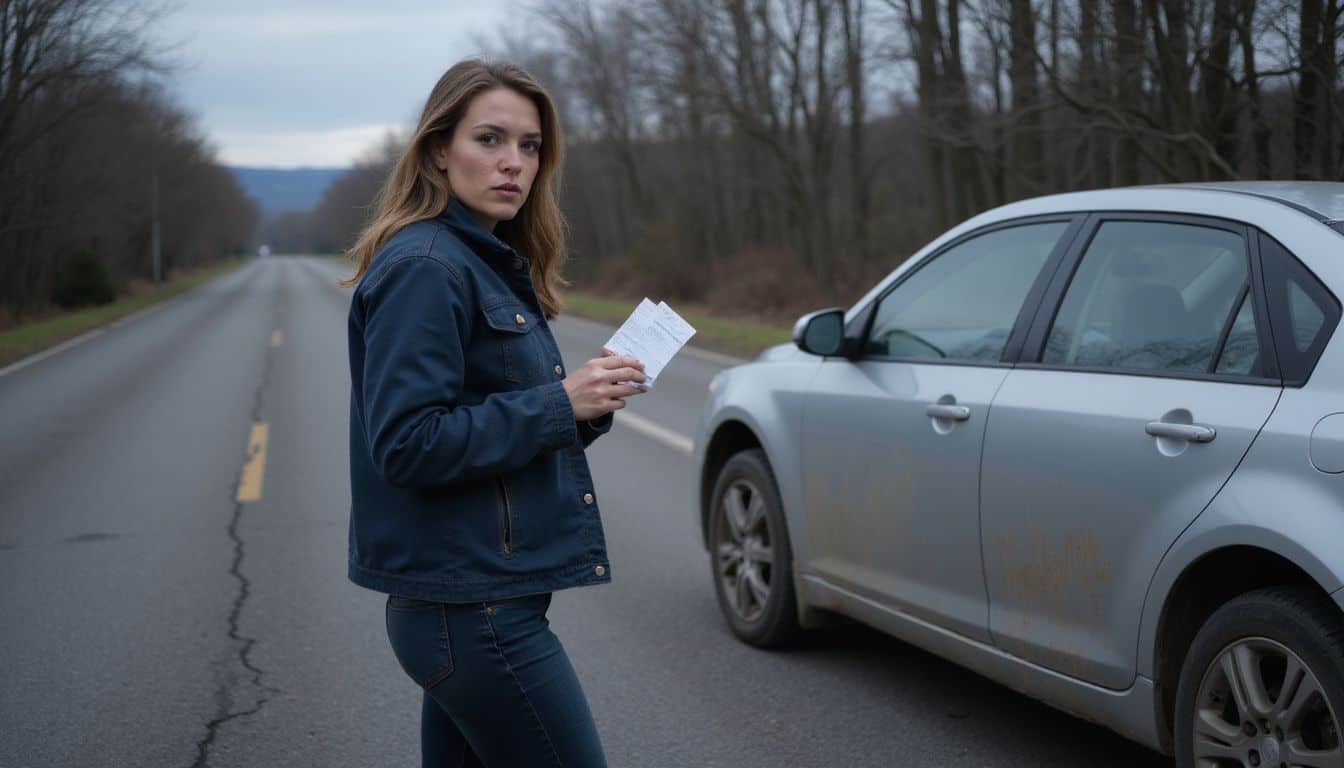
Right after a car accident, your mind races and your body floods with adrenaline, making it tough to think clearly about what comes next. Taking the right steps immediately can protect your health, legal rights, and peace of mind during this traumatic event.
How do I assess my physical condition after a crash?

Your body might hide serious injuries after a car accident, even if you feel fine. Start by checking yourself slowly from head to toe. Look for cuts, bruises, or swelling on your arms, legs, and torso.
Move your neck gently side to side and up and down. Test your fingers and toes to see if they move normally. Pay attention to any pain, numbness, or tingling sensations anywhere on your body.
Call 911 immediately if anyone is hurt, including yourself. Seek medical attention to identify hidden injuries that might not show symptoms right away. Adrenaline can mask pain and serious damage to your brain, spine, or internal organs.
Monitor your health for any new symptoms in the days following the accident. Document medical expenses related to the injuries for insurance and legal purposes. Even minor crashes can cause concussions, whiplash, or other traumatic brain injuries that develop over time.
Car accident lawyers in Indianapolis often see clients who ignored early warning signs and suffered worse outcomes.
Your body’s shock response can hide serious injuries for hours or even days after a crash, making immediate medical evaluation critical for your long-term health.
Why should I seek medical attention even for minor injuries?
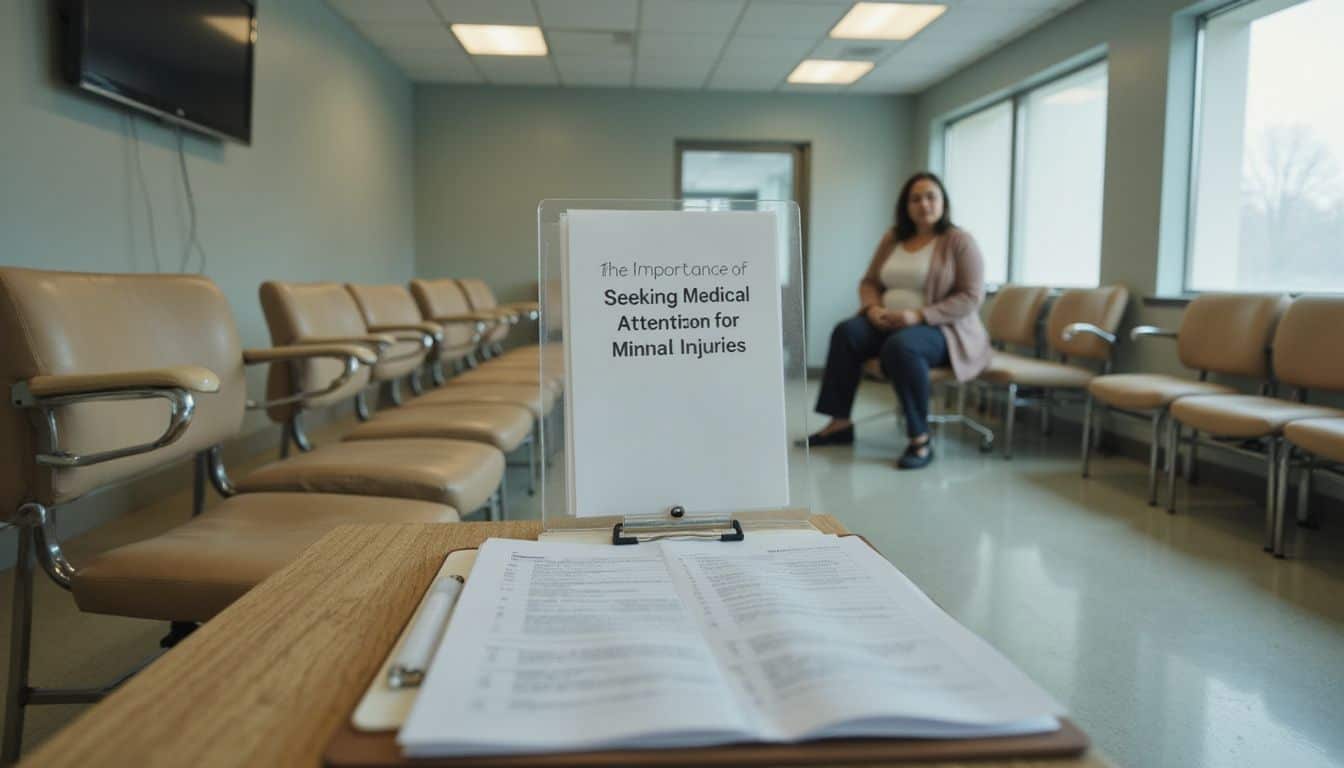
After checking yourself for obvious injuries, getting medical care becomes your next priority, even if you feel fine. Common injuries like whiplash and concussions have delayed symptoms but can lead to long-term complications.
Your body produces adrenaline during a crash, which masks pain and other warning signs for hours or even days.
Medical documentation from the day of the accident is essential for personal injury claims. Doctors can spot problems you might miss, like mild traumatic brain injuries or internal damage.
Timely treatment helps avoid disputes regarding injury severity with insurance companies. Some injuries, including damage to the brain or spinal cord injuries, show up later but need immediate attention to prevent worse problems.
Getting checked right away protects both your physical health and your legal rights if you need to file claims later.
What details should I document about the accident?

Take detailed photographs of vehicle damage from multiple angles. Capture the bumper, doors, and any visible dents or scratches. Document surrounding conditions like weather and road conditions at the scene.
These photos serve as crucial evidence for insurance claims and legal proceedings.
Collect witness information including names, phone numbers, and addresses from anyone who saw the crash. Exchange information with other drivers involved, gathering their names, contact details, driver’s license numbers, and insurance information.
Write down the exact time, location, and a brief description of how the accident happened. This documentation helps prevent disputes later and supports your version of events during the claims process.
What Are Common Emotional Reactions After a Car Accident?

Car accidents shake you up in ways you might not expect, and your mind can react with a flood of confusing emotions that feel completely out of your control. These psychological responses range from mild anxiety and sleep problems to more serious conditions like post-traumatic stress disorder, and recognizing them early helps you get the right support before they take over your life.
What are typical signs of mental trauma following a crash?

Mental trauma after car accidents shows up in several clear ways that many men experience. Intrusive thoughts about the crash pop into your head without warning, making it hard to focus on work or daily tasks.
Flashbacks transport you right back to the moment of impact, complete with the sounds, smells, and fear you felt during the collision. Your mind replays the accident over and over, even though you don’t want it to.
These traumatic memories can strike at any time, whether you’re trying to sleep or just going about your normal routine. Post-traumatic stress disorder (PTSD) often develops from these persistent, unwanted thoughts that refuse to go away.
Avoidance of vehicles becomes another major sign of emotional trauma after a crash. You might find yourself making excuses to skip car rides or taking long detours to avoid the accident scene.
Fear of driving creeps in, making even short trips feel overwhelming and scary. Emotional disconnection happens too, where you feel numb or cut off from family and friends who care about you.
Increased anxiety shows up as heart palpitations, sweating, or feeling tense when you see cars or hear traffic sounds. Sleep problems plague many crash survivors, with difficulty sleeping becoming a nightly struggle.
Recognizing when you’re overwhelmed by stress helps you understand that these reactions are normal responses to trauma, not signs of weakness.
Understanding Stress and Anxiety After an Accident

Your mind and body can react in unexpected ways after a crash, even if you walked away without serious injuries. These reactions might show up right away, or they could surface days or weeks later, catching you off guard when you least expect them.
What is an acute stress reaction?

Acute stress reaction hits many guys within days of a car crash. This condition, also called ASD, shows up between three days to four weeks after the traumatic event. Your mind and body react strongly to the shock of the accident, creating symptoms that feel overwhelming and scary.
Men with acute stress reaction often experience flashbacks of the crash, nightmares that wake them up sweating, and sudden anxiety attacks. Some guys feel detached from reality or numb to everything around them.
The condition affects sleep patterns, makes concentration difficult, and can cause mood swings that surprise family members. Risk factors include past mental health issues and avoiding problems instead of facing them head-on.
ASD differs from post traumatic stress disorder because it lasts only one month maximum, while PTSD continues much longer.
How can I recognize Post-Traumatic Stress Disorder (PTSD)?

Post traumatic stress disorder (ptsd) affects approximately 32.3% of car accident survivors, making it crucial to spot the warning signs early. You might experience flashbacks where the crash replays in your mind like a broken record, anxiety that hits you out of nowhere, or persistent negative thoughts that won’t quit.
Hypervigilance becomes your new normal… you find yourself constantly scanning for danger, even in safe situations. Your emotions might feel stuck in a dark place, with hopelessness and fears taking over your daily routine.
Diagnosis requires a clinician assessment, and symptoms must last at least one month before professionals can confirm ptsd. Sleep disturbances plague many survivors, while mood changes swing from anger to deep sadness without warning.
Some guys develop phobias about driving or even being a passenger, which creates isolation from friends and family. Previous studies show up to 45% of accident survivors could develop this psychiatric disorder, so recognizing these signs isn’t just smart, it’s essential for your mental health recovery.
PTSD is not a sign of weakness. It’s a sign that you’ve been strong for too long and your mind needs help processing what happened.
What causes survivor’s guilt and depression after an accident?
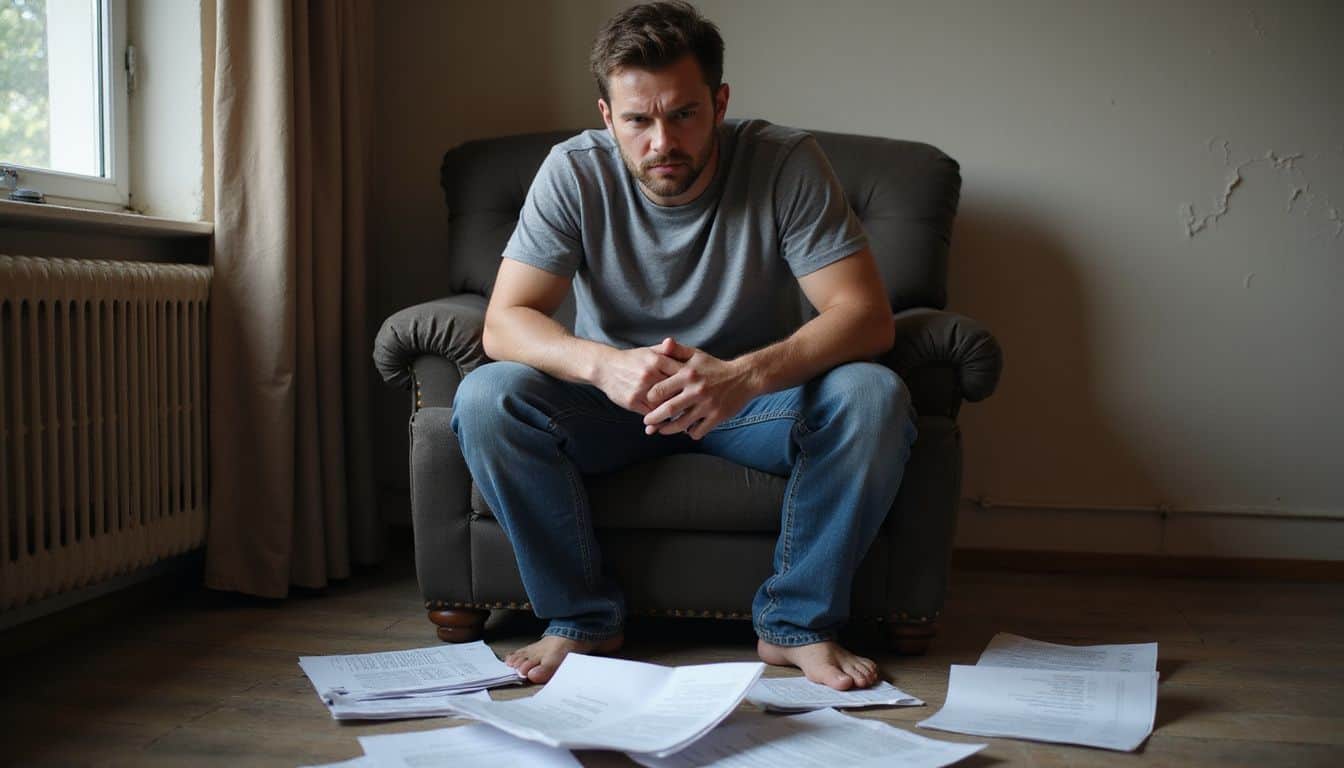
Survivor’s guilt develops when you walk away from a crash while others suffer serious injuries or die. This psychological distress creates intense feelings of shame, confusion, and self-blame.
Your mind struggles to understand why you survived when others didn’t, leading to overwhelming emotional distress. Many men experience this trauma response after witnessing severe accidents or losing passengers in their vehicle.
Depression affects around 17.4% of car accident survivors, often stemming from multiple sources of stress and trauma. Chronic pain from injuries can trigger persistent sadness and hopelessness.
New disabilities may limit your ability to work, play sports, or maintain relationships, creating feelings of helplessness. Financial stress from medical bills, lost wages, and insurance battles compounds these mental health challenges.
Isolation from friends and family during recovery can deepen depressive symptoms, making it harder to process the traumatic experience.
Now let’s examine effective coping strategies that can help manage these overwhelming emotions.
What Are Effective Coping Strategies for Stress?

Stress after a car accident can feel overwhelming, but proven coping strategies help men regain control and find stability. These techniques range from simple relaxation methods to structured approaches that target both your mind and body’s response to trauma.
How can relaxation techniques like deep breathing and meditation help?

Deep breathing exercises work by activating your body’s natural relaxation response, which directly counters the stress hormones flooding your system after a car accident. Your heart rate slows down, blood pressure drops, and those tense muscles finally start to release their grip.
I’ve seen guys who couldn’t sleep for weeks after their crash find real relief through simple breathing techniques, often within just a few sessions of practice.
Meditation takes this stress relief a step further by improving your focus and reducing anxiety levels that can spiral out of control after trauma. Regular practice helps rewire your brain’s response to triggers like the sound of screeching brakes or the sight of damaged vehicles.
Mindfulness techniques, combined with proven methods to relieve stress naturally, create a powerful toolkit for managing the mental health challenges that follow serious accidents.
Cognitive behavioral therapy often incorporates these relaxation techniques as homework assignments, giving you practical skills to handle panic attacks and intrusive thoughts on your own terms.
Why is engaging in physical activities like walking or yoga beneficial?
While breathing exercises and meditation calm your mind, physical activities like walking and yoga work directly on your body’s stress response. These activities help your muscles release tension and give your racing thoughts a healthy outlet.
Regular exercise, such as 20 minutes of walking, promotes the release of endorphins, significantly lowering stress. Physical activities counterbalance the body’s fight-or-flight response, promoting relaxation.
Walking can be easily incorporated into daily routines, making it accessible. Your body naturally produces these “feel-good” chemicals during movement, which combat anxiety and depression that often follow car accidents.
Yoga combines gentle movement with controlled breathing, helping you regain confidence in your body after trauma. Physical activity improves sleep quality, which is essential for stress management.
Men who experience sleep problems after accidents find that daily walks or yoga sessions help them fall asleep faster and stay asleep longer. Exercise also provides structure to your day, giving you something positive to focus on instead of replaying the crash in your mind.
“Exercise is the single most powerful tool you have to optimize your brain function.” – Dr. John Ratey, Harvard Medical School.
How do healthy habits like sleep, nutrition, and hydration reduce stress?
Your body needs proper sleep to handle stress after a car accident. Proper sleep enhances brain function and emotional regulation, reducing stress hormones like cortisol and adrenaline.
Sleep problems can make anxiety disorder symptoms worse and increase mental distress. Good nutrition gives your brain the fuel it needs to process trauma and regulate emotions. Eating balanced meals helps stabilize your mood and prevents your body from releasing excess stress chemicals.
Staying hydrated contributes to overall health and helps mitigate stress levels, keeping your mind clear during recovery.
Healthy habits support the body’s ability to manage stress hormones like adrenaline and cortisol naturally. Lack of sleep can trigger depressed feelings and make it harder to cope with traumatic memories.
Drinking enough water keeps your brain working well and helps flush out toxins that build up during stressful times. These basic habits create a strong foundation for your mental health recovery.
Building these routines early helps prevent more serious psychiatric disorders from developing later.
When and Why Should I Seek Professional Support?

Getting professional help after a car accident isn’t a sign of weakness — it’s a smart move that can save your mental health and get you back on track faster. A therapist trained in trauma work can spot warning signs you might miss, like sleep problems that won’t go away or thoughts that keep spinning in your head.
Cognitive behavioral therapy helps you challenge negative thinking patterns, while exposure therapy gradually builds your confidence behind the wheel again. If you’re having suicidal thoughts, can’t sleep, or feel disconnected from reality, don’t wait — reach out to a counselor right away.
Mental health professionals use proven methods like cognitive processing therapy and eye movement desensitization and reprocessing therapy to help your brain process what happened… and there’s so much more you need to know about finding the right support for your recovery.
What are the benefits of therapy and counseling after an accident?
Therapy and counseling provide essential strategies for coping with trauma and managing anxiety after a car accident. A therapist helps you process difficult emotions, reduce stress, and develop healthy ways to handle fear or panic.
Cognitive behavioral therapy (CBT) works especially well for men dealing with post-accident psychological symptoms. This treatment teaches you how to change negative thought patterns that can lead to depression or severe anxiety.
Professional mental health support prevents chronic psychological issues from developing over time.
Counseling sessions give you a safe space to talk about your experience without judgment. Many men find it easier to open up to a trained professional than to family or friends. Therapy for trauma can prevent conditions like major depressive disorder or generalized anxiety disorder from taking hold.
Treatment also improves your overall life quality by helping you sleep better, manage stress, and return to normal activities. Social support through group therapy connects you with others who understand what you’re going through.
How do EMDR and trauma-focused therapies work?
EMDR therapy follows a structured eight-phase approach that helps your brain process traumatic memories differently. Your therapist guides you through treatment planning first, then activates specific memories from the car accident while you perform bilateral stimulation, typically side-to-side eye movements.
This process allows your mind to reprocess the trauma without getting stuck in the emotional intensity. The therapy for trauma literally rewires how your brain stores these difficult experiences, making them less overwhelming over time.
Major organizations like the APA, WHO, and Department of Veterans Affairs endorse EMDR for good reason. The bilateral stimulation mimics what happens during REM sleep, helping your brain file away traumatic memories properly.
Cognitive behavioral therapy (CBT) works alongside EMDR by changing negative thought patterns that develop after accidents. Many men find these approaches effective because they focus on practical solutions rather than just talking about feelings.
The structured nature appeals to guys who want clear steps toward recovery from mental health challenges following their crash.
Gradual Exposure to Triggers

Getting back behind the wheel after a car accident can feel scary, but taking small steps helps you face your fears and rebuild confidence… and there’s much more to learn about managing this process safely.
How can I reintroduce myself to driving safely?
Start with short drives in familiar areas to rebuild your confidence behind the wheel. Choose quiet neighborhoods or empty parking lots where you feel most comfortable. Gradual exposure techniques work best, so limit your first trips to just five or ten minutes.
Practice basic skills like parking, turning, and stopping before tackling busier roads. Deep breathing exercises can help manage anxiety when you feel tense up during these practice sessions.
Keep your seatbelts fastened and avoid distracted driving habits that might increase your apprehension.
Build up your driving time slowly over several weeks. Cognitive behavioral therapy (CBT) can address driving-related anxiety effectively if fear starts controlling your decisions. Use positive self-talk to counter negative thoughts about getting back on the road.
Many men find that having a trusted friend or family member in the passenger seat provides extra social support during early drives. Practice in safe environments first, then gradually move to more challenging situations like highway driving or night trips.
Seek professional help if symptoms of anxiety persist beyond a month, as mental health support can make this transition much smoother.
Why should I avoid high-stress situations at first?
High-stress situations after a car accident can worsen emotional trauma and slow down your recovery process. Your mind needs time to heal, just like your body does. Entering stressful environments too soon can trigger intrusive thoughts, flashbacks, and panic attacks.
These symptoms make it harder to process what happened and move forward.
Avoiding demanding situations helps protect your mental health during this vulnerable time. Your brain is already working overtime to cope with the accident’s impact. Adding extra pressure from work deadlines, family conflicts, or social obligations can overwhelm your coping abilities.
This overwhelm often leads to sleep problems, anxiety, and even major depressive episodes that complicate your recovery.
How Can I Build a Support System After a Car Accident?
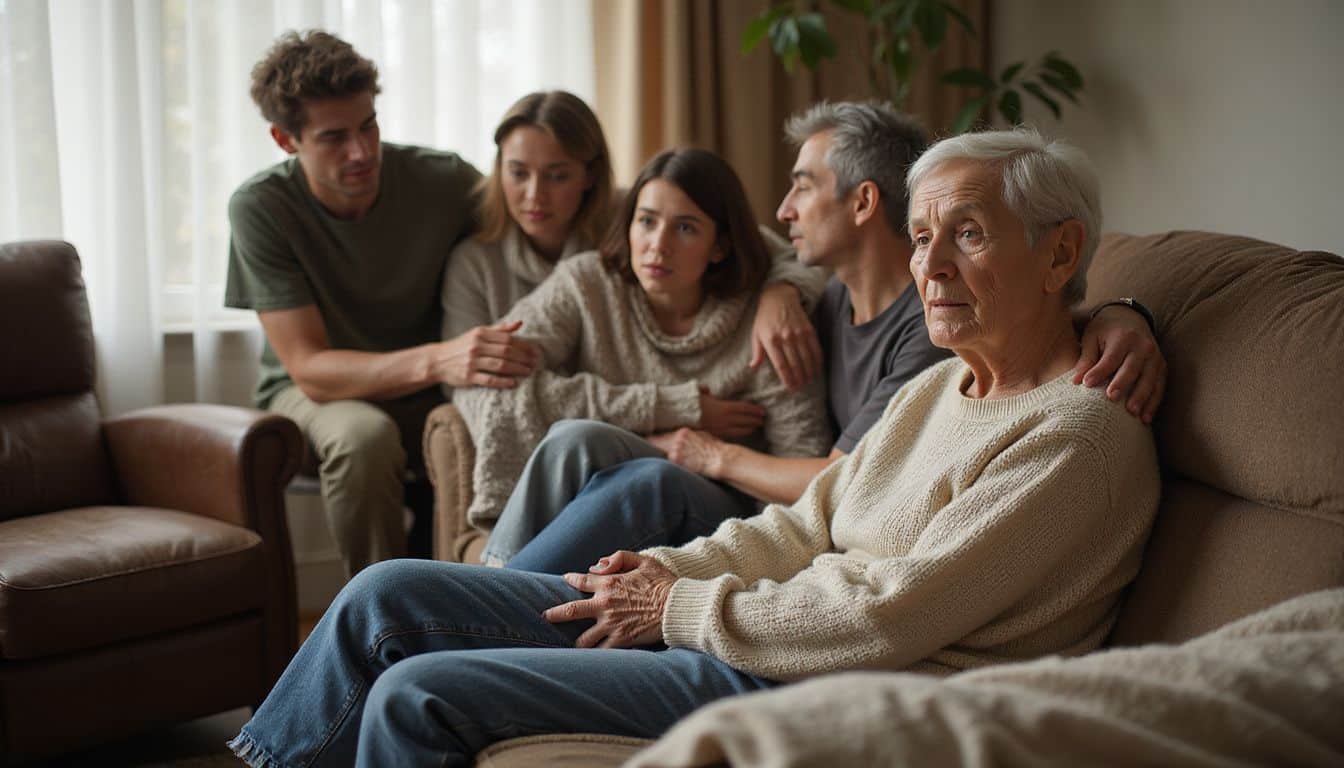
Building a strong support system after a car accident can make the difference between struggling alone and finding your way back to normal life… and there’s more to discover about creating these vital connections.
How do I talk with family and friends about my experience?
Talking with family and friends about your car accident experience helps reduce stress and speeds up recovery. Strong social support has an important role during injury, so don’t keep your feelings bottled up inside.
Start by choosing one or two people you trust most, then share what feels comfortable. You don’t need to tell every detail right away. Some men find it easier to talk while doing activities like walking or working on projects together.
This approach feels less formal and more natural.
Your loved ones want to help, but they might not know how unless you tell them what you need. Be specific about your requests, whether you need someone to drive you places, help with daily tasks, or just listen without giving advice.
If you’re having sleep problems or dealing with fear of death thoughts, sharing these concerns prevents loneliness and isolation. Social support networks provide emotional stability that professional therapy alone cannot offer.
Pick the right time and place for these conversations, avoiding stressful moments or crowded settings where you might feel uncomfortable opening up.
What are the benefits of joining support groups?
Support groups offer crucial psychological support for car accident survivors. These groups create a safe environment where men can share their experiences without judgment. Peer support from others who understand your situation helps reduce feelings of isolation and shame.
Many men find it easier to open up about their struggles with sleep problems, anxiety, or even suicidal thoughts when talking to people who’ve been through similar trauma. Group members often share practical coping strategies that work in real life, not just in textbooks.
Participating in a support group helps build a broader support system beyond family and friends. These connections can last for years and provide ongoing mental health benefits. Group discussions help normalize the emotional challenges that follow accidents, including PTSD symptoms and depression.
Men in these groups learn that having trouble sleeping, feeling anxious about driving, or experiencing flashbacks doesn’t make them weak. The shared experiences create bonds that strengthen over time, giving survivors a network of people who truly understand their path to recovery.
What Are Alternative Methods for Processing Trauma?

Beyond traditional therapy, men can explore creative outlets like journaling, art therapy, and music therapy to process trauma from car accidents… these alternative approaches often help express emotions that feel too difficult to put into words.
How does journaling and art therapy help with emotional healing?
Journaling offers men a straightforward way to process complex emotions after a car accident. Writing down thoughts and feelings helps organize mental chaos that often follows traumatic events.
This common stress management technique allows you to track patterns in your emotional responses and identify specific triggers. Men can work through difficult memories at their own pace, creating a private space to express vulnerability without judgment.
The act of putting pen to paper activates different brain regions, helping process trauma more effectively than simply thinking about it.
Art therapy provides another powerful outlet for emotional expression, especially for men who struggle with verbal communication about their feelings. Creating visual representations of your experience allows pent-up emotions to surface in a safe environment.
Engaging in creative activities naturally lowers stress and anxiety levels, producing a calming effect on both mind and body. Completing art projects enhances self-esteem by fostering a genuine sense of accomplishment.
This therapeutic approach works particularly well for men dealing with mental health challenges after accidents, offering an alternative to traditional talk therapy methods.
Can music therapy aid emotional expression after trauma?
Art therapy provides one creative outlet for trauma recovery, but music therapy offers another powerful path for emotional healing. This therapeutic approach works by soothing the nervous system and creating safe spaces for emotional expression after car accidents.
Music therapy includes several proven techniques that help men process trauma. Guided imagery sessions combine calming sounds with mental visualization exercises. Improvisation allows crash survivors to express feelings they cannot put into words.
Lyric analysis helps patients explore their emotions through meaningful songs. Songwriting gives men control over their narrative, while playing instruments provides physical outlets for stress.
Group music therapy sessions improve both mental health and physical wellbeing, creating connections with others who understand similar struggles. Research shows these methods help regulate emotions and reduce symptoms of psychiatric disorders that often follow severe traumatic brain injuries.
How Do I Address Legal and Financial Stress?

Dealing with legal and financial stress after a car accident can feel overwhelming, but taking the right steps early makes all the difference. You’ll need to contact your insurer quickly to start the claims process and understand what your premiums might look like going forward.
Many people don’t realize that medical bills can pile up fast, especially if you’ve suffered a traumatic brain injury or need ongoing therapy for trauma. A personal injury attorney can help you understand your rights and fight for fair compensation while you focus on your mental health recovery.
If money is tight, consider options like a line of credit or heloc to cover immediate expenses, but be careful not to take on debt you can’t handle. The financial strain often makes sleep problems and anxiety worse, so don’t ignore how money stress affects your overall well-being.
Getting professional help from both legal and financial experts takes pressure off your shoulders and lets you concentrate on healing. Keep reading to discover specific strategies for managing these challenges and protecting your.
When should I consult legal professionals?
Contact a lawyer immediately if you face serious injuries, disputed fault, or significant property damage. Legal professionals help you understand your rights and protect your interests during insurance negotiations.
Consulting a lawyer after a car accident is crucial for dealing with legal issues and ensuring proper compensation. Most attorneys offer free consultations, so you lose nothing by getting expert advice early.
Reach out to legal counsel within days of your crash, not weeks later. Individuals with legal representation typically receive higher settlements than those without. Your attorney will handle communication with insurance companies while you focus on recovery.
They know how to document evidence, interview witnesses, and build a strong case for maximum compensation.
How can I manage financial concerns related to the accident?
Car accidents create immediate financial pressure through medical bills, vehicle repairs, and lost wages. Victims may experience lost wages and financial strain from being unable to return to work.
Your first step involves contacting your insurance company to start the claims process. Document all expenses related to the accident, including medical costs, transportation fees, and property damage.
Keep receipts for everything, as these records become crucial for compensation claims.
Promptly filing for compensation can help alleviate financial stress. Individuals should pursue the damages they are entitled to, recognizing their rights post-accident. Consider consulting with a personal injury attorney if the accident wasn’t your fault or if insurance companies deny your claims.
Many lawyers work on contingency fees, meaning you pay nothing unless they win your case. Create a budget that accounts for reduced income while you recover. Look into disability benefits if your injuries prevent you from working.
[Preparing for unexpected financial burdens](https://www.unfinishedman.com/how-to-prepare-for-unexpected-expenses/) becomes essential during this challenging time. Explore payment plans with medical providers and mechanics to spread costs over time.
Helping Children Cope with Stress After an Accident

When kids experience a car accident, they often show different signs of stress than adults… their young minds process trauma in unique ways that parents need to understand and address quickly.
What are signs of trauma in children after a crash?
Kids show different trauma signs after a car accident than adults do. Young children might start having persistent recollection of the traumatic event and related nightmares that wake them up screaming.
They often develop beliefs that the world is unsafe, which leads to irritability, anger, and moodiness throughout the day. Parents notice changes in appetite or sleep patterns right away.
Some kids refuse to eat their favorite foods, while others can’t fall asleep without multiple lights on. Children also show heightened nervousness around others and display an easy startle response to loud noises like car horns or slamming doors.
Physical symptoms appear alongside emotional ones in childhood trauma cases. Kids might complain of stomachaches or headaches with no medical cause. They could start wetting the bed again after being potty trained for years.
Many children become clingy and refuse to leave their parents’ side, even for school. Others act out with aggressive behavior or withdraw completely from friends and family. Mental health professionals see these patterns often in young accident victims.
Sleep problems become common as children fear closing their eyes and reliving the crash. Parents should watch for regression in developmental milestones, like thumb sucking or baby talk returning in older kids.
How can I provide reassurance and find professional help for kids?
Your child needs consistent routines and a calm presence from you after a car accident. Keep regular bedtimes, meals, and daily activities to help them feel secure. Give physical affection through hugs, holding hands, or sitting close together.
Encourage your child to express their feelings through words, drawings, or play. Listen without judgment and validate their emotions. Reduce their exposure to distressing news about the accident or similar events to lessen anxiety.
Create a safe space where they can ask questions and share their fears.
Professional help is necessary if your child’s anxiety or symptoms worsen over time. Look for signs like persistent nightmares, refusal to travel in cars, extreme clinginess, or regression in behaviors.
Contact your pediatrician first for guidance on mental health resources. Therapists who specialize in childhood trauma can provide cognitive behavioral therapy (CBT) for young minds.
These professionals help children process their experience and develop healthy coping skills. Social support from family, friends, and school counselors also plays a crucial role in recovery.
Early intervention prevents long-term psychological disorders and helps your child return to normal activities safely.
How Will Car Accident Recovery and Mental Health Support Evolve in 2025?

Mental health support for car accident survivors is changing fast in 2025. A systematic review published in March 2025 shows that 25% of road traffic accident survivors develop PTSD, which means 1 in 4 people need serious help.
Europe shows the highest rates at 31%, while North America follows at 30%. These numbers push healthcare systems to make psychological assessments standard care for all crash survivors.
Cognitive behavioral therapy (CBT) programs now start within 48 hours of an accident, not weeks later like before.
Technology transforms how men access therapy for trauma after crashes. Virtual reality exposure therapy helps guys get back behind the wheel without leaving their homes. Apps track sleep problems and emotion regulation patterns, sending alerts to mental health professionals.
Social support networks connect through secure platforms where men share experiences without judgment. Insurance companies cover more mental health disorders, including dissociative symptoms and substance use disorders that often follow severe accidents.
Adolescents receive specialized care that addresses their unique needs, while screening tools catch suicidal thoughts early. This shift means fewer men suffer in silence, and more get the help they need to recover fully.
People Also Ask
How does a car accident affect mental health?
A car accident can trigger serious mental health issues, including anxiety, depression, and trauma responses. Many people develop sleep problems or experience suffering that affects their daily life. Some individuals may even have suicidal thoughts, which require immediate professional attention.
What therapy options help with car accident trauma?
Cognitive behavioral therapy (CBT) works well for treating accident-related trauma and stress. This therapy for trauma helps people process their experience and develop healthy coping skills.
Can relaxation techniques reduce stress after a vehicle crash?
Yes, relaxation techniques like deep breathing and meditation can lower stress levels significantly. These methods help calm your mind and body after experiencing trauma.
Why is social support important during recovery?
Social support from family and friends speeds up healing and reduces isolation. Having people who understand your situation makes the recovery process much easier.
When should someone seek professional help after an accident?
Seek help immediately if you have suicidal thoughts, severe sleep problems, or signs of psychiatric illnesses. Also contact professionals if alcohol use increases or if you develop symptoms of a psychiatric or psychological disorder, as these may indicate severe traumatic brain injury or other serious conditions.
References
https://timwelborn.com/blog/what-to-do-after-a-car-accident-10-crucial-steps (2024-11-19)
https://www.sloughlawoffice.com/blog/the-importance-of-seeking-medical-attention-after-an-accident/ (2024-04-16)
https://farahandfarah.com/traumatic-accidents-mental-health/
https://pmc.ncbi.nlm.nih.gov/articles/PMC2396820/
https://my.clevelandclinic.org/health/diseases/24755-acute-stress-disorder (2023-02-21)
https://my.clevelandclinic.org/health/diseases/9545-post-traumatic-stress-disorder-ptsd
https://pmc.ncbi.nlm.nih.gov/articles/PMC10590163/
https://www.helpguide.org/mental-health/stress/stress-management (2025-03-13)
https://www.mayoclinic.org/healthy-lifestyle/stress-management/in-depth/relaxation-technique/art-20045368 (2024-01-24)
https://www.sutterhealth.org/health/10-simple-ways-to-cope-with-stress
https://www.payaslaw.com/the-importance-of-seeking-psychological-treatment-after-a-car-accident/
https://www.apa.org/topics/psychotherapy/emdr-therapy-ptsd (2023-11-20)
https://www.dontgethittwice.com/blog/2024/september/how-to-manage-fear-of-driving-after-a-car-accide/ (2024-09-16)
https://pmc.ncbi.nlm.nih.gov/articles/PMC4893411/
https://thegreenroompsych.com/coping-strategies-for-car-accident-survivors/
https://crossroadscollective.ca/using-art-therapy-to-heal-emotional-wounds/ (2024-08-20)
https://www.verywellmind.com/10-ways-to-heal-from-trauma-5206940 (2025-03-20)
https://justinkinglaw.com/10-critical-steps-to-take-after-car-accident/
https://www.cavelllaw.com/steps-to-take-after-a-car-accident-a-legal-guide/
https://www.korshaklaw.com/blog/2021/01/dealing-with-financial-stress-after-a-car-accident/ (2021-01-11)
https://www.srmlawfirm.com/key-financial-challenges-in-recovering-from-motor-vehicle-accidents (2025-03-17)
https://childmind.org/guide/helping-children-cope-after-a-traumatic-event/
https://kidshealth.org/en/parents/ptsd.html
https://www.sciencedirect.com/science/article/pii/S2590198225000533