
After a car accident, life can feel upside down. Muscles ache, sleep gets messy, and worry spikes. Physical recovery takes time, and so does pain management. Emotional trauma can show up later as anxiety or even post-traumatic stress disorder (PTSD). This guide gives seven clear steps to protect mental health and rebuild strength. Use these coping strategies to make each day a little easier. Small wins add up.
This article is general information. It does not replace medical or legal advice. Call emergency services if you have severe symptoms or feel unsafe.
Key Takeaways
Get medical attention within three days, even if pain seems mild. Injuries like traumatic brain injuries can appear late, and early care can prevent long-term problems.
Follow your doctor’s plan. Take prescribed medications, attend therapy like physiotherapy or CBT, and report new symptoms right away.
Use approved physical therapies, including manual therapy and short walks. Prioritize rest, hydration, high-protein nutrition at 1.6-2.5 g per kilogram per day, and steady sleep, about 7-9 hours nightly.
Protect mental health by staying connected. Ongoing PTSD symptoms call for counseling through services such as NHS IAPT or trauma therapies like EMDR.
Recovery can take 1-2 weeks for minor bruises, or months for serious injuries. Digital rehab tools will help personalize care in 2025.
Table of Contents
When should I seek medical attention after a car accident?

Act fast, even if you feel okay. Adrenaline can hide pain after a crash. A medical professional can spot issues you might miss, like whiplash, a herniated disc, or internal bleeding.
Watch for warning signs such as neck pain, headaches, dizziness, numbness, tingling, or weakness. These can signal a serious problem. Traumatic brain injuries, also called TBIs, may not show right away. Early checks can prevent lasting damage.
According to one law firm, do not go to sleep before seeing a doctor if you hit your head or have a headache, confusion, nausea, or weakness. Medical records help both recovery and insurance claims. Keep documentation in one place, and if needed, share it with a law firm.
Even delayed symptoms deserve care. See your healthcare provider within three days for peace of mind and safer recovery.
How can I rest and recover effectively after a car accident?

Once a doctor has cleared urgent issues, shift focus to steady recovery. Many men try to push through. Real healing comes from smart, consistent habits.
- Give yourself extra sleep. Lack of sleep raises stress and slows tissue repair.
- Rest injured areas. Avoid overusing sore joints or muscles to prevent nerve damage and chronic pain.
- Follow pain management guidance. Use medication, ice, heat, or physical medicine exactly as advised.
- Drink water often. Dehydration increases headaches and fatigue, and delays repair.
- Eat high-protein foods with fruits and vegetables. This supports immune function and speeds healing.
- Practice relaxation techniques. Try breathing exercises or short guided meditations to lower anxiety.
- Check with a physical therapist before stretching or walking. Safe movement builds blood flow without risking brain trauma or spinal injuries.
- Limit screens at night if you struggle with insomnia, nightmares, flashbacks, or nervousness.
- Lean on social support. Share feelings like fear, anger, grief, or sadness with people you trust.
How do I follow my doctor’s recommendations after an accident?

Your doctor’s plan protects your body and your mind. Follow it closely to avoid setbacks and long-term issues.
- Book a follow-up appointment, especially if you had a concussion, head injury, shoulder pain, or possible brain injury.
- Stick to the prescribed treatment plan. Take medications on time and attend physiotherapy or individual therapy.
- Begin physical recovery treatments early, like manual therapy, chiropractic care, or rehab, to reduce pain and prevent complications.
- Report new symptoms right away, including heart palpitations, difficulty breathing, mood shifts, suicidal thoughts, severe burns, exhaustion, or avoidance behaviors.
- Keep records of every visit, test, and recommendation. Accurate notes help with insurance and legal needs.
- Follow activity guidance. Start light exercise only if cleared by physical therapists. Walk safely after any head injury or surgery.
- Use coping mechanisms from psychological therapies. That includes mindfulness-based cognitive therapy, also called MBCT, and counseling through Improving Access to Psychological Therapies, known as IAPT. Find mental health services at www.nhs.uk.
- Share honestly about substance abuse concerns or disturbing dreams. These can signal deeper mental trauma that needs psychotherapy.
- Track your progress. Note mood changes, self-compassion tools, sleep patterns, and nutrition shifts that support healing.
- Ask questions until you understand treatment choices, consent forms, and pain relief options. Make decisions with your care team, which can include psychiatrists and counselors.
If you have suicidal thoughts or feel in danger, call emergency services now.
Managing physical recovery after a car accident
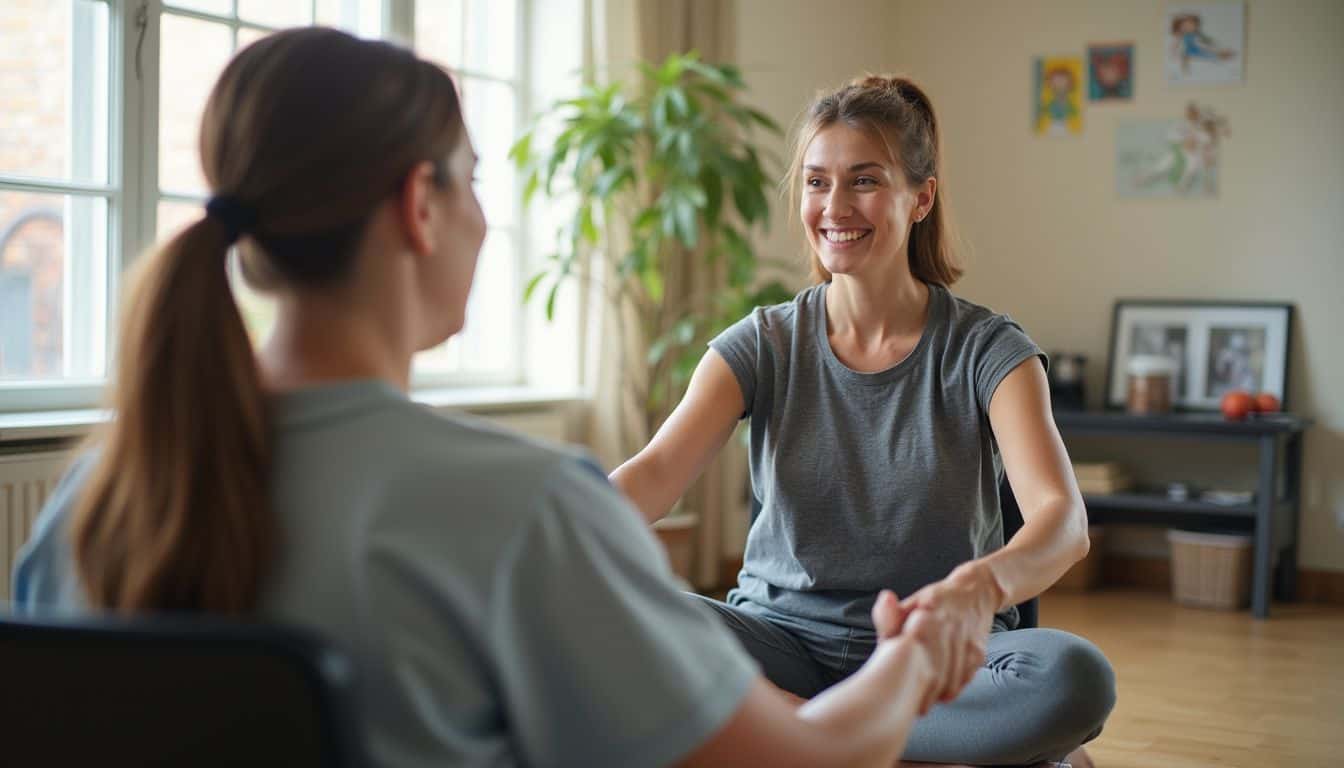
Work with your healthcare provider on a simple plan you can follow. Physical therapy builds strength, reduces stress, and helps you return to daily tasks.
What physical therapy options should I consider?

The right physical therapy choices can speed healing and ease pain. They also support confidence while you adjust after a crash.
- Manual therapy uses hands-on work like soft tissue massage and joint mobilization to reduce tension and improve circulation.
- Therapeutic exercises include stretching, resistance work, and balance drills for whiplash or back pain. These restore everyday movement.
- Ultrasound therapy sends sound waves into deep tissue. It can reduce swelling and help soft tissues heal faster.
- Electrical stimulation activates weak muscles and nerves with gentle currents. It lowers pain and helps muscles fire again.
- Balance training rebuilds stability after concussions or spinal injuries. Pads and balance tools make progress measurable.
- Light aerobic activity, such as short walks, improves blood flow and mood without overloading healing tissue.
- Complete Care services can include chiropractic adjustments, physiotherapy for chronic pain, interventional pain care, neurology for head trauma, orthopedic consults, and imaging for clear diagnosis.
- Nutrition support matters too. Choose protein-rich meals instead of cookies most days to fuel muscle repair.
These options restore strength and build healthy coping skills for the road back.
How do I start light exercises like walking safely?
 Light exercise helps your body and mind. Start slow, and build only with medical approval.
- Get approval from your healthcare provider before any activity. Safety comes first.
- Begin with 5-10 minute walks on flat, stable surfaces. Test how your body feels during and after.
- Wear supportive shoes to reduce stress on healing joints and tendons.
- Carry water, and sip often. Hydration supports tissue repair and energy.
- Monitor pain levels. Stop if you feel sharp pain, then tell your doctor.
- Increase time and pace only when comfortable. Add small steps each week.
- Do daily stretching such as neck tilts or knee-to-chest moves to reduce stiffness.
- Walk with a friend when you can. Social support boosts mood and motivation.
Progress may seem slow at first. Consistency builds strength and confidence over time.
Focusing on emotional healing after a car accident
Emotions can spike after a crash. Fear, anger, sadness, and nervousness are common. Healing improves when you stay connected and speak openly about your feelings.
How can talking to friends and family help me heal?

Sharing your story relieves stress and builds resilience. Strong social support is linked to better emotional recovery and lower risk of PTSD.
A quick call or text can lift your mood. Many men try to go it alone. That choice can make anxiety and depression symptoms worse. Support groups offer another safe space if you want more connection.
Talking things through helps your circle too, including kids who may react differently. Accepting help is a strength. It supports both physical and mental health.
When should I seek professional counseling?

Get help from a mental health professional if PTSD symptoms last for weeks. Common signs include nightmares, flashbacks, and emotional numbness. Also seek help if work or home tasks feel much harder for more than a few days.
Try counseling services like the NHS IAPT program. Many places offer free mental health assessments. Effective therapies include cognitive behavioral therapy, trauma-focused CBT, EMDR, exposure therapy, and solution-focused counseling.
If self-care and support at home do not help, explore your options. For steps to take right after a crash, visit steps to take immediately following your accident.
Seeking help is not weakness; it takes courage to ask for what you need.
How do I practice self-care during recovery?

Self-care supports both body and mind. Use simple tools like breathing exercises, short walks, or a relaxation app. Small routines add structure on hard days.
Why is getting enough sleep important after an accident?

Quality sleep helps your brain process stress and your body heal. Sleep experts suggest seven to nine hours a night during recovery.
Poor sleep can fuel anxiety, PTSD, or depressed mood. Short daytime naps can ease exhaustion, especially if insomnia shows up after the crash. Set a simple routine. Dim lights, cut screens, and keep a steady bedtime.
Better sleep sharpens thinking and decisions. That makes it easier to follow treatment plans and manage pain.
What nutritious meals support recovery?

Smart eating speeds healing. Your body needs extra protein, steady energy, and plenty of micronutrients.
- Aim for 1.6-2.5 grams of protein per kilogram of body weight daily. Spread it across meals.
- Choose lean proteins like chicken, turkey, eggs, tofu, cottage cheese, and beans.
- Add omega-3 foods such as salmon, walnuts, chia seeds, or flaxseeds twice weekly to calm inflammation.
- Fill half your plate with colorful fruits and vegetables for vitamins and minerals.
- Use complex carbs, like brown rice, oatmeal, quinoa, or whole-wheat pasta, for steady energy.
- Drink water throughout the day. Hydration keeps tissues flexible and supports circulation.
- Eat every three to four hours. Regular meals help fuel physical therapy or light exercise.
- Consider leucine if your clinician suggests it. This amino acid helps limit muscle loss during low activity.
- Mix up your choices. Variety helps meet nutrient needs and prevents taste fatigue, so cookies become a sometimes treat.
These food habits support healing and help you feel stronger during rehab.
What relaxing activities or hobbies can aid healing?

Recovery needs mental breaks too. Calming hobbies lower stress and make hard days feel lighter.
- Play music you love to relax tight muscles and lift mood.
- Spend time in nature. Short walks under trees can reset your mind.
- Do deep breathing or brief meditation each morning to start steady.
- Write in a journal to process thoughts and track progress.
- Take a warm bath to ease muscle tension after therapy or exercise.
- Try drawing, painting, or clay work for a creative outlet.
- Read short stories or a chapter at night to unwind.
- Do light gardening for gentle movement and calm focus.
- Test a new hobby like photography to keep goals in sight.
Blend mindfulness, gentle movement, and creativity. That mix can ease stress from a traumatic event like a crash.
How long does it take to recover from a car accident?
Recovery time varies by injury. Scrapes or mild bruises may heal in 1-2 weeks. More serious issues, such as whiplash, soft tissue damage, concussion, or spinal injuries, can take months.
Some symptoms appear late, which is why early medical attention matters. Following your care plan, using pain relief as directed, and staying active within limits can speed healing. Counseling can also shorten emotional recovery if stress builds.
Everyone heals at a different pace based on health history and age. New digital therapy tools may further speed the process in 2025.
How will car accident recovery methods evolve in 2025?
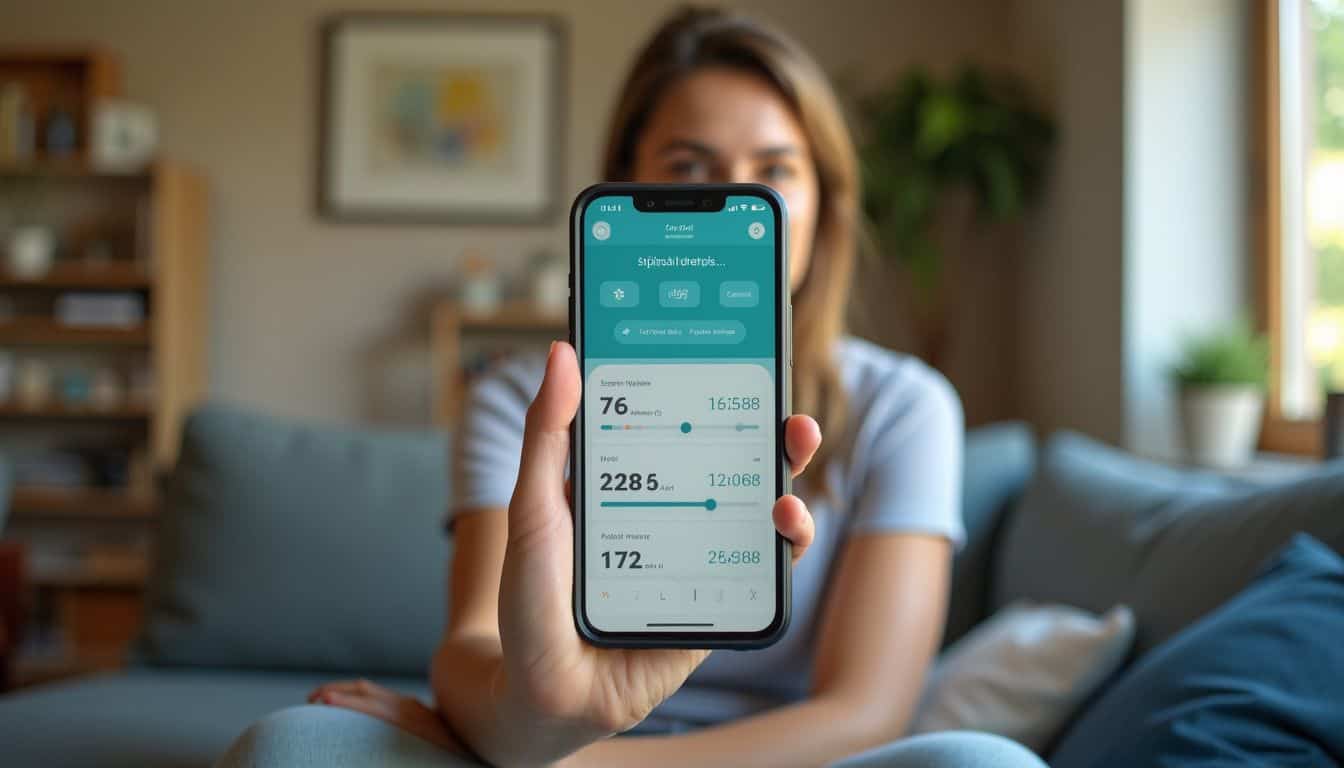
Expect more digital health tools and telemedicine. Video visits, remote monitoring, and app-based exercises will let you train at home with guidance.
Rehab plans will be more personal, based on your injuries and goals. Mental health will take a larger role too. Regular PTSD checks may become part of routine follow-ups.
Teams with physical therapists, counselors, nutrition experts, and social workers will coordinate care so the body and mind recover together. Better therapy options plus solid nutrition advice will help men build resilience for the long haul after a crash.
People Also Ask
What are the first steps to take after a car accident to feel better physically and emotionally?
After a collision, check for injuries and seek medical help right away. Even if you feel fine, visit a healthcare provider since some injuries appear later. Reach out to friends or family for support; talking helps process shock and stress.
How can I manage pain and discomfort following an auto crash?
Follow your doctor’s advice on medication or therapy. Use ice packs or heat as recommended to reduce swelling or stiffness. Gentle movement, like walking short distances, aids recovery but avoid strenuous activity until cleared by your physician.
Why is emotional care important after being in a vehicle wreck?
Emotional health affects physical healing; anxiety, sadness, or nightmares are common responses after accidents. Speak with mental health professionals if distress lingers more than a few days so you can regain confidence behind the wheel.
What practical steps help speed up recovery from car accident injuries?
Attend all follow-up appointments and complete prescribed exercises at home if given by your therapist. Eat balanced meals rich in protein and vitamins that promote tissue repair while staying hydrated throughout each day for optimal healing progress.
References
https://www.smithlawcenter.com/blog/seeking-medical-attention-after-car-accident
https://www.integrityspineortho.com/post/the-9-steps-to-recovery-after-an-auto-accident/ (2024-08-12)
https://lyndonruhnke.com/blog/important-steps-to-take-after-an-accident/ (2025-01-28)
https://synergyrehabinc.com/physical-therapy-after-auto-accident/ (2025-01-15)
https://www.payerlawgroup.com/navigating-emotional-recovery-after-traumatic-accident/
https://www.kentuckycourage.com/blog/how-to-mentally-recover-from-a-car-accident/ (2023-10-31)
https://recoverylawcenterhawaii.com/blog/how-to-recover-from-car-accident-trauma/
https://synergyrehabinc.com/auto-accident-recovery-tips/
https://pmc.ncbi.nlm.nih.gov/articles/PMC7468744/
https://americanaddictioncenters.org/blog/4-nutrition-tips-for-early-recovery (2025-06-15)
https://www.gkbm.com/blog/mental-health-recovery-car-accident/
https://centerstone.org/7-ways-to-make-relaxation-a-part-of-your-recovery/
https://www.sciencedirect.com/science/article/pii/S2590198225000533