
Ever thought about how to buy a casino and felt like you were trying to read your opponent’s poker face? It can feel overwhelming.
The laws are complicated, the costs seem astronomical, and the sheer number of gaming licences is enough to make anyone’s head spin.
You’re not wrong to feel a little intimidated. Many guys who want to get into the gambling business worry about picking the wrong spot or messing up a critical legal step.
Here’s a little inside info: even a small physical casino needs around $5 million just for startup expenses. And some of the giants on the Las Vegas Strip? They took billions to get the dice rolling. But don’t let that scare you off.
I’m going to walk you through everything you need to know, breaking down the costs, laws, and risks with real numbers from places like Wynn Las Vegas and The Palazzo. We’ll cover everything from slot machines and licensing fees to the best casino locations and even online casinos, if that’s more your speed.
So, let’s pull back the curtain together. By the time we’re done, you’ll feel a lot more confident about placing your bets.
Key Takeaways
Buying a small physical casino requires at least $5 million for startup expenses, while premier properties like Wynn Las Vegas have cost up to $2.7 billion. Online casinos are a bit more accessible, typically needing a minimum investment of around $1.9 million.
Licensing fees and taxes vary wildly by location. New York can charge up to $500 million for a license, Arkansas takes 13-20% of revenue, Delaware taxes slots at 57%, and Nevada keeps rates lower, between 3.5% and nearly 7%.
Land-based casinos come with steep high recurring costs. Think staff payroll ($61,000-$134,000 per employee), massive power bills (up to $500,000 monthly), huge water usage, and security systems that can cost up to $2 million a year.
Funding your purchase usually means combining your own money with bank loans. Over 60% of new U.S. casino financing comes from commercial lenders like Wells Fargo or Bank of America, but be prepared for a long wait, as deals must pass strict regulatory checks that can take six months or more.
You’ll need to follow strict anti-money laundering laws, conduct thorough due diligence on all debts and legal issues, negotiate a clear purchase agreement, and get the final regulatory sign-off. After that, it’s all about hiring a great management team and using modern tools to stay profitable.
Table of Contents
Overview of the Casino Industry

The casino world today is a wild mix of classic slot machines and high-tech digital gaming, pulling in everyone from serious poker players to people just looking for a fun night out. Every casino’s business plan is shaped by gambling laws and the payment systems they use, whether it’s debit cards or cryptocurrency.
What are the current market trends in the casino industry?

The money in global gambling just keeps growing. The casino industry is on track to hit a staggering $425.34 billion by 2033. One of the biggest drivers of this growth is the “integrated resort” model you see in Las Vegas or Macau.
These places aren’t just about gambling anymore. They pull in huge profits from luxury dining, high-end shopping, concerts, with stacks of scratch-off games calling your name, and poker tables that are packed all night. These resorts are set to grab nearly 45% of the total market share this year.
A few other key trends are shaping the scene in 2025:
- Digital is Booming: The American Gaming Association reported that combined revenue from land-based casinos, sports betting, and iGaming hit $19.44 billion in the second quarter of 2025 alone. While land-based casinos grew, iGaming and sports betting saw massive jumps of over 30%.
- Cashless is King: More venues are adopting RFID-enabled cashless payment systems. This is a big deal because customers tend to spend 15% to 20% more per visit when they’re not digging for physical chips.
- AI is a Game-Changer: Artificial intelligence is being used for everything from personalized marketing to fraud detection. AI can analyze player behavior to recommend games or even spot signs of problem gambling.
- Asia-Pacific Leads the Way: The Asia-Pacific region brings in over a third of worldwide casino revenue, thanks to major hubs like Macau and new tribal projects in Southeast Asia.
What legal and regulatory factors affect casino ownership?

State regulators watch casino operations like a hawk, especially with the explosion of online gambling and sweepstakes games. In the first half of 2025, regulators in states like Michigan and Maryland issued a flurry of cease-and-desist letters to unlicensed online and sweepstakes casinos, showing they’re cracking down hard.
You have to stay on top of constantly changing gambling regulations. States like New York and Florida are always tweaking rules or increasing taxes on sports betting and iGaming platforms.
Every casino owner has to deal with strict anti-money laundering (AML) compliance. This involves frequent reporting, thorough background checks for owners, and tight controls on cash transactions. The global casino industry faced about $160 million in regulatory fines in the first half of 2025, with a huge chunk of that related to AML failures.
Tribal casinos operate under different rules due to special compacts between tribes and governments. This means their legal framework can be completely different from commercial casinos like the Bellagio or Caesar’s Palace in Vegas.
Finally, banks won’t even think about clearing your investment without documented proof before clearing investments. One missing financial record can put the entire purchase on ice indefinitely.
Casinos run on details; miss one rule, lose your chips.
Determining the Type of Casino to Buy

You need to decide what kind of game you want to play. Are you picturing a flashy, real-world casino with rows of poker machines, or an online site packed with live casino games? Your choice will define your target markets and your entire strategy.
What are the differences between land-based and online casinos?

Walking into a land-based casino is a full sensory experience. You’ve got the flashing lights, the sound of slot machines ringing, and the buzz of people around the craps tables. It’s a social event.
These places have huge overhead costs. You’re paying for massive HVAC systems, durable casino furniture, security, and a huge staff working around the clock.
Online casinos are a totally different beast. Anyone can play from anywhere, anytime. All they need is an internet connection and a payment method like Mastercard or Neteller.
Instead of a physical building, your assets are powerful servers, sophisticated software, and strong encryption to keep player data safe. The iGaming industry offers a much wider selection of casino games, with some sites offering thousands of slots. These are all run by software from developers like NetEnt or Playtech, not human dealers.
How do I choose between a land-based casino and an online casino?

Picking between a brick-and-mortar casino and an online platform really boils down to your business goals and the kind of experience you want to offer.
A physical casino is all about the social atmosphere. People go there for a night out, to see live entertainment, and to feel the energy of the crowd. Gamblers love the feeling of holding real chips at places like Aria or grabbing a drink at a busy public bar.
Online casinos are all about convenience and variety. The number of slot games can be massive, and live dealer options give players a taste of a real table from their couch. The online gambling market is expected to grow significantly, reaching $225.82 billion by 2029.
You need to think about your target player. Are you going after social people who value loyalty points and in-person events? Or are you targeting digital players who are drawn in by affiliate programs and search engine marketing?
“The house edge stays the same but where you build makes all the difference.”
Evaluating the Costs of Buying a Casino

The price tag on a casino is just the beginning. You have to factor in licensing, taxes, and major equipment costs like the air conditioning system before you ever open the doors.
What is the typical purchase price of a casino?
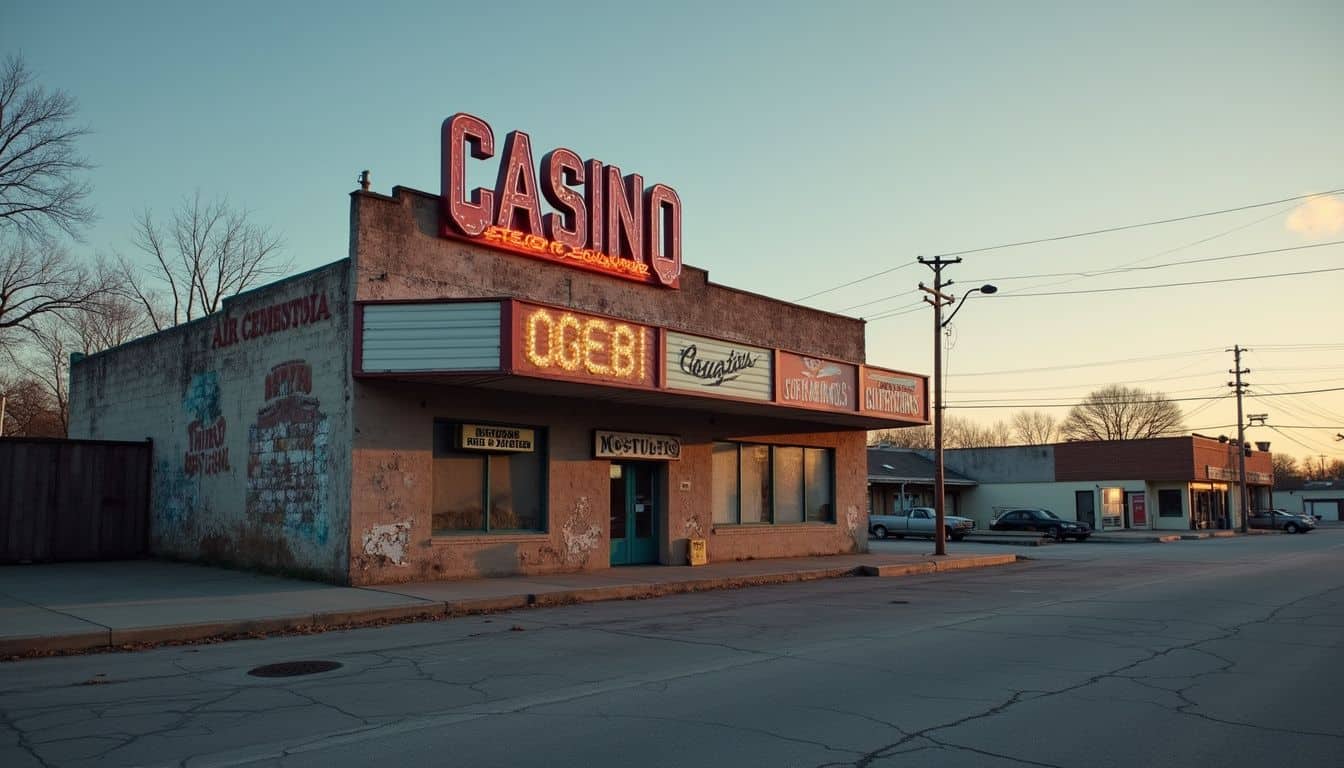
A small casino business might sell for around $5 million, while a mid-sized one could be closer to $20 million. Building from scratch is a whole other level, costing anywhere from half a million to over $4 billion.
The industry’s giants are in a league of their own. The MGM Grand was built for $1 billion, and the Wynn Las Vegas cost a whopping $2.7 billion.
Online casinos are more affordable but still a major investment. You’ll need at least $1.9 million to get started once you factor in licensing, software, and staffing.
Don’t forget about renovations. Upgrading a property, especially with a major marketing campaign or a new air conditioning system for guest comfort, can easily cost as much as the initial purchase price.
What licensing fees and taxes should I expect?

Licensing fees are all over the map. If you’re looking at Downstate New York, be ready to pay an incredible $500 million just for the license. In offshore locations like Malta, fees are more in the $100,000 to $300,000 range, while many EU zones can top $1 million.
Online casino licenses are usually cheaper, running between $20,000 and $100,000.
Taxes will also take a big bite out of your revenue. The rates vary dramatically by state:
- Arkansas: Charges 13% on the first $150 million and 20% after that.
- Delaware: Takes over half (57%) of all electronic games revenue and 20% from table games, plus a $3 million annual license fee.
- Nevada: Is more lenient, with rates between 3.5% and almost 7%, plus per-device fees.
- Pennsylvania: Has one of the highest rates, taxing slots at 55% and table games at 16%.
On top of all this, regulators require constant audits and thorough owner background checks. These compliance costs can be just as painful as the taxes themselves.
What are the operational and maintenance costs involved?

Your biggest ongoing expense will be payroll. You can expect to pay between $61,000 and $110,000 per employee annually, with top executives earning $134,000 or more. A large Las Vegas casino can easily have 1,300 employees.
Utilities are another huge cost. A major casino like the MGM Grand can spend between $250,000 and $500,000 a month on electricity, with slot machines eating up about a third of that. Water is also a massive expense, with Las Vegas casinos using about three billion gallons a year.
Security is non-negotiable and expensive. A top-tier surveillance system and staff can run you up to $2 million per year. HVAC systems are also a major investment, with geothermal units costing up to $20,000 each.
And then there’s the general upkeep. Furniture wears out, tables get chipped, and you can expect maintenance and supply fees to easily exceed $50,000 when repairs start to add up. You’ll also need a consistent budget for marketing strategies and advertising campaigns to keep customers coming through the door.
You don’t just buy a casino—you inherit its bills, said Mike D., former blackjack dealer turned manager.
Securing Funding

Money is key, but banks and investors will want to see a solid plan before they hand any over. Make sure your numbers are crunched and your spreadsheets are perfect before you start pitching.
How can I use personal investment to buy a casino?

Using your own money to buy a casino is a bold move that requires deep pockets and a strong stomach for risk. It means you’re putting your savings, stocks, or even home equity on the line to cover the down payment and operating costs.
This is a high-risk venture. The gambling industry is heavily regulated, with complex legal and tax rules you have to follow perfectly.
Casino finance can be a double-edged sword. The potential rewards are huge, but so are the risks. Most franchisors are wary of buyers who rely only on personal investment because, historically, many have lost their investment quickly.
What loans or investors are available for casino purchases?

Most buyers need to look beyond their personal funds and seek out banks or outside investors for a large casino purchase. The capital required is usually more than one person can handle alone.
Here are some of the most common funding sources:
- Traditional Banks: Commercial lenders like Wells Fargo or Bank of America are major players, providing over 60% of new casino financing. Firms like Western Alliance Bank and Ocean Pacific Capital also specialize in casino and gaming industry loans.
- Private Equity Firms: Big investment firms have become increasingly interested in the casino market. Companies like Blackstone and Apollo have made multi-billion dollar deals to acquire casino properties in recent years.
- Project Financing: This type of loan is ideal for new construction or major renovations. The loan is secured by the project itself, rather than your personal assets.
- Venture Capitalists: VCs are often interested in the tech side of the industry, particularly online platforms or sports betting technology.
- Investor Groups: Pooling resources with other investors is a great way to spread out the risk while still getting a piece of the profits.
No matter which route you take, be prepared for intense scrutiny. Lenders and investors will dig deep into your cash flow projections, market data, and regulatory compliance before they approve a single dollar. You might spend six months just making your case to regulators like Nevada’s Gaming Control Board.
Finding the Right Location

Location is everything. It can be the difference between a huge success and a total bust. Think about the high traffic of Las Vegas for slot machines, or the friendly regulations of Malta for online platforms. Always check out local zoning laws and tech infrastructure before you make a move.
Where are the best real estate options for land-based casinos?
The best spots for land-based casinos come with some serious price tags. The Las Vegas Strip is the undisputed champion, thanks to its constant stream of tourists and business-friendly environment. Iconic properties like the Bellagio, Aria, and Wynn sit on some of the most valuable real estate in the world.
Other major global hubs include:
- Macau, China: Known as the gambling capital of Asia, it’s home to massive resorts like The Venetian Macao and City of Dreams.
- Monte Carlo, Monaco: This location offers ultimate luxury and attracts the world’s wealthiest clientele.
- Singapore: A fast-growing market featuring stunning modern casinos like the Marina Bay Sands.
- Atlantic City, New Jersey: A classic U.S. gambling destination on the East Coast.
Property prices in these prime locations can be astronomical. A 2024 report noted that land in New York and Los Angeles can go for up to $58 million per square meter. Before you even think about building, you’ll need to do a deep dive into the local market and zoning laws. A great location often comes with a history of successful [integrated casino hotels](https://www.unfinishedman.com/what-are-casino-hotels-comprehensive-guide/).
What digital platforms are best for hosting online casinos?
For an online casino, your “location” is your software platform. This is the engine that runs your entire operation, so choosing the right one is critical.
SOFTSWISS (now BGaming) is a dominant force, powering over 860 gambling sites with its robust and crypto-friendly platform. Other top-tier providers in 2025 include:
| Platform | Key Feature | Best For |
|---|---|---|
| Playtech | Omni-channel solutions | Operators who want seamless integration between online and retail. |
| Evolution Gaming | Live dealer games | Creating the most immersive and realistic live casino experience. |
| NuxGame | Turnkey solutions | New operators who want to launch a full-featured platform quickly. |
| NetEnt | High-quality graphics and innovative slots | Casinos focused on providing a premium slot machine experience. |
When choosing a platform, look for one that offers bulletproof security, fast payment processing (including for cryptocurrencies), and can be easily scaled up as your business grows. Good tech support and low latency are crucial for keeping players happy and engaged.
Conducting Due Diligence

It’s time to get out your magnifying glass and go through the casino’s books with a fine-toothed comb. Check every financial record, and don’t skip over old debts or hidden costs. One nasty surprise can turn a great deal into a disaster.
How do I assess the financial health of a casino?
Start with the core numbers. You need to dig into the cash flow, break down the revenue by department, and look at the overall profitability. A typical large casino might bring in around $1.9 million a day, split between gaming ($662,000), hotel rooms ($531,000), food ($302,000), drinks ($143,000), and other services ($297,000).
Get your hands on official audit reports from reputable firms like Deloitte or KPMG. These will show you how each of those revenue streams has performed year over year.
You also need to hunt for any debt and liabilities, like unpaid taxes or hidden legal fines. Casinos have to follow very strict rules for anti-money laundering and self-exclusion programs. Any missing paperwork in these areas could lead to huge penalties later.
A casino’s financial health is heavily tied to its location, size, game selection, and reputation. Use financial analysis tools to review market research and SWOT charts before you decide to make an offer.
What liabilities and debts should I look for?
After you’ve got a handle on the casino’s financial health, it’s time to dig into its debts and liabilities. This is a critical step that you can’t afford to mess up.
Here’s a checklist of things to look for:
- Outstanding Tax Obligations: Old tax bills can pop up out of nowhere and become your problem.
- Supplier Invoices: Check for any unpaid bills from vendors or suppliers.
- Loan Agreements: Look closely for any tricky terms like restrictive covenants or balloon payments that could cause trouble down the line.
- Entertainment Contracts: In tribal casinos, these can be a huge expense, sometimes running $2-3 million per year.
- Employee Benefit Plans: If you’re keeping the current staff, you could be inheriting expensive retirement or healthcare plans.
- Property Liens: Make sure there are no liens on the building or any of the gaming equipment.
- Regulatory Fines: Search for any unresolved legal battles or fines from state bodies like the Nevada Gaming Control Board.
Most of the biggest problems you’ll find are buried in stacks of paperwork, not out on the casino floor.
Negotiating the Purchase

This is where you need to be tough but smart. Bringing in a professional negotiator, like a commercial lawyer or a real estate agent who specializes in this area, can save you a ton of money. Make sure you understand every single word of the contract before you sign.
How do I set a fair price for buying a casino?
Before you even think about making an offer, you need to do your homework. Look at recent casino sales and read industry reports to see what similar properties are going for. I always analyze the net profits, the value of the location, and the customer traffic data from at least the past three years.
Set a clear maximum price for yourself after you’ve factored in all the other costs, like licensing fees, taxes, and ongoing maintenance.
Having solid research and hard numbers gives you a huge advantage in negotiations. Facts are always more powerful than just a gut feeling. Stay a bit flexible, but don’t lose sight of your main goals, or your costs could quickly get out of hand.
What contract terms and conditions should I negotiate?
The most important thing is to nail down the purchase price, the payment schedule, and exactly which assets and liabilities are included in the deal. Every one of these details needs to be spelled out clearly in the agreement.
You should also push for post-sale indemnification. This is a clause that protects you from any surprise legal claims that might pop up after the sale is complete.
Make sure it’s crystal clear who is responsible for handling things like licensing fees, taxes, and any employee transitions during the handover. Your legal advisor should draft strong terms that protect you from any unexpected costs or hidden problems down the road.
Finalizing the Sale

You’re almost at the finish line. You’ll need a lawyer and an accountant to go over every piece of paper one last time before you sign. Get your financing in order, because the keys won’t change hands until all the documents have been approved.
What legal documents are needed to finalize the sale?
The purchase agreement is the most important document, as it outlines every single detail of the sale. You’ll also need a bill of sale or assignment documents to officially transfer the assets or shares.
Regulatory agencies will require signed gaming license transfers before any gambling can happen under your ownership. You’ll also need tax compliance paperwork to make sure everything is good with the government.
If you’re keeping the existing staff, you’ll need employee transition agreements to make sure that process goes smoothly.
Most buyers hire legal counsel to help draft and review all of these forms. Trying to handle this paperwork on your own is a bigger gamble than anything happening on the casino floor.
How is ownership officially transferred?
Closing day is when it all becomes official. Both you and the seller will sign all the required legal documents, including the final purchase agreement. Funds will be transferred from your account to the seller’s, usually with an escrow agent making sure everything is correct.
If it’s an asset sale, you’ll take control
of the physical property. If it’s a stock sale, the company shares will be transferred to you.
Regulators have the final say. Licensing authorities will confirm that all your paperwork is in order and meets their strict laws. Tax experts will review everything to make sure capital gains and payroll changes are handled correctly.
Post-Purchase Considerations

Once you have the keys, the real work begins. You’ll need a sharp management team and clear operational procedures to keep the business running smoothly. Good signage and a smart marketing plan can help you start attracting customers right away.
How do I hire experienced management teams for my casino?
Your first step is to find top-level managers who have a proven track record in the gambling, hospitality, or tech industries. Look for candidates who have experience running large teams, especially since a big casino can have up to 1,300 employees.
You’ll need to offer competitive salaries to attract the best talent. Expect to pay up to $134,000 a year for C-suite executives.
But it’s not just about the money. Good managers are also looking for a strong corporate culture and opportunities for growth. During interviews, ask them how they would handle stressful situations, like a packed weekend or a surprise audit.
A solid onboarding process is key to building loyalty from day one. When I was hiring for a sportsbook in Nevada, we saw a big jump in employee retention after we started putting new hires into real-world simulations and giving them constant feedback.
What marketing and rebranding strategies work best?
A strong brand strategy is essential for boosting your casino’s profits. You need to create a story that connects with players and keeps them coming back.
Using AI-powered tools like Salesforce and Amplitude can help you track what your guests are doing and create personalized offers just for them. A 2024 study showed that casinos using personalized marketing saw an 18% jump in guest retention.
Personalization is everything. Nobody wants a generic, one-size-fits-all reward.
Consistency is also key. Your brand should feel the same whether a guest is playing on your website or standing at a roulette wheel in your casino. Train your staff to deliver excellent service that matches your brand’s voice. This can increase customer loyalty scores by over 20%.
Don’t be afraid to try new things, like VR experiences, to attract younger, tech-savvy customers. And a little humor in your digital marketing can go a long way. If you need some ideas, check out these [humorous business signs](https://www.unfinishedman.com/funny-business-signs/) from other brands that are doing it right.
How Will Buying a Casino Change in 2025?
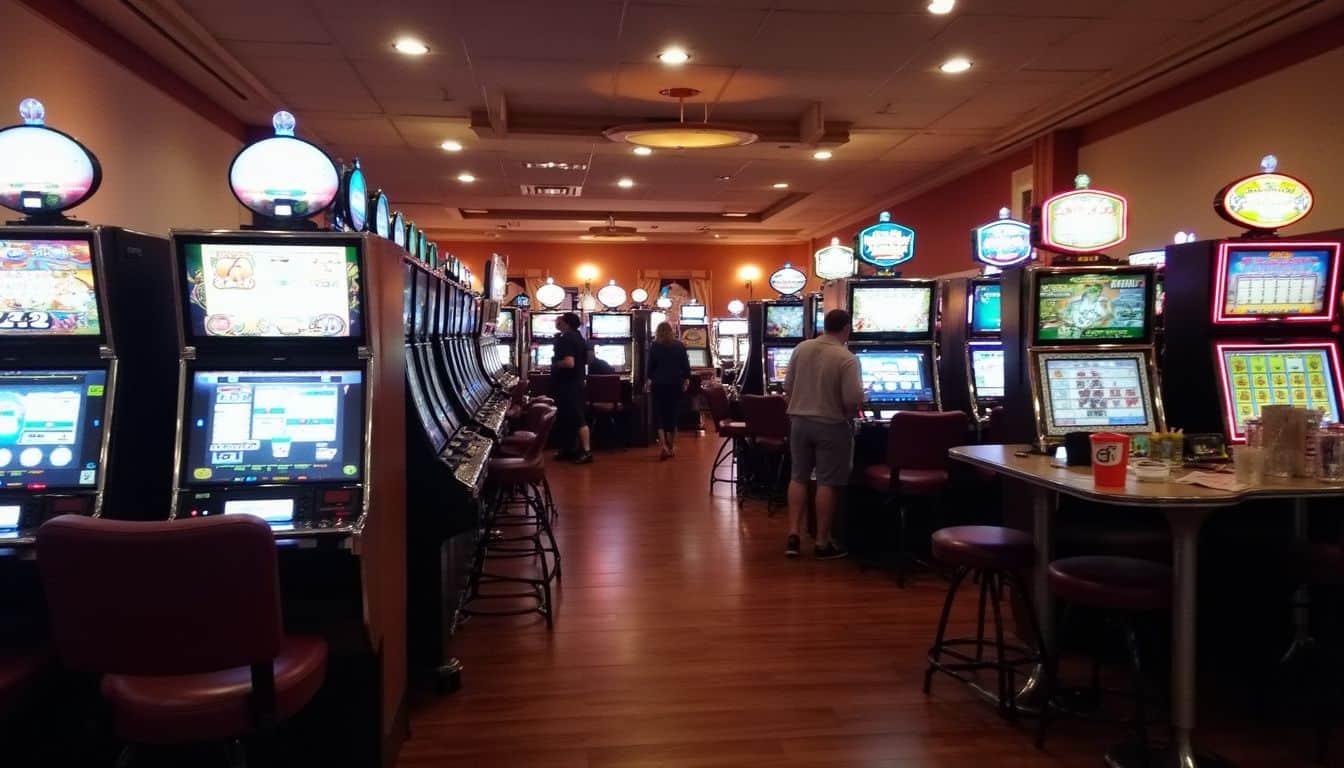
Buying a casino in 2025 will come with its own unique set of challenges and opportunities. Inflation is expected to keep pushing up the costs of labor, utilities, and even the food at the buffet. Your accountant will likely recommend monthly financial reviews just to keep up with the changing economic landscape.
The smartest operators will be leaning heavily on AI and automation software. These tools are revolutionizing the industry by helping to cut down on overhead costs. Imagine reducing your payroll by 20-30% with smarter scheduling software, or using energy management systems like Honeywell or IBM’s Maximo to lower your utility bills.
To really succeed, casinos will need to offer more than just games. Bundling spa packages or concert tickets with gaming comps can provide extra value and attract more customers. Building a strong marketing team is no longer optional, it’s essential for standing out in a crowded market.
Non-gaming amenities are now just as important as the table limits if you want to build a business that can weather any economic storm.
People Also Ask
What are the first steps to buy a casino in 2025?
First, you’ll need to research specific state gaming laws and prepare for intense licensing investigations from bodies like the Nevada Gaming Control Board. Next, develop a solid business plan to secure millions in funding from specialized investors or lenders. Finally, begin scouting available properties or online platforms for the actual purchase.
How much does it cost to purchase a casino?
Costs vary wildly, from tens of millions for a small, land-based venue to a starting price of around $40,000 for a “turnkey” online casino software package. For online platforms, you also have to factor in licensing fees, which can cost about $48,000 annually for a jurisdiction like Curacao.
What risks come with buying a casino?
Beyond fierce market competition, the biggest risks are regulatory, as you can face massive fines for violating anti-money laundering laws. A downturn in the local economy or a shift in consumer spending habits can also quickly sink your revenue projections.
Can I run the business myself after buying it?
It’s highly unlikely, as you’ll need a seasoned general manager and a dedicated compliance officer to handle the complex daily operations and legal requirements.
References
https://www.mordorintelligence.com/industry-reports/casino-gambling-market (2025-09-22)
https://www.servers.com/news/blog/what-is-the-difference-between-land-based-and-online-casinos
https://www.gammastack.com/online-slots-vs-land-based-slots-pros-and-cons/
https://www.revolutionordering.com/blog/how-much-does-it-cost-to-open-a-casino/ (2025-06-13)
https://finance.yahoo.com/news/casinos-market-analysis-demand-outlook-152900589.html (2025-09-11)
https://legalpilot.com/how-much-is-a-gambling-license-cost/
https://www.investopedia.com/terms/c/casinofinance.asp (2023-12-21)
https://www.disruptionbanking.com/2025/10/28/the-role-of-banks-in-financing-casino-expansion-projects/ (2025-10-28)
https://imsa.sport/2025/10/15/us-internet-casinos-2025-new-trusted-casino-sites-2/ (2025-10-15)
https://piegaming.com/blog/how-to-buy-online-casino-software/ (2024-04-10)
https://www.oceangamingconsult.ug/blog/importance-of-due-diligence-in-casino-mergers-and-acquisitions (2024-08-10)
https://scholarworks.umass.edu/bitstreams/6af495c9-11c3-4df9-9c9b-63b7c3e50c35/download
https://www.salesforce.com/blog/price-negotiation/
https://www.acquisition.gov/far/part-31
https://western-companies.com/finalizing-the-sale-legal-considerations/ (2024-11-11)
https://www.investopedia.com/articles/mortgages-real-estate/10/closing-home-process.asp
https://slotegrator.pro/analytical_articles/the-foundation-of-casino-success-recruitment-in-gambling/ (2025-09-18)
https://www.jcarcamoassociates.com/casino-brand-strategy-drives-loyalty-and-revenue-growth/ (2025-02-25)
https://www.smartico.ai/blog-post/casino-marketing-strategies-that-actually-work-in-2025 (2025-05-23)
https://teamcatalyst.com/key-challenges-facing-casinos-in-2025-part-3/

