
One bad decision behind the wheel can destroy your entire future. A DUI conviction creates a criminal record that follows you for years, affecting everything from your job prospects to your personal relationships.
This guide reveals how a DUI will ruin your life by breaking down eight critical ways this charge damages your career, finances, family connections, and mental health. Read on to discover the shocking truth about DUI consequences.
Key Takeaways
A DUI conviction costs over $15,000 in the first year through fines, legal fees, insurance increases, and mandatory programs.
License suspension occurs immediately after arrest, with first-time offenders facing one-year revocation and fourth offenses causing lifetime bans.
Professional licenses for doctors, lawyers, nurses, and teachers face revocation due to moral turpitude associated with DUI convictions.
DUI records block international travel to countries like China and Japan, requiring criminal rehabilitation processes for entry approval.
Mental health effects include depression, anxiety, PTSD, and damaged relationships that require professional therapy to overcome long-term.
Table of Contents
How Does a DUI Affect Your Driving Privileges?
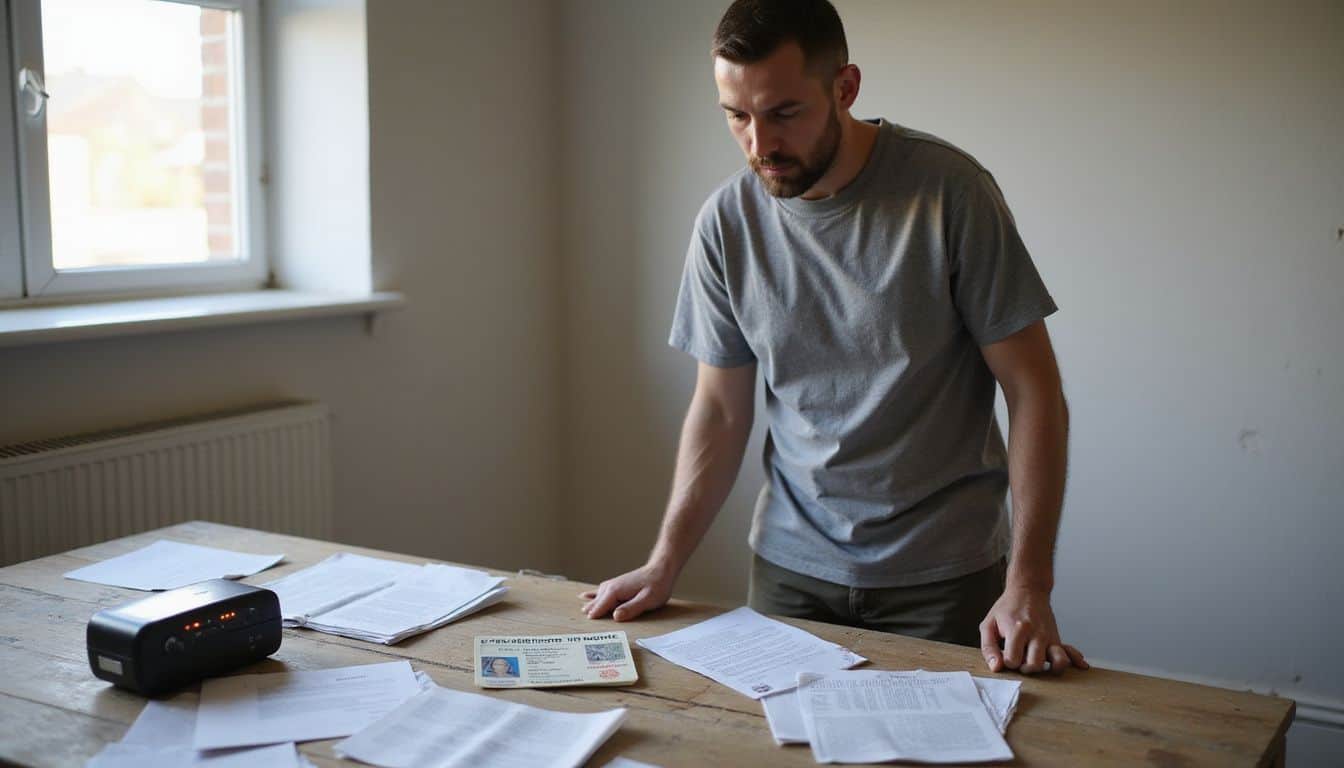
A drunk driving conviction hits your driving privileges first and hardest, often resulting in immediate driver’s license suspension or complete revocation. Your state’s Department of Motor Vehicles will likely require you to install an ignition interlock device, carry expensive SR-22 insurance, and jump through countless bureaucratic hoops just to get back behind the wheel.
What Happens When Your Driver’s License Is Suspended or Revoked?

Your driver’s license gets yanked immediately after a DUI arrest through Illinois’ Statutory Summary Suspension. This automatic process kicks in before you even see a judge, leaving you stranded without legal driving privileges.
The Department of Motor Vehicles doesn’t wait for your criminal case to conclude… they act fast based on your blood alcohol concentration results or refusal to take sobriety tests.
License suspension differs greatly from revocation in terms of severity and duration. Suspension means temporary loss of driving privileges, while revocation cancels your license indefinitely until you complete formal reinstatement procedures.
First-time DUI offenders face a one-year license revocation in Illinois, but second offenses trigger a brutal five-year revocation period. Fourth DUI convictions result in lifetime revocation, essentially ending your legal driving career.
Getting your license back requires attending a formal hearing, proving you completed substance abuse treatment, and often installing an ignition interlock device in your vehicle. I’ve seen clients struggle for months with public transportation, rideshares, and depending on family members just to maintain their jobs and daily responsibilities.
The process becomes even more complex if you need driving while impaired legal representation to challenge the administrative license suspension through proper legal channels.
How Can a DUI Impact Your Employment and Career?

A DUI conviction creates a permanent mark on your criminal record that shows up during background checks, making employers think twice about hiring you—especially for jobs that require driving, handling money, or working with vulnerable populations like children or elderly clients.
Which Jobs Become Harder to Get After a DUI?

Driving-related careers face the biggest hit after a DUI conviction. Truck drivers, delivery workers, rideshare operators, and taxi drivers lose their ability to work immediately. Jobs requiring a valid driver’s license become harder to obtain after a DUI, forcing many men to completely change career paths.
Commercial Driver’s License holders face especially harsh penalties, with DUI convictions lasting 55 years on their records. Sales representatives, field technicians, and traveling consultants also struggle since employers need workers who can drive company vehicles.
Professional licenses take a serious beating too. Lawyers, doctors, nurses, and accountants can face license revocation due to a DUI conviction. Background checks reveal criminal records to potential employers, making job interviews much tougher.
Many companies fire employees convicted of DUIs, creating gaps in work history that hurt future applications. Insurance companies may refuse coverage for certain positions, affecting job eligibility in driving-related fields.
Repeat offenders face even steeper challenges, with many employers automatically rejecting candidates with multiple DUI charges.
A DUI doesn’t just affect your driving record, it can derail your entire career trajectory and limit opportunities for years to come.
What Are the Financial Consequences of a DUI?

Getting a DUI hits your wallet harder than a sledgehammer, with costs that can easily reach $15,000 or more in the first year alone. Between legal fees, fines, increased insurance rates, and mandatory programs, you’ll watch your bank account drain faster than you ever imagined possible.
How Much Do Fines, Legal Fees, and Insurance Increases Cost?

The financial hit from a DUI conviction will drain your bank account fast. Fines and attorney fees alone cost around $4,000, while DUI classes add another $650 to your bill. Towing and storage fees average about $685, plus you’ll pay a $100 DMV reinstatement fee just to get your driver’s license back.
Your insurance rates will skyrocket after a drunk-driving conviction, often doubling or tripling your monthly premiums for years.
These costs pile up quickly, but they’re just the beginning of your financial nightmare. A defense attorney becomes essential to protect your rights during prosecution, yet legal fees keep climbing throughout the court process.
Many guys think they can handle the arraignment alone, but one mistake can lead to mandatory minimum sentences that cost far more than hiring proper criminal defense representation.
The total financial implications for parents or guardians may exceed $55,000 when you factor in lost wages, increased insurance rates, and ongoing legal expenses that stretch for years after your initial dui offense.
Beyond the immediate financial damage, a DUI conviction creates lasting effects on your personal relationships and family connections.
How Does a DUI Affect Personal Relationships?

A DUI conviction creates immediate trust issues with your spouse, family members, and close friends, who may question your judgment and reliability. Your social circle often shrinks as people distance themselves from someone with a criminal history, and dating becomes more challenging when potential partners discover your DUI background through background checks or conversations about your restricted driving privileges.
Why Do DUIs Strain Family and Social Connections?

Trust breaks down fast after a driving under the influence arrest. Your family members feel embarrassed about your criminal history, and they worry about your future conduct. This stress creates tension at family dinners, holiday gatherings, and everyday conversations.
Loved ones start questioning your judgment and reliability. The National Institutes of Health study shows that a DUI increases divorce chances significantly. Your spouse may feel betrayed, especially if kids were in the car during the arrest.
A DUI doesn’t just affect the driver… it ripples through every relationship they have.
Social reputations take a major hit too. Friends exclude you from events where alcohol is present. Professional colleagues distance themselves, fearing guilt by association. Community members whisper about your arrest, making simple errands uncomfortable.
Your social circle shrinks as people judge your character based on one mistake. The shame follows you to work parties, neighborhood barbecues, and school functions. Some relationships never recover from the damage caused by impaired driving charges.
What Educational and Licensing Challenges Arise from a DUI?

A DUI conviction can slam the door shut on your educational dreams and professional licensing goals, creating barriers that last for years and sometimes decades. Many colleges, universities, and professional licensing boards conduct background checks that reveal your DUI record, potentially blocking your path to becoming a nurse, teacher, lawyer, or other licensed professional.
The moral turpitude aspect of drunk driving charges makes licensing boards particularly wary of approving applications from those with DUI convictions. Some graduate programs and professional schools automatically reject applicants with recent DUI convictions, forcing you to wait years before reapplying.
Even if you manage to get into school, securing internships, clinical rotations, or student teaching positions becomes much harder with a DUI on your record. Professional licensing boards may require additional documentation, character references, and sometimes even alcohol treatment completion before considering your application.
The ripple effects extend beyond just getting licensed… many employers in licensed fields run periodic background checks that could jeop.
How Can a DUI Block Access to Higher Education and Certifications?

Driving under the influence convictions create serious barriers to higher education and professional certifications. Professional schools that review criminal records often complicate admissions for students with DUI convictions on their background checks.
Medical schools, law schools, and nursing programs frequently require character and fitness evaluations that scrutinize past legal troubles. Security clearances required for certain educational programs and employment opportunities face jeopardy from DUI records, making it harder to pursue careers in government, defense, or sensitive fields.
Healthcare and legal professionals risk losing their certifications due to moral turpitude associated with DUI convictions. State licensing boards for doctors, nurses, lawyers, and other professionals maintain strict admission standards that may disqualify applicants with drunk driving records.
Teaching licenses, real estate certifications, and financial advisor credentials all face potential denial or revocation following a DUI conviction. Professional licensing boards view these offenses as evidence of poor judgment and character flaws that could impact public safety and trust.
The emotional and mental health effects of these educational and career setbacks compound the original trauma of the arrest and conviction.
How Does a DUI Affect Immigration and Travel?

A DUI conviction can seriously damage your immigration status and block your travel plans. Immigration officials view drunk driving as a serious offense that may prevent you from getting a green card, renewing your visa, or even entering certain countries.
Can a DUI Cause Visa Denials or Travel Restrictions?

Your driving under the influence (dui) conviction creates serious problems for international travel. Countries like China and Japan conduct thorough background checks and may deny entry based on your DUI history.
Visa applications require accurate disclosure of criminal history, and failing to disclose can lead to permanent bans from entry. Many nations view drunk driving as a serious offense that reflects poor judgment and character.
Canada offers criminal rehabilitation processes to overcome inadmissibility due to a DUI, but this requires a waiting period post-sentence completion. The rehabilitation process involves extensive paperwork, legal fees, and no guarantee of approval.
Travel restrictions can last for years or even decades depending on the severity of your conviction and the destination country’s policies. Consulting an immigration attorney becomes essential for travelers with DUI convictions to understand their rights and options before planning any international trips.
The emotional toll of these travel limitations compounds the stress you already face from your conviction.
What Are the Emotional and Mental Health Effects of a DUI?

A DUI conviction creates intense emotional trauma that can last for years, triggering feelings of shame, guilt, and depression that affect every aspect of your daily life. Many men face severe anxiety attacks, develop alcohol addiction problems, and struggle with damaged self-worth that requires trauma-informed care or EMDR therapy to overcome.
How Does a DUI Cause Stress, Shame, and Long-Term Emotional Impact?

Getting arrested for driving under influence creates immediate stress that can last for years. Your mind races with worry about court dates, legal fees, and what friends will think.
The shame hits hard when you realize you put others at risk. Many men describe feeling like failures after their first DUI arrest. Depression and anxiety often follow as you face the reality of your situation.
Sleep becomes difficult, and concentration at work suffers.
The emotional weight of a DUI doesn’t just disappear after you pay the fines – it follows you everywhere you go.
The long-term emotional damage runs deeper than most people expect. Victims of DUI accidents may experience depression and anxiety, especially if injuries affect their mobility. PTSD can develop from the traumatic nature of DUI accidents, creating lasting mental health challenges.
Some victims face suicidal thoughts due to a decline in quality of life following injuries. Families dealing with wrongful deaths in DUI incidents experience grief that affects them for years.
Your self-image changes permanently, and trust from loved ones takes time to rebuild. The stress affects your physical health too, leading to headaches, stomach problems, and high blood pressure.
Seeking legal assistance and support becomes crucial for managing these overwhelming consequences.
How Can You Mitigate the Consequences of a DUI?

While a DUI conviction brings serious consequences, you can take steps to minimize the damage to your life. A skilled DUI defense attorney can challenge field sobriety tests, question blood alcohol concentration readings, and negotiate with the prosecutor for reduced charges.
Some defendants qualify for diversion programs that allow them to avoid jail time through community service and counseling. You might enter a no contest plea to limit certain penalties, or your lawyer could work to expunge the conviction from your record later.
Installing an ignition interlock device voluntarily shows responsibility to the court. Consider exploring alternatives to drinking alcohol to relax to prevent future incidents.
Acting quickly after your arrest protects your rights and opens more options for your defense.
Why Is Seeking Legal Assistance and Support Important?

A DUI defense attorney provides effective representation in court and can reduce your penalties significantly. Legal experts assess your case specifics and identify possible defenses you might miss on your own.
Your defense lawyer negotiates with prosecutors for lesser charges or alternative sentencing options. Having professional legal support improves your chances of minimizing long-term damage to your personal and professional life.
Legal assistance guides you through the complex legal system, especially if you face felony charges or aggravated DUI accusations. Attorneys help non-U.S. citizens address immigration issues that arise from dui charges.
Professional representation becomes crucial if you’re dealing with driver’s license revocation, ignition interlock device requirements, or mandatory minimums. A skilled lawyer can explore diversion programs, challenge field sobriety tests, and protect your right to remain silent during proceedings.
How Will DUI Consequences and Legal Landscape Change in 2025?

DUI laws will get tougher in 2025. States plan to expand ignition interlock device requirements for first-time offenders. Courts will likely impose stricter sentencing guidelines, making unsupervised probation harder to obtain.
Many jurisdictions are lowering blood alcohol concentration limits from 0.08 to 0.05, following international trends. Technology will play a bigger role too… breath analyzer systems in cars may become mandatory for repeat offenders, not just those with multiple violations.
Professional consequences will hit harder next year. Licensing boards for doctors, lawyers, and teachers are tightening their ethical standards around drink-driving convictions. Even misdemeanor DUI charges could block career advancement in fields requiring public trust.
Police report databases will become more accessible to employers, making background checks more thorough. Prison sentences for repeat arrestees will increase, and bail bond amounts will rise significantly.
Public defender caseloads are already overwhelming, so getting quality legal representation will become even more challenging for those who can’t afford private attorneys.
People Also Ask
What happens to your driver’s license after a DUI conviction?
A DUI (driving under the influence) conviction typically results in driver’s license suspension or complete driver’s license revocation. The length depends on your blood alcohol concentration (BAC) level and whether you’ve had previous offenses.
How does a DUI affect your career and job prospects?
The career impact can be devastating, especially for jobs requiring driving or professional licenses. Many employers conduct background checks, and a DUI conviction may disqualify you from certain positions or cause you to lose your current job.
What is an ignition interlock device and when is it required?
An ignition interlock device (IID) is a breathalyzer connected to your car’s ignition system. Courts often require this device after DUI convictions, and you must blow into it before starting your vehicle to prove your blood alcohol content is below the legal limit.
Can you get a DUI for substances other than alcohol?
Yes, DUI charges apply to psychoactive drugs as well as alcohol. Police can arrest you for driving under the influence of marijuana, prescription medications, or illegal substances, and your vehicle may face impoundment regardless of the substance involved.
References
https://www.derrickgeorge.com/blog/drunk-driving/nine-ways-a-dui-can-destroy-your-career/
https://www2.courtinfo.ca.gov/stopteendui/parents/cost/how-much-does-a-dui-cost.cfm
https://villamorlaw.com/insights/what-are-the-financial-consequences-of-getting-a-dui-charge (2024-11-25)
https://www.davis-hoss.com/dui-conviction-can-affect-life/
https://www.waechterlawfirm.com/blog/2018/07/how-duis-impact-family-relationships/
https://www.legaldefense.com/legal-blogs/2018/july/how-a-dui-conviction-affects-education/ (2018-07-27)
https://aikenattorneys.com/dui-conviction-ruin-traveling-plans/ (2025-05-20)
https://hineslaw.org/blog/how-a-dui-conviction-can-impact-your-immigration-status/
https://www.omegalaw.com/blog/emotional-effects-of-a-dui/
https://www.salwinlaw.com/does-a-dui-ruin-your-life/
https://www.superlawyers.com/resources/dui-dwi/dui-life-impacts-and-other-areas/ (2025-06-23)