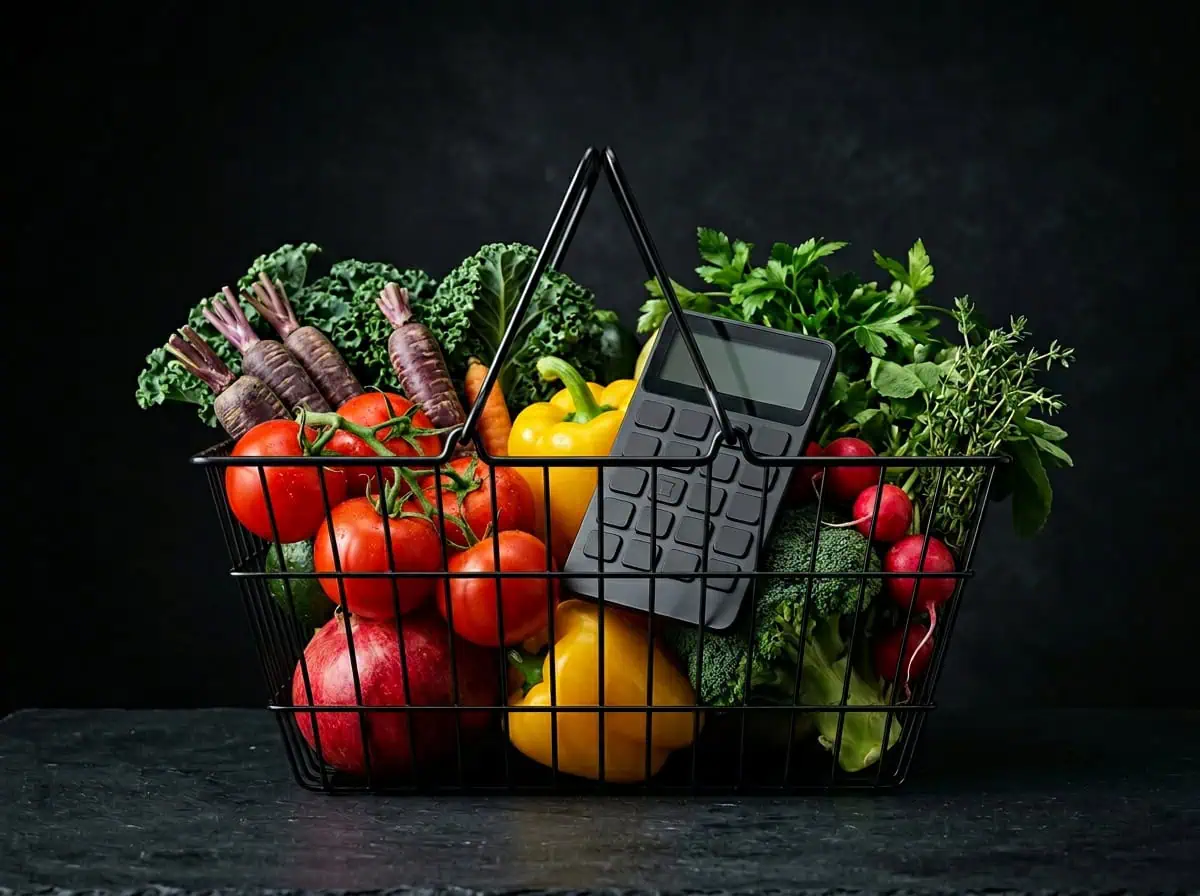
You came here because you’re looking for healthy food swaps for shortages. The grocery store shelves are full of gaps, the prices are insulting, and you’re trying to figure out how to maintain a clean diet without destroying your bank account. Navigating this mess isn’t about eating less—it’s about making smart, mathematically sound substitutions for single-ingredient foods that have suddenly become too expensive to justify.
Key Takeaways
Swapping a $0.21/ounce egg for $0.19/ounce Greek yogurt delivers the exact same 12-gram protein hit for less money.
Canned foods aren’t always cheapest; fresh tomatoes and romaine lettuce recently experienced a 6.4% price drop, making them superior budget options.
A completely invisible 30% spoilage tax is eating your budget because Americans throw away nearly a third of their food at home.
Table of Contents
Healthy Food Swaps for Shortages: Eating Clean on a Budget
Grocery stores are experiencing sudden shortages of everyday healthy staples right now because massive supply chain disruptions and disease outbreaks have fractured the market. When you check the latest tracking data from the U.S. Bureau of Labor Statistics, the reality is blunt: food prices jumped nearly 24% from 2020 to 2024.
That means a cart that used to cost $400 is now pushing 500 bucks. You have to recognize that the 24% food inflation rate actively endangers your health by making cheap, ultraprocessed foods—like discount chocolate, candies, gummies, and sugary drinks—financially tempting. By monitoring the Consumer Price Index for All Urban Consumers, we can identify which whole foods are getting hit worst. Watching the Consumer Price Index proves that rotating single-ingredient foods is a biological necessity if you want to stay healthy right now.
You also have to account for unpredictable events like the Taylor Farms salad recall info or severe recurring avian flu outbreaks that cause massive price volatility on the shelves. The most infamous example of this volatility is found right in the dairy aisle.
Eggs and Dairy: Healthy Food Swaps for Shortages
To substitute for eggs and expensive butter in baking, or to top your morning toast during a shortage, swap them for Greek yogurt or cottage cheese. Eggs are currently one of the most volatile items in the store, suffering extreme 60% cyclical price spikes and reaching a $5.12 national average for a dozen.
It is completely unnecessary to pay that when stable dairy alternatives exist. The trick is to stop looking for identical foods and rely entirely on macro-nutrient equivalence mapped against the cost per ounce.
Bypass the shortages entirely with these high-protein dairy alternatives: – Greek yogurt: This is your prime substitute. Instead of paying $0.21/oz for an egg, swap in Greek yogurt at $0.19/oz. You hit the exact same 12 grams of protein in a half-cup serving, but with only 1.9 grams of fats compared to the egg’s 5.3 grams.
- cottage cheese: An excellent secondary substitute for both baking and morning granola bowls, offering high protein density without the supply chain headaches.
Dairy isn’t the only protein sector seeing major disruption at the checkout counter.
Uncooked Ground Beef: Swapping for Whole Poultry
When meat is unavailable or too expensive, fresh whole chicken is the cheapest healthy alternative that matches beef’s dietary protein metrics. The meat counter has been hit hard over the last year, with premium beef products spiking up to 10%.
Right now, Uncooked ground beef averages around $5.80 per pound. That is a steep price to pay when you just want to prep a simple lunch or cook a Tuesday night dinner. You don’t need expensive beef cuts to hit high protein targets.

Here are highly stable meat alternatives that bypass beef shortages: – fresh whole chicken: Substitute that $5.80/lb Uncooked ground beef with a fresh whole chicken at just $2.06/lb. You achieve equal dietary protein metrics at less than half the financial cost.
- Chicken parts: Unprocessed chicken wings provide excellent versatility for snacks that are high in protein and hearty meals. With prices rising a modest 2.8%, we frequently recommend them here at Unfinished Man as a lean substitute for heavily processed meats like breakfast sausage or bacon.
- Plant-based proteins: If you want to bypass the meat counter entirely, minimally processed soy staples like edamame provide incredibly cheap, protein-dense bulk to everyday recipes.
Moving away from the meat counter, the produce section also offers striking examples of supply chain pricing anomalies.
Fresh Apples: Fiber-rich Fruit Alternatives
To avoid relying on cheap ultraprocessed foods when fresh ingredients are missing, swap premium items like apples for highly stable alternatives like bananas that deliver the exact same dietary fiber.
Fresh apples are heavily marketed as a default health food, but they recently saw an almost 7% price hike. Right now, a pound of Fuji apples runs about $1.41. When your budget tightens, you have to be smart about what you put in the cart.

Here are the best strategic fruit substitutions to make right now: – Bananas: At just $0.64 per pound, bananas experienced virtually zero percent price increase over the last year. It’s the optimal economic fruit swap that bypasses apple shortages entirely.
- Slightly green bananas: This is the real hack. Strategically timing the ripeness of the fruit—eating it while slightly green—yields higher fiber and lower sugar. It essentially makes the cheapest fruit on the shelf perform like a premium health supplement. Slice them up with a little almond butter for a perfectly balanced snack that doesn’t compromise on flavor.
While swapping out fruit is straightforward, navigating vegetable shortages requires reconsidering old assumptions.
Canned Vegetables: Upgrading to Deflated Fresh Produce
Frozen or canned vegetables are not always as healthy or cheap as fresh ones during a supply chain disruption; fresh greens like lettuce are actually experiencing massive price drops right now. The traditional advice to “buy canned to save money” is completely backward at the moment.
“The traditional advice to “buy canned to save money” is completely backward at the moment.”
We are seeing a strange price inversion where fresh produce is actively getting cheaper while shelf-stable goods remain stagnant. Plus, canned vegetables suffer from lower quality because the intense heat used in the preservation process inherently degrades their overall nutrient density and flavor profiles.
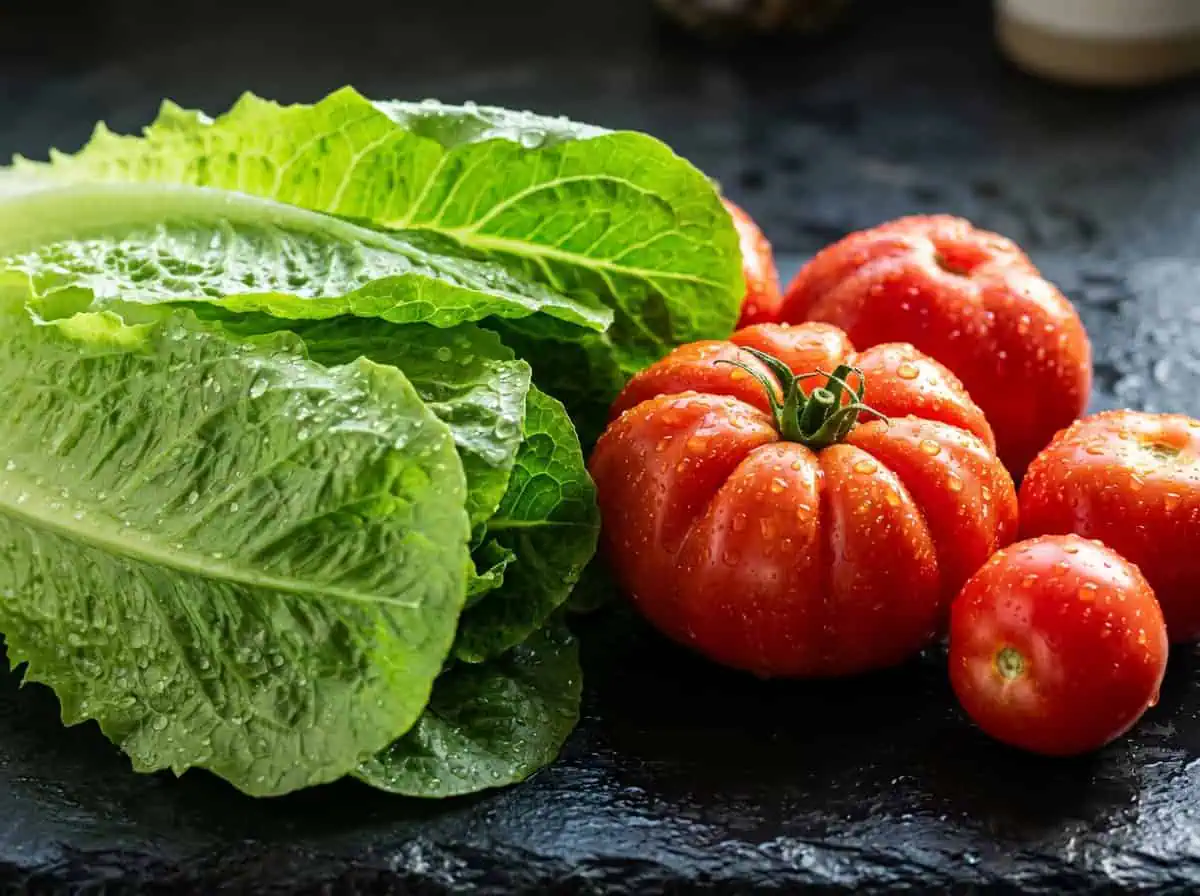
Instead of staring at tinned goods, grab these deflated fresh items: – romaine lettuce: Prices plunged by 6.4%, bringing the average to just $2.92 per pound for raw, leafy greens that are perfect for crisp salads and absolutely destroy tinned vegetables in vitamin K content and overall health markers.
- Tomatoes: Also seeing a sharp 6.4% drop, Tomatoes sit at a highly affordable $1.79 per pound. Capitalize on this to secure maximum nutrients.
Beyond staple meals, modifying your snack choices is the final front in protecting your wallet.
Charcuterie Garnishes: Whole Grain Party Food Swaps
The best nutrient-dense swaps for expensive or refined party foods are complex carbohydrates and whole grains. The hidden costs embedded in trendy snack boards and refined carbs are genuinely ridiculous.
While cheese and meat are pricey enough, Charcuterie garnishes like olives and relishes are up 3% and load you up with unnecessary sodium. Replacing these items directly supports your budget because hitting biological satiety markers with whole grains physically stops you from over-eating expensive party food.
Upgrade your snack spread and side dishes with these smarter alternatives: – Fresh fruit spreads: Replace high-sodium olives and pickles with cut citrus or berries. You slash your salt intake and upgrade your energy profile for less money.
- Complex carb dippers: Instead of highly refined crackers or bagels, use high-fiber whole grains and seeded breads. They trigger fullness fast, sharply reducing the overall volume of food you consume.
- Hearty side options: Rethink how you accompany your spreads and dinners. If your household defaults to frozen fries or heavy instant mashed potatoes, pivot to roasted sweet potatoes. Regular potatoes are fine, but sweet potatoes offer a denser micronutrient profile for the price, delivering superior complex carbohydrates that stabilize your energy.
Ultimately, all these strategic checkout counter swaps pale in comparison to one systemic habit shift.
Household Food Waste: Shopping Your Kitchen First
To maintain a clean eating diet when fresh produce is completely out of stock, zero out your grocery needs by shopping your own kitchen first and building meals from what you already own. The greatest financial threat during a grocery shortage isn’t the inflated price tag on the shelf—it’s the food you toss in the garbage.
According to the USDA, Americans throw away approximately 30% of their food at home. That is a massive, self-inflicted financial wound. The ultimate inflation hack is eliminating this systemic household waste so you stop paying an invisible 30% spoilage tax.
Before you ever write a grocery list, audit your refrigerator and pantry. Structure your upcoming meals around the Frozen vegetables, stored grains, and shelf-stable proteins currently sitting in your kitchen. Shopping the pantry first completely insulates you from macroeconomic supply chain issues because you bypass the empty store shelves entirely.
Honestly, since I started doing this, it’s wild how much good food is just hiding in the back of the freezer while I’m out complaining about the cost of beef. Get your inventory straight, make the smart macro-swaps, and you’ll ride out this crazy market totally in control.
Frequently Asked Questions
Can I really substitute Greek yogurt for eggs to save money?
Absolutely. With egg prices experiencing extreme 60% cyclical spikes, Greek yogurt is a mathematically superior alternative. You get the exact same 12-gram protein hit for $0.19 per ounce compared to $0.21 for eggs, bypassing the supply chain headaches entirely.
Why are fresh vegetables sometimes cheaper than canned goods right now?
We are seeing a bizarre price inversion where shelf-stable canned goods remain stagnant but fresh produce is actively deflating. Items like romaine lettuce and fresh tomatoes recently saw massive 6.4% price drops. Plus, fresh greens absolutely destroy tinned vegetables in vitamin K and overall nutrient density without the quality degradation caused by the high heat of canning.
What is the best cheap fruit swap for expensive fresh apples?
Bananas are the optimal economic swap, costing just $0.64 per pound and experiencing virtually zero percent inflation over the last year. The ultimate health hack is eating them slightly green to secure higher dietary fiber and lower sugar. This simple timing trick makes the cheapest fruit on the shelf perform like a premium health supplement.
What is the invisible 30% spoilage tax?
It is the massive, self-inflicted financial wound caused by Americans throwing away roughly a third of the food they bring home. Before worrying about checkout counter prices or supply chain shortages, audit your own refrigerator and build meals from what you already own. Eliminating this systemic household waste is the absolute best inflation hack available.
How much money do I actually save switching from ground beef to whole poultry?
You will cut your meat costs by more than half. Premium uncooked ground beef is currently sitting around an insulting $5.80 per pound, while fresh whole chicken hits the exact same dietary protein metrics for just $2.06 per pound. You secure all the necessary macros for less than half the financial cost.
How does relying on macro-nutrient equivalence help during food shortages?
It instantly stops you from overpaying for identical, culturally expected replacement items that are out of stock. Instead of obsessing over a specific grocery item, you simply target the underlying protein, fiber, or complex carbs using cheaper, highly stable alternatives. This biological math lets you maintain a perfectly clean diet without destroying your bank account when prices spike.