Figuring out how to travel through France by train as a first-time tourist usually comes with a mix of romantic anticipation and strict vacation booking logistics holding you back. You want the scenic European experience, but navigating the French railway system’s ticketing portals can trigger instant anxiety.
The train is a fantastic way to experience France, especially if you’re not in a huge hurry. I still vividly recall taking a train to Bordeaux with my fiancé at the time. The food we brought onboard was delicious, the views outside the window were incredible, and I got incredibly drunk on local wine as we watched the countryside blur past. I’m not entirely proud of it—but I’m not, not proud of it either. We had an absolute blast. That is the true draw here: your holiday doesn’t start when you arrive; it starts the moment you board.
Tourists romanticize European rail but often freeze up against confusing operator tiers, dynamic pricing, and baffling transit terminology. This 2026 guide breaks down the practical steps to booking your route, avoiding massive fees, and boarding with absolute confidence.
But before you can uncork that Bordeaux onboard, you first need to decode the trains you’ll actually be riding.
Table of Contents
Decode the French train hierarchy
France does not operate a single, monolithic train service. Selecting your route requires understanding the inverse relationship between speed, price, and baggage flexibility.
High-speed options: TGV vs. Ouigo
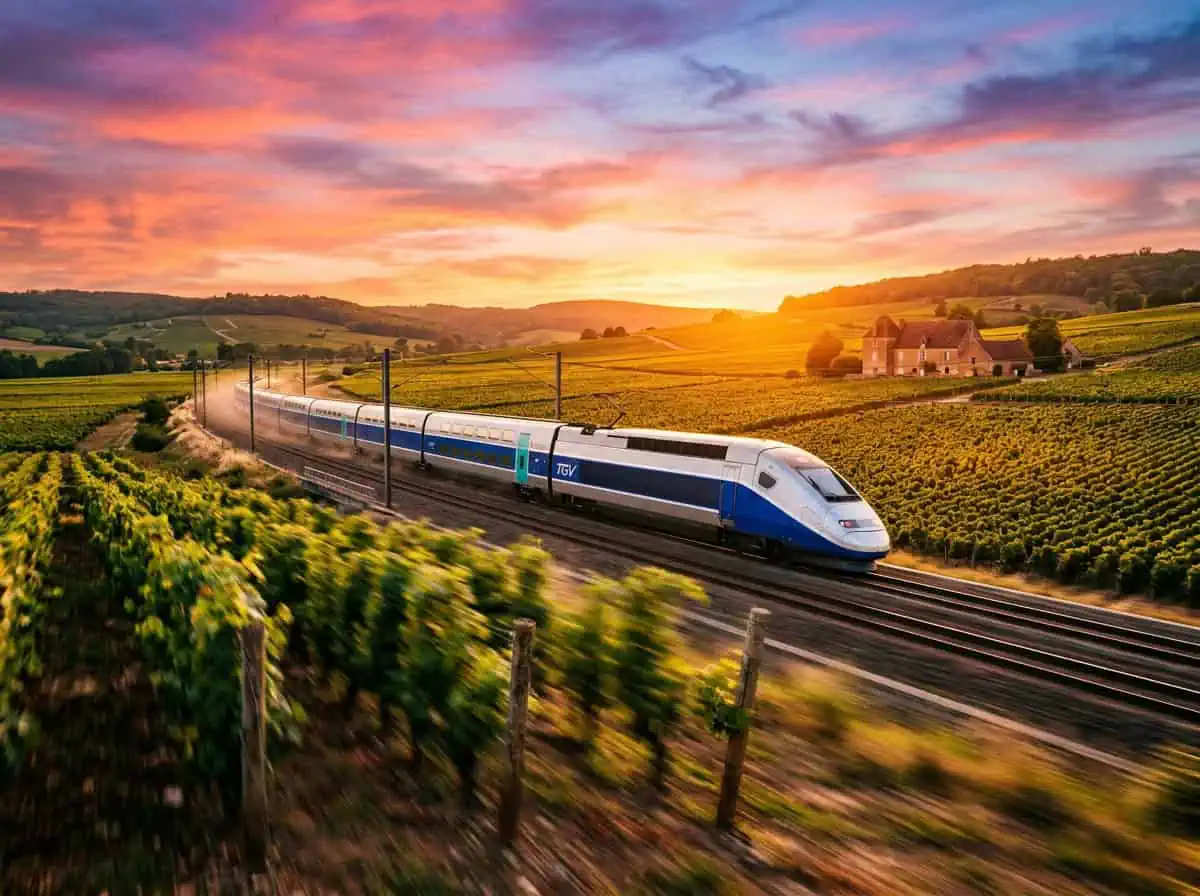
The TGV (Train à Grande Vitesse) is SNCF’s premier high-speed rail service, connecting major hubs in a matter of hours. Whether you travel from Paris to Nice or take a rapid train from Paris to Bordeaux, you will likely rely on these fast routes. SNCF operates these paths comprehensively, whether you leave from Paris-Lyon heading deep south, book the international TGV-Lyria, or take the TGV-Est line to Strasbourg.
But you must beware the budget trap. Understanding the distinction between the premium TGV and Ouigo is vital—Ouigo is SNCF’s highly restrictive, baggage-fee-heavy budget equivalent. Ouigo essentially acts like a budget airline on rails (a spiritual successor to the discontinued iDTGV brand), strictly limiting carry-ons, removing the bar car, and frequently dropping passengers at inconvenient out-of-town stations rather than city centers.
Regional and overnight routes
For smaller routes and off-network towns, you drop down the hierarchy to local commuter lines. The TER (Transport Express Régional) is the backbone of local transit. Because these regional trains utilize a fixed pricing model known as Tariff normal, advanced booking is utterly unnecessary since the price never changes. You can simply buy a ticket at the station with cash and jump into any available seat.

For longer conventional trips, Intercités handles the legacy routes. A standout option here is the Intercités de Nuit, the domestic overnight sleeper service. If you decide to book a night train, learning the connection between the Intercités de Nuit and Espace Privatif is crucial—using that specific booking code secures a private compartment so you do not have to share bunk beds with strangers.
Master dynamic fare strategies
If you assume train tickets are priced like flat-rate subway tokens, the checkout screen will shock you. French high-speed train fares operate exactly like budget airlines.
Nailing the early booking horizon
The timeline of your purchase dictates your price bracket. To land the cheapest seats, you must align your booking horizons with Prems, SNCF’s absolute cheapest dynamic fare class, which opens roughly four months prior to your departure date.
If you nail this window, you can score incredible €25 fares straight to Lyon, Avignon, Nimes, or Perpignan. Wait until the day of travel, and that exact same seat might skyrocket to €140. There is no benefit to waiting.
When to buy a discount card
If you miss the early window, you need a defensive strategy. The Carte Avantage is SNCF’s annual premium discount card designed to cap maximum ticket prices. The Carte Avantage and dynamic pricing go hand in hand; by applying the card at checkout, you instantly shield yourself against drastic late-booking price spikes. While it carries an upfront cost, the card often pays for itself on a single long-distance domestic round trip.
Pick the most reliable booking platforms
Knowing when to buy is half the battle. Surviving the checkout screen is the other.
Why you should avoid the official SNCF app
You will naturally be drawn to www.sncf-connect.com because it is the native zero-fee operator platform. However, you should actively avoid using it if you are a foreign tourist. The UX friction is notoriously high, and even if you try tunneling through via ExpressVPN to spoof a local IP address, the system frequently rejects foreign credit cards. The tiny fraction of a percent saved on a booking fee is rarely worth the technical headache when your payment declines.
The value of a third-party sanity tax
Instead, comparing SNCF Connect and third-party options shows a stark contrast in usability. Platforms like The Trainline (which absorbed the exceptionally user-friendly legacy platform Captaintrain.com), Rail Europe (formerly known as Loco2.com), and Omio offer a frictionless, English-friendly checkout, easy seat selection, and reliable processing through Apple Pay, MasterCard, a travel-friendly Curve card, debit, or standard payment card options.
Yes, third-party apps charge a small booking fee. Consider this a “sanity tax” for peace of mind. To lock in your itinerary securely, follow this straightforward process:
- Input your departure and arrival stations (e.g., CDG airport to Marseille) into your aggregator app of choice.
- Select your exact travel times, paying close attention to the operator listed to avoid accidental budget tiers.
- Choose your seat preferences via the visual seat map.
- Finalize payment using a reliable domestic or international card and save the instant digital passes straight to your iPhone or email.
If you are plotting a larger cross-continent journey, you might prefer checking a reliable central Europe travel guide or leveraging an Interrail pass or Eurail pass for better regional value.
Navigate stations and inevitable rail strikes
Tickets secured, it’s time to head to the physical station—which comes with a few unwritten rules and operational realities.
Digital tickets vs. legacy hardware
The logistical superiority of French rail over air travel is simple: you move from city centre to city centre with absolutely no check-in limits. You do not need to arrive two hours early. You just glance at the indicator board and walk onto the actual platform minutes before departure.
“The logistical superiority of French rail over air travel is simple: you move from city centre to city centre with absolutely no check-in limits.”
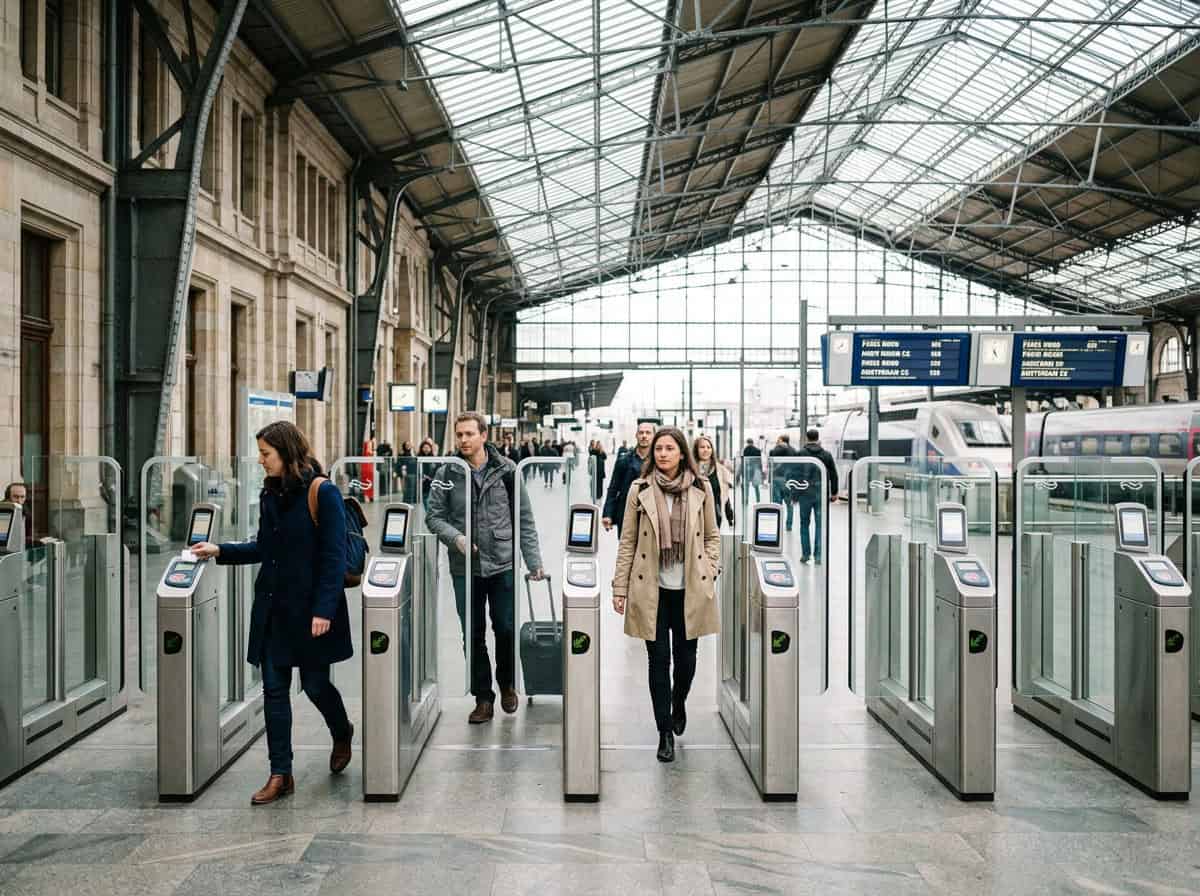
Additionally, the transition from paper to screen has simplified boarding. Relying on modern print-at-home e-tickets eliminates the old requirement of using a composter—the little yellow machine located on French platforms historically used for physically stamping and validating legacy yellow paper tickets. Today, assuming you have an active data plan via an eSIM or virtual SIM, you just pull up the QR code and scan it at the gate.
Navigating ‘les grèves’
Idealized travel blogs rarely address les grèves. Rail strikes are a notoriously common systemic reality of the French network. If you encounter one, it is vital to know that SNCF guarantees minimum service on major business routes. However, you must proactively verify active train schedules the day prior on your transit app and immediately map out alternative paths if your specific departure is canceled.
Exploit onboard dining rules
Once you successfully navigate the station and find your seat, the stress instantly melts away, revealing the real charm of the ecosystem.

The ultimate luxury: zero liquid limits
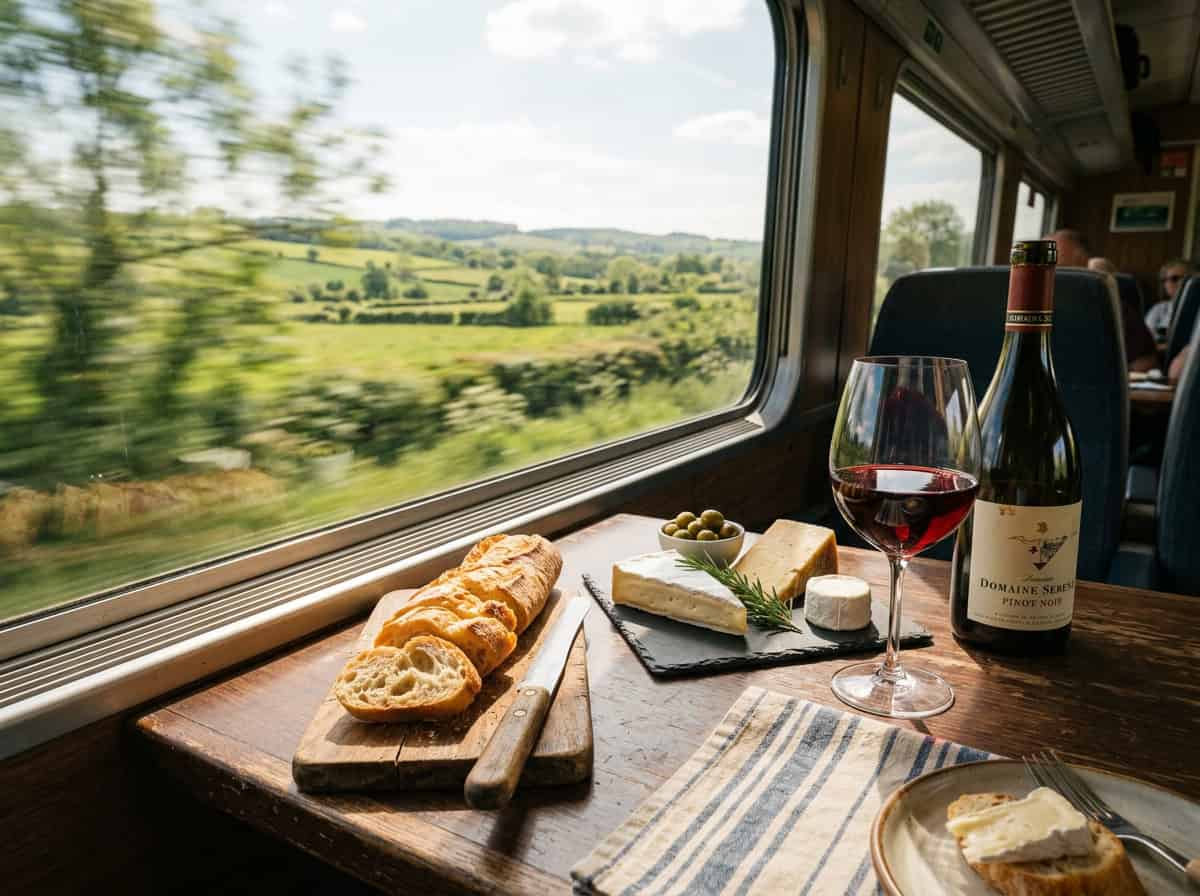
The true luxury of the railway isn’t a slightly wider seat; it’s the total lack of TSA-style airport security or liquid limits. This unique leniency allows you to essentially host a private wine tasting in motion. You are fully encouraged to arrive at the station with your own fresh baguettes, elaborate local cheese spreads, and uncorked bottles.
Building the perfect TGV picnic
Do not waste money upgrading to First Class just for the perk of free pretzels. The baseline design of the TGV ensures that ground level comfort pairs perfectly with 199 mph geographical velocity, creating an experiential paradox where extreme physical speed yields a perfectly smooth, sensory travel environment. Reallocate your upgrade budget entirely to visiting a high-end local boulangerie before boarding.
Finalize your railway adventure
Once the tickets are loaded onto your phone, the logistics end and the vacation begins.
Ultimately, understanding the SNCF hierarchy and mastering the 4-month dynamic booking window is what guarantees a frictionless French vacation. Secure your tickets early, pack a fantastic picnic, and let the destination come to you.
Frequently Asked Questions
What’s the difference between TGV and Ouigo trains?
TGV is France’s premium high-speed rail service, while Ouigo is essentially a budget airline on rails. Ouigo severely restricts your luggage, cuts amenities like the bar car, and frequently dumps you at inconvenient stations on the outskirts of town. Pay close attention at checkout to avoid accidentally booking the budget option.
Why should foreign tourists avoid using the official SNCF booking app?
The native SNCF-Connect platform is notoriously glitchy for international users and will frequently reject foreign credit cards, even if you try spoofing a local IP with a VPN. You are much better off paying a tiny “sanity tax” on third-party aggregators like The Trainline or Rail Europe. They offer native English checkouts, visual seat maps, and happily accept international payment methods.
How far in advance do I need to buy high-speed French train tickets?
You want to target the four-month window before your true departure date. That’s when SNCF releases “Prems,” their absolute cheapest dynamic fare class. Wait until the last minute and you’ll pay budget-airline surge prices, turning a €25 early-bird bargain into a €140 wallet drain.
Does it save money to pre-book local TER regional routes?
Not a single cent. TER regional commuter trains operate on a fixed pricing model called Tariff normal, meaning the cost never fluctuates. Skip the pre-booking hassle, grab a ticket at the physical station, and sit in whatever open seat looks comfortable.
Can I bring my own alcohol and food on a TGV train?
Yes, and it is actively encouraged. Because the French railway has no TSA-style liquid limits or security checkpoints, you can waltz right onboard with fresh baguettes, local cheese, and uncorked bottles of wine. It’s vastly superior to spending cash on a First Class upgrade just to get a bag of complimentary pretzels.
Do I need to stamp or validate my train ticket at the station before boarding?
Only if you are still relying on legacy paper hardware. Physical paper tickets must be stamped in the yellow “composter” machines on the platform to be valid. However, if you are using modern digital e-tickets, you completely bypass these machines and just scan your phone’s QR code at the gate.
Is the Carte Avantage discount card actually worth the upfront cost?
It acts as a brilliant defensive strategy if you missed the early cheap-ticket window. The SNCF Carte Avantage legally caps maximum ticket fares, instantly shielding you from extreme dynamic pricing spikes on long-haul routes. Even with the initial upfront cost, it frequently pays for itself in just a single domestic round trip.