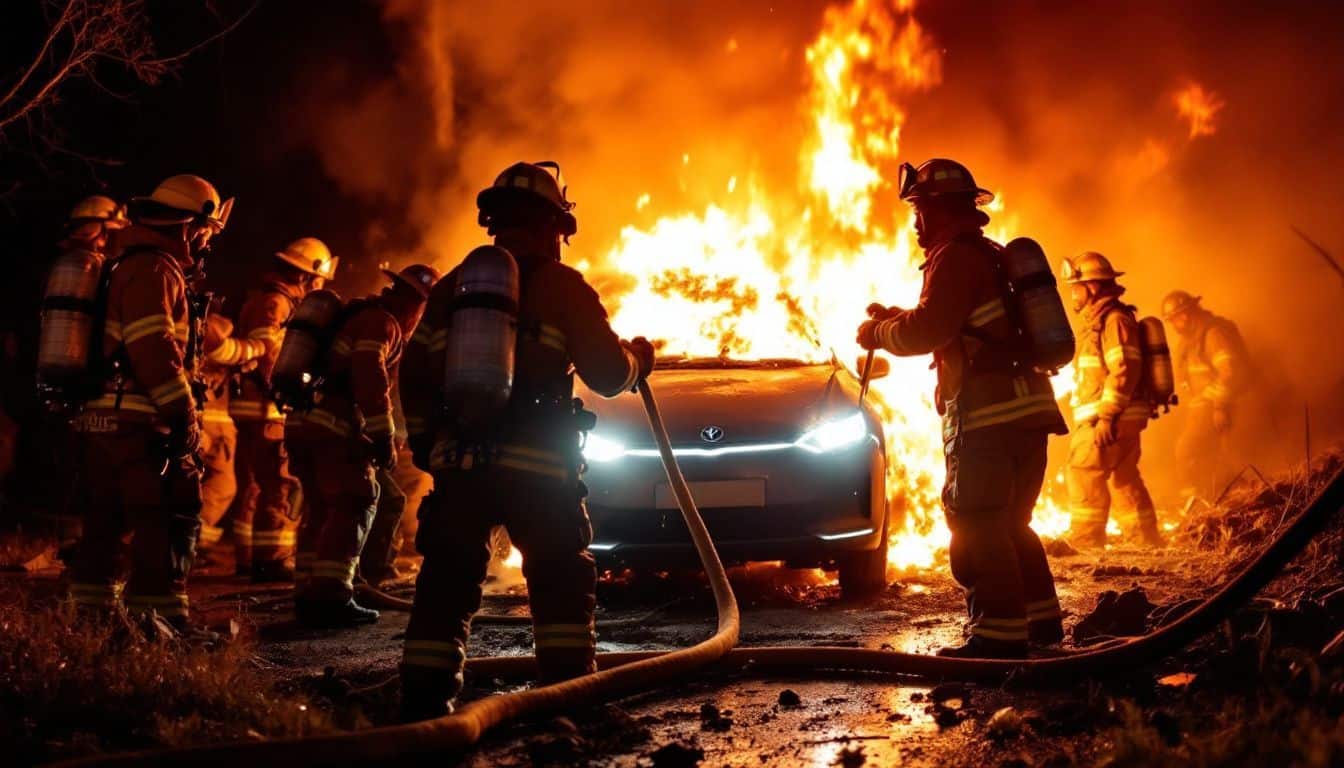
Fire safety practices in high-risk environments are evolving as artificial intelligence becomes an operational component rather than a theoretical upgrade. Across construction sites, industrial facilities, and critical infrastructure, AI-enabled fire watch models are being adopted to address increasing complexity, tighter compliance requirements, and the need for faster response times. Within this broader industry shift, solutions such as Fire Watch Guards reflect how fire watch services are moving toward data-driven oversight combined with trained human supervision.
The Changing Nature of Fire Risk in Modern Operations
High-risk environments today differ significantly from those of even a decade ago. Temporary system impairments, accelerated construction timelines, aging infrastructure, and the concentration of combustible materials have reshaped how fire risk must be managed. Traditional fire watch approaches, largely dependent on static patrols and manual reporting, often struggle to keep pace with rapidly changing conditions.
As operations scale and sites become more dynamic, the margin for delayed detection narrows. This shift has driven interest in intelligent fire watch models capable of continuous evaluation rather than periodic observation.
Artificial Intelligence as an Operational Layer, Not a Replacement
AI-enabled fire watch does not replace human fire watch personnel. Instead, it functions as an analytical layer that enhances situational awareness and supports faster decision-making. By processing real-time inputs such as environmental conditions, site activity patterns, and historical risk data, AI systems identify anomalies that may indicate elevated fire risk.
This approach allows trained professionals to focus attention where it is most needed, reducing reliance on intuition alone and improving consistency across large or complex sites.
Real-Time Risk Assessment and Early Threat Identification
One of the defining advantages of AI-enabled fire watch is continuous risk assessment. Rather than relying on scheduled patrol intervals, AI systems monitor conditions in real time and evaluate subtle changes that may precede an incident.
Patterns such as temperature fluctuations, workflow deviations, or repeated minor anomalies can be correlated to highlight emerging risks early. Early identification enables preventative action before conditions escalate, shifting fire watch from reactive oversight to proactive risk control.
Faster Response Through Intelligent Coordination
Response time remains a critical factor in fire safety outcomes. AI-supported fire watch operations improve response efficiency by prioritizing alerts based on severity and contextual relevance. This reduces false alarms while ensuring that genuine threats receive immediate attention.
In large or multi-zone environments, intelligent coordination helps allocate personnel and resources more effectively, minimizing delays caused by miscommunication or incomplete information.
Managing Fire Watch During System Impairments
Fire watch requirements often increase when fire alarm systems, sprinklers, or suppression equipment are offline due to maintenance or construction. These periods introduce heightened risk and stricter regulatory scrutiny.
AI-enabled fire watch models adapt to these conditions by increasing monitoring intensity, tightening reporting cycles, and maintaining continuous documentation until systems are restored. This structured approach supports operational continuity while maintaining compliance during vulnerable periods.
Documentation, Audits, and Regulatory Expectations
Regulatory bodies and insurers increasingly expect detailed documentation of fire watch activity, particularly in high-risk or impaired-system scenarios. Manual reporting methods can introduce gaps, inconsistencies, or delays.
AI-supported fire watch systems generate time-stamped records of patrols, observations, and escalations automatically. These records improve transparency, support audits, and reduce administrative burden while ensuring accountability.
Scalability Across Industries and Project Lifecycles
AI-enabled fire watch is inherently scalable, making it suitable for both short-term projects and long-term operations. Coverage levels can adjust dynamically based on site activity, hours of operation, and evolving risk profiles.
Industries adopting these models include construction and infrastructure development, manufacturing, energy production, logistics, healthcare facilities, and other environments where fire risk must be actively managed rather than periodically reviewed.
Reducing Operational Disruption While Maintaining Safety
A common challenge in fire watch operations is balancing safety oversight with operational efficiency. Excessive alerts or overly rigid procedures can disrupt workflows without improving outcomes.
By correlating multiple data points before triggering action, AI-enabled fire watch reduces unnecessary interruptions while maintaining vigilance. This precision allows safety measures to coexist with productivity rather than compete with it.
Economic Considerations and Risk Mitigation
Beyond safety outcomes, AI-enabled fire watch has financial implications. Optimized staffing, reduced incident likelihood, and minimized downtime contribute to lower total cost of risk. Rather than increasing overhead, intelligent automation aligns resources with actual exposure levels.
As organizations face pressure to manage risk efficiently, fire watch models that combine prevention, compliance, and cost control are gaining attention.
A Broader Industry Shift Toward Intelligent Safety Models
The integration of AI into fire watch operations reflects a wider trend toward intelligent safety systems across industries. Similar to advancements in predictive maintenance and smart monitoring, AI-enabled fire watch emphasizes anticipation over reaction.
As regulatory expectations rise and operational environments grow more complex, the adoption of data-driven fire safety models is likely to accelerate.
Conclusion: A Measured Evolution in Fire Watch Standards
AI-enabled fire watch represents a meaningful evolution in how high-risk environments are protected. By combining continuous risk assessment, intelligent coordination, and human oversight, this model addresses limitations inherent in traditional fire watch approaches.
Rather than redefining fire safety overnight, AI introduces a structured, analytical layer that improves speed, consistency, and accountability, key factors in environments where fire risk demands constant attention.