
A car crash happens in an instant, but its effects can last for months or even years, especially when it comes to family life. For many men, the shock of an accident is quickly followed by the heavy weight of responsibility. Suddenly, your ability to work, handle household duties, and care for your family is thrown into question. According to the National Highway Traffic Safety Administration (NHTSA), tens of thousands of people die in traffic incidents each year, with countless more suffering injuries that disrupt their lives. When a crash brings family matters into focus, the path forward requires careful planning and support.
Even accidents that seem minor can send ripples through every part of your daily routine. Recovery isn’t just about healing from physical injuries, it’s about managing medical appointments, potential time off work, and new limitations at home. This disruption can strain relationships and create stress for everyone. Balancing your own healing with your family’s needs is a genuine challenge, highlighting just how connected your well-being is to theirs.
Key Takeaways
The Impact Goes Beyond Physical Injury: A car accident disrupts the entire family dynamic, affecting daily routines, financial stability, and emotional well-being, often requiring a total reorganization of household responsibilities.
Understand Your Legal Options: It is vital to distinguish between needing a personal injury lawyer (for compensation and “loss of consortium” claims) and a family lawyer (for disputes arising from the stress), ensuring you get the specific help you need.
Watch for Hidden Trauma: Injuries like whiplash and mental health struggles such as PTSD can surface days after the crash; acknowledging them early is crucial for long-term recovery.
Leverage Technology and Community: Utilizing tools like shared calendar apps, grocery delivery services, and meal trains can drastically reduce the burden of daily chores while you heal.
Communication is Key to Resilience: Regular emotional check-ins with your partner and finding low-physical ways to bond with children help prevent relationship strain and caregiver burnout during the recovery process.
Table of Contents
The Reality of a Car Accident

In the aftermath of a collision, the physical and emotional consequences are often more significant than anyone expects. As noted by www.pcw-law.com, injuries can make simple tasks feel monumental, affecting your work and home life. It’s easy to feel overwhelmed while figuring out how to manage your responsibilities when you’re not at 100%.
It’s crucial to pay attention to “hidden” injuries that may not be obvious right away. Adrenaline can mask pain, but symptoms of conditions like whiplash, concussions, or soft tissue injuries can appear hours or even days later. Beyond the physical pain, the mental toll is profound. Many people experience Post-Traumatic Stress Disorder (PTSD) after a crash, with studies showing that up to a third of collision victims develop symptoms. Facing anxiety about driving again or frustration with a slow recovery is a normal part of the process.
Involving the Right Legal Help
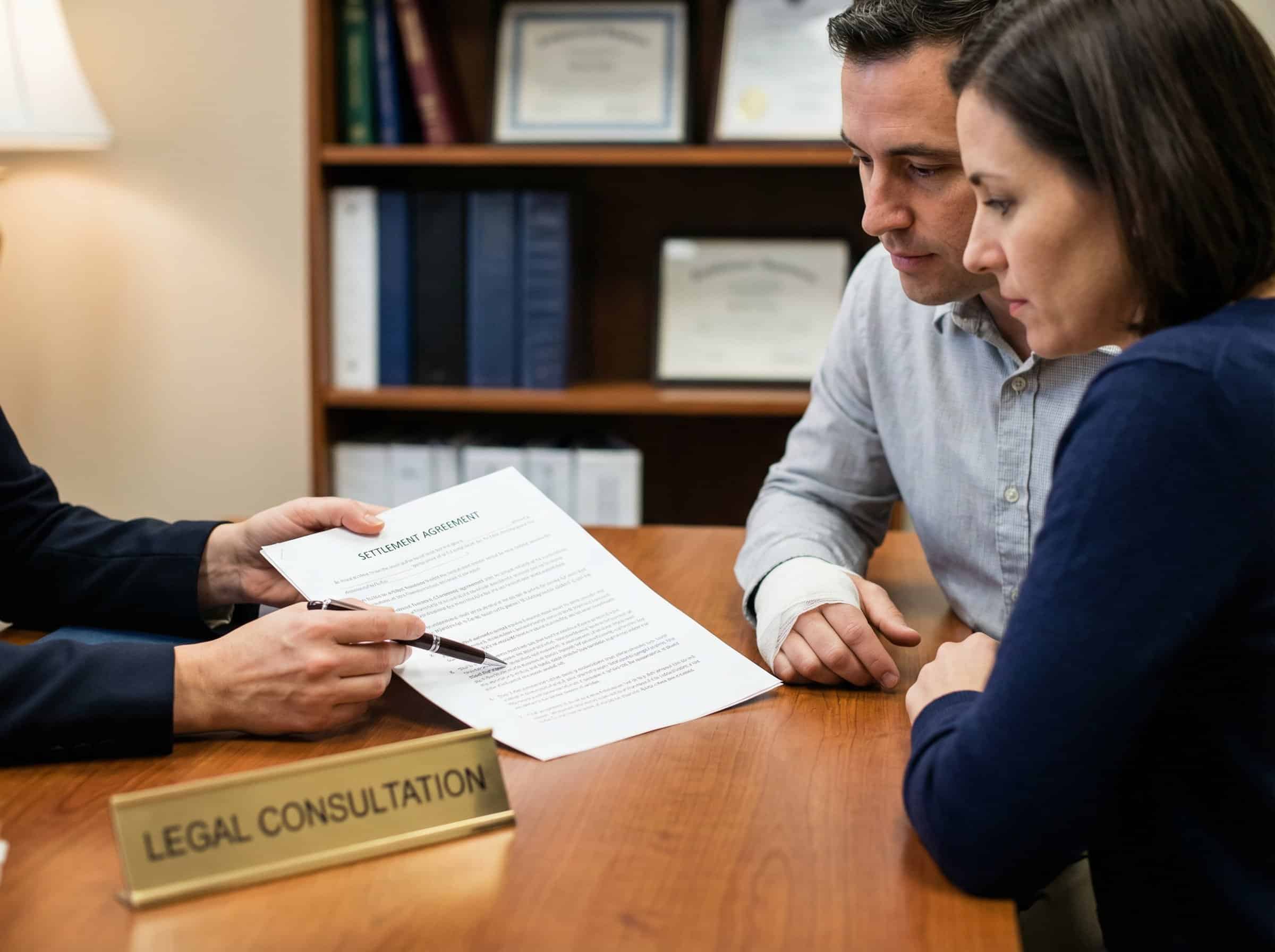
When an accident impacts your family life and finances, getting legal advice provides much-needed clarity. However, it’s important to know who to call. The roles of a personal injury lawyer and a family lawyer are very different, and you’ll likely need one over the other.
- Personal Injury Lawyer: This is your first call. Their job is to help you recover financial compensation for accident-related damages, including medical bills, lost wages, and vehicle repairs. They handle all communication with insurance companies.
- Family Lawyer: You would only need a family lawyer, like those mentioned by www.tuannlaw.com, if the stress and financial strain from the accident leads to marital issues like divorce or disputes over child custody and support.
A personal injury lawyer can also help your spouse file a “loss of consortium” claim. This legal action seeks compensation for the negative impact your injuries have had on your marital relationship, such as the loss of companionship, affection, or ability to help with household duties.
Managing Daily Responsibilities
After a car accident, your daily routine can feel completely derailed. Tasks that were once automatic now require careful thought and planning. The key is to be practical and accept that you’ll need to do things differently for a while.
Leaning on technology and community resources can make a huge difference. These tools can help you stay organized and reduce the burden on you and your family.
- Shared Calendars: Use a family organizer app like Cozi or a shared Google Calendar to keep track of medical appointments, therapy sessions, and school events all in one place.
- Meal Support: Setting up a meal train with a service like MealTrain.com allows friends and family to sign up to bring your family a meal, taking the pressure of cooking off your plate.
- Grocery and Errand Help: Don’t hesitate to use grocery delivery services like Instacart or ask a neighbor to pick up essentials when they’re out.
Lifting groceries, doing yard work, or even sitting at a desk for too long can aggravate injuries. Creating detailed schedules and clearly communicating your physical limits to family members are essential steps to avoid setbacks and keep your household running smoothly.
Balancing Recovery and Family Needs
As you heal, you have to perform a constant balancing act between your body’s needs and your family’s. Pushing yourself too hard can lead to re-injury, but stepping back completely can lead to feelings of disconnection. Open communication is your most powerful tool during this time.
It’s also important to remember that you are not the only one under stress. A 2025 report on caregiving in the U.S. highlights the immense emotional and physical strain placed on family caregivers. Nearly a quarter of caregivers report feeling socially isolated, and many struggle to care for their own health.
A great tip from family counselors is to schedule a weekly 15-minute “check-in” with your partner. The goal isn’t to solve logistics but simply to ask, “How are you feeling?” This small ritual can prevent misunderstandings and resentment from building up.
Delegating tasks is a necessity, not a weakness. Finding new ways to connect with your loved ones that don’t require physical exertion, like watching a movie together or reading to your kids, helps maintain those crucial family bonds while you recover.
Moving Forward with Awareness
Recovering from a car crash while managing family matters is a journey that demands patience and self-awareness. Every step toward healing is a step toward regaining your ability to provide for your family safely and confidently. Accepting your limitations and asking for help are signs of strength.
This experience, while difficult, often reshapes your perspective on what’s truly important. To regain confidence behind the wheel, many people find that taking a defensive driving course from an organization like the National Safety Council is empowering. Studies have shown these courses can significantly reduce traffic violations and lower your risk of future accidents.
Surprisingly, many people also experience positive personal changes after a traumatic event. This is known as post-traumatic growth, where individuals develop a deeper appreciation for life, stronger relationships, and a new sense of personal strength. By embracing practical strategies and open communication, you can navigate this challenge and build a more resilient future for you and your family.