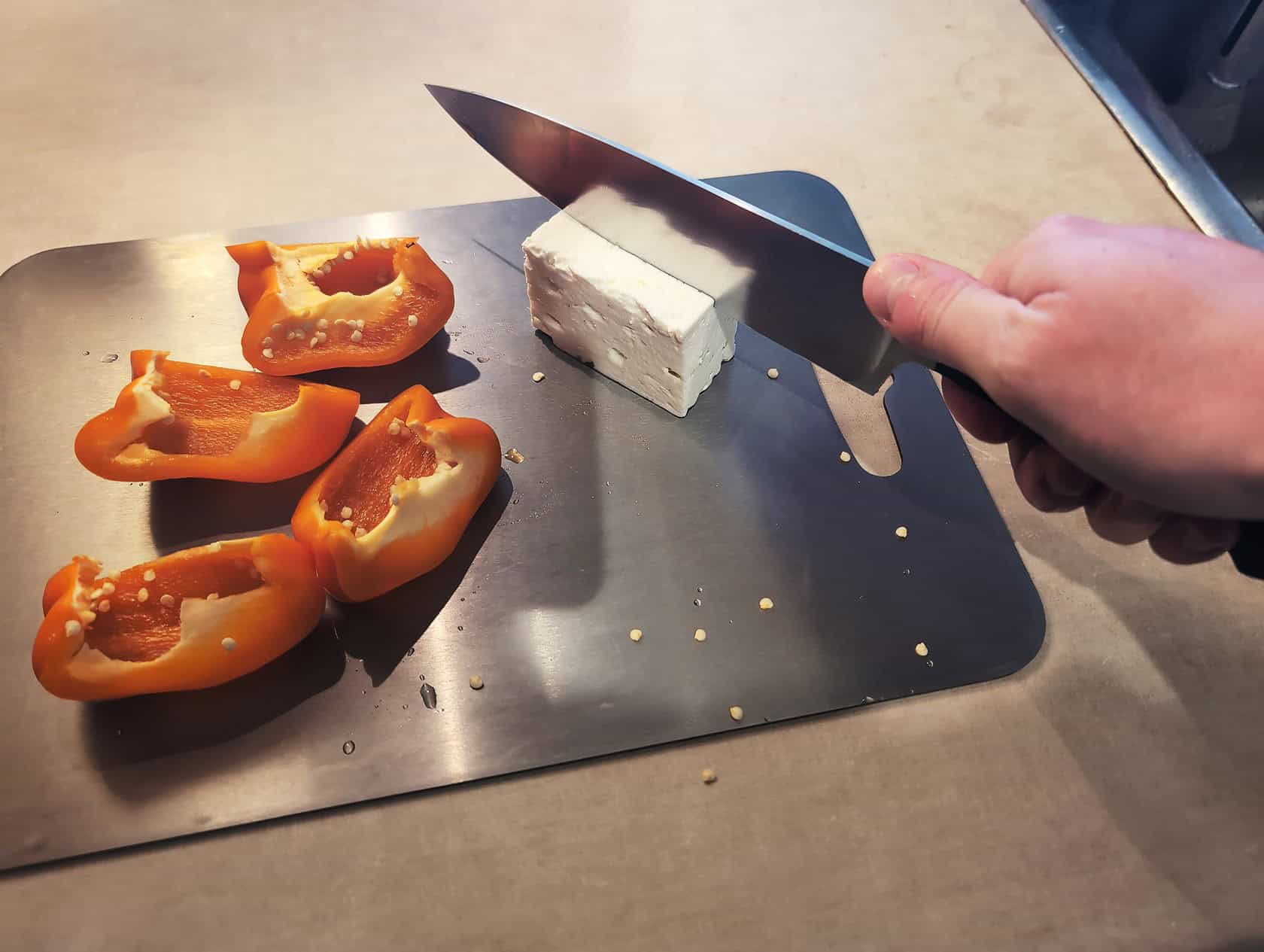
The Taima Titanium Cutting Board V2 is a legitimate, permanent solution to kitchen hygiene that physically cannot harbor bacteria or shed synthetic microplastics into your meals. It is not just another fleeting social media trend. Here at Unfinished Man, we value practical upgrades that actually solve problems, and swapping deteriorating prep surfaces for an inert metal slab resolves massive kitchen blind spots.
We all know the frustrating cycle of replacing kitchen basics. The ongoing microplastic leaching from a heavily scarred, BPA-free plastic board is an unavoidable food safety reality. You buy a fresh surface, chop on it for a few months, and suddenly it looks like it survived a knife fight.
After a full year of daily use, this board completely eliminated our need to scrape, oil, or throw away old materials. It provides a solid, unyielding prep surface. Prepping raw poultry and bright turmeric leaves absolutely zero trace behind.
Before diving into the science of edge retention and pure titanium, here’s the bottom line after twelve months of daily meal prep.
Table of Contents
Quick verdict: My Taima Titanium Cutting Board Review after 12 months
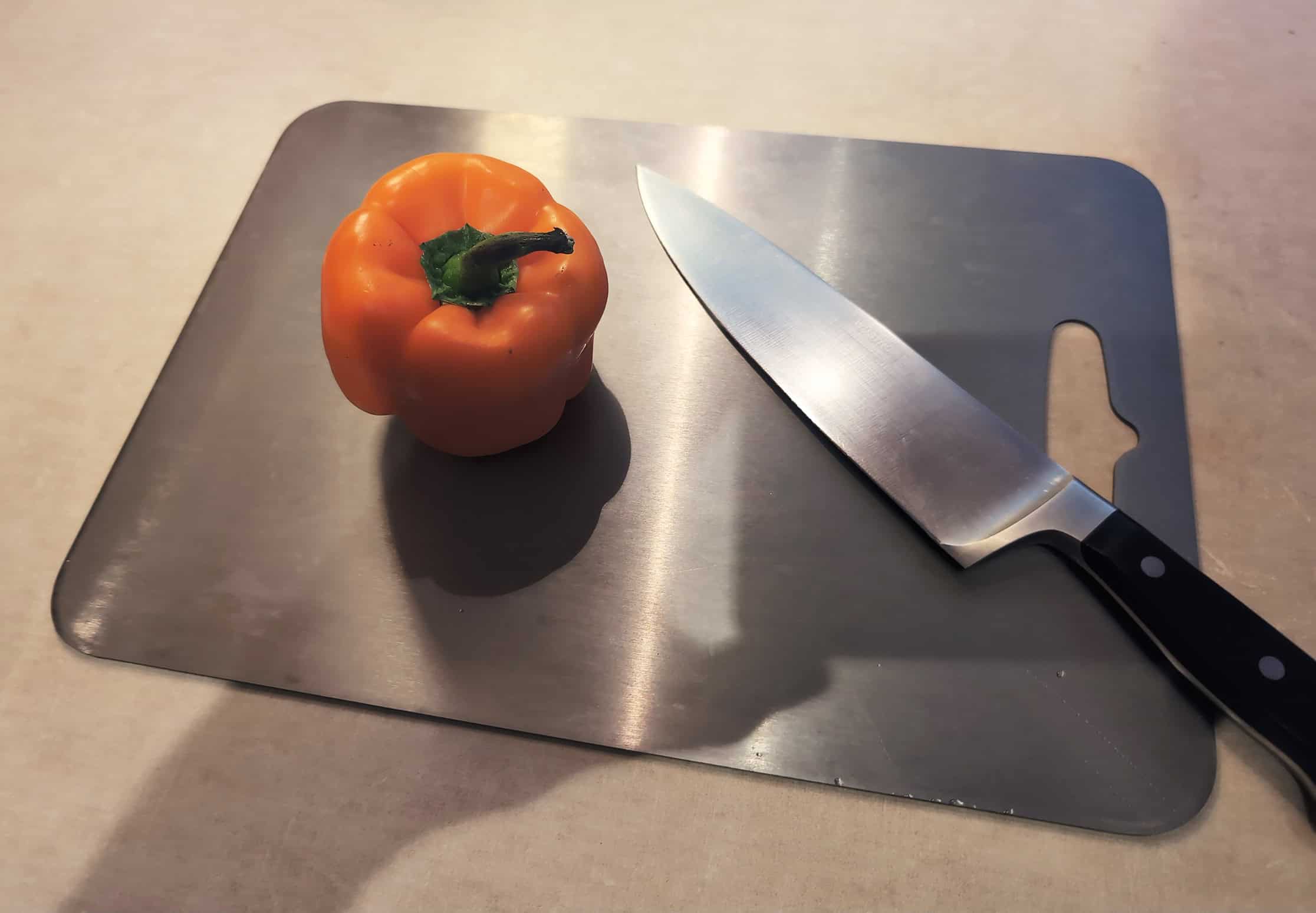
The main pros of switching to a titanium cutting board are absolute hygiene and permanent durability, while the primary cons are the louder chopping volume and cosmetic surface scratches. It is a calculated trade-off. You give up the quiet thud of wood to gain a radically cleaner prep station.
The 12-month checkup
The Plumosity Product Review Team originally tested this exact board (Medium 10 x 14 in.) for a month, generating a baseline that earned a massive 4.7 / 5 rating. My own year-long, rugged kitchen use completely backs up those lab-tested claims in a real-world environment. Structurally, the metal remains perfectly flat and dense.
It survives brutal, high-heat dishwasher cycles without a hint of warping, bending, or degradation. Standard plastic distorts under that kind of intense thermal stress, but heavy-gauge metal simply shrugs it off. Week after week, the board functions exactly like it did on day one. It holds up beautifully, but its true superpower lies in what it physically refuses to absorb.
Pros and cons scorecard
To quickly summarize the reality of using this tool, here is the breakdown. The pros center entirely on cleanliness—it is impossible to stain, features zero odor retention, requires no maintenance, and is highly corrosion-resistant. The cons are primarily experiential: it suffers unavoidable surface wear, generates a louder metallic chopping volume, and requires a secondary non-slip mat.
The wear profile is simply different here compared to traditional materials. We have to definitively separate aesthetic patina from structural failure. A warped, smelly plastic board is basically dead and belongs in the trash. A deeply scratched titanium board is just properly broken in and ready for the next decade of meal prep.
“A deeply scratched titanium board is just properly broken in and ready for the next decade of meal prep.”
Food safety and the zero-maintenance advantage
A titanium cutting board prevents microplastics in food because it is forged from a solid, un-degradable metal that sheds zero synthetic particles under the friction of a kitchen knife. The hygiene benefits stem directly from its material density. No pores means no trapped organic matter.
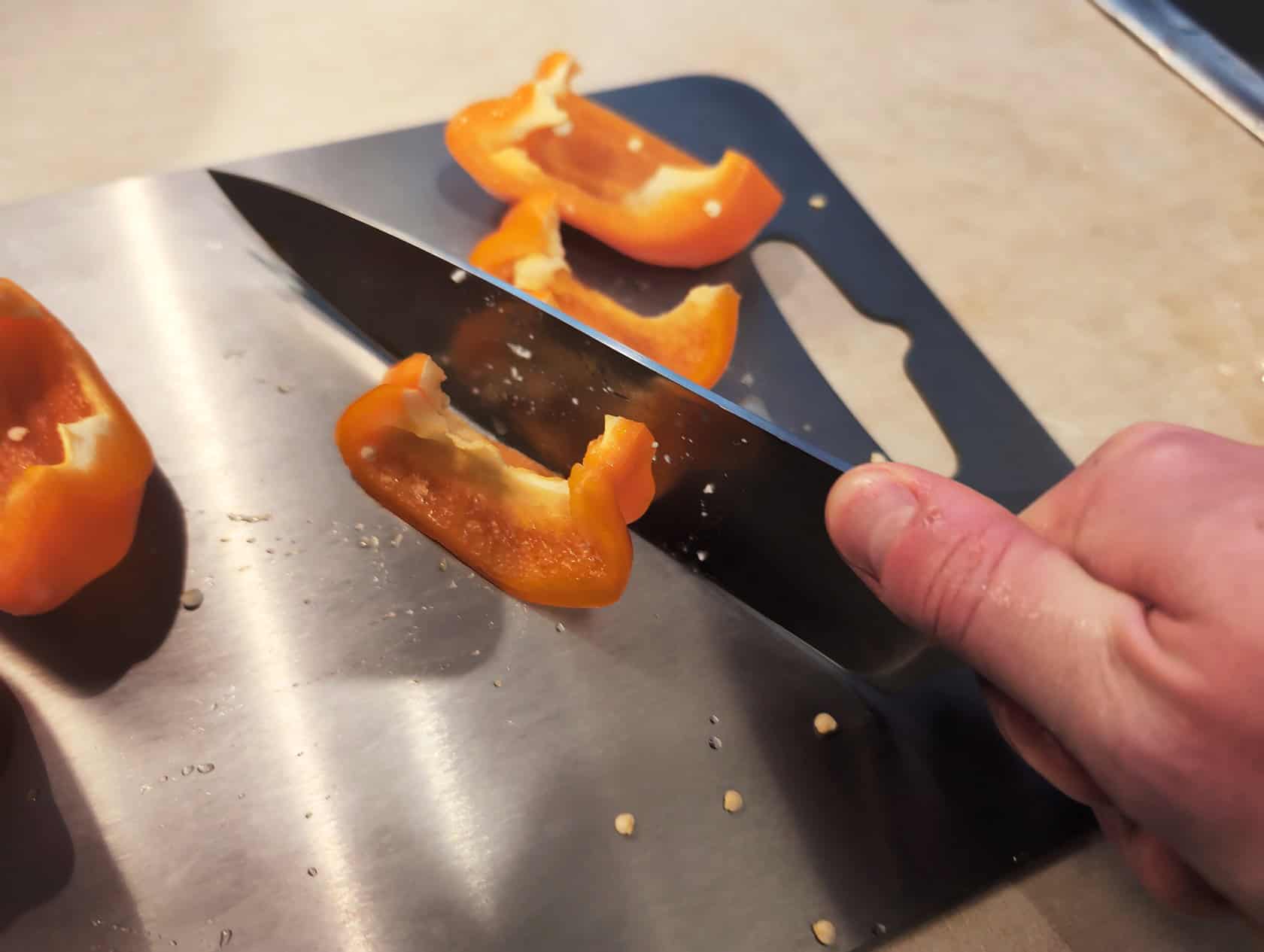
The purity of unalloyed metal
Many brands slap the marketing buzzword “aerospace-grade” on a box just to sound tough. True food safety requires specific laboratory backing, which is why this board holds an official SGS certification for its 99.89% pure titanium construction to prove its clinical validity. Generic alloys can secretly leach undesirable metals into your meals.
The FDA also verifies this specific purity level as strictly food-safe. You gain the peace of mind knowing exactly what you are cutting your ingredients on. There are no hidden coatings, glues, or chemical treatments lurking just under the surface. It is a solid element from top to bottom, bringing verifiable laboratory standards to your daily dinner routine.
Defeating the stain and odor test
The exact physical mechanism behind the board’s cleanliness is dead simple. Liquids physically cannot penetrate the metal to cause microbial issues. You can prep heavily pigmented foods like turmeric or intensely odorous raw meats without a single worry. Once you hit the metal with hot water and dish soap, every trace vanishes.
It requires zero upkeep to maintain this sanitary environment. Unlike traditional surfaces that demand frequent conditioning and care, titanium is strictly scrub-and-go. You never have to worry about cross-contamination between meal components. While extreme hygiene is a clear win for any kitchen setup, the biggest hesitation for most practical home cooks is what pure metal does to an expensive edge.
Blade safety test: Will titanium ruin your knives?
Blade damage is the single biggest misconception about metal prep surfaces. Fortunately, a pure titanium cutting board does not dull your kitchen knives faster than wood or plastic because the metal is metallurgically softer than high-carbon steel. Solid titanium is not glass, and it is not hardened steel.
The Mohs scale reality
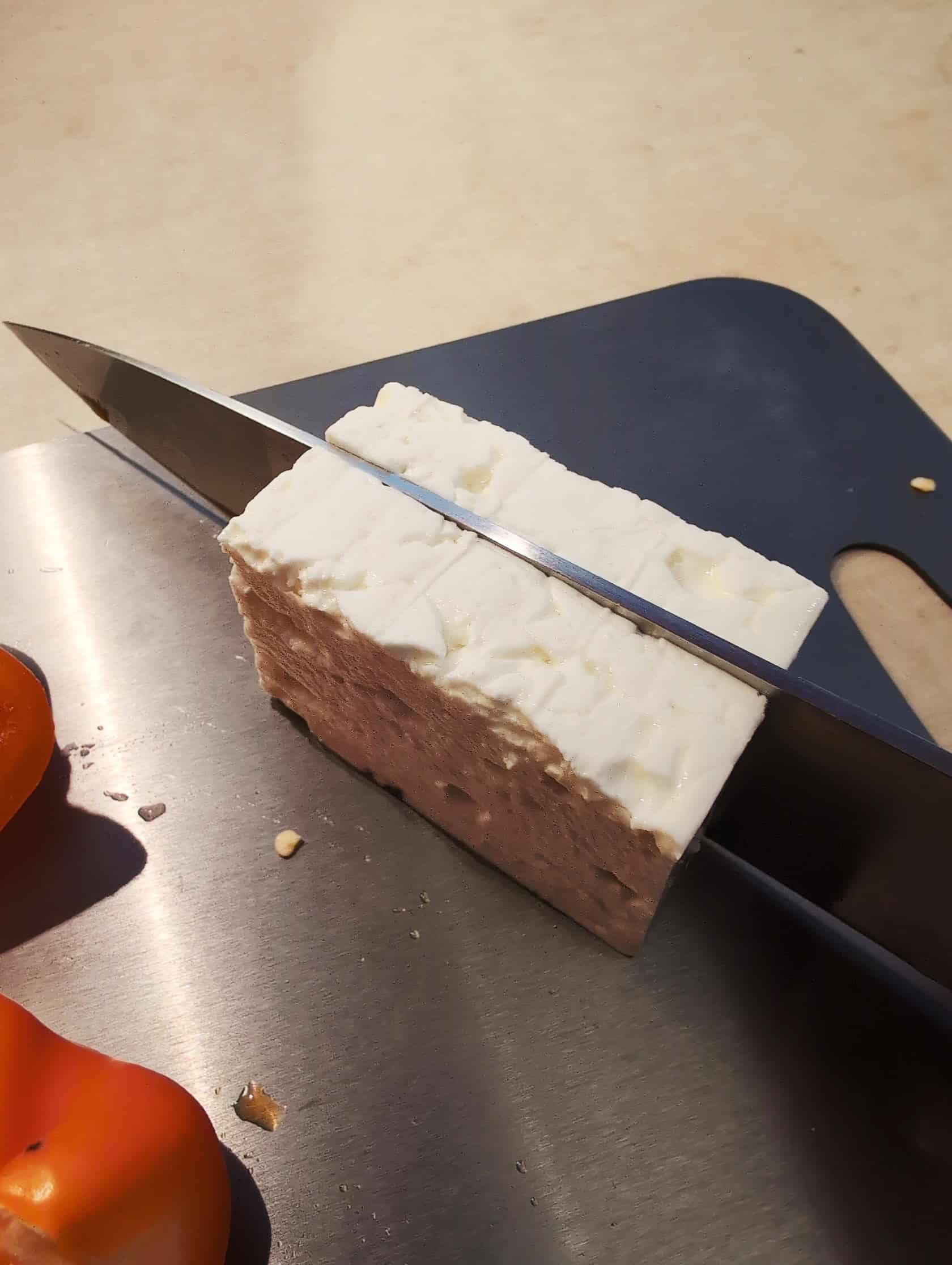
The precise metallurgical metric that explains this interaction is a Mohs 6 hardness rating, which guarantees excellent edge retention for your chef’s knife. Most quality knives, forging premium German steel like a WÜSTHOF, sit much higher on the hardness scale. While cheaper, localized soft stainless steel knives may roll and require more frequent honing on the Mohs 6 board, premium Japanese high-carbon steels will easily maintain their delicate edges without micro-chipping. Meanwhile, the classic benchmark for safe prep surfaces is End-grain maple, which demands constant maintenance oil to prevent cracking.
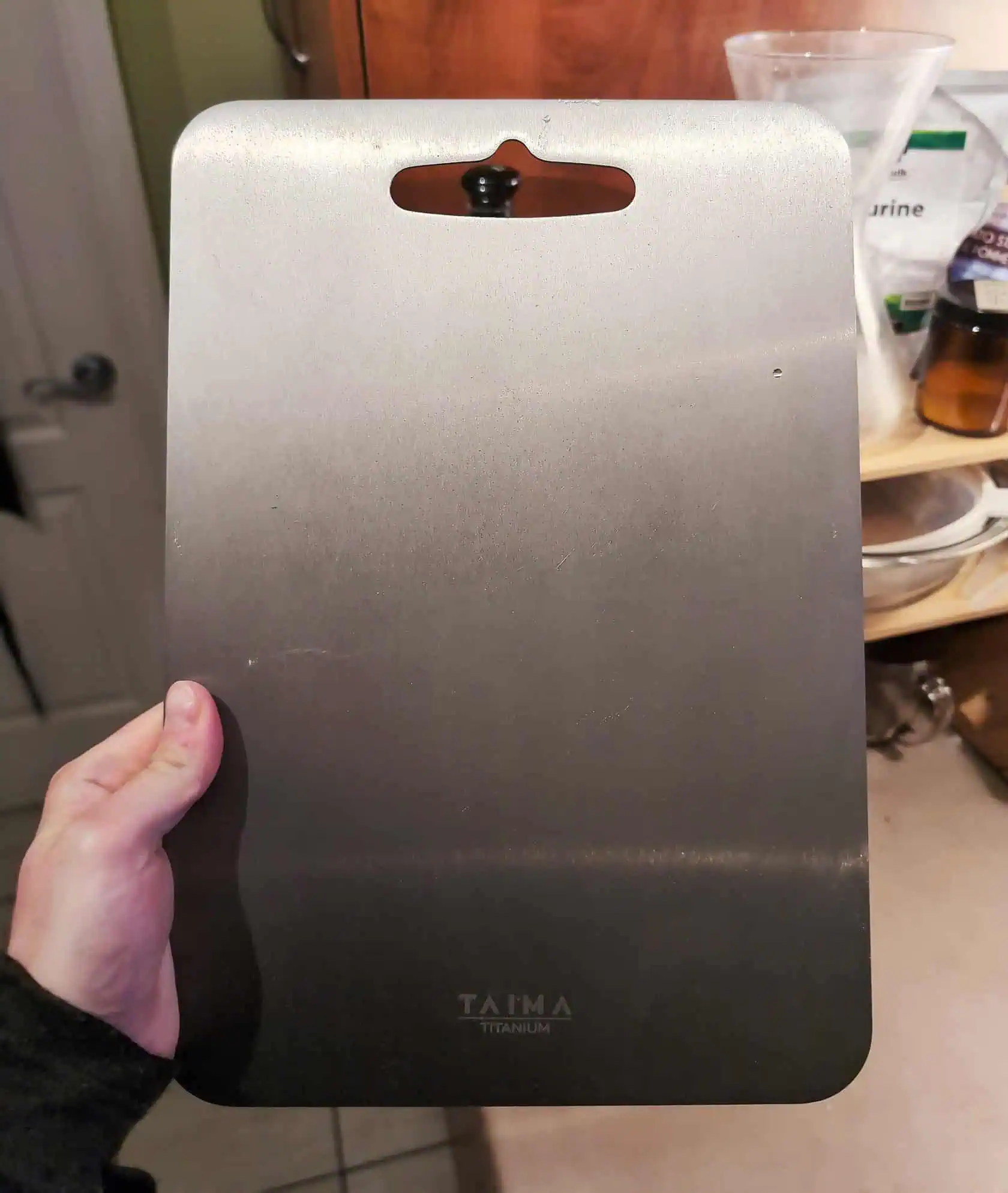
Razor sharpness lasts longer when the board physically yields to the steel’s bite, preventing micro-chips along the edge. A dedicated Knife Sharpener is rarely needed; regular blade honing will suffice. Heavy Sharpening routines become an occasional maintenance chore rather than a weekly necessity.
Why cosmetic scratches mean your knife survived
You are going to see lines and tracks appear on the metal within the first month of normal use. Reframing these unavoidable cosmetic scratches as functional evidence of careful edge preservation is crucial. If the metal were too hard to scratch, the edge of your knife would be chipping or rolling instead.
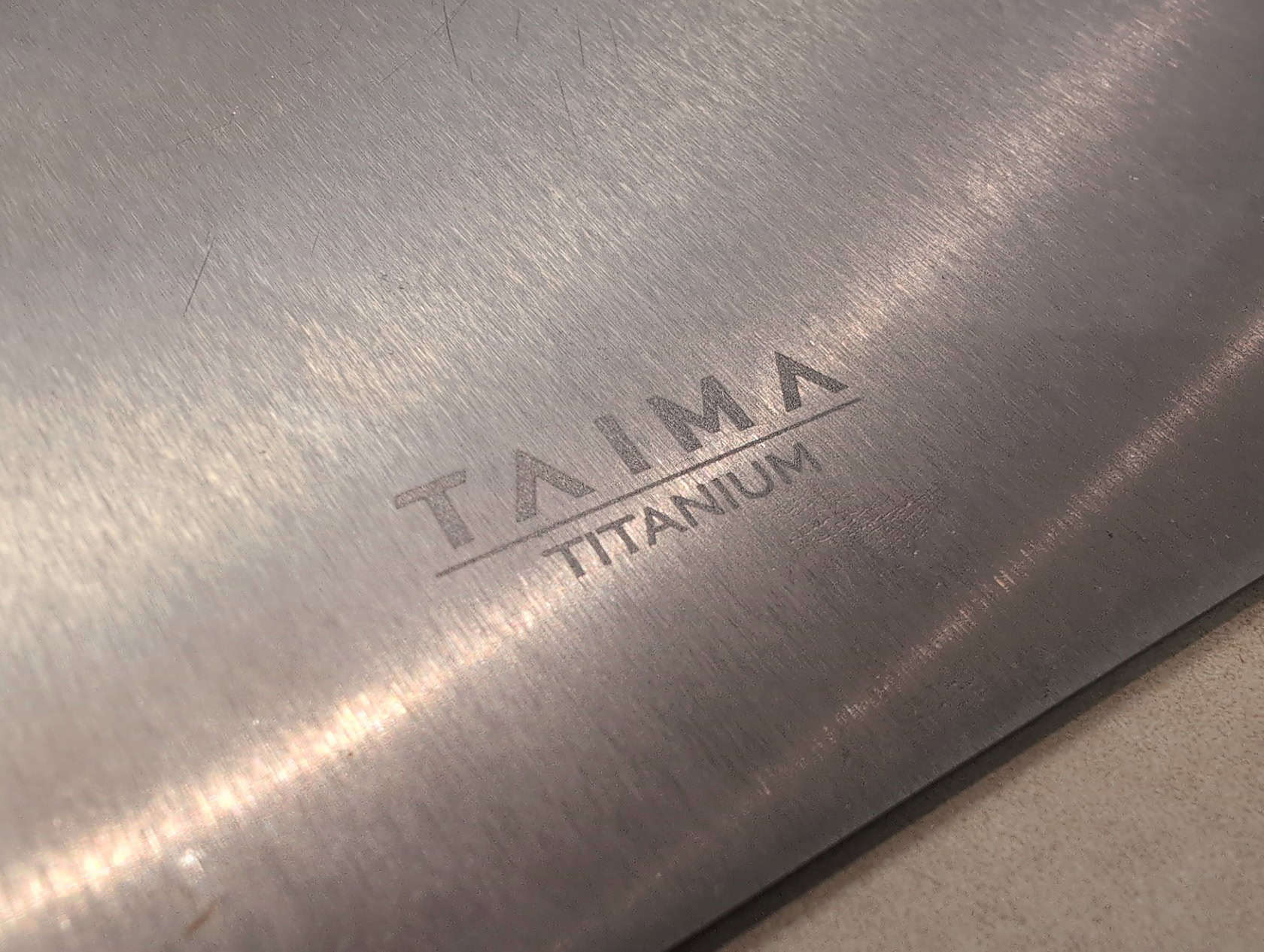
Visually distressed metal over a year is proof the tool is working exactly as designed. The titanium acts as a sacrificial surface. Knowing your edge is secure is a massive relief, but there is a definitive sensory adjustment to cooking on solid titanium that no spec sheet can fully prepare you for.
Daily usability trade-offs and crucial V2 updates
Acoustics and the “clink”
Cutting on the Taima titanium board absolutely produces a distinct, audible metallic “clink” during rapid chopping. You cannot hit solid metal with sharpened steel utensils in silence. It requires a definitive sensory adjustment from the user. Capturing the physical reality of this metallic acoustic feedback is essential, as the sensory trade-off marks the biggest difference between this board and a wood block. It sounds exactly like you think it does. If you demand a perfectly quiet kitchen, the loud rhythmic tapping will annoy you. But if you value absolute hygiene over ambient acoustics, the noise becomes a familiar background rhythm very fast. It is simply the sound of a sterile workspace. There is no dampening the impact, but most serious cooks adapt within the first week of use.
Solving the countertop slide
Countertops made of polished granite or quartz are notoriously slick. Placing a dense, smooth metal slab directly on them creates a physical sliding hazard. Pairing the board with a silicone mat—specifically the Carlisle Nonslip Mat—is an absolutely mandatory step for long-term countertop stability and safety. You need that aggressive friction to keep the two-pound slab from migrating while you work.
Once you secure the base, prep work feels incredibly locked in and secure. A metal Board Scraper glides cleanly across the unyielding surface, effortlessly transferring diced onions straight into a hot cast iron skillet. You can put serious weight into your cuts without the board sliding out from underneath you.
Generational design fixes
The brand listened closely to early feedback and implemented major fixes in this exact iteration. The V2 design updates heavily prioritize safety by incorporating smooth rounded edges instead of sharp metal corners. Earlier versions felt a bit harsh on the hands during washing and rapid handling.
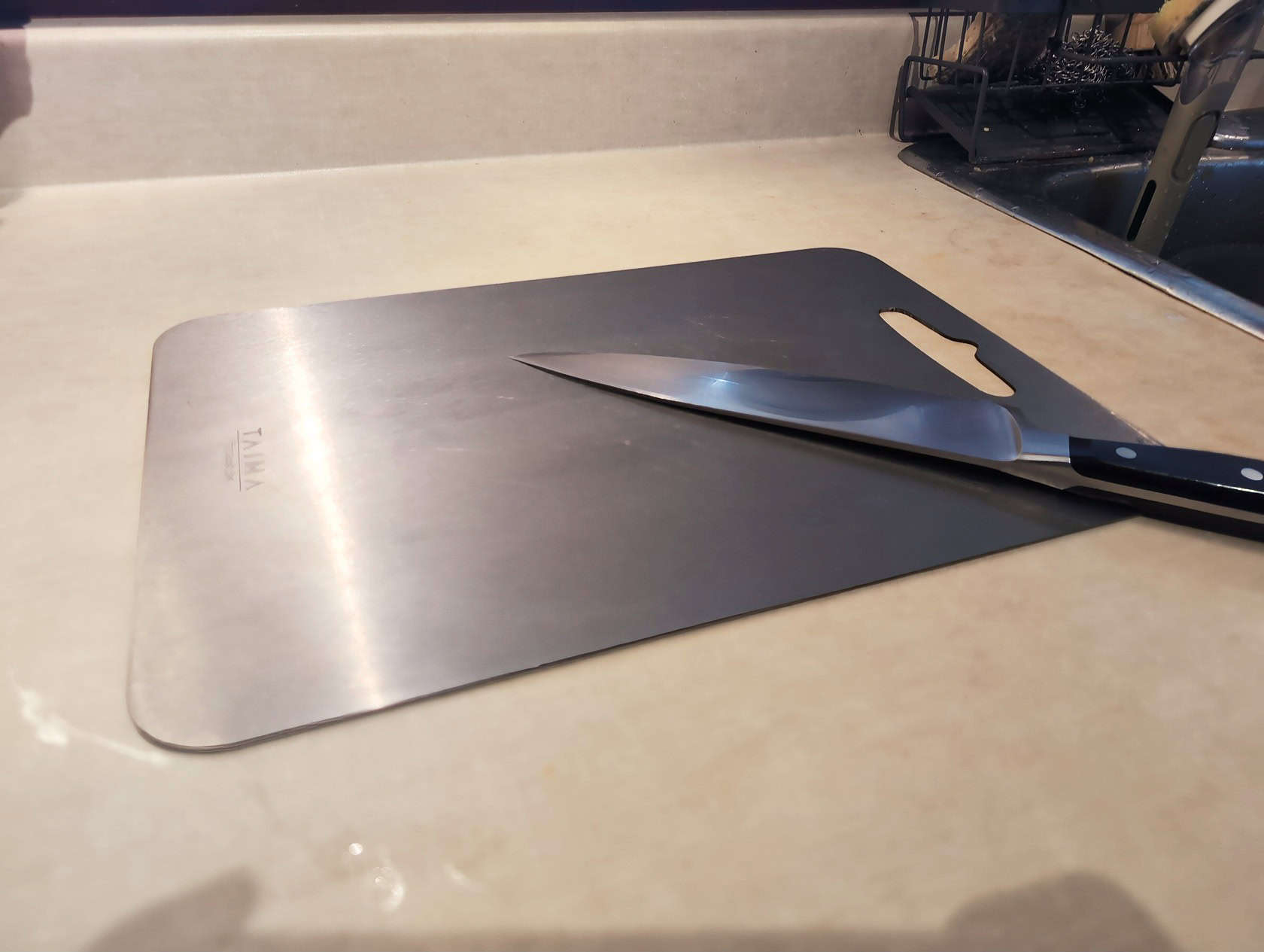
They also intelligently enlarged the handle slot for a much easier grip. Lifting the heavy metal off flat surfaces is no longer a struggle. Once you lock down the handling quirks and adapt to the sound, you have to look at the financial reality of buying a lifetime board.
Cost breakdown: Capital asset vs. kitchen consumable
The Taima Titanium Cutting Board V2 lists for $199.99, but aggressive promotions routinely drop the actual purchase price. Applying codes like UNFINISHEDMAN at checkout pulls the cost down closer to $99. At that adjusted price bracket, the math changes completely.
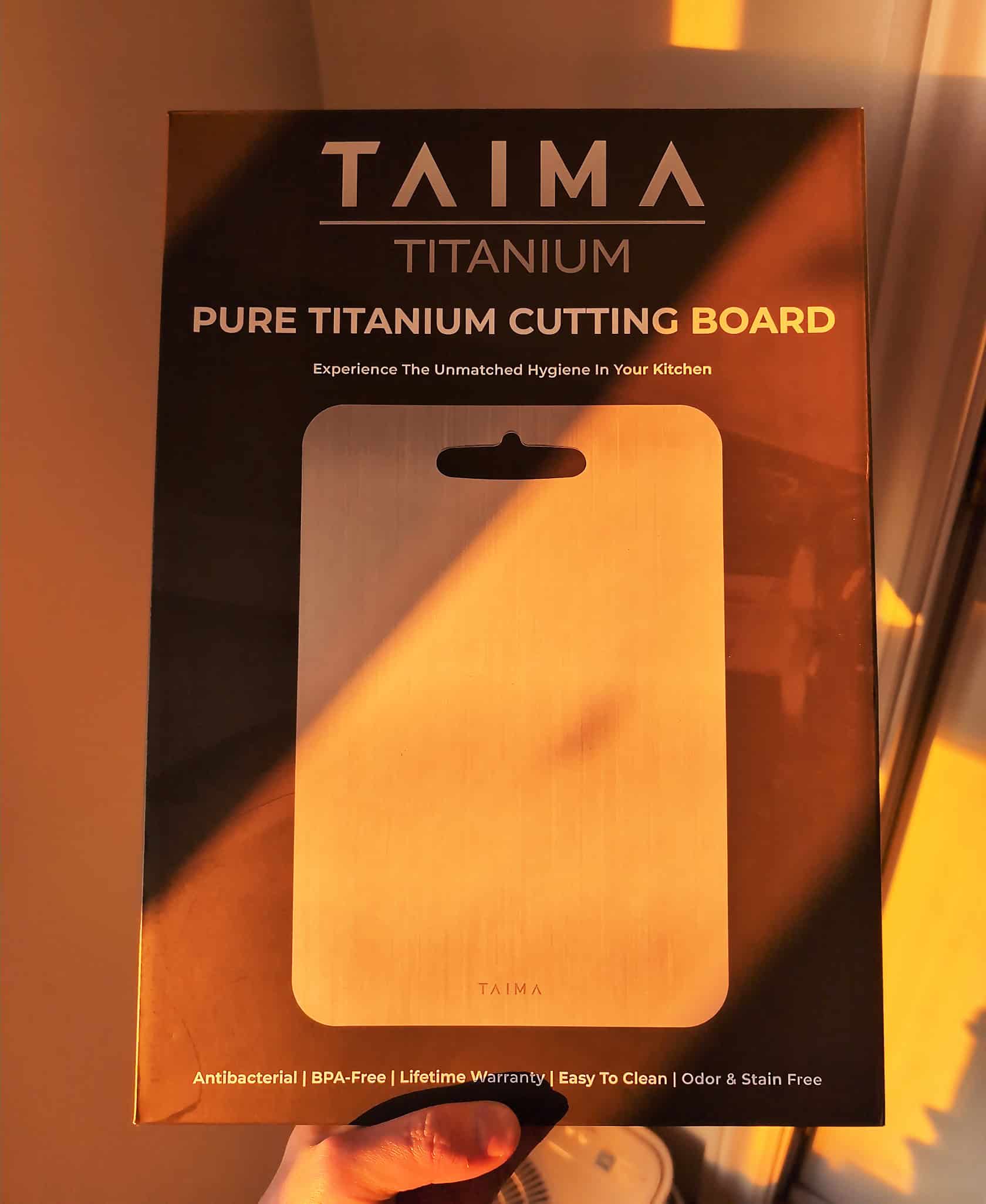
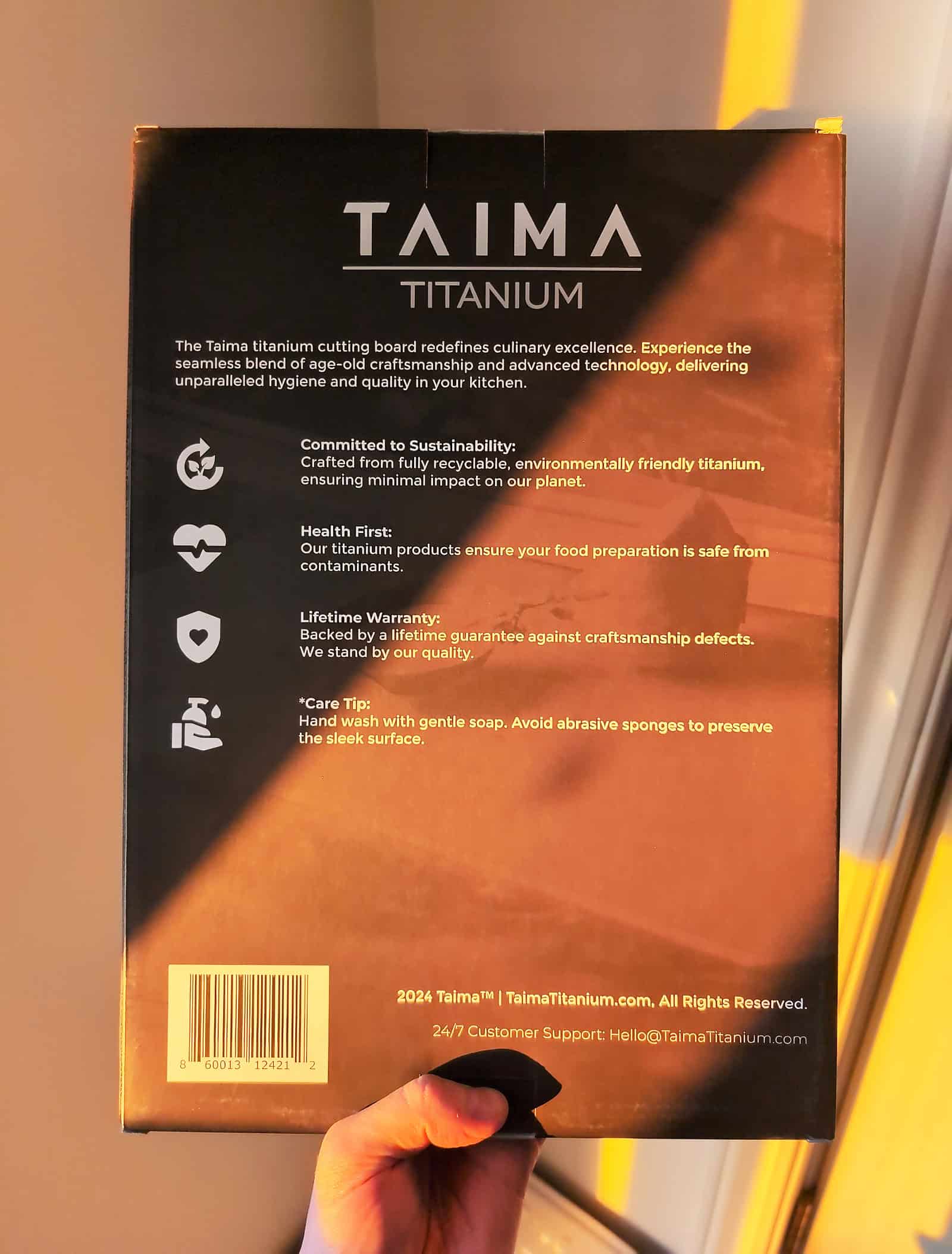
We need to fundamentally re-categorize this tool. Most people view prep boards as throwaway items you swap out every year or two once the grooves get overly deep and gross. The core financial ROI argument balances lifetime durability against constant consumable tool replacement.
This is a permanent hardware asset. Pots, durable pans, and premium cutlery are lifetime investments; your primary prep surface should be, too. Buying it exactly once ends the wasteful cycle of constantly ordering cheap, unhygienic replacements, and it is backed by a reliable lifetime warranty.
Final verdict: Should you make the switch to titanium?
Making the switch makes sense if you want a permanently sanitary prep surface and are willing to adapt to the minor acoustic differences of a metal board. Your peace of mind regarding microplastics will heavily outweigh the flaws of scratching and noise. High-end wood boards are often treated as elite culinary status symbols, but their demanding upkeep makes them inferior for daily, effortless food safety.
The Taima’s effectiveness relies entirely on a non-porous physical mechanism, blocking microbial absorption at a molecular level. It removes the anxiety of raw meat cross-contamination entirely. This specific board is perfect for practical, hygiene-focused cooks who just want reliable gear that works intuitively.
If you are highly sensitive to kitchen noise, you should probably skip it. But for everyone else, utilize the generous 30-day return policy to test the specific acoustic feel in your own kitchen. It is incredibly hard to go back to scrubbing porous plastic once you experience true, sterile metal.
Frequently Asked Questions
Will a titanium cutting board dull my expensive chef’s knives?
No, because pure titanium is metallurgically softer than high-carbon steel. The material carries a Mohs 6 hardness rating, allowing it to yield to premium blades like a Wüsthof rather than chewing them up. As long as you maintain a regular honing routine, your edge retention will be perfectly fine.
Why does the titanium board scratch so easily if it’s solid metal?
Those cosmetic lines are deliberate proof that the board is actually saving your knives. Because titanium is softer than hardened culinary steel, it essentially acts as a sacrificial surface that absorbs the friction of a chop. If the metal was too hard to scratch, it would heavily chip or roll your knife edge instead.
How loud is it to chop on real titanium?
It produces a highly distinct, audible metallic clink during rapid chopping that you absolutely cannot dampen. Striking solid metal with sharp steel is inherently noisy and requires a definitive sensory adjustment. If you demand a perfectly quiet kitchen, this rhythmic acoustic feedback will likely drive you crazy.
Can I put the Taima titanium board in the dishwasher?
Yes, without hesitation. Heavy-gauge pure titanium shrugs off extreme thermal stress and survives brutal, high-heat dishwasher cycles without a hint of warping. Unlike plastic boards that eventually distort and melt, this metal slab functions exactly like it did on day one.
How do I stop the heavy metal board from sliding around on my granite counters?
You have to pair the cutting board with a secondary silicone slip mat beneath it. Dense, smooth metal placed directly on slick stone or quartz creates an immediate sliding hazard. Tossing a high-friction mat down locks the two-pound slab perfectly in place so you can aggressively prep ingredients without it walking away.
What is the difference between the Taima V1 and the new V2 design?
The V2 iteration smartly ditches the sharp metal corners of the original for smooth, rounded edges that are far safer and easier on the hands during washing. Taima also enlarged the handle slot in this version. That minor update completely fixes the awkward struggle of trying to pry a heavy, perfectly flat metal slab directly off a countertop.
Is the Taima Titanium Cutting Board definitely worth the $220 price tag?
Yes, once you fundamentally re-categorize it as a permanent hardware asset instead of a cheap consumable. Furthermore, aggressive promo codes typically drop the actual checkout cost closer to $120. Buying it exactly once permanently ends the wasteful, unhygienic cycle of replacing heavily scarred plastic boards every year.


Hey Chad,
You say the titanium Taima uses for its V2 cutting board is sourced from Japan, but you don’t mention where its manufactured. Can you tell me where that is done?
Thanks!
That’s a great question, and unfortunately I can’t find that answer anywhere on their website…