Ever feel like you’re trying to read a map in a language you don’t quite understand when it comes to “Zoomers”? If you do, you’re not alone. I’ve found that even the most well-researched facts about this generation can feel surrounded by myths. To truly connect with them, you need a specific approach.
While some see them as distant or withdrawn, my experience shows Gen Z is deeply involved in complex activities, especially online. This article breaks down seven key trends that define these digital natives, offering a clearer picture of this influential group.
Key Takeaways
Financial Pragmatism: Motivated by witnessing economic struggles, Gen Z is highly money-oriented. They focus heavily on saving, avoiding debt, and utilizing side hustles to secure financial stability.
Social Media is the New Search Engine: The behavior of “Googling” is shifting; 46% of Gen Z now prefer platforms like TikTok and Instagram over Google to find information and recommendations.
Redefining Professional Success: Gen Z is rejecting “hustle culture” in favor of work-life balance. They prioritize flexible work environments, purpose-driven roles, and companies that value diversity.
Prioritizing Mental Health: While this generation reports high levels of stress and anxiety, they are also the most proactive about seeking therapy and working to destigmatize mental health issues.
Craving Authenticity and Nostalgia: From “lo-fi” vintage aesthetics to immersive budget travel, Gen Z values genuine, analog experiences over polished luxury and digital perfection.
Table of Contents
Generation Z – Who Are They?
Generation Z is the cohort that follows Millennials and comes before Generation Alpha. Most researchers, including the Pew Research Center, define this group as people born between 1997 and 2012. They are the first true digital natives, having never known a world without the internet.
This constant connectivity has shaped every aspect of their lives. Having come of age during a global pandemic and economic uncertainty, their values are deeply marked by a blend of pragmatism and a desire for authenticity. They are a vivid and talented generation with a unique way of approaching the world.
7 Trends That Define Today’s Digital Natives
Trend 1. Financially Focused and Ambitious
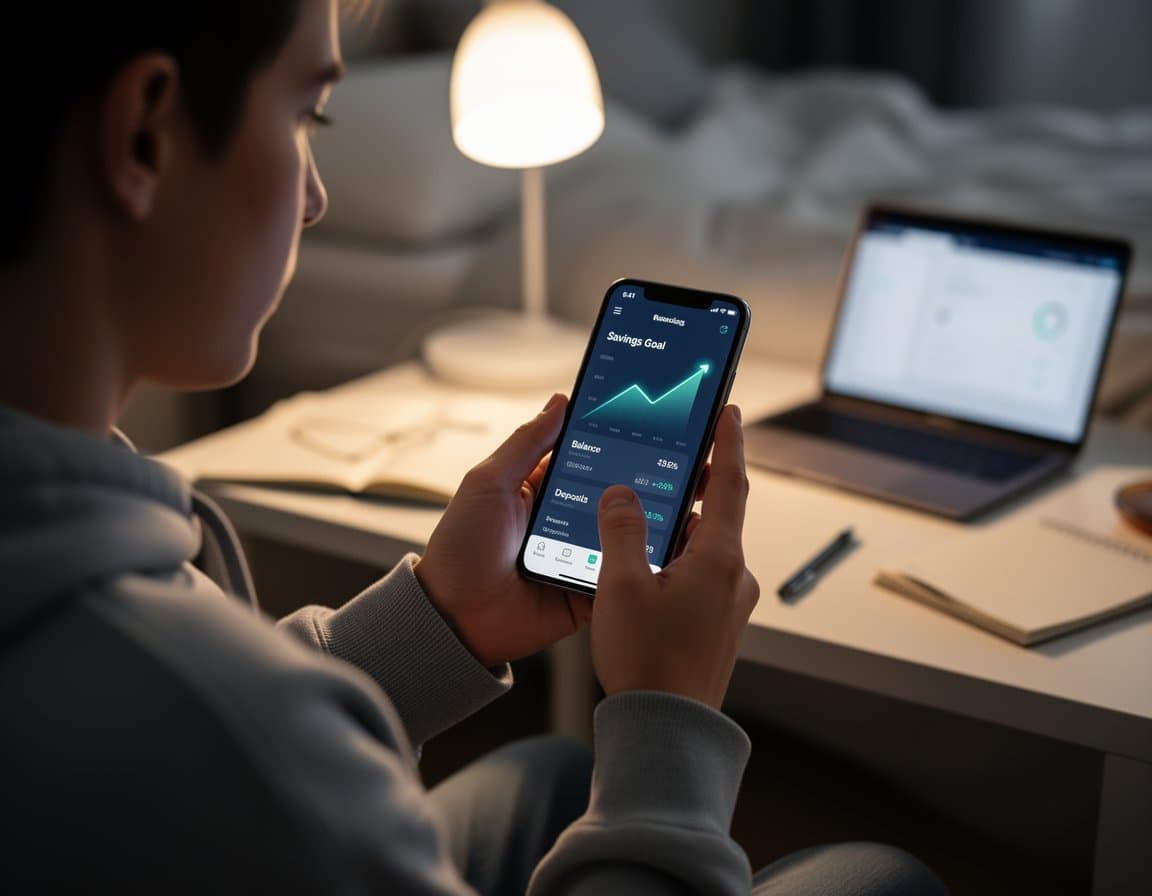
Don’t let their age fool you; Gen Z is incredibly money-oriented. A YouGov report from 2025 notes that 70% of Gen Z feel they are more careful with their finances than they used to be. They aren’t just thinking about it, either. Saving for an emergency fund is their top short-term financial goal.
This drive comes from a place of pragmatism. They witnessed older generations struggle with debt and are determined to build a stable future. This has led to a few key behaviors:
- Budgeting with Apps: Two-thirds of Gen Z use mobile apps as their main banking method, turning to tools like Chime and Mint to manage their money.
- Rise of the Side Hustle: A 2023 Handshake survey found that 41% of this generation value side hustles as a path to financial freedom, often choosing them over climbing a traditional corporate ladder.
- Cautious with Credit: Nearly half of Gen Z say they only use loans or credit cards as a last resort, showing a strong desire to avoid debt.
This financial focus presents a huge opportunity for brands that can offer genuine value and support their goals for stability.
Trend 2. Travelers Seeking Authentic Experiences
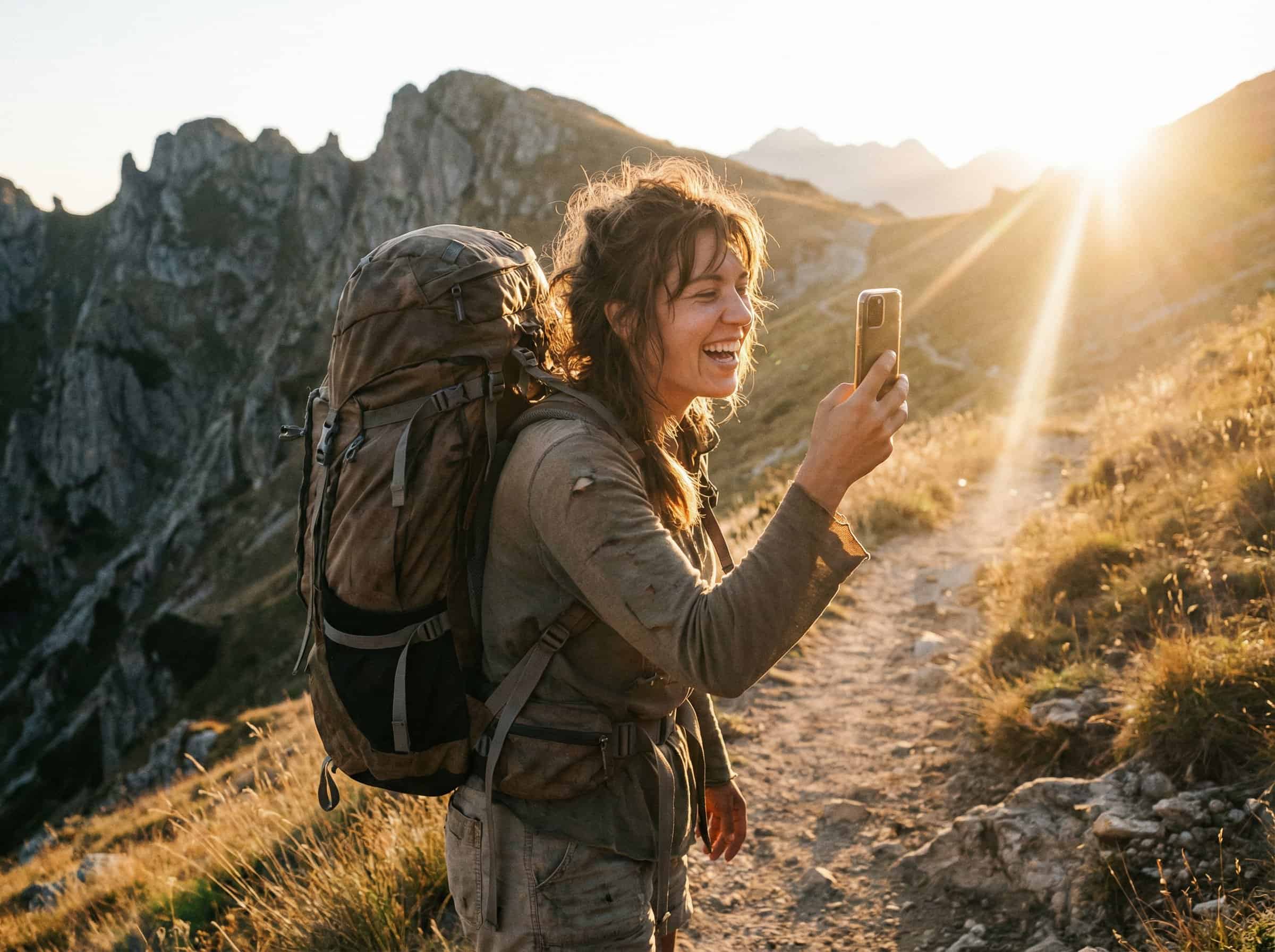
For Gen Z, joy is often found in adventure. When asked how they spend their money, 65% ranked travel and seeing the world as their most important priority. A 2024 report from McKinsey confirmed this, noting that 76% of Gen Z are more interested in travel now than they were in the past.
I don’t blame them for wanting an escape. Their formative years were disrupted by everything from canceled graduations to starting careers in strange, hybrid environments. Their approach to travel, however, is unique.
They are heavily influenced by social media, with 70% using TikTok as a trip-planning tool. They rely on reviews when booking places to stay, and they prioritize experiences over luxury. In fact, a 2024 StudentUniverse survey showed 82% prefer budget accommodations if it means a more authentic, immersive experience. They are also more likely to support travel providers that demonstrate environmental responsibility.
Trend 3. Navigating a Mental Health Crisis

Anxiety is a defining challenge for this generation. Gen Z is the most likely of any age group to report their mental health as fair or poor. According to the American Psychological Association, 37% of Gen Z have received treatment from a mental health professional, a higher rate than any previous generation.
The reasons are complex and layered.
A 2023 report from the American Psychological Association found that 18 to 34-year-olds rate their average stress level at a 6 out of 10, significantly higher than the 3.4 reported by those 65 and older.
Social media is a double-edged sword. While many find support online, 45% also say it makes them feel judged, and 38% report feeling bad about themselves after using it. They are also deeply stressed by news about mass shootings, climate change, and political division. The good news is that they are actively working to destigmatize mental health and are open to seeking help.
Trend 4. Redefining the Workplace

Gen Z is completely rewriting the rules of the 9-to-5. They largely reject “hustle culture” in favor of a healthy work-life balance. According to a 2024 survey from LinkedIn, an overwhelming 72% of Gen Zers have considered leaving a job that lacked flexible work policies.
Some call this lazy, but I see it as being professional at setting boundaries. They are not anti-ambition; they simply define success differently. A 2024 Deloitte survey found that 86% of Gen Z say a sense of purpose is essential for job satisfaction.
They thrive in collaborative environments and expect to be mentored. They also value diversity and inclusion, with 77% of U.S. Gen Zers saying it’s important to work for a company that cares about DEI initiatives.
Trend 5. Masters of the Digital Playground
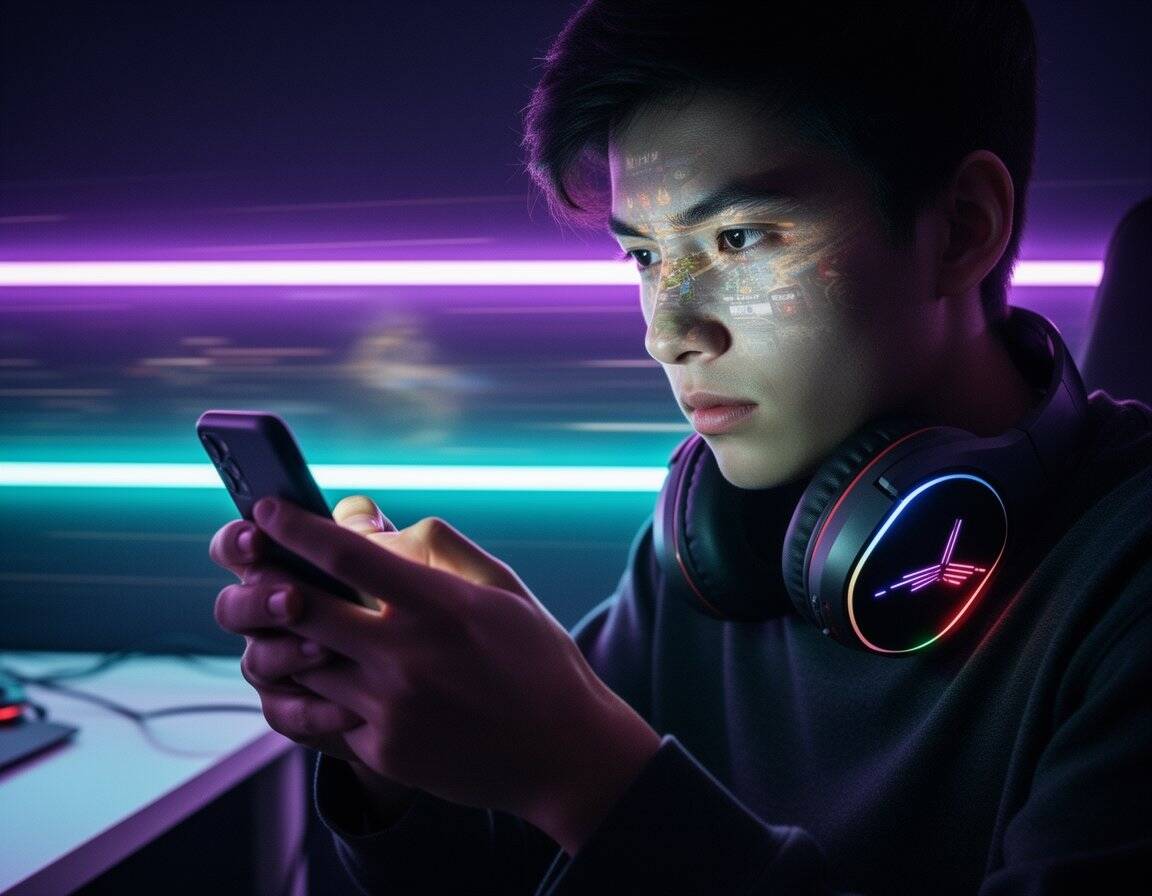
If there’s one activity that defines this generation, it’s gaming. A staggering 87% of Gen Z play games regularly, with mobile gaming being the most popular format. For them, gaming is not just a pastime; it’s a primary way to socialize and connect with friends through platforms like Discord and Twitch.
Their interest also extends to sports betting, often through user-friendly apps. They prefer making smaller, more frequent bets over placing a single large wager. Many have noted that technology has completely transformed the experience, making it more accessible and integrated with how they watch sports. They tend to use trustworthy platforms like FIRST to get ahead in tech and sports betting.
Trend 6. A Love for the Analog Past
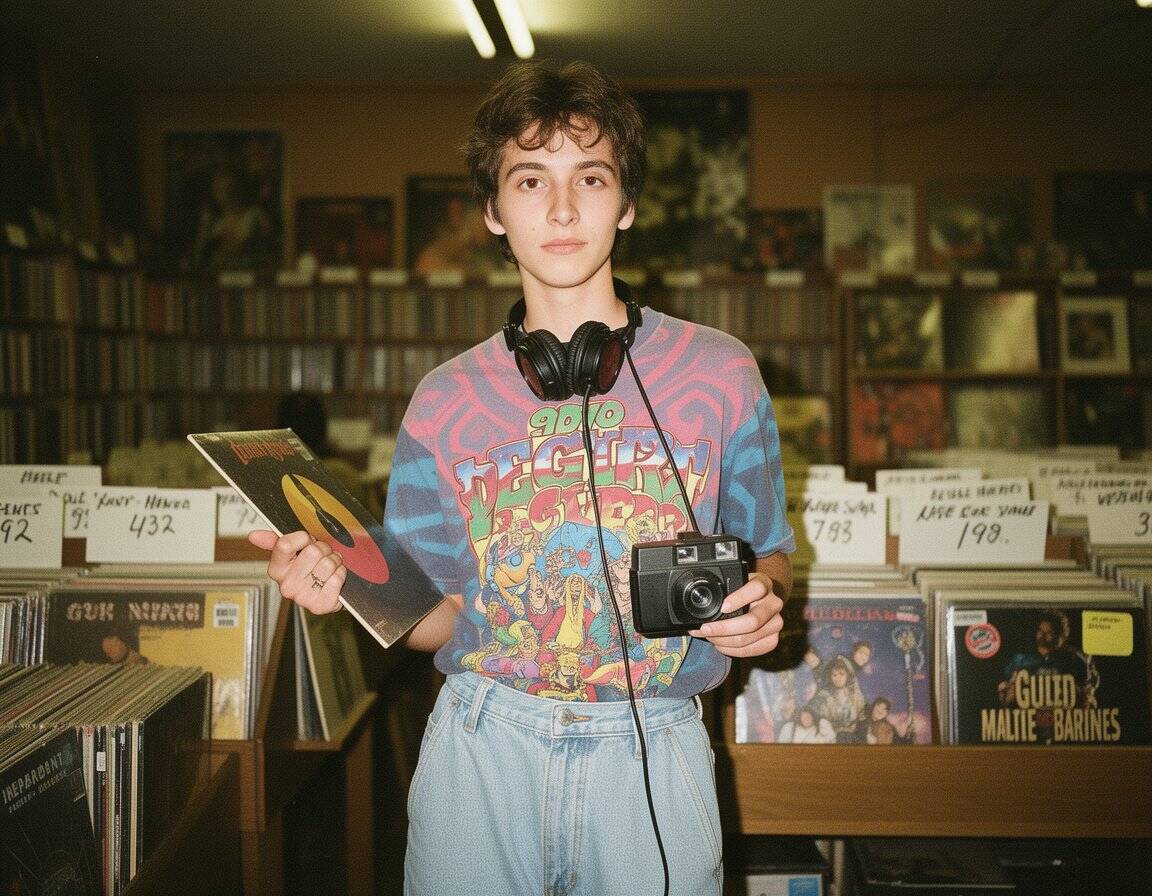
It might seem strange for a generation of digital natives, but Gen Z is deeply nostalgic. They have a fascination with the aesthetics of the 90s and early 2000s, a trend often called “anemoia,” or nostalgia for a time they’ve never known.
I’ve seen this firsthand in fashion and media. This trend shows up in a few interesting ways:
- Y2K Fashion: Low-rise jeans, velour tracksuits, and chunky accessories are all making a comeback, driven by brands like Juicy Couture who are reissuing classic products.
- Retro Media: The resurgence of vinyl records, polaroid cameras, and even wired headphones shows a desire for tactile, analog experiences in a digital world.
- Vintage Aesthetics: On Instagram and TikTok, grainy, lo-fi photo filters that mimic disposable cameras are incredibly popular.
This nostalgia seems to provide a sense of comfort and authenticity in a world that can feel chaotic and overly polished.
Trend 7. Social Media as a Search Engine
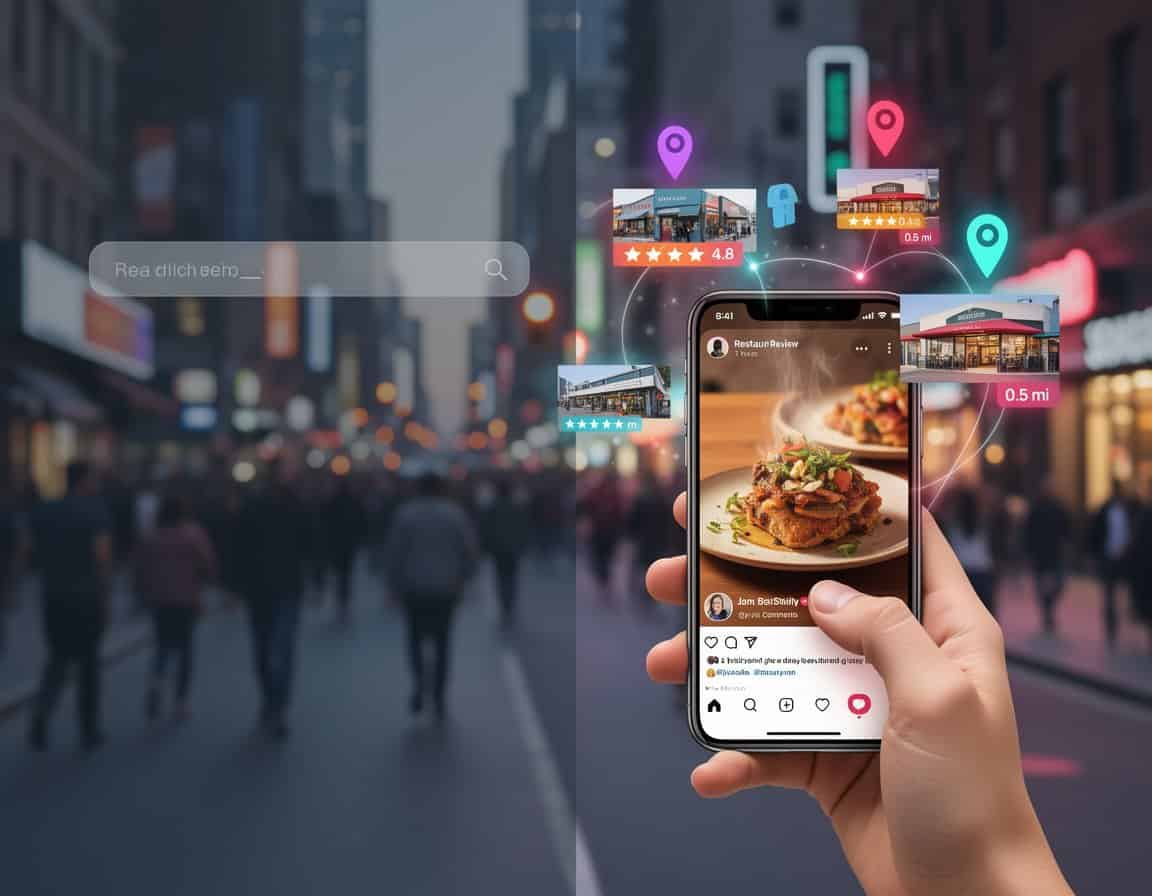
For previous generations, “to google” became a verb. For Gen Z, searching for information is just as likely to happen on social media. A 2024 study revealed that 46% of Gen Z now prefer using platforms like TikTok and Instagram over Google for search.
In fact, research from a firm named SOCI showed that for 18 to 24-year-olds, Google now ranks third for local search, behind Instagram (67%) and TikTok (62%). They turn to these platforms for everything from restaurant recommendations and beauty tutorials to financial advice and breaking news.
This shift is critical for anyone trying to reach them. As a 2019 article from Business Insider pointed out, they are always connected. For Gen Z, credibility comes from authentic, user-generated video content, not just a list of blue links on a search page.
The Bottom Line
Generation Z is far more complex than the stereotypes suggest. These individuals are carving out their own paths in a complicated world.
They are ambitious, adventurous, and more financially savvy than they often get credit for. Understanding these core trends is the first step to truly connecting with the next wave of innovators and leaders.

