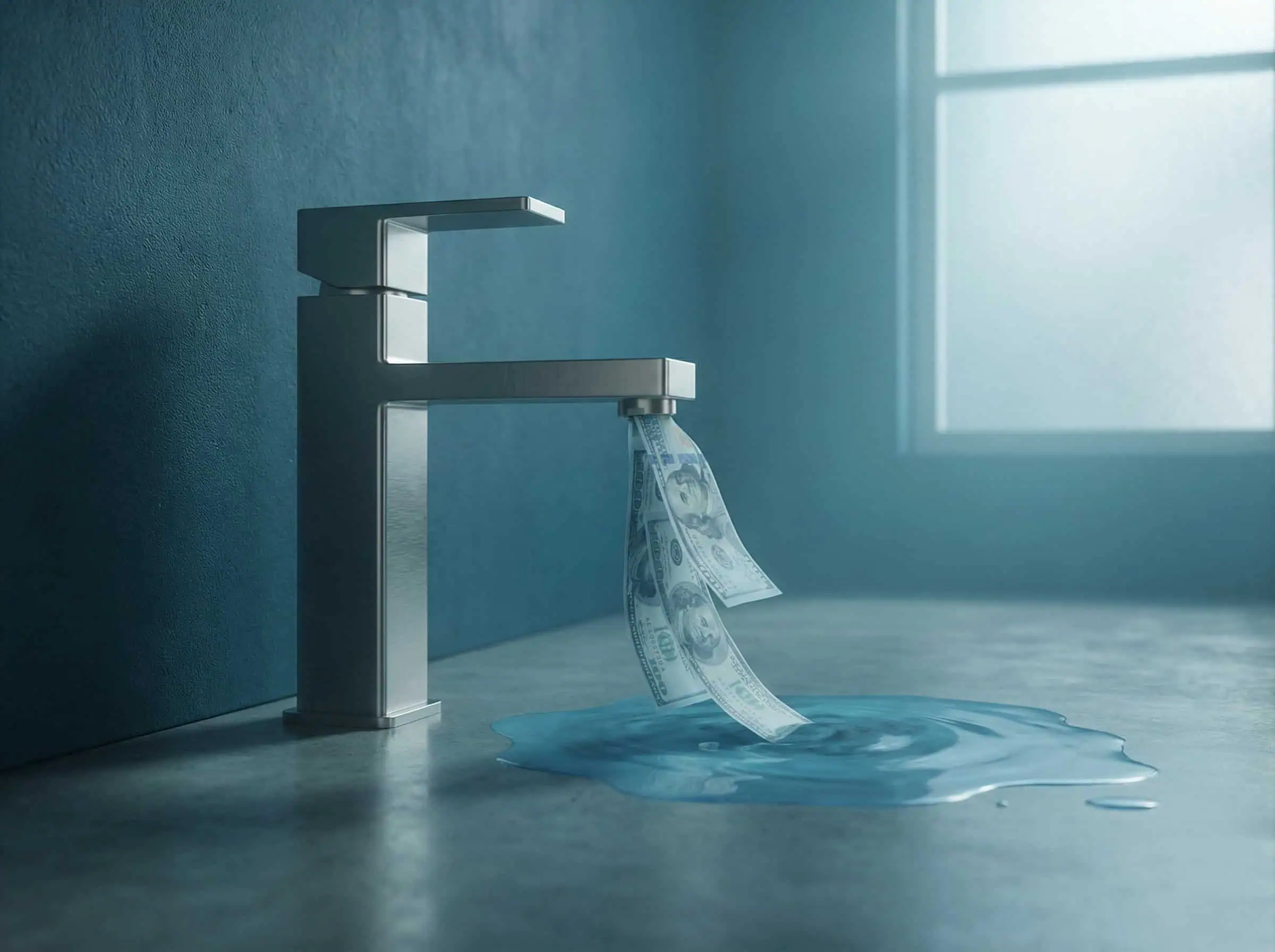
Most plumbing problems don’t start with a bang. They creep in quietly and get worse over time.
It might be a slow drip you tune out or a drain that takes a little longer to empty. These are easy to ignore until a puddle forms or the sink won’t drain at all.
Knowing the early signs helps you act fast, prevent damage, and keep your home in good working order. You don’t need to be a plumber, just aware of what to look for.
Key Takeaways
Listen to the Subtle Signs: Most plumbing disasters don’t happen overnight; they begin as quiet drips, slow drains, or faint sounds that are easy to ignore but critical to catch.
Small Leaks, Big Costs: A single faucet dripping once per second can waste over 3,000 gallons of water a year, while a running toilet can flush away 200 gallons every single day.
Prioritize Preventative Maintenance: Simple habits—like cleaning aerators, testing your sump pump, and replacing water heater anode rods—can extend the life of your fixtures by years.
Know When to DIY: While a plastic drain snake or a new toilet flapper are easy home fixes, recurring clogs or house-wide pressure drops usually signal a need for professional intervention.
Hidden Leaks are the Most Destructive: Use your water meter to check for “silent” leaks behind walls or under floors to prevent structural damage and mold growth before they start.
Table of Contents
Slow Drains That Never Quite Clear
A slow drain is one of the most common plumbing problems, usually showing up first in a bathroom sink or shower.
The main culprits are usually a mix of hair, soap scum, and other gunk building up inside the pipes. At first, you barely notice it, but the clog slowly tightens its grip.
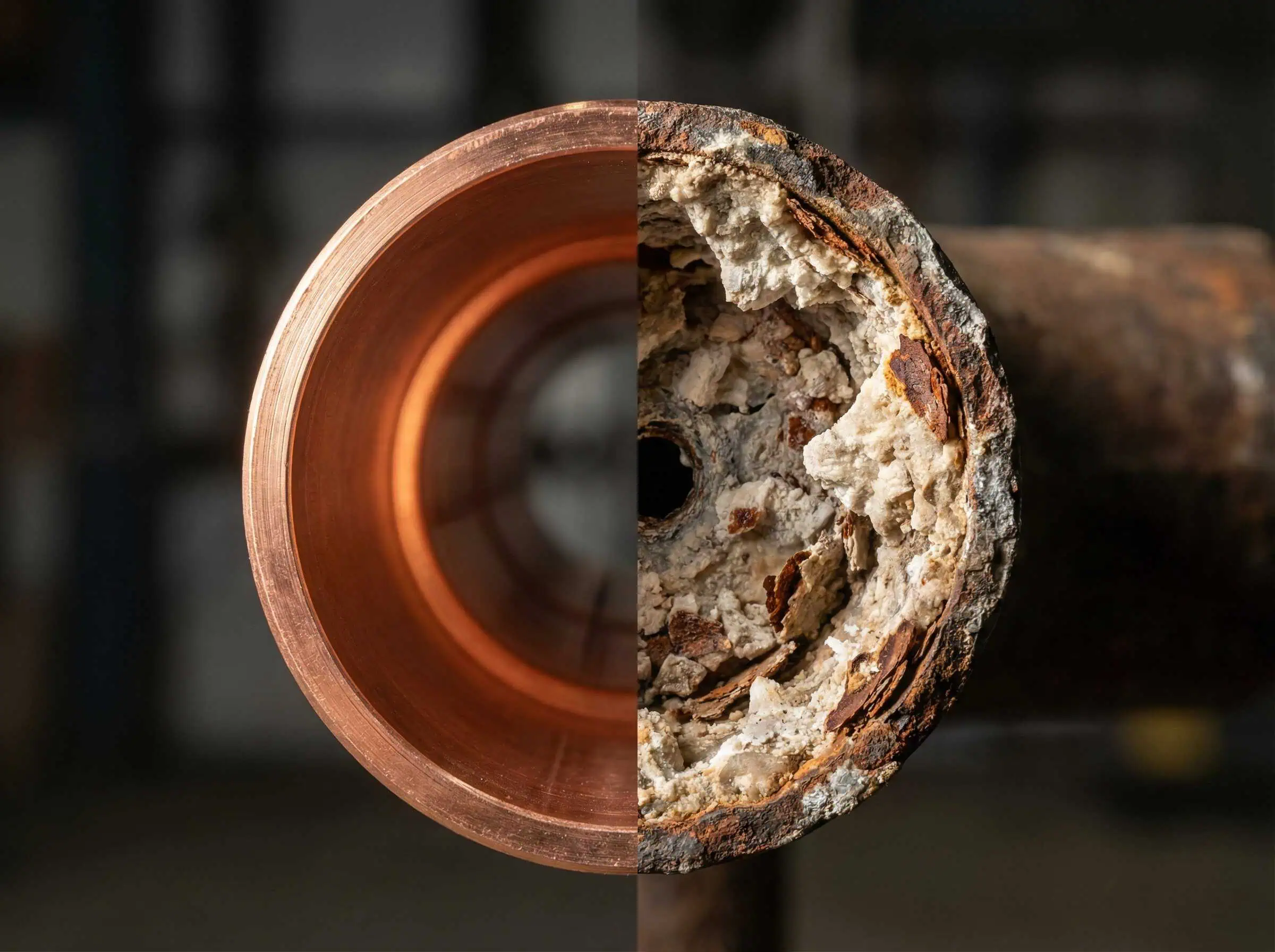
While chemical drain cleaners offer a quick fix, they rarely solve the underlying issue and can be corrosive to your pipes over time. For older homes, gentler solutions are a much safer bet.
- A Safer Alternative: Enzymatic cleaners like Bio-Clean or Green Gobbler use bacteria to eat away at organic waste without harming your pipes. They work slower but are more effective for long-term maintenance.
- A Simple Tool: A basic plastic drain snake, available at any hardware store, can often pull out the hair and soap scum causing the blockage in just a few minutes.
If you notice several drains in your house slowing down at once, that’s a red flag for a bigger blockage deeper in your main sewer line.
Dripping Faucets That Seem Harmless
It’s easy to ignore a dripping faucet. The sound fades into the background, and the water loss seems tiny.
But those drips add up, putting a dent in your water bill and causing unnecessary wear on your faucet’s internal parts, like its washers and O-rings.
According to the U.S. Environmental Protection Agency (EPA), a faucet that drips just once per second can waste more than 3,000 gallons of water per year. That’s enough for over 180 showers.
Fixing it early is usually a simple DIY job that costs a few dollars for a new washer. Waiting for it to become a steady leak often means replacing the entire fixture, a much more expensive task.
Toilets That Run Longer Than They Should
A toilet that constantly runs after you flush is doing more than just making noise, it’s a major water waster.
This phantom running can waste up to 200 gallons of water every single day, which is a massive, unnecessary expense on your utility bill. The usual cause is a simple, worn-out part.
Most often, the culprit is a degraded rubber flapper or a faulty fill valve inside the tank. These parts wear out over years of use, losing their ability to create a tight seal.
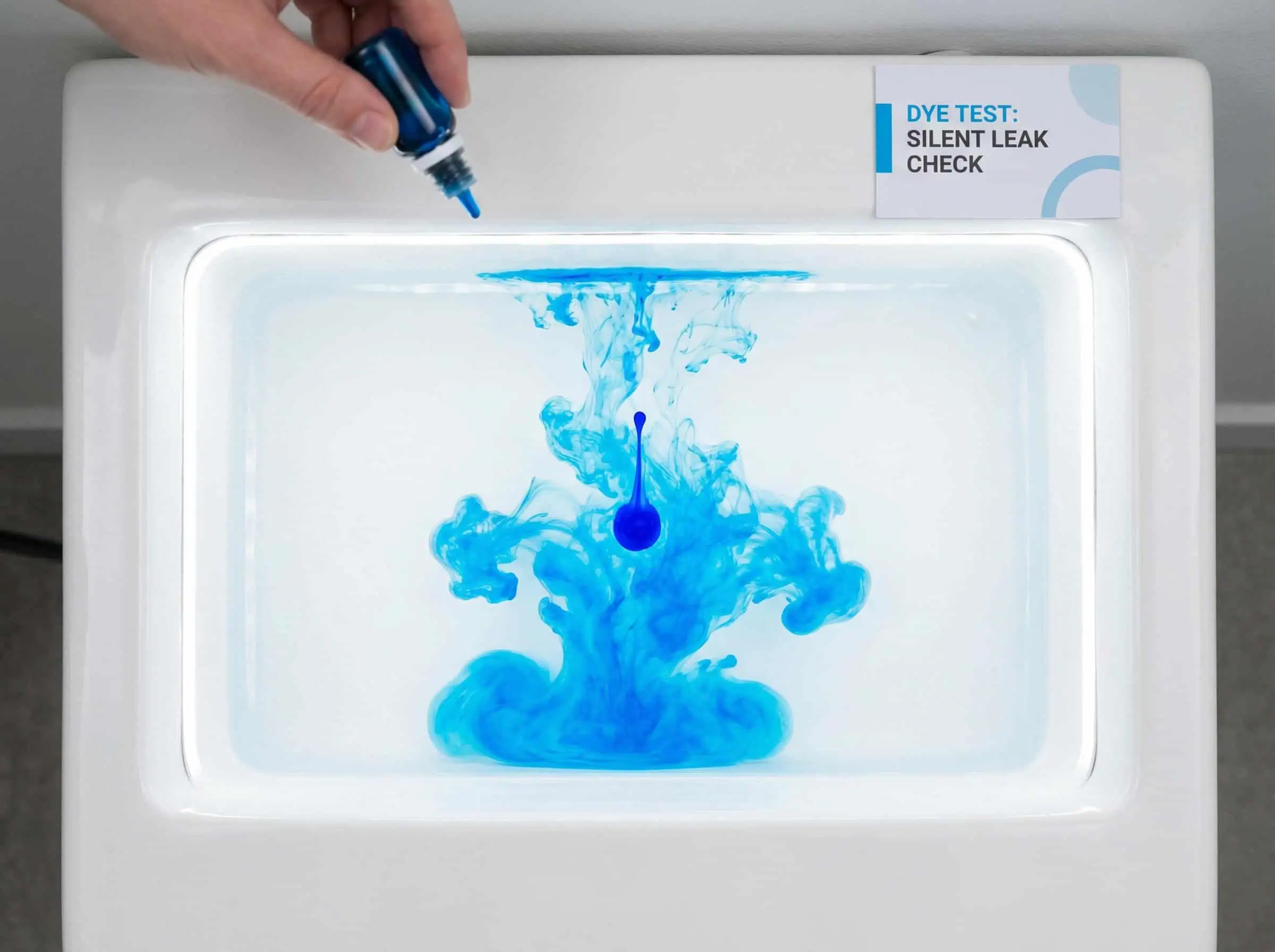
Here’s a simple pro-tip to check for a silent leak.
- The Dye Test: Put a few drops of food coloring into the toilet tank (not the bowl).
- Wait 15-20 Minutes: Do not flush the toilet during this time.
- Check the Bowl: If any color has appeared in the toilet bowl, you have a leak, which means your flapper isn’t sealing properly.
Low Water Pressure That Appears Gradually
Low water pressure is a sneaky problem. Because it often decreases slowly over months or years, you might adjust to weaker showers without even realizing something is wrong.
In many homes, especially older ones, the cause is mineral buildup from hard water inside pipes. These deposits of calcium and magnesium effectively narrow the pipes, restricting water flow.
Before assuming the worst, check the simplest fix. Unscrew the aerators on your faucets and the showerhead and clean out any sediment. This often restores pressure immediately.
If that doesn’t work, the issue could be a failing pressure-reducing valve (PRV), which is typically located where the main water line enters your house. A sudden drop in pressure, however, could signal a major pipe break and requires immediate attention.
Leaks That Stay Hidden
The most destructive plumbing problems are often the ones you can’t see.
Leaks behind walls, under floors, or beneath concrete slabs can go unnoticed for months. The earliest warning signs are subtle, like a musty smell, warped floorboards, or a water bill that suddenly spikes for no reason.
Ignoring a small, hidden leak can turn a simple $200 repair into a major project costing thousands. After just a few months, that moisture can lead to mold growth and begin to compromise your home’s structural materials.
You can perform a quick check for hidden leaks yourself. First, make sure no water is running in your house. Then, go look at your water meter. If the dial or triangle is moving, water is flowing somewhere on your property.
Water Heater Problems That Build Slowly
Water heaters rarely fail without giving you some warning signs first.
You might notice that your hot water doesn’t last as long as it used to, or you might hear strange popping or rumbling noises from the tank. These sounds are often caused by a layer of sediment at the bottom of the tank that has hardened, making the unit work harder to heat the water.
A key part of your water heater is the anode rod, a metal rod inside the tank designed to corrode so the tank itself doesn’t. Once it’s gone, the tank starts to rust from the inside out.
- Average Lifespan: A traditional tank-style water heater typically lasts between 8 and 12 years.
- Warning Sign: If you see rusty or discolored hot water, it’s a strong sign the inside of the tank is corroding and may be close to leaking.
Clogged Toilets That Happen Too Often
Everyone deals with a clogged toilet now and then. But if it becomes a weekly ritual, it’s a sign of a deeper problem.
Frequent clogs can be caused by using too much toilet paper, an object partially blocking the drain, or flushing things that should never be flushed, like “flushable” wipes, which are a notorious cause of blockages.
Make sure you’re using the right tool for the job. A flange plunger, with its bell shape, is designed specifically for toilets and works much better than a standard cup plunger.
If plunging doesn’t solve the recurring issue, there may be an obstruction farther down the line that requires a professional to clear with a toilet auger.
Sump Pump Issues You Only Notice During Storms
If you have a basement, your sump pump is your first line of defense against flooding. The problem is, it sits silently until you need it most.
Too often, homeowners discover their pump has failed during a heavy downpour, which is the worst possible time. The most common cause of failure is a power outage during the storm, but mechanical issues are also frequent.
Experts recommend testing your sump pump every few months, especially before the rainy season. Simply pour a bucket of water into the sump pit to ensure the float switch rises and the pump activates.
- Typical Lifespan: Most sump pumps have a lifespan of about 7 to 10 years. If yours is older, consider a replacement before it fails.
- Reliable Brands: Brands like Zoeller and Wayne are frequently recommended by professionals for their durability and performance.
- For Peace of Mind: A battery backup system is a smart investment, ensuring your pump works even if the power goes out.
Sewer Line Problems That Affect the Whole House
If you have backups in multiple drains, gurgling sounds from your toilets, or foul odors, the problem likely isn’t with a single fixture. It’s probably your main sewer line.
The most common culprits are invasive tree roots, old and deteriorating pipes, or a collapsed section of the line. This is one of the more serious plumbing problems a homeowner can face.
Fixing a main sewer line is not a DIY job and can be expensive, with replacement costs often ranging from $3,000 to $7,000 or more, depending on the length and location of the pipe.
For severe clogs from grease or tree roots, plumbers often use a technique called hydro-jetting. It uses high-pressure water to scour the inside of the pipes completely clean, which is far more effective than just snaking the drain.
Why Small Problems Become Big Ones
Your home’s plumbing is a balanced system of pressure and flow. The plumbing services market continues to grow as more homeowners learn that ignoring small issues can lead to big headaches.
A tiny, ignored leak puts stress on the entire system. What could have been a simple fix eventually becomes a more complex and expensive repair.
Staying on top of these things isn’t about being paranoid, it’s about smart prevention.
When to Call for Help
Knowing what to look for is different from trying to fix everything yourself.
If a problem keeps coming back, gets worse, or affects multiple fixtures, it’s time to bring in a professional. And if something just doesn’t seem right, it’s always better to trust your gut.
A professional plumbing service can diagnose the real issue before it gets out of hand and give you a clear explanation of what needs to be done.
A good plumber gives you clarity and solutions, not a high-pressure sales pitch.
Simple Habits That Reduce Plumbing Issues
You can prevent a lot of common plumbing problems with a few good habits.
- Only flush human waste and toilet paper down the toilet.
- Use mesh drain strainers in sinks and showers to catch hair and food scraps.
- Address small drips and leaks as soon as you notice them.
- Pay attention to any changes in sounds, smells, or water pressure.
Your plumbing system works best when it isn’t stressed by clogs or constant leaks.
A Calm Approach to Home Maintenance
Dealing with plumbing problems is just a part of owning a home. They don’t have to be a major source of stress.
By understanding these common issues, you can respond calmly and make smart choices, keeping small concerns from turning into full-blown emergencies.
Most plumbing problems give you a heads-up. Knowing what to look for puts you in control.