Worried about testicle size after noticing yours feel smaller or less firm? You are not alone. Some men on testosterone therapy notice testicular shrinkage even while energy and sex drive improve.
This guide explains what really affects testicle size, including hormones, medical conditions, daily habits, and medicines like clomiphene or human chorionic gonadotropin (HCG). We will separate facts from myths about low testosterone levels, flag real health risks, and share practical steps to care for your reproductive system. Straight talk, clear options.
Key Takeaways
Testicle size peaks from puberty into early adulthood, then slowly declines with age. Men over 75 show about a 31% lower average testicular volume than men aged 18 to 40.
Conditions like varicocele, orchitis, diabetes, and long-term testosterone therapy can reduce testicular size and lower natural hormone output.
Eating enough zinc and vitamin D and exercising help healthy hormones. No supplement or herb has proven to increase human testicle size.
Clomiphene citrate and hCG can stimulate natural testosterone production and may restore or increase testicular volume in certain low testosterone states.
Cosmetic options such as Scrotox or fillers change the look of the scrotum. They do not increase actual testicle size and they carry risks.
Table of Contents
Factors Influencing Testicle Size

Size varies from guy to guy. Doctors measure length and volume, but your left and right testes are rarely identical. Hormones, age, injuries, and problems like testicular atrophy or varicocele can all change testicular size.
How Do Age and Hormones Affect Testicle Size?

Testicular volume climbs fast in puberty, then stays steady through most of your 20s and 30s. After midlife, testicular atrophy, which means tissue shrinkage, tends to creep in year by year. Studies report roughly a 31% lower average volume in men over 75 compared to men aged 18 to 40.
Inside each testis, Leydig cells make testosterone. These cells decrease with age, which can mean lower testosterone, lower libido, and less muscle mass. Blood tests often show higher gonadotropins like LH and FSH and lower free testosterone after midlife.
Sertoli cells and germ cells, which support sperm production, also decline. Quality and count can dip slowly over time. So if your boys seem smaller after 40, it is common biology, not a moral failing.
What Medical Conditions Impact Testicle Size?

Several medical issues affect size and shape. Orchitis, an infection of the testis often from mumps or chlamydia, can cause swelling and pain. Epididymitis, inflammation of the tube behind the testis, may do the same.
Hydrocele is fluid around the testis and can swell the scrotum. Varicocele, enlarged veins in the scrotum, can feel like a bag of worms. It is linked to infertility and discomfort. Testicular torsion is an emergency where the spermatic cord twists and blocks blood flow. Delay care and you can lose a testicle.
Testicular cancer usually affects younger and middle-aged men. Early exams matter. Diabetes, obesity, and other chronic diseases also tie to low testosterone and gradual shrinkage over time.
Some men consider scrotal or testicle enhancement procedures for a cosmetic lift. That choice is about looks, not medical function.
“My left side felt bigger overnight, so I booked a urologist. Turned out to be a simple fluid issue, but the scare was real.”
How Do Lifestyle and Health Habits Influence Testicle Size?

Heat hurts size and semen quality. Hot tubs, saunas, and tight briefs raise scrotal temperature, which can reduce sperm quality. Extra body fat can also lower testosterone and may link to smaller volume.
Weight training, sleep, and a nutrient-dense diet support hormones. Smoking, heavy alcohol, and performance-enhancing drugs like anabolic steroids or exogenous testosterone suppress your body’s own production. Over time that can shrink the testes.
If you need TRT for medical reasons, talk to your doctor about protecting fertility and size. There are strategies to keep the system working.
Can Natural Methods Increase Testicle Size?

Plenty of men try vitamins, probiotics, or new habits hoping for larger testicles. A healthy routine helps hormones, but there is no proven food or pill that increases human testicle size.
Can Diet and Exercise Help Grow Testicles?

Food shapes your testicular health. Zinc and vitamin D support testosterone. Hydration and fiber help your metabolism and weight control, which also supports hormones.
Strength training raises testosterone for hours after a workout. Cardio improves circulation to the pelvis and scrotum. Pelvic floor exercises may support erections and ejaculation. Small choices add up.
Stress management matters too. Choose looser underwear to limit heat. Skip ultra-processed food and keep alcohol modest. These steps support hormone balance, which supports size, volume, and ejaculate quality over time.
Are Supplements and Herbs Effective for Testicle Growth?

Online ads promise larger testicles or sky-high testosterone. Most lack strong evidence. The FDA and DSHEA do not closely screen many products sold on major social platforms like Facebook or Meta’s marketplace.
UMZU promotes Lactobacillus reuteri for size. Data in humans is missing. A mouse study in 2014 looked interesting, but rodents are not people. Some users report gut issues with L. reuteri, and doctors warn about upsetting normal gut bacteria.
“I tried every herb at the local shop,” a friend said, “and all I got was an empty wallet and weird burps.”
Supplements can also interact with medicines, especially hormone therapy. No high-quality human trials show that herbs or probiotics grow testicles. Protect your health and talk with a clinician before trying a new stack.
Medically Induced Testicular Growth

Doctors sometimes use hormone therapy for men with low testosterone. Certain treatments can jump-start your own hormone system and may restore volume, especially when shrinkage is due to suppressed signaling.
Hormone Therapies Used for Testicle Enlargement

Gonadotropin-releasing hormone, also called GnRH, can trigger growth in men with hypogonadotropic hypogonadism, which means the brain is not sending the right hormone signals. In research, average testicular volume increased from a few milliliters before therapy to much larger volumes after treatment. Many patients also started producing sperm.
After GnRH induction, Human Chorionic Gonadotropin therapy often maintains or boosts testicular development. Teens with delayed puberty and low hormone signaling can also benefit when supervised by a specialist.
These approaches aim to restart your own axis instead of replacing it. That is different from taking outside testosterone alone.
Medications Like Clomiphene and HCG for Testicle Size
 Clomiphene citrate and enclomiphene tell your pituitary to release more LH and FSH. Those signals tell the testes to keep working, make testosterone, and support sperm. Human chorionic gonadotropin, or hCG, acts like LH and stimulates the testes directly.
During testosterone replacement therapy, your own system can switch off. That can shrink testicles. Adding hCG or clomiphene, under a doctor’s care, may preserve size and comfort while supporting fertility goals.
If you consider these drugs, get baseline labs for testosterone, LH, FSH, and semen analysis if kids are a goal. Follow-up testing keeps the plan safe and effective.
Cosmetic Procedures for Appearance

Doctors use Botox and dermal fillers to change how the scrotum looks. These are appearance-focused treatments. They do not grow the testes themselves, and they have side effects.
What Are Scrotox and Dermal Fillers for Testicles?
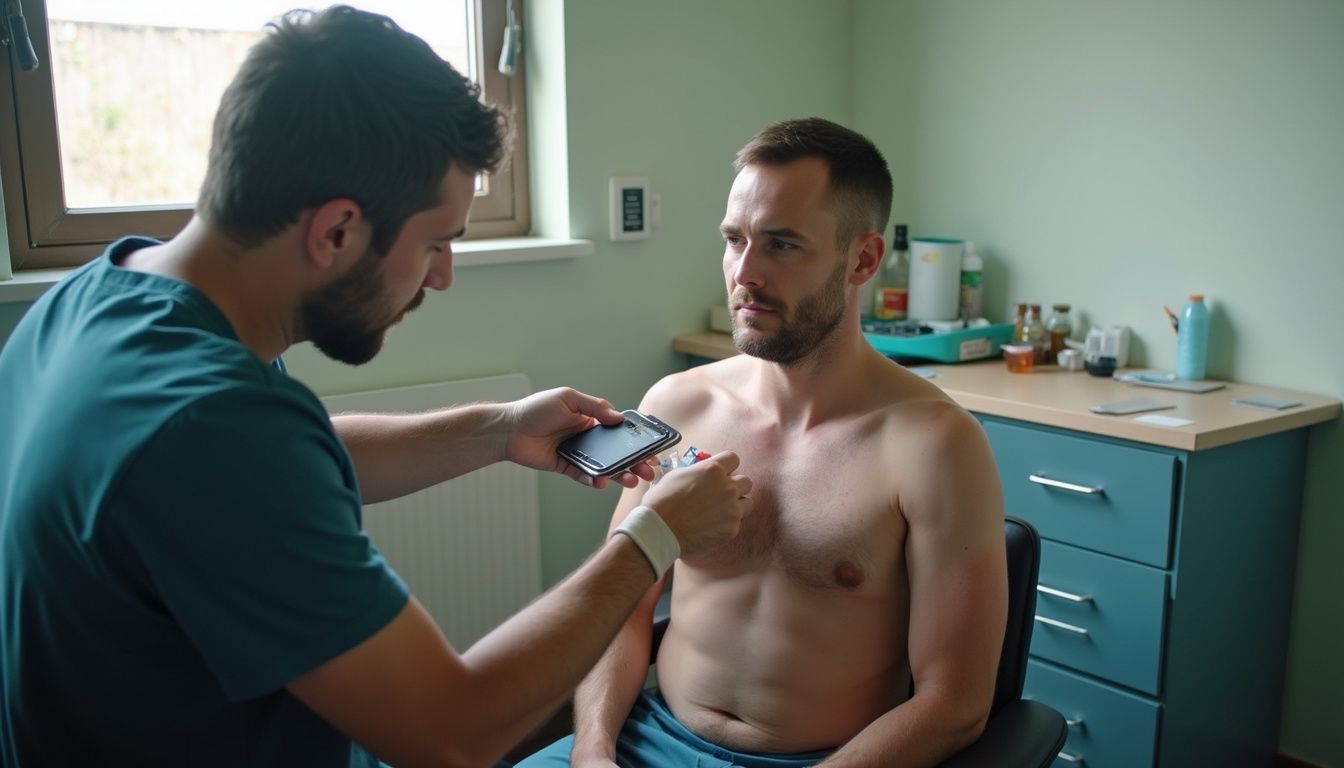 Scrotox uses Botox injections in the scrotum to relax the muscle, reduce wrinkles, and lower sweating. Visits usually take under 30 minutes. Results show up within days and last for several months. Mild redness or swelling can happen, then fade.
Dermal fillers add volume under the skin around the scrotum for a plumper look. Again, this changes appearance, not testicle size or function.
One man told me he felt less self-conscious in locker rooms after Scrotox. Confidence matters, but it is still a cosmetic fix.
“I never thought I would use Botox down there,” Jay said. “Less sweat was the selling point.”
Real size changes are tied to hormones, injuries, or conditions like varicocele or spermatocele, not cosmetic tweaks. Set your expectations before booking anything.
What Risks Come with Cosmetic Testicle Treatments?

Any procedure can cause problems. Scrotal surgery and fillers can lead to bleeding under the skin, infection, allergic reactions to anesthesia, or nerve changes like numbness. Swelling and bruising are common for days or weeks.
Some men dislike the final shape or feel. That can affect intimacy. There is also the bill. Many cosmetic procedures and any needed fixes are not covered by insurance.
When to Consult a Doctor

Call a doctor fast for sudden pain, swelling, redness, fever, or breast changes. Quick care can prevent lasting damage and catch serious conditions early.
What Are the Signs of Testicular Problems?

A lump or swelling often appears first. It might feel like a small marble. Heaviness, aching, or a sudden size change can follow. Hormone changes from certain tumors can cause breast soreness or growth.
Sharp pain with fever points toward infection like orchitis or inflammation of the epididymis called epididymitis. Many conditions share similar signs. You cannot self-diagnose by feel alone.
If you notice one-sided pain, rapid swelling, or a high-riding testicle, seek urgent care. Late-stage testicular cancer is rare but serious. Symptoms can include back pain, chest tightness, or headaches from spread.
Which Conditions Like Orchitis or Varicocele Require Attention?

Varicoceles are enlarged scrotal veins. They are common in men with infertility. Symptoms include pain, heaviness, and sometimes low testosterone. Diagnosis often uses ultrasound and semen testing. Treatment may improve pain and fertility in select cases.
Orchitis brings fever, redness, and sudden swelling in one testicle. That is a medical red flag. Hydroceles are fluid build-up around a testicle. They may resolve but sometimes need surgery if they persist in adults.
Fast evaluation keeps small problems from becoming big ones.
Misconceptions About Testicle Size

Myths spread fast, especially online. Real anatomy is messier and more individual than locker room legends suggest.
What Are Common Myths vs. Facts About Testicle Size?
Myth: Bigger means more manly or more fertile. Fact: Normal sizes vary and one side is often larger. Function is what counts.
Myth: Special supplements or workouts grow testicles. Fact: No quality human data supports this. If your gym friend swears by a shake, he is probably just peeing more.
Curious what women think? This post offers one view: perfect size for a woman. Take it as perspective, not medical advice.
Does Testicle Size Affect Fertility or Masculinity?
Size alone does not predict fertility. A strong semen analysis beats a tape measure. Doctors such as Dr. Jason Kovac stress that sperm count, movement, and shape matter far more.
Masculinity is not measured in millimeters. Aging can trim volume and slow testosterone, which is normal. If you worry about function, get labs and talk to a urologist or endocrinologist. Facts calm fear.
Practical Tips for Testicular Health

Good habits help your hormone system stay balanced. Small daily choices add up over months and years.
How to Maintain Healthy Hormone Levels
Build a balanced diet with protein, produce, healthy fats, and whole grains. Get zinc from lean beef, beans, and pumpkin seeds. Aim for vitamin D through safe sun or a tested supplement if your levels are low.
Limit alcohol since heavy use lowers testosterone and harms sperm. Avoid tobacco and watch exposure to endocrine disruptors, chemicals in some plastics and pesticides. These can interfere with hormones.
Check hormone levels if you have fatigue, low sex drive, or sleep problems. Ask about FSH, LH, total and free testosterone. Exercise most days. Lift weights a few times a week and add sleep and stress control to protect your system.
Why Are Regular Testicular Check-Ups Important?
Skipping check-ups can delay finding testicular cancer or treatable conditions. The cancer is uncommon, but most cases occur between ages 15 and 40. Early detection saves testicles and lives.
Do a monthly testicular self-exam after a warm shower. Roll each testicle gently between your fingers. You are looking for new lumps, swelling, or changes in firmness. If something feels off, book a visit. Many men have never been taught this simple habit.
Medical disclaimer: This article is for general education. It is not a substitute for a personal diagnosis or treatment. If you have symptoms or concerns, see a qualified clinician.
How Will Testicle Size Science and Treatments Change in 2025?

Experts expect better tools to fine-tune hormones and protect fertility. Researchers like Dr. Christina Wang are studying how cells in the testes regulate size and function at a molecular level.
Doctors aim for smarter testing to find small hormonal imbalances earlier. With global sperm counts down since the 1970s, there is a push for targeted treatments that support both testicle size and reproductive health. Medicines such as human chorionic gonadotropin (hCG) and clomiphene remain part of that toolbox, especially when you want to preserve your own production instead of shutting it down.
Research also looks at lifestyle, nutrition, sleep, and stress patterns. The goal is practical advice you can follow without turning your life upside down. Work on male contraceptives may add clues that help your testes stay healthy, even if you never use those products.
People Also Ask
Can you actually make your testicles bigger, or is that just a myth?
Most men wonder about this at some point. The truth is, natural size changes are rare after puberty. Some medical treatments claim to help, but results vary and risks exist.
What causes small testicles in the first place?
Several things can play a part: genetics, hormone levels, past injuries, or certain illnesses like mumps. Sometimes lifestyle choices such as steroid use shrink them too.
Are there safe ways to increase testicle size?
Doctors may offer hormone therapy if low testosterone is the cause; however, it’s not for everyone and side effects happen. Supplements online often promise miracles but rarely deliver real change.
What are the risks of trying to grow bigger testicles with pills or devices?
Many products sold online lack proof and can even be dangerous; infections and permanent damage have happened before. Always talk with a doctor before trying anything new for your health below the beltline.
References
https://pmc.ncbi.nlm.nih.gov/articles/PMC4818633/
https://dreminozbek.com/en/changes-in-the-testicles-with-aging-causes-prevention-and-treatment/ (2024-05-28)
https://www.medicalnewstoday.com/articles/321234 (2025-06-11)
https://pmc.ncbi.nlm.nih.gov/articles/PMC5617855/
https://pubmed.ncbi.nlm.nih.gov/12175406/
https://www.healthline.com/health/bigger-balls-exercise
https://www.sciencedirect.com/science/article/pii/S0944711322004871
https://pubmed.ncbi.nlm.nih.gov/8330443/
https://reupmensclinic.com/on-trt-try-using-clomiphene-enclomiphene-and-hcg-a-simple-guide-for-men/
https://my.clevelandclinic.org/health/procedures/16476-scrotoplasty
https://www.cancer.org/cancer/types/testicular-cancer/detection-diagnosis-staging/signs-and-symptoms.html (2025-08-10)
https://my.clevelandclinic.org/health/diseases/15239-varicocele
https://www.mayoclinic.org/diseases-conditions/varicocele/symptoms-causes/syc-20378771 (2024-10-25)
https://www.webmd.com/teens/testicles-faq (2024-02-14)
https://www.himplant.com/blog/testicular-size-and-fertility (2025-03-17)
https://www.healthline.com/health/mens-health/small-balls (2018-06-15)
https://pmc.ncbi.nlm.nih.gov/articles/PMC11172568/