If you are organizing a trip to view the most spectacular gardens in Italy alongside someone who truly understands landscape architecture, generic tourist lists will fail you. On a recent trip with my garden-obsessed father, we realized most guidebooks treat these massive historical sites as mere photo backdrops for social media. A serious horticulture enthusiast requires a comprehensive regional guide that addresses the actual design eras, peak bloom times, and the physical reality of navigating steep, terraced estates with older travelers.
To see the absolute pinnacle of this country’s heavy hitters, you have to look past the seasonal flowers. You need to focus on the green architecture—the foundational stone, the evergreens, and the raw engineering that provide year-round structure. People assume that once you have walked through one walled Roman estate, you have seen them all. That logic is totally backward. An enclosed Medici fortress shares zero design DNA with a wild alpine botanical park. Booking pre-packaged tours to Italy takes out the logistical guesswork, but if you want to pace a trip perfectly for an older parent, you must break the country down region by region.
Table of Contents
High-performance gardens of the northern lakes
The sheer verticality of Northern Italy forces a specific, theatrical type of landscape design. In regions like Lombardy and Piedmont, the steep shorelines do not allow for flat, sprawling layouts. Landscape architects had to build up.
Palazzo Borromeo on Isola Bella
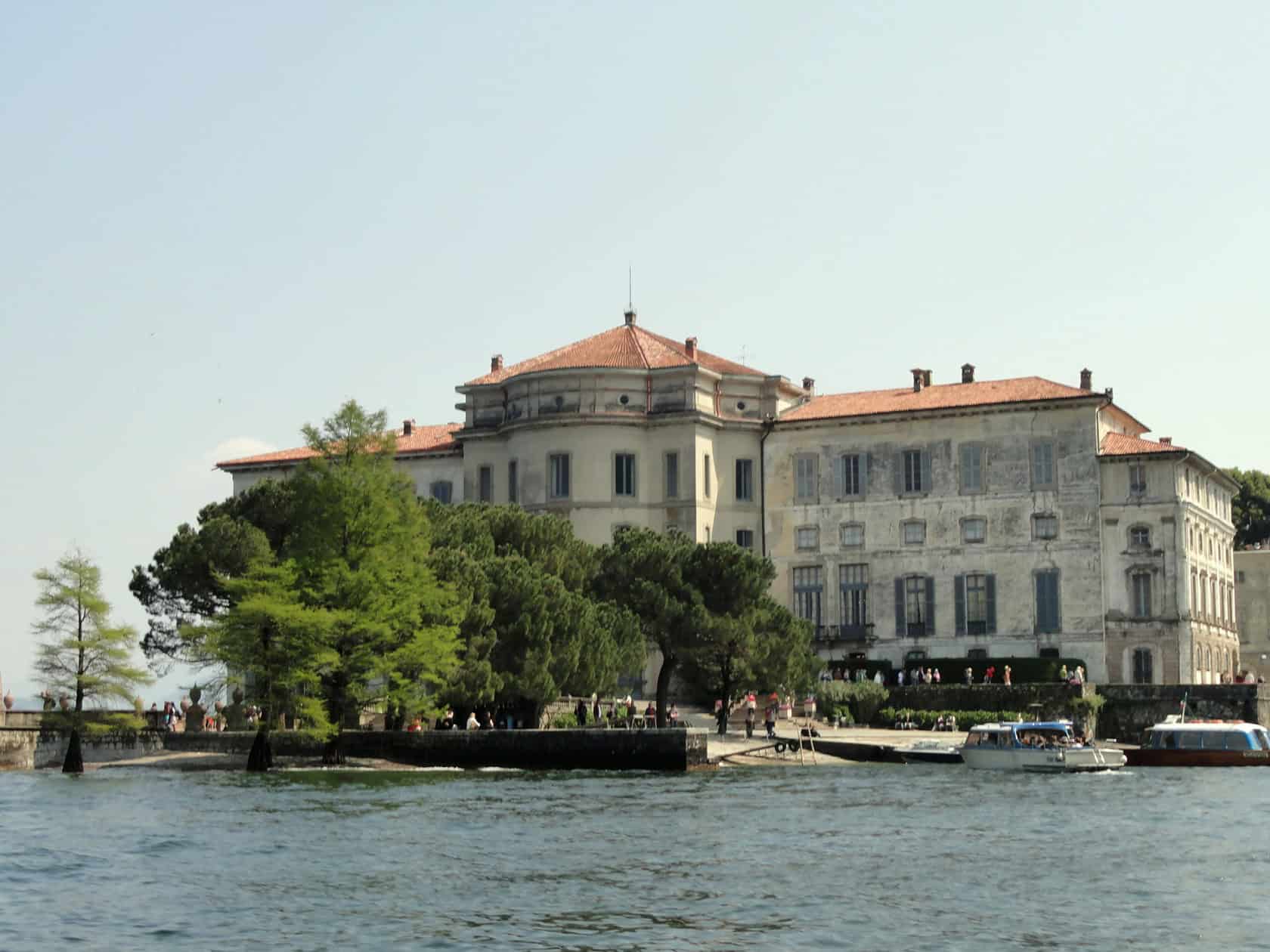
Palazzo Borromeo is a 17th-century Baroque masterclass sitting on a tiny island in the middle of Lake Maggiore. Designers explicitly shaped the island to look like a massive ship rising out of the water. The estate heavily relies on tight boxwood (Buxus sempervirens) parterres, and that geometric symmetry anchors the entire layout against the vast, unpredictable backdrop of the lake and surrounding Alps. You will deal with significant sun exposure here across the open terraces, so hit this estate early in the morning.
Villa Taranto’s global canvas
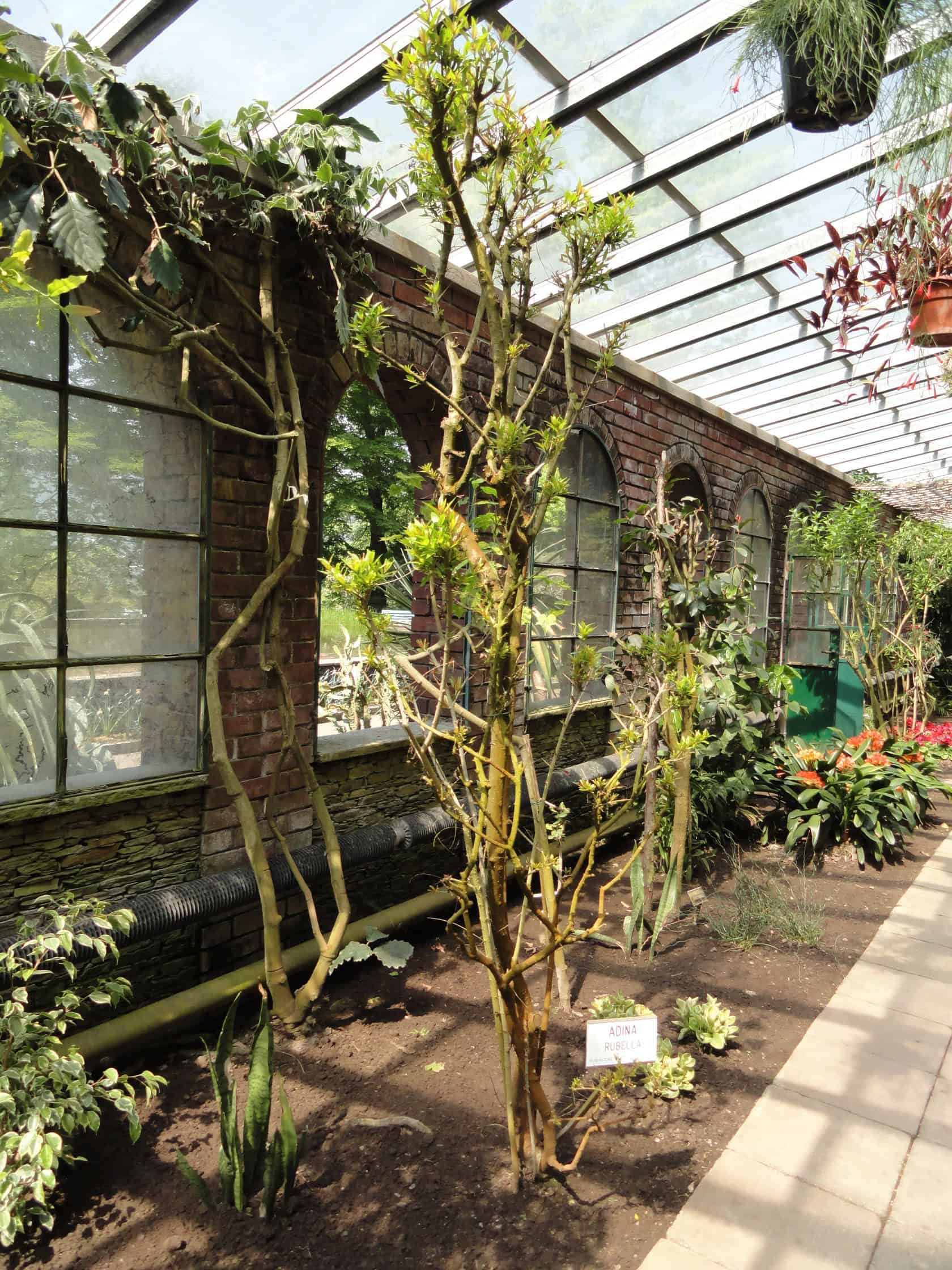
Further along the Lake Maggiore shoreline sits Villa Taranto, established by a Scottish captain in the 1930s. Botanical diversity built around exotic cultivars—such as the towering Davidia involucrata (handkerchief tree) and giant Victoria amazonica water lilies—is the entire point of this property. Sea captains transported thousands of rare seeds here from across the globe. Because it relies heavily on varied ecosystems, this is one of the few places where timing a spring visit for tulip season completely changes the experience.
Villa Carlotta and Villa Cipressi
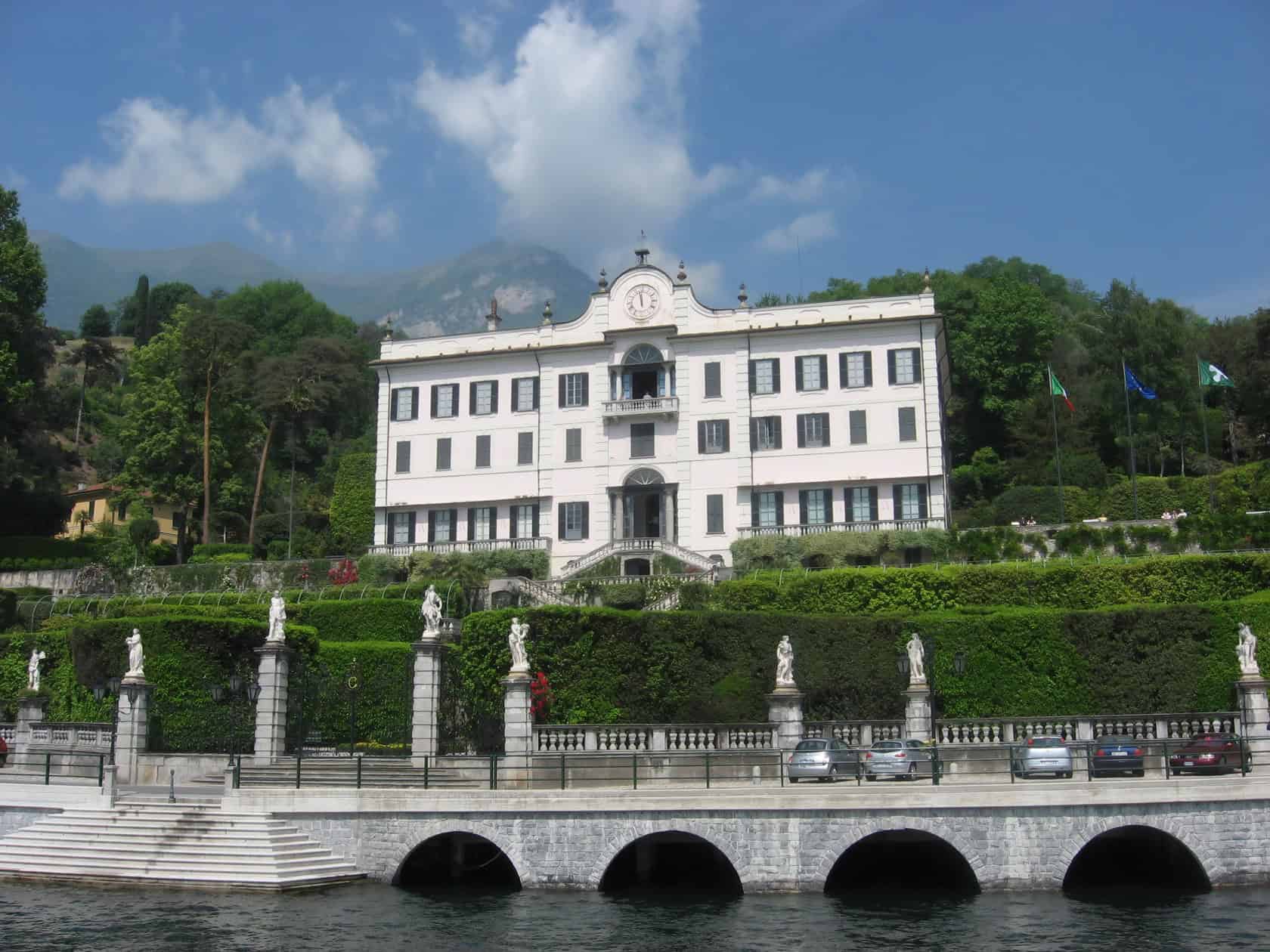
Down on Lake Como, the terrain becomes even more dramatic. Villa Carlotta utilizes steep terraced landscaping to exploit the region’s specific microclimates, allowing warm-weather plants to survive harsh alpine winters. The layout gracefully frames sweeping views of the mountains rather than trying to compete with them. Nearby in Varenna, Villa Cipressi offers a slightly more intimate, shaded approach to lakeside planting. If you are staying closer to Milan, the lesser-known Villa Arconati in Bollate delivers an excellent Baroque experience without the extensive ferry transit.
Central Italy and Renaissance water engineering
Catching a high-speed train to Rome fundamentally shifts the landscape from precarious lakeside terraces to fortified Renaissance statements. During the 16th century, Roman Gardens transitioned from physical defense mechanisms into intellectual status symbols. The resulting Renaissance gardens were high-stakes political arenas; the elite used advanced water manipulation and classical mythology to project absolute power to visiting dignitaries.
“The resulting Renaissance gardens were high-stakes political arenas; the elite used advanced water manipulation and classical mythology to project absolute power to visiting dignitaries.”
Villa d’Este and Villa Lante
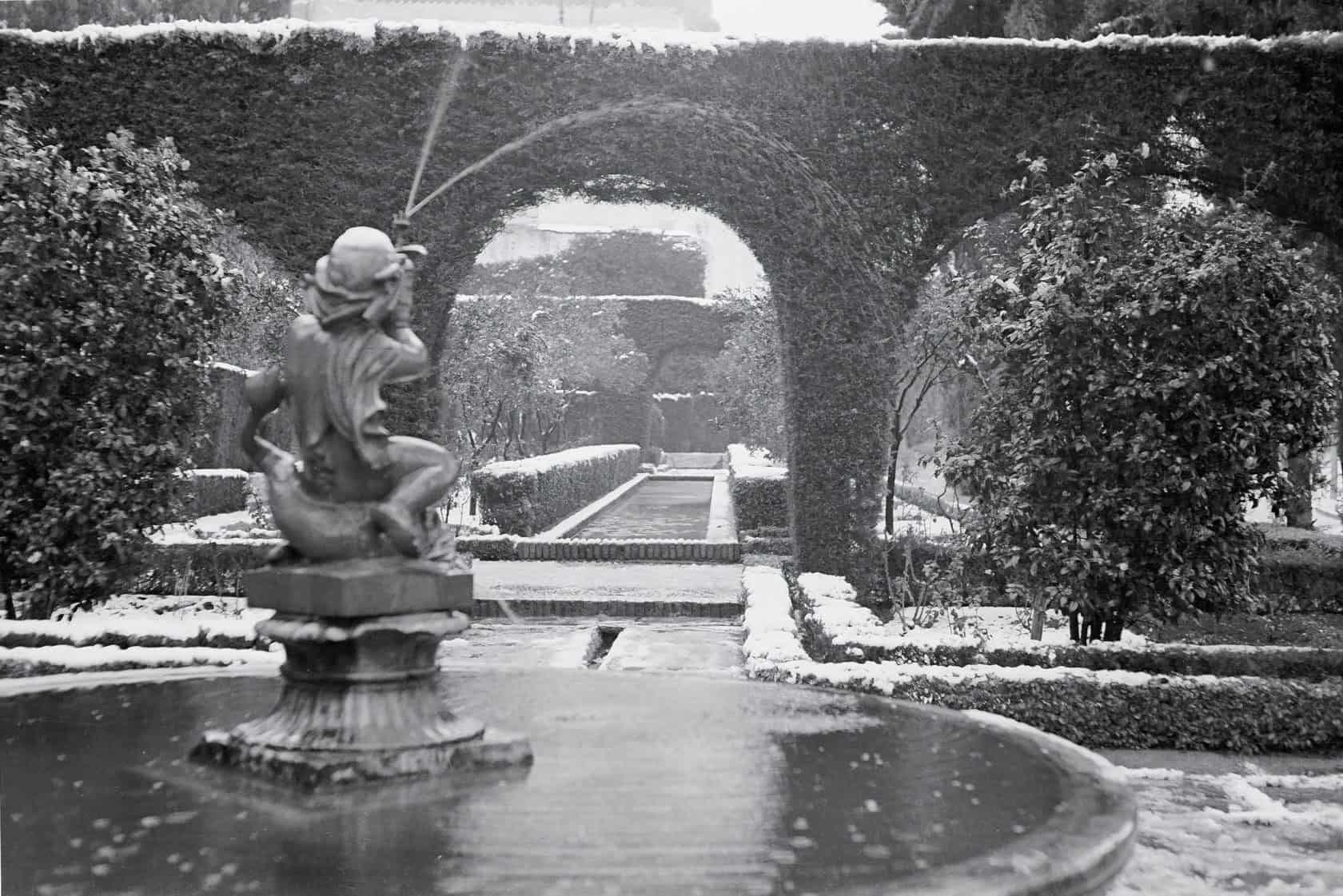
Located in Tivoli, Villa d’Este is arguably the most famous example of gravity-fed fountains reliant on brilliant hydraulic engineering. Engineers manipulated the Aniene river to power over a hundred elaborate water features without a single motorized pump. Further north in Bagnaia, Villa Lante shows off a slightly more refined touch. The central feature is a water chain, descending seamlessly through the estate to create absolute architectural harmony between the upper wooded slopes and the lower formal parterres. A water chain is a stepped aquatic cascade used by Renaissance architects to link varying elevations without static pools.
Palazzo Farnese in Caprarola
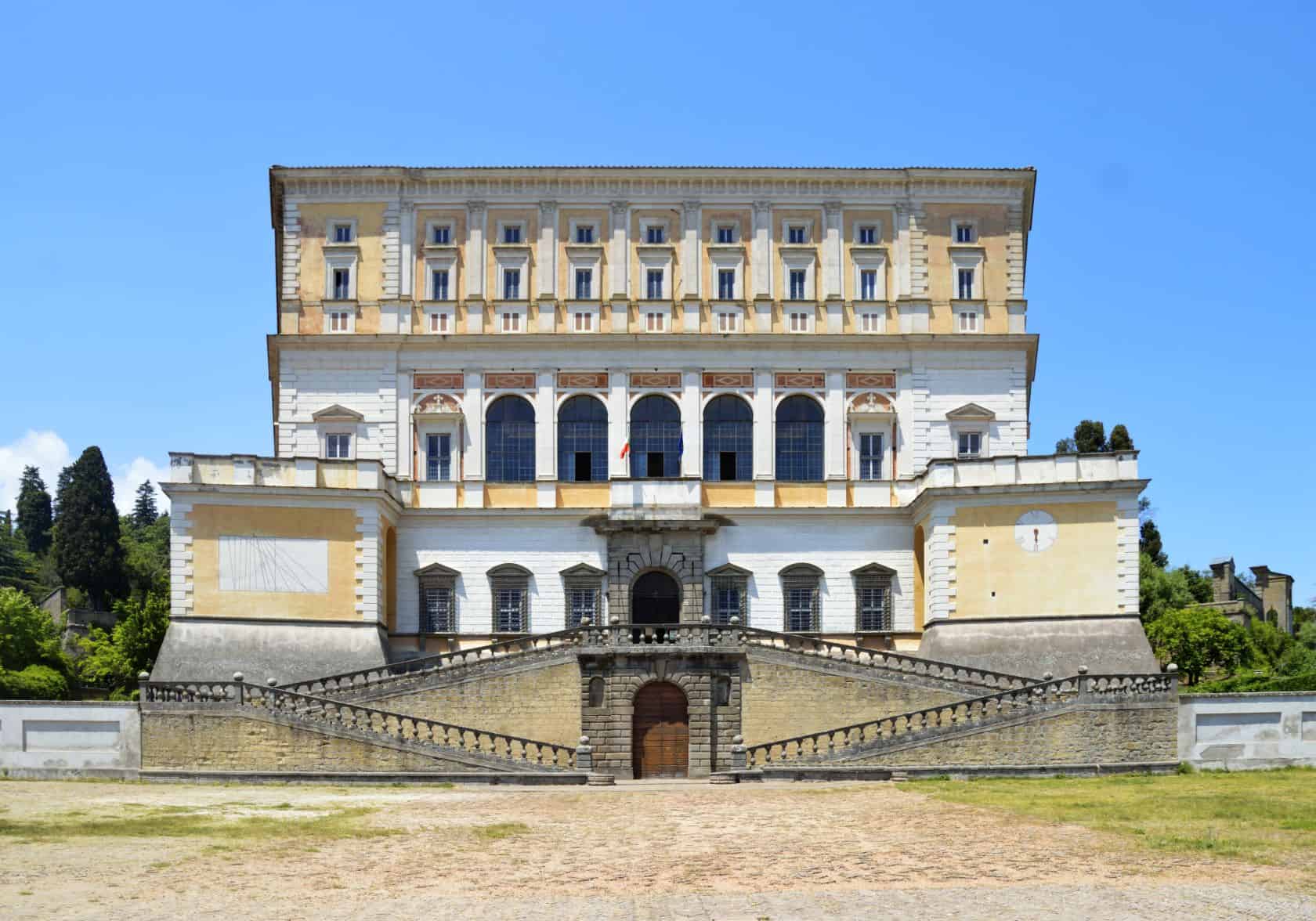
Palazzo Farnese (often called Villa Farnese) physically demonstrates the shift from wartime stronghold to luxury estate. Originally built as a pentagonal military fortress for the Farnese family, it was softened with massive axial pathways and dense green theatre designs. The structural layout uses long sightlines to pull the eye away from the heavy stone walls and out into the surrounding hills.
Giardino di Ninfa and papal ruins
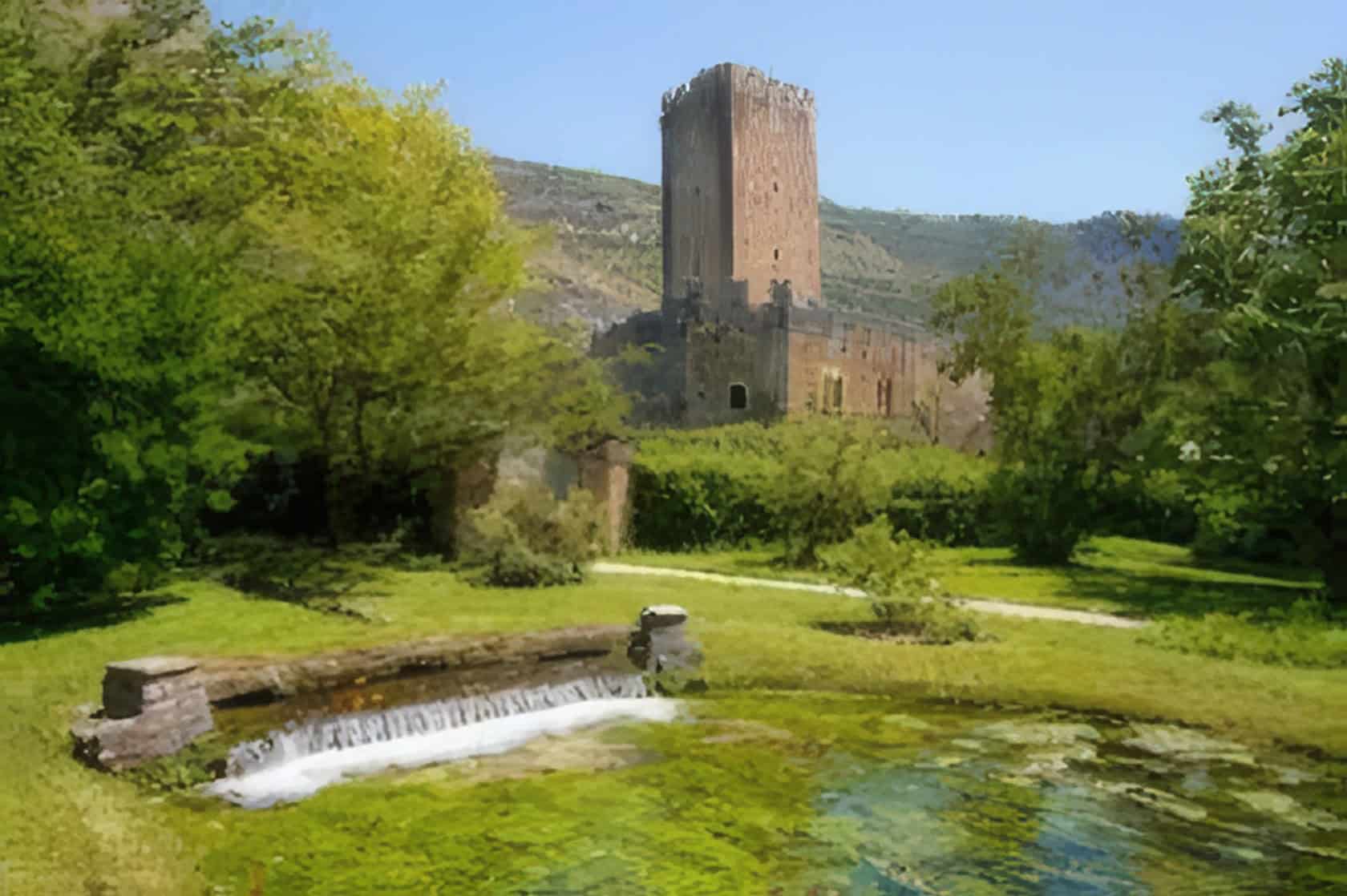
Giardino di Ninfa near Cisterna di Latina breaks every structural rule of the era. The creators built a wild, unmanicured English-style landscape directly over top of medieval romantic ruins. Plants grow out of crumbled stone churches and abandoned towers in the ancient town of Ninfa. It is heavily protected and only open on specific days, so your itinerary lives or dies by securing advance tickets through the Fondazione Roffredo Caetani. For a more manicured historical counterpoint nearby, the Papal Gardens of Villa Barberini at Castel Gandolfo overlook Lake Albano with immaculate, high-maintenance precision.
Veneto and eccentric modern landscapes
Moving beyond the classic centralized hubs introduces spaces that deliberately defy traditional formal layouts. If regions like Tuscany rely heavily on the strict structural geometry of the Boboli Gardens extending behind the monumental Palazzo Pitti, other regional outliers lean into the surreal. Hidden deep in the Tuscan Hills, for example, the Tarot Garden throws out the rulebook completely. Conceived by artist Niki de Saint Phalle, this wild modern take on a landscape park replaces neat boxwood with massive, brightly mirrored mosaic sculptures. Similarly, down in Umbria, Tomaso Buzzi’s La Scarzuola transforms an abandoned Franciscan convent into an impossible, theatrical stone city. These venues wonderfully prepare you for the distinct flavor of eccentric spaces further north.
Parco Giardino Sigurtà
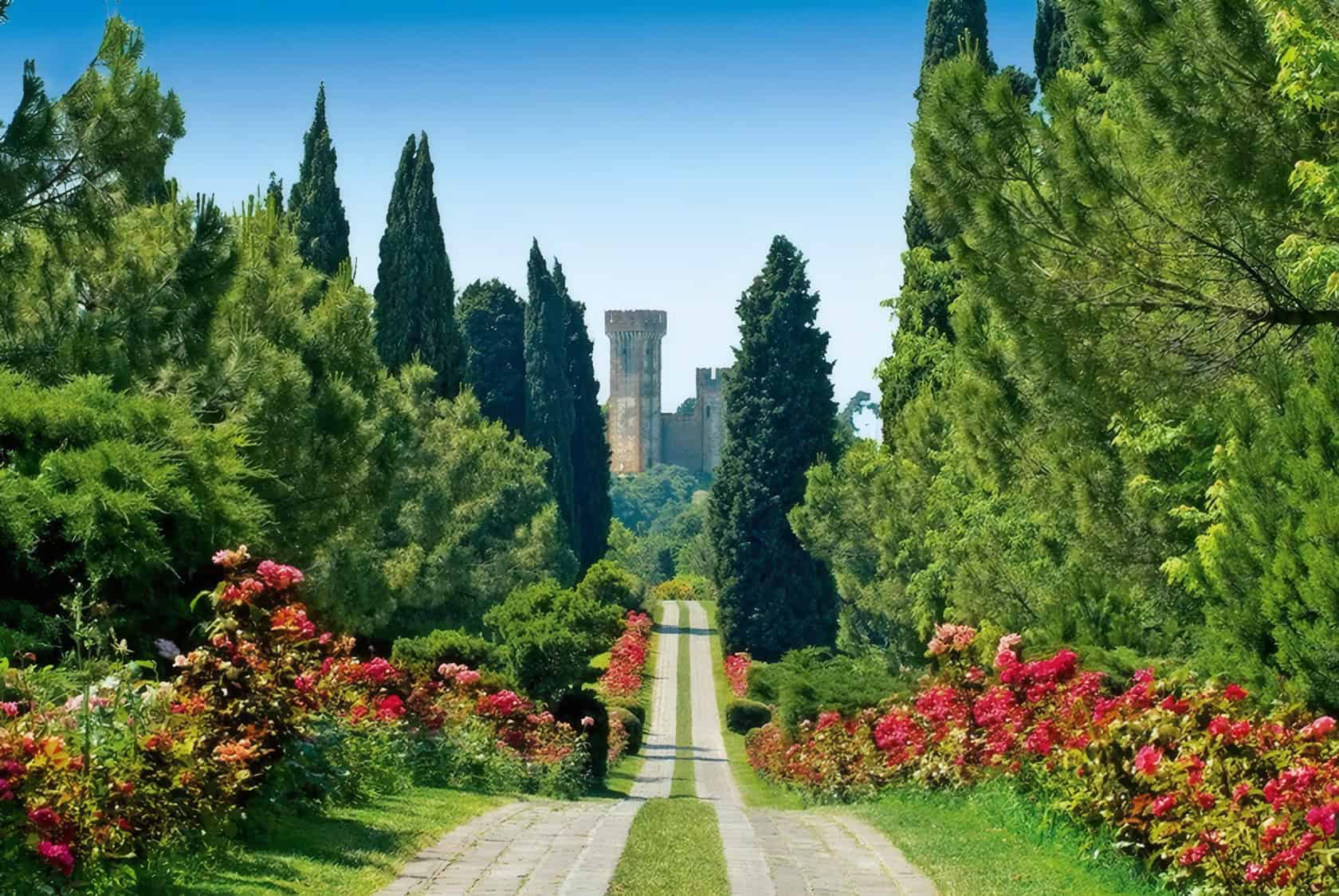
Located in Valeggio sul Mincio, Parco Giardino Sigurtà temporarily abandons the traditional “green architecture” rule in favor of sheer floral volume. During the spring, over a million tulips bloom across rolling hills. It operates on a vastly different scale than a typical walled Italian garden, relying instead on massive, open English-style lawns.
Labirinto della Masone
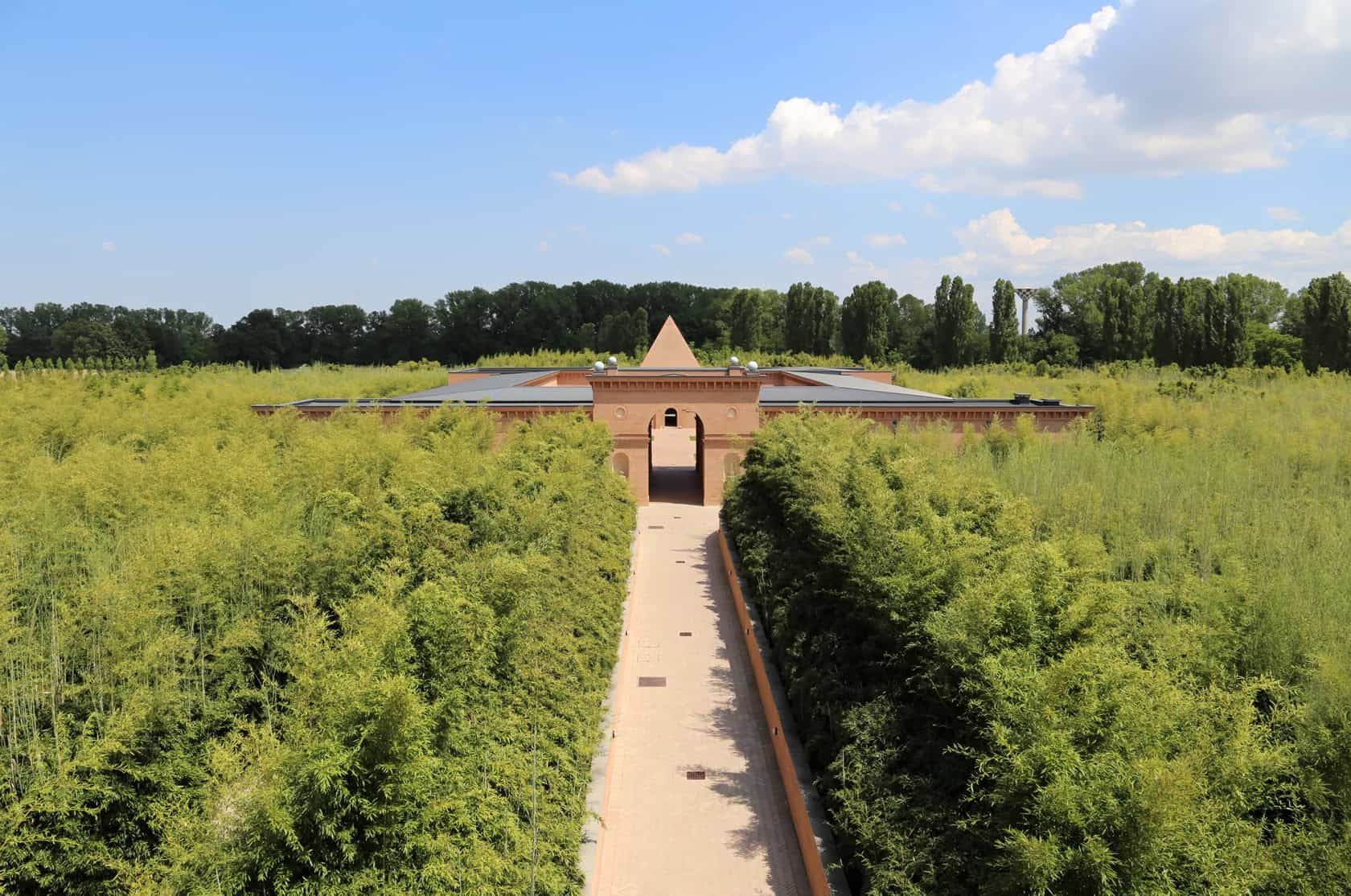
In Fontanellato, Parma, publisher Franco Maria Ricci built the largest bamboo maze in the world. Labirinto della Masone takes the ancient concept of the garden labyrinth and applies a highly eccentric, modern interpretation of geometric planting. It is an entirely manufactured, deeply artistic environment designed to physically disorient you.
Giardino di Pojega
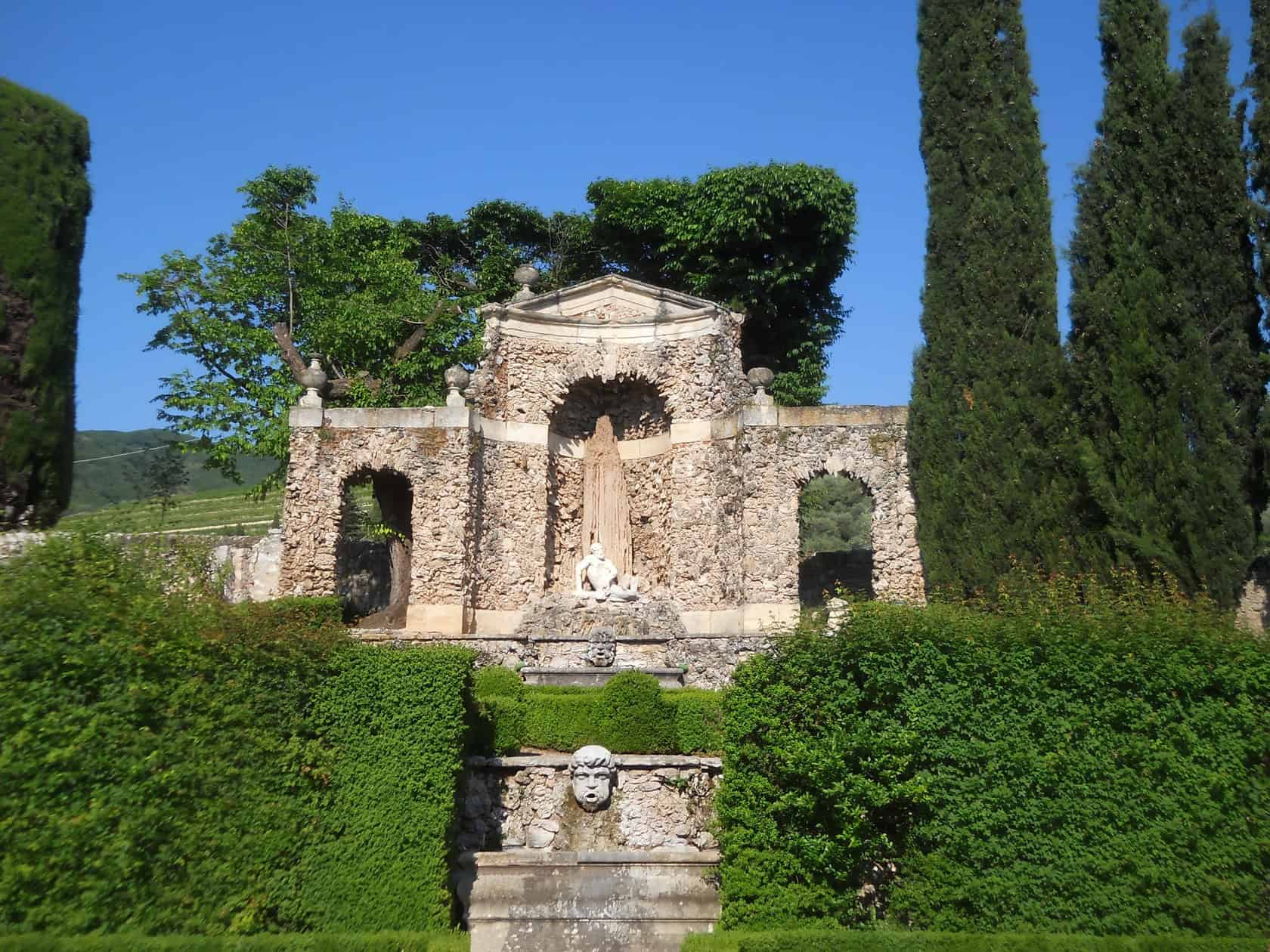
At Villa Rizzardi in Negrar di Valpolicella, late-18th-century architects played with dimension and shade. You walk through dense hornbeam (Carpinus betulus) tunnels that eventually open up into a vast classical nymphaeum. This theatrical approach provides a stark contrast to Andrea Palladio’s calculated work at Villa di Maser (also known as Villa Barbaro) in Treviso, where the landscape serves strictly to accent the house.
Transit logistics and intergenerational pacing
Looking at aggregate lists of 30+ UNESCO World Heritage Sites compiled by travel writers is overwhelming. Translating a massive international bucket list into a day-by-day battle plan requires ruthless pacing, especially when traveling with an older enthusiast.
- Map your mobility constraints. Estates like Villa Carlotta and Villa della Porta Bozzolo in Lombardy demand serious stair climbing. If your parent has bad knees, stick to the broad, flatter avenues of the Reggia di Caserta in the south, or the sweeping Parco Reale di Monza near Milan. For travelers dependent on a wheelchair or rollator, prioritize estates like Parco Giardino Sigurtà, which features dedicated accessible circuits and rolling paved paths.
- Use single-hub base camps. Avoid forcing an older traveler to pack and unpack every two days. Use Rome as a fixed hub for central sites. You can easily execute day trips to Tivoli and Castel Gandolfo by car or regional train and return to the same hotel bed that night.
- Account for multi-modal transit friction. Reaching an island estate like Isola Bella requires taking a train from Milan to a lakeside town like Stresa, then buying a specific ferry ticket to the island, and then navigating the grounds. That transit chain eats up energy quickly. Dedicate an entire day to one island rather than trying to stack three locations into an afternoon.
- Time the seasons aggressively. You want tulips in the north? Book for early spring. If you visit central properties like Villa d’Este in August, the stone terraces reflect brutal midday heat. In mid-summer, shift your daily schedule to enter the gardens the moment the gates open at 8:30 AM, or late in the afternoon.
Finalizing your garden itinerary
Group your entire trip geographically. Pick one core zone—either the northern lakes, the centralized Roman historic properties, or the scattered noble estates of the Veneto and Piedmont (including vast, sprawling historical sites like Palazzina di Caccia di Stupinigi and Reggia di Venaria). Attempting to bounce from the steep cliffside sanctuary built by Axel Munthe on Capri, past Villa Cimbrone on the Amalfi Coast, down through the dry coastal stretches near Taormin, and then all the way back up to Lake Maggiore in a single week will burn you out and turn a brilliant architectural study into a stressful blur of train stations.
Pick your region, lock down your base camps, and plan your daily elevation gains carefully. While you are in the cities between estate visits, you will have plenty of downtime to explore excellent local cuisine or hunt down luxury items perfectly crafted in Italy. But when you are on the grounds of these estates, look past the seasonal blooms. Focus on the stonework, follow the water lines, and you will see how these landscapes were perfectly engineered centuries before we arrived.
Frequently Asked Questions
What’s the difference between Northern Italian lake gardens and Roman Renaissance estates?
Northern properties were forced to build upward due to sheer, rocky coastlines, resulting in dramatic vertical terraces built around alpine microclimates. Roman Renaissance gardens, conversely, functioned as high-stakes political arenas that relied on walled fortress geometry and massive, gravity-fed water engineering to project power.
What is a water chain in garden architecture?
A water chain is a stepped aquatic cascade used by 16th-century architects to seamlessly link varying elevations without using static pools. A flawless surviving example exists at Villa Lante, where it serves as the central artery connecting the upper woods to the lower formal parterres.
Can older travelers with mobility issues easily navigate the Lake Como estates?
Generally, no. The terrain at lakeside properties like Villa Carlotta demands serious stair climbing to conquer the steep terraces. Give aging knees a break by targeting the broad, flat avenues of the Reggia di Caserta in the south or Milan’s Parco Reale di Monza instead.
How does Villa d’Este power over a hundred fountains without modern pumps?
Sixteenth-century Roman engineers used pure gravity and brilliant hydraulic engineering. They physically manipulated the nearby Aniene river, channeling natural water flows through the estate to power massive water features without a single watt of electricity.
Is Giardino di Ninfa worth trying to visit on a spontaneous day trip?
Absolutely not, because you won’t get through the gate. This highly protected landscape is built directly over crumbling medieval ruins and only opens on heavily restricted, specific dates. Your ability to see it lives or dies by securing tickets well in advance.
Why does an August visit to Rome’s classic properties require an 8:30 AM arrival time?
Renaissance estates rely heavily on massive stone walls and terraces, which brutally absorb and reflect Italy’s midday sun. By early afternoon, properties like Villa d’Este essentially become outdoor ovens. You must hit the gates the exact moment they open, or wait until late afternoon.
Where can I find the giant bamboo maze replacing traditional boxwood hedges?
You need to head to Fontanellato, Parma to walk the Labirinto della Masone. Built by publisher Franco Maria Ricci, it is the world’s largest bamboo maze and offers a deeply eccentric, modern twist designed specifically to disorient visitors.