Ever find yourself stuck trying to decide between two epic options? That’s Scotland and Ireland for you.
You’re wondering, are Scotland and Ireland worth visiting? You’ve seen the pictures of rugged peaks in the Scottish Highlands and the impossible green hills of the Republic of Ireland.
This guide is here to cut through the noise. We’ll break down nine key factors, from road trips on the Ring of Kerry to legendary sights like Loch Ness and Giant’s Causeway.
Let’s get you some real answers to make the planning easy.
Key Takeaways
Both Scotland and Ireland are simple to get to. You can find direct flights from cities like New York and Toronto landing in Dublin or Edinburgh. Once you’re there, getting around by train, bus, or car is straightforward.
The best times to go are April-May and September-October. You’ll find fewer crowds and mild weather, with temperatures around 55°F (13°C). Summers are busier but still cool, while winters mean more rain and shorter days.
Top sights are legendary for a reason. Think Loch Ness and the Isle of Skye in Scotland, or the Cliffs of Moher and Giant’s Causeway in Ireland. Both countries offer epic road trips like the 111-mile (179 km) Ring of Kerry or hiking some of Scotland’s 282 mountains over 3,000 feet, known as Munros.
The food is hearty and essential. In Scotland, you have to try the haggis or Aberdeen Angus Beef. In Ireland, it’s all about Irish stew, soda bread, and a pint of Guinness, which has been brewed since 1759.
You’ll find castles everywhere, with Scotland having around 2,000 and Ireland an estimated 30,000 ruins and restored structures. Both countries are safe, with low crime rates and friendly locals ready to share a story or point you in the right direction.
Table of Contents
Accessibility and Travel Options

Flying into Edinburgh or Belfast International is easy, with tons of flights from the United Kingdom and beyond. Getting around is just as simple, whether you’re hopping between the Highlands of Scotland, Fort William, and Northern Ireland by train, bus, or car. Just grab your bag and go.
How can I travel to Scotland and Ireland?
Getting to Scotland and Ireland is more straightforward than you might think. Both are well-connected hubs from North America and Europe.
- Flights: Major airlines like Aer Lingus and budget carriers like Ryanair offer direct flights from cities like New York, Chicago, and Toronto into Dublin, Edinburgh, and Glasgow. You can often find one-way flights between Dublin and Edinburgh for under $50 if you book ahead.
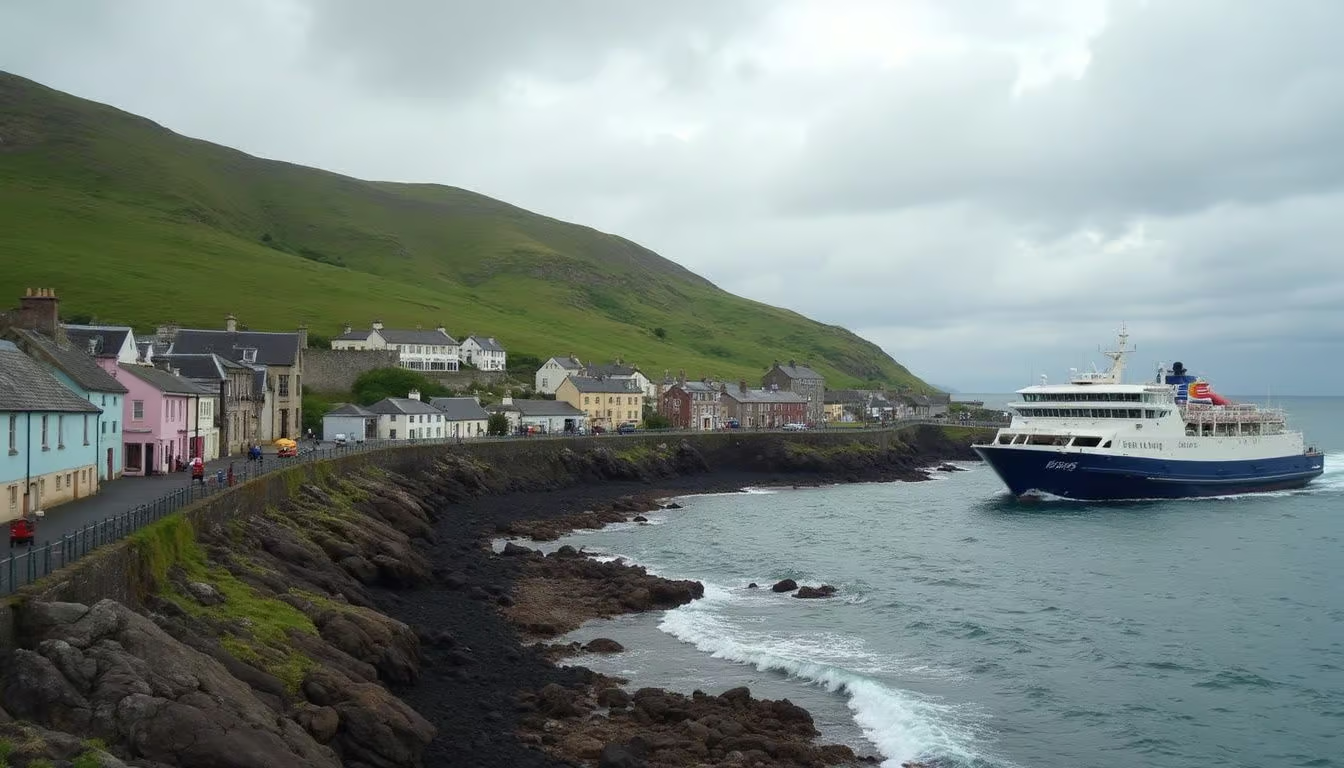
- Ferries: If you’re already in the UK or Europe, a ferry is a great option. Stena Line and P&O Ferries run regular services between Scotland and Northern Ireland (Cairnryan to Belfast or Larne), with crossings taking just over two hours. This is perfect if you want to bring a car.
- Trains and Buses: Once you’re on the ground, trains and buses connect the major cities. ScotRail covers Scotland extensively, while Irish Rail does the same in Ireland. For a pro-tip, Stena Line offers combined “Rail and Sail” tickets that can be cheaper than booking train and ferry journeys separately.
- Guided Tours: If you’d rather let someone else handle the logistics, you can find excellent guided tours to Scotland that cover everything from the cities to remote islands like the Isle of Skye or Mull.
What transportation options are available within Scotland and Ireland?
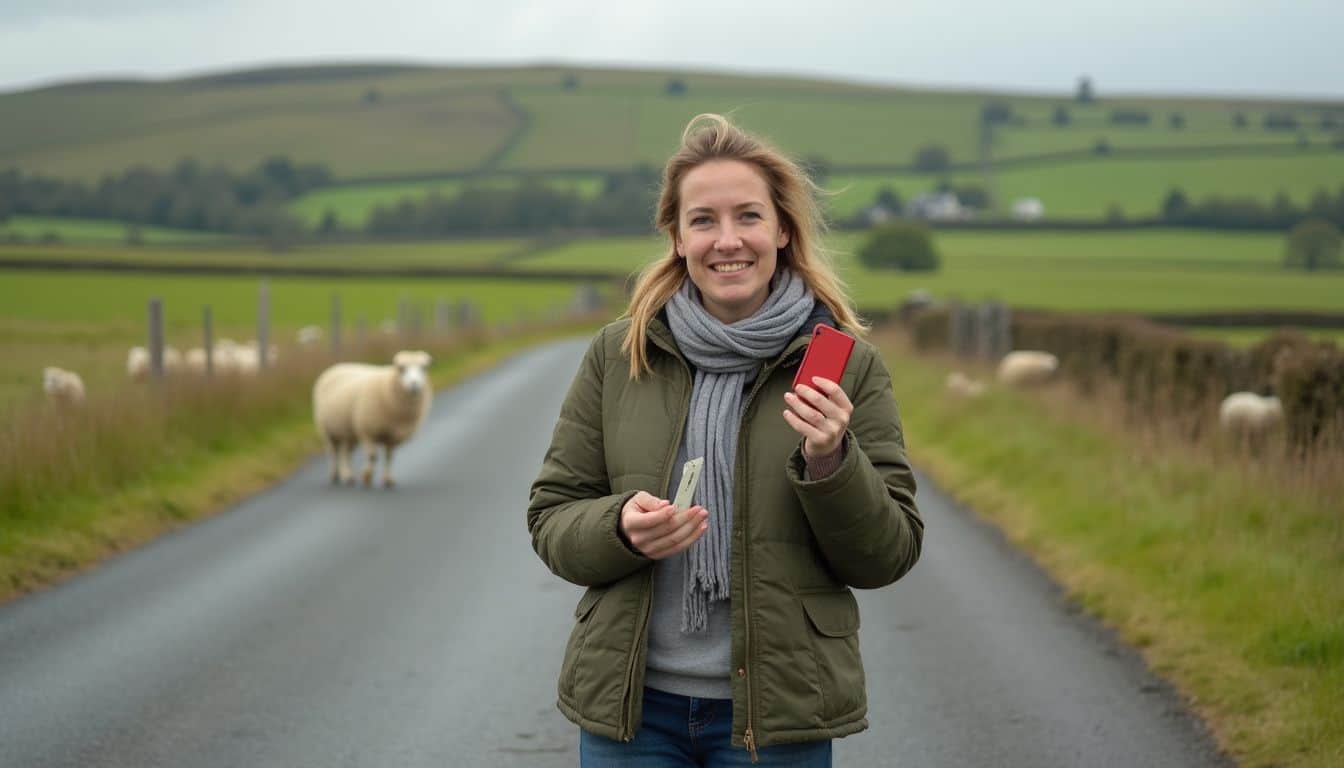
Getting around Scotland and Ireland is part of the adventure. I’ve done it all, from city buses to renting a car and dodging sheep on country roads.
Here’s a breakdown of your best options.
| Transportation | Best For | Insider Tip |
|---|---|---|
| Car Rental | Exploring rural areas, scenic drives like the North Coast 500 or Wild Atlantic Way, and having total freedom. | Roads can be incredibly narrow. Always opt for the smallest car that fits your needs, and get the extra insurance. It’s worth the peace of mind. |
| Trains | Traveling quickly between major cities like Edinburgh to Glasgow (ScotRail) or Dublin to Galway (Irish Rail). | Train networks are less extensive in rural areas, especially the Scottish Highlands. Use the train for the long hauls, then switch to a bus or car. |
| Buses/Coaches | Budget travel and reaching smaller towns not served by trains. Companies like Citylink in Scotland and Bus Éireann in Ireland have wide networks. | In Edinburgh, the Airlink 100 express bus is the easiest way to get from the airport to the city center, with a single adult ticket costing around £6.00 as of mid-2025. |
| Guided Tours | Seeing the highlights without the stress of driving. Options range from single-day trips from a city to multi-day excursions. | Many multi-day tours from Edinburgh return to the same hotel each night, which means you only have to unpack once. This is a huge convenience. |
My best experiences came from mixing it up. Take a train between cities, then rent a car for a few days to explore the countryside. It gives you the perfect balance of efficiency and freedom.
Climate and Best Time to Visit
Pack layers. That’s the golden rule. Both Scotland and Ireland have a temperate maritime climate, which is a nice way of saying the weather can change in an instant. A light raincoat is non-negotiable.
What is the typical weather like in Scotland?
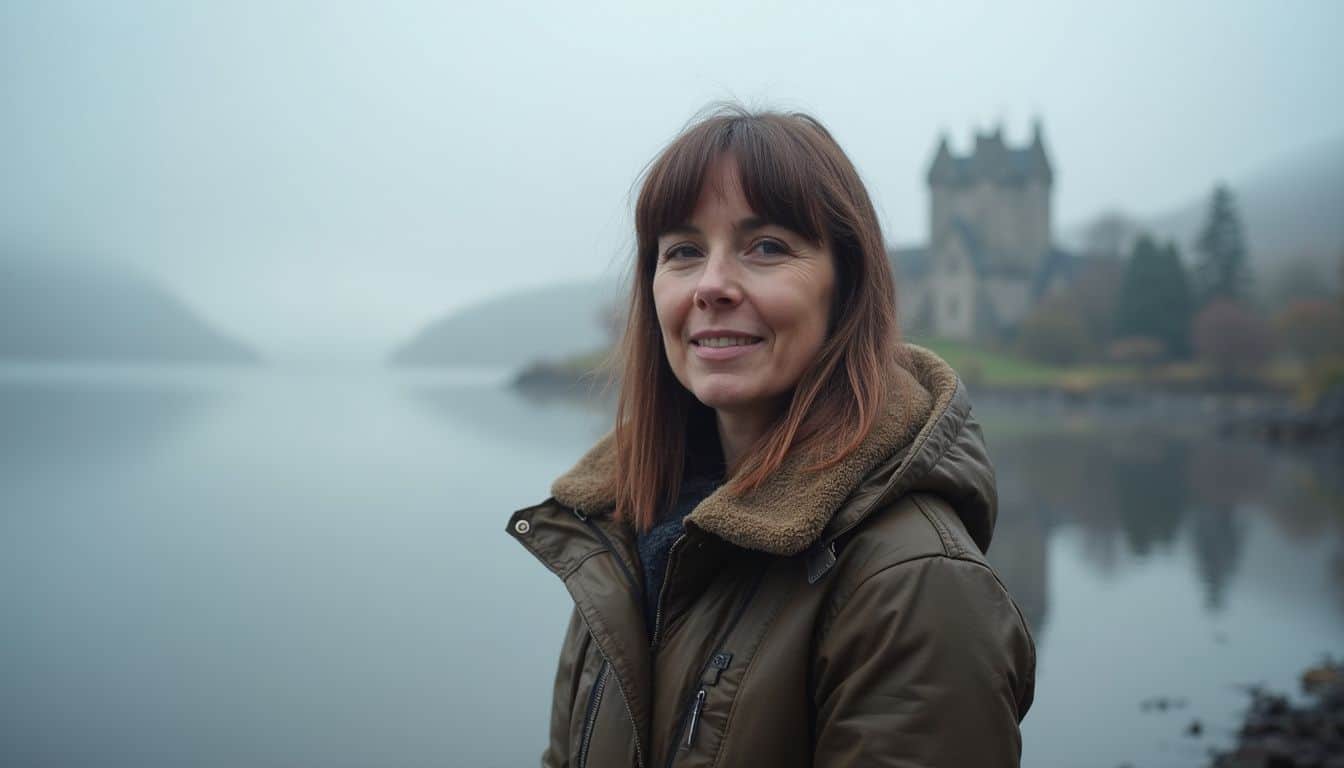 Scotland’s weather is mild for most of the year, but “mild” is a relative term. Summer days in Edinburgh average a cool 66°F (19°C), so you’ll still want a jacket. Winters are chilly, with daytime highs around 44°F (7°C), and snow is common in the Highlands.
Believe it or not, Edinburgh gets less annual rainfall than New York City. Still, you should always be ready for a surprise shower.
“A Glasgow bartender once told me, ‘Bring a jacket any month you visit Scotland, and never bet against four seasons in one day.’ He wasn’t wrong.”
One huge plus for summer visits is the daylight. In June, it can stay light past 10 PM, giving you extra hours to explore.
Just be warned, summer is also peak season for the infamous Highland midge, a tiny biting insect. If you’re hiking from May to September, pack a good repellent like Smidge or Avon Skin So Soft.
What is the typical weather like in Ireland?
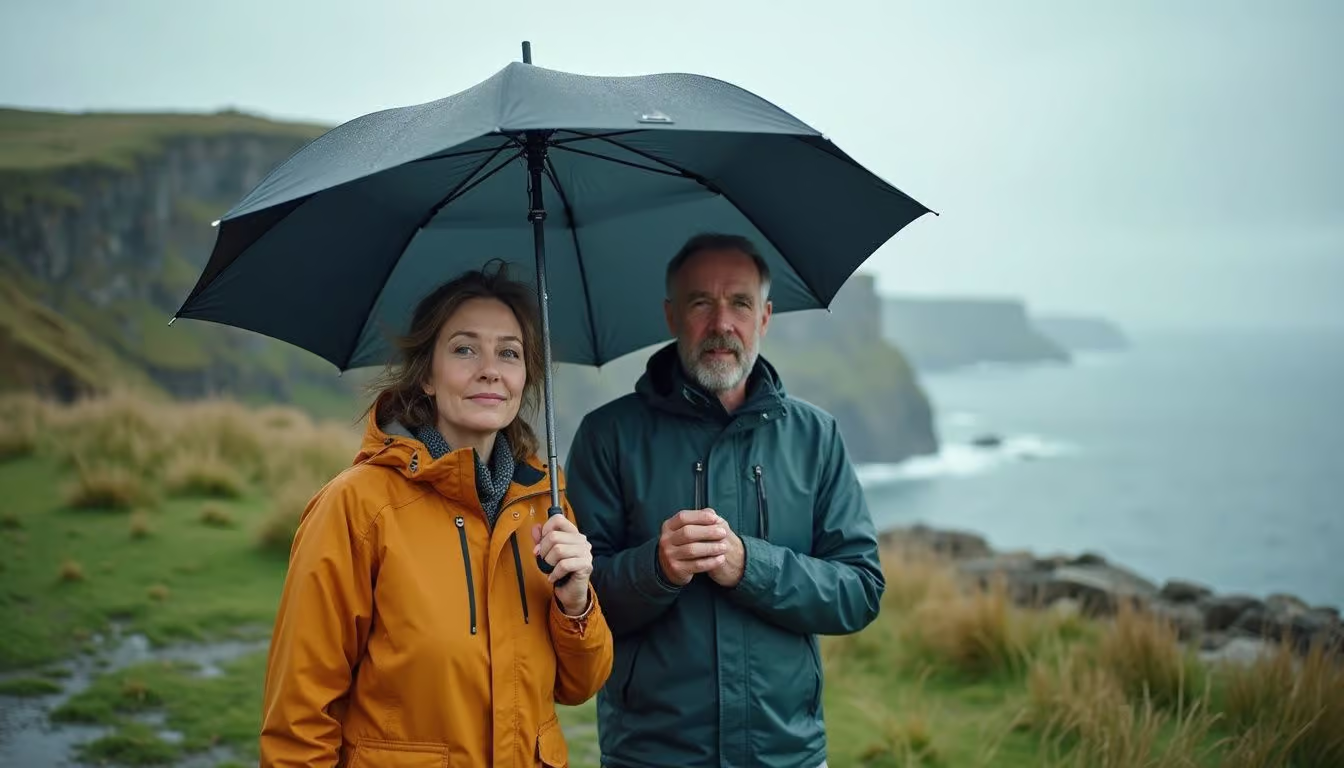
Ireland’s climate is a bit gentler than Scotland’s, but that jacket will still be your best friend. The Emerald Isle is mild year-round, with Dublin seeing summer highs around 67°F (19°C) and winter temperatures hovering between 38°F and 47°F (3°C to 8°C).
Extreme cold is rare, and snow is uncommon outside of the mountains. Rain, however, is a constant companion, especially from August to December.
I learned quickly that an umbrella is a permanent fixture in every pub’s coat rack for a reason. If you’re looking to take the guesswork out of planning around the weather, you can check out private Ireland tours. They let you focus more on the dramatic landscapes where writers like Joyce once walked.
When is the best season to visit Scotland and Ireland?
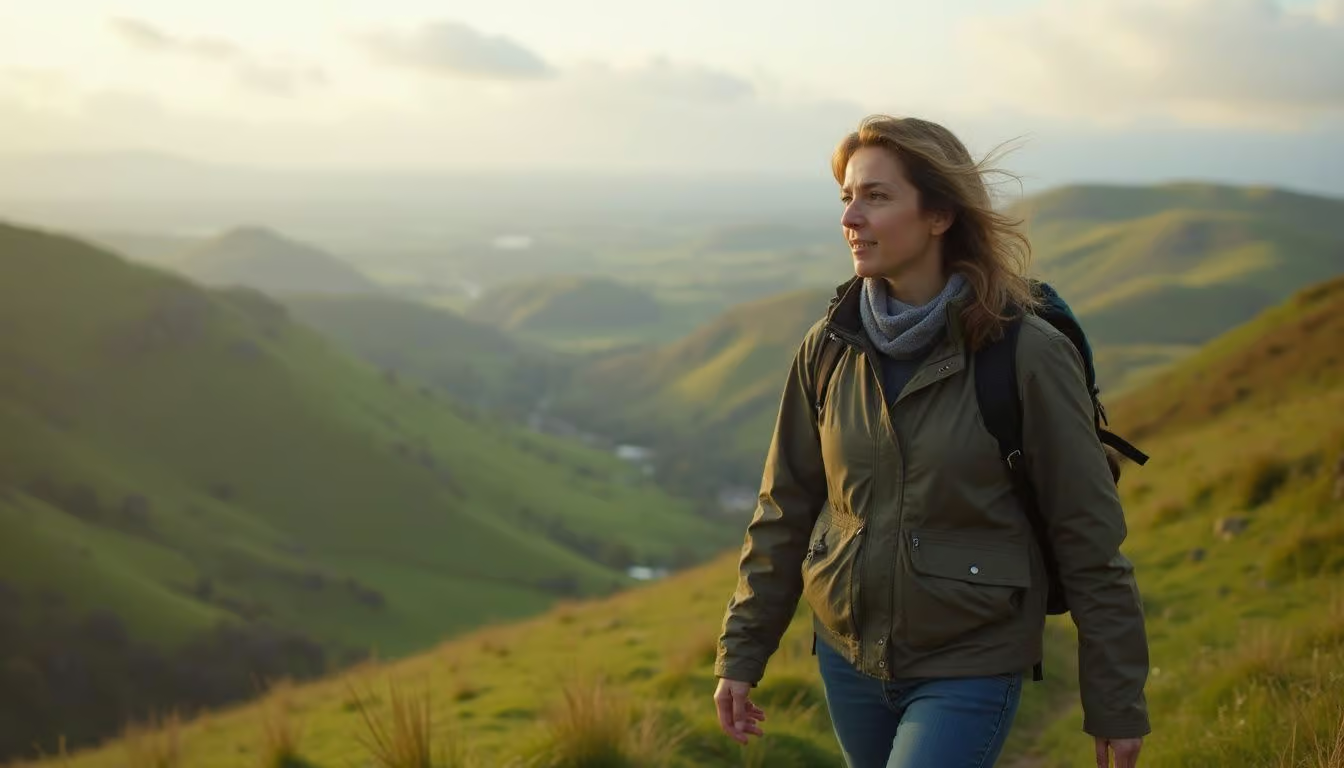
The sweet spots for visiting both countries are the “shoulder seasons,” which are April to May and September to October.
During these months, you get a great mix of mild weather, with temperatures often in the mid-50s°F (around 13°C), and much thinner crowds at popular sites like Edinburgh Castle. Prices for flights and accommodation are also typically lower.
Summer (June to August) brings the warmest weather and the longest days, but it’s also the busiest and most expensive time due to school holidays.
Winter can be a great time to visit if you don’t mind the shorter, colder, and wetter days. The trade-off is having pubs and historical sites almost to yourself. Plus, you can catch incredible festivals like the Hogmanay (New Year’s) celebration in Edinburgh.
Scenery and Landscapes
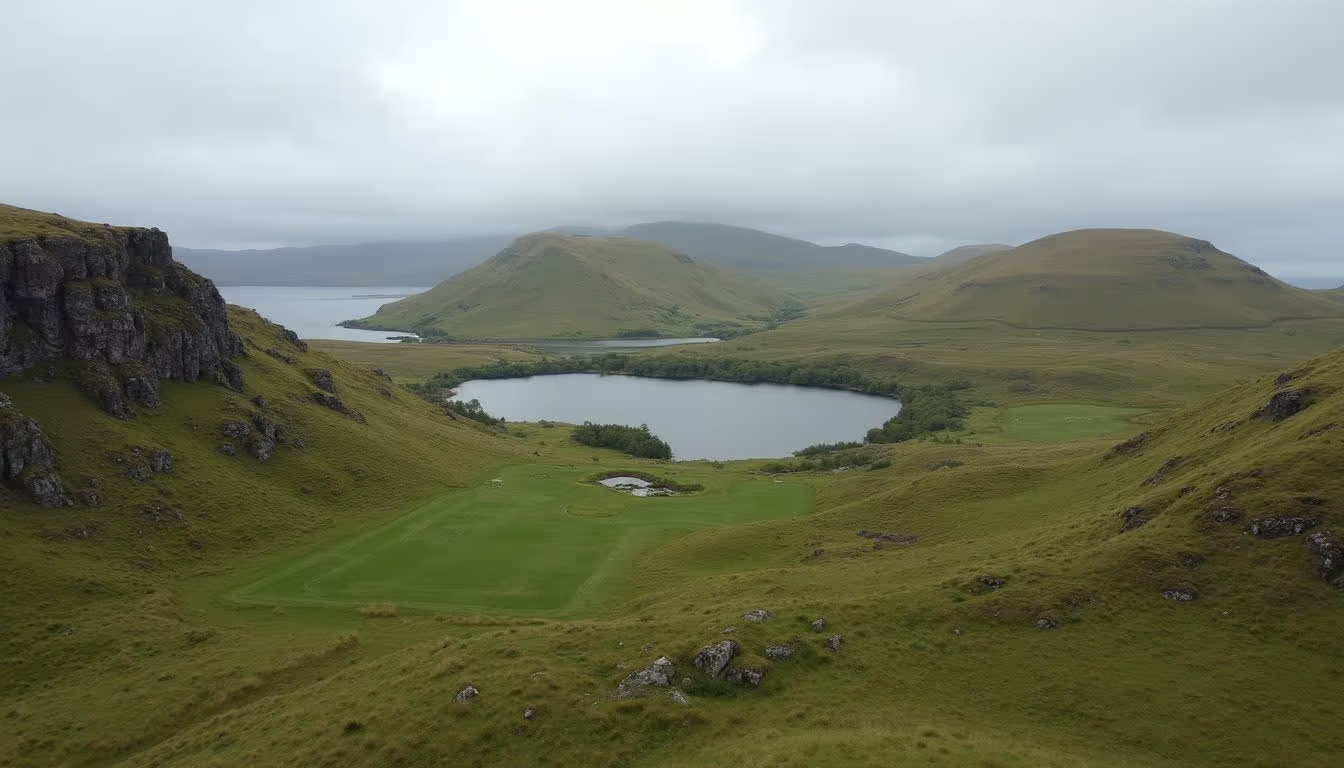
Whether it’s the dramatic mountains of Scotland or the rolling green hills of Ireland, you’re in for a visual treat. Both countries deliver landscapes that look like they’ve been pulled from a fantasy novel.
What are the iconic natural landmarks in Scotland?
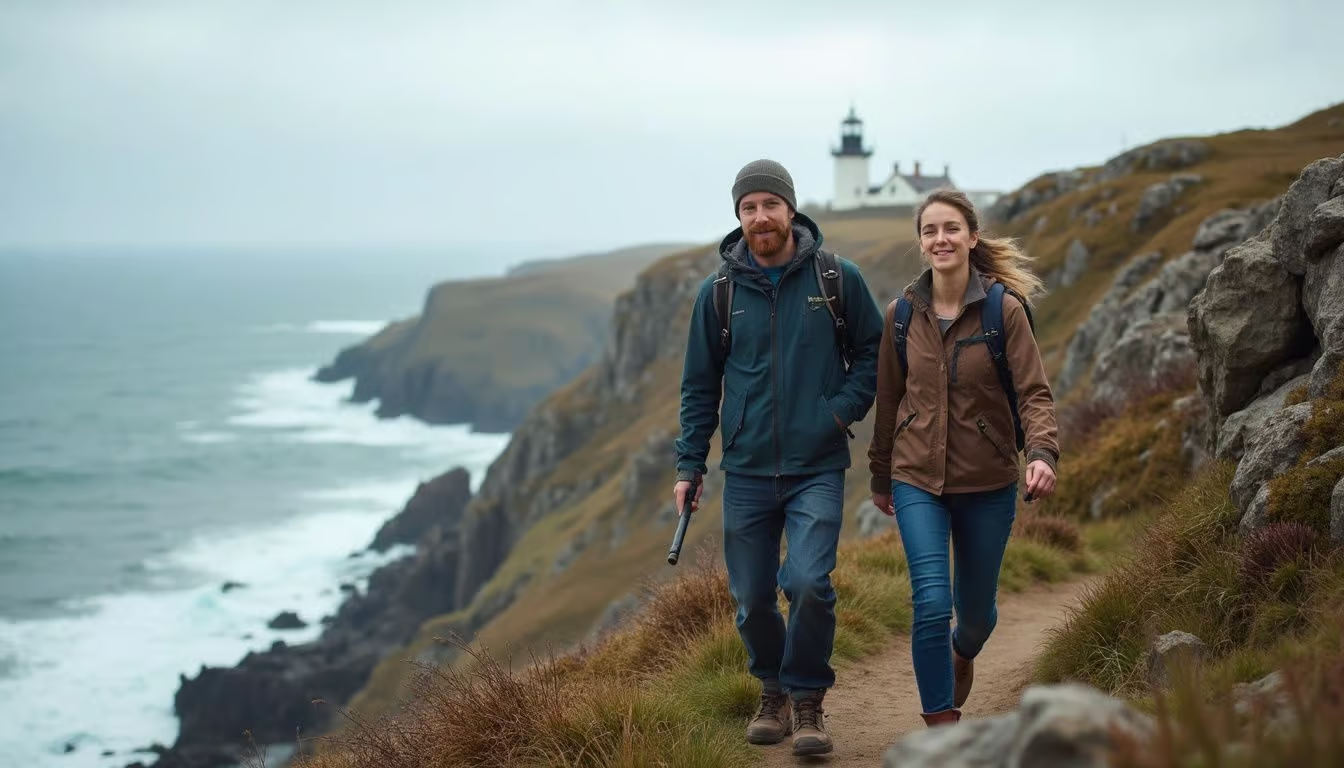
Scotland’s scenery is all about raw, dramatic power. The landscapes feel ancient and epic.
- The Highlands: This is the Scotland you’ve pictured. Think vast, moody landscapes, deep lochs, and towering mountains. Driving through Glencoe is an absolute must.
- Lochs: While Loch Ness is the most famous, don’t miss Loch Lomond. It’s the largest inland stretch of water in Great Britain and offers stunning views.
- Isle of Skye: This island is a photographer’s dream. The Old Man of Storr hike is a moderately challenging 3-mile loop that rewards you with some of the most iconic views in the country.
- Road Trips: For the ultimate drive, tackle the North Coast 500. It’s a 516-mile route that loops around the northern coast, starting and ending in Inverness. It’s consistently ranked as one of the best road trips in the world.
What stunning landscapes can I see in Ireland?
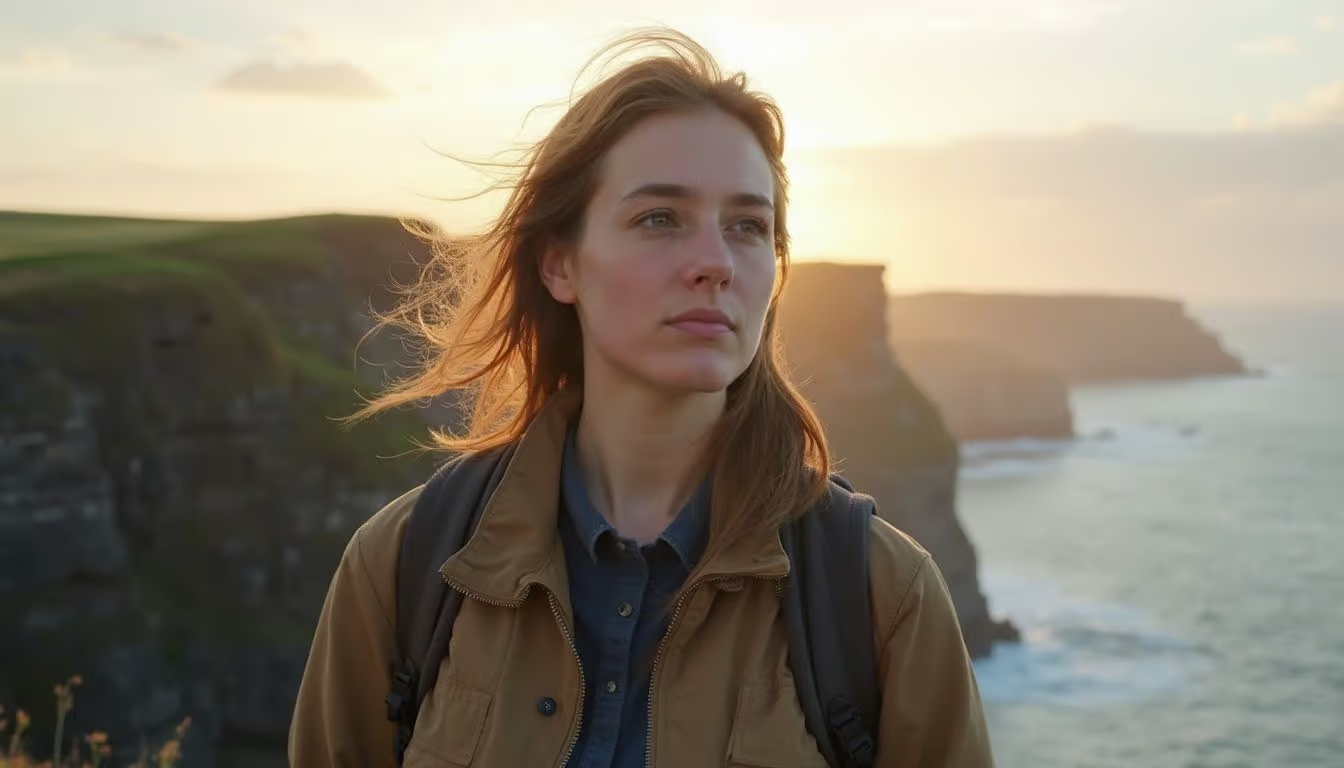
Ireland’s beauty is softer and more poetic. It’s called the Emerald Isle for a reason; you’ve never seen so many shades of green.
- The Cliffs: The Cliffs of Moher are world-famous, but for a less crowded and arguably more dramatic experience, head to the Slieve League cliffs in County Donegal. At 1,972 feet, they are nearly three times higher than Moher.
- The West Coast: The Wild Atlantic Way is a 1,600-mile coastal route that winds its way along the entire west coast. It takes you through incredible spots like the Dingle Peninsula and Connemara National Park.
- Giant’s Causeway: In Northern Ireland, this UNESCO World Heritage site is made up of about 40,000 interlocking basalt columns, the result of an ancient volcanic eruption. It’s a truly surreal landscape.
- Skellig Michael: This rocky island off the coast of County Kerry became a modern pilgrimage site after it was featured as Luke Skywalker’s hideaway in the *Star Wars* sequels. Its ancient monastic beehive huts make it feel like another world.
Culture and History

Both Scotland and Ireland are steeped in stories. You’ll feel history everywhere, from the ancient castles to the lively pubs where folk tales are still shared over a pint.
How do castles and historic sites in Scotland compare to those in Ireland?
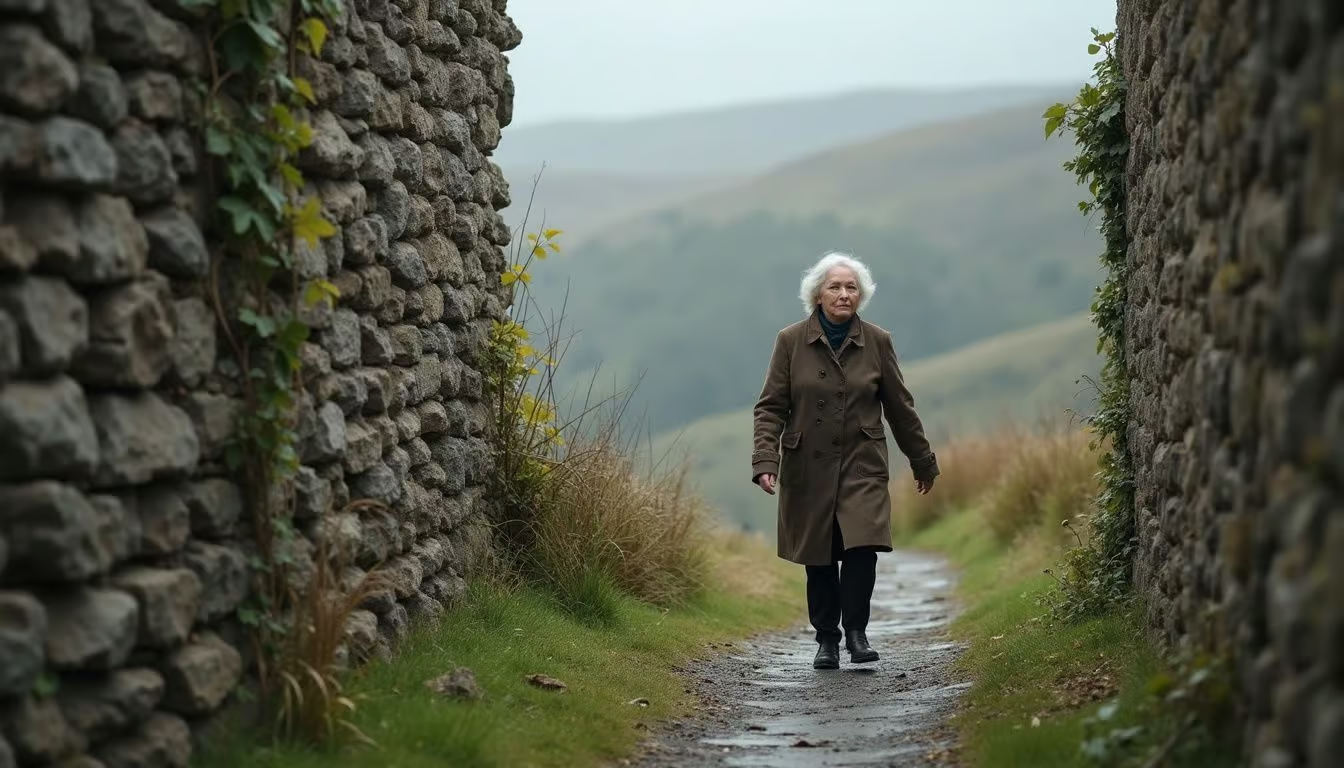
Both countries are packed with castles, but they offer different vibes. Scotland’s castles often feel like grand, imposing fortresses, while Ireland’s are a mix of magnificent ruins and restored structures.
| Scotland | Ireland |
|---|---|
| Scotland has around 2,000 castles, and many, like Edinburgh Castle and Stirling Castle, are incredibly well-preserved and serve as major tourist attractions. | Ireland has an estimated 30,000 castles and ruins. Many are atmospheric, ivy-covered structures like the famous Blarney Castle or the iconic Rock of Cashel, the historic seat of the Kings of Munster. |
| The history here is dominated by clans, royalty like Mary, Queen of Scots, and battles for independence. Sites like the Culloden Battlefield are powerful places to visit. | Irish history is a rich tapestry of Celtic kings, Viking invasions, and rebellion. You can explore prehistoric sites like Newgrange, a passage tomb built around 3200 BC, making it older than Stonehenge and the pyramids. |
| For pop culture history, you can visit Doune Castle, which was featured as Castle Leoch in Outlander and was used extensively in Monty Python and the Holy Grail. | Northern Ireland is a must-visit for Game of Thrones fans. You can see Castle Ward (Winterfell) and walk down the Dark Hedges (The Kingsroad). |
| Pro-Tip: If you plan on visiting several major sites, look into the Explorer Pass from Historic Environment Scotland. Many travelers on Reddit note that it can save you significant money on entry fees if you visit just a few key castles. | Beyond castles, you can explore ancient monastic sites like Glendalough or the fascinating ruins of Clonmacnoise. |
What unique cultural experiences can I have in Scotland and Ireland?

The real culture in both places is found in the living traditions. It’s in the music, the festivals, and the pubs.
In Scotland, you can experience a traditional Highland Games, complete with caber tossing and bagpipe competitions. If you’re in Edinburgh in August, the Royal Edinburgh Military Tattoo is an unforgettable spectacle of music and military precision set against the castle backdrop.
In Ireland, the pub is the heart of the community. On any given night, especially on the west coast in towns like Doolin or Galway, you can walk into a pub and find a “trad session” in full swing. This is a casual gathering of local musicians playing traditional Irish music. It’s an authentic experience you won’t forget.
Dublin is a UNESCO City of Literature, and you can take literary pub crawls that visit the old haunts of writers like James Joyce and Oscar Wilde.
Food and Drink
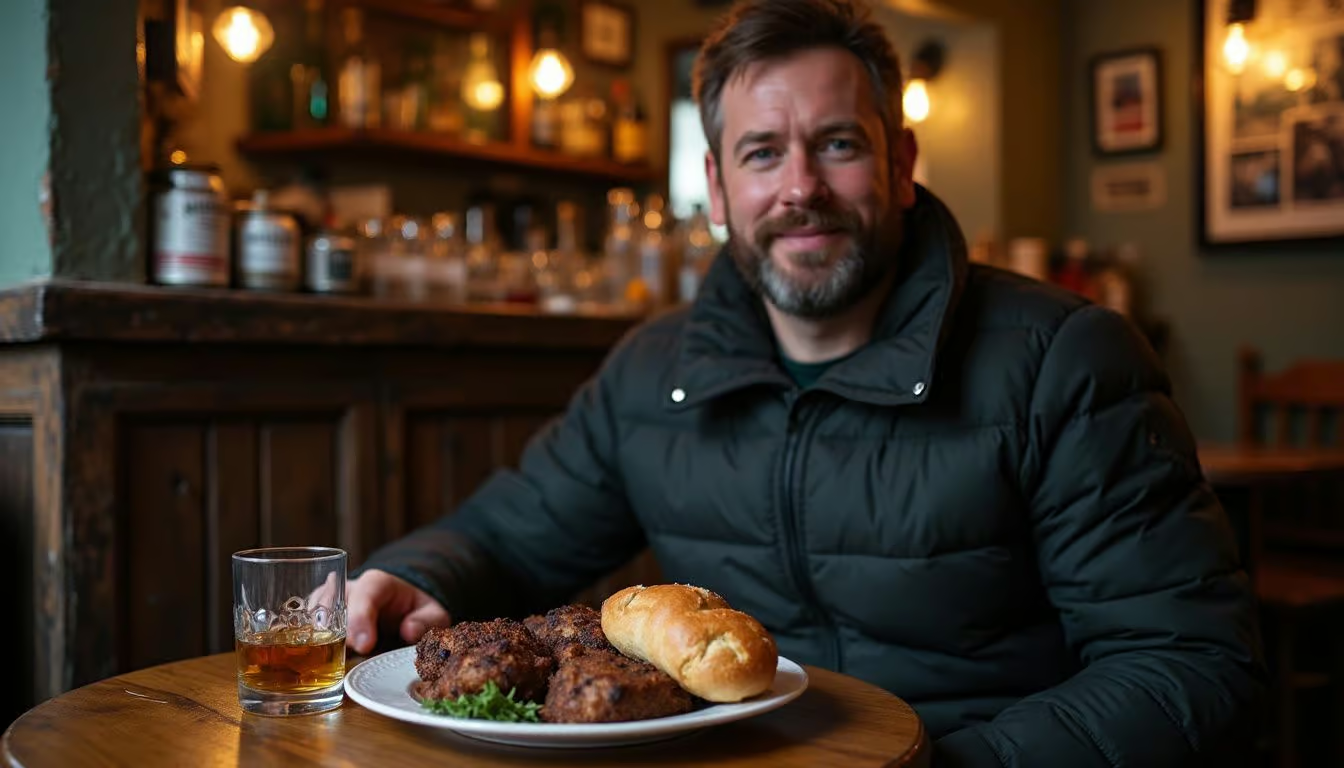
You might come for the views, but you’ll stay for the food and drink. Both countries offer hearty, comforting cuisine and world-famous beverages that tell the story of the land.
What traditional Scottish dishes should I try?
 Scottish food is rich, flavorful, and perfect after a day spent exploring in the crisp air.
- Haggis, Neeps, and Tatties: You have to try it. It’s Scotland’s national dish for a reason. Don’t think about the ingredients, just enjoy the peppery, savory flavor. Most pubs serve a great version.
- Cullen Skink: A thick and creamy smoked haddock soup that originated in the town of Cullen. It’s the ultimate comfort food on a chilly day.
- Aberdeen Angus Beef: This is world-class beef, known for its marbling and flavor. A good steak is a must.
- Arbroath Smokies: A type of smoked haddock that has Protected Geographical Indication (PGI) status, meaning it can only be made in a specific way within a five-mile radius of the town of Arbroath. It’s a true taste of the Scottish coast.
- Full Scottish Breakfast: Similar to a Full English, but it comes with additions like Lorne sausage, black pudding, and a tattie scone (potato scone).
What traditional Irish foods are popular?

Irish food is all about warmth and comfort. It’s simple, hearty, and incredibly satisfying.
- Irish Stew: The quintessential Irish dish. Traditionally made with lamb or mutton, potatoes, carrots, and onions, it’s a simple but deeply flavorful stew you’ll find in every pub.
- Soda Bread: You’ll get a slice of this with almost every meal. It’s a dense, delicious bread made without yeast. The brown bread version is especially good.
- Full Irish Breakfast: Similar to the Scottish version, but it often includes both black and white pudding. It will keep you fueled for a full day of sightseeing.
- Seafood Chowder: With its long coastline, Ireland has fantastic seafood. A creamy, chunky seafood chowder served with brown bread is a perfect lunch.
- Boxty: A traditional Irish potato pancake. It can be served in various ways, sometimes filled with meat or served as a side.
Which unique beverages are worth tasting in Scotland and Ireland?
This is where things get serious. Scotland and Ireland are titans of the beverage world, and you can’t leave without sampling the local legends.
- Scotch Whisky: It’s Scotland’s national drink. Each region has its own character. For a classic Speyside single malt experience, visit the Glenfiddich Distillery, which was one of the first to market single malts to the world. If you prefer smoky and peaty, head to a distillery on the isle of Islay.
- Irish Whiskey: The Irish spell it with an “e.” The main difference in production is that Irish whiskey is typically triple-distilled, while Scotch is double-distilled, which often gives Irish whiskey its characteristic smoothness. For an accessible tour in Dublin, check out the Teeling Distillery, the first new distillery to open in the city in over 125 years.
- Guinness: A pint of the “black stuff” in a Dublin pub is a cultural rite of passage. It really does taste different in Ireland. The Guinness Storehouse tour is one of Dublin’s top attractions.
- Irn-Bru: Scotland’s “other” national drink. It’s a bright orange, sweet, and fizzy soda that outsells Coca-Cola in its homeland. You have to try it at least once.
- Irish Coffee: A perfect way to warm up. Created in 1942, it’s a mix of hot coffee, Irish whiskey, and sugar, topped with thick cream.
Activities and Attractions

From lively cities and ancient castles to wild coastlines and cozy villages, both Scotland and Ireland are packed with things to do. Your only problem will be trying to fit everything in.
What are the top things to do in Scotland?
Scotland offers a perfect mix of history, pop culture, and outdoor adventure.
- Walk the Royal Mile in Edinburgh: This historic street connects Edinburgh Castle at the top with the Palace of Holyroodhouse at the bottom. It’s lined with shops, pubs, and history.
- Explore Edinburgh’s Old and New Towns: Both are UNESCO World Heritage sites, showcasing centuries of architecture and city planning.
- Hunt for Harry Potter Filming Locations: Ride the Jacobite Steam Train (the real-life Hogwarts Express) over the Glenfinnan Viaduct for that iconic photo.
- Visit Doune Castle: This castle is a must for film buffs. It was a major location for Monty Python and the Holy Grail and served as Castle Leoch in Outlander.
- Go “Munro Bagging”: A Munro is a Scottish mountain over 3,000 feet high. There are 282 of them, and climbing one (or many) is a popular challenge for hikers.
- Play a Round of Golf: Scotland is the home of golf. While St. Andrews is the most famous, there are hundreds of incredible courses to play.
What are the top things to do in Ireland?
Ireland’s attractions are all about stunning drives, literary history, and incredible natural wonders.
- Drive the Ring of Kerry: This 111-mile (179 km) loop is one of the world’s great scenic drives. An insider tip from many travel forums is to drive it clockwise, against the flow of the tour buses which all go counter-clockwise.
- Explore Dublin’s History: Visit Trinity College to see the ancient Book of Kells, then have a pint at The Brazen Head, which dates back to 1198 and claims to be Dublin’s oldest pub.
- Visit Game of Thrones Locations: Northern Ireland was a major filming hub for the show. You can visit Castle Ward (Winterfell) and the iconic Dark Hedges (The Kingsroad).
- Hike in a National Park: Killarney National Park is a highlight of the Ring of Kerry, but Connemara National Park offers stark, beautiful landscapes of bogs and mountains.
- Play World-Class Golf: Ireland is a premier golf destination. Royal County Down in Northern Ireland has been ranked the #1 course in the world by Golf Digest multiple times.
- Listen to Live Music: Find a pub in Galway, Doolin, or Dublin and settle in for a “trad session.” It’s an unforgettable cultural experience.
Family-Friendliness and Safety
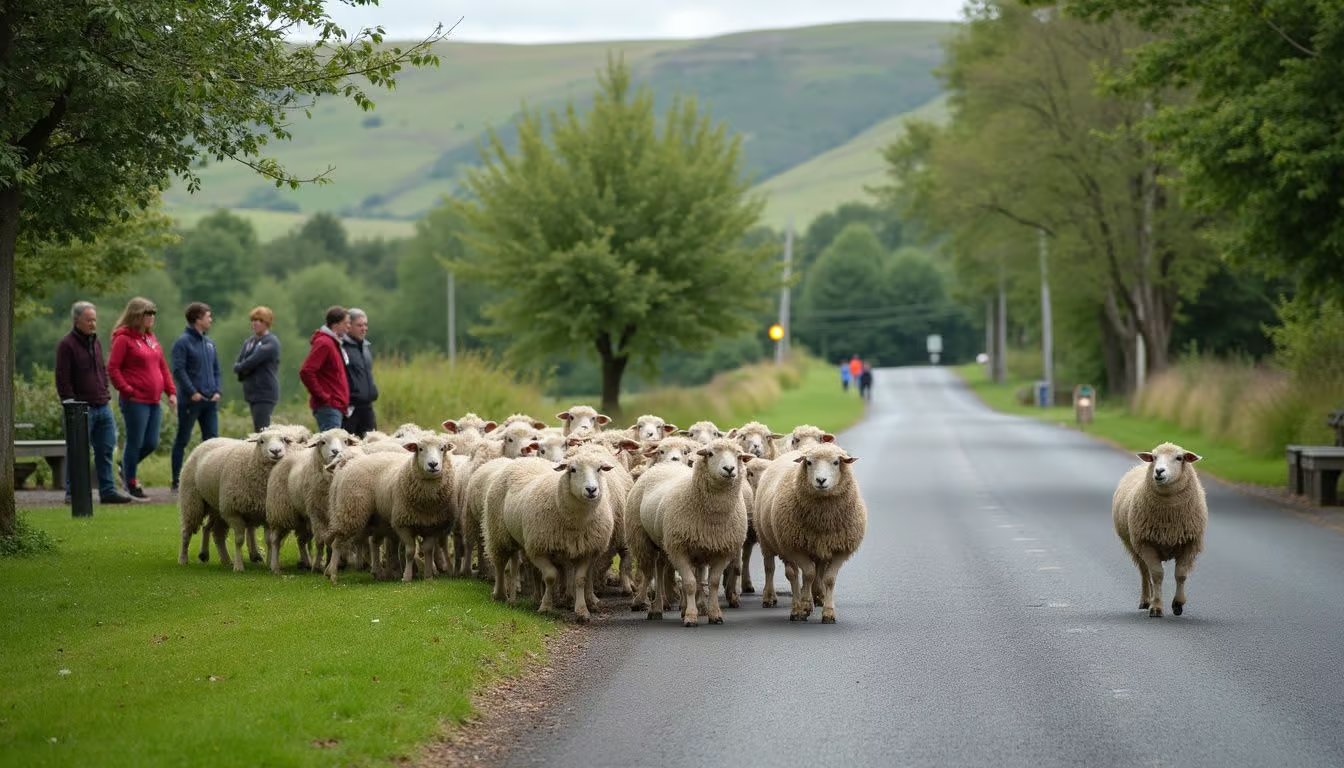
If you’re traveling with kids, you’re in luck. Both Scotland and Ireland are incredibly welcoming and safe. You’ll find friendly locals, plenty of parks, and good infrastructure, just be prepared for the occasional sheep-induced traffic jam.
How family-friendly are Scotland and Ireland as travel destinations?
Both countries are fantastic for families. You’ll find plenty of playgrounds and wide-open green spaces for kids to burn off energy.
Many museums are designed with kids in mind. The National Museum of Scotland in Edinburgh has interactive galleries that are a huge hit with families. In Dublin, Dublinia offers a fun, hands-on look at the city’s Viking and medieval history.
Ireland also has enchanting “fairy trails” in many parks and woodlands that capture the imagination of younger kids. I took my own kids on a road trip through both countries and found that B&Bs were incredibly accommodating, often having family rooms or small play areas.
The overall safety and low crime rates in both Scotland and Ireland provide great peace of mind when traveling with your family. If you’re considering a more permanent move, you might be interested in whether one is the best country to immigrate to.
What safety tips should travelers know about Scotland and Ireland?
Scotland and Ireland are very safe countries. Your biggest concerns are likely to be the weather and navigating rural roads, not crime.
- Weather is Your Biggest Hazard: The weather can change in a heartbeat. Always have rain gear and dress in layers, especially if you’re hiking.
- Driving Can Be Tricky: Remember to drive on the left. Rural roads are often narrow, winding, and sometimes single-lane with “passing places.” Take your time and be courteous.
- No Cell Service in Remote Areas: Don’t rely solely on Google Maps in the Highlands or remote parts of Ireland. Download offline maps or bring a physical map as a backup.
- Hiking Safety: If you’re heading into the mountains, let someone know your route and expected return time. Wear proper hiking boots, as trails can be muddy and slick.
- Know Your Limits: The pub culture is a huge part of the experience, but be sensible. The locals are friendly, but like anywhere, knowing your limit keeps things positive.
How Will Travel to Scotland and Ireland Change in 2025?
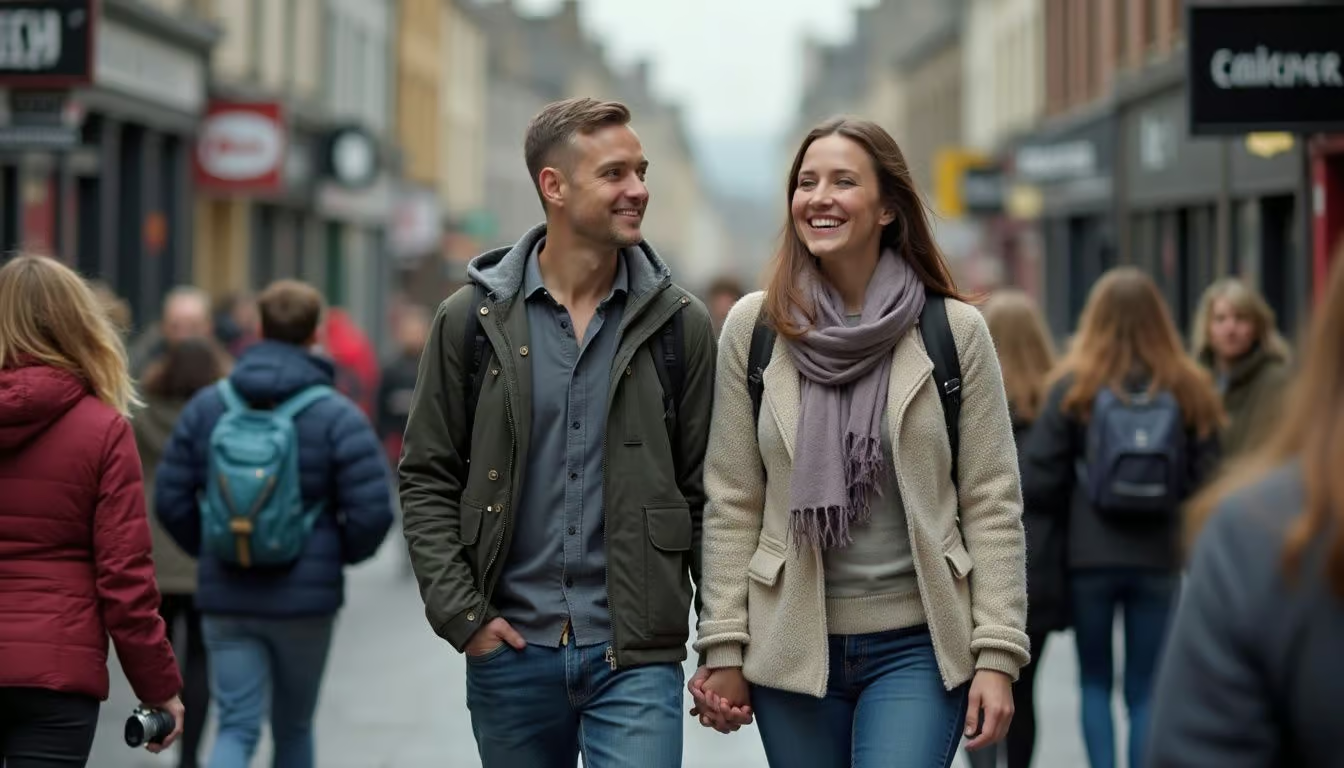
Travel is constantly changing, and there are a couple of key things to know for 2025.
First, the big one for Scotland and all of the UK: the new Electronic Travel Authorisation (ETA) scheme. Starting in 2025, visitors from countries that don’t need a visa for short stays (including the USA, Canada, and EU countries) will need to apply for an ETA before traveling. The application is done online or through an app, costs £10, and is valid for two years. Irish citizens are exempt.
Second, crowds are back. Tourism in both countries has rebounded to pre-pandemic levels. This means booking flights, rental cars, and accommodation well in advance is essential, especially if you’re traveling during peak season or to hotspots like the Isle of Skye.
Tour companies like Nordic Visitor are offering more self-drive and small-group packages that combine both countries, which can be a great way to manage logistics. An “Express Scotland & Ireland” tour might run for 12 days and cost around £2,956. Booking a trip in the off-season can still land you some great deals, but be aware that some attractions may have limited hours or be closed.
People Also Ask
What makes Scotland and Ireland stand out for travelers?
Both offer legendary landscapes like the Isle of Skye and the Ring of Kerry, ancient castles such as Edinburgh Castle and the Rock of Cashel, and lively pub scenes in cities like Glasgow and Dublin where you can enjoy traditional music.
Are the weather conditions in Scotland and Ireland tough for tourists?
The weather is famously unpredictable with frequent rain, so packing layers and a reliable waterproof jacket from a brand like Rab or Patagonia is the key to staying comfortable during your explorations.
Is visiting both countries on one trip too much to handle?
It’s very manageable, as you can take a ferry like the Stena Line from Cairnryan to Belfast in about two hours and fifteen minutes or catch a quick one-hour flight on Ryanair between major cities.
How do food options compare between Scotland and Ireland?
You’ll find incredible farm-to-table pub food in both, with Scotland celebrated for its haggis and fresh salmon, while Ireland is renowned for its hearty beef stews and creamy seafood chowders.