
Ever get that feeling in the middle of summer when the air is thick, and you just know your energy bill is about to go through the roof? I’ve been there.
What if I told you there’s a simple tool that gives you powerful climate control without the shocking bill? We’re talking about ceiling fans.
These aren’t just for decoration. They use way less energy than air conditioners, making them a smart move for anyone interested in green living. So, are ceiling fans any good? Let’s walk through how they boost comfort and save you some serious cash.
Key Takeaways
Energy Efficiency Champion: Ceiling fans use up to 99% less energy than air conditioners (about 1 cent per hour), allowing you to raise your thermostat by 4°F while staying comfortable, potentially cutting cooling costs by 60% with Energy Star models.
Year-Round Comfort: In summer, counterclockwise rotation creates a wind-chill effect for cooling; in winter, clockwise mode circulates warm air, reducing heating bills by up to 15% and improving air quality.
Stylish and Smart Design: Modern fans offer customizable styles (e.g., industrial, farmhouse, or fandeliers) and integrate with smart systems like Alexa or Google Home for app/voice control, scheduling, and energy-saving routines.
Essential Features for Savings: Reversible motors enable seasonal airflow adjustments, while integrated LED lights use 75% less energy and last up to 50,000 hours, combining lighting and circulation into one efficient unit.
Table of Contents
Are Ceiling Fans a Good Choice for Energy Efficiency?

When you compare them to a hungry HVAC system or a power-guzzling air conditioning unit, ceiling fans barely sip electricity.
An energy-efficient fan delivers that cooling relief you need without making your electric meter spin like a top. It’s one of the easiest ways to cut down on costs.
How do ceiling fans compare to air conditioners in energy use?
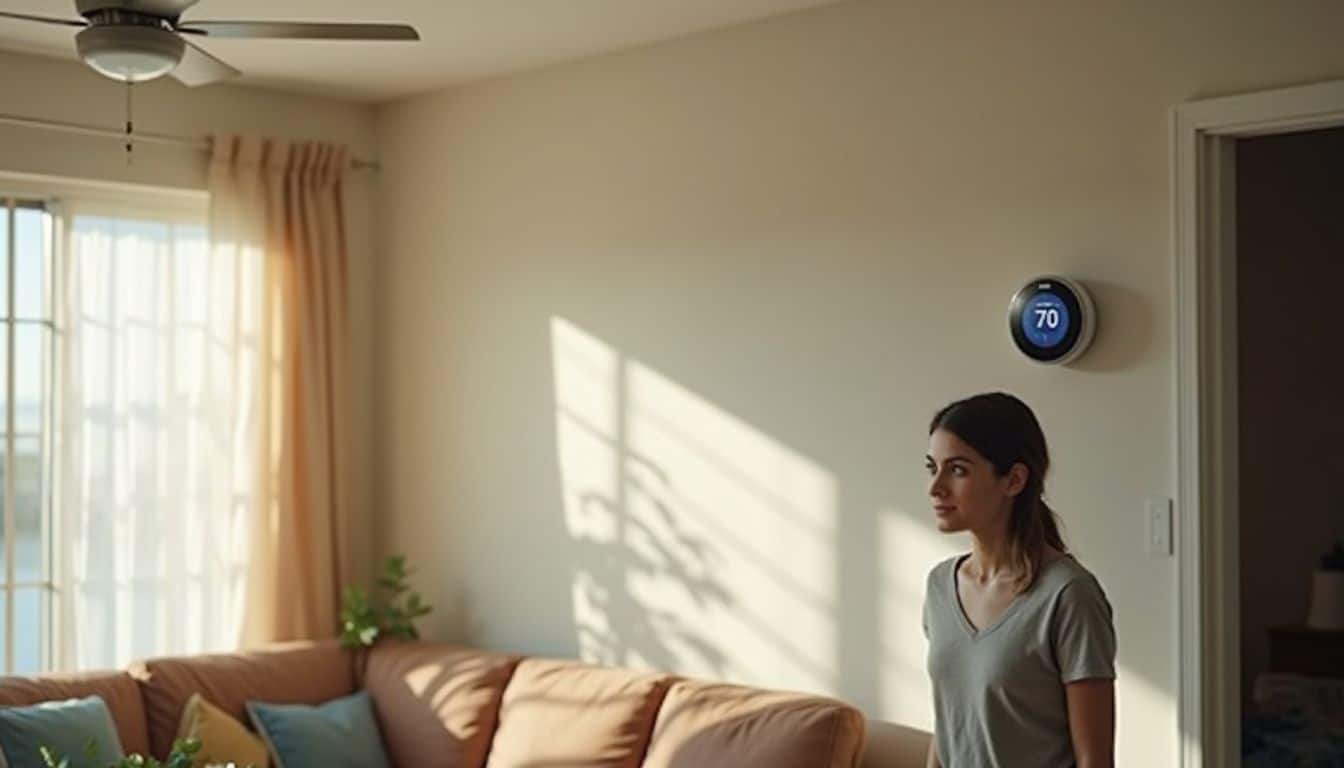
If you want to save money and stay cool, the numbers don’t lie. A ceiling fan is in a completely different league than an air conditioner. I’ve put the key differences side-by-side so you can see for yourself.
| Feature | Ceiling Fans | Air Conditioners |
|---|---|---|
| Power Use (Watts) | 30–100 | 3,000–5,000 (Central AC) |
| Operating Cost (Avg.) | About 1 cent per hour | 36 to 72 cents per hour |
| Airflow (CFM) | Circulates existing air effectively | Cools air but has weak circulation |
| Carbon Footprint | Low; a sustainable choice | High; a major energy consumer |
| Comfort Strategy | Lets you raise thermostat 4°F and stay comfy | Requires more power to lower the actual temp |
| Smart Integration | Easily pairs with systems like Alexa and Google | Can be costly to upgrade to a “smart” system |
I tried this myself last summer. I installed a new quiet ceiling fan from Hunter and bumped my thermostat up a few degrees. The difference was immediate. My place stayed cool, the fan was dead silent, and my electric bill was noticeably lower.
Can ceiling fans help reduce my energy bills?
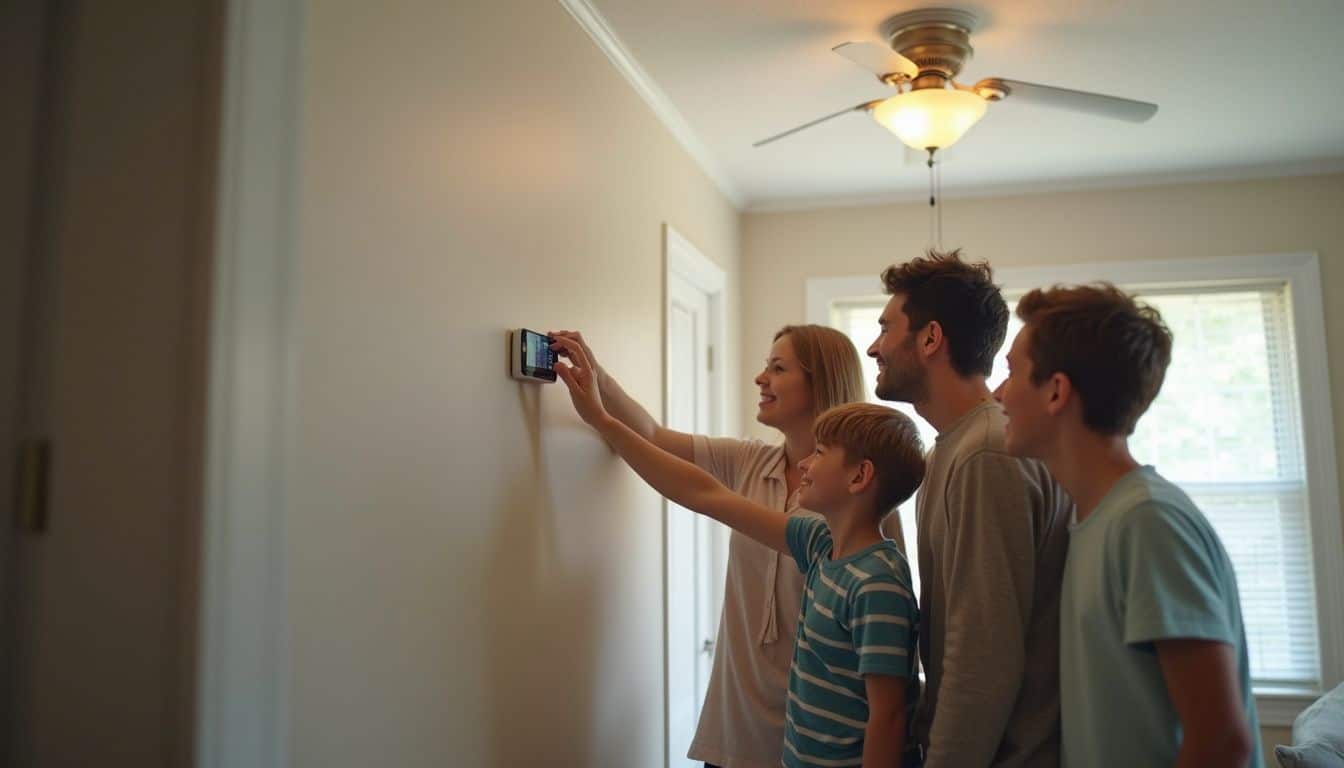
Absolutely. While air conditioners are known energy hogs, modern ceiling fans are designed for efficiency. The U.S. Department of Energy confirms that using a ceiling fan allows you to raise your thermostat by about 4°F without feeling any warmer.
That simple adjustment can cut your cooling costs significantly.
For even bigger savings, look for fans with the Energy Star certification. These models are up to 60% more efficient than conventional fans thanks to better blade design and motors.
Here are a few other ways fans cut costs:
- DC Motors: Newer fans with DC motors are the real champions of energy saving, using up to 70% less energy than older AC motor models.
- Winter Savings: Don’t forget about winter. Flipping the switch on a reversible motor pushes warm air down, which can reduce your monthly heating costs by up to 15%.
- LED Lighting: Choosing a fan with an integrated LED lighting kit also helps trim your bill, as LEDs use about 75% less energy than traditional incandescent bulbs.
“A ceiling fan doesn’t lower the room’s temperature, but the wind-chill effect can make you feel up to 8° cooler, allowing you to save a bundle on air conditioning costs.” – The Department of Energy
Year-Round Usability
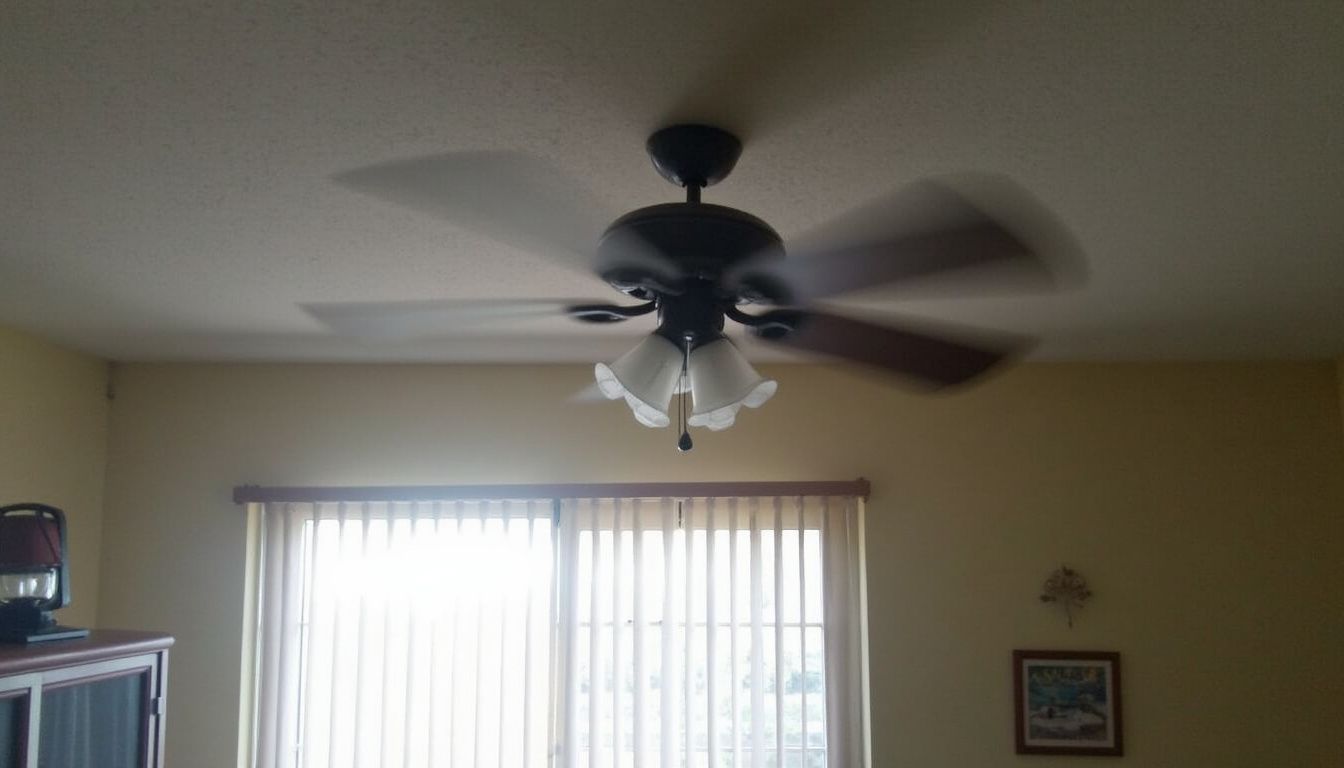
One of the best things about ceiling fans is that they aren’t just for summer. They work hard all year long to keep your rooms comfortable, whether your heater or air conditioning is running.
How do ceiling fans keep you cool in the summer?
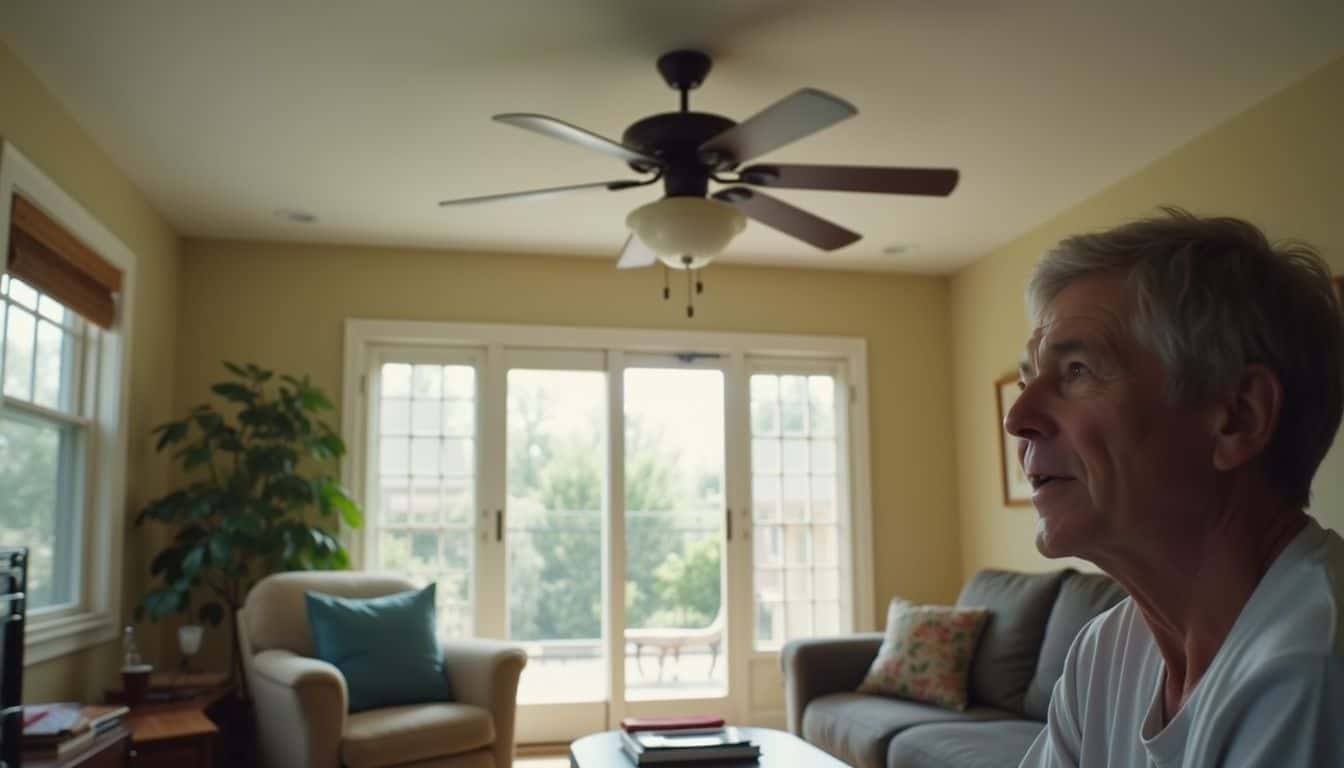
In the summer, you want the fan blades to run counterclockwise. This motion pushes air straight down, creating a breeze. This is known as the “wind chill” effect. It helps sweat evaporate from your skin more quickly, which is your body’s natural cooling mechanism.
The fan doesn’t actually lower the room’s temperature, but it makes you feel cooler. This is why you can turn your thermostat up by 4°F and still feel perfectly comfortable.
Just remember that fans cool people, not rooms. There’s no point in leaving a fan running in an empty room, as that just wastes energy.
For the best effect, make sure your fan is the right size. The American Lighting Association suggests a 52-inch fan for rooms up to 400 square feet. Using a fan that’s too small won’t create enough airflow to make a difference.
Can ceiling fans improve air circulation in winter?

Yes, and this is a pro tip that a lot of people miss. Most modern ceiling fans have a reversible motor. In the winter, you flip a switch to make the blades spin clockwise on a low speed.
This pulls the cooler air from the floor up toward the ceiling. That movement displaces the warm air that naturally rises and gets trapped up there, gently pushing it back down the walls and into the living space. I do this in my own living room, and it gets rid of those chilly spots near the floor.
This little trick does more than just make the room feel warmer. It improves your indoor air quality by keeping the air from getting stagnant. And as I mentioned, it can cut your heating costs by as much as 15%, because your heater doesn’t have to work as hard to maintain the temperature you set.
Design and Aesthetic Options
Forget the wobbly, outdated fans of the past. Today’s modern ceiling fans can be a stylish centerpiece in any room and can connect to all your smart home tech.
You can pick a fan that matches your style or one that links up with your Google Home. It’s all about finding what works for your space.
What modern styles and customizations are available for ceiling fans?
The market is full of sleek, minimalist, and contemporary fans now, so it’s easy to find one that fits your vibe. You can find everything from cool brushed nickel finishes to bold walnut blades.
Brands like Big Ass Fans and Minka-Aire offer tough, high-quality models using wood, metal, and glass. Some, like the Haiku from Big Ass Fans, run on an ultra-quiet DC motor and have LED lights that are rated to last for over 30 years. That means no more climbing on a ladder to change bulbs.
You can even find unique styles for any space:
- Industrial: Perfect for a garage or man cave with exposed metal and simple designs.
- Farmhouse: Think rustic wood blades and dark metal finishes.
- Low-Profile: Hugger models are great for rooms with lower ceilings.
- “Fandeliers”: These combine the look of a chandelier with the function of a fan.
I recently swapped out an old, bulky fan in my garage for a smart-enabled model, and it completely changed the look of the space. It’s sharp, functional, and always impresses visitors. Interior designers now treat fans as accent pieces, not just appliances.
A good ceiling fan does more than move air; it elevates the whole room’s vibe.
How can ceiling fans integrate with smart home systems?

This is where things get really cool. Many modern ceiling fans are designed to work with smart home systems like Amazon Alexa, Google Home, and Apple HomeKit. That means you can use voice commands like, “Hey Google, set the living room fan to 50%,” without getting up.
Most smart fans also connect to your Wi-Fi, letting you control them through an app on your phone. You can set schedules, change the speed, and dim the lights from anywhere. Brands like Hunter have their SIMPLEconnect app that makes this process super easy.
You can even create routines. For example, you can sync your fan with your smart thermostat. When the thermostat detects a certain temperature, it can automatically turn on the fan to help circulate the cool air. This smart pairing can cut your energy costs by another 10-15%.
Key Features to Consider
When you’re shopping for a fan, a few key features make a huge difference in performance and convenience. Things like reversible motors and LED lights are pretty much standard now, but they are crucial for getting the most out of your fan.
What are reversible motors and why do they matter?
A reversible fan motor is what allows you to change the direction the blades spin. This is usually controlled by a small toggle switch on the fan’s housing, though many modern fans let you do it from a remote or app.
This feature is what makes a ceiling fan a year-round tool.
In the summer, the counterclockwise spin pushes air down to cool you. In the winter, the clockwise spin pulls air up to circulate heat. This simple function helps your HVAC system work more efficiently, which leads to lower energy bills every single month.
Plus, modern reversible motors are incredibly quiet. If you want a fan you can use all year long to improve comfort and save money, this feature is non-negotiable.
How do energy-saving LED light kits benefit ceiling fans?

An integrated LED light kit is a huge plus. LEDs use about 75% less energy than old incandescent bulbs, so they contribute to your overall energy savings.
They also last an incredibly long time. Many LEDs in ceiling fans are rated for up to 50,000 hours. That means you could leave the light on for 8 hours a day and it would still last for over 17 years.
Instead of having two separate fixtures for lighting and air, a fan with a built-in LED combines them into one sleek unit. Many also come with remote controls that let you dim the lights to set the mood right from your couch. It’s a simple feature that saves money, reduces your carbon footprint, and adds modern convenience.
How Will Ceiling Fans Evolve in 2025?
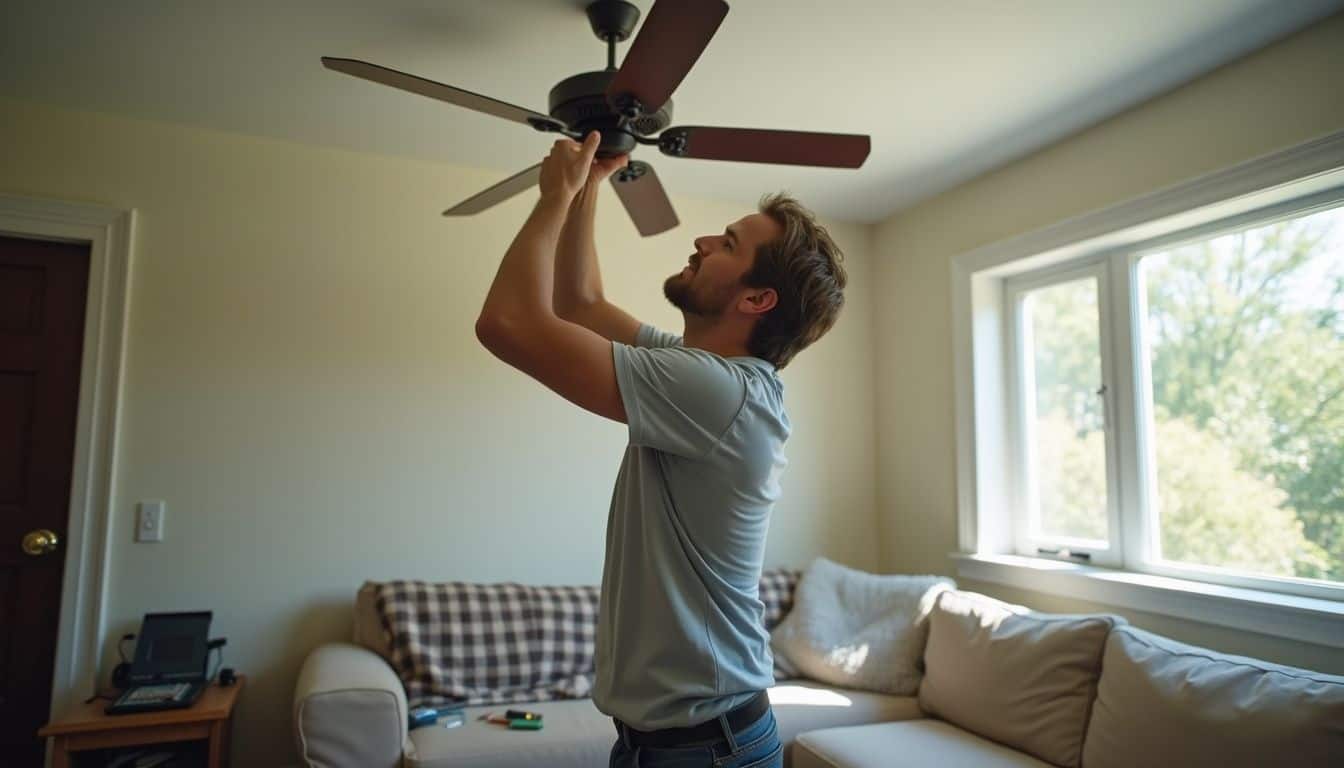
Looking ahead, ceiling fans are only getting smarter and more efficient.
The biggest change is that DC motors are becoming the standard, making fans up to 70% more efficient and practically silent. Energy Star certification will continue to be the benchmark, guiding you to the models that offer the most savings.
Expect to see even better smart home integration. App controls and voice commands through smart home systems like Alexa and Google Assistant will be on almost every new model, not just the high-end ones.
Manufacturers are also focusing more on eco-friendly materials like reclaimed wood and bamboo. So yes, modern ceiling fans are a great investment. They will give your space a fresh look while helping you stay comfortable and save money for years to come.
People Also Ask
Do ceiling fans really help save energy at home?
Yes, a ceiling fan uses about 99% less energy than a central air conditioner, costing only about a penny per hour to run. Using one allows you to raise your thermostat by about 4 degrees Fahrenheit with no reduction in comfort, leading to significant savings on your cooling bills.
How do ceiling fans improve comfort in a room?
They create a wind-chill effect that can make you feel up to 4 degrees cooler by moving air across your skin. In winter, reversing the fan to a clockwise direction on low speed recirculates risen warm air, which can save you as much as 15% on heating bills.
Are there any other benefits besides energy savings and comfort?
A fan’s breeze is surprisingly effective at deterring weak-flying insects like mosquitoes, with one study from Michigan State University finding that a fan can reduce mosquito landings by up to 60 percent.
Can I use a ceiling fan with my existing cooling system?
Absolutely, pairing them is the most efficient way to stay cool.
References
https://brodypennell.com/energy-efficiency-using-fans-vs-lowering-ac/ (2024-07-31)
https://www.metropolitanairconditioning.com.au/blog/ceiling-fan-vs-aircon/
https://staleyelectric.com/do-ceiling-fans-save-energy/
https://www.atempheating.com/blog/how-a-ceiling-fan-can-save-you-money-on-your-power-bills
https://www.energy.gov/energysaver/fans-cooling
https://aireonekw.ca/blog/benefits-ceiling-fans/
https://dominionelectric.com/ceiling-fans/
https://www.rovert.com.au/5-benefits-of-reversible-ceiling-fans/ (2025-01-21)
https://www.sciencedirect.com/science/article/abs/pii/S0360132321004133