
Feeling worn out after another tough day? Science shows that having fun does more than make you smile. It actually helps with stress management, anxiety, and your overall mental health.
This guide shows you practical ways to lighten your daily life through play, laughter, and simple routines. Ready to feel better?
Key Takeaways
Fun activities and laughter lower stress, reduce anxiety, and boost emotional resilience by releasing endorphins and reducing cortisol, according to mental health professionals and scientific studies.
Playing active games like basketball or group sports improves sleep quality and strengthens your immune system through higher SIgA levels. The CDC (2022) confirms that moderate exercise leads to deeper sleep.
Shared play with friends or coworkers builds trust, empathy, and stronger social bonds. Dr. Stuart Brown from the National Institute for Play notes that couples who joke together heal faster.
Workplaces that encourage fun, like offices with trivia nights or game rooms, see a 21% increase in profits according to Gallup. This comes from better productivity, innovation, and less workplace stress (Lee et al., 2021).
Unplugging from technology for simple activities like game nights or outdoor sports increases focus and happiness. Using apps to schedule regular fun helps adults and families follow through on leisure time.
Table of Contents
Mental and Emotional Benefits of Having Fun
Fun refreshes your brain and lifts your mood. Science connects laughter and playfulness to better moods, stronger memory, and less stress.
How can fun improve emotional resilience?

Playing regularly helps you handle stress and negative emotions better. Research shows adults who play feel less depression and anxiety. Their brains also work better under pressure.
After a tough shift or hearing bad news about work cuts, I head straight to the basketball court. The physical activity clears my head fast. Sometimes it’s sharing jokes with friends or trying something new, like playing at one of my favorite online casinos from CasinoBeats, which lists the top offshore gambling sites. These quick mood boosters really work.
Daily play builds stronger coping skills and reduces feelings of hopelessness, according to health professionals. Fun activities trigger positive hormones while lowering cortisol, your body’s main stress hormone. Those light moments stay with you during tough times. They act like armor for your emotional health.
People who laugh together can face anything together.
How does having fun reduce stress and anxiety?

Building emotional strength naturally leads to stress reduction. Laughing with buddies at work or during a pickup game triggers endorphin release. This lowers the tension in your muscles and mind.
Endorphins work like natural painkillers. They fight negative mood swings and help control anxiety. They also leave you thinking clearly. Studies now show that active play cuts down on cortisol. That’s the hormone behind your “fight or flight” reactions.
Men who make time for fun see real health benefits. Less muscle tightness and better sleep are just the start. Research confirms that regular playful activities, like card games or tossing a football, push away burnout feelings. They also improve your overall wellness.
Social fun powers up positive emotions. Quality time with others helps fight depression and puts daily problems in perspective. These effects build over time. They boost job satisfaction, life satisfaction, and reduce workplace stress too.
In what ways does fun boost mood and happiness?

Laughing during a pickup game or joking with friends sparks endorphin release. These natural chemicals boost your mood fast. They act as nature’s medicine against stress. Fun activities like playing ball, sharing memes, or enjoying solo Friday nights can turn a bad day around quickly.
Play fires up dopamine too. This feel-good hormone improves memory and motivation in both teenagers and adults. Men who make room for play see clear changes in their attitude and happiness. Studies show laughter builds mental resilience by pushing out negative thoughts.
Regular fun makes work more engaging. It helps you remember good memories and keeps your energy high all week. Even small things matter. A quick joke at lunch fuels satisfaction at work. It also improves how you communicate with friends and coworkers.
How does having fun encourage creativity and problem-solving?

Playing basketball with friends sparks your imagination. Shooting hoops, joking around, and trying new moves get your creative juices flowing. Play removes pressure and lets ideas come out naturally. The relaxed atmosphere helps you find clever solutions to problems both on and off the court.
A fun game or quick puzzle break at work shakes up old routines. Fun sparks curiosity, which drives you to learn new skills. It helps you take risks without fear of failure. As stress drops, your thinking sharpens. Problem-solving becomes less like work and more like second nature.
“Play is our brain’s favorite way of learning.” – Diane Ackerman
Having fun isn’t just for kids. It keeps adults sharp too. Creativity thrives when you’re laughing, playing sports, or enjoying a simple board game night. Good company makes everything better.
Physical Health Benefits of Fun

Fun boosts your physical health and fires up your energy. Keep reading to learn exactly how it works.
How does fun improve sleep quality?
Physical activity makes you feel better right away. Guys who move more and sit less report deeper sleep at night. Playing basketball with coworkers after work helps your body relax later. Laughing with friends lowers stress too. This keeps your mind from racing when you’re trying to fall asleep.
Science backs this up. The CDC showed in 2022 that any amount of moderate-to-vigorous exercise helps adults sleep longer. It also helps them wake up less during the night. Keep playing ball, hit the gym, or just share jokes with friends. Your body will thank you when you hit the pillow.
Good rest works like a reset button for your system. It gives you energy for tomorrow’s challenges at home or work.
How can active play enhance physical fitness?

Active play gets you moving and keeps you off the couch. Kids in guided play programs spend less time sitting. They move more, which boosts their heart rates and burns calories. Trained guides push young kids to jump higher and run faster. They help kids master skills like throwing and catching too.
These activities improve gross motor skills. Gross motor skills are the big movements you make with your arms, legs, and whole body. They also build muscle strength and healthier bones. Cooperative games add variety with tag, relay races, or friendly soccer matches. These games work both your mind and body.
Research shows children aged 5 to 7 improve fundamental movement skills through active play programs. Boys in these groups score higher on locomotor tests than those in regular PE classes. Strong muscles help reduce anxiety too. Every sprint on the playground packs hidden benefits for physical fitness, metabolism, and confidence. It even helps with school performance.
In what ways does fun strengthen the immune system?

Laughing at a good joke or funny story at work does more than lighten the mood. Laughter signals your body to kickstart immune defenses. Researchers found that humor lifts levels of salivary immunoglobulin A, or SIgA for short. This substance helps fight off colds and flu.
Natural killer cell activity increases too. These are special cells that destroy viruses and harmful bacteria. Studies connect having a good sense of humor with stronger immunity. I once joined a workshop where we watched stand-up comedy during lunch. The whole team got sick far less that winter.
Laughter also drops cortisol levels and cuts stress. This improves relaxation, which creates perfect conditions for immune cells to thrive. In my experience coaching youth soccer, where we keep things light and fun, a little laughter before practice keeps everyone healthier all season. As one teammate said after another round of dad jokes,
“I haven’t felt this good since college.”
Lower anxiety and better moods from having fun give our bodies what they need to fight germs. No extra medicine or supplements required.
Social Advantages of Having Fun

Laughter breaks down walls faster than anything else. It helps you connect without saying much. Shared fun builds trust and respect, making friendships stronger.
How does having fun strengthen relationships and social bonds?

Laughing with friends over a shared joke melts away tension. A good round of golf or basketball doesn’t just work your muscles. It also boosts trust and empathy between teammates. Playfulness helps new guys break the ice. Even strangers at the gym or office rec room can become friends quickly.
I once joined a poker night with coworkers after hours. By midnight, we were swapping stories like old friends instead of keeping things professional. Regular play can heal old grudges and deepen bonds between men. Parents who wrestle or kick a soccer ball with their sons form lasting connections. These connections are built on laughter, not lectures.
Sharing fun experiences lifts stress off everyone’s shoulders. It makes communication flow easier than small talk ever could. Couples rekindle their spark by joking around together. Humor keeps relationships vibrant long after life gets serious. Fun is one of our basic human needs. It glues people together for good reason!
Why does fun promote better communication?

After building stronger bonds, men notice that fun helps conversations flow naturally. Playful activities break down walls and push away daily stress. Guys find it easier to drop their guard during a casual game. Joking with colleagues and family becomes more natural too.
Studies show that shared laughter triggers the body’s release of feel-good chemicals. These chemicals make people feel safe enough to speak freely. Active play demands teamwork and sharpens communication skills. Both verbal and non-verbal skills get better.
Tossing around ideas during group play at work sparks cooperation. It builds better listening habits too, which boosts employee satisfaction. Bosses who value playful breaks often see improved communication on the job. They also see higher retention rates as a result.
How does fun build trust and deeper connections?

Better communication opens the door, but genuine trust often starts with laughter. Sharing fun moments helps people let their guard down. Think card games on Friday nights or inside jokes at the bar. Friends, partners, and families who play together grow empathy and intimacy one joke at a time.
Fun levels the playing field by making you drop your shield. This happens especially during stressful times. I’ve seen grudges disappear after a backyard football game worked its magic. Playful activities build good stress rather than toxic stress. You bond over wins and losses alike.
Humor removes awkwardness in new relationships. It also gives romantic sparks extra fuel. Dr. Stuart Brown from the National Institute for Play says regular fun helps couples heal old wounds. They develop deeper connection points through cooperation and shared silliness. Fun brings people closer in ways that serious talks can’t match.
Fun in the Workplace
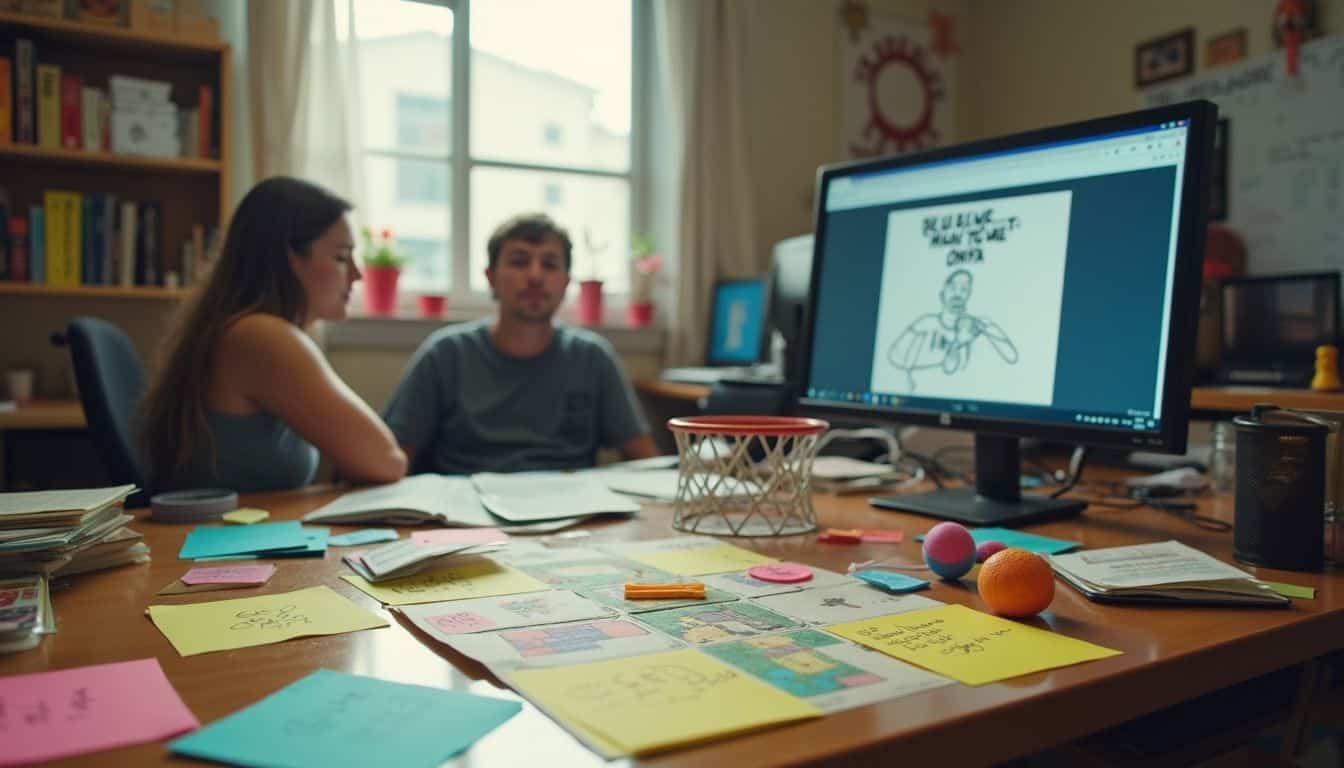
Office games and group laughs break up the usual stress cycle. A playful workplace makes even Monday mornings feel less like hard work.
How does fun increase productivity and innovation?

Making room for fun at work boosts productivity dramatically. Gallup found that workers who enjoy their jobs drive 21% higher profits for their companies. A positive atmosphere gets people excited to do more work, not less. Playful events like group outings or small competitions spark new ideas. They also break up boring routines.
Fun removes stiff hierarchies and puts everyone on equal footing. When bosses join trivia night or jump into team challenges, barriers come down fast. Real conversations become easier for everyone. Teams start taking smart risks together instead of playing it safe all day. Fresh solutions follow close behind.
In tough spots, a little play reduces stress responses so minds stay sharp. Creative thinking keeps flowing strong. Innovation doesn’t have to be boring work.
How can fun improve teamwork and collaboration?

After boosting productivity and sparking ideas, fun creates something extra for teams. Laughter in the break room breaks down walls faster than any formal icebreaker. Playing trivia games or celebrating milestones together builds real bonds. These genuine relationships create unity that lasts when deadlines get tight.
Every time our crew celebrated wins with pizza or swapped jokes over coffee, hierarchy disappeared. Open communication grew because nobody felt trapped by job titles. Friendly competition during team sports days made us cheer for each other, not just ourselves.
Group morale soared. Guys actually looked forward to group projects instead of dreading them. These are big reasons why bringing fun into work pays off for teamwork. No stuffy meetings required.
How does having fun reduce workplace stress and burnout?

Good teamwork means nothing if burnout drags everyone down. Fun at work acts like a pressure valve. It lets off steam and keeps stress under control. In 2021, Lee and other researchers found that play on the job led to fewer reports of burnout. It also sparked more creative moves from employees.
My old boss set up ping-pong tournaments every Friday afternoon. Those quick matches lifted moods across the whole team. Support for playful activities from management turns cold cubicles into livelier spaces. Company-driven fun, like holiday contests or breakroom games, makes people feel valued.
Employee-driven fun boosts morale even more. Think inside jokes or friendly bets between coworkers. Positive attitudes about these activities slash emotional exhaustion rates fast. With lower workplace stress and more smiling faces, new ideas tend to flow freely. Everyone benefits when work includes some play.
Cultivating Fun in Daily Life

Small changes bring big rewards. Leave your phone behind, plan game nights, or join pickup basketball. Keep reading to learn how these simple shifts can transform your days.
How can unplugging from technology add more fun?
Stepping away from screens for just a few hours boosts relaxation and sharpens focus. Last weekend, I left my phone at home during game night with friends. Cards flew, jokes landed better, and nobody kept checking notifications. A no-phone rule made everyone more present. Laughter came easier without constant buzzing.
Cutting screen time helps you sleep better at night. Deeper rest means more energy for hikes or pickup basketball in the morning. Digital detox challenges in local communities turn strangers into teammates. Shared activities form real connections fast.
Stress melts when devices stay out of reach. There’s nothing pinging or vibrating to break your concentration. Get inspired by checking these bored and home alone ideas if you want more ways to unplug and have fun.
Why should you schedule fun activities regularly?
Cutting back screen time creates space for real fun, but routine can swallow those free moments quickly. Putting fun on your actual calendar increases your chances to enjoy life. This matters more as work and family fill up your weekdays. Adults get fewer leisure opportunities as they age. Skipping playdates isn’t just a kid thing anymore.
I started blocking out game nights and hikes on my phone calendar. It kept me from backing out every week. Workplaces that build in playful breaks report higher job satisfaction and less burnout. Even setting aside thirty minutes for basketball at lunch makes a difference. It improves mood and focus all day.
Parents who schedule active play help their kids grow smarter, braver, and fitter. The bonus is a stronger bond between parent and child. Setting a plan helps you follow through. Whether it’s board games with friends or backyard soccer with family, scheduling makes it happen.
How does sharing fun experiences with others benefit you?
Laughing over backyard hoops with your buddies boosts endorphins. You feel lighter and happier right away. Joking around together or teaming up for trivia night at the bar doesn’t just kill stress. It builds real trust. Playing cards, tossing a football, or grilling on Sundays creates deeper connections.
Guys who set aside time for these moments notice stronger friendships. They have more honest talks too. Shared fun sparks creativity and problem-solving as well. During pickup soccer matches, ideas flow naturally while spirits lift. In my own group, brainstorming gets easier during board games than in formal meetings.
Brief playful hangouts can relieve symptoms of depression. They promote social interaction and enhance mood. Quality playtime isn’t fluff. It’s essential for a man’s emotional well-being and stronger relationships with family and friends.
How Will Having Fun Change in 2025?

Social media groups and online games will keep bringing guys together for play in 2025. Virtual reality headsets like Meta Quest or PlayStation VR2 make video games feel more real than ever. Apps now help you schedule fun with friends, not just work meetings. My buddies and I use our phones to plan weekend basketball games or trivia nights at bars.
Adults who embrace fun enjoy better well-being overall. Experts say regular play boosts brain function and lowers stress levels. The American Psychological Association found that adults who prioritize fun stay sharper as they age. Your fantasy football league might actually be good for your brain!
Companies are mixing fun into offices too. Even serious jobs encourage game breaks now. These breaks fuel creativity and teamwork. Guys in 2025 can mix laughter with learning without feeling childish. Science backs up what we already know: fun matters.
People Also Ask
Why is having fun important for adults as well as kids?
Fun isn’t just child’s play; it helps grown-ups too. Play relieves stress, sparks creativity, and builds stronger bonds with others. Even a quick game or joke can break the ice at work or home.
How does play improve mental health?
Play acts like a pressure valve for your mind. It lifts mood, fights anxiety, and keeps worries from piling up. When you laugh or get lost in a hobby, your brain gets a much-needed reset.
Can regular fun boost physical health?
Yes, it sure can! Activities like dancing or tossing a ball get your heart pumping and muscles moving. Even silly games make exercise feel less like work and more like joy.
What are some serious perks of making time to play every day?
Daily play sharpens focus and fuels problem-solving skills; it also strengthens friendships by bringing people together over shared laughs or challenges. Plus, those moments of fun often spark new ideas when you least expect them—like lightning striking on a clear day!
References
https://www.playgroundequipment.com/the-mental-health-benefits-of-play/
https://www.helpguide.org/mental-health/wellbeing/benefits-of-play-for-adults (2025-01-16)
https://pmc.ncbi.nlm.nih.gov/articles/PMC7919351/
https://playworld.com/blog/benefits-of-physical-play/
https://pmc.ncbi.nlm.nih.gov/articles/PMC2686627/
https://teambuilding.com/blog/benefits-of-fun-at-work (2025-02-12)
https://www.forbes.com/sites/williamarruda/2024/09/10/how-fun-at-work-can-boosts-employee-engagement/ (2024-09-10)
https://www.indeed.com/career-advice/career-development/benefits-of-team-building (2025-04-14)
https://www.tandfonline.com/doi/full/10.1080/23311908.2025.2492453?src=exp-la
https://raleighinternational.org/blog/benefits-of-disconnecting-from-technology/